Why Do We Still Mine Coal?
Mining coal is a dangerous business as this report from South Wales shows.
Our mines are safe compared to some. This report in the Guardian from 2009, says that in 2008, over 3,000 miners died in China.
So why do we do it, when burning fossil fuels are the major creator of greenhouse gases, that cause global warming? If you look at the science, to get the same amount of energy from coal and natural gas, you get forty percent more CO2 if you burn coal. It’s all because coal is pure carbon, whereas natural gas contains a lot of hydrogen atoms, which on combustion produce nothing but water.
You also get a lot of other pollution when you burn coal. Let’s face it, coal is a very dirty fuel.
One of the biggest mistakes we made in this country was not to get rid of coal mines, steam trains and coal-fired power stations a lot earlier.
The first real modern electrification of rail lines in the UK, were the Liverpool and Manchester lines, which were completed in the mid-1960s. It is totally crazy that only now, we’re still planning the electrification to Bristol and South Wales from London. It should have been done by 1970.
Australia Proposes a Carbon Tax
Australia depends heavily on coal, which is the fuel that in my view should be banned beause of the large amounts of carbon dioxide it emits when it is burned. Because of the hydrogen in natural gas, when you burn that you get less carbon dioxide for the same energy. But in truth, it would be better if we didn’t burn fossil fuels.
So I was very surprised that the Australian Prime Minister has announced a carbon tax. It doesn’t appear to be popular.
Australia is one of the world’s worst emitters of greenhouse gases per head of population.
The country relies on coal for 80% of its electricity generation, and is a major coal exporter.
The energy industry and the political opposition have mounted a vociferous campaign against a carbon tax, with protests in all of Australia’s major cities in March.
Critics argue a levy would damage economic competitiveness.
Opinion polls show roughly 60% of voters against the policy.
The government hopes to win them over by spending some of the cash raised by the carbon tax to compensate households for higher energy bills.
It is promising tax cuts for low and middle-income households, as well as increased state pension and welfare payments.
At least it is a start and the United States, China, Europe and the other polluting country should follow suit.
A Blot on the Landscape
Ironbridge is a World Heritage Site and rightly so. Go a few kilometres upstream and the gorge opens out and you can see how the Severn meanders across the countryside. Note that meander comes from the River Meander in Turkey.
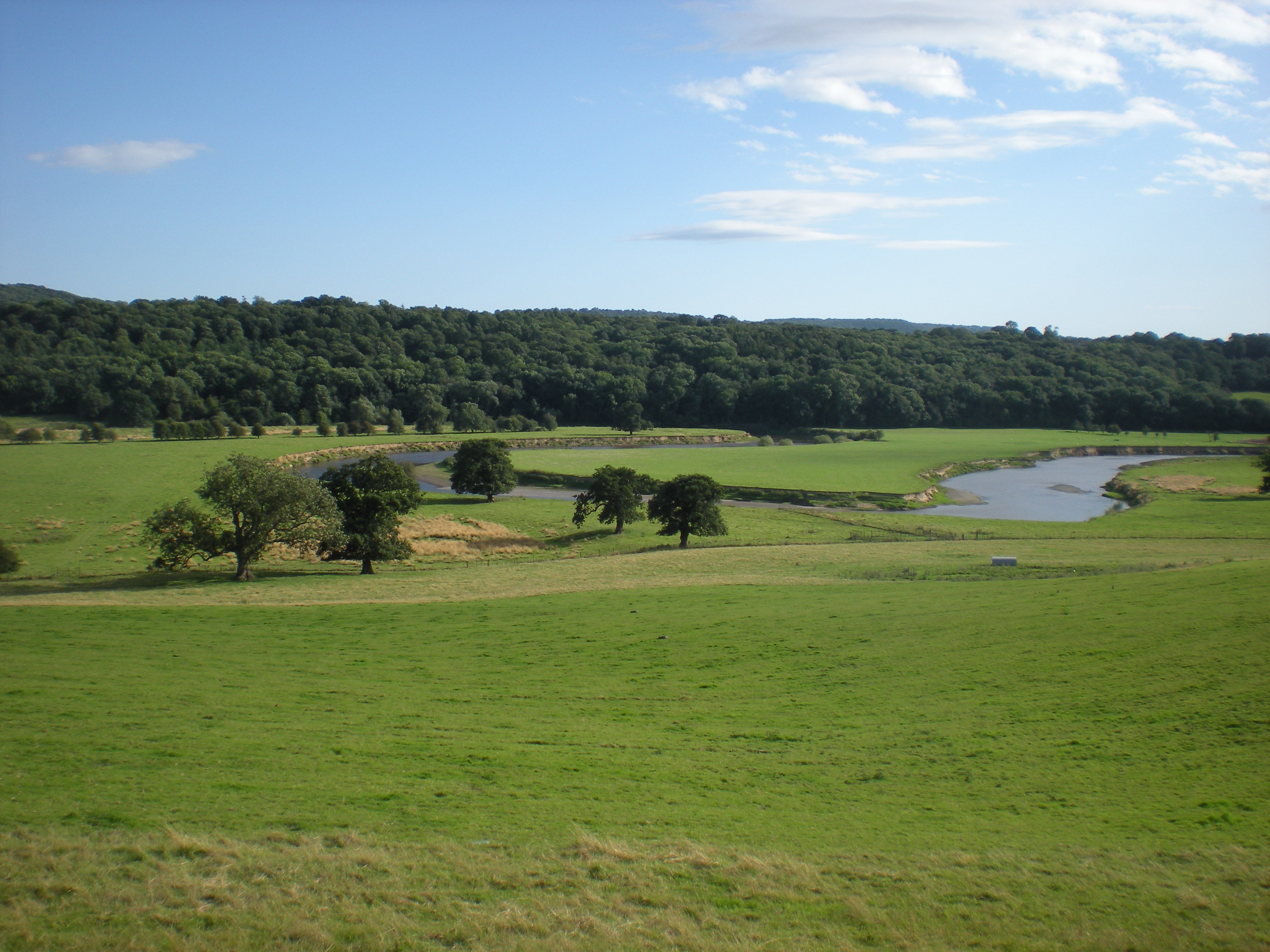
River Severn above Ironbridge
But turn to the left and between where I took this picture and the Iron Bridge you will see this.
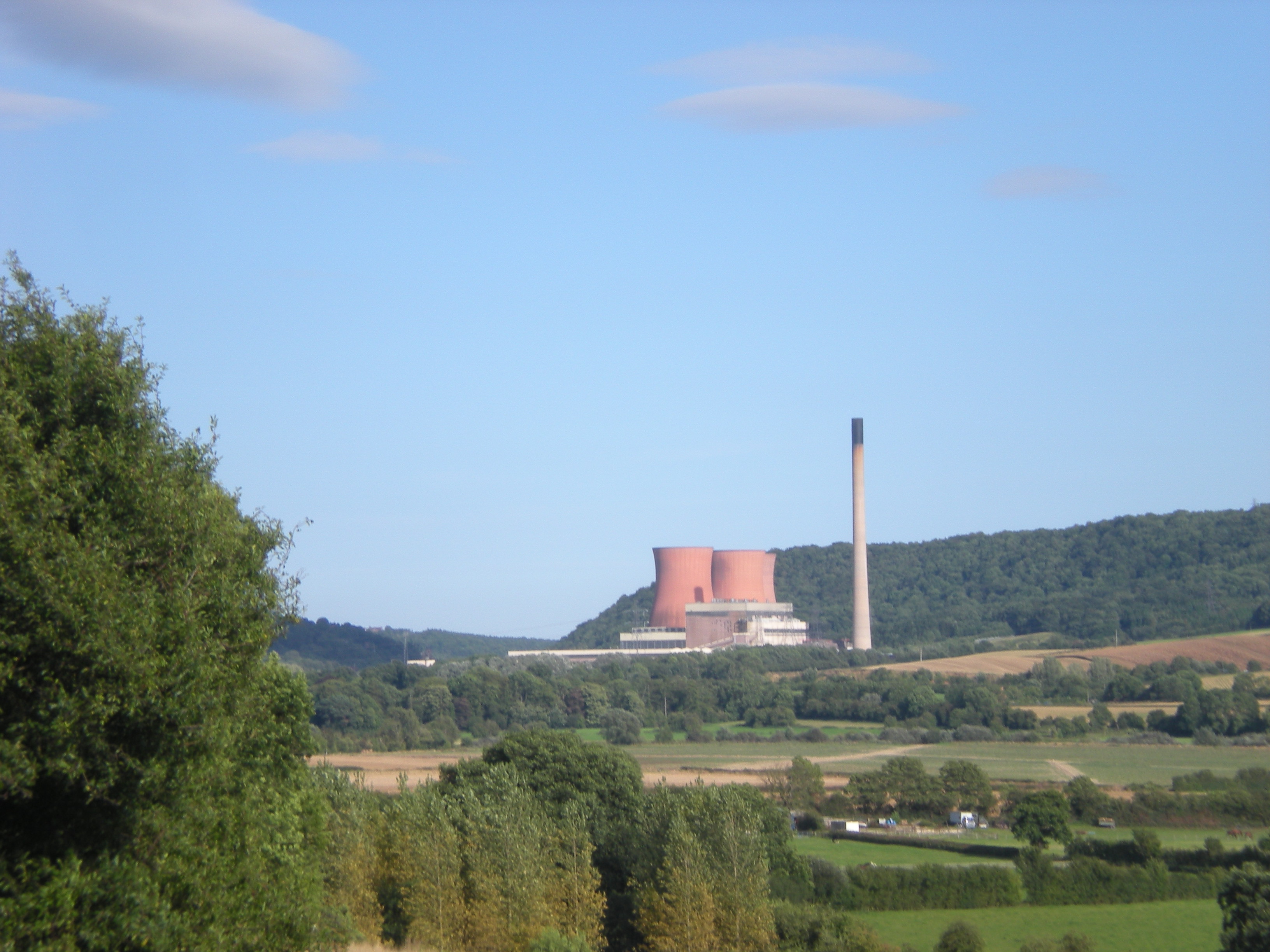
Ironbridge Power Station
This is the coal-fired Ironbridge Power Station. It was built in 1981 and according to Friends of the Earth is the second worst polluter in the UK per megawatt generated.
It just shows how attitudes have changed over time.
Would anybody in their right mind build a power station there now?
As an aside here, remember that I have a degree in Electrical Engineering from Liverpool University and have spent quite a bit of my working life looking at how large projects, structures and machines are built and managed.
When you burn coal to produce electricity, you turn a tonne of coal into 2.93 tonnes of carbon dioxide. If you were to use natural gas to get the same amount of electricity, the figure is lower. This quote from Wikipedia gives all the figures.
This can be used to calculate an emission factor for CO2 from the use of coal power. Since the useful energy output of coal is about 30% of the 6.67 kWh/kg(coal), the burning of 1 kg of coal produces about 2 kWh of electrical energy. Since 1 kg coal emits 2.93 kg CO2, the direct CO2 emissions from coal power are 1.47 kg/kWh, or about 0.407 kg/MJ.
The U.S. Energy Information Agency’s 1999 report on CO2 emissions for energy generation, quotes a lower emission factor of 0.963 kg CO2/kWh for coal power. The same source gives factor for oil power in the U.S. of 0.881 kg CO2/kWh, while natural gas has 0.569 kg CO2/kWh. Estimates for specific emission from nuclear power, hydro, and wind energy vary, but are about 100 times lower.
What I find interesting about these figures is the discrepancy between the first figures for CO2 from coal and the US ones!
But whichever set you accept, the message is simple; Don’t Burn Coal!

