Crafty Electrification On The Rhymney Line
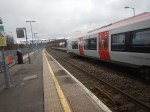
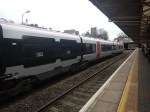
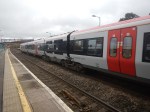
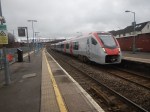
I was puzzled on Wednesday, when I took the Class 231 train to Caerphilly on the Rhymney Line, when I saw no signs of electrification.
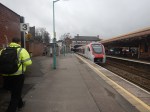
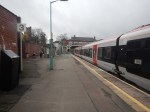
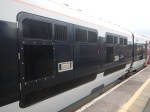
These are pictures I took at Caerphilly station.
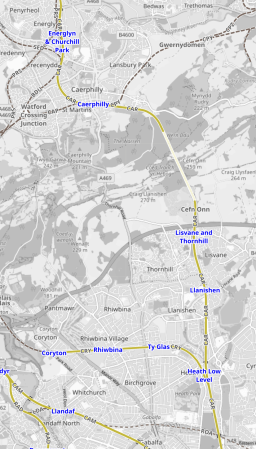
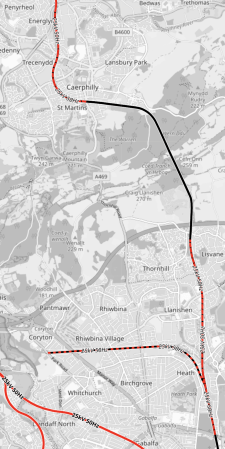
These two OpenRailwayMaps show the tracks through Caerphilly.
Note.
- The map on the left shows infrastructure, with the Rhymney Line shown in yellow.
- Caerphilly station is in the top third of the map.
- The white section of the Rhymney Line is the Caerphilly tunnel.
- The map on the right shows electrification, with the sections of the Rhymney Line that will be electrified are shown in red.
- Black sections will not be electrified.
- North of Caerphilly, the Rhymney Line is electrified, but through the station and the Caerphilly tunnel, there will be no electrification.
Trains will use battery power, where there is no electrification.
This article on Modern Railways gives more information.
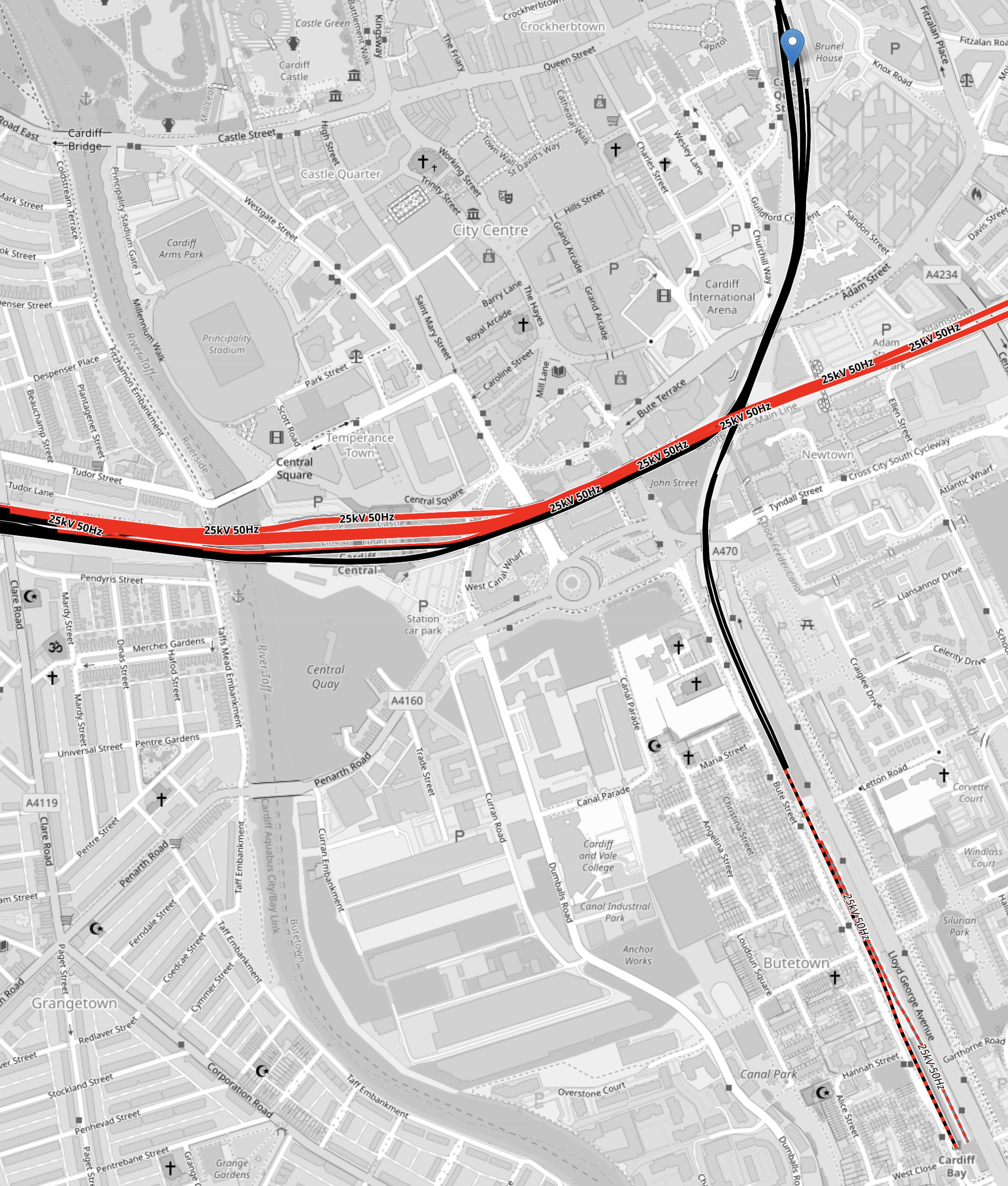
This OpenRailwayMap shows the electrification around Cardiff Central and Queen Street stations.
Note.
- Electrified lines are shown in red.
- Unelectrified lines are shown in black.
- The four-platform Cardiff Queen Street station is marked by the blue arrow in the North-East corner of the map.
- There appears to be no plans for electrification in Cardiff Queen Street station.
- The electrified line across the map is the South Wales Main Line.
- The nine-platform Cardiff Central station sits on the South Wales Main Line.
- The main line platforms at Cardiff Central station are electrified, but it appears that Platforms 6.7 and 8. that will serve the South Wales Metro, will not be electrified.
- The line going to the South-East is the branch to Cardiff Bay station.
- The Southern part of this branch appears to be planned to be electrified. so that it can charge the tram-trains before they return North.
This article on Modern Railways says this about catenary-free sections (CFS) in the electrification of the South Wales Metro.
Catenary-free sections are concentrated on areas where it is disproportionately expensive to erect overhead wires. These include the area around Cardiff Queen Street station and the adjacent junction, which has complicated switches and crossings. North of Queen Street, the Cathays area adjacent to Cardiff University and the hospital would present a significant electromagnetic compatibility challenge, so a CFS avoids this complication. Other catenary-free areas will include Pontypridd, where the station features listed canopies and the track is curved, and around the new depot at Taff’s Well, where there will be a significant number of new switches and crossings as well as challenges around highway bridges.
I am in touch with two major electrification companies and I am sure we’ll be seeing a lot more crafty electrification and the use of battery-electric trains.
 The Anonymous Widower
Smart idea and saves civil works but needs more messing around with OLE and extra cabling all possible sources of failure. Shame they didnt push the battery to cover longer distances this needs to be way forward.
Comment by nickrl | November 25, 2023 |