Bicester MP Calls On Chancellor To Fund London Road Crossing
The title of this post, is the same as that of this article on the Oxford Mail.
This is the sub-heading.
An MP has called on the chancellor for funding to keep a town’s level crossing open ahead of the budget this week.
These are the first two paragraphs.
The MP for Bicester and Woodstock, Calum Miller, has written to the chancellor, Rachel Reeves, ahead of Wednesday (October 30), calling on her to fund the London Road Crossing in Bicester.
The East Railway project will result in the London Road Crossing being closed to vehicles, bikes and pedestrians for more than 45 minutes every hour and could, as a result, be closed permanently by Network Rail.
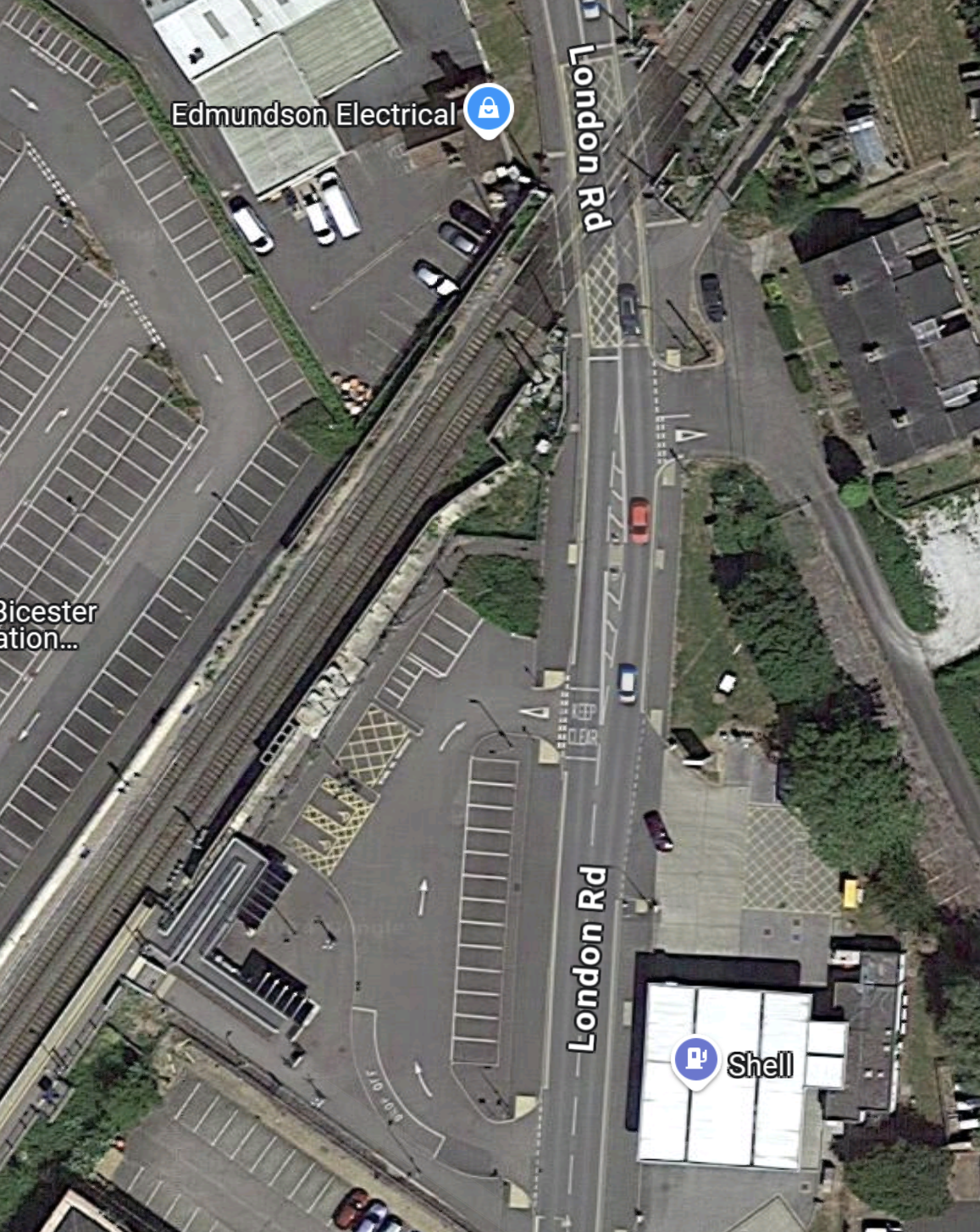
This Google Map shows the level crossing.
Note.
- London Road runs North-South across the map.
- There is a petrol station on the East side of London Road.
- Bicester Village station is on the West side of London Road.
- Bicester Village station is surrounded with lots of car parking.
- The level crossing is at the top of the map, where level crossings normally are.
This Google Map is a closer view of the level crossing.
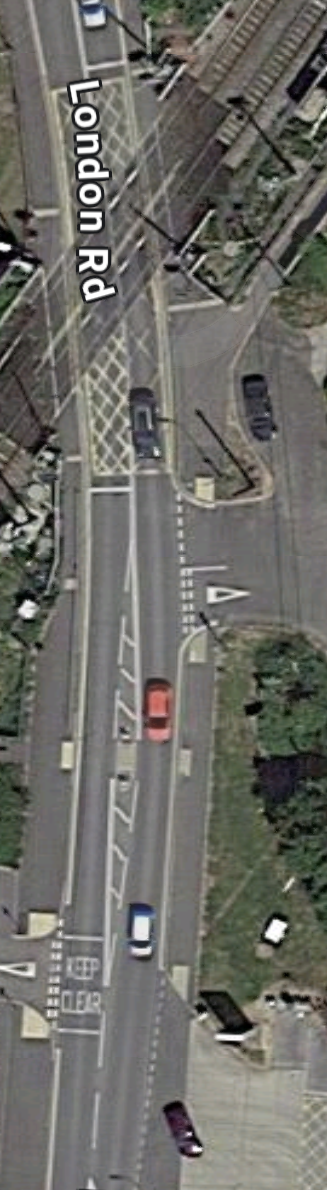
There seems to be several side roads giving access to side-roads and car-parks.
It is a very crowded site with in addition to the level crossing, there is a station, a Shell garage and lots of car parking.
I shall go and have a look next week, but at least the filling station should go. After all, who will want petrol and diesel in a few years?
Wrightbus Launches NewPower In Bicester
The title of this post, is the same as that press release from Wrightbus.
This is the sub-heading.
World-leading bus manufacturer Wrightbus today took the wraps off a bold new enterprise designed to replace older diesel engines with new zero-emission electric powertrains.
These three paragraphs from the press release give more details.
NewPower, which has moved into a hi-tech factory in Bicester, Oxfordshire, aims to speed up the decarbonisation process by eradicating diesel powertrains in older fleets at a substantially lower price than a new bus.
Wrightbus becomes the first OEM to offer a re-powering service, utilising the unique skills of its 1,800-strong workforce to swap diesel for electricity. Its master technicians built the original buses and have unrivalled expertise in being able to swap powertrains.
Hailed as affordable decarbonisation, it is hoped that operators with mid-life bus fleets but without the funding for new zero-emission buses can take advantage of the instant sustainability switch.
Note.
- It appears that Wrightbus, have taken over the new factory of failed electric van manufacturer; Arrival.
- Converting a bus takes three weeks and six can be handled at one time.
- This gives the overall capacity to decarbonise five hundred buses per year.
I have some extra information from this article in Sustainable Bus magazine, which is entitled Wrightbus Launches Repowering Programme NewPower In Former Arrival Headquarter.
Which Buses Can Be Converted And How Much Does A Conversion Cost?
This paragraph is from the Sustainable Bus article.
UK trade media Bus & Coach Buyer reports that the new venture “is focused on fitting its tailored electric drivetrain into Streetdeck buses, then tailoring it for Gemini 2, then New Route Master, with plans to then engineer solutions for other common buses, at around £1m per model”.
Note.
- That is certainly a comprehensive conversion programme.
- I would assume the million pound per model is the development cost of an engineering package for a fleet of buses.
- London would get a thousand refurbished zero-carbon New Route Masters.
- A new double-decker bus can cost between £300,000 to £500,000.
It looks like a programme can be developed, that is profitable for all parties.
 The Anonymous Widower