Stations On The West Ruislip Branch Of The Central Line To Be Made Step-Free
Hanger Lane and Northolt stations are going to be made step-free.
I took these pictures on the 25th January 2018
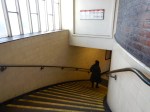
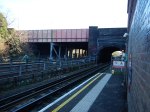
Hanger Lane

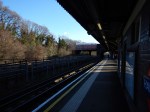
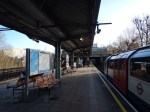
Northolt
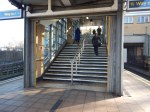
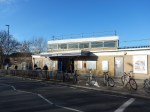

Summary
No work has started!
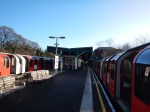
These two stations are similar in design, as are most stations from between Perivale and Ruislip Gardens.
- Each has a single island platform.
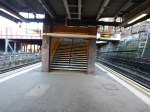
- Steep stairs come down in the middle of the platform.
- A single lift would make the stations step-free from ticket hall to platforms.
- Hanger Lane would need an extra lift from street to ticket hall.
Only Greenford, which has a junction with the Greenford Branch and is elevated, is built to different design.
Greenford Station’s Inclined Lift
At Greenford, an inclined lift has been used, as I wrote in The Inclined Lift In An Improved Greenford Station.
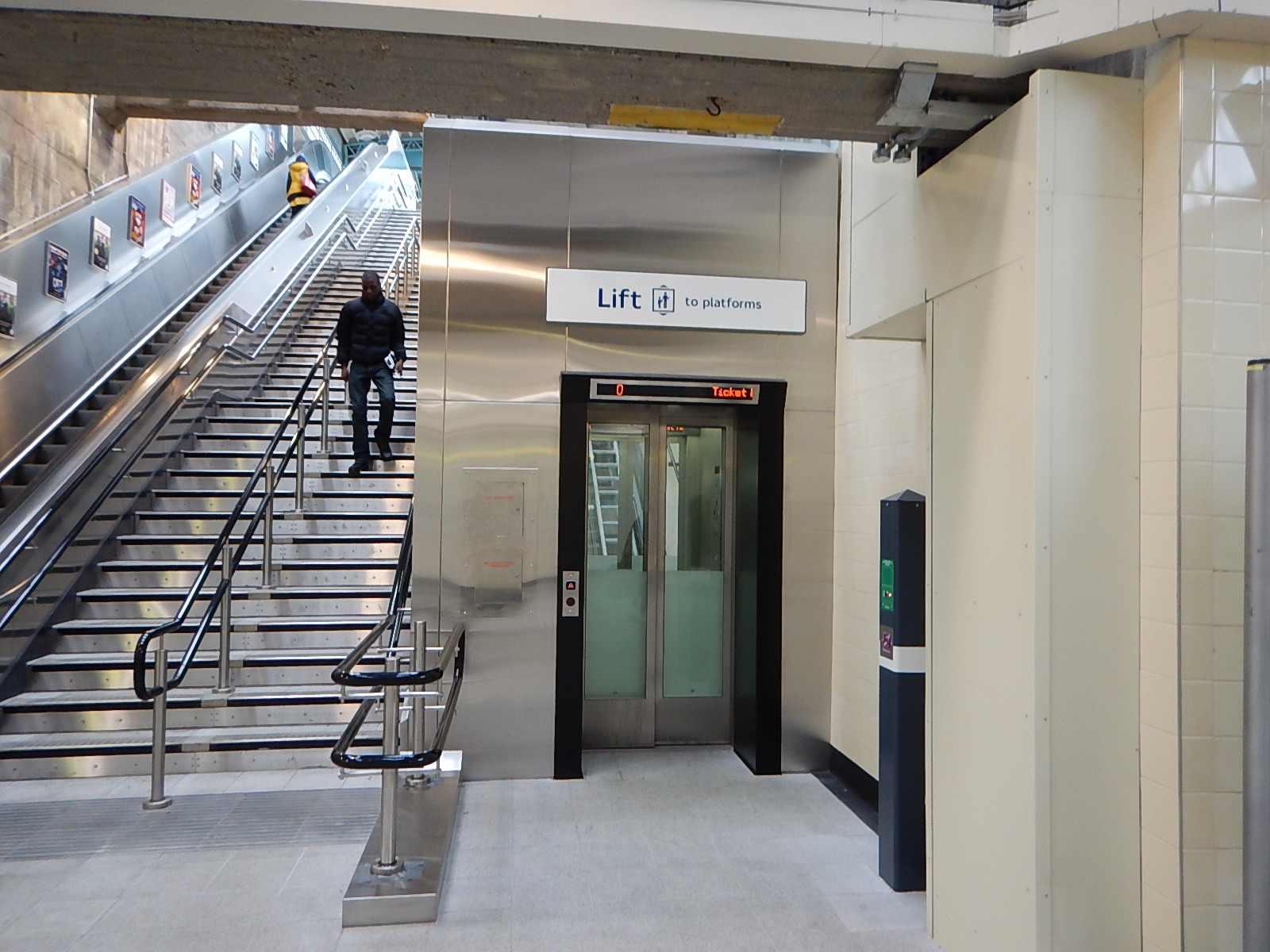
This picture was taken at Greenford station.
Could this be fitted alongside a rebuilt staircase on these Central Line stations?
- The lift and stairs would be sized to fit across the platform.
- A bigger hole in the ticket hall would be needed.
- Access under the stairs would not be needed for passengers.
- An inclined lift installation might be more popular with the Heritage Lobby.
It could even be possible to keep the station open during the rebuilding work.
This article on Transport For All is entitled London’s First Incline Lift. This is a paragraph.
Research by Ealing Council shows that installing incline lifts are a cost effective solution for making inaccessible stations step-free. TfL initially estimated a cost of £10m to install a traditional vertical lift at Greenford station. The incline lift makes a huge saving as it only costs £2.2m with a proposed £200,000 contribution from Ealing Council.
That is a 78% cost saving.
I can’t find any complaints on the Internet about the installation at Greenford.
What Are Transport for London’s Plans?
Transport for London have stated that their aim is to eventually have all Underground stations with full step-free access.
I have this feeling that Hanger Lane and Northolt were added to the list for these reasons.
- The success of the inclined lift at Greenford station.
- Studies have shown that inclined lifts could be used at these stations.
- The affordability of inclined lifts.
- Local residents have used Greenford’s lift and want one!
- Ruislip Gardens, South Ruislip and Perivale stations could be made step-free in the same way.
Transport for London could be going for a traditional solution! But I doubt it!
Stations For Inclined Lifts
After the superb installation at Greenford, I wonder if stations like these will get inclined lifts in their third space.
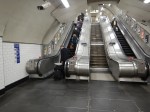
It would probably be dependent on the layout of the stations, but we’ll certainly see more.
Highbury and Islington station might be able to have a central inclined lift, but then to get to the platforms, there are further difficult stairs. If ever a station was built that would be difficult to provide step-free access, it is this one.
Could We See Some Packaged Inclined Lift Applications?
I liked the inclined lift at Greenford, that I saw yesterday.
There are many stations in the UK and across the wider world, where access to the trains is down a long staircase from a road or bridge that crosses the platforms at a right angle.
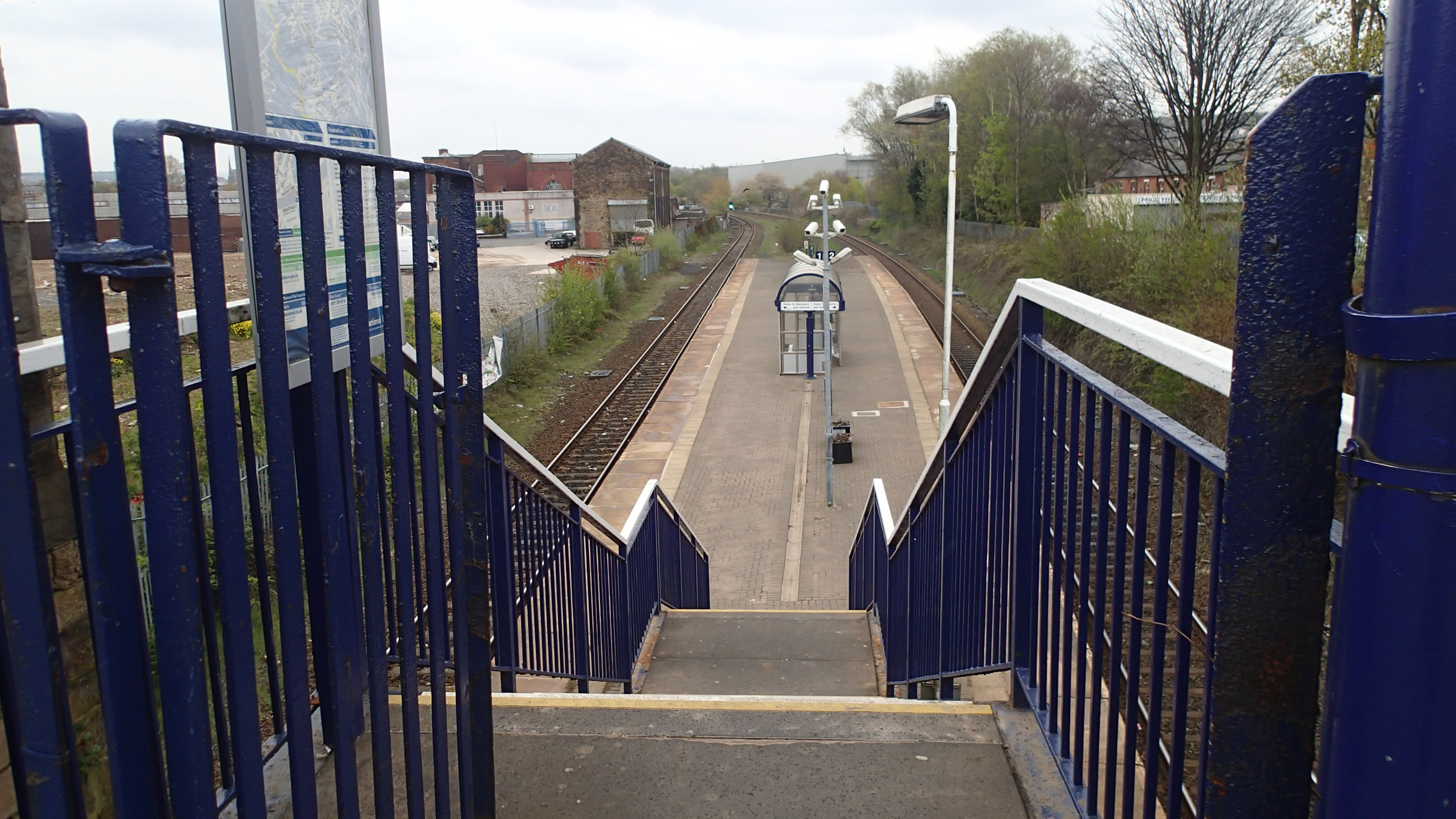
So could a simple inclined lift be fitted alongside these stairs, at Mill Hill station in Blackburn?
I think that you could build a lift in its own glass module in a factory, make an appropriate hole in the bridge parapet and lift the inclined lift into position on the platform.
There could be several advantages.
- The preparation work at the station would not be major construction.
- It would surely be more affordable for stations with low usage for passengers, who need full step-free access. Mill Hill might be an example., as the station isn’t used by more than 70,000 passengers in total in a year.
- If say the station were to be rebuilt, the lift could be saved and used elsewhere.
- The installation of the lift could be a very fast process, perhaps done over a weekend.
- The package could include a staircase, which could be covered if desired.
I think that when architects see the stairs/escalator/inclined lift combination at Greenford station, they’ll get some very imaginative ideas.
Going Back To My Childhood
Well, not really! But this afternoon, I did go back to the northern reaches of the Piccadilly line. The aim was to look at the escalator layout of the stations to see how difficult they would be to upgrade to step-free access, possibly using inclined lifts, as I outlined here.
I joined the line at Manor House station, but didn’t go all the way to Cockfosters, as the last two stations, don’t have escalators. Starting from the end of the line, here’s what I found.
Cockfosters – This station could probably be made step-free by fitting conventional lifts into the structure to access the tunnel under Cockfosters Road. Once in the tunnel, the station is then step-free to the platforms.
Oakwood – Looking at the ends of the various Underground lines, the end station is more often than not step-free. But in the case of the northern end of the Piccadilly line, Oakwood was made step-free rather than Cockfosters.
Southgate – When I mused about fitting an inclined lift at this station in this post, I said it would be a challenging design problem. Southgate is one of the architectural jewels of the line and this picture shows why.
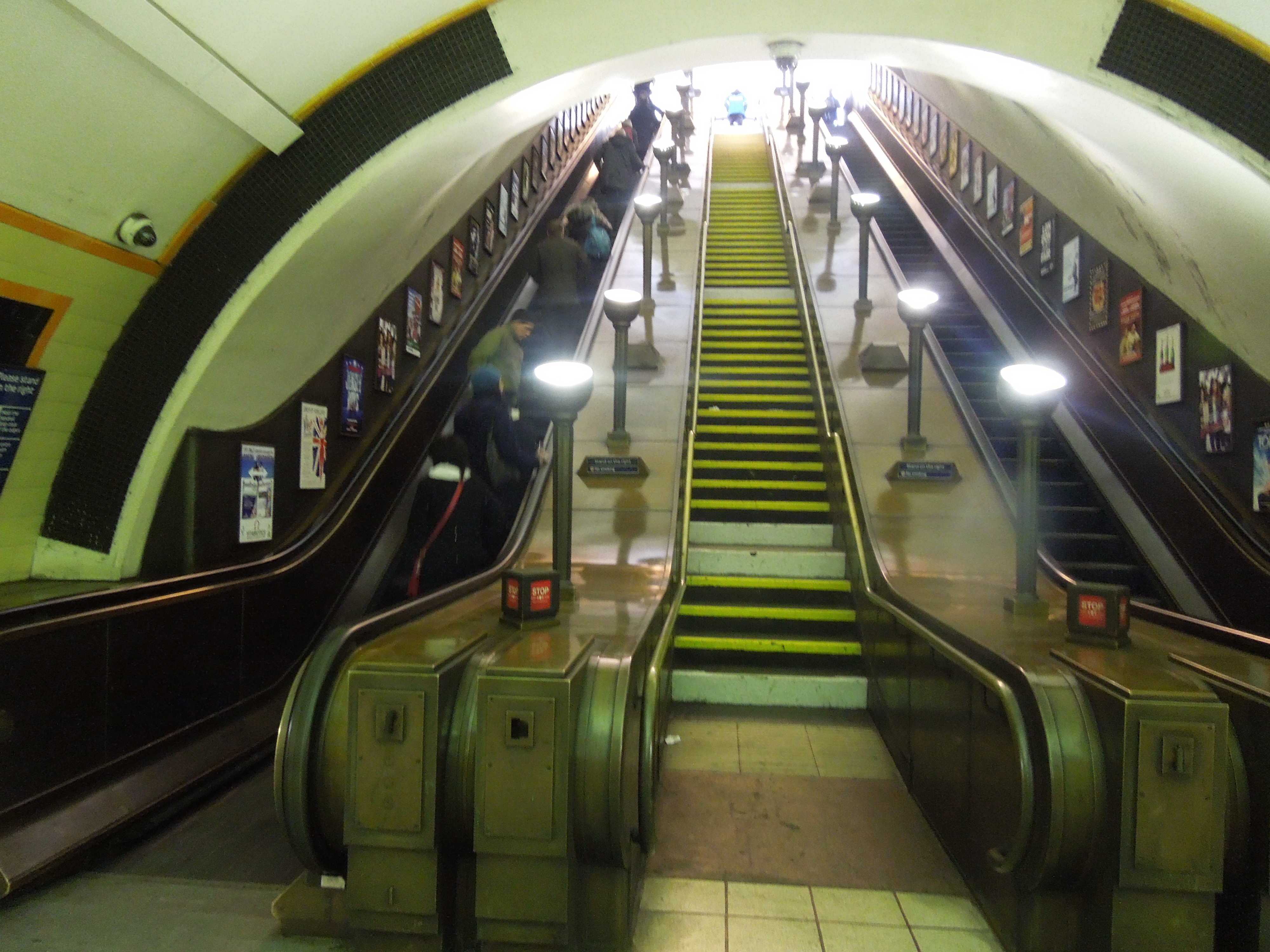
Escalators and Uplighters At Southgate Station
It is a gem of 1930s design and architecture with all that bronze, even if the yellow paint on the stairs in the middle for health and safety reasons, is out of place. The station may not have the original wooden escalators, but someone had the sense to fit modern treads in the old casing, rather than a complete modern escalator.
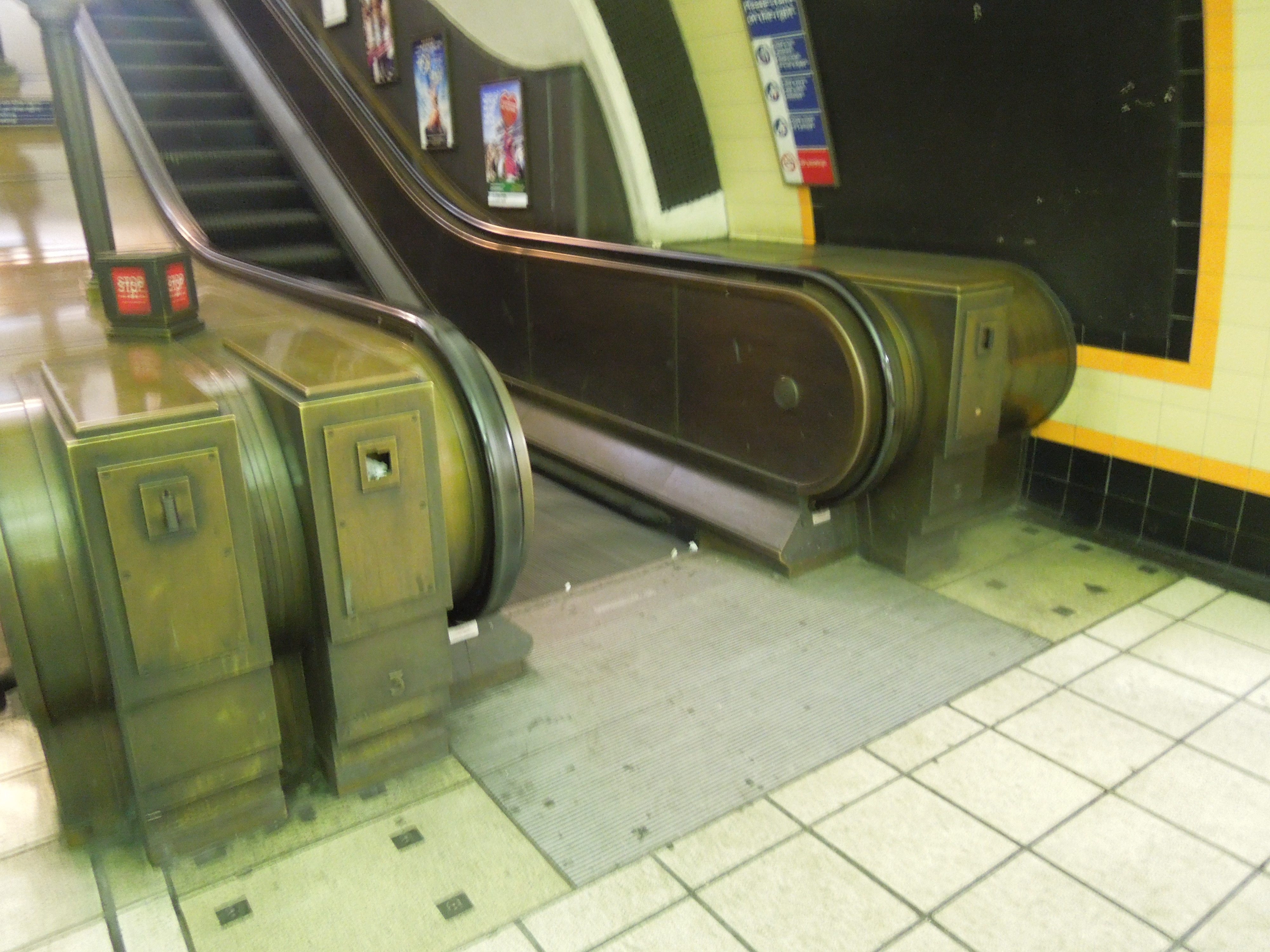
Escalator At Southgate Station
This station could take an inclined lift in the central space, but it would have to be done with enormous sympathy using similar materials to the original Charles Holden design.
There would be two other problems with an inclined lift.
As the station is now, it could easily be converted into an Underground station of several decades ago for making a film, as it was for The End of The Affair. I remember it was strange seeing a film, that had been shot in a place I knew so well.
The heritage lobby would have a field day trying to stop the installation. After all the station has won awards for its restoration over the last few years and it is a Grade II* Listed Building.
But all that adds to making it the sort of challenge, that a good designer would relish.
Arnos Grove – This is a surface station and could be made step-free with the addition of lifts in the same manner used on several stations on the Undergound and Overground network.
Bounds Green – Like Southgate, this station is a two escalator and one staircase station, where the staircase could be replaced with an inclined lift. But it doesn’t have the heritage problems of Southgate, as the station has modern escalators.
Wood Green – This is a three escalator station and step-free access would probably have to be installed, by digging a traditional lift shaft. I say shaft, as I suspect because the running tunnels are fairly wide apart, there is probably somewhere to slot in a shaft that served both platforms by descending into the platform level lobby or a cross tunnel, as was done at Tottenham Hale station.
Turnpike Lane – The problems here are similar to Wood Green, as it is another three escalator station, where a traditional lift would have to be sunk from the booking office to the platform levels. But another problem is that some form of lift would be needed to descend to the booking office level, which is below ground.
Manor House – This is very similar in layout to Turnpike Lane, but it would need lifts at seven exits to the surface to be fully step-free.
Finsbury Park – This is almost a low-level station with steps up to a pedestrian tunnel. Conventional lifts could probably be added without too much difficulty. There is a lot of development going on at this station and it will be interesting to see if the step-free access improves. The last time I visited access wasn’t good.
I think that the difficulty of making some of these stations completely step-free, shows how much our attitudes to those with difficulties getting about has changed since the stations were built in the 1930s. Charles Holden’s stations either had escalators or a short flight of steps, like Cockfosters or Arnos Grove. Compare the equipment at these stations with those on the Jubilee line extension, where all stations are fully step-free. But to be fair to Charles Holden, the Victoria line built thirty years after the Piccadilly line even now has only three step-free stations, Tottenham Hale, Green Park and Brixton stations. The Victoria line station, that I use the most; Highbury and Islington is a maze of tunnels and little short of a complete rebuild will improve matters.
Having looked at Southgate and Bounds Green, I think that an inclined lift could be a excellent idea at these two stations. You wouldn’t rip out the central escalator at Wood Green, Turnpike Lane and Manor House, as it was put in because the number of passengers needed it. But at least these three stations have larger platform tunnels, which must help the installation of a conventional lift.
However, putting in an inclined lift would not only make it easier for those in wheelchairs, with babies in buggies or heavy cases, but it would add to the station’s capacity. One point about an inclined lift, is parties where some need the lift and others don’t, can effectively travel up and down together at the same time, with those who can walk on the adjoining escalator. So the size of an inclined lift, may actually be smaller for the same capacity. It would probably also go up and down almost continuously.
 The Anonymous Widower