Shoreditch High Street on the East London Line
The East London Line will have a station on Shoreditch High Street, just before it turns north to follow the embankment of the old North London Railway that terminated in Broad Street Station to the west of Liverpool Street Station.
These are some pictures from around the station and Shoreditch High Street.
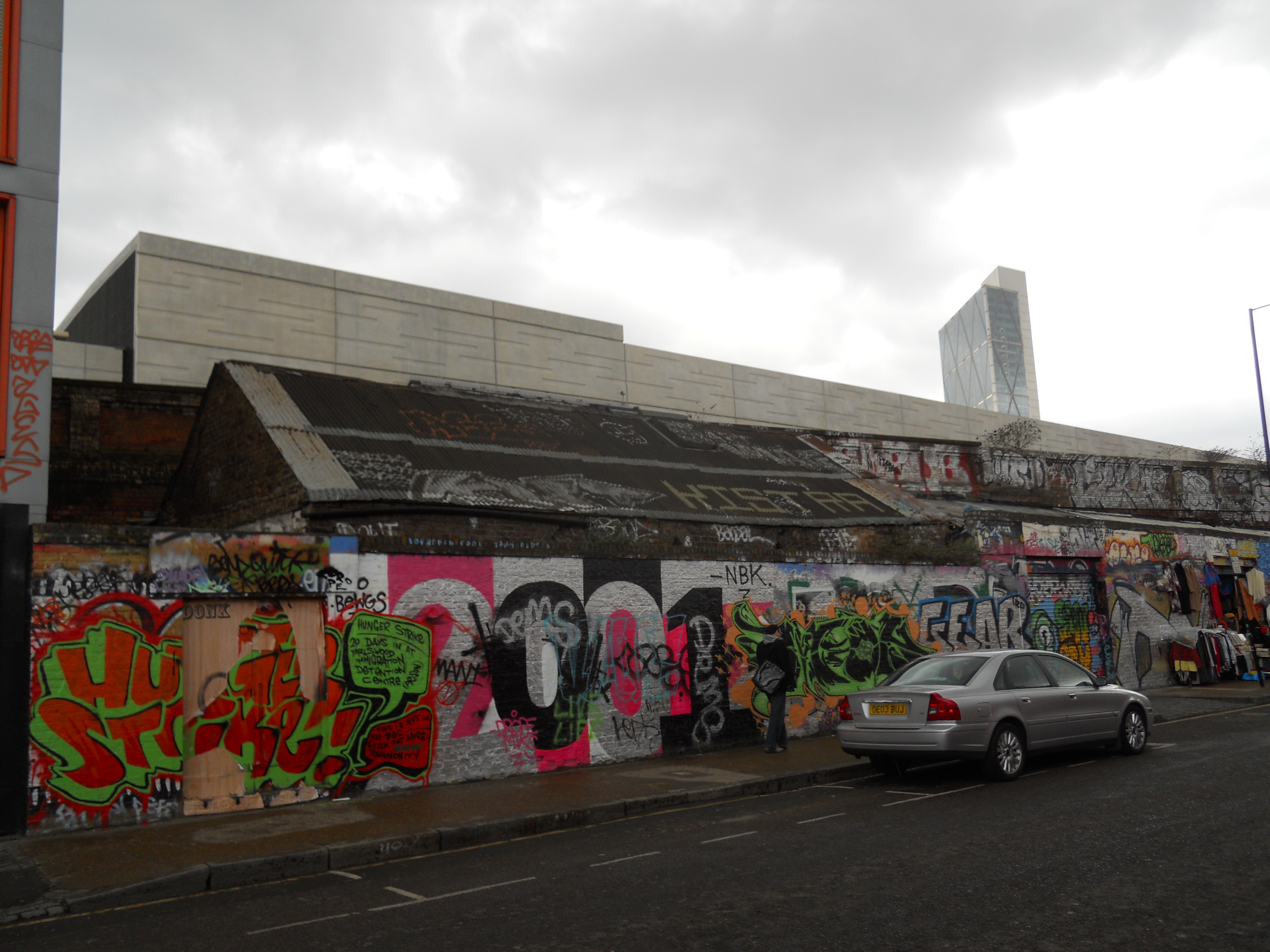
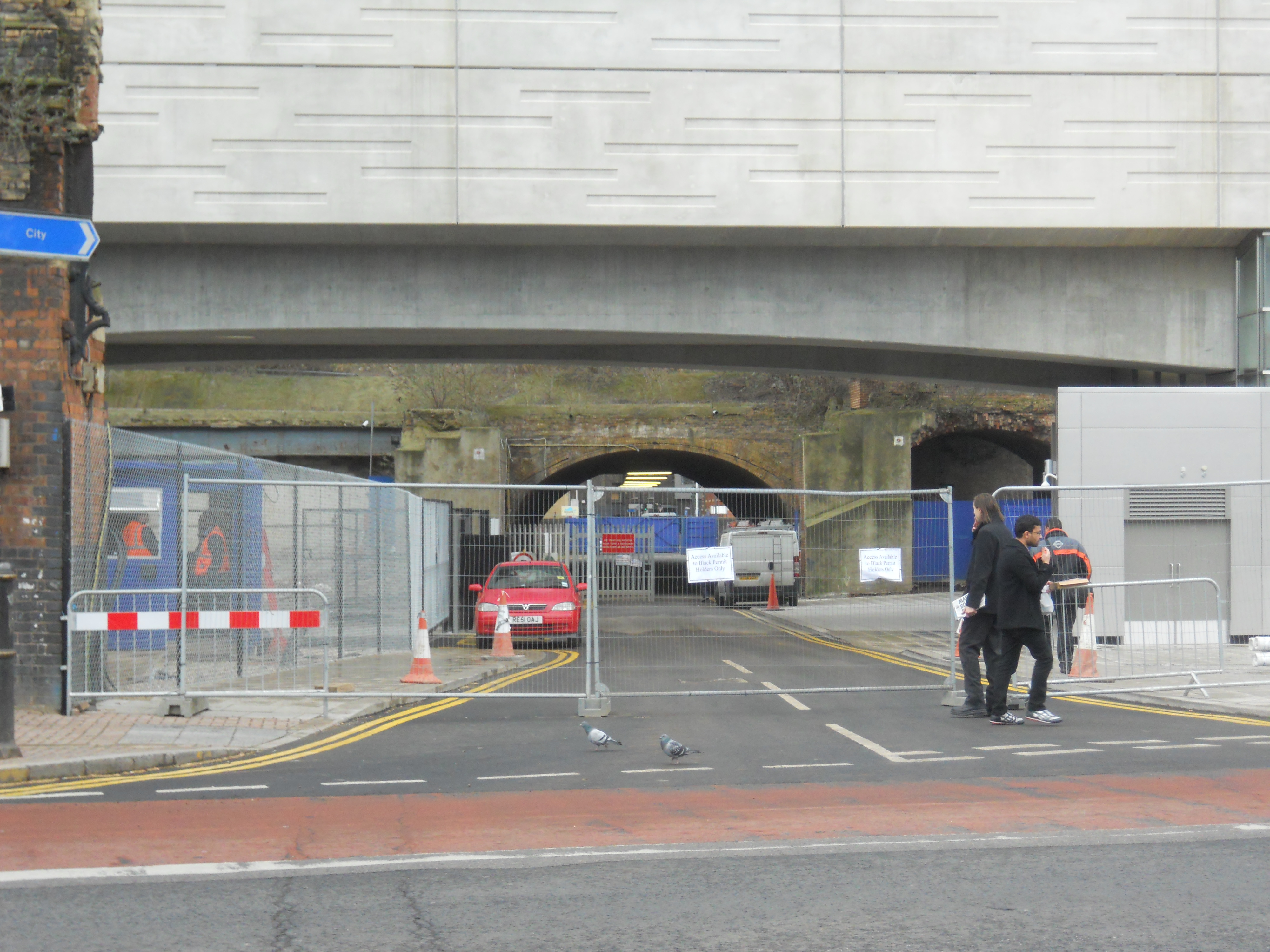
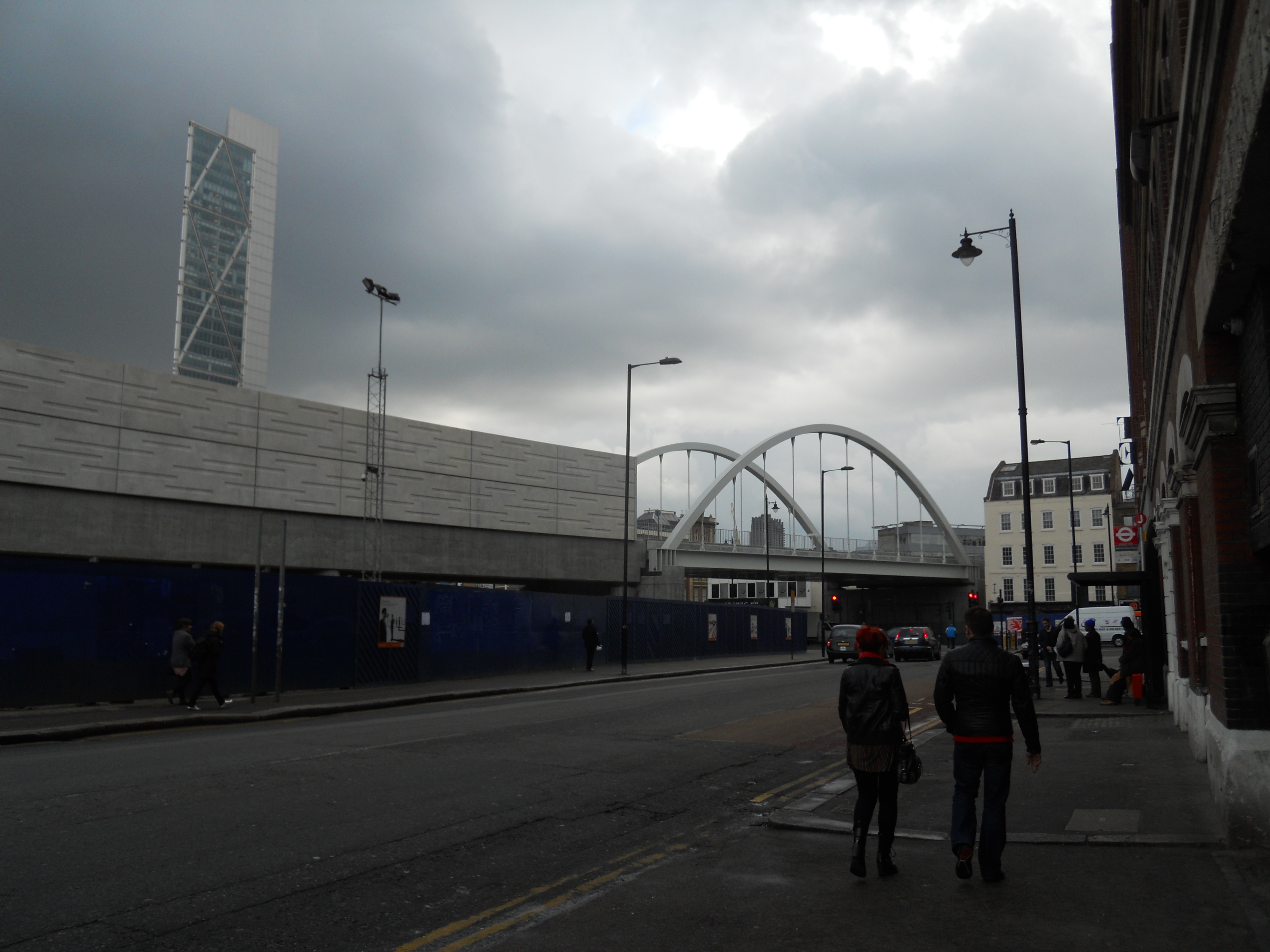
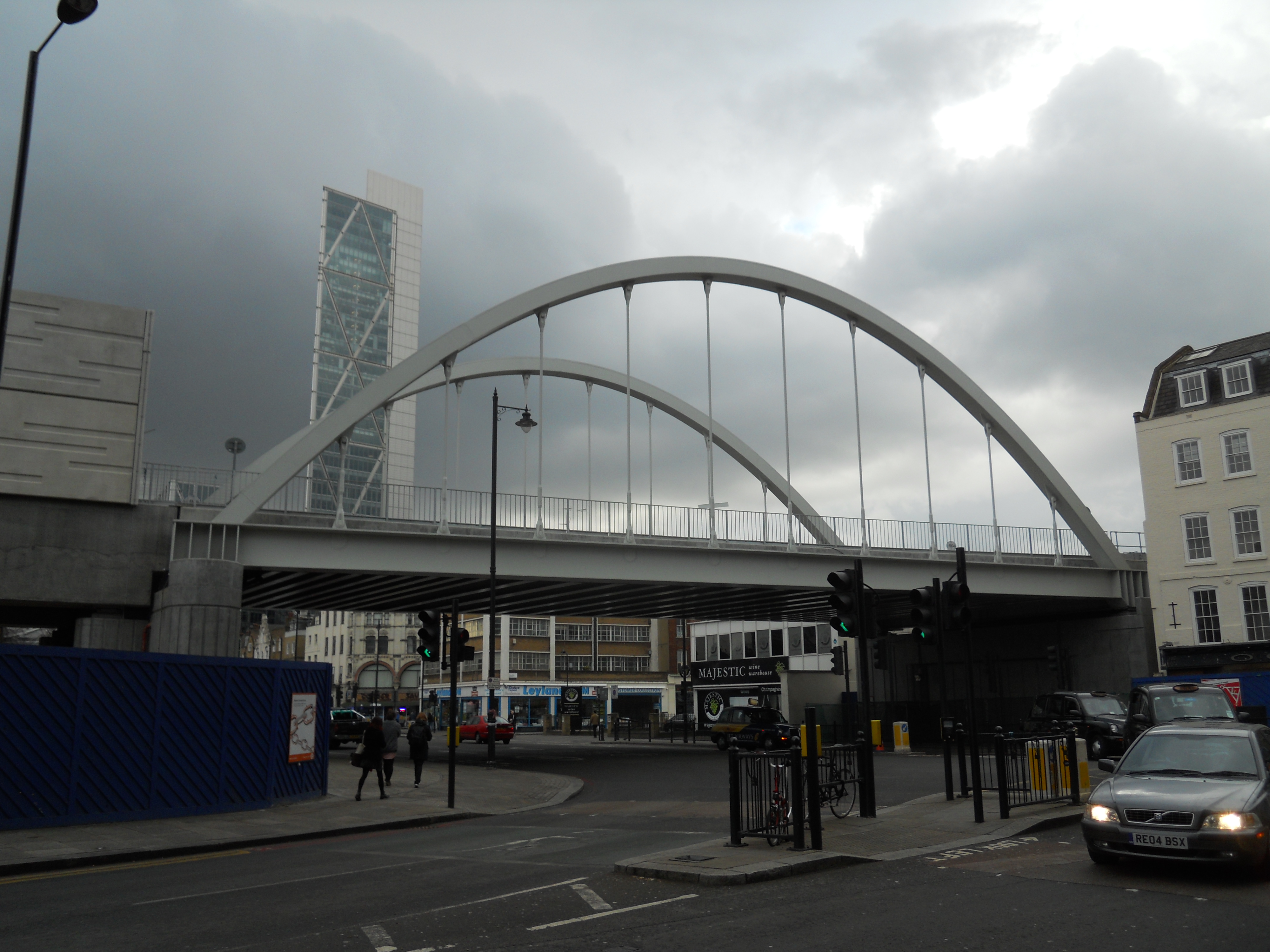
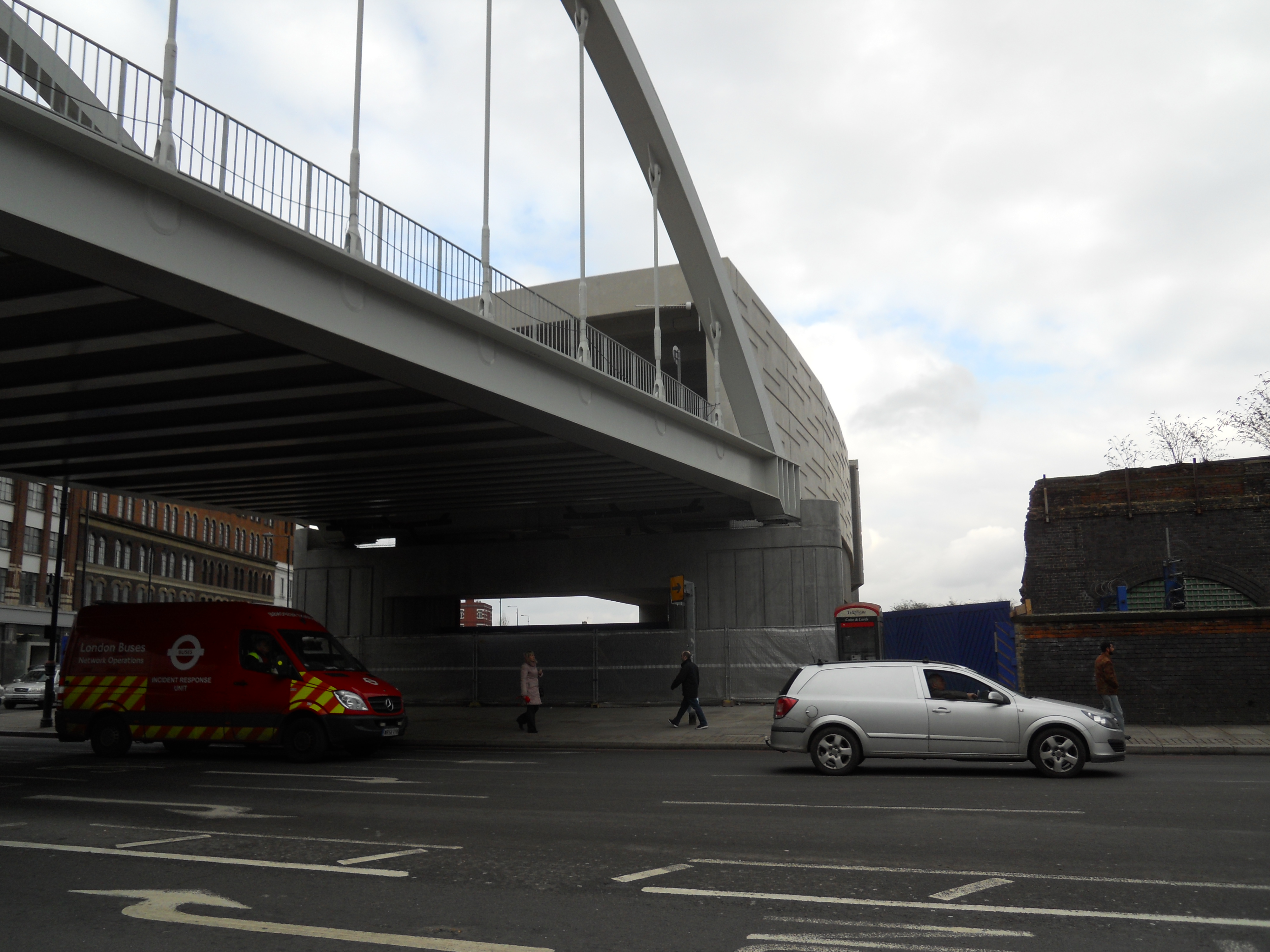
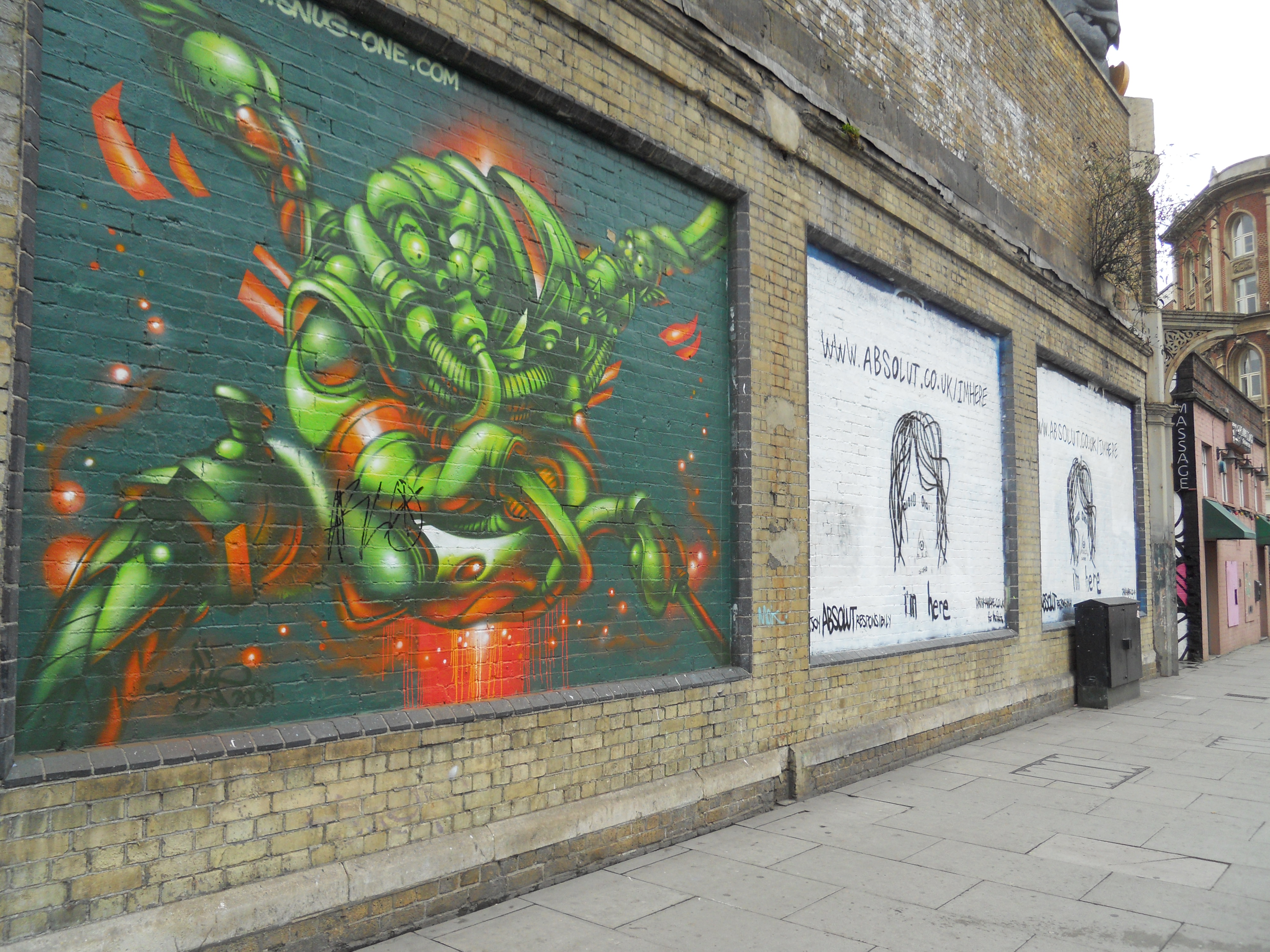
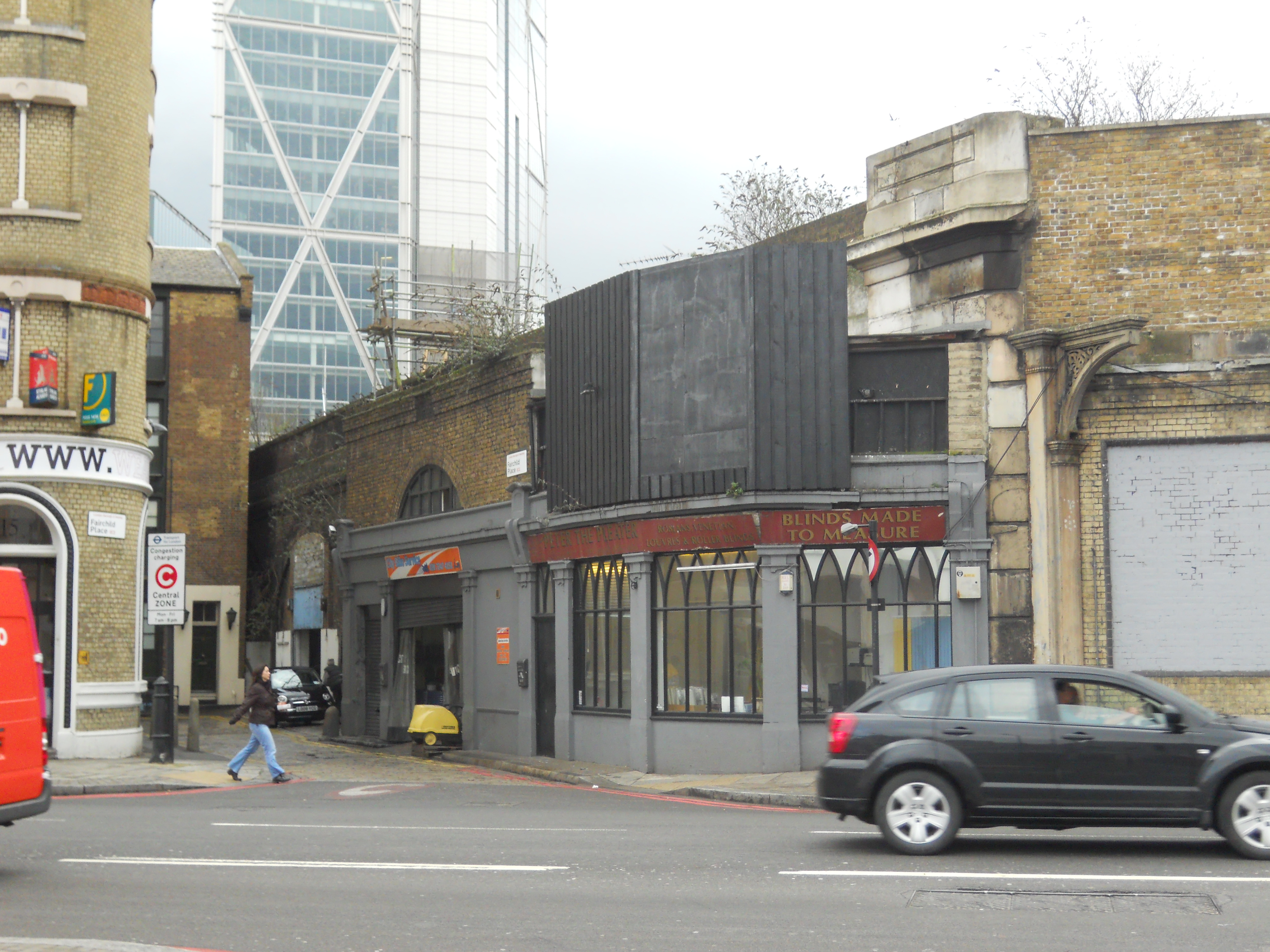
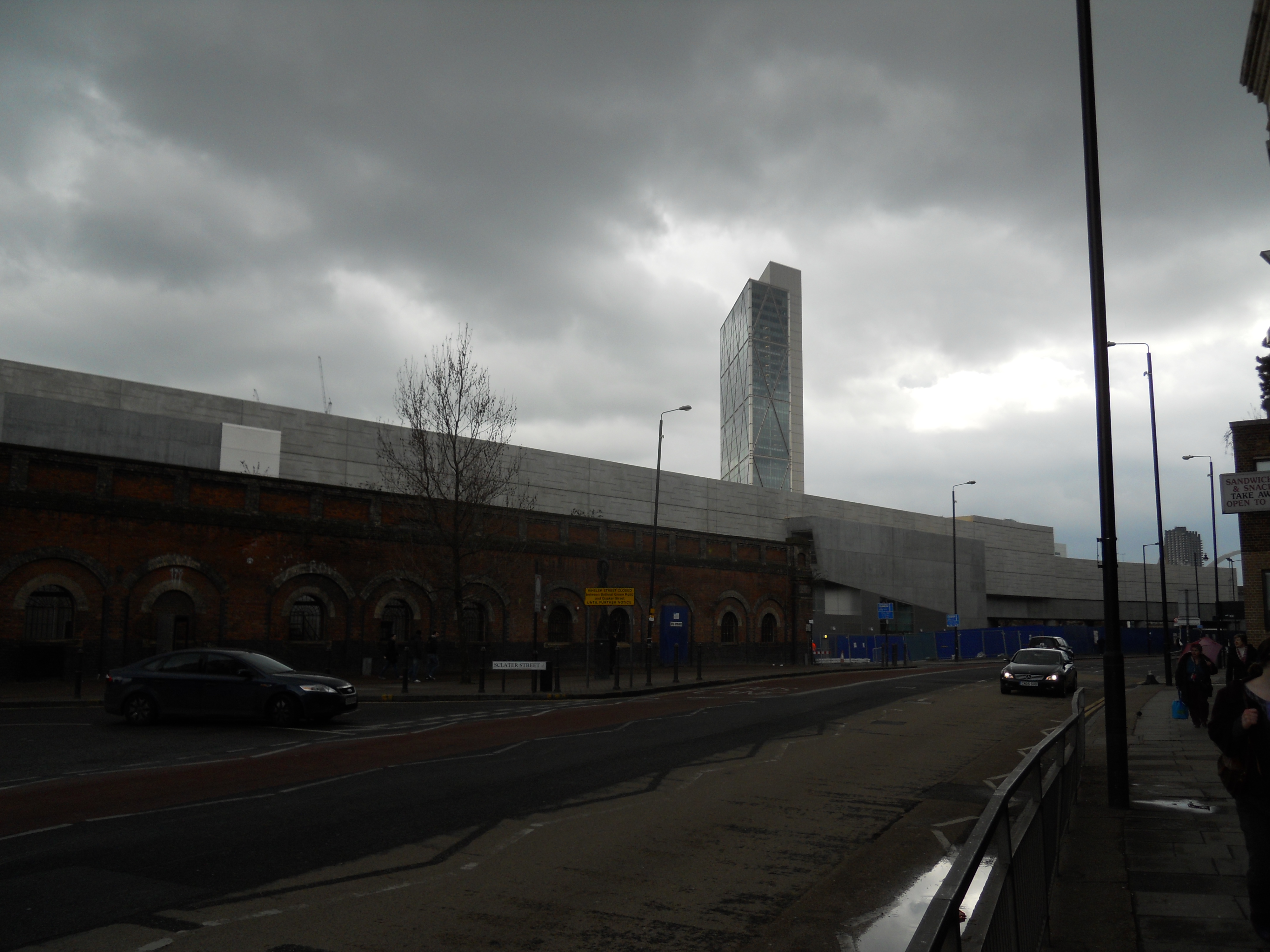
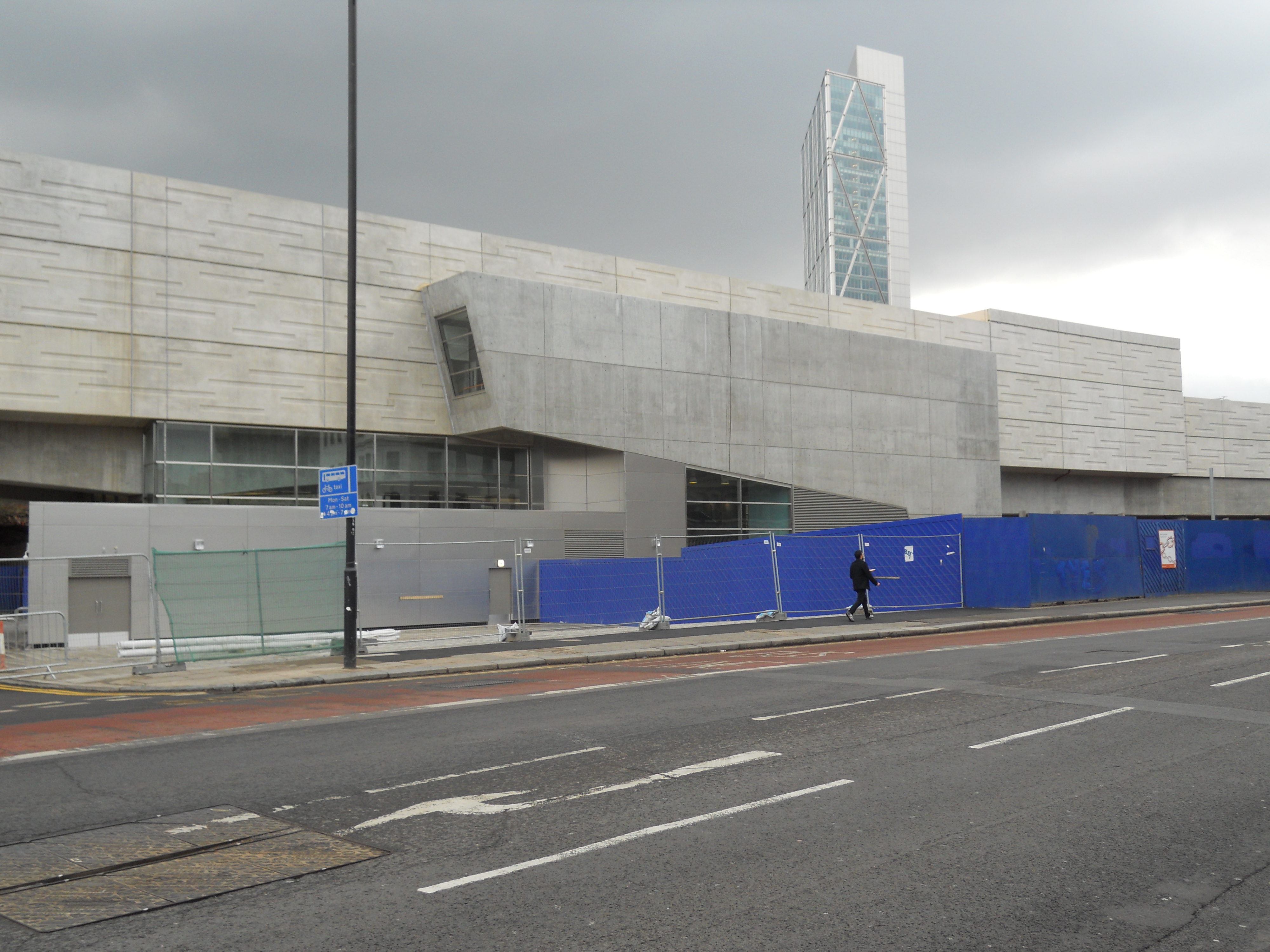
There was a movement to call Shoreditch High Street Station, Banglatown. But then the area has been home to Jews and Huguenots before being colonised by the Bangladeshis.
Who will inhabit this area in thirty years time?
From Whitechapel to Brick Lane
It was a pleasant day compared to some we’ve had lately and I quite enjoyed the walk on surprising quiet and clean streets as I walked down Vallance Road and down Buxton Street to Brick Lane.
These are some pictures of the new East London Line.
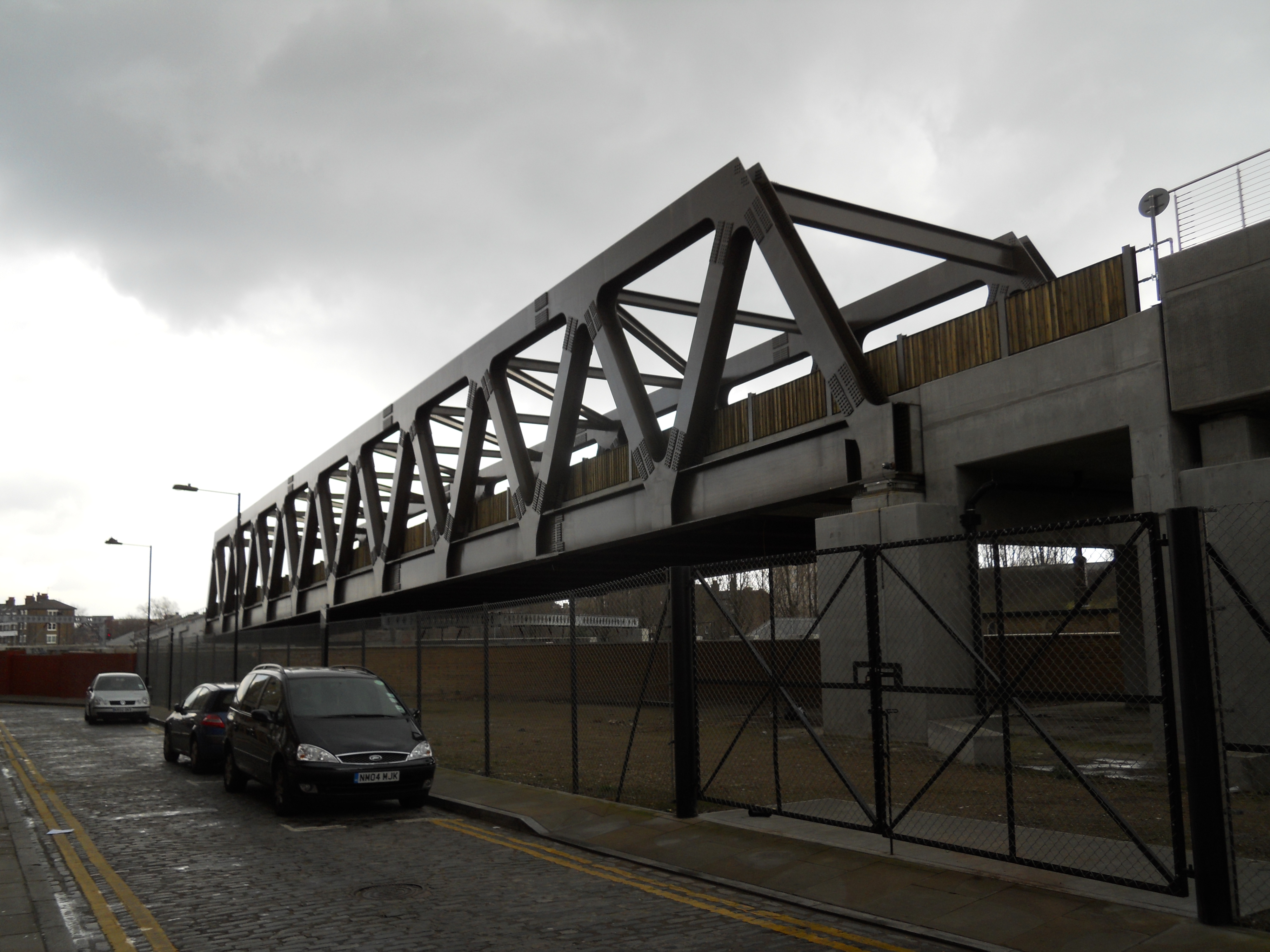

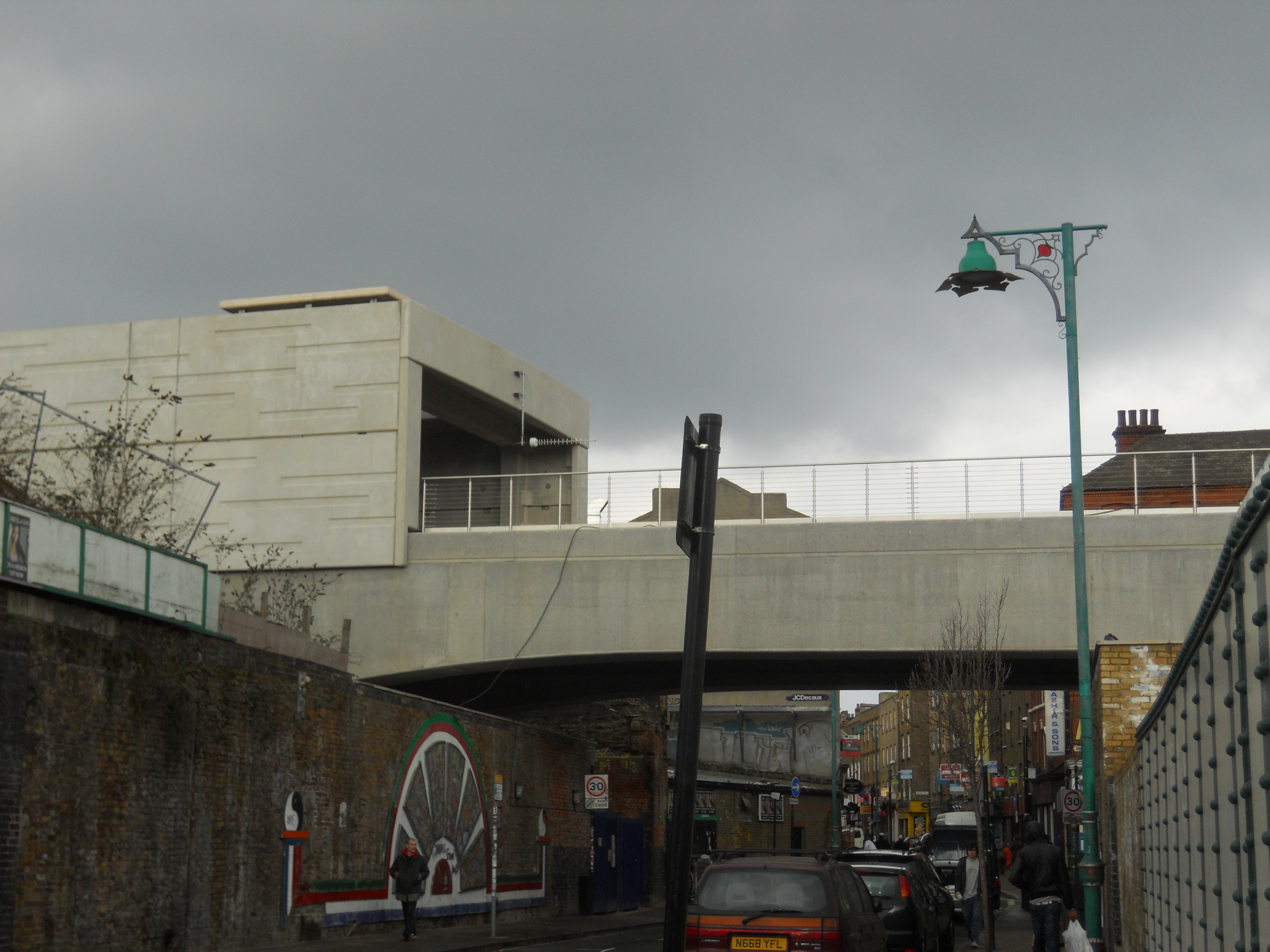
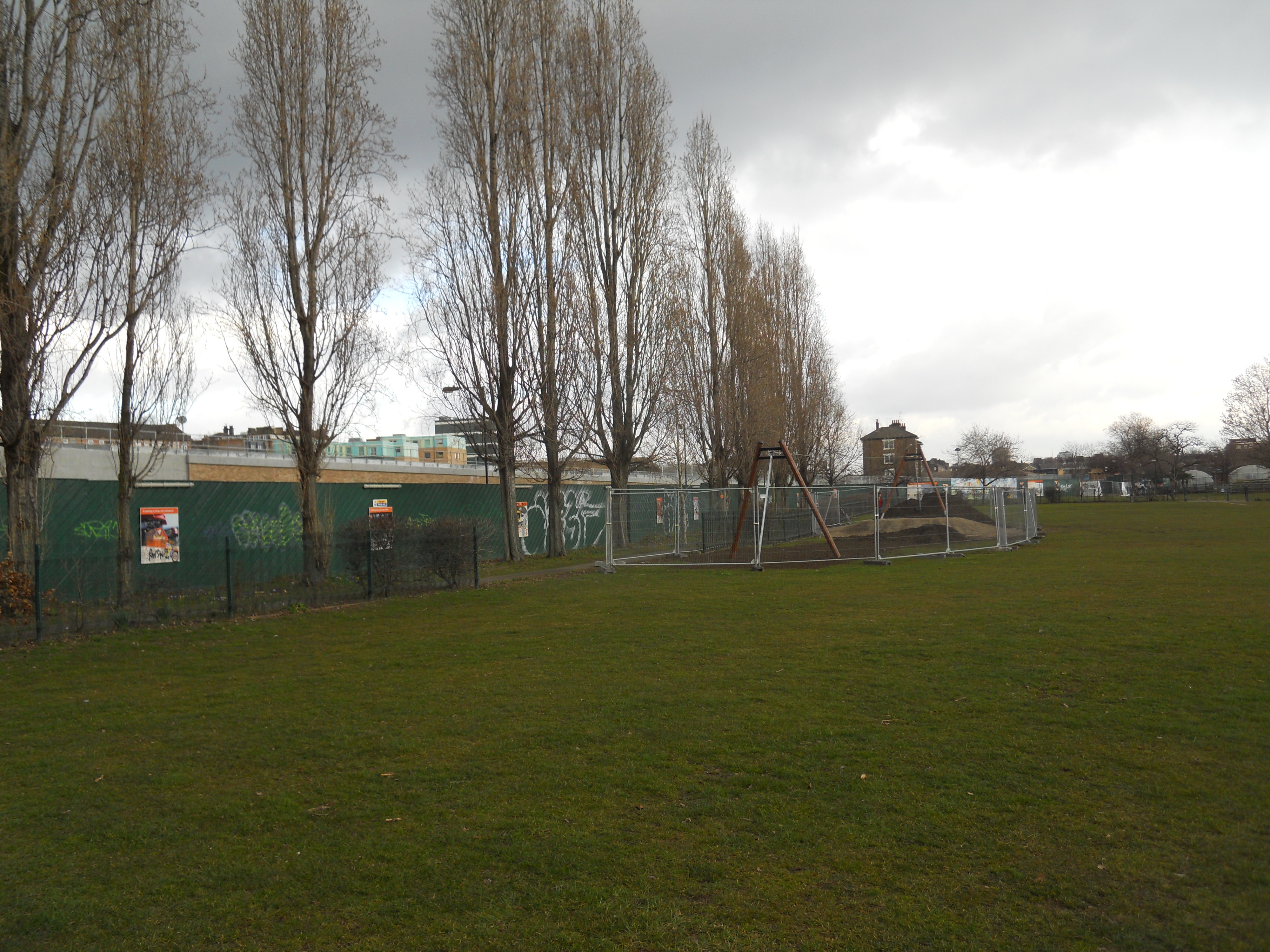
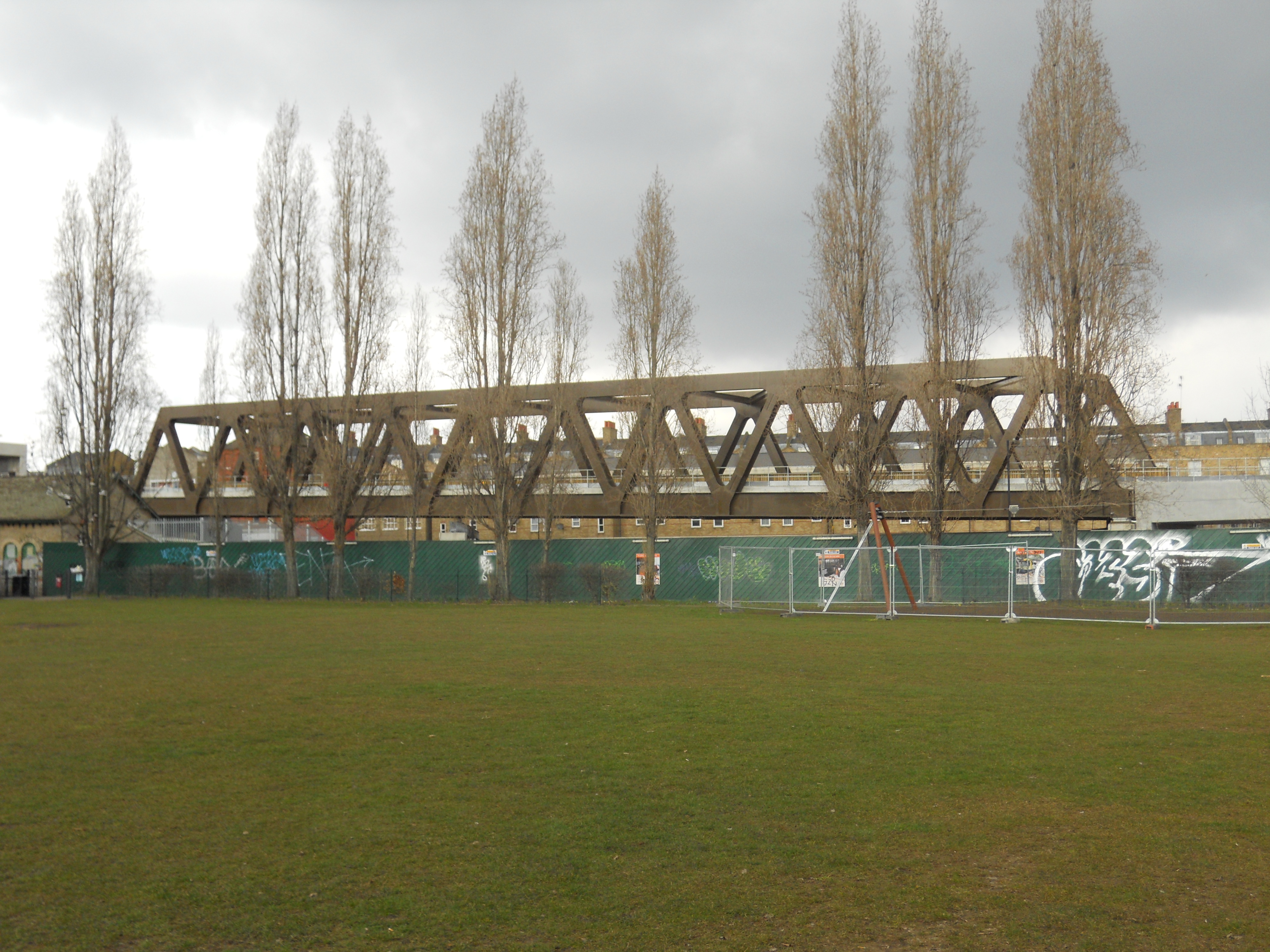


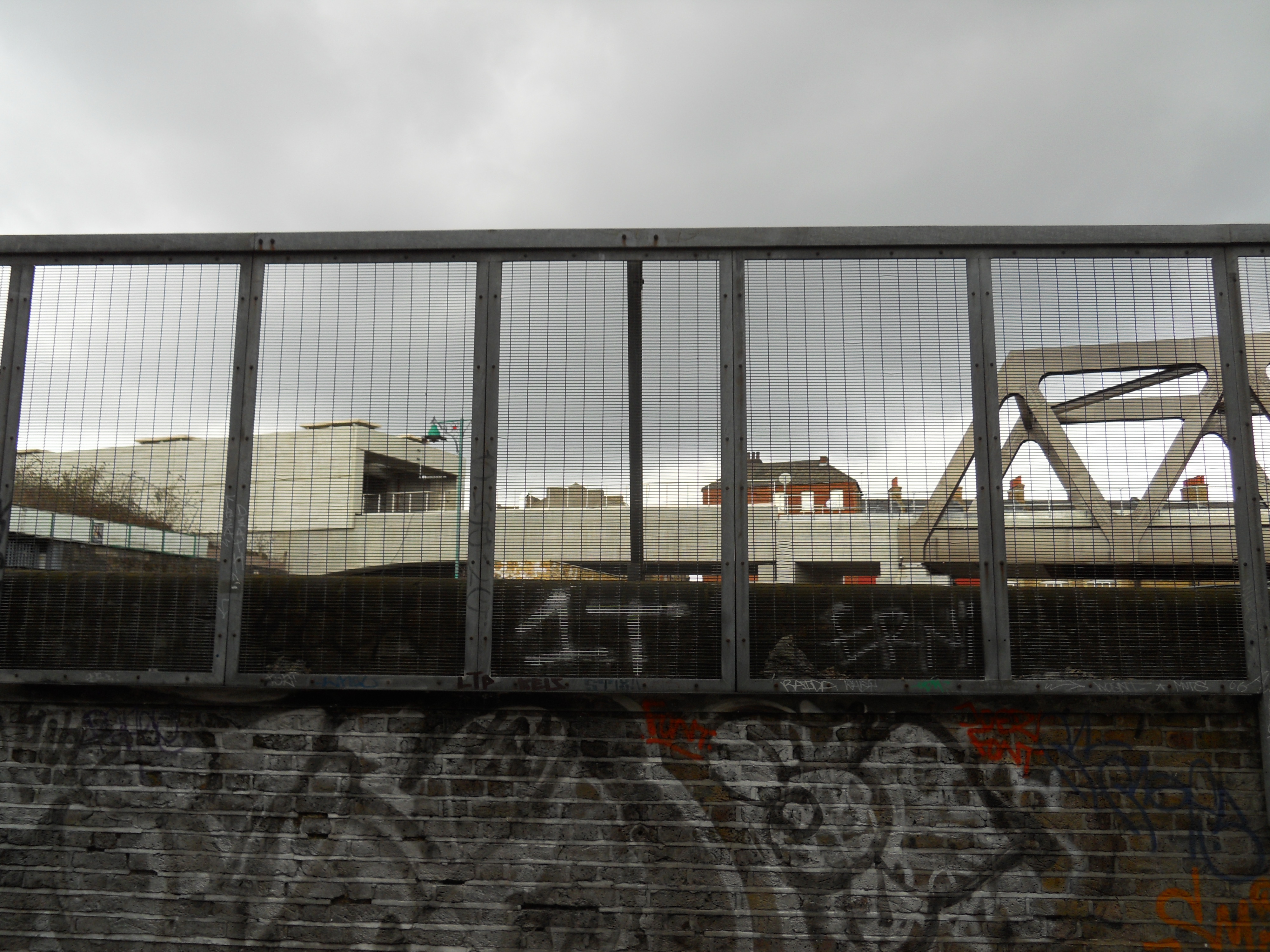
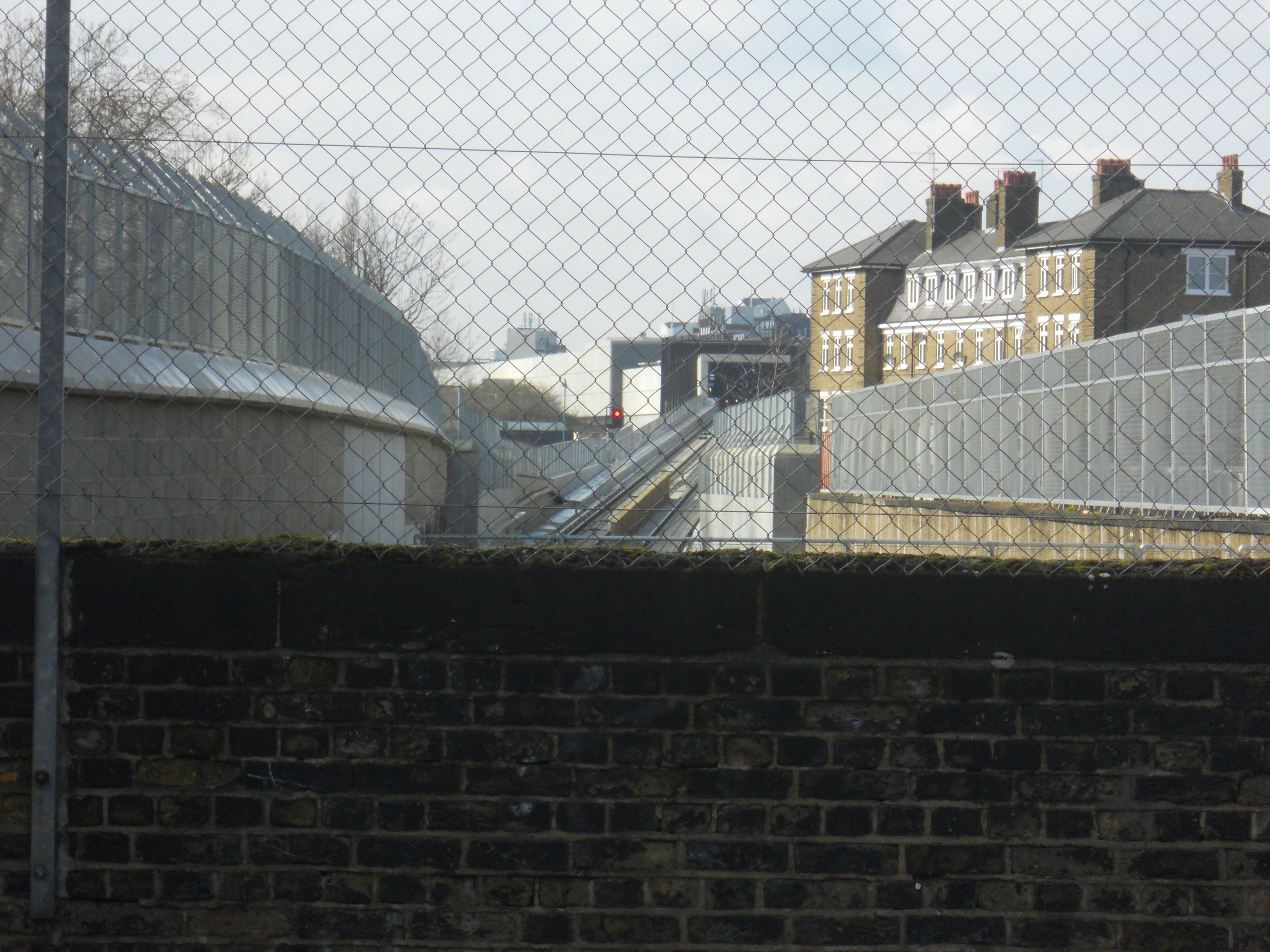

Note that the GE19 bridge was the one that fell slightly on installation. There are some more pictures on this London Connections Blog.
On Buxton Road, there is the Spitalfields City Farm. That is a separate post and gallery.
The Royal London Hospital
Whitechapel station looked to be ready for the East London Line, as all the new signs were there pointing to the platforms for the line. But before I started to follow the line, I looked at the famous hospital opposite.
The Royal London Hospital in Whitechapel will always have a special place in my life, as my granddaughter was born there. Actually, not just born there, but operated on for a congenital hernia of the diaphragm at just a couple of days old. She is now eight and no-one would know she is not any normal eight-year-old.
It’s amazing how things have moved on in the forty years since our first son was born. Then in the Middlesex Hospital, the lady in the next bed, lost her baby to exactly the same condition, as that of my granddaughter.
Now the hospital is changing.

The Old Royal London Hospital
This shows the old buildings, with the impressive frontage of the Royal London Hospital.
But times are changing and a new hospital is rising behind the old.

The New Royal London Hospital Rises
One thing of note in the hospital grounds is an impressive statue of Queen Alexandra. She was very much someone who involved herself with the hospital.
The New East London Line
I have always been an advocate of calling the East London Line, the Brunel Line as it goes through the tunnel that father, Marc, and son, Isambard, built under the Thames.
It is now just a few weeks away from reopening the line as a major part of the London Overground, reaching from Highbury and Islington in the north to Crystal Palace and West Croydon in the south. So on Friday, I thought, I walk the line and take some photographs.
I started by taking a train to Whitechapel.
Gillespie Road Lives
Gillespie Road is the original name for the London Tube station, that is now called Arsenal.
There is some wonderful Edwardian tiling, that shows the original name and the design wasn’t changed, when the station was renamed.
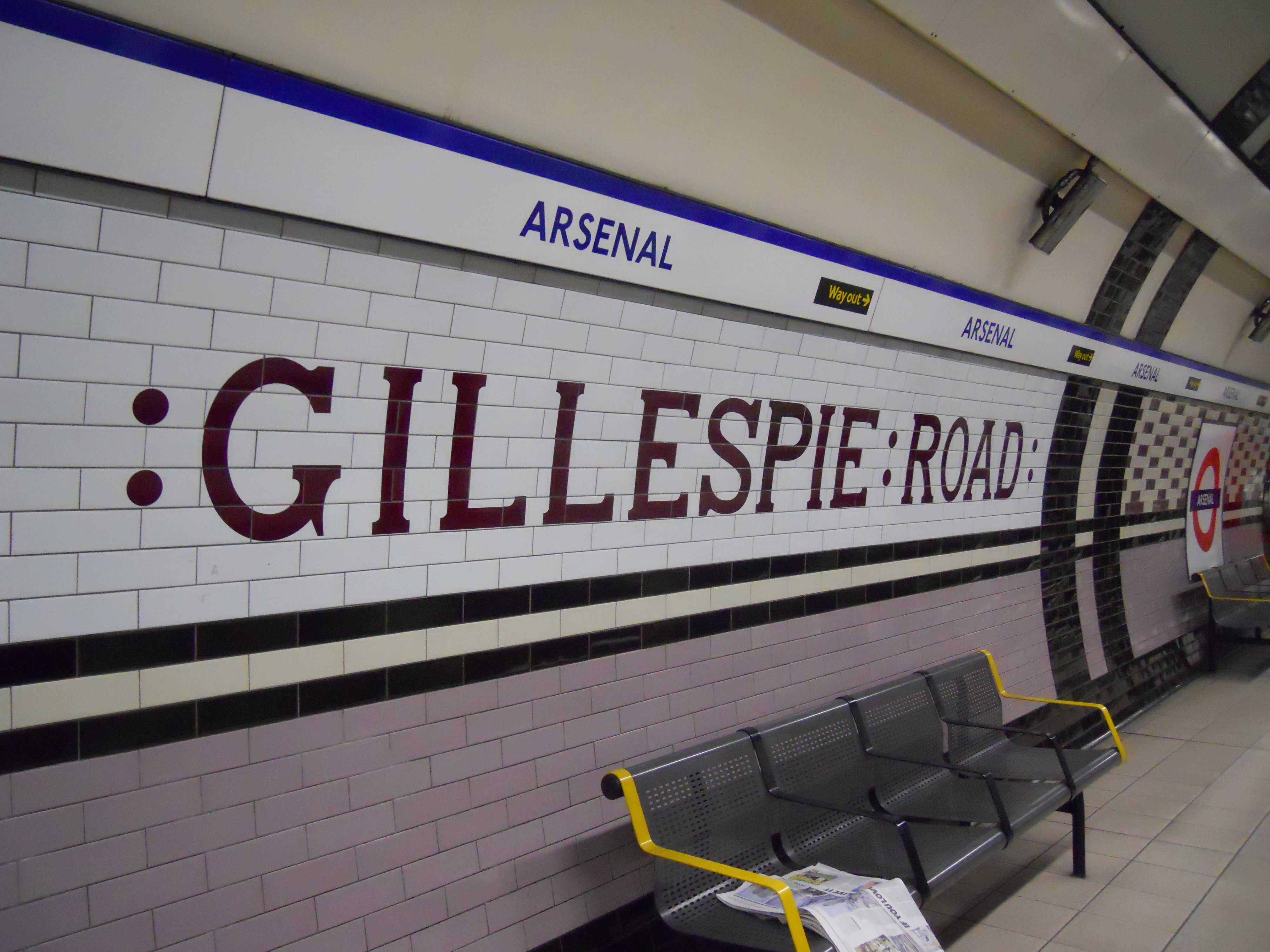
Gillespie Road Tiling
The tiling is not original as when the station was restored, it was found to be in poor condition and had to be replaced. The details are on the Transport for London website.
This picture shows the detail of some of the new work.

Gillespie Road Tiling
Although, we’d all have loved to see the originals preserved, I think they have done a very good job as a fallback. It would have been so easy to just put in plain white tiles and be done with it.
But they didn’t!
I’d love to know who made the new tiles in the style of Leslie Green, the original designer.
A Clock at Tooting Bec Station
Tooting Bec station on the London Underground has two of these clocks.
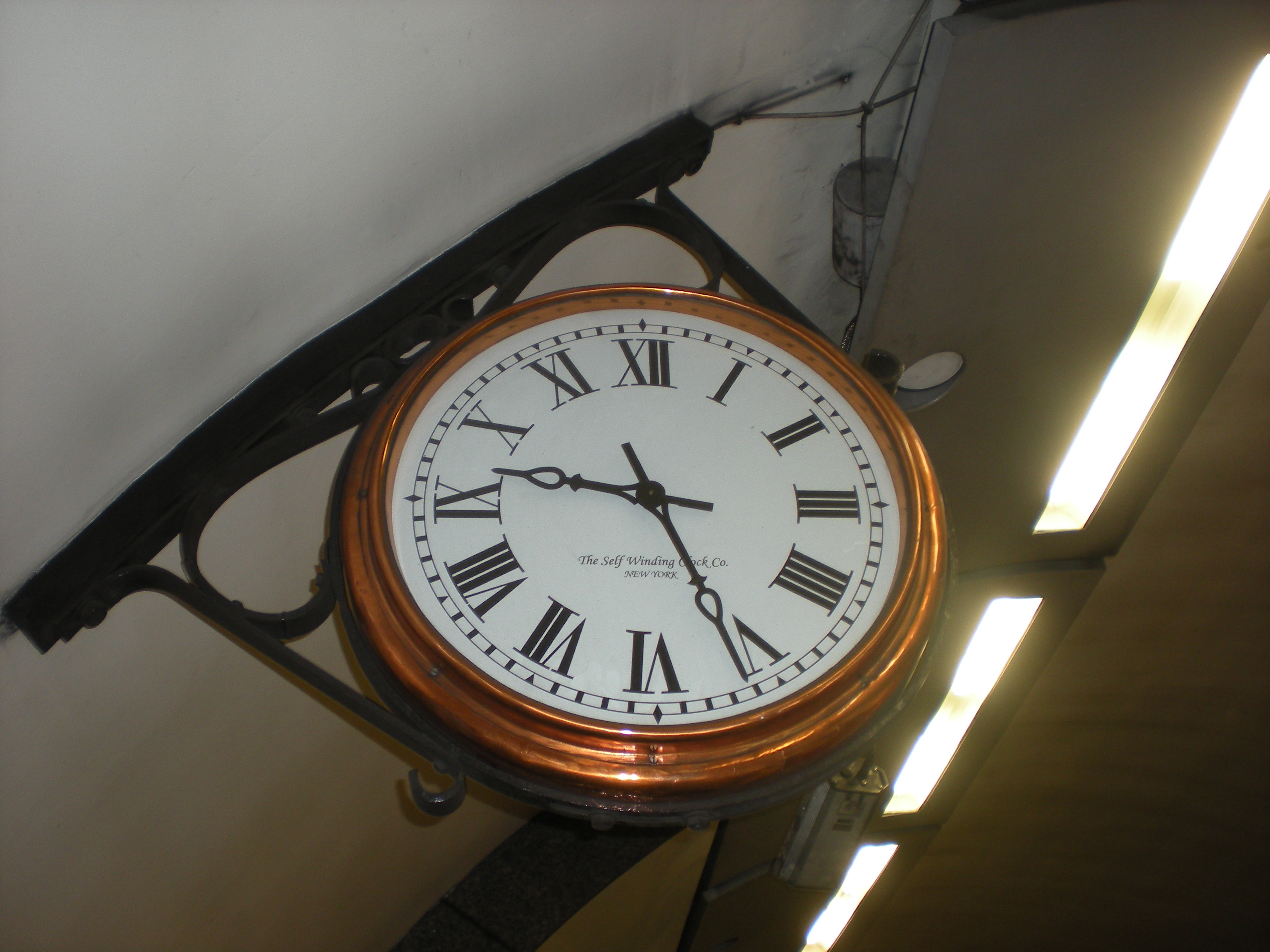
Tooting Bec Station Clock
It would appear that someone has the good sense to keep them working. Whether it is still the original movement I do not know.
They are labeled Self Winding Clock Co of New York. You will find quite a few references to these clocks on the Internet, but only a short article about the actual company on Wikipedia.
I’ve travelled extensively on the London Underground, but I’ve only seen these two clocks. There may be others.


