Climbing The Valley Lines In The South Wales Metro
There are five terminal stations on the Cardiff Valley Lines, of which four will be served by battery-electric trains or tram-trains from Cardiff.
In this post, I will show how they will achieve this feat.
Consider.
- To get to Aberdare, Merthyr Tydfil or Treherbert, a tram-train must first get to Pontypridd.
- To get to Rhymney, a train must first get to Caerphilly.
I will now deal with the seven stations in alphabetic order.
Aberdare
This OpenRailwayMap shows the three branches of the Cardiff Valley Lines, that go through Pontypridd.

Note.
- Electrified lines are shown in red and unelectrified lines are shown in black.
- The branch to Aberdare is the middle of the three branches.
- It is planned that the service on the Aberdare branch will be provided using Class 398 tram-trains, that will be fitted with batteries.
- Electrification will be complete between Aberdare and Pontypridd.
It would appear that a tram-train could run between Aberdare and Pontypridd using the complete electrification.
Caerphilly
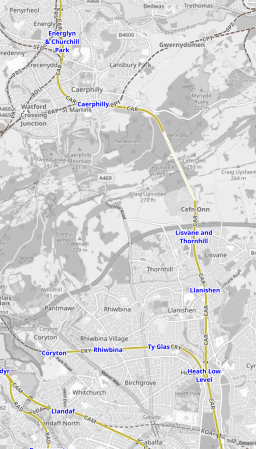
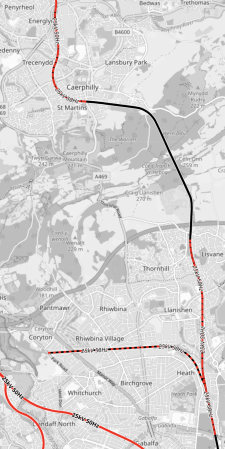
These two OpenRailwayMaps show the tracks through Caerphilly.
Note.
- The map on the left shows infrastructure, with the Rhymney Line shown in yellow.
- Caerphilly station is in the top third of the map.
- The white section of the Rhymney Line is the Caerphilly tunnel.
- The map on the right shows electrification, with the sections of the Rhymney Line that will be electrified are shown in red.
- Black sections will not be electrified.
- North of Caerphilly, the Rhymney Line is electrified, but through the station and the Caerphilly tunnel, there will be no electrification.
Trains will use battery power, where there is no electrification.
Ebbw Vale Town
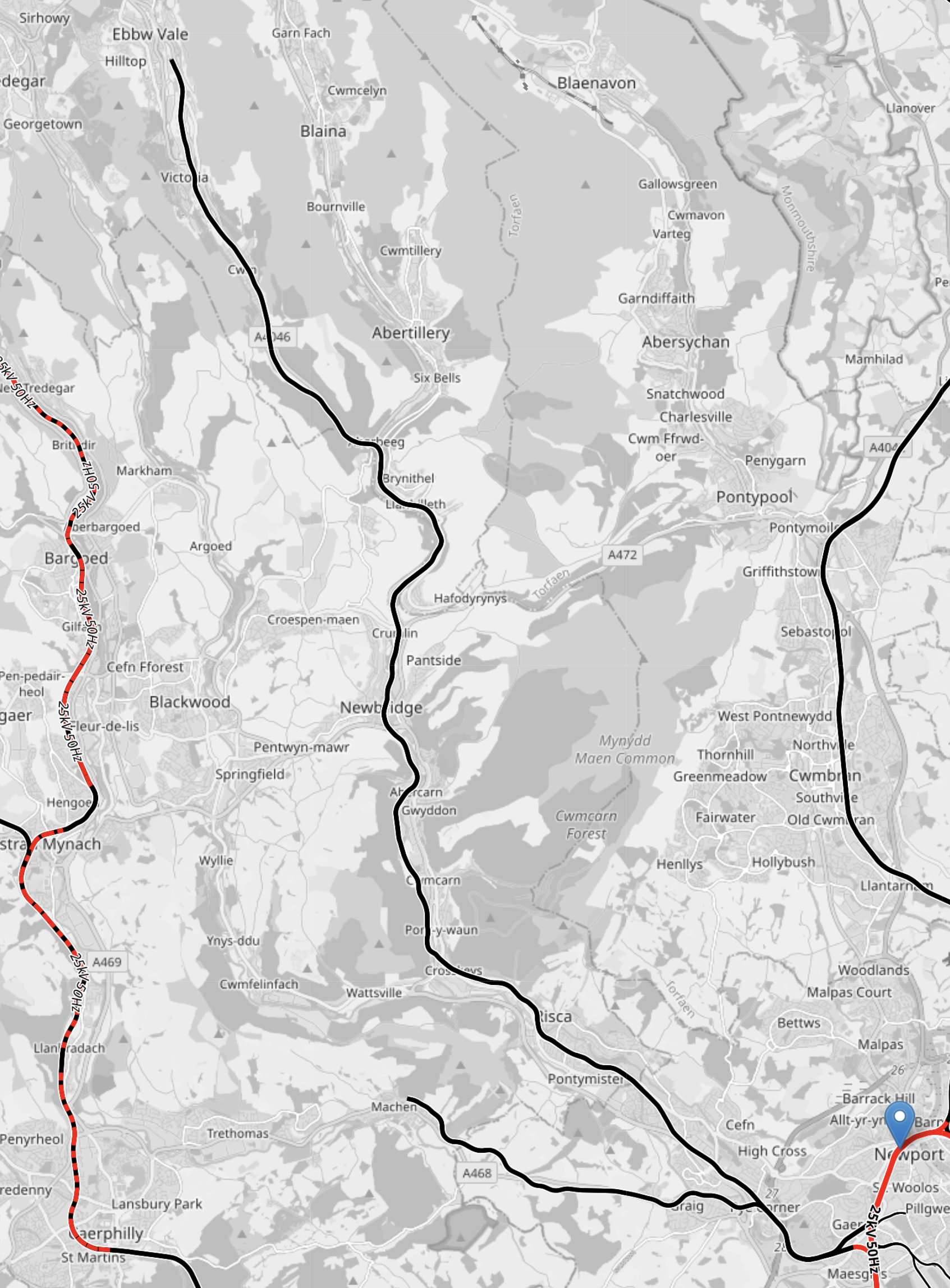
This OpenRailwayMap shows the Ebbw Valley Railway.
Note.
- Electrified lines are shown in red and unelectrified lines are shown in black.
- Lines where electrification will be installed are shown in red and black.
- Newport is marked by the blue arrow.
- The North-South Line at the left is the Rhymney Line.
- The North-South Line in the middle is the Ebbw Valley Railway.
- The North-South Line at the right is the Marches Line to Hereford and Shrewsbury.
Trains will use diesel power on the Ebbw Valley Railway, as there is no electrification and no means of charging battery-electric trains.
It does seem strange that no electrified solution has been proposed for the Ebbw Valley Railway.
Consider.
- An Abertillery branch has been proposed.
- A Newport and Ebbw Vale Town service has been proposed and will be implemented.
- Perhaps the line is difficult to electrify.
It could just be, the electrifying the Ebbw Valley Railway, was a step too far.
Merthyr Tydfil
This OpenRailwayMap shows the three branches of the Cardiff Valley Lines, that go through Pontypridd.
Note.
- Electrified lines are shown in red and unelectrified lines are shown in black.
- The branch to Merthyr Tydfil is the rightmost of the three branches.
- It is planned that the service on the Merthyr Tydfil branch will be provided using Class 398 tram-trains, that will be fitted with batteries.
- Electrification will be complete between Merthyr Tydfil and Pontypridd, except for two short sections.
- I would assume that the short unelectrified sections can be handled using the tram-trains battery power.
It would appear that a tram-train could run between Merthyr Tydfil and Pontypridd using the electrification and the tram-trains batteries.
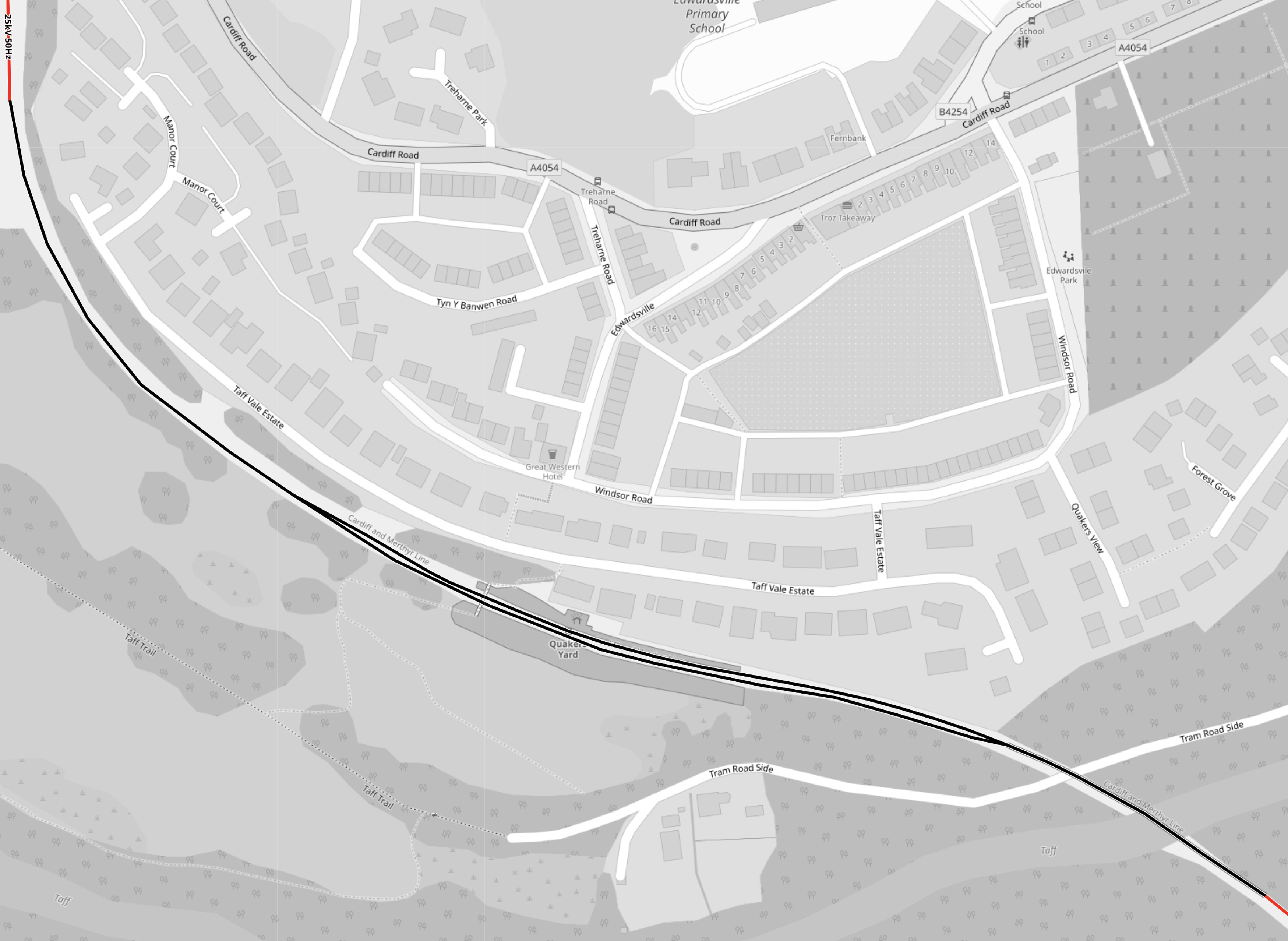
This shows the track layout at Quaker’s Yard station.
Note.
- Electrified lines are shown in red and unelectrified lines are shown in black.
- There are only two short length of electrification shown in the corners the map.
- Quaker’s Yard station has two platforms.
- The track layout appears to have single- and double-track sections.
It looks like it has been decided not to electrify this section. Perhaps, it was just too complicated to electrify easily?
This 3D Google Map shows the terminal station at Merthyr Tydfil.
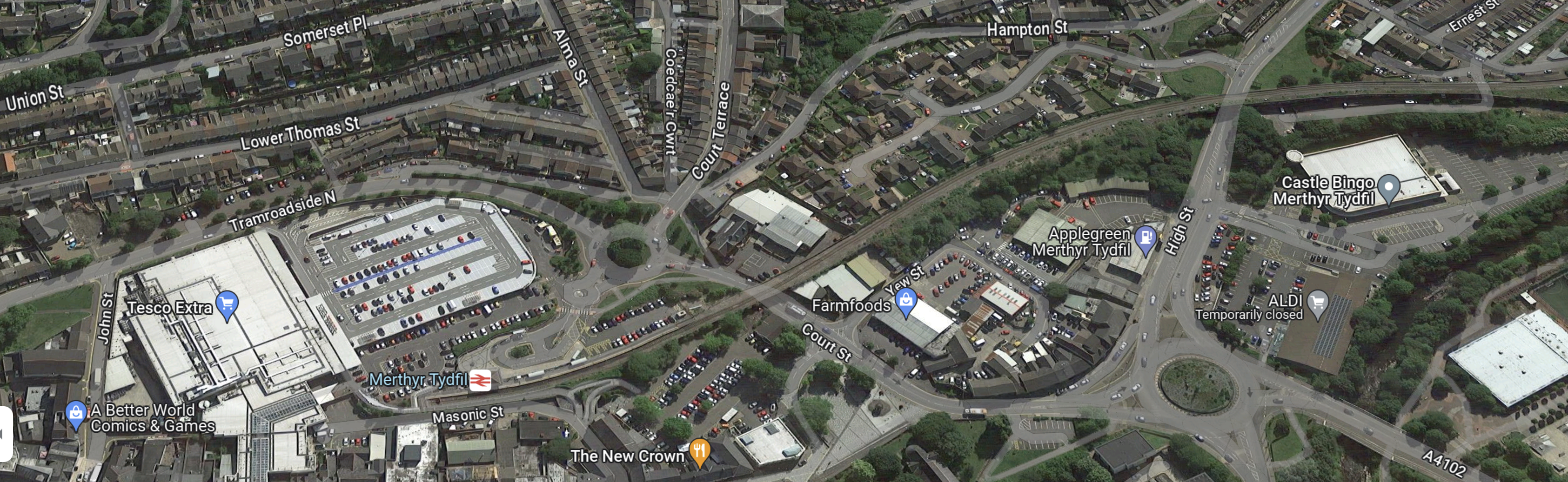
It looks like the railway runs through the town to the station. So perhaps leaving out the electrification made everything safer?
Pontypridd
This OpenRailwayMap shows the tracks through Pontypridd.
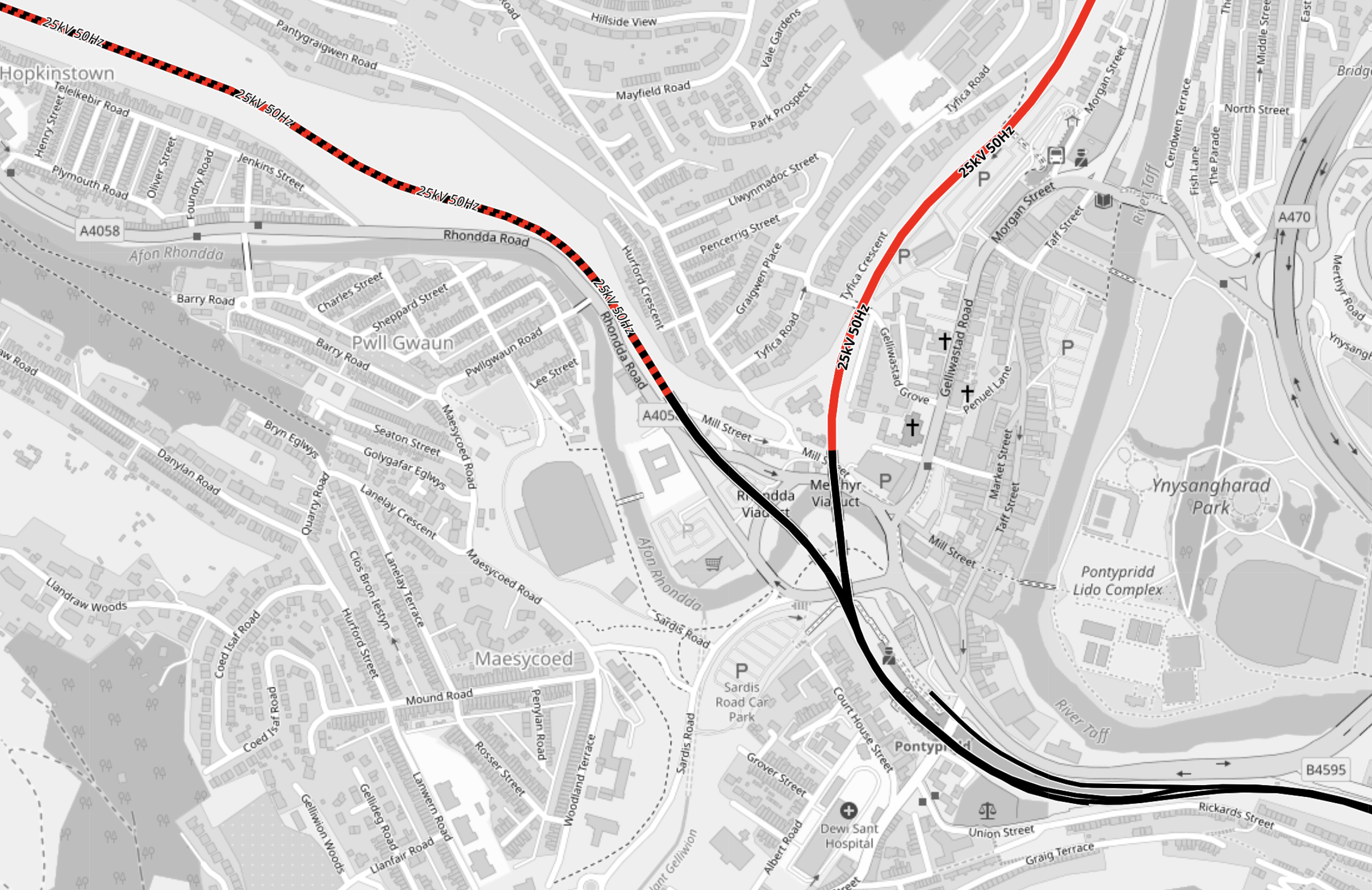
Note.
- Electrified lines are shown in red and unelectrified lines are shown in black.
- Lines where electrification will be installed are shown in red and black.
- The line leaving the map in the South-East corner is the line to Cardiff.
- The line leaving the map in the North-West corner is the Rhondda Line to Treherbert.
- The line leaving the map in the North-East corner is the Merthyr Line to Aberdare and Merthyr.
Pontypridd stations lies at the junction of the three lines.
This OpenRailwayMap shows the platforms at Pontypridd.
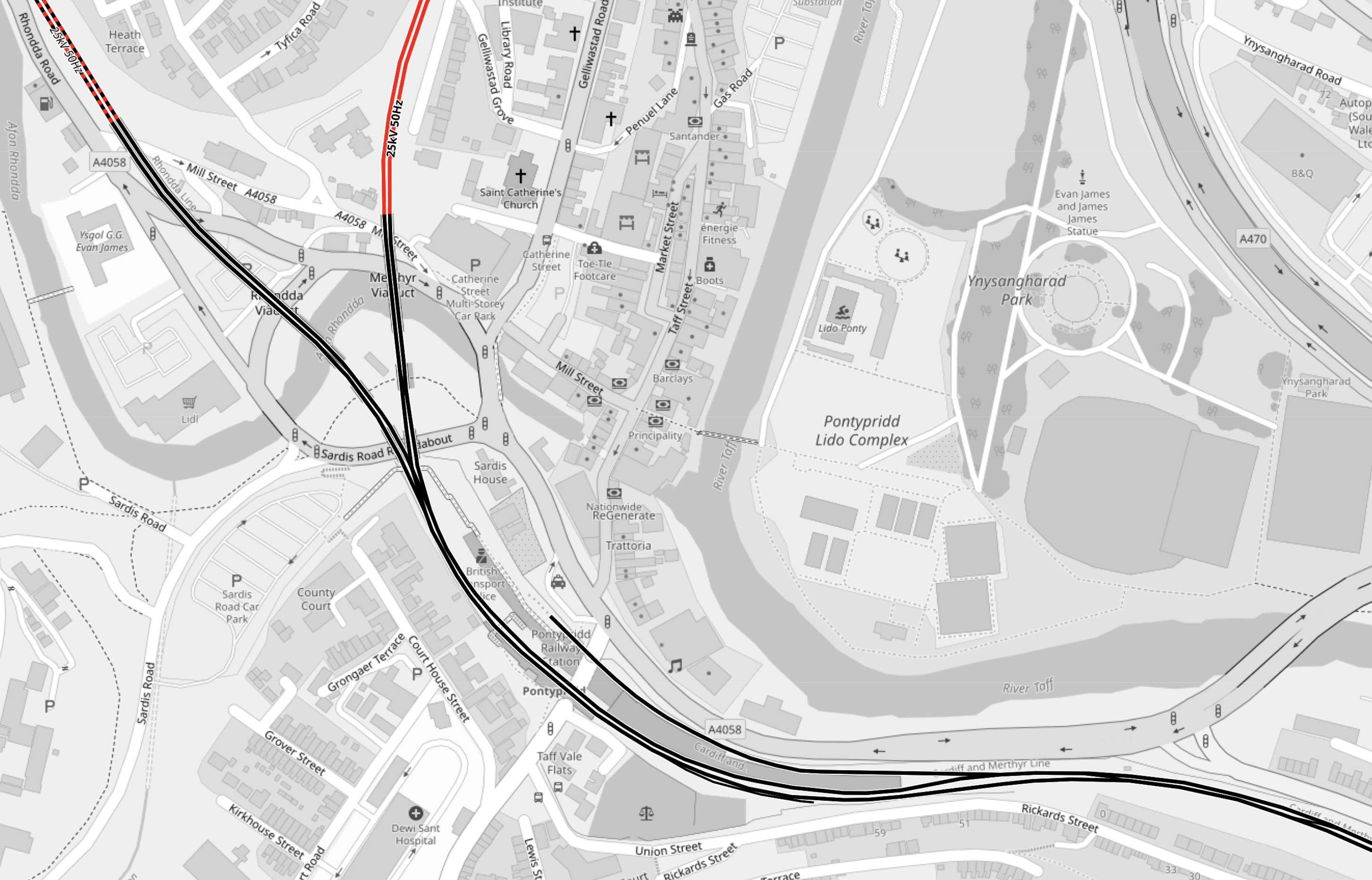
Note.
- There are two long through platforms.
- There is a bay platform on the North side of the station for extra Cardiff services.
- The station is not electrified.
These pictures show Pontypridd station.
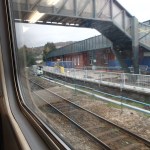
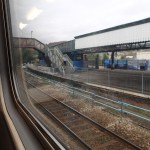
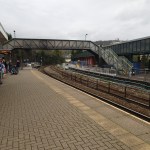
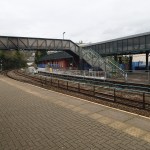
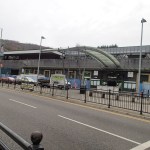
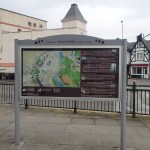
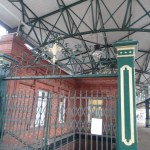
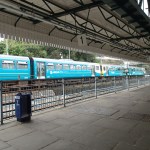
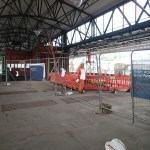
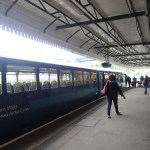
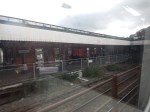
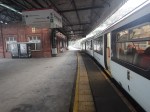
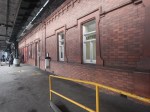
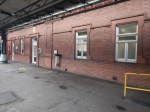
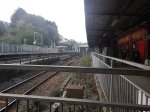
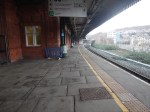
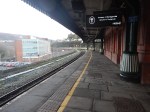
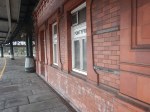
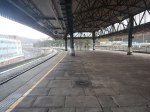
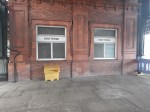
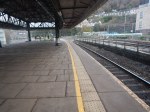
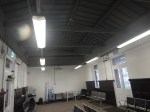

The station is Grade II Listed.
How will the tram-trains be powered through Pontypridd station?
Older Welsh railwaymen have told tales of how the coal trains from the mines in the valleys to Cardiff Docks were powered in part using gravity to propel the trains to the Docks. Steam locomotives then hauled the trains up the hills to get another load of coal.
Will Newton’s Friend be used to help the tram-trains return to Cardiff?
As the tram-trains descend, regenerative braking can be used to recharge the batteries.
A sophisticated computer control system, would choose the source of power from that which is available.
Descending from the terminal stations of Aberdare, Merthyr and Treherbert, and through Pontypridd would probably need a small amount of battery power to nudge the train to descend down the hill.
Fully-electrified stations like Aberdare and Treherbert will have the luxury of being able to use power from the electrification to start the descent.
Climbing the hills will be mainly on battery power, with the batteries being charged, where overhead electrification exists.
Rhymney
This OpenRailwayMap shows the Northern part of the Rhymney Line from Caerphilly to Rhymney.
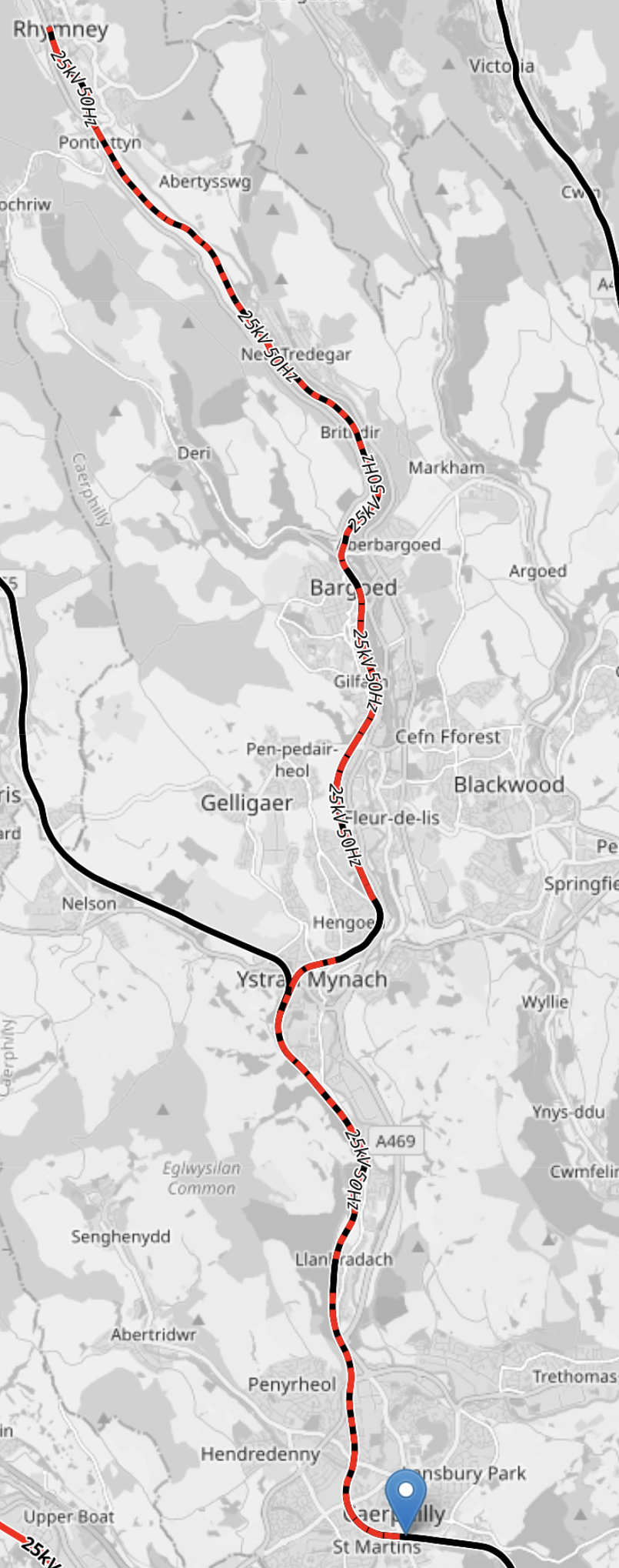
Note.
- Electrified lines are shown in red and unelectrified lines are shown in black.
- Lines where electrification will be installed are shown in red and black.
- Caerphilly is marked by the blue arrow at the bottom of the map.
- Rhymney is at the Northern end of the rail line.
- Bargoed, Hengoed, Llanbradach and Caerphilly stations appear not to be electrified.
- It is planned that the service on the Rhymney Line will be provided using Class 756 trains, that will be fitted with batteries and diesel engines.
The Class 756 trains appear to have been designed to climb to Rhymney in all conditions, including a complete power cut. They will use batteries on the unelectrified sections of the climb.
Treherbert
This OpenRailwayMap shows the three branches of the Cardiff Valley Lines, that go through Pontypridd.
Note.
- Electrified lines are shown in red and unelectrified lines are shown in black.
- Lines where electrification will be installed are shown in red and black.
- The branch to Treherbert is the leftmost of the three branches.
- It is planned that the service on the Theherbert branch will be provided using Class 398 tram-trains, that will be fitted with batteries.
- Electrification will be complete between Treherbert and Pontypridd.
It would appear that a tram-train could run between Treherbert and Pontypridd when the electrification is complete.
Conclusion
Each of the five lines use their own methods of getting trains up the hills.
I suspect we’ll see some of the ideas used here on other stretches of electrification.
One Of The Worst Train Journeys I’ve Had In The UK Since The 1960s
I started out with a simple objective, in that I intended to go to Cardiff Central station and then explore the Cardiff Valley Lines to look at the progress of the electrification. I had also arranged to possibly have a drink, with an old acquaintance at Rhymney station.
For the first time, I took the Elizabeth Line from Moorgate to Paddington to catch a long distance train. It is so much easier than taking the Underground.
I bought a Super Off Peak Return ticket to Cardiff Central station for £62.15 with my Senior Railcard.
This was the journey I took today.
- I left Paddington on the 10:18 train for Cardiff Central.
- The train arrived at Bristol Parkway at 11:34½.
- Real Time Trains says this about the rest of the journey. “This service was cancelled between Bristol Parkway and Cardiff Central due to a problem with signalling equipment (J3)”
- I was advised by a member of staff, that I wouldn’t be going to Cardiff in the near future and he advised taking a CrossCountry train to Bristol Temple Meads and then going back to London using my Return ticket.
- I left Bristol Parkway at 12:12¼ and arrived in Bristol Temple Meads at 12:20½, after taking the CrossCountry train.
- At Bristol Temple Meads to salvage something of a wasted day, I took a diversion to Severn Beach for the princely sum of £1.95 with my Senior Railcard, arriving back at Bristol Temple Meads at 14:48½.
- I then caught the next train to London, which turned out to be the 16:00, as both the 15:00 and 15:30 were cancelled due to an incident at Didcot.
- The train left Bristol Temple Meads at 16:03 and arrived at London Paddington at 18:00, which was twenty minutes late.
Note.
- I never got to Cardiff.
- If I’d waited at Bristol Parkway and caught the next train, I’d have got to Cardiff at 16:15¼, which would have been four hours later, than if the first train hadn’t been cancelled and had been on time.
I’ve just tried to phone Great Western Railway, but their Contact Us page only gives details of Facebook, Twitter and What’s App. I don’t use any of those!
Conclusion – Added On 5th June 2023
I just received an e-mail saying the cheque will be the post!
Train Depot In Taffs Well, While Newport Factory Named As Preferred Bidder For New Diesel Trains
The title of this post, is the same as that of this article on Walesonline.
The interesting part is the holistic thinking, where a new depot is to be built at Taff’s Well, where the station is also to be modernised, with the addition of a Park-and-Ride.
Taff’s Well station is a very outdated affair, as these pictures show.
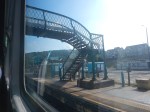

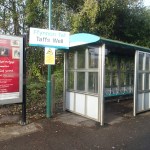
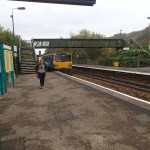
Note.
- The station could certainly do with a new step-free bridge.
- The train frequency is also being raised from six to twelve trains per hour (tph)
- Six tph will go to The Flourish.
- There will also be a new two tph service on the City Line.
- All trains will be new Stadler Citylink Metro Vehicles.
That Park-and-Ride will certainly be needed.
As Taff’s Well station will be at the heart of the tram-train network, it is most certainly a good place for the depot.
The article also says that enhanced stabling facilities will be built at Treherbert and Rhymney stations.
Enhancements At Rhymney
Rhymney station is the terminal of the Rhymney Line.
These are my pictures of the station.
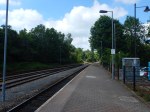
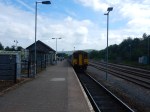
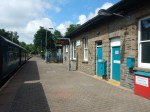
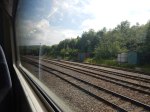
This Google Map gives an aerial view.
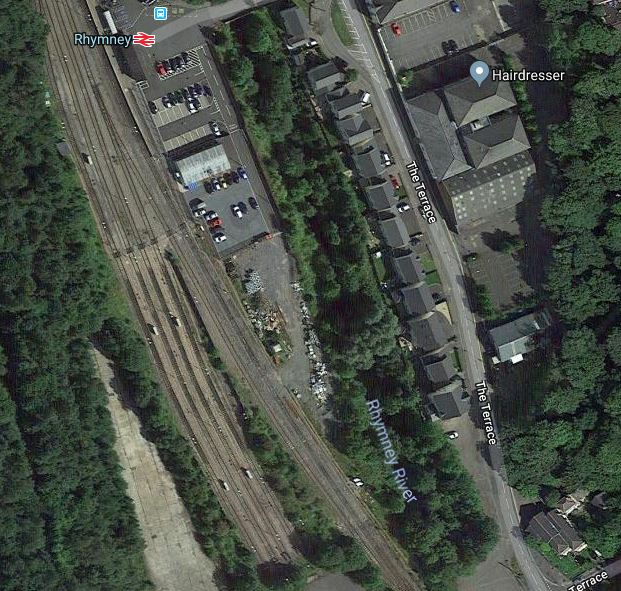
In addition to the enhanced stabling, the station will also be upgraded to accommodate more and longer Tri-Mode Stadler Flirts.
There’s certainly a lot of space for the stabling.
Enhancements at Treherbert
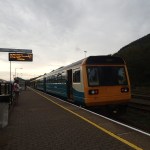
Treherbert station is the terminal of the Rhondda Line.
I took these pictures of the station in 2014.
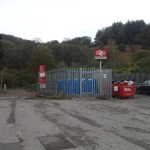
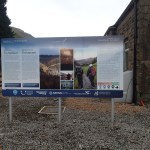
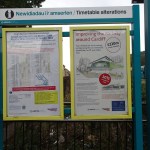
This Google Map shows an gives view.
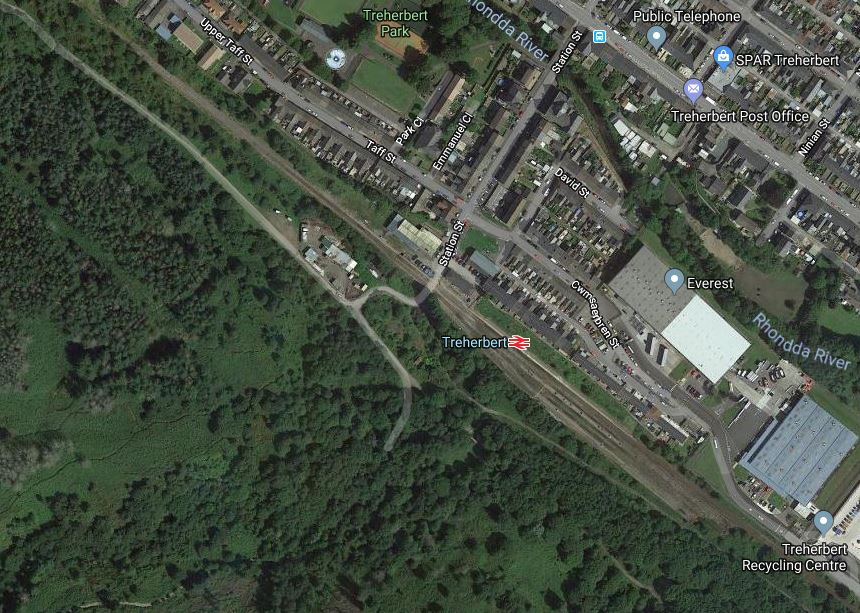
There certainly would appear to be space for the enhanced stabling.
Cardiff Queen Street Station
Cardiff Queen Street station is the first station to be refurbished for the proposed South Wales Metro.
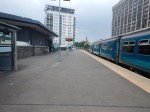
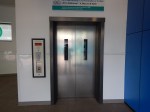
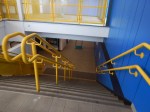
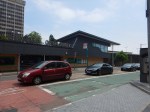
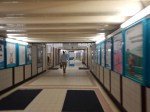
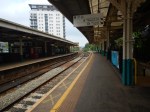
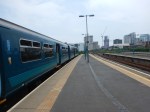
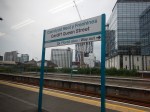

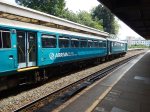
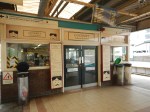
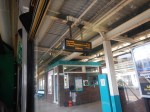
Note.
- The station is fully step-free.
- The platforms are wide, which helps interchange or waiting for your destination. See Canada Water on the Overground and St. Pancras on Thameslink.
- Currently, to get to Cardiff Bay station, you need to catch a five trains per hour (tph) shuttle train from Platform 1.
The service pattern is fairly-straight-forward, with the following lines passing though the station from South to North.
- 2 tph – Coryton Line between Radyr and Coryton stations via Cardiff Central.
- 2 tph – Cynon Line between Barry Island and Aberdare stations via Cardiff Central.
- 2 tph – Rhondda Line between Cardiff Central and Treherbert stations.
- 3 tph – Rhymney Line between Cardiff Central and Bargoed stations.
- 1 tph – Rhymney Line between Penarth and Rhymney stations via Cardiff Central.
- 2 tph – Taff Line between Cardiff Central and Merthyr Tydfil stations.
It is said, that to build anything, you need good foundations.
These services through Cardiff Queen Street station, seem to be a good foundation for the South Wales Metro.
The current proposed services through the station after the Metro is completed are.
- 2 tph – Coryton Line between Penarth and Coryton stations via Cardiff Central – Tri-Mode Stadler Flirts
- 2 tph – Cynon Line between The Flourish and Aberdare stations.. – Stadler Citylink Metro Vehicles
- 2 tph – Rhondda Line between Cardiff Queen Street and Treherbert stations – Stadler Citylink Metro Vehicles
- 2 tph – Rhondda Line between The Flourish and Treherbert stations – Stadler Citylink Metro Vehicles
- 2 tph – Rhymney Line between Barry Island and Rhymney stations via Cardiff Central – Tri-Mode Stadler Floirts
- 2 tph – Rhymney Line between Bridgend and Rhymney stations via Cardiff Central – Tri-Mode Stadler Flirts
- 2 tph – Rhymney Line between Penarth and Caerphilly stations via Cardiff Central – Tri-Mode Stadler Flirts
- 2 tph – Taff Line between The Flourish and Merthyr Tydfil stations – Stadler Citylink Metro Vehicles
- 2 tph – Cynon and Taff Lines between Aberdate and Merthyr Tydfil stations via the City Line and Cardiff Central – Stadler Citylink Metro Vehicles.
Summarising services gives these figures.
- 6 tph – To and from The Flourish – Stadler Citylink Metro Vehicles
- 10 tph – To and from Cardiff Central – Tri-Mode Stadler Flirts
- 2 tph – To and from Cardiff Central – Stadler Citylink Metro Vehicles
This Google Map shows Cardiff Queen Street station.
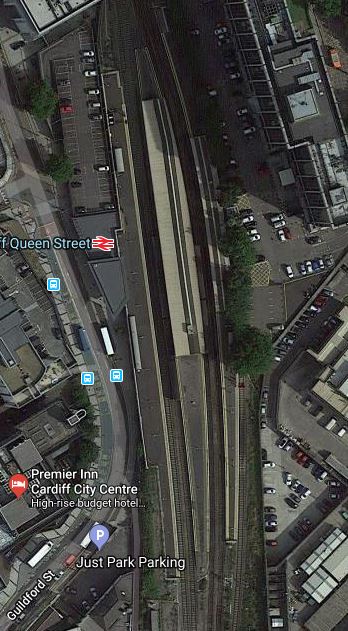
Note.
- The bay platform, which is numbered 1, is in the South East corner of the station. is used for services to Cardiff Bay station.
- There is no North-facing bay platform.
- Northbound trains for Aberdare, Merthyr Tydfil and Treherbert share Platform 5.
- Northbound trains for Bargoed, Coryton and Rhymney share Platform 4.
- Sounthbound trains use Platforms 2 and 3.
I believe that this layout will be changed in the creation of the South Wales Metro.
In an ideal world passengers should have a same-platform or cross-platform interchange between services going in the same direction.
If services going in the same direction shared the same platform, this would meet sixteen tph using two platforms, as two tph will terminate at Cardiff Queen Street station.
Canada Water station on the East London Line of the London Underground in a couple of years will be handling twenty tph.
- The platforms are wide with escalators, lifts and stairs.
- Four Southern destinations and Two Northern destinations are served.
- All services are run by Class 378 trains.
- Access between train and platform is step free and wheel-chairs and buggies can be pushed across.
- The East London Line has modern signalling.
If Crossrail and Thameslink will be able to handle twenty-four tph with digital signalling, I believe a solution can be found so that sixteen tph can pass through Cardiff Queen Street station.
Having seen wide platforms in operation at stations like Canonbury, London Bridge and Whitechapel, I feel an ideal layout at Queen Street station would be to use Platform 3 for all Southbound services and Platform 4 for all Northbound services, with as wide a platform as possible in between.
Consider.
- Passengers from Rymney and Coryton needing to go to The Flourish, would get off the train and get a Citylink for The Flourish.
- Passengers between The Flourish and Cardiff Central would just have to walk across the platform at Queen Street station to change trains.
- Passengers needing a train to Rhoose Airport could choose to change at Queen Street station.
Most waits at Queen Street station would be in a few minutes.
Although, passengers would wait longer for Barry Island, Bridgend and Rhoose Airport.
There is still the problem about what to do with the two tph that from Treherbert that terminate at Queen Street station.
- They could use Platform 2 or 5.
- They could use a new bay platform in the North end of Pltform 3/4.
- They could go through Queen Street station to terminate at The Flourish
- They could go through Queen Street and Central stations to terminate elsewhere.
Option 1 would have problems.
- Every thirty minutes a Citylink would have to cross the busy lines to the North of Queen Street station.
- Passengers wouldn’t always use the same platform for the Rhondda Line.
- Passengers wouldn’t have an easy interchange at Queen Street station.
Option 2 would be better.
- The track layout would be similar.
- Rhondda Line passengers would only have the inconvenience of sometimes walking along the platform.
.Even if this option was not used to turn trains, I suspect it could be built, as it would also be useful for service recovery purposes.
I like Option 3, although it will have the following consequences.
- ,The Flourish would need to be able to handle eight tph on the two proposed platforms.
- Queen Street station would need to be able to handle eighteen tph in both directions.
I suspect that both problems are solvable.
The problem with Option 4 is where do you turn the two extra trains?
I suspect that the Citylink vehicles can only use the City Line after Cardiff Central.
Would it be a good idea or not to run four tph on this route?
I don’t know! But a personable young station man at Queen Street station, said that handling the football can be a problem.
So perhaps more trains going to Ninian Park station might be a good idea.
I write about it in detail in The South Wales Metro and Big Events.
Conclusion
Cardiff Queen Street station has the possibility to be a World Class Metro interchange.
 The Anonymous Widower