Before Crossrail – East Is East And West Is West
I have now seen a good proportion of the Crossrail stations and they range from the spectacular new stations like Reading and Stratford to some much simpler ones like Taplow and Goodmayes.
But there is an East-West divide with the former Great Western stations being generally better designed and in a superior state of repair to those that were built by the Great Eastern.
Crossrail has a section on its web site called Urban Realm, which details their plans for all the stations.
Some of the more ambitious schemes involve virtually new stations like Hayes and Harlington and Southall, but they tend to be in the west.
So are we seeing another manifestation of the policy of not giving rail lines to the east, the investment they deserve?
Surely, if Southall needs a new station, then so does Manor Park?
Manor Park may well get a substantially rebuilt station, as the future development of the station is described like this in Wikipedia.
Manor Park station will be served by Crossrail from 2018. The platforms will not be lengthened so selective door operation will be used instead, allowing the freight loop to remain in use. Due to the narrow platforms, and the layout of the station, fitting lifts for disabled access would be difficult and expensive, requiring the walkways to be rebuilt and closing the station for several months. Like all the other Crossrail stations, this station will be made accessible.
As full step-free access has been promised, we may see more development at Manor Park.
Before Crossrail – Southall
The Manor Park Of The West – Rating 2/10
Southall is not quite as much of a ruin as Manor Park, but it has a great air of demolition about it.
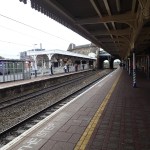
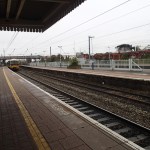

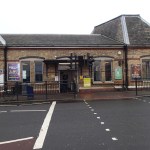
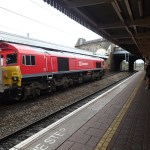
A lot of these pictures are irrelevant as Southall will be replaced completely according to Crossrail. They say this.
A new Crossrail station will be built just to the north of the existing building on the South Road railway bridge. The wider Southall area is likely to change substantially in future years due to large scale redevelopment sites such as the Southall Gas Works site which has permission for 3,750 homes. There is enormous potential for improvement in the area around Southall station.
The plans look a darn sight better, than what is there today.
Before Crossrail – Slough
Not A Station That Needs Friendly Bombs – Rating 7/10
Slough station is actually Grade 2 Listed, although today I didn’t have time to venture outside.

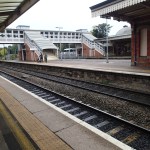


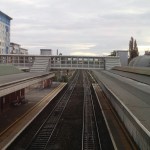


This is the Google Map of the station.
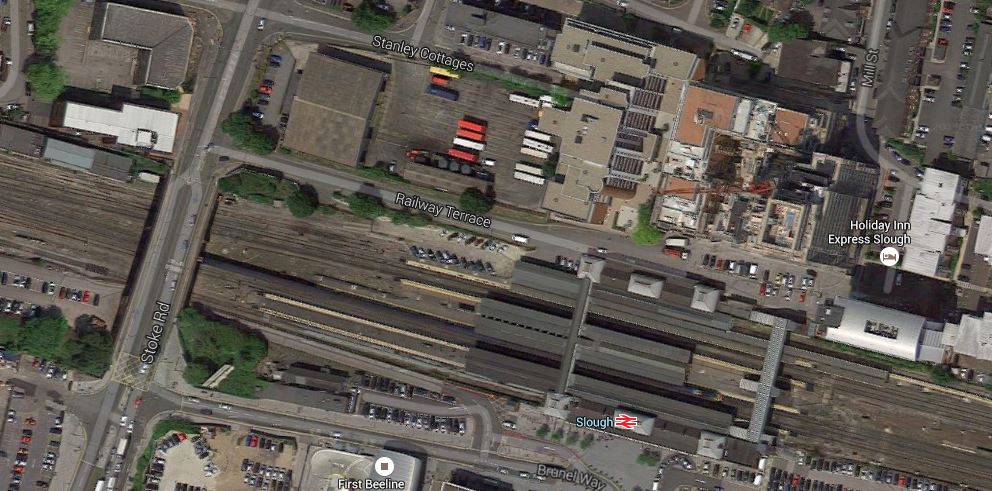
Slough Station – Downloaded 6th July 2015
Crossrail has big plans for Slough station and say this.
In recent years the southern forecourt to the Grade II listed station has been improved. In contrast, the northern forecourt is somewhat neglected and is poorly utilised as a public space and arrival point to the town. Most of the space is given over to car parking and the forecourt surfaces are of poor quality with little footway space.
The traffic at Slough would also appear to be very similar to that at Shenfield, in that some long-distance services stop to pick-up and set down passengers.
So I do wonder that after Crossrail opens, the pattern of services between Paddington and the West will change and the station becomes a more important interchange.
Before Crossrail – Burnham
One Of The Simplest Stations -Rating 6/10
Burnham station has just one island platform, which will serve both lines for Crossrail.
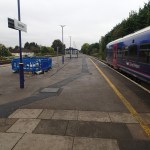
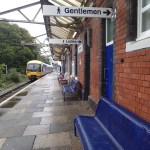
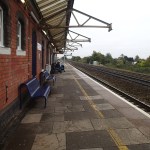
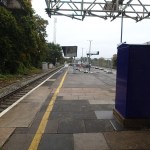


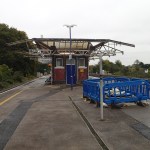
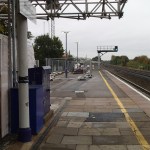
This is a Google Map of the station, clearly showing the island layout.
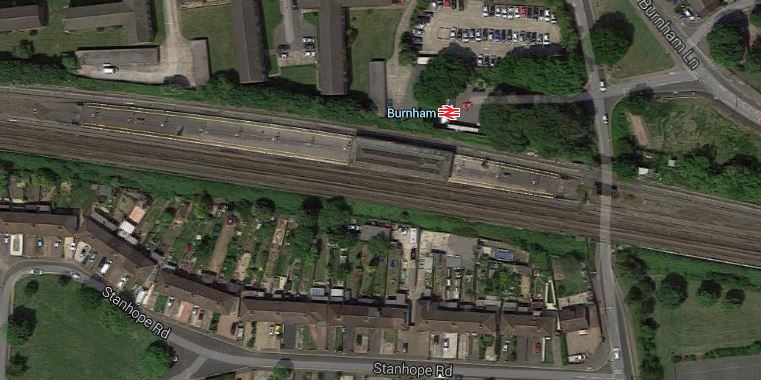
Burnham Station – Downloaded 6th July 2015
It does appear that work has started at the station to make it fully Crossrail-ready.
So are the contractors starting with the easy stations first?
They still have to put in a lift and add a roof.
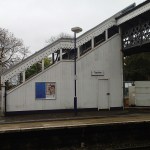
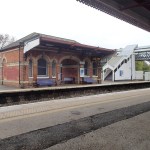
Before Crossrail – Taplow
Crossrail Meets The Countryside – Rating 7/10
Taplow station is possibly the remotest Crossrail station.
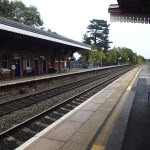
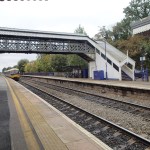
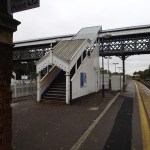
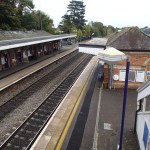
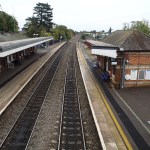

This is a Google Map of the station.
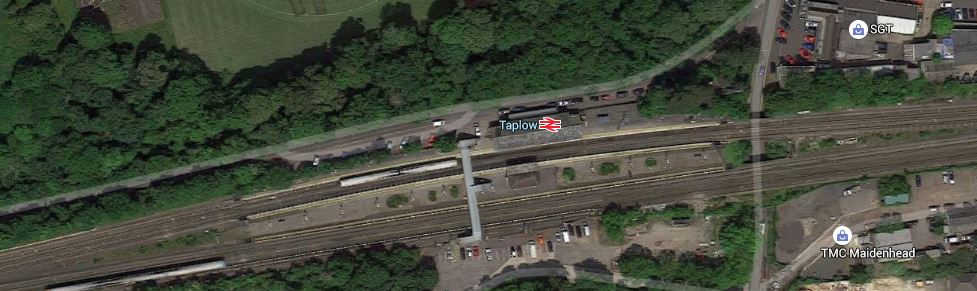
Taplow Station – Downloaded 6th July 2015
As it has car parks and because it is used for events at Dorney Lake, the station must be needed by commuters and other passengers.
But it is a station with a very different profile to all of the others on Crossrail.
Will a probable frequency of four Crossrail services an hour, in addition to other stopping trains on the Great Western Main Line generate extra passengers at this station?
But as with many other questions about Crossrail, we won’t know the answers until the line is fully open.
 The Anonymous Widower