Bristol-Based Manufacturer And Centrica Agree Solar Power Purchase Agreement
The title of this post, is the same as that of this article on BusinessLive.
These three paragraphs outline the story.
A Bristol-based architectural aluminium manufacturer has agreed a power purchase agreement and long term lease of 7,000 solar panels on the roof of its UK headquarters.
Smart Architectural Aluminium (Smart) agreed the deal with Centrica Business Solutions, which will see the 2.94MW installation provide Smart with green energy for the next 25 years whilst servicing 20% of the sites current energy needs.
Centrica Business Solutions has started construction on the 7,000 solar panel array, across the roofs of three buildings at the manufacturing site in Yatton, near Bristol. The 2.94MW installation is the result of a long -term lease agreement between Smart and Centrica Business Solutions, which will see Centrica lease the roof space, finance the project and agree a power purchase agreement with Smart.
Some cynics will look at this deal and think that someone is getting ripped off.
- But the project starts with a non-productive asset; three roofs, which Centrica cover with solar panels.
- Most of the electricity generated will go to Smart and be paid for, as they would do, if they get it from the grid.
- Smart gets paid for the lease of the roofs.
- Centrica gets paid for any electricity that is fed into the grid.
- The leasing company gets paid by Centrica.
Centrica would appear to be the company taking the risk and if they do their sums correctly, they should make a profit.
Overground To London Bridge Under Consideration
The title of this post, is the same as that of a short article in the December 2023 Edition of Modern Railways.
This is the text of the article.
Transport for London is considering introducing London Overground services between Crystal Palace and London Bridge to help relieve overcrowding on the Sydenham corridor during the morning peak.
The move is one of two options outlined in a response to Lewisham’s Public Transport Liason Committee meeting on 4 October. The other is operating additional services on the existing route via the East London Line to Dalston Junction/Highbury & Islington. TfL acknowledges the London Bridge service would ‘represent a new routing for London Overground services that would necessitate significant changes to operational arrangements and driver testing’ and therefore further work is required ‘to establish the feasibility and business case for this change.’ There are no timescales for the implementation of either option.
The overcrowding follows the reduction by Govia Thameslink Railway of its Southern service to two trains per hour last September, when it replaced its East Croydon to London Bridge via Forest Hill stopping service with a Victoria to London Bridge via Forest Hill stopping service. In its response to the committee, GTR says the context to these changes is ‘the continued need to respond to the gap between our costs and revenues’, which it says is in the region of £15 million a year, with both demand and revenue having stabilised at around 80 % of pre-pandemic levels. It says its aim is to make ‘the most efficient use of the resources available to us,’ with the Victoria to London Bridge service designed to provide capacity for journeys to both stations’.
GTR says the current service has sufficient capacity and is lightly loaded outside peak times, and that while it will continue to keep passenger and feedback under review an increase from two to four trains per hour would require an increase in funding.
These are my thoughts.
Transport for London’s Long Term Plans
Plans exist to increase the frequency on various London Overground services and this graphic sums up what was planned a few years ago.
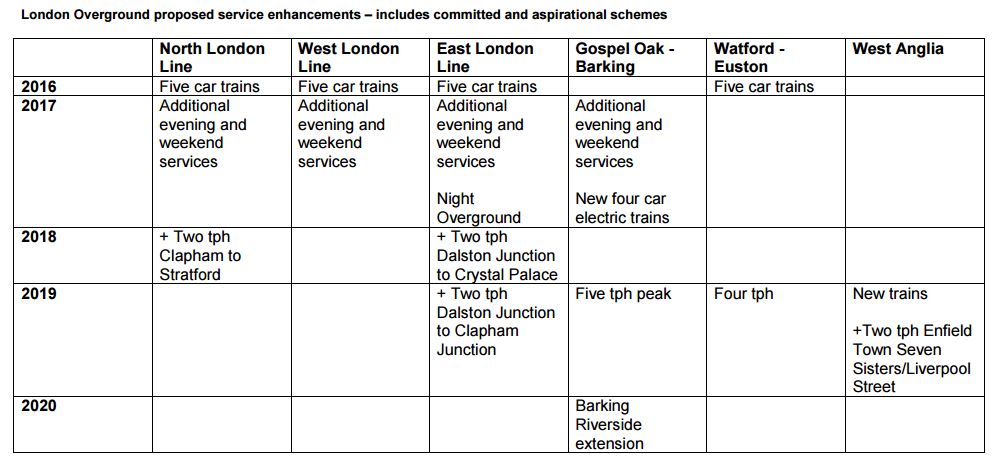
Note the extra two trains per hour (tph) between the following stations.
- Clapham Junction and Stratford
- Dalston Junction and Crystal Palace
- Dalston Junction and Clapham Junction
- Enfield Town and Liverpool St. via Seven Sisters
I think only Route 1 services have been increased.
I know signalling updates are holding up the extra trains on the East London Line, but are more trains needed to fully implement the extra services?
- Routes 2 and 3 services will need Class 378 trains because of the tunnel and these would be transferred from the North London Line.
- Route 4 would need Class 710 trains, as the service already uses them.
So there may be a need for more Class 710 trains.
This plan sees another two trains per hour (tph) running between Dalston Junction and Crystal Palace, which would help to reduce Lewisham’s overcrowding.
Would A London Bridge And Crystal Palace Service Be Easier To Implement?
It looks like the extra Dalston Junction and Crystal Palace services have been held up by two possible reasons.
- The required signalling update on the East London Line, that is needed to increase Crystal Palace and Clapham Junction services has not been performed.
- There are not a sufficient number of Class 378 trains to run the service through the Thames Tunnel. These will be released by running more Class 710 trains on the North London Line.
If two tph were to be run between London Bridge and Crystal Palace, this service would have these advantages.
- The train paths are available.
- The service would not be going through the Thames Tunnel, so the signalling upgrade would not be needed and the trains would not need to be able to evacuate passengers in the tunnel.
- The service could be run by any suitable third-rail trains.
- The service could be run by any length of train, that would fit all the platforms.
I believe the service could be run by eight-car trains to really get a hold on the current overcrowding.
How Many Trains Would Be Needed?
Looking at other services between London Bridge and Crystal Palace, I believe that the journey time would be about 24 minutes.
If the service were run efficiently, I suspect two trains would be needed to provide the required service of two tph.
An eight-car service would required four x four-car trains.
What Trains Could Be Used?
If the numbers are available, then third-rail versions of both London Overground’s Class 378 and Class 710 trains would be suitable.
But this would probably mean a number of Class 710 trains to be manufactured by Alstom. This would not be a short-term solution.
In Liverpool last week, I rode in a Class 319 train and these could be an interesting stop-gap.
- Several will soon be available as West Midlands Trains renews its fleet.
- They are already fitted with third-rail gear.
- They are 100 mph trains.
- Drivers seem to like them.
I believe they could fill in until more Class 710 trains were available.
Crystal Palace Station
This Open RailwayMap shows the platform layout at Crystal Palace station.
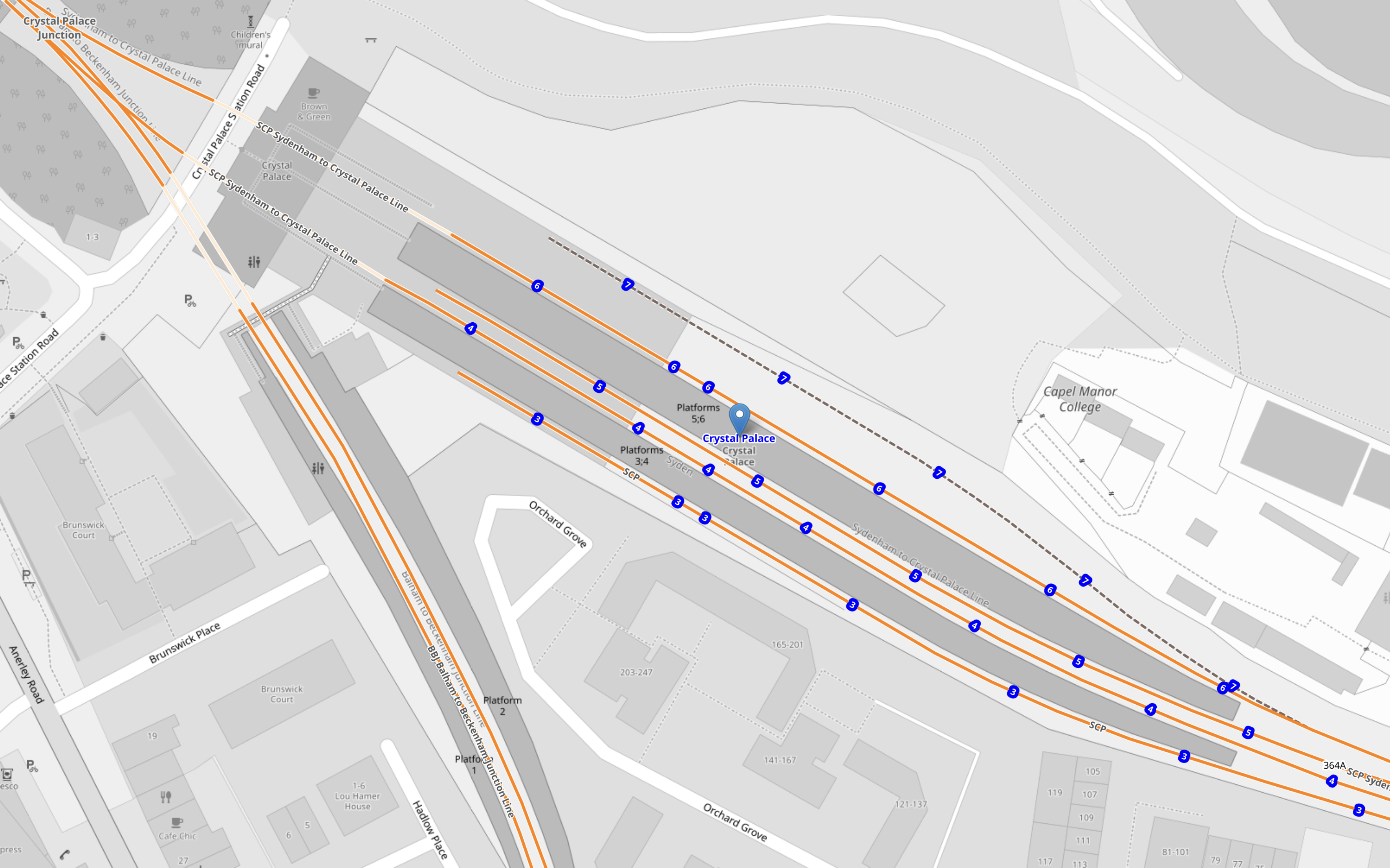
Note.
- Platforms 1 and 2 cross the South-West corner of the map and handle services like London Bridge and Beckenham Junction, London Bridge and London Victoria, and West Croydon services.
- Platform 3 is a little used bay platform, that can terminate trains from the East London Line or London Bridge.
- Platform 4 handles services between London Bridge and London Victoria.
- Platform 5 is a bay platform, that can terminate trains from the East London Line.
- Platform 6 handles services between London Victoria and London Bridge.
- Platform 7 is a disused bay platform.
These pictures show Crystal Palace station.
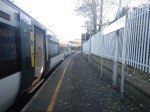
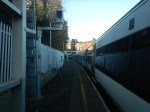
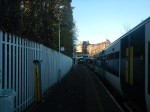
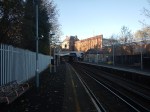
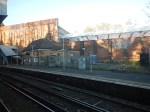
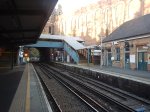
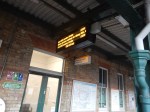
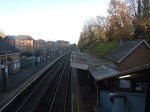
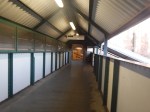
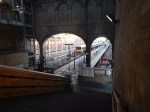
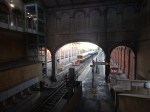
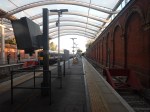
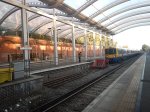
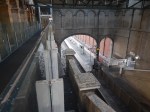
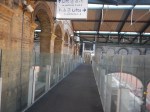
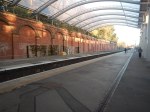
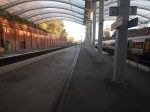
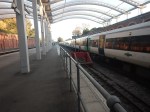

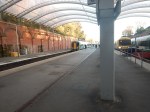
Crystal Palace station has an adequate number of platforms.
Conclusion
A service between London Bridge and Crystal Palace looks to be a sound plan.
 The Anonymous Widower