Where Are All The Containers Going?
On the North London line of the Overground, every so often a freight train comes through taking full boxes from the East Coast ports to the West Coast Main Line or empty boxes back again. Some may also be flows between Southampton and the East.
A few years ago rail freight was almost dead, but it has bounced back with a vengeance, despite the recession. It was always felt that rail freight traffic was strongly linked to GDP, but it appears the link is now broken and the figures show it. In the last five years, total freight has dropped by 10% and truck hauled traffic has dropped by 13%. So how many truck drivers have been made redundant? But in the same period rail-freight has risen by 2%. The number of containers handled at the ports in 2010 was the same as in 2005, but those that were handled by rail has risen by 29%. In the future, rail freight-traffic is expected to double between 2010 and 2030.
The reason for the growth is obviously cost and even a long train of 30 containers or so is more cost effective than 30 trucks.
But also various improvements to the rail network have been added to speed the traffic on its way. I reported on one here. There are more improvements in the pipeline too.
Some trains too, are now running through the Channel Tunnel, as far as Wroclaw in Poland.
So we’ll be seeing lots more freight trains on the rail network in the UK.
And this will mean less CO2 emissions, especially where the trains are hauled by electric locomotives.
It will also remove a lot of trucks from the major roads in the UK. Every time I travel on the A14, I seem to think that there are less trucks.
I also come to the conclusion, that we may be seeing a few green shoots of recovery.
The Hanging Gardens of Dalston
The development by Dalston Kingsland station replacing the old Peacocks store is official called Dalston Green. I don’t like the choice of name, as it really isn’t green space and Dalston is short of the latter. This was said on the old London Development Authority web site about Dalston.
On average in London 38% of land is given over to green space – in Dalston it is less than 12%.
There is more here about the LDA’s plans for Dalston. As the LDA has been abolished it would be interesting to know the view of the GLA.
So you can see why I prefer the Hanging Gardens of Dalston, as the development will not add to any green space in the area.
The Proposed Development
I should start by saying, that the proposed development will not affect me on a permanent basis, unless the access to Dalston Kingsland station is improved from the south-west. But during constructi0n, I fear it might make it difficult to walk to the station from the same direction.
The development is tall, is all flats for sale, and has no on-site parking except for two disabled spaces. The green part comes because they are intending that residents cultivate gardens on their balconies. Some will, but many won’t I fear. Incidentally, when we lived on the eleventh floor of Cromwell Tower in the Barbican, we didn’t bother to grow anything.
So my first question is will the developers actually sell all of the flats? I have been told that the penthouses are about a million. And that of course goes with a maximum green view of 12%, no water view and no car parking. For that sort of money in Hackney, you can buy a whole house. OK, a lot of the flats will be much cheaper, but I think they’ll struggle to sell them to owner-occupiers.
Which leaves those, who are buying-to-let. I have two buy-to-let properties outside London and both have water views. They are not a problem to let. I would think that these in Dalston might be difficult. Especially, if you want to make a return on your money.
About the only thing going for the development, is that it has its own railway station and as the developers are rebuilding this with lifts and full step-free access, this is a plus to offset the car parking problems.
But the biggest problem of the development is that it is not a friendly neighbour and it will cast a deep shadow over all the buildings around. A lot of people are objecting to that.
A Deal Over Windows
Apparently, the developer has done a deal to rebuild the station with step-free access and has now got the ability to put windows on the northern side of the tower. You could argue that only the north and east sides of the tower have any interesting views, with the railway and the Kingsland Road respectively. It does seem a bit dodgy, but then all the parties involved are reputable.
The picture shows Dalston Kingsland station from the westbound platform with the Peacocks store on the right.
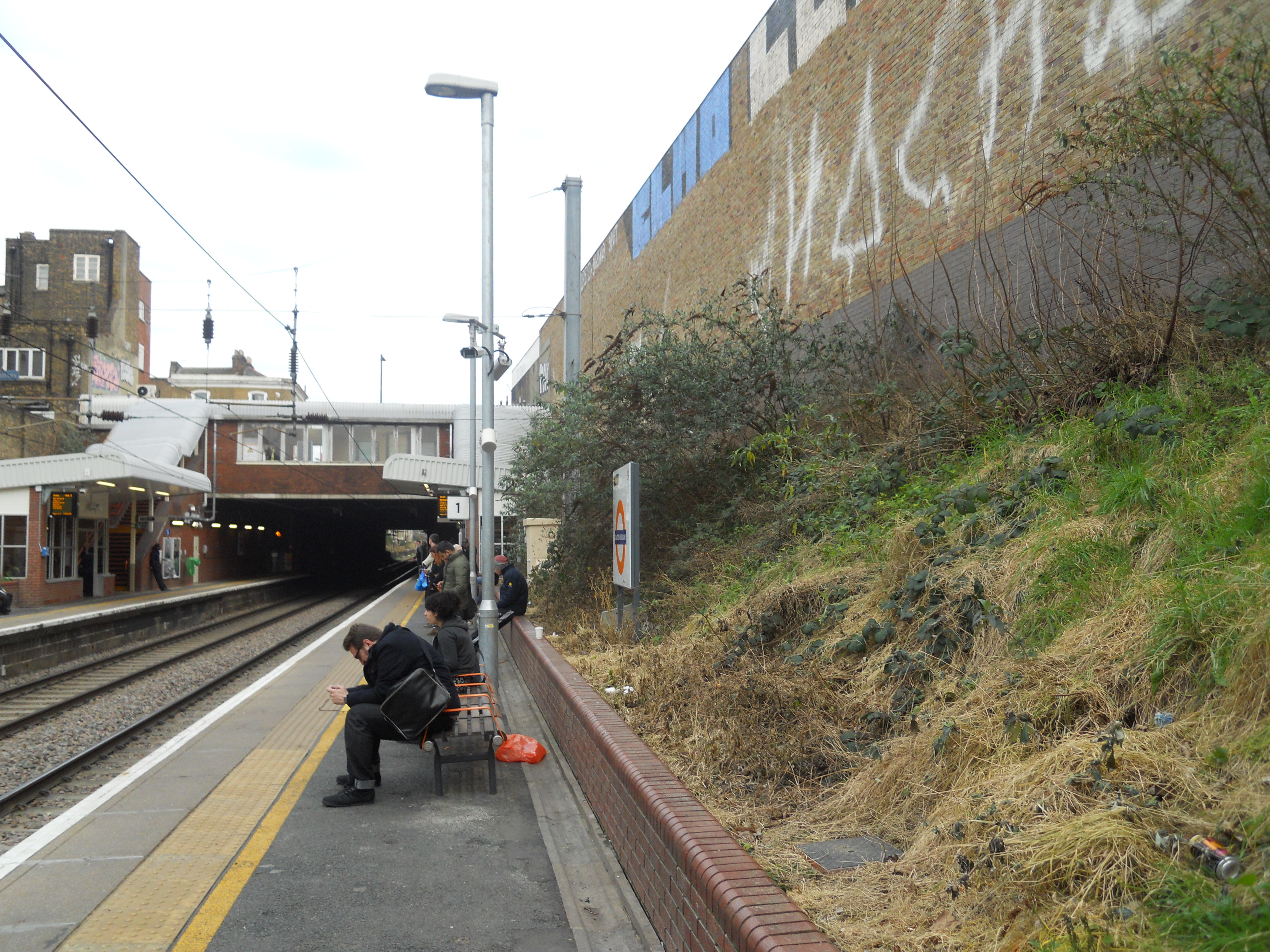
Dalston Kingsland Station Looking East
Note how it would be impossible to squeeze another track into the cutting. But does the deal between the parties allow them to build over the tracks? This might be actually easier than not, as somewhere underneath all this is HS1.
Rail Considerations
The cross-London routes and the London Overground are probably in for a lot of changes over the next few years. If TfL get their way a lot of freight will leave the North London Line through Dalston Kingsland and move to a newly-electrified Gospel Oak to Barking line. Some freight will never get near London at all, due to developments elsewhere, like the Bacon Factory Curve at Ipswich. This will increase the number of passenger trains on the North London Line, but not enough to cope for the expected increase in passengers on the line.
Further increase in capacity will come from lengthening the trains from four coaches to five. The trains are designed to be coupled in various combinations and four to five, is just a matter of coupling in the coach and telling the train it is now longer. Some stations are ready for the extra coach, but Dalston Kingsland is not, so temporarily the longer trains would use selective door opening. The way the trains are designed means this won’t be a problem, especially as it would be easy for passengers to move to a coach from which exit was not allowed.
Selective door opening is only a short term fix though and inevitably the platforms will have to be lengthened.
The platforms at Dalston Kingsland are actually staggered, so only one platform would need to be lengthened. I took this picture from the western end of the westbound platform.
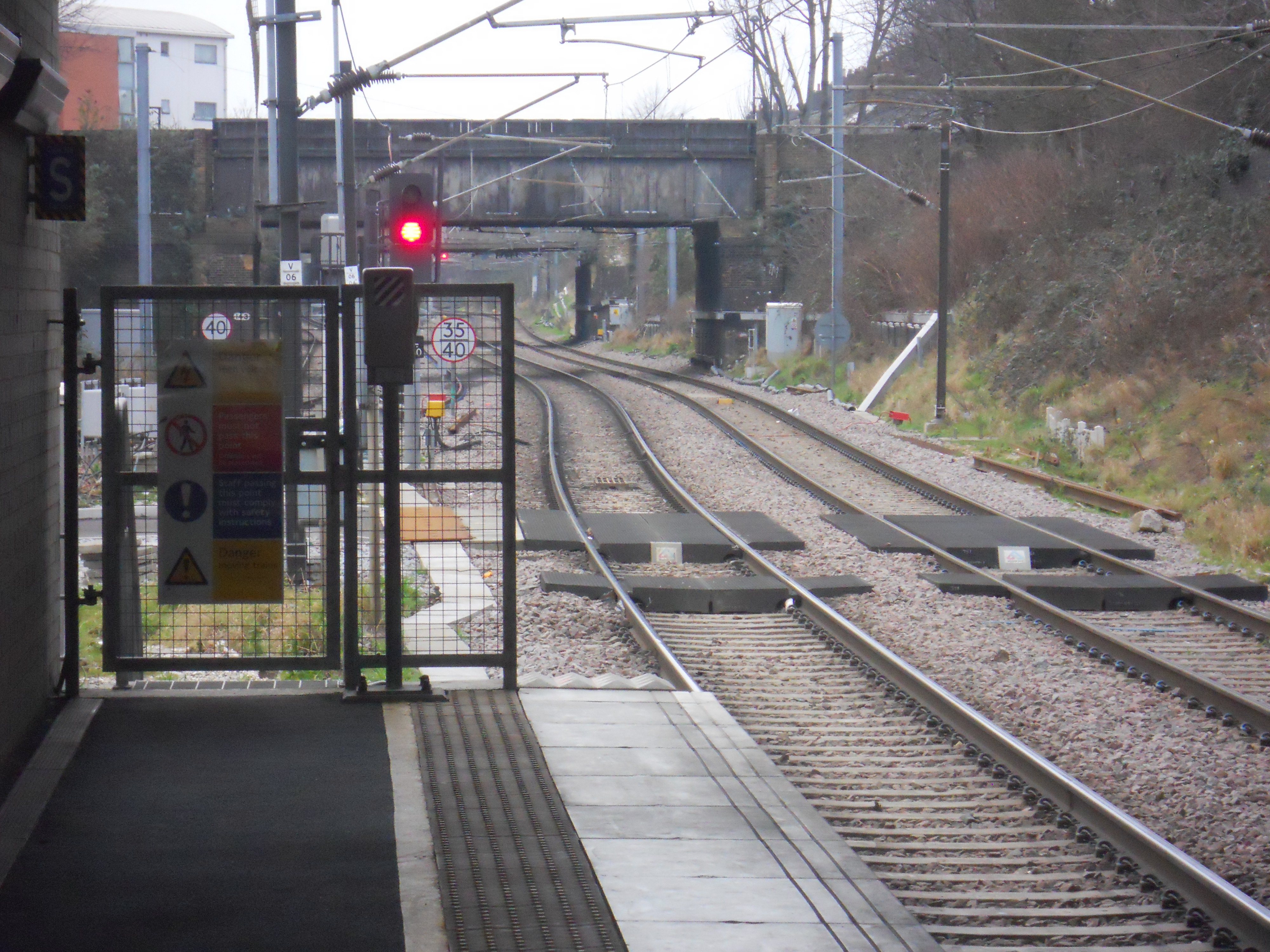
Looking West From Dalston Kingsland Station
It shows the stagger well, and it would appear space has been left to extend the eastbound platform at its western end, with perhaps a bit of modification to the overhead wiring. The westbound platform would probably take a five car train with just a couple of metres of extra platform.
One advantage of extending the platforms at the western end, would be that the station frontage could be moved backwards from the Kingsland Road, if this would make a better balanced building.
The Rail South To and From the East Problem
At present if you come up from the South and want to get to anywhere in the East, like Stratford, you have to change at Canonbury via either steps or two lifts.
From the East to go South, you presently change at Canonbury by walking across the platform.
This is probably better than fighting your way down Kingsland High Road. Especially, with some heavy purchases from the Eastfield shopping centre at Stratford.
When I do the trip from Stratford to Dalston Junction, I always go via Canonbury.
Looking at the area today, I wonder whether it would be possible to slip a southbound platform between the southbound line and the end of the westbound platform, so that passengers could just walk across between a westbound train and a southbound one. There may be enough space, but would the expense be worth it given that Canonbury works well as an East-to-South interchange.
It Gets Complicated
If we look at all the site from Boleyn Road to the station, it is either directly owned by TfL/Network Rail or the developers, who may be under the rail companies control because of the northern windows issue.
Given too, that Peacocks have gone bust since all this development was planned and the Overground is going from strength to strength, might we not see a bigger plan covering the whole site, much more sympathetic to the better buildings on the Kingsland Road. A decent architect might even be able to build a small green space into the development, as after all Dalston needs it.
A Walking Route Between the Two Dalston Stations
This I think is very much needed, as I’ve said earlier, it’s not good to walk along the crowded Kingsland Road. But if all the development on the west side of the road is done together, there is a chance, that something everybody would be proud off can be created. There is probably space for a decent bus lay-by and the walking route could also branch down the Balls Pond Road, where hopefully a light-controlled crossing could cross that road to the Bentley Road car-park. We might even see some better shops and cafes alongside the walking route to compliment the pub and the Shanghai restaurant.
In Conclusion
A lot of what I have said here is kite-flying and can probably be shown up as rubbish. But I hope it shows how to treat the various sites to the west of the Kingsland Road holistically as one site could lead to something that is more in keeping with the surroundings, is probably shorter in height and offers benefits to everybody who uses the trains or the Kingsland Road.
The Orange Train for the Dutch at the London Olympics
London’s new Overground system is four lines, with a fifth to be added in October, later this year.
The Dutch will feel at home on these trains, as the colour scheme of the trains and stations is predominately orange and the line is shown in orange on the tube map.
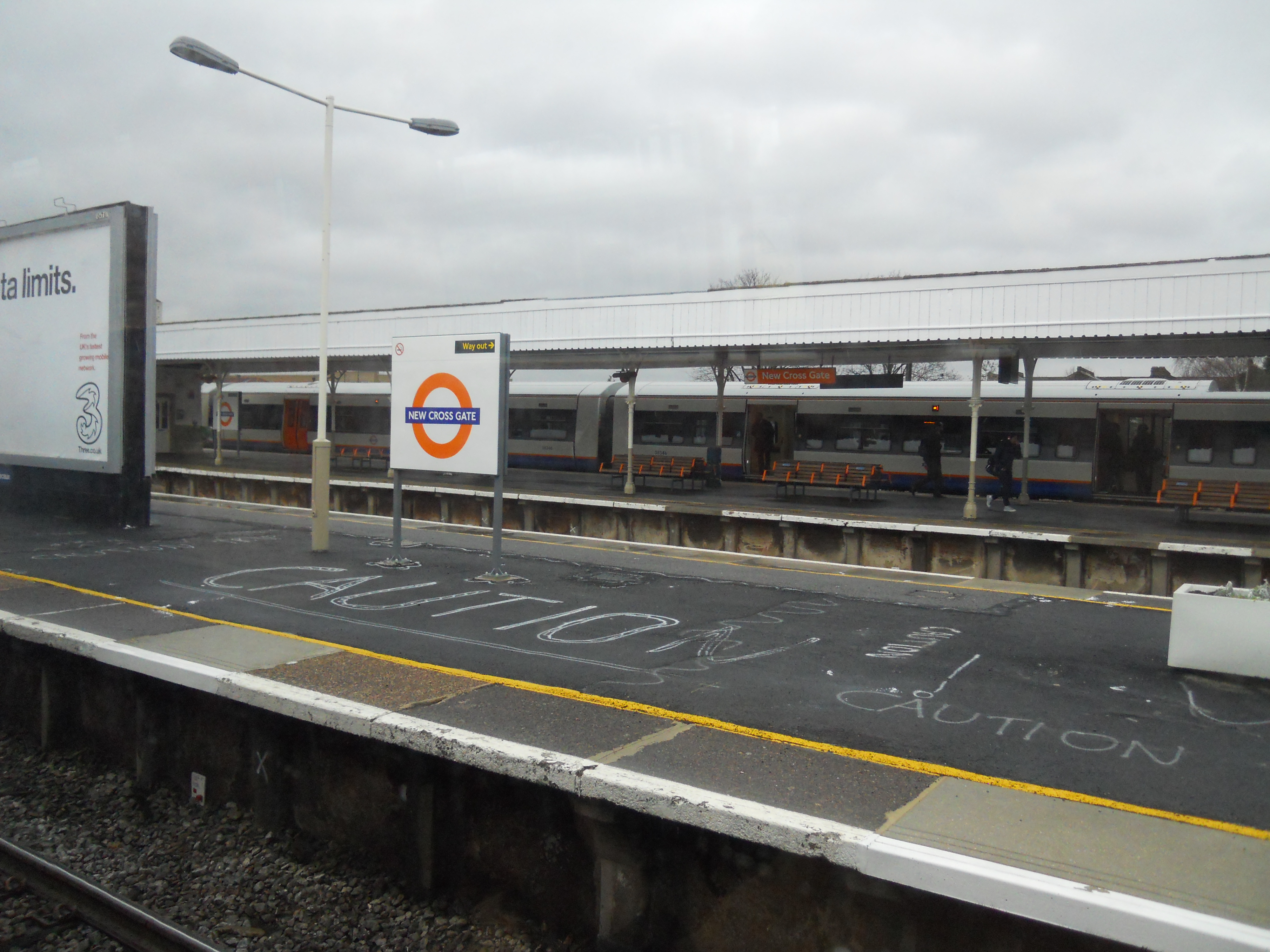
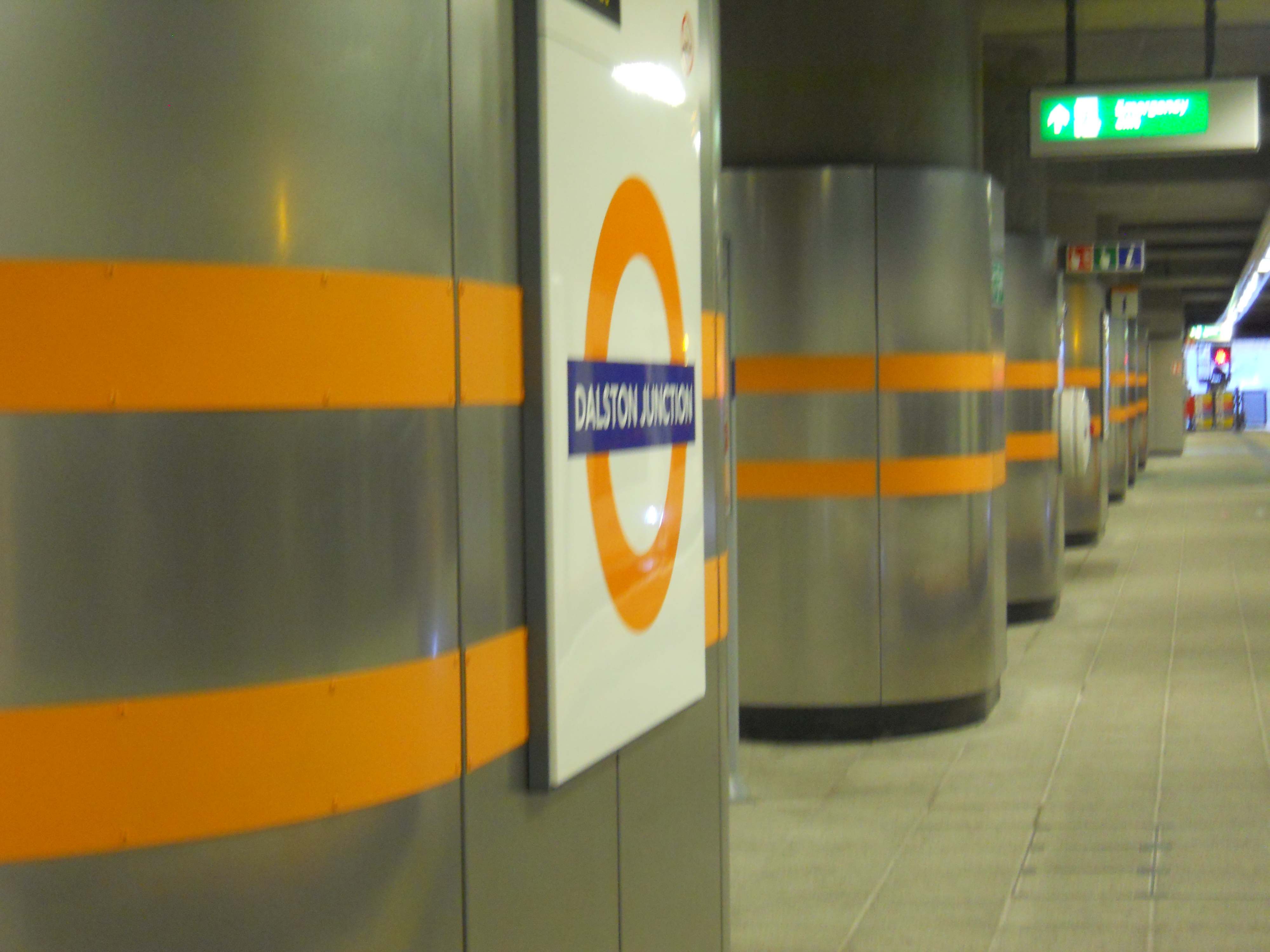
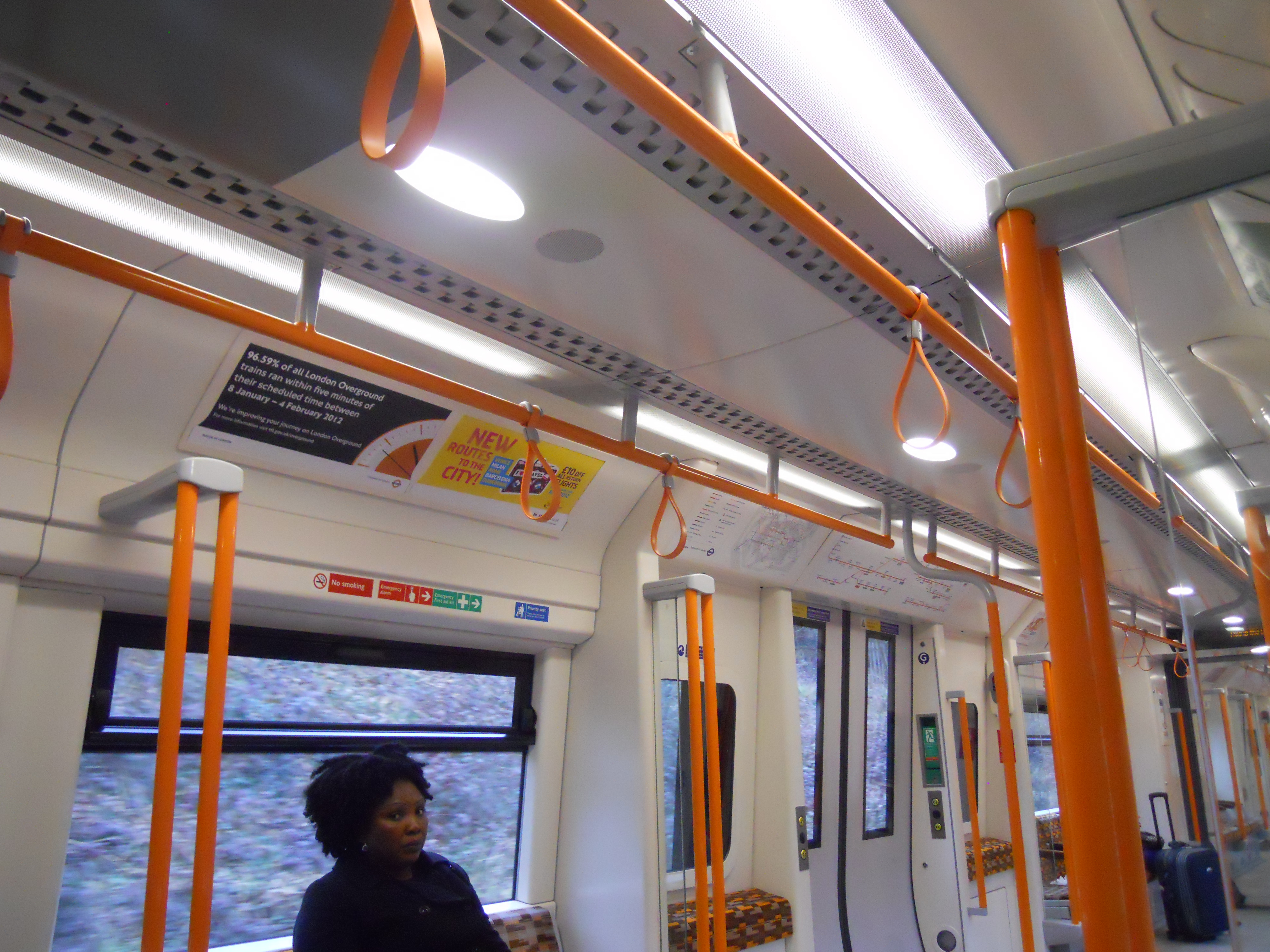
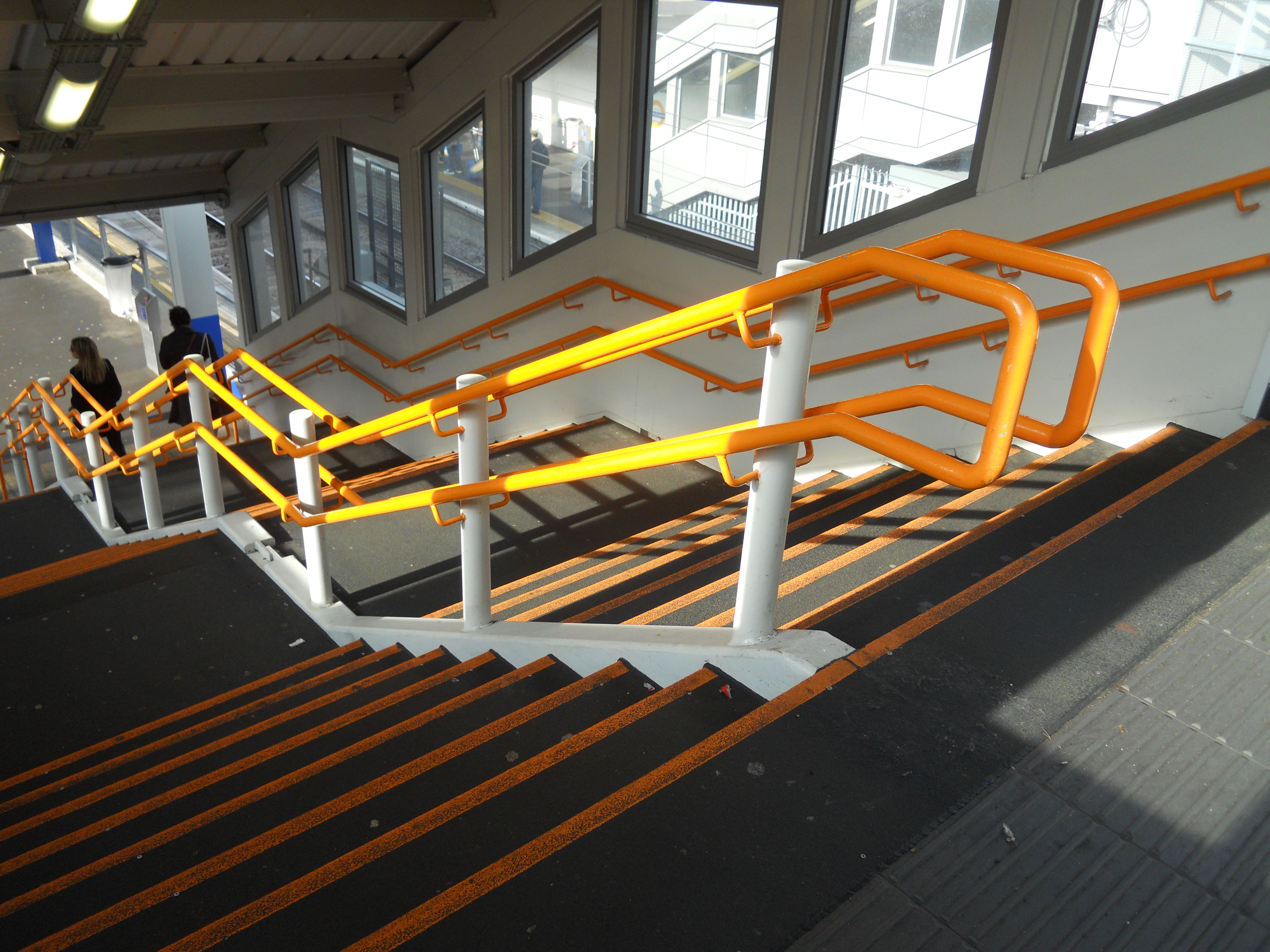
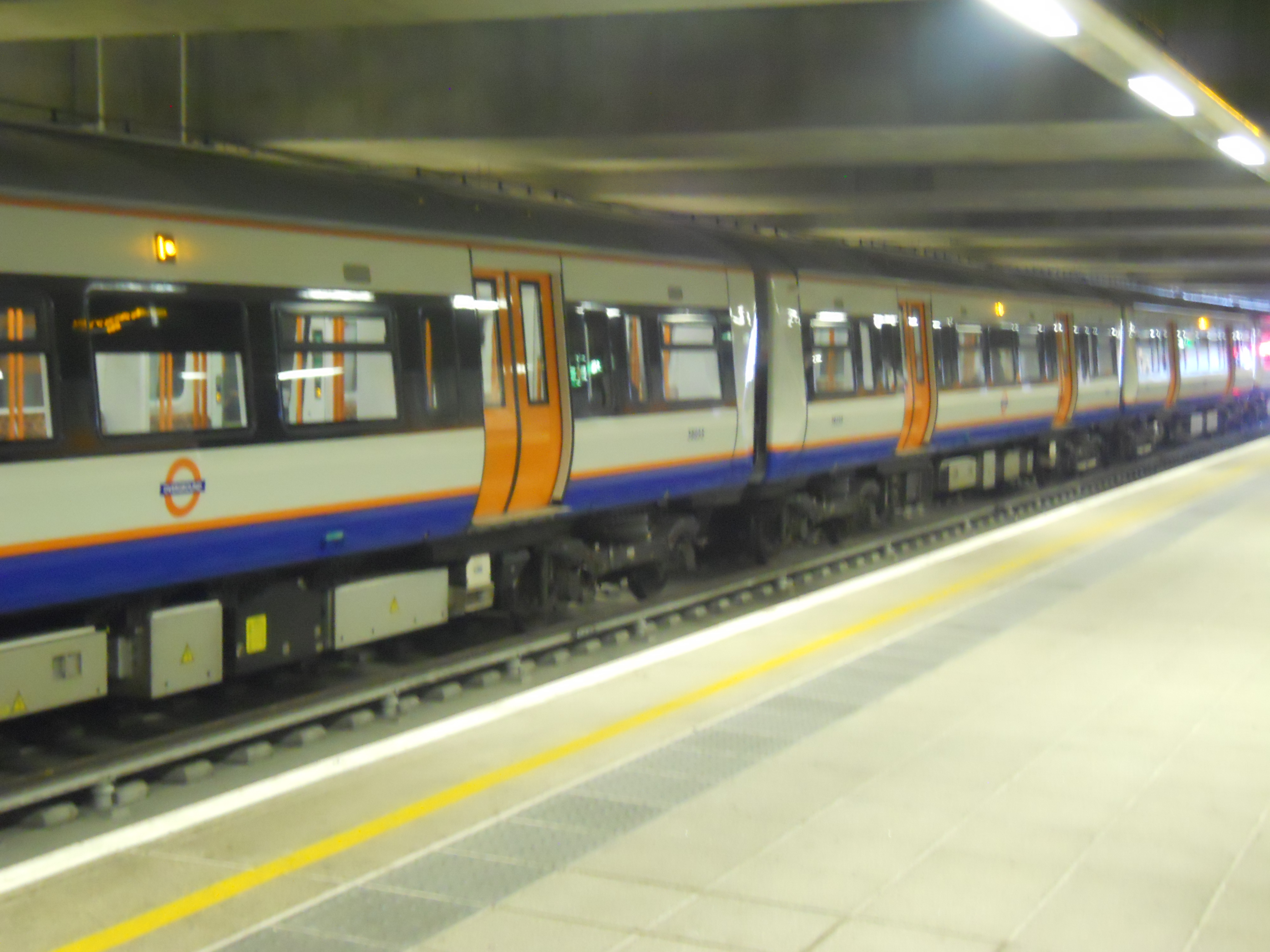
The major line, the North London line, also travels across North London from the Olympic site at Stratford and connects to buses and trains to get to the Heineken House at Alexandra Palace. If you go further west you get to Hampstead Heath and Kew Gardens, two of the best places in London to get over a hangover.
I suspect that getting to Alexandra Palace during the Olympics may be difficult, as the two train routes from Kings Cross St. Pancras station, where the Olympic Javelin Shuttles arrive, the suburban rail to Alexandra Palace station and the Piccadilly line to Wood Green station, are crowded most of the time, even without the Games. If you can get to Alexandra Palace station, it’s a much shorter walk up the hill to the Palace.
So a better alternative might be to take the North London line from Stratford to Highbury and Islington and then take the suburban rail from there to Alexandra Palace station. It will certainly avoid the inevitable crush and wait at Kings Cross.
New Track for the London Overground
To connect the Overground from the two Peckham stations; Rye and Queen’s Road to Surrey Quays station, a new length of track has to be laid. These pictures show the Peckham end.
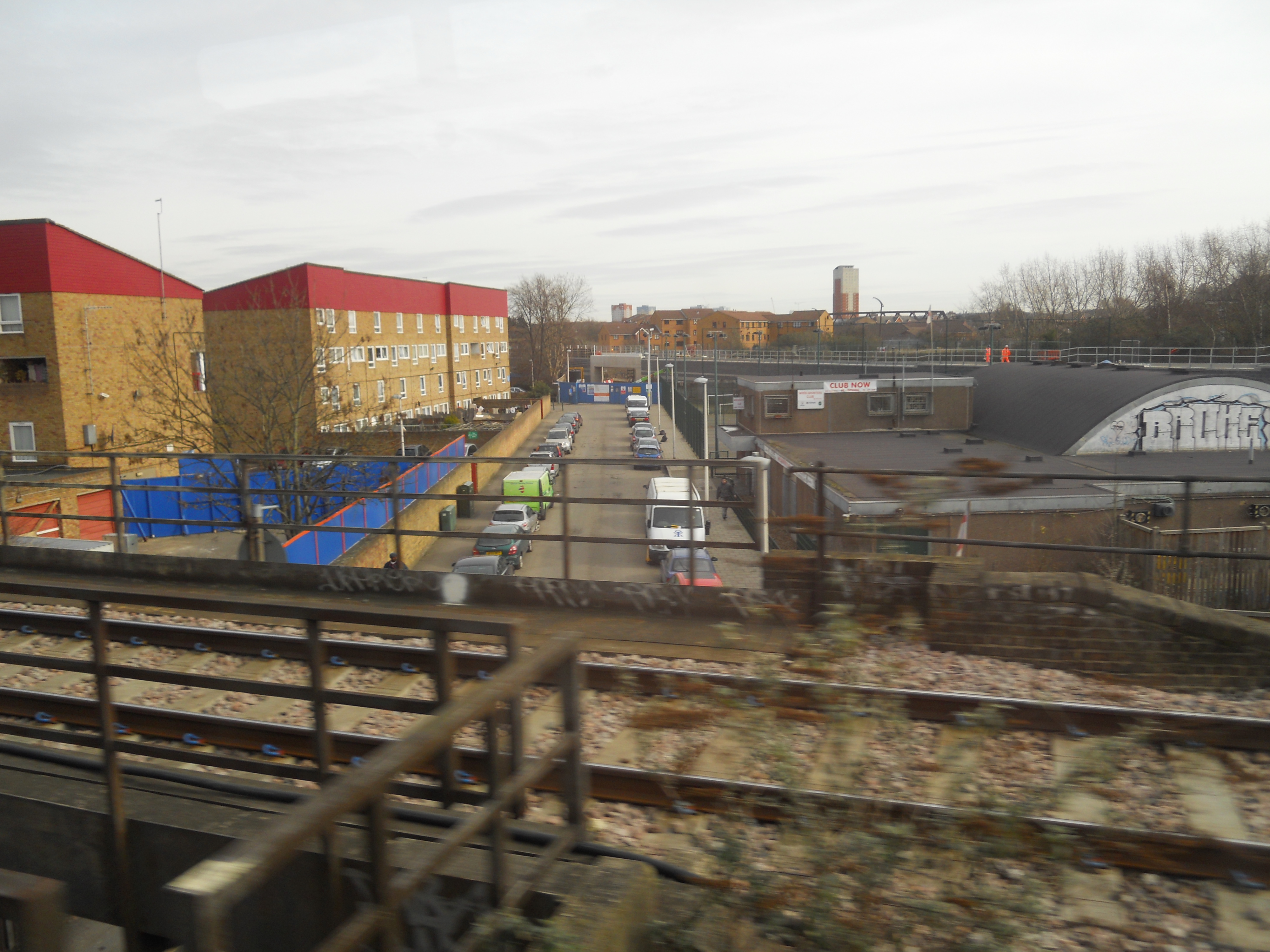

As the pictures were taken by a train going towards London Bridge, the new track is very much in the right background
This post shows the junction at the other end, where it joins the southern branches of the East London line.
Peckham Rye Station – A Station Designed By Several Committees
Peckham Rye station, which is is the next on from Denmark Hill station, looks like a station, that has been designed by several different individuals or committees, who had no idea what a team or a design brief was. All of these pictures were taken there.
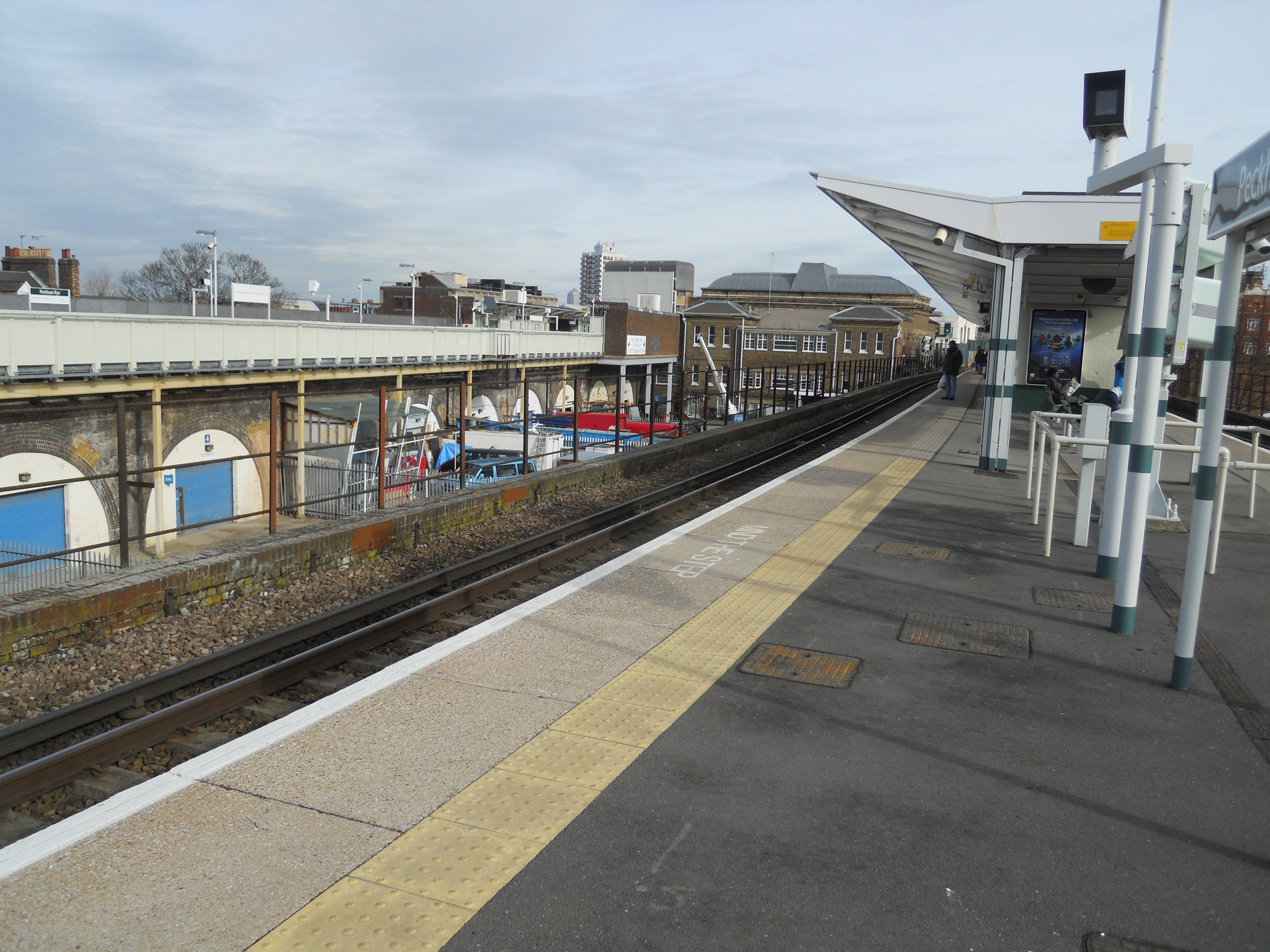
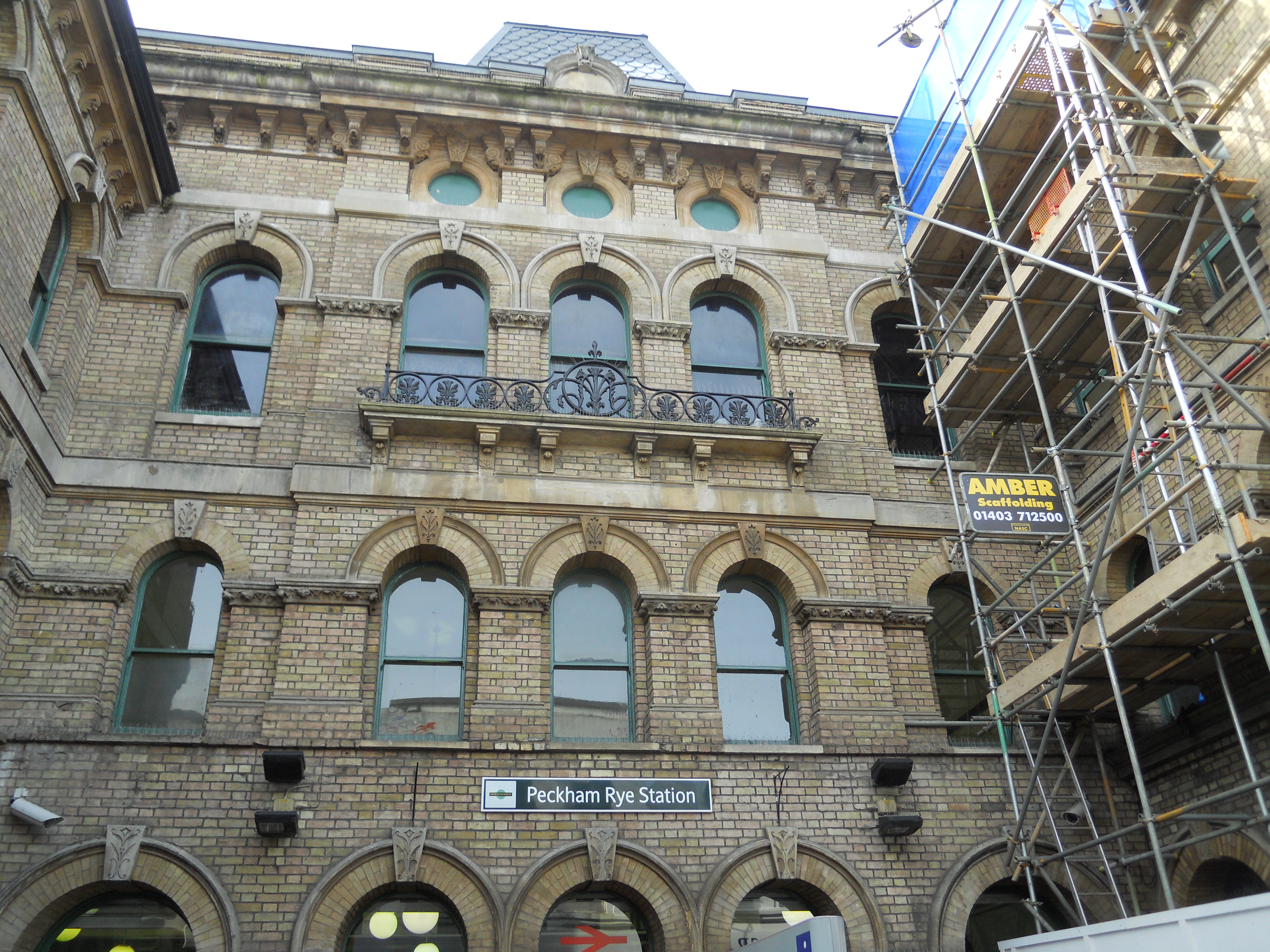
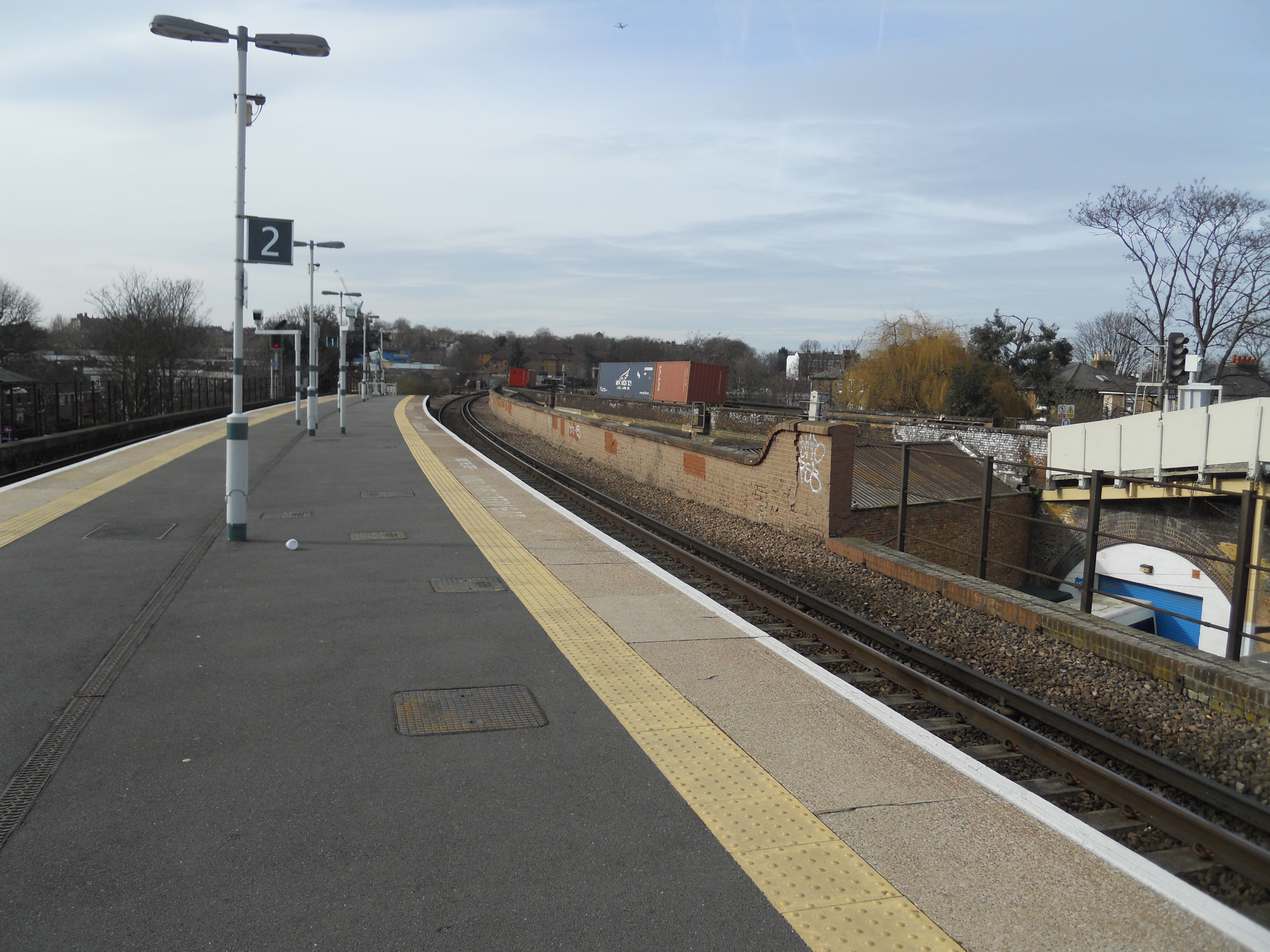
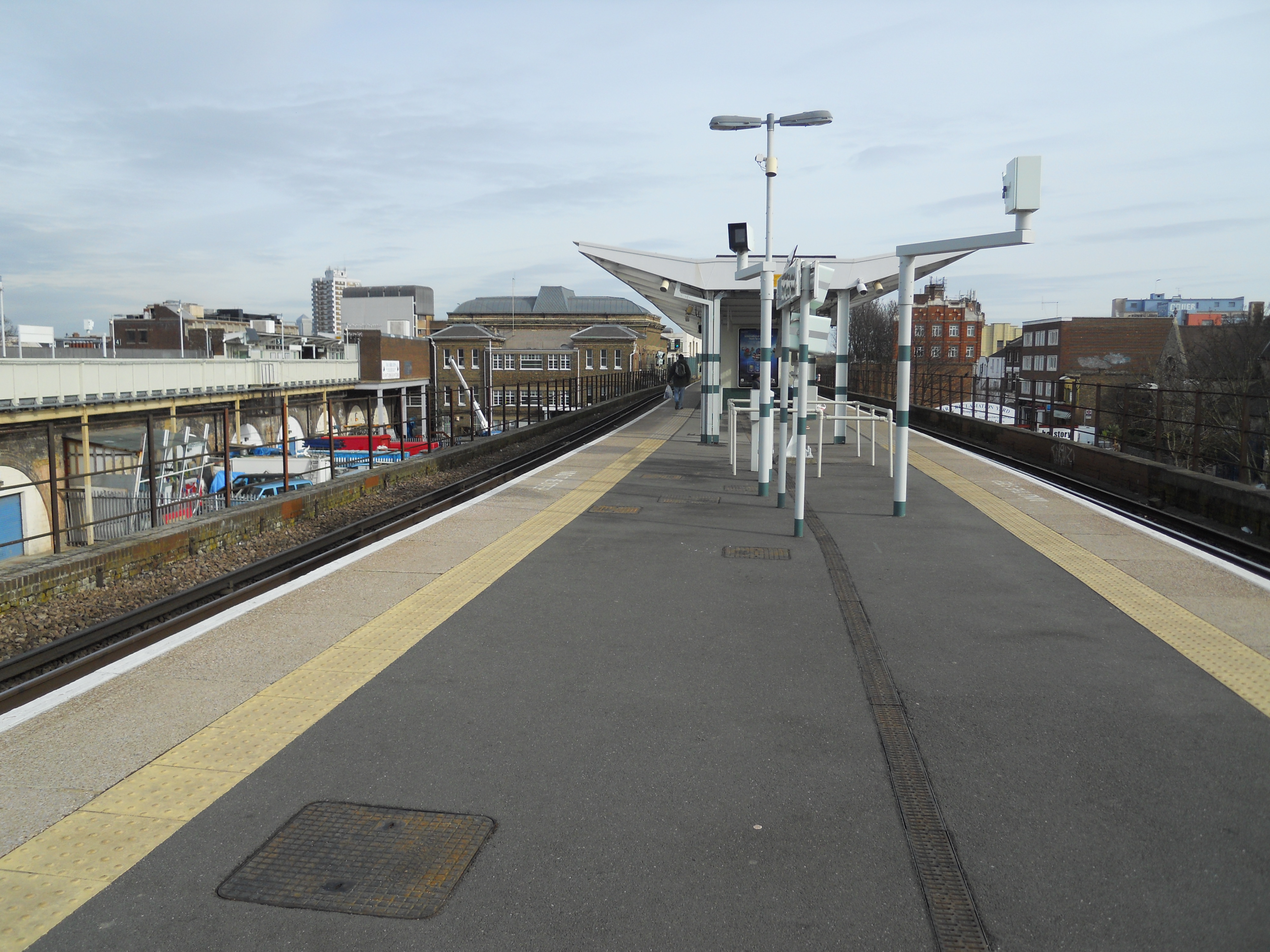
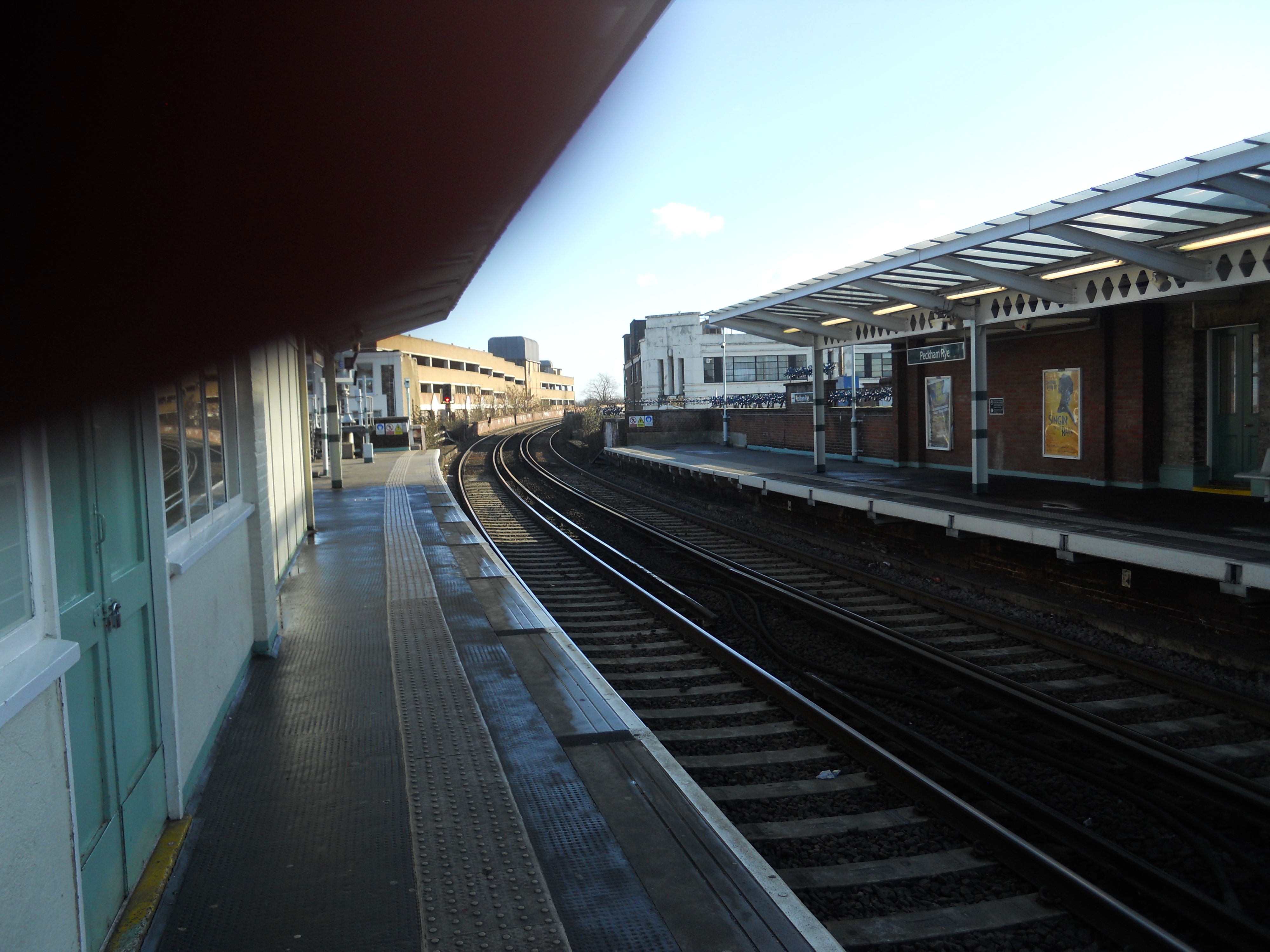
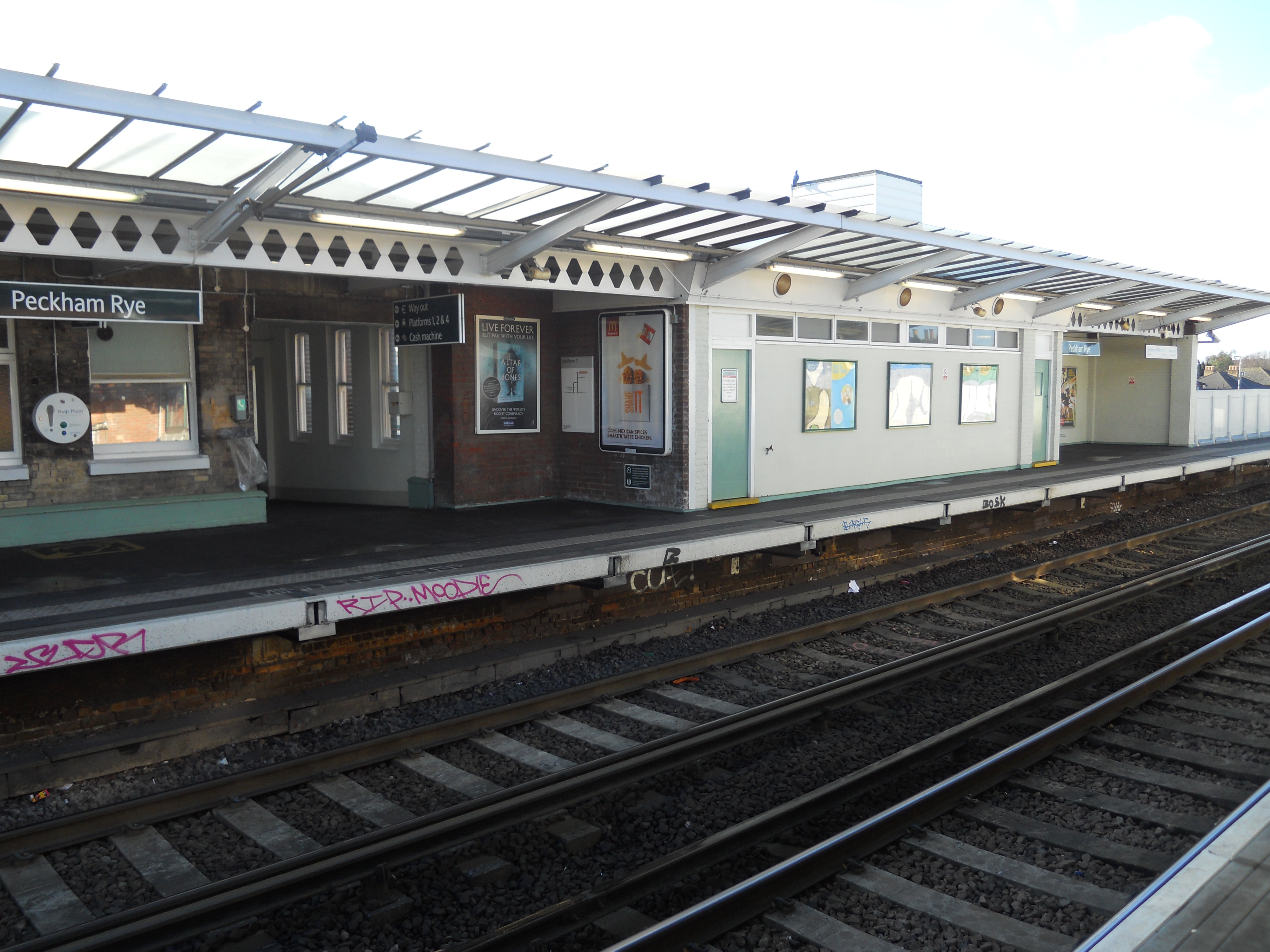
It must have started better as the original station was designed by Charles Henry Driver, a noted Victorian architect. But I suspect the myriad companies, who have owned it since didn’t have a clue. Or it could have been a classic British Rail fix it without beauty job.
It’s also got the awful long staircases beloved of station architects until a few years ago.
Denmark Hill Station
Denmark Hill station is the next after Clapham High Street and is the station for Kings College Hospital and is a large four platform station. At the moment, the station is undergoing a major rebuilding as these pictures show.
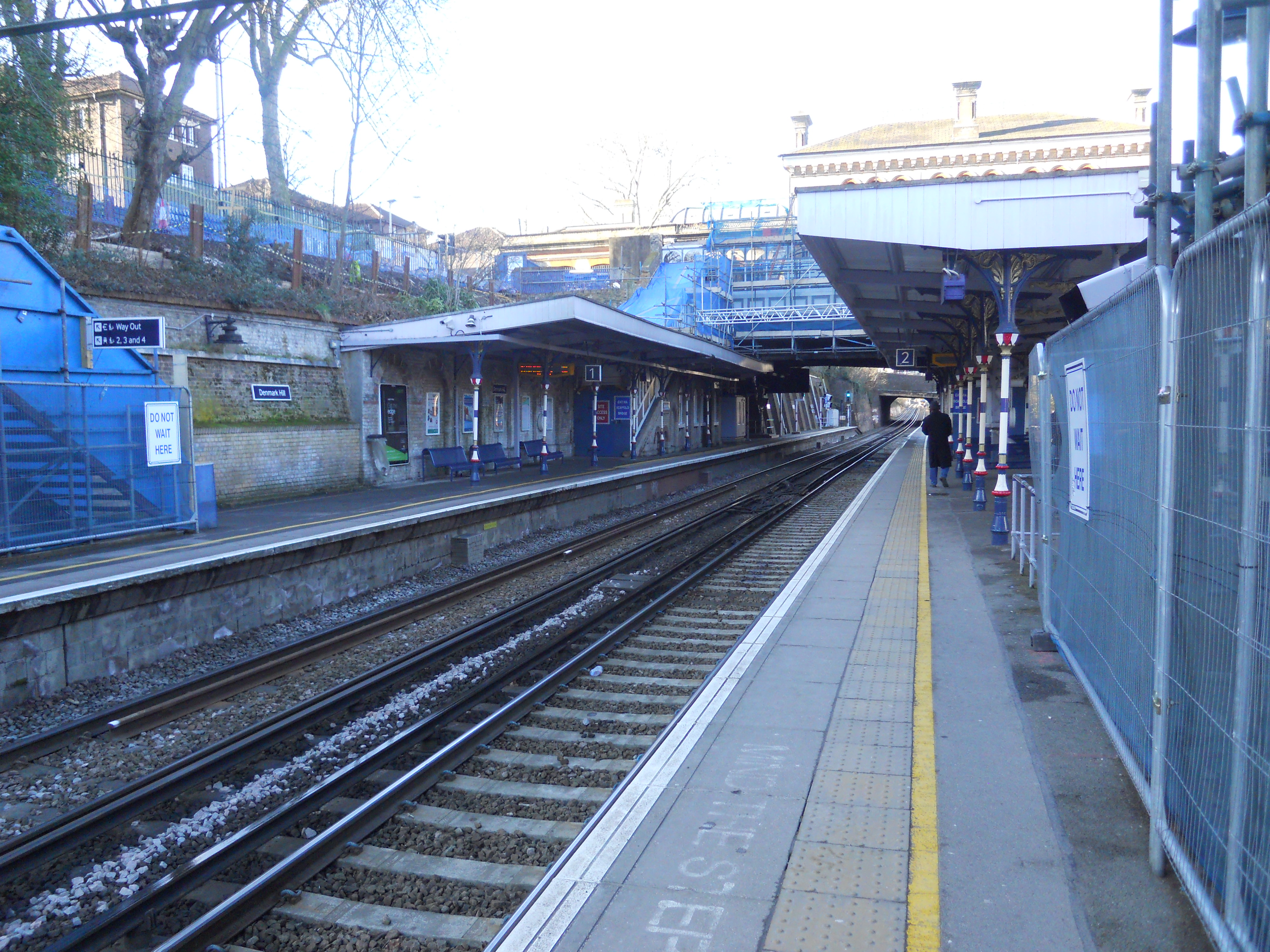
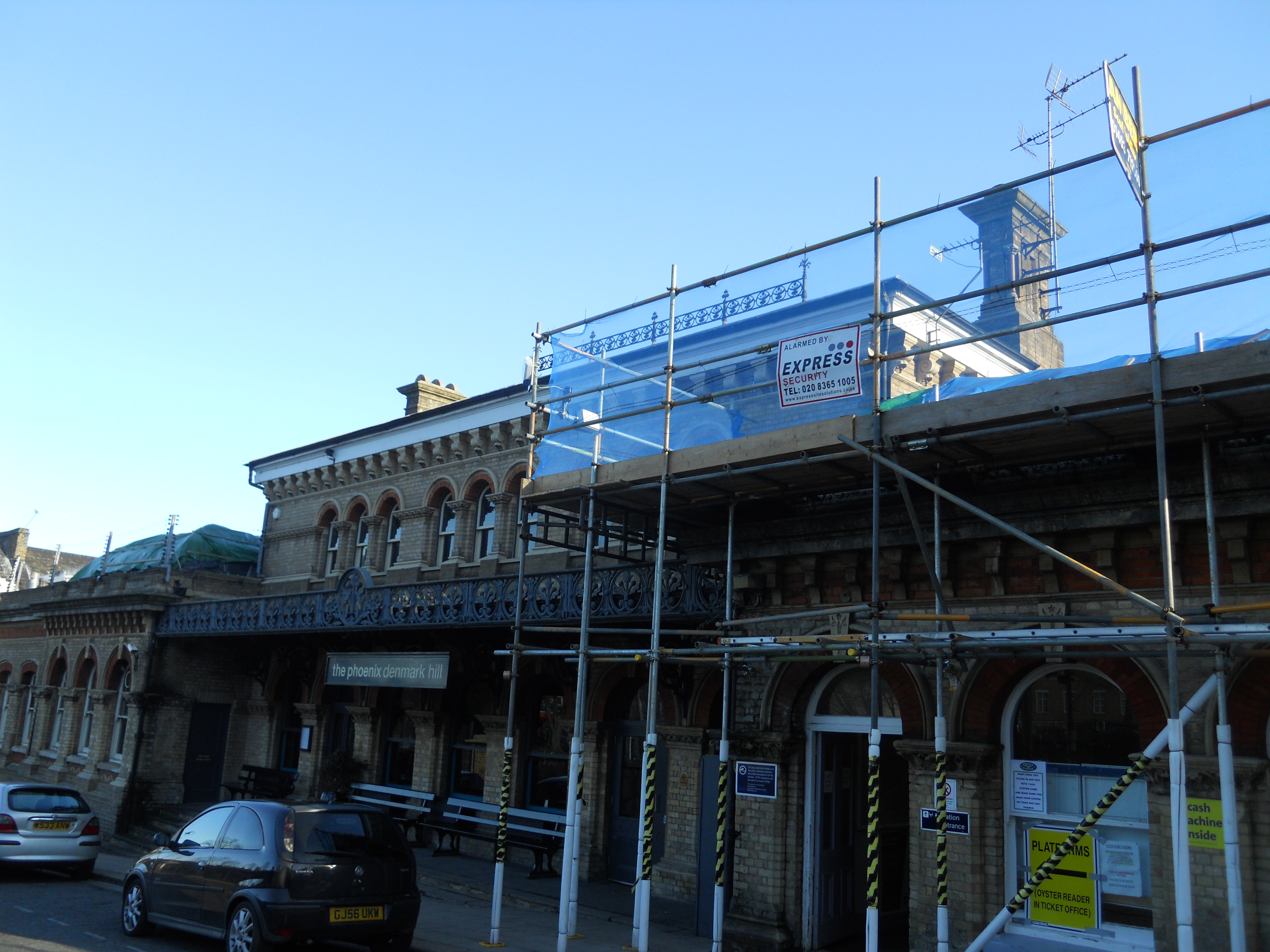
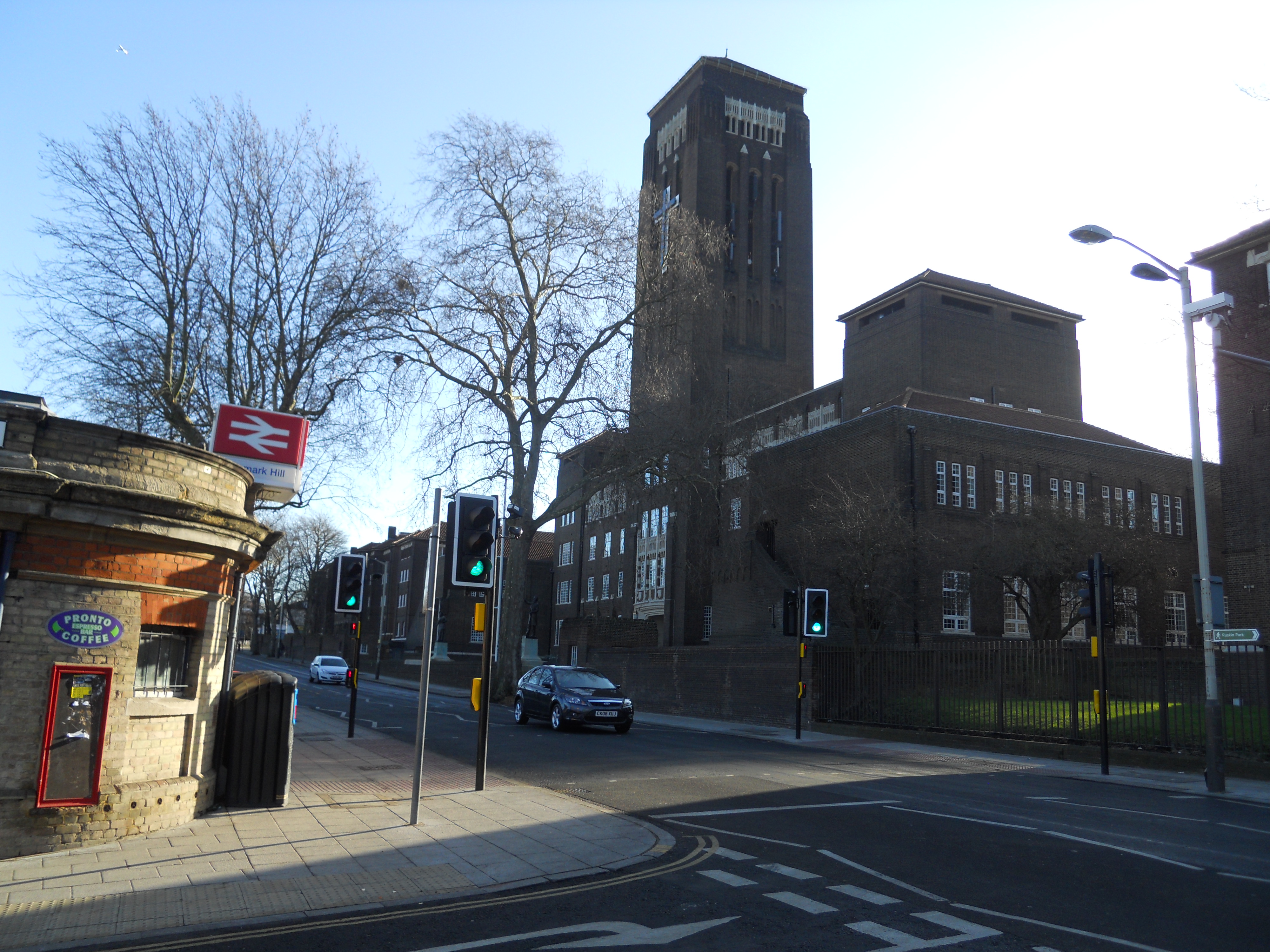
Note that when it’s finished, the station will have lifts and a pub. Although at the moment, it’s rather a mess of scaffolding.
Incidentally, adding Denmark Hill station to the London Overground, will put a third major hospital on the line, after the Royal Free at Hampstead Heath and the Royal London at Whitechapel.
Clapham High Street Station
From Wandsworth Road station I walked to Clapham High Street station, which looked as if it had once been larger with more platforms and if you read the Wikipedia link it had. It had once even had overhead electric power for the trains. But no more, as these pictures show.
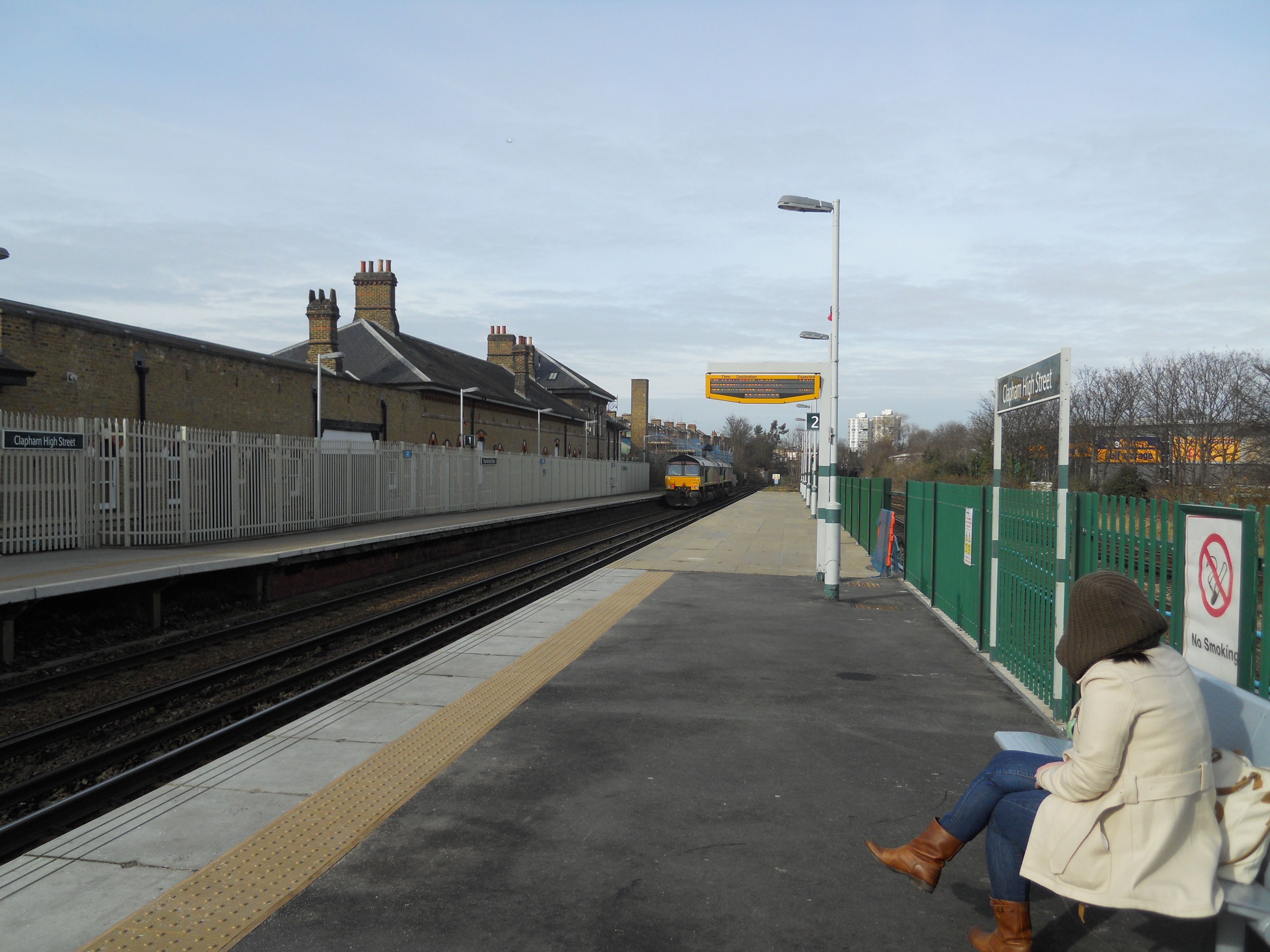
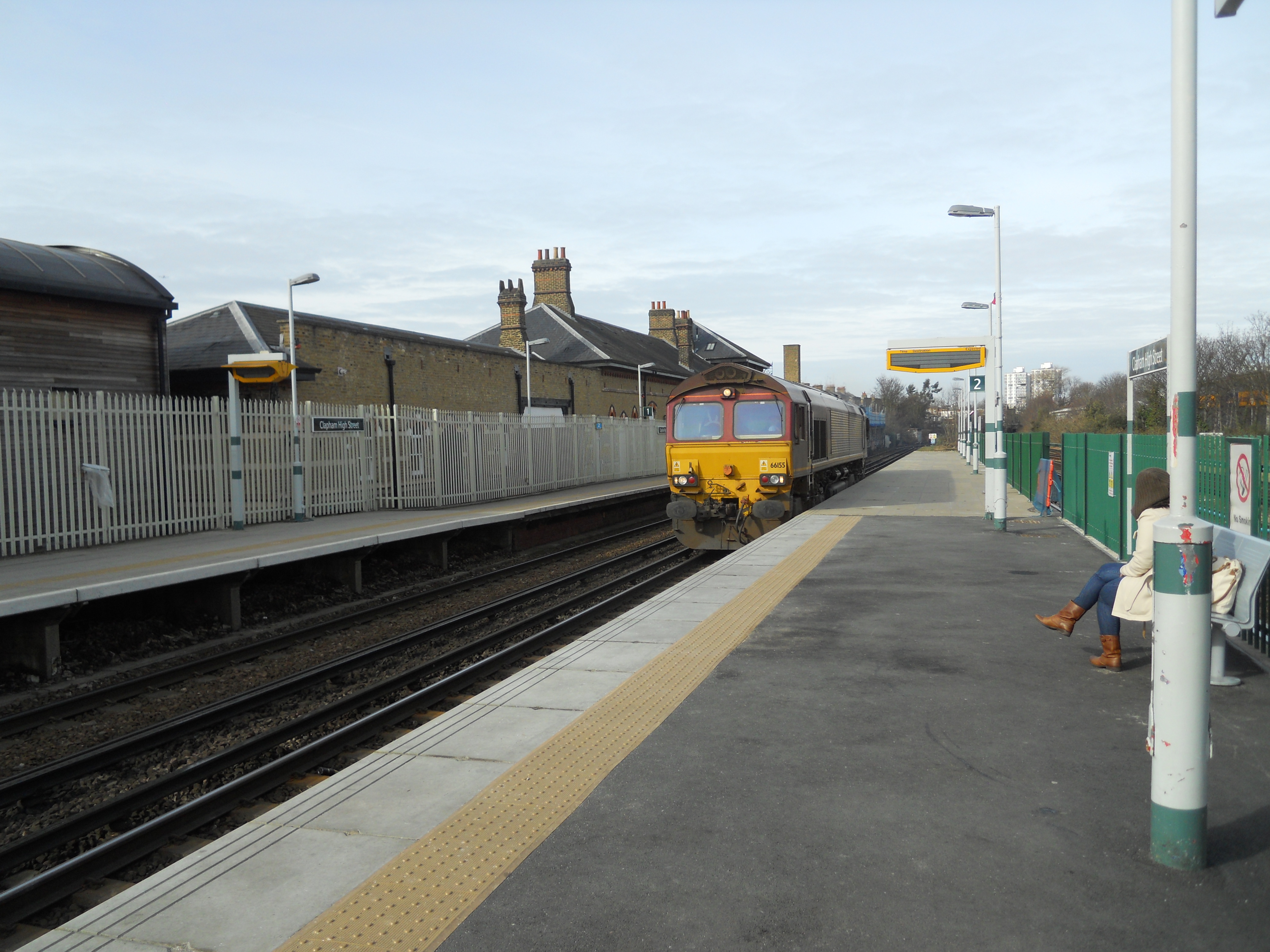
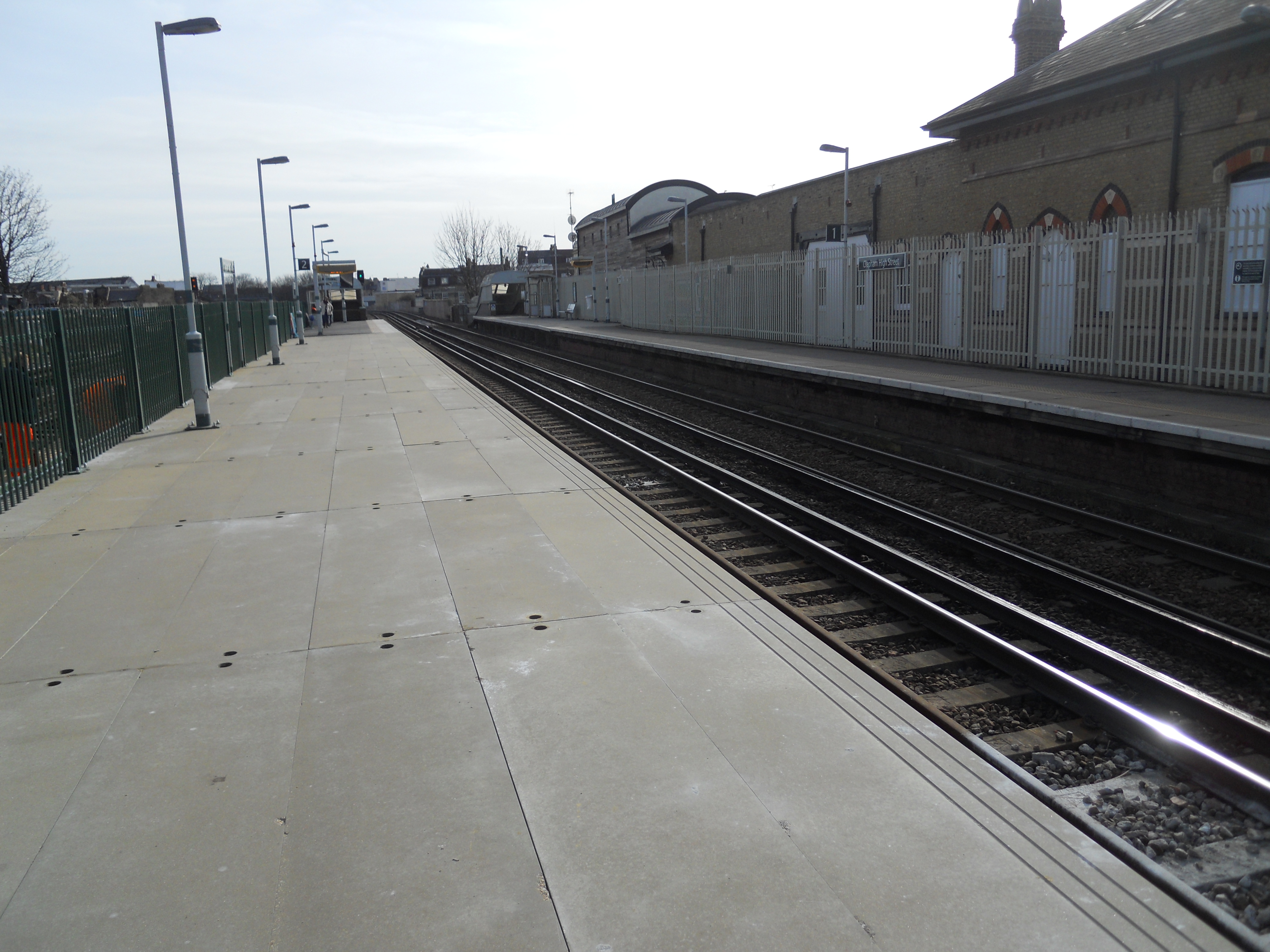
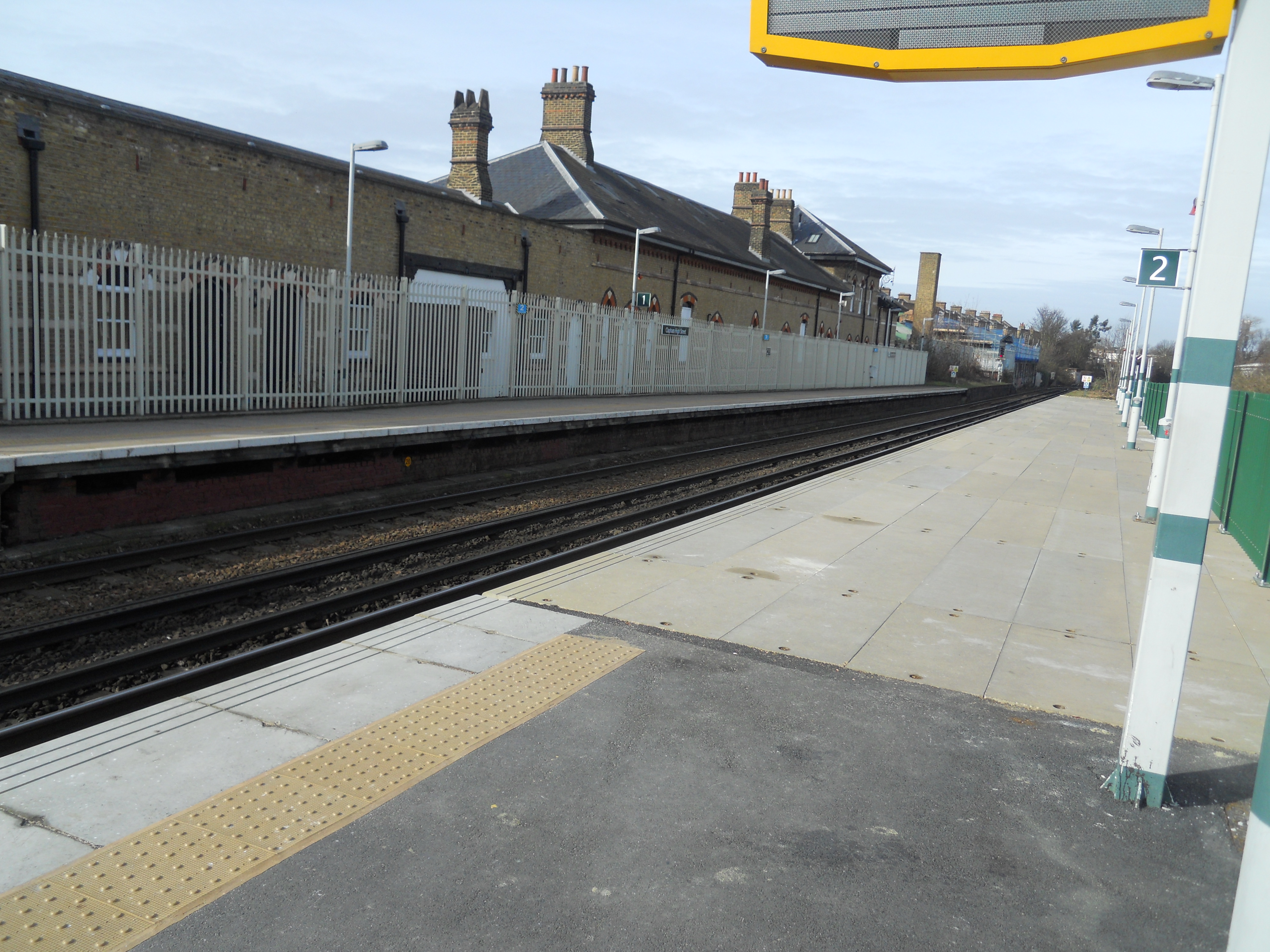
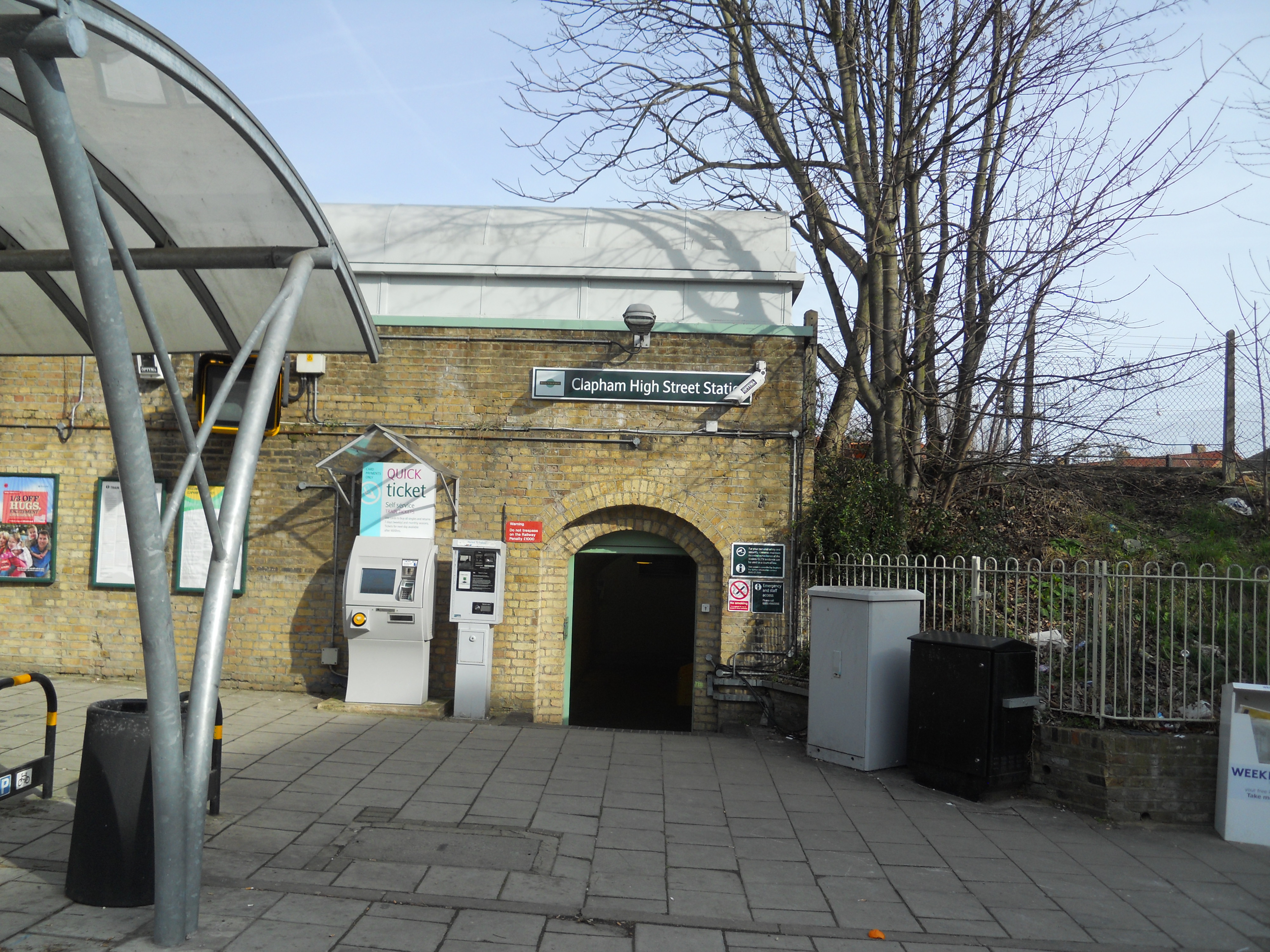
The odd thing is that two of these pictures contain light engines. In one it’s just a single and in the other two are coupled together.
Incidentally, Clapham High Street and Clapham North are considered an interchange on Oyster, so when the London Overground is fully open, it offers a simple way from the southerly parts of the Northern line to Hackney.
Wandsworth Road Station
Wandsworth Road station is a simple two platform station with an overbridge. I took these pictures on my visit.
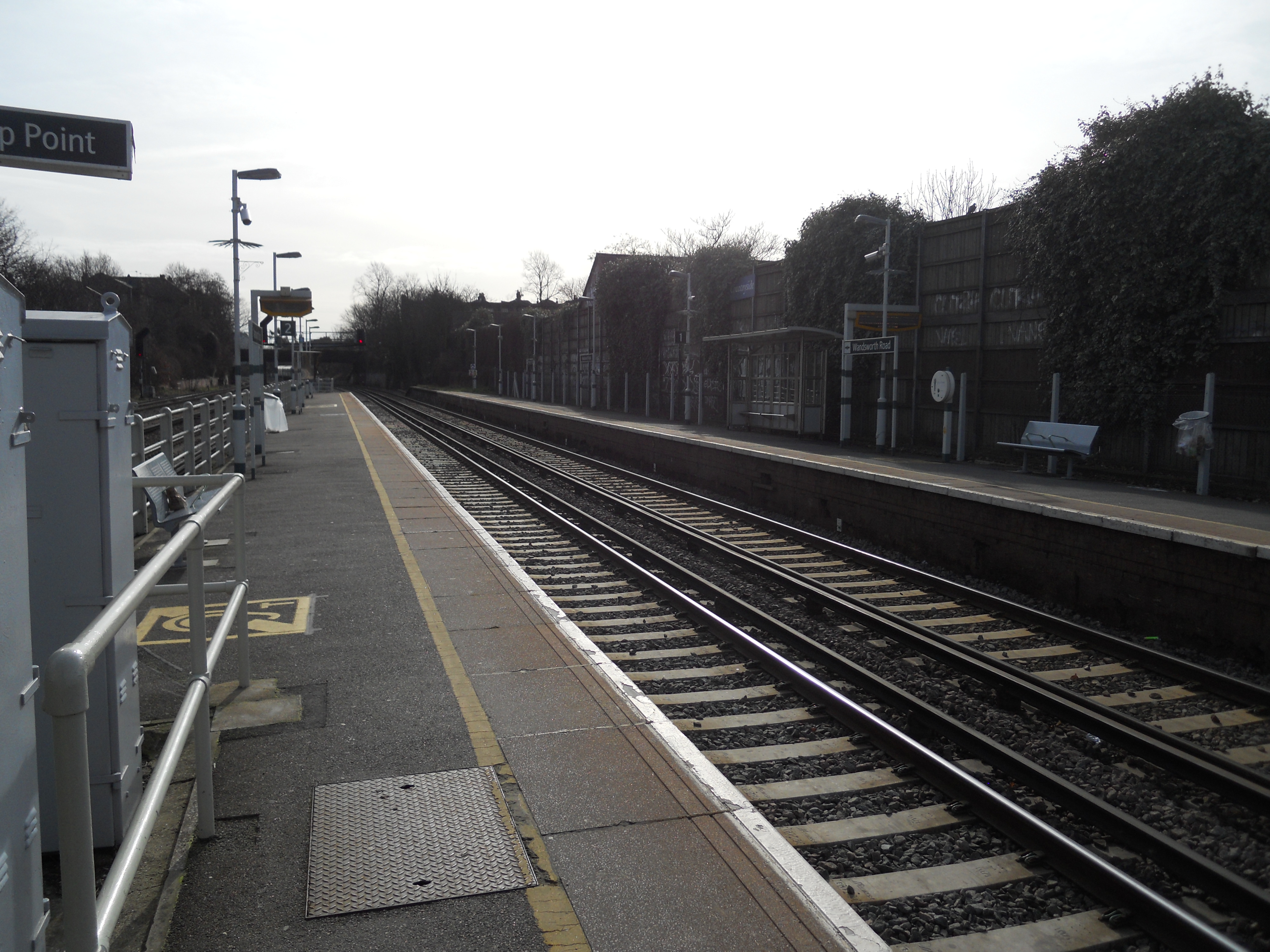
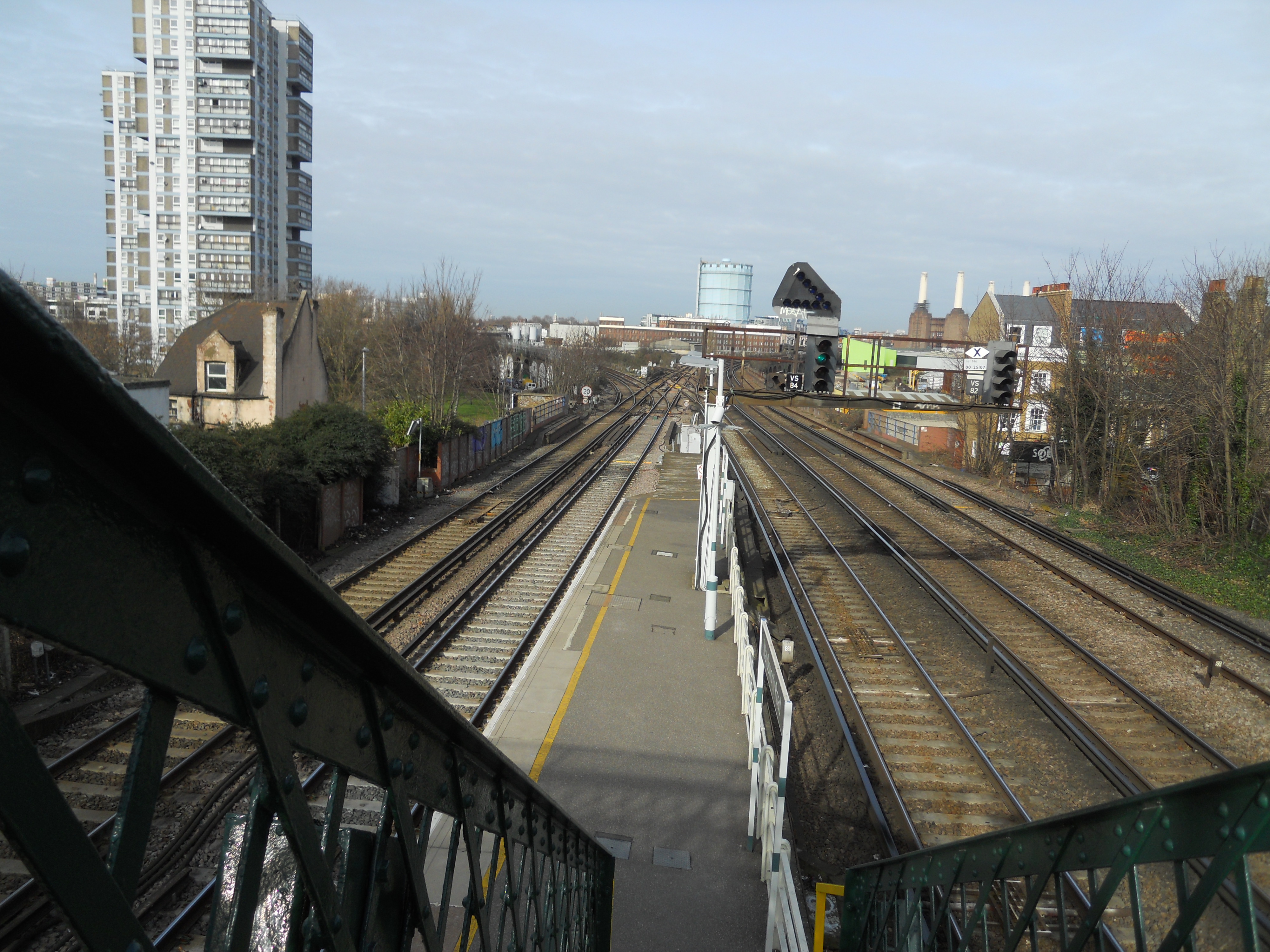
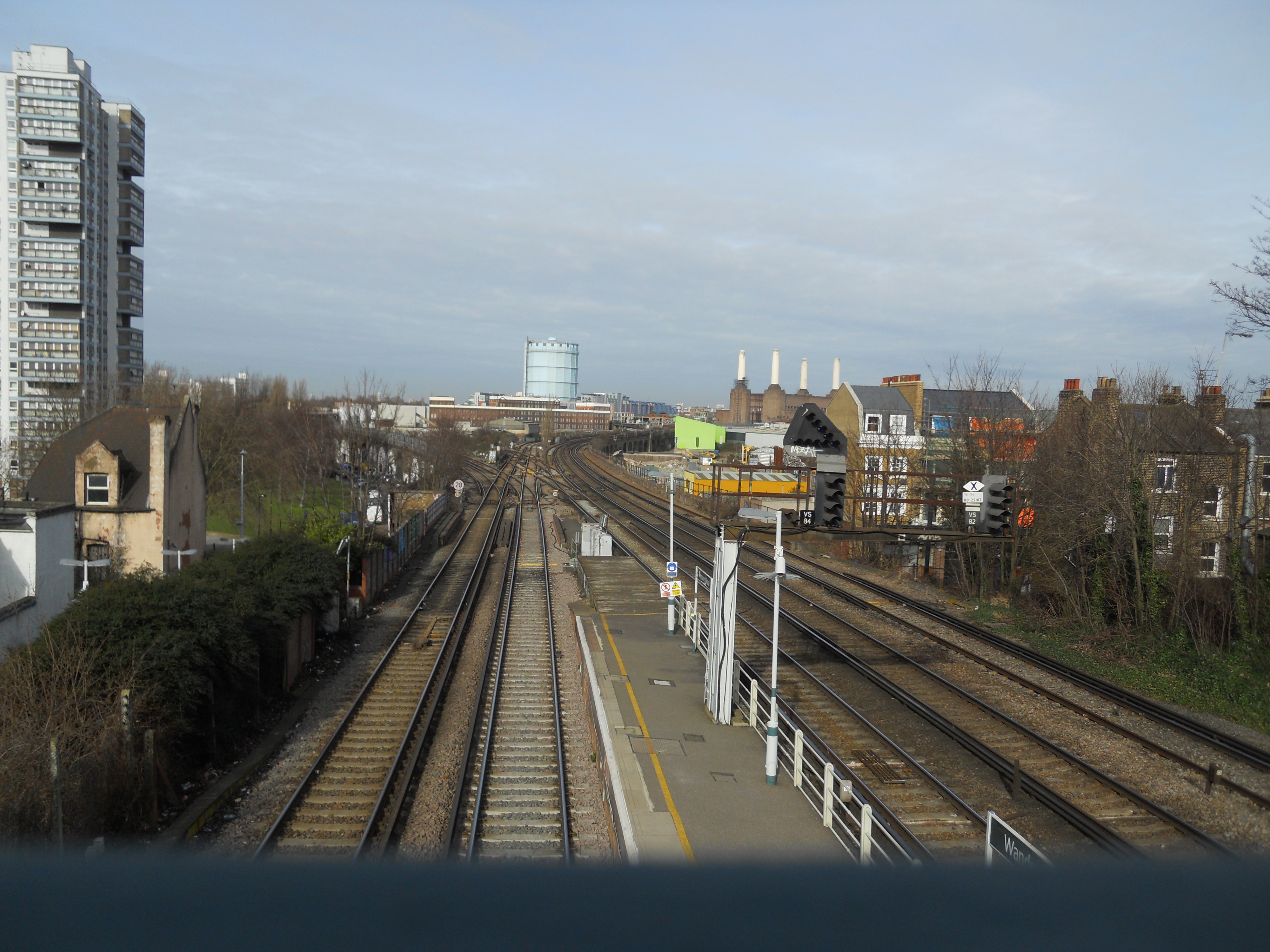
Note that in the distance towards Battersea Power Station, you can see the junction leading off to the left towards Clapham Junction
From Victoria to Wandsworth Road
Wandsworth Road station is the station on the new South London line closest to the terminus of line at Clapham Junction station.
These pictures were taken on the short route from Victoria to Wandsworth Road.
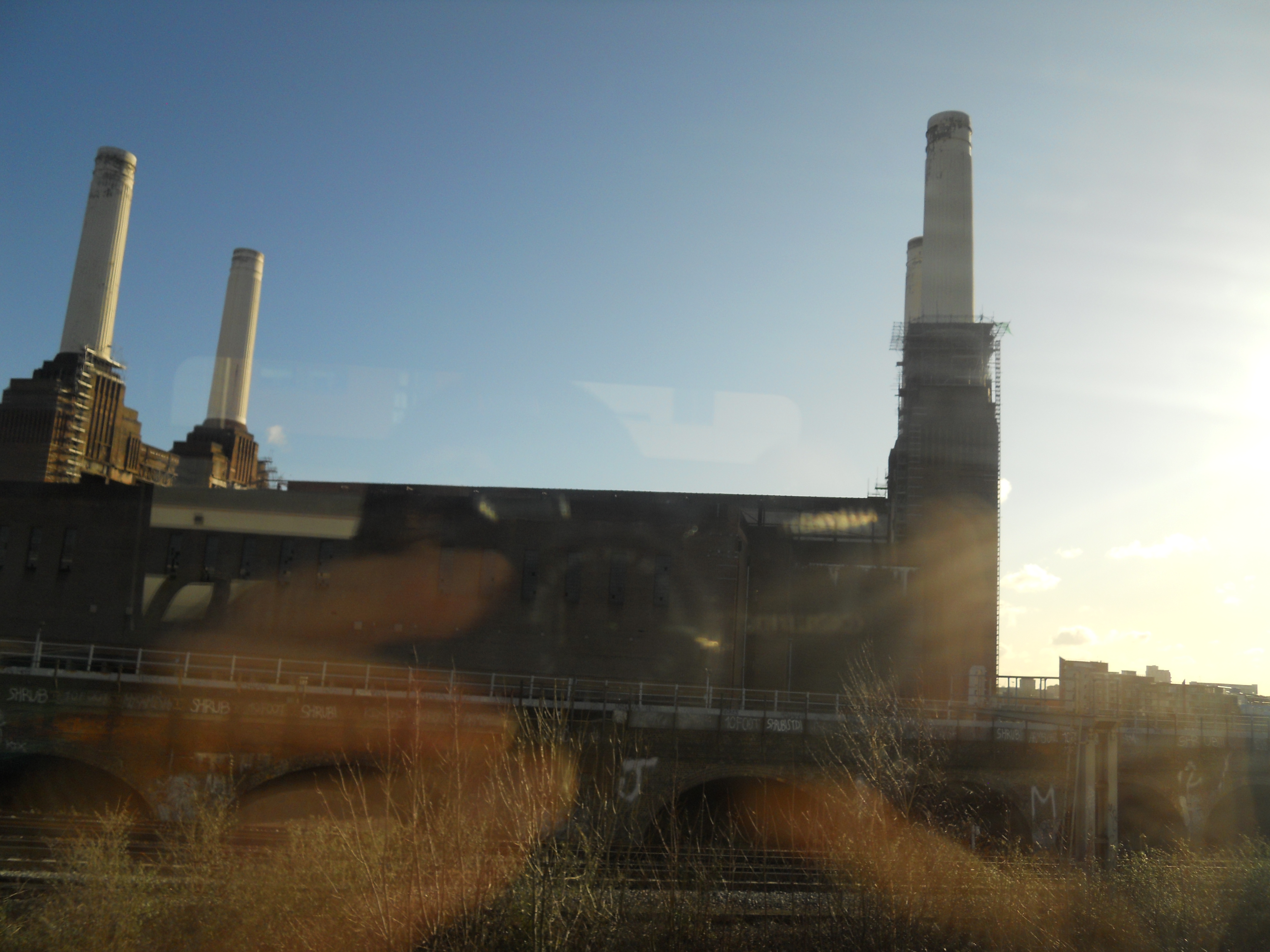
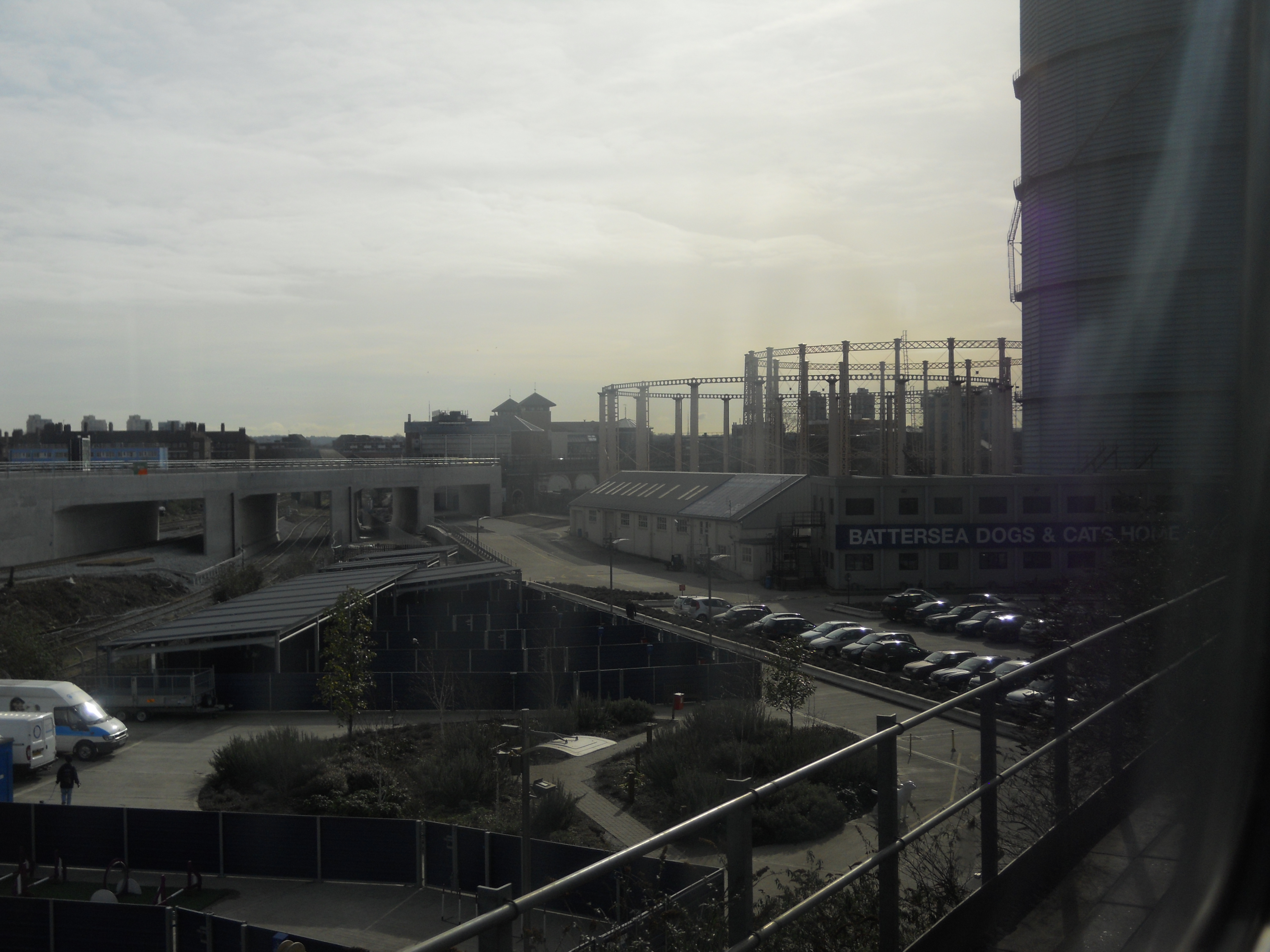
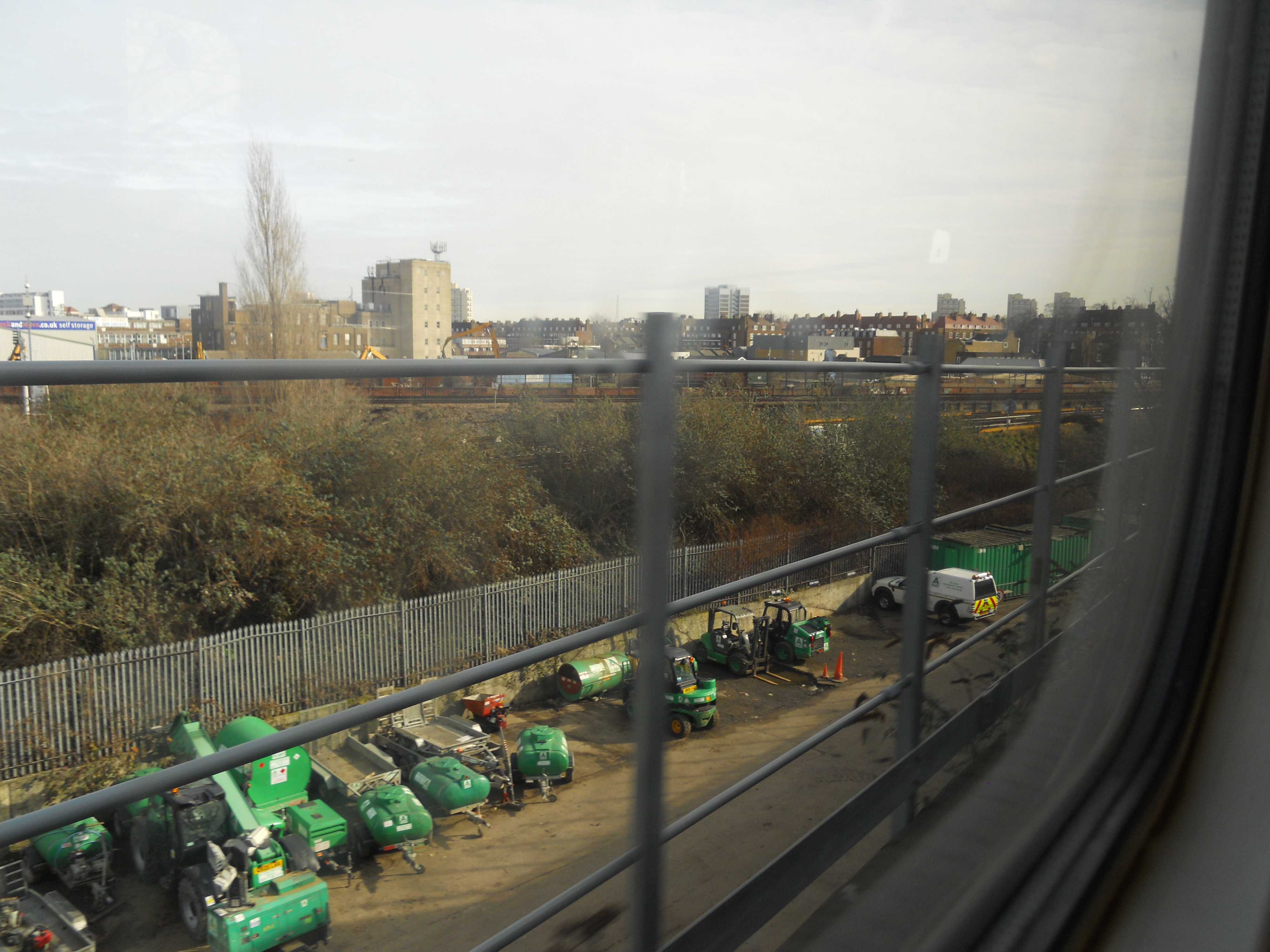
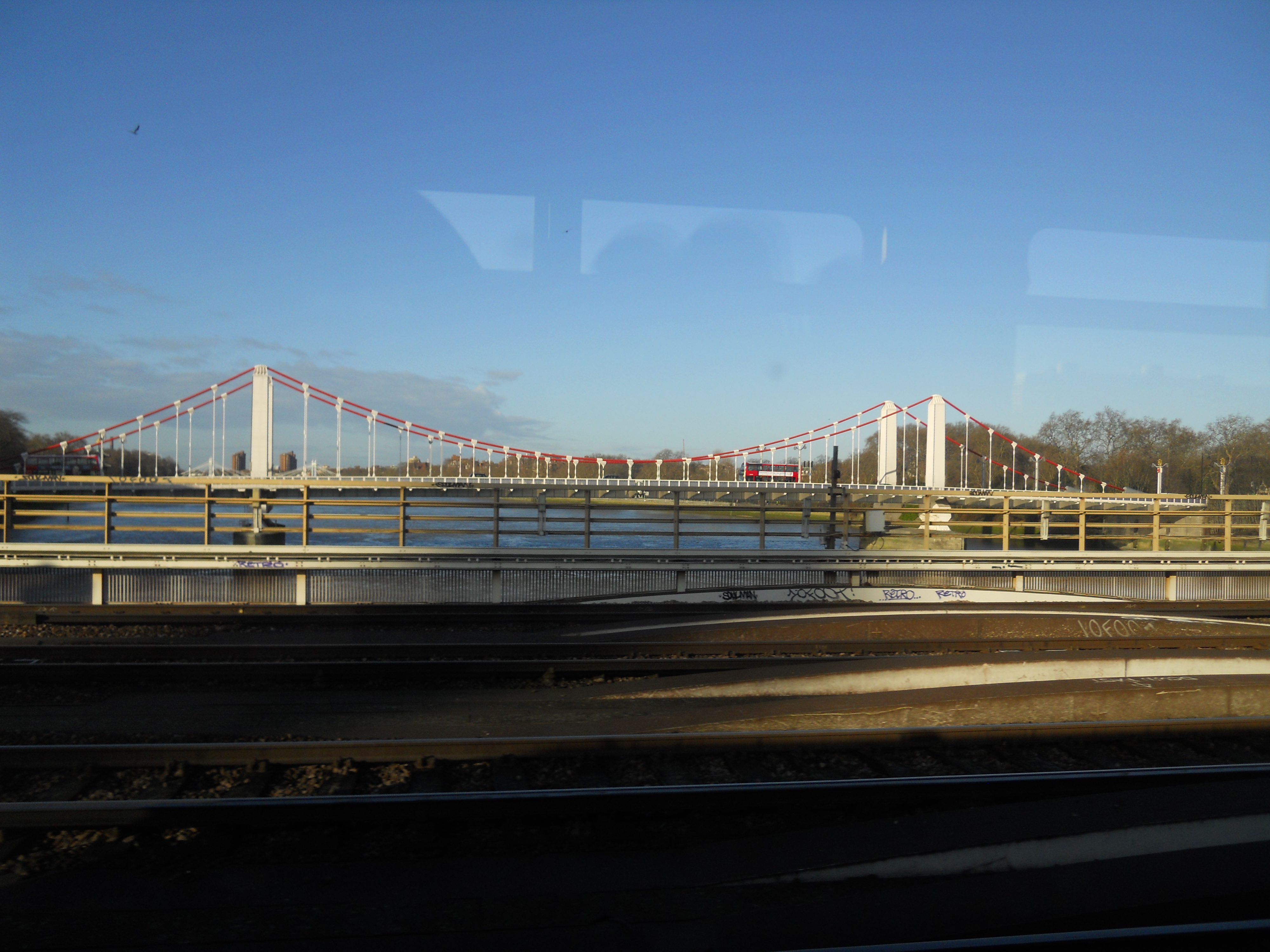
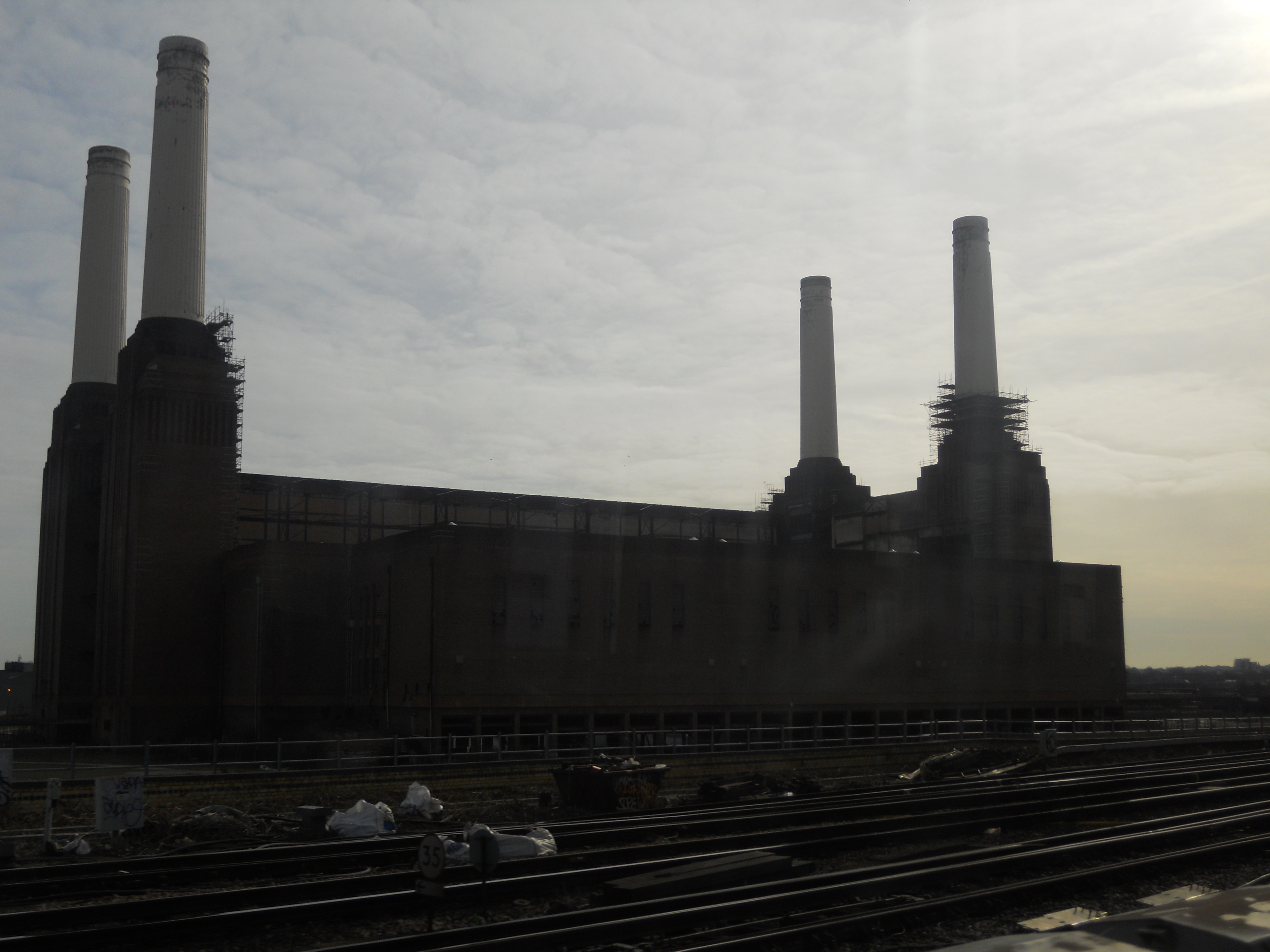

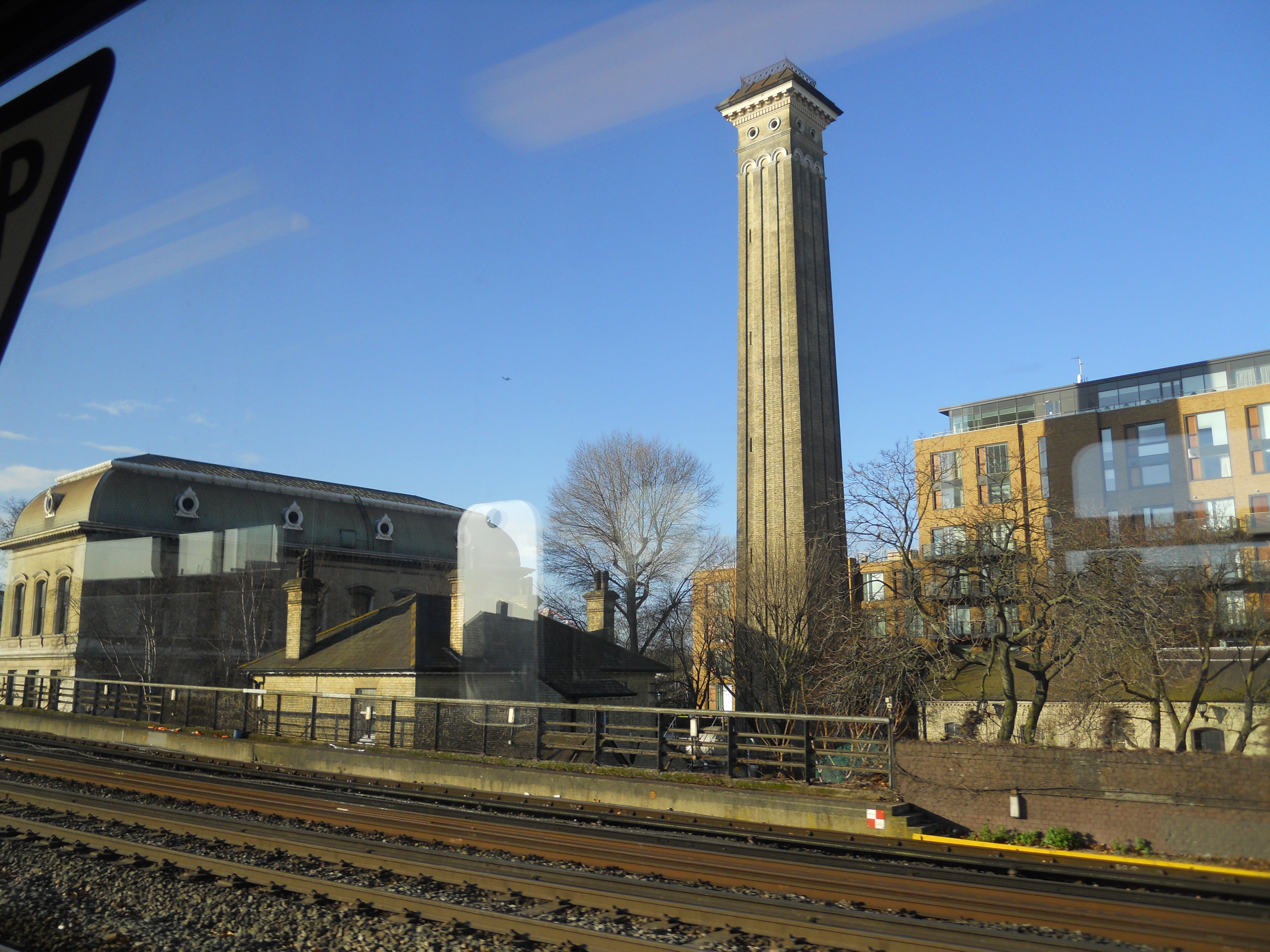
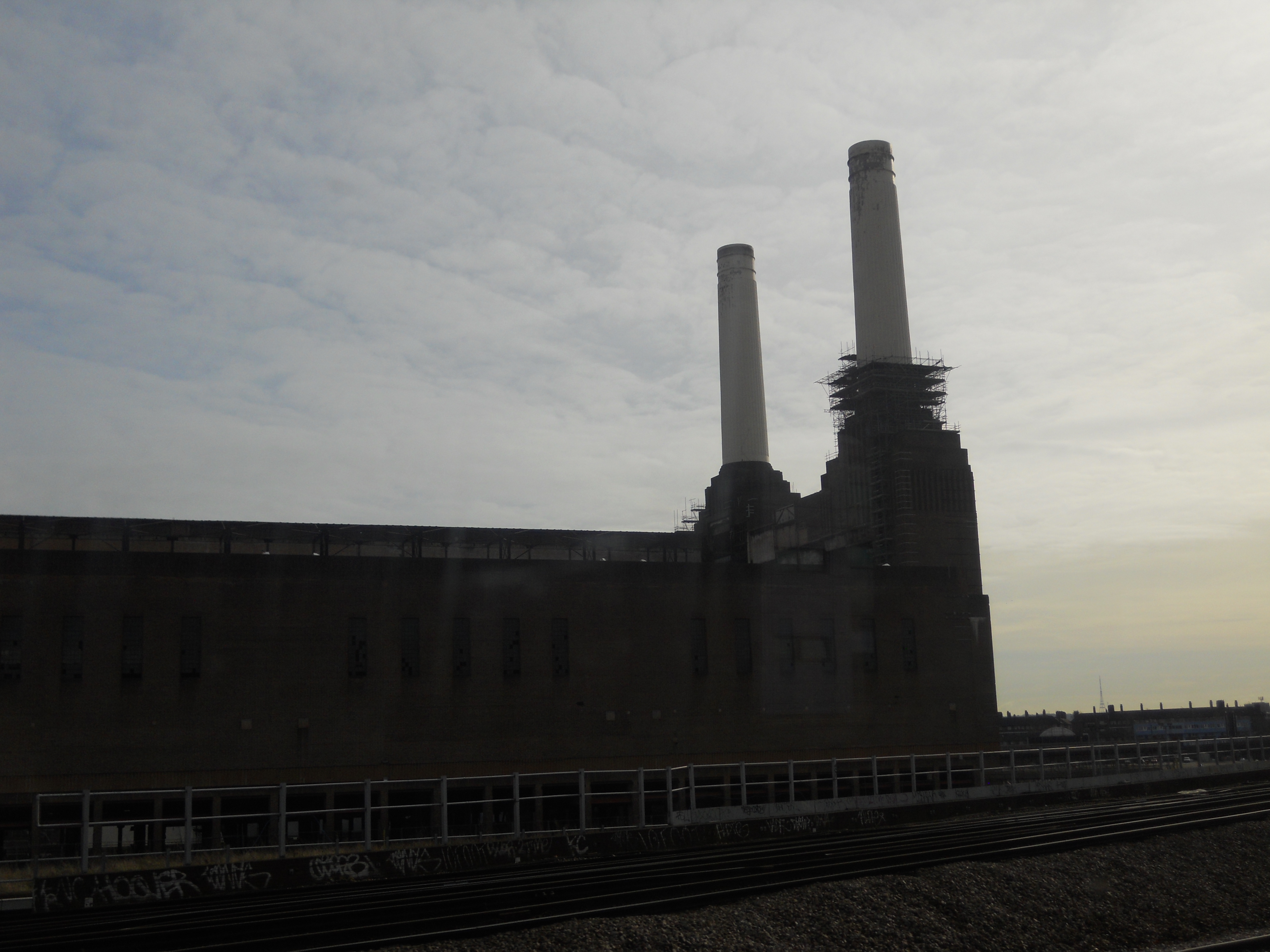
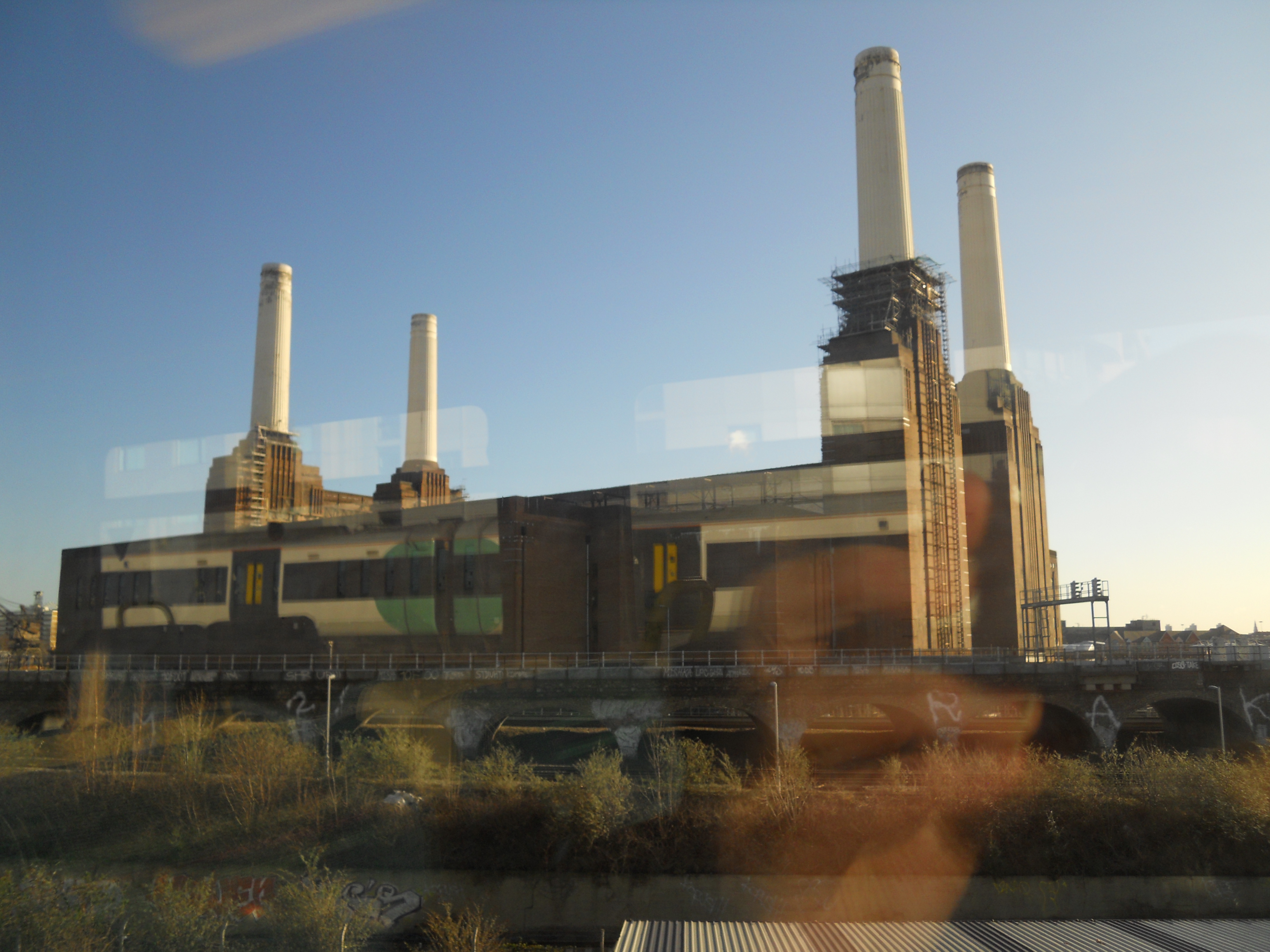
It is not the best area architecturally of the capital and is dominated by the disused and falling down Battersea Power Station. Whether and how the Northern Line Extension to Battersea is built, should make a difference to the area.
I’m tending to think though that the best thing to do, would be to demolish the Battersea Power Station first. All it seems to do is bankrupt developers these days. You have to remember that power stations built in the early part of the twentieth century were built for a short life span, after which they were demolished. Battersea Power station is proving that rule by falling down on its own.
Searching For The South London Line
The new South London Line from Clapham Junction to Surrey Quays is the last piece needed so that the London Overground does a complete circle of central London. The original plan was for it to be completed by the time of the Olympics, but it now looks to be late this year. It will pass through Clapham High Street, Denmark Hill, Peckham Rye and Peckham Queen’s Road stations.
So this morning, I traced the route using the 09:11 from Victoria to London Bridge, taking a few pictures as I progressed.

