Rebuilding King’s Cross
Nearly all of the transport projects for the 2012 Olympics in London are now in place. The last one is the rebuilding of King’s Cross.
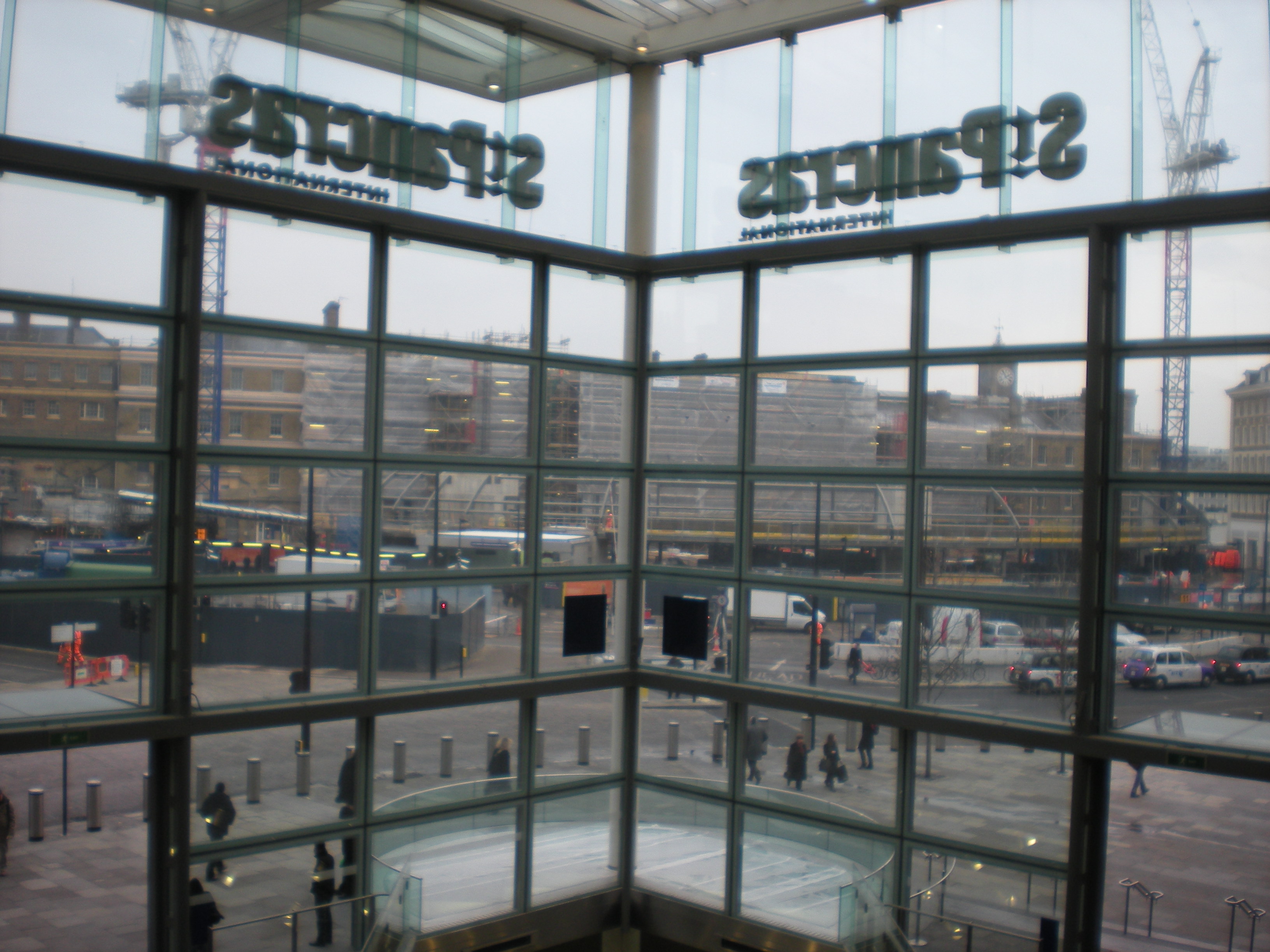

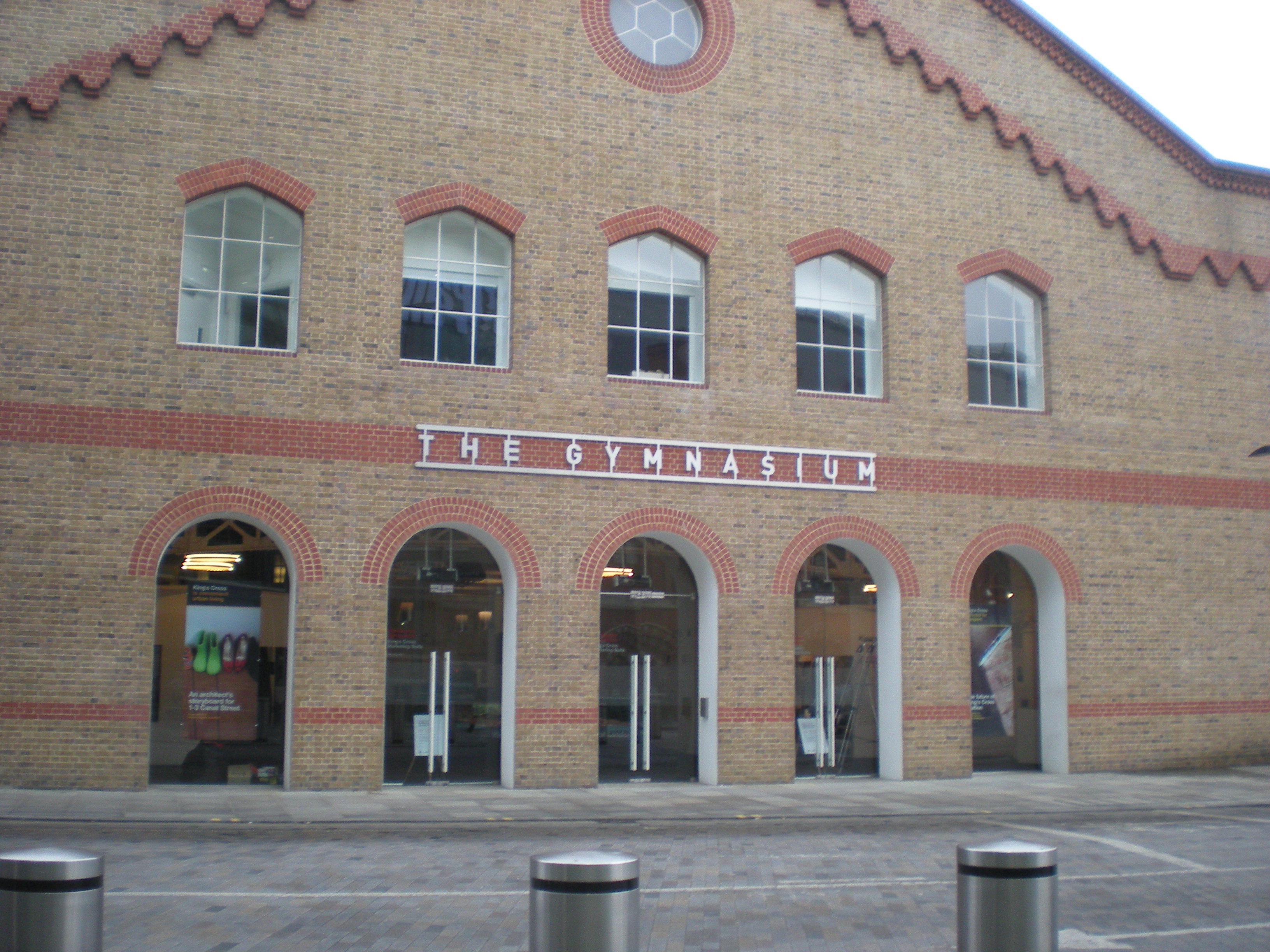
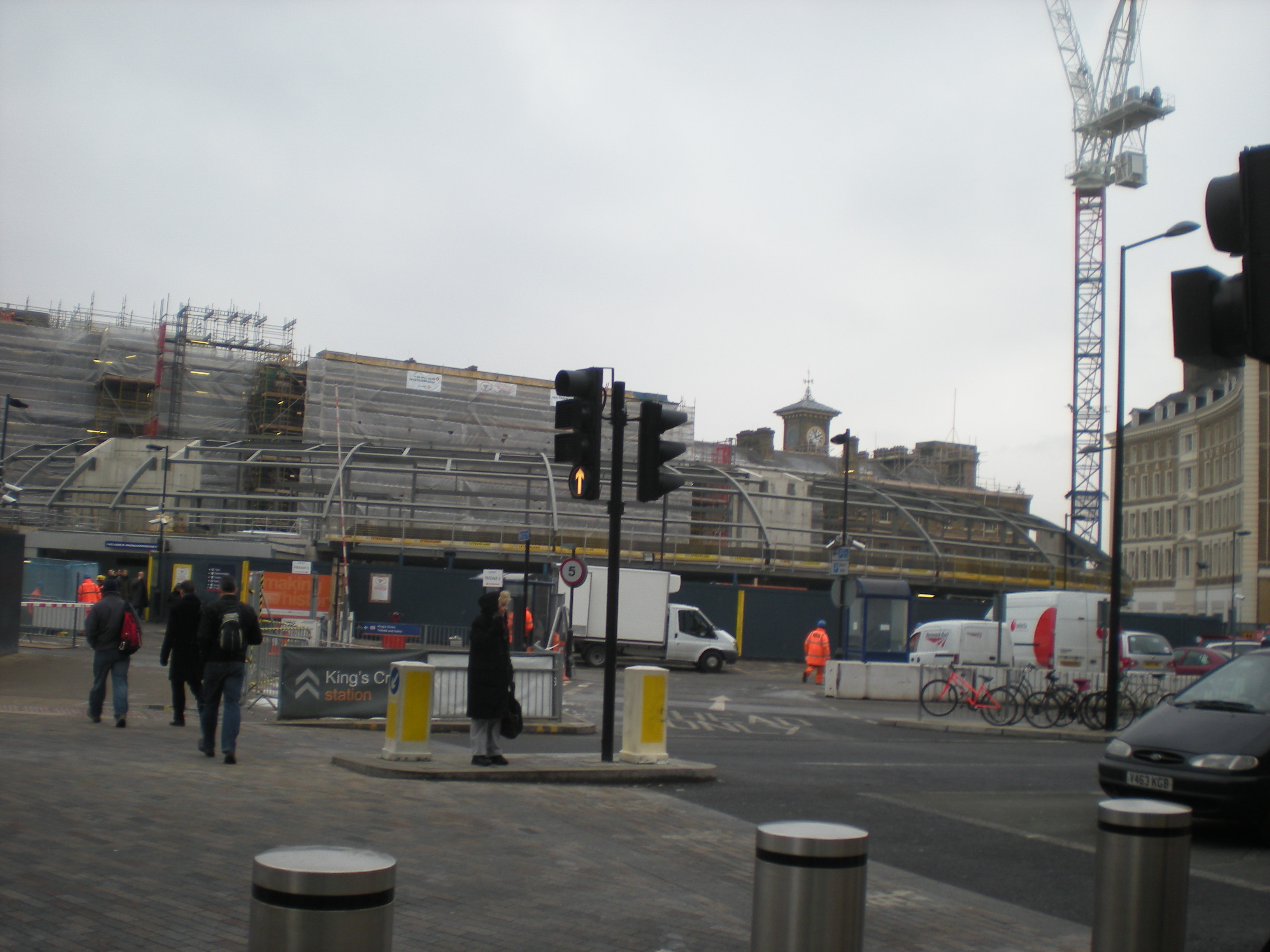
The station will be opened fully by 2012.
Crystal Palace 3 – Ipswich 1
Selhurst Park is a dump. It looks like it’s been nicked from all sorts of places and to me sums up why as a North Londoner, you rarely venture far south of the River. Whoever’s idea it was to put the river in the centre of London had a good one, as it creates a proper barrier between what is worth seeing and what is not. Selhurst Park is definitely in the once seen, why did you bother category.
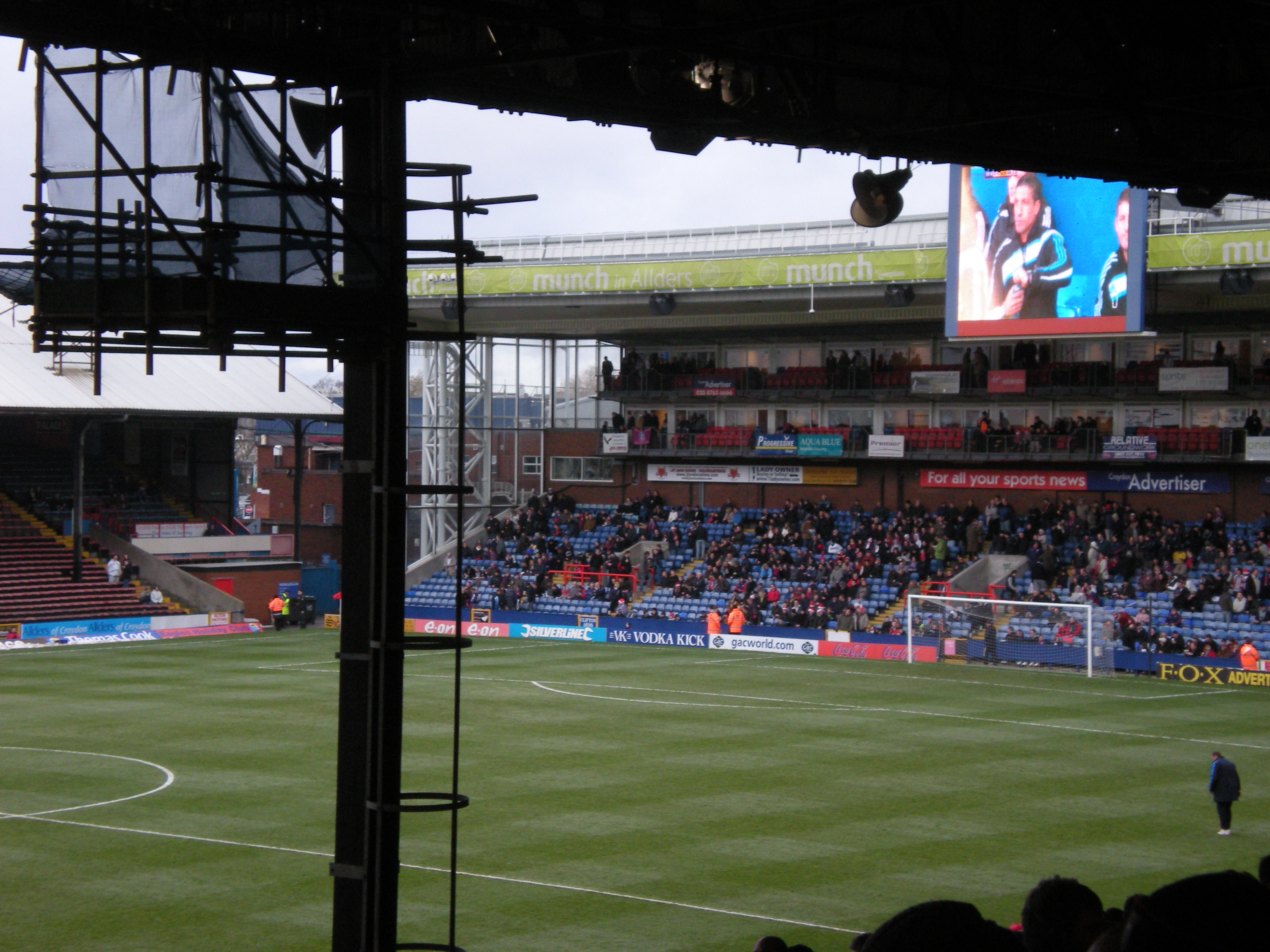
Selhurst Park
This picture shows the bad view from the visitors’ stand, but it doesn’t do justice to the old wooden seats, the cramped conditions, the bad screen and the general dereliction of most of the ground. The pitch wasn’t good either.
The football was ruined by the sending off of Jon Stead. The foul was bad, but as he’d just been upended by a Palace player I suspect, he was too angry to think about what he was doing. It was the sort of foul though, that some referees would have been lenient with.
So I left a few minutes before the end and struggled to get back to civilisation, eventually taking a bus and then a train from Penge. And that was cold, but then all trains south of the Thames seem to be much colder than those north of the river.
I’ve now woken up and found I have a splinter in my palm. From those dreaded wooden seats no doubt!
My first London Tram since the 1950s
I can just about remember the original London Trams.
My paternal grandmother used to take me on trips around London in my Cumfifolda push-chair and I have seen pictures of us as the Dome of Discovery and the Skylon at the Festival of Britain site on the South Bank of the Thames in 1951. The only building that remains is the Royal Festival Hall.
I can also remember dark images on a winter’s day from a very low height of a wide street with trams travelling down the centre. I’ve always believed that this was the Holloway Road and as trams on route 35, ran through the Kingsway Tunnel to Archway and Highgate until April 1952. I can remember climbing aboard and travelling. But where I do not know!
Yesterday, I went to see friends in South London on the way to see Ipswich play Crystal Palace at Selhurst Park. On way to get across was to take a bus to Wimbledon and then use the London Tramlink to West Croydon.
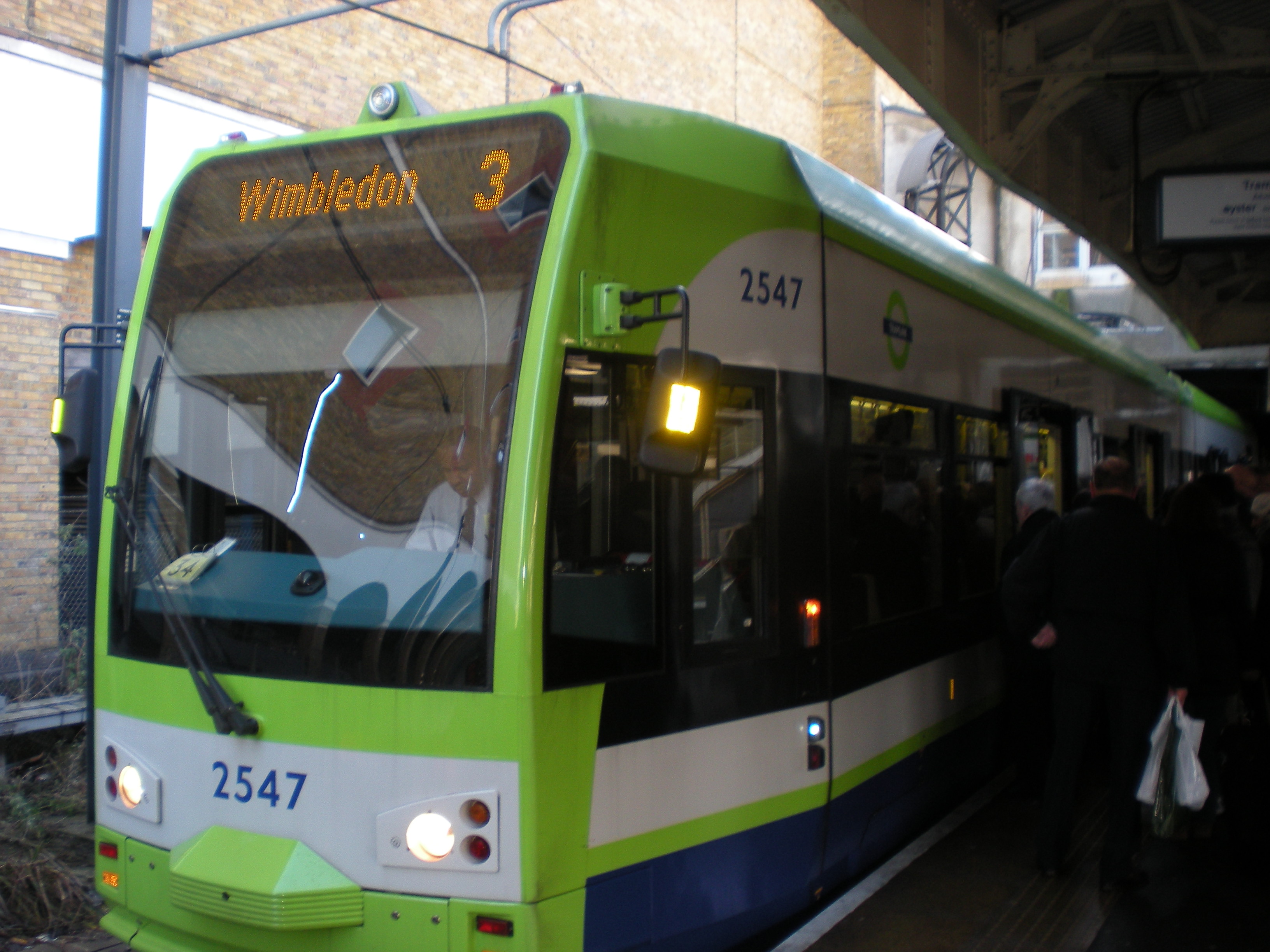
London Tram at Wimbledon
It was busy and just like any other tram all over Europe. We need more in the UK.
If you ever want to see something like the old London Trams then go to Hong Kong. Long may they survive.
By Train to Oxford
When I went to Oxford on Saturday, I could have driven. But I parked at Blackhorse Road station on the Victoria Line and then took the tube to Paddington changing at Oxford Circus, as it is only a short walk between the platforms. From Paddington it was just an hour by train direct to Oxford.
The journey worked out well and I didn’t wait long in either direction and there were no delays. Taking the train also allowed me to do some shopping in Oxford Street and have coffee with an old friend on the way back.
Going it was just a typical Networker multiple-unit, but coming back it was a proper High-Speed Train.

High Speed Train at Paddington
The High Speed Train or HST was a stop-gap design that has been in service for over thirty years and it is still one of the fastest, if not the fastest, diesel train in the world. Like good wine they are getting better with age! Not bad for something designed in eighteen months.
What is not generally known about the HST is the name of the designer; Terry Miller. At least East Midlands Trains have now put his name on a power car of one of his outstanding trains.
They will soldier on for at least another decade until they are replaced by electric units. But will these be as reliable? And good?
Whilst at Paddington, I took this picture of Brunel’s roof.

The Roof at Paddington Station
It needs a proper St.Pancras treatment!
Oxford Street Gets a Cross
In 2005, there was an article about putting a monorail along Oxford Street. I wrote the following, which was then picked up by the Evening Standard and was published as a letter.
I read with interest an article in the Evening Standard yesterday and feel I should comment about a proposed monorail for Oxford Street.
I should explain that I am an engineer with a lot of experience of transport projects around the world, mainly because the software I wrote, Artemis, was used to plan them.
I am also an inveterate traveller and have experience of a very large number of cities around the world. That experience is usually as a tourist and includes the Sydney monorail, the escalators of Hong Kong and the underground walkways of Perugia. I should also say that I visit the Oxford Street area at least once a month for shopping, eating or business.
I will agree with the plan, where the monorail gives the whole street a connection and a focus, but I believe that a moving walkway suspended over the street below would be much more flexible and inherently better.
- It could be built in stages, with perhaps a spectacular star over Oxford Circus as a first phase to move people from say Regent Street North to Oxford Street East and West without getting involved in the fearsome crowds at road level.
- Walkways are basically hop-on and hop-off. So if you see a shop or something else that interests you, then all you do is wait to the next hop-off point and exit.
- As the walkway progressed down Oxford Street, it could rise and fall so that it was level with the floors of the major stores. How much would John Lewis pay for an entrance at first floor level?
- Stops would be much more frequent than a monorail.
- Walkways are a fail-safe system in that when the motor breaks, the system is still walkable. What happens when a monorail breaks down as the Sydney system did when I rode it?
- Walkways can add spurs as required to Conference Centres, attractions and also to move people well away from Oxford Street.
- As they would run effectively from Tottenham Court Road to Marble Arch, they would take the pressure off the Central Line.
- Just as in Hong Kong it would be covered in a clear plastic roof. Video screens could be included under the roof to sell advertising.
- Security is important and I’m sure the Police would like a high-level walkway from which to view the crowds below.
- Bulges and platforms could be attached to the walkway, so that cafes and other attractions could be setup. If access is provided to stores on route, there would be no problems as to servicing these cafes.
- The whole system has to be commercial. Imagine a platform just by Selfridges which sells the Wallace Collection, with a down escalator pointing that way.
I also agree with the views of making Oxford Street a two way bus-only lane. But they must be Heritage walk-on walk-off buses. i.e. Routemasters. They should be free and they could turn at Marble Arch and Centre Point.
Best of luck with the project anyway.
But I still say a moving walkway would be better and infinitely more flexible.
I now see that Oxford Street has a Japanese-style crossing.
This looks interesting!
Three Years to the Olympics
It is now three years to the Olympics. My spies tell me that the project is really on budget and on time. Why my spies? Because, I wrote one of the original project management systems and some of those guys we trained and worked with are still in contact.
I think though we underestimate how much the Olympics will be worth to East Anglia, the area where I live. The night we won the Games, I was at a dinner at Anglia Ruskin University. Someone had calculated a figure of a large number of hundreds of millions of pounds.
So don’t knock the Olympics.
The Olympic Stadium Rises
I drove past the London 2012 Olympic Stadium on the way to Dover to get the Norfolk Line ferry to Dunkirk. That may seem an illogical way to go, but if there was a serious accident on the M25, I’ll miss the boat.
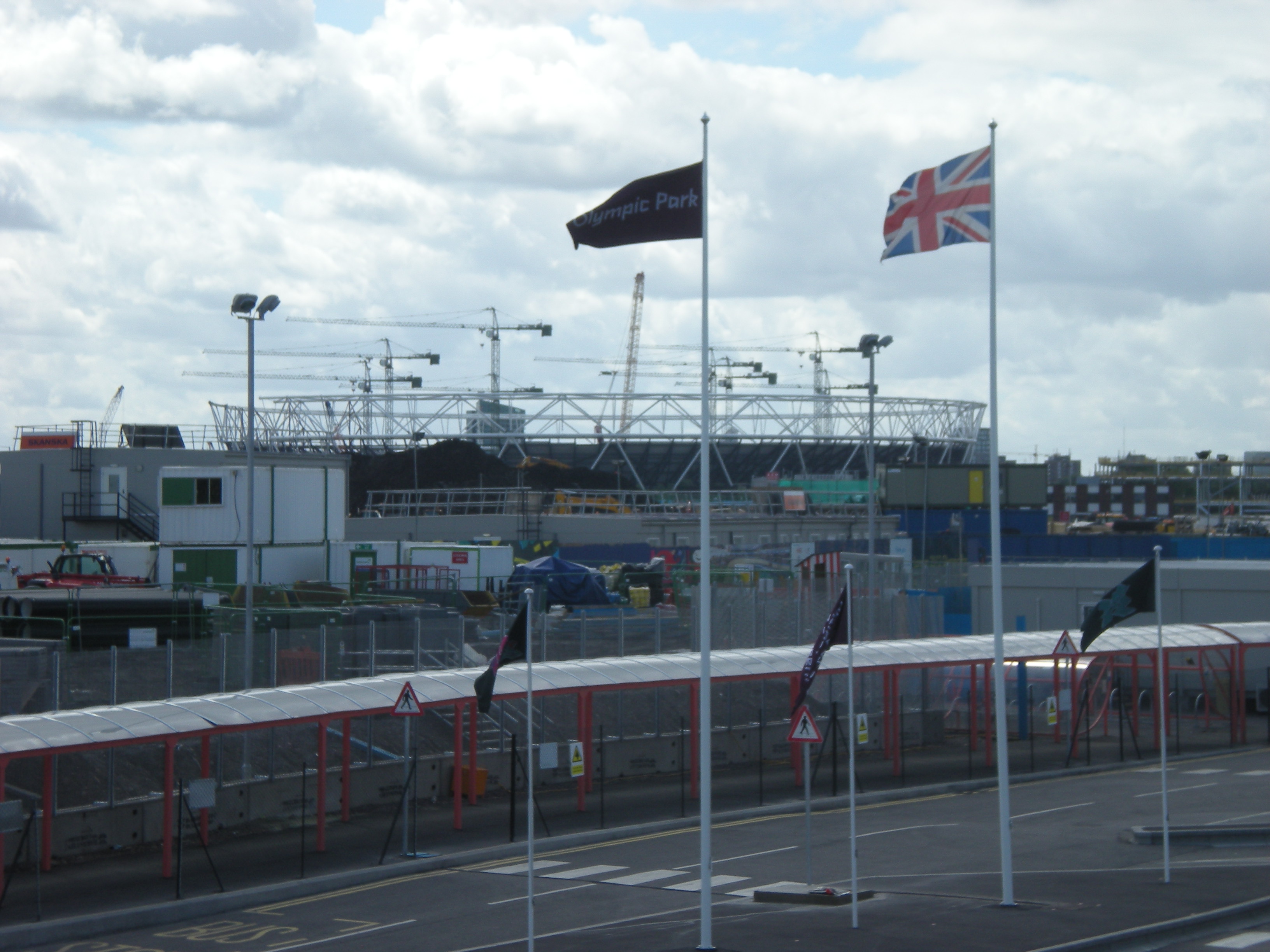
London Olympic Stadium Rises
Not much there that’s visible yet, but then most of a building is underground and in the framework. The site appeared very busy with lots of cranes and equipment. But as it was Sunday, there was only a small number of people. That in itself is probably a good sign, as they’re not late yet.
Dr. Egerton White
I am fairly unique amongst people these days in that I was delivered by my GP; Dr. Egerton White.
He was your classic GP of the time in North London. He had the Rover 90 or 110, the corporation, waistcoat and watch-chain, the kindly face and warm hands, and everything else that went with the job.
But why did he come all of the way from Winchmore Hill to my parent’s home in Cockfosters?
It was a drive of about five or six kilometres and all of my friends and neighbours used doctors who were much closer. My father always said that it was because his was one of the first houses built in the area and there weren’t any doctors. He may also have been a client of my father’s printing business. But then that wouldn’t add up, as the house was built in 1936 and I don’t think my father was working there at the time.
It has always been a puzzle.
I can still see Dr. White’s face in my mind, as he came many times to see me at home. I should say, that I also went to see him and his partner, Dr. Curley, at Winchmore Hill just as many times too. It was an unusual face in that it was round and covered in dark pigmented spots.
Only now, do I know what the problem is with my health. I am a coeliac, which means I’m allergic to the gluten found in wheat, barley and rye. But in those far off days of the late 1940s and early 1950s, no-one knew how to diagnose my problem. He thought I may have had an egg allergy, but try as he could, he missed the diagnosis. Incidentally, go through my medical notes and you’ll see all sorts of symptoms that now I put down to being a coeliac.
Note that I don’t use coeliac disease. I suffer from a diet-controlled non-illness.
One incident stands out. At about seven, I caught scarlet fever. Or did I?
I had all the symptoms and was placed in isolation at home. But according to Dr. White, I was the only case in London. So was it some weird manifestation of my allergy. I don’t know and I suppose I could find out if I had a test for the antibodies. But does it really matter? No! In the grand scheme of things.
About seven years ago, I bought a new car. The salesman had the same skin colour with the pigmented spots as Dr. White. And the salesman was black or of mixed-race!
So does this partly explain the reason how the good Dr. Egerton White came to be my family’s doctor in North London?
The Woolwich Ferry
The Woolwich Ferry is one of London’s oddities.
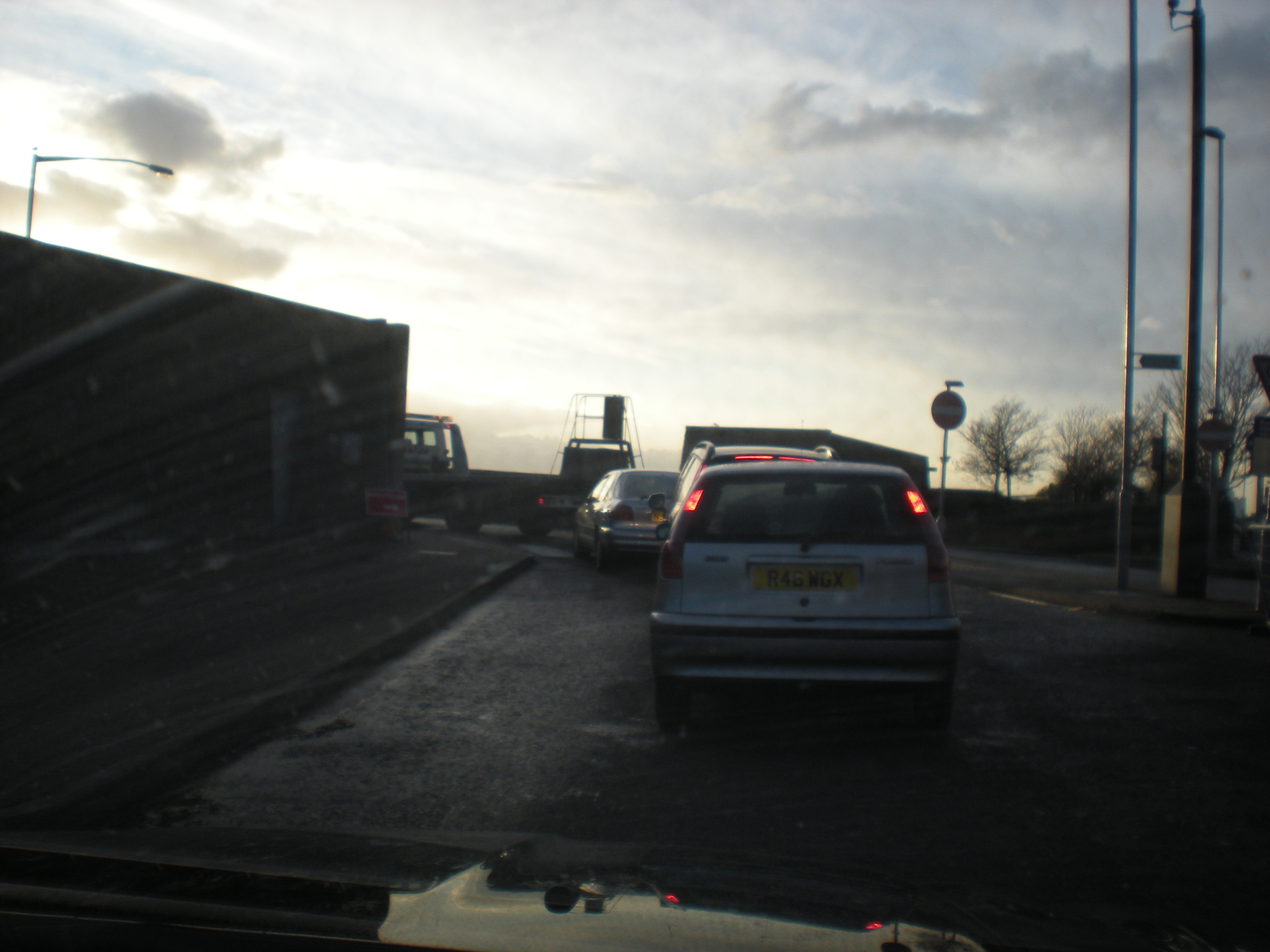

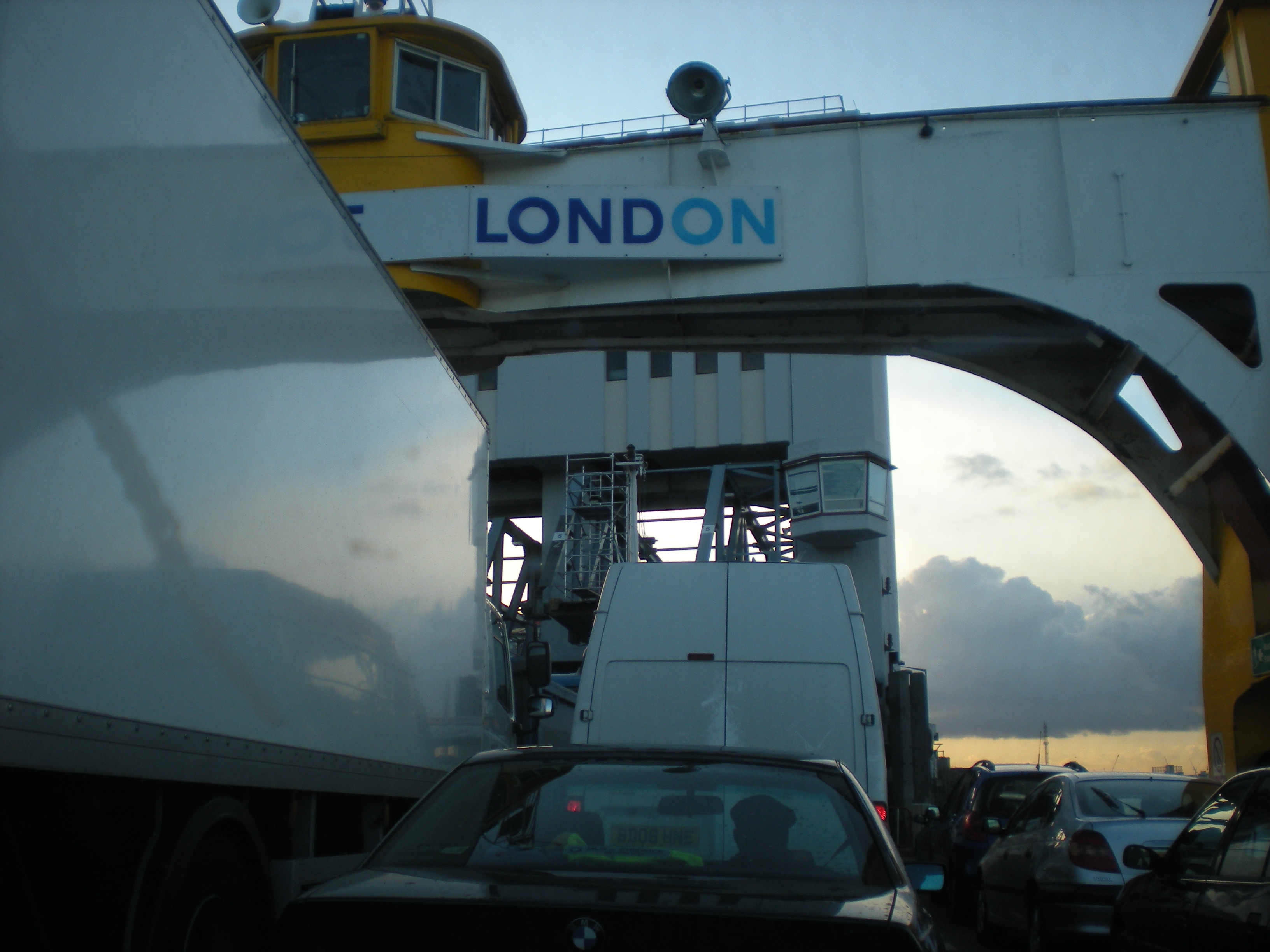
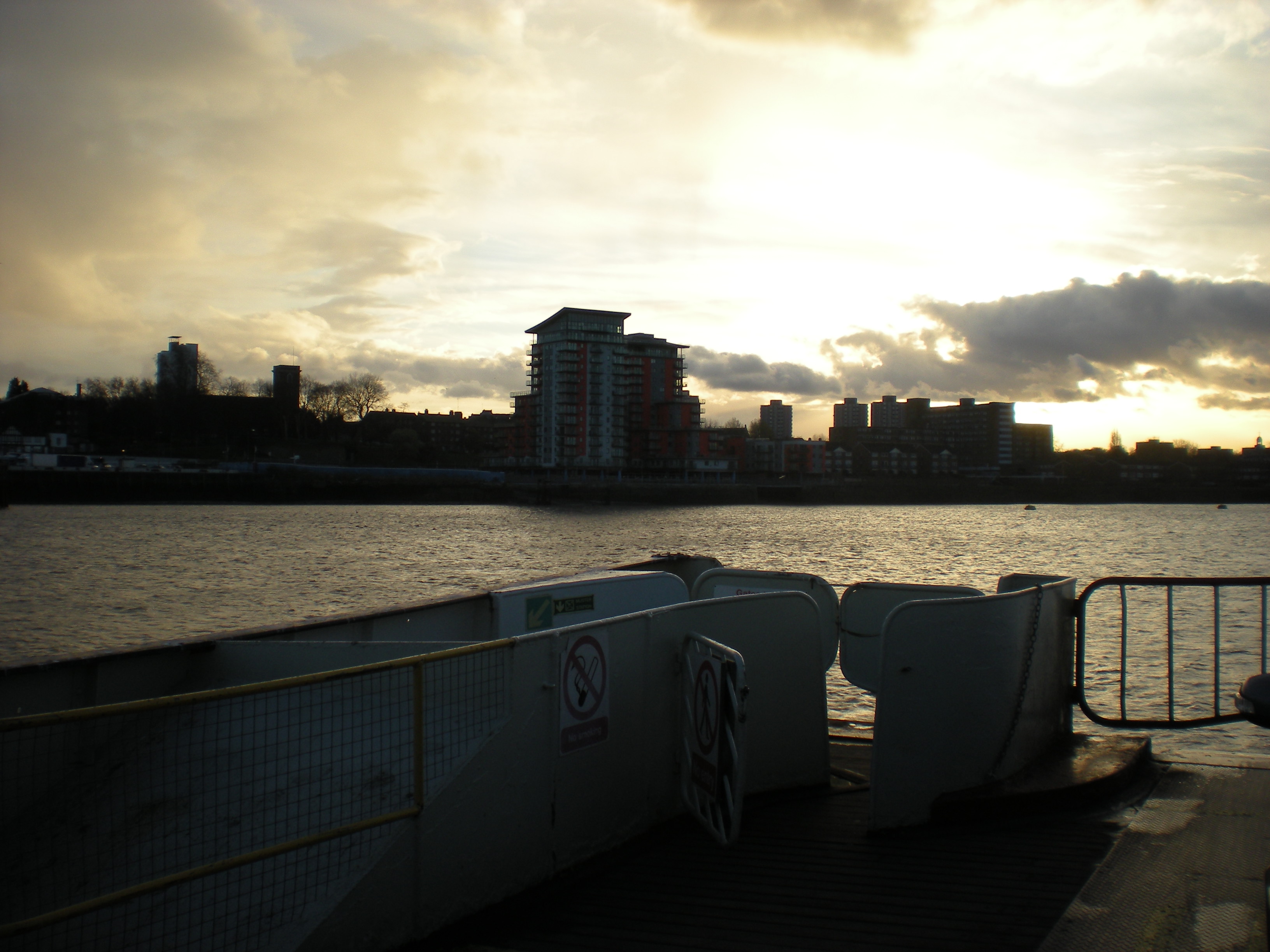
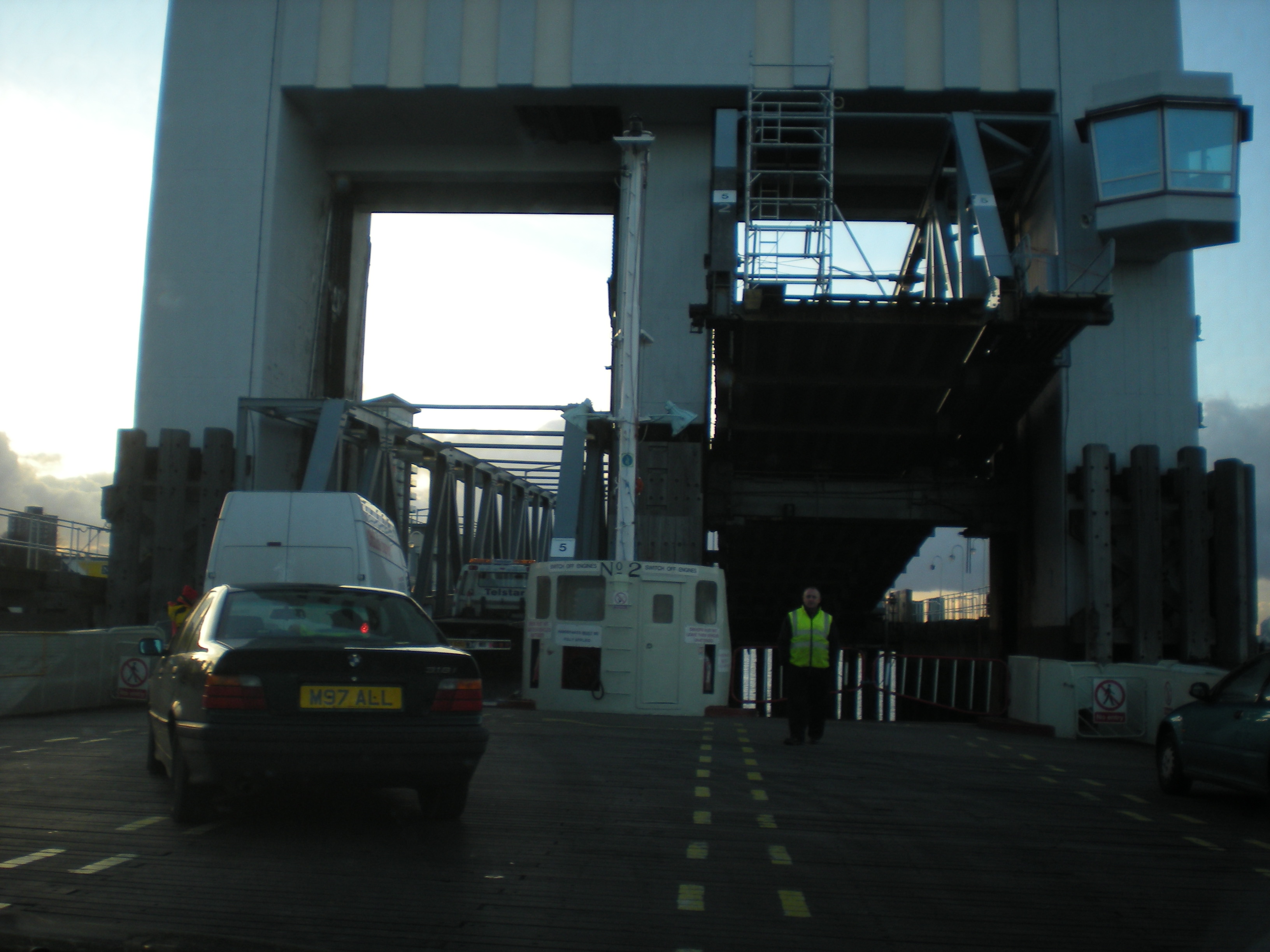
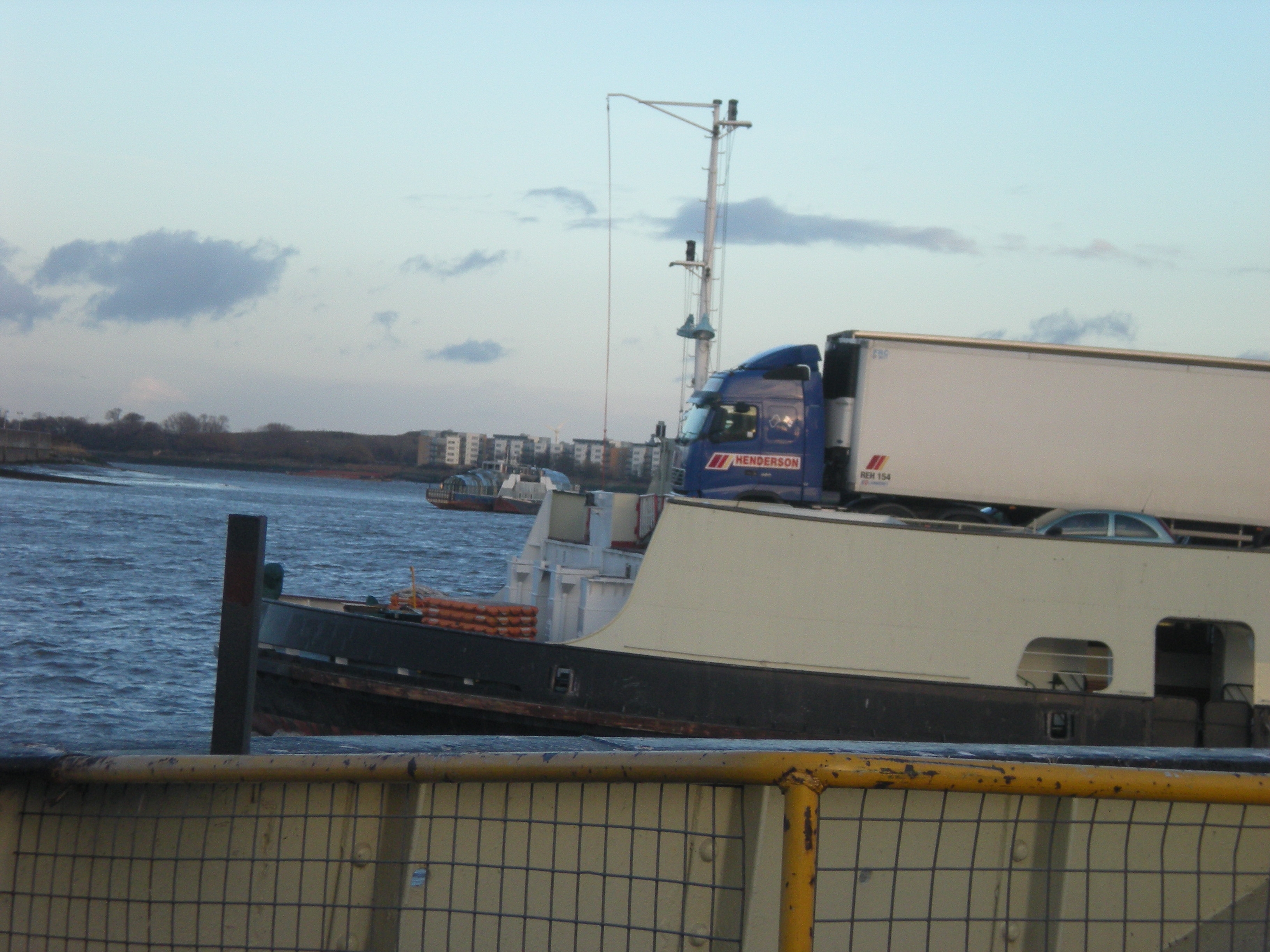

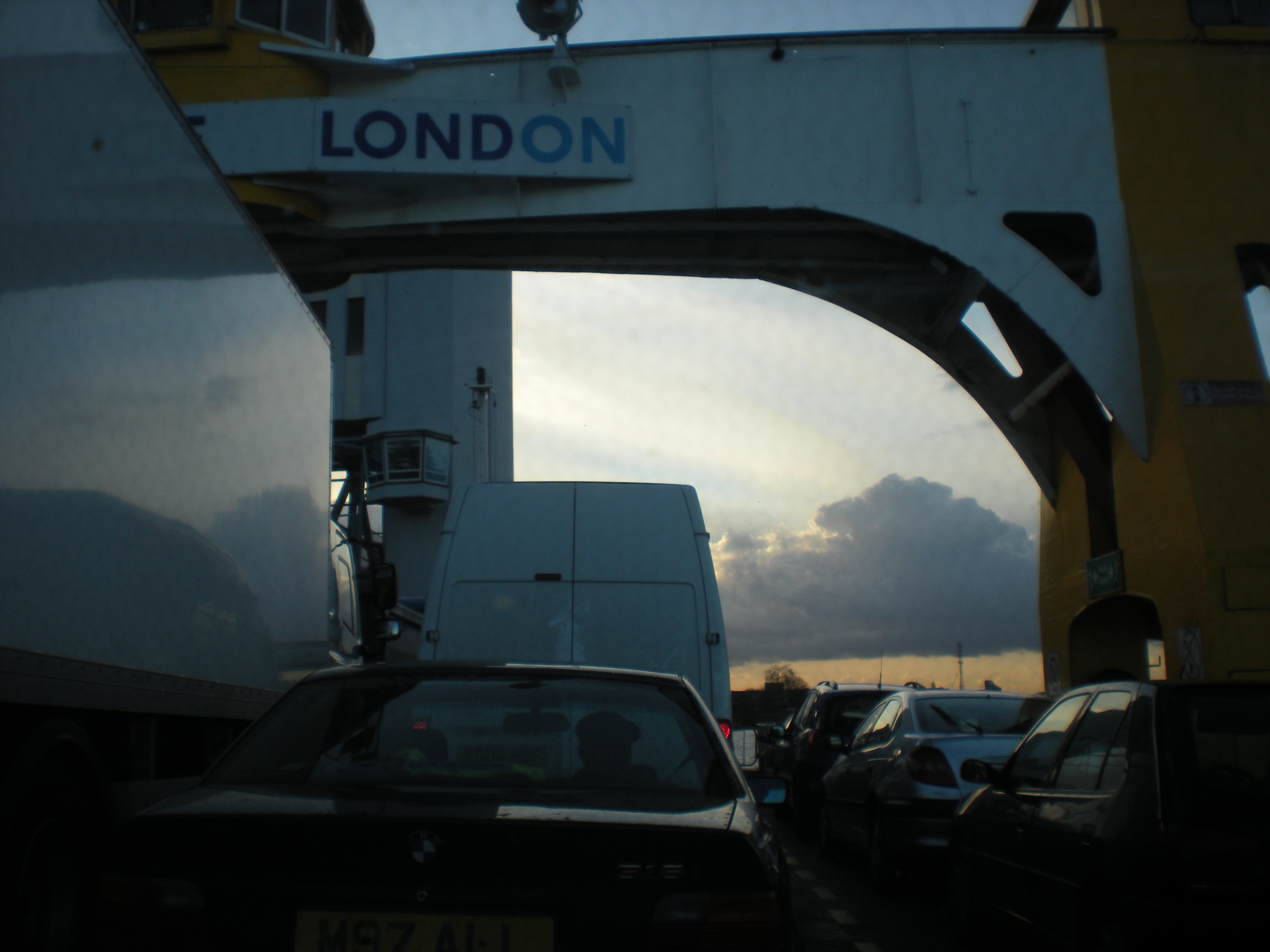
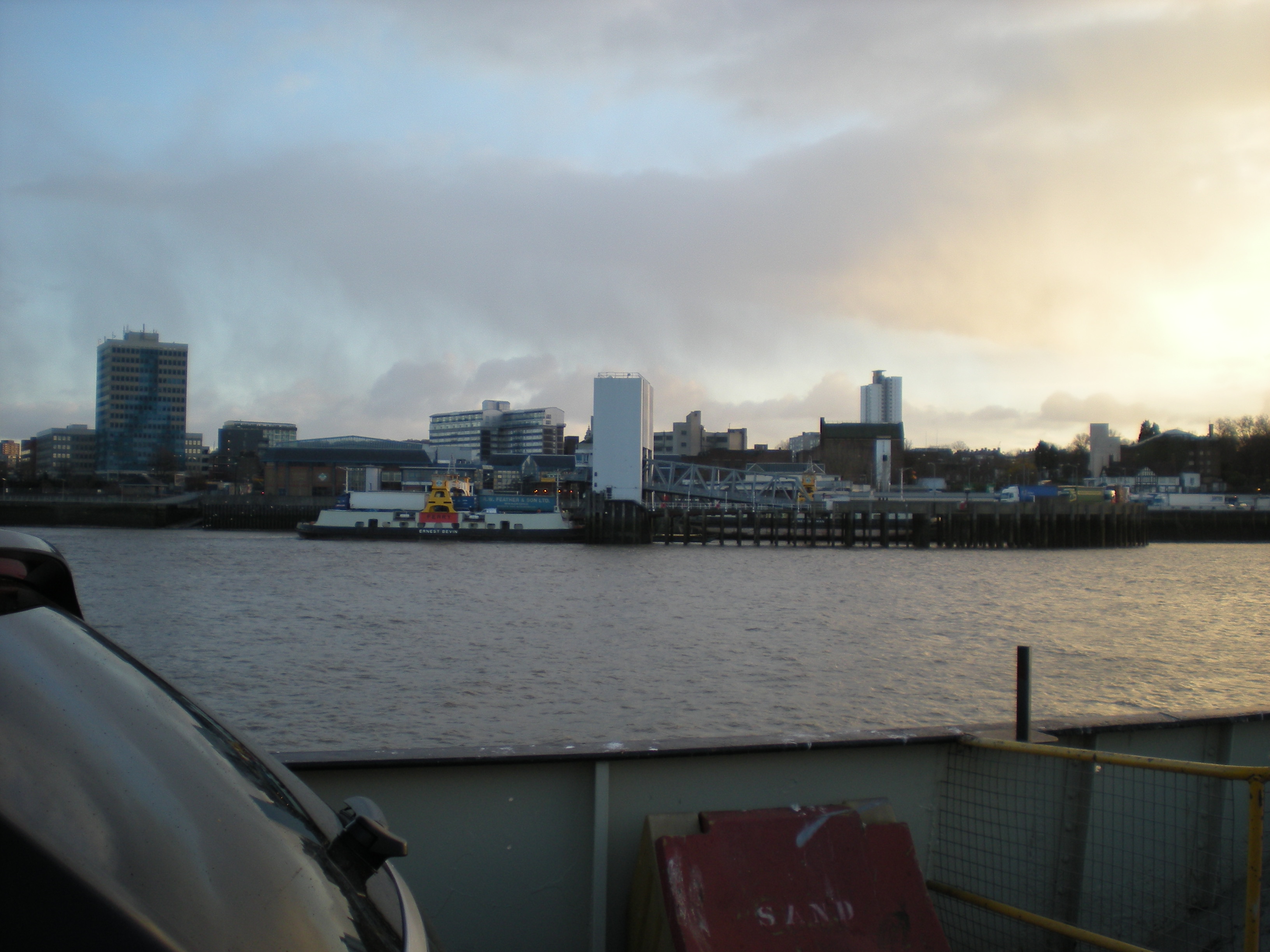
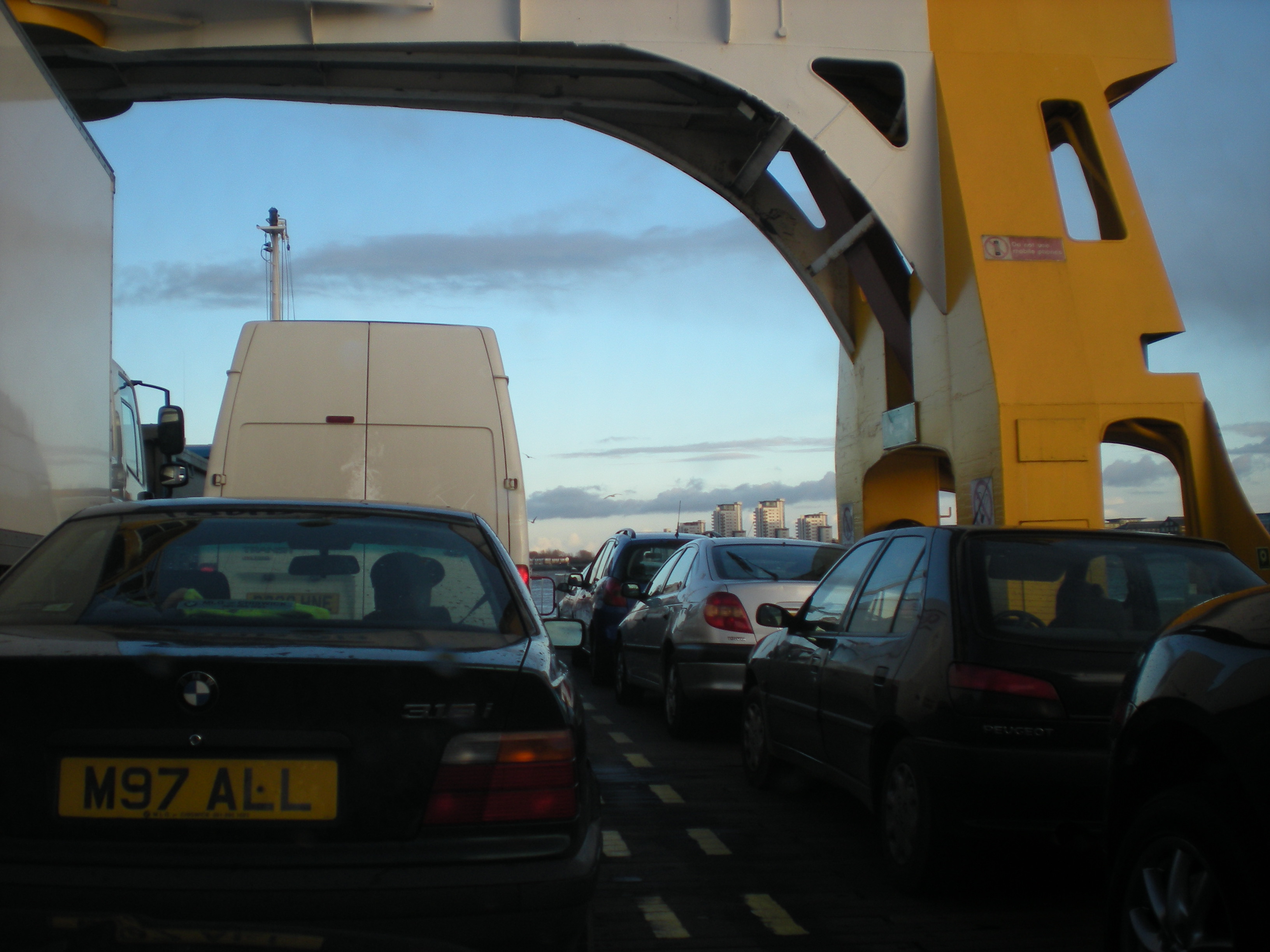
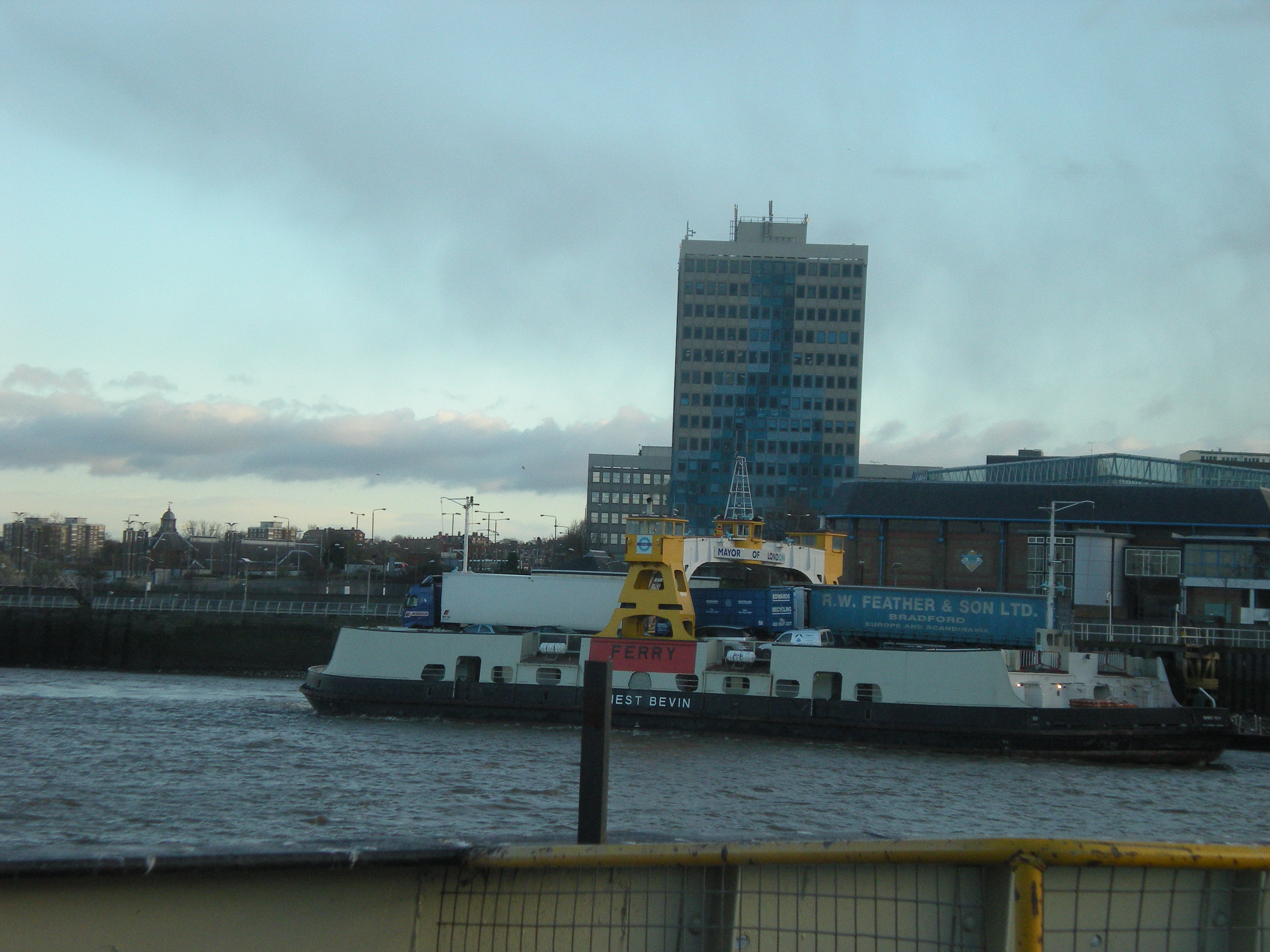
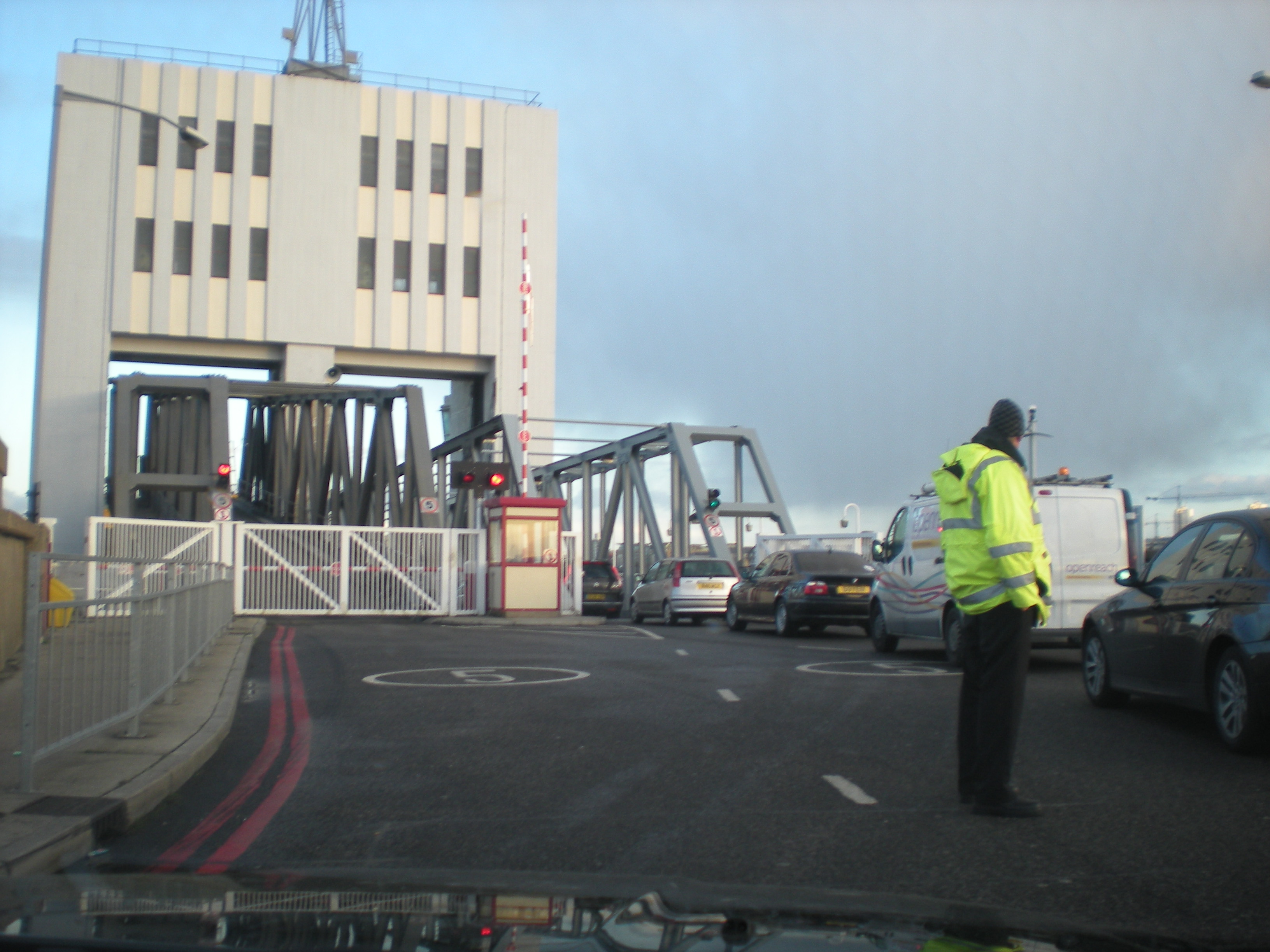
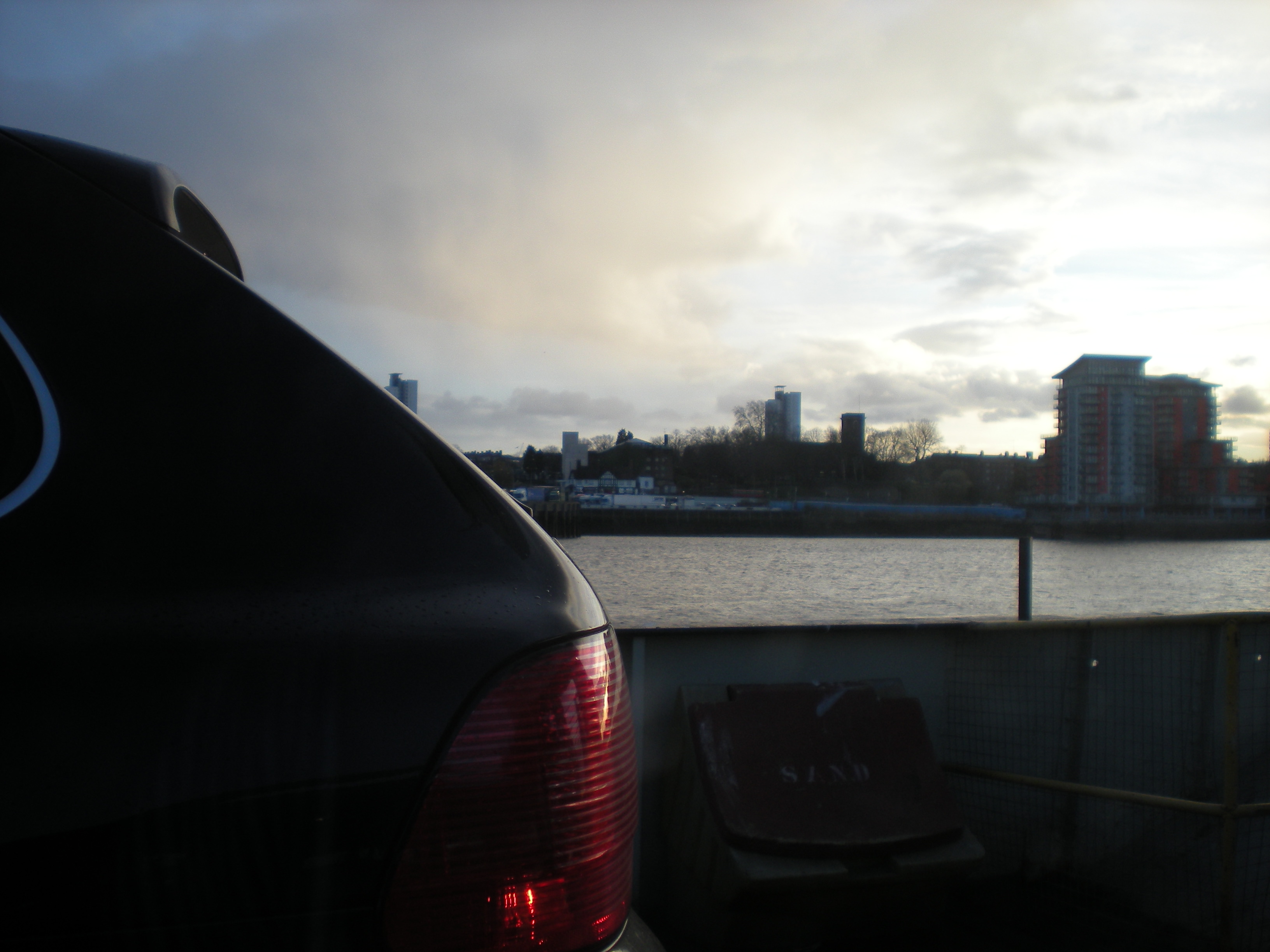
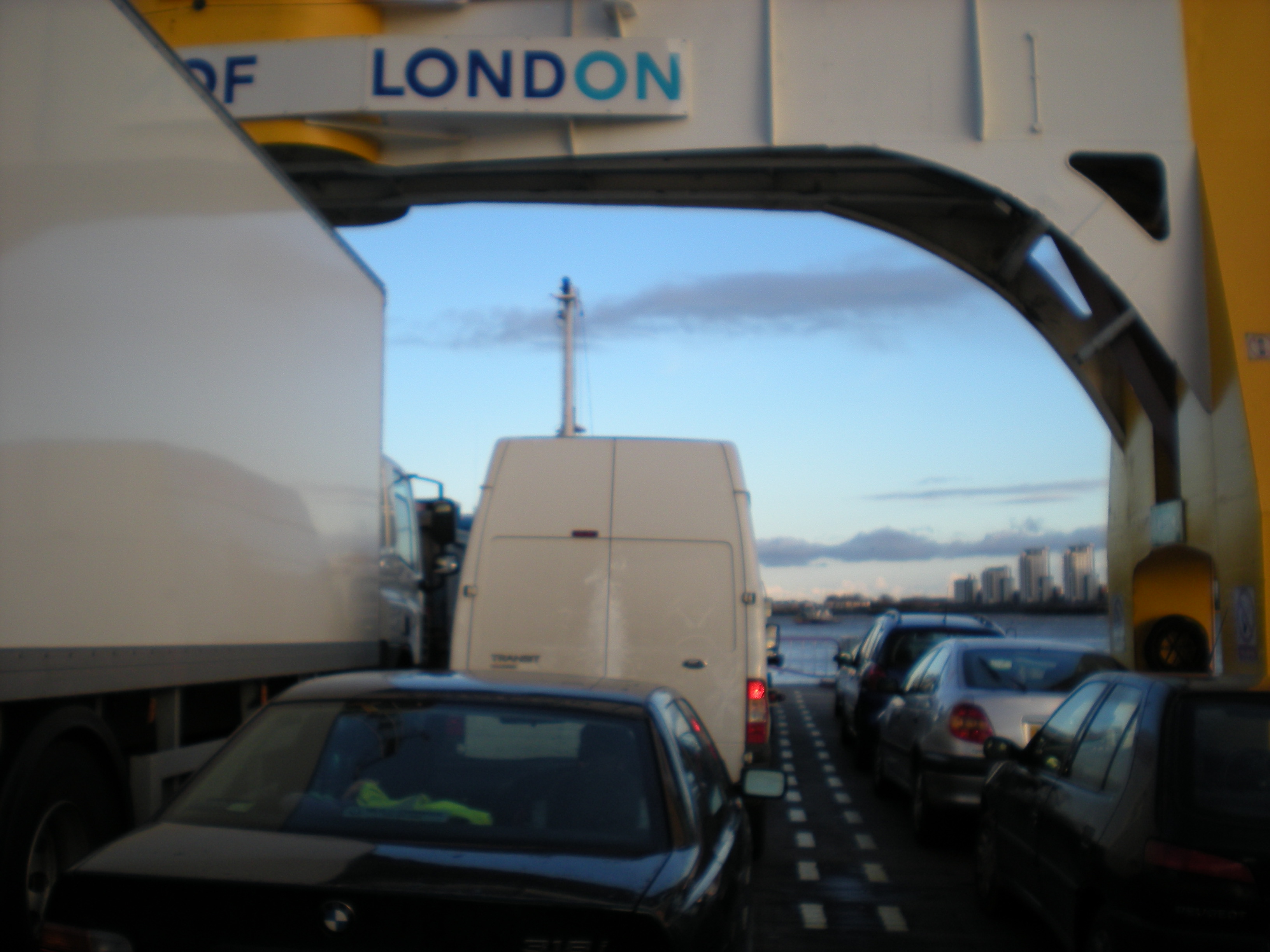
I think I first used the ferry soon after I learned to drive in 1964 and I’ve used it every ten years or so. The pictures here were taken in November 2008, when I was travelling to visit someone in South London.

