First Massive ‘Lego Block’ Beams Lifted For HS2’s Pioneering Thame Valley Viaduct
The title of this post, is the same as that of this press release from High Speed Two.
HS2 has begun lifting the first of 72 huge beams that will support the deck of the Thame Valley Viaduct – the first of its kind in the UK to have all major elements manufactured off site.
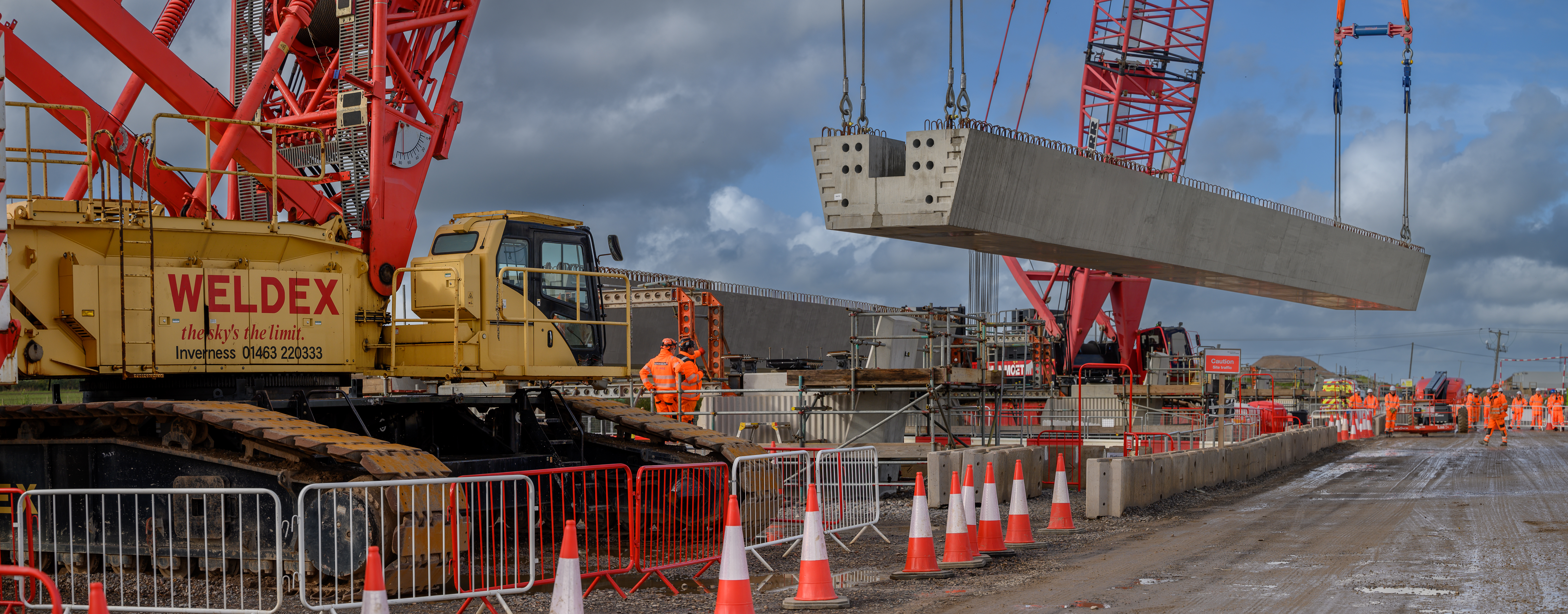
HS2 Bicester viaduct beam placement.
These paragraphs describe the building of the viaduct.
Engineers at the site near Aylesbury used two massive cranes to lift the beams – 25 metres long and weighing 90 tonnes each – into position on top of the viaduct piers, like giant Lego blocks.
Instead of using a more traditional approach, with multiple smaller beams for each span, the design team opted for a simple structural solution with just two larger hollow u-shaped beams per span, which allows for a lighter structure and simpler construction.
The lighter-weight design, inspired by viaducts on the Spanish high speed rail network, also reduces the amount of carbon-intensive concrete and steel in the structure – cutting its carbon footprint by around a third.
It doesn’t say, if they are using low-carbon concrete for the beams, but High Speed Two have used this material before.
HS2 Starts Work On First Pioneering ‘Green Tunnel’
The title of this post is the same as that of this press release on the High Speed Two web site.
These three paragraphs introduce the work at Chipping Warden.
HS2 today [Friday 10th June] announced the start of construction at the site of its first innovative ‘green tunnel’, designed to blend the high speed railway into the landscape and reduce disruption for communities.
Unlike a normal underground tunnel, the one-and-a-half mile (2.5km) Chipping Warden green tunnel in Northamptonshire is being built on the surface using a pioneering off-site manufacturing approach to speed up construction and improve efficiency.
This approach will see more than five thousand giant concrete tunnel segments made in a factory in Derbyshire before being assembled on site. The completed tunnel will then be covered by earth, with trees, shrubs and hedgerows planted to fit in with the surrounding countryside.
Note.
- High Speed Two are building five of these tunnels between London and Birmingham.
- I know from talking to engineers at Custom House station, which was also built in a factory, that the quality is excellent.
- But is it also cheaper and quicker, as all segments on the five tunnels are identical, no expensive tunnel boring machine is required and conventional equipment can be used?
These are some images from High Speed Two, which show the erection of the first segments of the green tunnel.


There is also this video, which shows more about the green tunnels.
I suspect we’re going to see a lot more of these tunnels.
HS2 Reveals Images Of First Landscaped ‘Green Tunnels’ For Bucks And Northants
The title of this post, is the same as this press release from High Speed Two.
This image shows one of the proposed tunnels.
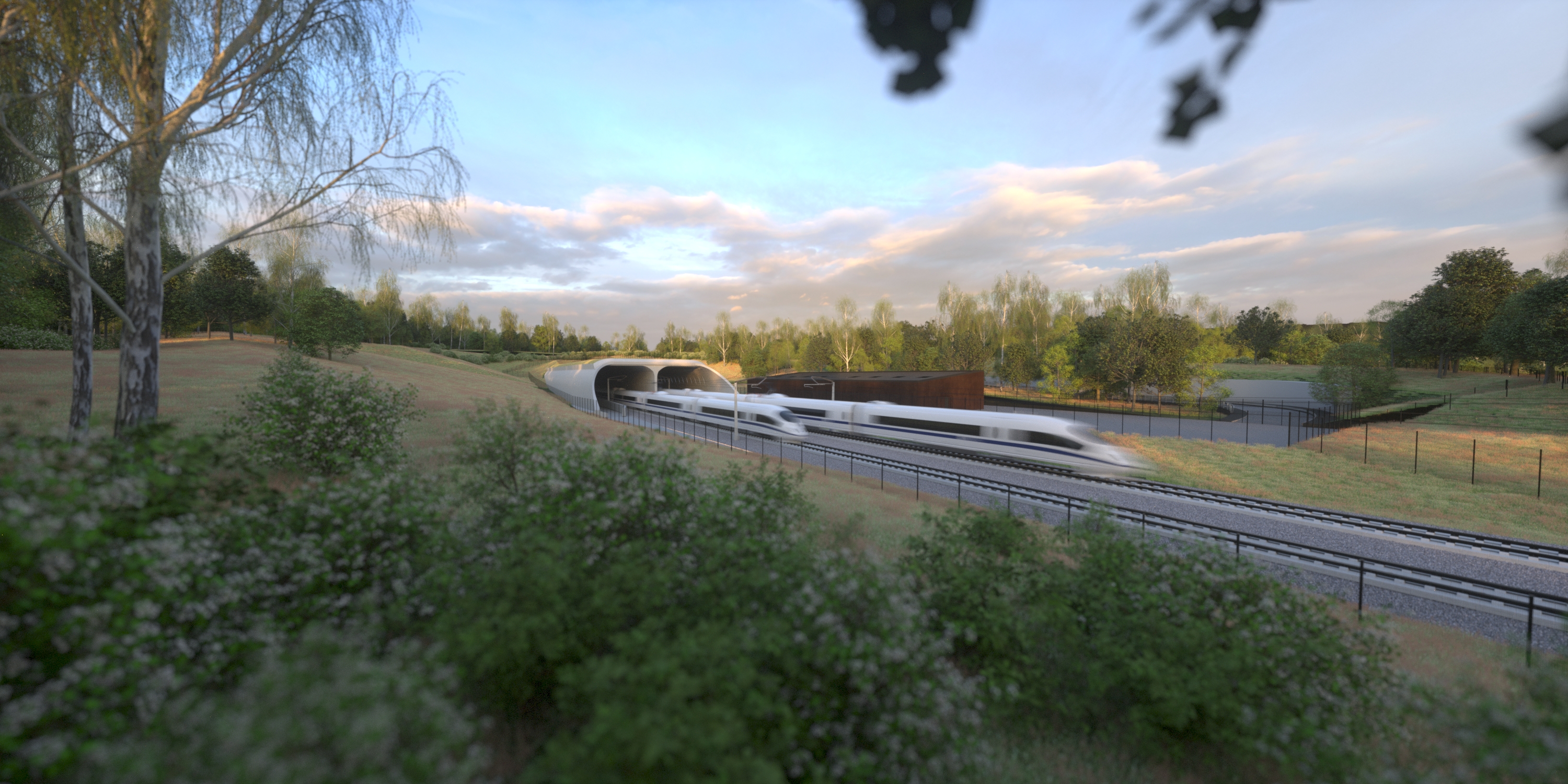
The article explains the design and describes how the tunnels will be built in a factory in Derbyshire and assembled on site.
Off-site concrete construction was used at Custom House station on Crossrail. I wrote about the construction of this station in An Express Station.
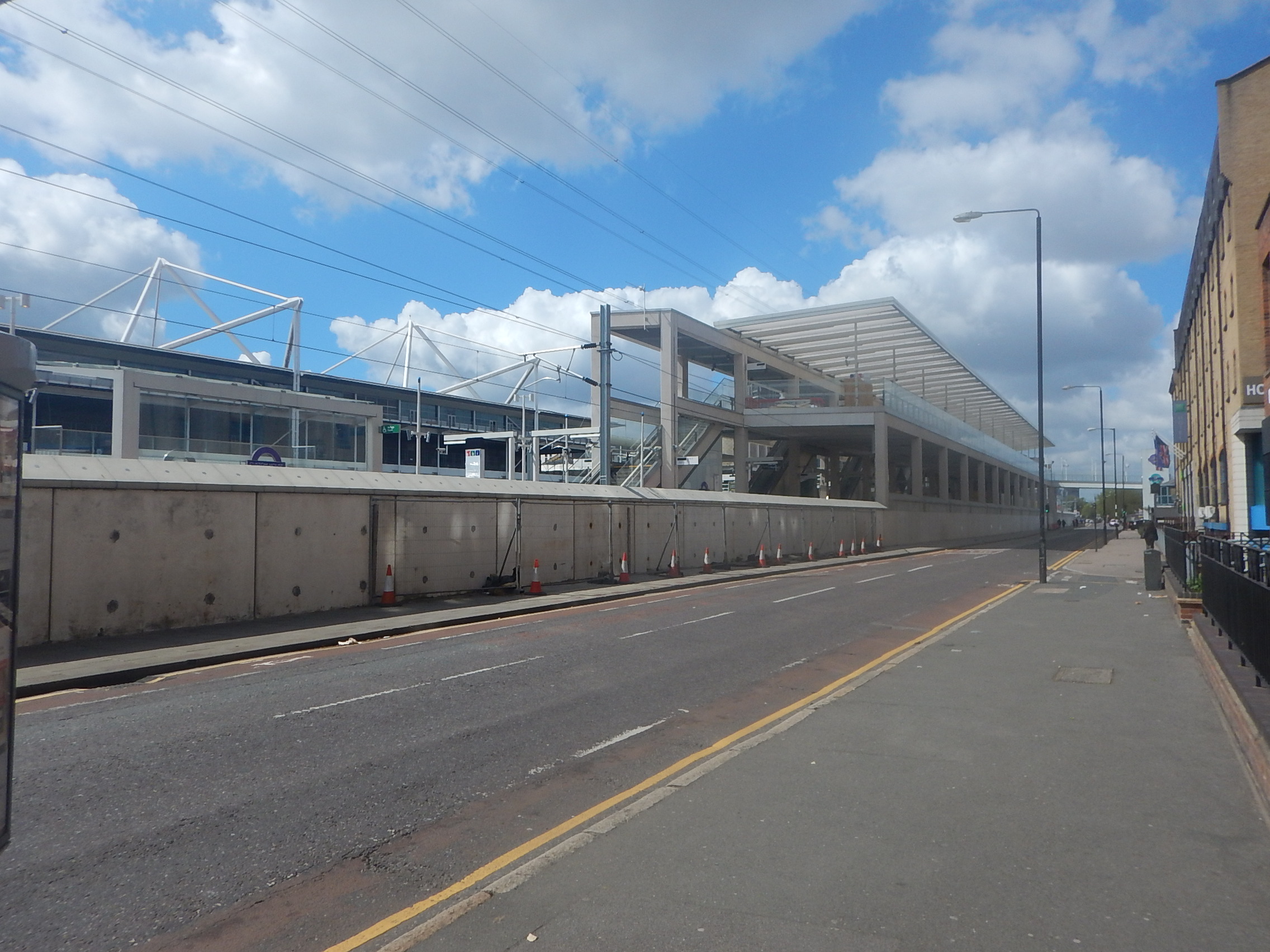
The picture shows Custom House station under construction. One of the engineers told me, that the quality of the concrete in the station, is so much better than normal.
Will Some Of The New Buildings For Heathrow Be Built In Scotland?
It’s all explained in this article on the Offsite Hub website, which is entitled Heathrow To Offer Offsite Hubs To Other Mega Projects.
This is the first two paragrahs.
Airport says schemes such as HS2 and Hinkley could make use of planned offsite manufacturing hubs
Heathrow Airport has said it hopes its idea for a series of offsite manufacturing hubs to help with its £16bn expansion plans will be used by other major projects, including the new nuclear power station at Hinkley and the HS2 railway.
Sounds a good idea to me.
A few other points.
- Offsite accounts for 10% of the construction industry.
- Heathrow are aiming for between 25% and 40%.
- It will reduce the peak on-site workforce at Heathrow.
- Offsite was safer, cleaner and less weather dependent.
- Four hubs are plans, with one definitely in Scxotland.
A few months ago I talked to one of the managers building Custom House station, which was largely built offsite in Sheffield.
He told me, that the quality was so much better, than if it had been built traditionally.
The quality certainly wasn’t traditional pre-fab either.
Could this be part of the solution to our housing crisis?
 The Anonymous Widower