Could A Cross-City Underground Railway Be Run Using Battery-Electric Trains?
Consider.
- Cross-city underground railways like London’s Bakerloo, Central, Jubilee,Northern, Piccadilly and Victoria Lines are usually powered by third-rail technology, which can be dangerous, if someone falls on the track.
- Siemens new London Underground 2024 Stock, which is fully-described in this Wikipedia entry, has the following characteristics.
- A train width of 2.648 metres.
- A train height of 2.844 metres.
- Walk-through carriages
- Air-conditioning
They will also have batteries to support regenerative braking.
But say you were building a new underground line across a city like Birmingham, Leeds or Manchester.
Would the following be possible?
- The tunnel would be built as small as possible, which would probably mean that it was built faster and more economically.
- There would be no electrified rails or overhead wires to power the trains in the tunnel.
- The trains would be powered by batteries.
- Batteries would be charged by a pantograph, that erected to contact with an overhead line outside the tunnel.
- The central tunnel would be bored straight.
- When the train doors opened, passengers would be able to walk on a level surface into and out of the train.
- I believe it would be possible to align the train doors with openings in the tunnel wall at stations to eliminate the need for platform edge doors.
I believe that to design a train and tunnel to literally fit like a glove, could save a lot of money on building a cross-city underground line.
The New Southbound Northern Line Platform At Bank Station
These pictures show the new Southbound Northern Line Platform at Bank Station.

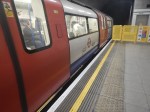
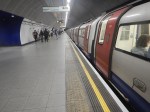
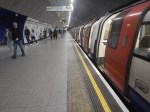
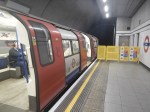
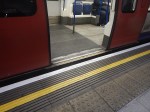
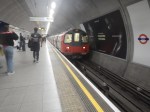
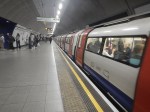

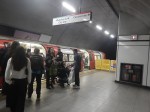
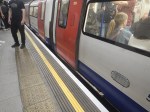
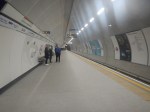
Note.
- This is probably London Underground’s newest platform.
- The step into and out of the train is fairly level.
- This improvement has been achieved with new track and thirty-year-old rolling stock.
Have Siemens redesigned the platform/train interface in the London Underground 2024 Stock, so that the train/platform interface is even better?
- Who’s to know what you can do with modern computer-aided design techniques?
- If the train were to be battery-powered, so that conductor rails were not needed, would the extra space help fit everything in?
- If there were no live rails under the train, would this increase safety, both real and perceived?
I believe it might be possible to design a train/platform interface, that would work with simpler and more affordable platform edge doors.
We probably find out what is possible until the London Underground 2024 Stock enter service later this year.
Nine Elms Station Opens
I took these pictures at Nine Elms station today, after it opened.


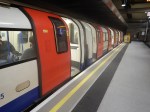
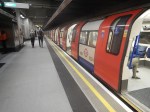

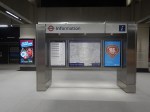
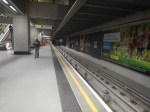
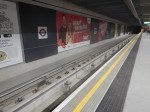


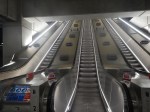









Note.
- The space is generous on the wide island platform.
- Access between platform and train is level.
- There is a set of three escalators and a lift connecting the platform to the surface.
The underground parts of the station feel very much like Canary Wharf station without the platform edge doors and fewer escalators.
Why Aren’t There Platform Edge Doors?
I was chatting to someone and they wondered how the station and Battersea Power Station station had been built without platform edge doors.
- The thought had occurred to me too and we both thought that EU regulations meant that new underground platforms had to have these doors.
- As the 1995 Stock on the Northern Line are very similar to the 1996 Stock on the Jubilee Line, it is unlikely to be a technical or design issue.
- I also think it would be unlikely to be a cost issue given the size of the budget for the two stations.
Look at this picture of a train in Nine Elms station.
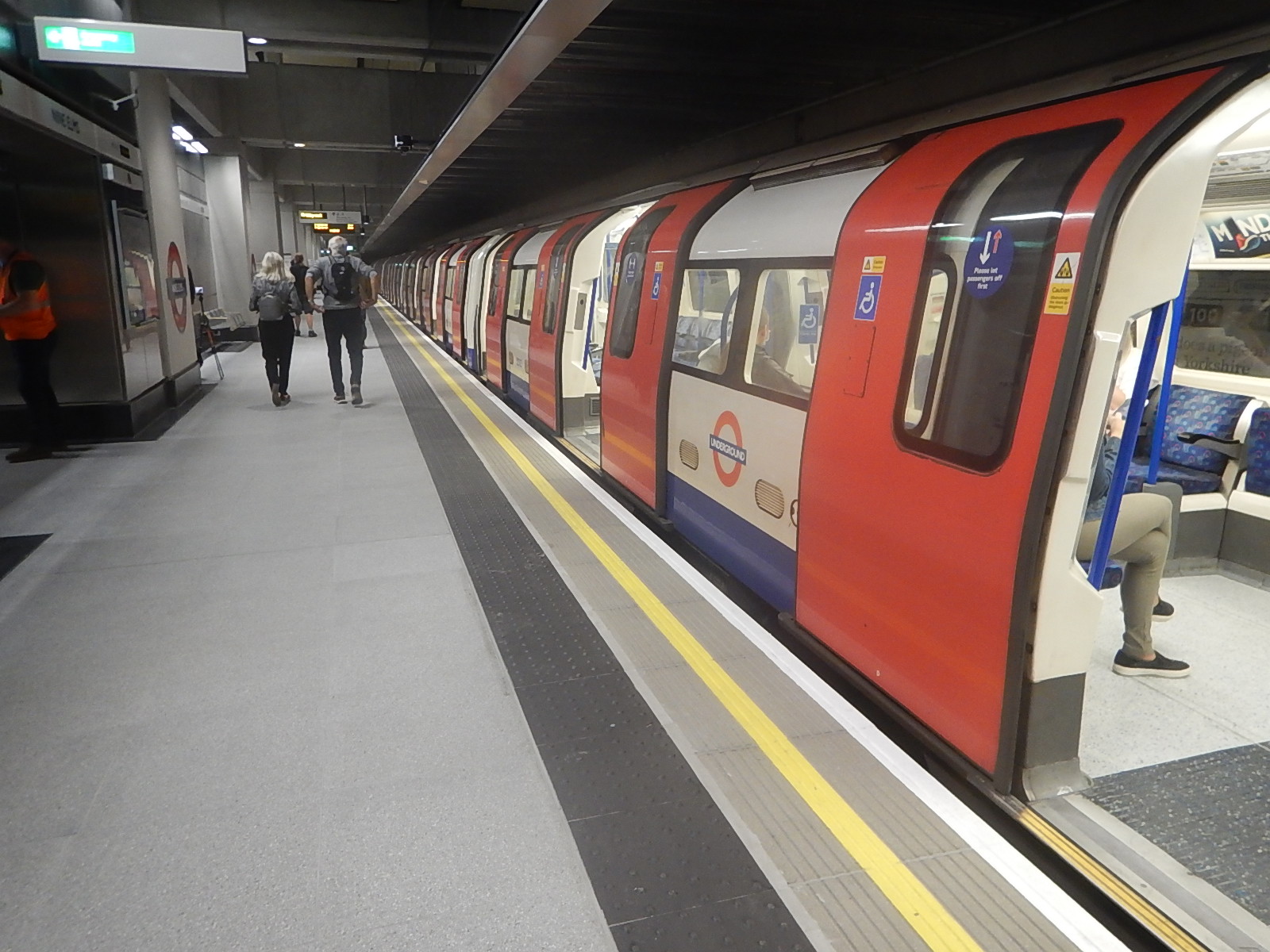
Note.
- The platform is long and straight.
- The platform is generally wider than some of London’s older Underground platforms.
- The track is arranged, so that the door openings and carriage floors line up with the platform edge, so that wheelchair users, bugger pushers and case draggers can go safely across.
- There is only a small gap between the train side and the platform edge, between the doors on the train, which is probably too small for anybody capable of walking can fall through.
- There is no Mind The Gap written on the platform. There is just a yellow line.
- There are no obstructions on the platform.
This second picture shows the structure of the track.
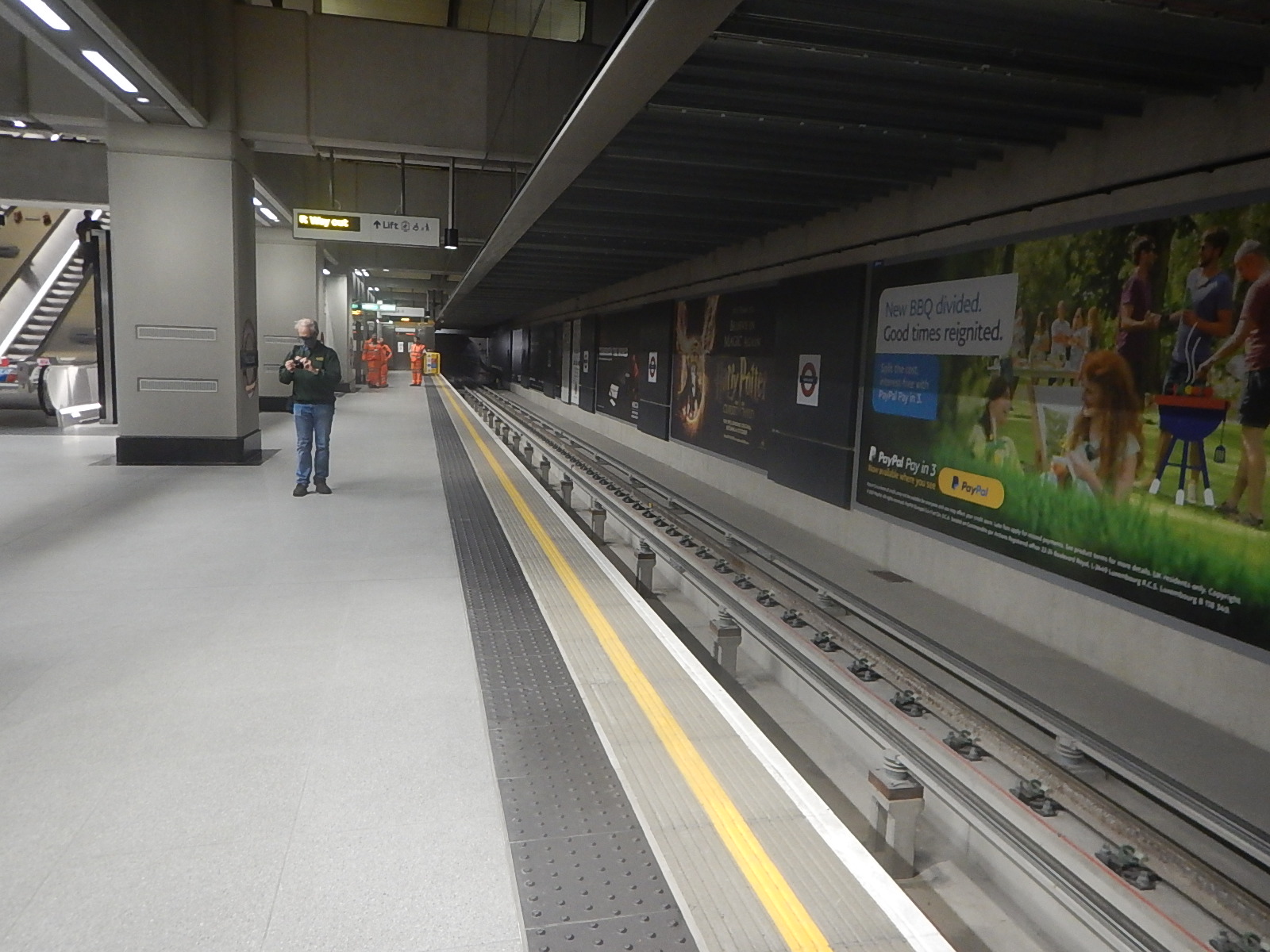
Note.
- The four rail electrification system is clearly visible.
- The far rail is energised at +420 VDC.
- The centre rail is energised at -210 VDC.
- The two running rails don’t carry any current.
- There is a suicide pit between the running rails and under the centre rail to protect anybody or anything falling onto the tracks.
I do wonder if Transport for London have done an analysis and found that the number of serious accidents on stations with these characteristics is small enough, to build these two new stations without the doors.
Other factors could include.
- Stadler are the masters of step-free access and have built several innovative fleets of trains for safe step-free access without platform edge doors. Although they have nothing to do with this project, their statistics would be relevant.
- The UK has left the EU, so we’re ignoring the regulation.
- The Northern Line might get new trains.
I wouldn’t be surprised to see this philosophy of straight uncluttered platforms being applied across the Underground.
This picture shows the Southbound platform at Angel station.

Note.
- This platform was built in the early 1990s.
- It is wide and uncluttered.
Note that the trains were introduced after the station was opened, so that is perhaps, why the train floors are higher.
 The Anonymous Widower