Carmichael, Dankworth and Merrick
It sounds like a typical country firm of solicitors, but actually, these three well-loved people have sadly come together in the obituary pages of The Times.
Ian Carmichael made us all laugh, John Dankworth created some of the best music and Gil Merrick was Birmingham City’s loyal goalkeeper who tried his best to turn the tide of the Mighty Magyars for England.
But perhaps John Dankworth’s wife, Cleo Laine, showed how you celebrate death rather than mourn it. Many would have cancelled the show they were going to give that night at the Stables Theatre. But not Cleo!
The show did go on!
She did the right thing!
Would the Owner Please Remove his Fridge
At the bottom of my lane last night, I noticed a dumped fridge.
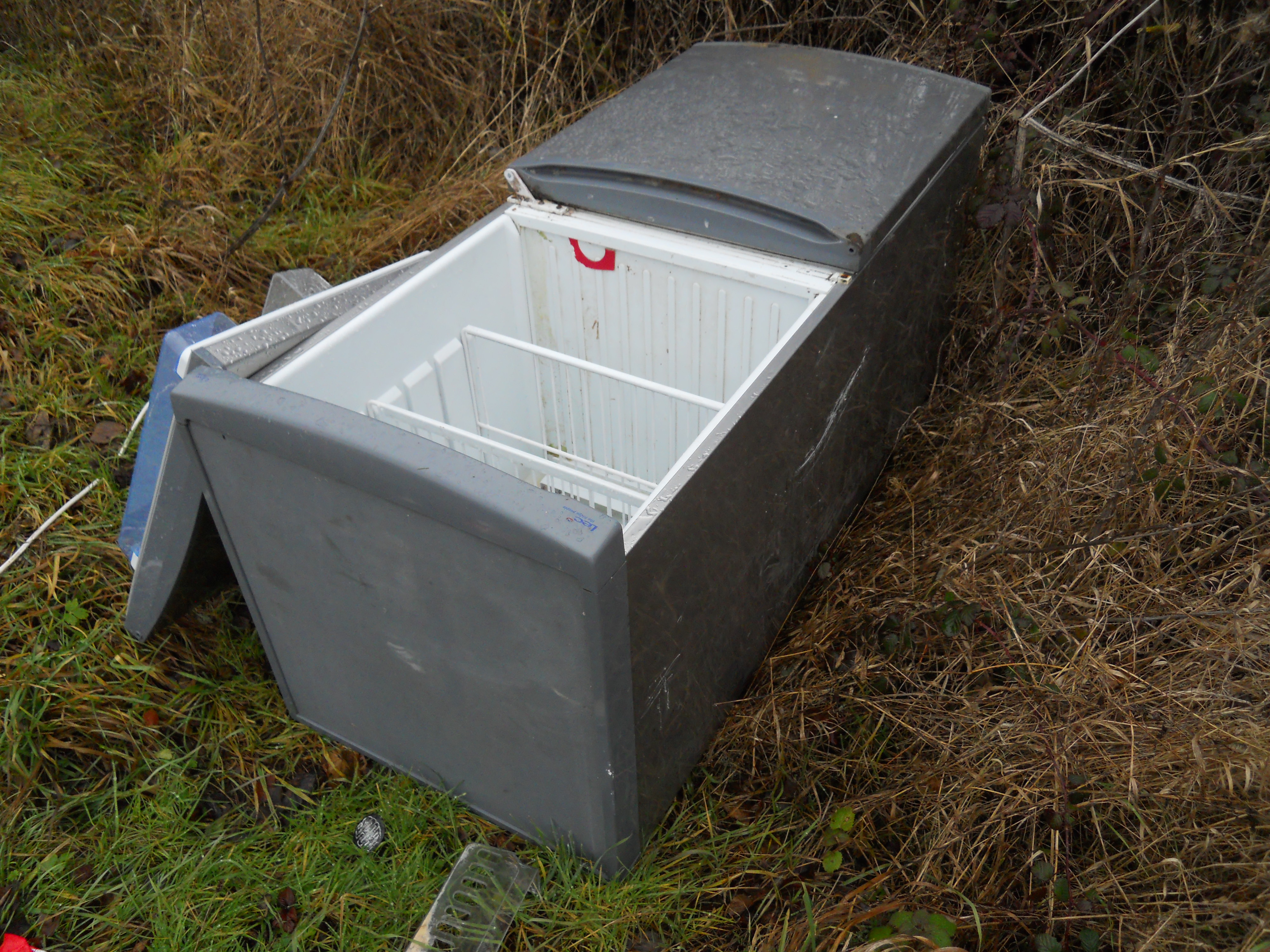
Is This Your Fridge?
What annoys me about this is that I doubt it was anybody in the village and someone must have taken the trouble to drive it a few miles. Now when I had to get rid of a fridge a couple of years ago, I put it in the back of my car and took it to the dump in Haverhill. So I probably drove as far, but I was within the law.
At least we don’t have Glasgow’s problem.
Wandering Around Haarlem
It was cold in Holland at the weekend, as you can see from these pictures of Haarlem.
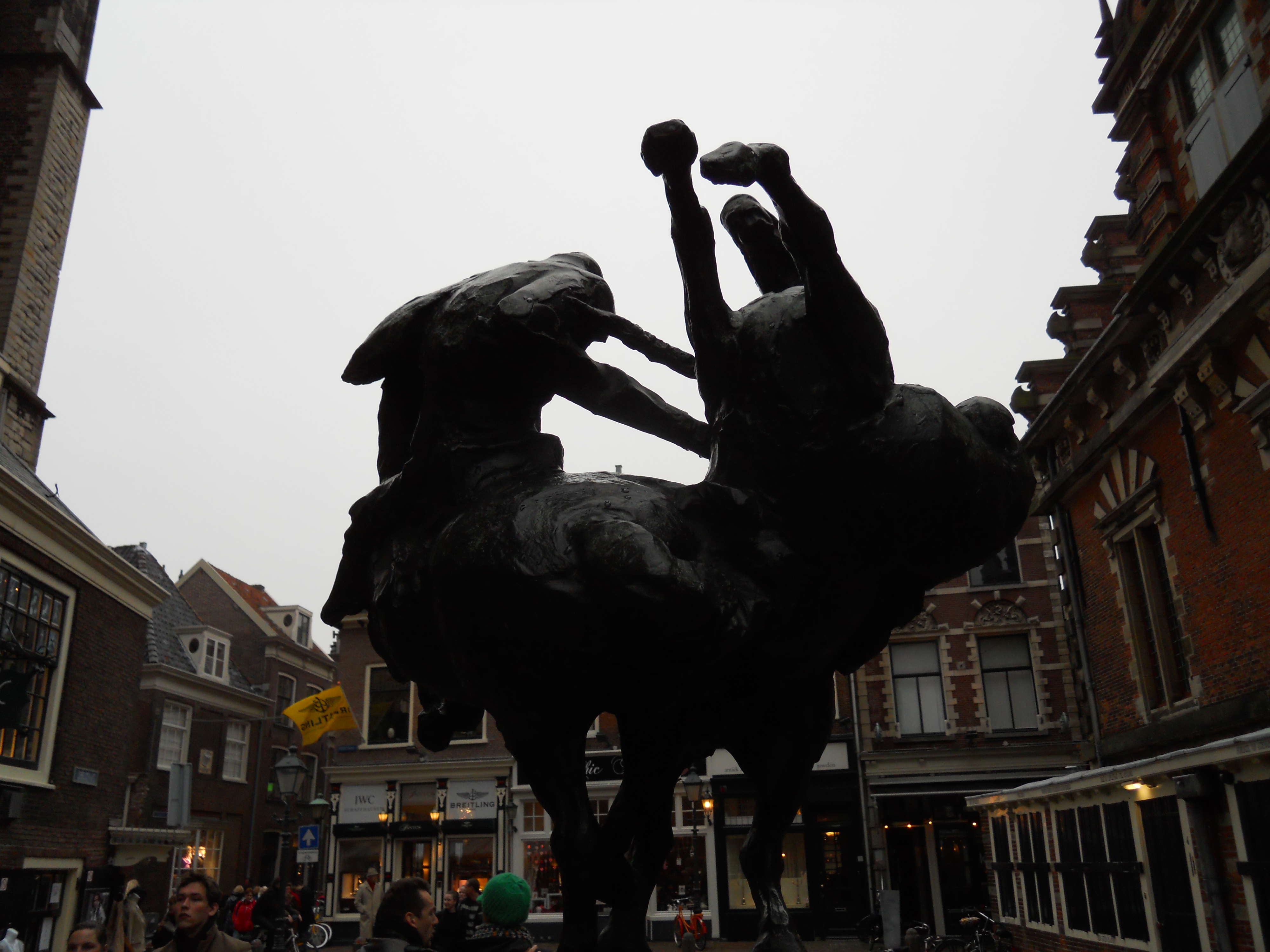
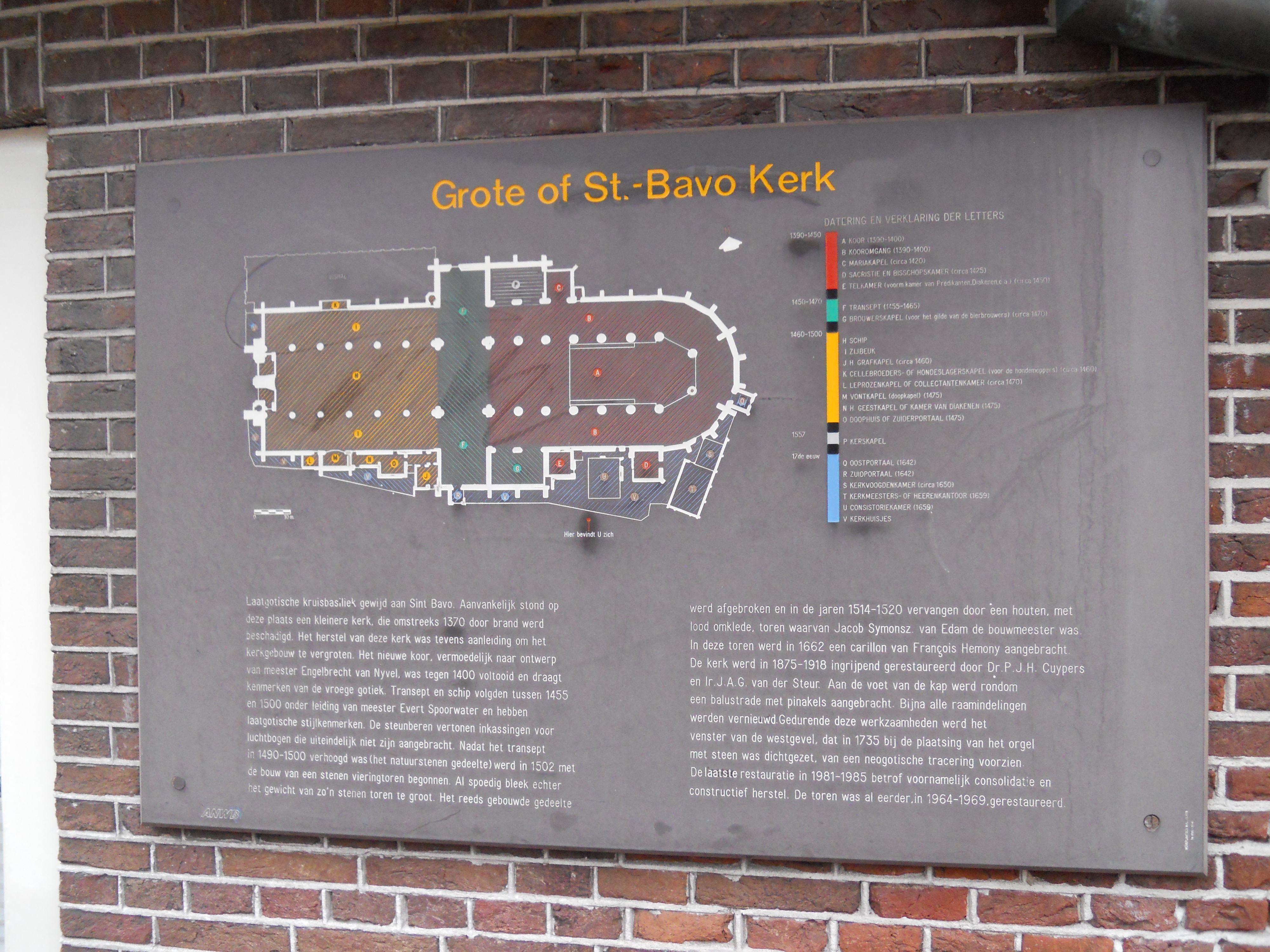
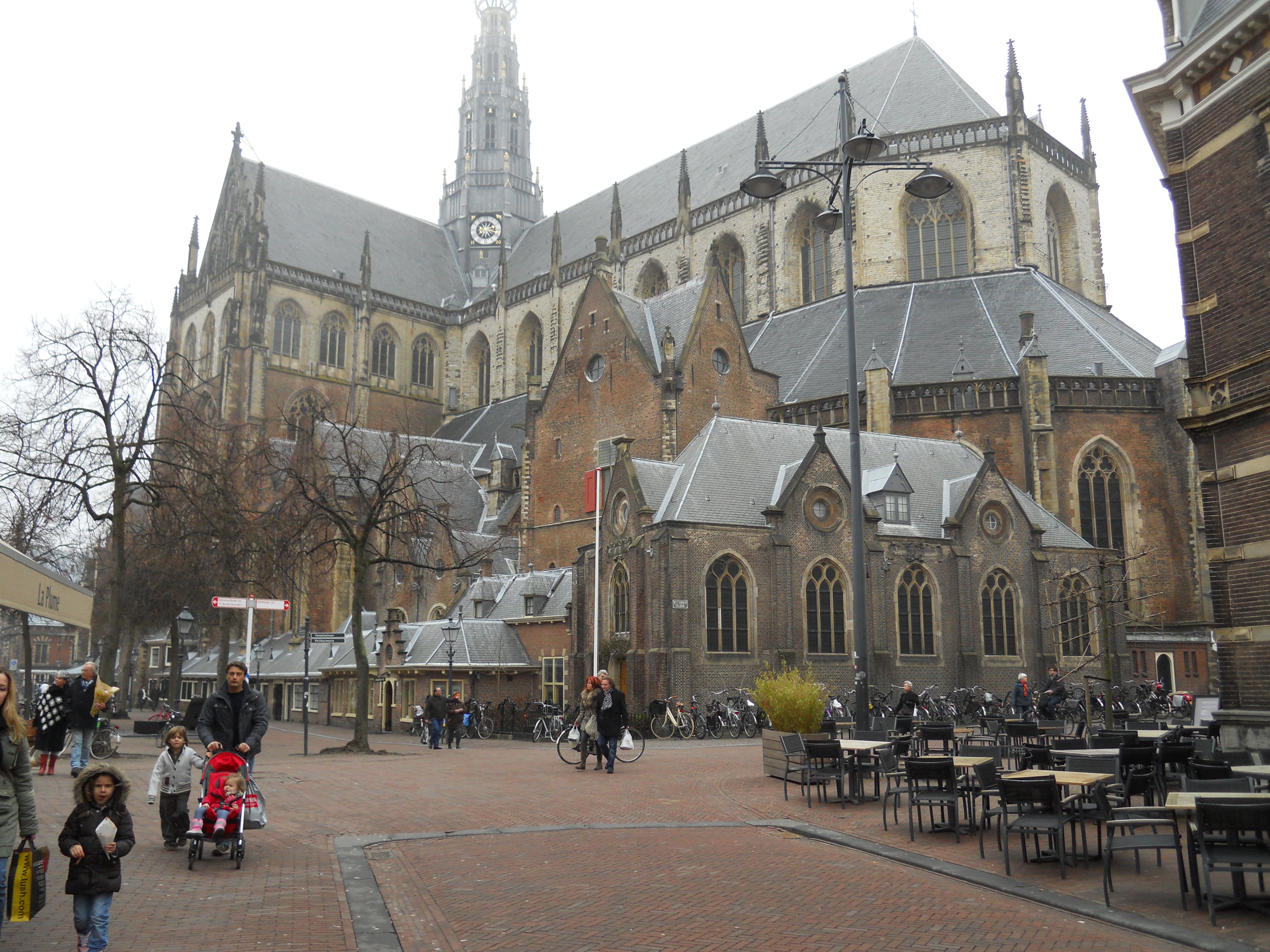
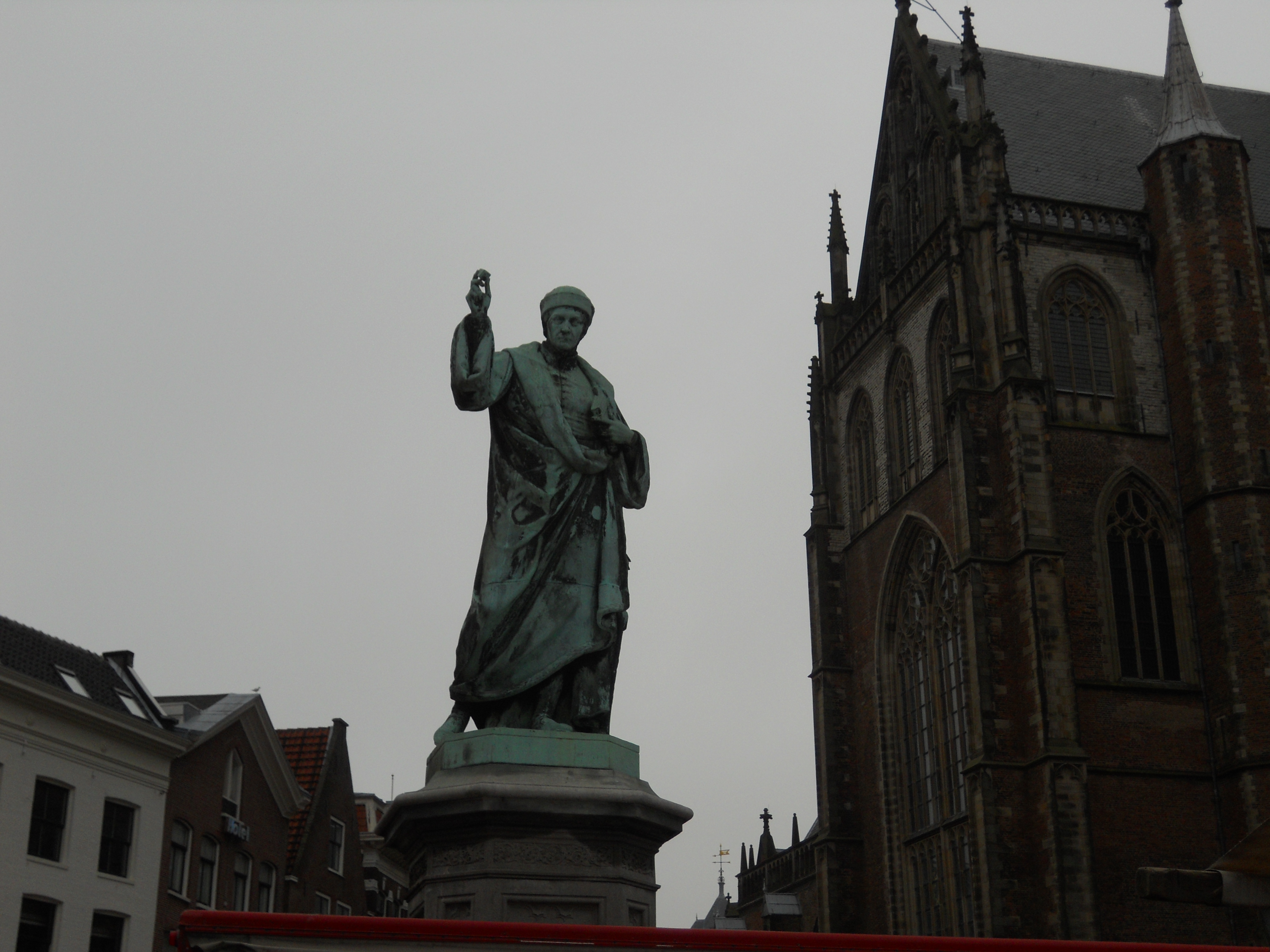
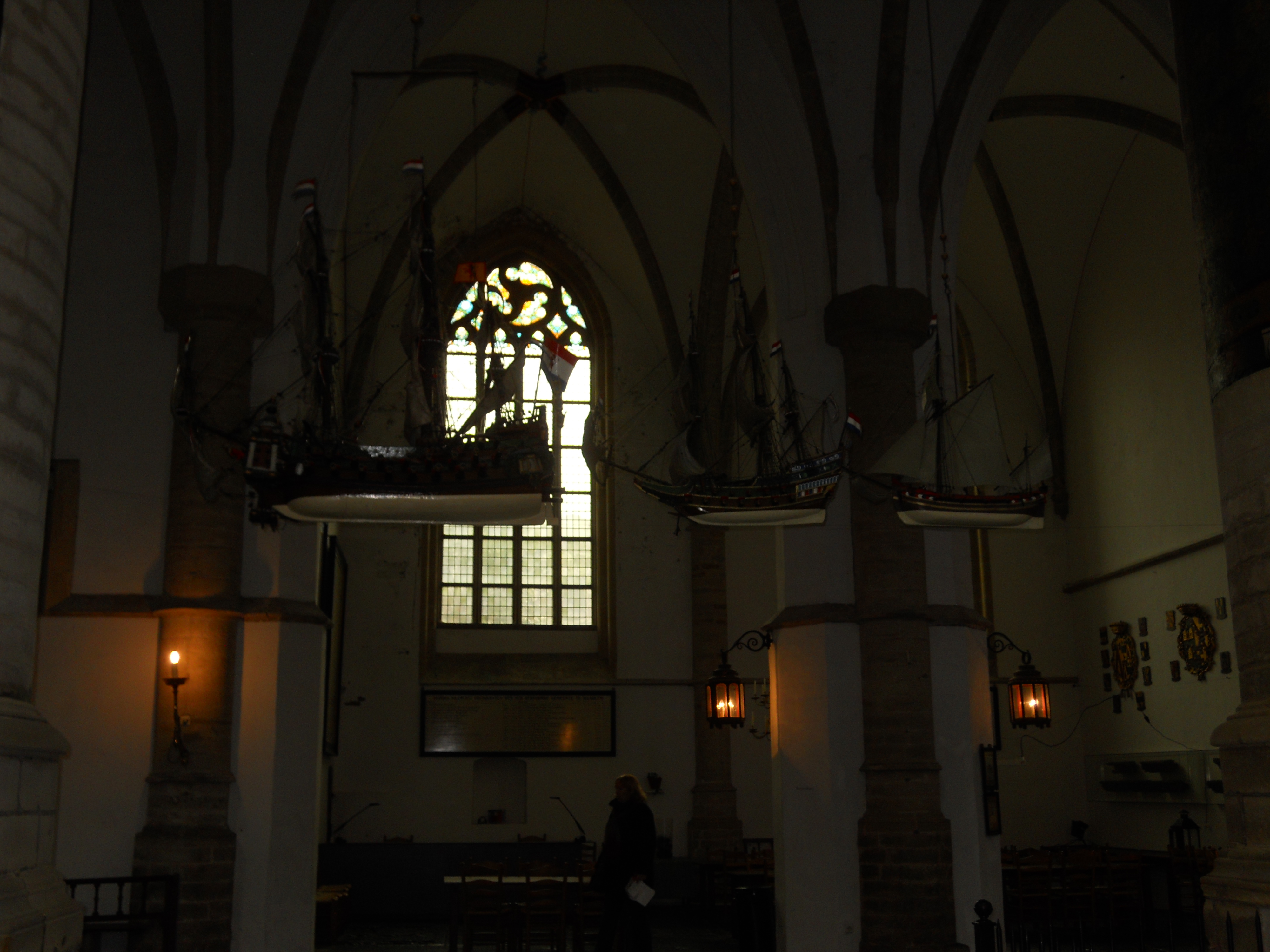
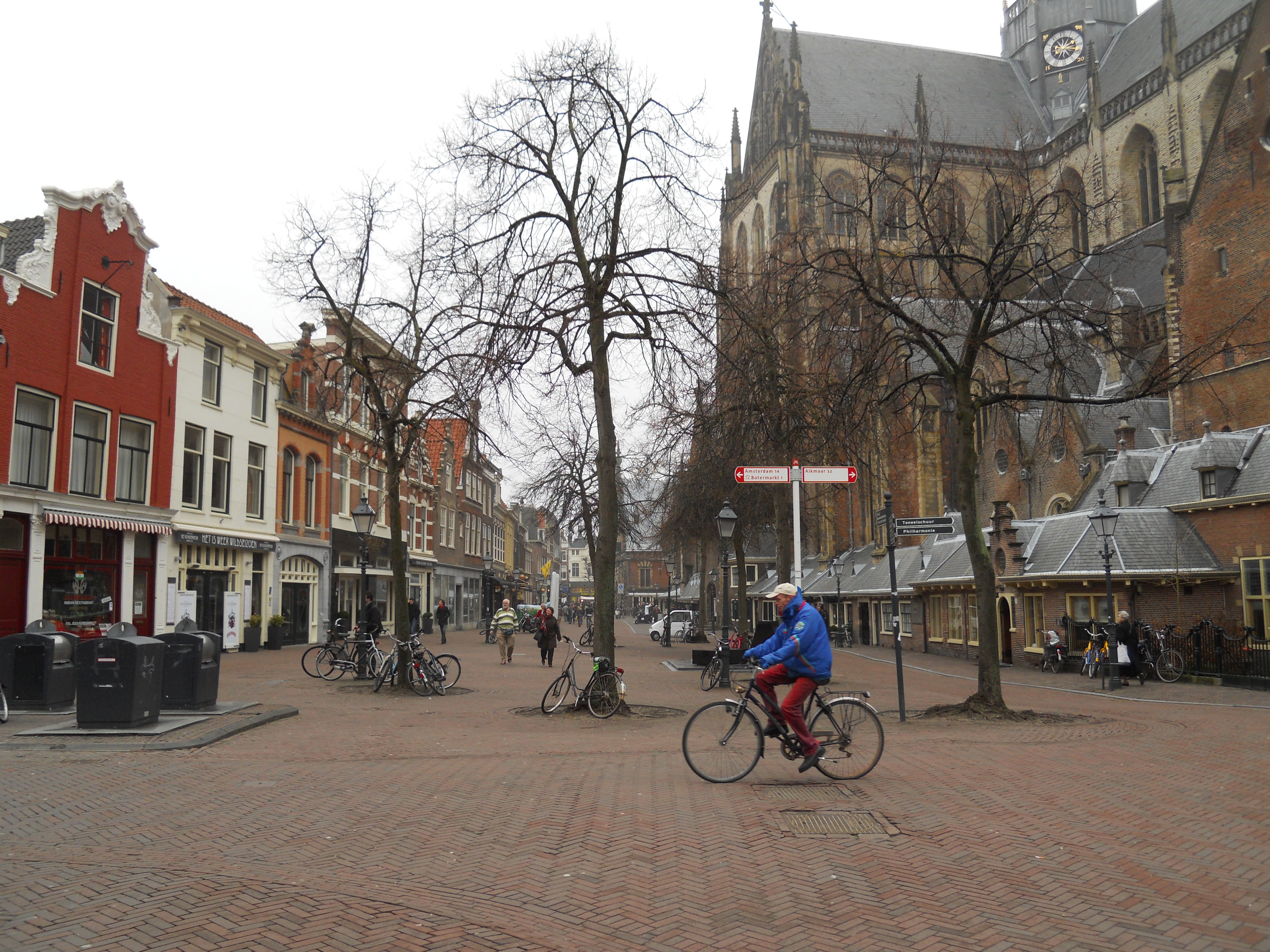
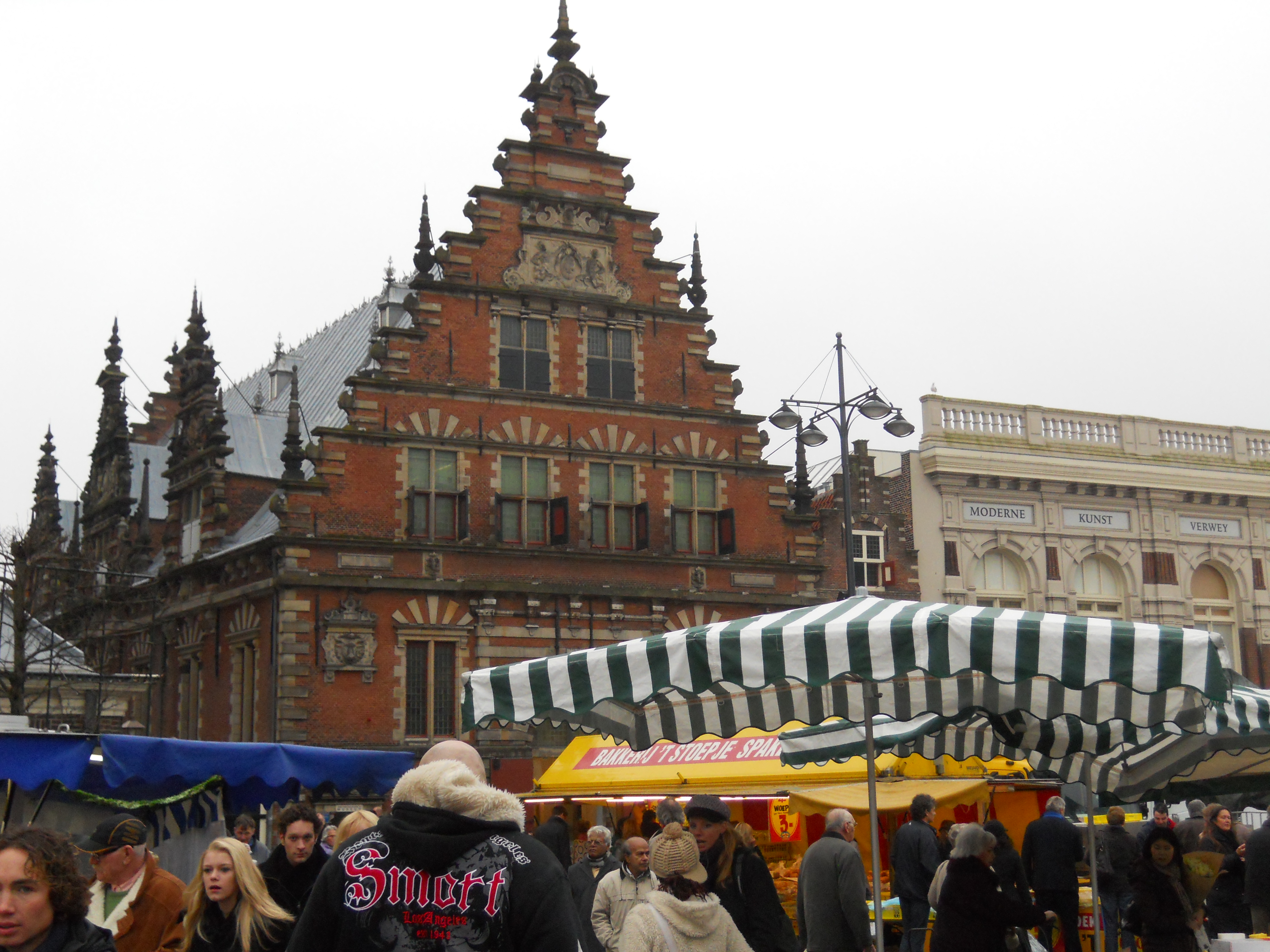
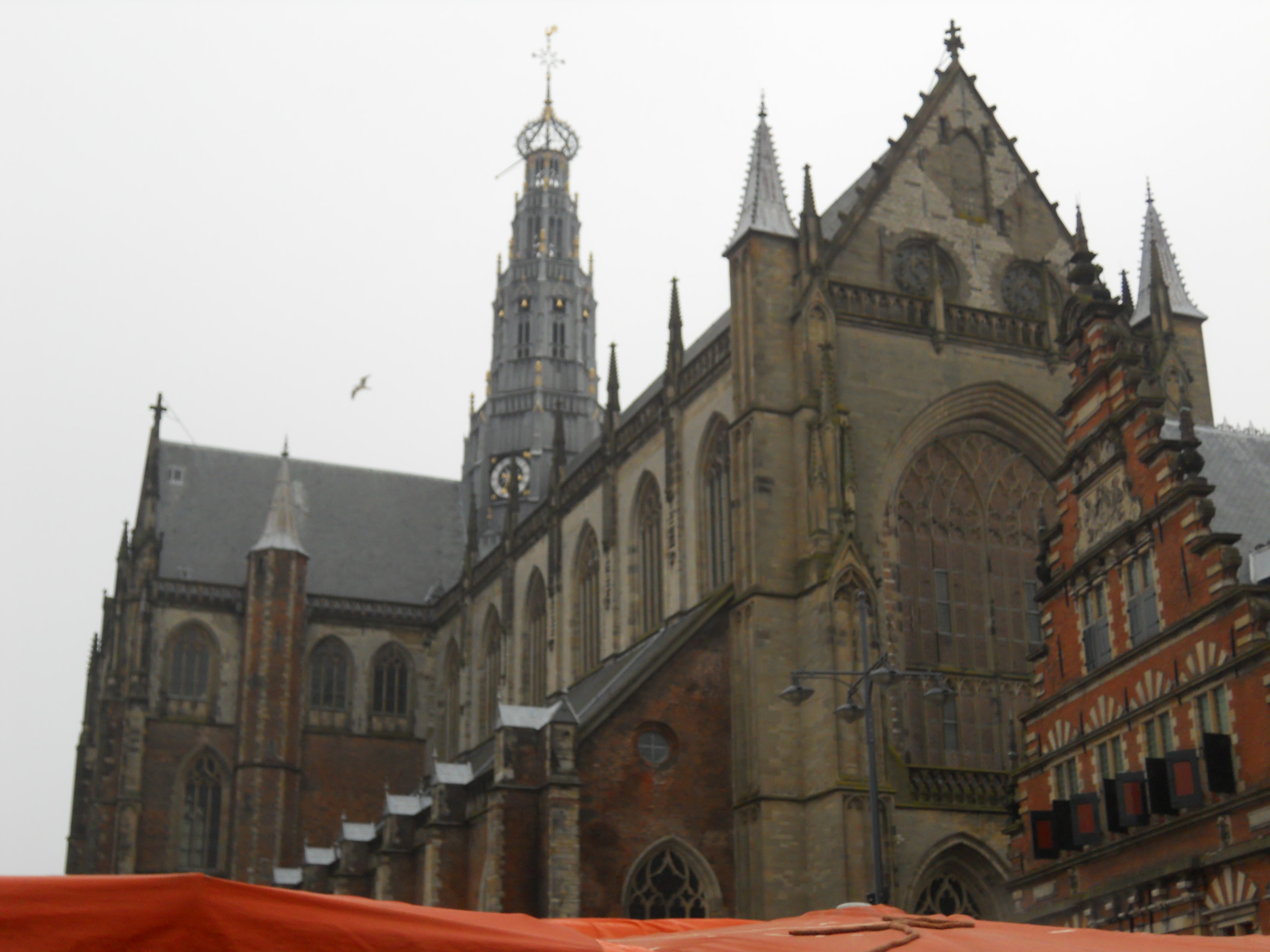
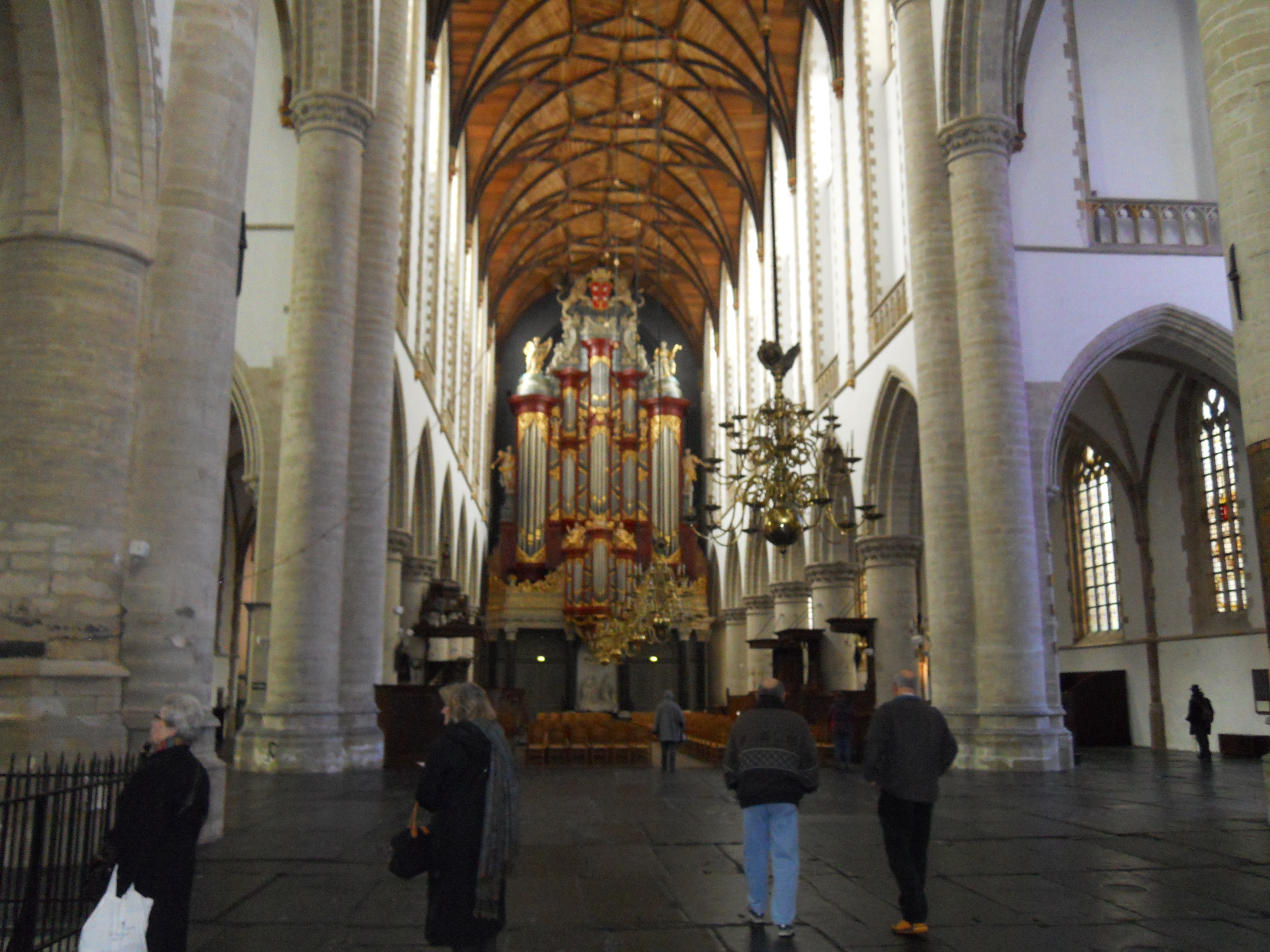
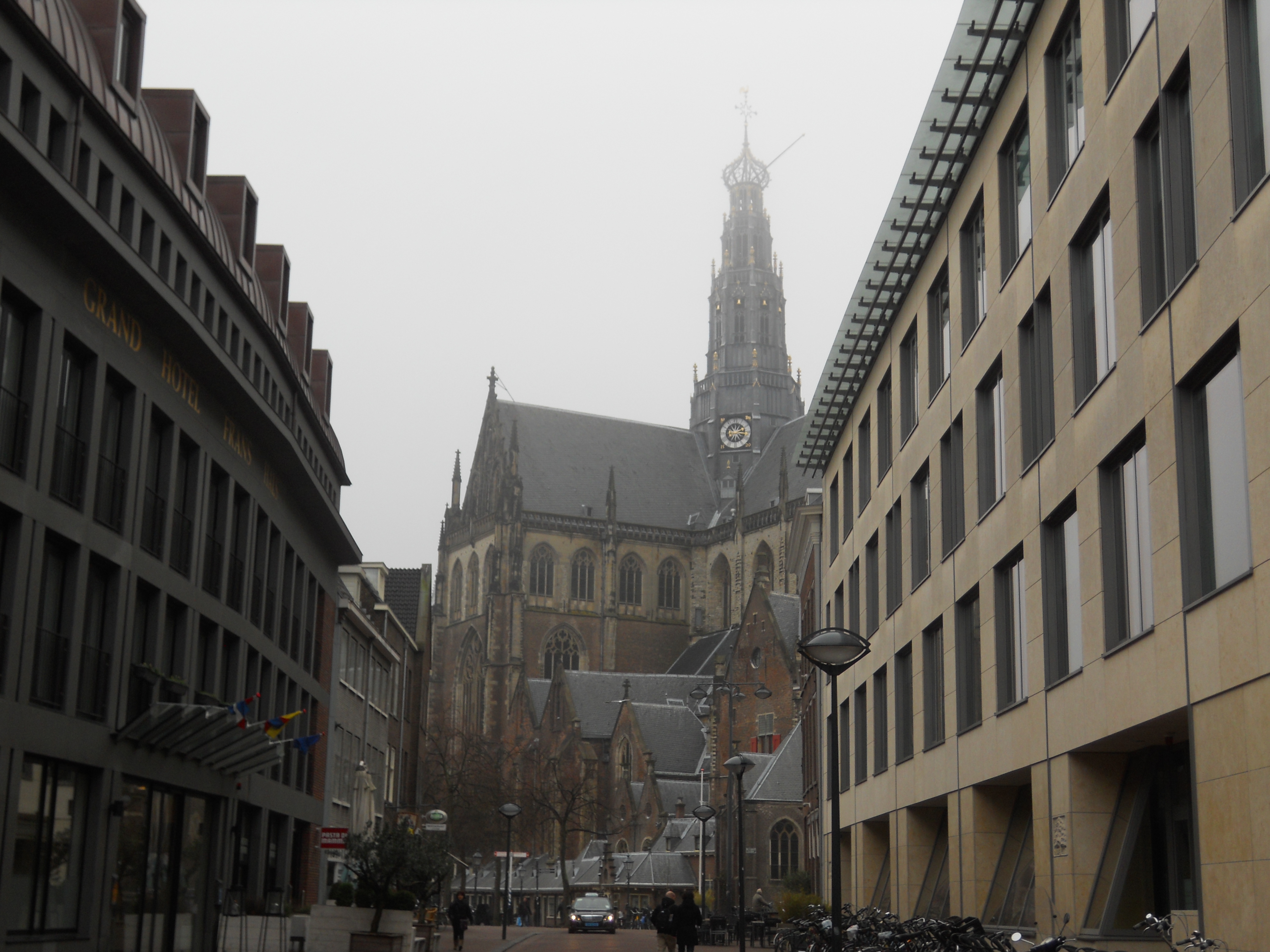
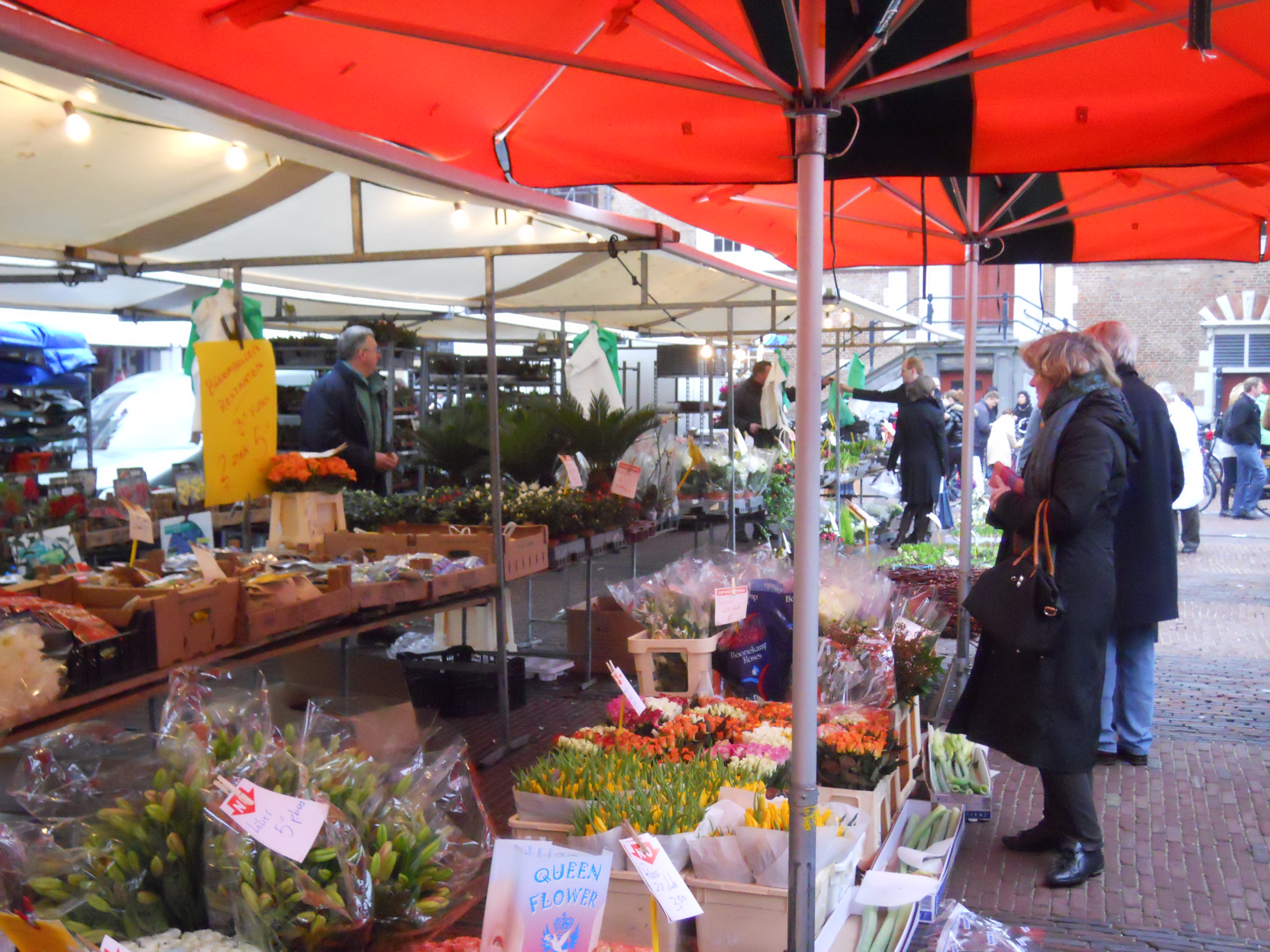
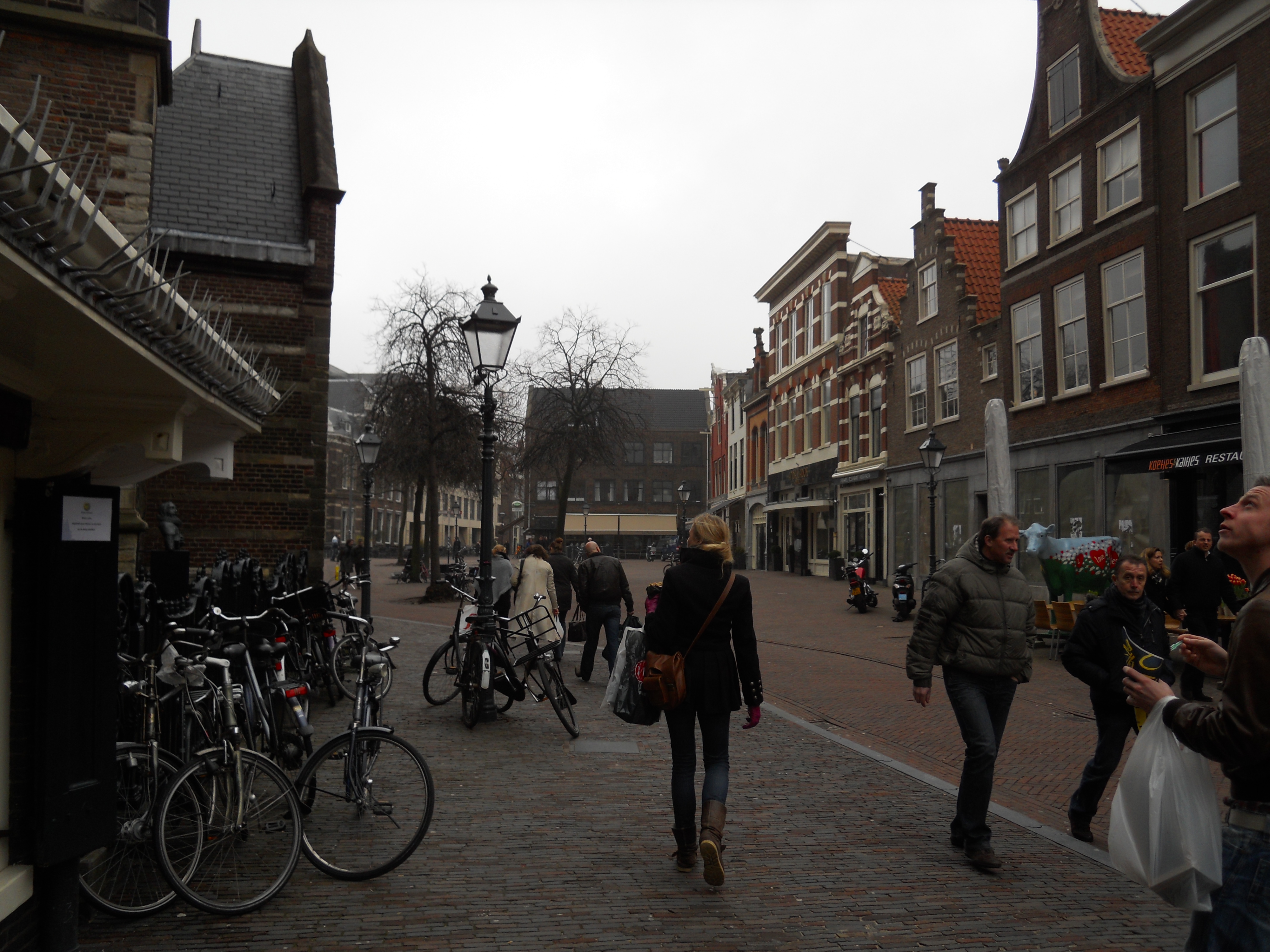
The interesting picture is that of the statue of Laurens Janszoon Coster.
It is claimed that he invented printing with movable type a few years before Guttenberg. So that is why I am interested, as that was my father’s profession!
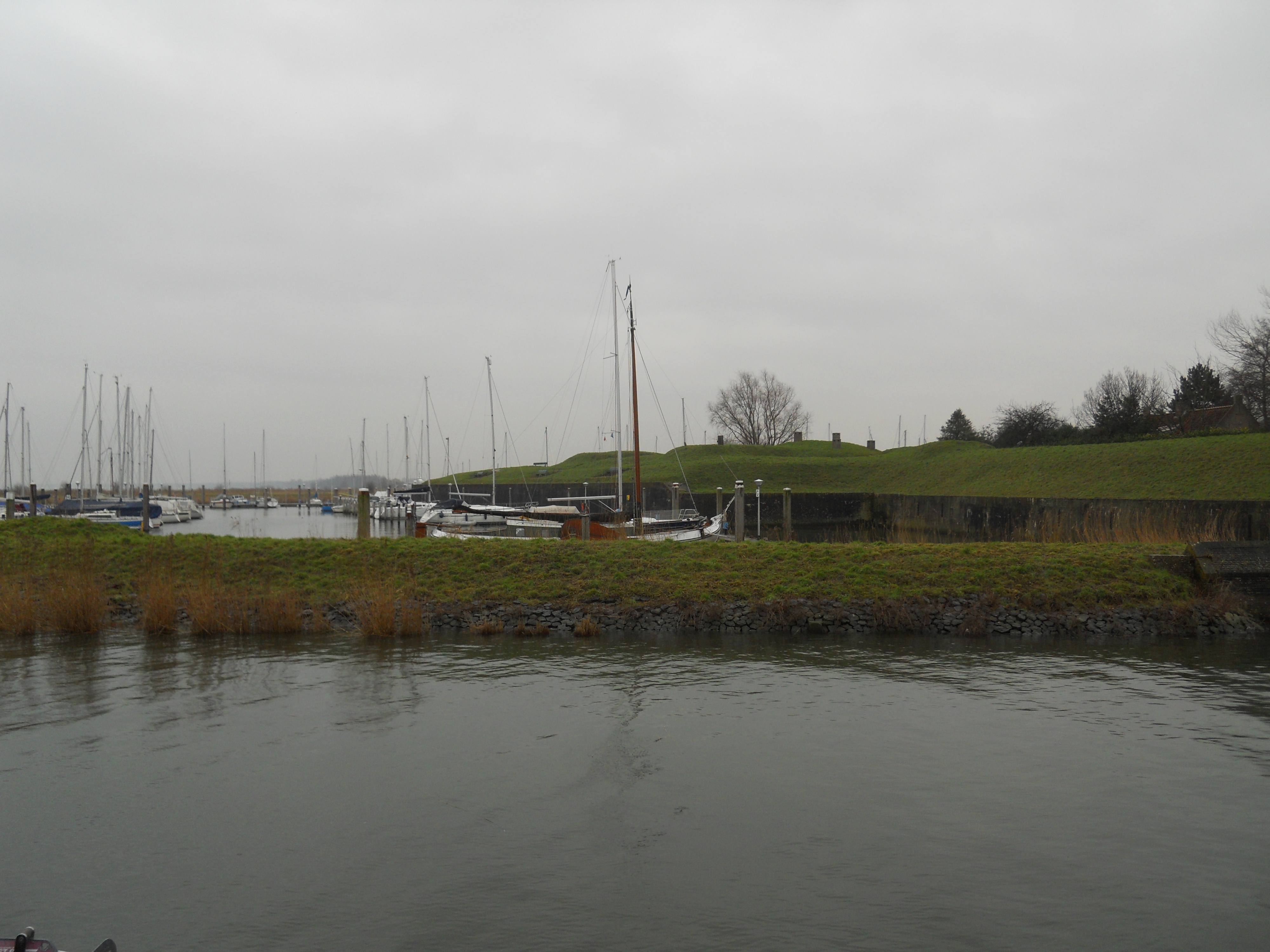
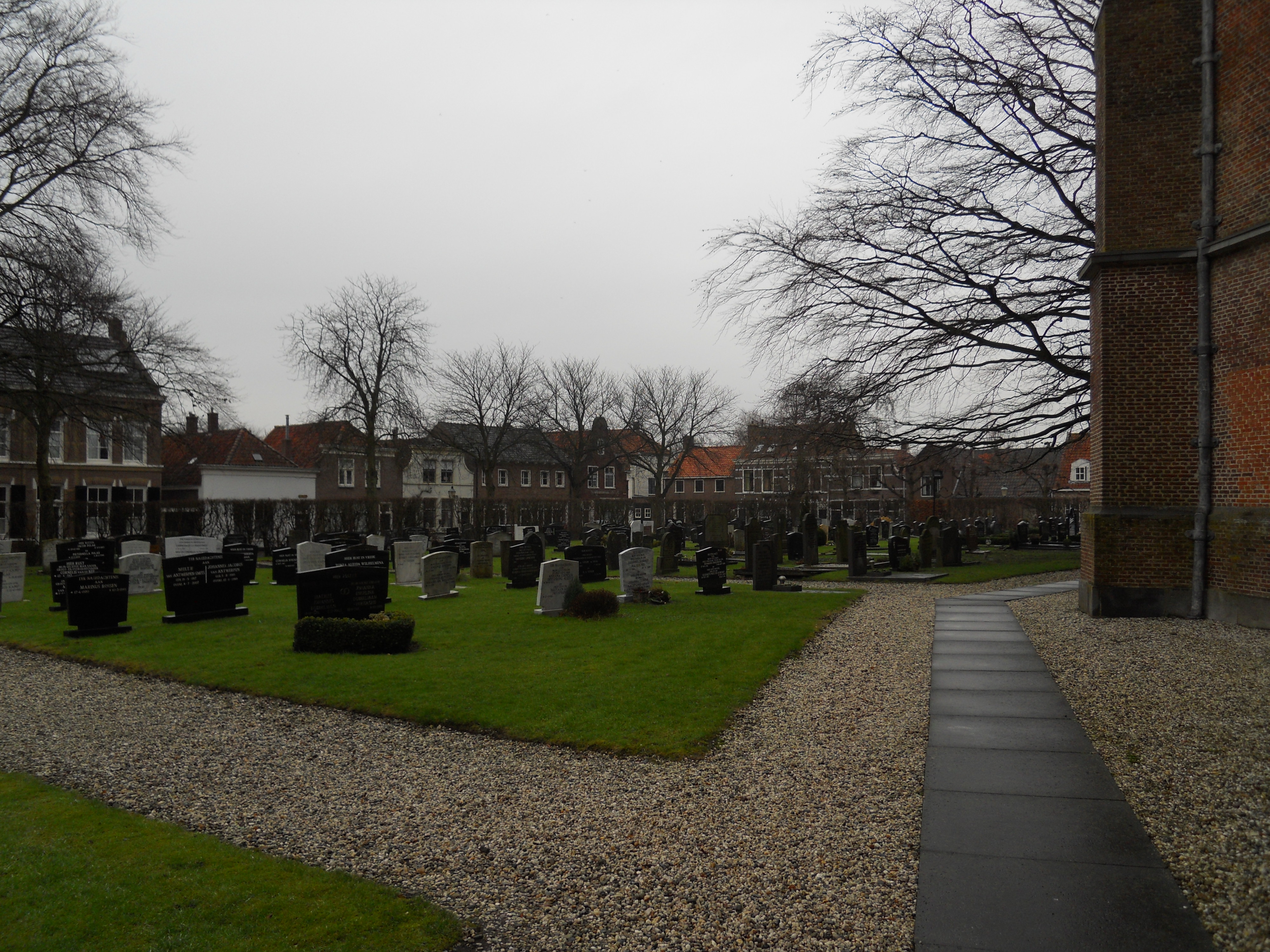
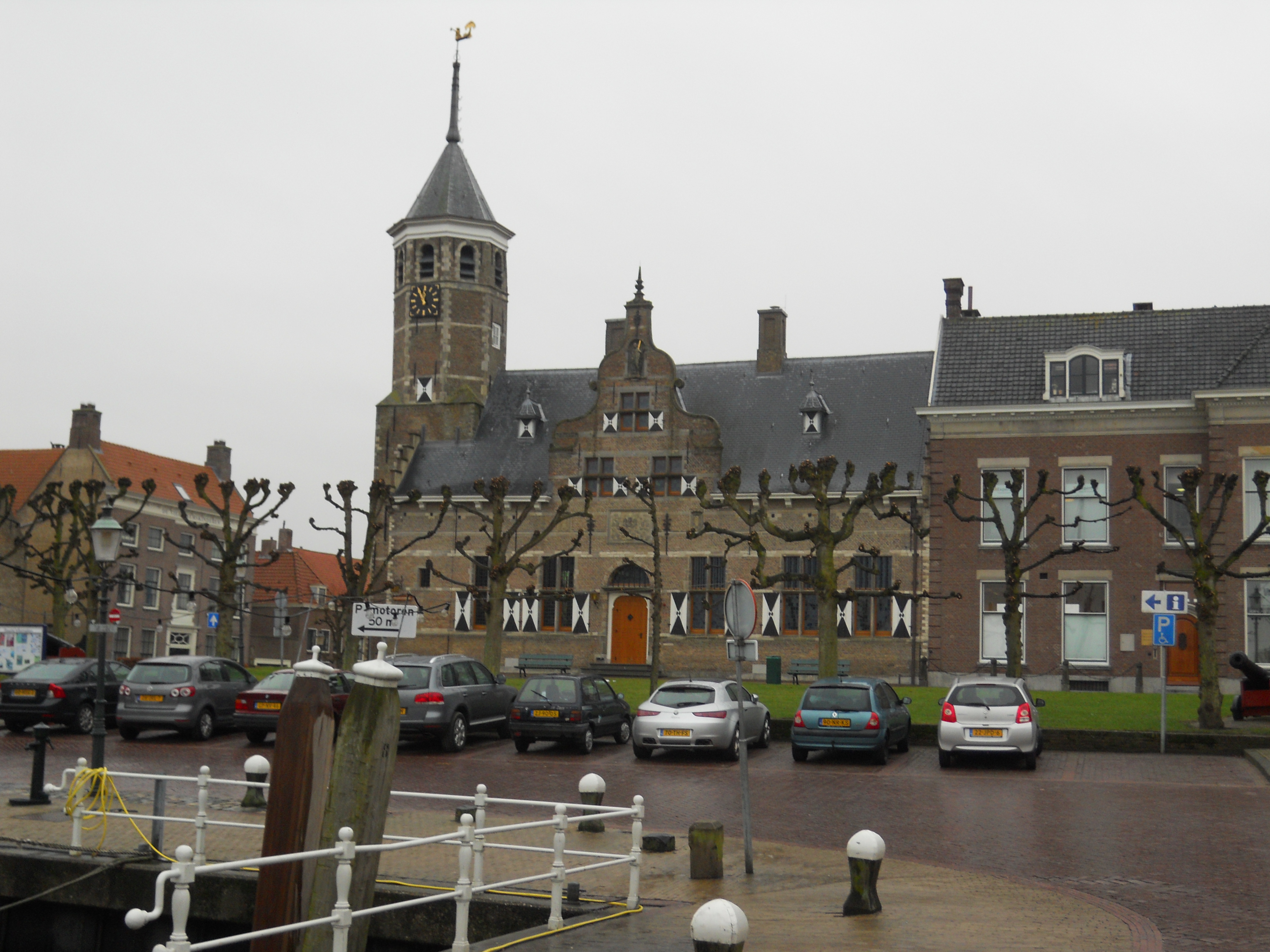
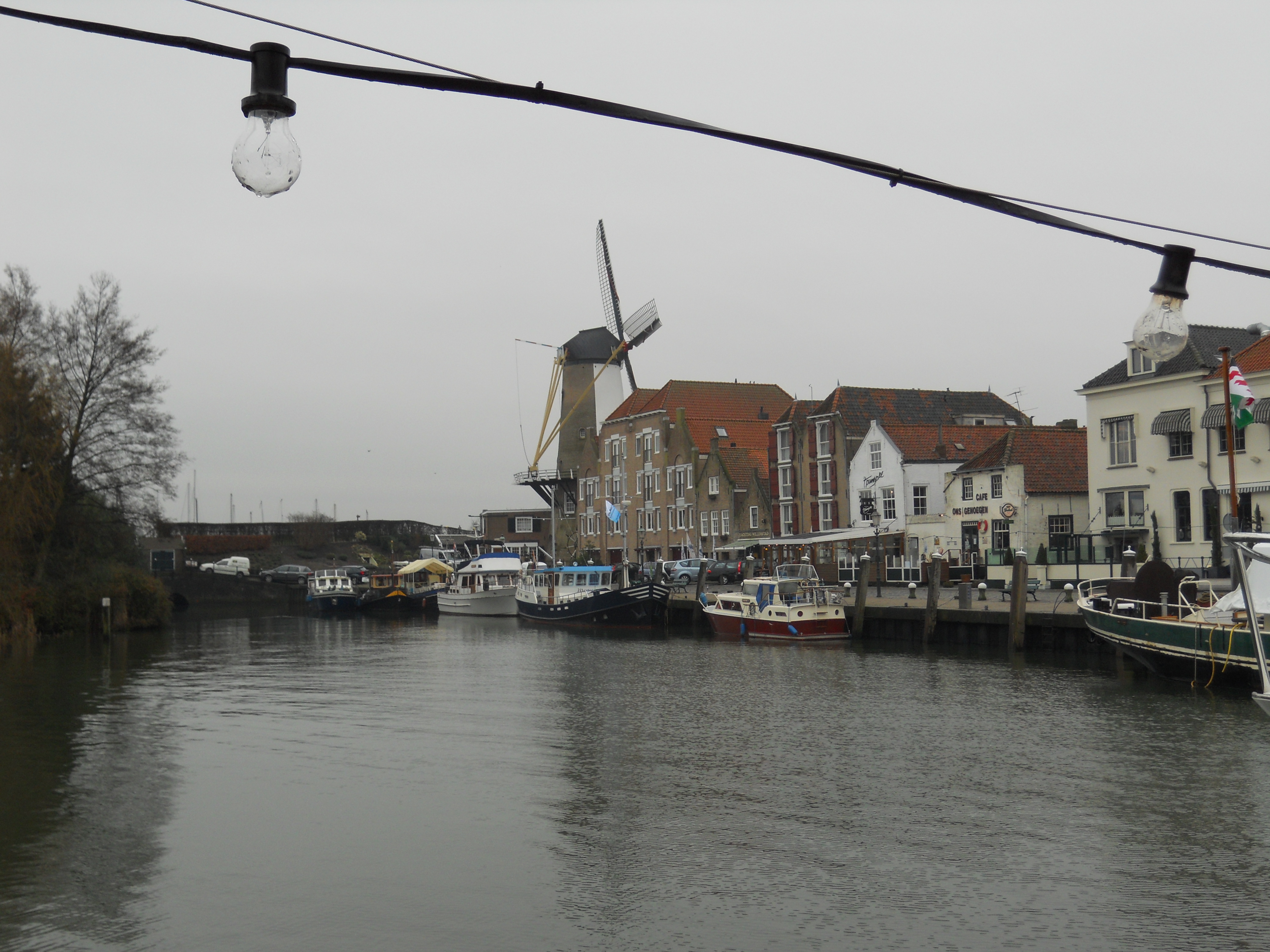
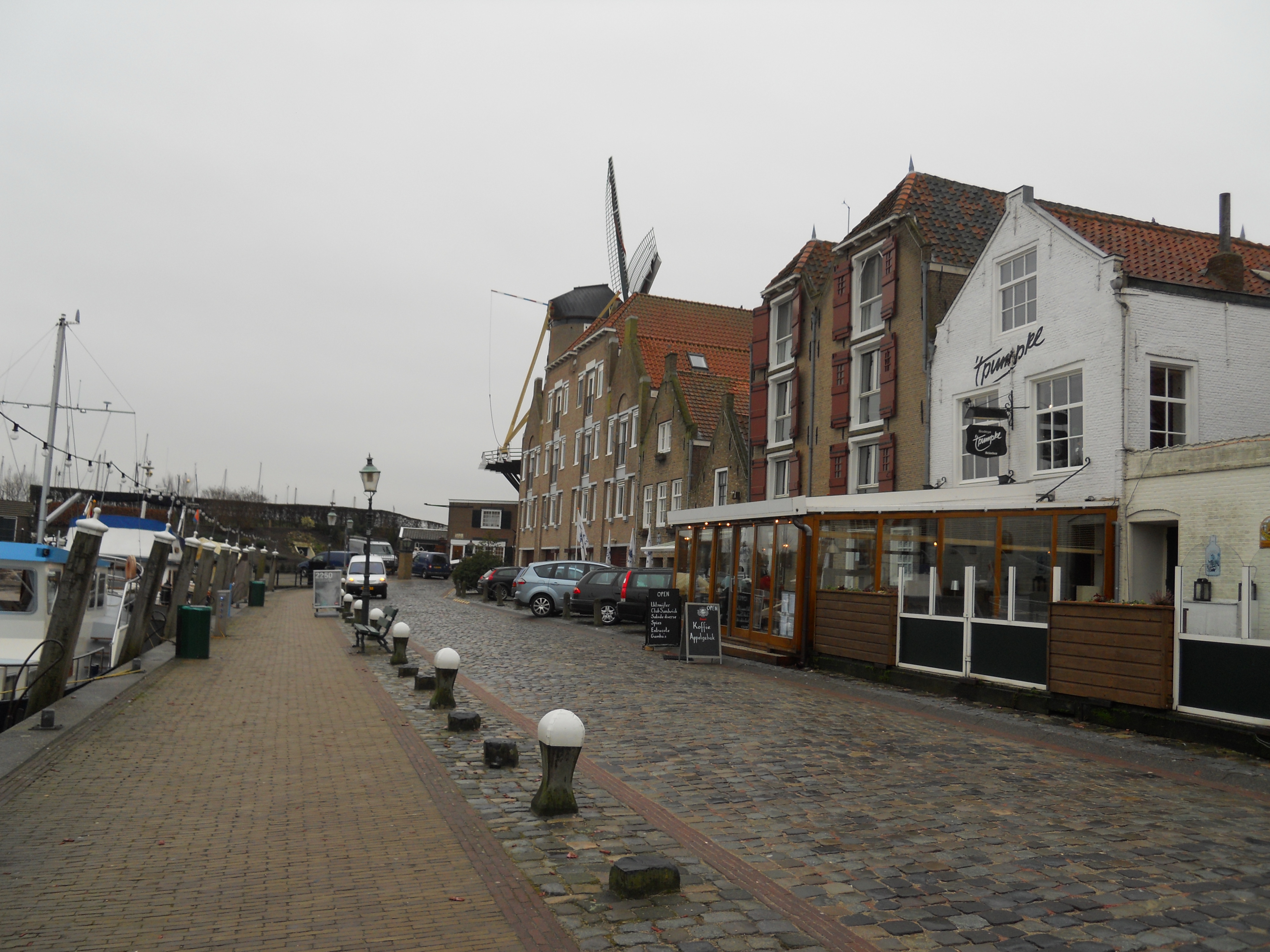
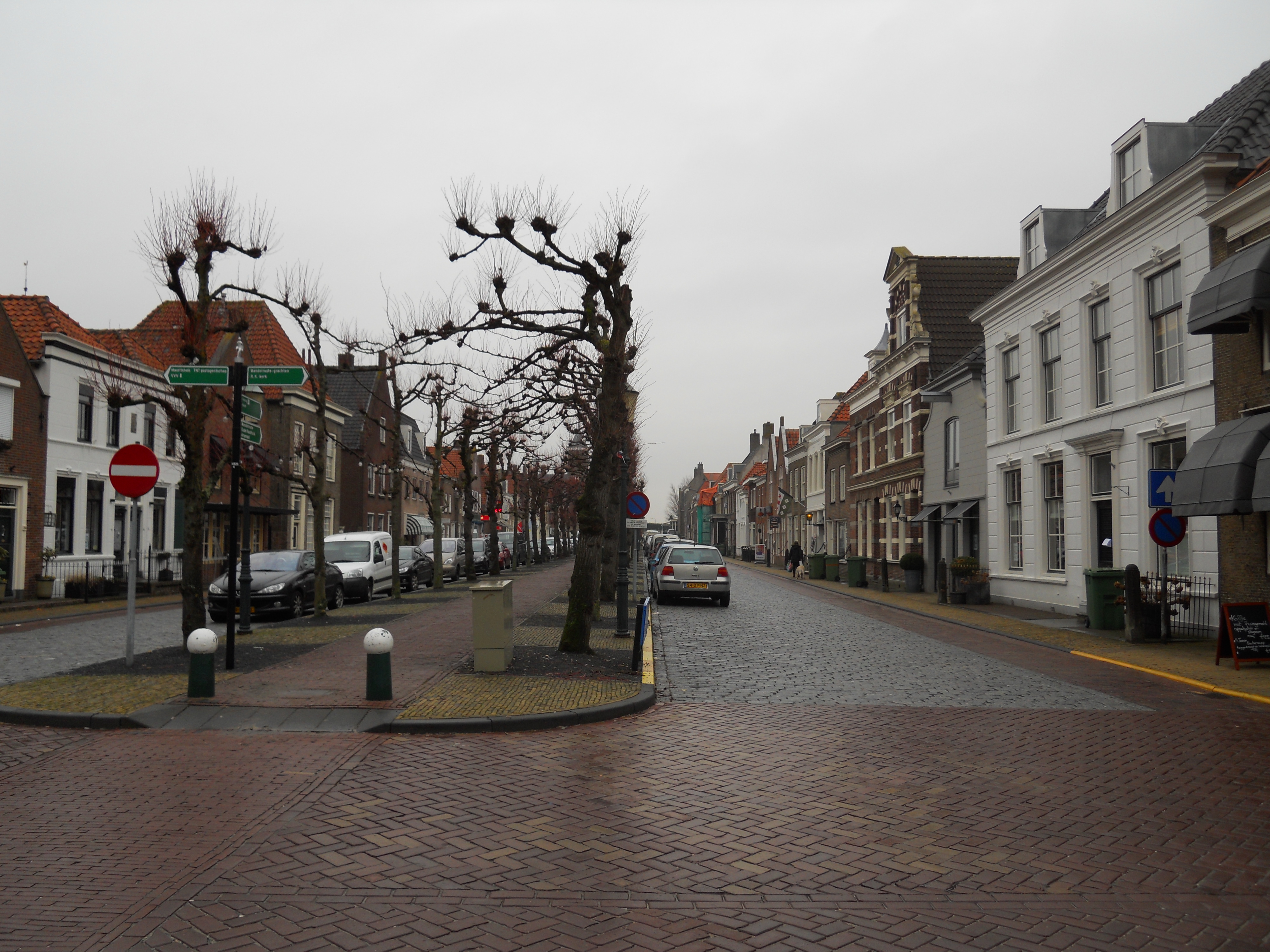
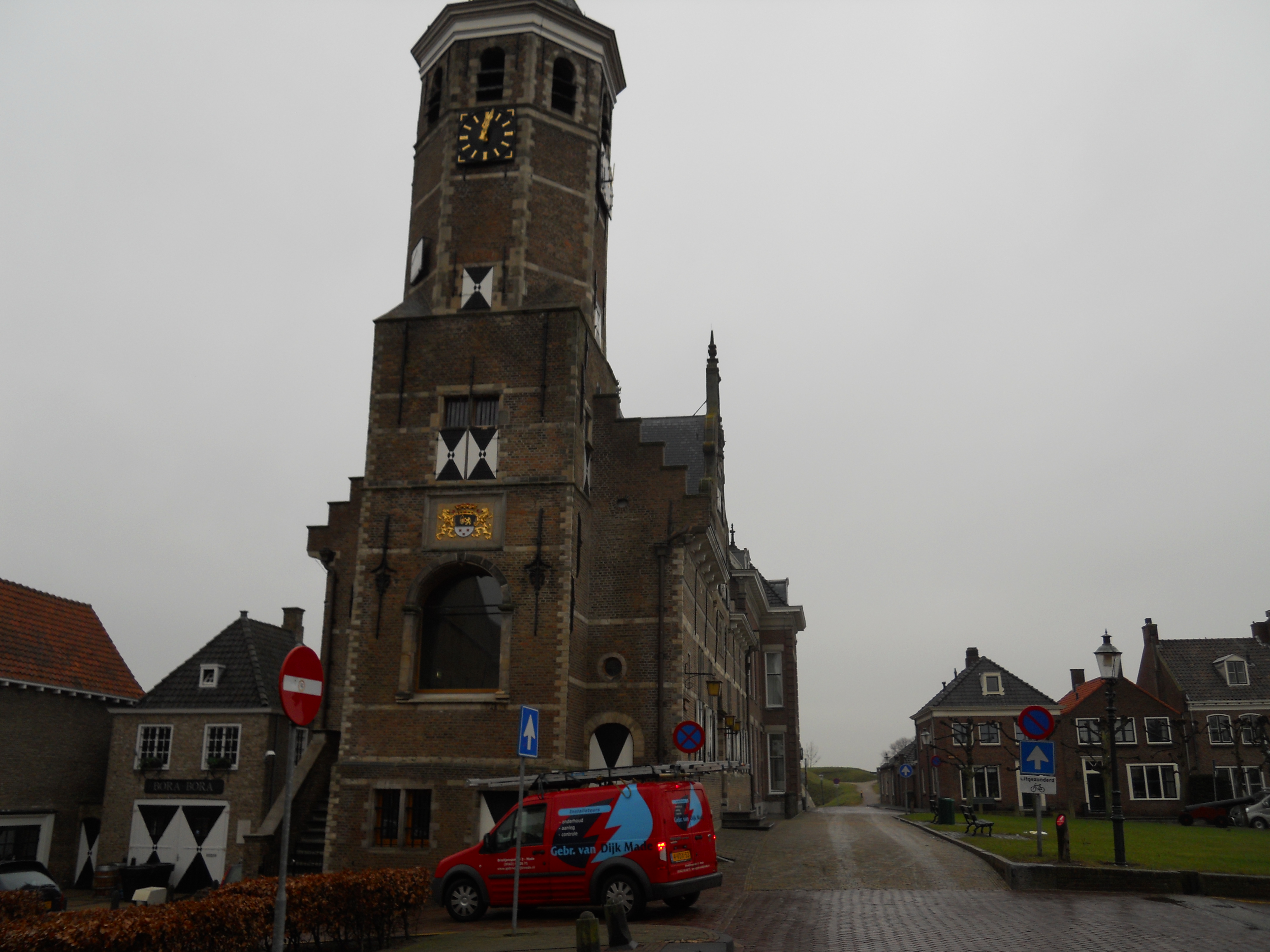
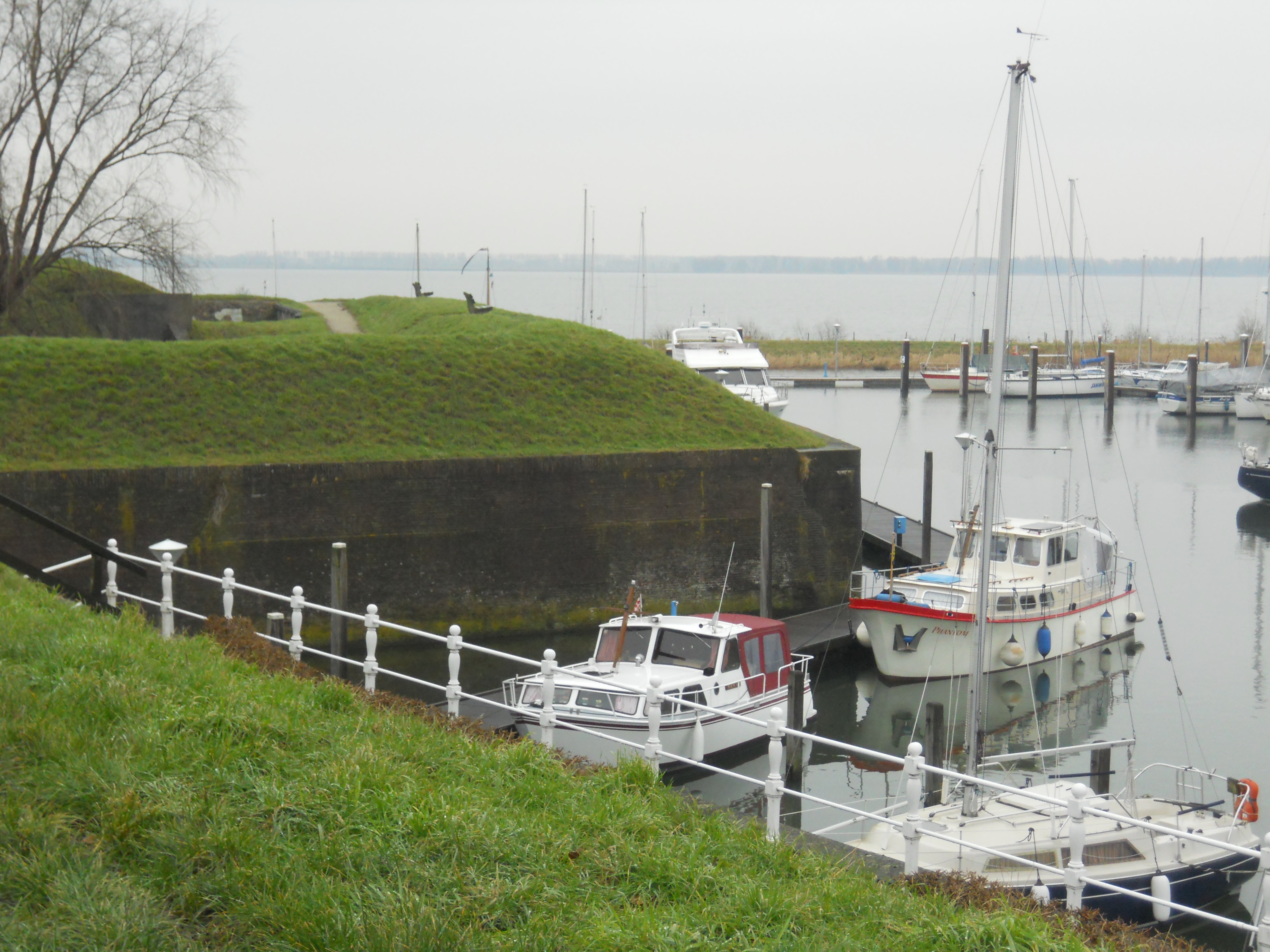
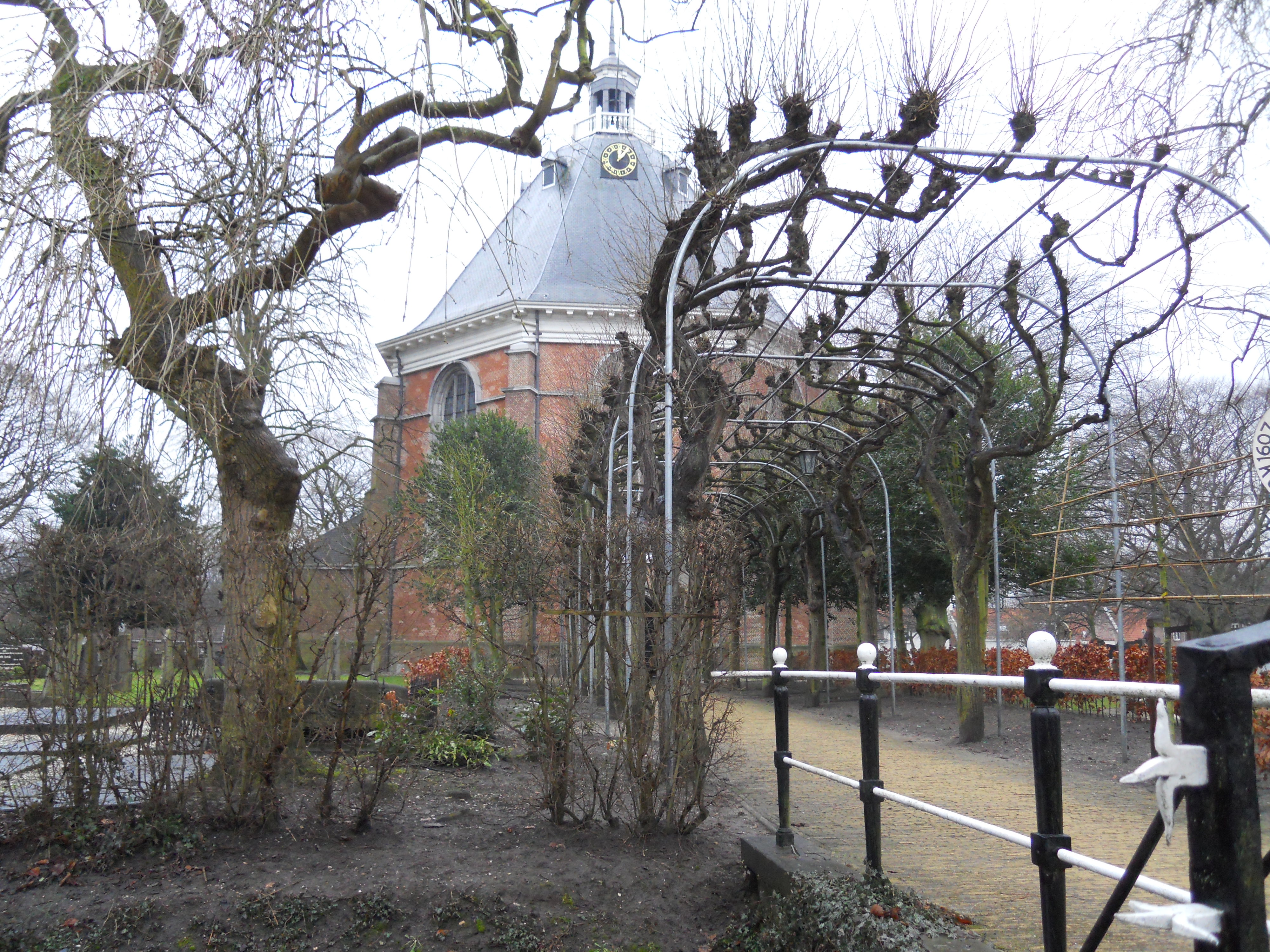
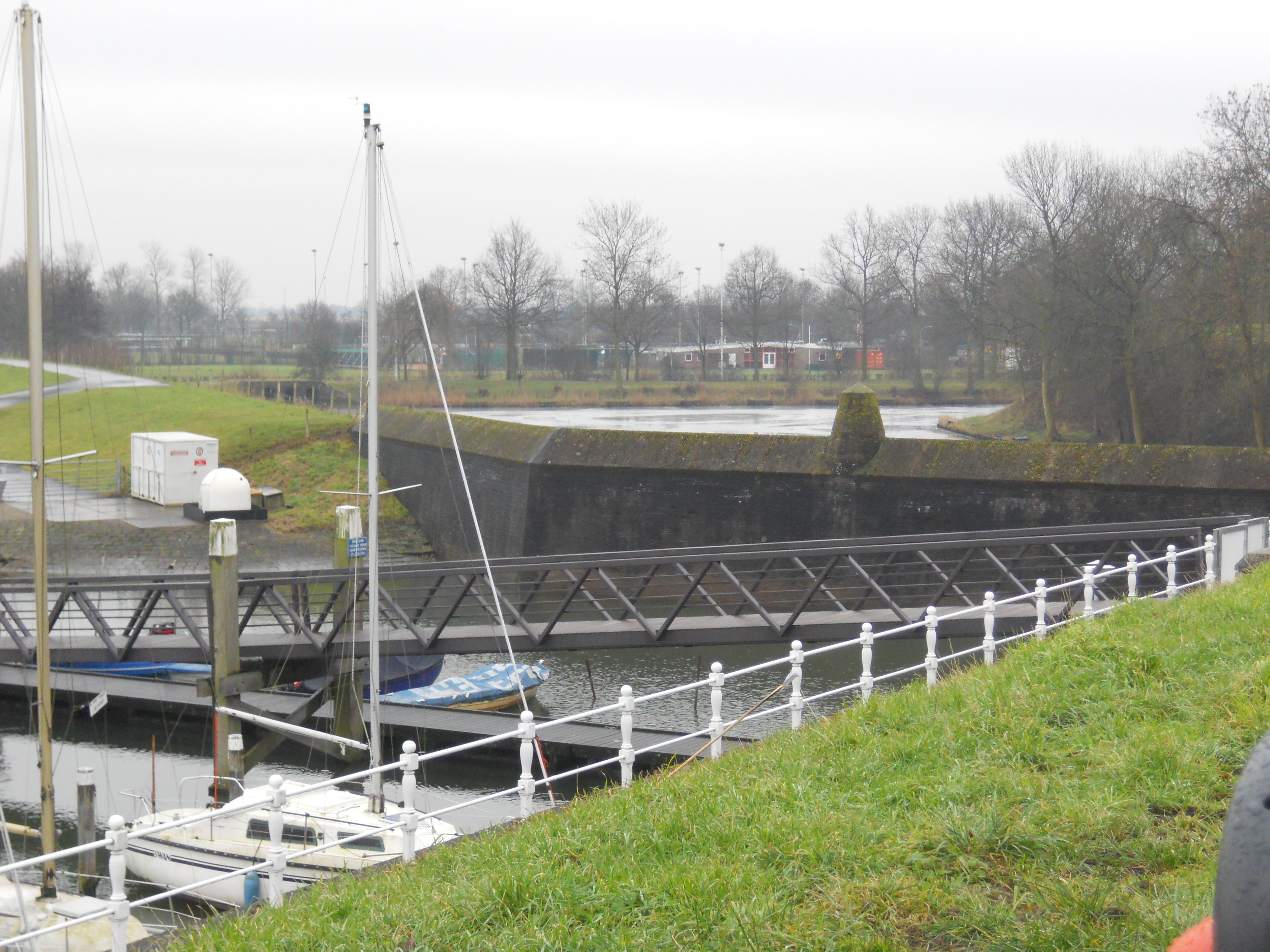
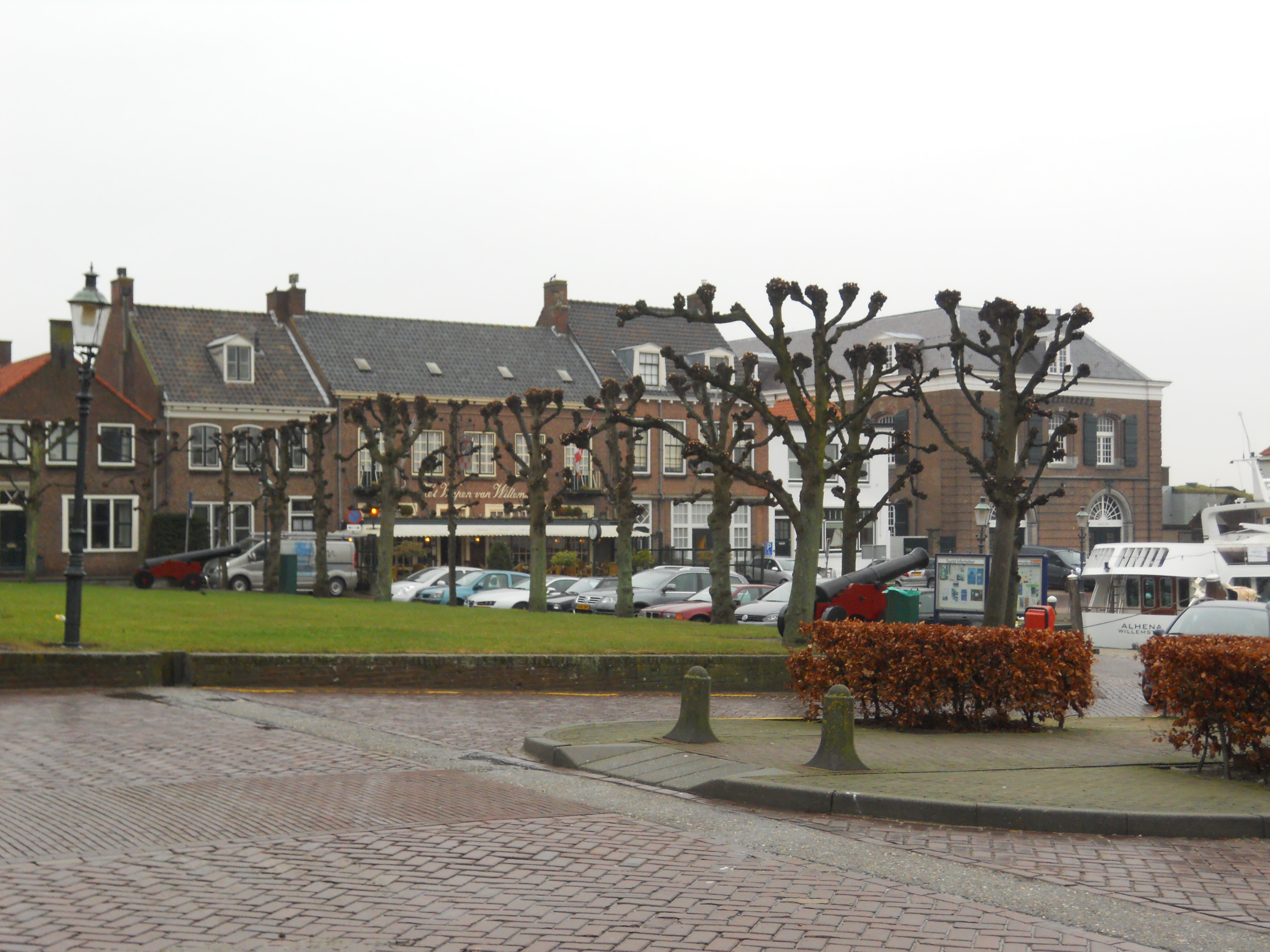
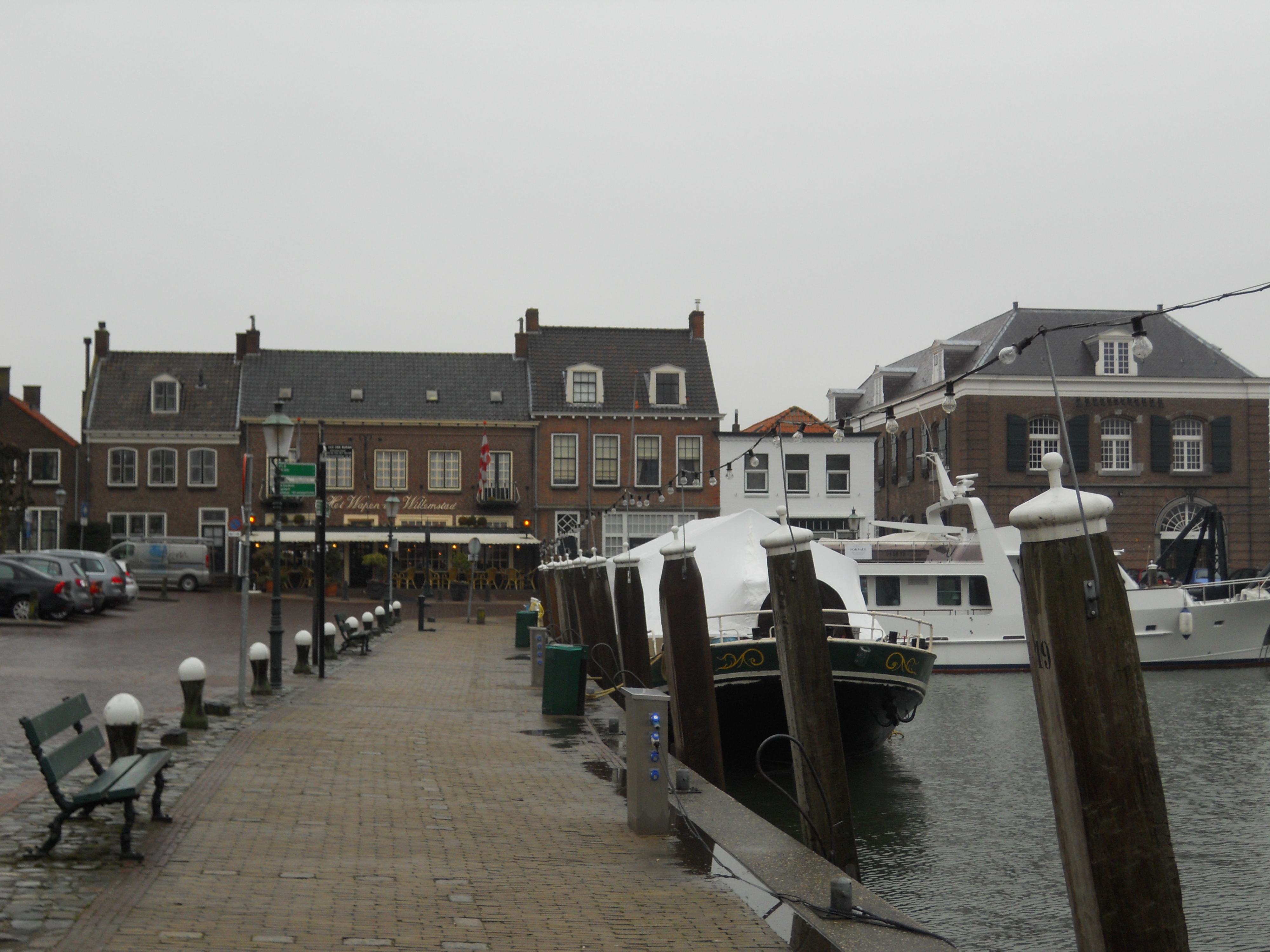
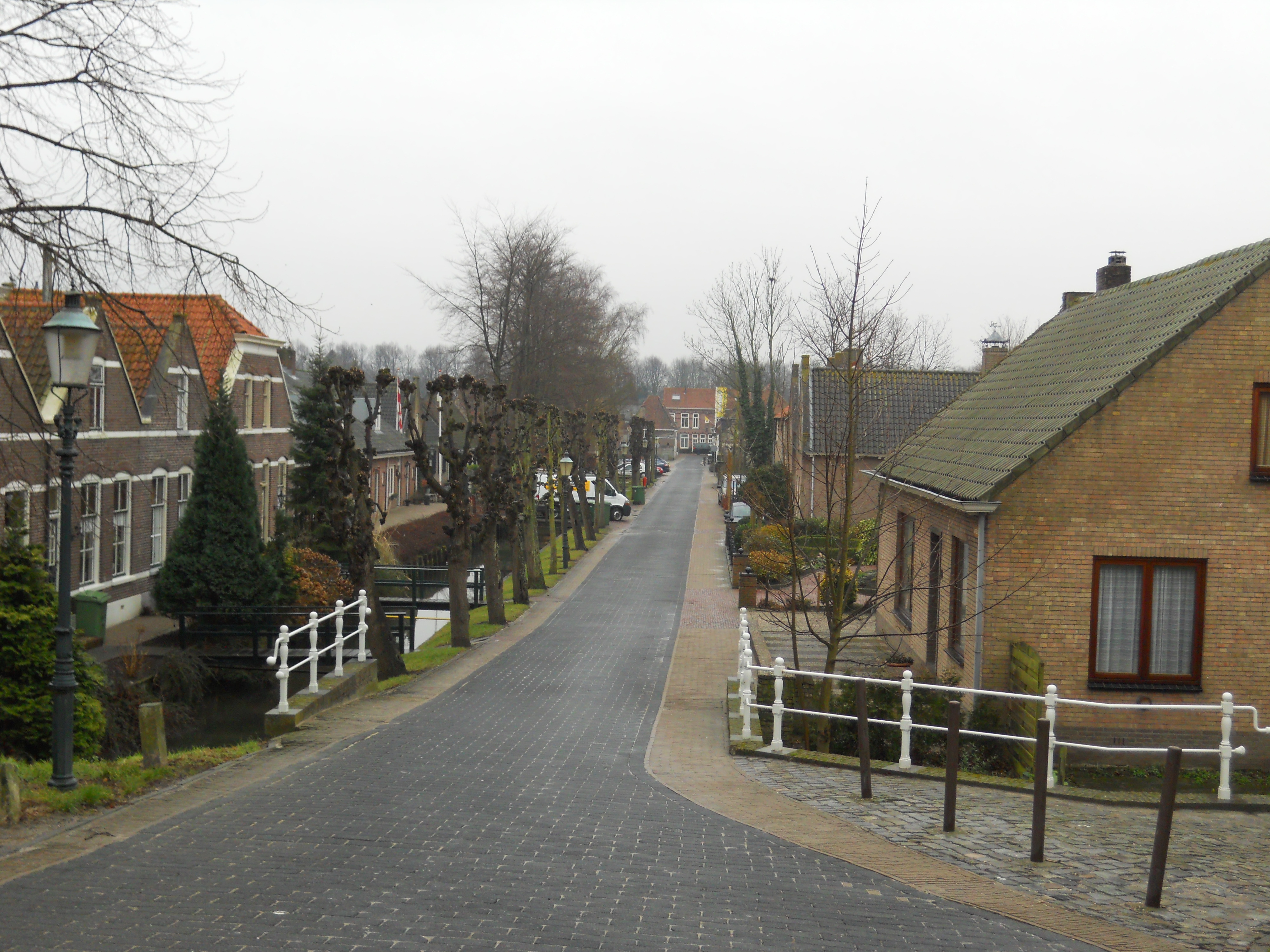
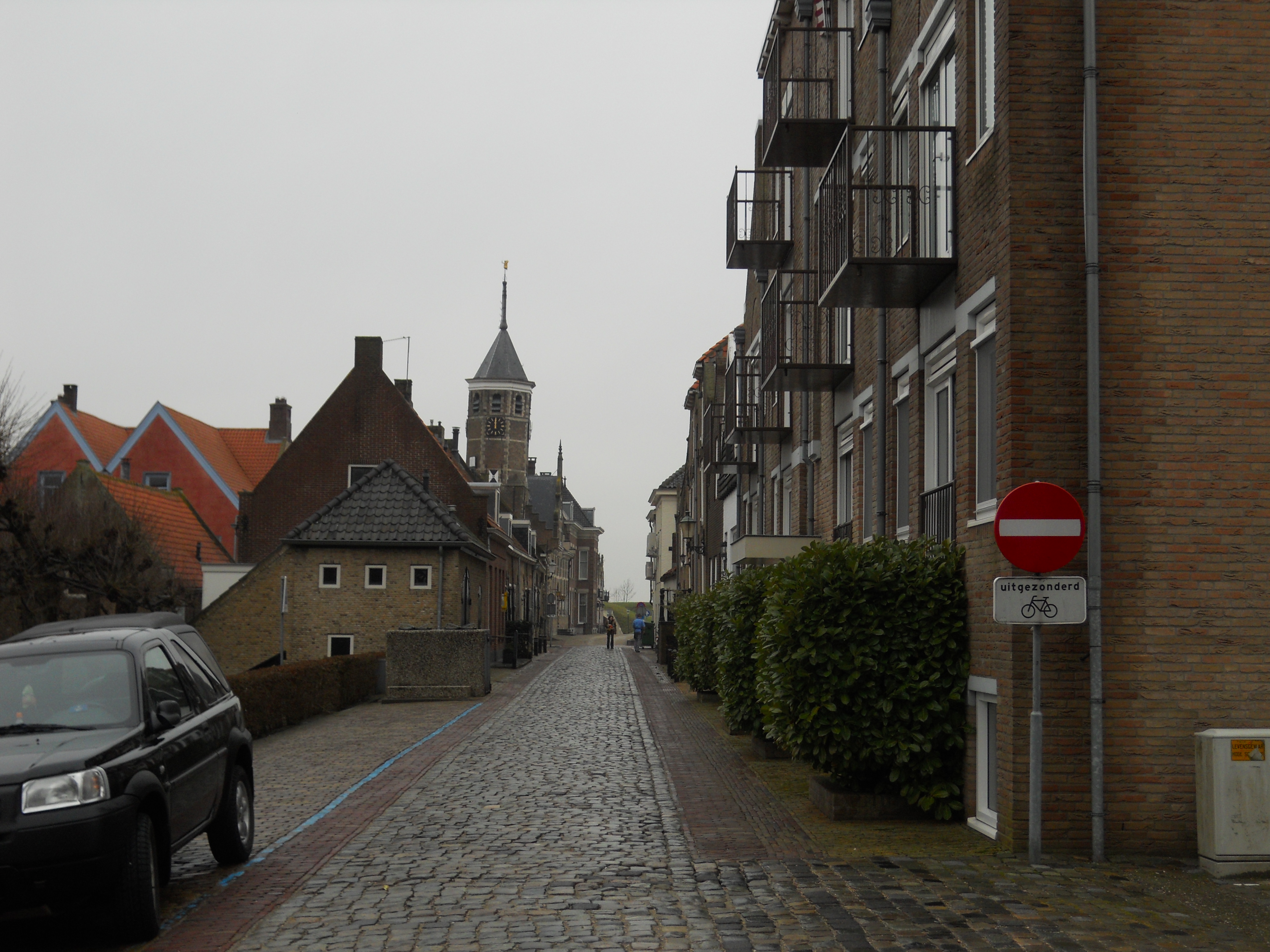
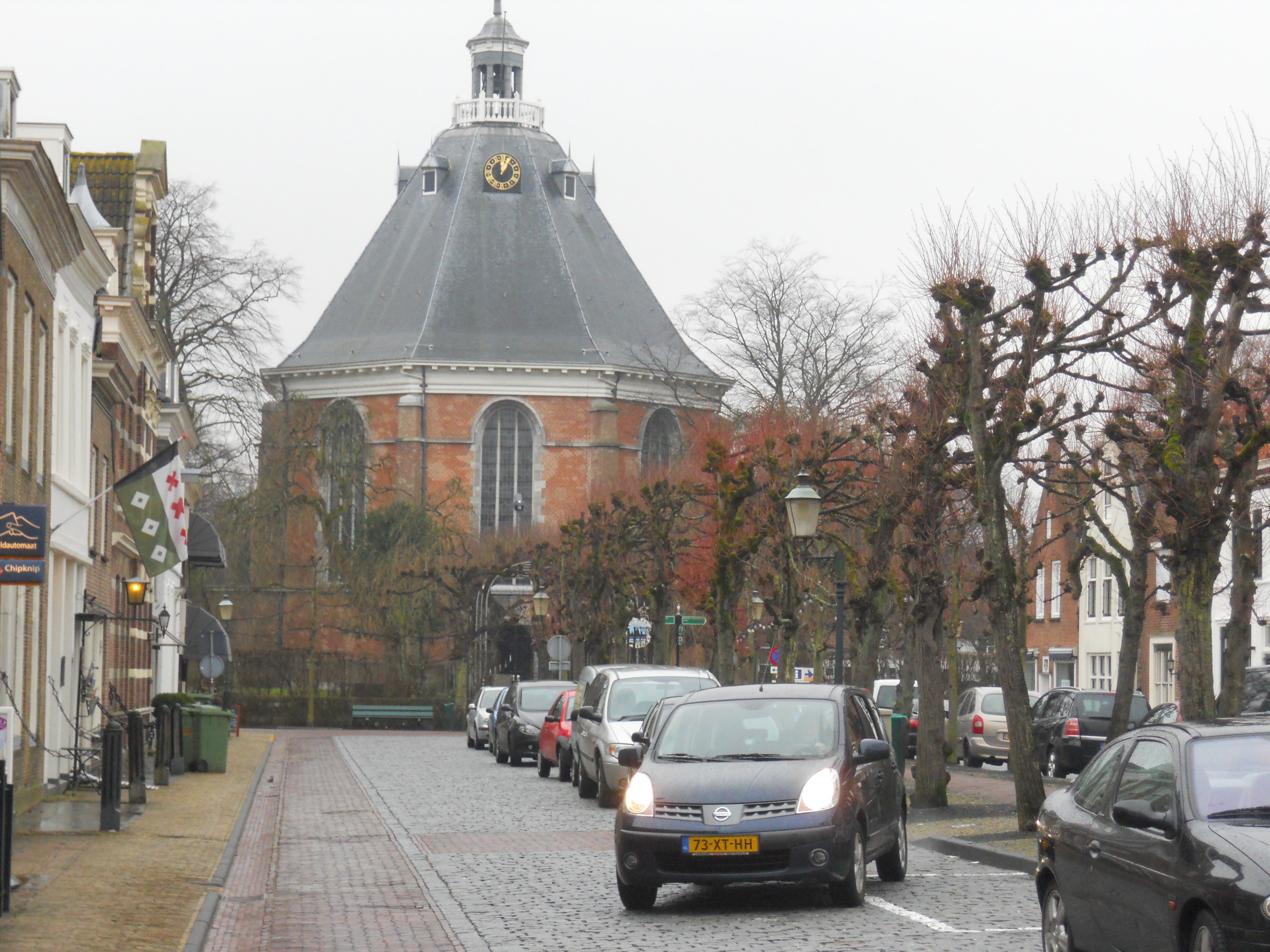
Wandering Around Willemstad
I went to Willemstad a few years ago to see an old friend and last week in Holland, when I went to the Watersnoodmuseum, I passed the town and paid a second visit.

Watersnoodmuseum
This is a museum at Ouwerkerke in the Netherlands, dedicated to the North Sea Flood of 1953.
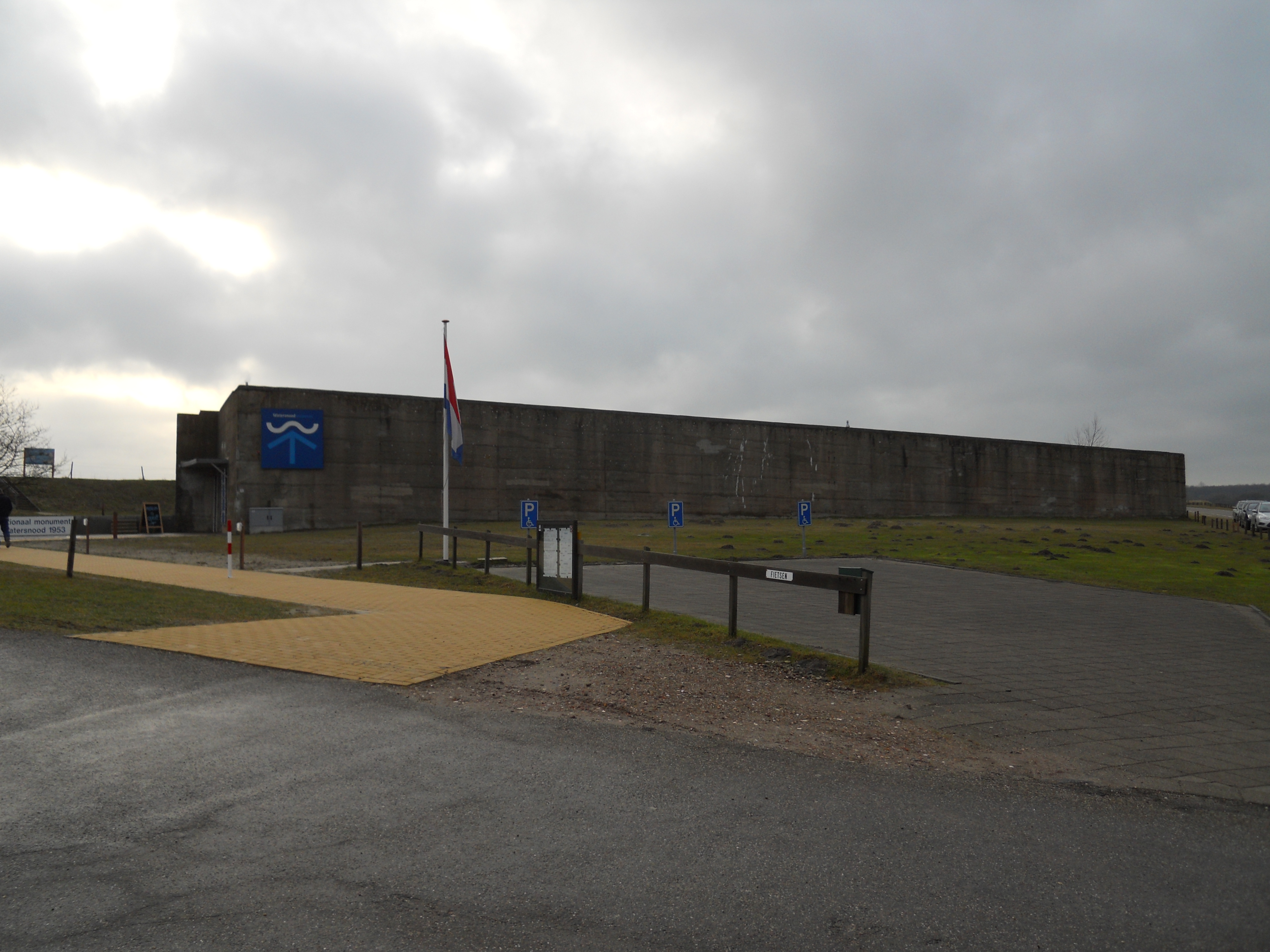
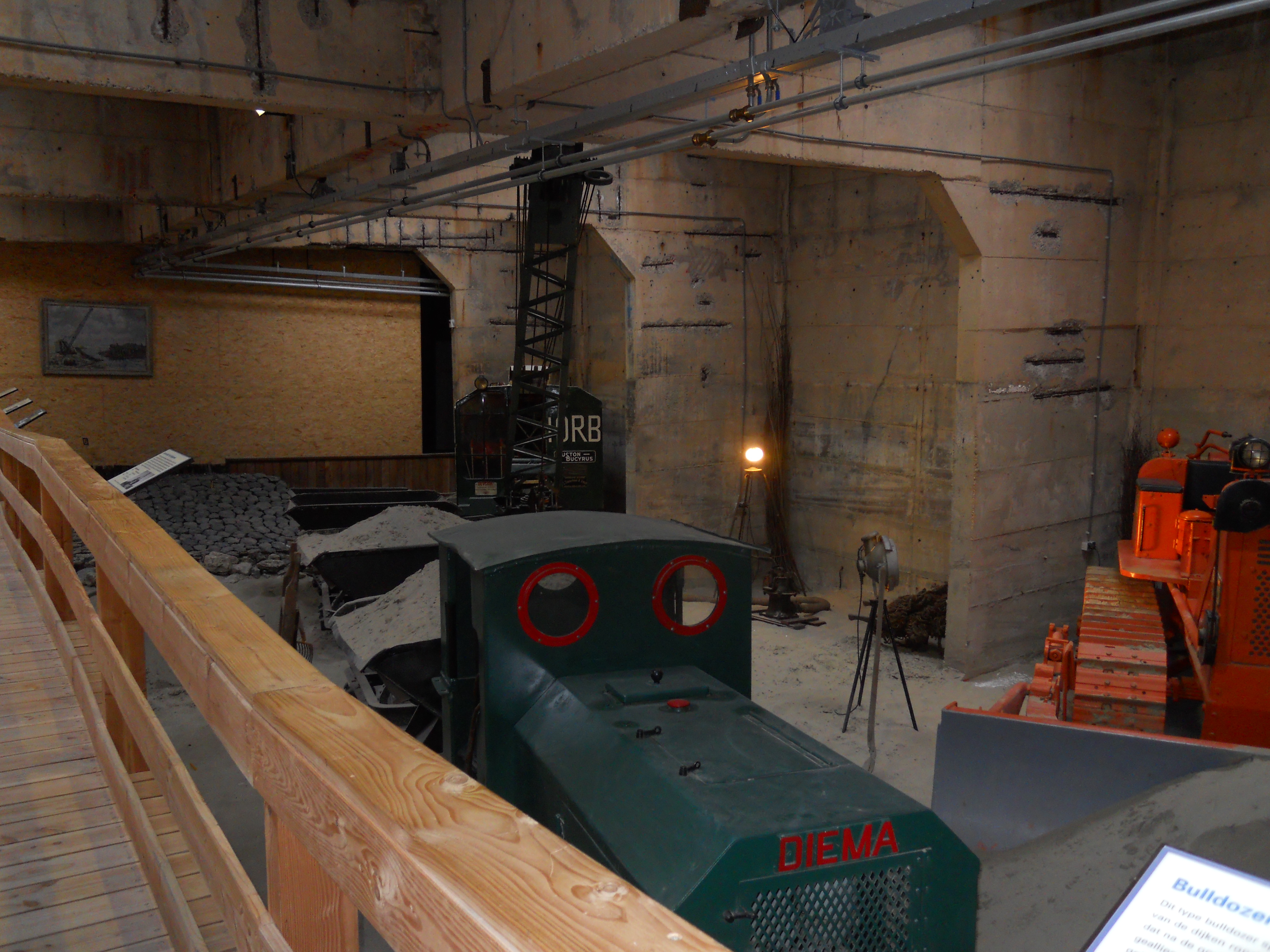
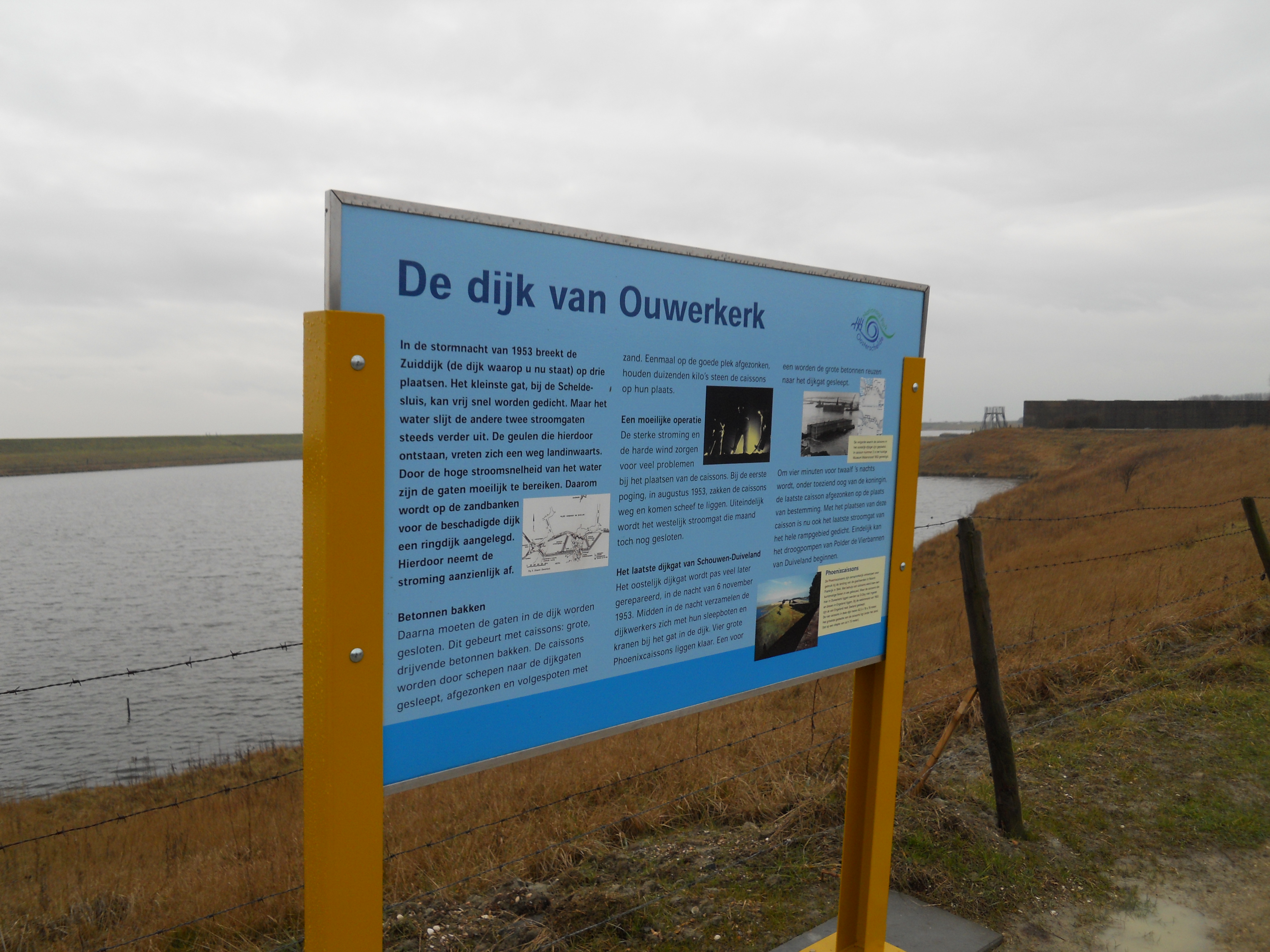

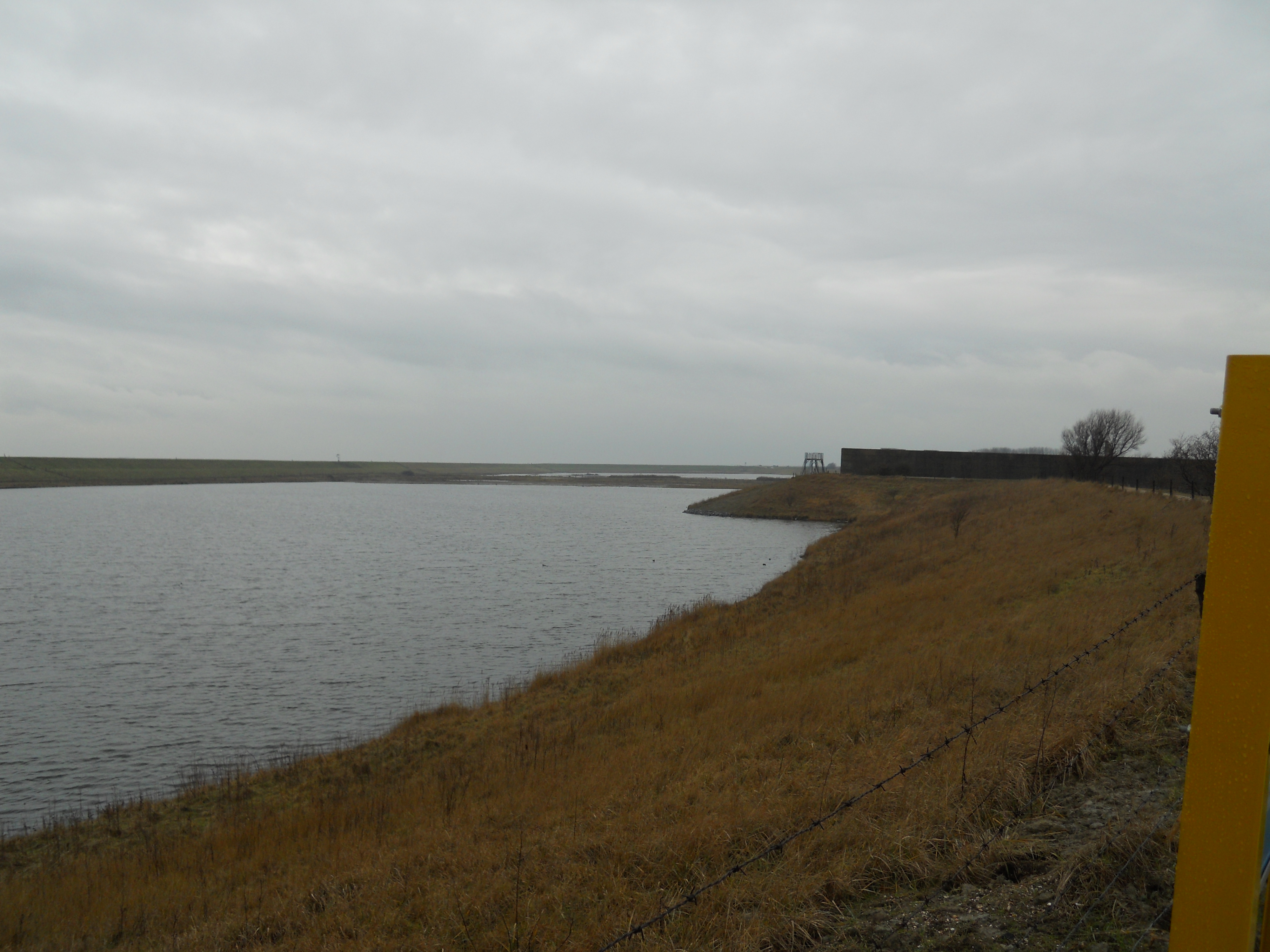
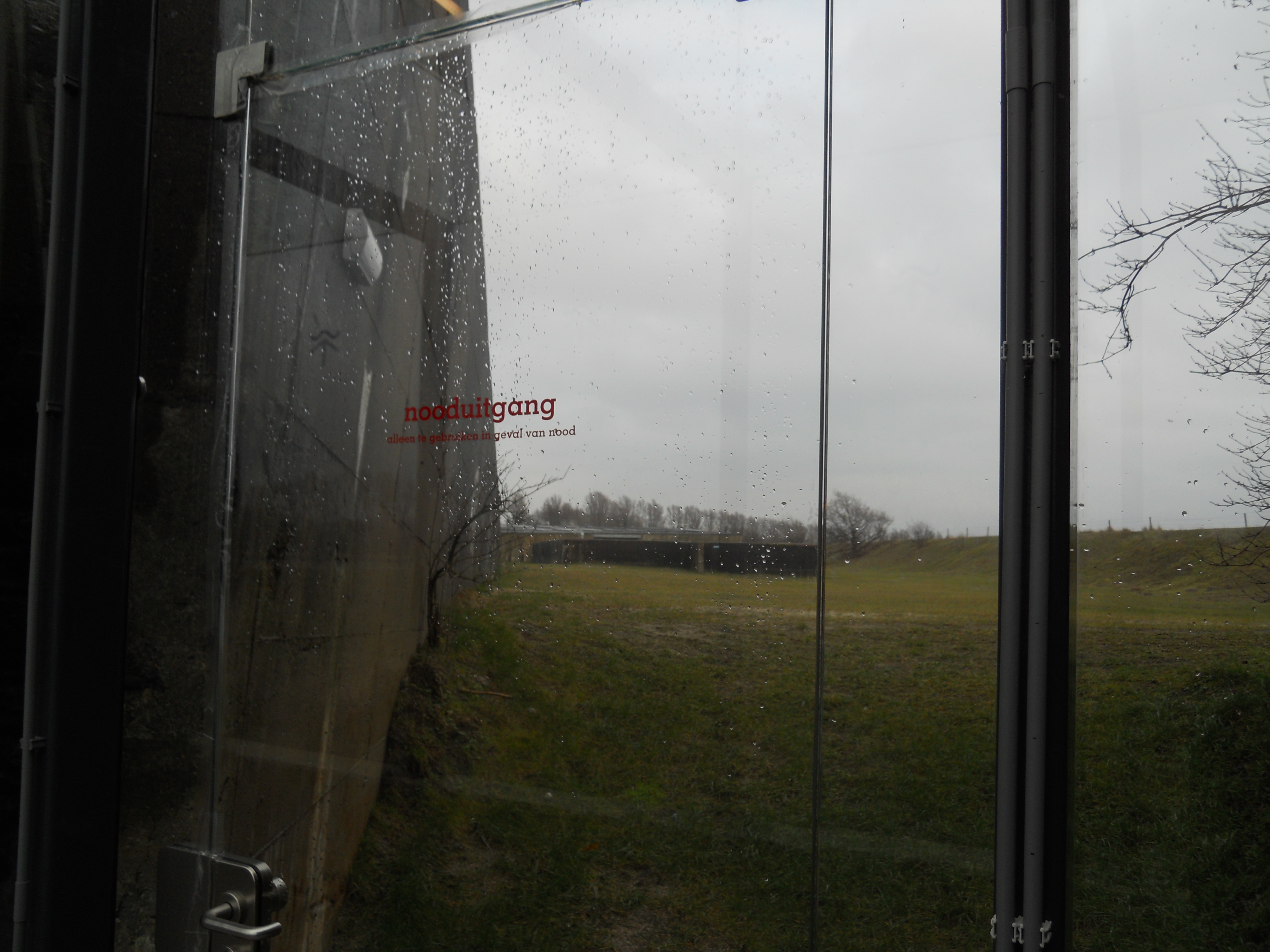
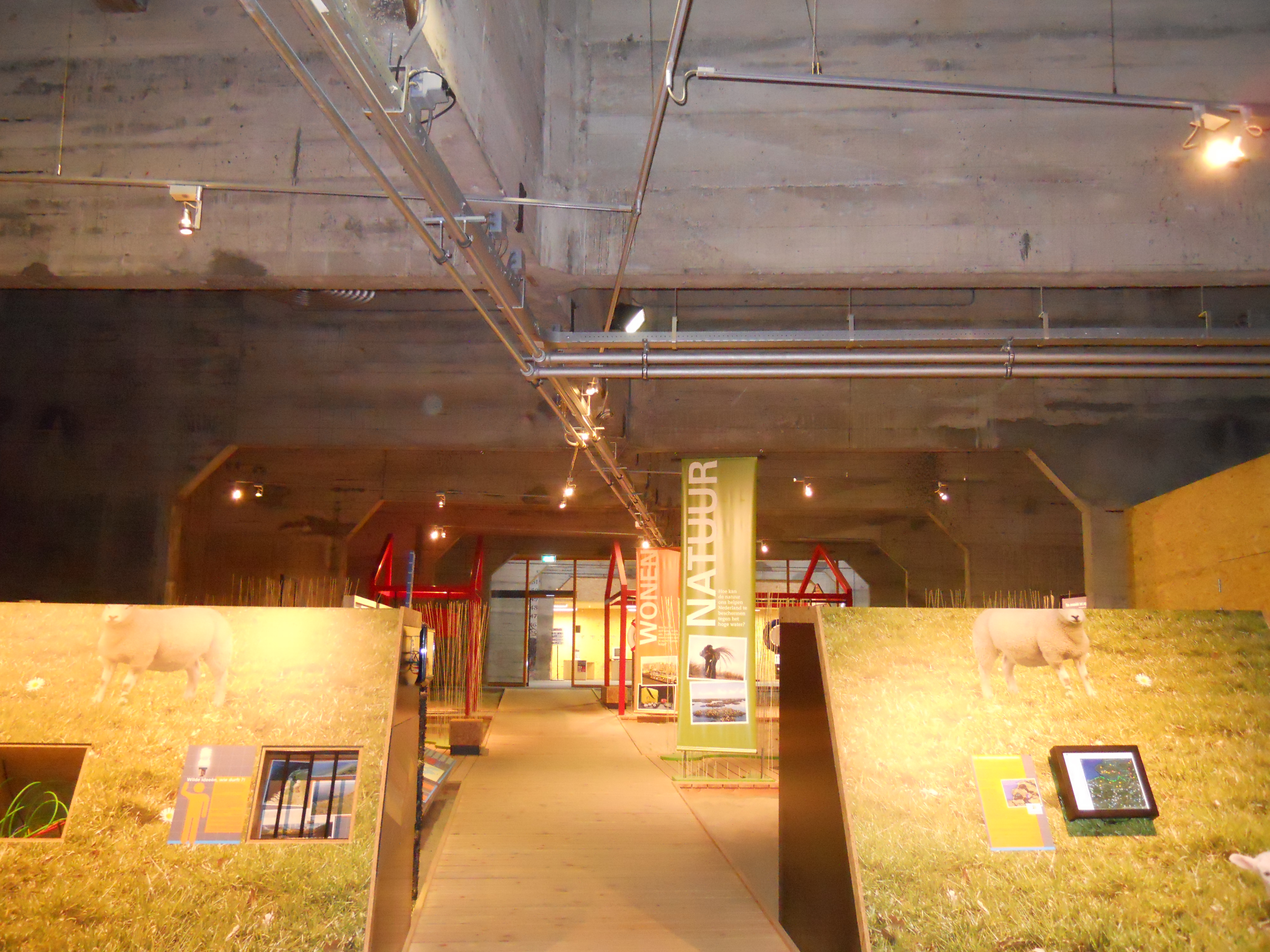
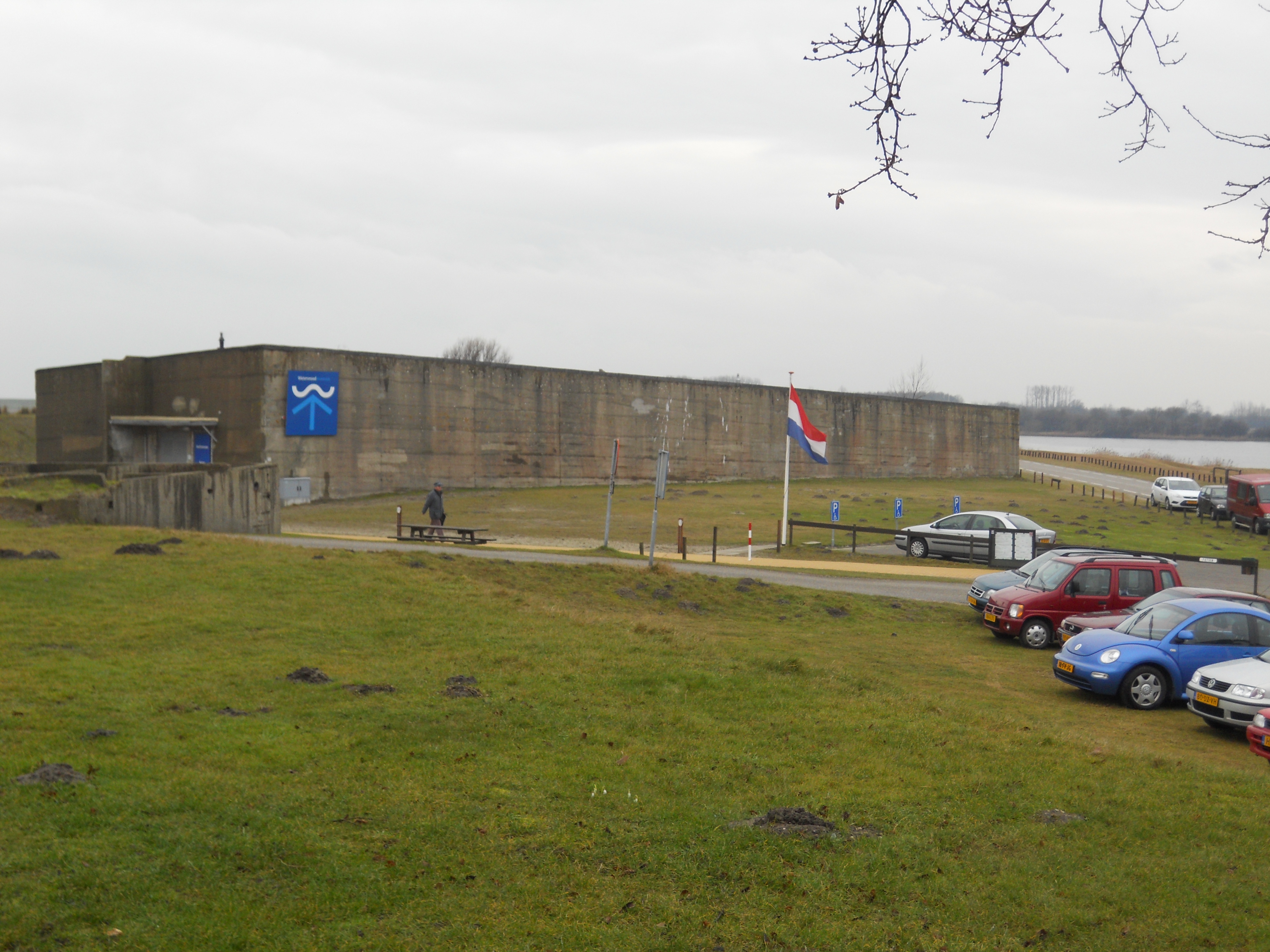
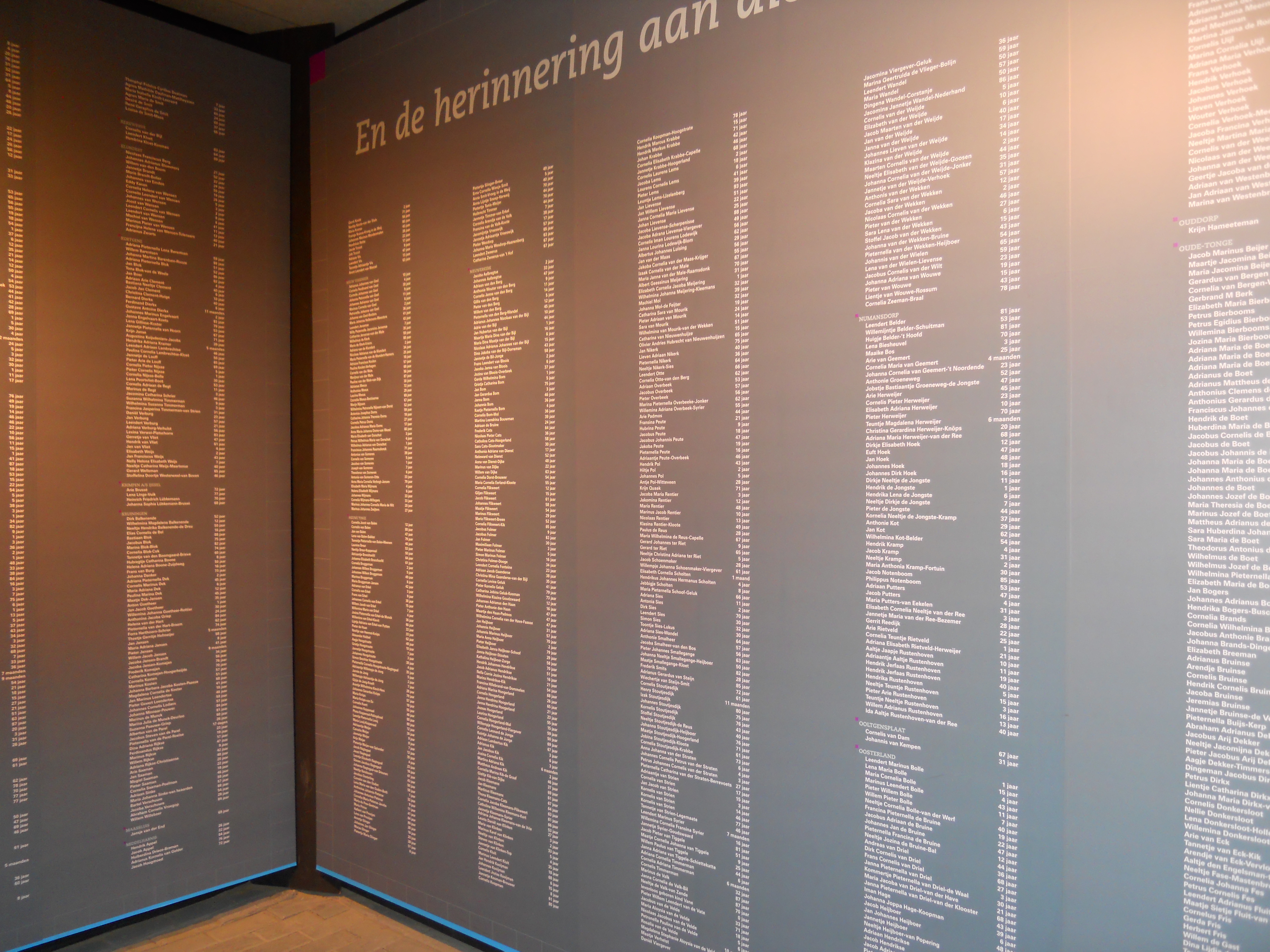


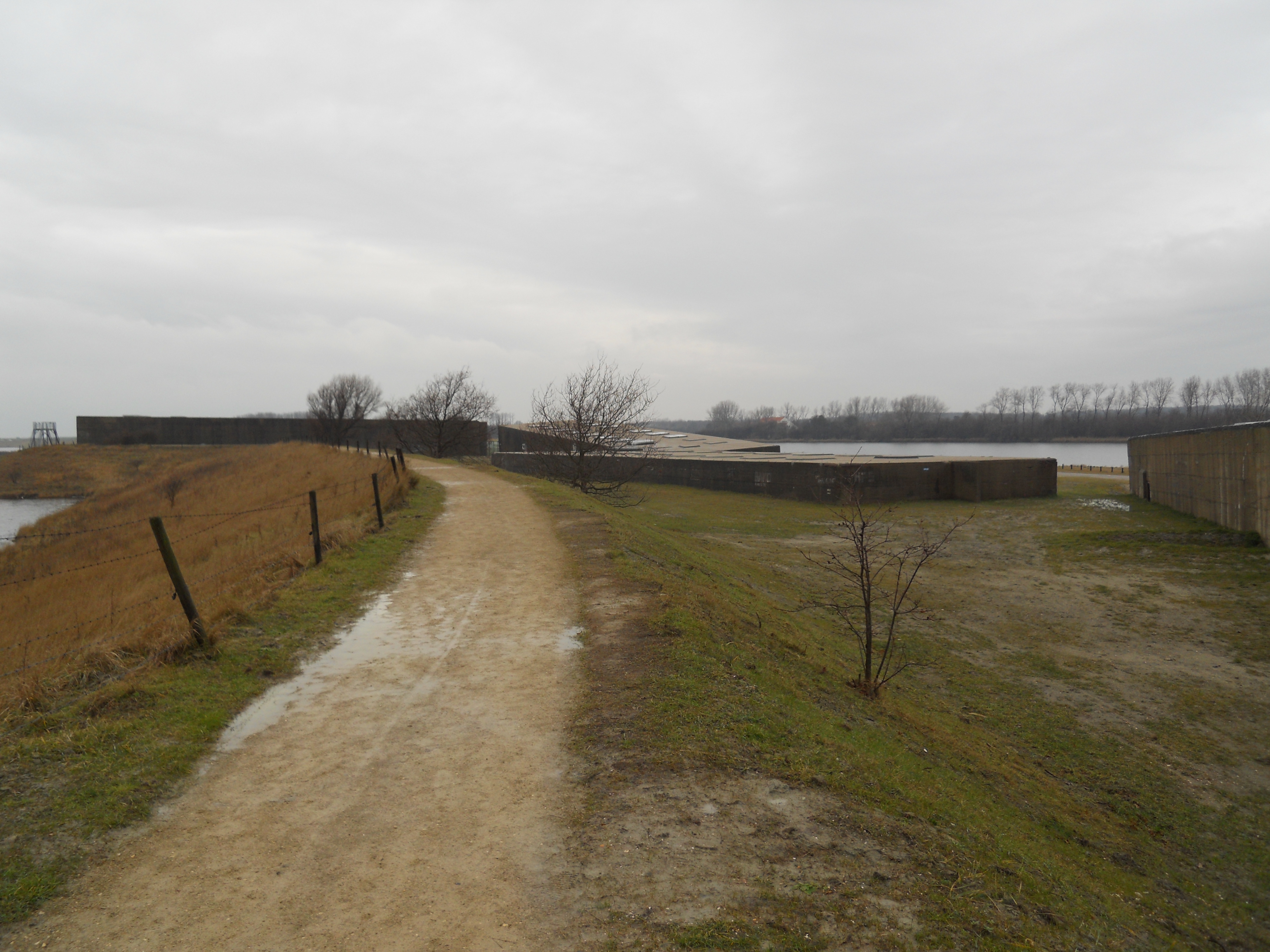
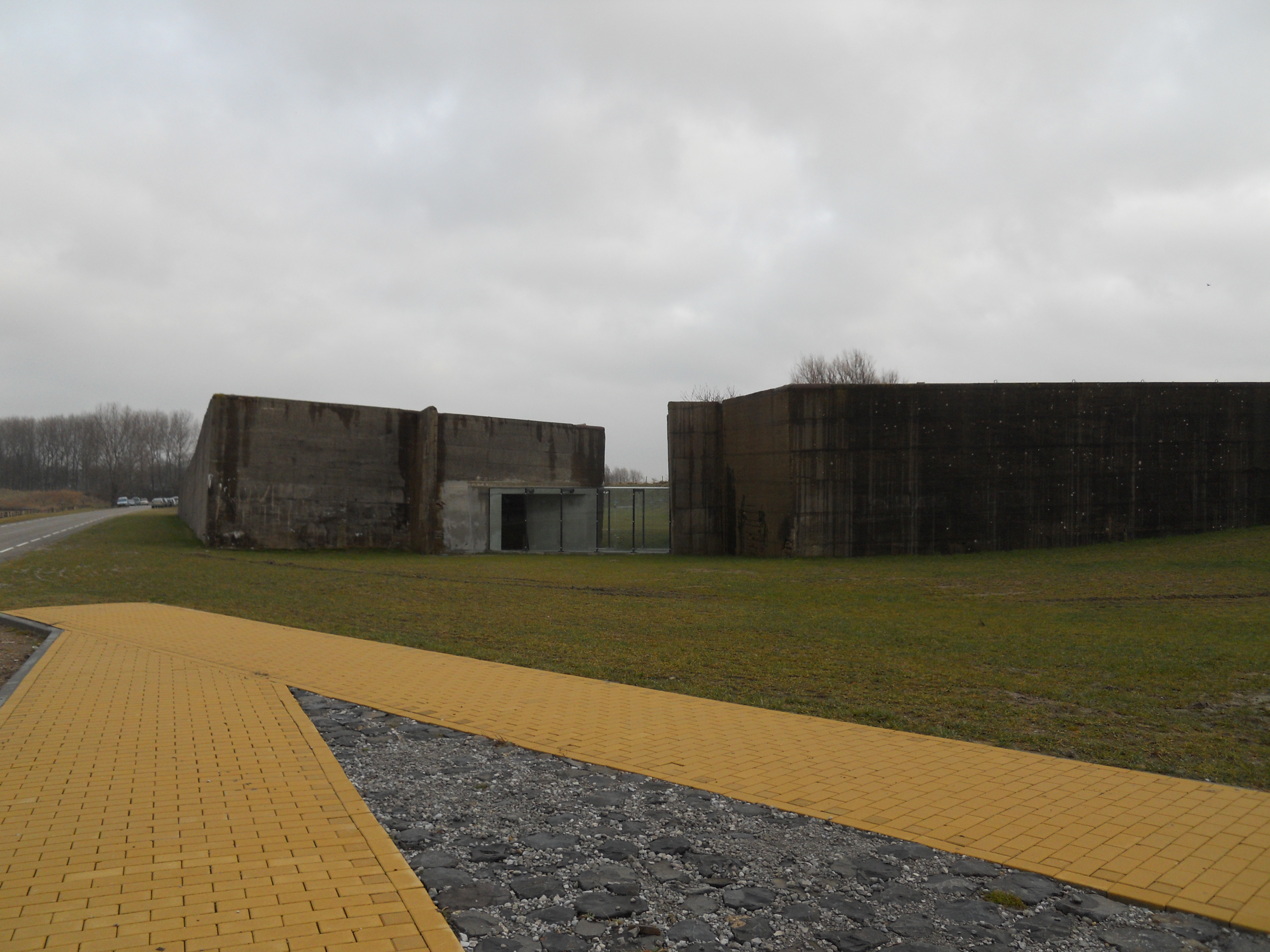
It is an impressive museum that opened a few years ago.
It is actually built inside four giant Phoenix breakwaters or caissons, that were originally built to be part of the Mulberry Harbours used for the D-Day invasion in the Second World War. They had been used to plug one of the last gaps in the dykes in November 1953. The construction of the caissons is clearly visible, both inside and outside.
Having lived in Felixstowe as a teenager some years after the disaster, it somewhat saddens me that we have no museum to the floods in the UK. Thirty eight people died in Felixstowe and I can still see the marks of the flood on the walls of the houses in my mind.
 The Anonymous Widower