A Review of the Emirates Air-Line
I think it’s only fair that I put down all my thoughts on the Emirates Air-Line, so that others can criticise what I have said.
Construction and Design
People have criticised the cost of the cable-car, but then they are not buying a cheap cable-car, but a quality one designed for a long life.
As far as I can tell, everything looks and feels right. As an example, the seats in the gondolas are very comfortable and of a standard you’d expect in a quality commuter train. The doors close tightly and there was no noise at all. There was little sway and only a slight downwards movement as the gondola descended into North Greenwich.
It took a lot to get C into something like this, but I think she’d have approved.
Ticketing and Boarding
As I showed here, there was a bit of a queue, when I arrived due to people having to buy their boarding passes.
Because I was using my Oyster card, I was allowed to bypass the ticket desks and go straight to boarding. Whether they will allow this at all times, I do not know, but it certainly meant I got the cheaper Oyster ticket (£3.20 instead of £4.30) and speedy boarding as well.
Freedom Passes
You don’t get the Emirates Air-Line free with a Freedom Pass, but you do get a discount on the ticket if you queue up at the ticket office. Judging by the number of people I saw in their last third of life at the system, it will be popular, as it gives such wonderful views if the city. But let’s face it, the cost is only a pound more than a cappuccino in Starbucks.
On Board
It really was very smooth and probably more so than the system in Singapore, that I travelled on with C. That system incidentally costs £13.0 for a round trip, whereas a return ticket on the Emirates Air-line is £6.40.
I thought you might get intrusive adverts, but you only got the odd subtle ones, like “Thank you for using the Emirates air-line”. I can live with that.
Disabled Access
I saw three wheel-chair passengers in the short time, I was there and one, who I think was from North America with a really hi-tech wheelchair, said it was very good. They also have lifts at both ends to get to the loading point, which means that anybody on crutches or sticks, should have no trouble getting on. There was plenty of staff about, but remember it is early days. On the other hand, the contractor, MACE, is operating the system at present and I suspect they’d like to sell more based on their experience with the Emirates Air-Line.
In Conclusion
With my experience of project management, I’ve seen few projects with as high an overall standard as this one.
Small Problems
There is a major small problem with the overall system and that is that kids will love it. Or mine certainly would have done! So parents might get a bit fed up with being pestered for a ride.
I also think that a few more cafes and restaurants at the Royal Docks end are needed. But that is not really a problem, but an opportunity.
A Video of My Trip on the Emirates Air-Line
I took a video of the trip on the Emirates Air-Line and it is shown here.
I was suffering a bit of technical problems with the camera and I think I’ll take another one later. Possibly from the other direction from North Greenwich to Royal Docks.
London Bridge Is Falling Down
Or at least the roof is leaking!
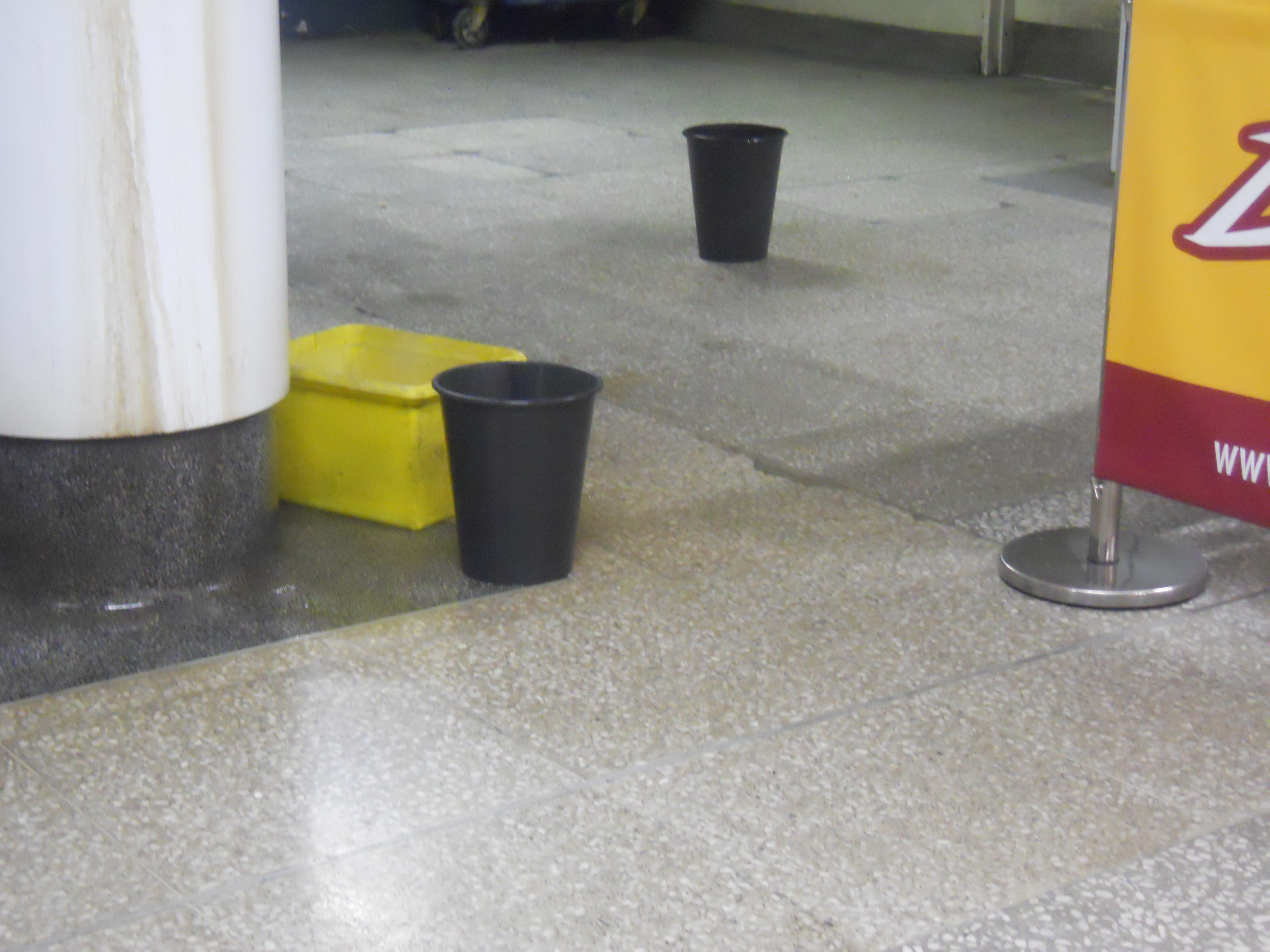
London Bridge Is Falling Down
There were buckets everywhere.
A Lancaster Over Docklands
Whilst waiting for the trip over the Emirates Air-Line, I saw the Lancaster flying up the River to the opening of the Bomber Command Memorial.
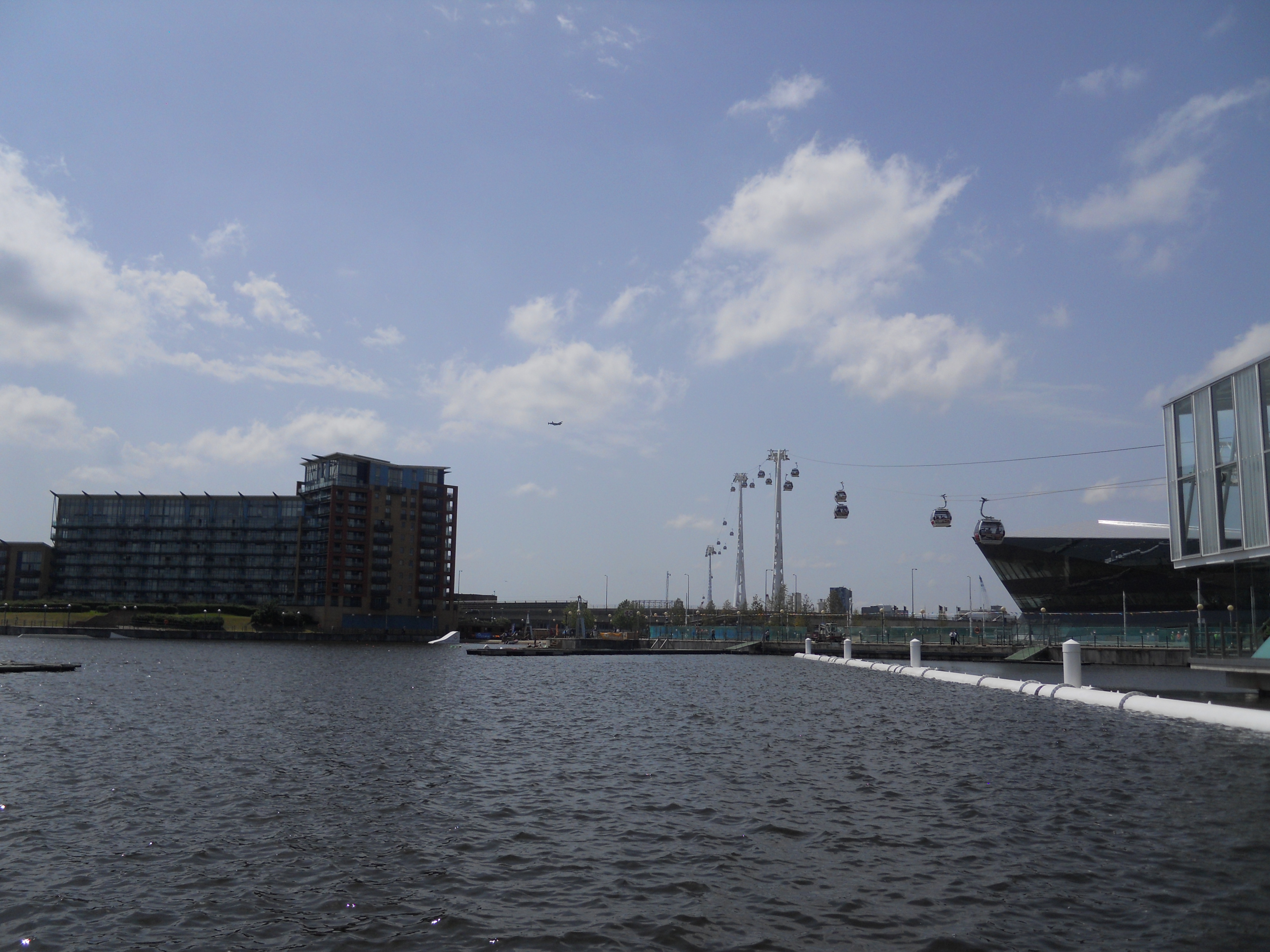
A Lancaster Over Docklands
It made an impressive sight as it passed the cable-car.
The Emirates Air-Line Was Busy
The Emirates Air-Line opened today at midday. It was busy at both ends. These pictures shown the northern end at Royal Victoria Dock.
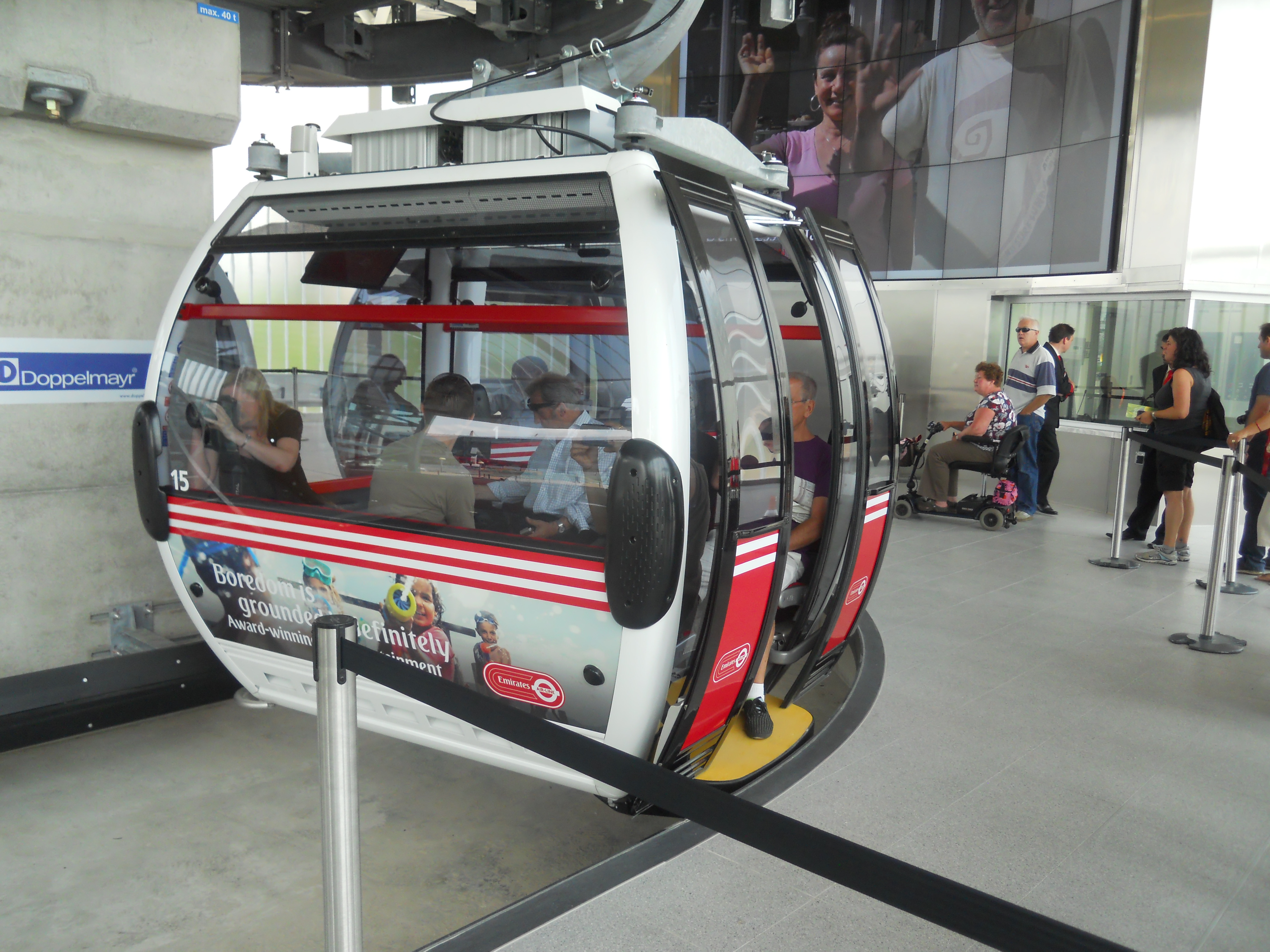
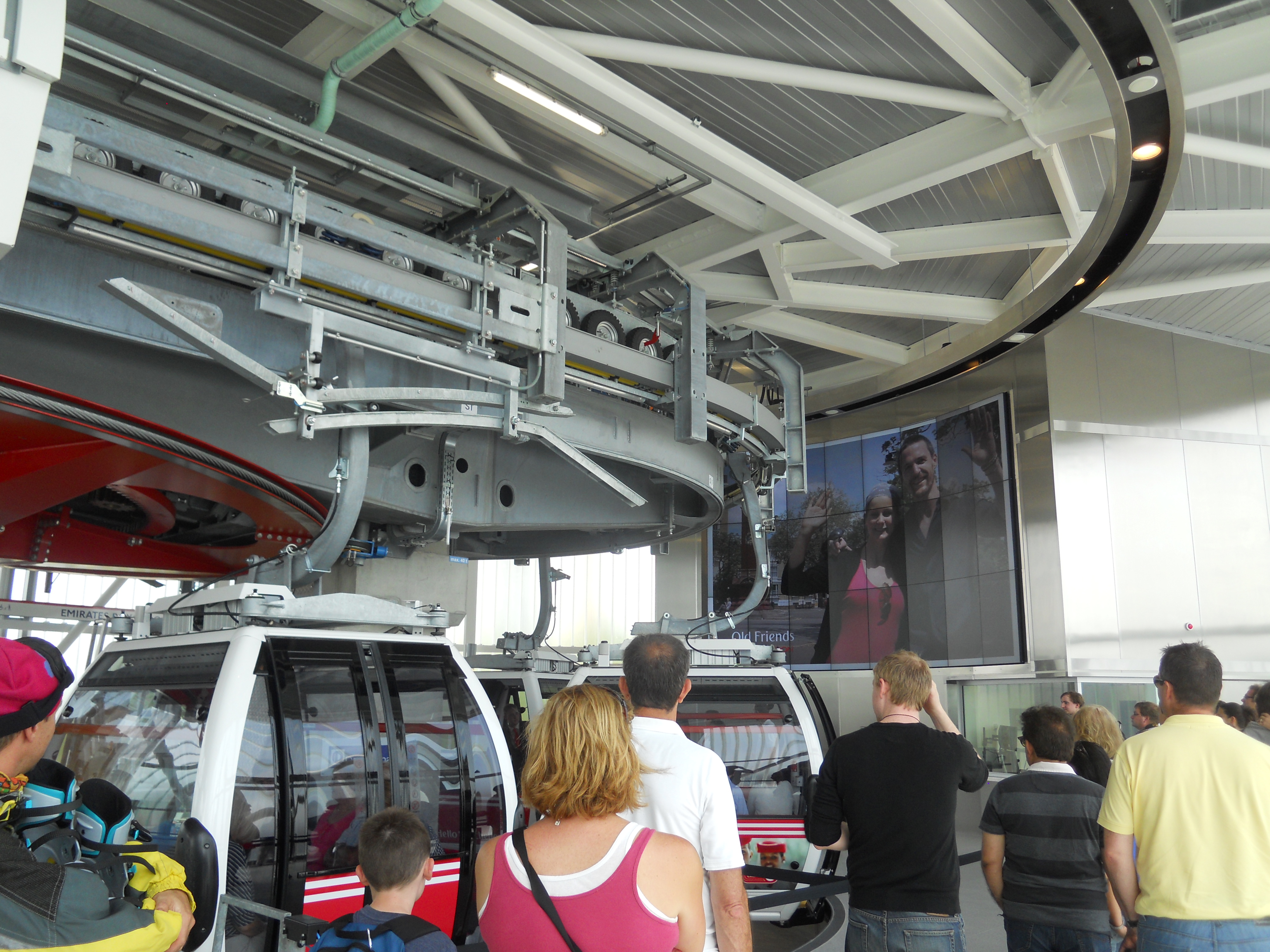
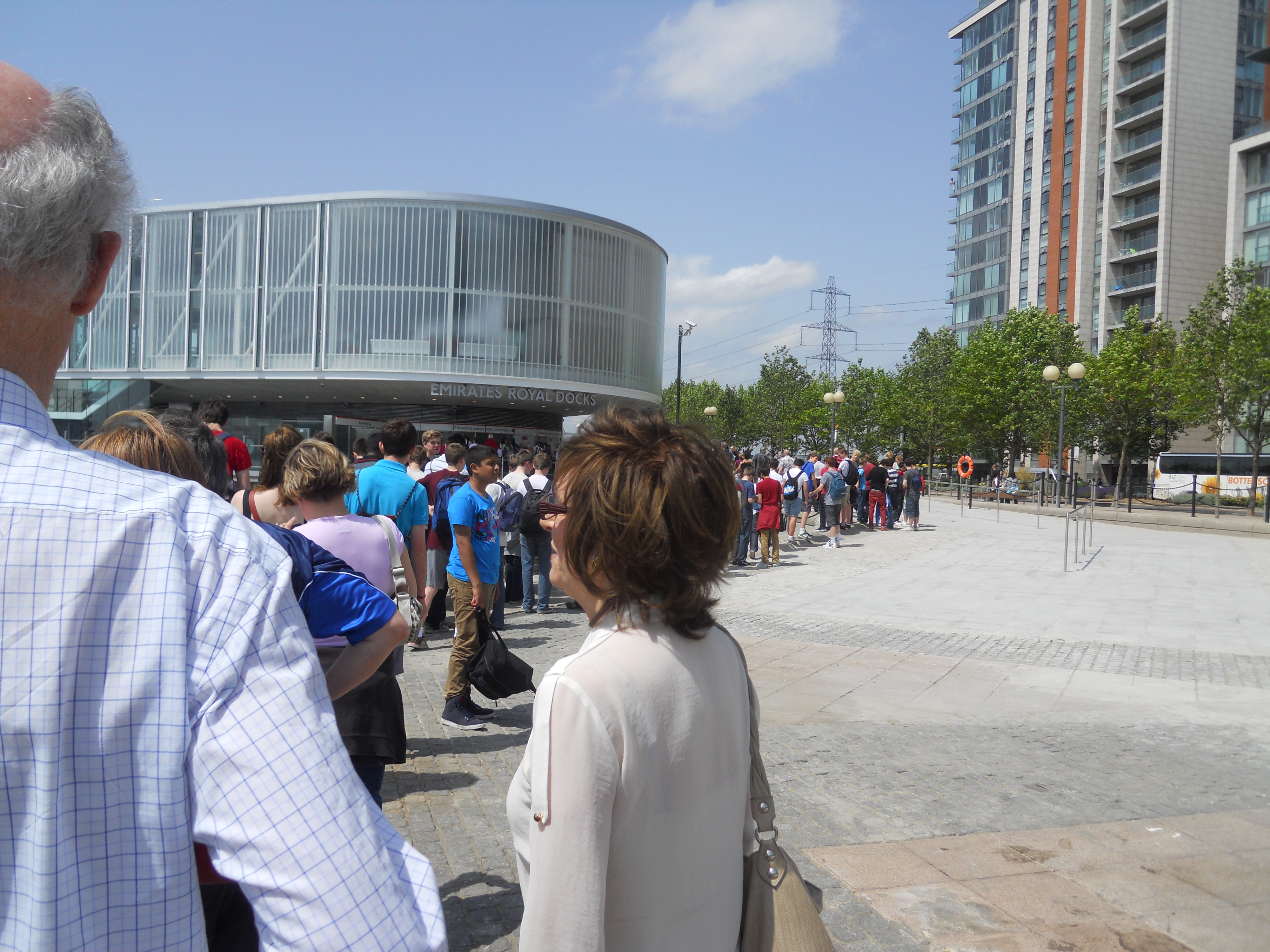

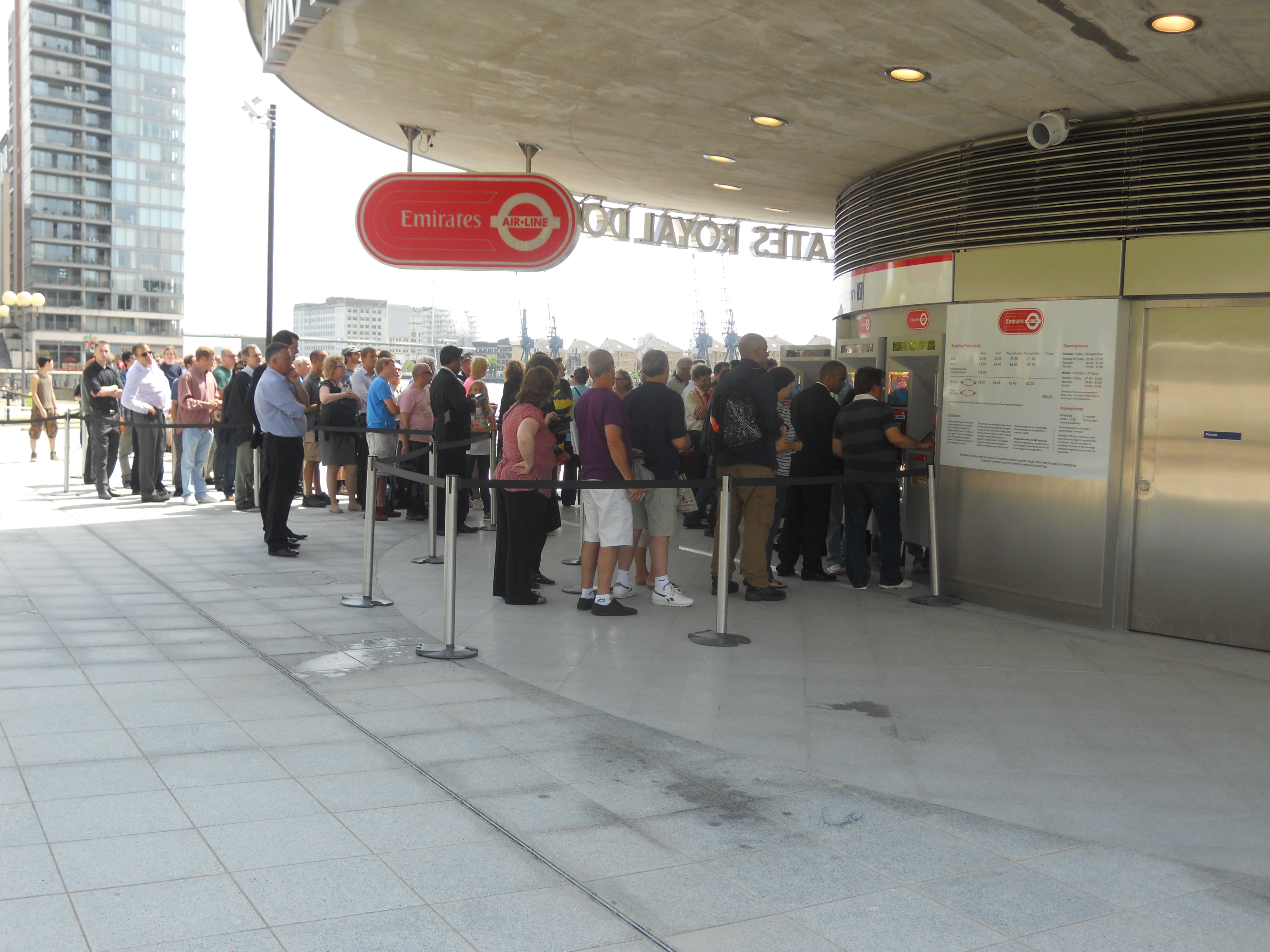
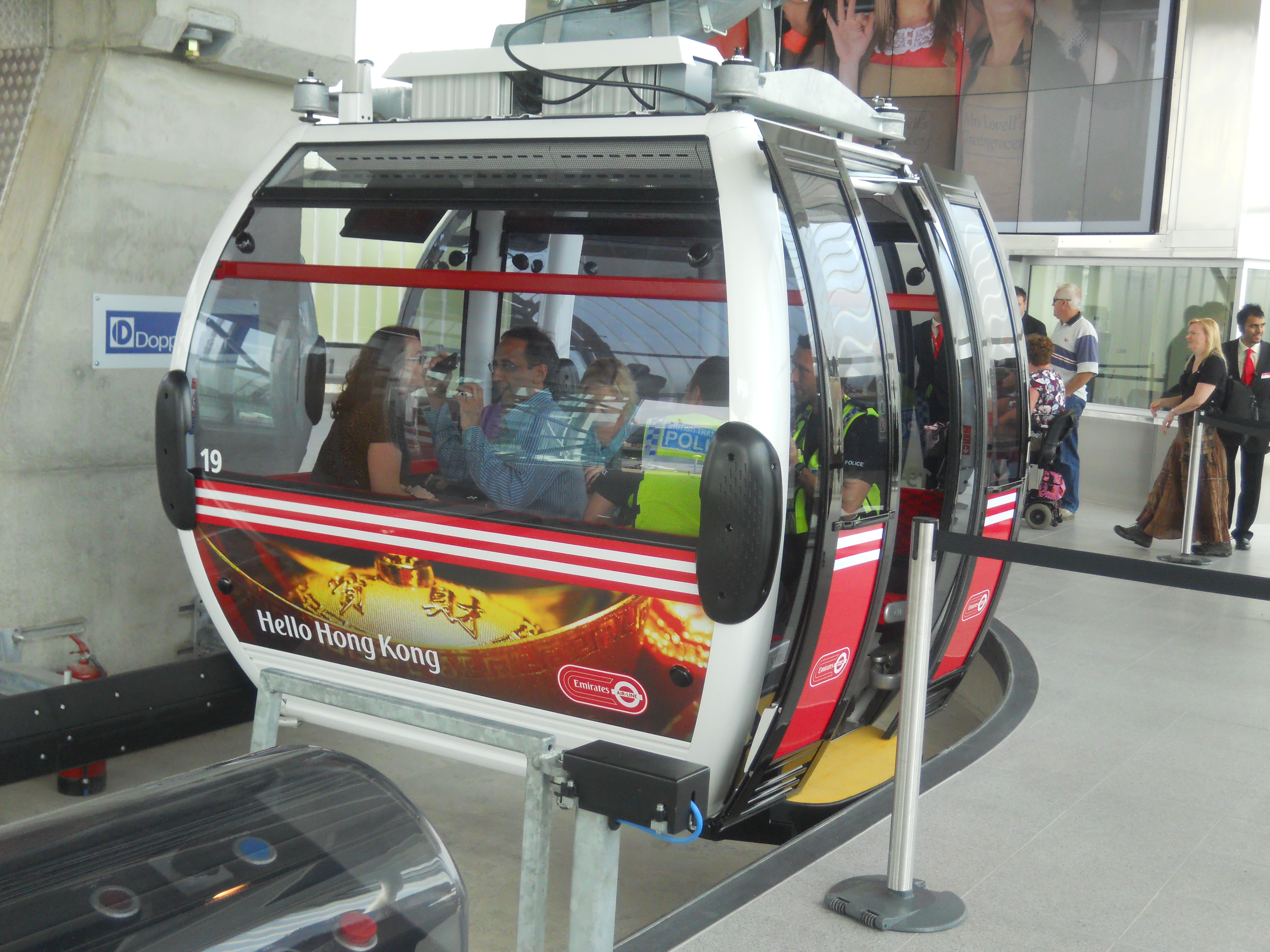
I don’t know whether they are always going to do this, but the staff went down the queues and if you had a valid Oyster card, with enough on it, they let you straight through to the gates. Those that needed to buy a ticket, had to wait.
Note that I actually travelled to the cable-car by going to Royal Victoria station on the DLR from Bank. I changed at Poplar station, but don’t worry as there are always staff to point lost passengers on their way. In some ways the DLR has benefited by a decision to have unmanned stations, except at interchanges. Each train has no driver, but a Train Captain and rarely is there not someone at hand for advice or help. The DLR’s passenger safety record is I believe very good.
A Life Hanging Around Banking
I first worked for a bank in about 1971, as a consultant programmer on a system that worked out how much various actions cost them to do. It was a rather clever system, that took all of the bank’s costs and numbers like the number of cheques cashed and worked out for each branch how much things actually cost. The system had been designed by Bob, the bank’s Chief Management Accountant, a man with an encyclopedic knowledge of accountancy and banking, and with whom I became firm friends over the next few years. Over the time, we consumed several bottles of good wine, notably in a restaurant called Mother Bunches near St. Paul’s. Sadly, in about 1978, Bob died and I lost a good friend.I was a scruffy man in those days and one memory stands out. I was painting the flat in the Barbican and Bob phoned and asked me to run the software to calculate costs for the last quarter. It was only because his assistant was on holiday. So I cycled to Time Sharing in Gt. Portland Street and did the run. Bob then phoned me at Time Sharing and asked that I bring the results to the bank and give it to the usher at the door. But when I got to the bank it was closed and on ringing the bell, the massive bronze door opened and the usher in full morning suit and top hat, asked if I had comuter output for Bob. I said yes and he replied that Bob had asked to see me. I protested because of my appearance and I was firmly ushered inside and told to go to the fourth floor. When I met Bob for the first time in his office, I apologised for my appearance and he just smiled, took the computer output and started checking the answers. Before I returned to the Barbican, we had more than a few good glasses of wine.
Before I leave Bob and the system I programmed, I’ll put in a few observations.
- Bob always reckoned bankers were likely to be called John. A boring name for someone expected to be boring at work. Perhaps with all the banks’ problems, these days, they could improve their profile by hiring a few more Johns.
- I didn’t have any access to the banks main computer system, as I didn’t need to, but I got the impression, that they had hardly changed the design since the system had been first-written and only had a limited number of places to store information on customers. So consequently, their summary statistics on their customers wasn’t very good at all. I’d love to know, whether they are any better now.
- A lot of fundamental pieces of information on the bank’s costs were almost impossible to find. Bob had come from a major FTSE 500 company and put it down to the fact that they were a bank therefore cost control wasn’t a problem.
- A very dominant factor in the costs of a branch was property and who in particular owned the building. The bank actually owned most of the branches themselves, but where they rented a branch building costs were a lot higher.
- But the most important factor in the costs, was inevitably hanky-panky, where a manager was giving loans for sexual favours. I suppose that these days, where you never meet your bank manager has cured that problem, even if it has introduced a lot more.
- One of the design rules, Bob put into the system, actually ended up in Artemis. If say you split a sum of money into several fields in a database, then just to round the figures to the neatest penny wasn’t good enough, as although it might be correct, the pence column might not add to the original value. So any error was lost in the largest value, just as it was in Artemis. The reason was because bankers in those days, always checked the answers by adding them up and woe betide if they didn’t agree.
- It must have been a good system, as it was still running fifteen years later. Although by that time Time Sharing had long since gone, so they ran it on one of the last PDP-10s somewhere in the United States.
At the time, I was banking with Barclays and wasn’t very pleased with them. So I asked the people, who I worked with to set me up with a new branch. After all, if I was doing business with a bank, it might not be a bad idea to bank with them.
I don’t know whether it was chance or whether I was setup by the people I worked with. A few days later, I turned up in the branch of the bank by the Barbican and met David for the first time. I’d actually been working late on the bank’s cost accountancy system and I was rather surprised, that David knew about it. He did disclose that he’d been on the committee that had decided that Bob should develop the system. I remember that day, that David and I were scheduled to meet at ten and I finally got back to the flat at one.
It was the start of a life-long friendship, that only stopped on David’s death within a few days of that of my wife in 2007.
I can remember a lunch in an expensive City restaurant, where at four after a long lunch, his second-in-command came in, saying that the branch needed to be signed off. In some versions of this tale, I say that he said to his number two to forge his signature, but I suspect it was more that he should have had the right to sign-off the branch. If it was the latter, that would fit David’s character, as I know from other things he said, that he believed very much in delegation.
He also introduced me to some of his customers, who had got the Miss World-that-wasn’t, Helen Morgan to open their new shop. David kept a signed photograph of the Welsh model on his desk for many years. David never did anything inappropriate concerning the ladies during his banking career.
David got further into my business life, when we started Metier. The company needed a good bank manager and I introduced David to one of my partners. I remember we all met over lunch in the Honourable Artillery Company.
soon after, David was promoted to a bigger branch in the West End. It wasn’t a planned promotion, but one that was necessitated by an early retirement of the manager there. To say it was a mess, would be a very large understatement. But David was the sort of person, who rose to challenges using any legal method.
One thing that illustrated his competence, was when we presented him with one of the first computerised spreadsheets, the bank had ever received, he immediately passed it to his area manager on his Area Manager’s first day in the job. Many would have ducked that challenge. They used it to educate themselves, and we got the funding we needed. In fact, David told me some years later, that he reckoned we weren’t asking for enough and got the clearance for more on that very first spreadsheet.
Highbury Fields and the Jubilee Clock Tower
When I looked at the aerial views for nearby to where I live, I found some wonderful shots of a clock tower. There’s one here. So I went to Highbury Fields and walked through to the clock tower.
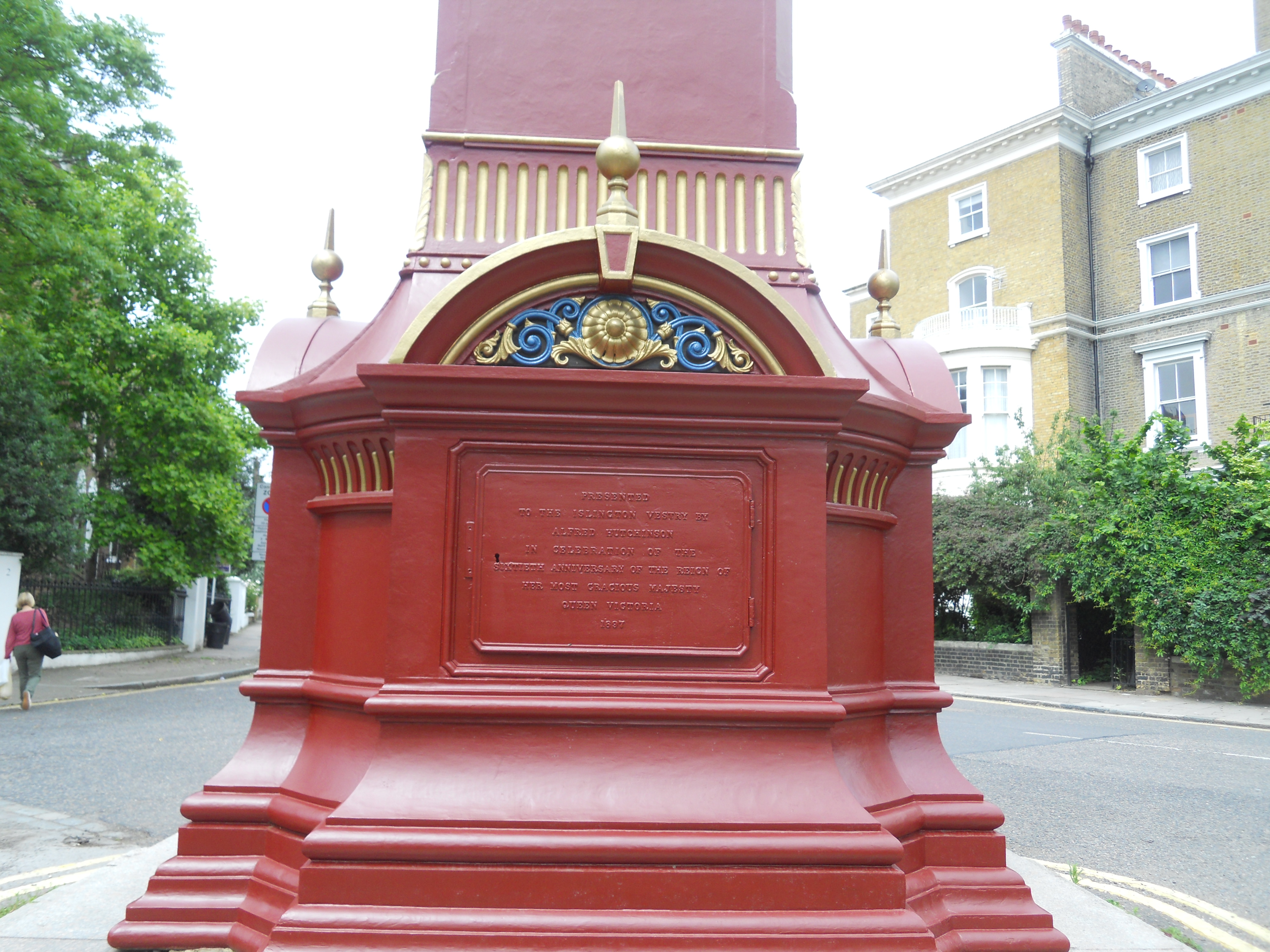
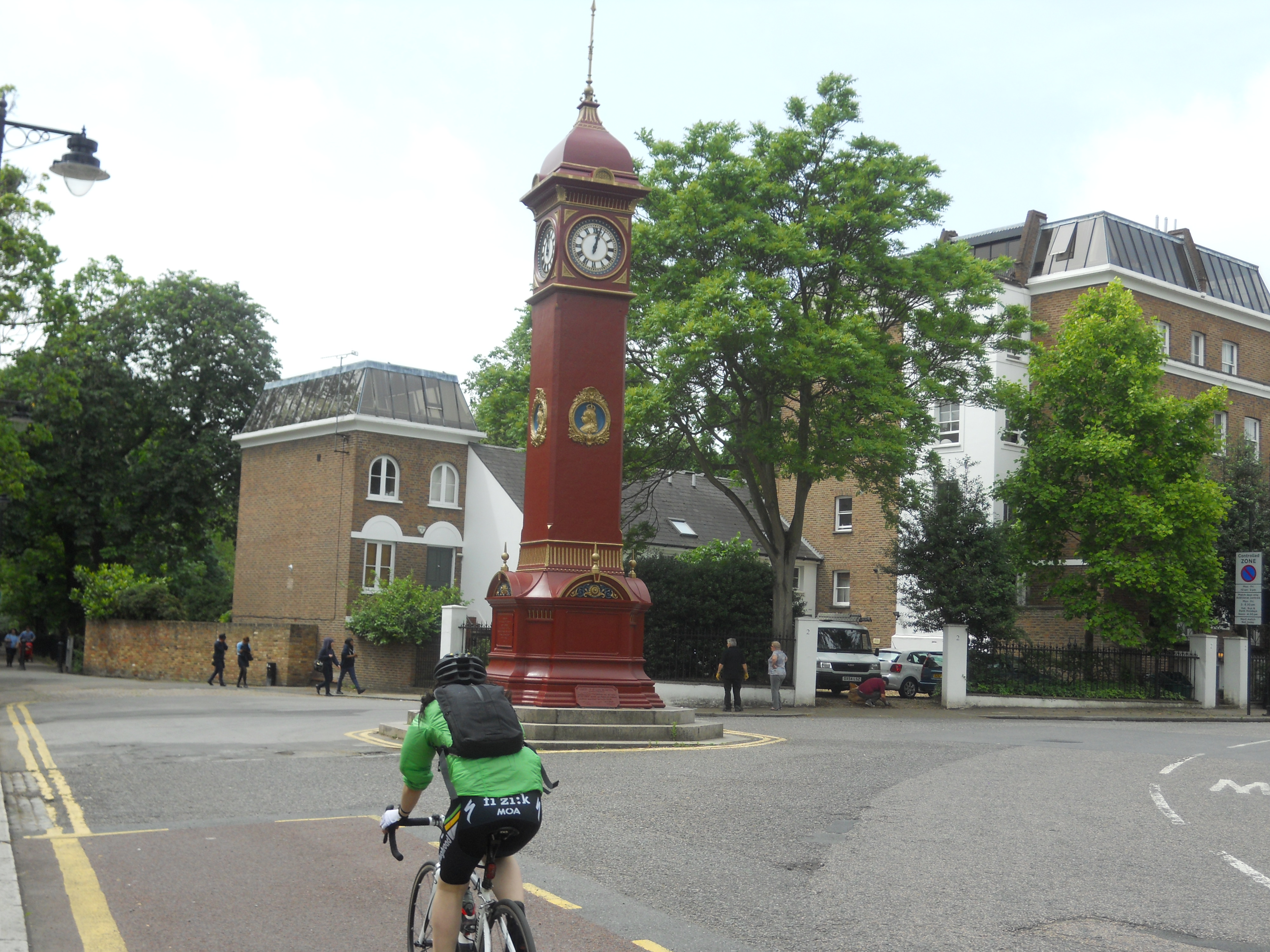
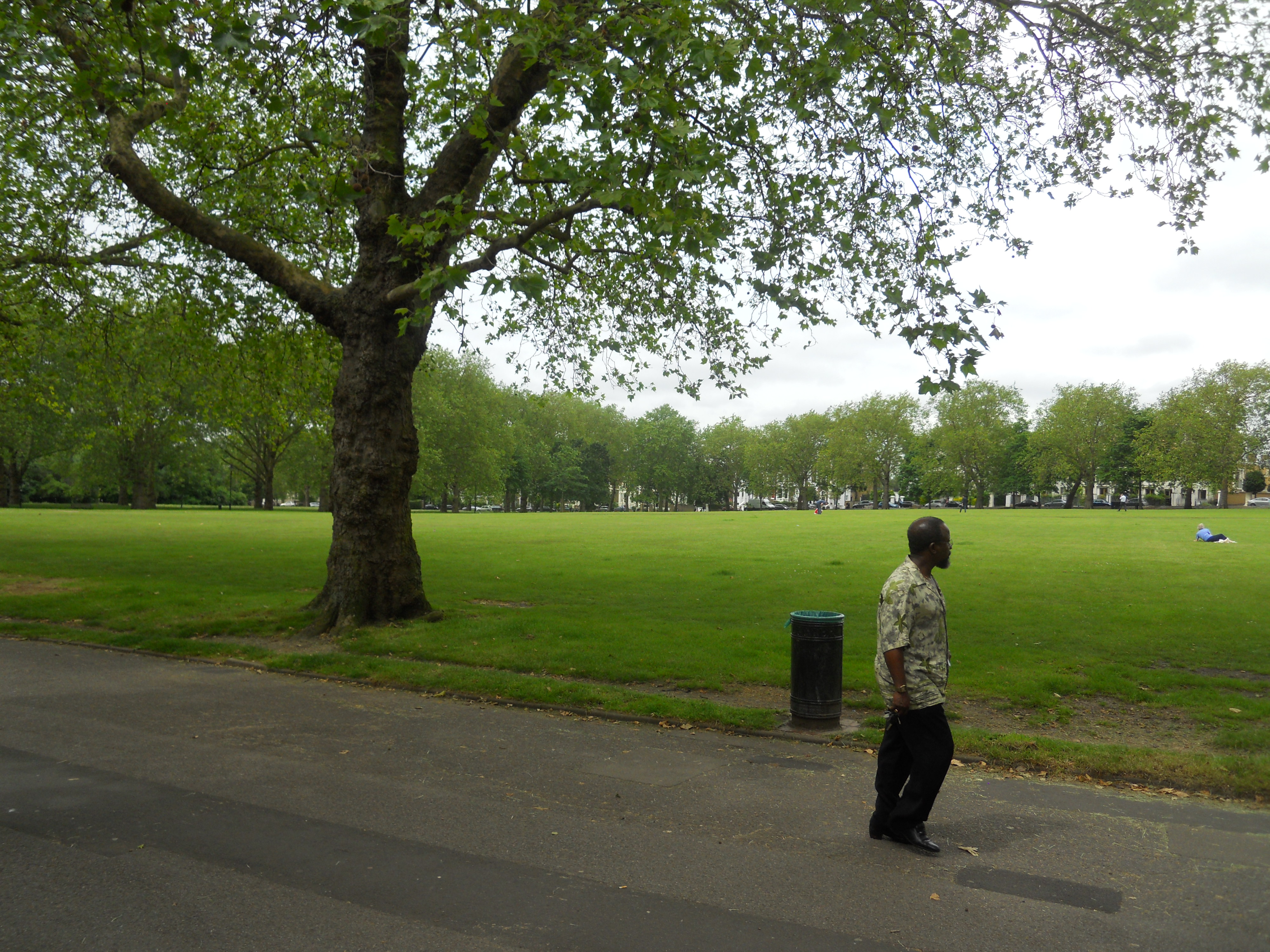
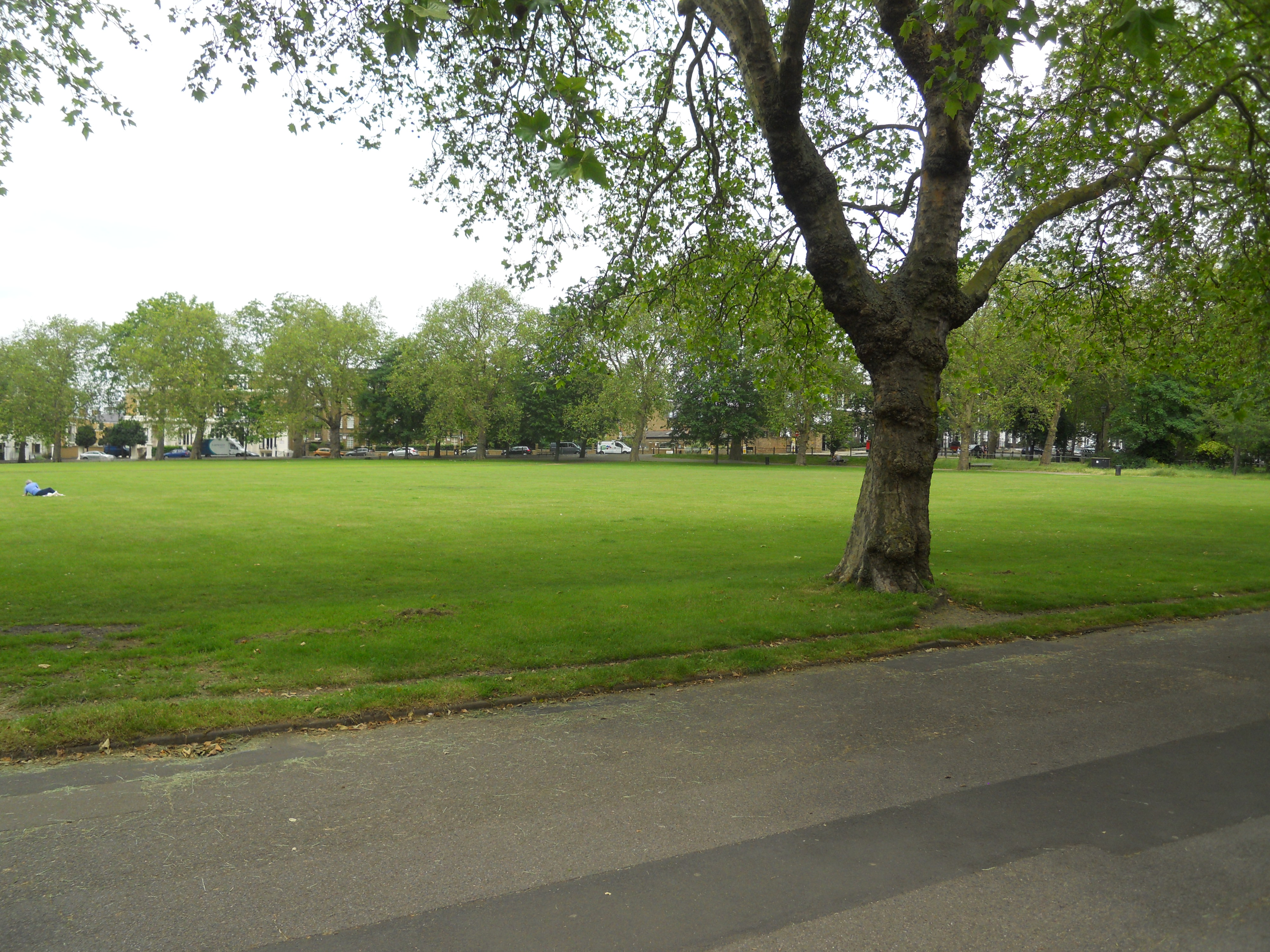
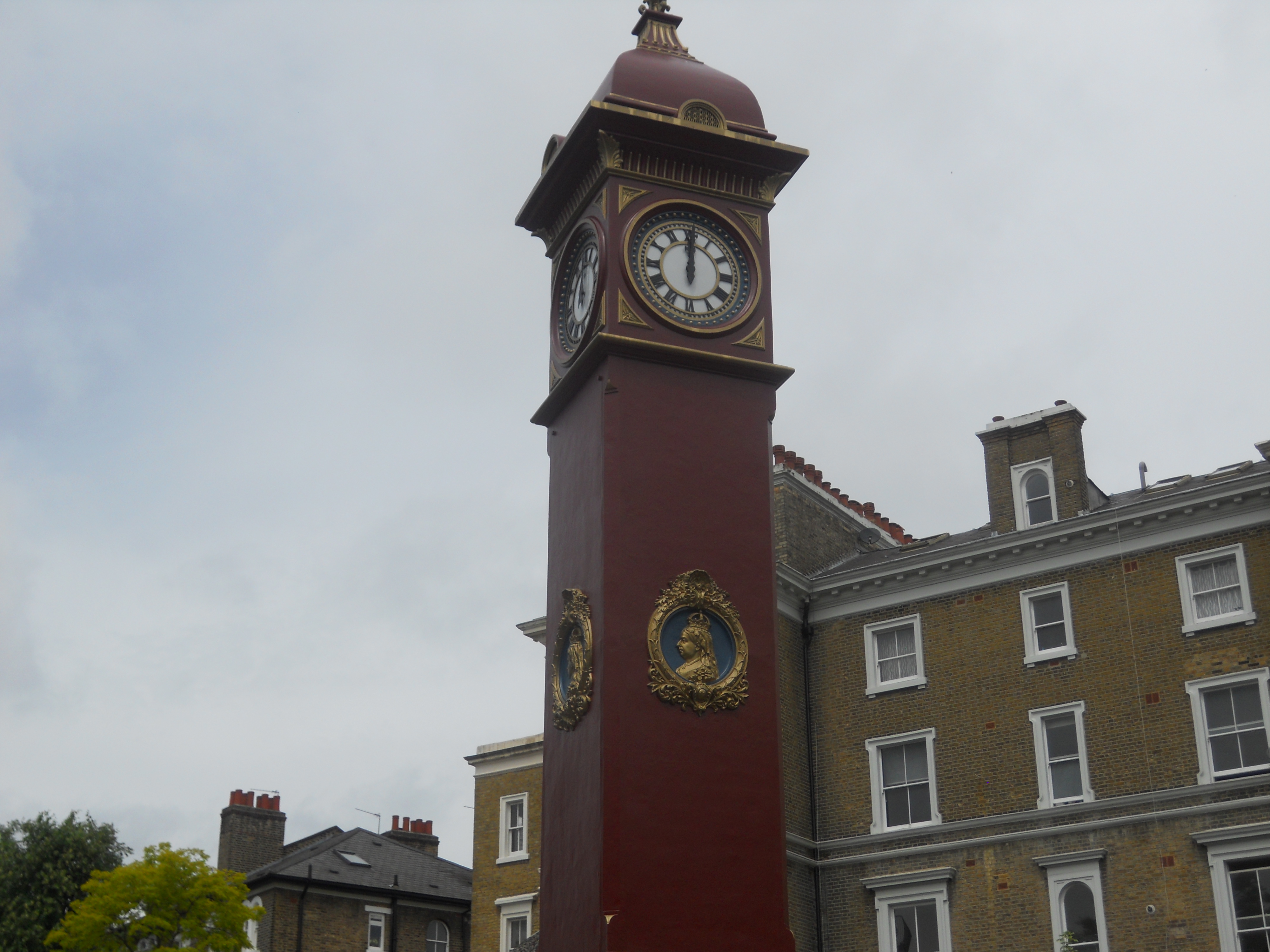
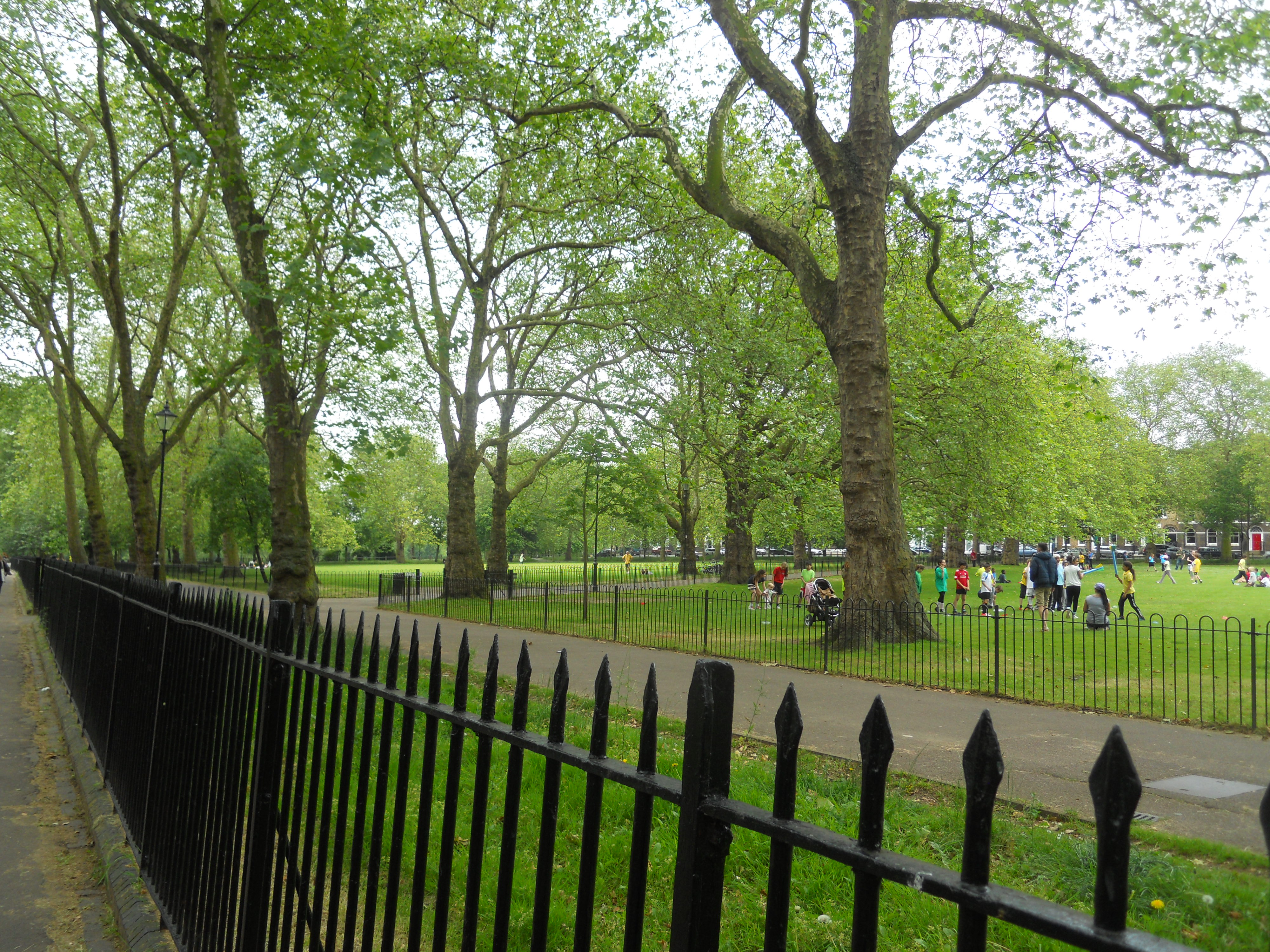

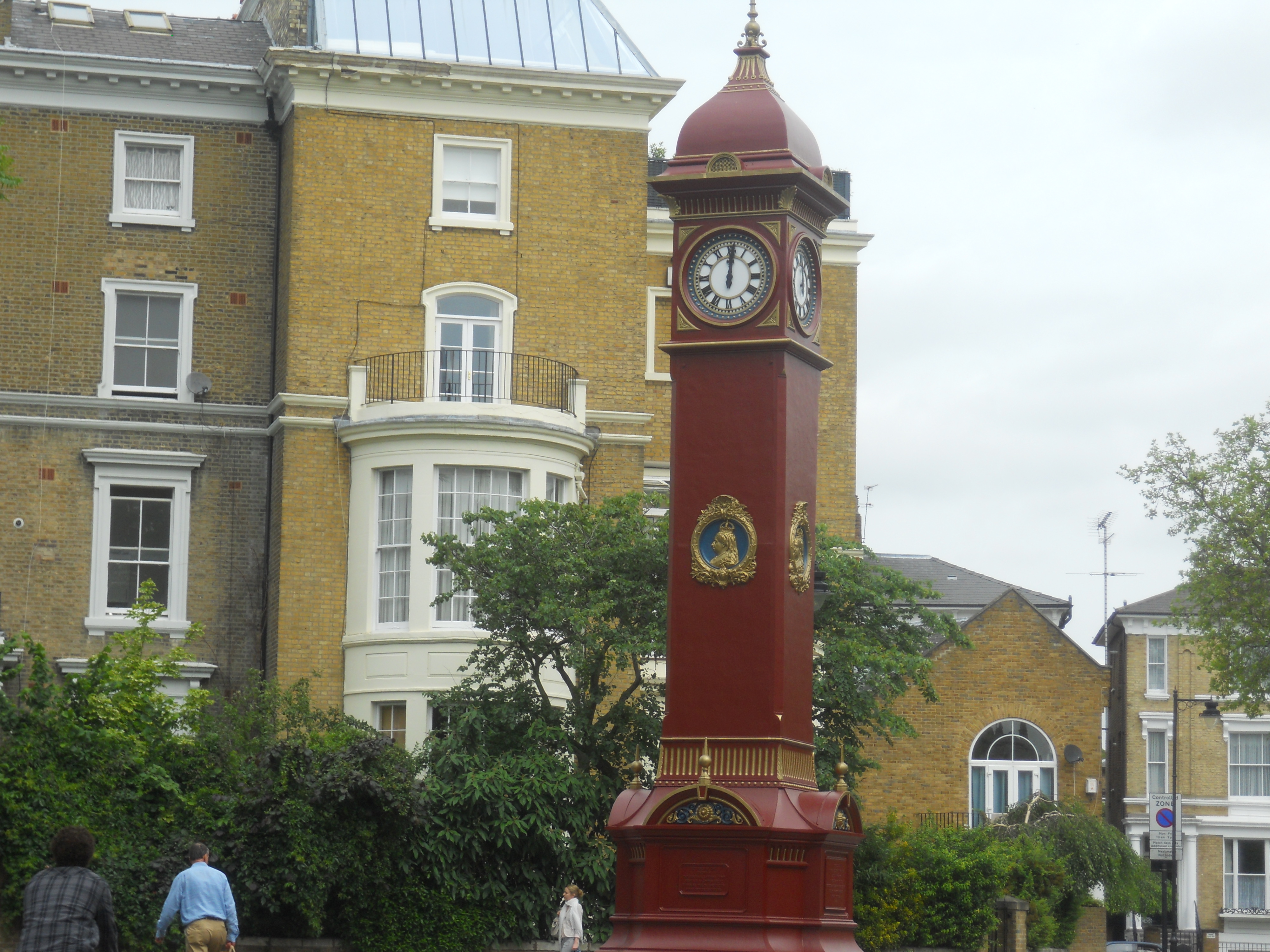
It was actually erected to celebrate Queen Victoria’s Diamond Jubilee.
Aurevoir Minitel
The French are pulling the plug on Minitel. Read about it here.
I’ve met people, who liked it, so it wasn’t that much of a disaster, but obviously, it’s been killed by the World Wide Web.
 The Anonymous Widower