Andy Burnham Set For Clash With MPs Over North Sea Oil And Gas
The title of this post, is the same as that of this article in The Times.
This is the sub-heading.
The prime minister must decide whether to approve the Rosebank oilfield and Jackdaw gasfield but will face opposition from backbenchers if he goes ahead
These are the first three paragraphs.
Andy Burnham faces a potential showdown with Labour MPs after suggesting faster extraction of North Sea oil and gas could help pay for the transition to clean energy.
The prime minister is preparing to decide whether to approve the Rosebank oilfield and Jackdaw gasfield after consultations on both projects closed.
Industry sources have told The Times they believe Burnham will approve Jackdaw but may resist calls to go ahead with Rosebank because of opposition from MPs.
These are my thoughts.
My Boiler, Gas And Jackdaw
Consider.
- This year my boiler died. So I spent several thousand pounds, but I did get a new gas boiler with a 12-year guarantee.
- I am now 79, so can this government, or any for that matter, give me a guarantee, that I will live to 91 to get value from my boiler?
- I know enough about heating, as I have installed a couple of systems for myself, to know that my current house is not suitable for a heat pump.
- But it may be suitable for some type of electric data centre boiler like heata, which was invented by British Gas Research. But, I’m not hopeful yet!
- Meanwhile, Centrica have done a large hand-full of deals to keep the country in enough gas to power us through the winter.
- Some of these are MiQ-certified, which is a bit like Organic for methane, except that emissions are kept to a minimum.
- I covered MiQ-certification in What Is MiQ-Certification?.
So provided we don’t get an extreme-left scientifically-incorrect government, led by someone like the lady with pink hair in Hackney, I should be able to keep myself warm in winter.
But would I vote for any party, that was going to cut off my gas supply?
But Centrica have been clever.
- They have plenty of gas storage at Rough.
- Their press releases show they are buying gas according to MiQ.
- Grain LNG Terminal, which they bought last year has an export facility, so any spare gas they have can be exported to a country to replace coal or Russian gas.
- MiQ-certified gas probably fetches a higher price.
- Centrica would be an obvious purchaser for any North Sea gas.
This gives some dates of the players and Jackdaw
- BG Group and Centrica were demerged from British Gas plc in 1997.
- BG Group discovered Jackdaw in 2005.
- BG Group were taken over by Shell in 2015.
If I was the owner of Jackdaw, I would make sure that my gas had the highest MiQ possible.
If I was energy minister, I’d enforce it.
Will Jackdaw Be A Tie-Back To Shearwater?
I’ve read that it might be, so I asked Google AI and received this answer.
Yes, Jackdaw is designed and developed as a 30-kilometer (approx. 18.5 miles) subsea tie-back to the existing Shearwater platform in the central North Sea.
Project Connection Details
Infrastructure: A multi-phase subsea pipeline links the unstaffed Jackdaw wellhead platform directly to the Shearwater hub.
Processing: Hydrocarbons extracted from Jackdaw will be processed and routed through Shearwater before final export onshore to the St Fergus terminal.
Distance: The subsea pipeline spans roughly 30 kilometers (18.5 miles) northwest from the Jackdaw field to the Shearwater installation.
I also found this detailed article on the Chemical Engineer which is entitled Shell To Invest In Shearwater Gas Infrastructure Hub.
Shell certainly seem to be doing comprehensive planning to bring the gas from Jackdaw to the mainland.
- Currently, gas from the Shearwater hub is sent to Bacton in Norfolk.
- After, Jackdaw is connected to Shearwater, the gas will be sent to St. Fergus, which is North of Aberdeen.
- Google AI says that The Shearwater hub is located approximately 140 miles (225 kilometers) east of Aberdeen in the Central North Sea.
It’s probably all in a day’s work for engineers in the North Sea, but it doesn’t sound to be the easiest project to me.
Will The Jackdaw Gas Field Be Used For CO2 Storage?
I felt this could be a possibility, so I asked Google AI, the question and received this answer.
No, the Jackdaw gas field will not be used for CO2 storage.It is an active natural gas extraction project in the North Sea, though CO2 separated from its extracted gas may eventually be routed to external storage.
Field Status and CO2 Handling
Extraction only: The underground reservoirs at Jackdaw contain natural gas and high-pressure/high-temperature hydrocarbons rather than being purposed for carbon storage.
Onshore processing: Gas from the field comes ashore at St Fergus, where carbon dioxide mixed into the raw gas stream is removed during processing.
Broader CCS links: While Jackdaw itself is a producing asset, its operations tie into Shell’s broader involvement with the regional Acorn Carbon Capture and Storage project, which aims to pipe and sequester CO2 elsewhere.
That was a definite no, that Jackdaw will not be used for Carbon Capture and Storage, but the carbon dioxide in the gas may be stored in the Acorn Carbon Capture and Storage project.
Will Centrica Be Applying Just-in-Time-Delivery To Gas Cargoes?
One of the jobs, I was involved in was scheduling container ships for OCL, in the 1970s.
- I’m fairly certain, that ships were speeded up and slowed down, so that ports weren’t overloaded.
- It was all done with my PERT7 project management software, which ran on Time Sharing at Great Portland Street.
I can envisage a clever programmer at Centrica writing a large simulation of all their natural gas deals and calling off gas cargoes, when required.
- Gas tankers would be constantly sailing between the gas fields in the Americas and LNG Terminals like Grain, where the cargo was needed.
- It would be nice to have a local supply of natural gas to fill in the gaps between cargoes, but delaying and speeding up of deliveries would have the same effect.
- I also suspect cargoes could be diverted to Germany, Poland or the highest bidder, when there is a glut of gas.
It could be a classic example of advanced control engineering, but very similar to what OCL were doing fifty years ago.
By applying just-in-time-delivery to gas cargoes, Centrica would reduce the need for storage in the UK.
At least gas doesn’t have a sell-by date!
How Much Liquid Natural Gas Storage Is There At The Grain LNG Terminal?
Google AI gave me this answer to the question in the title of this section.
The Grain LNG terminal on the Isle of Grain in Kent has a total liquid natural gas (LNG) storage capacity of 1.2 million cubic metres (1,200,000 m³) following recent site expansions.
Terminal Storage Overview
Total Capacity: 1.2 million m³ of cryogenic tank space (increased from the original 1.0 million m³ capacity).
Tank Configuration: Consists of massive full-containment cryogenic storage tanks (such as the 190,000 m³ tanks added in phases).
System Throughput: The facility can process up to 15 million tonnes per annum (mtpa), meeting a significant share of the UK’s total gas demand.
It should be remembered that storing gas as liquid reduces the space needed.
What Is The Capacity Of A Typical LNG Carrier?
Google AI gave me this answer to the question in the title of this section.
A typical modern liquefied natural gas (LNG) carrier has a cargo capacity of approximately 174,000 cubic meters (m³).
This size has become the conventional standard for new builds, balancing port compatibility with transport scale, though global fleet capacities range widely from small-scale vessels to massive ultra-large ships.
Vessel Size Categories
Small-scale carriers: Hold roughly 1,000 m³ to 40,000 m³, used for regional distribution and bunkering.
Medium-scale carriers: Range from 40,000 m³ to 80,000 m³.
Conventional large carriers: Standard modern designs cluster around 140,000 m³ to 180,000 m³, with 174,000 m³ dominating recent ship orders.
Maxi-size carriers (Q-Flex and Q-Max): Specialized ultra-large vessels reach capacities between 210,000 m³ and 266,000 m³, primarily built to service long-distance routes out of Qatar.
Grain LNG Terminal can hold about four cargoes from the largest LNG Carriers.
My extensive experience of writing scheduling algorithms, which go back to one I wrote at ICI Mond in 1968, feels that by scheduling the arrival of the ships, there may well be enough storage at Grain LNG Terminal to keep the UK in gas.
I wonder, if for some time, Centrica have known, that they don’t need Rough for natural gas storage, which is why they have ambitions to turn it into hydrogen storage.
Great Portland Street – 22nd July 2026
Out of curiosity, I went back to Great Portland Street, this morning.
I took these pictures.



























Note.
- I used to visit the area a lot in the 1970s, to see Time Sharing Ltd., who were a computer company, that I did a lot of work with.
- Time Sharing Ltd has a Wikipedia entry.
- I don’t think there were buses down Great Portland Street in the 1970s.
- The area is dominated by the buildings of the Portland Hospital.
- The Mason’s Arms has changed its name to The Lucky Saint.
- The Mason’s Arms, was where we all drunk.
The area has much changed.
The Death Of My Son George
In some ways our youngest son; George, was more my baby, than my wife’s!
When you have three children under three, you have to devise a system so they can all be fed, watered and managed.
In the early 1970s, I was working at home, writing software for the likes of companies like Lloyds Bank, Plessey, Ferranti and others, usually by means of a dial-up line to a company called Time Sharing Ltd. in Great Portland Street.
- So most days George sat on my desk in a plastic baby chair, as I worked.
- C would look after the two elder children, generally taking them to the park or friends.
- George was still in nappies, real not disposable. We did use a nappy service!
- I sometimes wonder, if I can still install a proper nappy on a baby!
- I would feed him as I worked.
- George also used to come with me to visit clients, I had to meet at Great Portland Street. Usually, the secretaries would steal him away.
It was a system, that worked well for all of us.
Of our three children, George was the only one, that C thought could be coeliac, as I am. Mothers know their families! We once tried to test him with a self-test kit from the Internet. but the results were inconclusive.
I now believe he was coeliac for one genetic reason. His daughter was born with a severe congenital hernia of the diaphragm and research shows this can be linked to a coeliac father.
At least I was lucky with my three boys in this respect, but it points to George being coeliac.
George worked in the music business and was the sound engineer on some of the work of Diane Charlemagne. I met Diane once, when I stood on The Fourth Plinth in Trafalgar Square, which I wrote about in Fun and Games at the Fourth Plinth.
- Diane was working as the security guard and it was an amazing coincidence, that we realised our connection through George.
- She spoke highly of his work.
Sadly Diane died of kidney cancer in 2015.
George didn’t drink, but he smoked heavily and not just tobacco. He also lived on a very gluten-rich diet of Subways and the like.
I suspect that his immune system was as good as much protection as a chocolate colander in a tsunami!
I have discussed this with doctors, who specialise in cancer and they feel that it could have contributed to his death from pancreatic cancer.
- George died at home.
- He was not in much pain due to the morphine he was controlling through a pump and the cannabis he was smoking.
- One day, he was in bed and talking to my then aristocratic girlfriend and myself, when he just expired.
- There was no drama and he just went to sleep.
A few minutes later, my girlfriend and the housekeeper, laid out the body for the undertaker.
I had been at George’s quiet death, just like I had been at the birth of all three sons.
Looking Back
George died ten years ago and his death has left some marks on my mind.
- Because of our early relationship, some of my grief for George was more like that of a mother.
- George died a peaceful death, which with modern medicine should be almost a right for many!
- His death has driven me to fund and take part in medical research, especially for pancreatic cancer.
- I also feel strongly, we should steer clear of cannabis, eat sensibly and check as many as possible for coeliac disease.
But now above all, I have no fear of Covid-19 or death.
Is This The Most Important Door In My Life?
In some ways this is the most important door in my life.
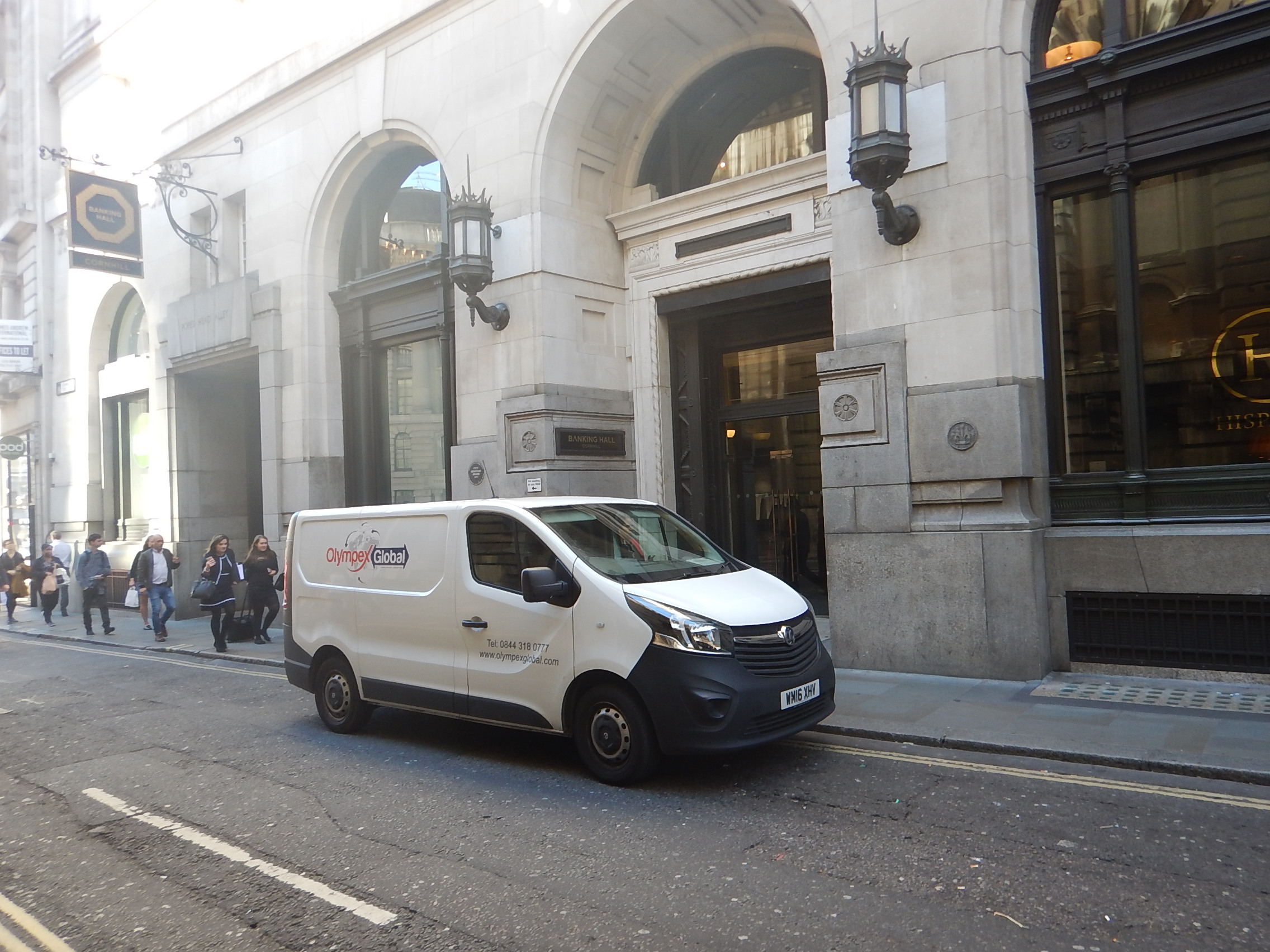
It used to lead through into the superb banking hall of Lloyds Bank.
In the early 1970s, I was doing some programming for the bank as a consultant to a company called Time Sharing Ltd.
The purpose of the software was to take the banks costs and expenses and calculate how much each of the various actions cost the Bank, by branch,area and region.
I was working for one of the Managers; Mike Spicer, who worked under the Chief Management Accountant; C. R. C. Wesson, who I later knew as Bob.
I’d never met Bob and as Mike was away, Bob phoned me up one morning and asked me to run the software, as they’d just uploaded a new batch of data.
I duly did this from home, and checked that it had run successfully after cycling to Time Sharing at Great Portland Street. They then asked, if I could take the results to the Bank on my way home to the Barbican.
I was worried that I was not dressed for visiting the Head Office of one of the UK’s big banks. I was painting our flat and wearing a pair of ice blue jeans and a short-sleeved shirt. . Luckily, I had a carrier on my bike, for the couple of inches of fan-folded green-striped print-out.
I had been told to ring the bell by the side of the door in the photograph and despite the banking hall being closed, I would be let in.
I arrived safely about six and rang the bell.
Perhaps a minute or two later, the ornate and extremely heavy door slid aside and a footman appeared, immaculately dressed in the Lloyds uniform of green tail-coat and top hat. He said. “You must be Mr. Miller!”
When I affirmed, he ushered me through and I offered him the printout. He then said, that Mr. Wesson would like to see me. I protested about my clothes, but he firmly showed me to the lift and pressed the appropriate floor. He added that Mr. Wesson would meet me at the lift.
It was the start of a very firm friendship.
Together we developed the software and produced loads of copious tables and graphs.
I learned a tremendous amount from dealing with the only innovative accountant I have ever met.
A lot of his philosophy found its way into Artemis.
One thing he told is that bankers when given a table of figures, always add them up to make sure there are no mistakes.
So I developed a technique in the Lloyds Bank software, where if money was allocated between various rows in a table, the total was always correct. If you round each row, this isn’t always the case.
I used this technique in the aggregation of resources and costs in Artemis.
Sadly, Bob died of I think cancer, a few years later!
I owe him a great debt!
Dwelling On Loneliness
I do think that people will admit that my life can be rather lonely.
Although, as someone, who has often worked alone in his life, my state is little different to where I have been before.
As a child, I used to spend hours with my Meccano or just with my father down at his print works in Wood Green.
I was also very much a solitary programmer for much of my working life. Or if I did work with someone, it was just with one person. The only time I really had someone to work with was when I was writing software in the few years after I’d left ICI. And that was our third son, George, who used to sit in his chair, whilst I bashed away on an old Teletype. Occasionally, he’d get taken over to Time Sharing in Great Portland Street and sometimes, the girls in the office would take him away and play with him.
I sometimes wonder what happened to all those girls; Maeve, Maggie and and the Australians; Crystal Hendricks and Marie Thorpe.
But then I’ve always discarded friends throughout my life. only a couple of my school friends are still in touch. But what happened to Sheena Findley, Susan Portch, Caroline and the other girls from my year at Minchenden? C was just as clumsy with friends, as her best friend from school, Ruth Mason, is just a name in the past. She got married and moved to Ruislip, but where is she now?
I did bump into my first girlfriend at Liverpool; Marilyn Garland, once at Swiss Cottage, a few years after leaving University. She had a baby then and is probably a granmother now.
Some of the Metier people I still know, as I must have got better at keeping in touch as I got older.
But I never really was a team player, and that has stood me in good sense, since the death of C.
I do many things I want to on my own. And in some ways, I like it that way.Although I do miss the company of a good woman. A bad one would probably be good to!
A Life Hanging Around Banking
I first worked for a bank in about 1971, as a consultant programmer on a system that worked out how much various actions cost them to do. It was a rather clever system, that took all of the bank’s costs and numbers like the number of cheques cashed and worked out for each branch how much things actually cost. The system had been designed by Bob, the bank’s Chief Management Accountant, a man with an encyclopedic knowledge of accountancy and banking, and with whom I became firm friends over the next few years. Over the time, we consumed several bottles of good wine, notably in a restaurant called Mother Bunches near St. Paul’s. Sadly, in about 1978, Bob died and I lost a good friend.I was a scruffy man in those days and one memory stands out. I was painting the flat in the Barbican and Bob phoned and asked me to run the software to calculate costs for the last quarter. It was only because his assistant was on holiday. So I cycled to Time Sharing in Gt. Portland Street and did the run. Bob then phoned me at Time Sharing and asked that I bring the results to the bank and give it to the usher at the door. But when I got to the bank it was closed and on ringing the bell, the massive bronze door opened and the usher in full morning suit and top hat, asked if I had comuter output for Bob. I said yes and he replied that Bob had asked to see me. I protested because of my appearance and I was firmly ushered inside and told to go to the fourth floor. When I met Bob for the first time in his office, I apologised for my appearance and he just smiled, took the computer output and started checking the answers. Before I returned to the Barbican, we had more than a few good glasses of wine.
Before I leave Bob and the system I programmed, I’ll put in a few observations.
- Bob always reckoned bankers were likely to be called John. A boring name for someone expected to be boring at work. Perhaps with all the banks’ problems, these days, they could improve their profile by hiring a few more Johns.
- I didn’t have any access to the banks main computer system, as I didn’t need to, but I got the impression, that they had hardly changed the design since the system had been first-written and only had a limited number of places to store information on customers. So consequently, their summary statistics on their customers wasn’t very good at all. I’d love to know, whether they are any better now.
- A lot of fundamental pieces of information on the bank’s costs were almost impossible to find. Bob had come from a major FTSE 500 company and put it down to the fact that they were a bank therefore cost control wasn’t a problem.
- A very dominant factor in the costs of a branch was property and who in particular owned the building. The bank actually owned most of the branches themselves, but where they rented a branch building costs were a lot higher.
- But the most important factor in the costs, was inevitably hanky-panky, where a manager was giving loans for sexual favours. I suppose that these days, where you never meet your bank manager has cured that problem, even if it has introduced a lot more.
- One of the design rules, Bob put into the system, actually ended up in Artemis. If say you split a sum of money into several fields in a database, then just to round the figures to the neatest penny wasn’t good enough, as although it might be correct, the pence column might not add to the original value. So any error was lost in the largest value, just as it was in Artemis. The reason was because bankers in those days, always checked the answers by adding them up and woe betide if they didn’t agree.
- It must have been a good system, as it was still running fifteen years later. Although by that time Time Sharing had long since gone, so they ran it on one of the last PDP-10s somewhere in the United States.
At the time, I was banking with Barclays and wasn’t very pleased with them. So I asked the people, who I worked with to set me up with a new branch. After all, if I was doing business with a bank, it might not be a bad idea to bank with them.
I don’t know whether it was chance or whether I was setup by the people I worked with. A few days later, I turned up in the branch of the bank by the Barbican and met David for the first time. I’d actually been working late on the bank’s cost accountancy system and I was rather surprised, that David knew about it. He did disclose that he’d been on the committee that had decided that Bob should develop the system. I remember that day, that David and I were scheduled to meet at ten and I finally got back to the flat at one.
It was the start of a life-long friendship, that only stopped on David’s death within a few days of that of my wife in 2007.
I can remember a lunch in an expensive City restaurant, where at four after a long lunch, his second-in-command came in, saying that the branch needed to be signed off. In some versions of this tale, I say that he said to his number two to forge his signature, but I suspect it was more that he should have had the right to sign-off the branch. If it was the latter, that would fit David’s character, as I know from other things he said, that he believed very much in delegation.
He also introduced me to some of his customers, who had got the Miss World-that-wasn’t, Helen Morgan to open their new shop. David kept a signed photograph of the Welsh model on his desk for many years. David never did anything inappropriate concerning the ladies during his banking career.
David got further into my business life, when we started Metier. The company needed a good bank manager and I introduced David to one of my partners. I remember we all met over lunch in the Honourable Artillery Company.
soon after, David was promoted to a bigger branch in the West End. It wasn’t a planned promotion, but one that was necessitated by an early retirement of the manager there. To say it was a mess, would be a very large understatement. But David was the sort of person, who rose to challenges using any legal method.
One thing that illustrated his competence, was when we presented him with one of the first computerised spreadsheets, the bank had ever received, he immediately passed it to his area manager on his Area Manager’s first day in the job. Many would have ducked that challenge. They used it to educate themselves, and we got the funding we needed. In fact, David told me some years later, that he reckoned we weren’t asking for enough and got the clearance for more on that very first spreadsheet.
Three Mills, Bow
In my previous post, I said things just had to get better and they did.
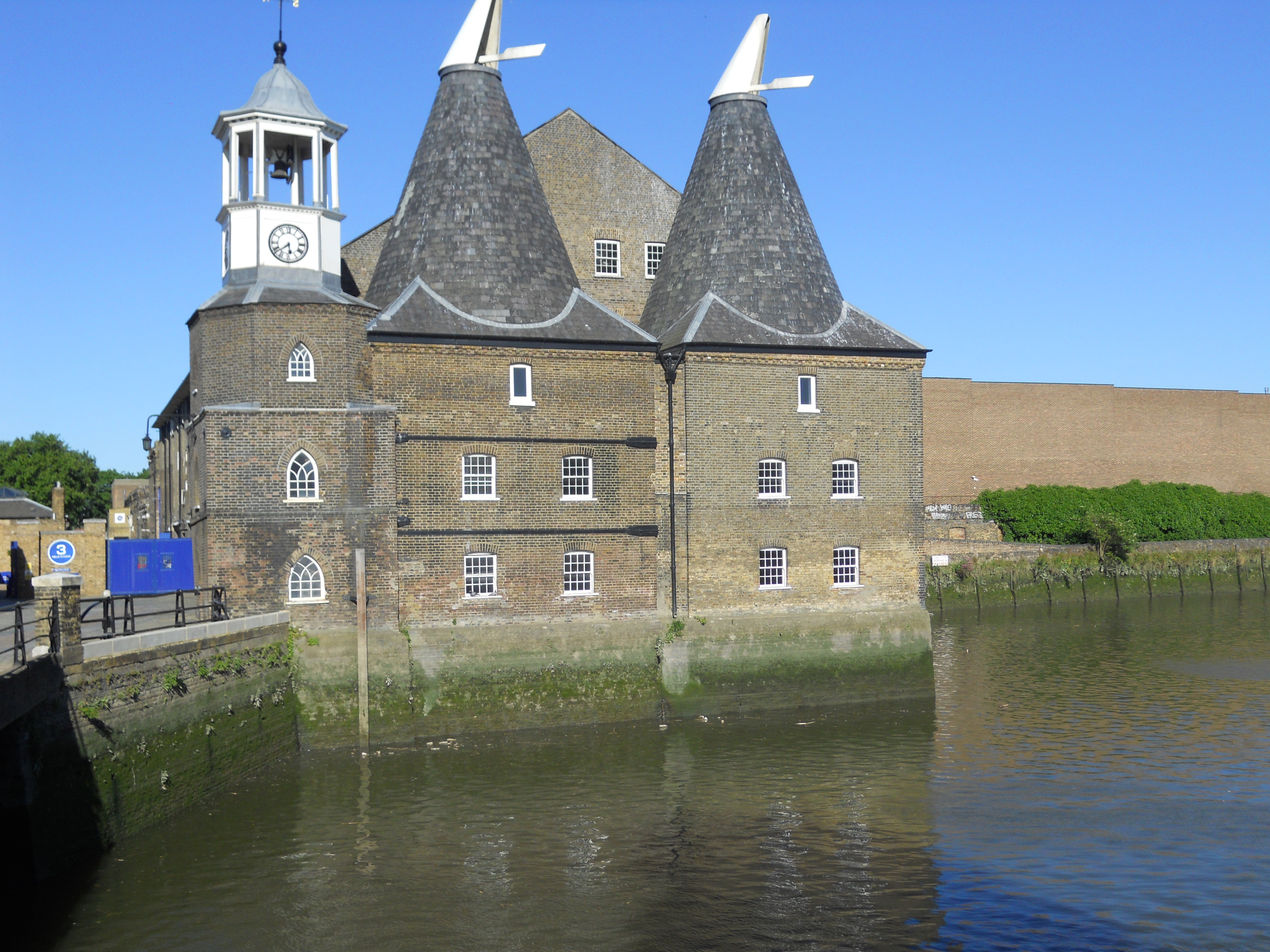
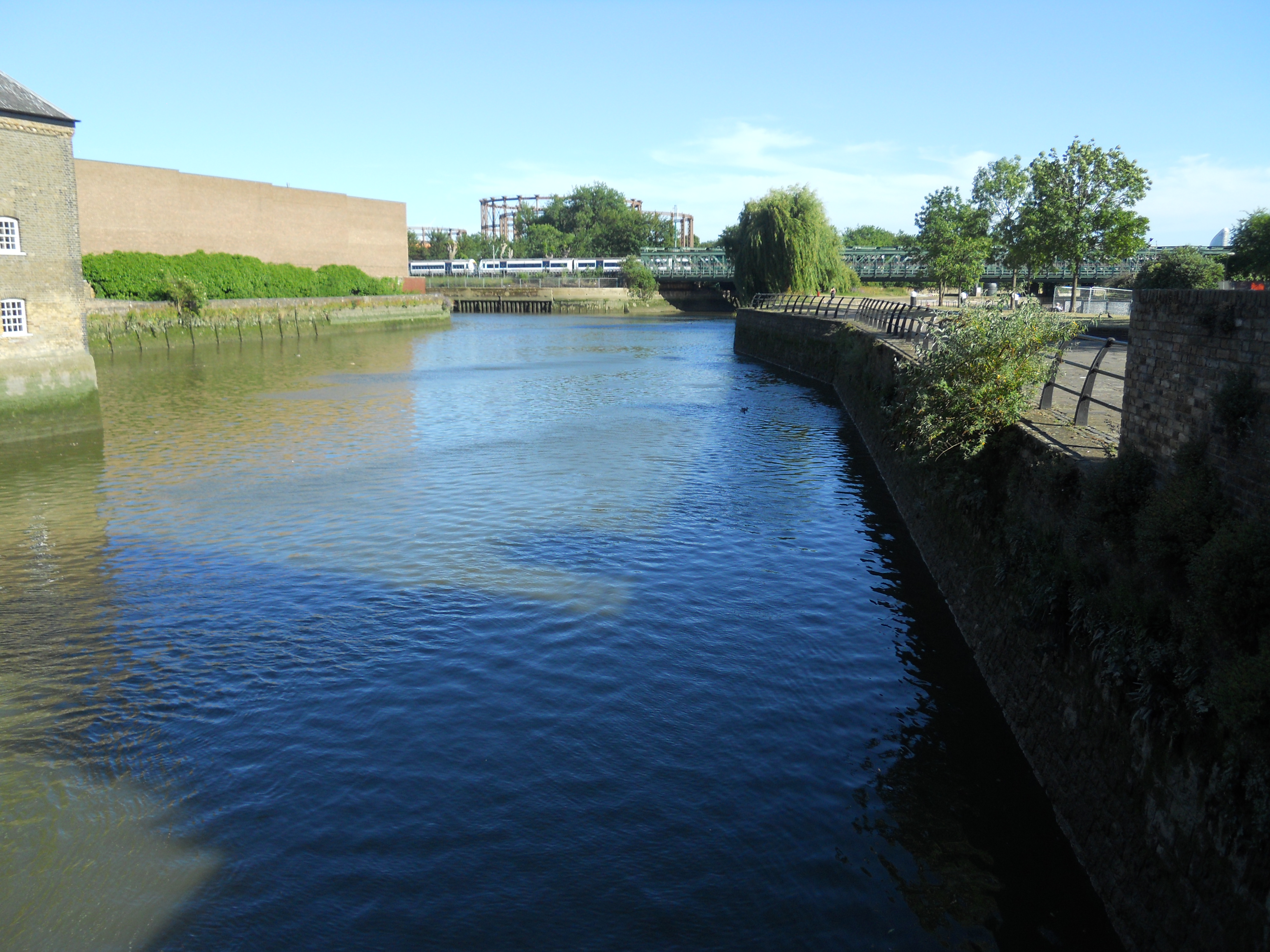
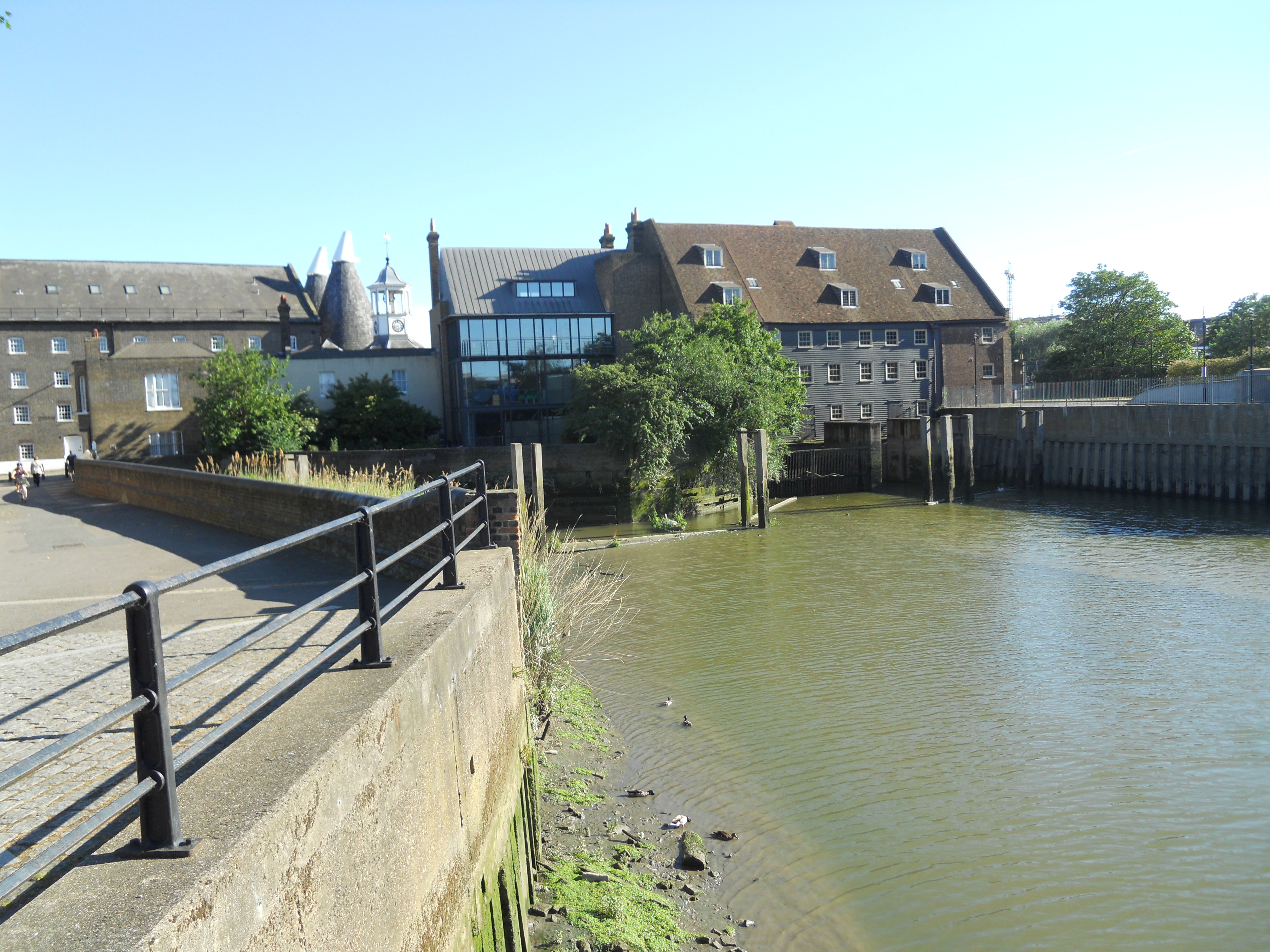
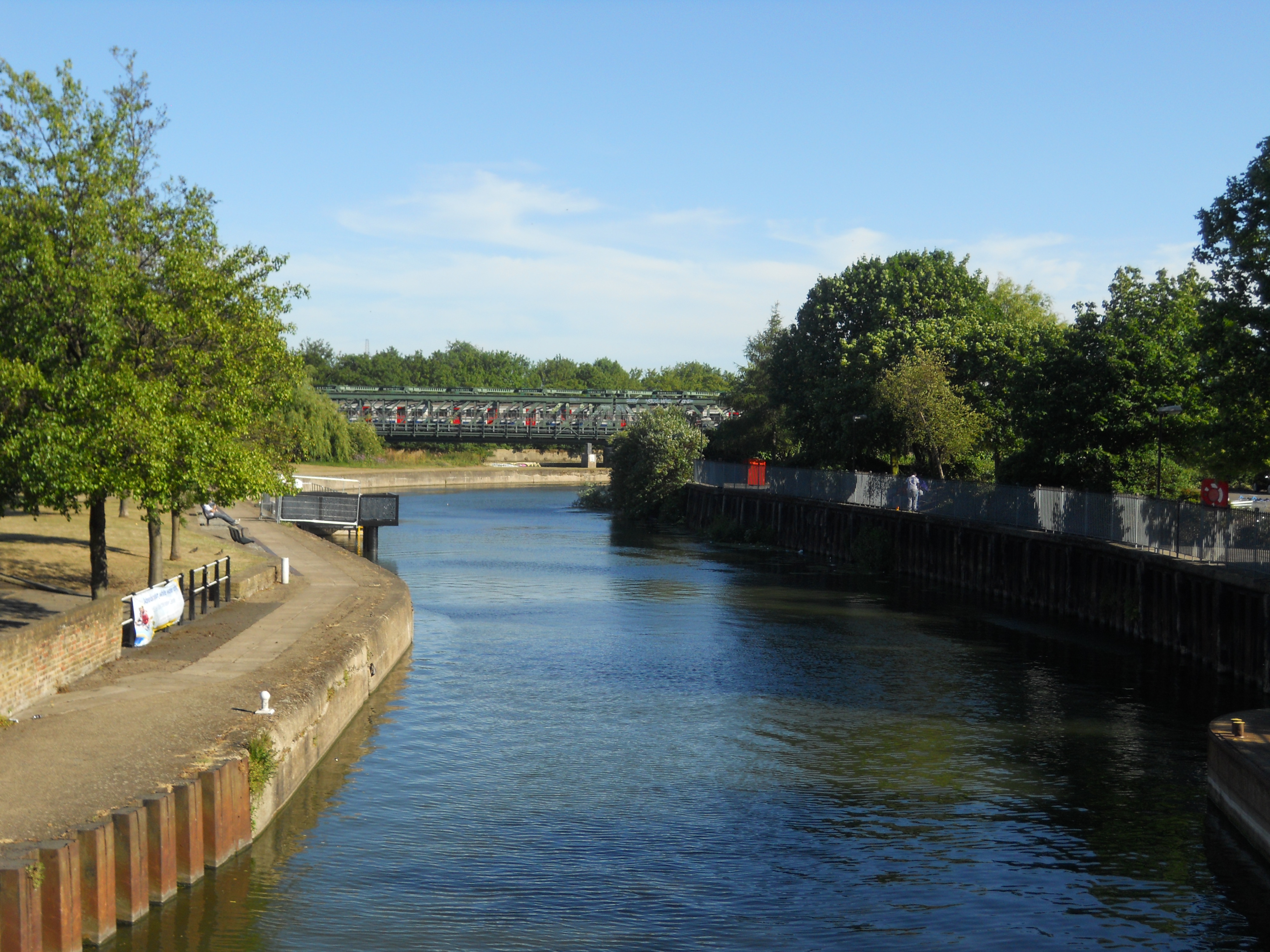
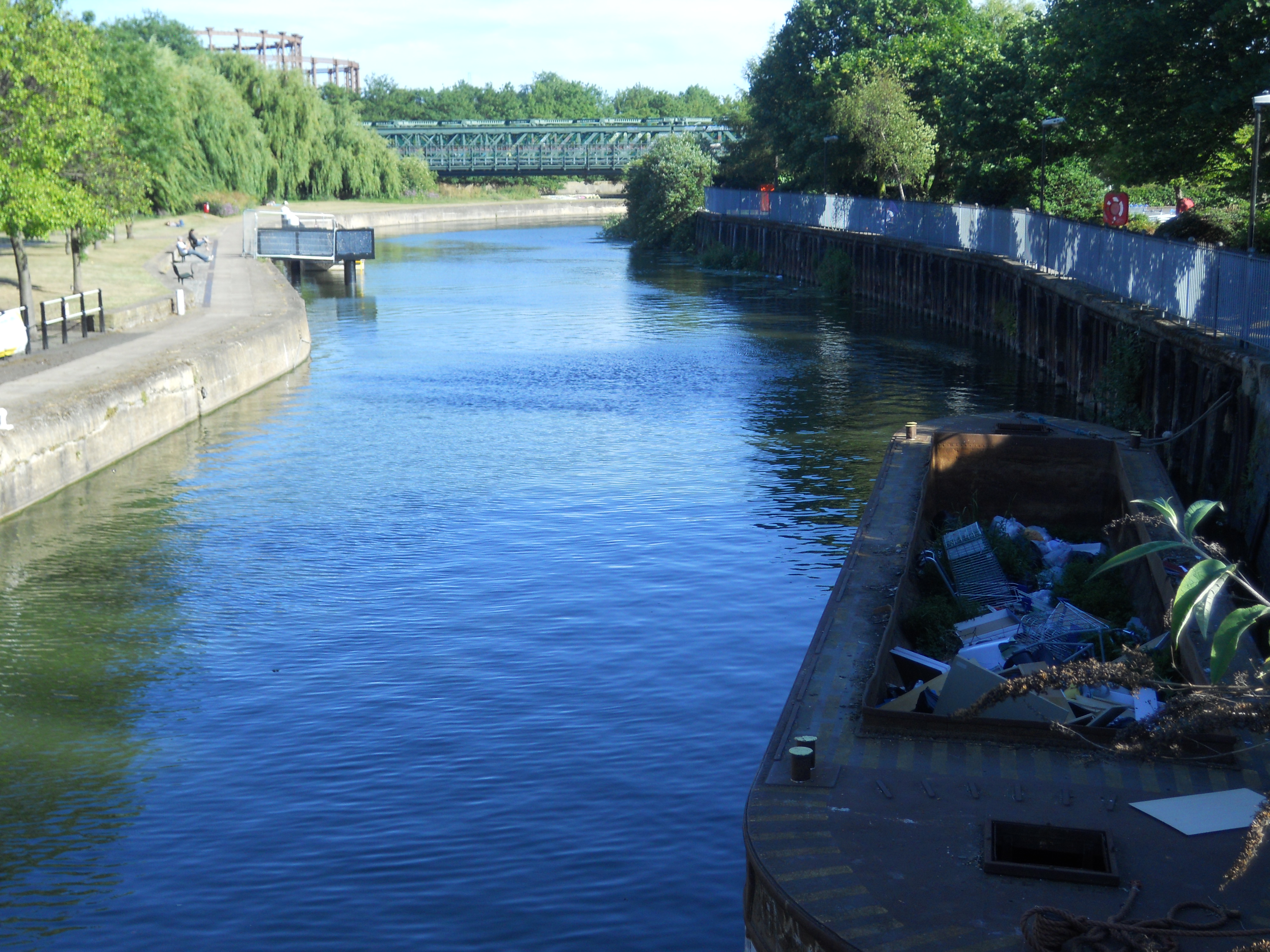
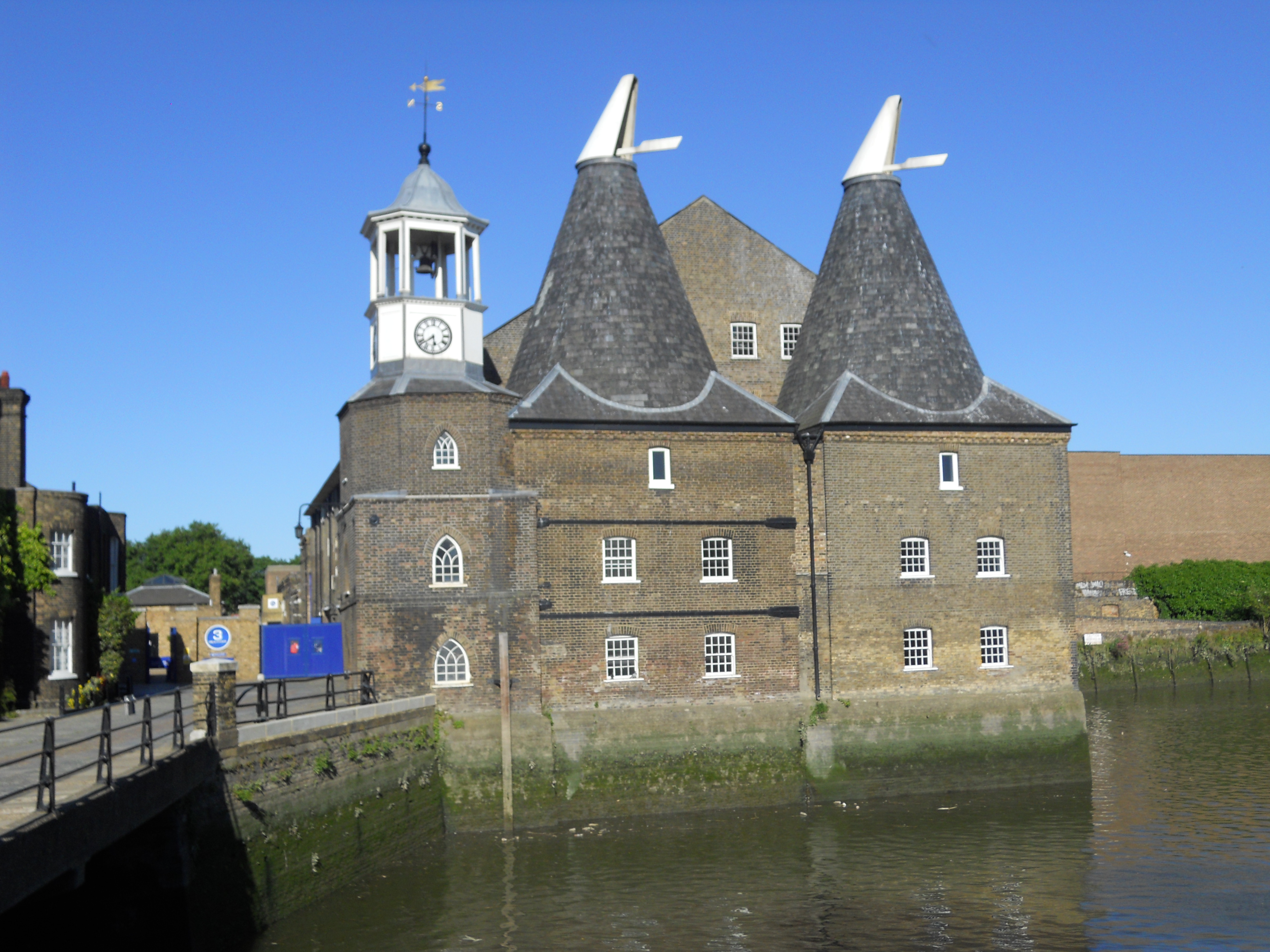
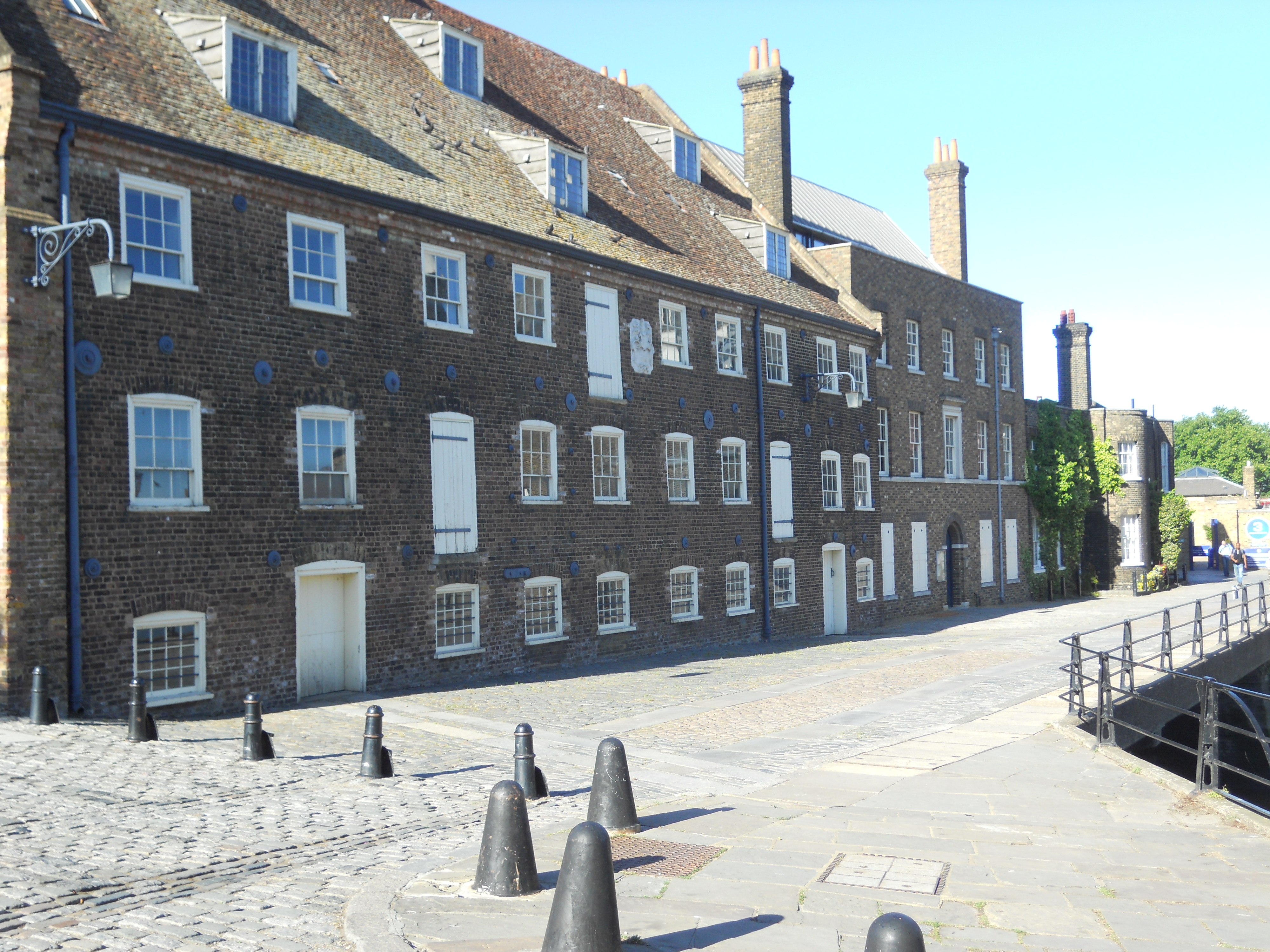
These pictures were taken in the area called Three Mills, which is now a studios.
It wasn’t what I’d expected. Especially, as one of the mills is the largest tidal mill in the world.
I have a feeling that Bass Charrington, who owned the site in the 1970s, used these buildings from where they marketed the infamous, Hirondelle wine. It was a success and the company was a customer of Time Sharing Ltd.
The Masons Arms
This pub in Devonshire Street played a major part in my life in the 1970s.
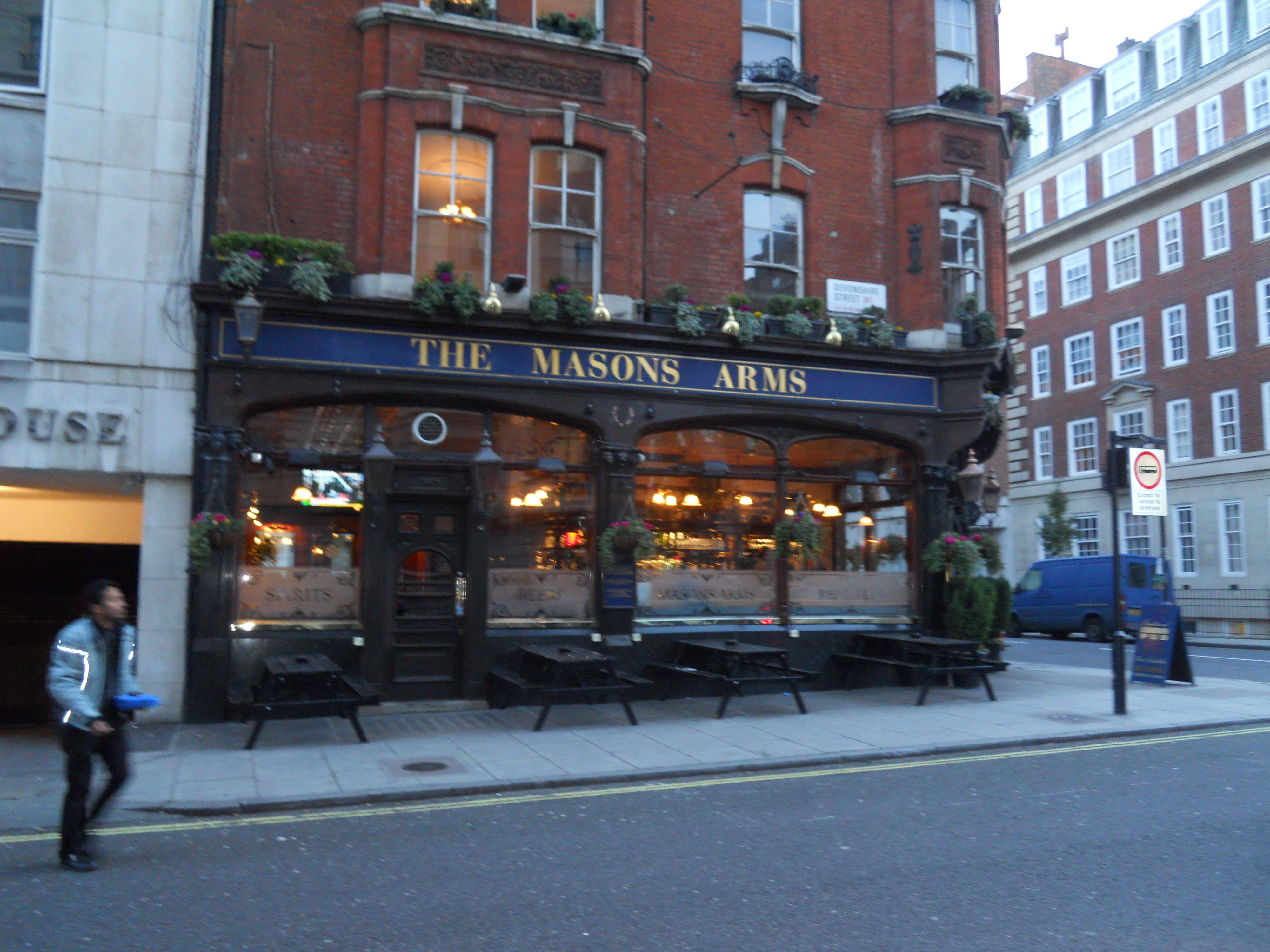
The Masons Arms
It was just round the corner from the offices of Time Sharing Ltd., the company we were all associated with in the early 1970s, so often if you needed anyone they were drinking in the Masons, as it was always called. One of our staff, who later joined Metier, even developed a long-term relationship with the landlord, which still flourishes today.
But it’s not just me, that has pleasant memories of the pub One of my friends, who sadly died a few years ago, had a part-time job in the pub, whilst he worked for AEI. He claimed that someone from AEI New Zealand, the landlord of the Mason’s and himself, enjoyed themselves immensely on a spree in London. Now this was after AEI had been taken over by GEC and all expenses had to be approved by Arnold Weinstock‘s office. It was queried by asking who they had taken out for the evening. The reply was that it was the New Zealand High Commissioner. And to prove it he gave the office, the personal telephone number of the Commissioner. The expenses were paid.
Business is very different these days, but I’ll always remember the Masons Arms with fondness.
Mount Pleasant
The largest postal site in London, if not UK is Mount Pleasant.
Years ago, when I lived in the Barbican and worked at Time Sharing in Great Portland Street, I used to cycle past the site to get between the two locations. I could never understand, why most of this valuable site is just a ground-level car-park. The site is still mainly undeveloped in an area of London, where property prices are sky-high.
If you take other large organisations, who used to have large premises of this sort in central London, they have closed and redeveloped them. As an example, a lot of London rail stations are new and spectacular, with or without offices, shops and apartments. These developments have enriched the environment and the organisations that owned the sites.
So why have Royal Mail not closed these massive sites in central London and developed perhaps four large sorting centres on the M25, with just smaller delivery offices in the centre?
It surely must be a much more efficient way of doing things. Or am I talking garbage?
The union will say I am. But then if you start with new sorting centres, you’ll probably break the power of the unions to hold everybody to ransom.
On the other hand, as mail volumes are dropping substantially, it is the management of Royal Mail’s responsibility to provide an efficient service suitable for the new circumstances.
My post is getting through, but I have a feeling that the junk mail that goes straight in the bin is not being sent. So perhaps, we’re seeing a benefit of these silly strikes.

