Hanwell Station – 28th March 2016
I took these pictures as I went over the Hanwell Viaduct and Through Hanwell station.
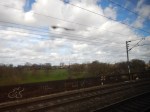
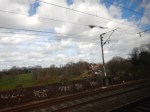
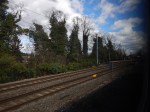
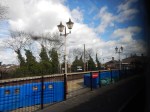
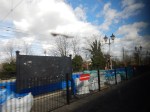
All seems to be getting ready for electric services to start in May
Hayes And Harlington Station – 28th March 2016
It would appear to my untrained eye, that most of the overhead wires needed for Crossrail are now up and ready at Hayes and Harlington station.


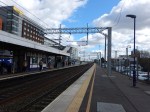

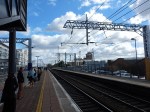
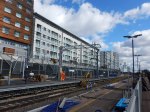



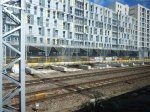

This station was originally wired some years ago for Heathrow Express, but it looks to me, that some of it has been replaced.
In the April 2015 Edition of Modern Railways, there is an article, which is entitled Operators Vying For Class 387s. This is said.
GWR is anxious to receive units so it can begin driver training ahead of introducing an electric service between Paddington and Hayes & Harlington in May. However, Govia Thameslink Railway is seeking to retain the sets for a longer period due to delays in introducing new Class 700 EMUs into passenger service as a result of a number of issues.
So as it looks that in a couple of weeks or so, the bay platform 5 at Hayes and Harlington station will be ready to run an electric service to Paddington, you can understand why GWR are anxious. After all, at least one of the Class 387 trains destined for GWR has even got the right colour doors.
If a May start is envisaged for an electric service between Paddington and Hayes and Harlington, does that mean that the days of the direct Paddington to Greenford service is numbered. Work does seem to be progressing on the bay platform at West Ealing station.
Southall Station – 28th March 2016
I took these pictures today at Southall station.
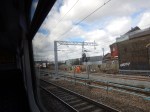
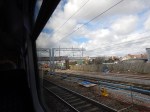


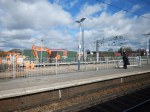
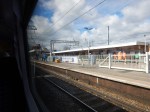


It looks like as at Hayes and Harlington station, some of the catenary has been replaced or updated.
West Ealing Station – 28th March 2016
I took these pictures as I passed through West Ealing station.
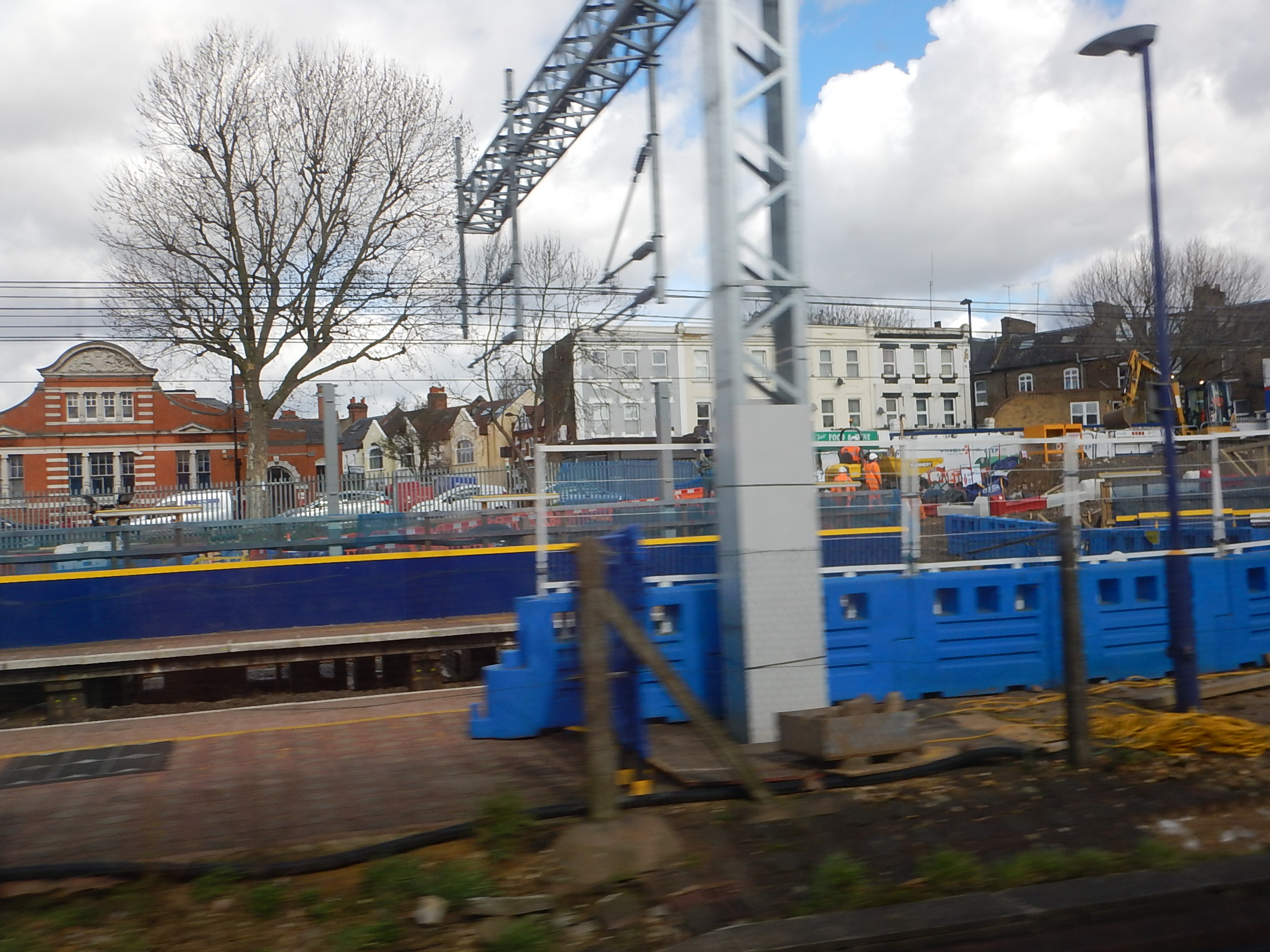

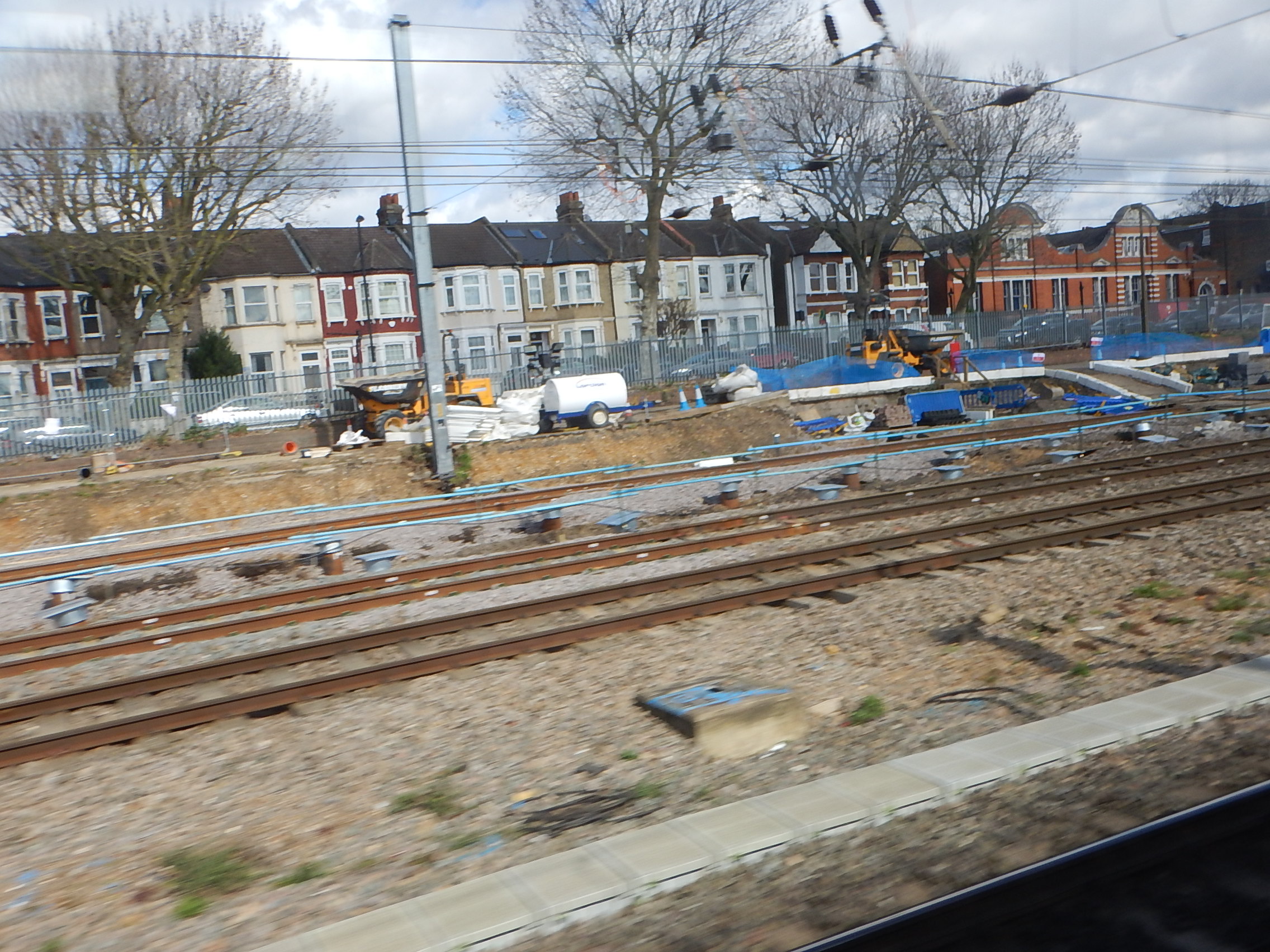
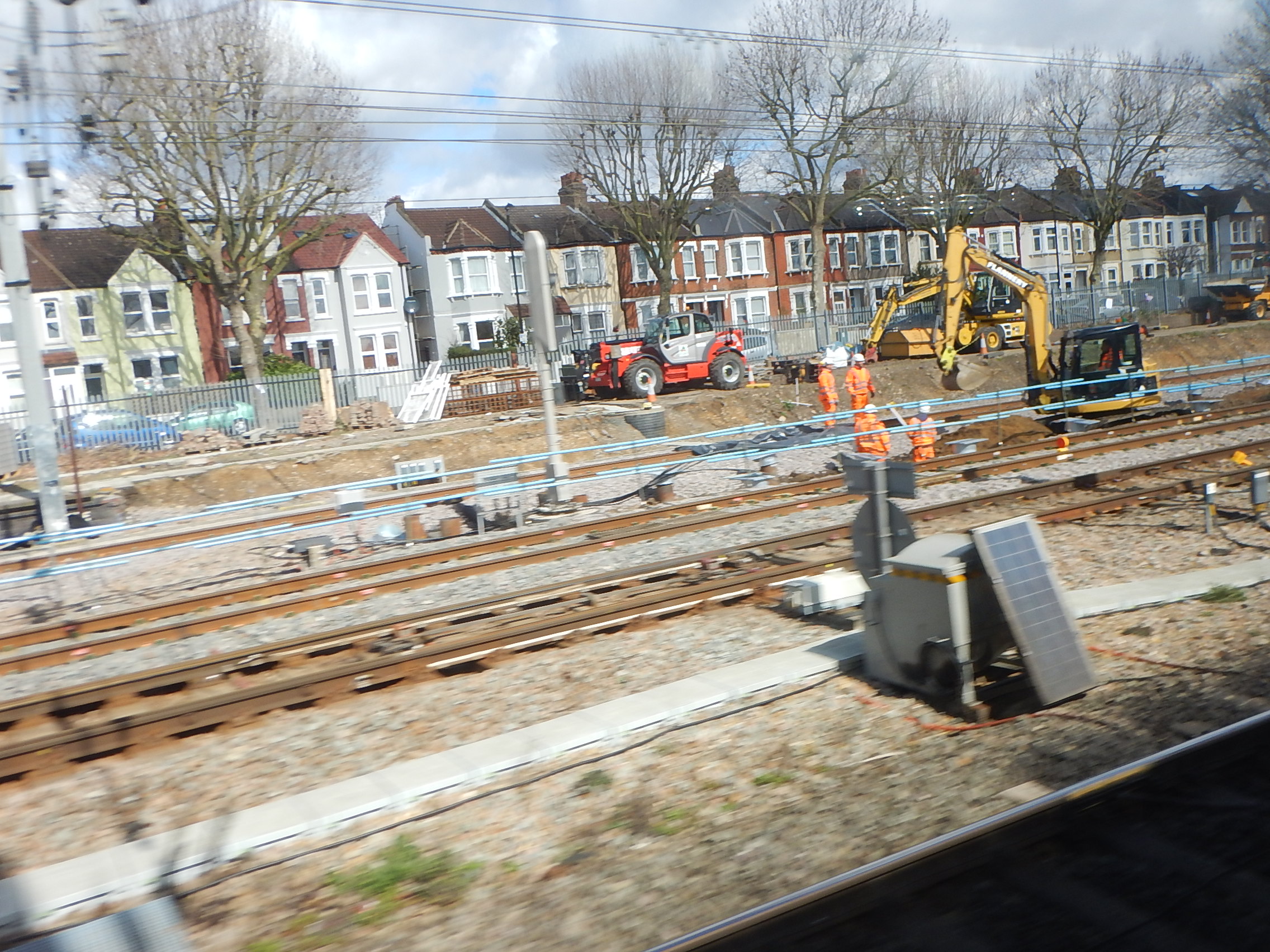
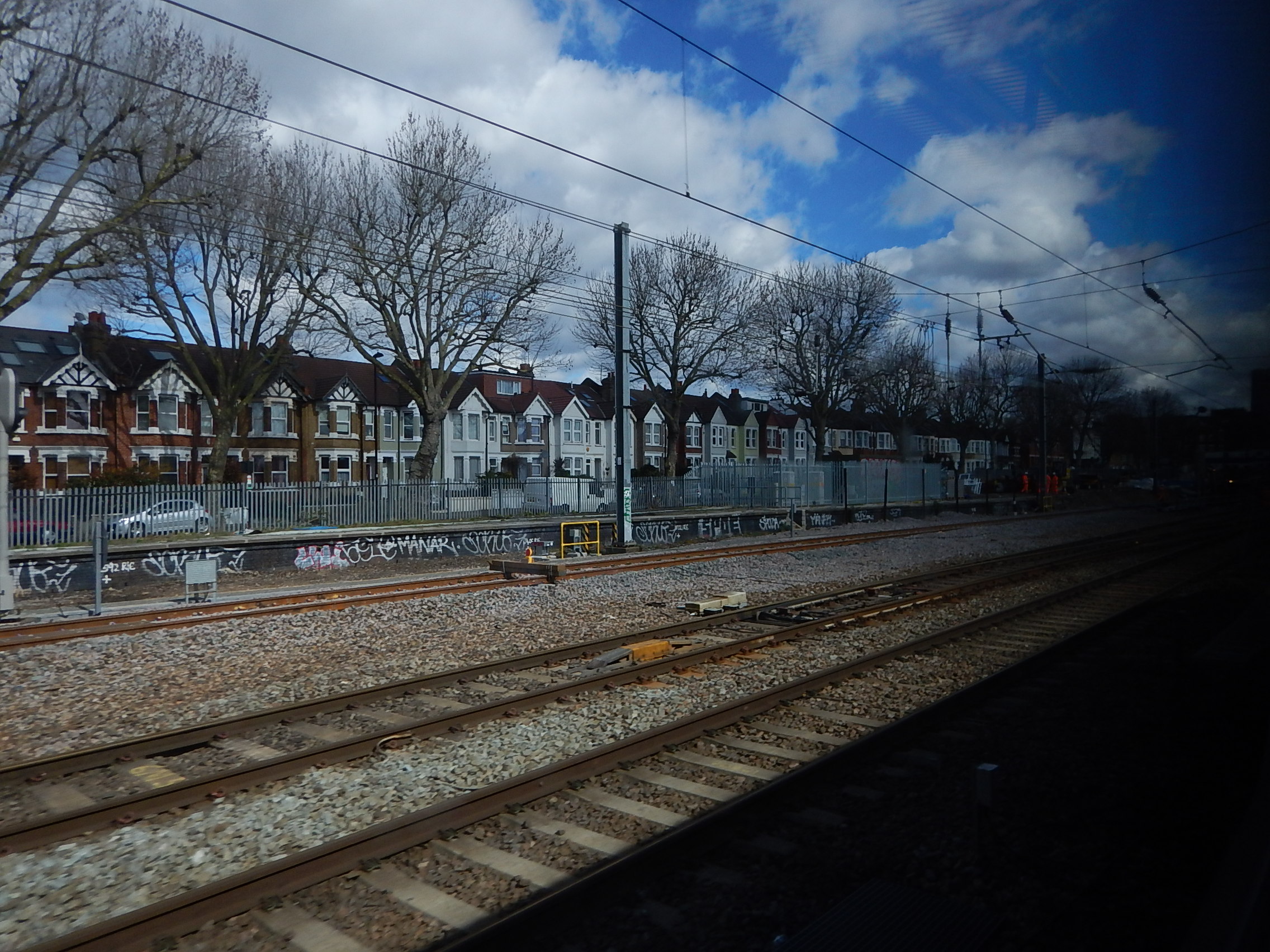
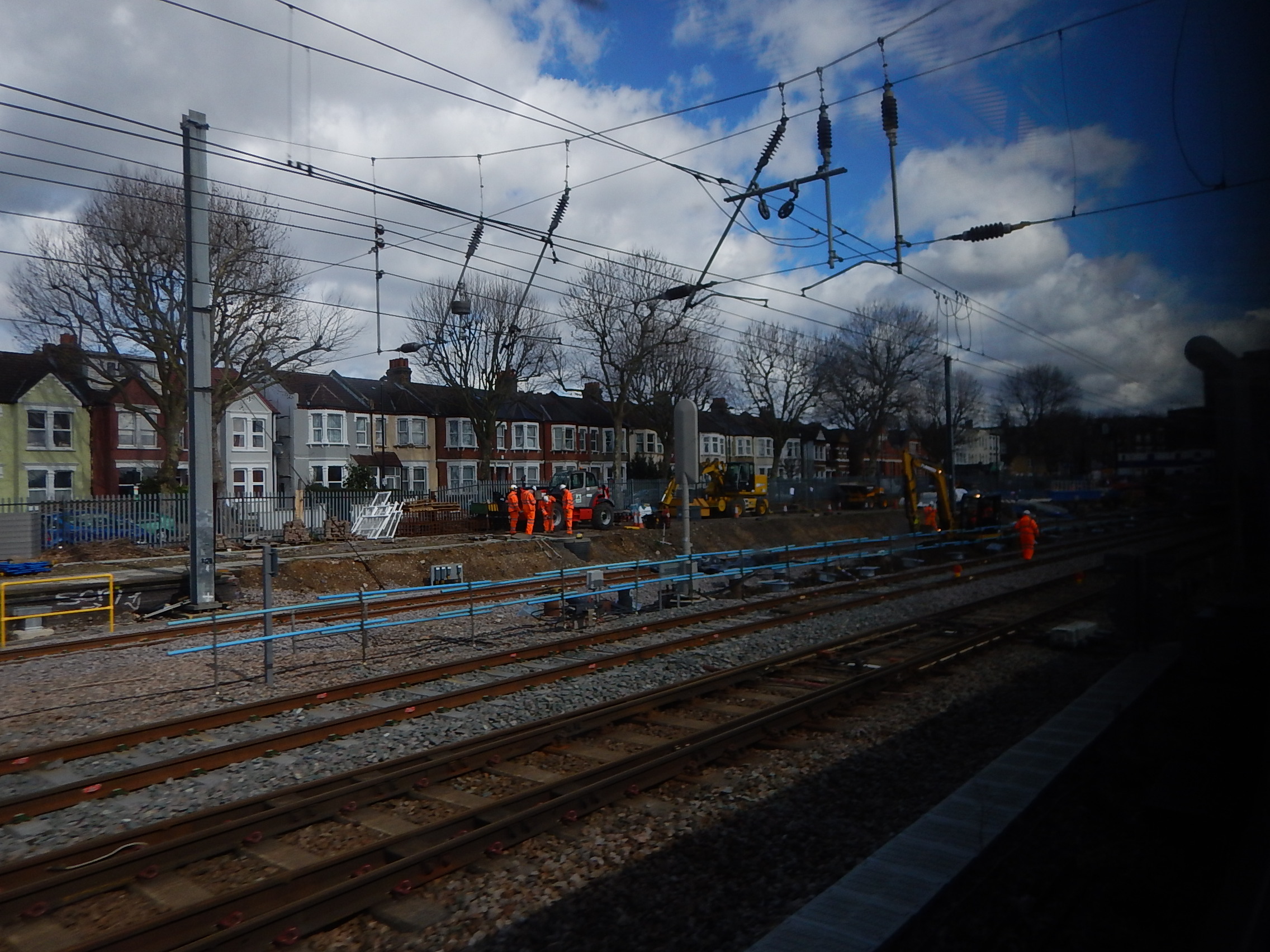
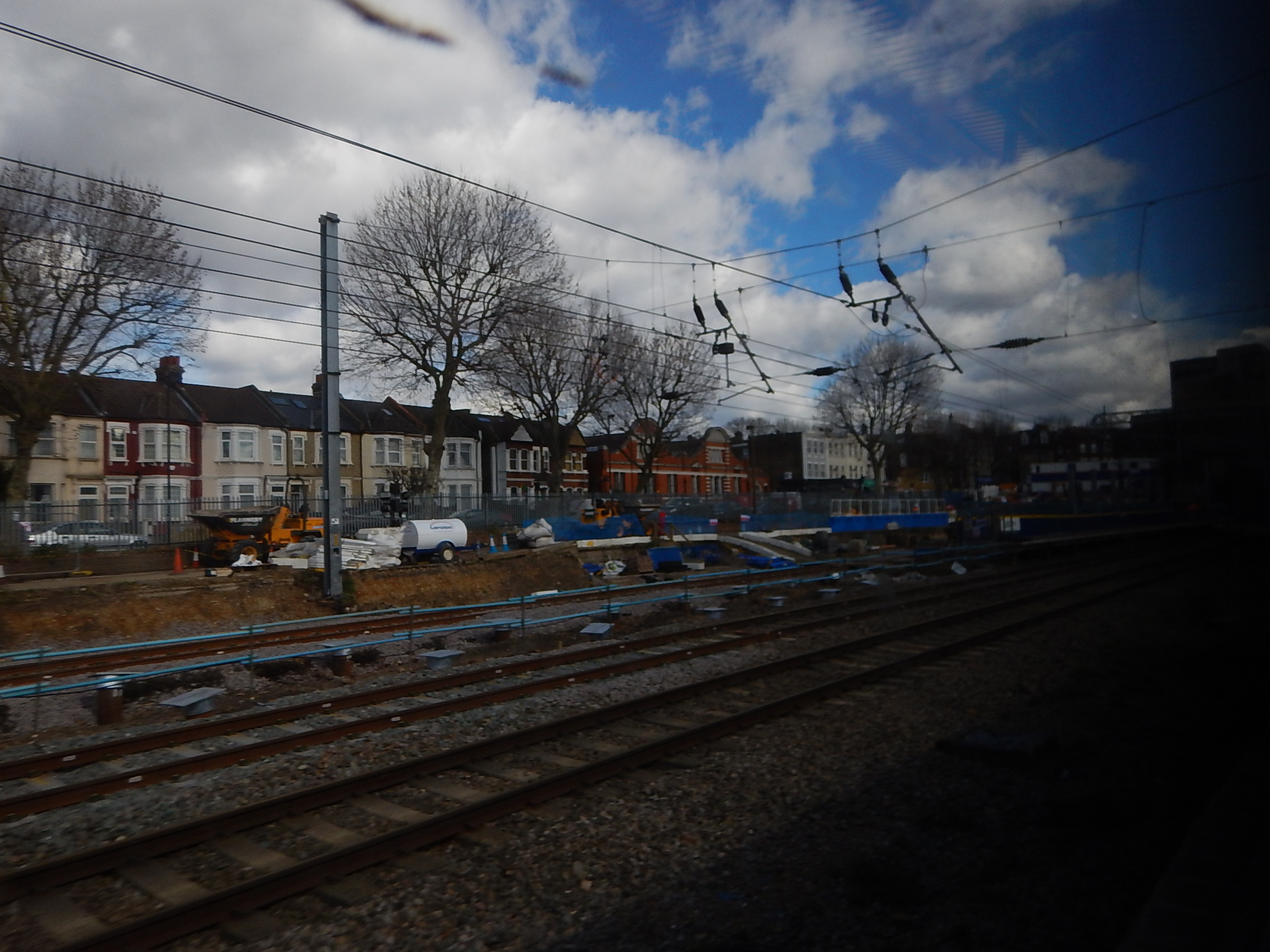
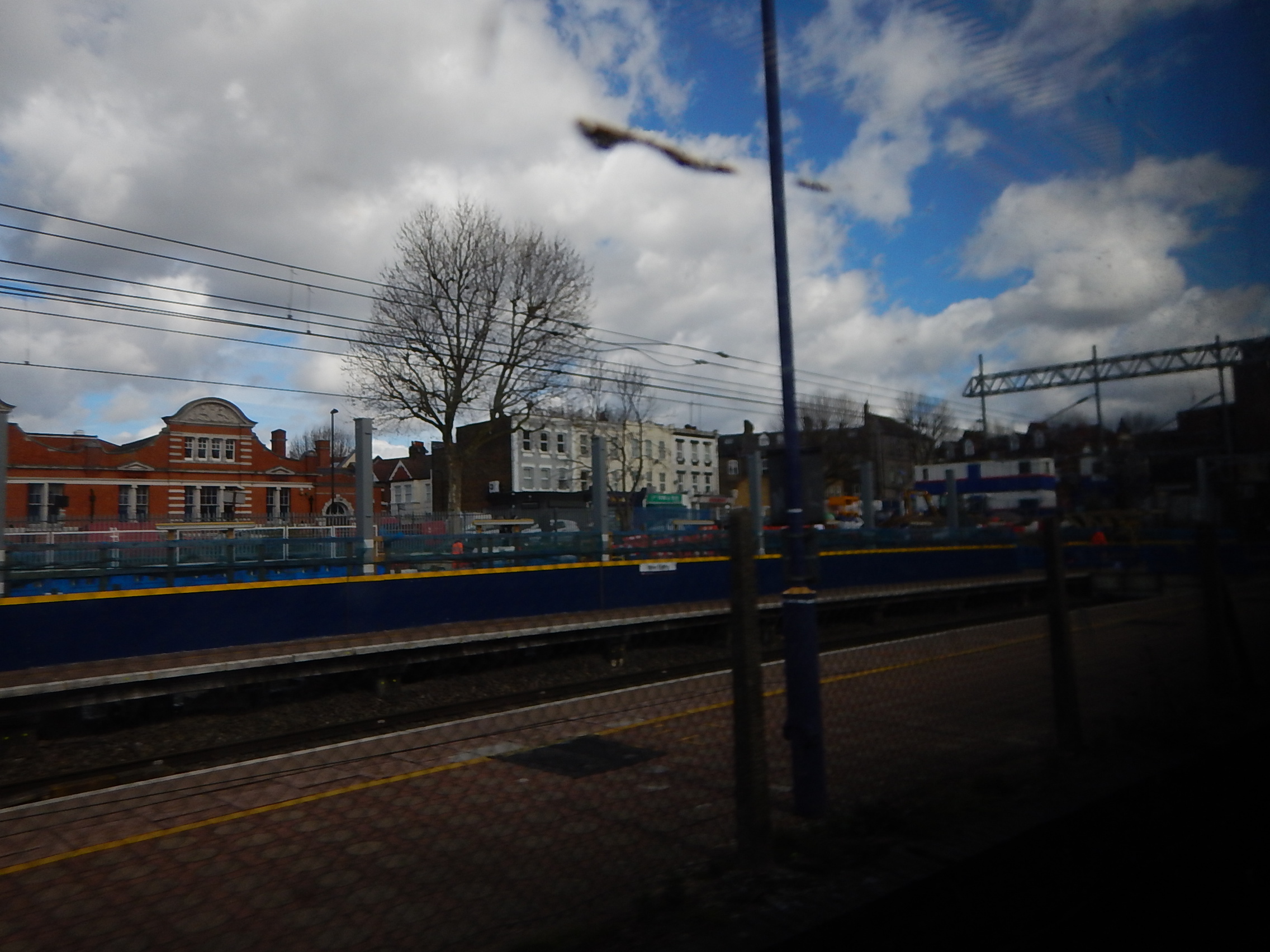
The only definite conclusion I made, was that I will have to visit to be able to make any conclusions about how the Greenford Branch will be run after it loses its direct connection to Paddington.
Wikipedia says this about how Crossrail will affect services on the Branch, in a Future section.
In 2017 Crossrail is due to begin using two of the four tracks of the Great Western Main Line and the Greenford service will terminate at West Ealing, rather than continue to Paddington, to obviate interference with Crossrail, and to create track capacity for increased services to Heathrow. In compensation the branch line service will increase from two to four trains per hour.
When this will happen, I can only guess that it will be at the same time, as electric services start between Paddington to Hayes and Harlington.
At present the trip between West Ealing and Greenford takes just seven minutes, so if one train was to work the branch, there would be no problem doing the four seven minute legs required for two trips per hour, but four trips with eight legs might be a bit tighter, especially if something delayed the train like say a party of thirty schoolchildren or a group of three or four in wheelchairs with their carers wanting to go shopping.
Given too,that a good service for passengers would probably need.
- Similar frequencies of the Paddington to Hayes and Halington service and the Greenford Branch line.
- The Greenford Branch train would probably arrive at West Ealing a few minutes before a train to Paddington.
- The train from Paddington would probably arrive at West Ealing a few minutes before the Greenford train left.
In my view good connections are essential, as a lot of people will not be pleased to have lost their direct service to Paddington.
This map from carto.metro.free.fr shows the layout of the lines at West Ealing.
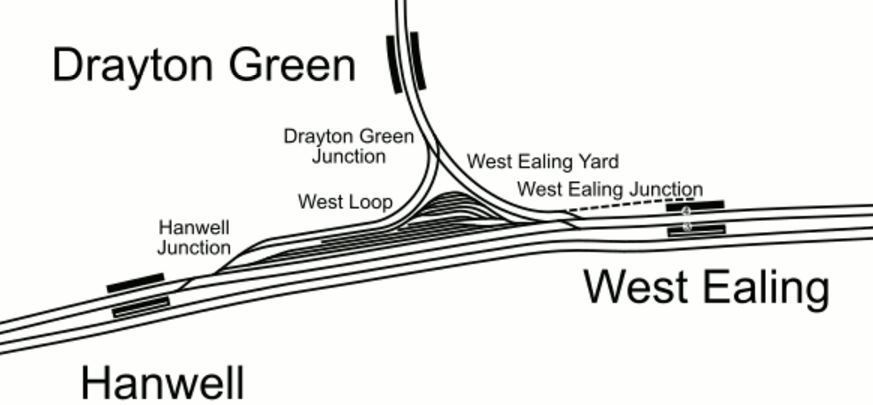
Lines At Wes tEaling
Note how there is a connection to the West.
This second map from carto.metro.free.fr shows the layout of the lines at Greenford.
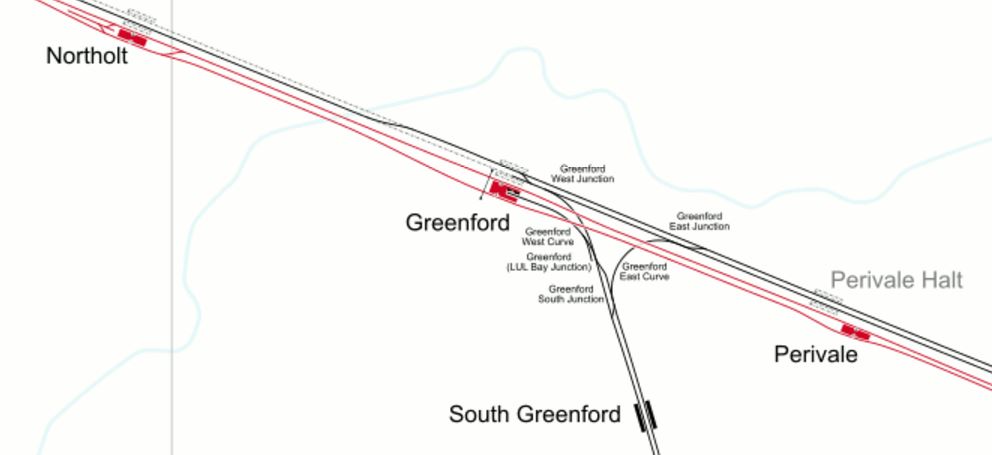
Lines At Greenford
Given that to the West of Greenford, the lines connect to Chiltern, you just wonder if someone has a plan to improve connectivity in North West London.
But the branch does have some negative factors, that mitigate against development.
- There would appear to be no suitable Southern terminal to the West of the branch.
- Three of the stations on the branch can only handle two-car trains.
- The branch is not electrified.
- The terminus at Greenford is a bay platform, squeezed in between two Underground tracks.
A lot will depend on the trains and the operators of the Greenford Branch, as to what happens.
At present, the branch is run by GWR, but there has been talk about the branch coming under control of London Overground.
GWR would probably run the line as they do now, with a two-car diesel Class 165 train.
Would London Overground run the line with a IPEMU version of their new Class 710 train, as Aventras can be fitted with on-board energy storage?
How Would IPEMUs Fit With The East West Rail Link?
I feel very much, that IPEMUs or battery trains are very much going to be a part of the UK rail network in the next few years.
When I was writing Are The TOCs Arguing Over The Class 387 Trains?, I kept coming across the Oxford end of the East West Rail Link, so I got to thinking how IPEMUs would fit in with the line.
Will the Line Be Electrified?
The Government certainly thinks so, as Wikipedia reports.
The Secretary of State for Transport, the Rt. Hon Justine Greening MP, today announced that the Western section of East West Rail (EWR) will be part of the government’s strategy for rail transport, confirming not only funding for the project but also for electrification of the Oxford to Bedford part of the route. EWR will provide an electric link between the electrified Great Western, West Coast and Midland main lines. This further investment in the project upgrades it to form a key part of the new ‘Electric Spine’ passenger and freight route between the South Coast, the East Midlands and Yorkshire
But I’m not sure.
- Will freight operators pay out for new electric locomotives or will they stick with their old noisy and smelly Class 66 locomotives? I’m afraid most will stick with what they’ve got!
- The new Class 88 electro-diesel locomotive will be delivered this year and what effects will they have on locomotive procurement?
- One of the major intersecting lines is Chiltern, which is not electrified. Will the Chiltern Line be electrified to make things easier? It could be! But I doubt it!
- After the fuss about the aesthetics of the electrification on the Great Western Main Line, that I wrote about in Aesthetic Problems With Overhead Wires On The Great Western, I have a feeling the natives might object.
- When they see the total bill for the Great Western Electrification, will the Government have second thoughts about electrification?
I think the line will eventually be electrified, but it may not be built with electrification, just as the first section between Bicester Village and Oxford Parkway stations was.
It would be built however, so that it would be easy to electrify in future.
- All over-bridges would have sufficient clearance for overhead wires.
- Space would be left for overhead gantries and other essential electrification equipment.
- Piles for gantries might even be put in.
- Everything would be properly documented.
Too many railway lines in the past were just built and assumed no improvements would ever be made.
Connection To Existing Electification
One of the most expensive items in an electrification scheme can be connecting the new wires to a suitable electricity supply.
This is why Crossrail and the Great Western Electrification share a sub-station to the West of London.
The East West Rail Link crosses a succession of lines at its Western End from Oxford to Bedford. In order from the West they are.
Only the Chiltern Main Line will not be electrified, when the Oxford to Bedford part of the link opens.
The route from Bedford to Ipswich and Norwich is not fully defined yet, but it is likely it will cross these electrified lines.
So the link, isn’t short of connectivity to electrified lines, which will help with full electrification.
The Route
This map from the East West Rail Link web site shows the route.
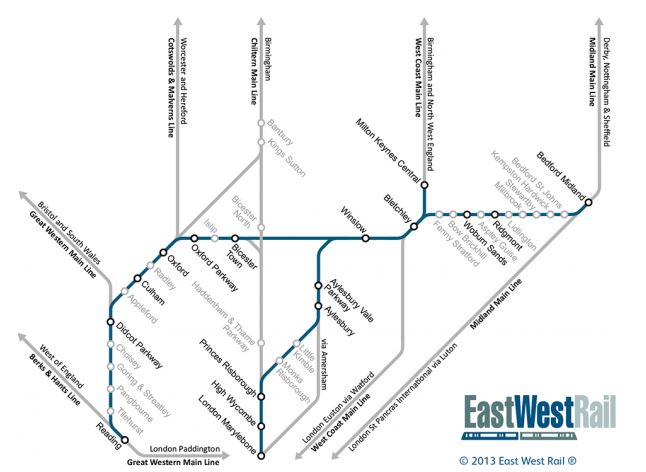
East West Rail Link
Starting from the West stations are.
- Reading on the Great Western
- Tilehurst on the Great Western
- Pangbourne on the Great Western
- Goring and Streatley on the Great Western
- Cholsey on the Great Western
- Didcot Parkway on the Great Western
- Appleford on the Cherwell Valley Line
- Culham on the Cherwell Valley Line
- Radley on the Cherwell Valley Line
- Oxford on the Cherwell Valley Line
- Oxford Parkway
- Islip
- Bicester Village
- Winslow
- Bletchley on the West Coast Main Line
- Milton Keynes Central on the West Coast Main Line
- Fenny Stratford on the Marston Vale Line
- Bow Brickhill on the Marston Vale Line
- Woburn Sands on the Marston Vale Line
- Apsley Guise on the Marston Vale Line
- Ridgmont on the Marston Vale Line
- Lidlington on the Marston Vale Line
- Millbrook on the Marston Vale Line
- Stewartby on the Marston Vale Line
- Kempston Hardwick on the Marston Vale Line
- Bedford St. Johns on the Marston Vale Line
- Bedford on the Midland Main Line
It’s quite a few stations, many of which are simple affairs in rural locations.
IPEMUs And The East West Rail Link
Proposed services when they start in 2019 will include.
- Bedford – Oxford – Reading
- Milton Keynes – Oxford – Reading
- Milton Keynes – Aylesbury – Marylebone
The first two services could be easily run by IPEMUs, but the third might need other arrangements.
According to the latest Great Western electrification schedule Oxford is not scheduled to be electrified until June 2019, so as I believe that Oxford will be reached by IPEMUs until that date, I suspect that we’ll see IPEMUs on the line, as they will be able to easily bridge the fifty mile electrification gap between Didcot on the Great Western and Bletchley on the West Coast Main Line, charging their batteries at both ends of the route.
The London to Aylesbury Line is thirty-nine miles of which sixteen miles are owned by the London Underground. Could it be if the line between Aylesbury and Winsford were to be electrified and some form of third-rail power was made available on the sixteen miles of the London Underground, that IPEMUs could work the services between Marylebone and Milton Keynes?
If they can’t, then it will be more diesels from Chiltern. But Chiltern’s ambitious nature, says they would prefer some form of electric train.
If the lines were eventually to be fully electrified, the IPEMUs would still have a valuable part to play as their self-contained regenerative braking would mean that the power supply wouldn’t have to be able to accept a return current, which lowers the cost of electrification.
Conclusions
IPEMUs will have to play some part in providing services on the East West Rail Link, because of the late running of the Great Western electrification.
Also with some selective electrification, Chiltern could use them for a service between Marylebone and Milton Keynes.
As these trains can provide a service on the whole line using existing electrification, the electrification of the East West Rail Link should be enabled but delayed to allow wires to be put up in more important places.
 The Anonymous Widower