Hertford North Station – 6th December 2023
I went to Hertford North station this morning and took these pictures.







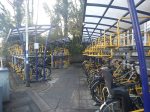










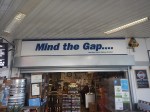








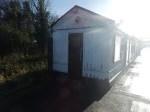
Note.
- Getting to Platform 1 is not easy.
- There would appear to be no obvious place for a lift.
- The traditional signals are still working.
- There is a cafe/shop in the station.
With some sympathetic refurbishment, it could be an excellent station.
I have some thoughts.
Digital Signalling
The digital signalling is currently being rolled out on the Northern City Line.
- The Class 717 train seemed to be running faster than I can remember.
- Had Network Rail been weeding the signals, as there only seemed to be one between each pair of stations?
- Currently, Moorgate and Welwyn Garden City takes around 50-53 minutes.
- Currently, Moorgate and Stevenage takes around 66-67 minutes.
- The average speed between Moorgate and Stevenage is only about 32 mph, which is slow for an 85 mph train.
Could the digital signalling find more time between Hertford North and Stevenage reduce the journey time to something less than an hour?
Trains For Current Schedule
I estimate that the current off-peak schedule of two trains per hour (tph) needs nine trains.
So as there are extra trains in the peak, the fleet of twenty-five Class 717 trains should be enough to be able to run the extra peak trains.
Could Four Trains Per Hour Be Run On Both Routes?
Four tph on both routes, would need something like eighteen trains, which leaves seven spare trains.
Fashion Companies Pledge To Invest In Bangladesh First Offshore Wind Project
The title of this post, is the same as that of this article on offshoreWIND.biz.
This is the sub-heading.
Fashion companies, BESTSELLER and H&M Group have pledged to invest in the first utility-scale offshore wind project off the coast of Bangladesh, which is being developed by Copenhagen Infrastructure Partners (CIP) together with local partner Summit Power.
These four paragraphs give a lot more detail.
The announcement was made Tuesday at the ongoing COP28 in Dubai.
The 500 MW offshore wind project, which is in early-stage development, could significantly increase the availability of renewable energy in one of the fashion industry’s most important manufacturing countries, said the non-profit organisation Global Fashion Agenda (GFA).
More than 70 per cent of the fashion industry’s GHG emissions come from upstream activities and current operations predominantly rely on non-renewable energy sources, such as petroleum, gas, oil, and coal, said GFA.
To ensure and accelerate decarbonisation, GFA is advocating collective investments by fashion brands in new renewable energy generation.
This would appear to be one of those circular stories, where a lot of parties benefit.
- There will be less greenhouse gas emissions from manufacturing in Bangladesh.
- Jobs will be created in the renewable energy industry in Bangladesh.
- The fashion industry gets product with a smaller carbon footprint.
- The fashion industry gets a safe investment for its spare cash, that improves their product.
It might also create an industry in Bangladesh, that makes steel structures for the world’s offshore wind industry.
But consider.
- As of June 2022, Bangladesh had 25.7 GW of electricity generation.
- Much of Bangladesh’s electricity is generated by gas.
- Bangladesh is aiming for a 7 % growth rate so will need a lot more electricity.
500 MW is literally a drop in the ocean.
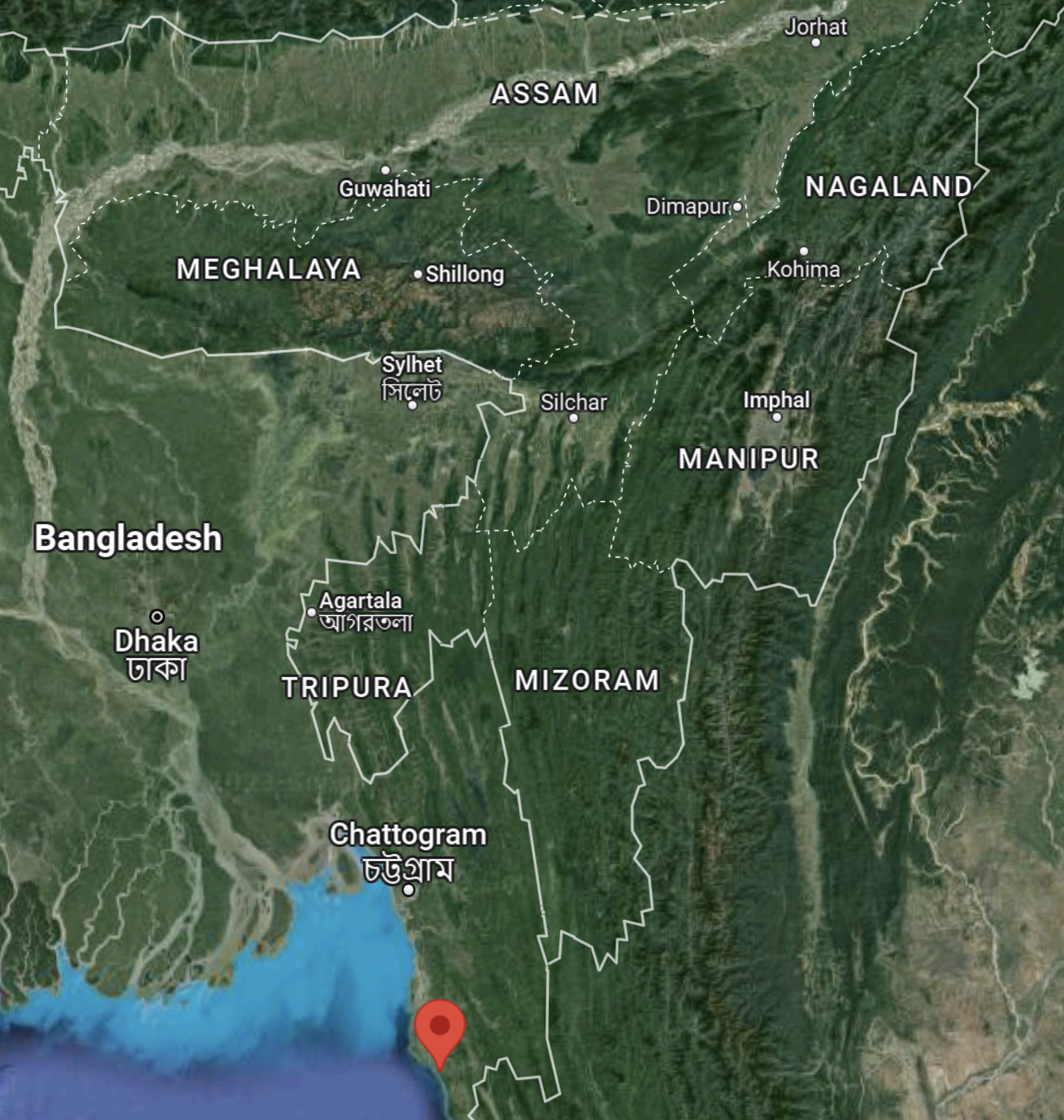
This Goggle Map shows most of Bangladesh and the location of the wind farm, by Cox’s Bazar, which is marked by a red arrow.
I shall be interesting to see how this and other similar projects develop.
 The Anonymous Widower