All T-Pylons Fully Wired Up In Major Milestone For Hinkley Connection Project
The title of this post is the same as that of this press release from National Grid.
These three bullet points are sub-headings.
- Hinkley Connection Project’s 116 T-pylons now ‘strung’ with overhead conductors
- Final conductors fixed into place on a row of T-pylons near Yatton, North Somerset
- 460km and 1,288 tonnes of power line have been installed between project’s T-pylons
Seven paragraphs of the press release go into great detail about how the cables were attached.
But I find this image from the press release, is the most interesting part.
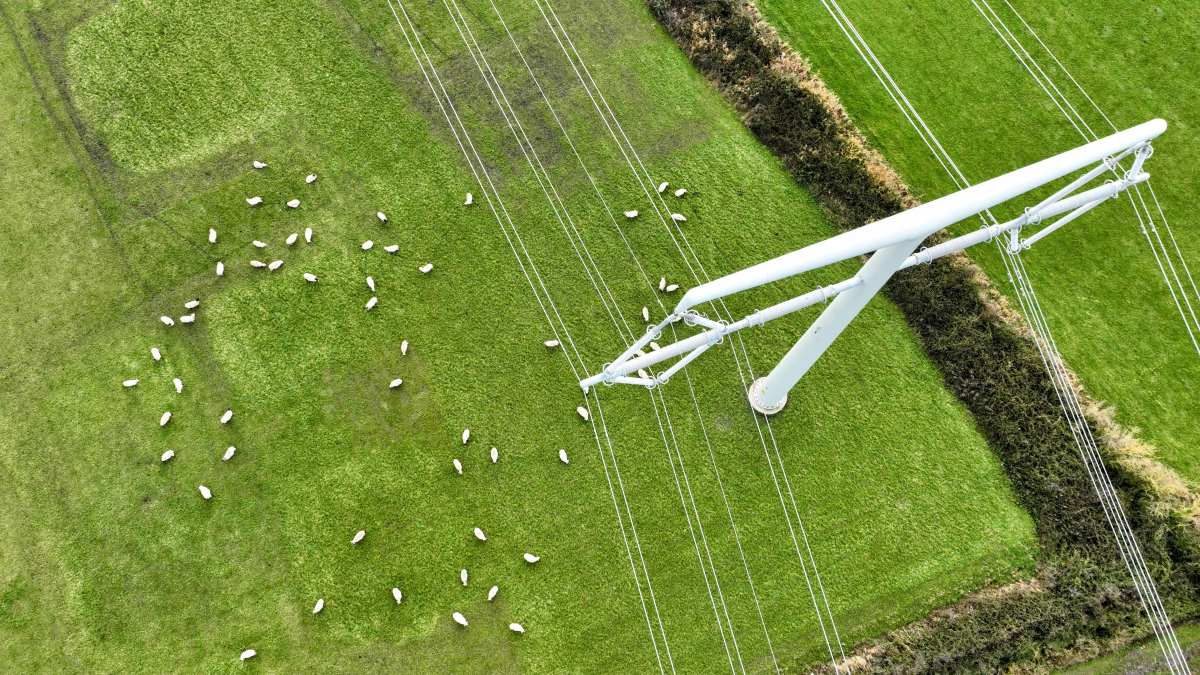
Note.
- There are six cables on each diamond earring-shaped insulator.
- There appears to be a second cross-bar between the insulators.
- The pylon has a small footprint on the ground.
- The white dots on the ground look like sheep.
- The base of the pylon, will make a good scratching post for animals, like sheep, cattle and horses.
This second picture is a profile, that I took at Yatton from a passing train.
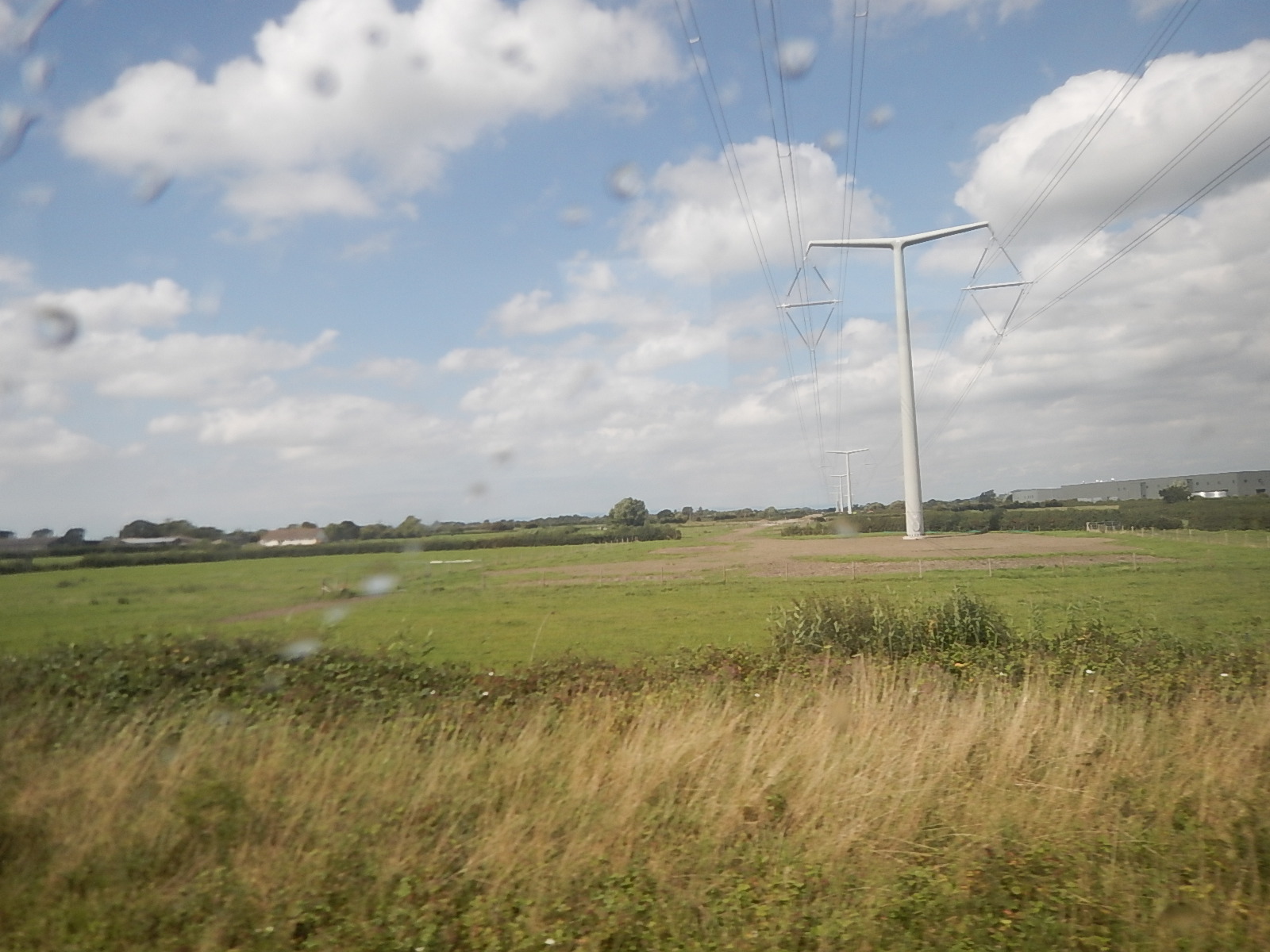
Note that the second cross-bar is not there. Is it to steady the insulators during the installation of the cables?
This picture shows some of the traditional pylons used to connect the Sizewell site to the National Grid.
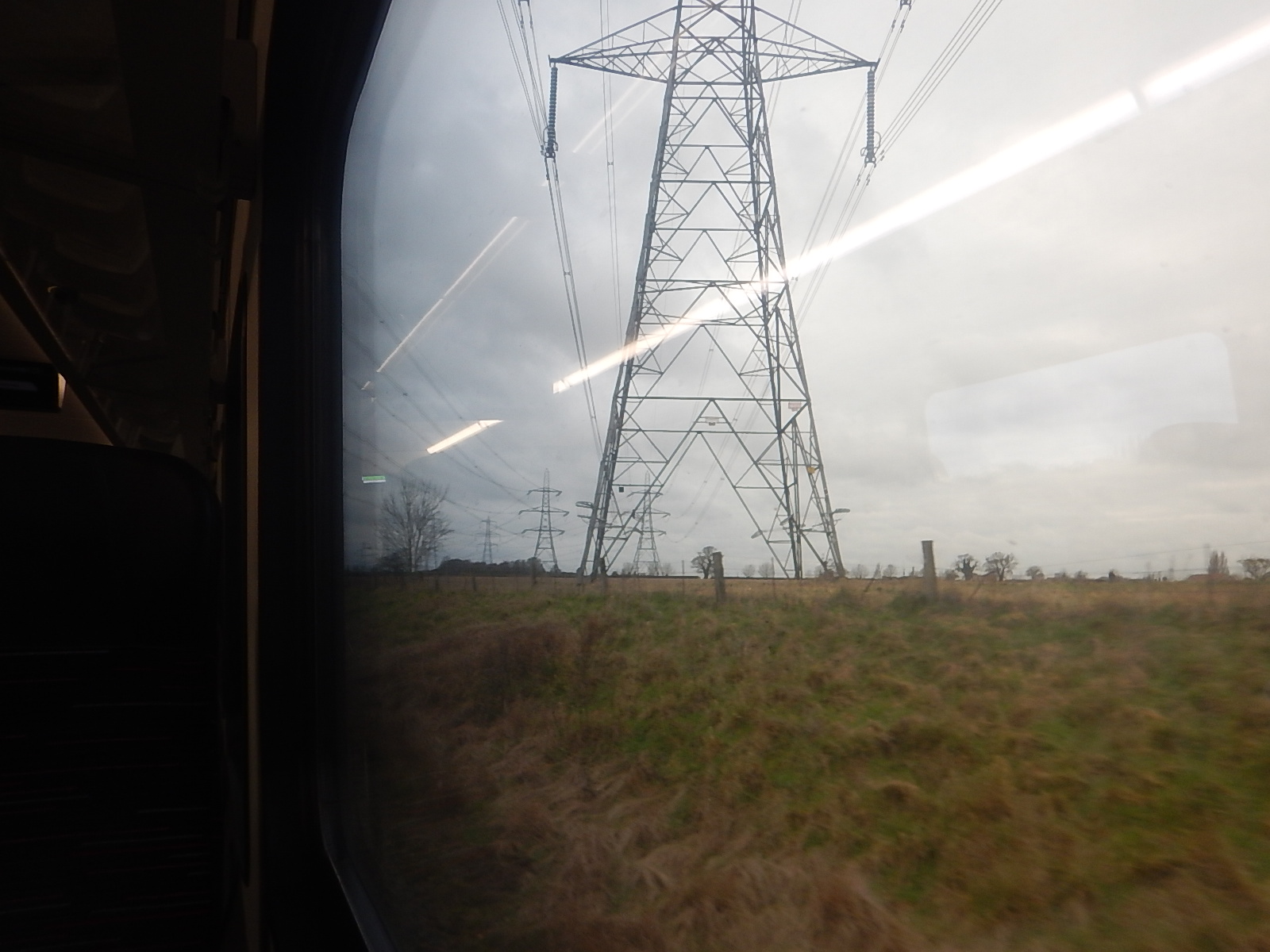
I know which ones I prefer.
National Grid Launches Viking Link, The Next Step Towards A North Sea Super-Grid
The title of this post, is the same as that of this press release from National Grid.
These four bullet points act as sub-headings.
- The £1.8bn project connecting the UK with Denmark was launched today.
- With a capacity of 1.4GW, Viking Link will be able to power up to 2.5 million UK homes and is the longest land and subsea cable in the world.
- Viking Link will deliver £5.2bn in benefits to UK consumers.
- As the UK’s first connection with renewable energy-rich Denmark, Viking Link will be instrumental in both countries achieving net zero carbon emissions.
The press release then gives all the details of the latest of National Grid’s sixth interconnector.
As a Control Engineer, I like this interconnector.
- Denmark and the UK are both importers of electricity.
- The UK has 30 GW of wind power and Denmark has 7 GW.
- The UK has almost 15 GW of solar power and Denmark has 3.5 GW.
- The UK has 6 GW of nuclear and Denmark banned nuclear in 1985.
- Both the UK and Denmark use large amounts of biomass to generate electricity.
- As the sun goes East to West, Denmark will produce its daily peak solar before the UK.
- If the prevailing winds go West to East, the UK will produce its daily peak wind before Denmark.
It looks to me that a UK-Denmark interconnector could perform a valuable job, by balancing the UK’s electricity peaks and troughs with those of Denmark.
The system could be improved in two ways.
- If Southern England has a sunny, windy day, there may be need for substantial energy storage.
- The route between the UK and Denmark could be via a large offshore wind farm in the North Sea.
Vind∅ is a proposed Danish energy island in the North Sea.
There’s more about the Viking Link on its web site.
This is the introduction on the home page.
Viking Link is a 1400 MW high voltage direct current (DC) electricity link between the British and Danish transmission systems connecting at Bicker Fen substation in Lincolnshire and Revsing substation in southern Jutland, Denmark.
The project involves the construction of converter sites and installation of onshore and offshore cable in each country. These are then connected to the substations.
Viking Link is approximately 765 km long and allows electricity to be exchanged between Great Britain and Denmark.
The interconnector enables the more effective use of renewable energy, access to sustainable electricity generation and improved security of electricity supplies. It also benefits the socio economy of both countries.
This is going to be a very valuable interconnector for the UK, Denmark and those that own it.
 The Anonymous Widower