The Southern Entrance To Tottenham Court Road Station Takes Shape
One of the consequences of the building of Crossrail has been the need to virtually completely rebuild Tottenham Court Road station. The rebuild is not small as the station is future-proofed for the building of Crossrail 2, which will also call at the station. Wikipedia says this about future developments at the station.
If the proposed Chelsea-Hackney line, now known as Crossrail 2 when built, it will have a station at Tottenham Court Road, and the development plans include facilities to take account of this. This would be the only planned interchange between Crossrail 1 and Crossrail 2. A massive boost in capacity to the existing station will be needed to host both lines. The station was safeguarded as part of the route in 1991 and 2007. Redevelopment of the station will include space for platforms on the line.
The station is being rebuilt with a large ticket hall under the forecourt of Centre Point, which has a new northern exit on the corner of Oxford Street and Tottenham Court Road. These pictures show the new southern exit for the station taking shape.

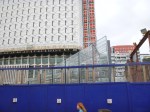


It certainly looks like it will be dramatic. This page on the Stanton Williams web site has a picture of new entrances in front of Centre Point.
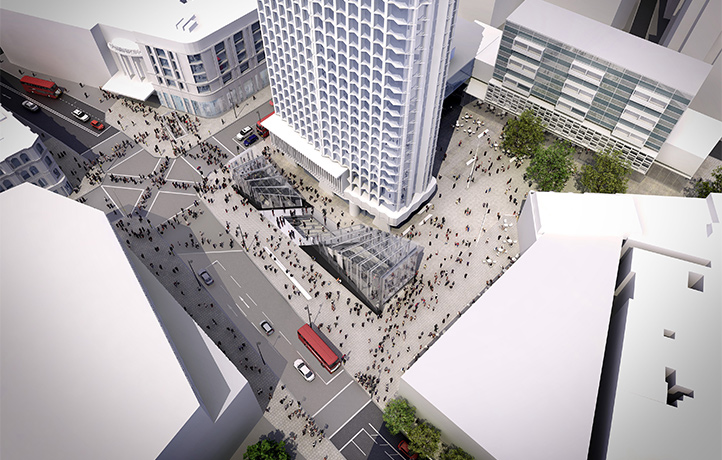
It certainly isn’t ordinary! It also looks like London is getting a new plaza.
I think the entrances open later this year, together with the reopening of the Central Line platforms. I took some of the pictures from the top deck of a 38 bus, which gives good views into the site as you go towards Islington from Piccadilly Circus.
It does look that the grubby end of Oxford Street is getting a major improvement.
They’re Just A Load Of Snobs In Chelsea
That should be the headline on this report from the Evening Standard about the posh people not wanting the plebs to go to Chelsea.
It’s the last time, I buy any of Grossman’s sauces!
Seriously though, look at this Google Map of the area from Fulham Broadway station to the possible proposed site of the station.
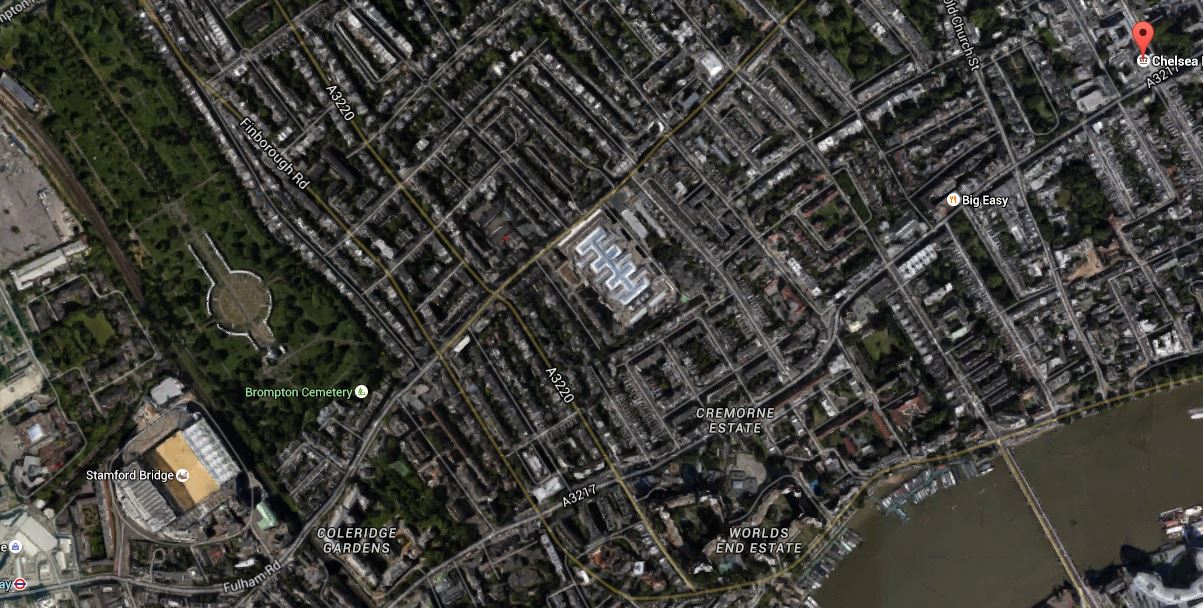
Chelsea Station And Stamford Bridge
If the new Chelsea station is where the red arrow is, it will be very convenient for going to the football. Especially for one of my mates who supports Chelsea and lives in Dalston.
But where I live, I’m close to Highbury and could walk there to see a match. The only trouble you get is a lot of traffic on match days, which is getting better year on year as the public transport improves.
I suspect that if the new Chelsea station opens, that on match days, it will actually improve the traffic in Chelsea, as more supporters will use public transport.
Those who are protesting are just a load of snobs, who would prefer to live in a gated community, where others are only let in under permit and after CRB checks!
I took a few photographs from the top of a virtually empty number 11 bus, as it progressed up the King’s Road from Fulham Broadway to Sloane Square.


It was surprisingly quiet.
Having seen the site, I suspect if they do put a station at the Chelsea Fire Station site, they’ll use the same technique as at Moor House for Crossrail.
At some point in the next few years, a developer will put up a stylish building in place of the fire station, which will have a core that will have provision for Crossrail 2 to pass through and connect up later. This later connection will be done without any action from the surface, but totally from the tunnels.
I suspect the probably bland high-rise residential property, they will get on the fire station site, will cause more degradation than Crossrail 2 ever will. Look at the monstrosity that has replaced the much-loved Middlesex Hospital.
Before Crossrail 2 – Walthamstow Wetlands
The Walthamstow Wetlands have nothing really to do with Crosrail 2, but like Meridian Water they will have connections and interactions with the railway.
So how will the wetlands interact with Crossrail 2?
This image, which I clipped from this page, shows the layout of the wetlands.
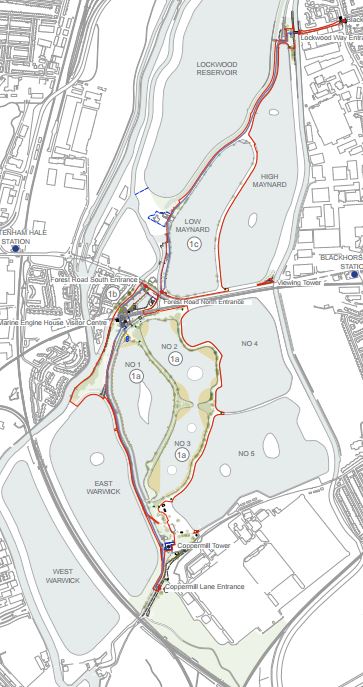
Map Of Walthamstow Wetlands
And this is a Google Map of the same area.
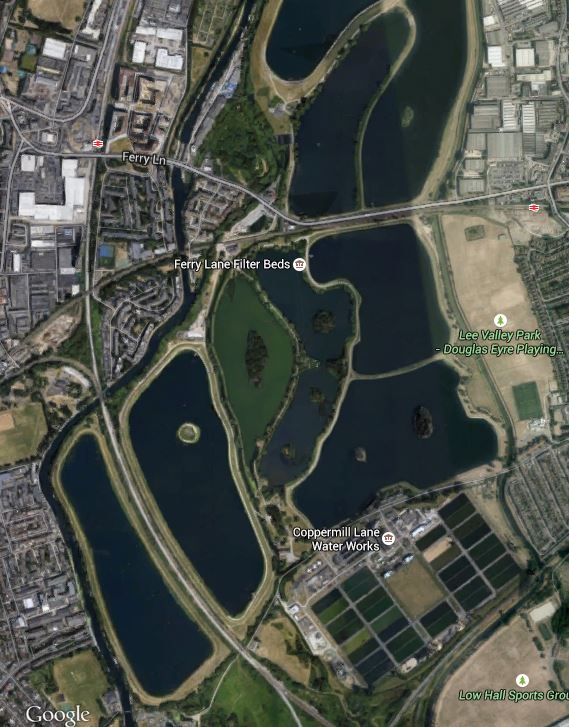
Google Map Of Walthamstow Wetlands
There are plans for entrances at Blackhorse Lane by Blackhorse Road station and at Coppermill Lane, just below the pair of Warwick reservoirs at the bottom left of the Google Map. The West Anglia Main Line runs between the reservoirs and Crossrail 2 will probably emerge from its tunnels between these reservoirs and Tottenham Hale station.
I also suspect that some means to get into the wetlands will be provided at Tottenham Hale station, That will probably be walking and bicycle routes,perhaps coupled with a shuttle bus. I do wonder whether the Gospel Oak to Barking Line, which borders the wetlands and passes just to the south of Tottenham Hale station might be brought into the mix. Nothing within the limits of sensible engineering should be ruled out.
After all Waltham Forest Council has obtained £4.4million from the Heritage Lottery Fund and that is a lot of reasons to think, that everybody wants the unique project of the Walthamstow Wetlands to be extremely successful.
Big projects work best from co-operation and not annoying the locals. Crossrail showed with the East-West line that they are masters at pulling it all together and used archaeology to get the locals enthused with the project, I suspect that they will use every opportunity to get the general public and politicians behind Crossrail 2.
I think that we will see Crossrail 2, Meridian Water and the Walthamstow Wetlands working together to develop the Lee Valley into London’s lung.
If
Before Crossrail 2 – Raynes Park
Raynes Park station will be an important station on Crossrail 2, as it will be the first station, after all the south western branches hsve joined together.
As this Google Map shows it is a station with an unusual layout.
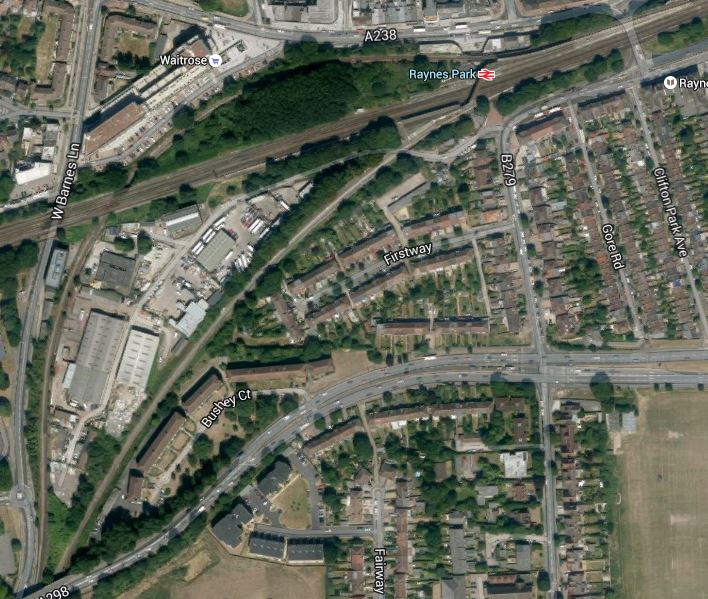
Raynes Park Station
The South Western Main Line runs through the middle of the station and there are two London-bound platforms on the north side of the main line and one platform for trains going towards Guildford via Epsom and to the Crossrail 2 destination of Chessington South and another for those going down the South Western Main Line to Surbiton and then to the Crossrail 2 destinations of Twickenham, Shepperton and Hampton Court.
There has been nothing to indicate how many trains go to each branch, but I would assume it is four trains per hour to each terminus or twenty trains per hour in total. As Crossrail and Thameslink are both planned to handle 24 tph in each direction, then this should be within the capability of the line. Currently, there are just twelve trains per hour to and from Waterloo.
These pictures show more of the unusual layout of the station.
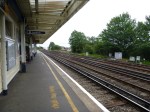
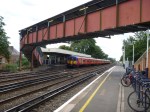
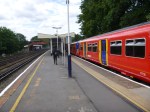

It does appear that Crossrail 2 has the capacity to handle more trains through Raynes Park, but there will have to be some rebuilding to make the station a friendly place fit all passengers and the staff that work there.
One problem that needs to be solved at Raynes Park, is what happens if a passenger comes towards London on one branch and then wants to go down another. The same problem exists on Crossrail, where say you are travelling between Canary Wharf and Gidea Park. As the Central London stations have island platforms, you just go to the most convenient station on the central tunnel, which in the example is Whitechapel, and walk across to get the first train on the required branch.
Raynes Park would be the ideal station for a change, as all branches come together here. So the pattern of lines and plstforms will probably need a substantial remodelling.
Or you could always go to Wimbledon, which is the next station towards Central London and change there.
Before Crossrail 2 – Chessington South
Chessington South station is rather an oddity, in that it wasn’t designed as a terminus, but ended up that way as the Chessington Branch was foreshortened by the Second World War and didn’t reach Leatherhead.
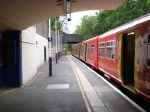


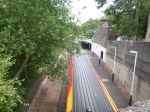
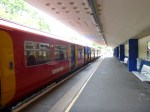
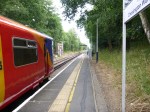

This Google Map clearly shows the abandoned line continuing southwards.
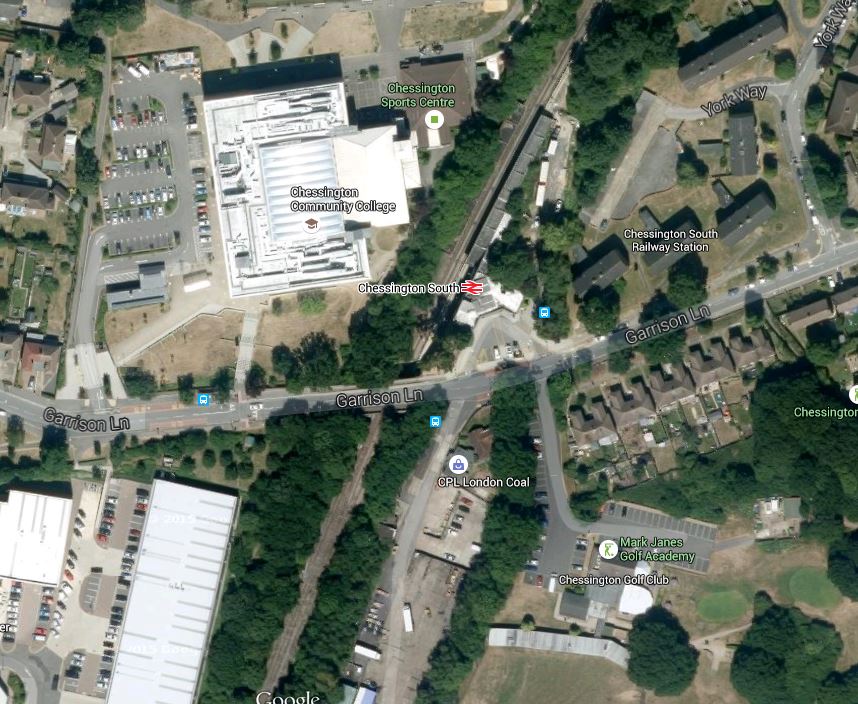
Chessington South Station
The station has an extra platform that has never been used, so at least as a Crossrail 2 terminus, it could easily have two platforms.
All of the other stations on the branch, share the same concrete Art Deco design, which could probably be easily brought up to a standard very acceptable for Crossrail 2.
I don’t get Theme Parks, as cities are reality rather than fantasy and offer so much more, but I accept that others find them enjoyable places to visit.
So look at this Google Map showing Chessington South station, the route of the unbuilt branch and Chessington World of Adventures.

Chessington South Station And Chessington World Of Adventures
If I was the Managing Director of the Theme Park, I’d be doing everything I could to get a short extension of the railway to a station alongside the park, so that I could boost the green credentials of my business and hopefully attract more punters.
Before Crossrail 2 – Motspur Park
Motspur Park station has an island layout, with all the facilities between the two lines and it is also close to a level crossing.

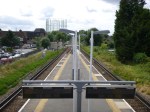
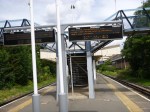
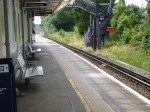
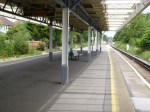
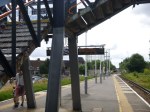
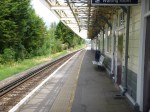
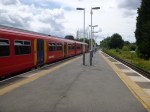
The station is also the last before the Chessington Branch splits from the line to Epsom and Guildford. So it is an easy interchange if you’re going up one branch and then down the other, as this Google Map shows.
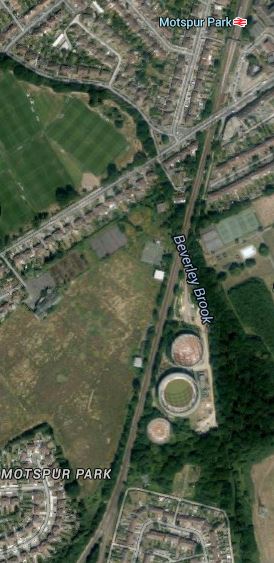
Motspur Park Station
Obviously, a new bridge with lifts could be added to this station, but I have a feeling that there might be a more imaginative design that might be better and more affordable.
Before Crossrail 2 – Worcester Park
Worcester Park station is on the proposed Epsom branch of Crossrail 2.

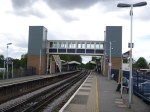
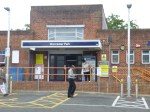


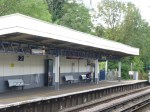
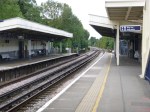
It is a station, that has recently been upgraded with a fully-accessible footbridge.
Before Crossrail 2 – Stoneleigh
Stoneleigh station is on the proposed Epsom branch of Crossrail 2.

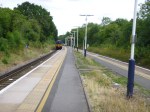
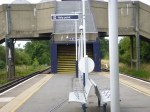

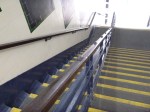
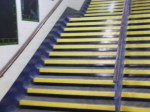


It is certainly an unusual design of station, with an absolutely hideous concrete bridge.
Before Crossrail 2 – Ewell West
Ewell West is the furthest south station on the Crossrail 2 branch to Epsom, that is still in the Freedom Pass area (Zone 6)
I took these pictures when I visited the station.

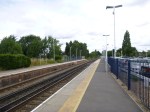


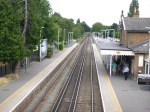

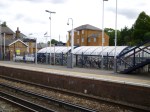
This Google Map doesn’t add much except show the car park.
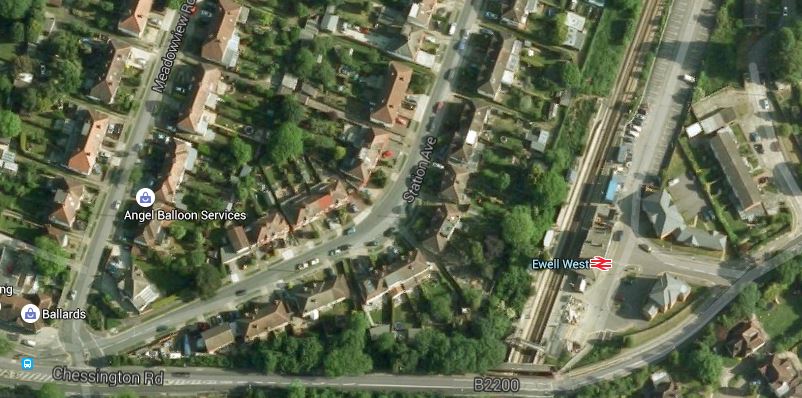
Ewell West Station
It is not a station, that needs much work for Crossrail 2 except for a modern enclosed footbridge with lifts and a refurbishment.
Whither Waterloo?
After looking at Waterloo International, I sat in a train before it left for Clapham Junction and it got me thinking about the future of Waterloo station.
It is busy as this extract from the Wikipedia entry shows.
With over 94 million passenger entries and exits between April 2011 and March 2012, Waterloo is Britain’s busiest railway station by passenger usage. The Waterloo complex is the 15th busiest passenger terminal in Europe, and the 91st busiest railway station in the world. It has more platforms and a greater floor area than any other station in the United Kingdom (though Clapham Junction, just under 4 miles (6 km) down the line, has the largest number of trains).
This Google Map shows how big and hemmed in on all sides, the station complex is.
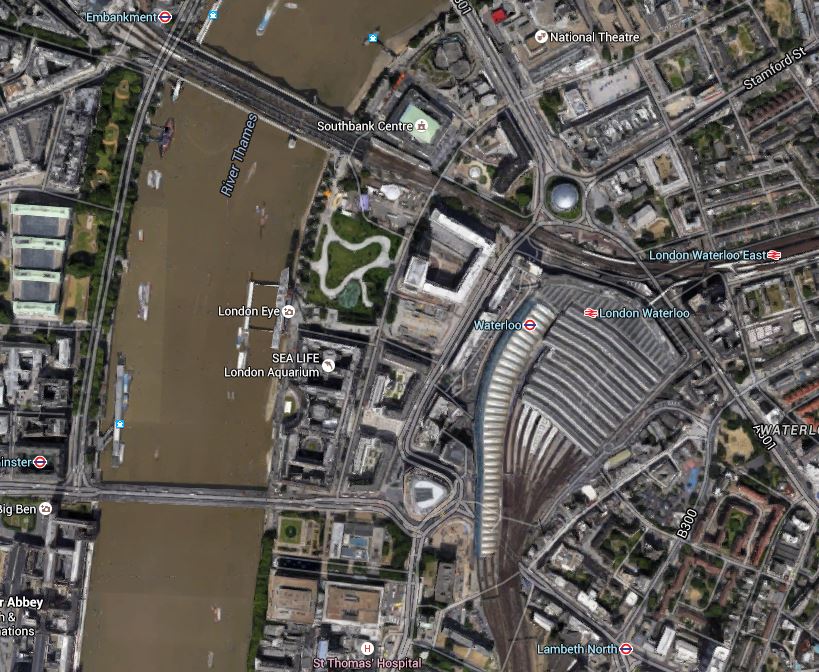
Waterloo Station
It certainly has its problems.
1. Waterloo Station Doesn’t Have Enough Capacity For Trains
South West Trains want to run ten-car trains and the platforms need to be lengthened. That project is in the pipeline, but little seems to be happening.
They also want to bring the other four Eurostar platforms into use. As these platforms were built for the very long Eurostar Class 373 ytrains, they are a complete mismatch for the typical trains that South West Trains typically run.
2. The Lines Into Waterloo Need Sorting
If you increase the trains using the station, you’ll need to increase the capacity on the lines leading into the station.
3. Waterloo Station Doesn’t Have Enough Passenger Facilities
$25million has been spent on creating a retail balcony with shops and restaurants.
But I think that even this is proving not to be sufficient at busy times!
4. The Underground And Waterloo And City Line Don’t Have Enough Capacity
Getting to Waterloo is not easy for people like me in East London and we’re not the only area of London, from where getting to Waterloo is difficult and often overcrowded.
There are two ways that Waterloo can go. Either you try and squeeze more and more trains and passengers into the existing sites or you reduce the number of both to fit the current facilities.
If Crossrail 2 is designed properly and built, it will have the following effects on Waterloo,
1. Reduce the number of trains needing to use Waterloo, by diverting trains and passengers into the tunnel at Wimbledon and then under Central London.
2. This will in turn, free up much-needed platform space and train paths.
3. As passengers will not be changing at Waterloo, but passing underneath on their way to Central London, the pressure will be taken off the station facilities.
If the Northern and Bakerloo Lines get some of proposed capacity increases, this will also take the pressure off Waterloo. But the one I’d improve would be the Waterloo and City Line and make it run 24/7.
There is also an unofficial proposal for Crossrail 3, which would link Waterloo and Euston via a tunnel.
Possibly! But let’s make full use of Thameslink, the East and West London Lines and Crossrail 2 first. I think that if we reorganise Old Oak Common and manage to get an extra track or two along the West London Line.
 The Anonymous Widower