St. James Station To Reopen
This article on the Liverpool Echo is entitled Merseyside Set To Get Two New Train Stations As Part Of Massive Transport Investment.
One of the new stations will be a reopened Liverpool St. James station, which closed in 1917.
This Google Map shows the location of the station.

In the North-East corner is Liverpool’s Anglican cathedral.
In the South-West, there is a large road junction, where Parliament Street meets St. James Place. To the South-West of this junction, there is a black hole.
This Google Map shows a close-up of the hole.
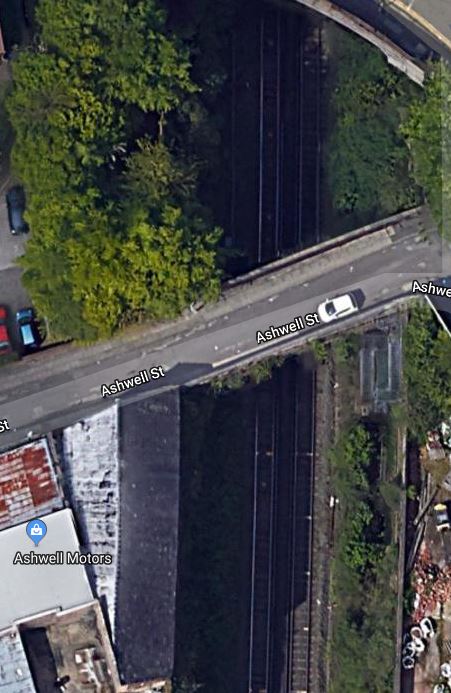
Note the railway tracks in the dark of the hole.
This was where St. James station was located between Liverpool Central and Brunswick stations.
It would be a challenge to design a station, but one that a decent architect should enjoy.
This page on Disused Stations gives more details and several pictures of the station in all its glory.
Reasons To Go To Liverpool
I’m always being asked by people, why they should go to Liverpool.
Here’s a few reasons.
- St. George’s Hall, which Nikolaus Pevsner described as one of the finest neo-Grecian buildings in the world.
- Liverpool Anglican Cathedral, which is a superb neo-Gothic creation by Giles Gilbert Scott, an architect, who also created Britain’s red telephone box.
- The Victoria Building of Liverpool University, which gives red-brick university its name and has some good art in its gallery and museum, including some by Freud, Turner, Frink and Epstein. I saw an excellent special exhibition there of art by Stuart Sutcliffe, the so-called “fifth Beatle”
- St.. Luke’s Church or as Liverpudlian’s call it the bombed-out church, which has been left as a memorial to the Second World War. This church was my late wife’s, C’s, favourite building in the city.
- Oriel Chambers, which is the first modern building in the world.
- The Walker Art Gallery or the National Gallery of the North. It is administered by central government, although many of the paintings came from local sources. It also has one of the largest collections of pre-Raphaelite painting in the UK and the Liverpool School of the movement is well-represented.
- Liverpool has more street statuary than any city in England with the exception of London. I particularly like Eleanor Rigby by Tommy Steele.
- Superlambananas are fairly numerous.
- The Pier Head, the Three Graces and the Mersey Ferries. Do remember that when a lady walks in front of the Liver Birds on the Royal Liver Building, and they flap their wings, she’s a virgin. They also flap their wings for honest men.
- The Albert Dock, the Tate Liverpool and the other museums in that area.
- Goodison Park. The home of Everton along with Craven Cottage in London, is one of the most complete works of Archibald Leitch, the architect of many sports grounds in the UK.
- Hope Street that connects the two cathedrals and also contains the most amazing pub in the world, the Philhamonic Dining Rooms.
I could add a few more, but I won’t.
The Olympic Torch Goes By
I climbed the hill and then waited on the platform on which the Liverpool Metropolitan Cathedral is built.
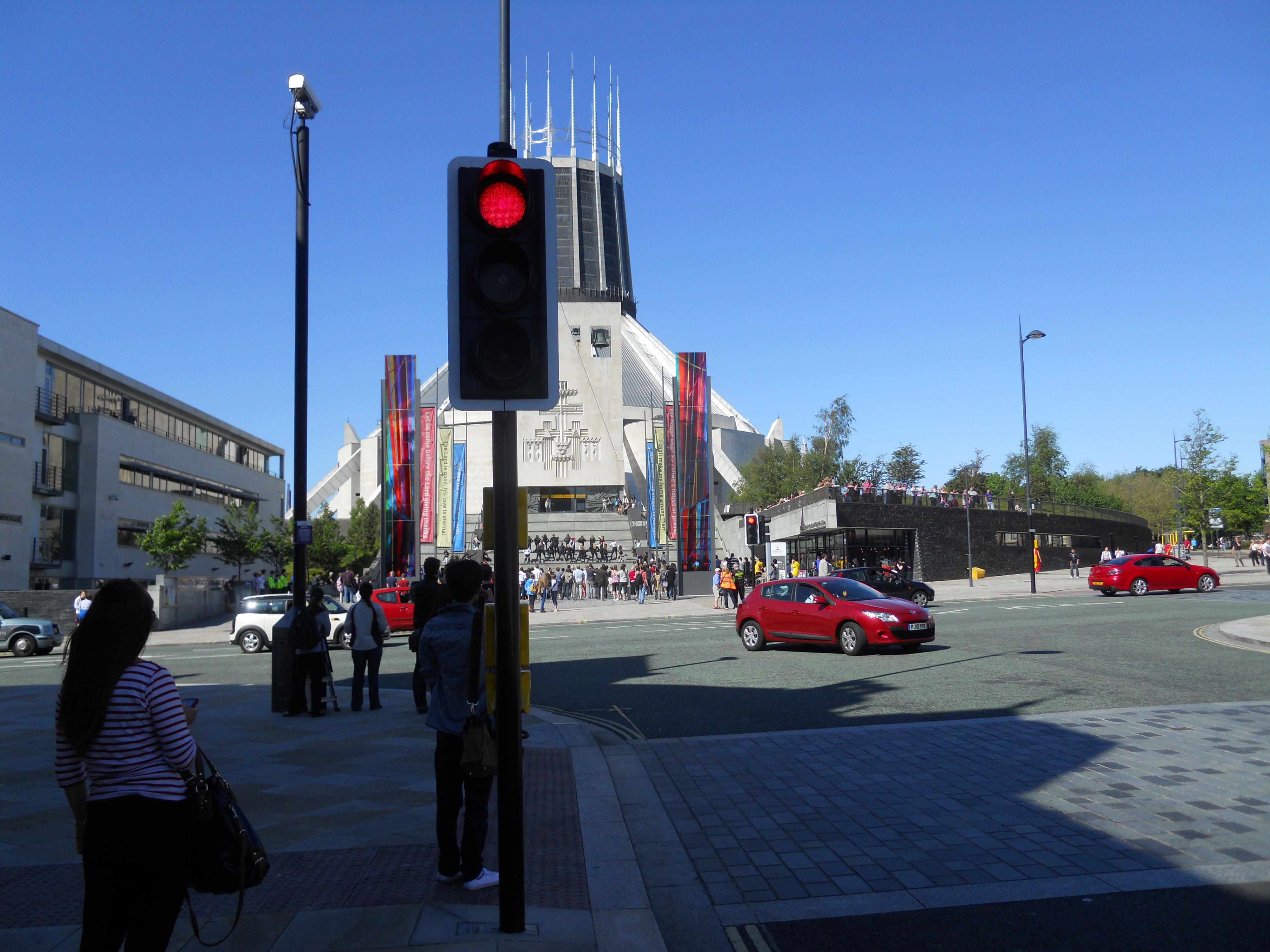
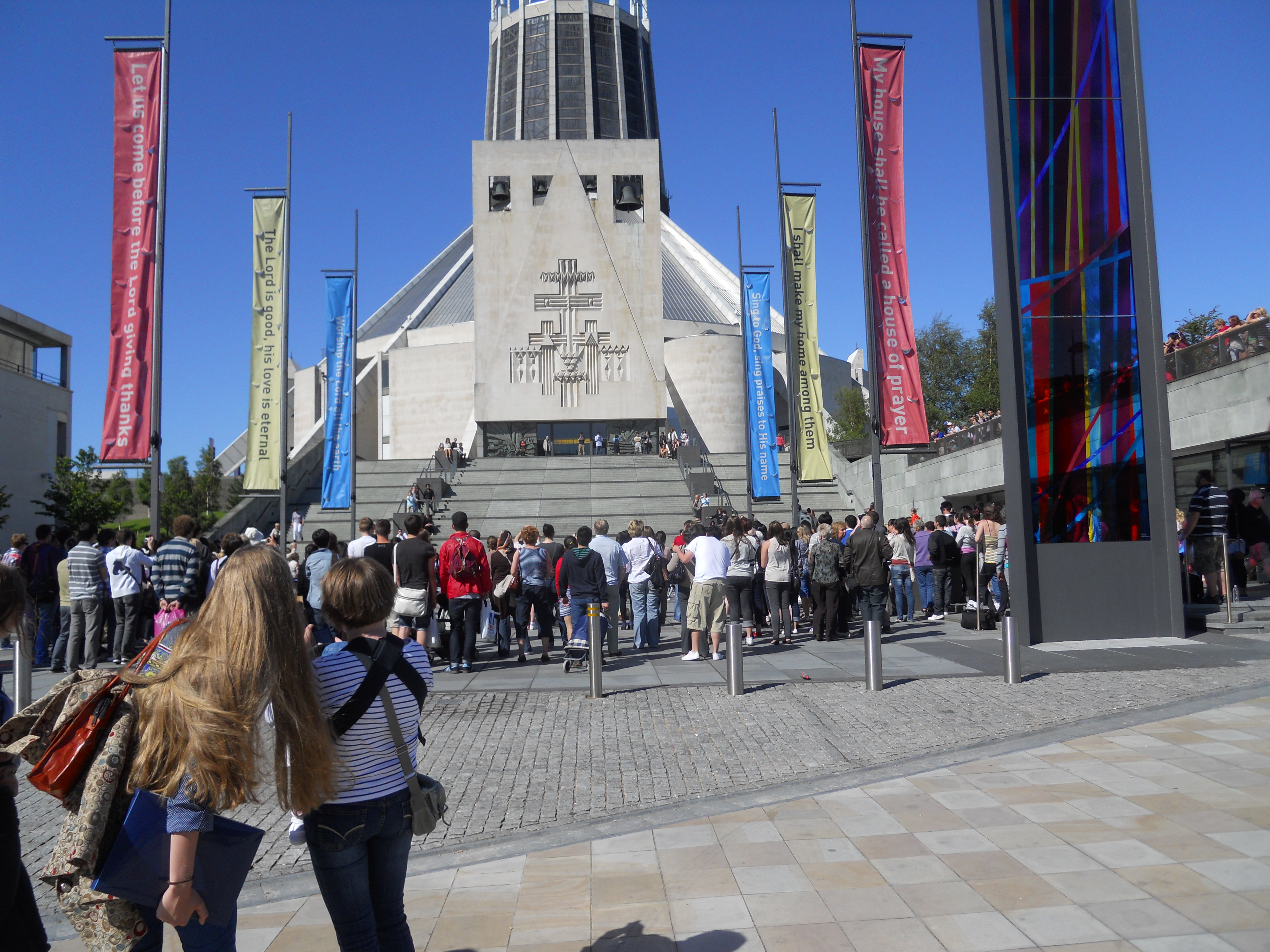
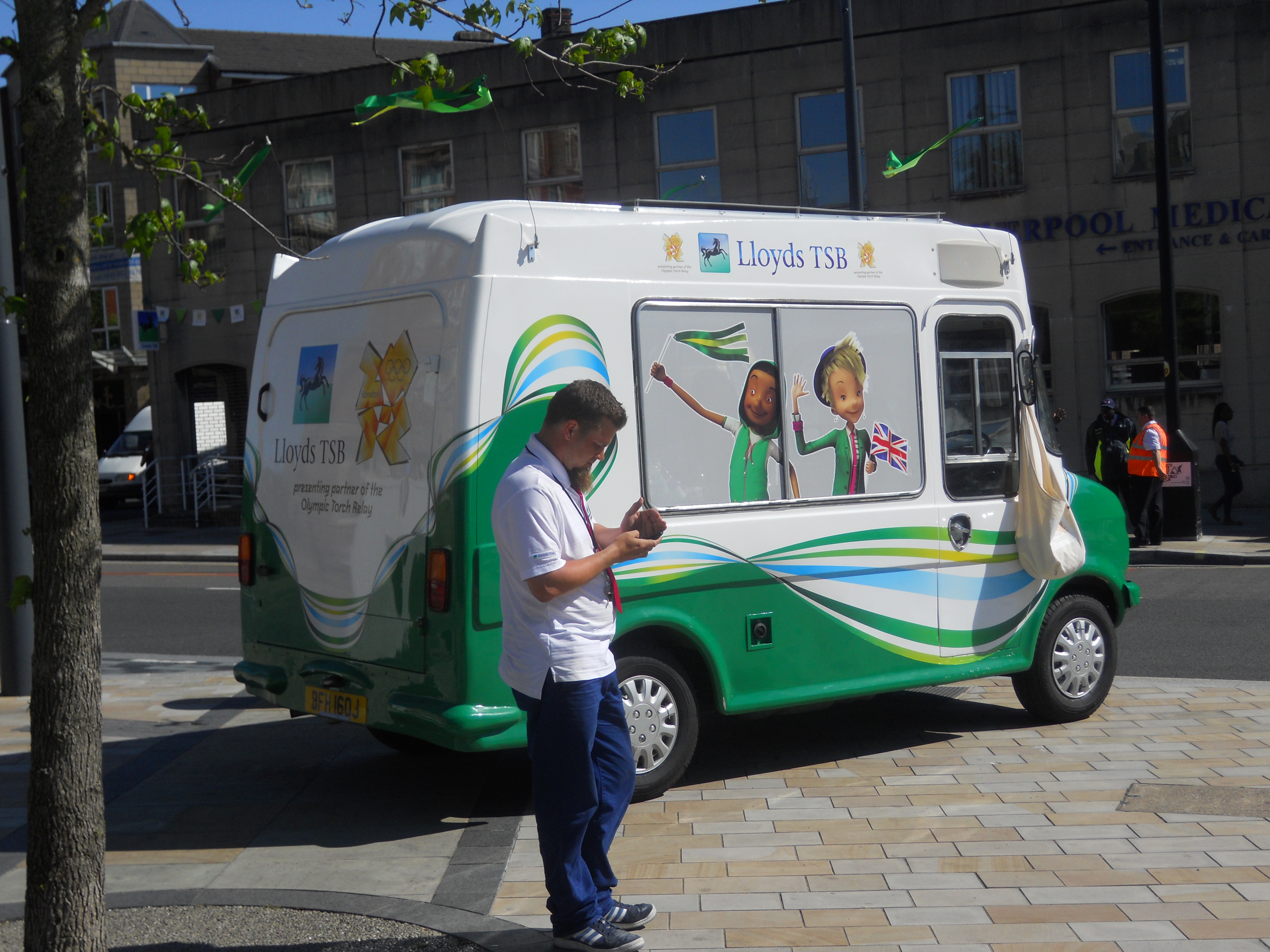
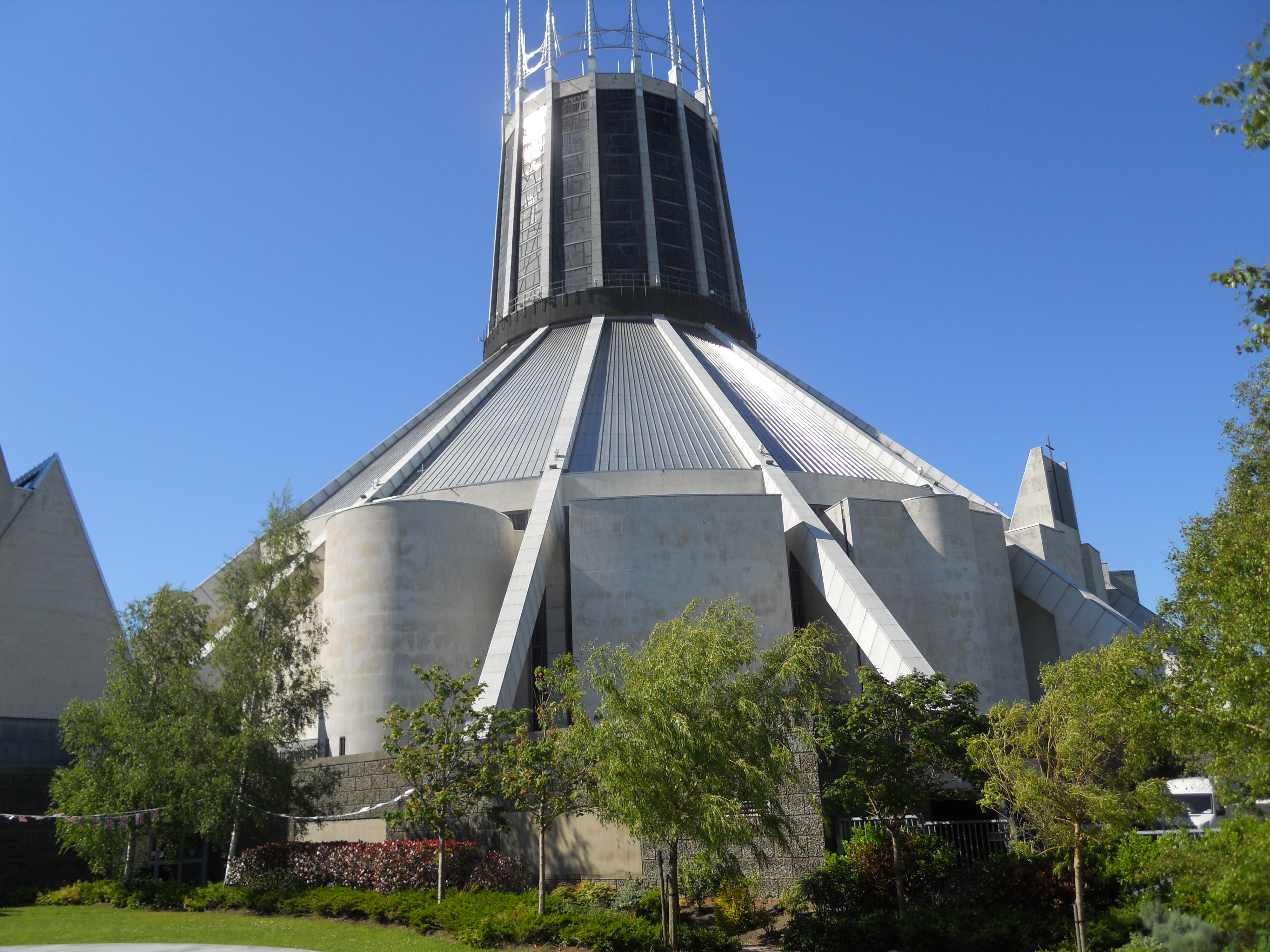
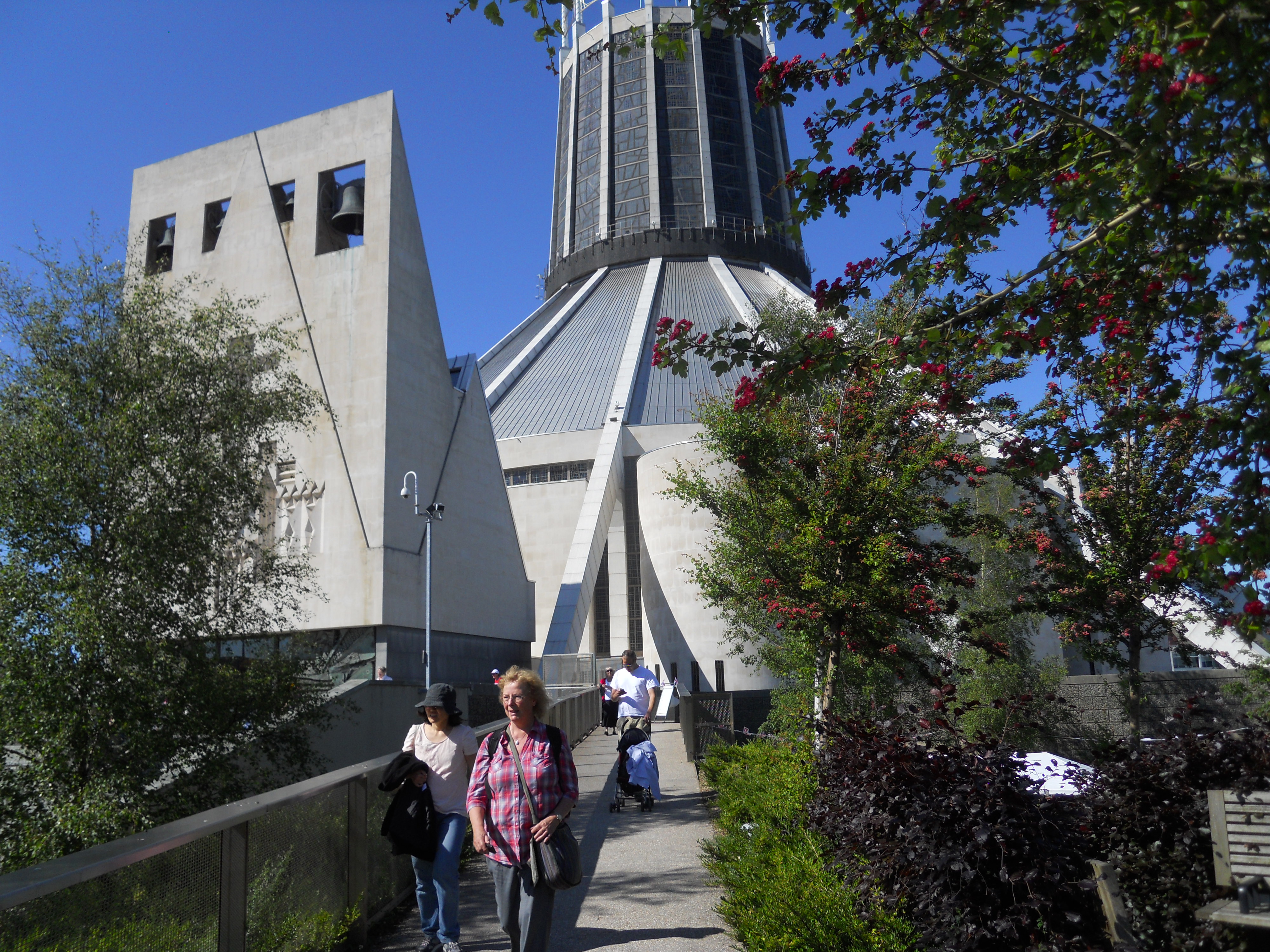
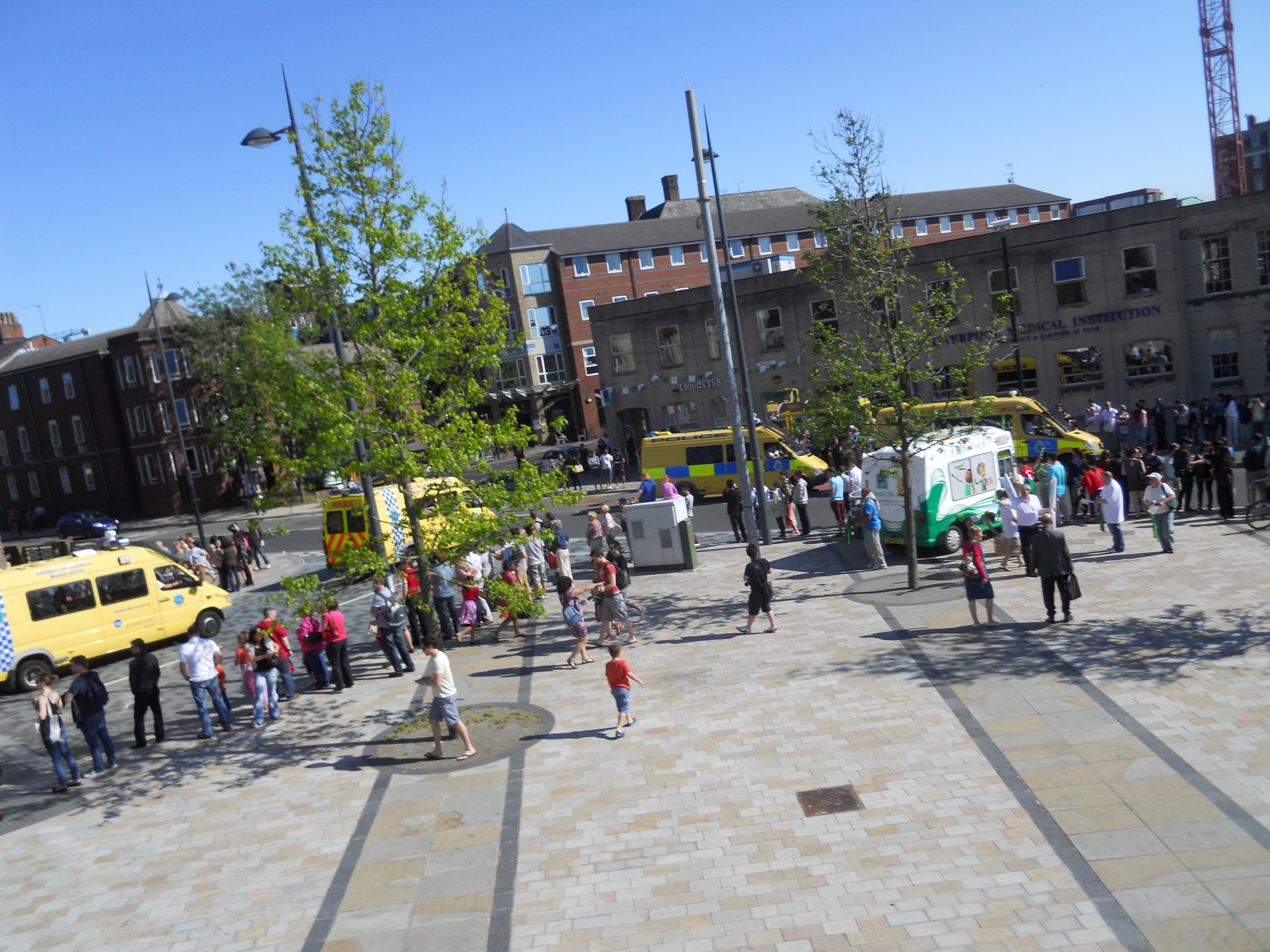
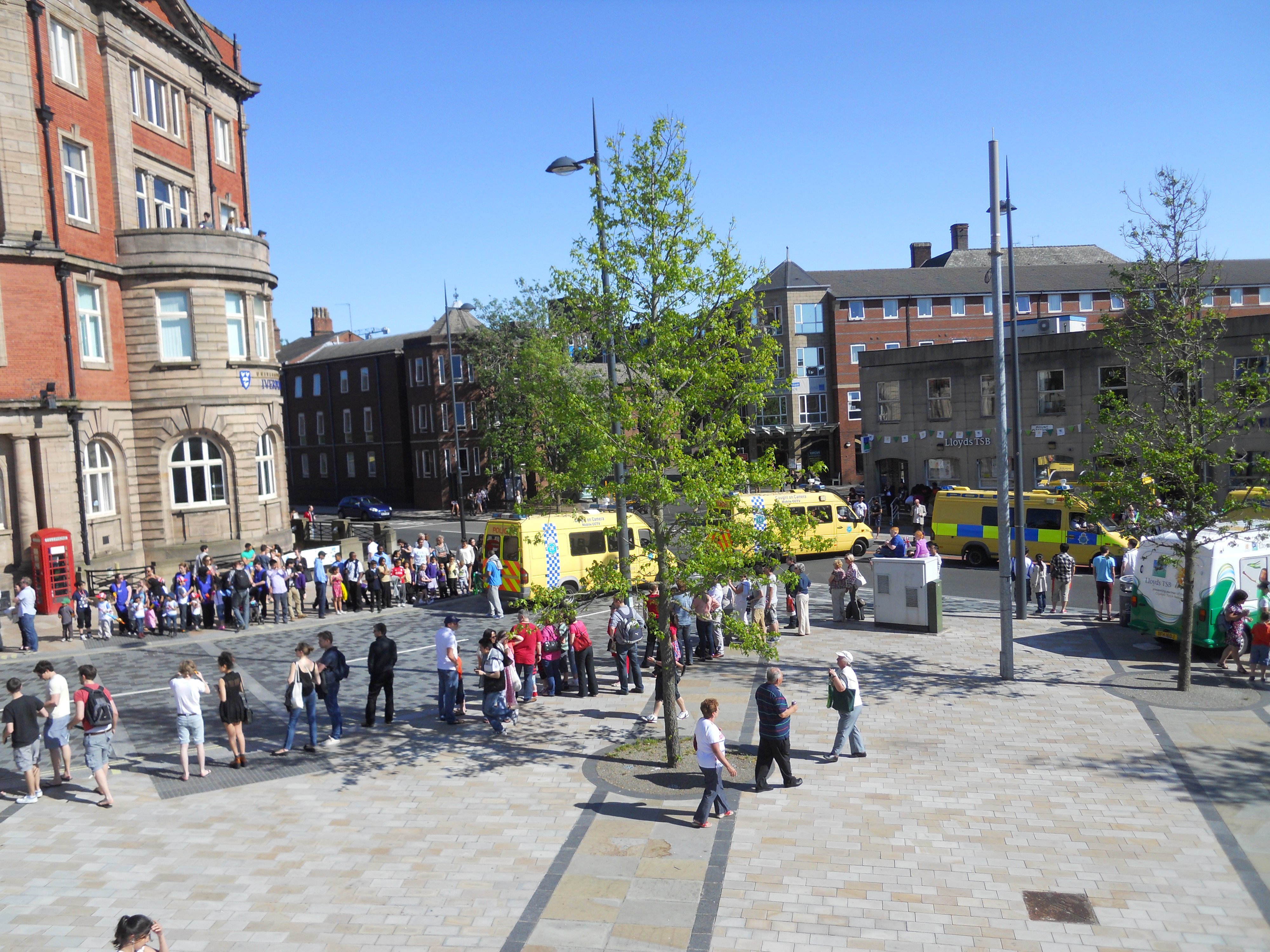

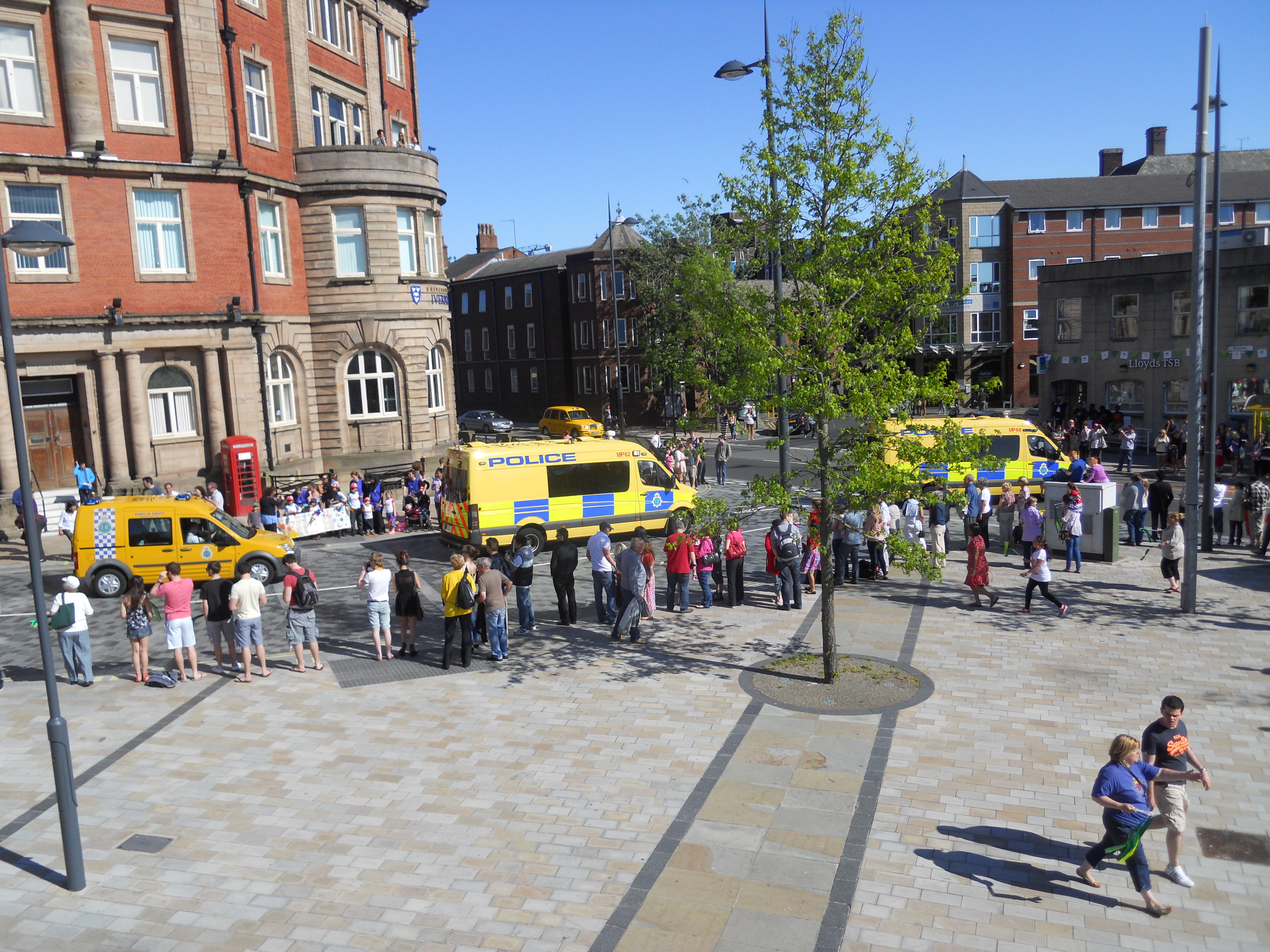
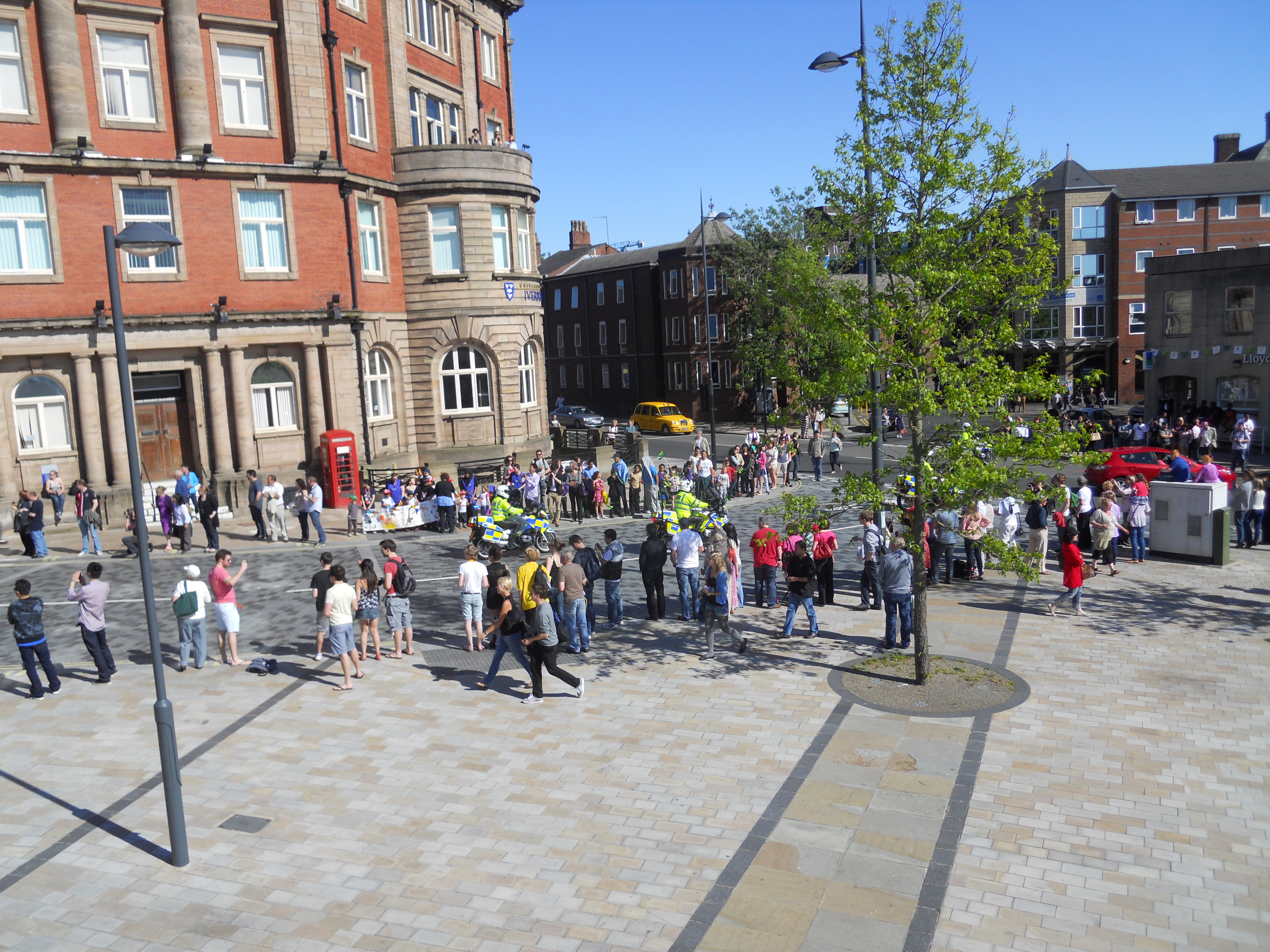
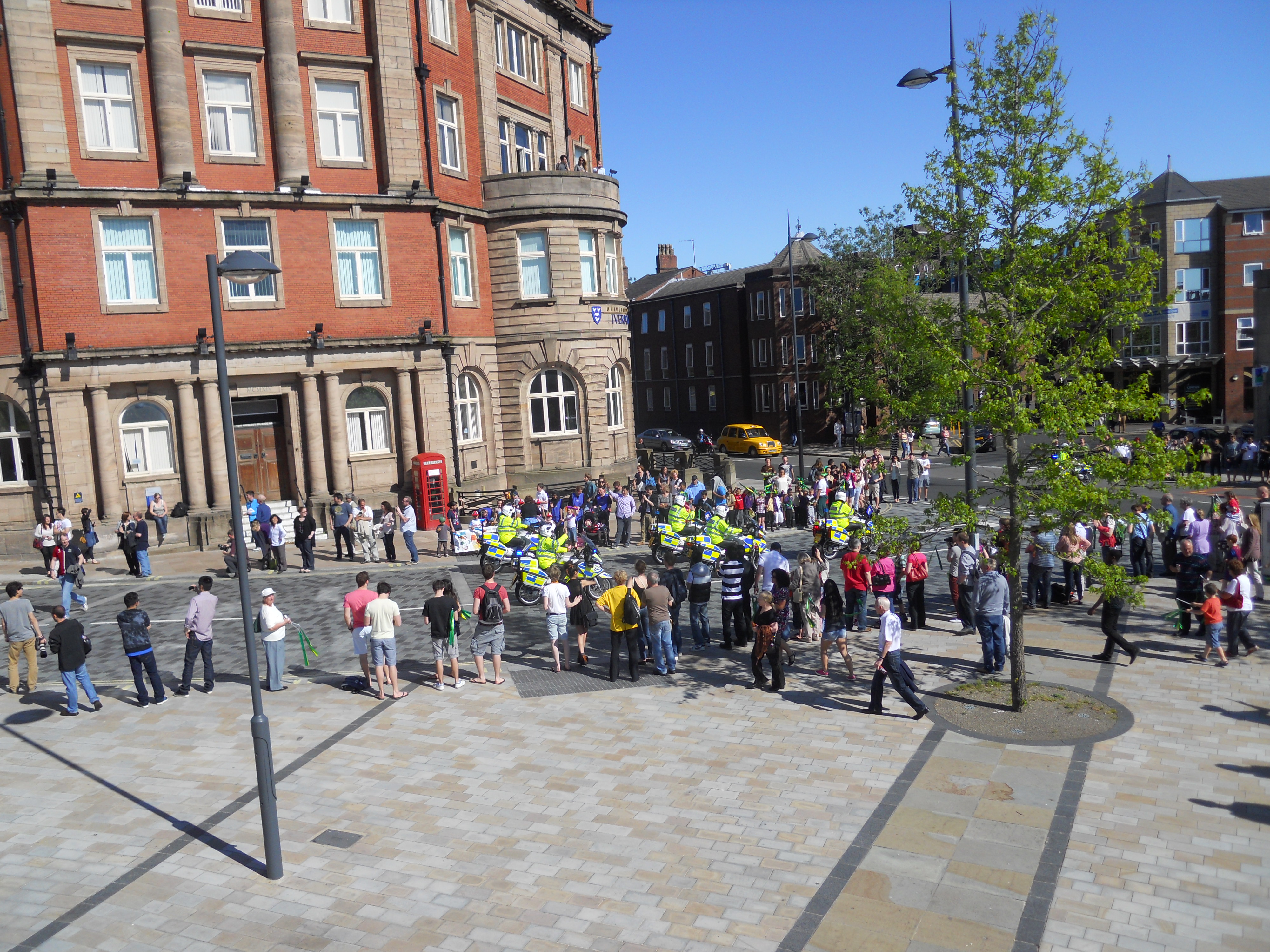
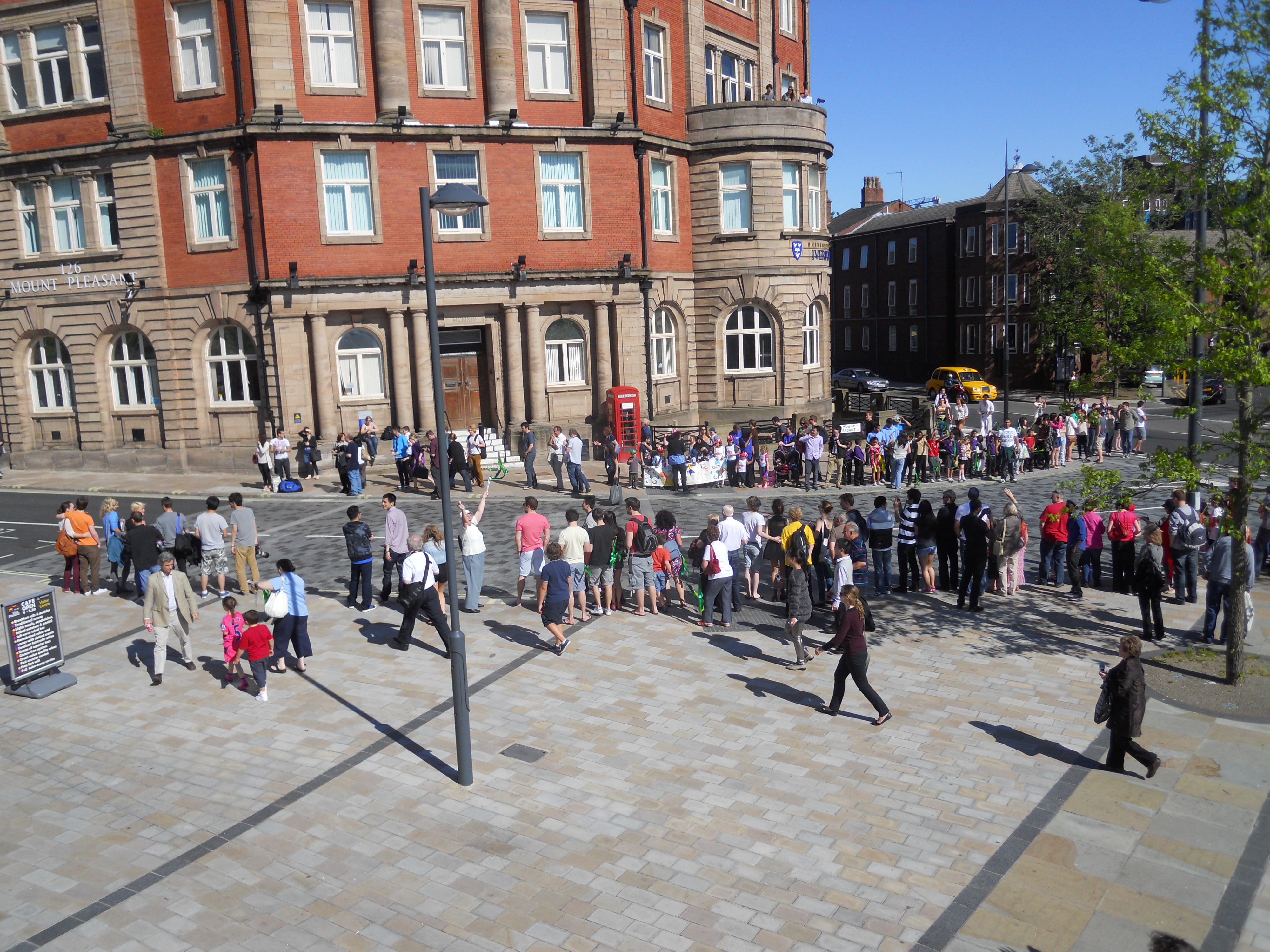
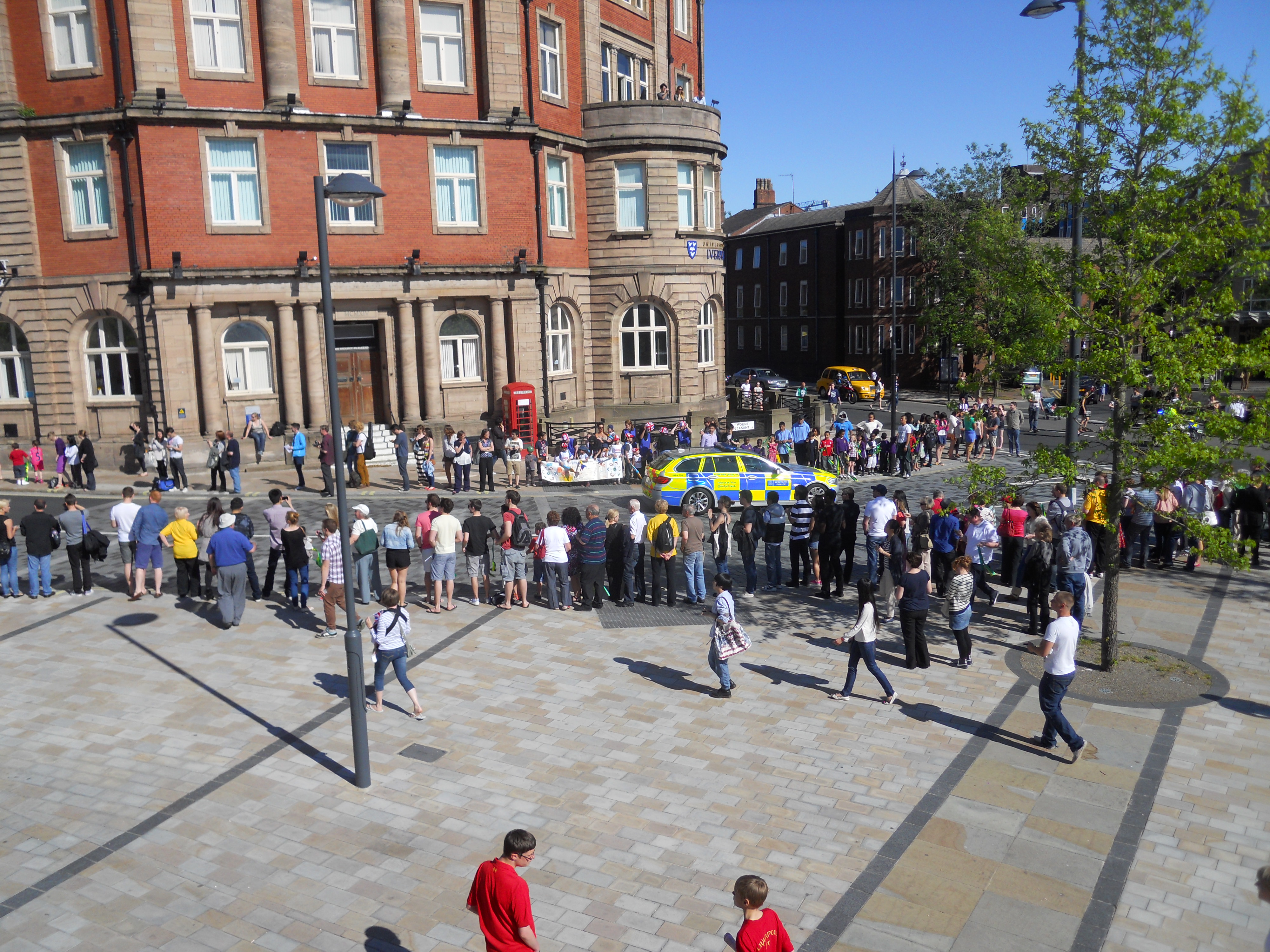
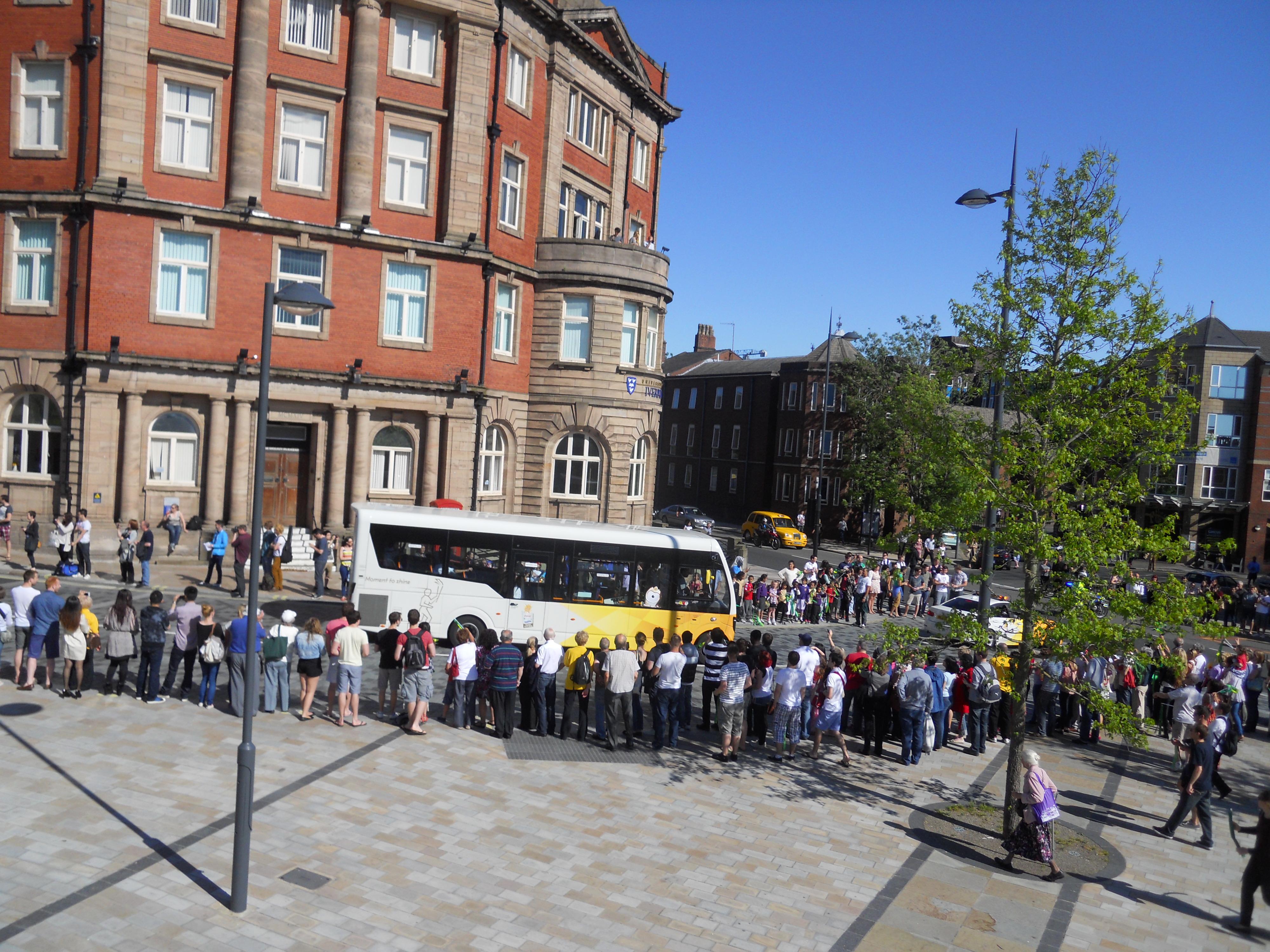
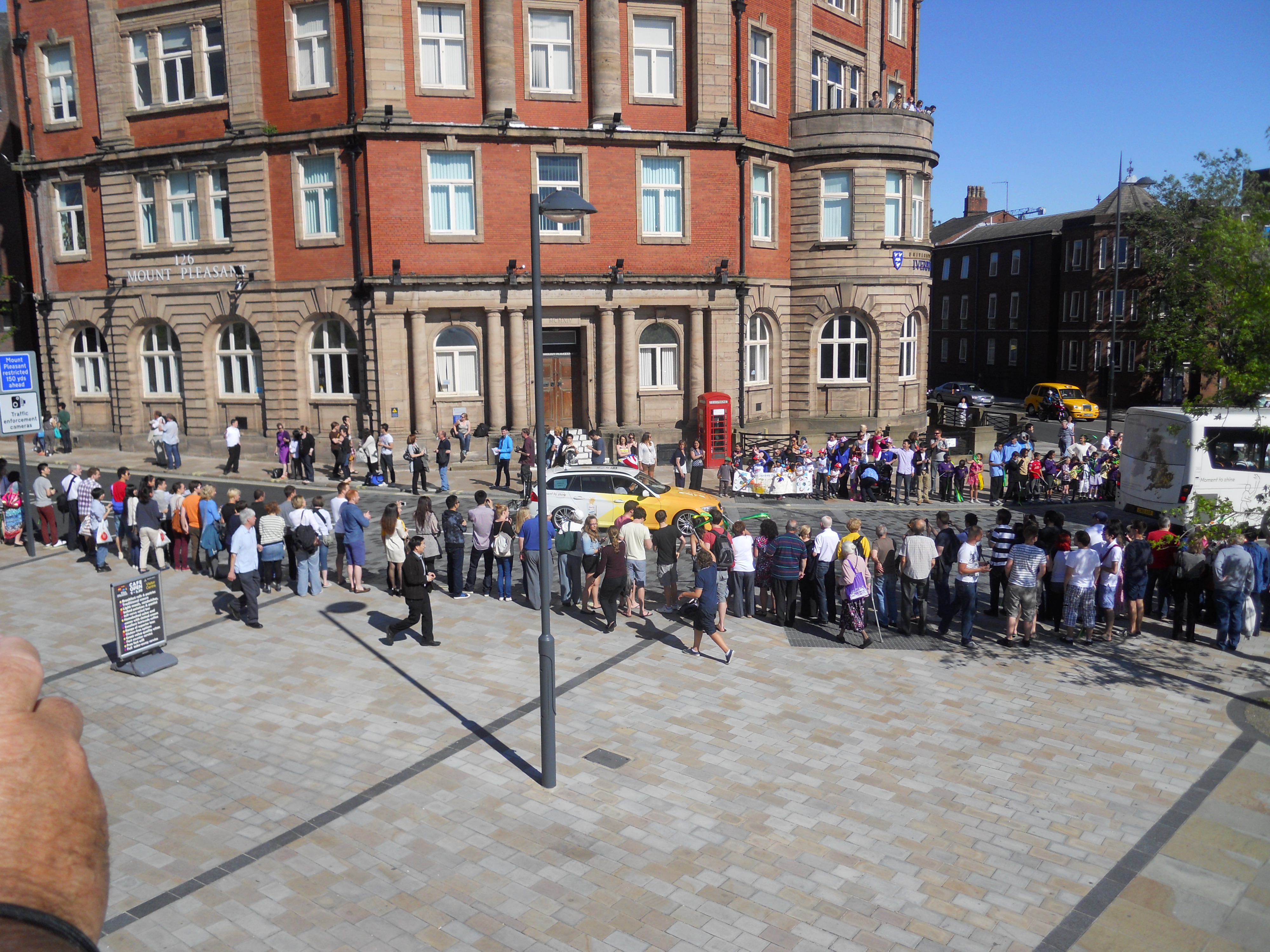
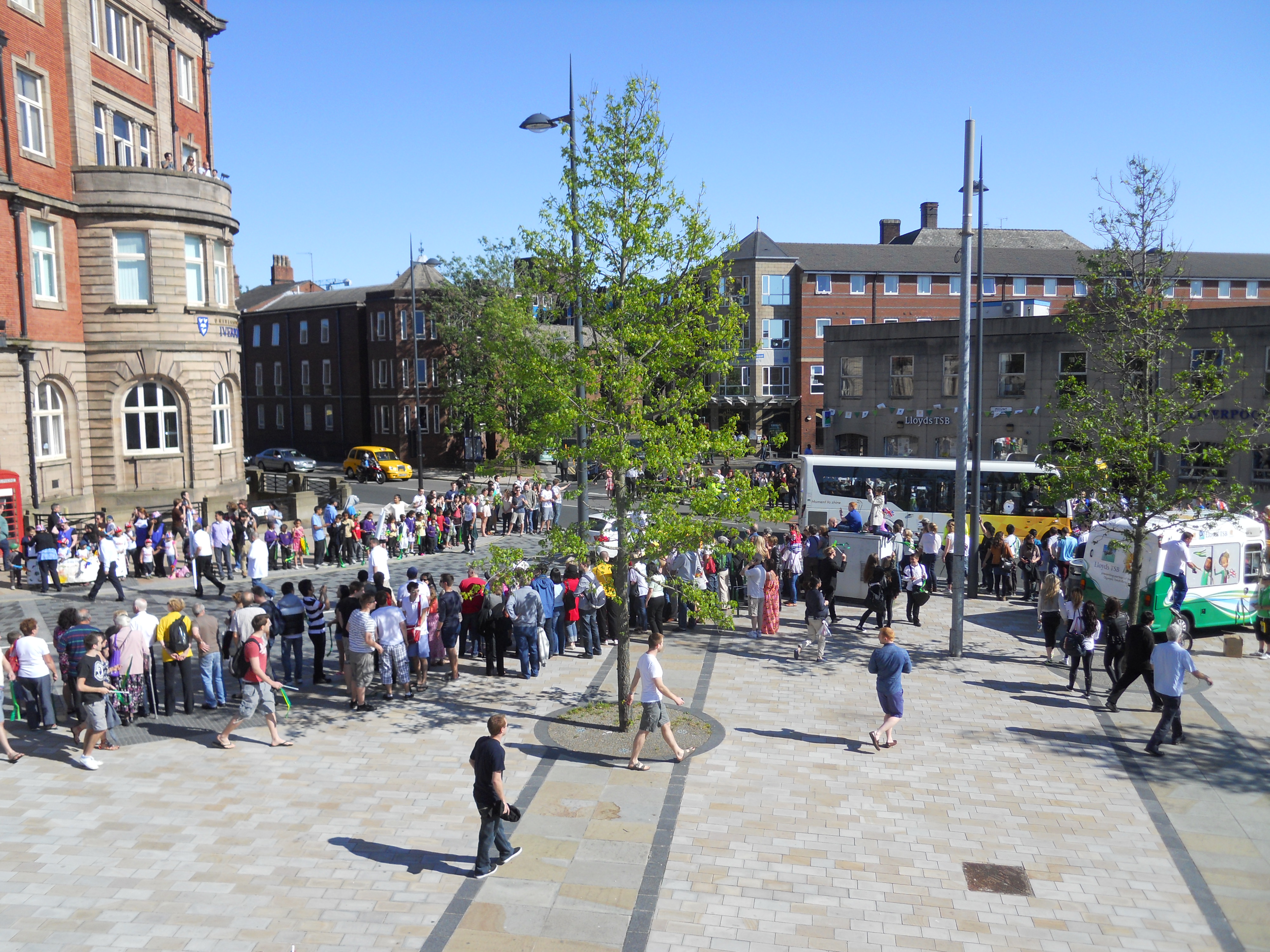
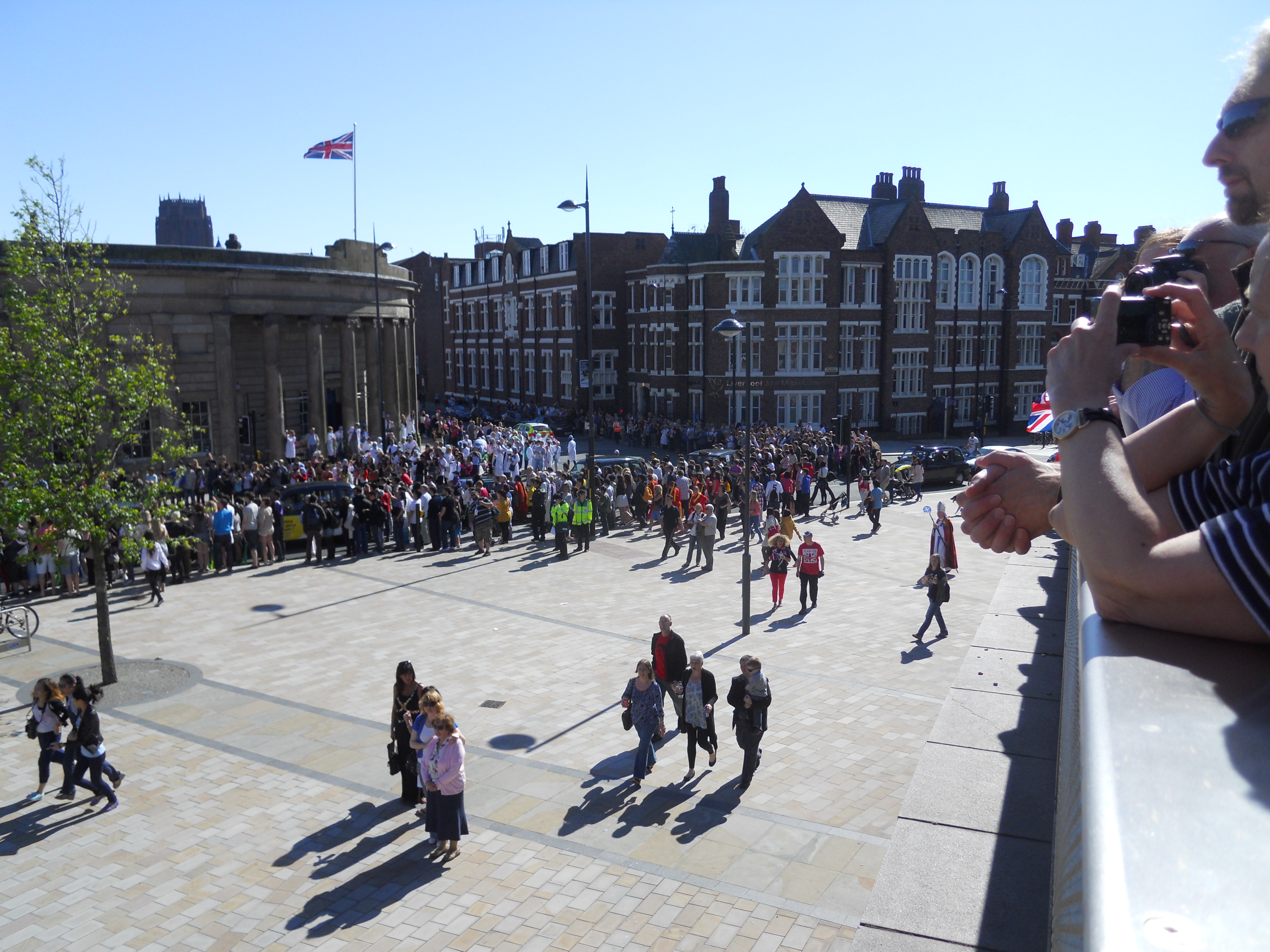
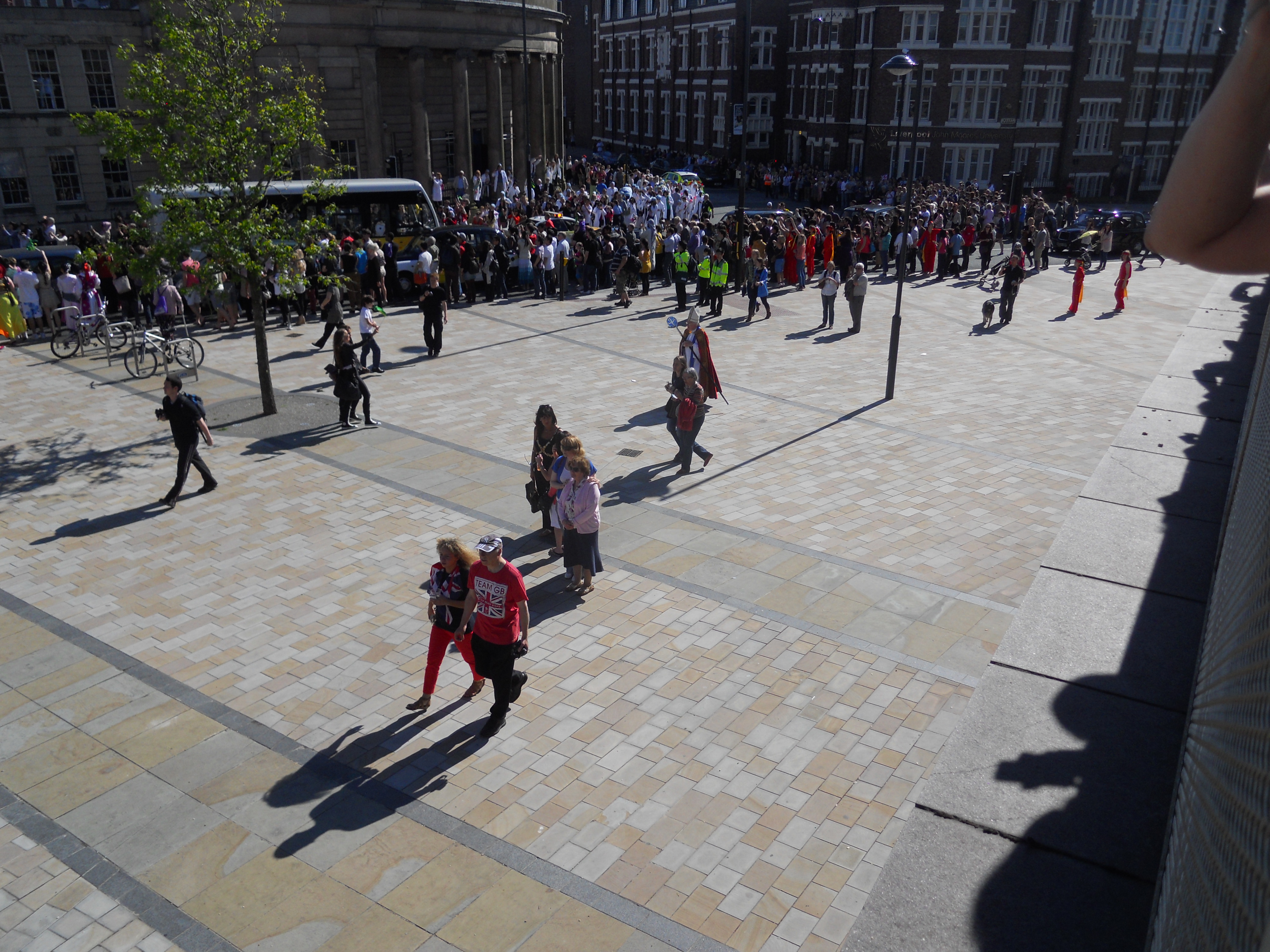
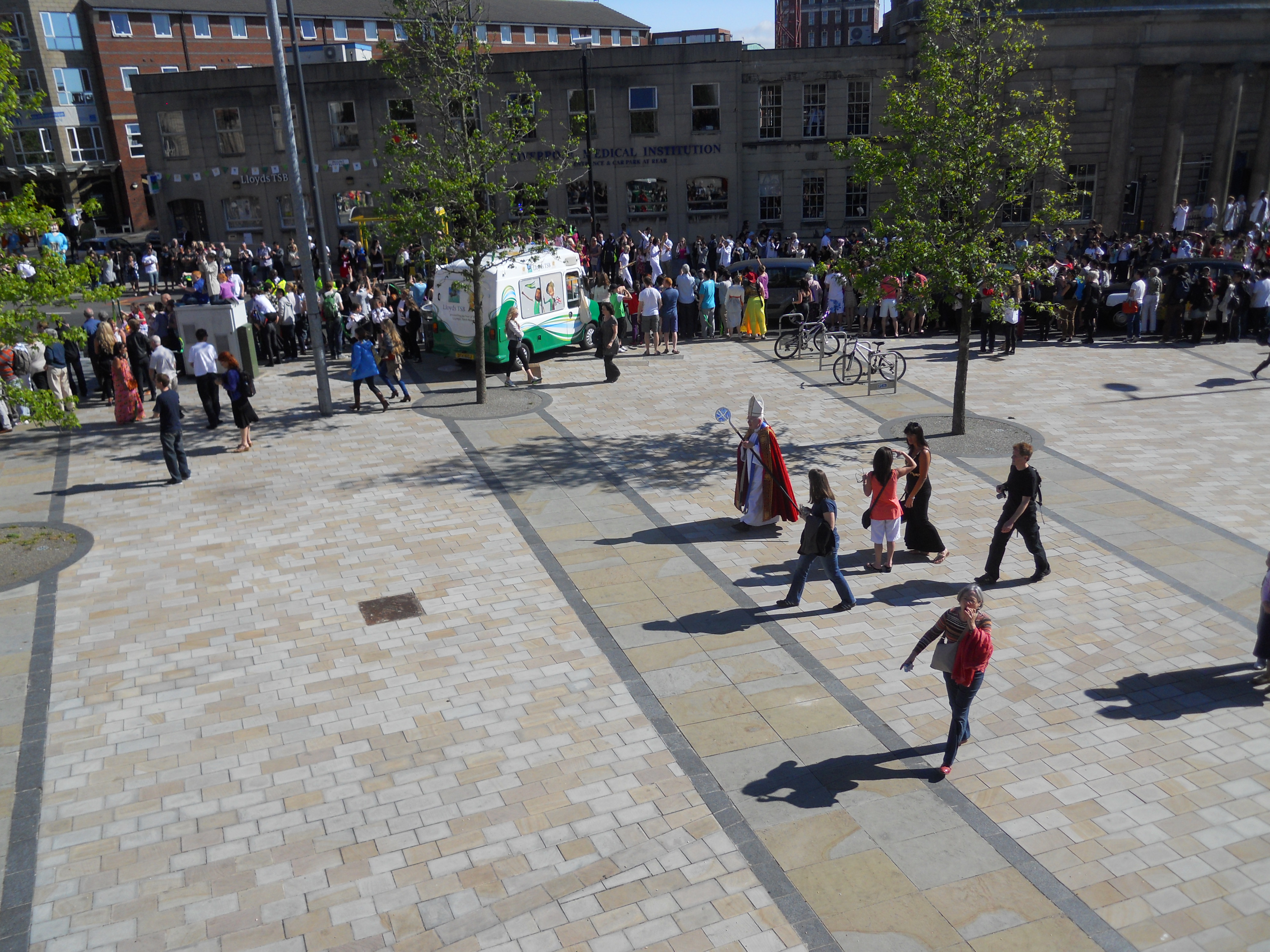
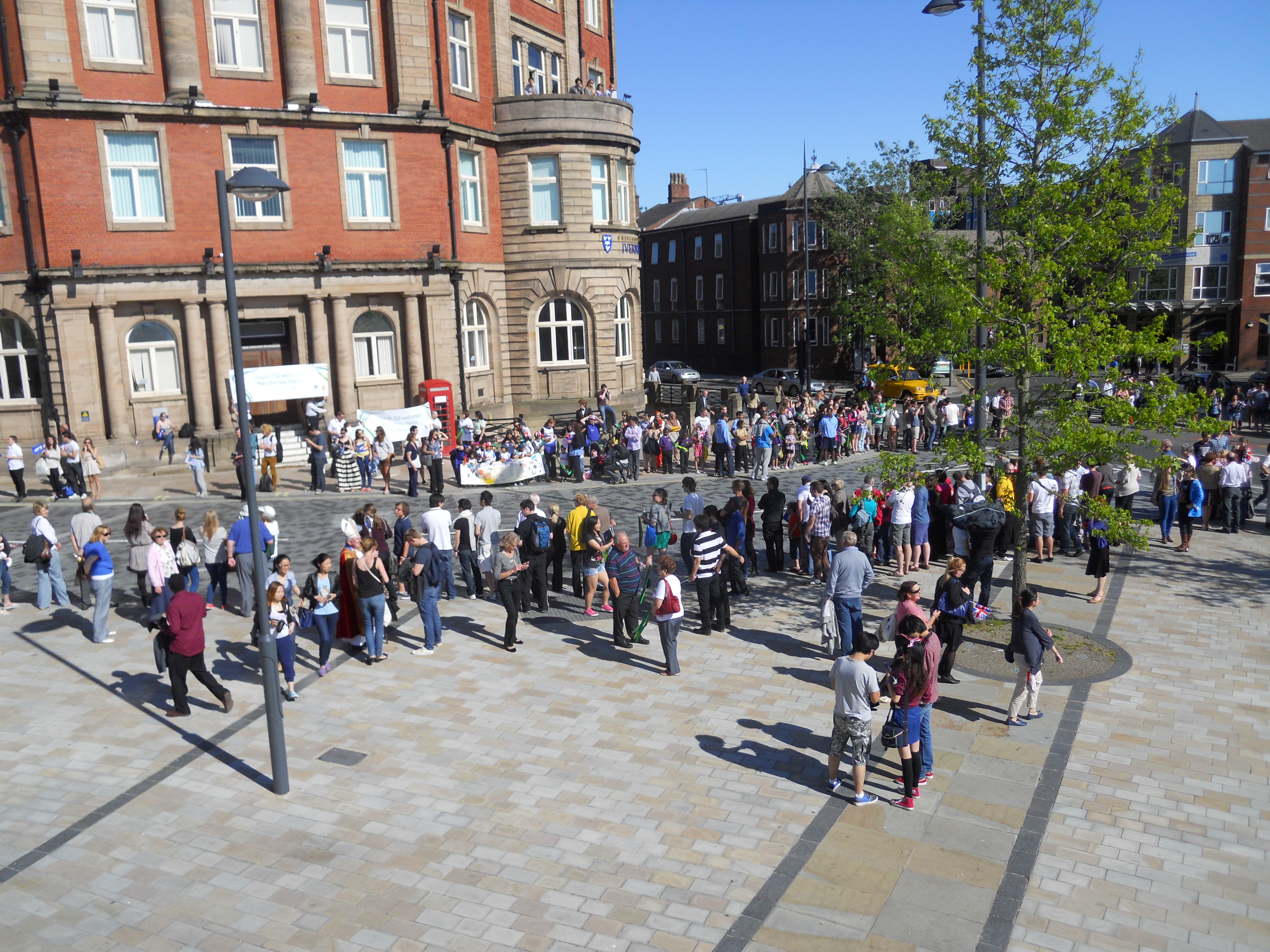
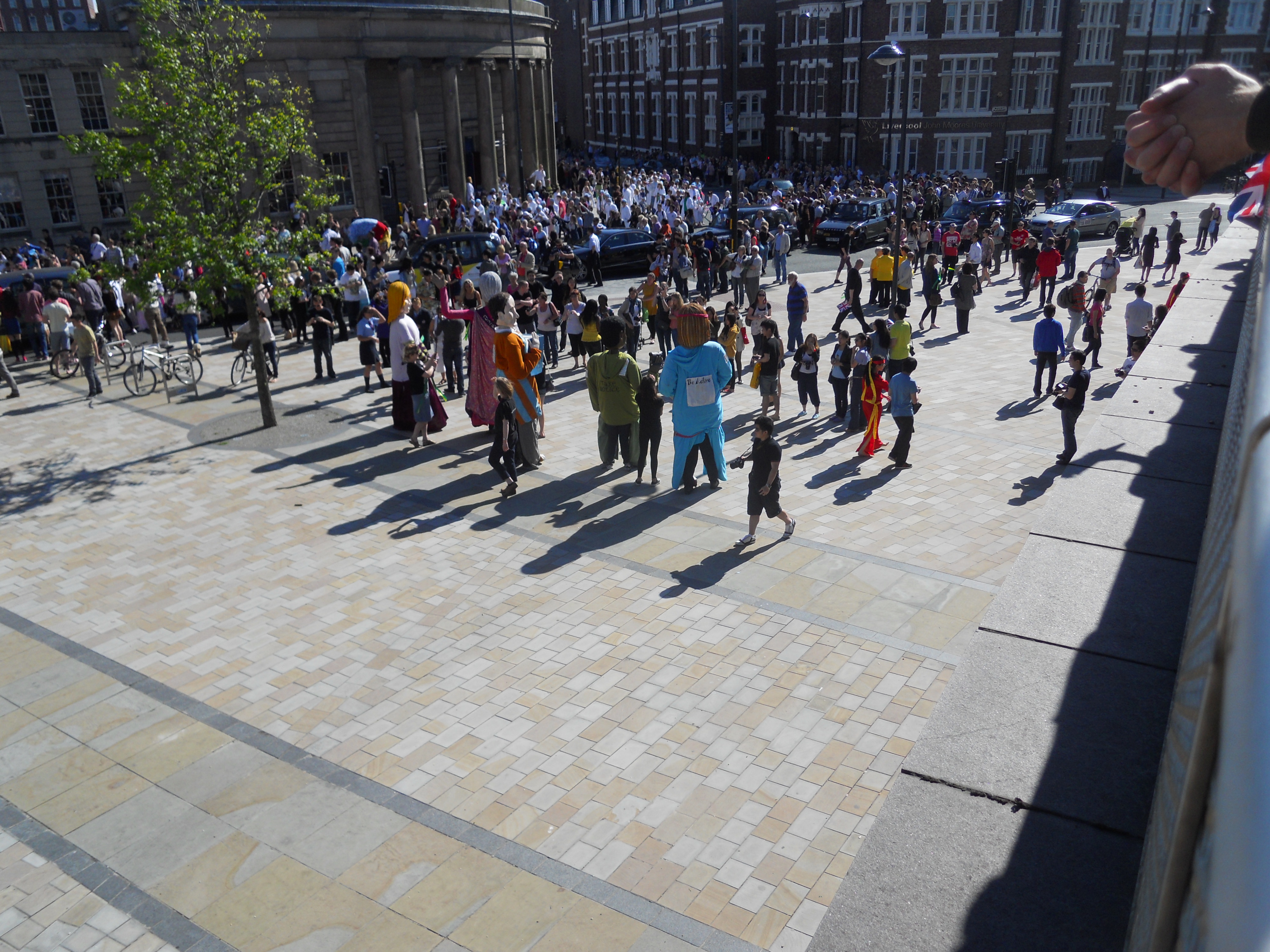
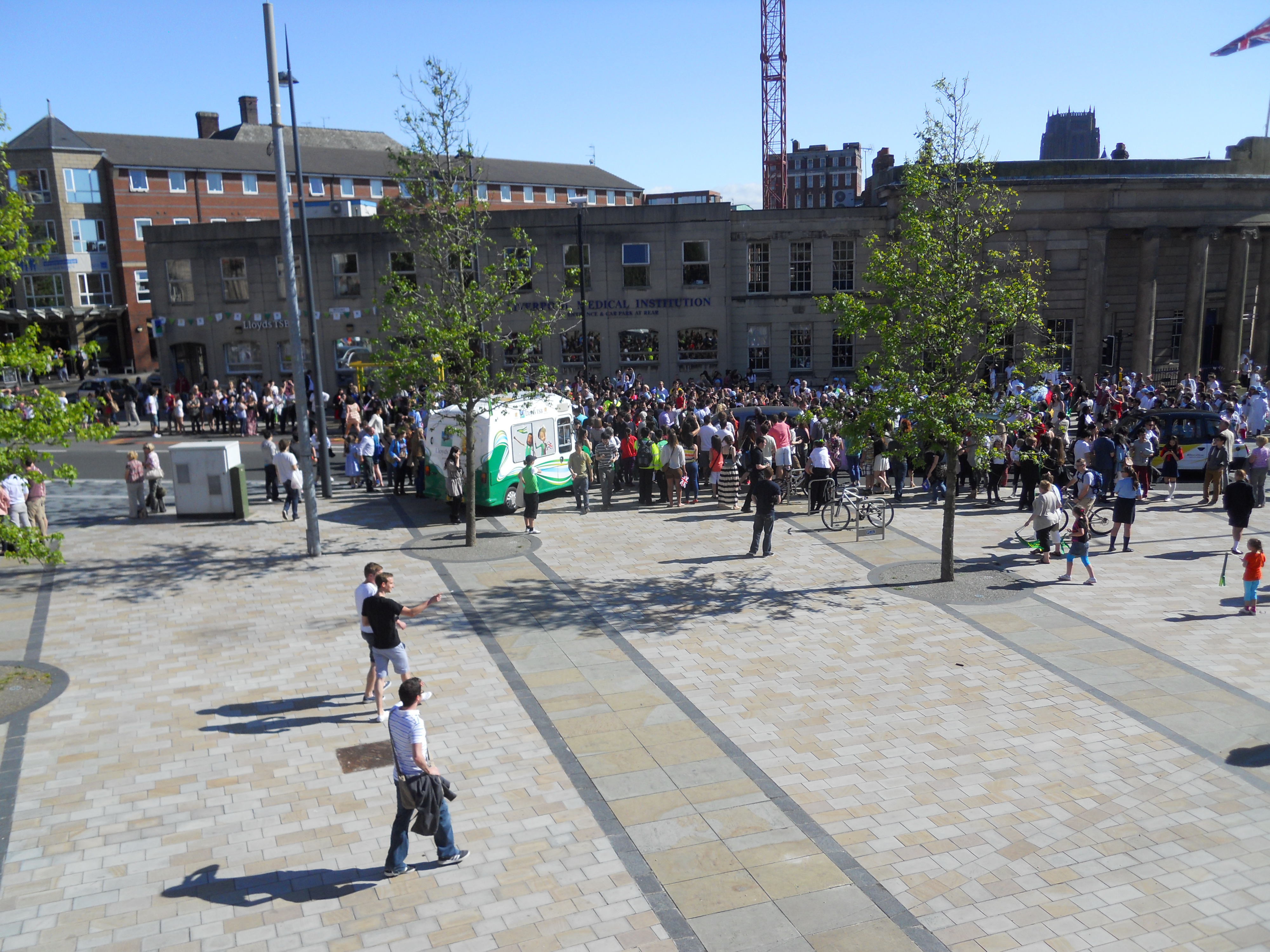
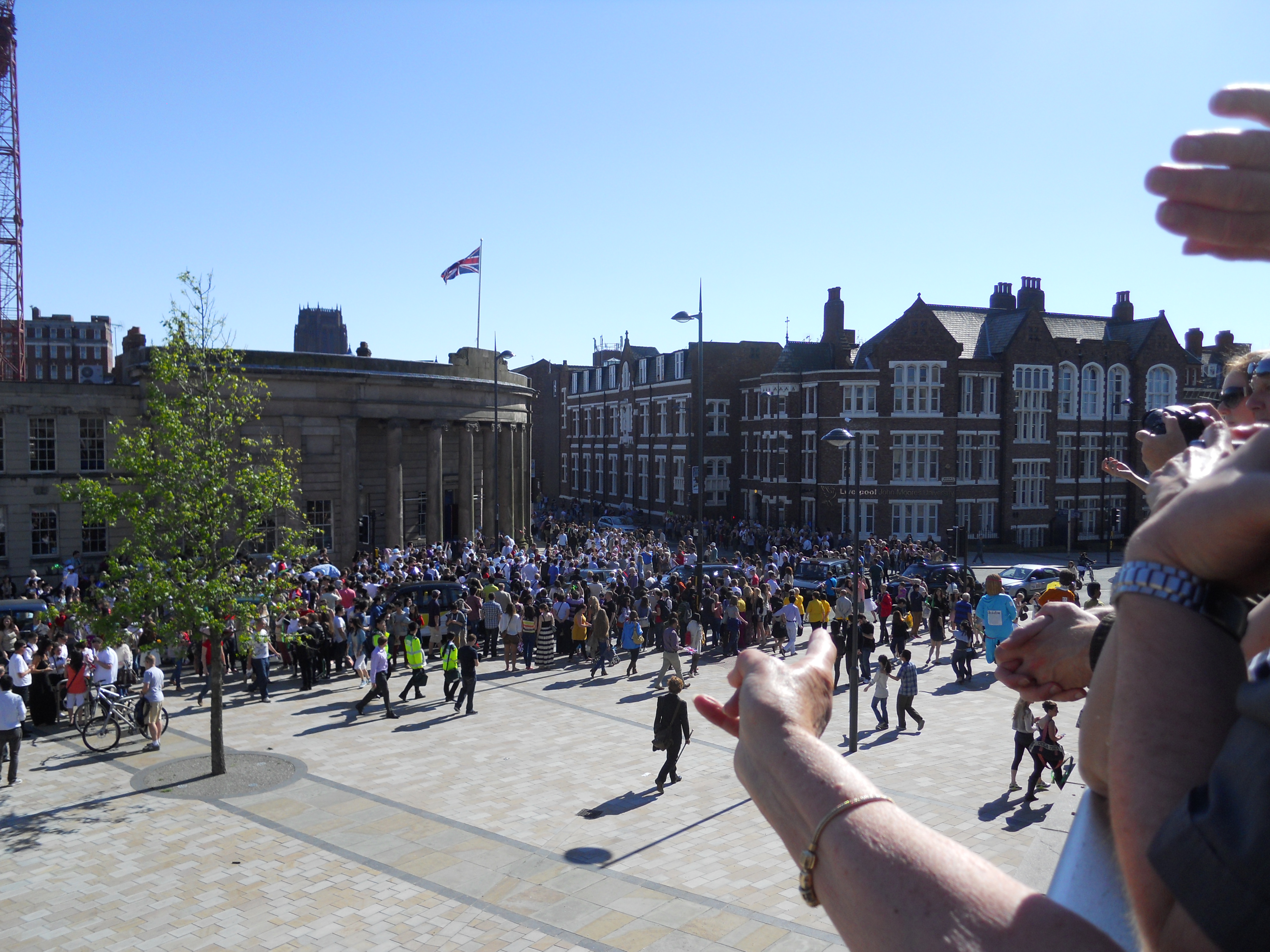
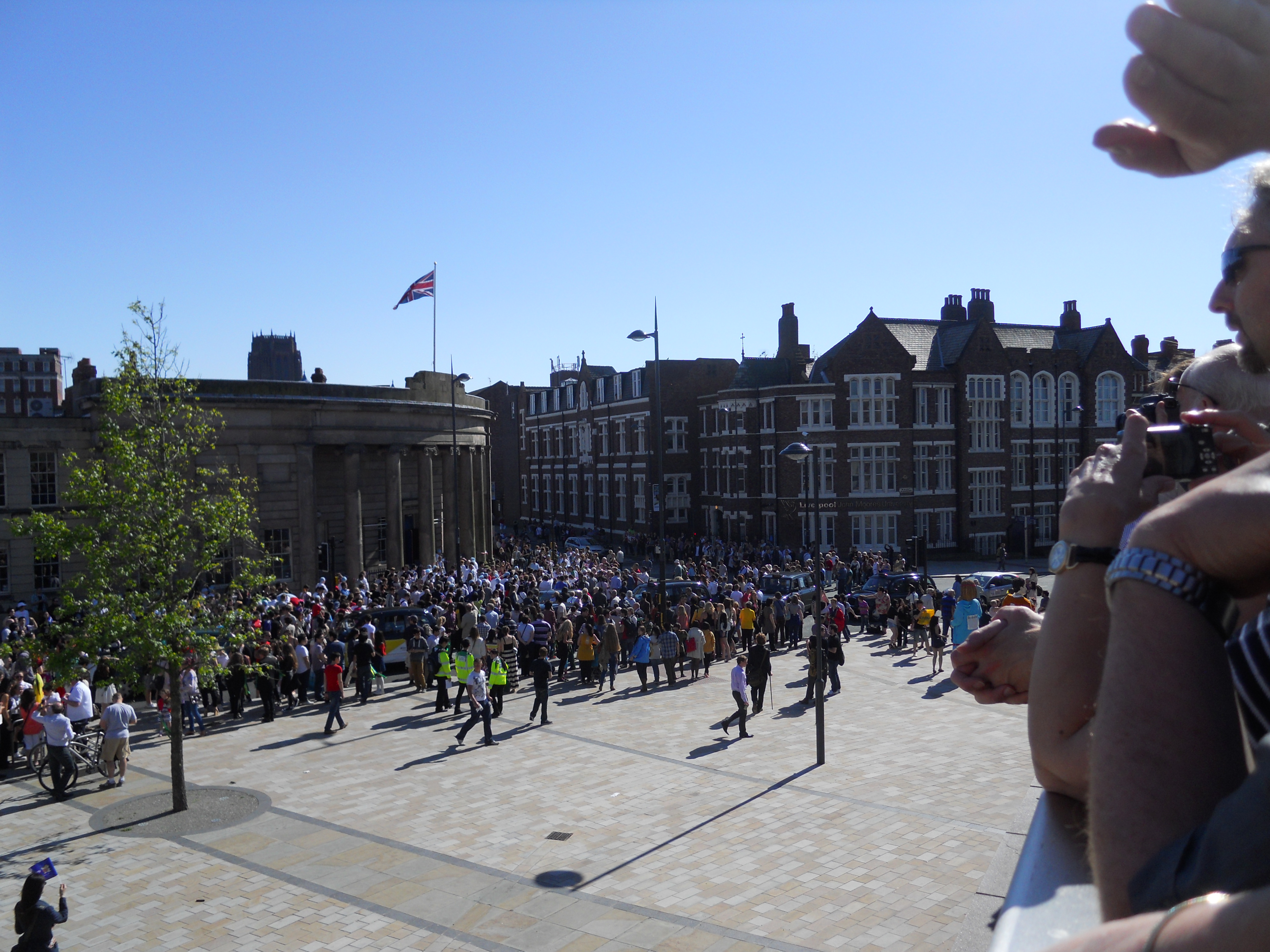
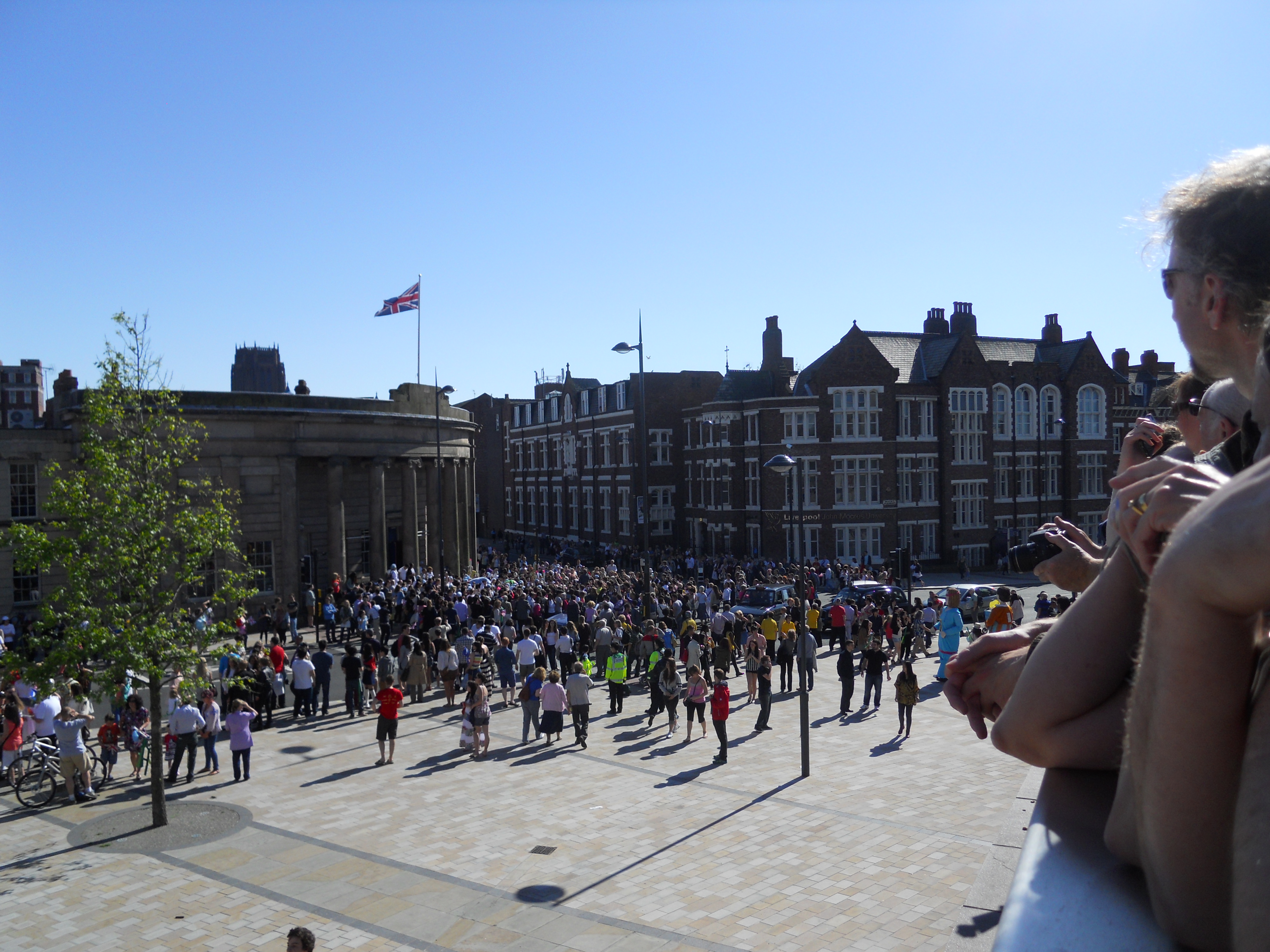
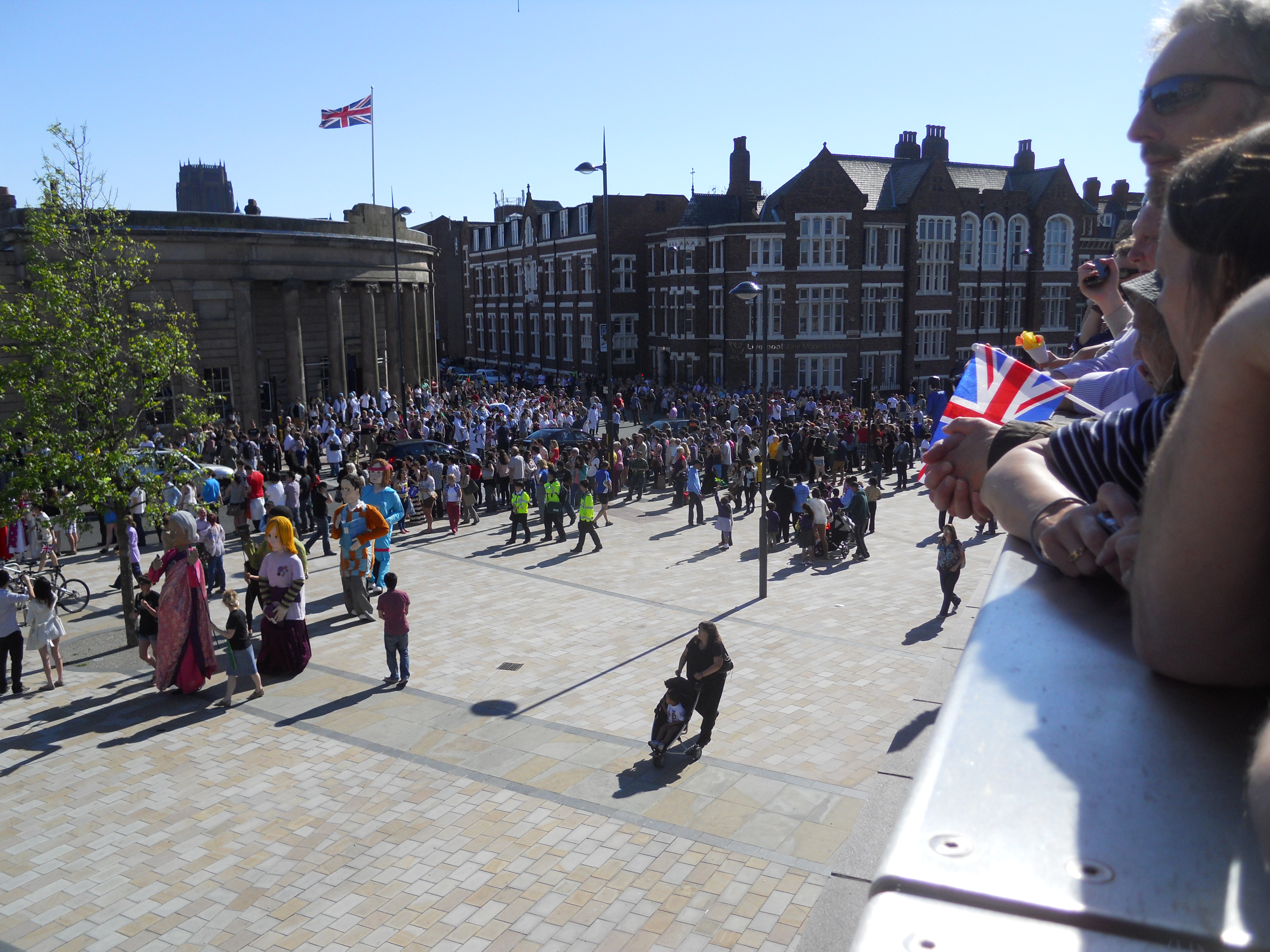
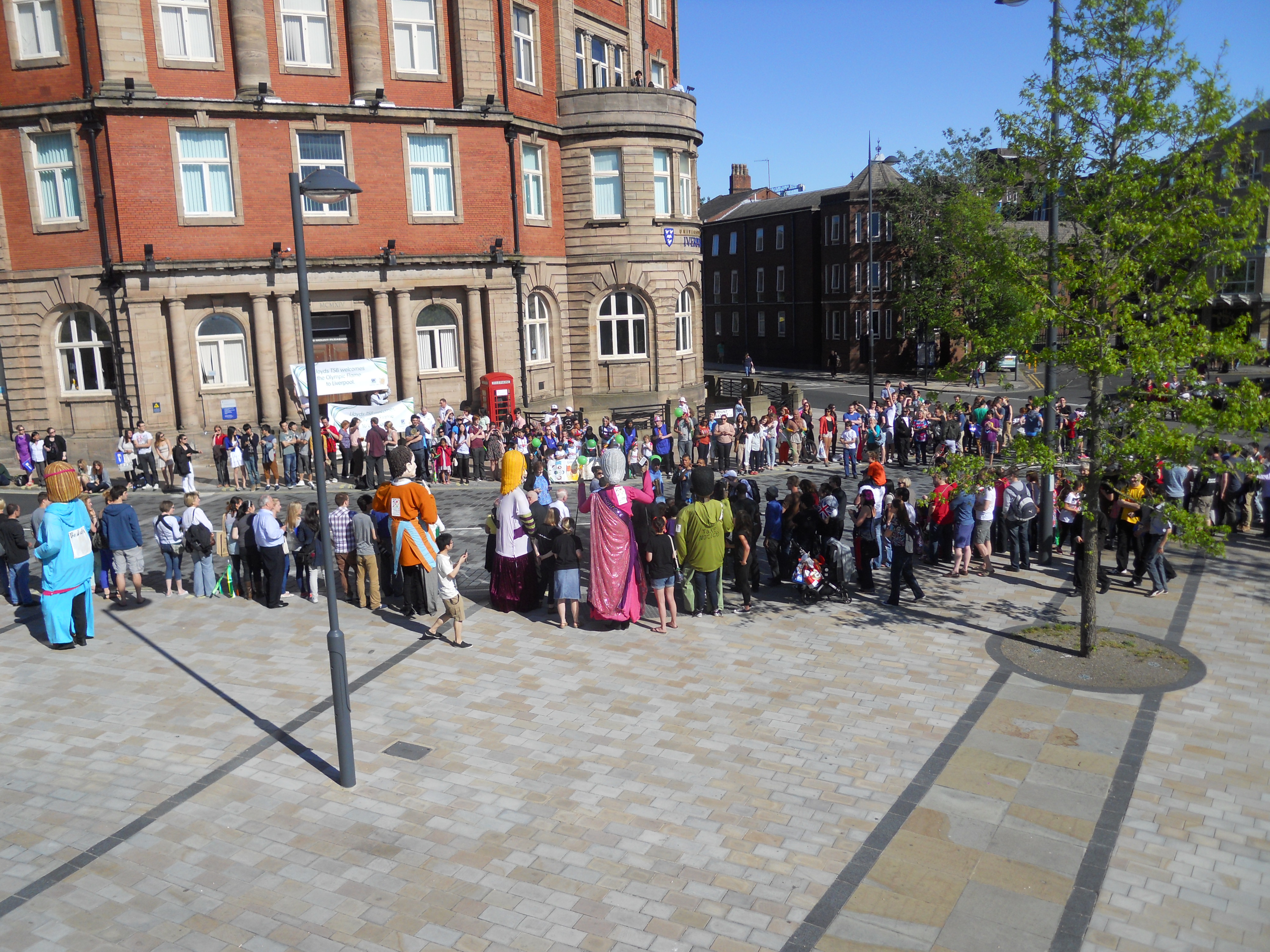
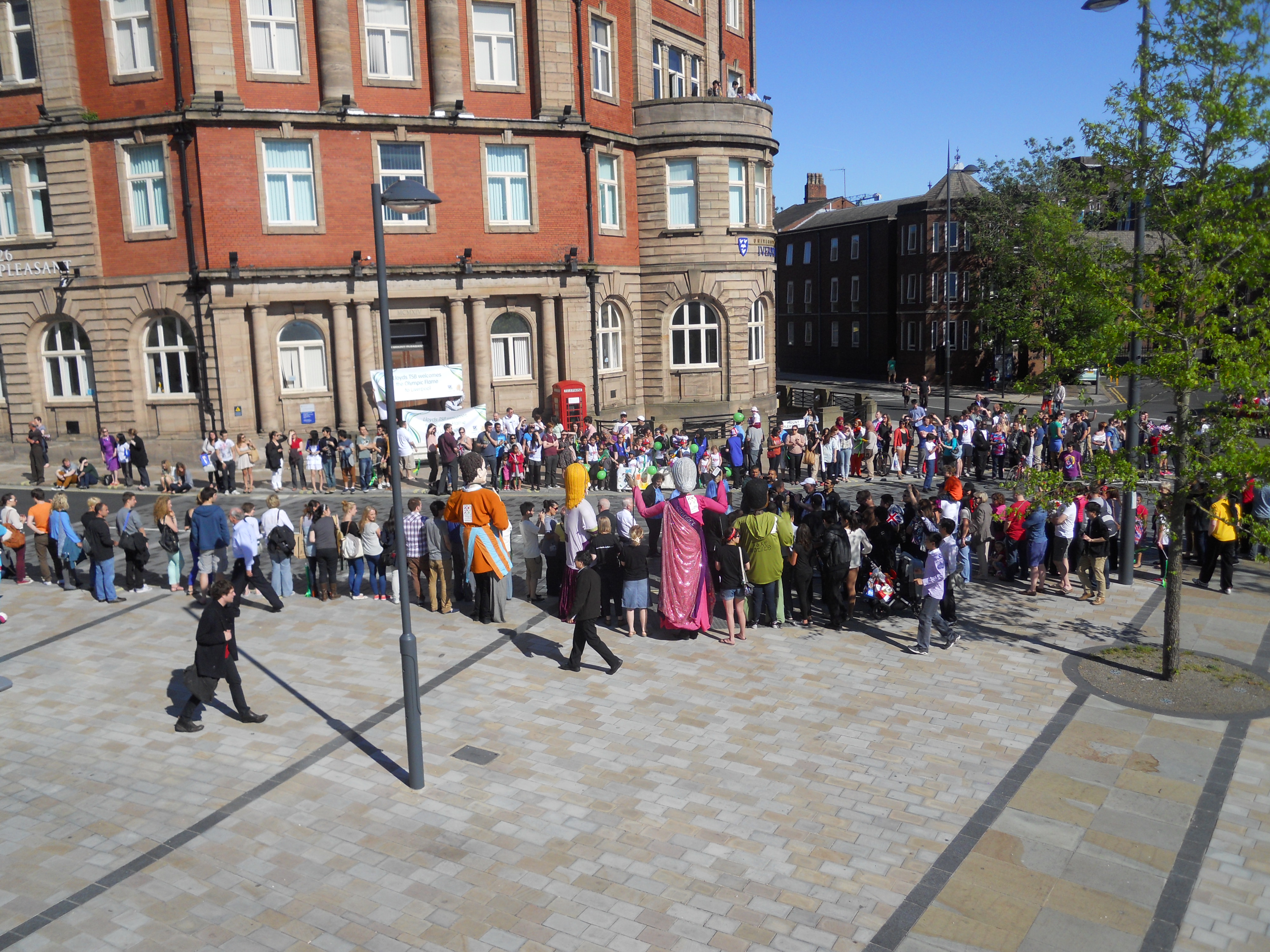
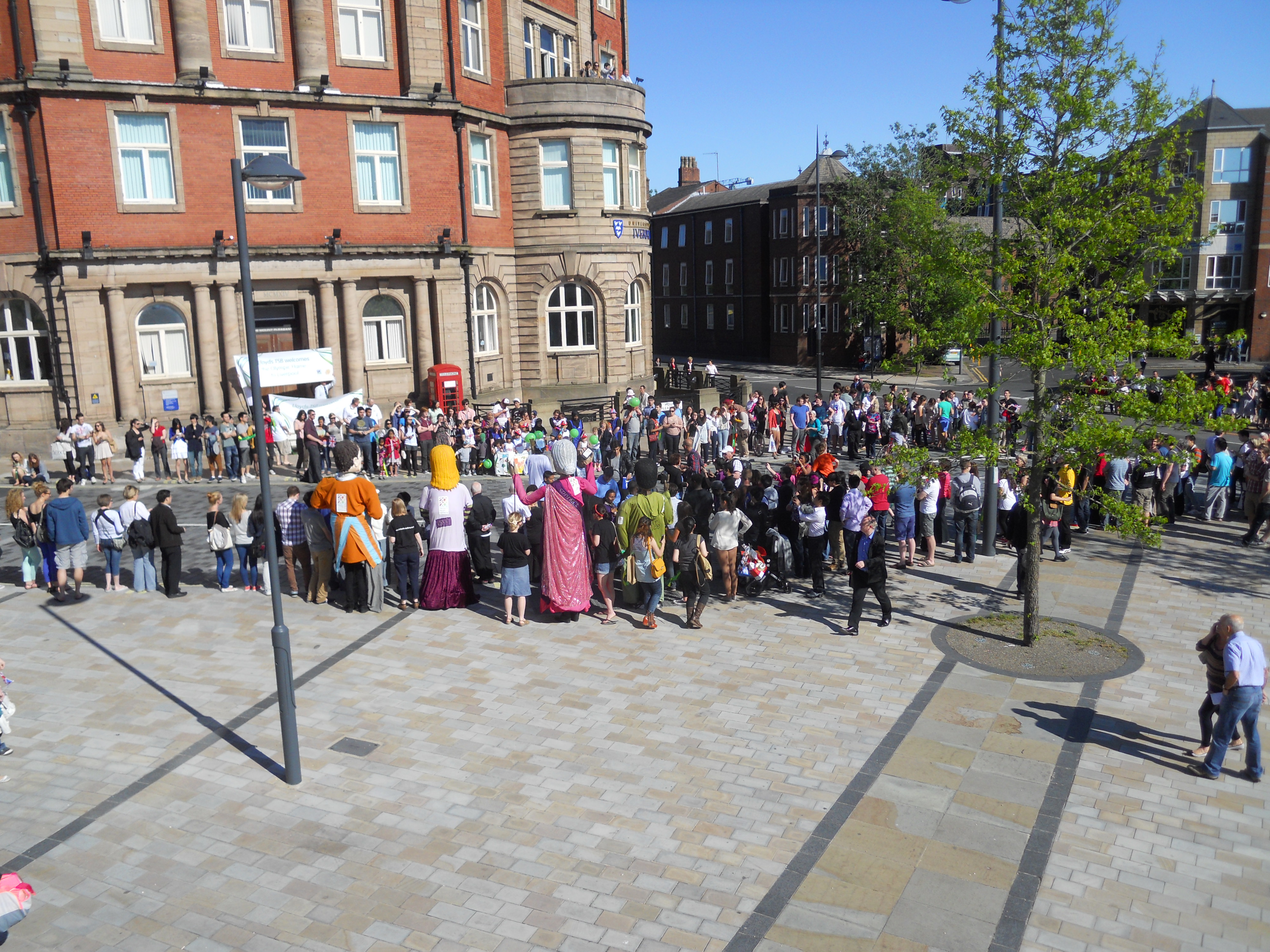
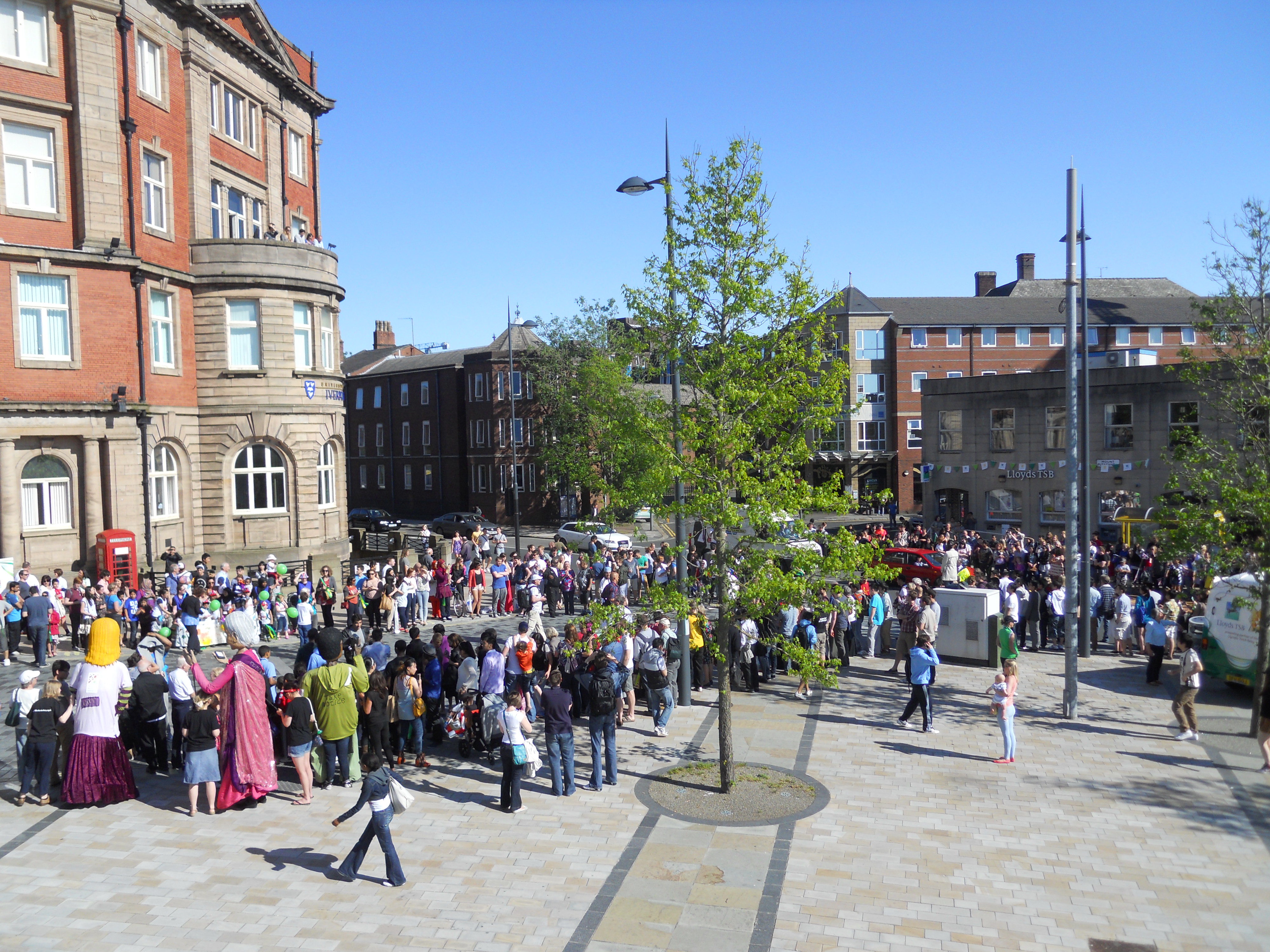
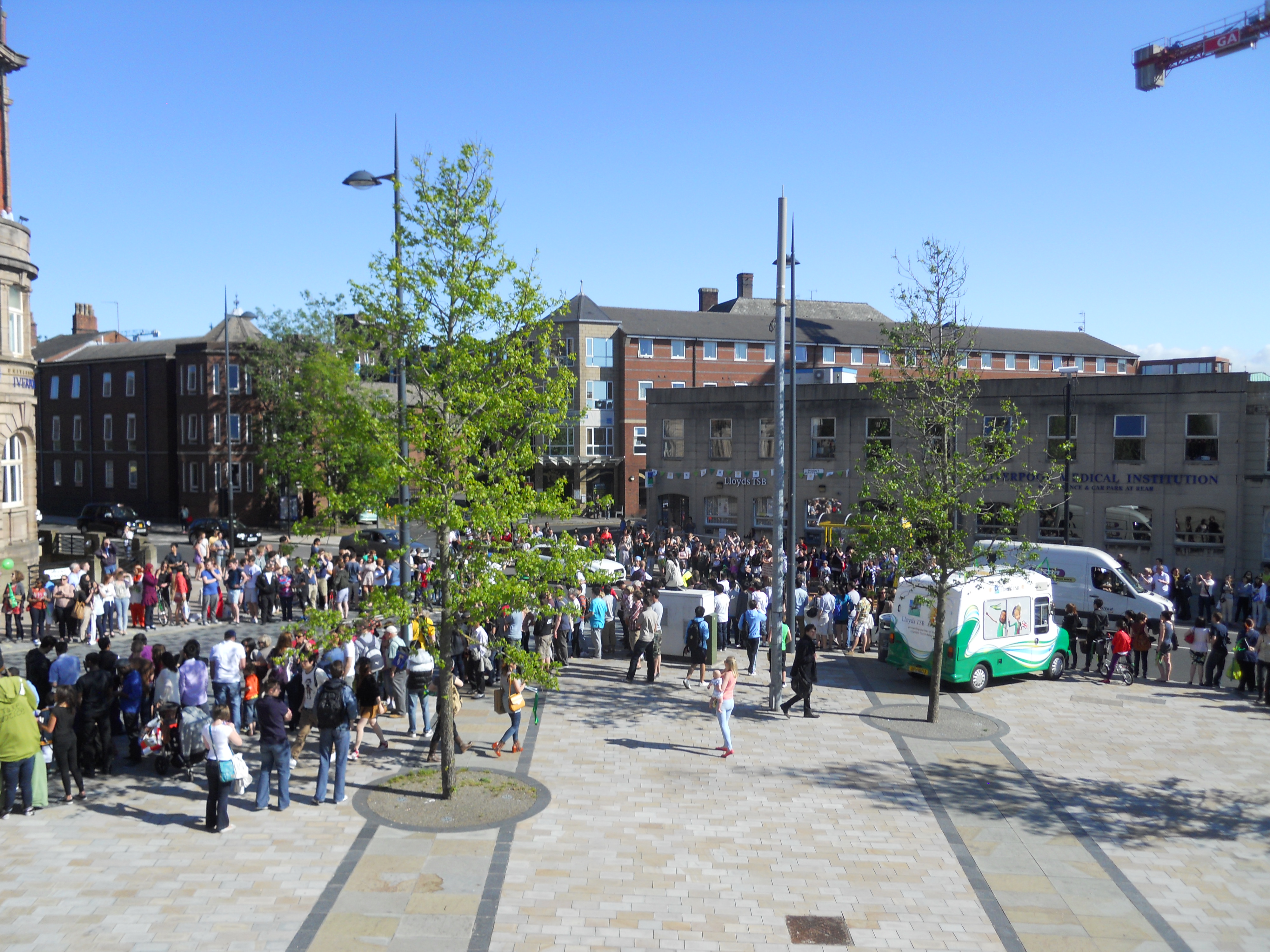
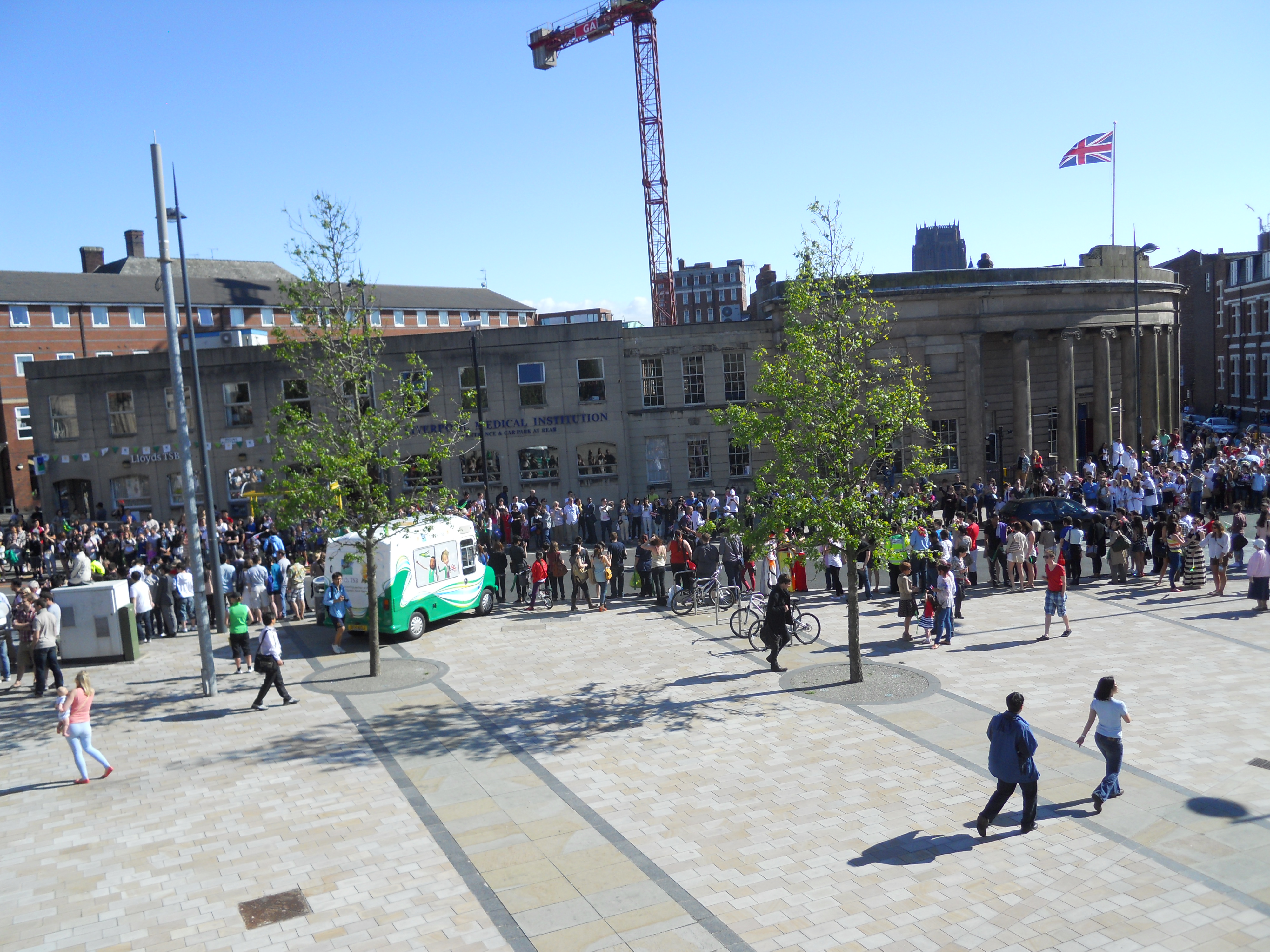
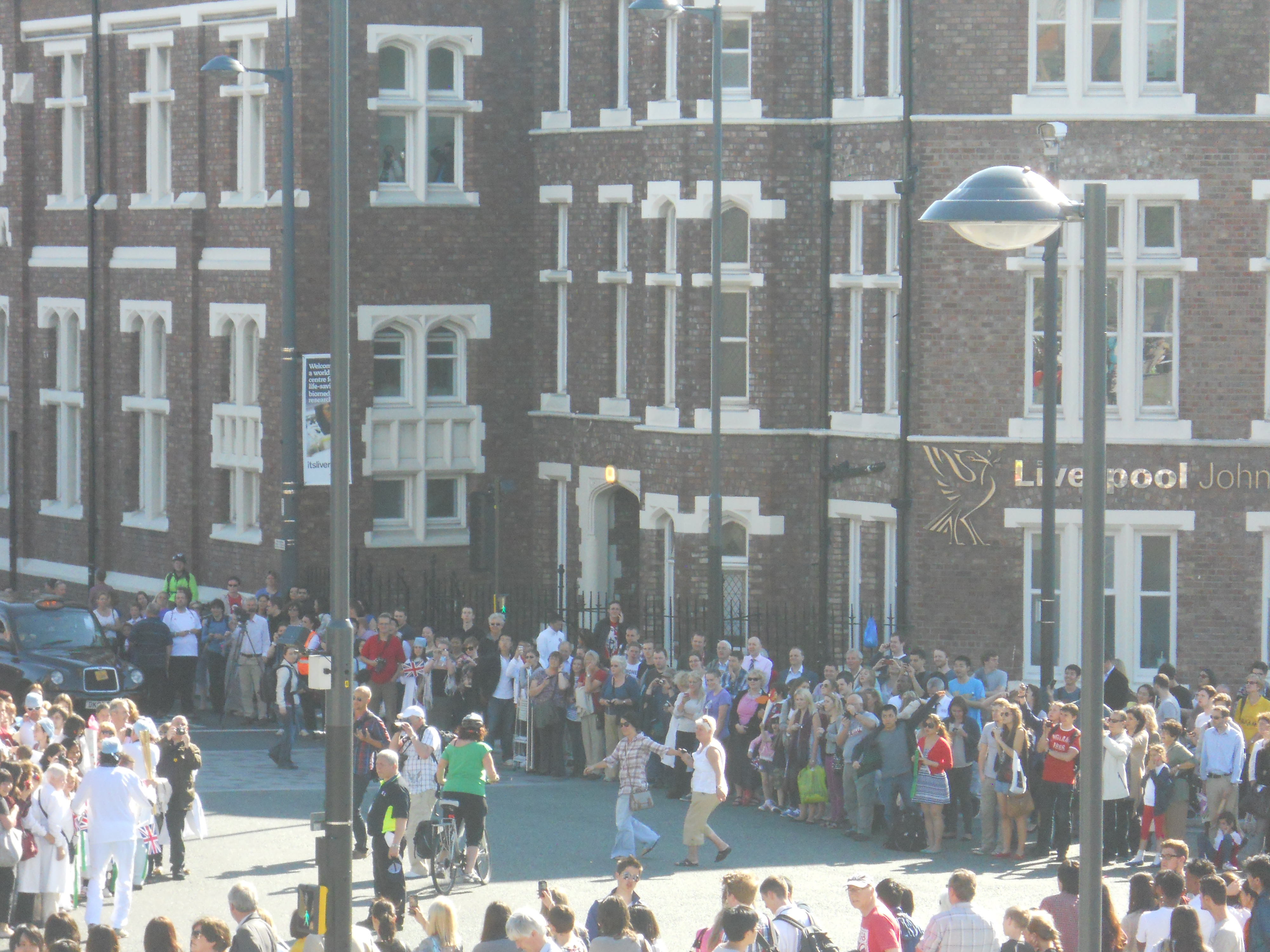
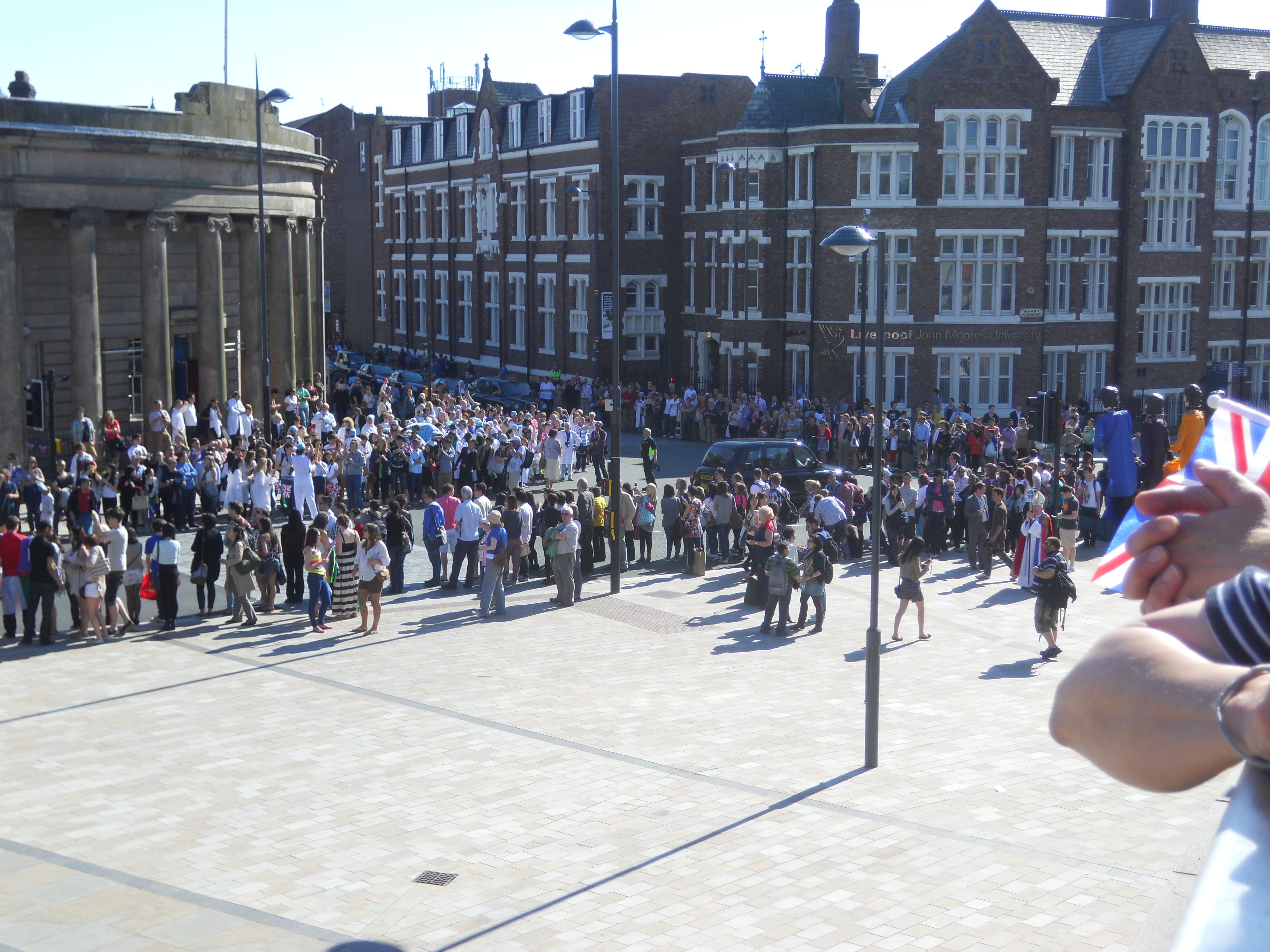
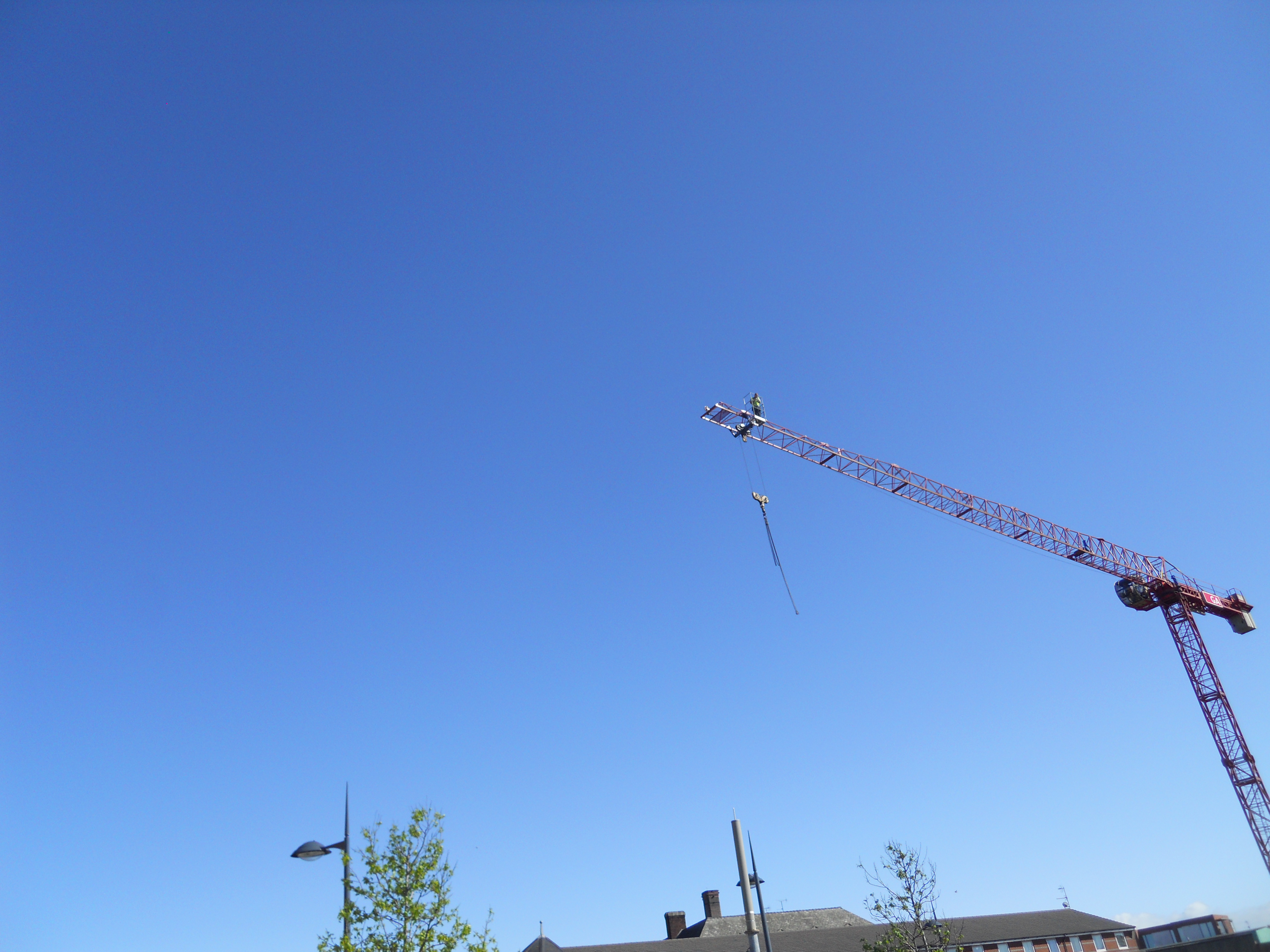
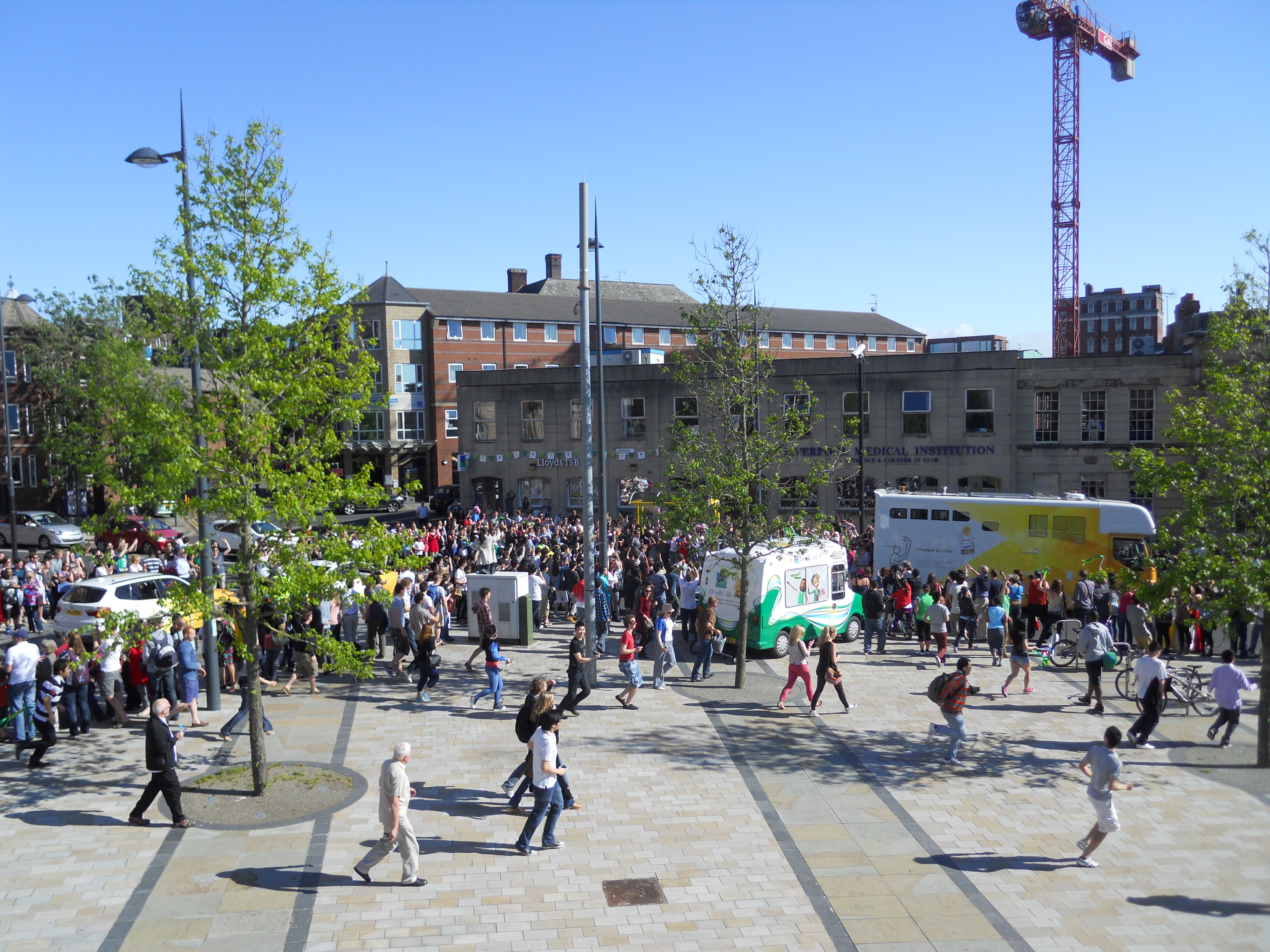
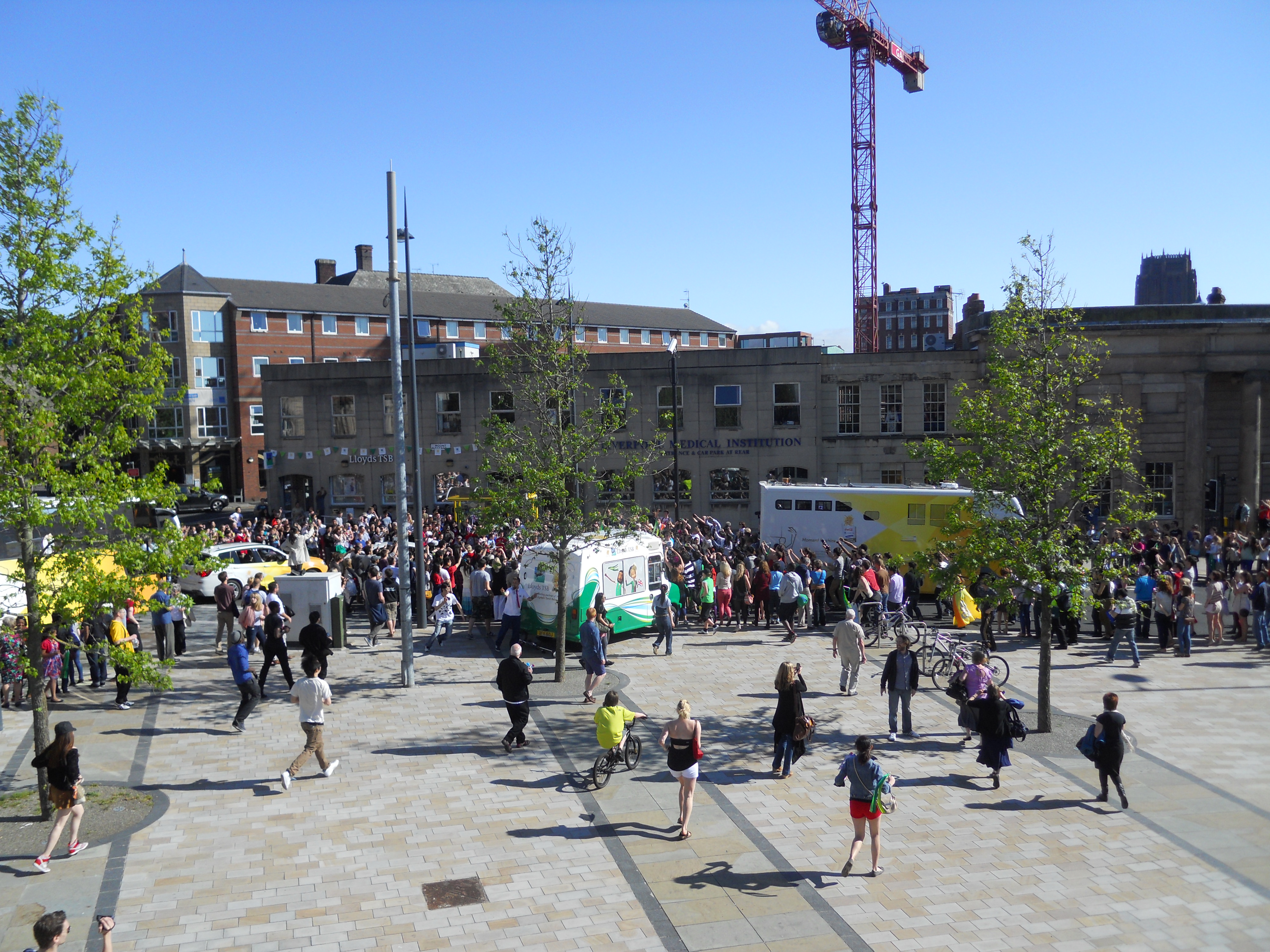
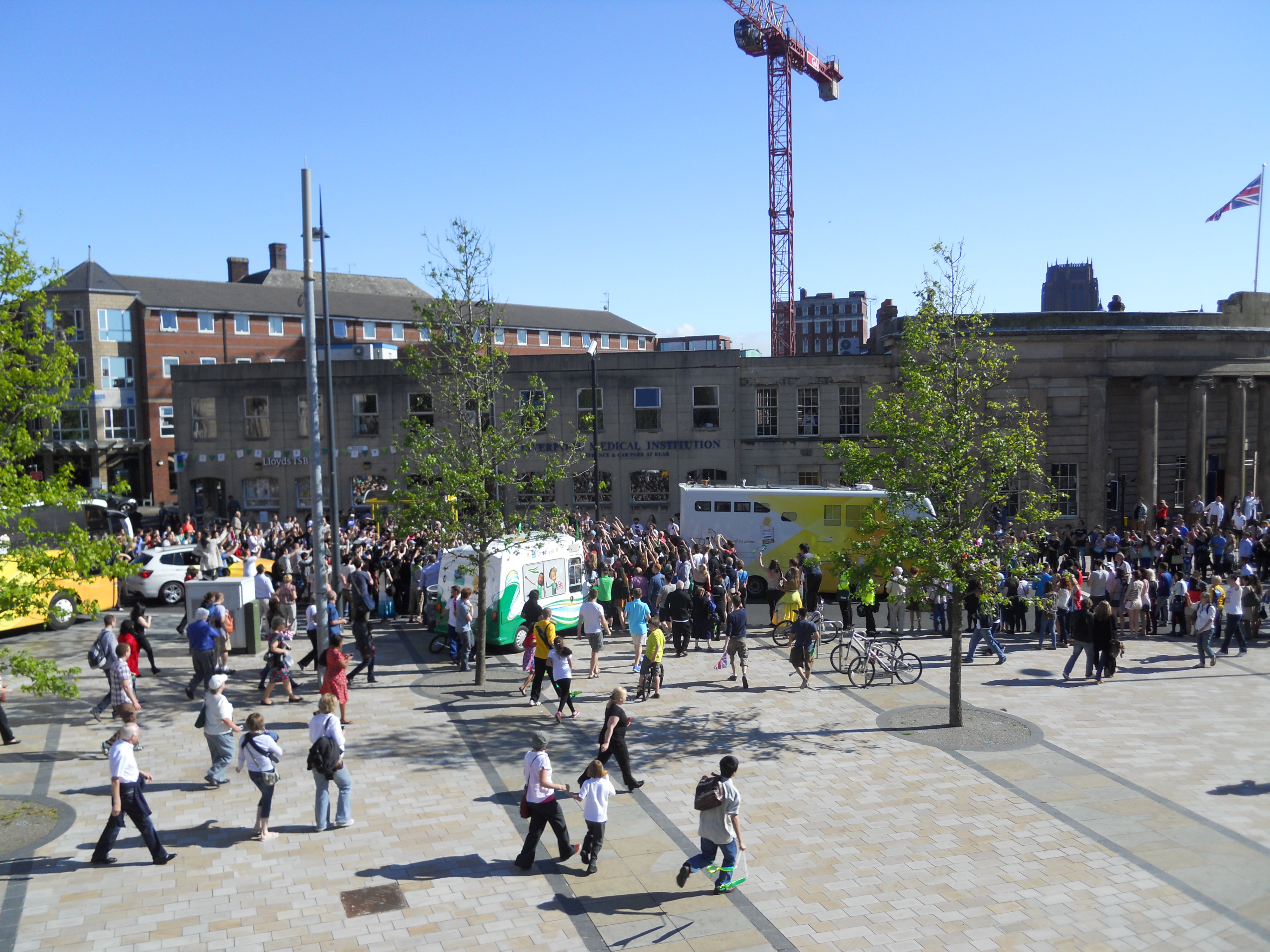
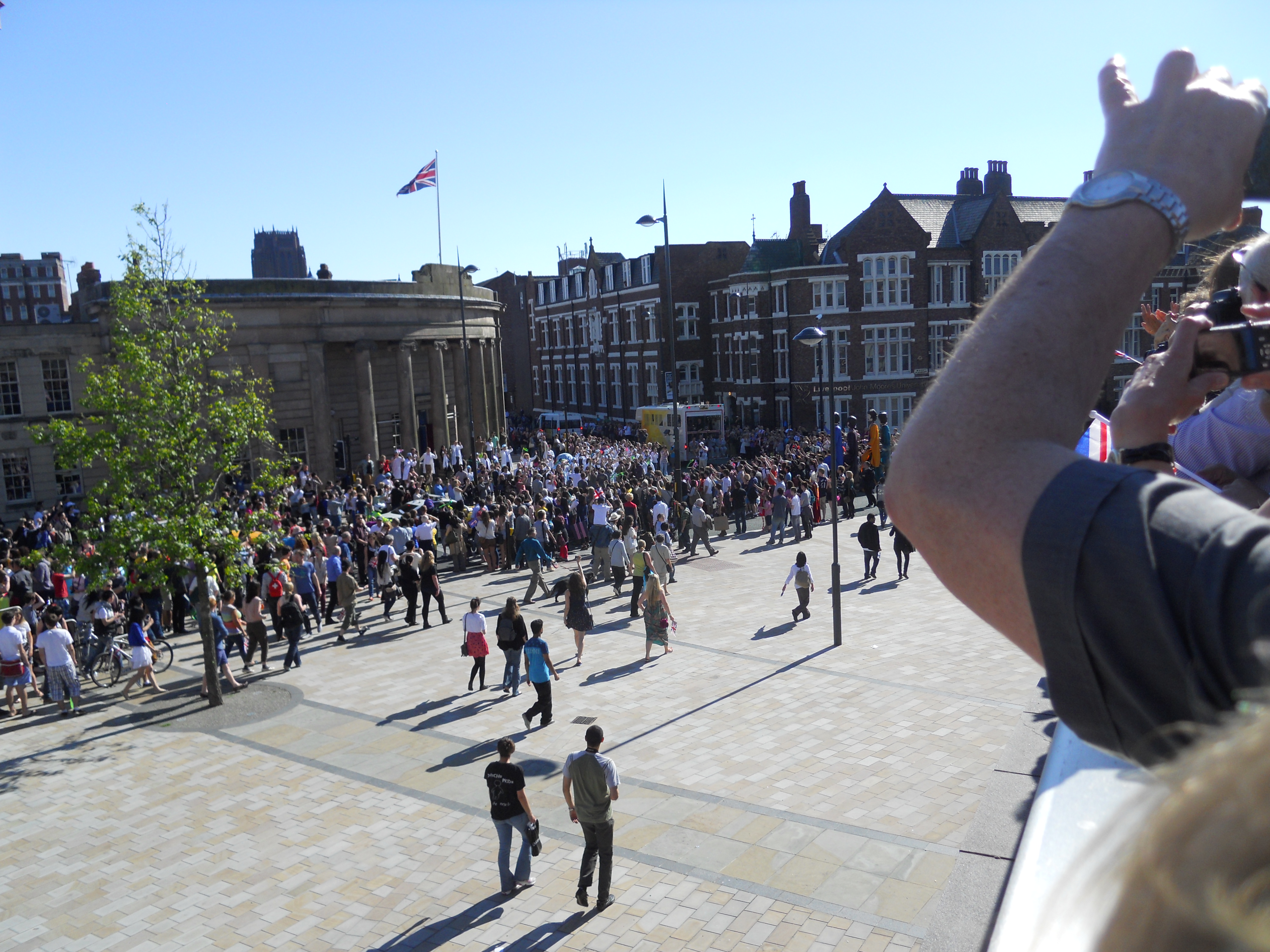
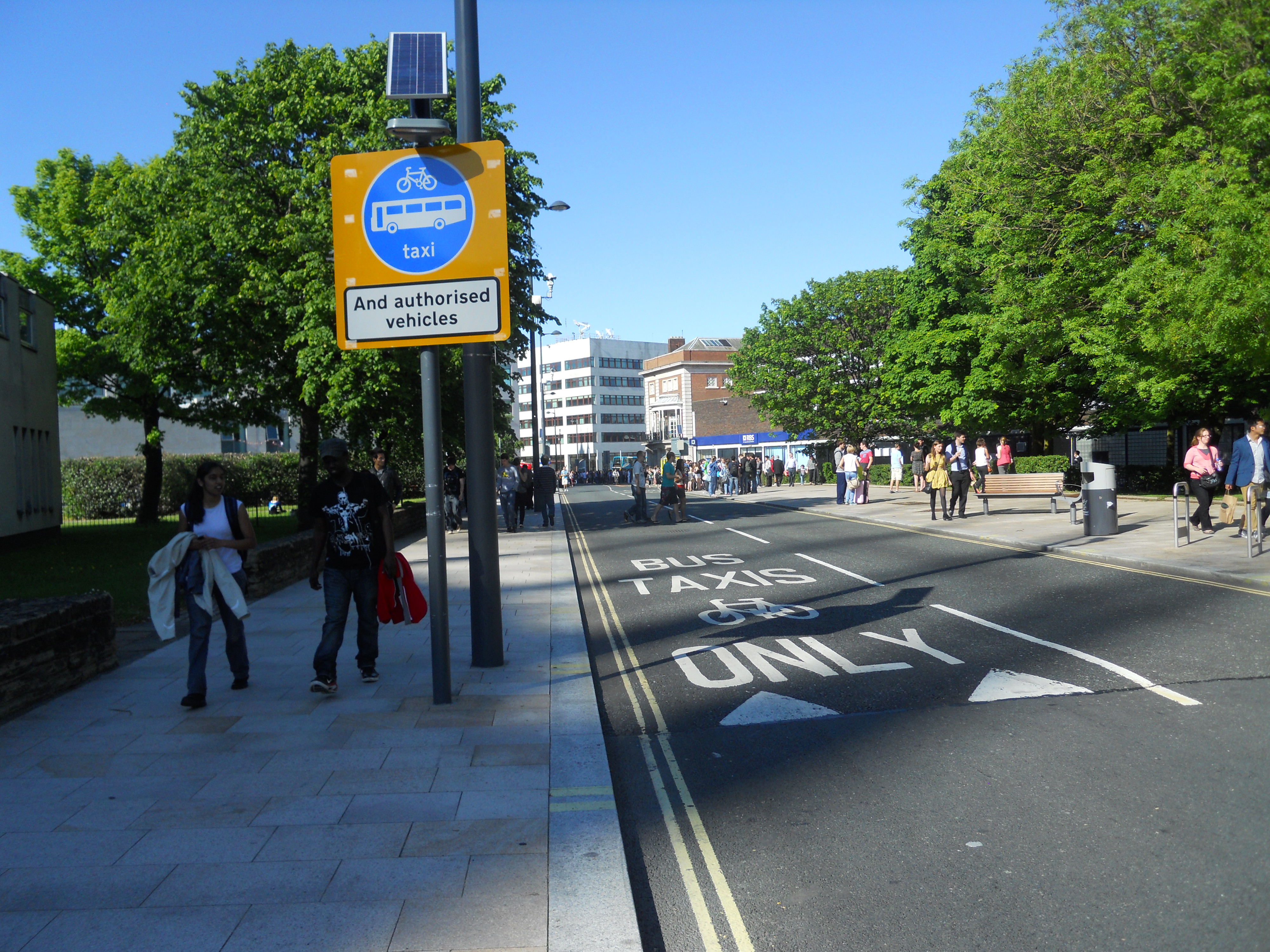
The pictures are in the order I took them.
If I’d made a video, you would have heard the bells ring out. Just as they did, when the Relay passed the Anglican Cathedral.
A few thimgs to note in the various pictures :-
2 – This picture shows the platform at the right, where I took the pictures from.
3 – Lloyds Bank TSB’s publicity vehicle was a converted Bedford CF van, that started its life selling ice cream.
18, 19 – You can spot the Archbishop of Liverpool, the Most Reverend Patrick Kelly in full regalia. Admittedly, it was mainly red, white and blue. He seemed to be enjoying himself, but I don’t know whether he blessed the relay.
21, 26 – The giant puppets are from Hope Street Ltd. and represent Beatles characters.
23,24,25,26 – The building directly opposite is part of Liverpool John Moores University. In my day it was a Roman Catholic Teacher Training College. Opposite the building and behind the one with all the columns, used to be the Everyman Theatre, which is currently being rebuilt.
35 – Note the man on the crane.
36,37,38,39 – The torch and a kiss is in there somewhere.
40 – Walking back towards Brownlow Hill and the University.
What it was like at ground level is shown by this video.
Hope Street
When I was in Liverpool in the sixties, there was much more religious tension than there is today.
Part of the reason, was the leadership of the two great churchmen; David Sheppard and Derek Worlock. They are commemorated in this joint statue in Hope Street.
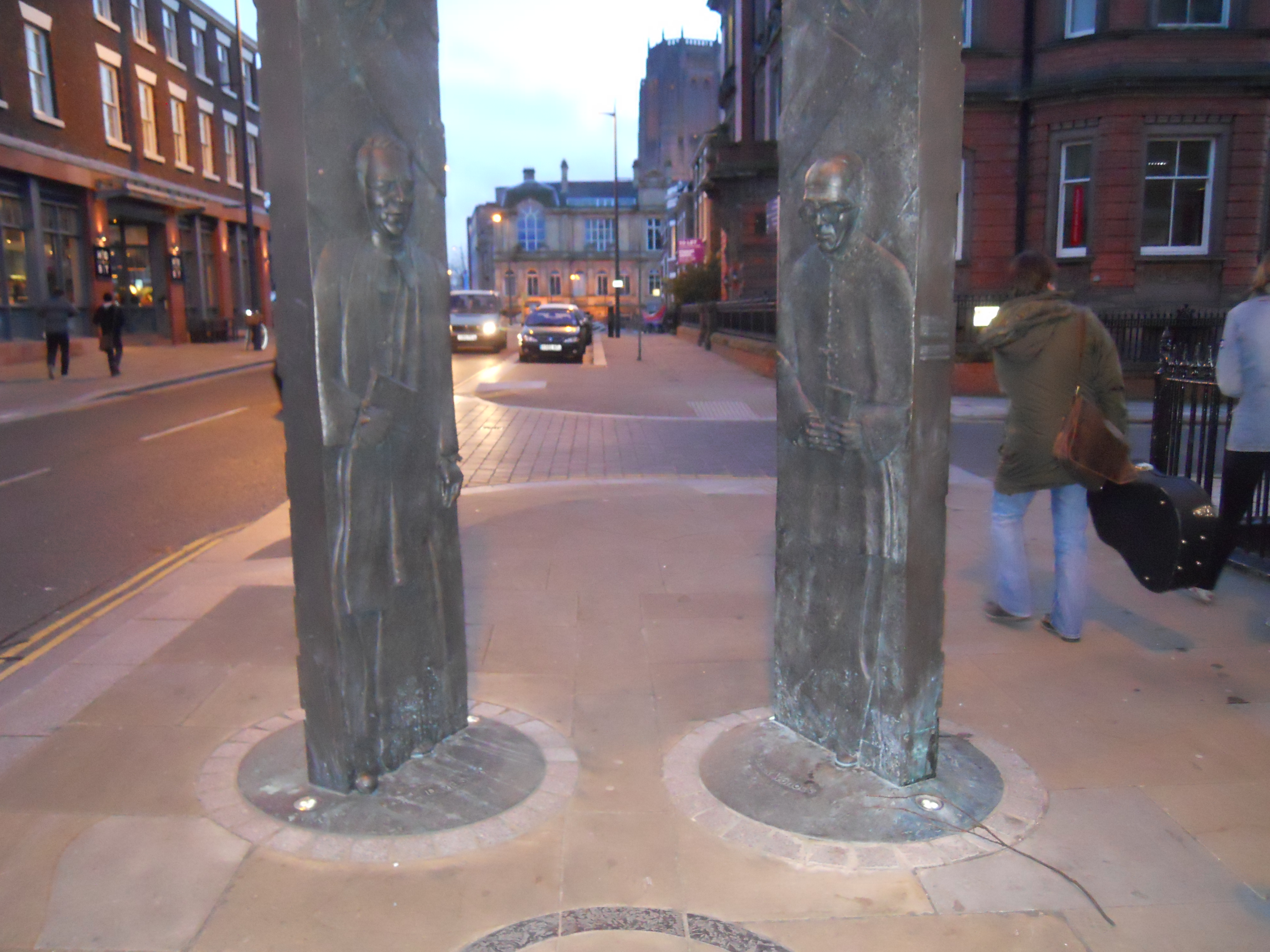
The Sheppard-Worlock Statue
Note how you can see the Anglian Cathedral in the picture. From behind, you can see the Roman Catholic one at other end of Hope Street.

The Sheppard-Worlock Statue from Behind
Incidentally, Derek Worlock was a coeliac. I have a feeling that rulings by the current Pope would mean that he couldn’t be ordained as a Catholic priest today. Religion should be about inclusion and tolerance and not the reverse.
A Day in the Second City
To me, Liverpool is England’s second city, despite the claims of Birmingham and Manchester, which are pretty weak really.
If I was to show you pictures of Birmingham or Manchester cathedrals, would you recognise them? Probably not, but most people know both of Liverpool’s two iconic and world-class ones; Anglican and Catholic.
Liverpool too, has a compact centre behind the world famous waterfront which together make up the Liverpool Maritime Mercantile City, a UNESCO World Heritage Site. Liverpool also has some of the best collections of art in the UK outside London.
Then too, we all know musicians, actors and comedians from Liverpool, but lists of those from Manchester and Birmingham are noted for being rather short. The latter may have produced Tony Hancock, but I can’t name a second comedian for Birmingham. A lot of people think that Beryl Reid was from the city, but she was born in Hereford.
I’d actually sold the tool-kit for an XJ-S on eBay to someone in the city, who is restoring one of these classic Jaguars and as I always like an excuse to visit, I used the proceeds to deliver them personally.
So at 10:07 yesterday morning, I boarded the Virgin express for the city. A few minutes over two hours later I was in Lime Street Station. I’m a great believer in what I would call destination stations, where you could go to meet a friend, client or business colleague and have a meeting or a meal. St. Pancras is obviously that type of station, Euston and Edinburgh are definitely not and Kings Cross is getting there fast. In a couple of years, Lime Street will be a place to visit in its own right, especially, as it is opposite one of England’s greatest buildings, St. George’s Hall. Pevsner rated that building one of the finest neo-Grecian buildings in the world.
So the evidence that Liverpool is the second city is overwhelming and now that Virgin Trains have a very good service from London, I’d add it to the must-see list for any visitor to the UK.
I’d first arrived in Liverpool with a tatty cardboard suitcase containing my clothes and a few books in 1965 to start my course in Control Engineering at Liverpool University. Then the station was grimy and dirty and as the train crawled into the station after a four hour journey from London, I did wonder what I’d let myself in for. But in a way it started a love affair that has lasted nearly fifty years.
I should also say, that I had been given an unconditional offer by the University of a place, so I’d never even had a visit or an interview. In those days you either accepted those offers immediately or you might lose them.
 The Anonymous Widower