A Long Ride In An Electric Bus
In the last few weeks, I’ve started to use the 243 bus, a lot more, as I’ve been on a course at St. Leonards Hospital and bus serves Dalston Junction, St. Leonards Hospital, Old Street station and a couple of other places I visit regularly.
On Thursday, I used it from my GP’s surgery and the William Harvey Heart Centre, where I volunteer.
I noticed that the buses on the route were now brand-new Wrightbus Streetdeck Electroliner battery-electric buses.
This morning, I took a ride on a 243 bus from ~Old Street to Wood Green to make a better assessment of the bus.
These were the pictures I took.
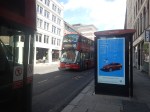
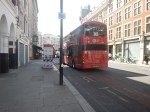
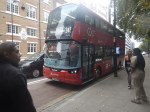
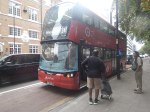
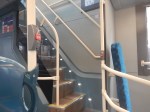
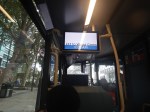
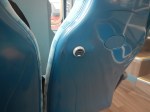
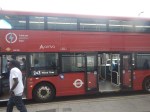
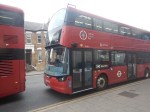
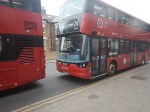
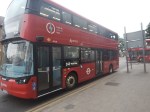
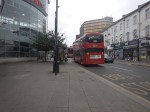
I can compare it with four other common London buses.
- In common with the 243 bus of a few weeks ago, the 141 bus, that I use regularly has a collection of Wrightbus hybrid buses of a certain age, which need to be replaced.There is no comparison between the two buses, as the Streetdeck Electroliner has better ride, seats and interior fittings and also comes with phone charging, with every passenger having their own USB port.
- In addition to being fully electric, the bus is a step-up from the New Routemaster, in that the Electroliner is much quieter.
- In British Buses For British Bottoms, I was impressed with the Electroliner’s single-deck sibling and as most would expect, the buses are of similar standard and quality.
- I regularly ride on 43 buses, which are based on a Chinese chassis. I would rate the ride on these buses to have inferior passenger ride, than both the Electroliner and the New Routemaster.
I have a few other thoughts.
Is The Range Sufficient?
The web page for the Wrightbus Streetdeck Electroliner, says this about range.
StreetDeck Electroliner is not a regular electric bus, its optimised power from a 454kW zero-emission battery electric power train is the ideal battery capacity for a UK Double Deck bus. It powers it to a range of up to 200 miles and a fast charge time of just 2.5 hours ensures daily scheduling aligning with driver breaks.
The buses are based at Tottenham Garage, which could mean they go back to there to charge, as it is on the route.
I asked Google AI, where the buses on route 243 were charged and got this answer.
London’s electric buses, including the route 243, primarily charge their batteries at bus garages using plug-in charging points. However, some routes, like the 358, utilize pantographs (overhead charging systems) at the ends of routes to provide rapid charging during the day, minimizing the need for lengthy garage charging. Arriva London, which operates route 243, has ordered new Volvo BZL electric buses for this route, and these buses will likely be charged using a combination of garage charging and opportunity charging via pantographs.
The answer is based on this article on this article on route-one.net which is entitled Arriva London orders 51 Volvo BZL Electric Double-deckers, where these are the first two paragraphs.
Arriva London has placed an order for 51 Volvo BZL battery-electric double-deckers. They represent the first order for the BZL from Arriva and will be deployed from Tottenham depot on Transport for London (TfL) routes 243 and 341.
Delivery is to commence in 2025 and the buses will be 10.9m long. High-backed seating will be fitted along with USB charging points and glazed skylights. Each will have 470kWh of energy storage with the 200kW driveline including a two-speed automated manual gearbox.
I have some questions.
- Has my camera lied about the buses it saw on the 243 route?
- Do the Wrightbus Streetdeck Electroliners use opportunity charging on the 243 route?
I shall investigate.
Has Aldgate Bus Station Been Fitted With Opportunity Charging?
In Hackney Downs Station To Aldgate By Volvo Electric Bus, I described my second ride in a Volvo BZL electric bus.
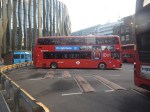
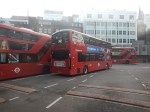
When I arrived at Aldgate bus station, I asked the driver, if he would be charging the bus. He answered in the affirmative.
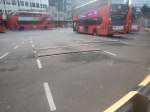
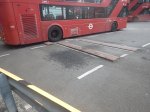
I then took these pictures.
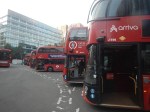
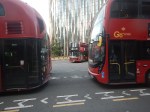
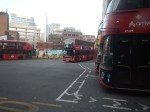
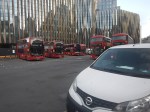
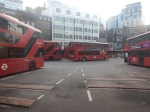
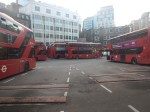
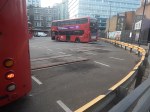
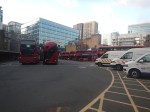
Note.
- Some of the buses were backed into parking spaces, with their back wheels up against one of two raised strips.
- The 242 bus I’d arrived on parked that way.
- A couple of New Routemasters were also parked each side of it.
- The 242 bus, I’d arrived on appeared to shut off all power for a few minutes. Was it charging at that time?
This Google Map shows the layout of the bus station.
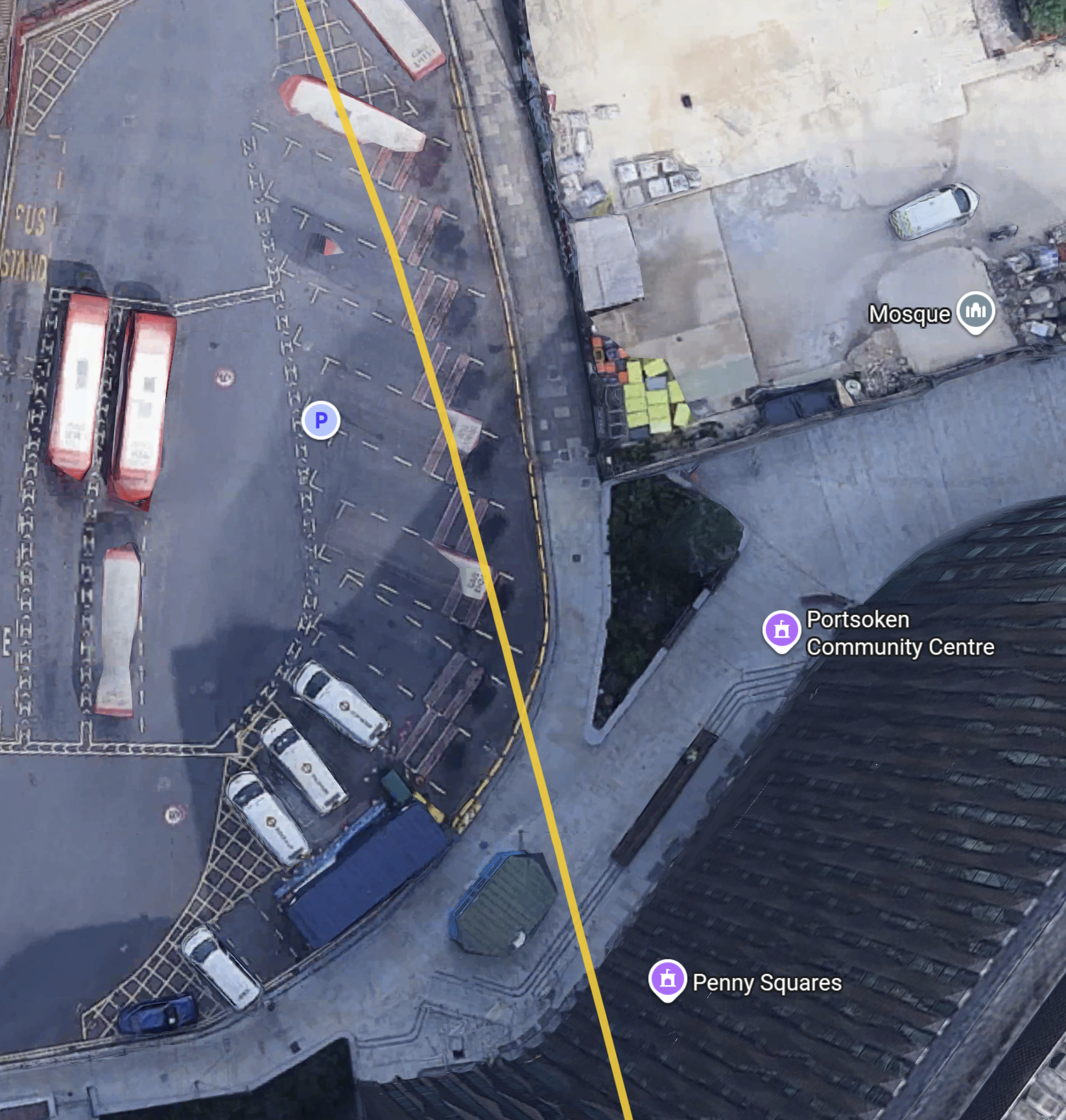
Note.
- Ignore the yellow line, as it just the route of the Circle Line, which runs underneath.
- The strips are clearly visible.
- It looks there are about ten of them.
- Click on the map to show it to a larger scale.
I suspect some form of contactless charging could be used, as some people do with their mobile phone.
Power for the charging could even be taken from the Circle Line.
Exploring London Bus Route 132
London Bus Route 132, is run by battery-electric buses and it the first in London to use opportunity charging.
These pictures show the route from North Greenwich to Bexleyheath Shopping Centre.







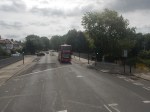
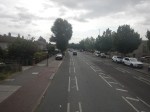
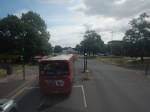
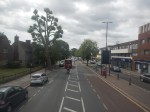
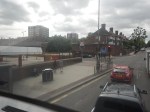
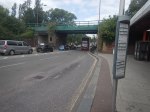
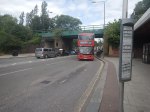
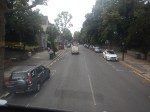
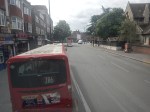

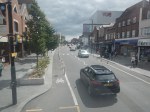
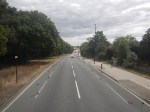
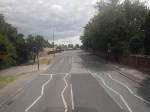
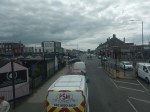
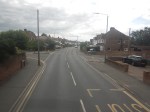

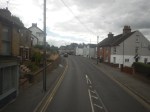
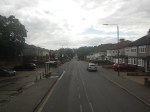
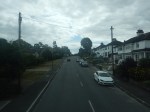
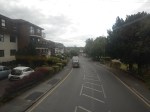
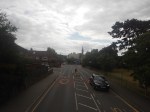
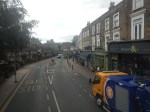

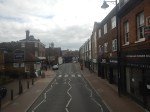
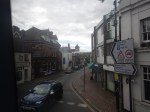

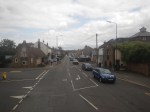
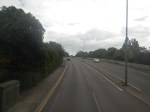
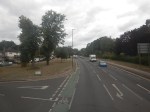
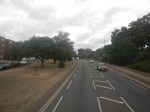
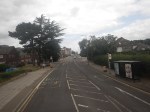
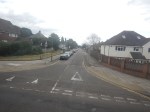

Note.
- These pictures were shot in two sections on the 3rd and the 6th of July 2023.
- The break was at Eltham station.
- Some sections of the route had a lot of cars.
- Some side roads were full of parked cars.
- There were large numbers of cars parked in front of houses.
There are my thoughts.
More will appear here over the next couple of days.
The Buses
The buses used on the route are Alexander Dennis Enviro400EV, which are built on a BYD Auto chassis.
They have a range of 160 miles.
The Route
The route has several inclines both ways and I estimate it is just under ten miles.
At North Woolwich, the bus didn’t appear to have a charge, but I can’t be sure.
But it disappear at Bexleyheath Shopping Centre and I was certain it went for a charge.
So is the operational philosophy to fill, the bus up overnight and then top the battery up every time, that it needs it at Bexleyheath.
A Comparison With A Similar Route In Birmingham That Has Hydrogen-Powered Buses
As the bus ran between North Woolwich and Bexleyheath Shopping Centre, I was comparing it, with the trip, I made across Birmingham, in hydrogen-powered buses, that I wrote about in Riding Birmingham’s New Hydrogen-Powered Buses.
Both were quality buses, but I felt the hydrogen bus had more power.
Opportunity Charging At Bexleyheath
If, buses need to be charged at the Bexleyheath Shopping Centre end of the route, where will they go?
This Google Map shows Bexleyheath Bus Garage in relation to the Shopping Centre.
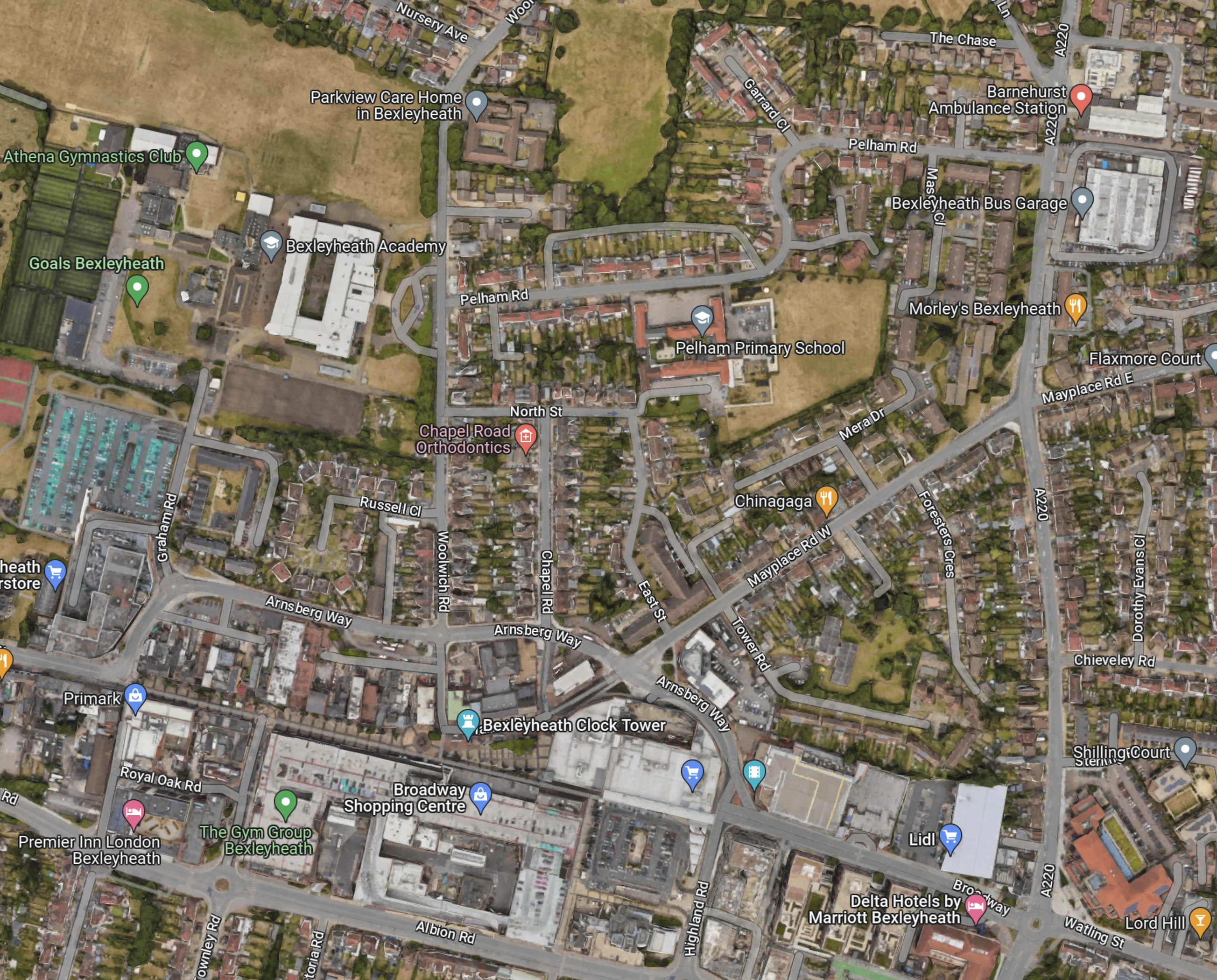
Note.
- Bexleyheath Bus Garage is in the North-East corner of the map.
- It looks like it shares a site with Bexley Fire Station and Barnehurst Ambulance station.
- So the garage is well located for any future lithium-ion battery fires.
- In the middle of the map at the bottom, is Bexleyheath Clock Tower, in the middle of the town centre.
- I estimate it’s less than two kilometres between Bexleyheath Bus Garage and the Shopping Centre.
This Google Map shows a close-up of the Western side of the Bexleyheath Bus Garage.
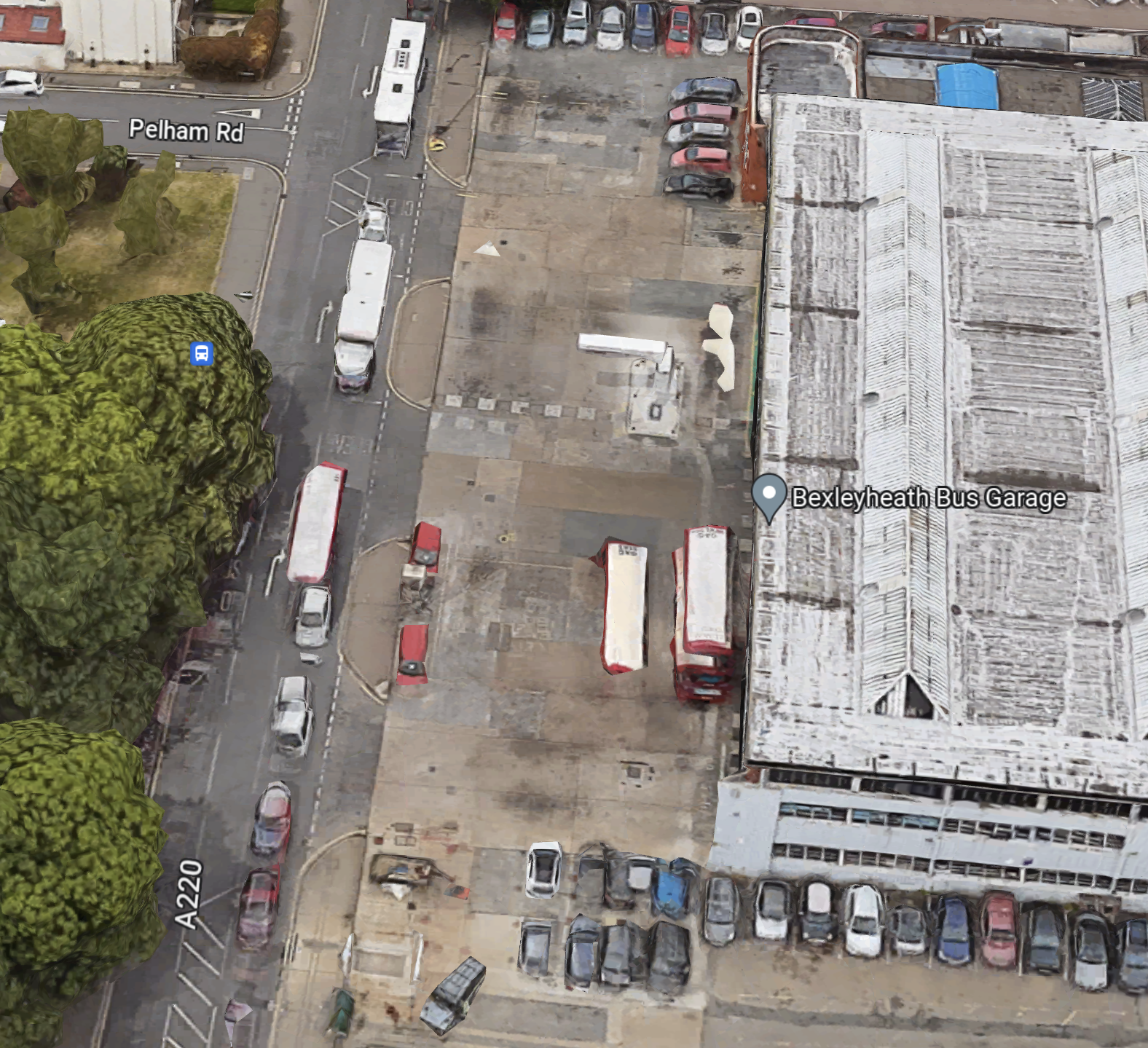
Note.
- The two buses parked by the side of the garage.
- Behind them a white arm reaches over towards the road.
- This is the charger and buses connect using a pantograph on the roof.
It could be an All-In-One Fast Charging Station AIO from Furrer+Frey.
The Electrical Connection At Bexleyheath Bus Garage
Consider.
- The bus garage shares a site with a fire station and an ambulance station, which surely must need a reliable power source.
- This is London’s first application of opportunity charging.
- There are improvements constantly happening to London’s struggling power network.
- It is a large site and I suspect there is space for a battery to boost power.
I would assume that Transport for London wouldn’t have chosen a bus garage with a dodgy power supply.
Could The Charger Be Solar-Powered?
This Google Map shows the roof of Bexleyheath Bus Garage.

Note.
- It appears to be a square with a length of about six buses.
- It looks rather dirty.
I suspect that the roof could be replaced with a modern solar roof.
Hydrogen Or Electric
This article on RouteOne is entitled Enviro400FCEV Hydrogen Bus Fleet For Liverpool Debuts.
This paragraph describes the performance.
Alexander Dennis has chosen the heavy-duty variant of VEDS. It is designed to deliver up to 410kW of power, but the vehicle OEM says that in the Enviro400FCEV, output is limited to 350kW. Such an approach will maximise fuel economy while still enabling a high road speed and good hill climbing ability. Expected range is up to 300 miles.
So the range on hydrogen is nearly doubled.
Wrightbus’s outwardly similar electric and hydrogen buses have ranges of 200 and 280 miles, but filling times of 2.5 hours and 8 minutes.
The problem with hydrogen in London, is that the Mayor and Transport for London, don’t appear to have a hydrogen policy.
But I think, that hydrogen will win out in cities and areas, where hydrogen can be supplied.
I also believe that hydrogen has other advantages.
- There is likely to be significant progress in improving hydrogen-powered heavy vehicles.
- Hydrogen internal combustion engines are coming and could promise more affordable hydrogen buses.
- Better and more affordable methods to create green hydrogen are being developed.
- Some existing diesel buses will be able to be converted to buses powered by hydrogen internal combustion engines.
- Lithium-ion batteries have a high environmental footprint.
Hydrogen is also likely to be the fuel of choice for heavy trucks.
 The Anonymous Widower