Climbing The Valley Lines In The South Wales Metro
There are five terminal stations on the Cardiff Valley Lines, of which four will be served by battery-electric trains or tram-trains from Cardiff.
In this post, I will show how they will achieve this feat.
Consider.
- To get to Aberdare, Merthyr Tydfil or Treherbert, a tram-train must first get to Pontypridd.
- To get to Rhymney, a train must first get to Caerphilly.
I will now deal with the seven stations in alphabetic order.
Aberdare
This OpenRailwayMap shows the three branches of the Cardiff Valley Lines, that go through Pontypridd.

Note.
- Electrified lines are shown in red and unelectrified lines are shown in black.
- The branch to Aberdare is the middle of the three branches.
- It is planned that the service on the Aberdare branch will be provided using Class 398 tram-trains, that will be fitted with batteries.
- Electrification will be complete between Aberdare and Pontypridd.
It would appear that a tram-train could run between Aberdare and Pontypridd using the complete electrification.
Caerphilly
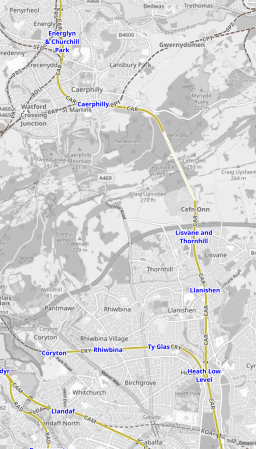
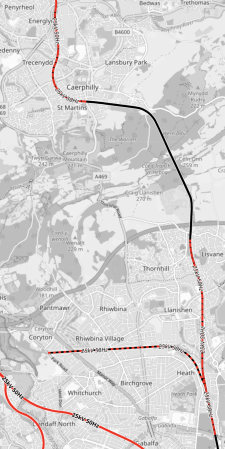
These two OpenRailwayMaps show the tracks through Caerphilly.
Note.
- The map on the left shows infrastructure, with the Rhymney Line shown in yellow.
- Caerphilly station is in the top third of the map.
- The white section of the Rhymney Line is the Caerphilly tunnel.
- The map on the right shows electrification, with the sections of the Rhymney Line that will be electrified are shown in red.
- Black sections will not be electrified.
- North of Caerphilly, the Rhymney Line is electrified, but through the station and the Caerphilly tunnel, there will be no electrification.
Trains will use battery power, where there is no electrification.
Ebbw Vale Town
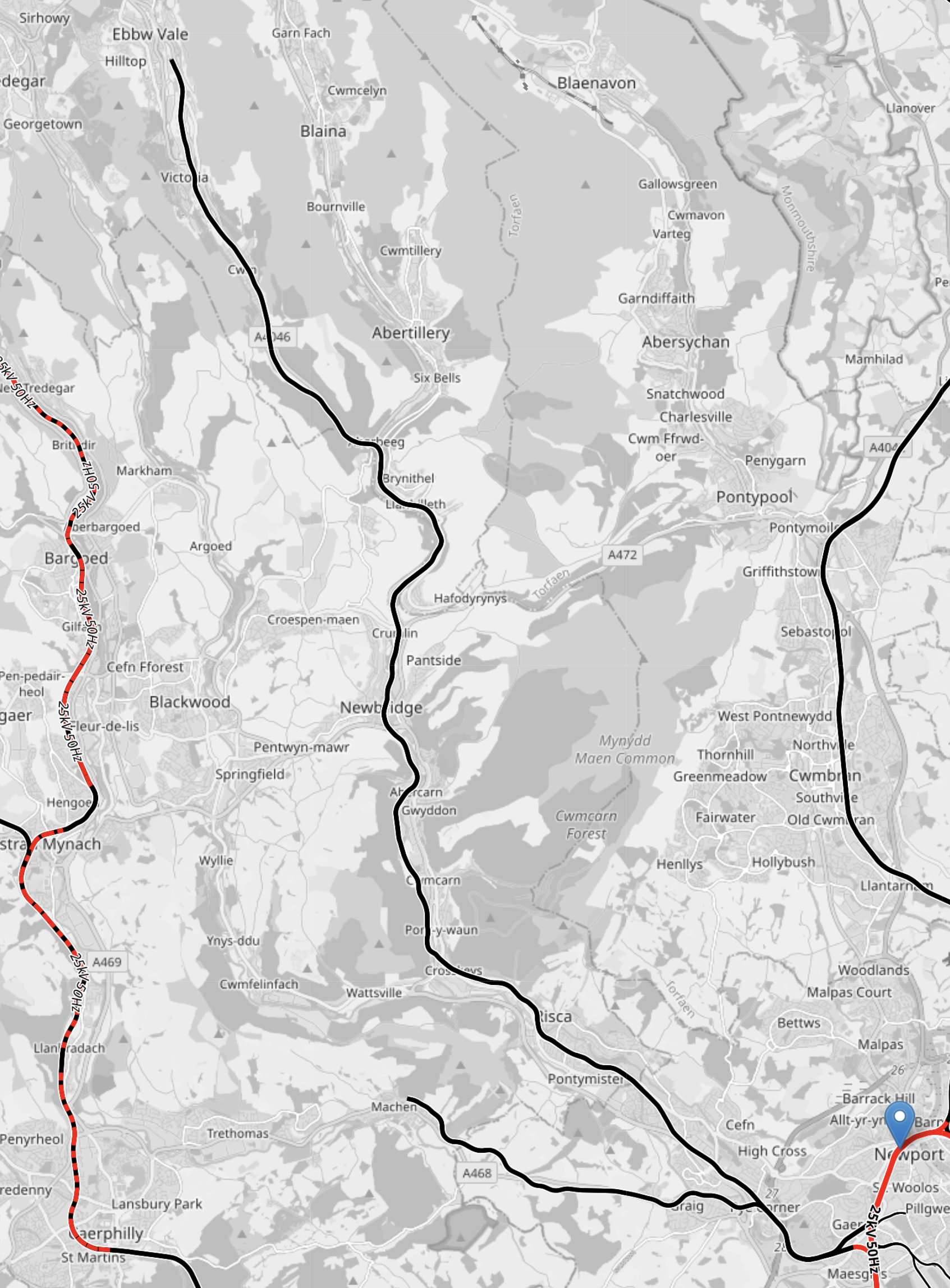
This OpenRailwayMap shows the Ebbw Valley Railway.
Note.
- Electrified lines are shown in red and unelectrified lines are shown in black.
- Lines where electrification will be installed are shown in red and black.
- Newport is marked by the blue arrow.
- The North-South Line at the left is the Rhymney Line.
- The North-South Line in the middle is the Ebbw Valley Railway.
- The North-South Line at the right is the Marches Line to Hereford and Shrewsbury.
Trains will use diesel power on the Ebbw Valley Railway, as there is no electrification and no means of charging battery-electric trains.
It does seem strange that no electrified solution has been proposed for the Ebbw Valley Railway.
Consider.
- An Abertillery branch has been proposed.
- A Newport and Ebbw Vale Town service has been proposed and will be implemented.
- Perhaps the line is difficult to electrify.
It could just be, the electrifying the Ebbw Valley Railway, was a step too far.
Merthyr Tydfil
This OpenRailwayMap shows the three branches of the Cardiff Valley Lines, that go through Pontypridd.
Note.
- Electrified lines are shown in red and unelectrified lines are shown in black.
- The branch to Merthyr Tydfil is the rightmost of the three branches.
- It is planned that the service on the Merthyr Tydfil branch will be provided using Class 398 tram-trains, that will be fitted with batteries.
- Electrification will be complete between Merthyr Tydfil and Pontypridd, except for two short sections.
- I would assume that the short unelectrified sections can be handled using the tram-trains battery power.
It would appear that a tram-train could run between Merthyr Tydfil and Pontypridd using the electrification and the tram-trains batteries.
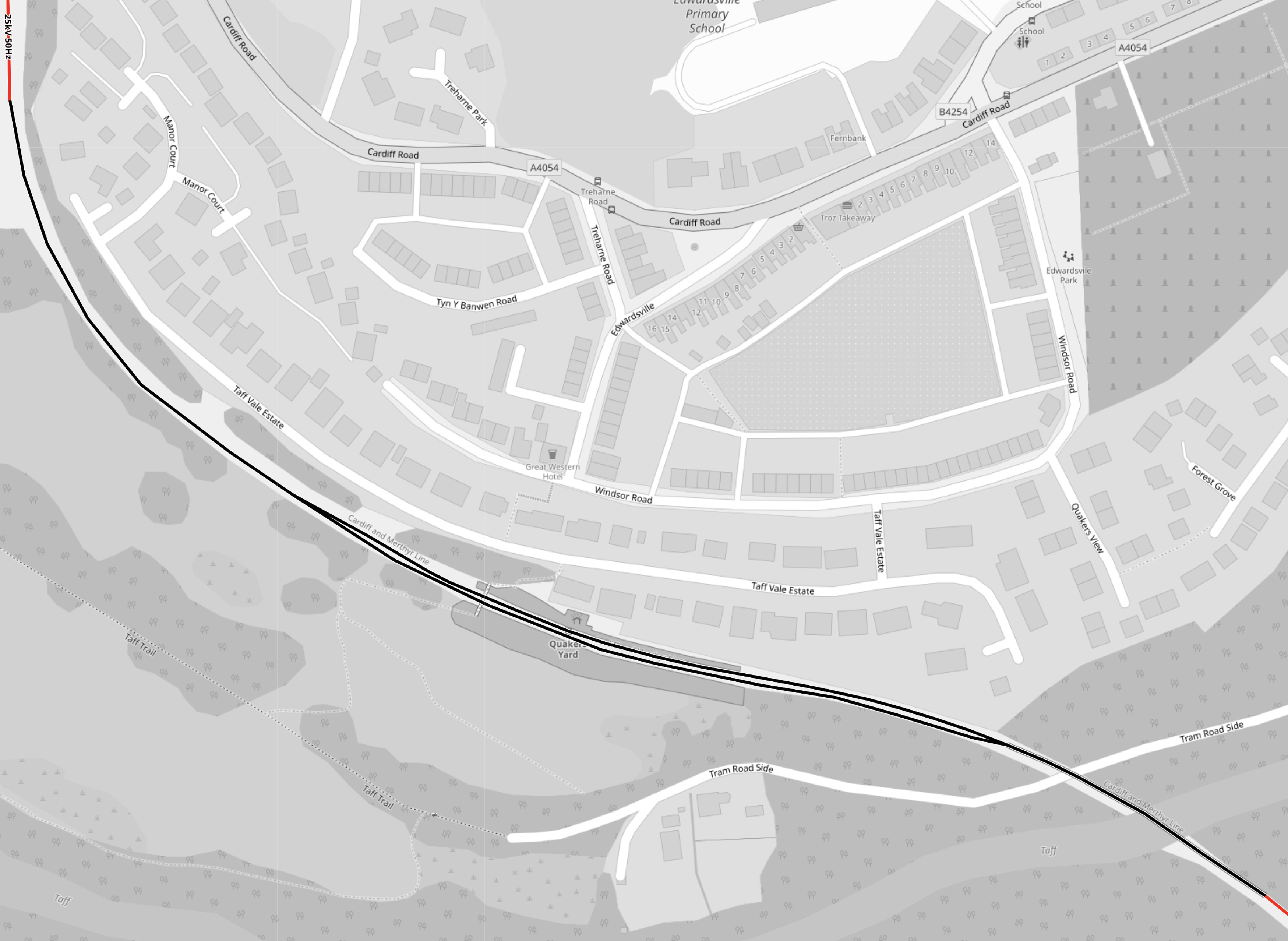
This shows the track layout at Quaker’s Yard station.
Note.
- Electrified lines are shown in red and unelectrified lines are shown in black.
- There are only two short length of electrification shown in the corners the map.
- Quaker’s Yard station has two platforms.
- The track layout appears to have single- and double-track sections.
It looks like it has been decided not to electrify this section. Perhaps, it was just too complicated to electrify easily?
This 3D Google Map shows the terminal station at Merthyr Tydfil.
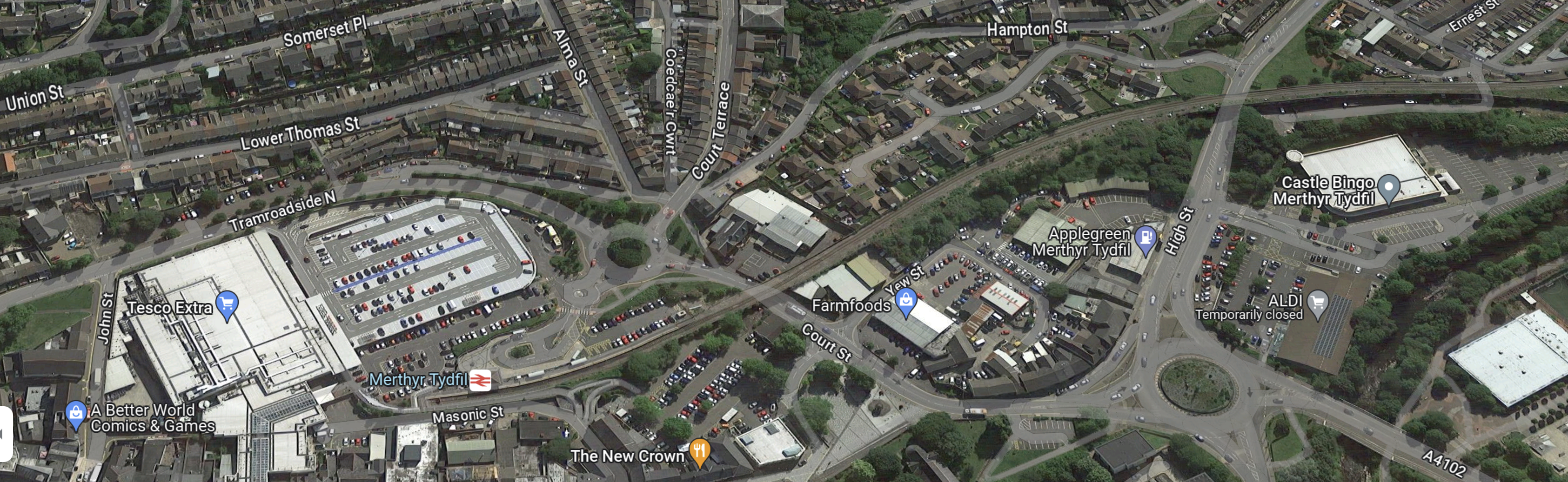
It looks like the railway runs through the town to the station. So perhaps leaving out the electrification made everything safer?
Pontypridd
This OpenRailwayMap shows the tracks through Pontypridd.
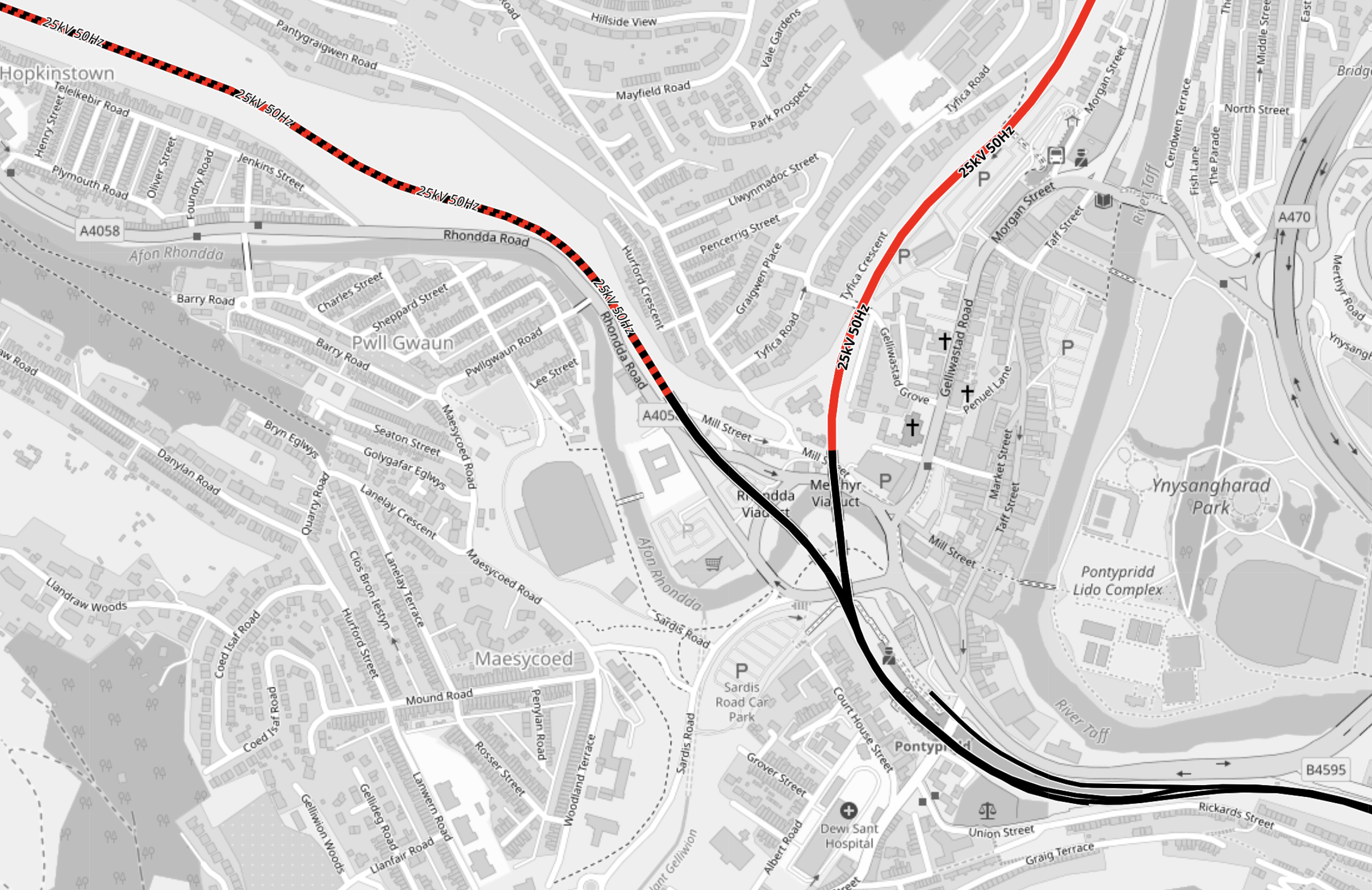
Note.
- Electrified lines are shown in red and unelectrified lines are shown in black.
- Lines where electrification will be installed are shown in red and black.
- The line leaving the map in the South-East corner is the line to Cardiff.
- The line leaving the map in the North-West corner is the Rhondda Line to Treherbert.
- The line leaving the map in the North-East corner is the Merthyr Line to Aberdare and Merthyr.
Pontypridd stations lies at the junction of the three lines.
This OpenRailwayMap shows the platforms at Pontypridd.
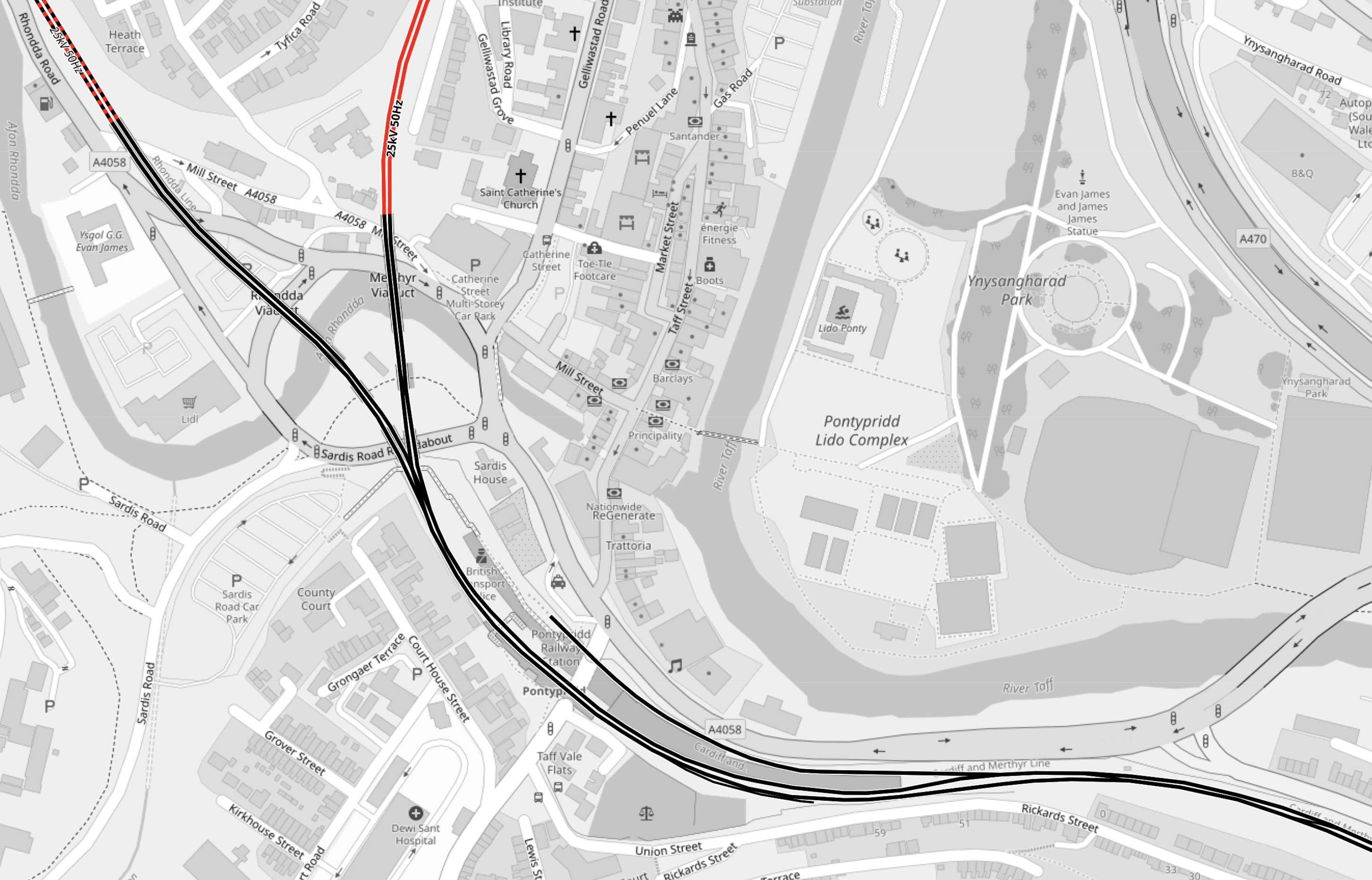
Note.
- There are two long through platforms.
- There is a bay platform on the North side of the station for extra Cardiff services.
- The station is not electrified.
These pictures show Pontypridd station.
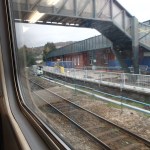
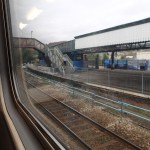
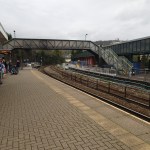
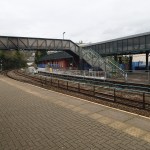
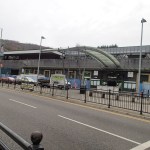
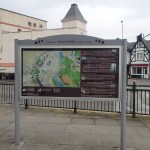
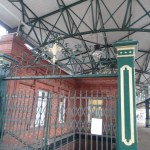
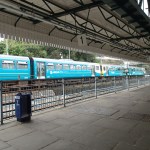
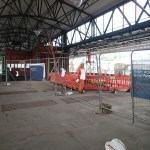
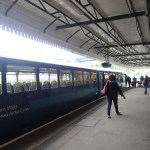
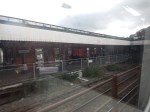
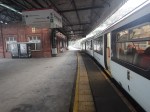
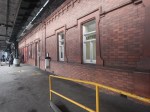
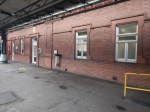
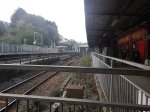
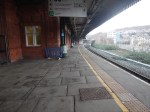
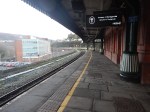

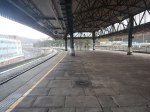
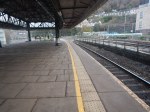
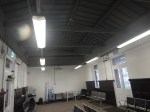

The station is Grade II Listed.
How will the tram-trains be powered through Pontypridd station?
Older Welsh railwaymen have told tales of how the coal trains from the mines in the valleys to Cardiff Docks were powered in part using gravity to propel the trains to the Docks. Steam locomotives then hauled the trains up the hills to get another load of coal.
Will Newton’s Friend be used to help the tram-trains return to Cardiff?
As the tram-trains descend, regenerative braking can be used to recharge the batteries.
A sophisticated computer control system, would choose the source of power from that which is available.
Descending from the terminal stations of Aberdare, Merthyr and Treherbert, and through Pontypridd would probably need a small amount of battery power to nudge the train to descend down the hill.
Fully-electrified stations like Aberdare and Treherbert will have the luxury of being able to use power from the electrification to start the descent.
Climbing the hills will be mainly on battery power, with the batteries being charged, where overhead electrification exists.
Rhymney
This OpenRailwayMap shows the Northern part of the Rhymney Line from Caerphilly to Rhymney.
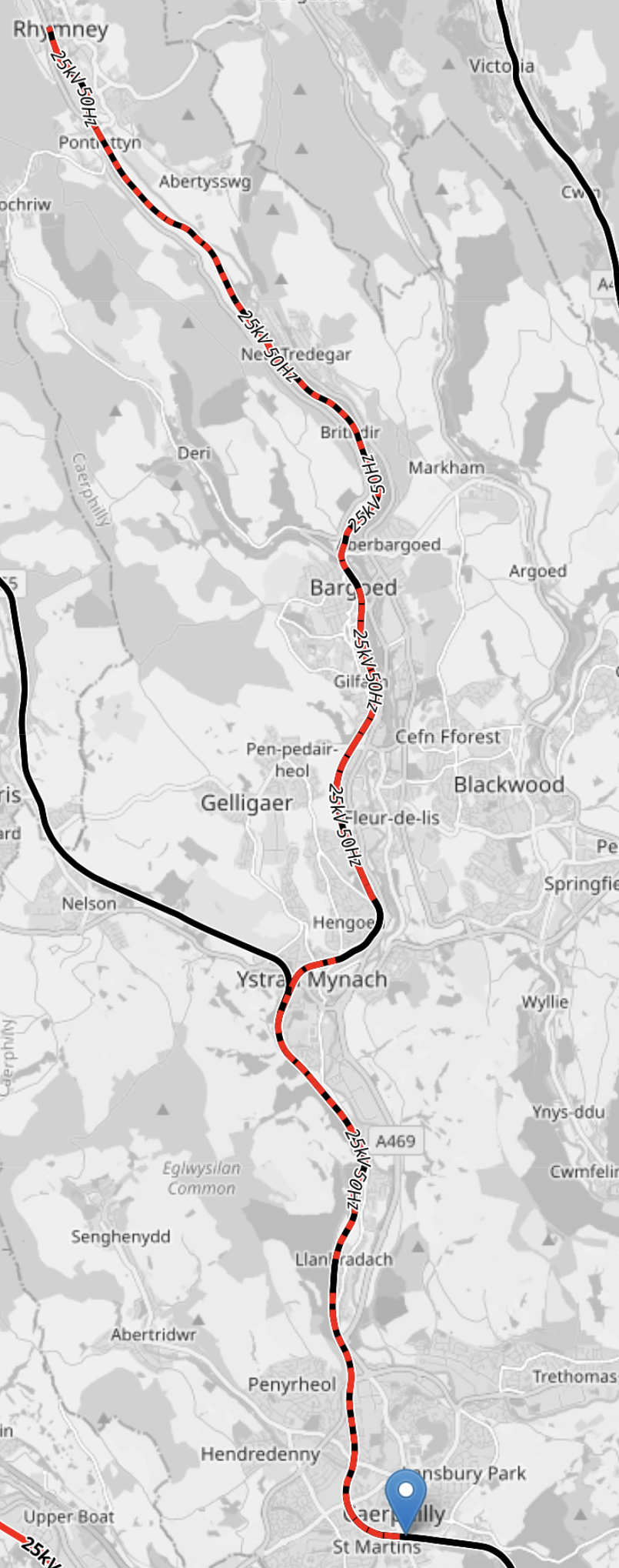
Note.
- Electrified lines are shown in red and unelectrified lines are shown in black.
- Lines where electrification will be installed are shown in red and black.
- Caerphilly is marked by the blue arrow at the bottom of the map.
- Rhymney is at the Northern end of the rail line.
- Bargoed, Hengoed, Llanbradach and Caerphilly stations appear not to be electrified.
- It is planned that the service on the Rhymney Line will be provided using Class 756 trains, that will be fitted with batteries and diesel engines.
The Class 756 trains appear to have been designed to climb to Rhymney in all conditions, including a complete power cut. They will use batteries on the unelectrified sections of the climb.
Treherbert
This OpenRailwayMap shows the three branches of the Cardiff Valley Lines, that go through Pontypridd.
Note.
- Electrified lines are shown in red and unelectrified lines are shown in black.
- Lines where electrification will be installed are shown in red and black.
- The branch to Treherbert is the leftmost of the three branches.
- It is planned that the service on the Theherbert branch will be provided using Class 398 tram-trains, that will be fitted with batteries.
- Electrification will be complete between Treherbert and Pontypridd.
It would appear that a tram-train could run between Treherbert and Pontypridd when the electrification is complete.
Conclusion
Each of the five lines use their own methods of getting trains up the hills.
I suspect we’ll see some of the ideas used here on other stretches of electrification.
More On Discontinuous Electrification In South Wales
In the July 2018 Edition of Modern Railways, there is an article entitled KeolisAmey Wins Welsh Franchise.
This is said about the electrification on the South Wales Metro.
KeolisAmey has opted to use continuous overhead line equipment but discontinuous power on the Core Valley Lnes (CVL), meaning isolated OLE will be installed under bridges. On reaching a permanently earthed section, trains will automatically switch from 25 KVAC overhead to on-board battery supply, but the pantograph will remain in contact with the overhead cable, ready to collect power after the section. The company believes this method of reducing costly and disruptive engineering works could revive the business cases of cancelled electrification schemes. Hopes of having money left over for other schemes rest partly on this choice of technology.
Other points made include.
- A total of 172 km. of track will be electrified.
- The system is used elsewhere, but not in the UK.
- Disruptive engineering works will be avoided on fifty-five structures.
- Between Radyr and Ninian Park stations is also proposed for electrification.
Nothing is said about only electrifying the uphill track, which surely could be a way of reducing costs.
Ystrad Mynach To Rhymney
The article also states that on the Rhymney Line, the section between Ystrad Mynach and Rhymney stations will be run on batteries.
- The distance is about ten miles.
- The altitude difference is is about 125 metres.
- The station area at Rhymney station will be electrified.
- Rhymney will be an overnight stabling point.
- Trains will change between overhead and battery power in Ystrad Mynach station.
- Trains could charge the batteries at Rhymney if required.
Effectively, there is a avoidance of at least fourteen miles of electrification.
- Four miles of double track between Ystrad Mynach and Bargoed.
- Six miles of single track between Bargoed and Rhymney.
But as Rhymney to Ystrad Mynach currently takes about fourteen minutes, there will have to be some extra double-track, so that the required frequency of four trains per hour (tph) can be achieved.
None of this extra track will need electrification.
As the trains working the Rhymney Line will be tri-mode Stadler Flirts, with the capability of running on electricity, diesel or battery, I don’t think that KeolisAmey are taking any risks.
The Merthyr Line
The Merthyr Line splits North of Abercynon station into two branches to Aberdare and Merthyr Tydfil stations.
- South of Abercynon the branch is double-track.
- Both branches are single track.
- The Aberdare branch is about eight miles long.
- Aberdare is around 40 metres higher than Abercynon.
- Trains take 27 minutes to climb between Abercynon and Aberdare stations and 21 minutes to come down.
- The Merthyr Tydfil branch is about ten miles long
- Merthyr Tydfil is around 80 metres higher than Abercynon.
- Trains take 27 minutes to climb between Abercynon and Merthyr Tydfil stations and 21 minutes to come down.
If the proposed four tph are to be run on these branches, there would need to be some double-tracking North of Abercynon.
Will both tracks be electrified, or will it be possible with just electrifying the uphill track?
The Rhondda Line
The Rhondda Line splits from the Merthyr Line to the North of Pontypridd station and goes North to Treherbert station.
- South of Porth station, the line is double-track.
- North of Porth station, the line is single-track with a passing loop at Ystrad Rhondda station.
- Treherbert is 90 metres higher than Porth..
- Trains take 28 minutes to climb between Porth and Treherbert and 20 minutes to come down.
If the proposed four tph are to be run on this branch, there may need to be some double-tracking North of Porth.
Will both tracks be electrified, or will it be possible with just electrifying the uphill track?
Conclusion
I suspect there’ll be more savings, as the engineers get to grips with the capabilities of battery trains and discontinuous electrification.
As I said, will it be necessary to electrify downhill tracks?
The tri-mode Stadler Flirts and the Stadler Citylink Metro vehicles could use regenerative braking to their batteries.
The use of gravity in this way to charge the batteries, would increase the efficiency of the South Wales Metro.
Train Depot In Taffs Well, While Newport Factory Named As Preferred Bidder For New Diesel Trains
The title of this post, is the same as that of this article on Walesonline.
The interesting part is the holistic thinking, where a new depot is to be built at Taff’s Well, where the station is also to be modernised, with the addition of a Park-and-Ride.
Taff’s Well station is a very outdated affair, as these pictures show.
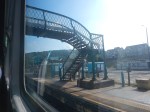

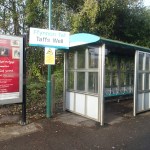
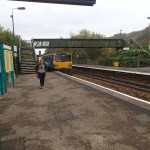
Note.
- The station could certainly do with a new step-free bridge.
- The train frequency is also being raised from six to twelve trains per hour (tph)
- Six tph will go to The Flourish.
- There will also be a new two tph service on the City Line.
- All trains will be new Stadler Citylink Metro Vehicles.
That Park-and-Ride will certainly be needed.
As Taff’s Well station will be at the heart of the tram-train network, it is most certainly a good place for the depot.
The article also says that enhanced stabling facilities will be built at Treherbert and Rhymney stations.
Enhancements At Rhymney
Rhymney station is the terminal of the Rhymney Line.
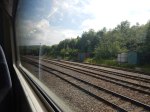
These are my pictures of the station.
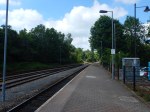
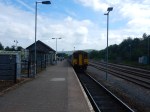
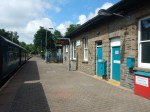
This Google Map gives an aerial view.
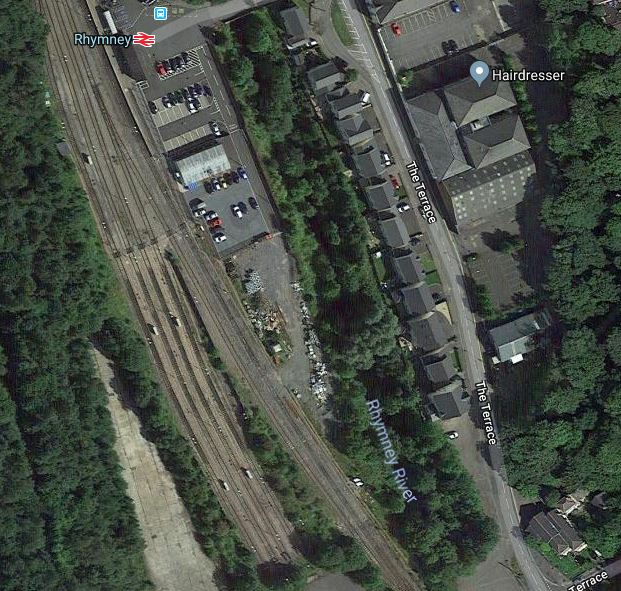
In addition to the enhanced stabling, the station will also be upgraded to accommodate more and longer Tri-Mode Stadler Flirts.
There’s certainly a lot of space for the stabling.
Enhancements at Treherbert
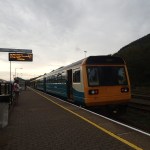
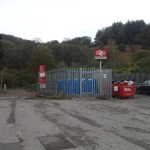
Treherbert station is the terminal of the Rhondda Line.
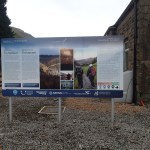
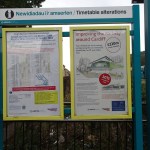
I took these pictures of the station in 2014.
This Google Map shows an gives view.
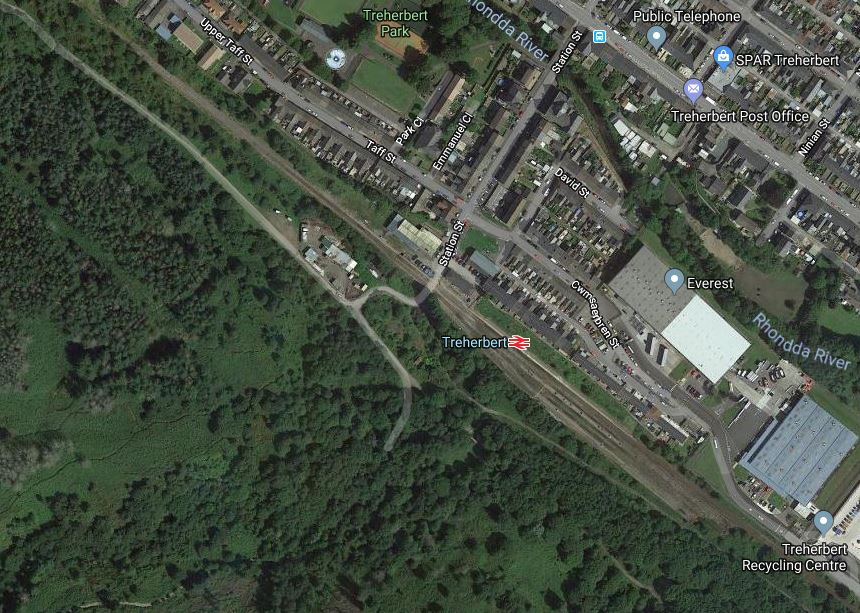
There certainly would appear to be space for the enhanced stabling.
 The Anonymous Widower