Step-Free Access To The Underground
Coming back from Kings Cross station tonight, I took the indirect route using the Circle line to Moorgate station and then getting a 141 bus from just outside the station to just round the corner from my house.
The reason was that I had a heavy parcel of bedding, I’d bought in John Lewis and my normal change to the bus home at either Angel or Highbury and Islington stations would have meant crossing a major road.
Although I’m not in any way disabled, sometimes I do find that my left hand is a bit gammy and it is better to take an easier route, with escalators, lifts or right-handed staircases. For this reason, I know a lot of the best routes to get around London.
As I went through the gate at Kings Cross, the staff were chatting about step-free access and how difficult it will be to put in at some stations. I said that I think we’ll be finding some innovative engineering solutions used in some stations.
I know that inclined lifts are going to be used on Crossrail, but when I got home I found that at Greenford station, London Underground is going to get its first inclined lift. There’s more here on the Crossrail web site.
I think we’ll see a lot more of these, especially at stations, where there are three escalator positions, but the middle one has never been installed to save money.
The great advantage of inclined lifts is that in these stations, they can be installed without any digging or disruption to the station during the installation process.
I also think that buses have a large part to play in step free access.
As I said, I often plot my routes around London to avoid difficult stations or interchanges. For instance, I don’t change at Green Park station, as although it has lifts and is step free, you can walk miles between trains. Kings Cross too, is a bit of an Underground maze. Often though, the best route is to go to an easier station and then get a bus.
But not all stations have easy access from the trains to the buses and vice-versa like London Bridge, Euston and Victoria.
It may improve the lot of passengers and especially those who are disabled to improve the bus/Tube interface, as it will mean that some difficult stations can be bypassed.
I want lots more step free access to stations, but lets see if we can have innovative and more affordable solutions, that allow more stations to be given the full treatment.
Changing At Clapham Junction On The Overground
Yesterday, when I returned from the New Kings Road, I didn’t come the obvious way of taking a bus to somewhere like Sloane Square or Piccadlly from where I would get the Underground. after all, the last time I did this journey, it took forever. As it was sunny, I decided to walk to Imperial Wharf station on the Overground.
I had three choices there.
- I could go north to Willesden Junction station and then get the North London line to either Dalston Kingsland or Highbury and Islington stations.
- I could also go north on a direct train that eventually ended up at Stratford.
- I could go south to Clapham Junction station and then get the extended East London line to Dalston Junction station.
Dalston Junction station is my preferred destination, as I can walk out of the front and get any of a number of buses to close to my house.
In the end, I let the trains make my decision for me and after looking at the indicators I got on the first one to arrive.
It was a southbound one to Clapham Junction station.
It was the first time I’d done this west to east transfer at the station and it was simple, in that I just walked up the platform and got in the train to Dalston Junction. There was a staff member on the train, so I was able to know what was the front. But on these trains it doesn’t matter as they are walk-through from head to tail.
In some ways it was a surprising way to go from Chelsea to Dalston, but it was painless and probably quicker than the alternative. The view was a lot better too!
The step-free train change at Clapham Junction station was so much better, than those where you have to walk miles between platforms. The decision to split a platform and have one destination at each end, seems to have been an excellent one.
I suspect the only improvement is to have more and longer trains on the Overground. But that will happen!
One Of London’s Step-Free Bus Stops
The picture shows one of London’s new step-free bus stops.
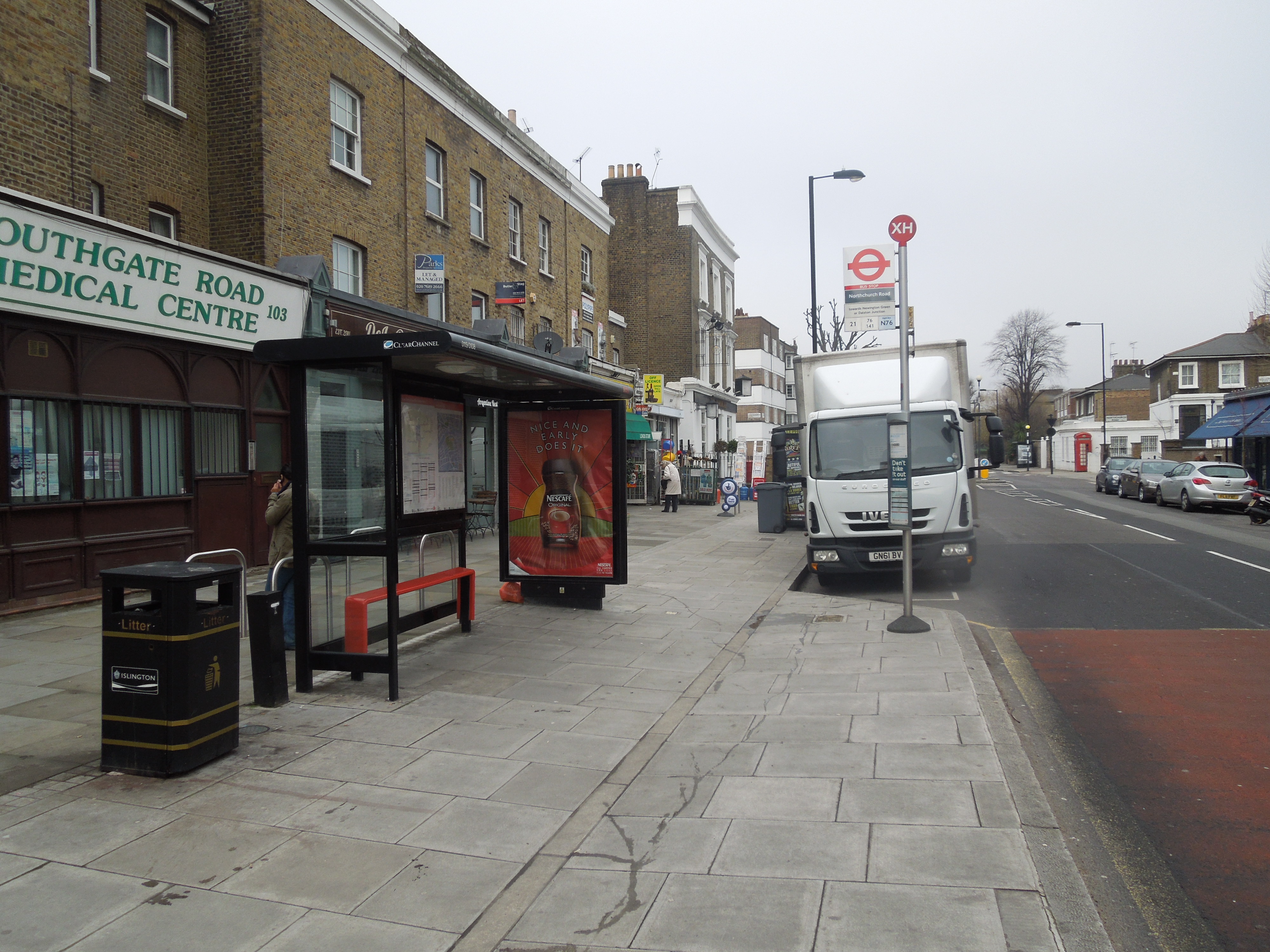
One Of London’s Step-Free Bus Stops
The stop was also changed from a Request stop to a Compulsory one.
They may make it easier to get on and off a bus, but in some ways because they stick out, it does seem that getting a clear view round the parked cars to see approaching buses is more difficult.
Travelling To Stansted and Gatwick Compared
In my trip to Majorca, I booked out via Stansted and back via Gatwick. So how did the routes to the two airports compare?
Stansted is easier at present, than it will be in a few months, as the 21 and141 buses actually stop at Liverpool Street station because of the diversions for Crossrail. So I just get the bus and walk the twenty metres or so to the station. In fact on Sunday, as the diversion wasn’t being announced or I missed it, I actually walked from Moorgate, which wasn’t too bad.
One at the station I just got a train direct to the airport at a cost f 14.85 with my Senior Railcard.
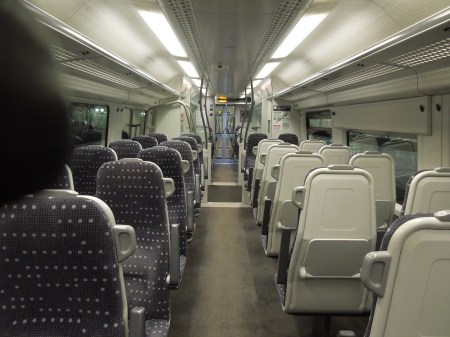
A Personal Train
As the picture shows, at seven on a Sunday morning, I got a personal train.
Coming back into Gatwick, I just walked to the station and one of the staff there, said that as I had a Freedom Pass, I just needed to buy a ticket to East Croydon. It was just £3.25.
I came back via Clapham Junction station, where I changed to the Overground to Dalston Junction station.
It was all very easy, but it is probably a bit slower than going to or coming from Stansted. But only by a few minutes.
I did waste some time at Gatwick trying to locate my train and an information board like London Bridge, where all stations are indicated with the next train, time and platform, wouldn’t be a bad idea. One guy told me that it is in hand.
I suppose too, that I could have gone to Victoria and then got a tube, which might have been quicker. But then the Overground is so much easier and if you have a heavy case, it’s all step-free transfers.
So hopefully it’ll all get better.
Changing At Clapham Junction Station
The one thing that worked well on my trip today, was changing at Clapham Junction station to go south.
If you use the bridge over the tracks, it is fully served with lifts, so if you are wheeling a heavy case to Gatwick Airport, it is probably easier than say getting it off the Underground at Victoria station. There’s also a couple of coffee shops on the bridge and even in the rush hour today, there was somewhere to sit.
I think we should congratulate Network Rail on doing a good design job in bringing an old bridge up to the standard that travellers expect these days.
I would also recommend you buy your tickets before travelling, unless you are prepared to go through the barriers and buy the tickets at the station.
One good thing about changing at Clapham Junction, is that if you use the bridge it is fairly eas to find your ongoing platform. Coming north, it is very easy as you always go to Platform 2.
Hopefully, this will improve as more and more people use Clapham Junction station to change to and from the south. Today, the trains to and from the station on the South London line weren’t very full. But then that was the case when the rest of the Overground opened.
I don’t think it will stay as quiet for long!
The New Deptford Station
To me Deptford is summed up by a picture of Peter the Great working in the Royal Dockyard at Deptford, that was in one of the school history texts I read.
I’d never knowingly been until today, when I went to look at the new Deptford station, which is just a few months away from being finished.
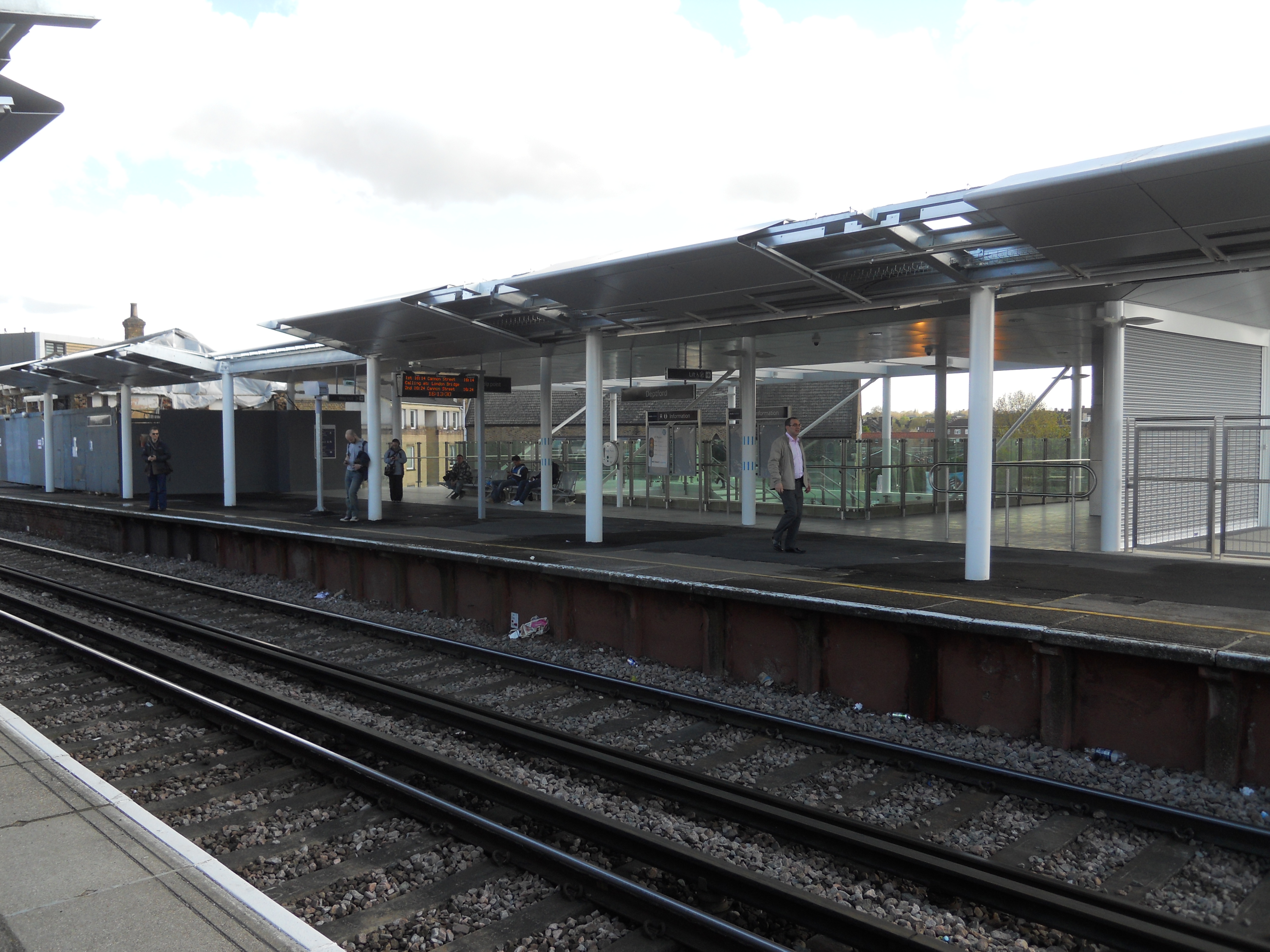
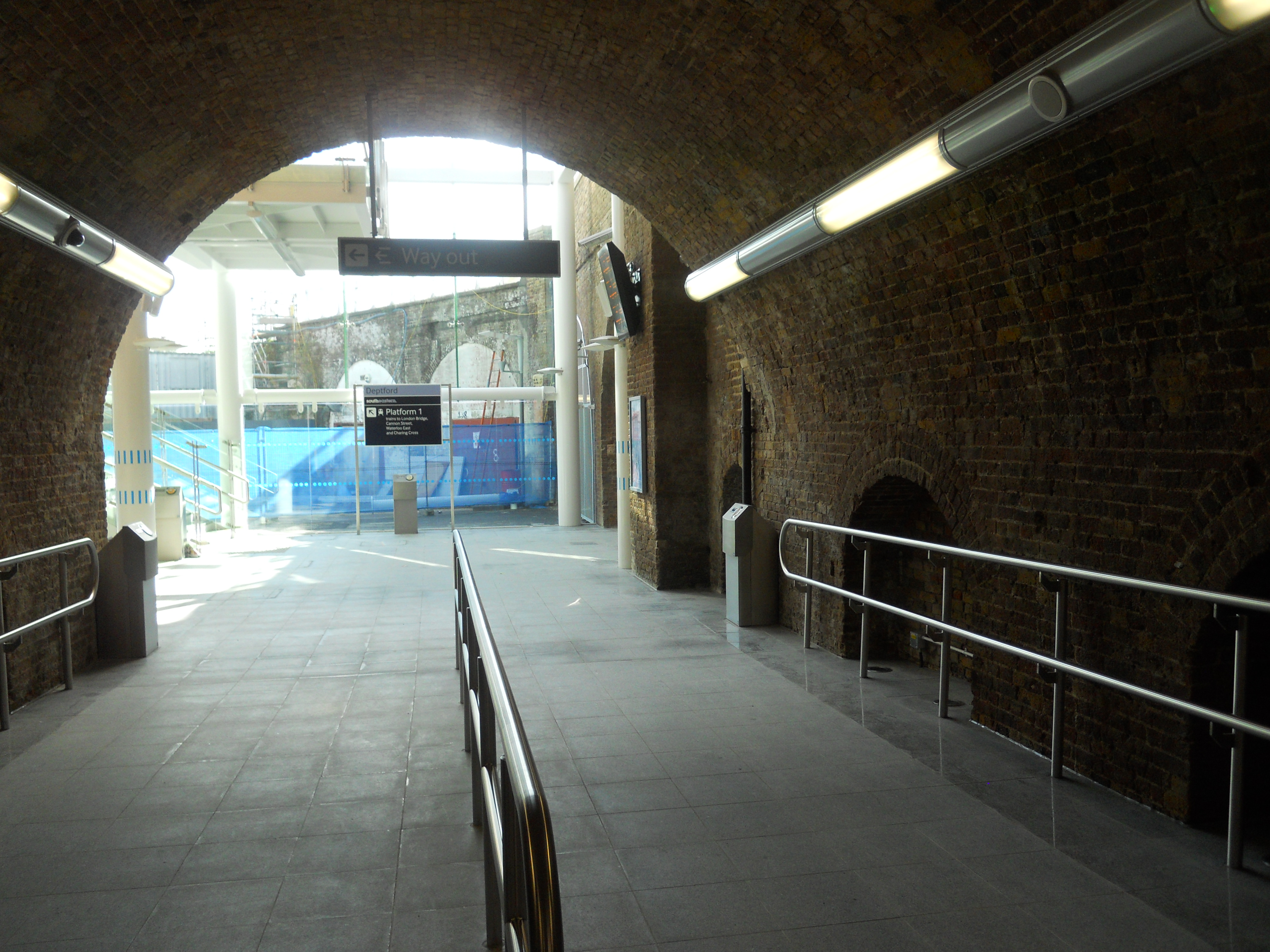


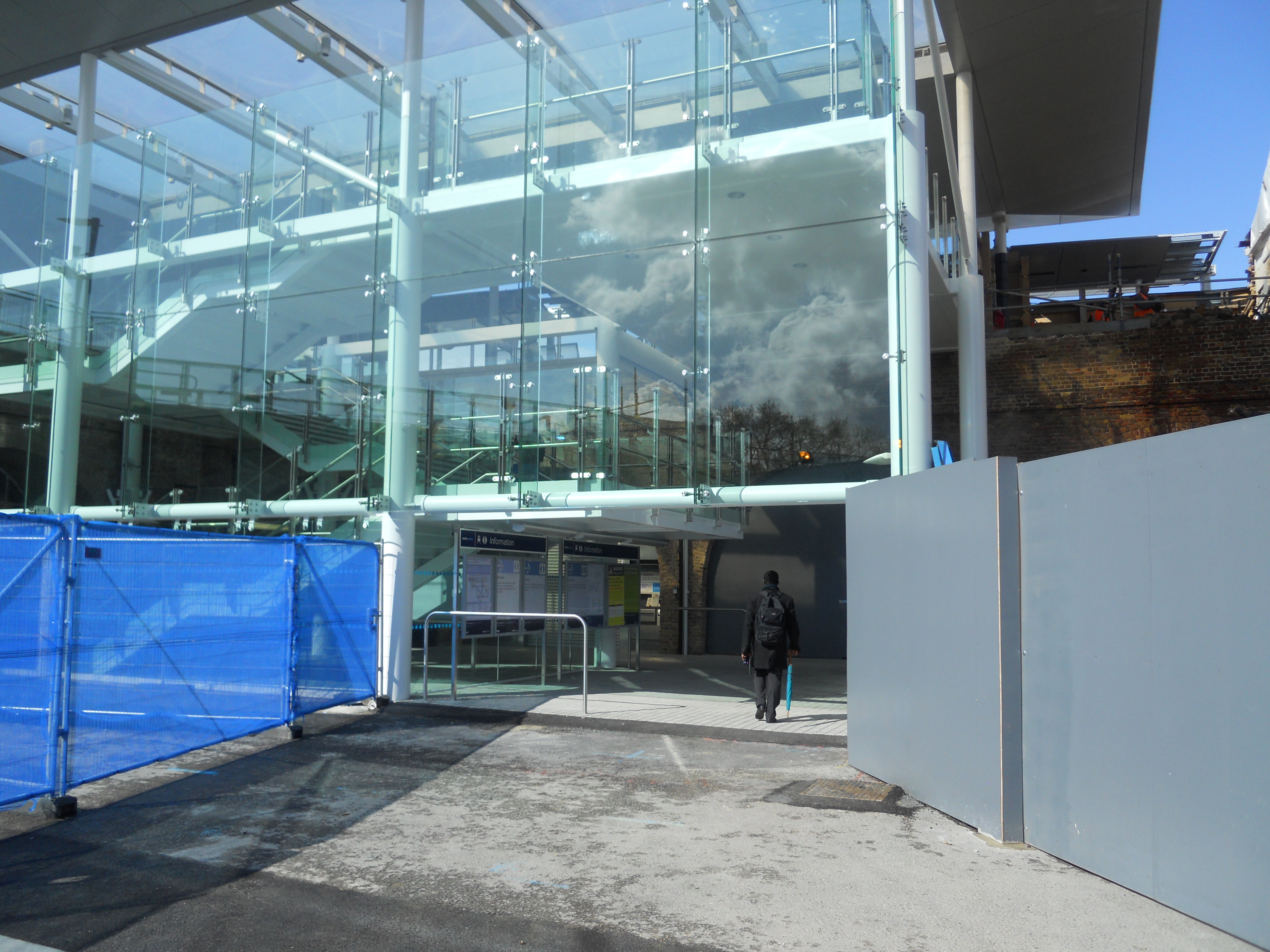
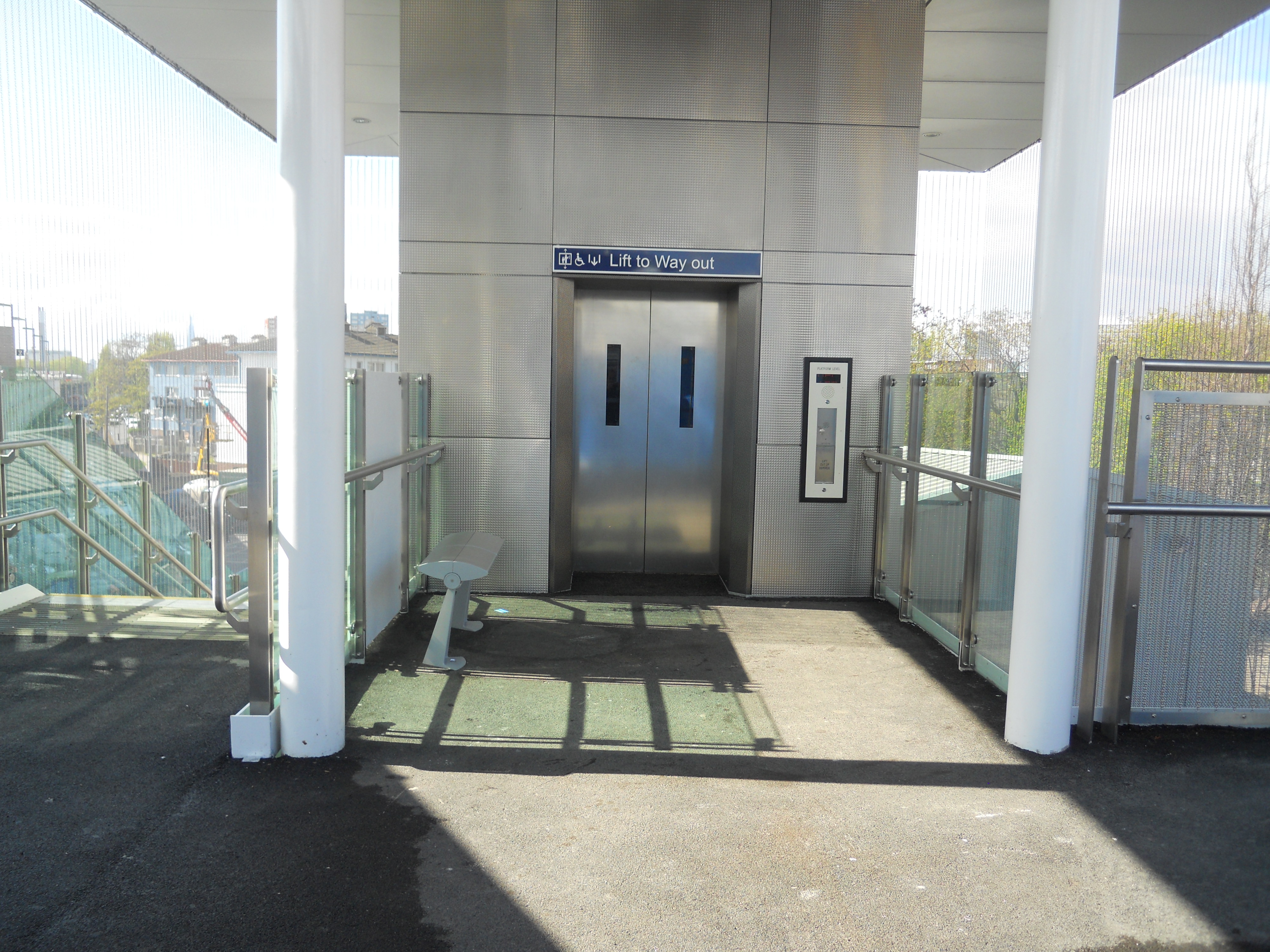

To my untrained eye, they have done a good job in creating a station with full step-free access, using ideas and components that could also be used in other places, where new or rebuilt stations are desperately needed.
I particularly liked the treatment of the brickwork in the tunnel under the tracks.

