Untangling The Knitting
I said in this post that due to good project management, I don’t believe that Crossrail 2 will get built as the planners think it should be now.
On the Great Northern branch, it is not just a question of choosing between New Southgate and Alexandra Palace as the terminus.
This branch will also be shared with two other services; Thameslink to the South of the Thames and the Northern City line into Moorgate.
Not only do you have the East Coast Main Line, but you have the Hertford Loop, going to Stevenage and the North.
To further complicate matters, you have the problem of the Digswell Viaduct and the possibility of the East West Rail Link going through the area.
I think the only certainty is that Crossrail 2 will be the catalyst that pushes the engineers to find a brilliant but unexpected solution.
In fact, I think from a logical point of view the problem of the Digswell Viaduct and the associated double-track section should be solved first, as it could be the key key that unlocks everything.
After all, if the line was four tracks all the way to Stevenage ans possibly even Peterborough, it would give the train companies all sorts of options about where to terminate suburban services out of London.
If there was more capacity on this section of the East Cosast Main Line, I’m sure that the train companies would find plenty of innovating ways to use it.
Thameslink’s Connections To Long Distance Trains
When Thameslink and Crossrail are complete how will this effect those tricky long distance journeys that should be done by train.
Some journeys like Eastbourne to York will become easier, as you’d probably hop along to Brighton and then take a train to Peterborough, for your train to York.
So how do two destinations I know well connect to the main radial routes from London.
I’ll start with Cambridge.
Great Eastern Main Line – Not really a problem, as you’d probably take a local train to Ipswich and Norwich. You could also go direct into Liverpool Street or change onto Crossrail at Farringdon.
East Coast Main Line – You’d still do what you’ve always done and take a train into London. Whether there will be fast trains into Kings Cross itself, has not been said. But travelling to Scotland without the direct Kings Cross trains and a heavy case, would mean lugging it across from St. Pancras Thameslink. If Thameslink improves the service to Stevenage that would be an alternative for the ECML, but train company management, must be wishing that over zealous cuts in the past that left Cambridge with no direct train lines to Peterborough or Bedford, had not been made.
Midland Main Line – This would be a walk or lift up from St.Pancras Thameslink. It would be nice though if there was a lift directly between Thameslink and the MML platforms.
Eurostar – This would be a walk or lift up from St.Pancras Thameslink.
West Coast Main Line – This is a bad change, as it’s a long walk from St. Pancras Thameslink to the Underground. It’s also difficult with a heavy case.
Great Western Main Line – If the interchange to Crossrail at Farringdon is properly designed, which it should be, you’d use Crossrail to get to either Paddington or Reading.
South Western Main Line – This one is difficult, as it’s either a struggle to the Underground at St. Pancras Thameslink and then a change to get to Waterloo or Clapham Junction. Whatever it is, it’s a nightmare with a heavy case. A better alternative might be to go to London Bridge and then get the Jubilee Line to Waterloo.
Lines from Victoria – As with Waterloo, Victoria is difficult with a heavy case, due to the Underground connections. From Cambridge to Victoria, you are probably better taking a Liverpool Street train to Tottenham Hale for the Victoria line.
Now I’ll look at Brighton.
Great Eastern Main Line – Not really a problem, as you’d just change onto Crossrail at Farringdon for Liverpool Street, Stratford or even Shenfield. Or for perhaps Ipswich and Norwich, you might just go to Cambridge and get a relaxed local train, through the countryside.
East Coast Main Line – This is a connection that will be greatly improved, as you might skip London and go direct to Peterborough, to pick up the train there.
Midland Main Line – This would be a walk or lift up from St.Pancras Thameslink. It would be nice though if there was a lift directly between Thameslink and the MML platforms. Or would you go to somewhere like West Hampstead Thameslink or Luton.
Eurostar – This would be a walk or lift up from St.Pancras Thameslink.
West Coast Main Line – This is a bad change, as it’s a long walk from St. Pancras Thameslink to the Underground. It’s also difficult with a heavy case.
Great Western Main Line – If the interchange to Crossrail at Farringdon is properly designed, which it should be, you’d use Crossrail to get to either Paddington or Reading.
South Western Main Line – You’d probably do as you do now and take a train direct to Clapham Junction and change there.
Lines from Victoria – These are no problem, as you can get a train to either Victoria or Clapham Junction.
One thing that becomes obvious from this post, is that Euston, Waterloo and Victoria don’t have the best links to Crossrail and Thameslink.
Euston’s problems are mainly because when the station was built in the 1960s, together with the Victoria line, passengers were treated as fit, uncomplaining individuals, who should be satisfied with what the government paid for.
Victoria suffers from similar problems to Euston.
Waterloo’s problems are that to get there from St. Pancras by Underground, requires a change of train.
What doesn’t help any of these transfers is the substandard interchange between Thameslink and the Underground at St. Pancras. It may be step free, but it’s a long walk.
If the interchange with main lines in London to Thameslink and Crossrail are to be improved, the following should be looked at.
Improve the Access to St. Pancras Thameslink
If you’re going up from St. Pancras Thameslink to Eurostar or the Midland Main Line, it isn’t too bad, but the long hike to the Underground is a disgrace. Especially for a station that is only a few years old.
I wonder if it’s possible to create a tunnel between Thameslink and the Northern line at St. Pancras.
Build a Crossrail station at Old Oak Common
This would make it easier to get on trains out of Euston on the West Coast Main Line.
Link Thameslink to Clapham Junction
This would help travellers from the north to get on the lines out of Victoria and Waterloo.
I use Clapham Junction a lot as it is very useful station, and I can get the Overground there easily.
Crossrail 2
This may be the real solution to a lot of the problems, as it is proposed it will link Kings Cross/St. Pancras/Euston to Victoria and Clapham Junction.
It will be interesting to see how Thameslink changes in the first couple of years of operation.
A Tricky Problem For Thameslink
I said in this post, that Thameslink will make it possible a lot of journeys across London with just a single change.
Looking at the provision timetable for Thameslink, there are some terminals at either end of the line, which are not connected to others at the opposite side of London. For instance Tattenham Corner only links to Cambridge and Maidstone East only links to Luton.
So say if you wanted to go from Tattenham Corner to Luton, you’d need to get off a train in the core section and then get on one to your required destination. It will mean two easy steps across a level gap, as the new trains will obviously align to the platforms.
If you look at St. Pancras Thameslink station, the platforms are long and bleak with few seats and no outlets of any sort. But upstairs there is St. Pancras International station, which is almost a shopping and refreshment venue, where trains happen to arrive and depart.
So will ticketing allow a traveller from say the South Coast to Peterborough, to break their journey at St. Pancras and perhaps have lunch, a meeting or get their supper for the evening?
Electronic ticketing will be the key in some ways, as obviously this will be possible using something like Oyster as it is now from Wimbledon to say Cricklewood with a break at St. Pancras on the current Thameslink.
Wouldn’t it be nice to be able to use Oyster or a contactless bank card as a ticket on buses, trains and trams all over the UK!
London’s Secret Underground Line Is Coming Together
yesterday, I went to the Tate Modern.
It is one of those awkward journeys from here in Dalston, especially, as when I got out the 21 and 141 buses going to London Bridge station, seemed to be conspicuous by their absence.
So I decided to take a 38 to the Angel for a Northern line train to London Bridge, but when I got there, I just missed the southbound train.
In the end, as a northbound one arrived, I hopped to Kings Cross to get a Thameslink train to Blackfriars station, the new southern entrance of which is close by the Tate Modern.
Thameslink is gradually turning from a once every ten minutes or so railway, into a line with an Underground-like frequency of twenty-four trains an hour. Although, that frequency won’t be achieved until 2018 at the earliest.
But even so, the line is a good short cut across the centre of London. For example, in one of my trips, where I was searching for the Dudding Hill line, I ended up at Cricklewood, so to come home, I took a Thameslink train to London Bridge for a 141 bus home.
It might seem a roundabout route, but it minimised the walking. Especially, as the 141 bus stop is the closest to my house.
The M4 Is Open Again
So what?
After all this is supposed to be a Green Games, so shouldn’t athletes and official be using trains to get to Stratford. The original plans for the Heathrow Express called for the trains to go to St. Pancras as well as Paddington. So what happened to that? Here‘s a press release from Railtrack.
If the Heathrow Express to St. Pancras, had connected to ThamesLink, in say a simple cross platform interchange, that would have been the quick way to get between London’s two biggest airports.
The New Farringdon Station
The new longer 12-coach Thameslink trains are now running through the tunnels from St.Pancras to south of the river and Farringdon Station has been upgraded and lengthened to cope.
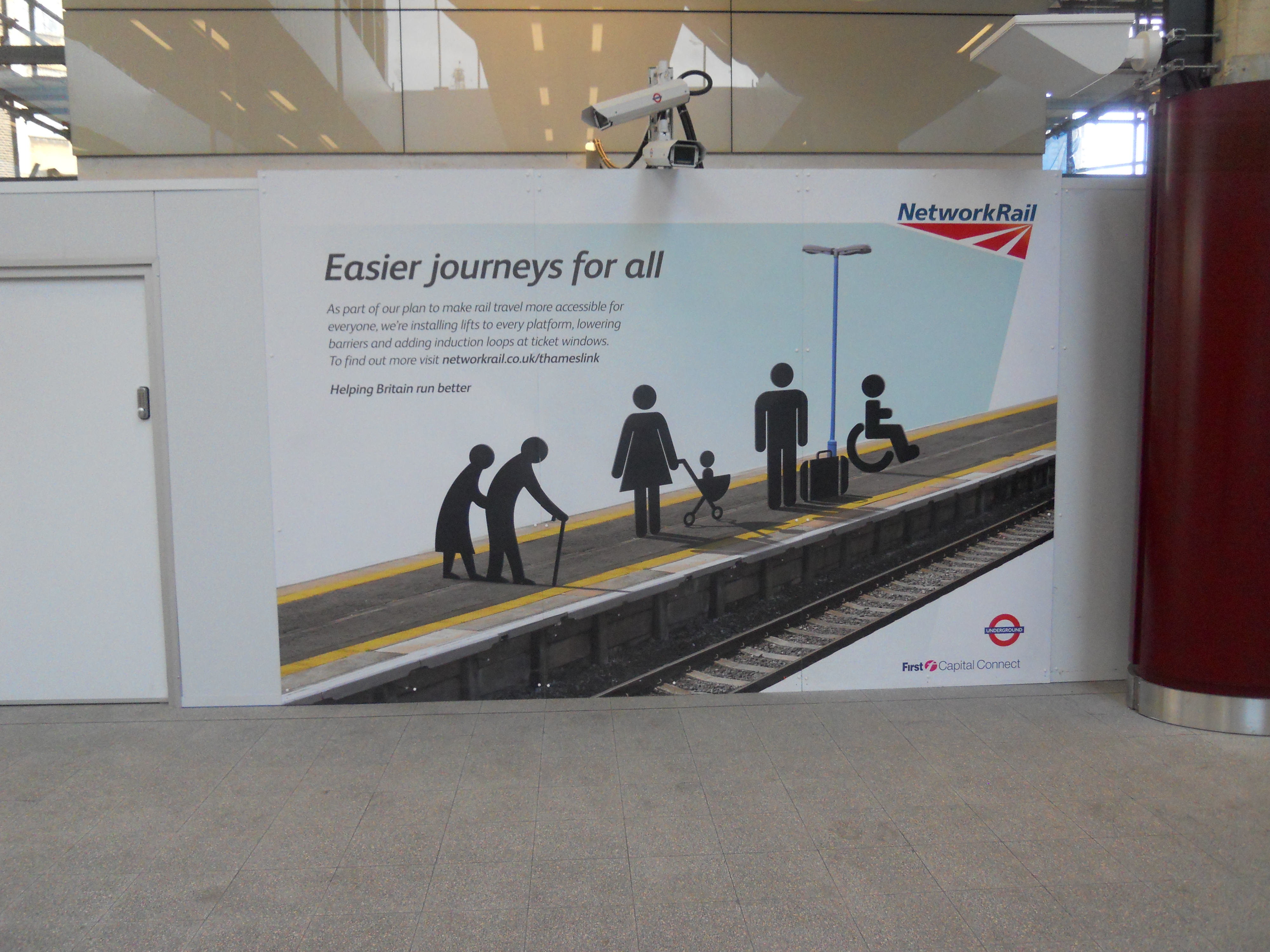
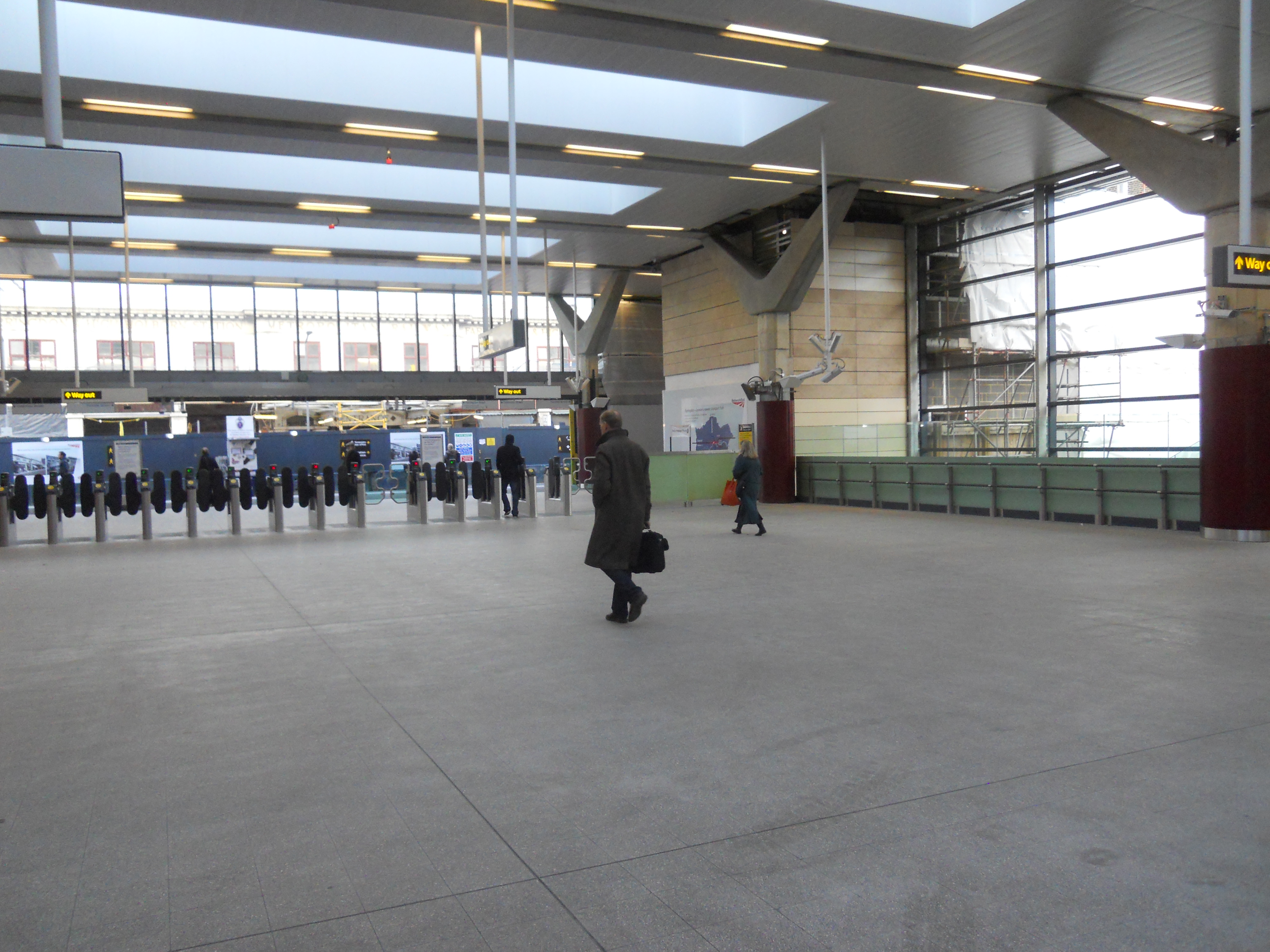
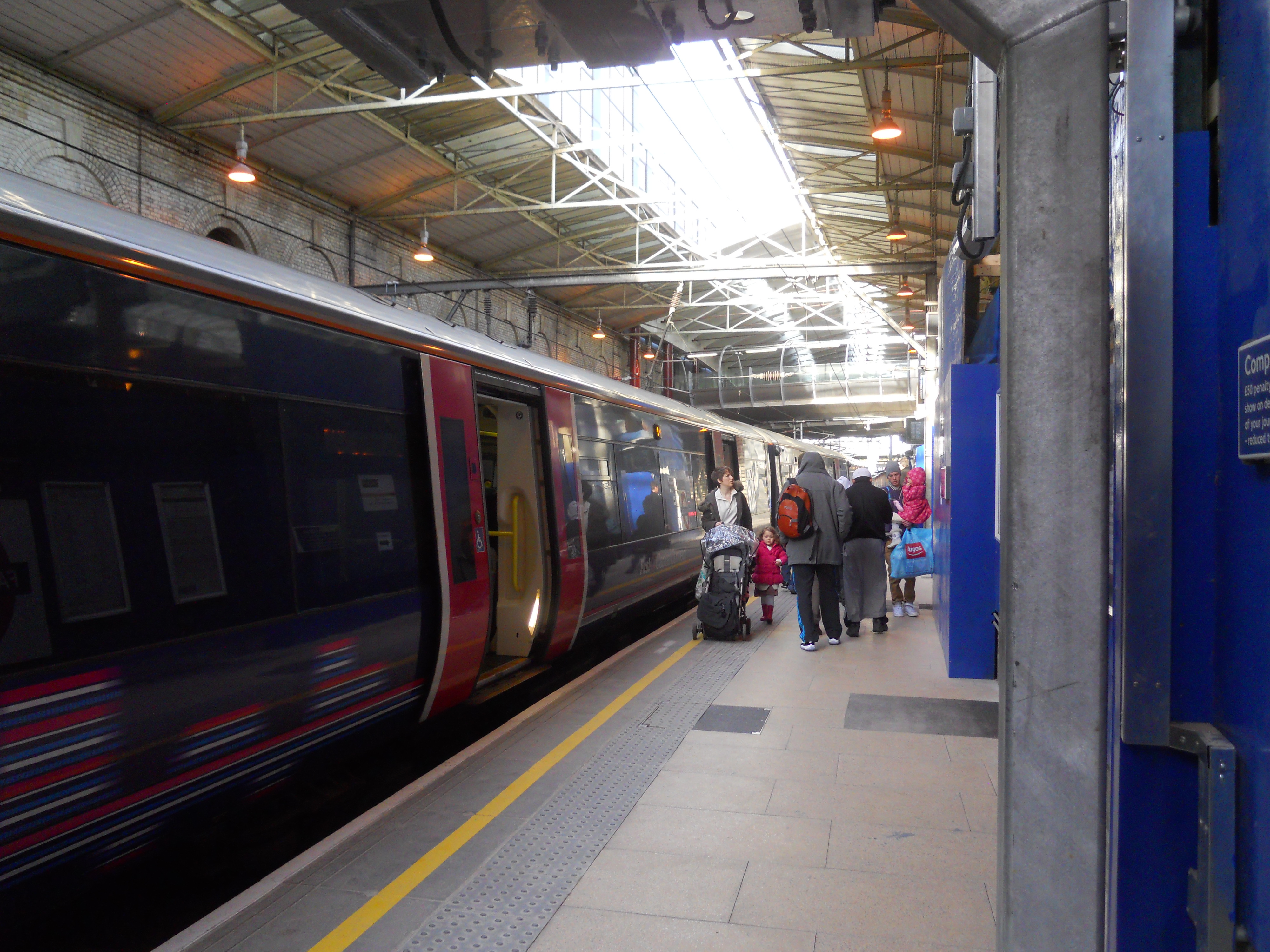

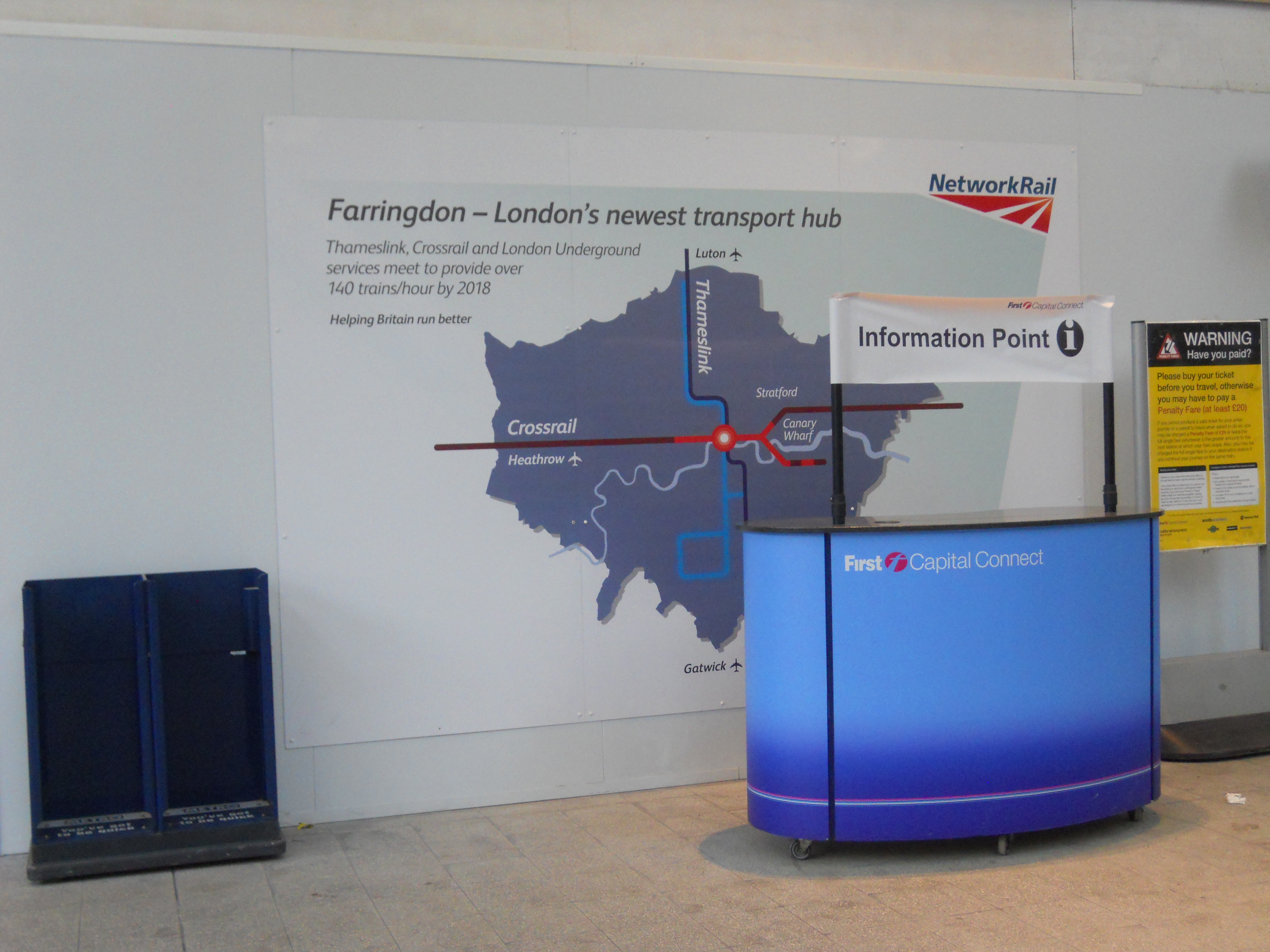
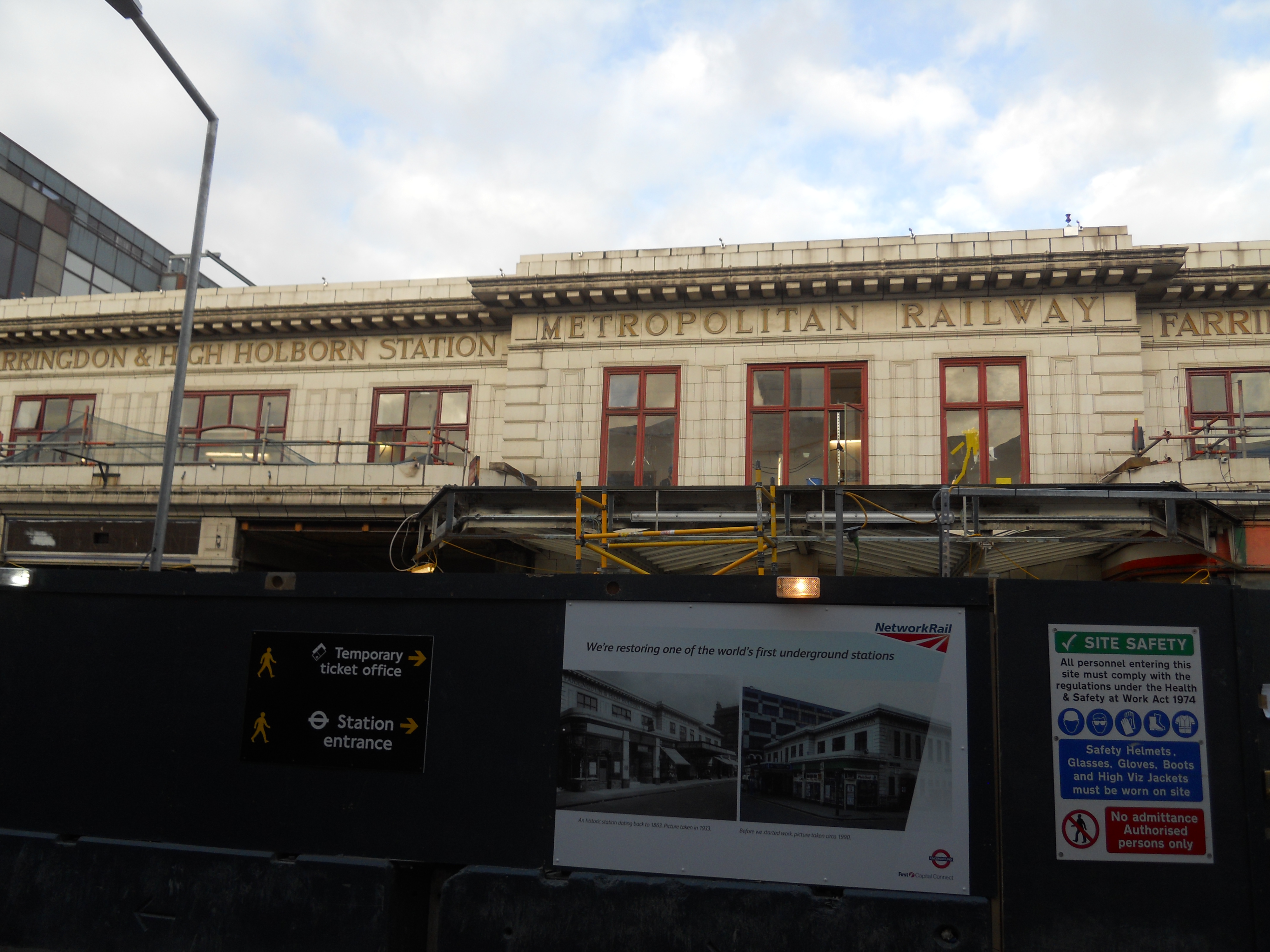
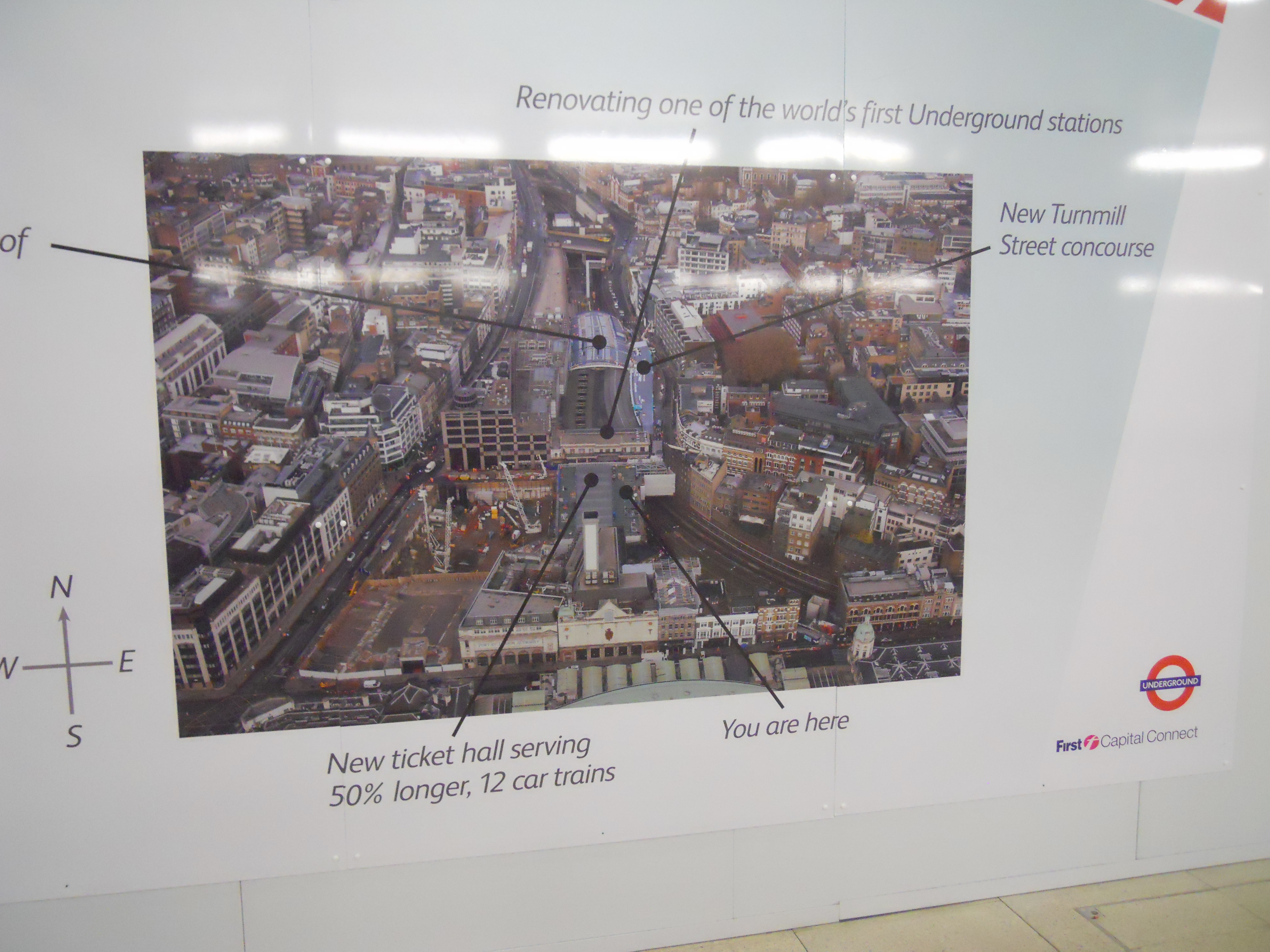
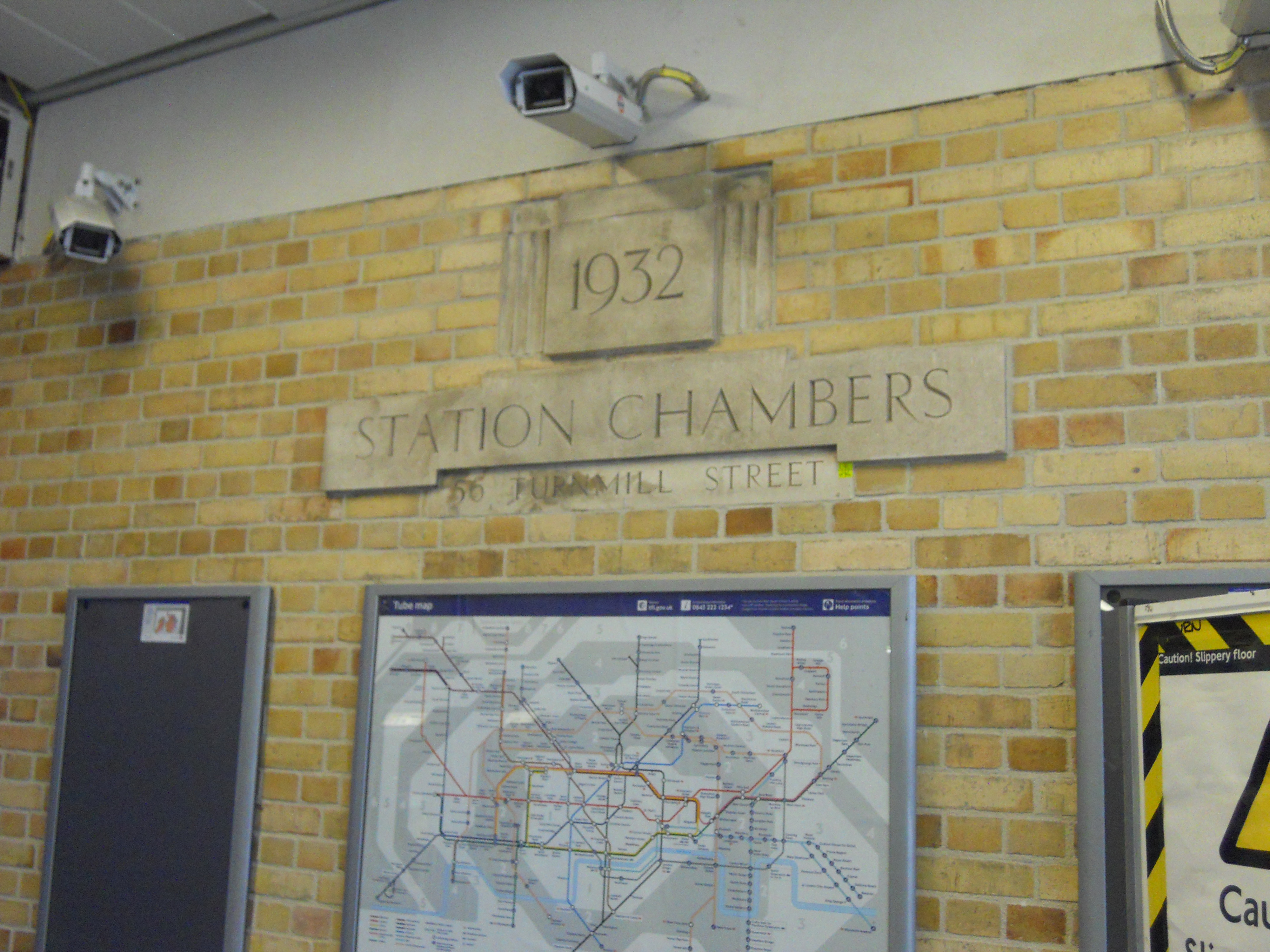
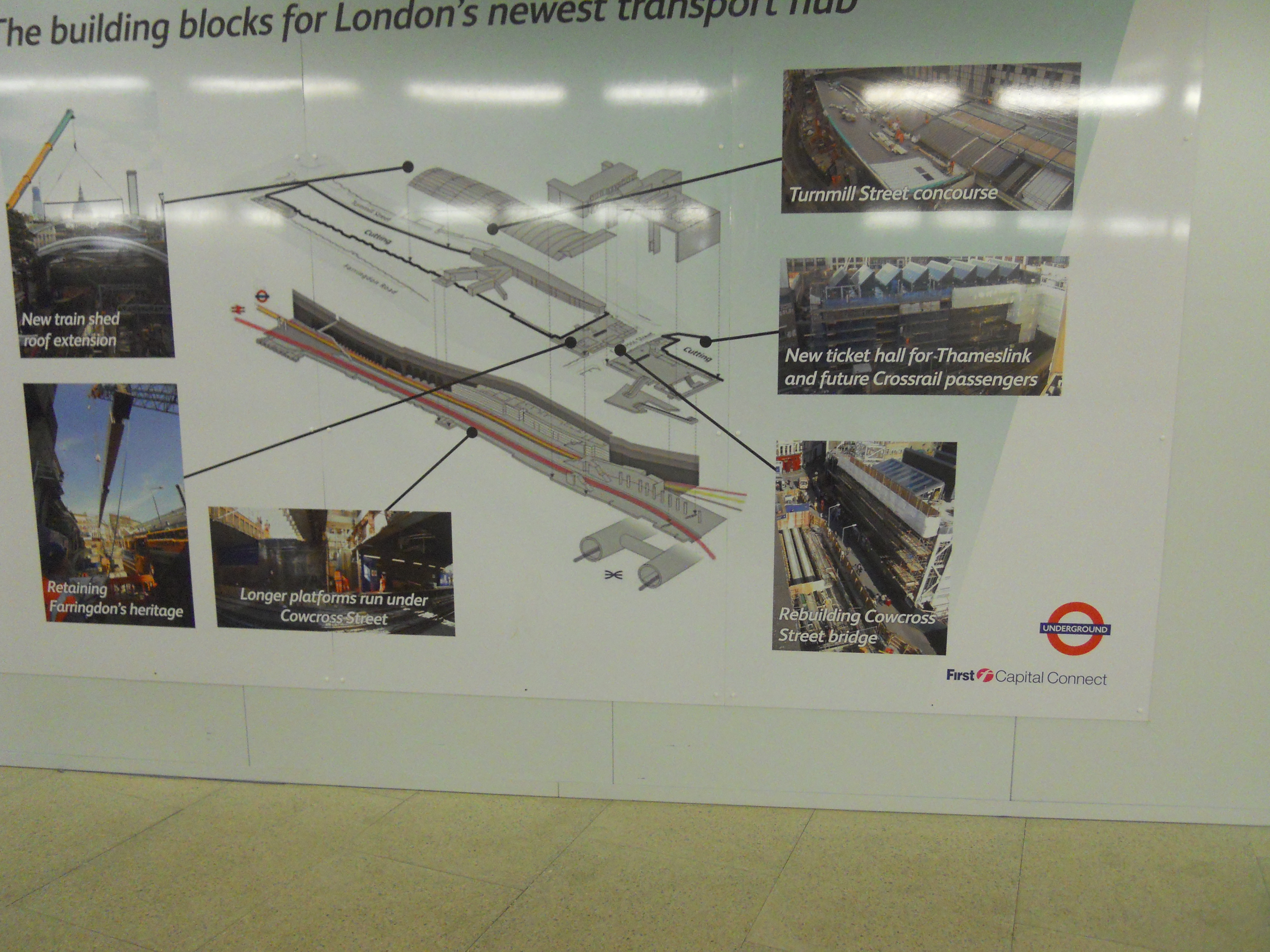
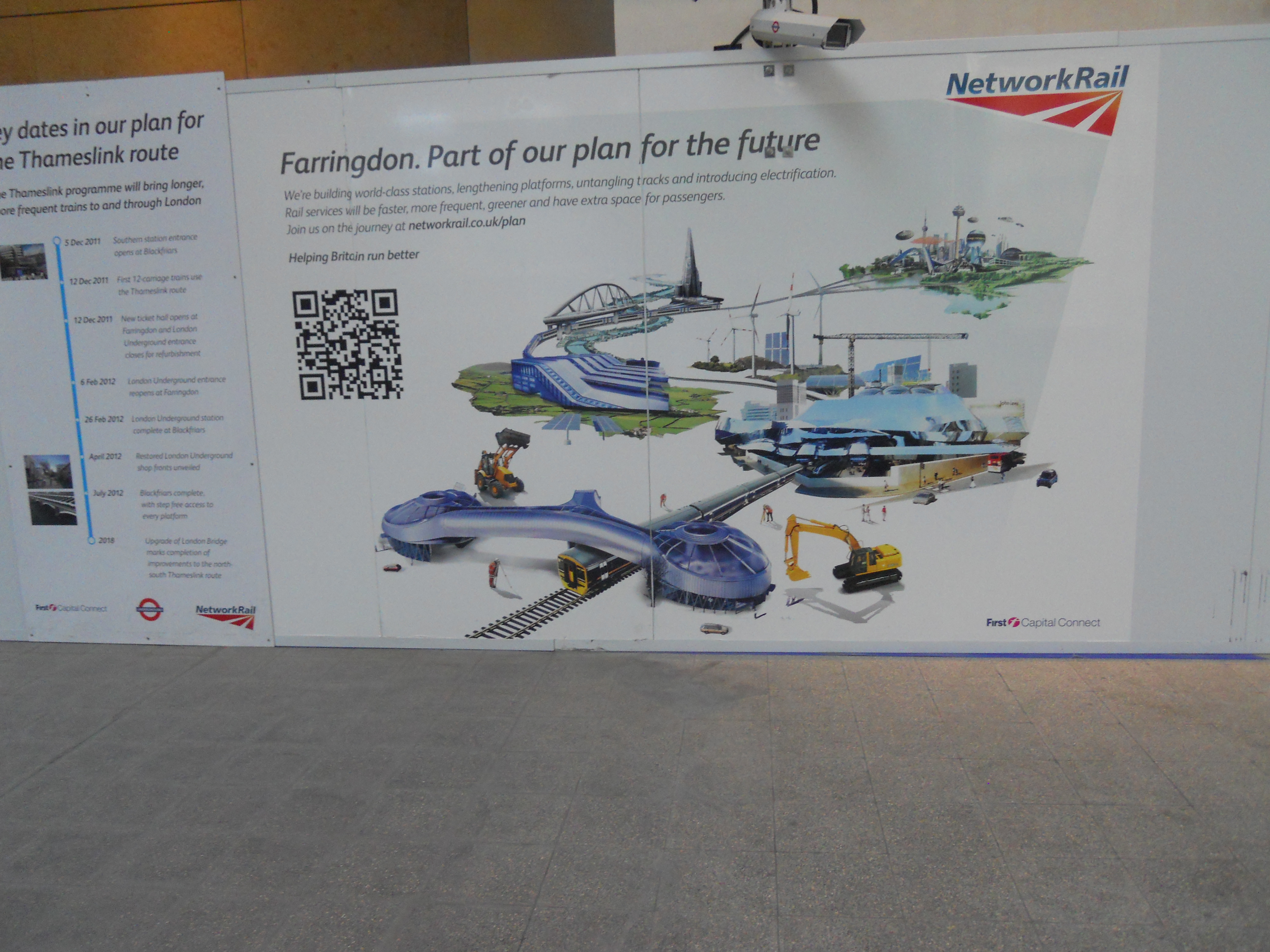
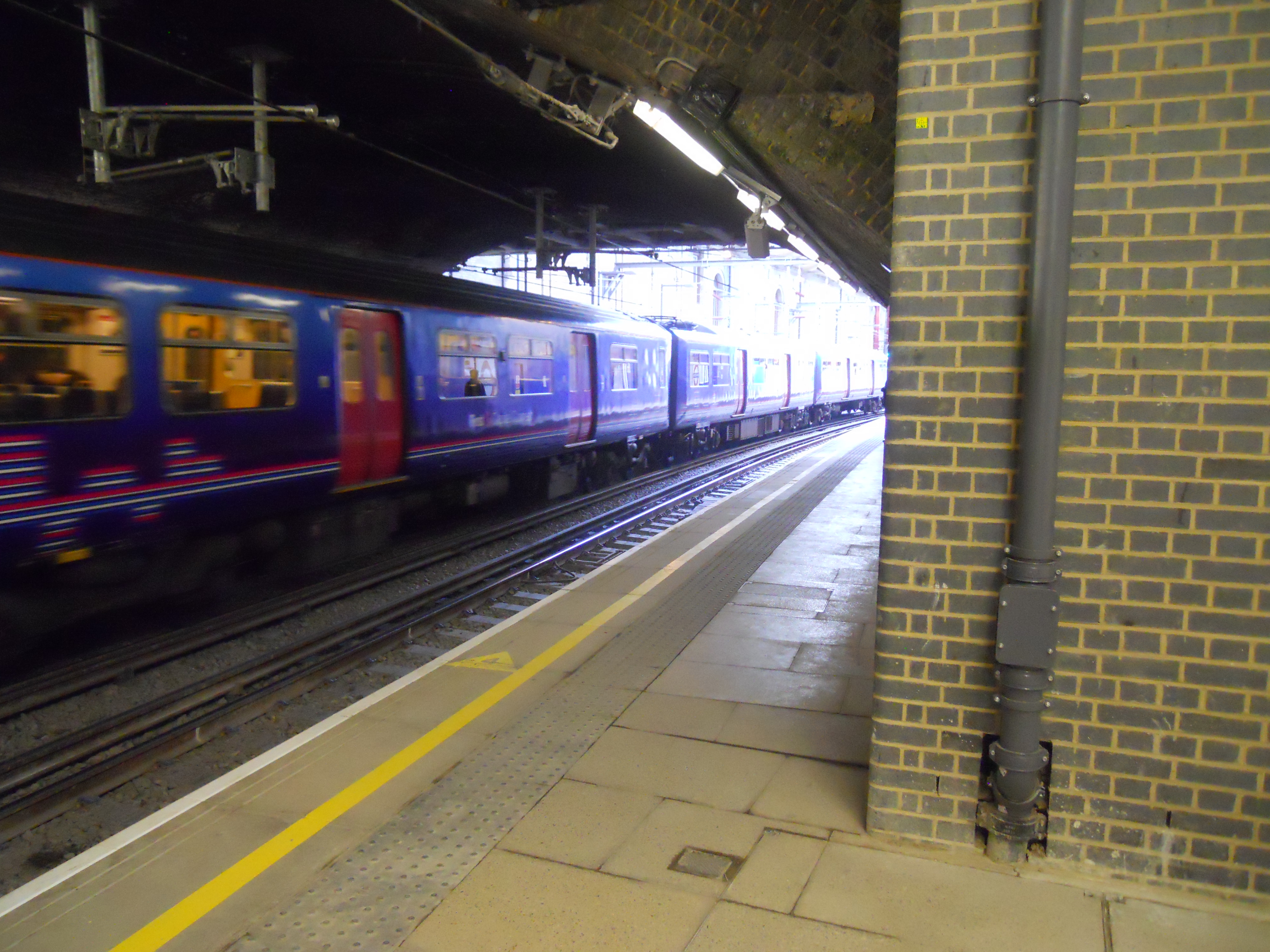

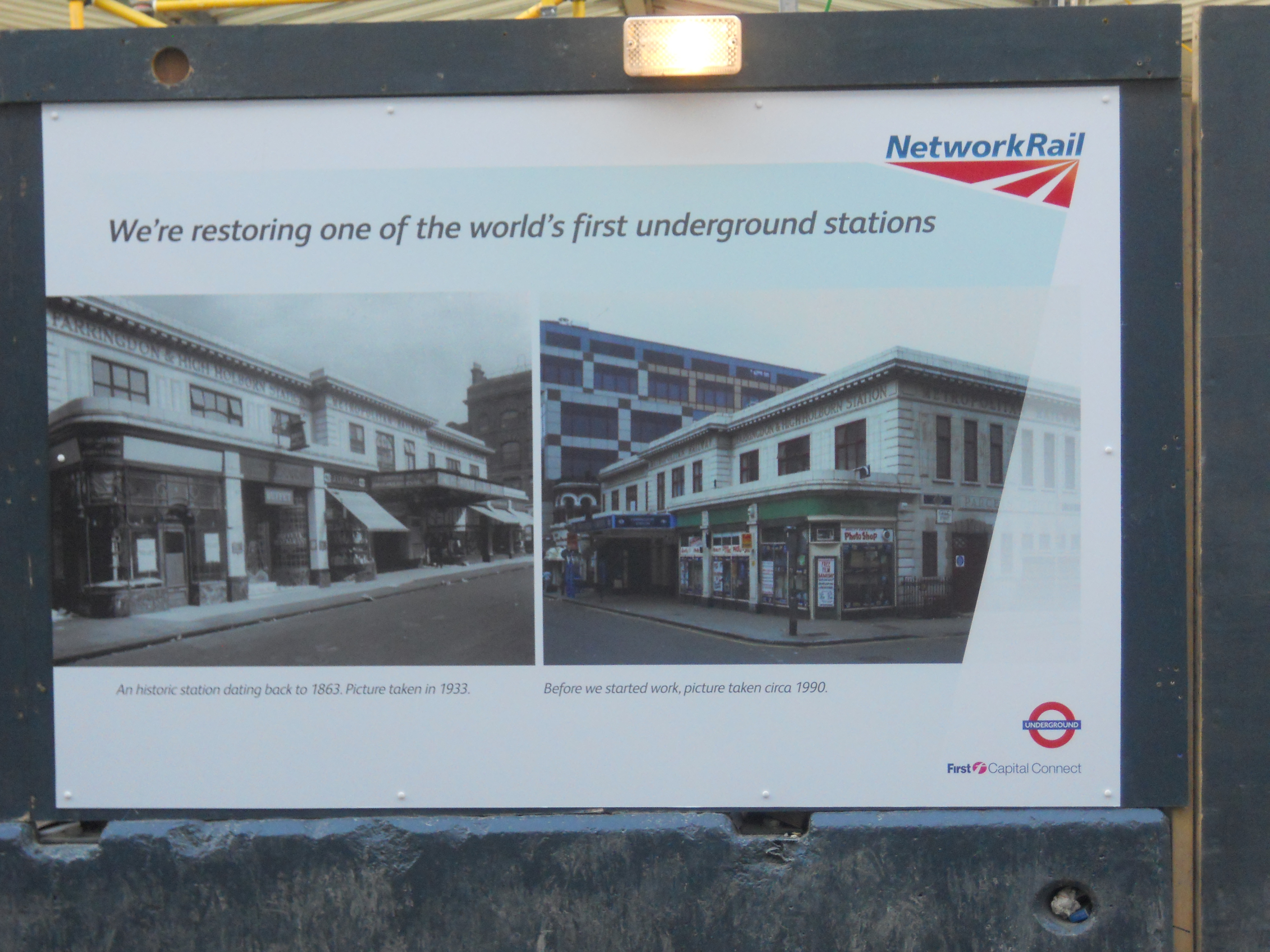
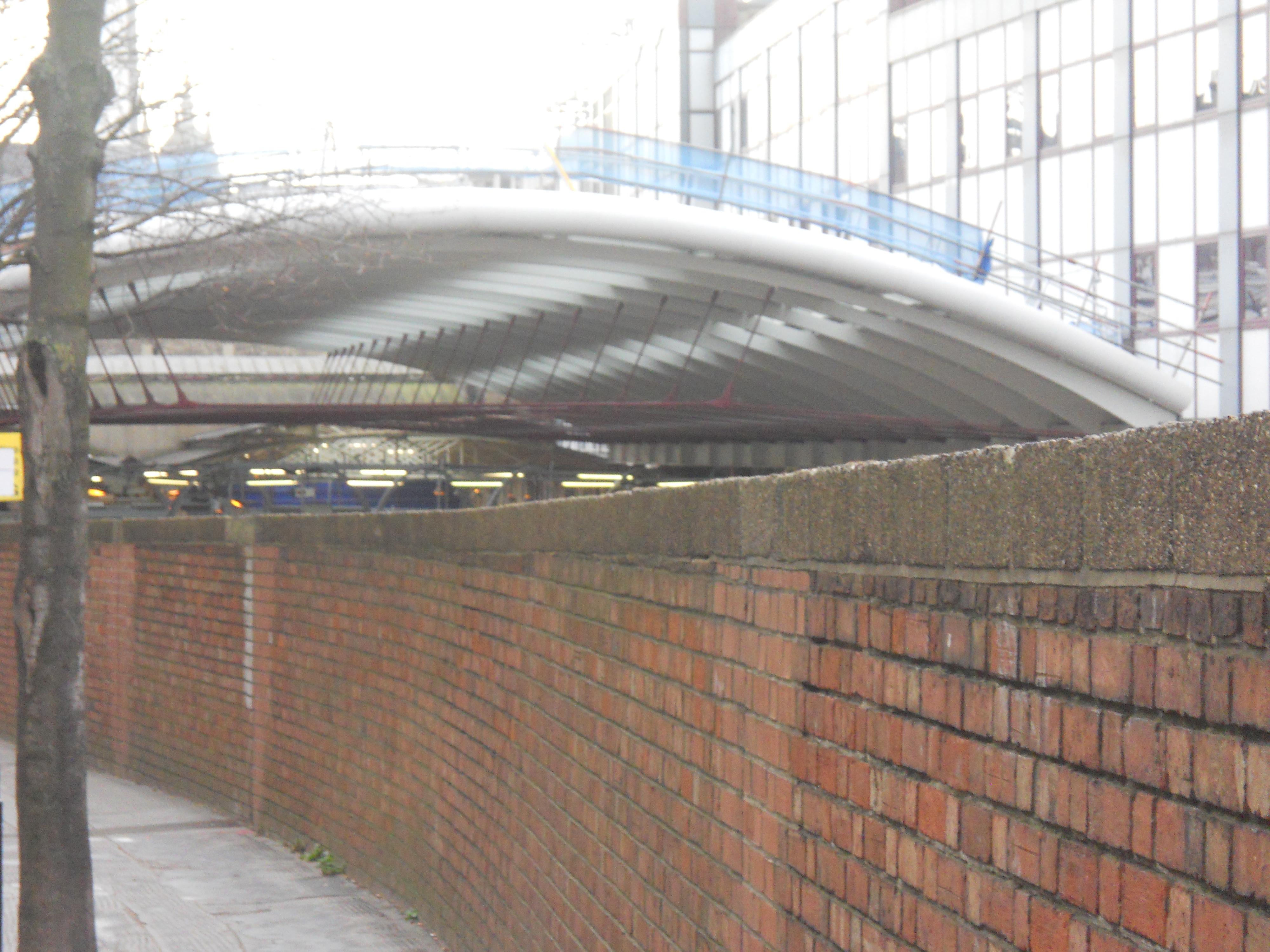
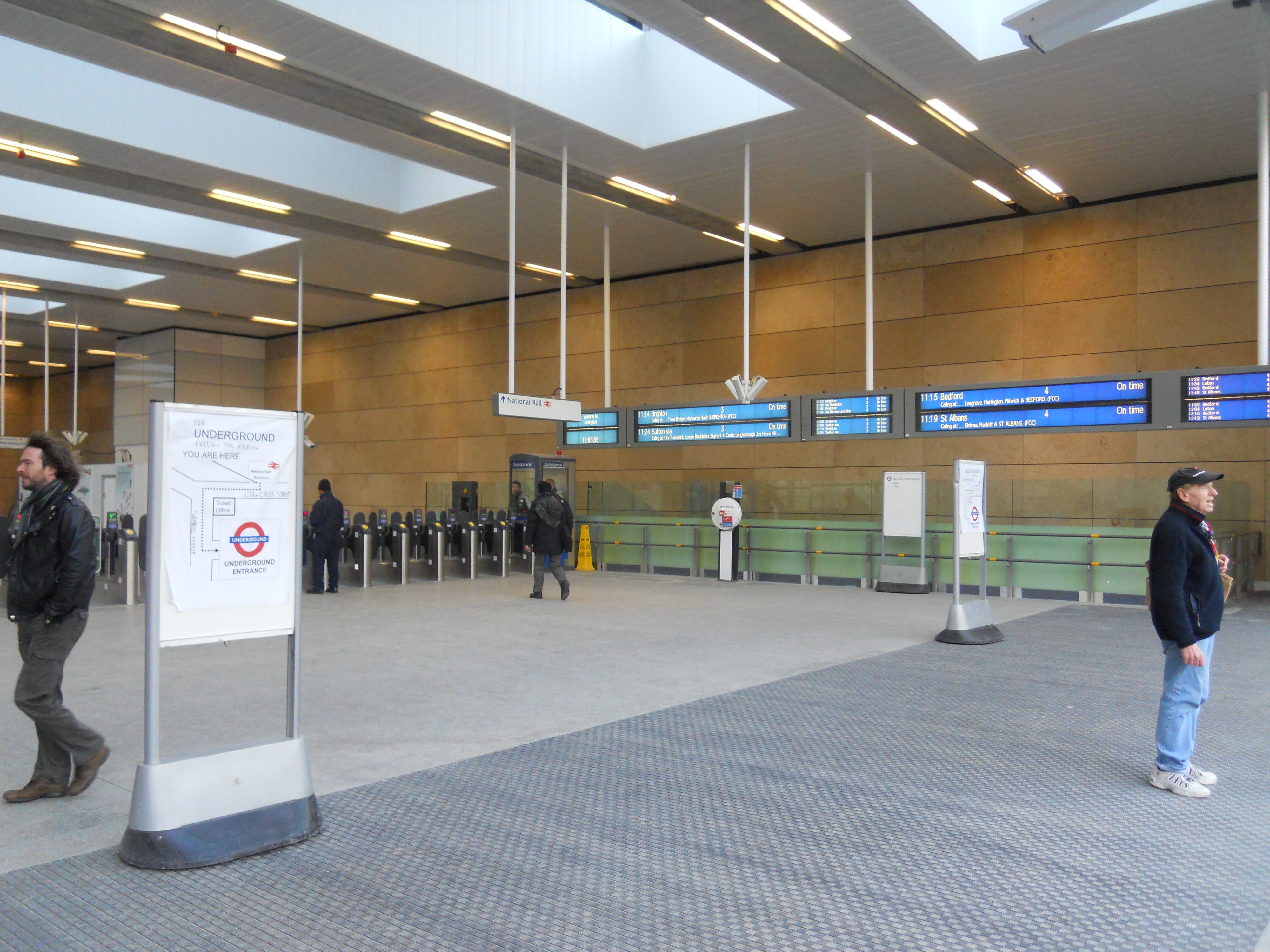
In a few years time, it will be the major interchange between Thameslink and Crossrail and one of the busiest stations in London.
The information on what they are doing is good to.
Note that the station used to be called Farringdon and High Holborn.
More Bad News For Bombardier
Bombardier may think that as they’ve built the new Victoria line trains for London Underground, that getting the orders for the Picadilly and Bakerloo lines will be very much a follow on.
That was until I saw this proposal from Siemens. The trains would offer a bigger capacity, have a through walkway, be quite a bit lighter and use 20 percent less energy. They might even be air-conditioned. Incidentally this looks very much like a proposal I saw on the London Underground web site about seven or eight years ago, proposed by their own engineers.
Incidentally , Bombardier’s new trains for the Victoria line are not cracked up to what they should be, and I know quite a few passengers on the line, who prefer the old trains built in 1967.
So perhaps they lost the Thameslink contract because their proposal wasn’t technically as good as that of Siemens.
You have to remember too that the Thameslink contract was under PFI rules laid down by NuLabor. As the rating agencies reckon that Siemens are a better financial risk than Bombardier, the finance part of the deal was more expensive for Bombardier, so their proposal would have been more expensive. In fact their consortium would have been paying an extra 1.5% a year for financing the deal compared to Bombardier.
Interchange at Stratford
Yesterday I took a friend down the North London line to take a train to her home in Ipswich. The interchange there is now very good and it is just down one set of steps, a short walk and a climb up between trains. Both climbs can be avoided by lifts, if you have limited mobility or heavy luggage.
The only problem is that the proper Ipswich trains have non-sliding doors and this is a slight problem for some with less than perfect hands. It’s exacerbated by the fact that no-one gets out of an Ipswich train at Stratford, so these trains need to have a better door mechanism, when they are refurbished next time.
Stratford is going to be a major interchange during and after the Olympics. If say I was travelling from Ipswich to say Oxford Circus on the Central line, then now it is better to change at Stratford rather than Liverpool Street. Other journeys may also be better with a change at Stratford. For example.
- Ipswich to Gatwick, by changing to the Jubilee at Stratford for London Bridge.
- N**wich to Southampton, by changing to the Jubilee at Stratford for Waterloo.
The interchanges are much better than using the Underground or buses in central London.
You can make a list of places, that are directly connected to Stratford, but not to Liverpool Street.
- London Bridge, Charing Cross and Waterloo
- Canary Wharf, Greenwich and the O2.
- Camden Town, Kentish Town, Hampstead and the Heath.
When Thameslink is completed at London Bridge, many more places will be easier to get to, after a short trip from Stratford.
Chiltern are also threatening to connect at West Hampstead to the North London line, so this would mean East Anglia or Essex to Birmingham or Oxford would be a simpler journey in new trains all the way.
And then in 2016 or thereabouts there’s CrossRail.
London Bridge Is Nearly There!
A few months ago I showed a picture of the new railway bridge at London Bridge over Borough Market.
Here are some new pictures, that I took today.
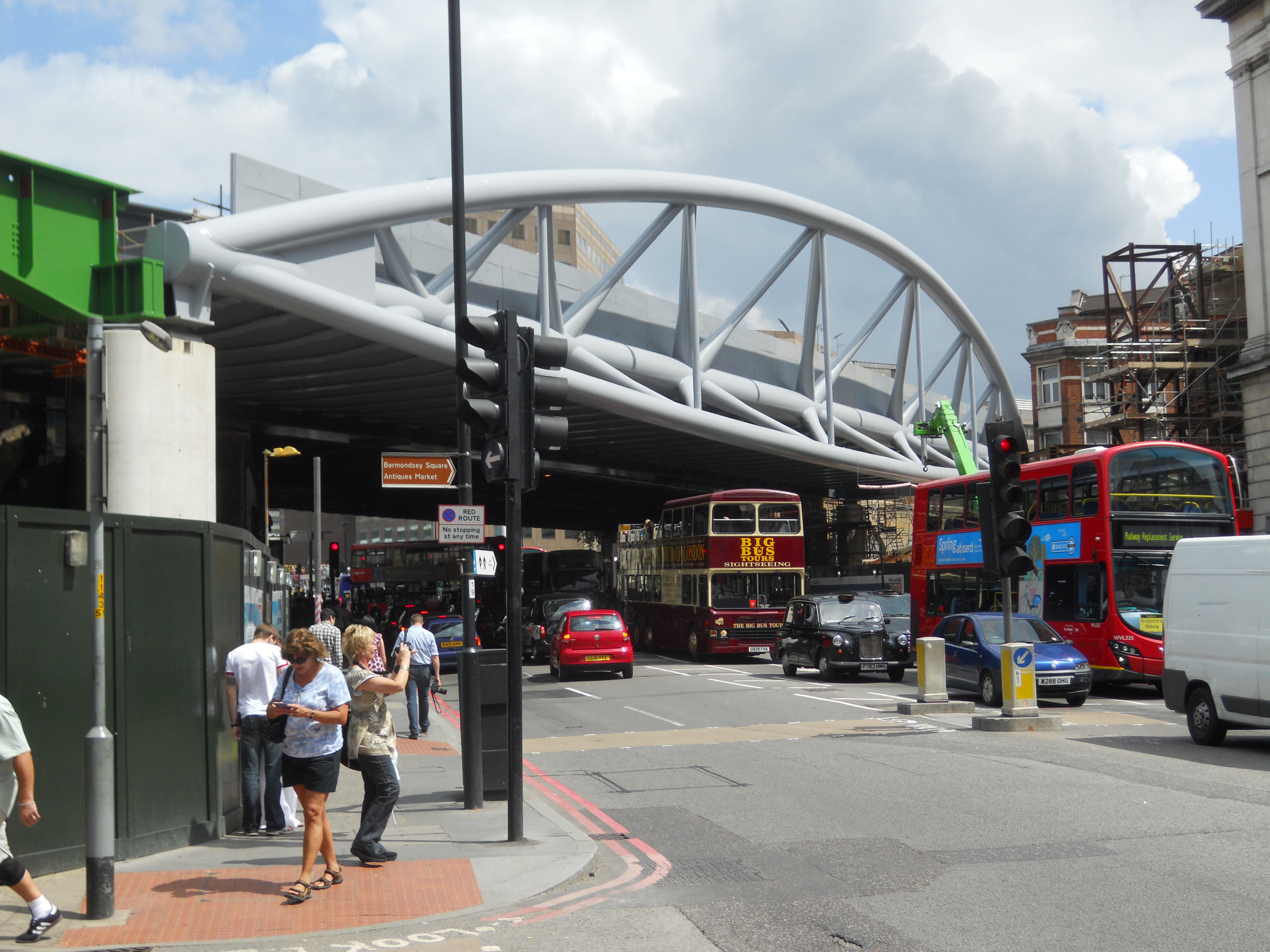
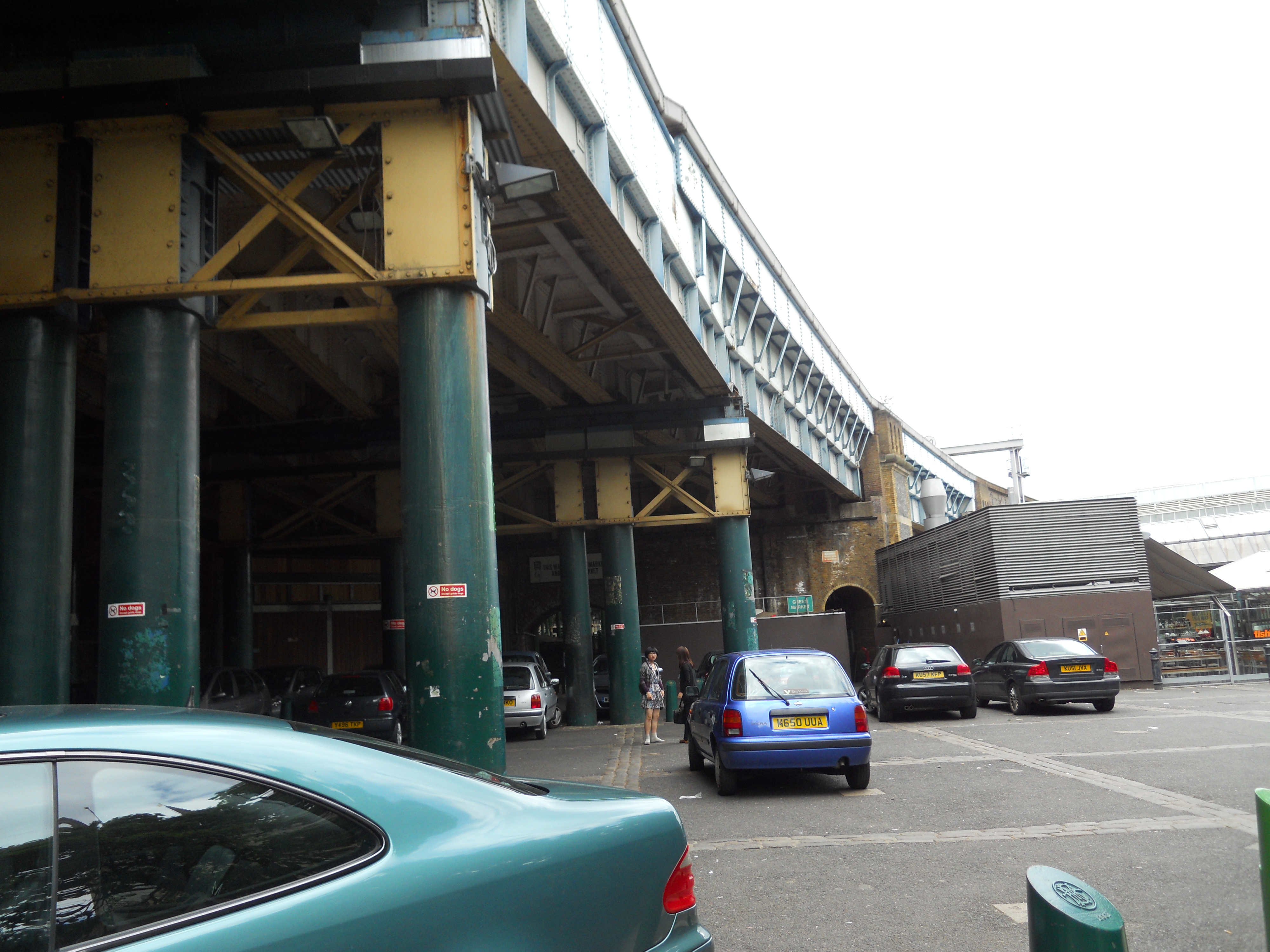
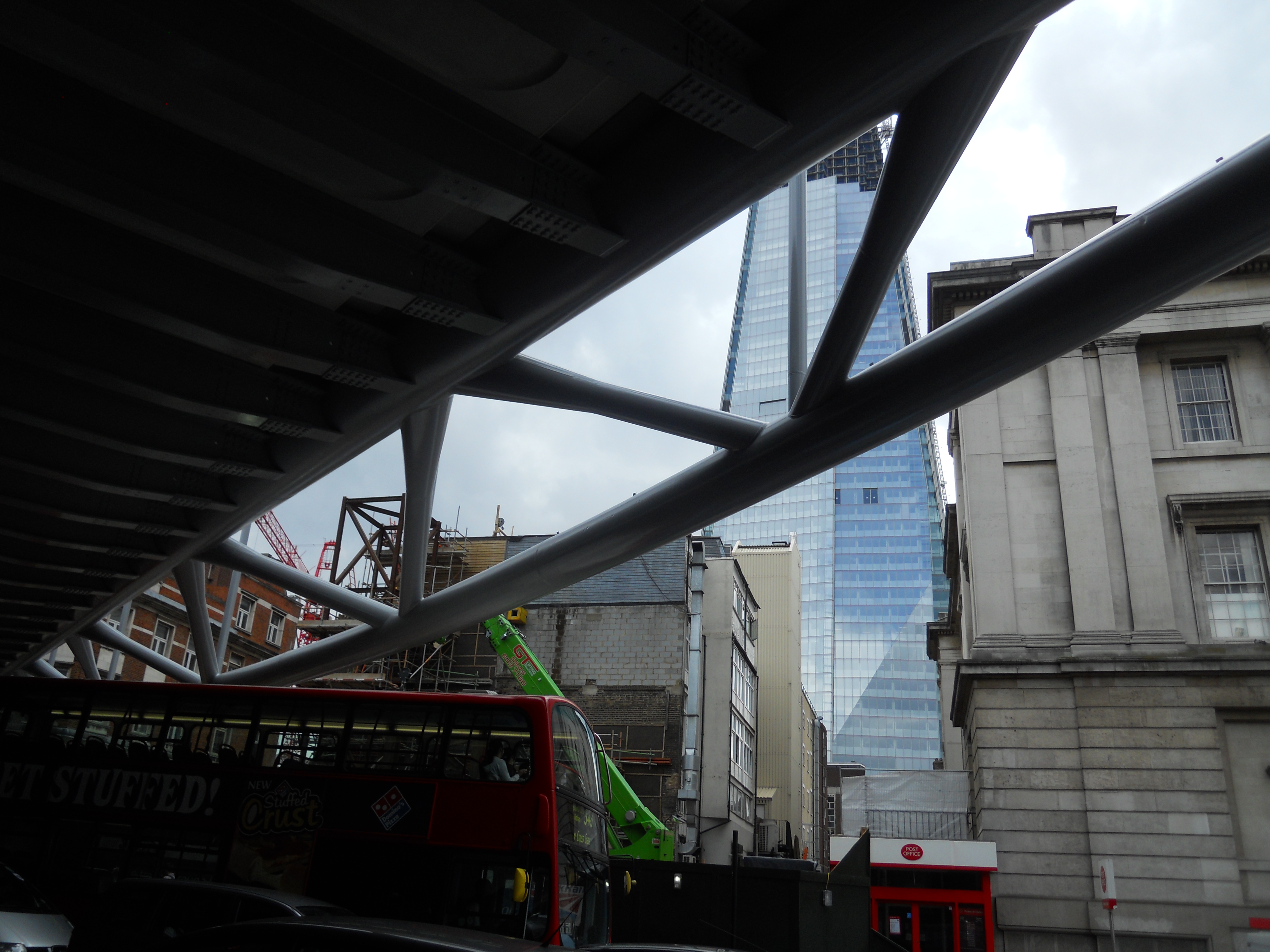
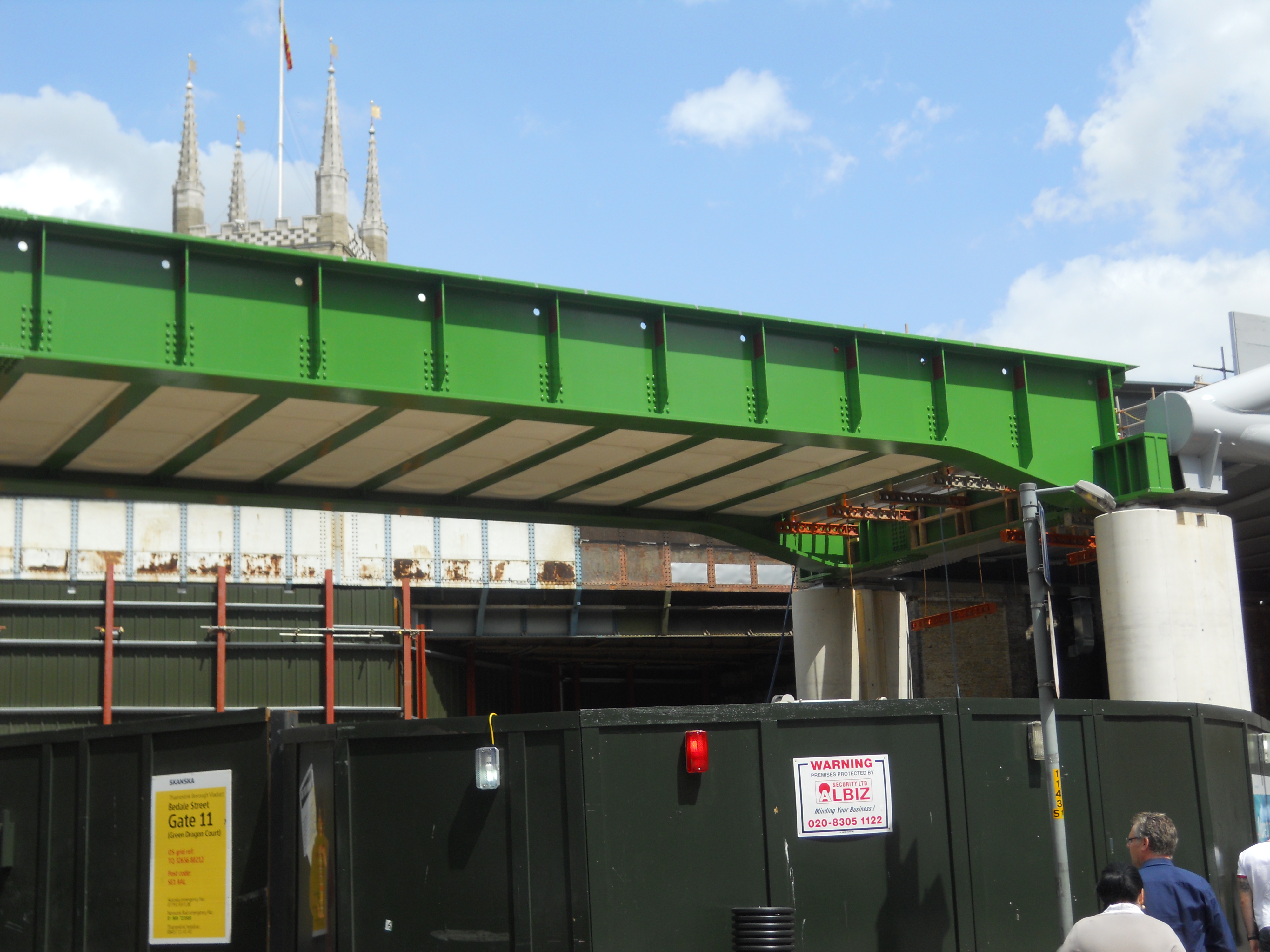
It looks like Thameslink will be on time.
The Engineering and Architecture of CrossRail
My previous post about CrossRail may give the impression, that I’m rather against the project.
I’m not, as I believe it will really open up London to residents, commuters and tourists. The only problem is it won’t be fully open until 2018 or so.
Railways should always go through a major city, rather than have expensive stations on the ends of two radial lines. It’s cheaper in terms of capital cost and ensures that the expensive trains work harder. Thameslink does this on a North-South basis and CrossRail will do it on an East-West basis, with an major interchange between the two lines at Farringdon station.
Modern Railways this month has a major section on the CrossRail project. It is a fascinating read, which describes how the railway is being threaded from one side of the London to the other and the designs of the various stations on the route.
The biggest conclusion I get after reading the report, is that this a project that although built to a tight budget, will be something of which London will be proud and will be something that can grow and grow as the City demands more transport links. From the pictures in the article it would appear that the visible face of the railway will be impressive and not like the rather utilitarian Victoria line. On the other hand a lot of the design is more on the side of the practical and well-thought, rather than the spectacular, such as seen on some parts of the Jubilee line.
I also feel that particular attention is being paid to the management of the whole project and this has allowed the cost to be reduced by a billion pounds or so, by taking slightly longer. Hopefully, this will also enable the project to be built on time, but these days, we are getting a much better record at completing large projects on time, so I wouldn’t be suprised if the engineers adjusted the project to increase the certainty of an on-time completion.
But that is good project management!
With my history in the field of project management, CrossRail seems to be a project, I’d have enjoyed getting my teeth into.
 The Anonymous Widower