From the Match Factory to Eastfield
Today, as I went to the football in Ipswich, I took a video as the train passed the site for the London Olympics in 2012.
The video starts as the train passes the old Bryant and May match factory and continues until the new Westfield shopping centre at Stratford. It opens in September 2011 and will inevitably be called Eastfield.
The red-bricked former match factory is now flats and a few houses and is called the Bow Quarter. It is famous for the match girls’ strike in 1888, which was part of the suffragette movement and one of the defining moments in trade union history. A musical, The Matchgirls, was written and produced about the strike in the 1960s. The musical was written by Bill Owen, who later appeared as Compo for many years in Last of the Summer Wine.
The Olympic Stadium is now substantially complete or at least on time for its full opening later this year.
The red tower after the stadium is the ArcelorMittal Orbit.
The Aquatics Centre is next.
The recently completed London Velopark is to the back of the Olympic Park and is not really visible.
The video ends at the new Eastfield Shopping Centre, which opens in September. The owners as you can see are still calling it Westfield.
But of course it will be part of that new Olympic sport; shopping, based on the new Underground line; the Shopping line, which must be the new name for the Central line. You start at Eastfield, after arriving by train and perhaps even from Paris, Brussels and Amsterdam on Eurostar, before travelling to Oxford and Bond Streets and then taking the line onto Westfield at White City.
Note that the video was shot from left side of the train in First Class. My thanks go to the driver, who specially slowed the train, so I could get a better video and to the ticket collector, who didn’t interrupt me to check my tickets. If you listen carefully, you can here his voice on the video.
It would be nice to repeat this on a clear day from the DVT on the front of the train. It would hopefully be as spectacular as the video, I took from the High Speed Train on the way to Inverness.
A Curious Structure On The Western Curve
The picture shows a rather curious white corrugated structure covering the Western Curve at Dalston Junction.
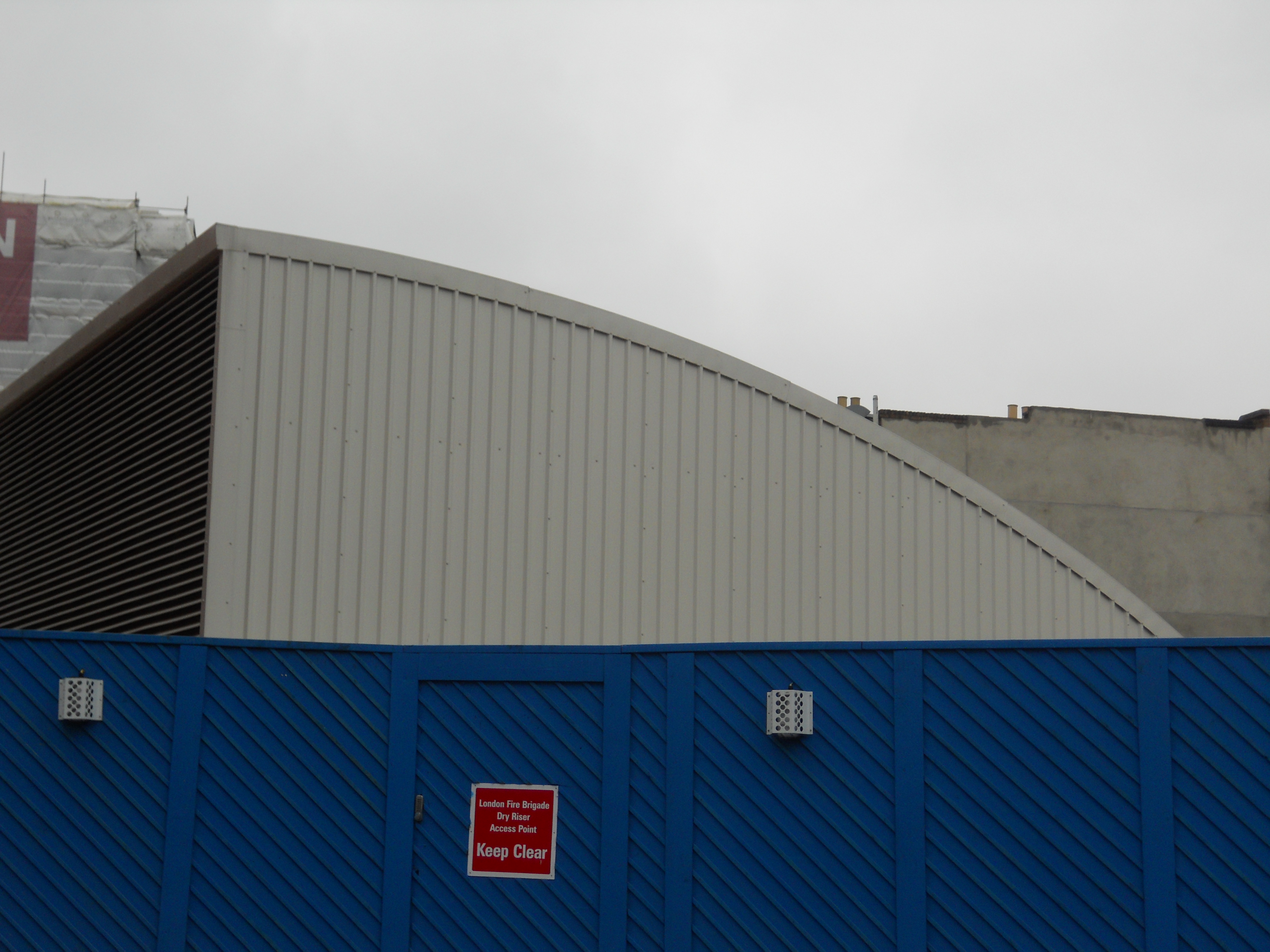
A White Steel Tent at Dalston
When I first saw it, I thought it was some sort of protection for concrete, whilst it was drying.
But it would appear that it’s the ventilation for the railway tunnel under Kingsland High Road. It is designed so that the prevailing westerly winds will draw the air out of the tunnel. I think, it’s also designed to work in case of fire.
This looks to me, like a classic case of very sound passive engineering. An active solution with electrically-driven fans would be a lot more complicated and expensive.
The Western Curve at Dalston Opens Next Week
This was announced on the London News on BBC Breakfast Time this morning.
It will mean that you will be able to get trains direct from Highbury and Islington station all the way to Whitechapel and on to South London.
One of the staff at Dalston Junction station told me today, that all being well this will happen first thing on Monday morning. I’ve just checked using the National Rail Timetable and it leaves Dalston Junction at 6:25.
The Central Express Line
Getting to and from QPR yesterday was simple. I took a 21/141 bus to Bank and then got the Central Line to White City.
The journey back was particularly quick and the average station time was under two minutes.
So why is it quicker than other lines?
The trains were the first on the Underground to have wide outside plug doors and this gives more space inside and makes entry and exit easier. But also these trains are fully-automatic, with an advanced breaking system, that cuts time on stopping from full speed.
In other words, by good attention to detail, you can speed things up a little bit in several ways.
Hurrying to Portman Road
The weather today was awful and I didn’t take my time or any detours from the station to Portman Road. I also needed the toilet urgently. But at least the latter are very good compared to some grounds I’ve visited.
Shoreditch Station is Sold
The old Shoreditch station was put up for sale a week or so ago, with a guide price of £180,000.
But it now appears to have been sold for £665,000. Do some have more money than sense? Or does it show that the property market is recovering?
London Bridge is Going Up
The picture shows the new bridge going up, that will take the Thameslink tracks to Charing Cross over Borough Market on a viaduct.
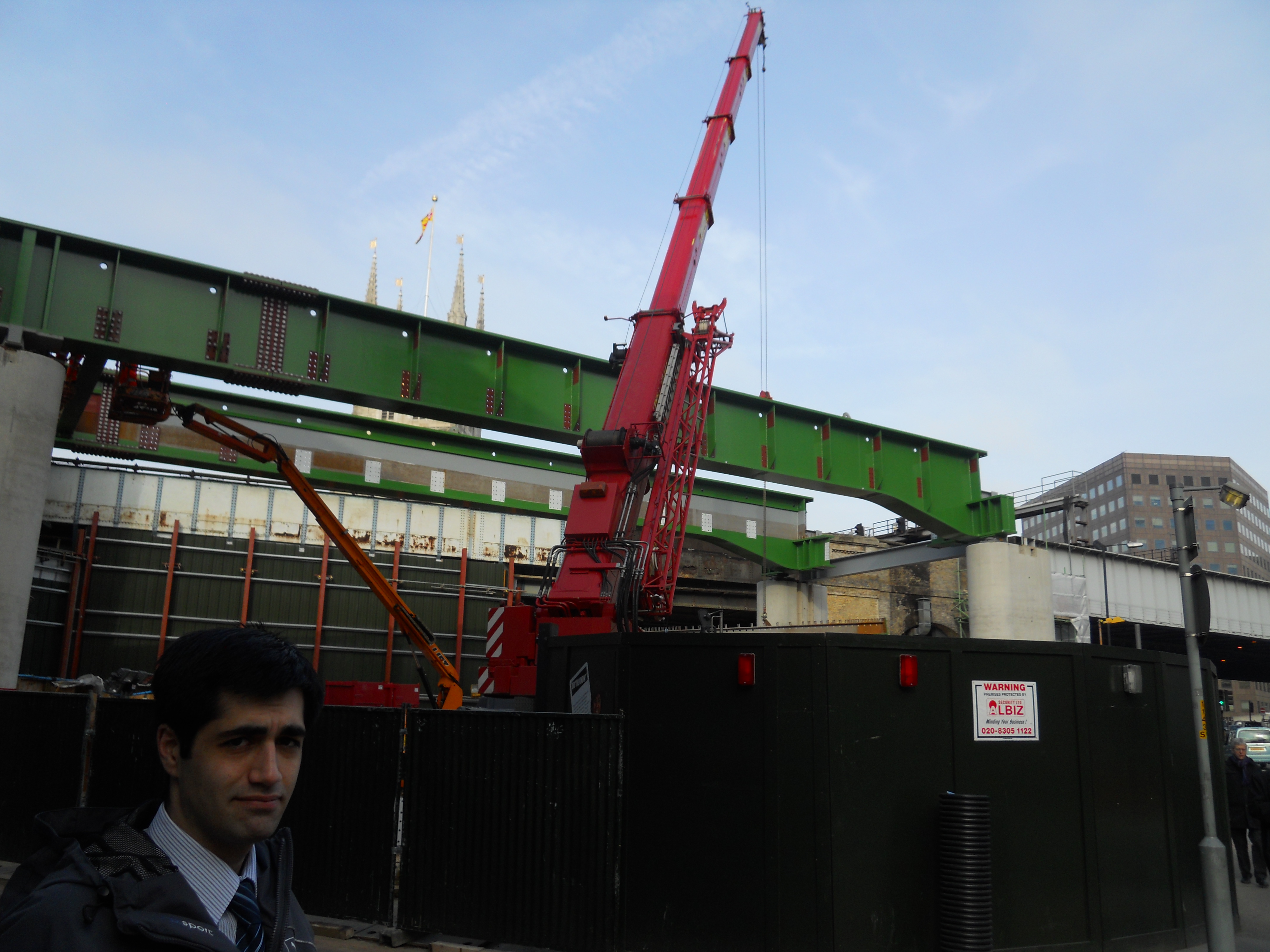
New Thameslink Bridge at London Bridge
When I met one of the project managers at King’s Cross a few weeks ago, he assured me it was all on schedule.
This viaduct at Borough Market will remove one of the worst bottlenecks on the railway network and illustrates how the Victorian builders of the network, often did things on the cheap and without any thought for the future. After a long public enquiry, the permission was finally given for the new viaduct to effectively double the capacity through the area.
Hopefully, when the market is rebuilt underneath the viaducts, it will continue to be an asset to London for many years in the future. Some though have expressed serious doubts about the scheme.
Surprising Barnsley
Some of the places I’ve visited on my travels like Scunthorpe and Middlesbrough could not be described as places that make the most of what they’ve got.
What I would find, as I went north on my train from St. Pancras, I did not know.
I actually travelled north with three young Millwall supporters, who were supporting their team at Sheffield. When I said, that I’d had a stroke, one of them said his brother had too. At just 16 too! So we can’t all be too careful, can we?
But the Interchange station at Barnsley was a surprise.
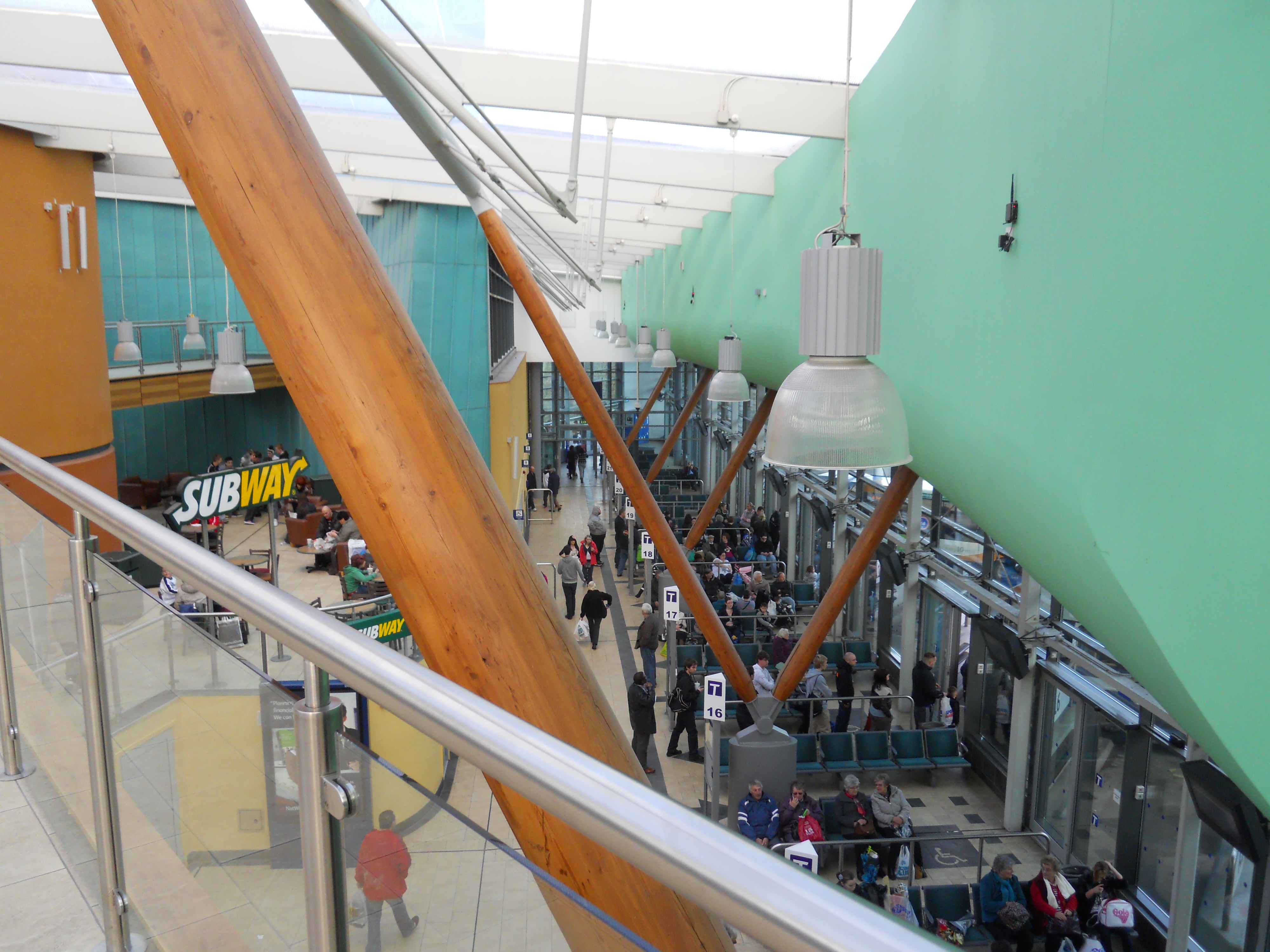
Barnsley Interchange
Very often, stations are badly designed and in the wrong place in the town, with poor interchanges to other modes of transport.
Cambridge is a classic example, in that it’s some way from the city centre, the buses to get aren’t obvious and also for the amount of trains that call at it, it isn’t big enough. I suspect too, that the ill-fated busway will have a terrible interchange, when surely one of the reasons for the busway, should have been to get passengers to the trains. But trains and buses operate under different budgets and compete with each other, when they should be complimentary.
There is no such problem in Barnsley in that the station lies alongside the town centre and contains not only the train station, but the bus station as well. The football ground, Oakwell, is a ten minute walk the other way.
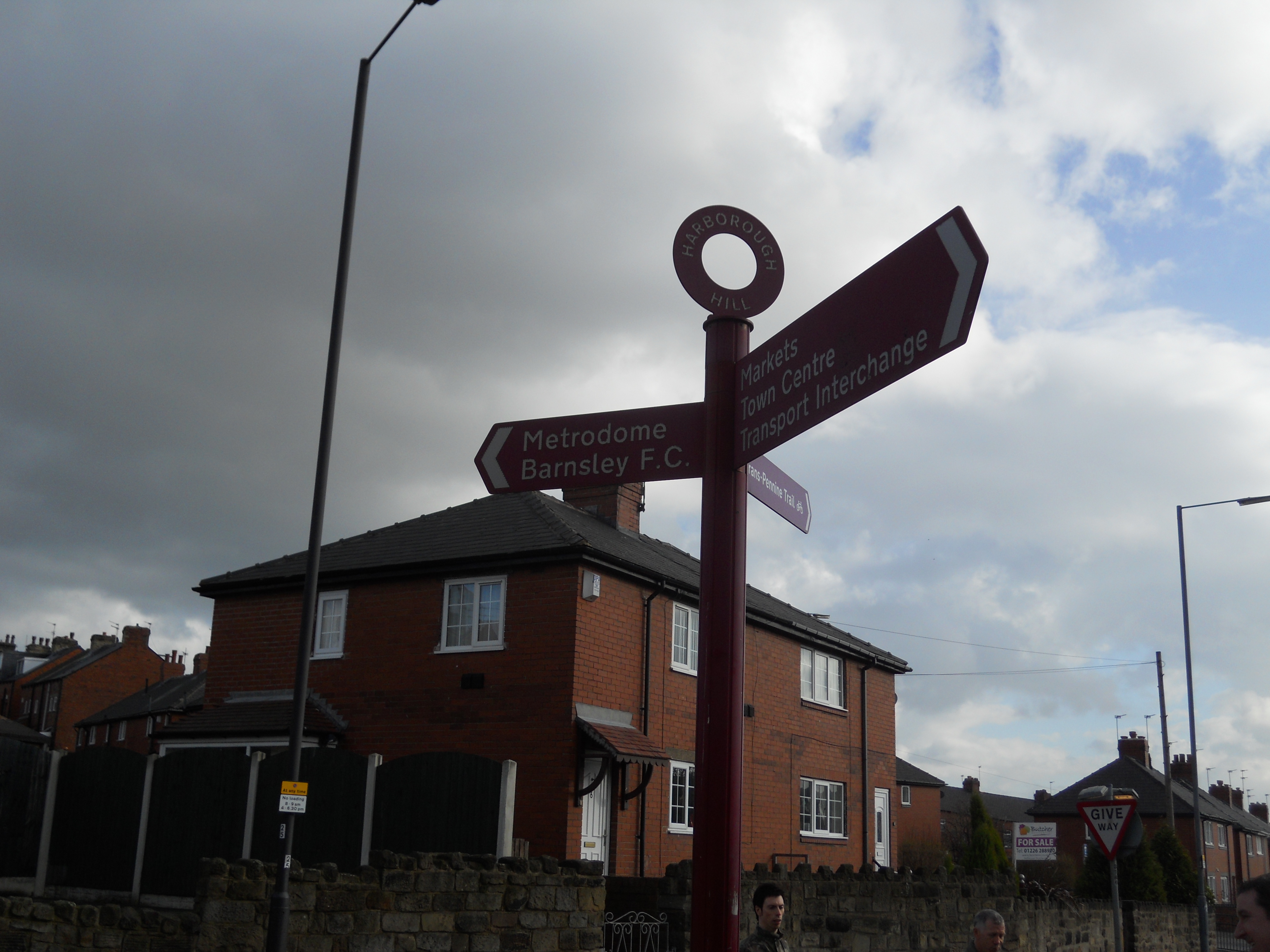
Barnsley Signs
Signage, as so often could be better and more numerous, but then it’s difficult to miss Oakwell. But at least in Barnsley the signage is there, which can’t be said for Edinburgh, which is supposed to be a tourist destination.
You actually walk up a hill to the ground and then approach it downhill, through what is a grassed car park.
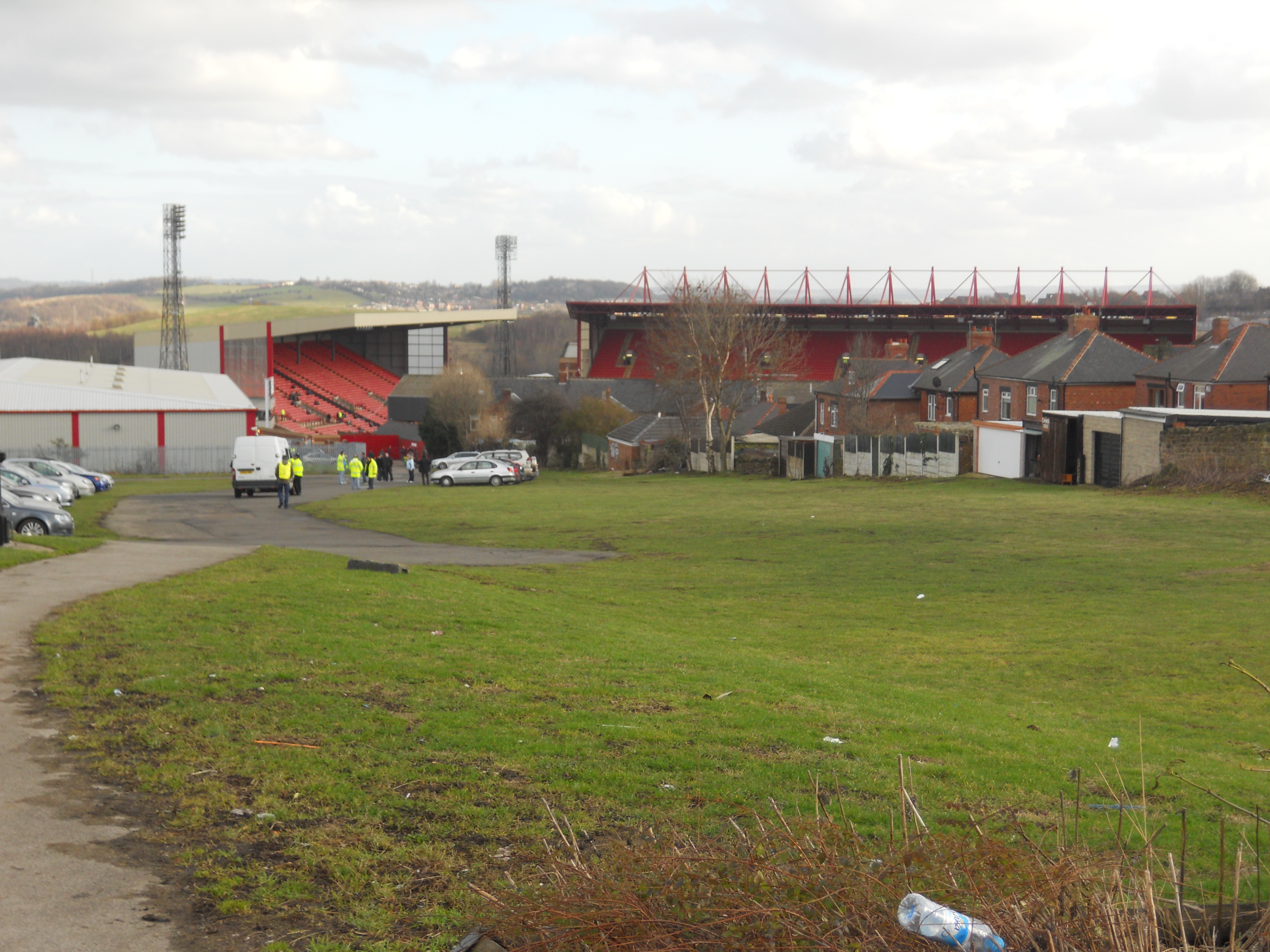
Walking Down to Oakwell
In some ways the approach is more like one you find at small non-league stadia, rather than one that incoprates 23,000 spectators.
The football was a bit disappointing in that Ipswich gave away a winning lead in the last minute.
But all-in-all, it was a good day out! I felt especially good as I walked up the hill towards the station without a hint of being out of breath. Perhaps it was the sun, that we’d enjoyed all day.
Living on a 30 Bus
One of my friends has commented that I always seem to be on a 30 bus. It’s just that it’s so useful to get to and from the Angel, Islington, Kings Cross, St. Pancras, Euston and the Selfridges end of Oxford Street, especially as the stop is just around the corner and has one of those displays which tell which buses will arrive soon.
Yesterday on my trip to see Ipswich at Barnsley, the journey didn’t start with a small step, but it started and finished on a 30 bus.
A 30 bus was involved in the London bombings and 13 passengers tragically died in Tavistock Square. But it isn’t the only tragedy connected with the route.
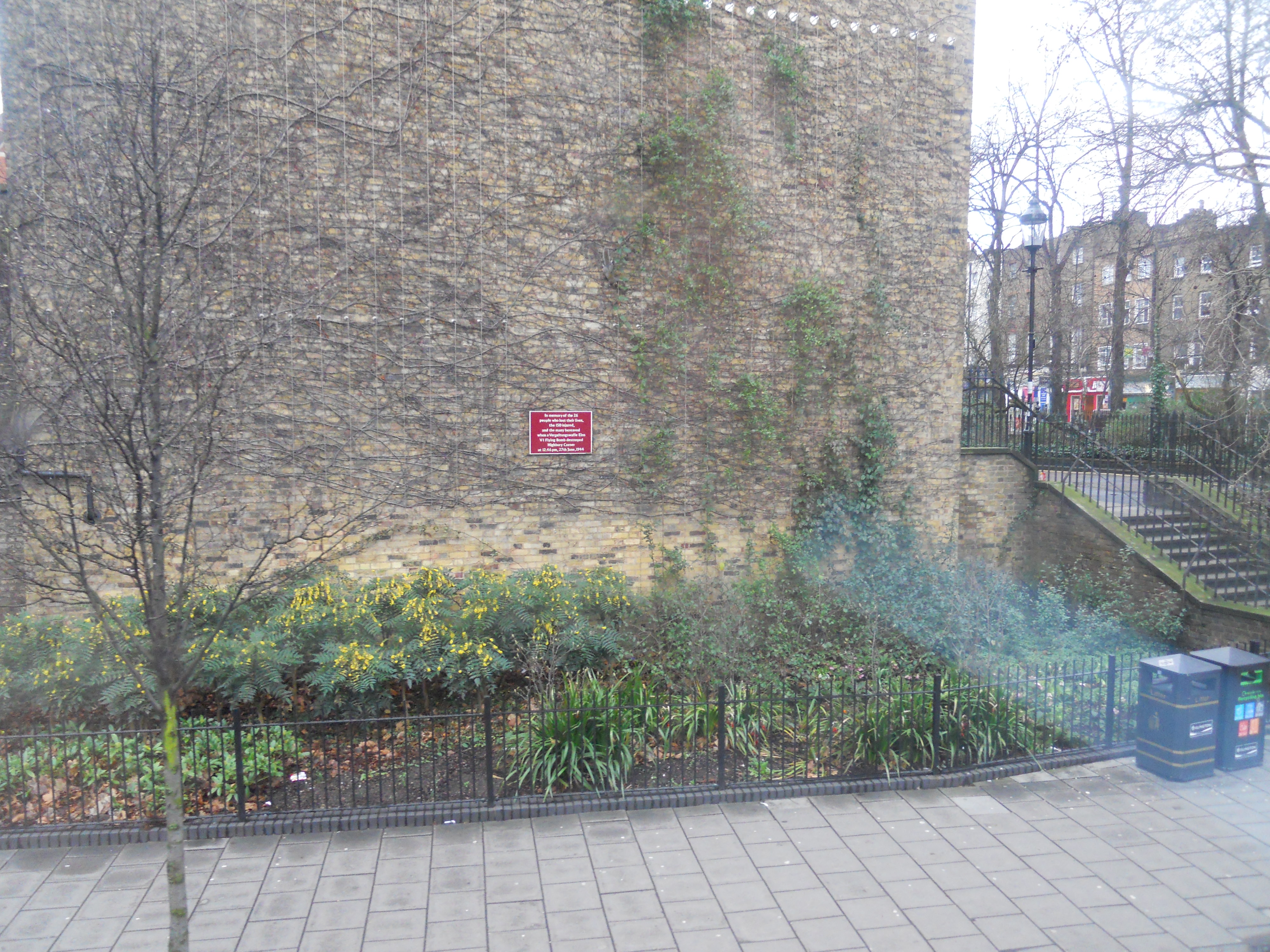
Memorial Garden at Highbury Corner
This picture shows the memorial garden at Highbury Corner. The plaque commemorates the 26 people who died in a V1 attack on June 27th, 1944.
But the route isn’t all about sadness, as at Islington Green, you pass the statue of Hugh Myddelton, one of those who shaped our city.
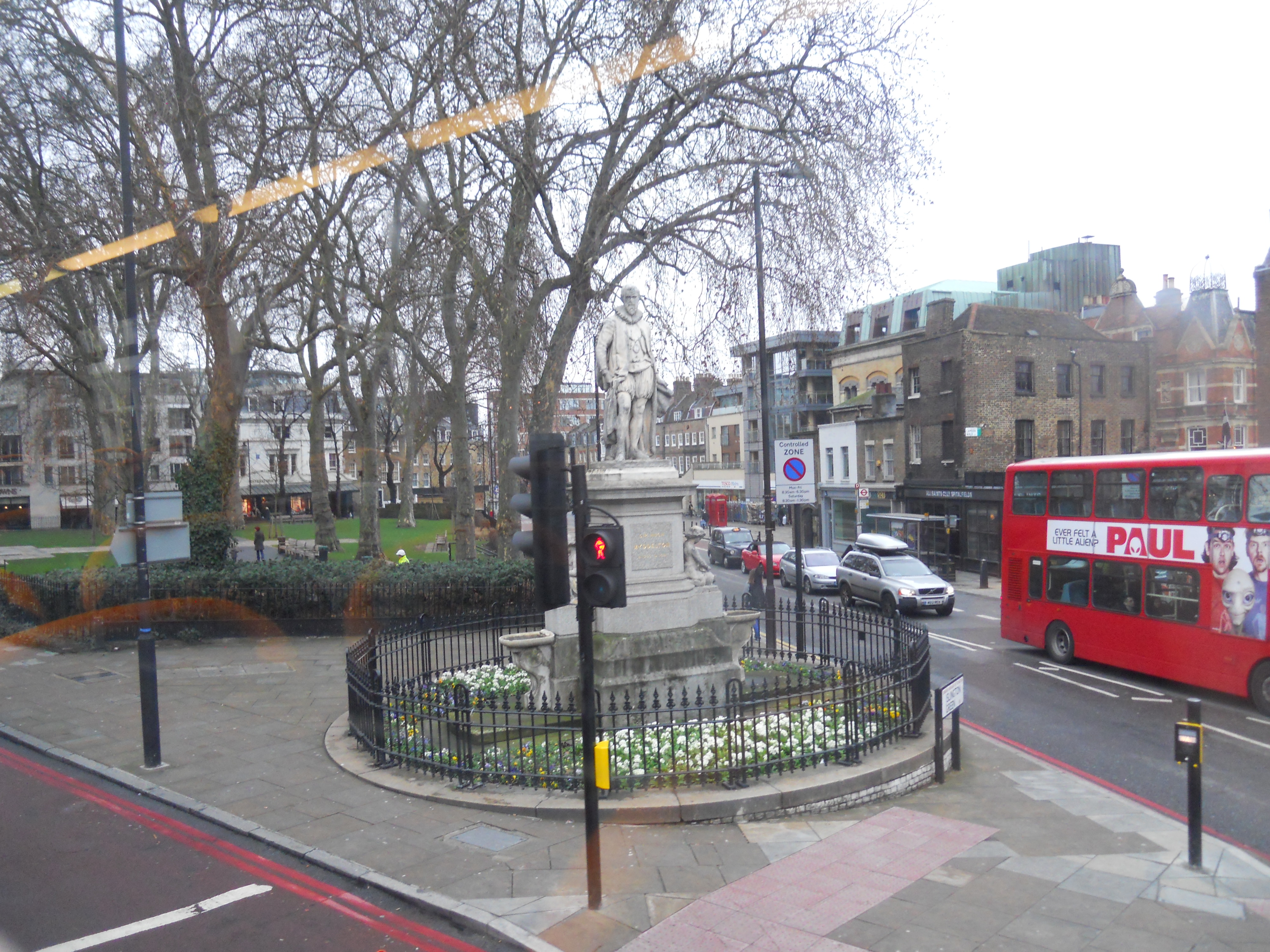
Statue of Hugh Myddelton on Islington Green
Every time, you use water in the city, there is a chance that some of that water has arrived courtesy of the New River; Myddelton’s project from the early seventeenth century that transformed London’s water supply.
From the Angel, I then travelled down Pentonville Road to Kings Cross, getting off just before the station and crossing the maze of roads into Kings Cross.
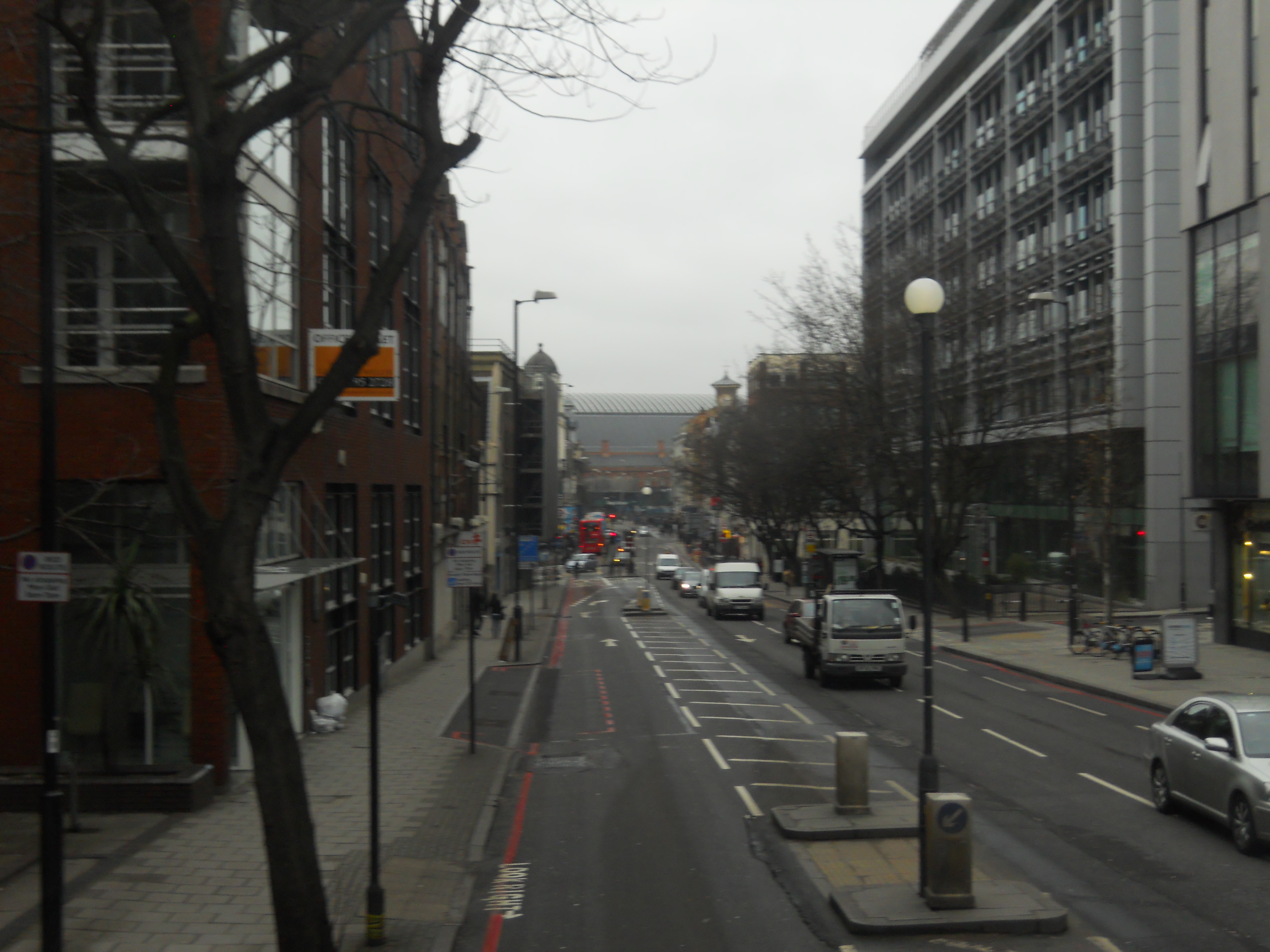
Arriving at Kings Cross on a 30 Bus
Hopefully, when they create the new public square in front of King’s Cross station they’ll make this pedestrian access a lot better.
At least though work inside the station seems to be progressing well, with the pedestrian bridge and the associated lifts seeming to be taking shape under a newly restored roof.
Coming home too, I was lucky in that I walked through the station after buying a Cod Mornay for my supper from Marks and Spencer in St. Pancras and had to wait just two minutes before a 30 bus appeared to take me home.

