World’s First Energy Island Starts Taking Shape – Video
The title of this post, is the same as that of this article on offshoreWIND.biz.
This is the sub-heading.
The first of the 23 caissons being built for Princess Elisabeth Island in Vlissingen, the Netherlands, is almost finished and will be immersed in the North Sea this summer. The artificial Belgian energy island is a world first.
Note.
- This web site is the web site of Belgium’s Princess Elisabeth energy island.
- This YouTube video describes the Princess Elisabeth island.
The video shows the importance of this project, that will have interconnectors to both the UK and Denmark, and connections to a large number of offshore wind farms.
These two paragraphs describe the roll-out of the caissons.
When the caissons are ready, a semi-submersible vessel will transport them further down the harbour, where they will be placed in the water and temporarily stored. They will then be moved to their final location in the North Sea this summer, weather permitting.
The caissons will form the outer walls of the energy island. The island itself will be created using approximately 2.3 million square metres of sand, extracted locally. The island will be finished in late 2026, when the electrical equipment can start to be installed. Contracts for this will be tendered this year.
These pictures show four Pheonix Caissons from Mulberry Harbours that are used as a museum in The Netherlands.
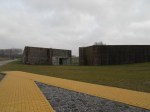
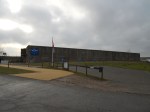

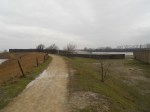


Nothing is new! But at least the Belgians won’t have to tow their caissons across the Channel under enemy fire.
Belgians To Start Building World’s First Artificial Energy Island Next Year (VIDEO)
The title of this post, is the same as that, of this article on offshoreWIND.biz.
This is the sub-heading.
Belgian offshore construction companies Jan De Nul and DEME, through their consortium TM EDISON, have won the tender for the construction of the Princess Elisabeth Island in their home country and the first artificial energy island in the world.
And this first paragraph outlines the project.
The artificial island, which will be built some 45 kilometres off the Belgian coast and will occupy an area of approximately five hectares above the waterline, will serve as the link between the offshore wind farms in the country’s second, 3.5 GW Princess Elisabeth offshore wind zone and its onshore high-voltage grid.
Initial plans don’t seem to be putting any wind turbines or solar panels on the island.
The most impressive part of the article is the video, which shows how the island will be constructed.
To some people of my age, the construction of the island will seem familiar, as the island will be built in a similar way to the Mulberry harbours of World War II.
A few years ago, I went inside some of the giant Pheonix caissons in The Netherlands, where they were initially used to plug the dykes after the North Sea Flood of 1953. They are now a museum of the floods called the Watersnoodmuseum.
Engineering is repeating itself.
Watersnoodmuseum
This is a museum at Ouwerkerke in the Netherlands, dedicated to the North Sea Flood of 1953.


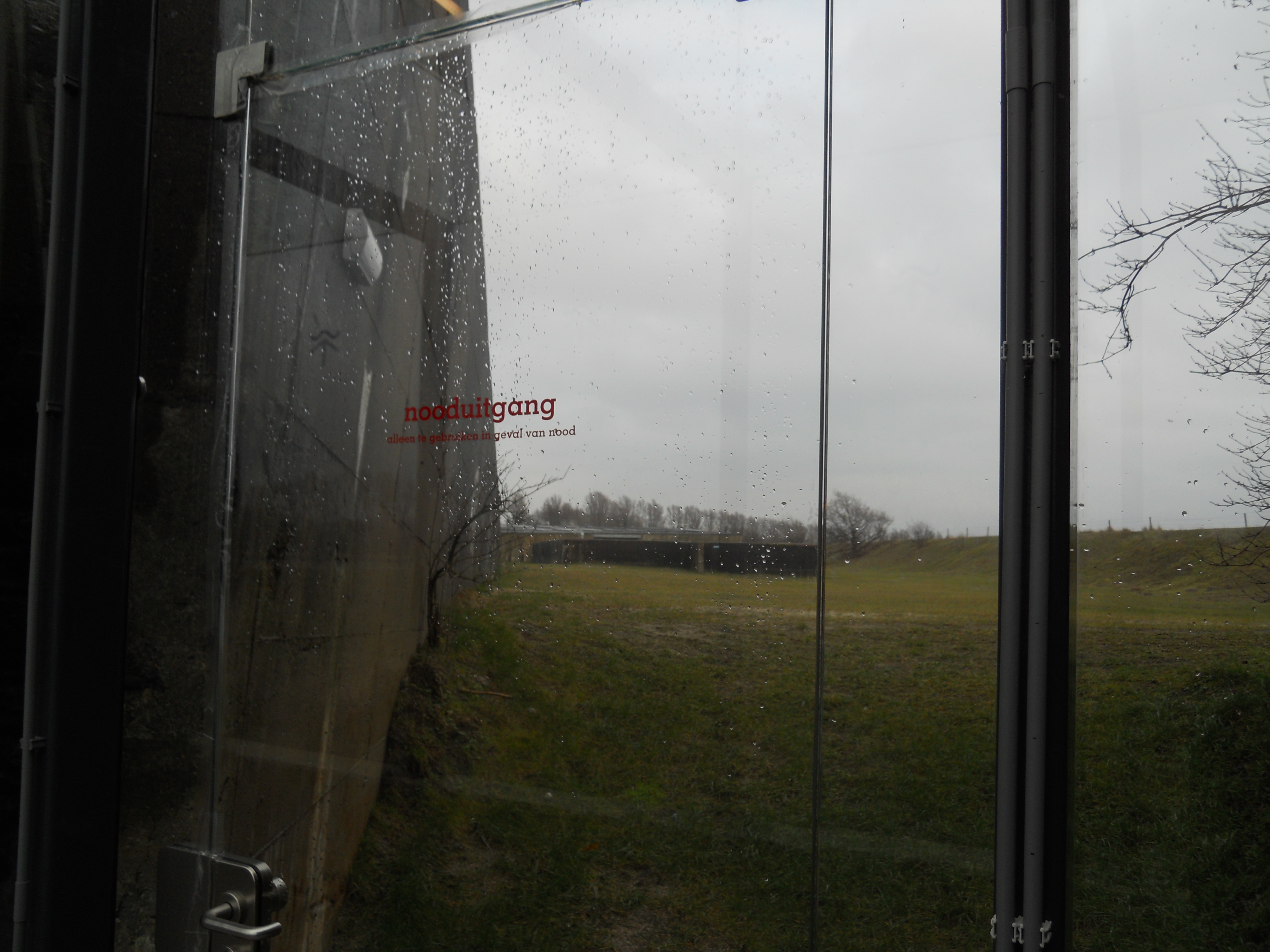
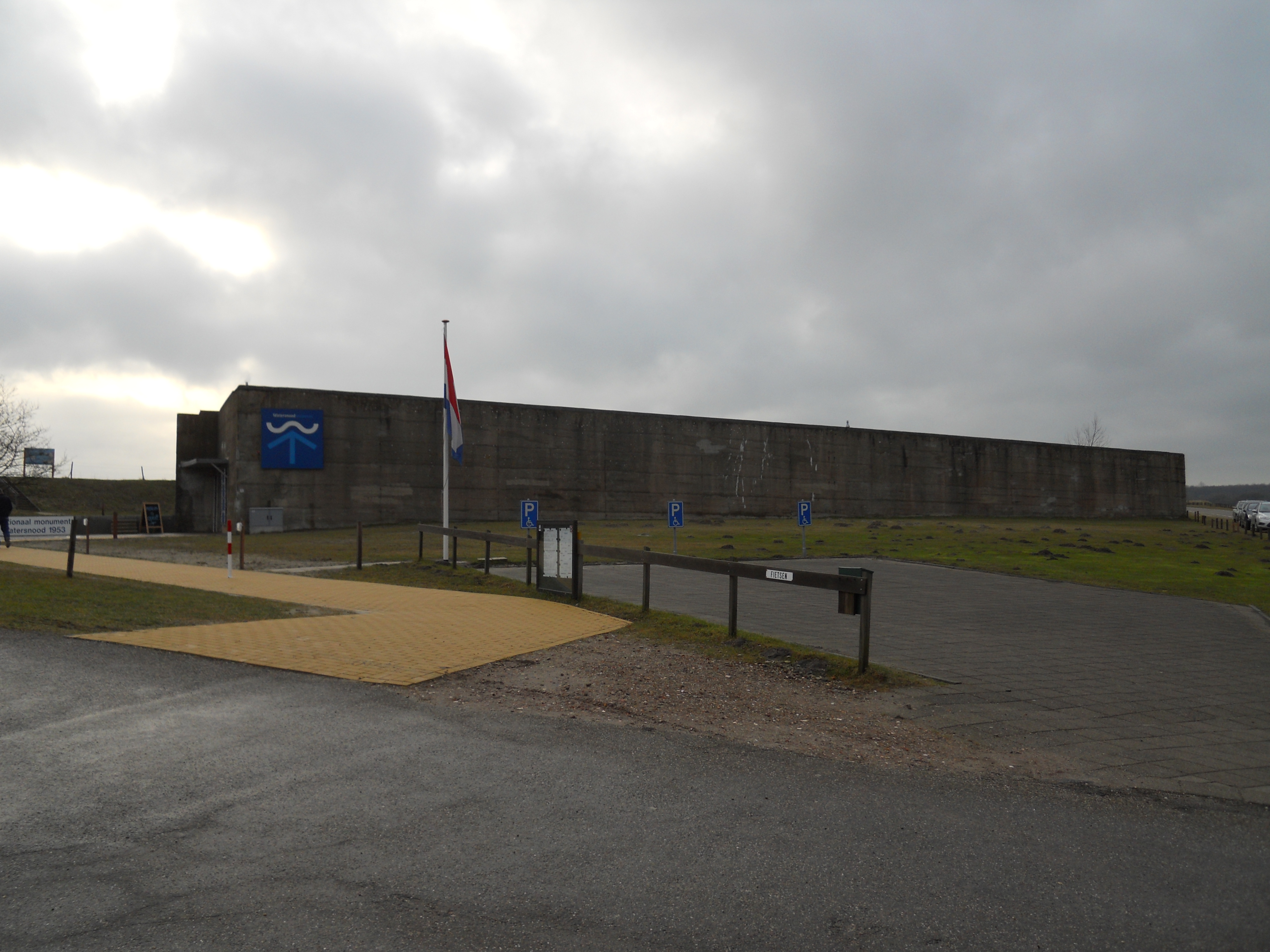
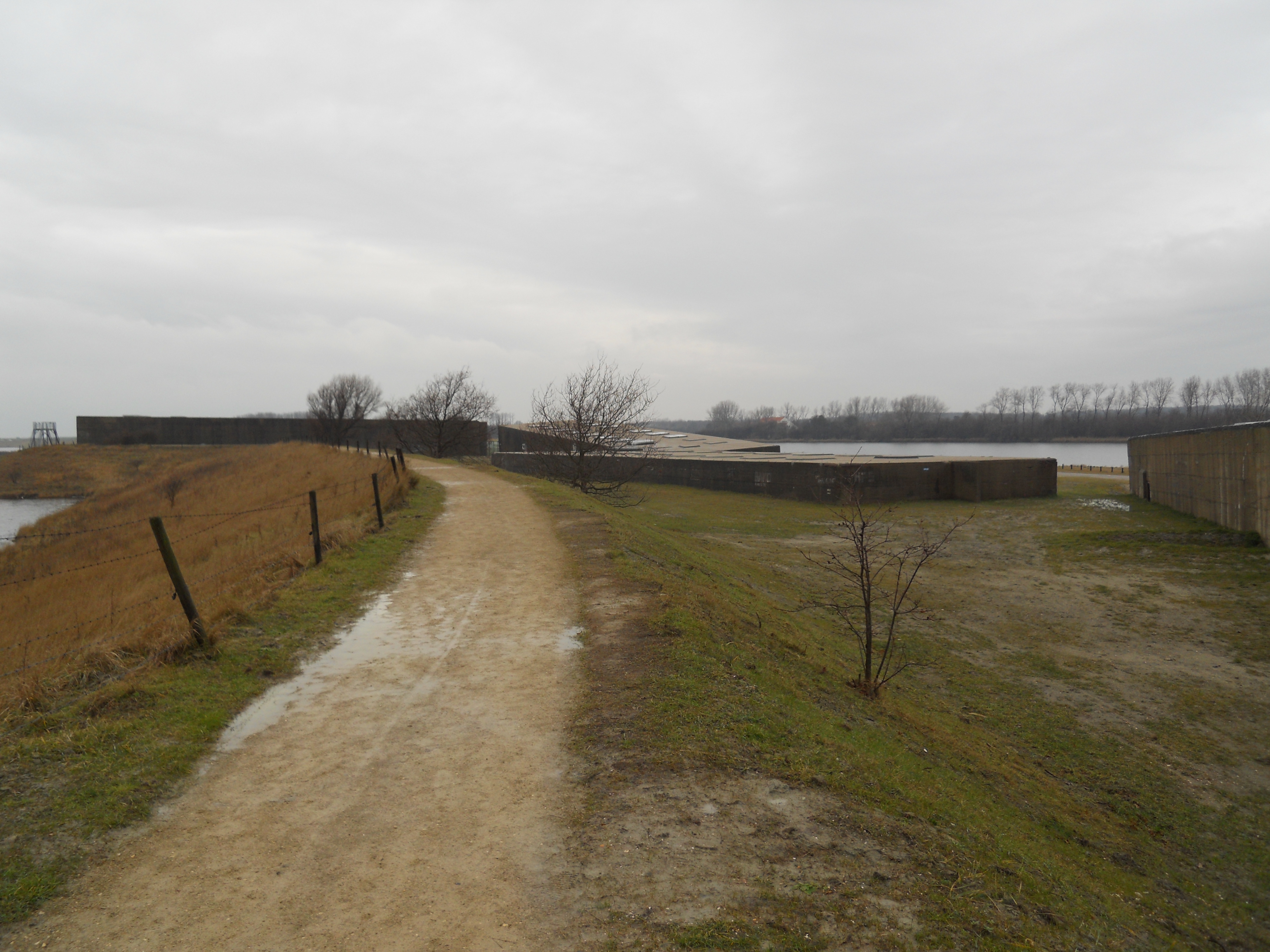
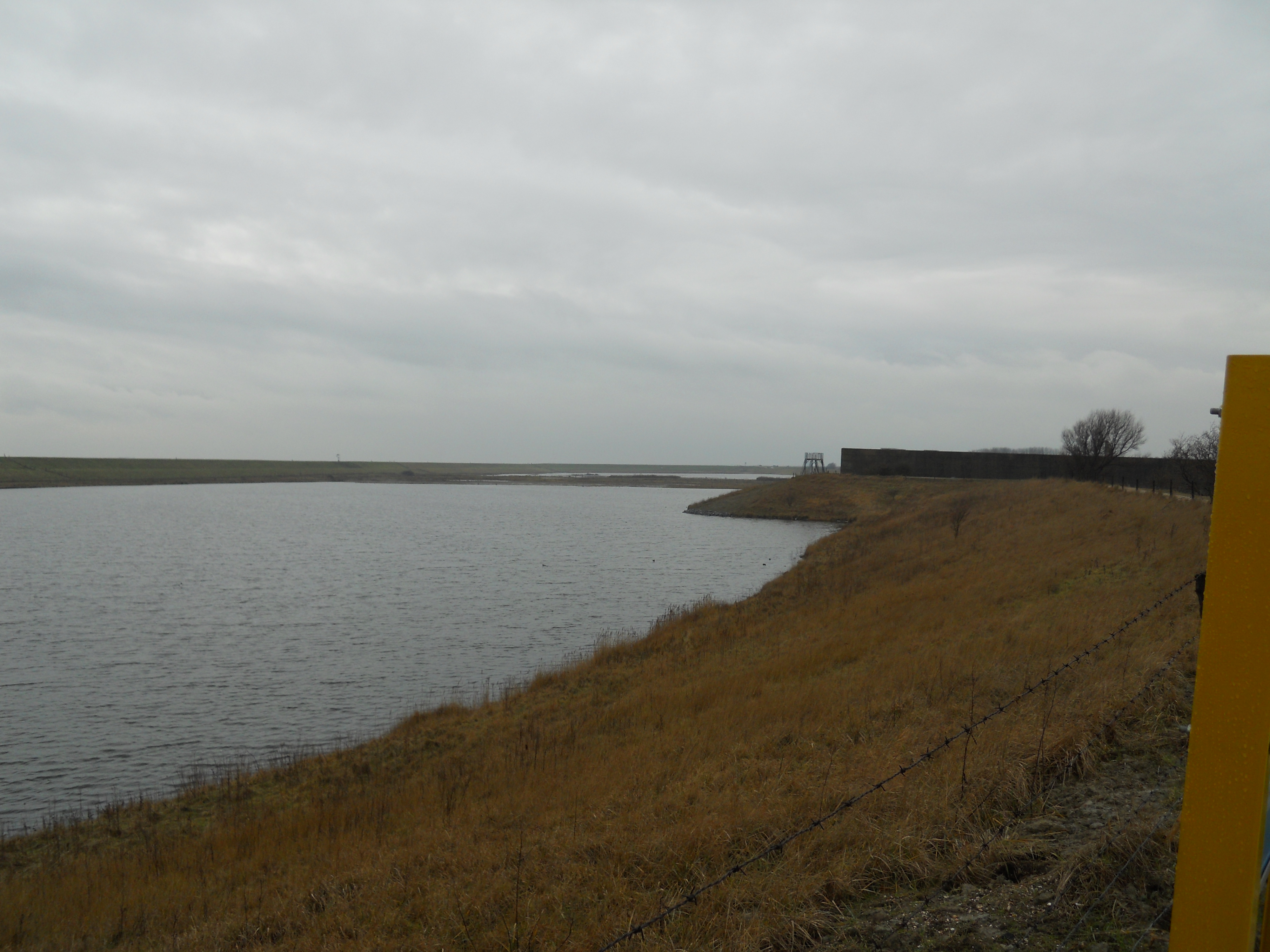
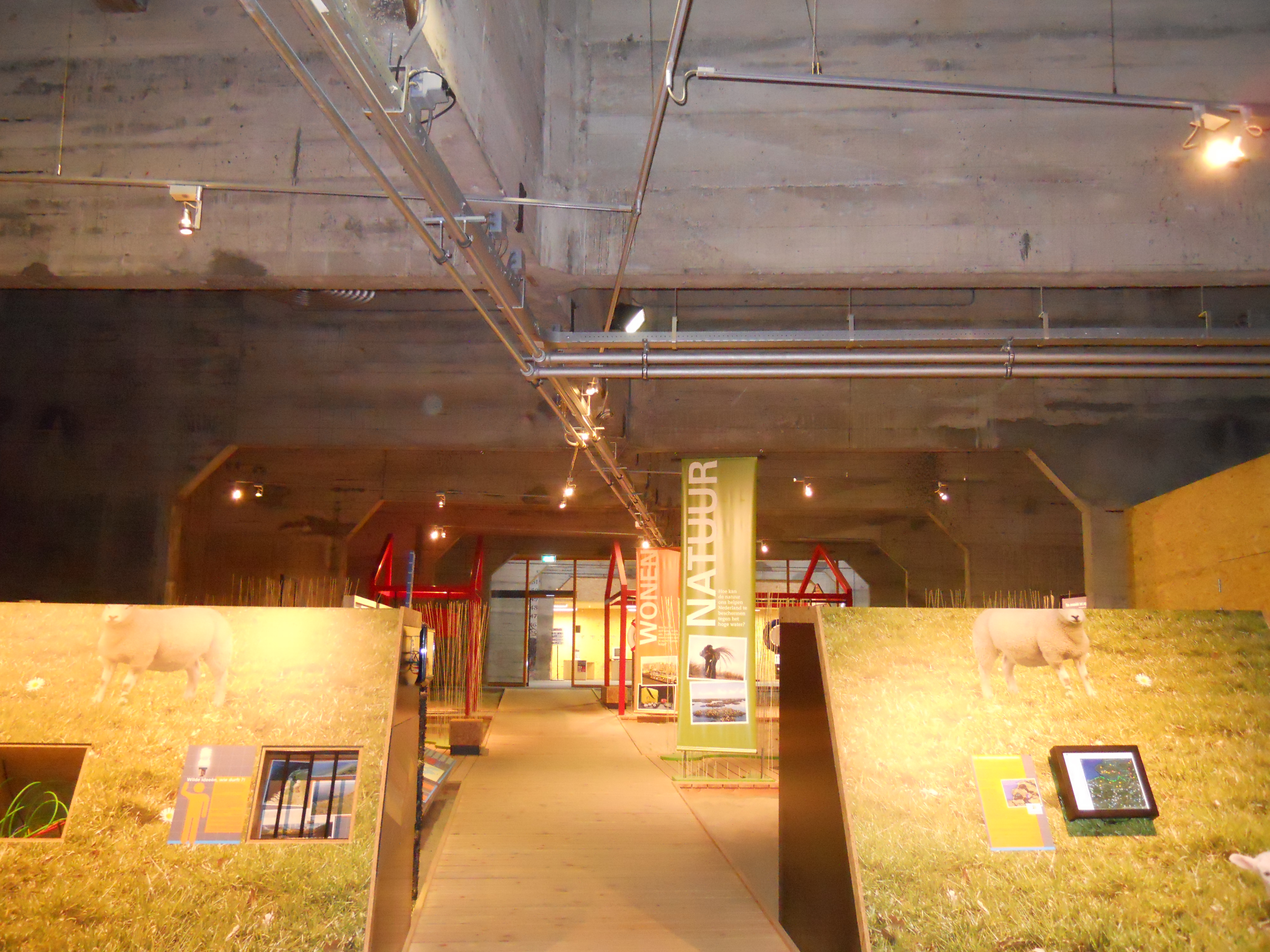
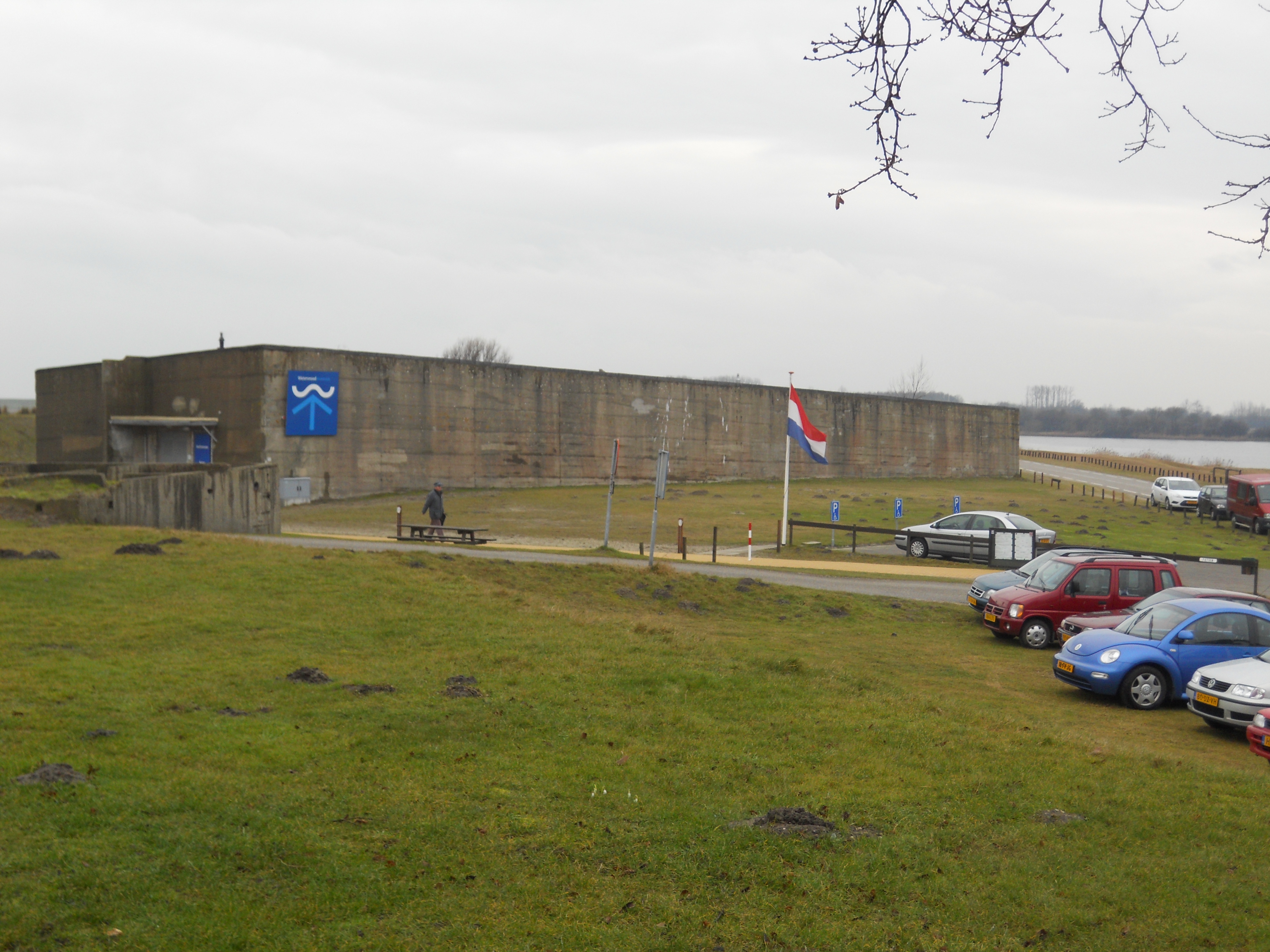
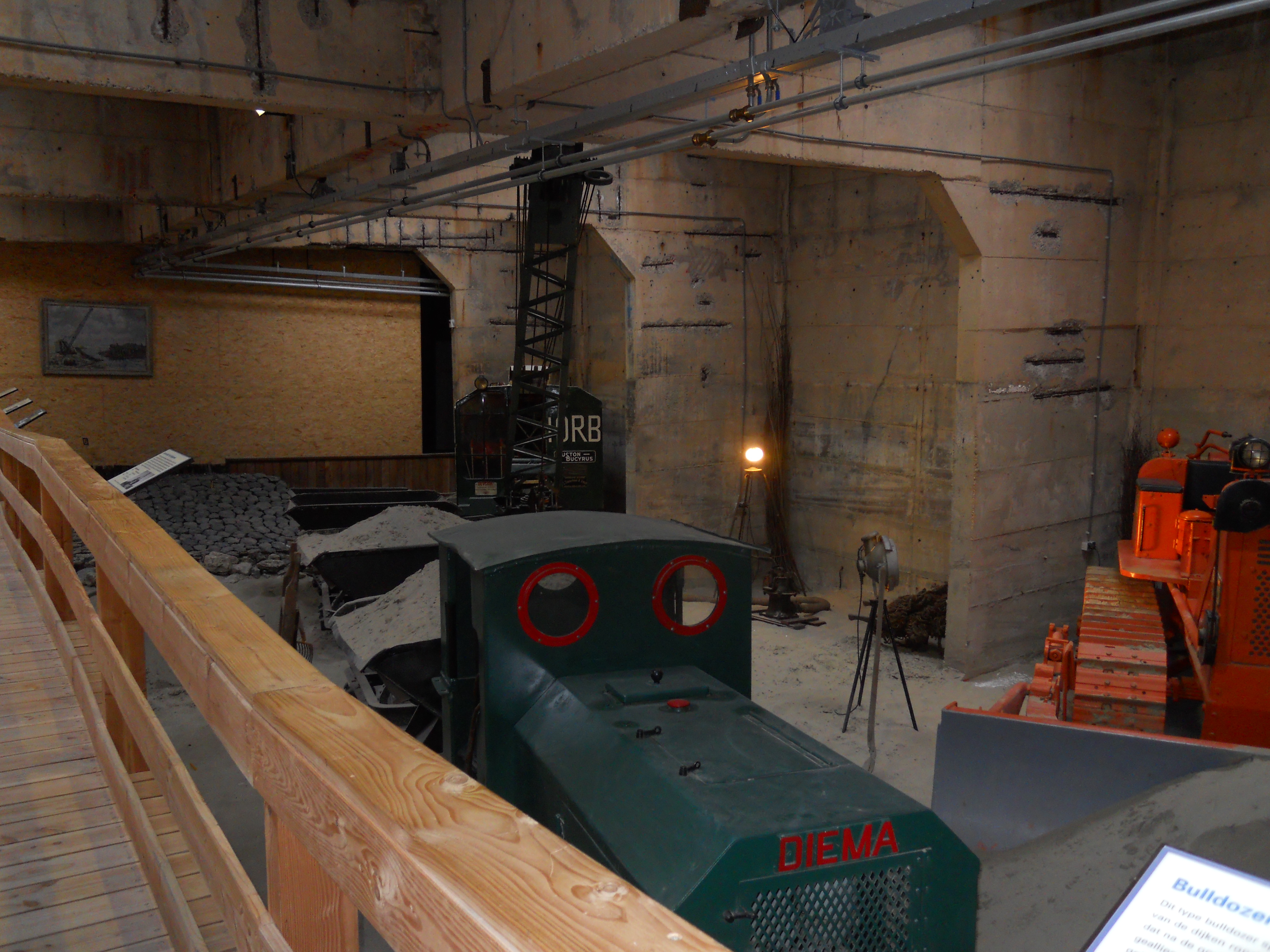

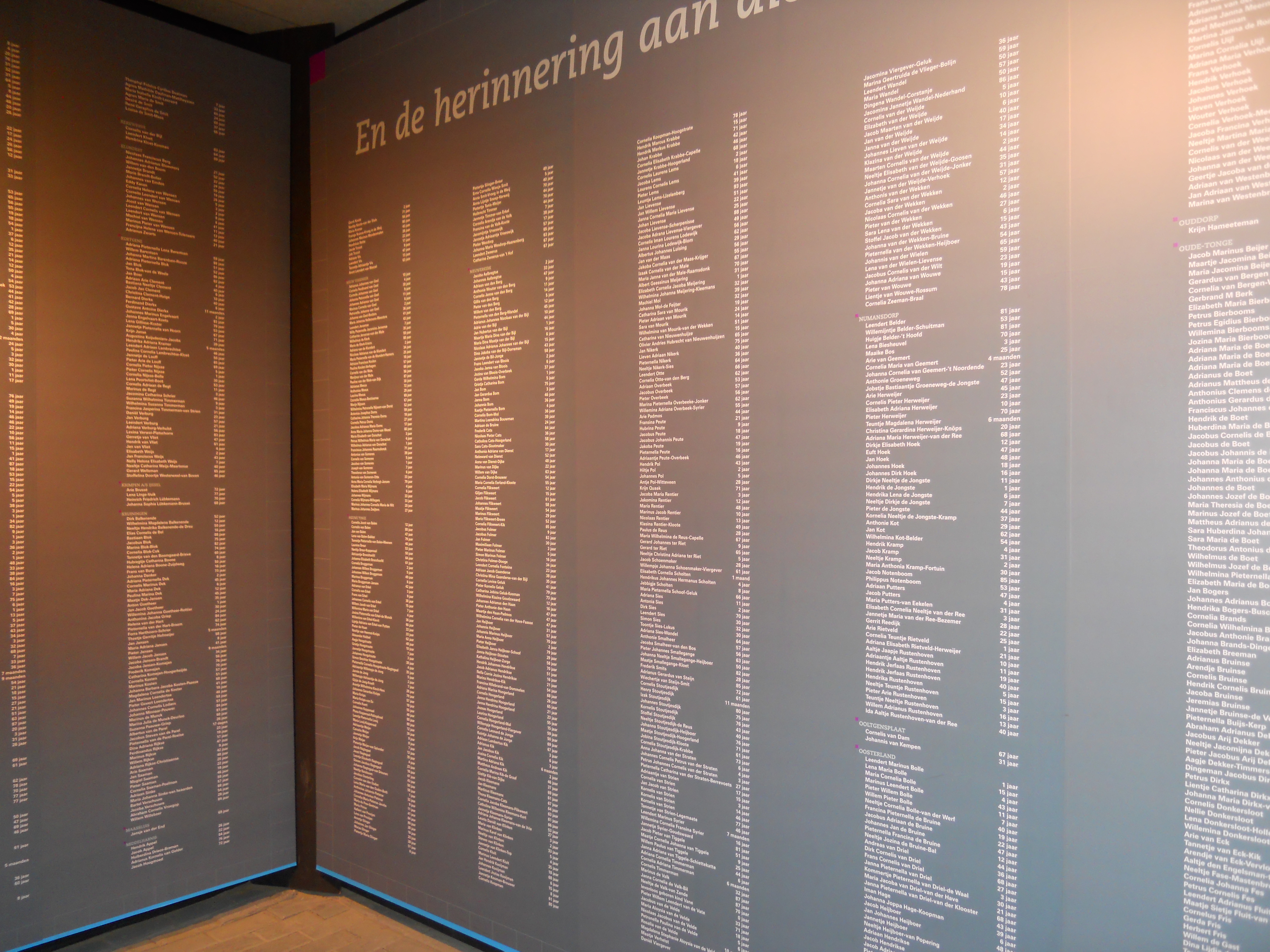
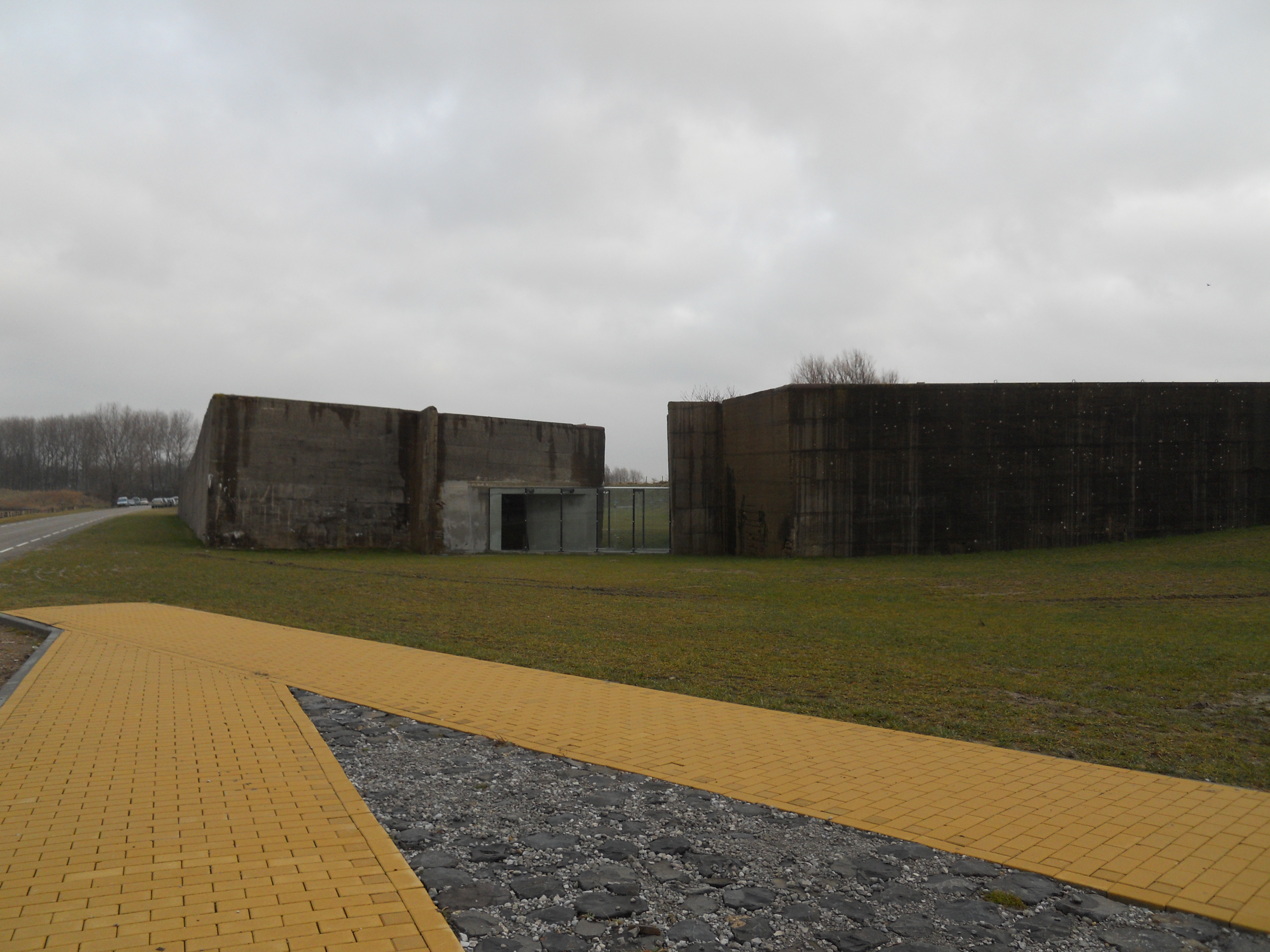
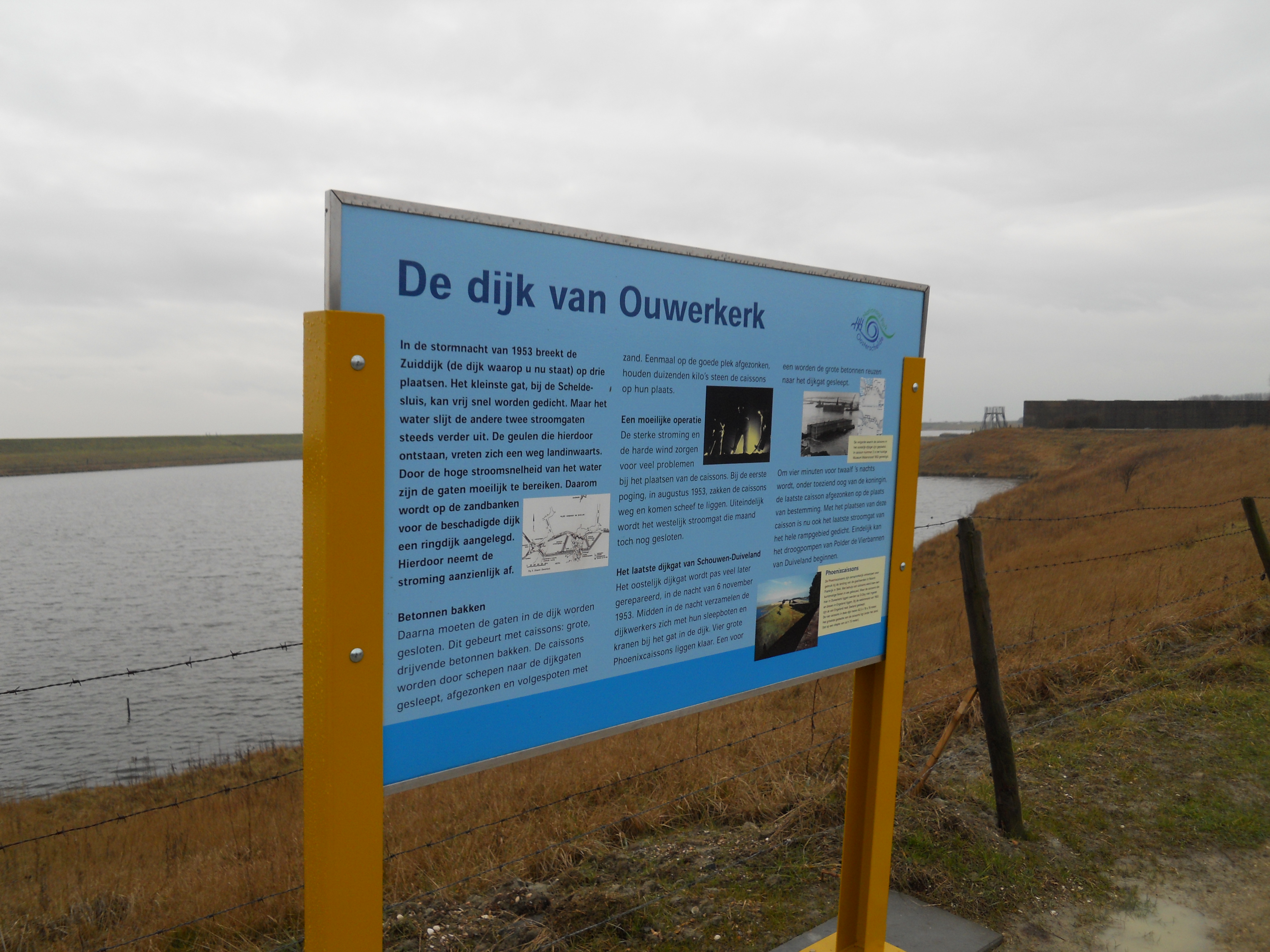
It is an impressive museum that opened a few years ago.
It is actually built inside four giant Phoenix breakwaters or caissons, that were originally built to be part of the Mulberry Harbours used for the D-Day invasion in the Second World War. They had been used to plug one of the last gaps in the dykes in November 1953. The construction of the caissons is clearly visible, both inside and outside.
Having lived in Felixstowe as a teenager some years after the disaster, it somewhat saddens me that we have no museum to the floods in the UK. Thirty eight people died in Felixstowe and I can still see the marks of the flood on the walls of the houses in my mind.
 The Anonymous Widower