Typical Icelandic Tourist Information
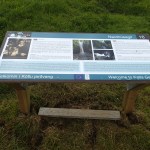
Unlike many countries, Iceland believes in information.
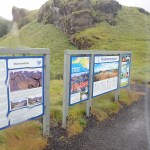

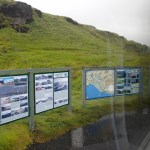
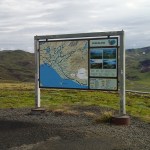
This display near Seljalandsfoss is typical.
Seljalandsfoss
Seljalandsfoss is a spectacular waterfall that was seen in the rain.
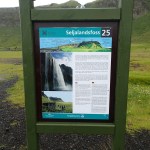
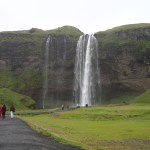

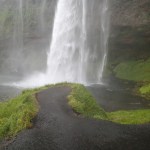
You can actually walk behind it.
There is also a good cafe in the car park.
Up A Valley To A Waterfall
I was surprised I managed to get up all the way up.
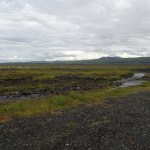
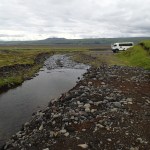
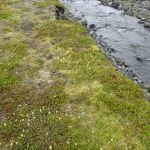
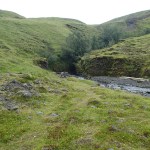

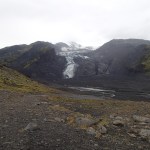
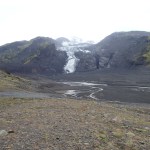
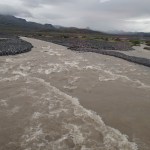

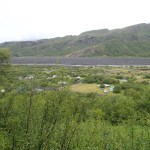
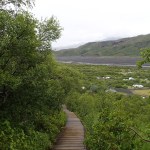

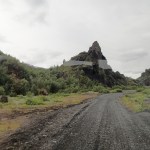
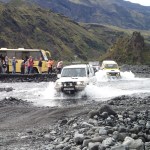
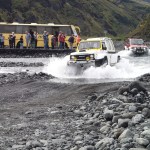

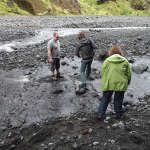
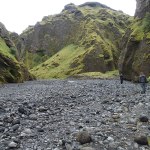
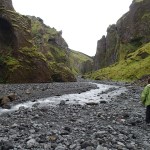
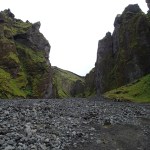
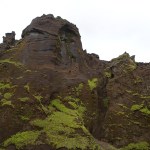
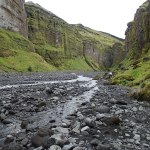
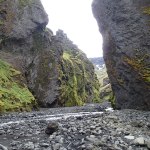
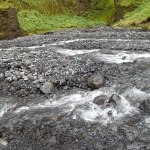
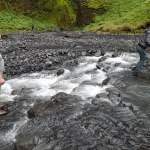
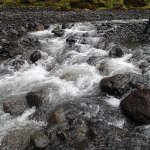

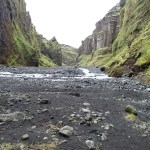
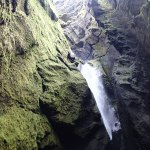
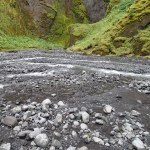
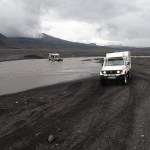
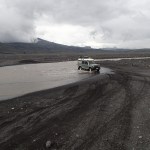
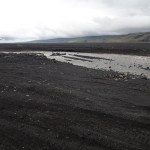
I did get wet feet though, as the repeated crossing of the streams was a bit difficult as the rain kept falling.
A Distant View Of The Westman Islands
As we drove along, we caught a glimpse of the Westman Islands.

A Distant View Of The Westman Islands
They have an interesting history.
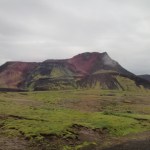
This Could Be Hekla
Hekla is one of Iceland’s most active volcanoes and this picture could be of it.
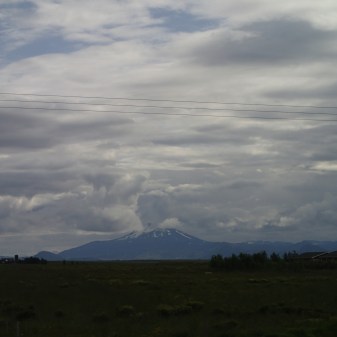
This Could Be Hekla
Two guides thought it should erupt soon, but at least the Icelanders have a comprehensive text-based warning system.
Urriðafoss
We visited the falls at Urriðafoss on our way along the south of Iceland.
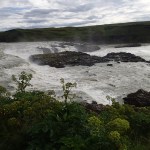
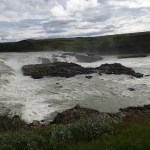
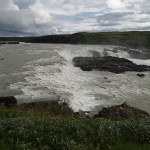
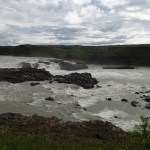

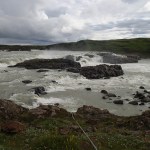
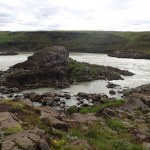
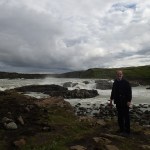
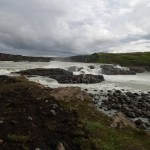
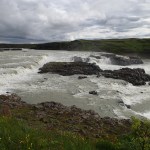
There are lots of waterfalls in Iceland.
There Are Icelandic Horses Everywhere
It surprised me how many horses were to be seen on Iceland.
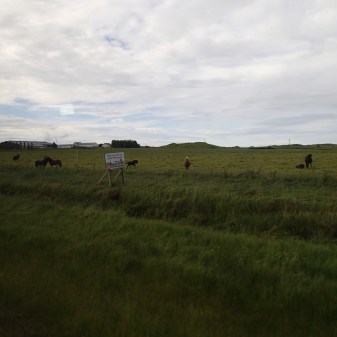
There Are Icelandic Horses Everywhere
Icelandic horses are always horses, no matter what size they are. One reason could be that in Icelandic, there is no word for pony.
In one town we passed through, the guide said that horses outnumbered people by three to one.
Geothermal Power And The New Island Of Surtsey
I was on a tour which was called the South Shore Safari. The first real stop was in an area of geothermal power stations, which gave good views of the new island of Surtsey
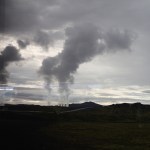
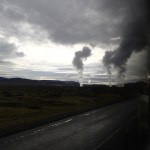
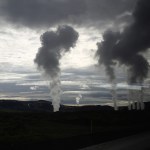
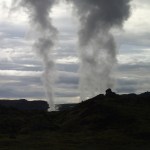
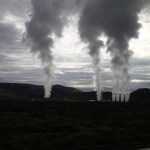
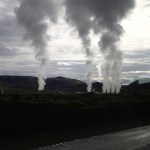
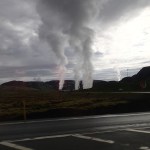
I can remember the formation of the island of Surtsey being shown on the television in 1963. It was a well-reported news story of the time.
Geothermal power is important in Iceland and contributes nearly 600 MW of electricity, which makes up about thirty percent of what they need. The Icelanders have by no means fully developed the maximum amount of power available, but they do generate a lot of hot water to heat Reykjavik and other towns. For comparison, our large nuclear power station, Sizewell B generates 1,200 MW.
I think the geothermal power station we saw is Nesjavellir. Wikipedia says this about the capacity of the power station.
Plans for utilizing the Nesjavellir area for geothermal power and water heating began in 1947, when some boreholes were drilled to evaluate the area’s potential for power generation. Research continued from 1965 to 1986. In 1987, the construction of the plant began, and the cornerstone was laid in May 1990. The station produces approximately 120 MW of electrical power; it also delivers around 1,100 litres (290 US gal) of hot water (82-85°C) per second, servicing the space heating and hot water needs of the Greater Reykjavík Area.
I woiuld have loved to have a tour of the power station.
What surprised me about geothermal power, was that the Phillipines are very large users of the technology, which is described as a geothermal success story in this article in Wikipedia. According to Wikipedia, twenty seven percent of their power comes from geothermal sources.
I suppose the only drawback with geothermal power is that for the generation of large amounts of energy, you are generally in an area prone to volcanic eruptions and earthquakes.
It may seem strange, but even in Cornwall, a company is trying to use geothermal energy to generate electricity. Read about the United Downs project on Wikipedia. Whether it will ever work as planned, will be down to the skill of the engineers and probably the will of politicians.
 The Anonymous Widower