A Walk Around White Hart Lane Station
I took these pictures as I walked around the area between White Hart Lane station and Tottenham Hotspur‘s White Hart Lane stadium.


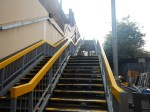
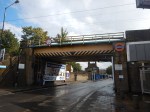
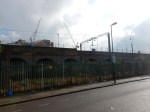
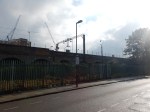










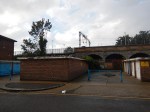


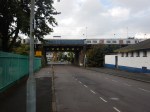




Looking at the station, I come to a few conclusions.
- It certainly isn’t fit for serving a 61,000-seater football stadium.
- The access to the platforms with staircases and no lifts or escalators is terrible and not much better than it was when I used it regularly in the early 1960s.
- The platforms look like, they might be able to handle a twelve-car train.
- The platforms are on top of what looks to be a solid well-built viaduct.
- Walking away from White Hart Lane towards the South, there would appear to be few important buildings alongside the viaduct.
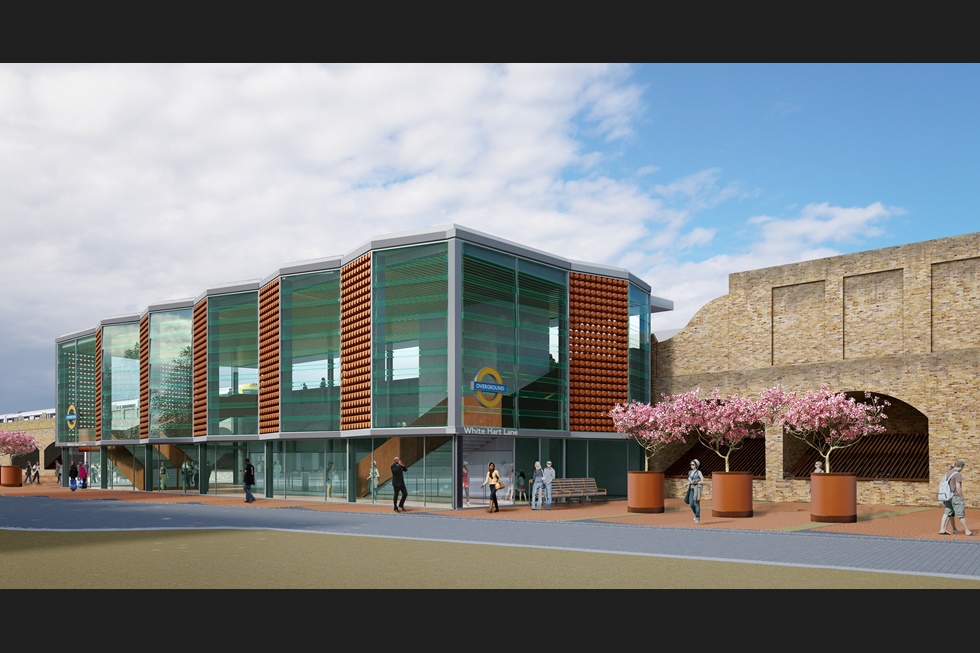
I think this all leads to a unique situation you don’t often find in the rebuilding of a station. It would appear that if you clear the land on both sides of the railway along Penshurst Road and Love Lane, you can create a station that encloses the railway and gives access underneath. A similar situation was exploited at Haggerston and Hoxton stations to create very passenger-friendly stations.
This visualisation from the Architects Journal shows the station from the East.
I’ll repeat my nearest picture.
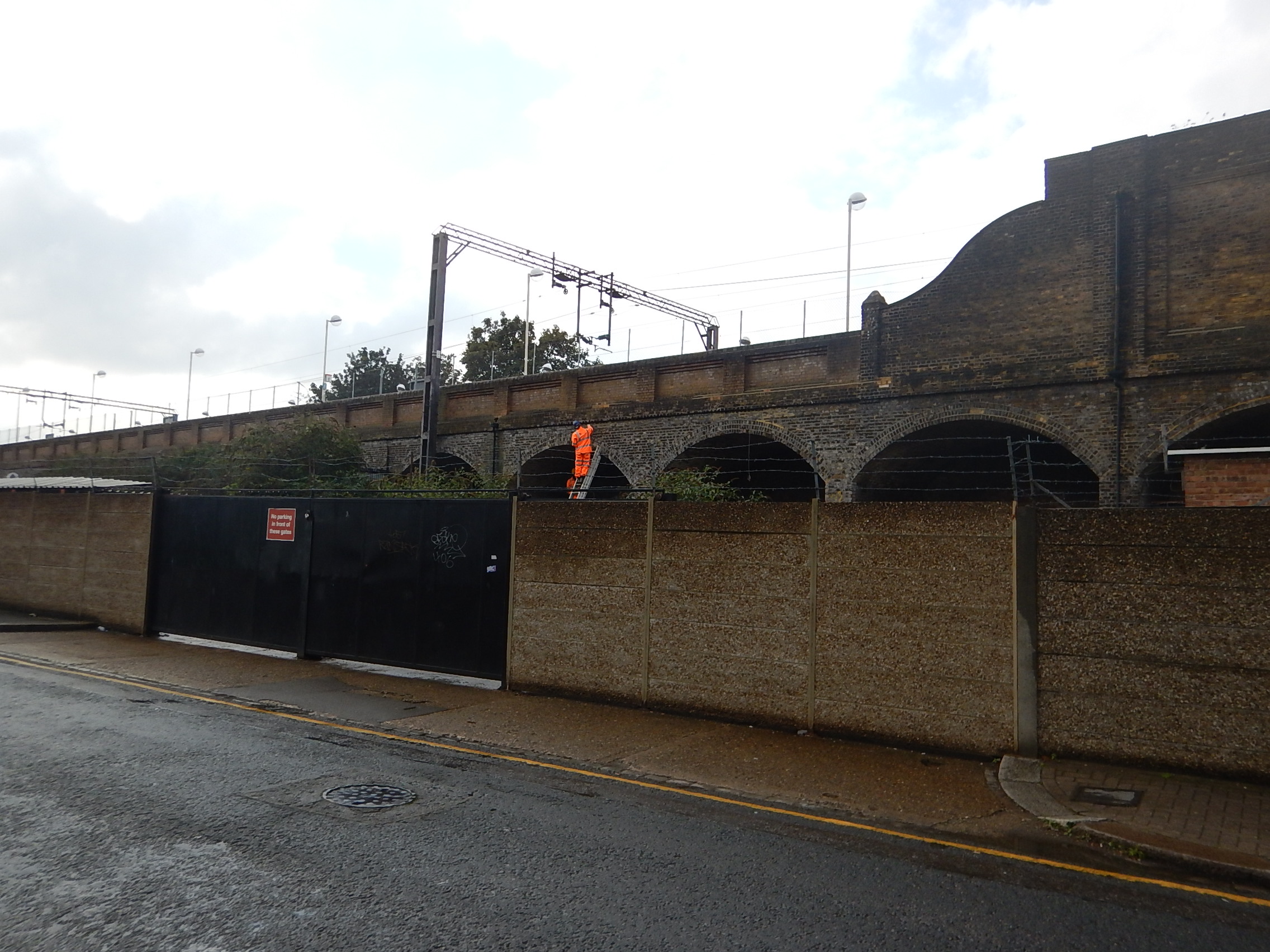
I think that it looks good.
Note that the rightmost arch, which is partially hidden in the second picture, is the rightmost arch in the visualisation.
If you look at the other pictures in the Architects Journal, it would appear that the two staircases go up in two sections to the platforms, in a similar way to they do in several of the Overeground’s rebuilt stations.
At least in common with London’s two other big club grounds at Arsenal and West Ham, White Hart Lane is served by several Underground and rail stations.
This station certainly, looks like it will handle its share.
I think there could be controversy, as there have been reports that Tottenham Hotspur would like to sell naming rights to the stadium and possibly the station, as other clubs have.
Renaming the stadium would probably not be controversial, but renaming the station could well be. It will certainly be expensive, as Transport for London would have to change a large quantity of maps.
As someone, who supports Ipswich, I don’t care.
Oxford Now Wants Silent Track
Network Rail must rue the day they agreed to extend the Chiltern Line to Oxford, as the locals have done everything they can to tell Network Rail, that they don’t want the new railway. I wrote about it in July 2015, in Network Rail’s Problems In Oxford.
This article in the Oxford Mail was published yesterday. This title is.
City council bosses to force Network Rail to install Silent Track on another stretch of North Oxford railway.
Which is a good precis of the article.
So what is silent track?
This article on Railway Technology is entitled Tata Steel’s SilentTrack to reduce noise levels at London Blackfriars station.
It gives a sensible explanation.
I know something about noise and vibration and feel very strongly that we should do what we can to minimise noise, where it causes problems.
Noise from a railway comes from several sources.
- The track
- Diesel locomotives and multiple units.
- Pantographs on electric locomotives and multiple units.
- Freight wagons.
All contribute to a various degree.
In my view, the worst noise comes from diesel locomotives like the noisy and smelly Class 66 locomotives and there is not much point on spending millions on silent track and then allowing these to run through sensitive areas.
The sooner lines like this one through North Oxford are electrified the better.
 The Anonymous Widower