An Unusual British Export to America
It has been said many times to me by American friends that roundabouts don’t work. But then American driving rules are a bit strange, with the four-way stop something that you never see in Europe. So it was a surprise to see this article on the BBC web site.
I just wonder though how Americans would get on with some of the European experiments of completely clutter-free streets, with no signs and barriers. Apparently, it’s being tried in Ipswich. I should look next time I go to the football.
Edinburgh’s Second Disgrace
The National Monument on Calton Hill in Edinburgh is unfinished and according to Wikipedia it is often known as Edinburgh’s Disgrace Folly. I’ve never heard any of my friends in Edinburgh call it a folly.
This morning the BBC is discussing the new Edinburgh Trams, as the Council is deciding today, whether to complete or abandon the project. The BBC reporter, who is from north of the border, has just called the trams, Edinburgh’s Second Disgrace.
A Bendy Bus Takes Early Retirement
The bendy buses on route 73 are going in September, but this one couldn’t wait to retire.
Luckily no-one was hurt and I don’t think anybody except fare dodgers will miss it!
Raining Cats, Dogs and Hippotami
Returning from the London Wetland Centre, the rain was some of the worst I’ve seen for some time. I thought I was lucky, as I was on a brand-new Dennis bus on route 30. But the rain was so heavy, that the roof sprung a leak!
At least though my hay fever seems a bit better.
Are Long Dresses a Health and Safety Problem?
I seem to remember in the late 1960s, when women started to wear long dresses again regurlarly on the street, that the Underground warned them to be careful on escalators.
Now that such dresses are popular again, I am surprised that the warning has not been repeated in this Health and Safety obsessed world .
If you go back in history the first escalator on the Underground was installed in 1911 at Earl’s Court station. I’m not sure of my facts, but that surely was about the date, when skirts got a little bit shorter than floor length for general wear.
Above The Connaught Tunnel
I mentioned that the old Connaught Tunnel in London’s Docklands is going to be reused as part of CrossRail.
I took these pictures above it today.
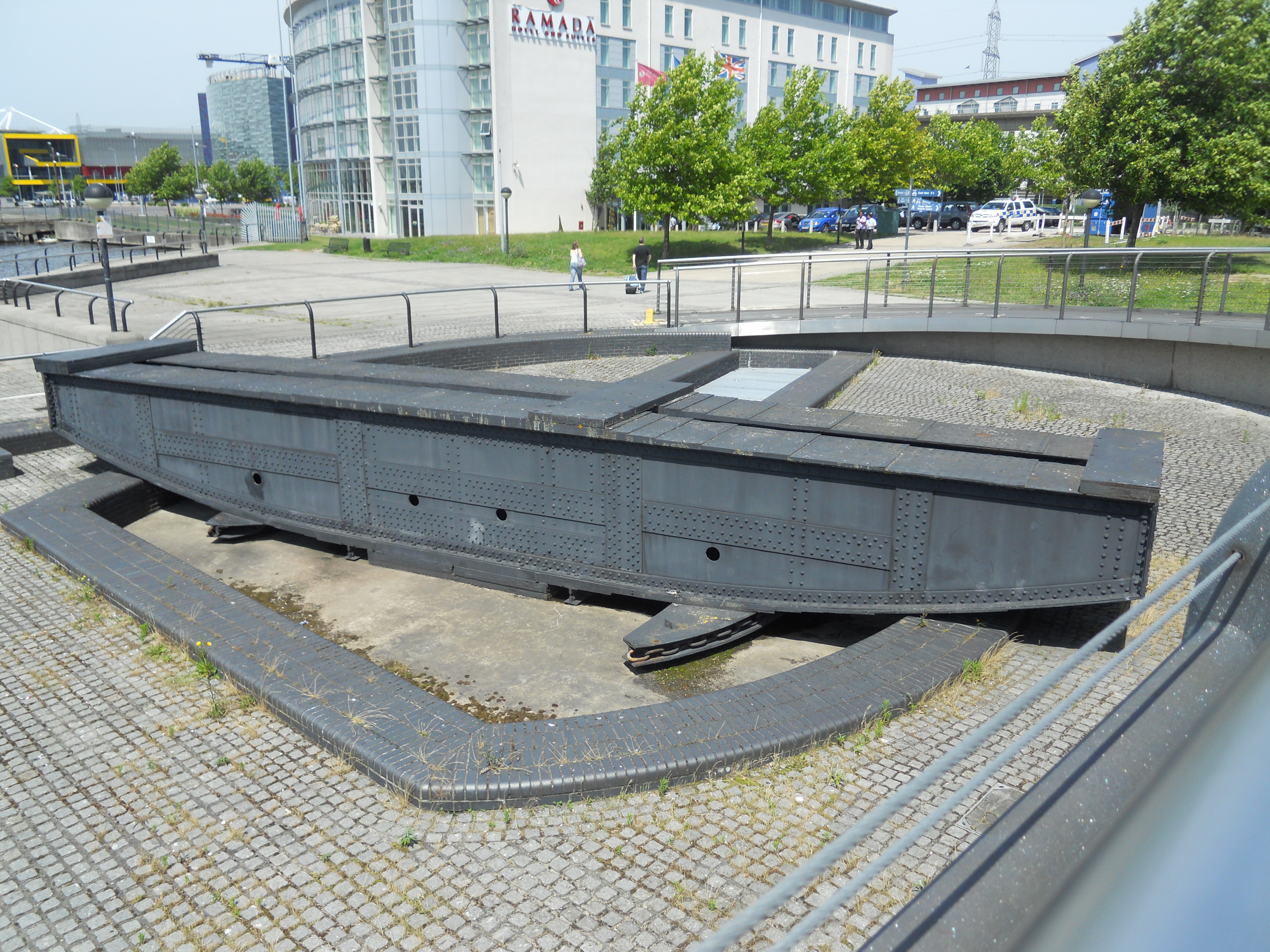
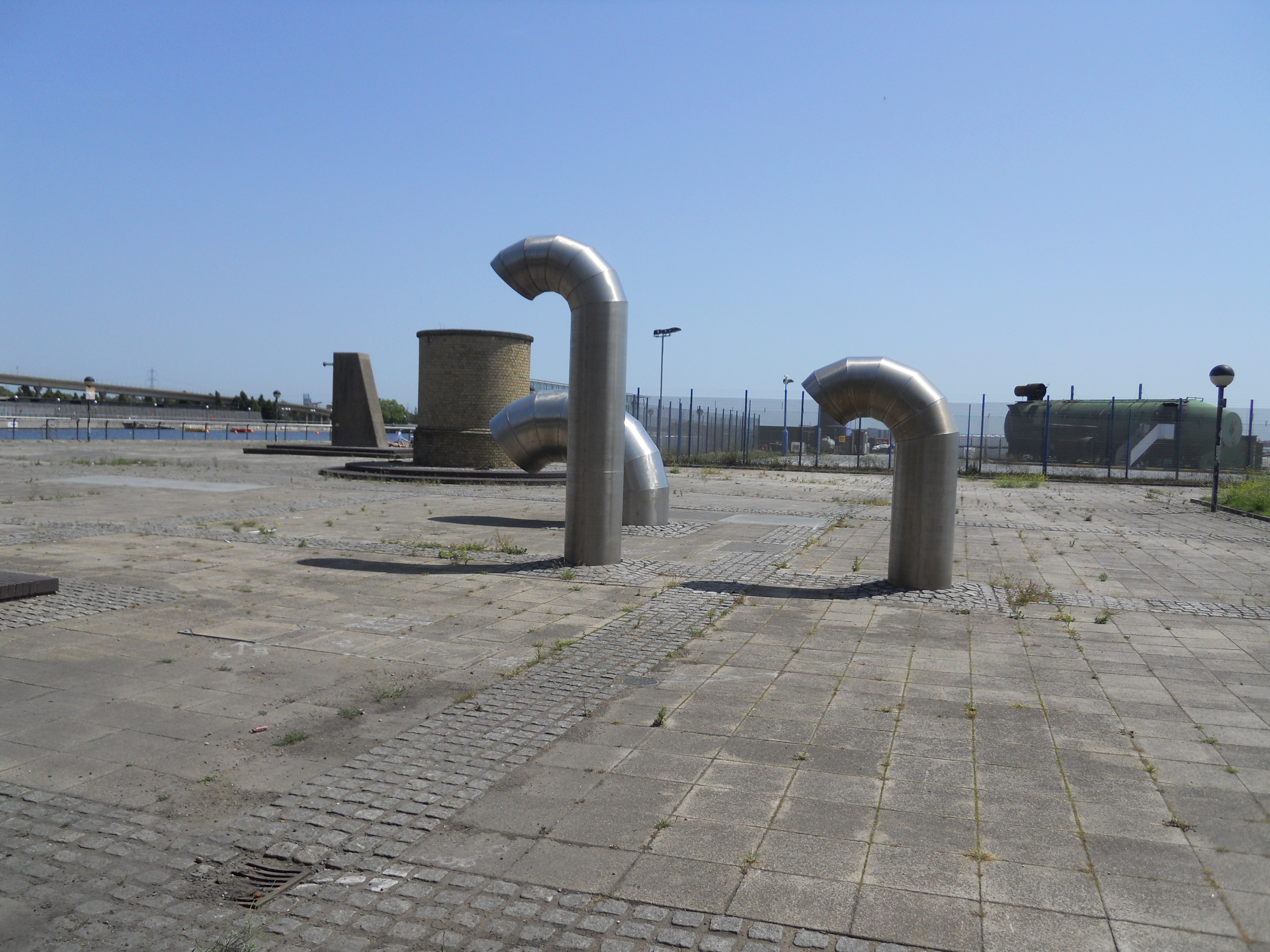
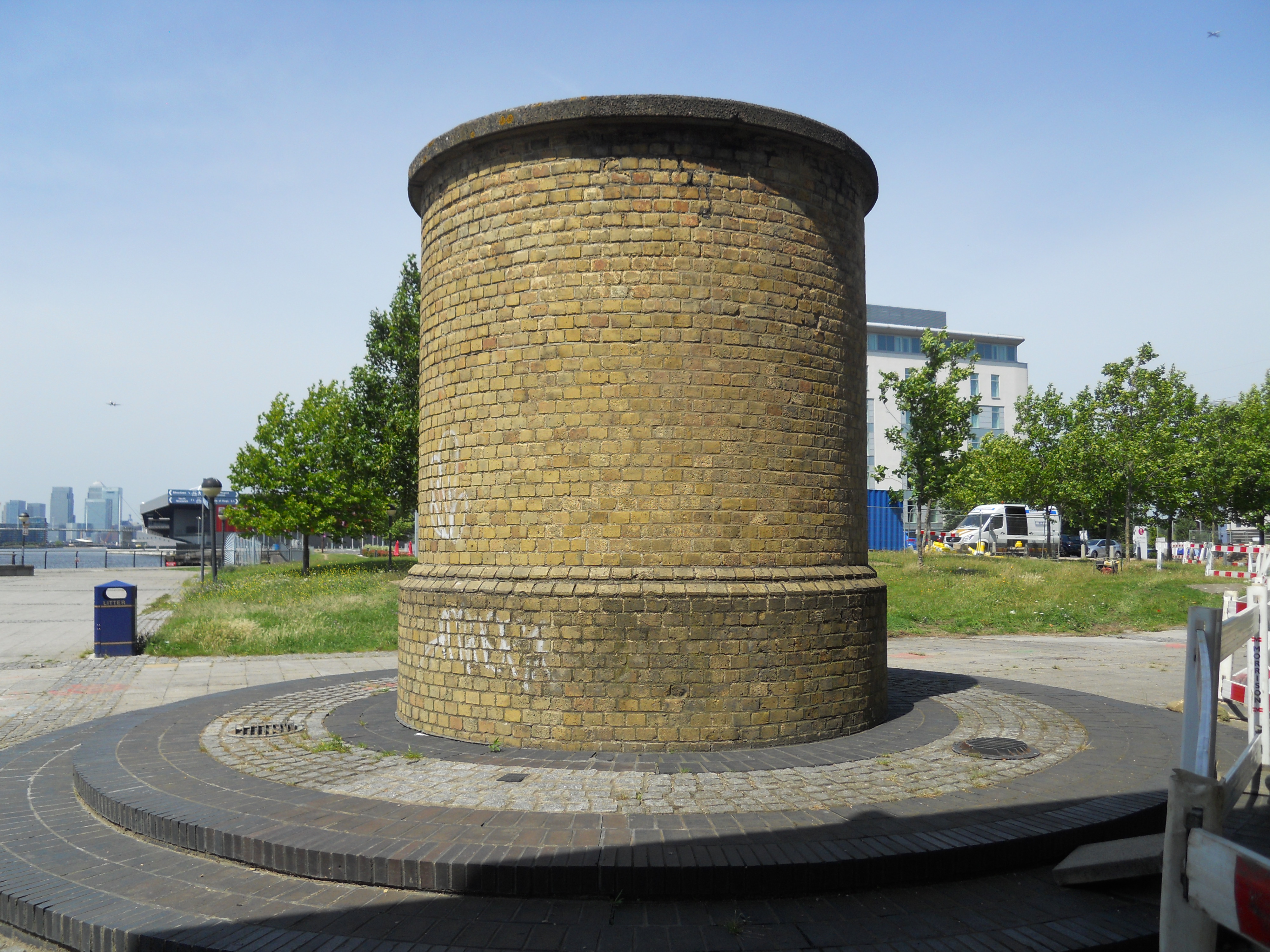
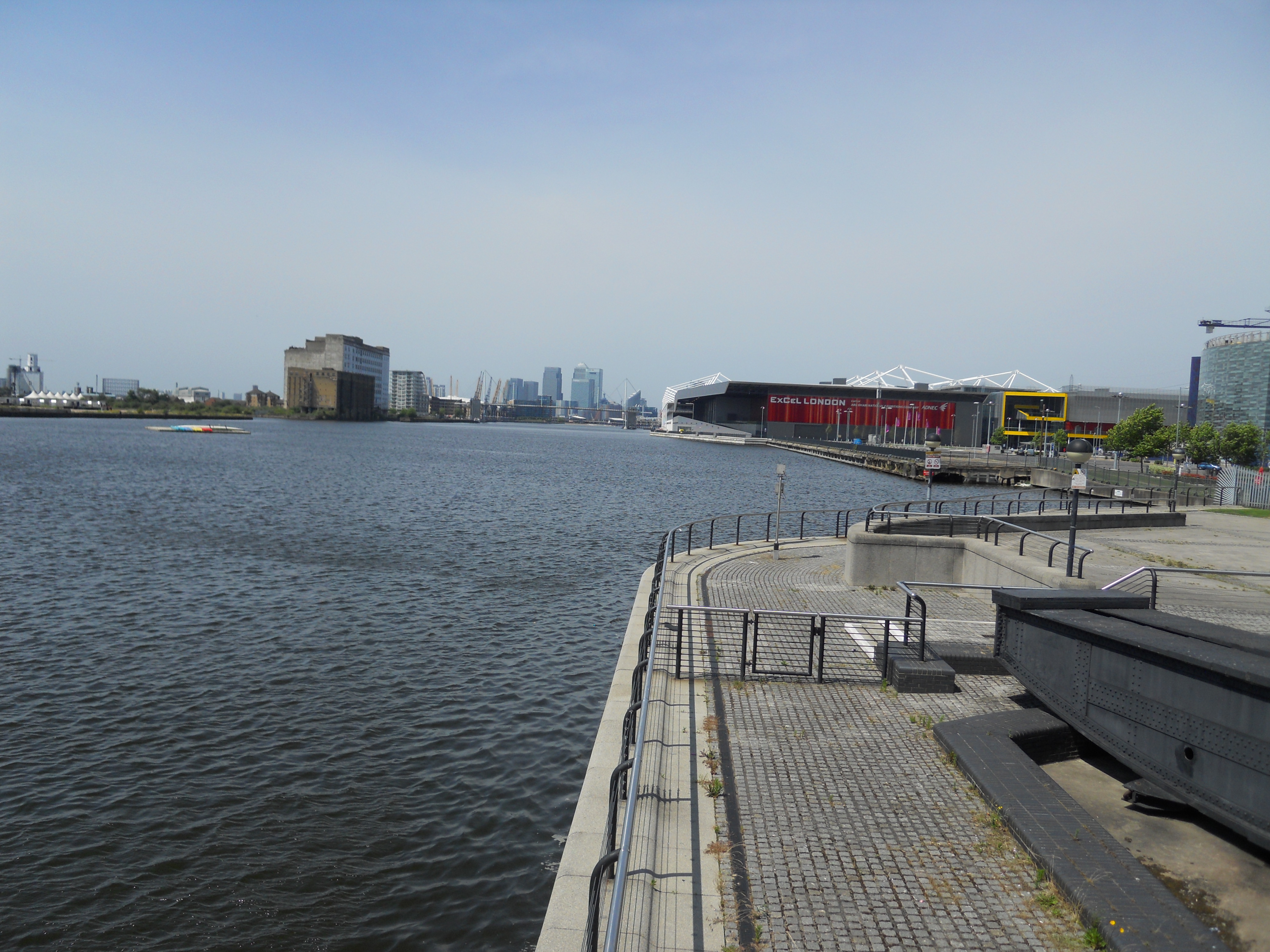
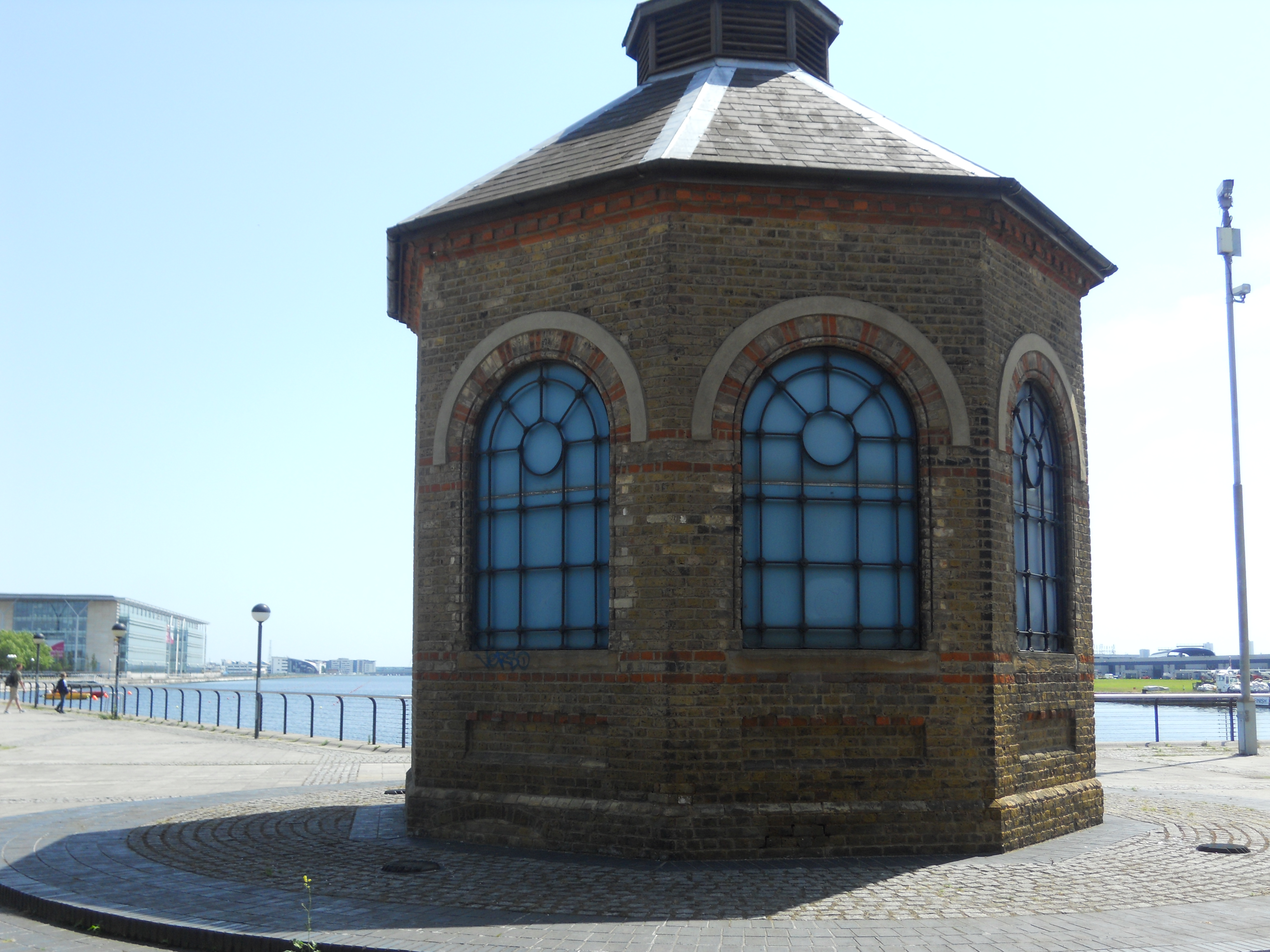
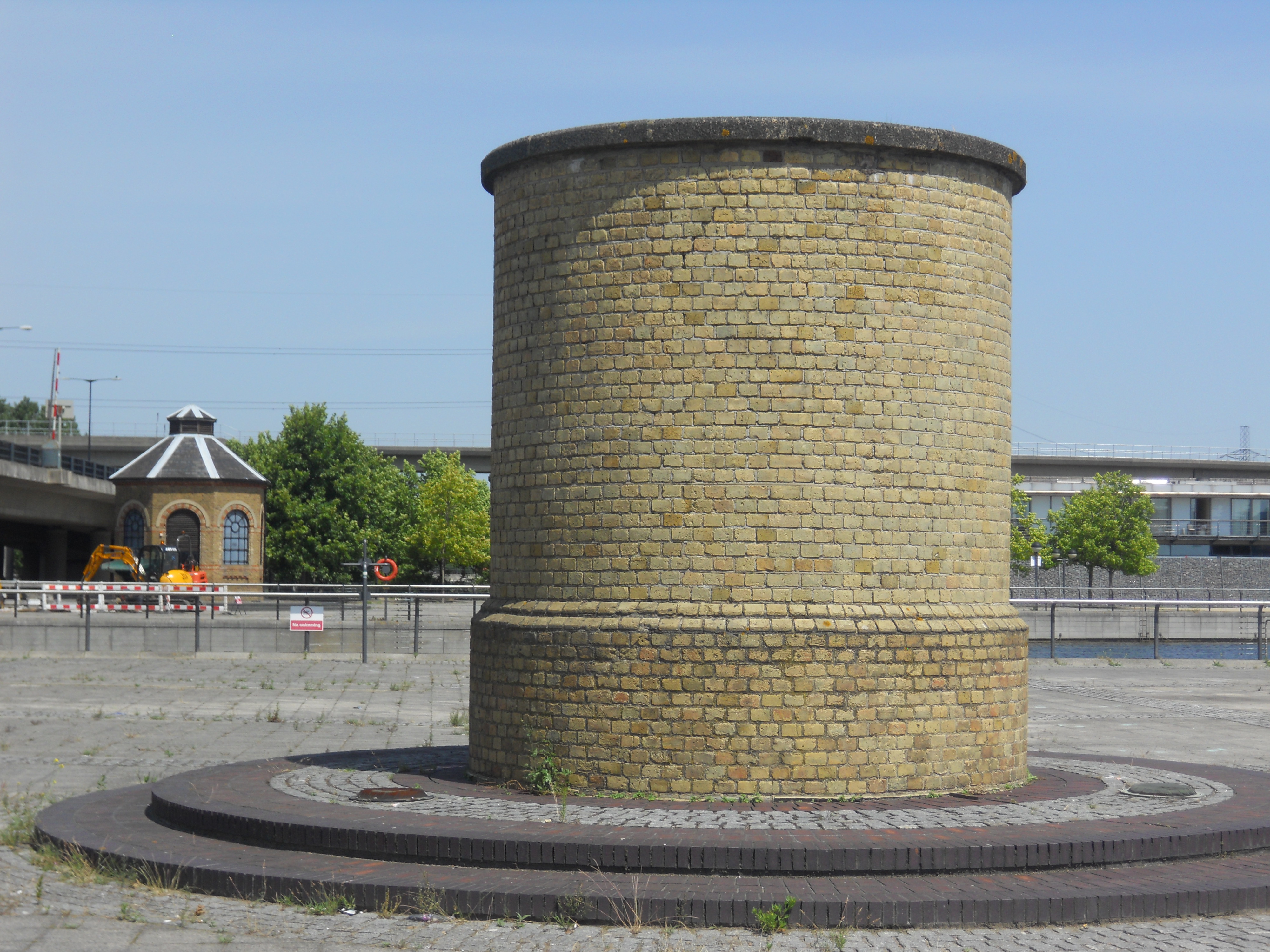
To get to the area you take the Docklands Light Railway to either Prince Regent or Royal Albert stations.
So How Good Is The Overground?
The London Underground is known all over the world and compares well with systems in many cities. It has its problems, but it doesn’t have some of those of say Rome or New York.
Now the Underground has an upstart little brother in the shape of the Overground, which has been in operation for the last couple of years.
Like their middle brother, the Docklands Light Railway, the Overground has been built on the cheap, by reusing old railway lines, tunnels and other infrastructure and then adding new trains and rebuilt stations.
But just as with the DLR, it has been a formula that has worked. The Overground has just one major tunnel, which for an urban railway must be a world record. But what a tunnel, with more history than many museums, as the Thames Tunnel is thought to be the first tunnel built under a navigable river and was built by Marc Brunel and his son Isambard Kingdom Brunel, in the first half of the nineteenth century.
The Overground currently consists of five lines, with a sixth due to open in late 2012. I use the North London Line and the East London Line often as much as seven or eight times a week, as Dalston Junction and Dalston Kingsland stations are within walking distance from where I live.
I like the lines, as the new trains are comfortable with plenty of space for parcels and bikes and they generally run to time. Only once have I had trouble and that was on the North London Line, where I suspect that a delay of twenty minutes or so was caused by a freight train, that shares that line was running late.
The lines also compare well with the previous lines, one of which I described here. But then those lines as I remember them were last upgraded in the 1950s or even earlier.
The Overground also reaches a lot further and in time it will reach all round London and to the lines to Southampton and Portsmouth and eventually HS2 to Birmingham and the North. In a few weeks the North London Line will have a new link at Stratford for HS1 and the London City Airport.
In some ways the Overground and especially the North London Line is unique in that it is a siteseeing railway, which links tourist sites like Kew Garden, Hampstead Heath, Brick Lane, Camden Market and Crystal Palace with a ride that in places gives superb views of the city.
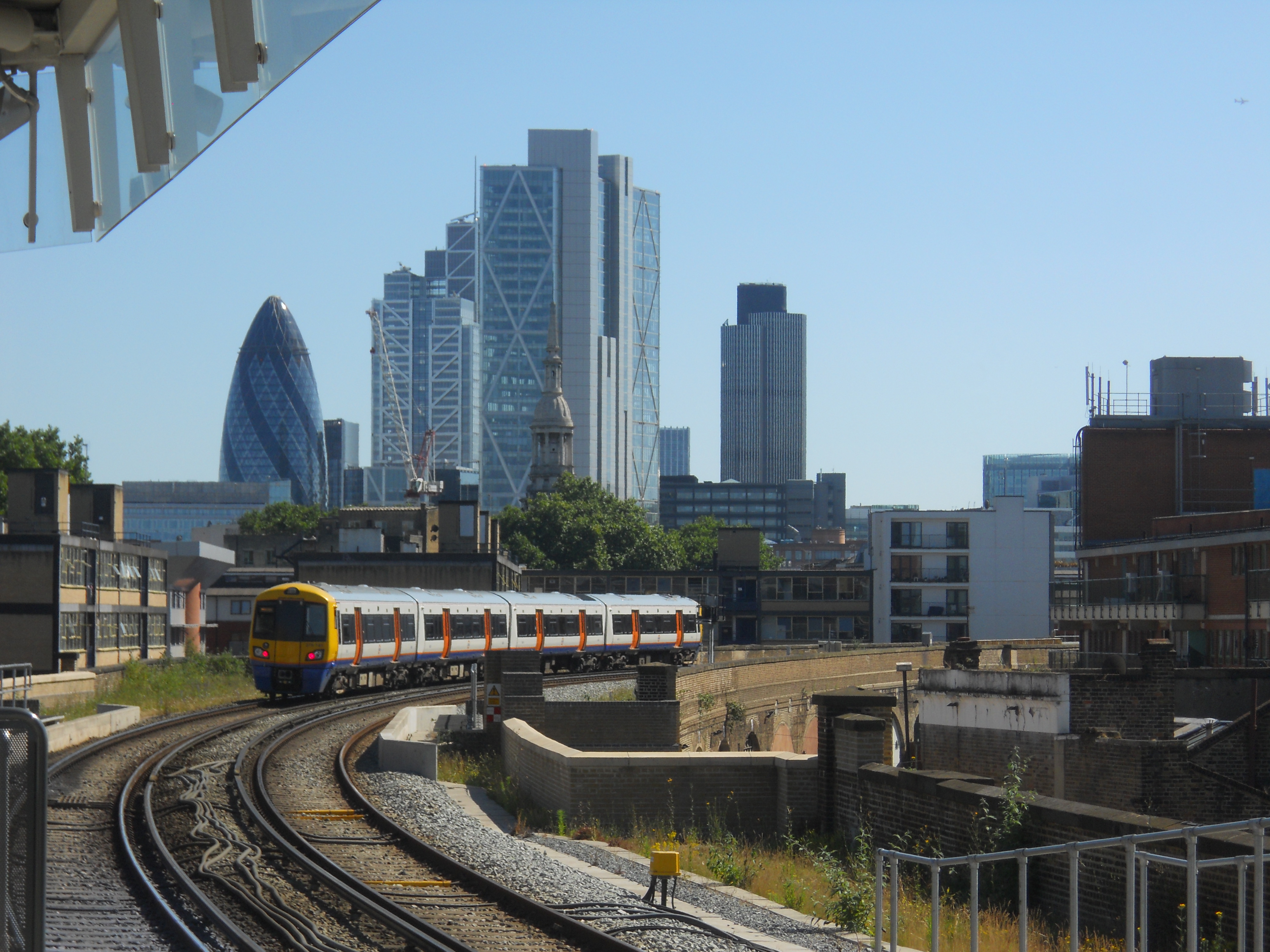
Overground Train on the Embankment South of Hoxton Station
This picture taken of a train on the embankment just south of Hoxton station, shows how the Overground is part of the city in a way that the Underground never can or will ever be.
Several people riding the line have told me has got them their first or a better job and reports have appeared showing that the Overground has improved job prospects and property prices, and even reduced crime. I’ve also heard the latter from a Police Sargeant.
But this is one of the reasons you improve the transport infrastructure, as properly done it makes peoples lives better.
But it is not all good.
The trains can get overcrowded at times and the platforms in places may not be capable of being lengthened, although adding more carriages to the trains might be fairly easy.
Connections to the Underground need to be better and the lack of a Central line connection at Shoreditch HIgh Street is the most glaring. Hopefully Crossrail at Whitechapel will resolve this problem, but will this new line put more pressure on the East London Line?
I do also think that the freight use of the North London Line might get to be a serious problem, especially if trains get larger and more frequent as more containers move off the roads to rail.
The Overground Remembers
In the Great War, 64 men, who worked for the old North London Railway were killed. A memorial was set up to remember them in the old Broad Street station, which was demolished to make way for Broadgate. I used to get off trains from Ipswich at Liverpool Street in the 1970s and then take trains from Broad Street station to Metier’s offices in Stonebridge Park. It must have been the only station in the UK, where you needed to wear a miner’s helmet to be able to see anything. The trains were dark too, with slam doors giving the impression of prison cells. The smell was horrendous and was a mixture of body odour, curry and urine. Well probably not curry in those days, but something when it was emitted from the body the wrong way, gave off a truly obnoxious smell. Wikipedia says this of Broad Street station.
The station was badly damaged in World War II and was never fully repaired.
They certainly didn’t replace the light bulbs.
When the station was closed and demolished, the memorial to the dead was stored at Richmond.
Now though, London Overground has decided to erect the memorial at Hoxton station, directly behind the Geffrye Museum.
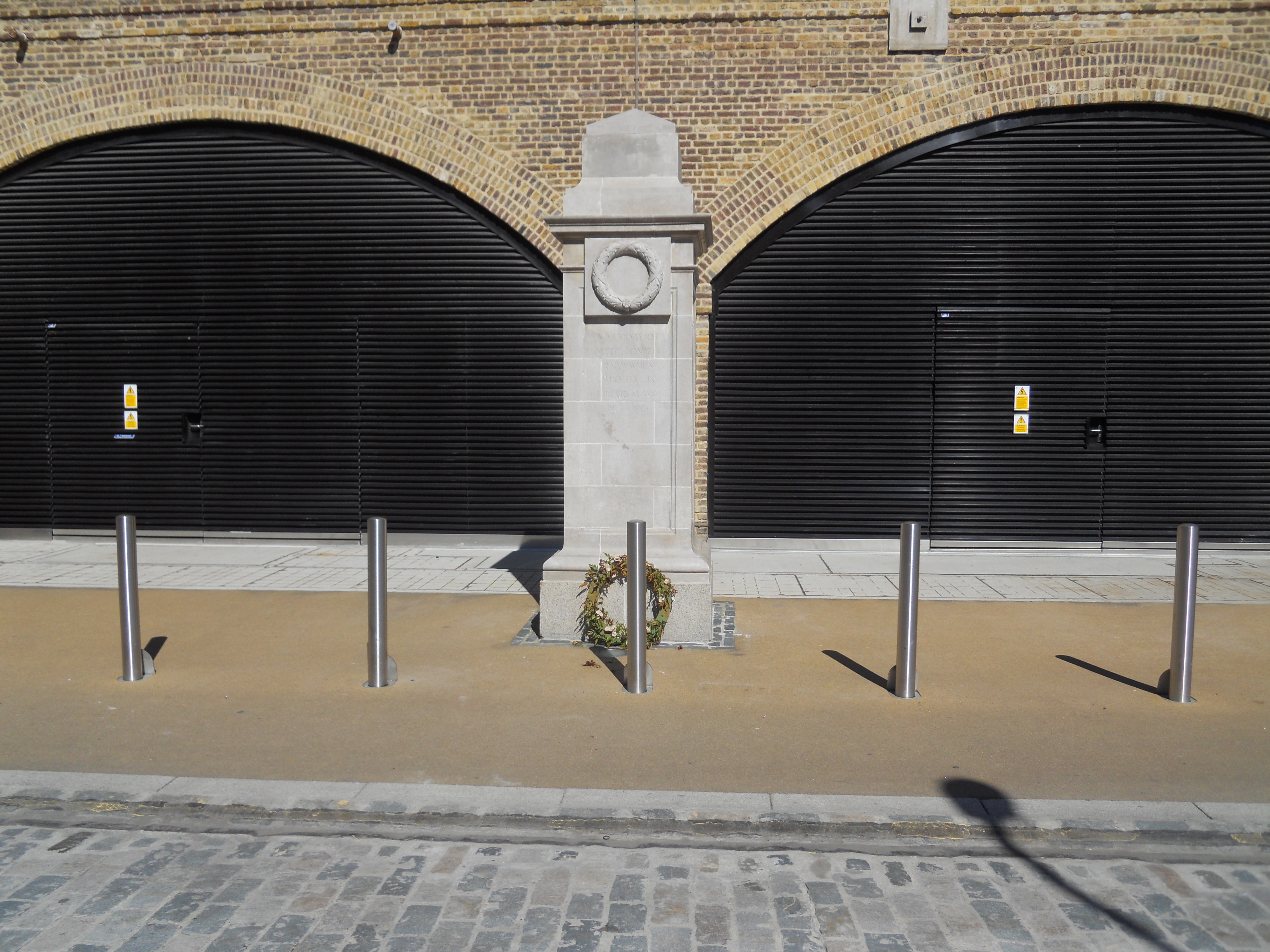
The North London Railway Memorial to Employees Who Died in the Great War
The inscription on the memorial says.
In memory of North London Railwaymen Who fell in the Great War 1914-1919
As Hoxton is the nearest station to Broad Street on the old North London Railway, it can be said that London Overground has truly done the right thing.
London’s University of Hole Digging
CrossRail is overseeing a new Tunneling and Underground Construction Academy or TUCA.
After CrossRail has been completed it will operate independently to train staff for other tunneling schemes. The only other such academy in Europe is in Switzerland, which focuses on hard rock tunneling. So if we are to have a Golden Age of Tunneling, we shall be well-prepared in the UK.
CrossRail Isn’t All New
You’d expect that a modern project like CrossRail would be all new tunnels.
But it’s not!
An article in Modern Railways describes how the old Connaught Tunnel from the long-abandoned North Woolwich to Palace Gates line is being opened up to take the new railway. There is an article on the tunnels and some pictures here of the tunnel. You’ll have to page down a bit.
I like this from the introduction to the MR article.
On paper, reusing this existing link, which runs beneath the intersection of the Royal Victoria and Albert Docks, is cheaper and less disruptive than boring a new tunnel. In practice, the work required to bring the route up to scratch is anything but simple which, from an engineering point of view at least, means there’s a lot of fun to be had.
A lot is not good clean fun too, as they will probably have to lay a 1,000 cubic metre concrete slab under water.
Don’t ever say engineering is boring! Even where tunnels are involved.
 The Anonymous Widower