Scottish Devolution
They are debating this old chestnut on Radio 5 Live at the moment.
Apparently there has been a poll in The Sun, which says that those in England, Wales and Northern Ireland are more in favour of devolution than the Scots.
If they do leave the Union, then can they please take the Royal Bank of UK Taxpayers and its debts with them. And they can keep that banker, Fred the Shred too!
The question has to be asked as to whether the EU would admit Scotland. After all Spain has regions that would like independence and may vote against, as it doesn’t want Spain to split.
An IKEA Linen Bin
My current bedroom is not as large as my previous one, so space in some ways is at a premium. I have given away some of my larger furniture and replaced my bedroom chests and dressing table with Expedit ones from IKEA, mainly with Branas baskets.

A Branas Basket as a Laundry Bin
For a single man living alone, the one next to my bathroom makes an excellent linen bin.
Incidentally, I’ve put my old laundry bins on eBay. They are stainless steel and wood by Miller of Sweden and are in very good condition.
Iconic Photos
They’ve just announced the route of the Olympic Torch Relay before the 2012 Olympics.
I know Britain pretty well, but what has surprised me is how many of the stops of the torch on the route, aren’t really that recognisable from the iconic photographs published alongside the interactve map. Obviously, for many cities they have used the cathedral, the castle or an iconic building and for Newcastle, Middlesbrough and Bristol they have used bridges. Liverpool has been indicated by two of the Three Graces. Some though, like Bolton, Hull and Luton have struggled, as they show what looks to be the town hall or some other unworthy Victorian pile that could be anywhere.
The worst is probably Ipswich, which shows an anonymous modern waterfront, that could be anywhere and is easily confused with London Docklands.
Ipswich has three iconic buildings all of which are Grade One listed buildings; Norman Foster’s Willis Building, Christchurch Mansion and the Ancient House.
I’d have shown the Willis Building, as it is one of the few truly great buildings from the 1970s, we have in this country.
Annoyances In Sainsburys
This morning, I had to show friends, where to park their car, whilst they did a day’s business in London and then get them organised with a Travelcard at Dalston Junction.
So this meant, as I wasn’t near my usual paper shop, I had to go to Sainsbury’s to get one, as I have a pre-paid voucher and not all shops accept them.
I also needed some toilet rolls, but unlike Waitrose who do them with handles so they are easy to carry, Sainsburys don’t do this. The only one with a handle was a nine of Andrex.
And then to pay for my two items, I had to wait, as no tills were open and vouchers aren’t accepted in the self-service machines. Eventually, I used the tobacco kiosk, but had to use a card, which didn’t work too well, because of my gammy fingers. It’s funny but I never have trouble with cards except in Sainsburys.
So I doubt I’ll be visiting that Sainsburys early in the morning again.
We’re Really In It Now
I was also given a tour of part of the Northern Outfall Sewer at Hackney Wick.
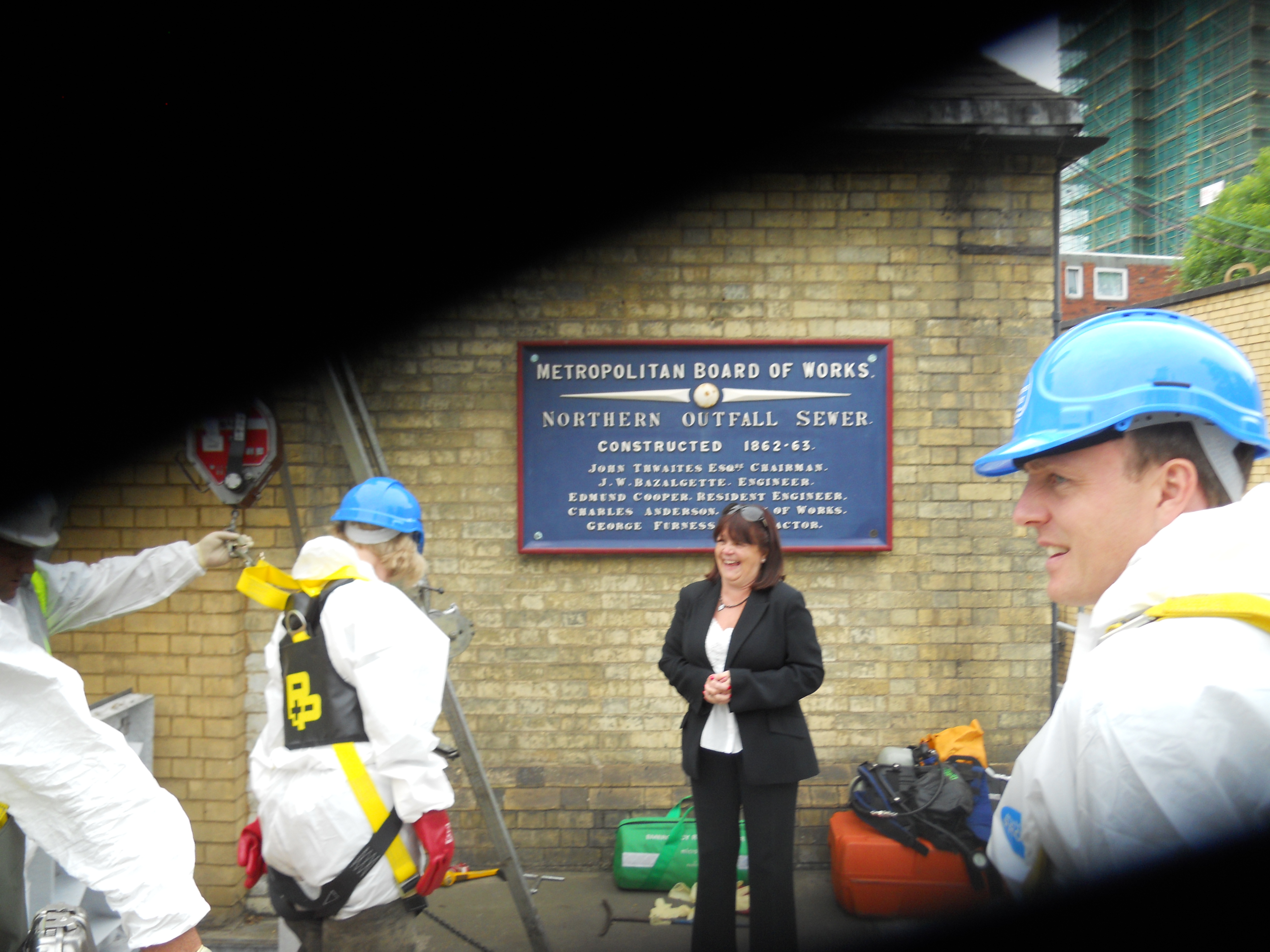
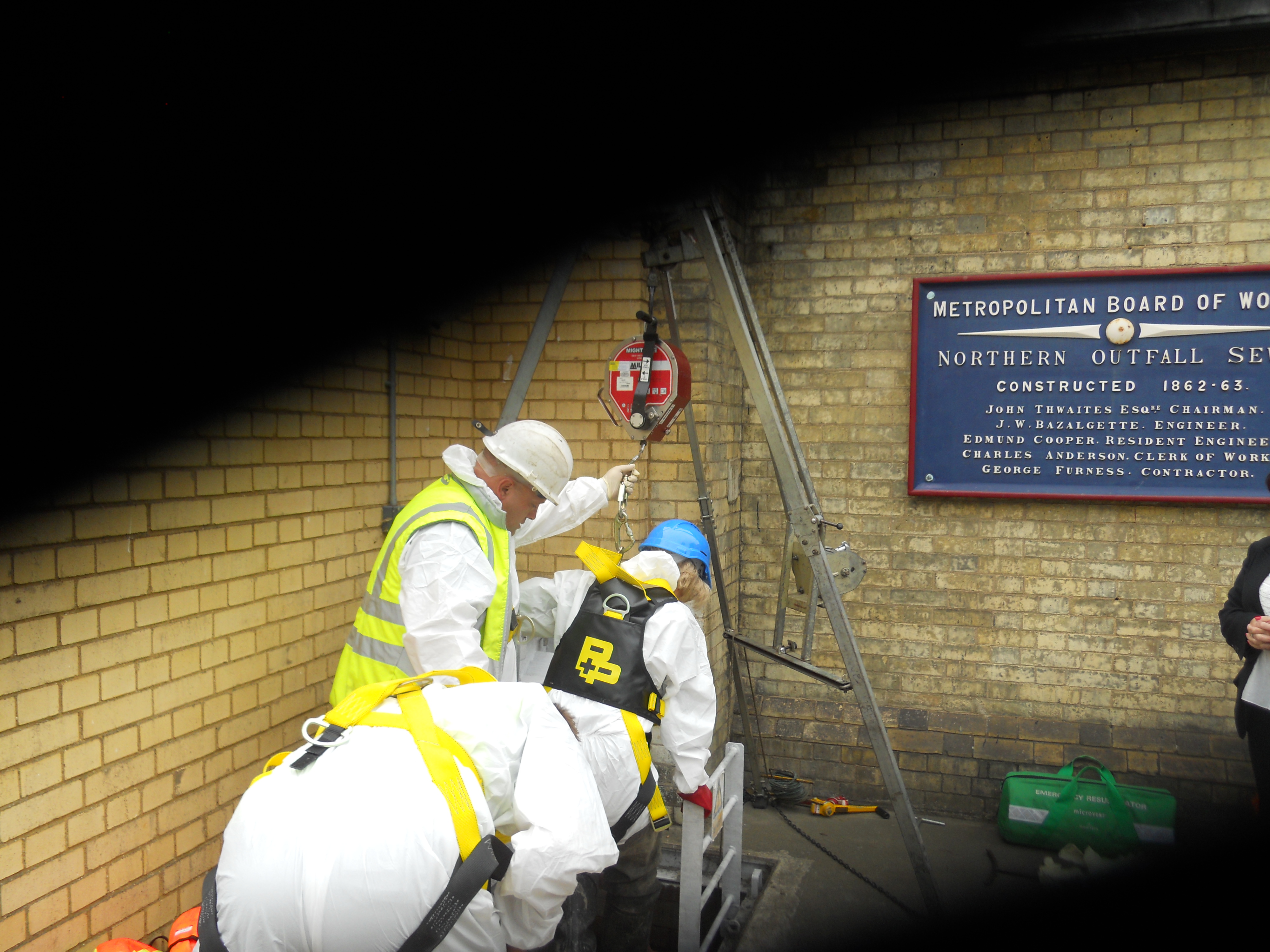
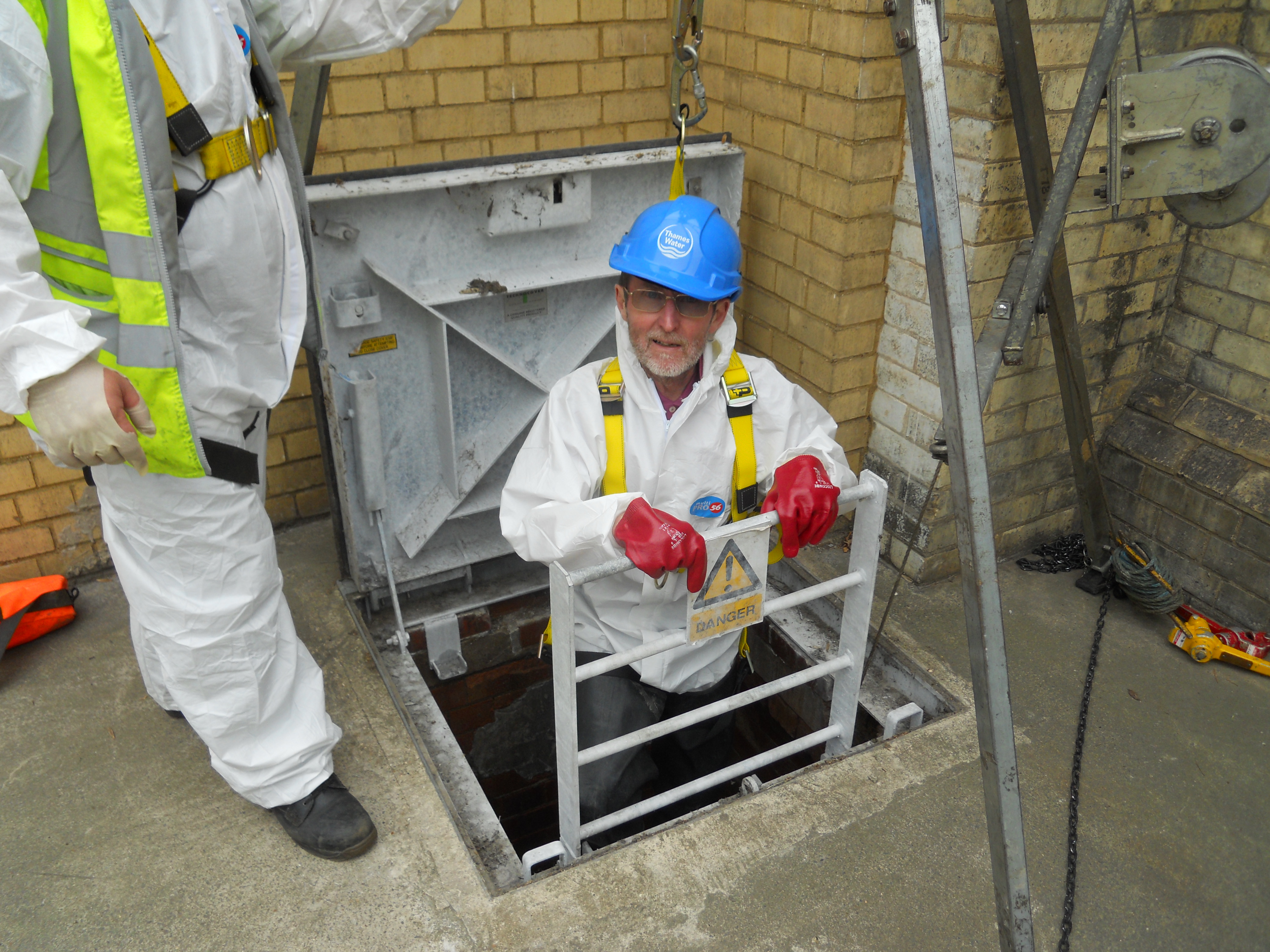
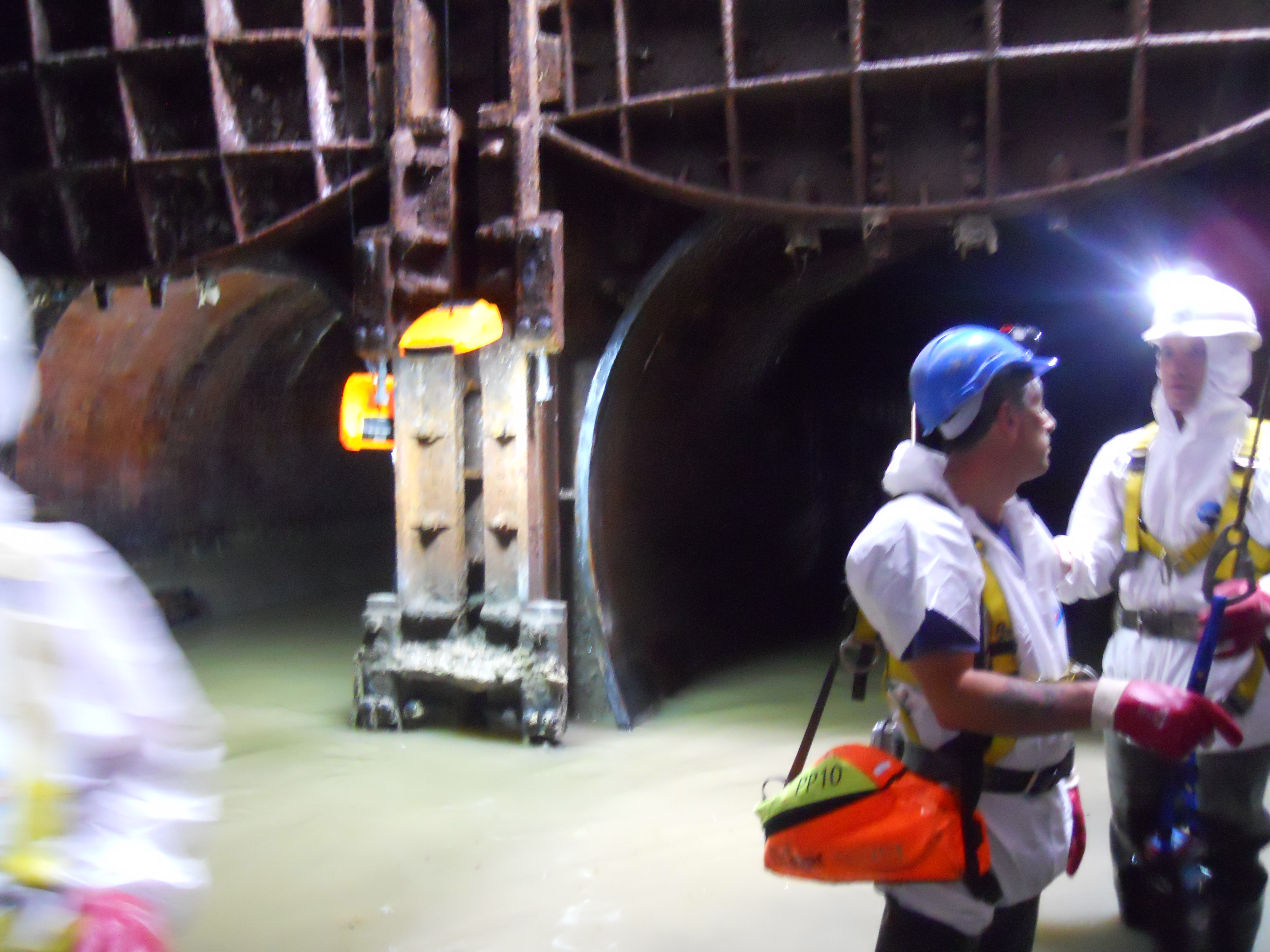
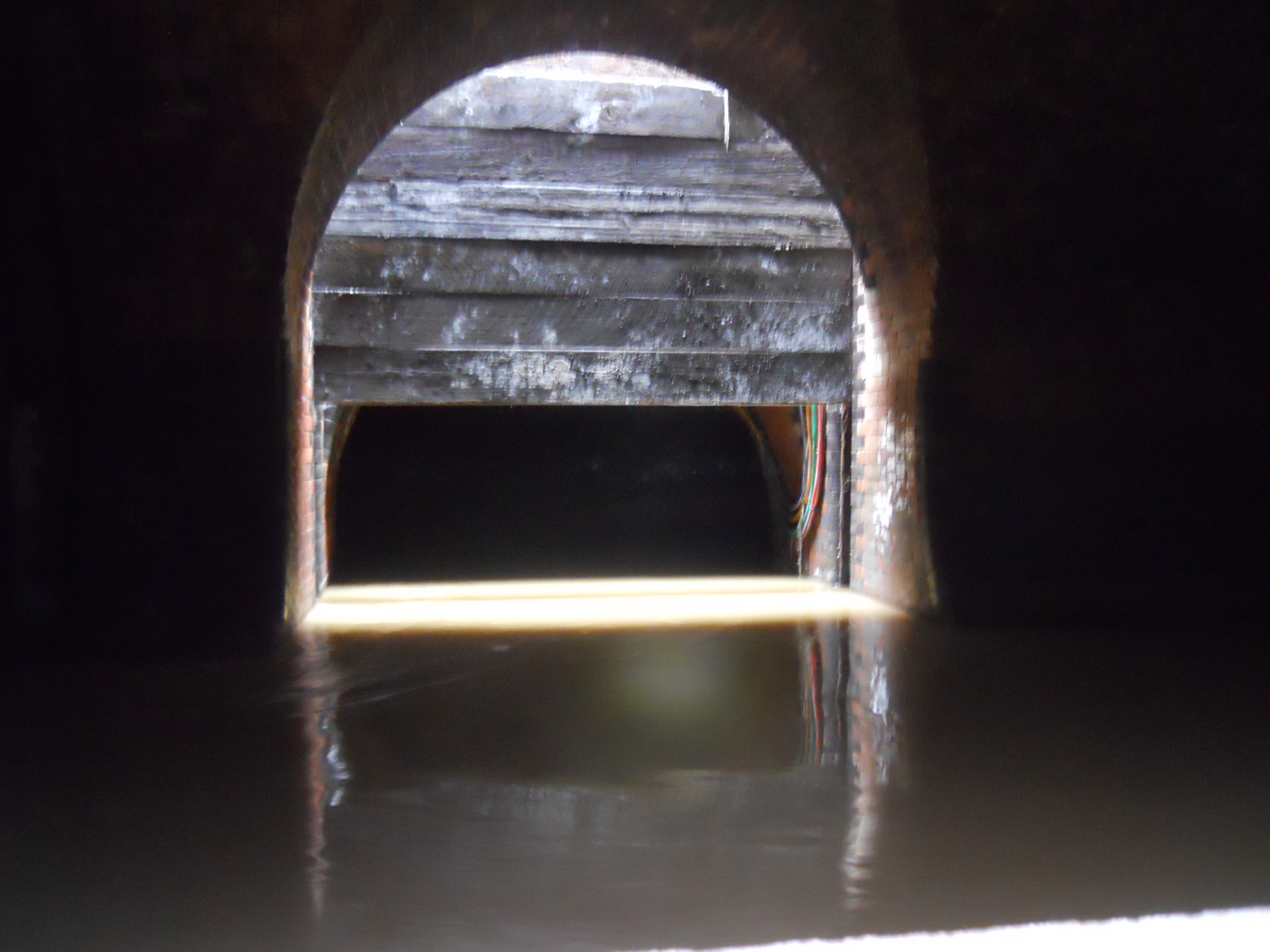
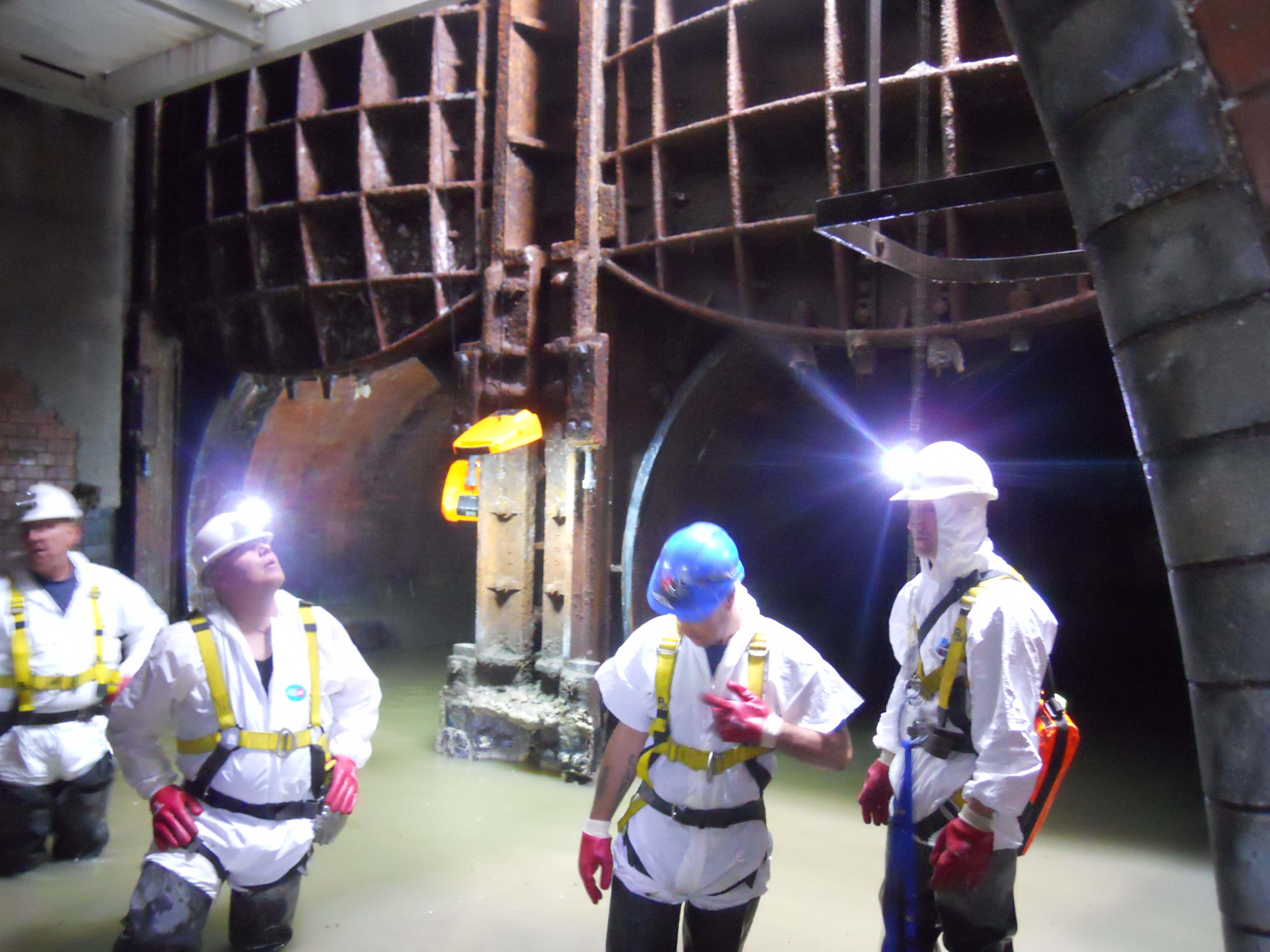

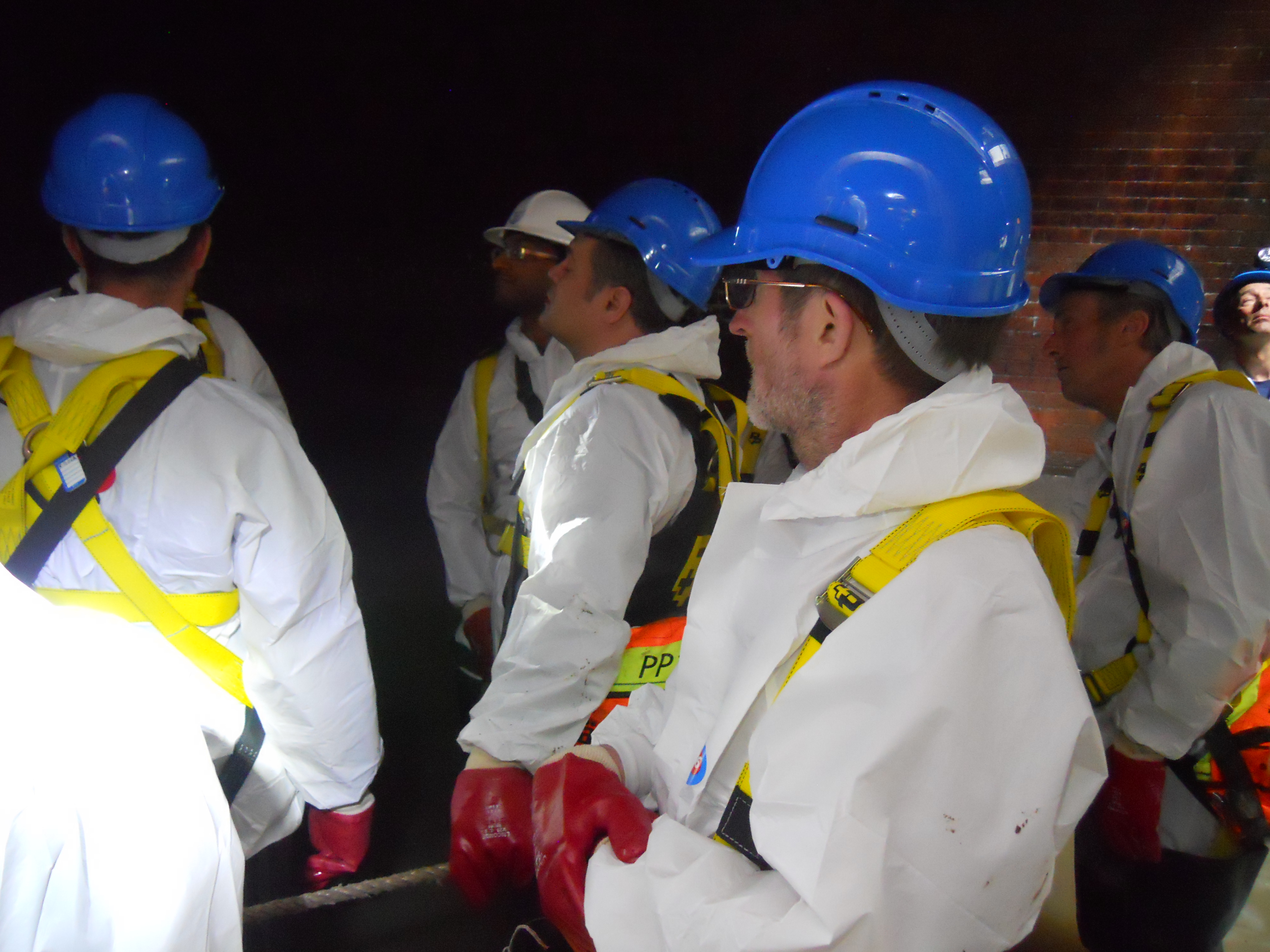
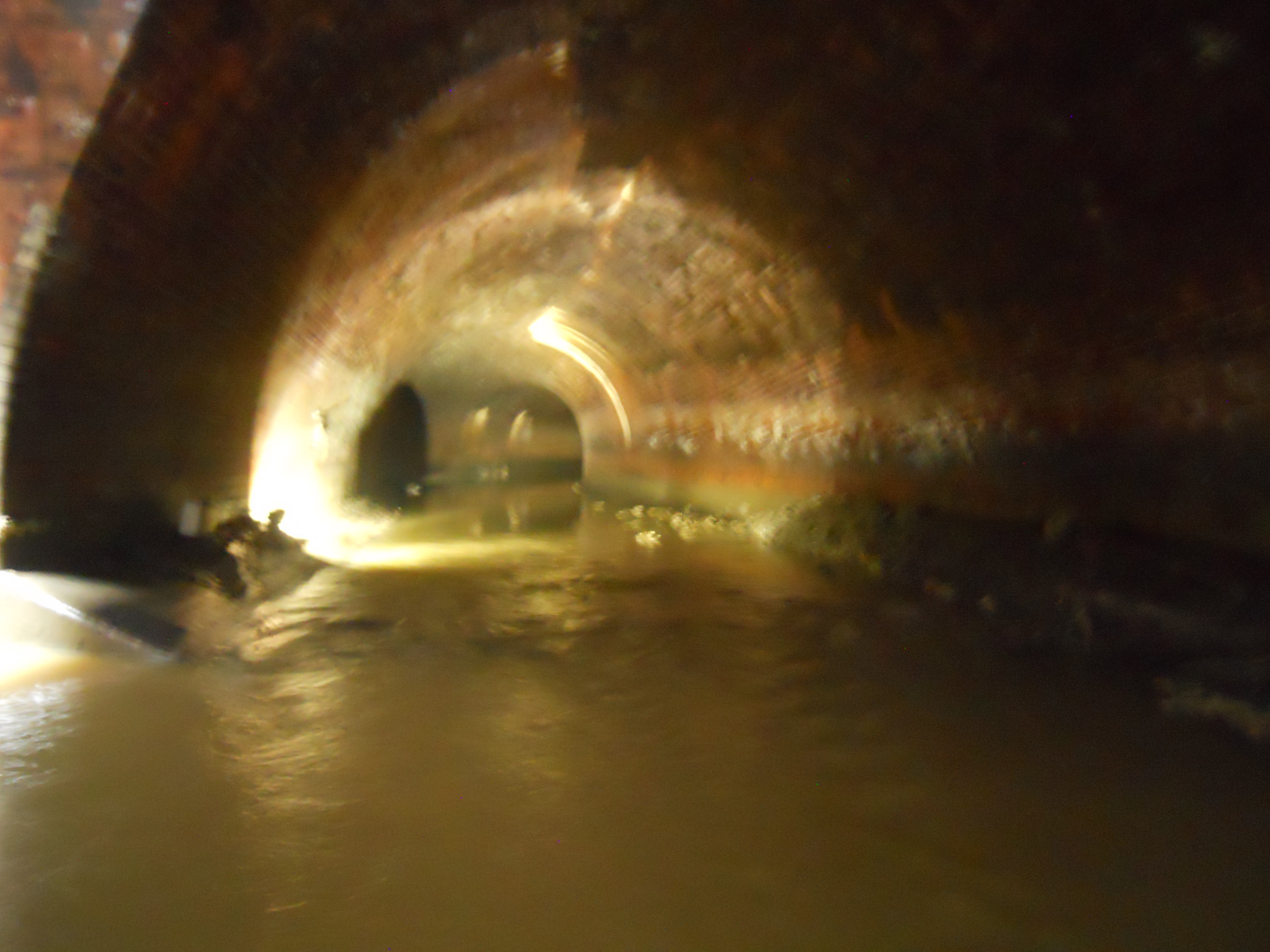
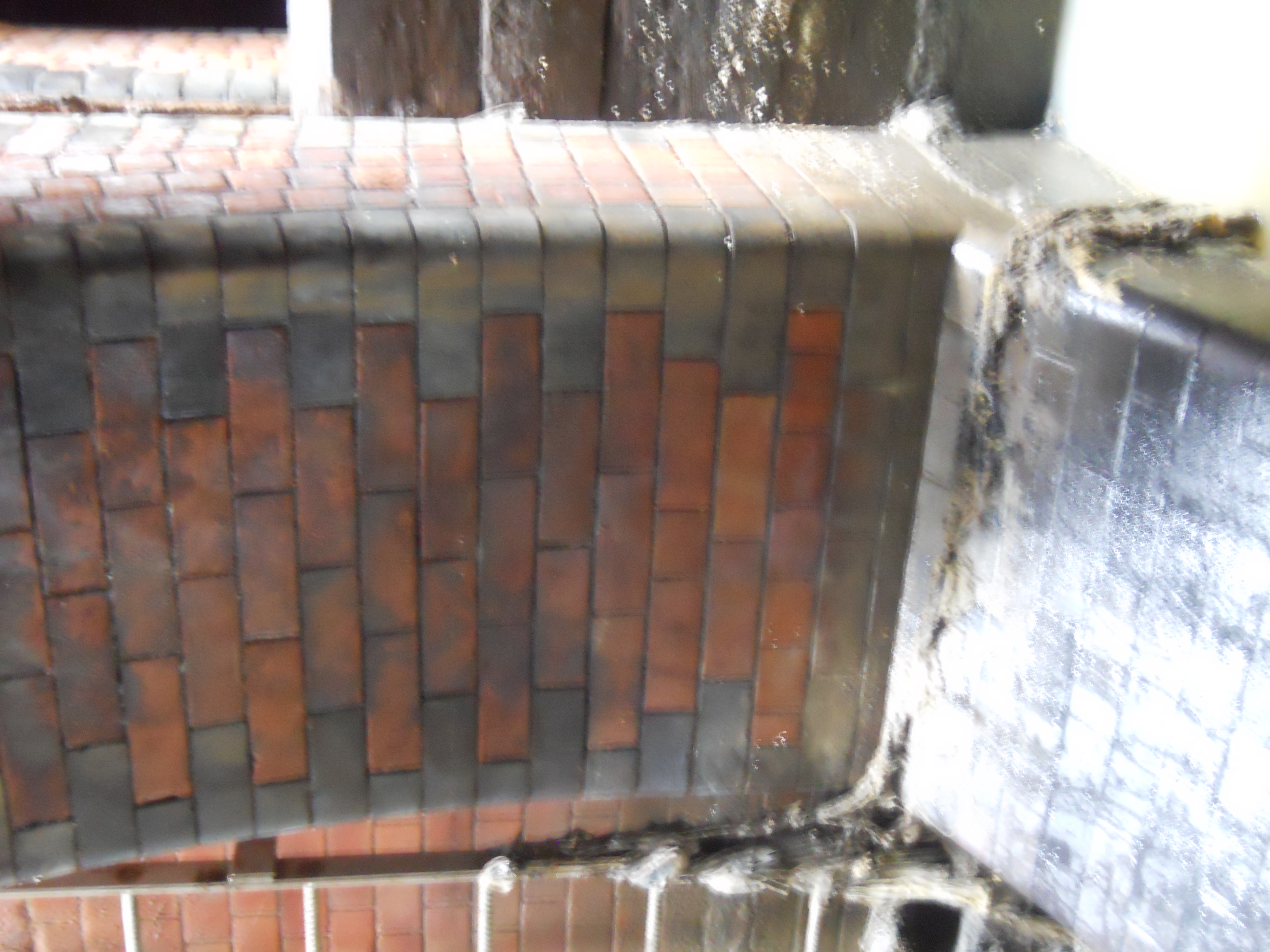
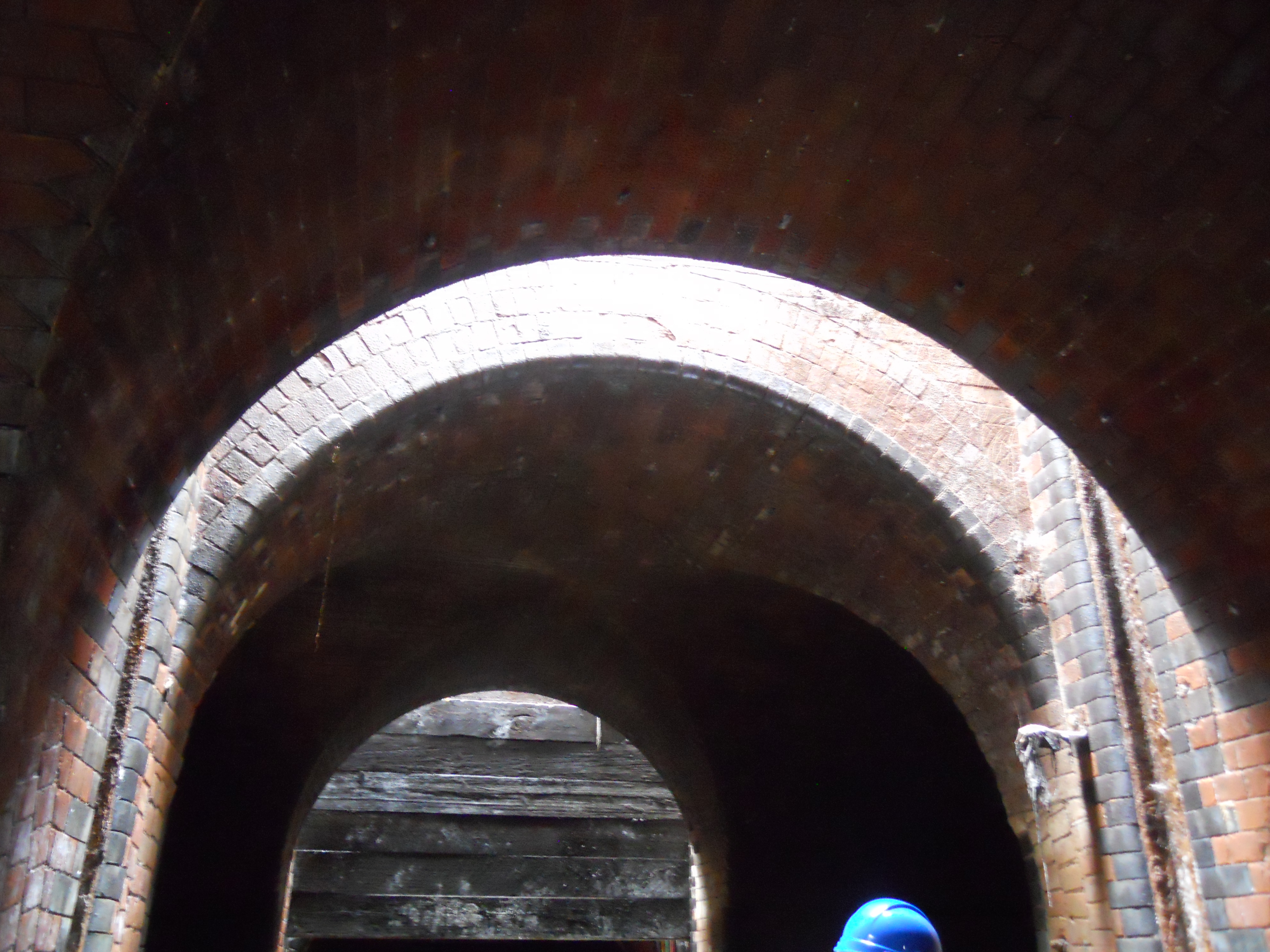
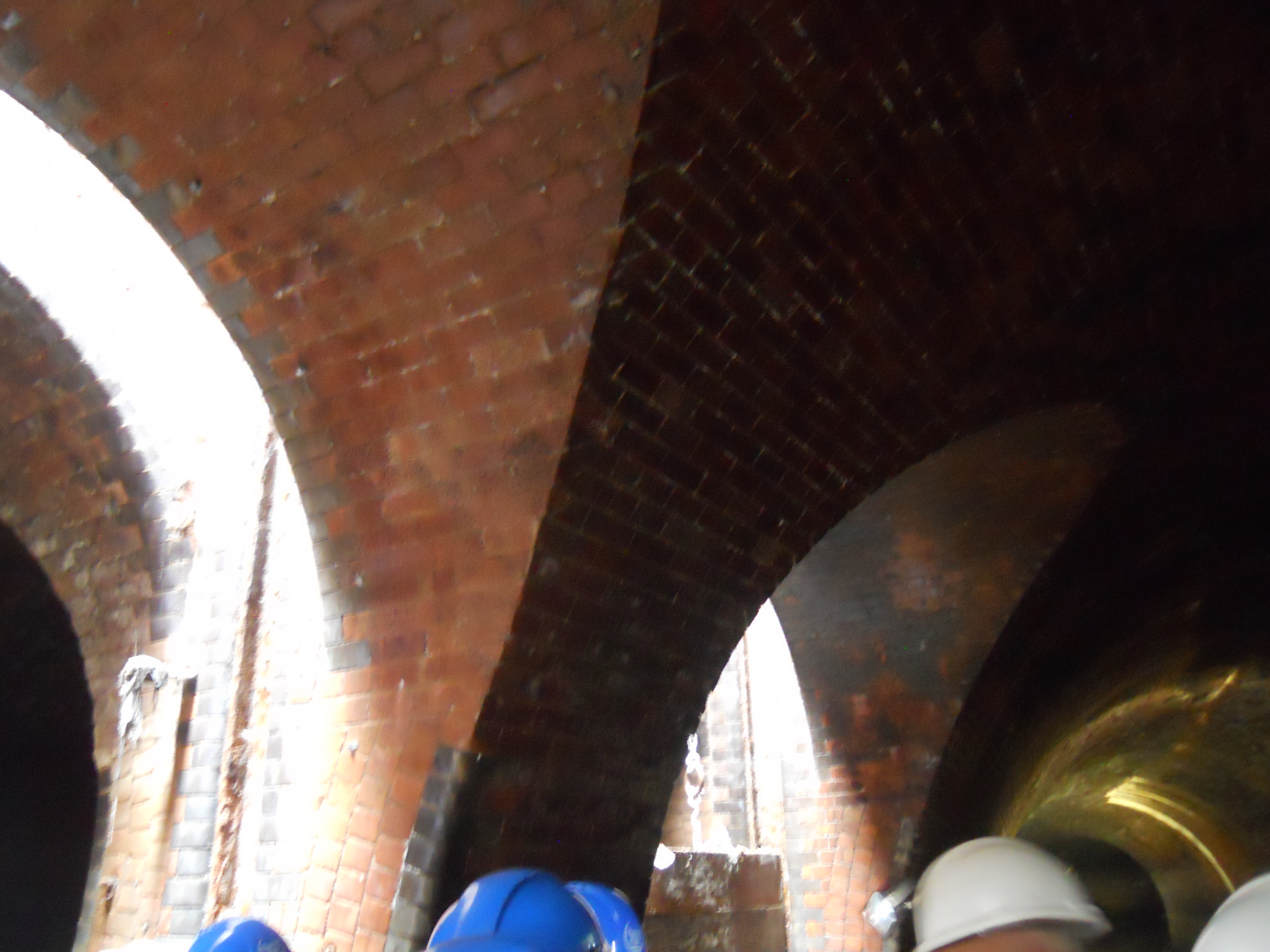
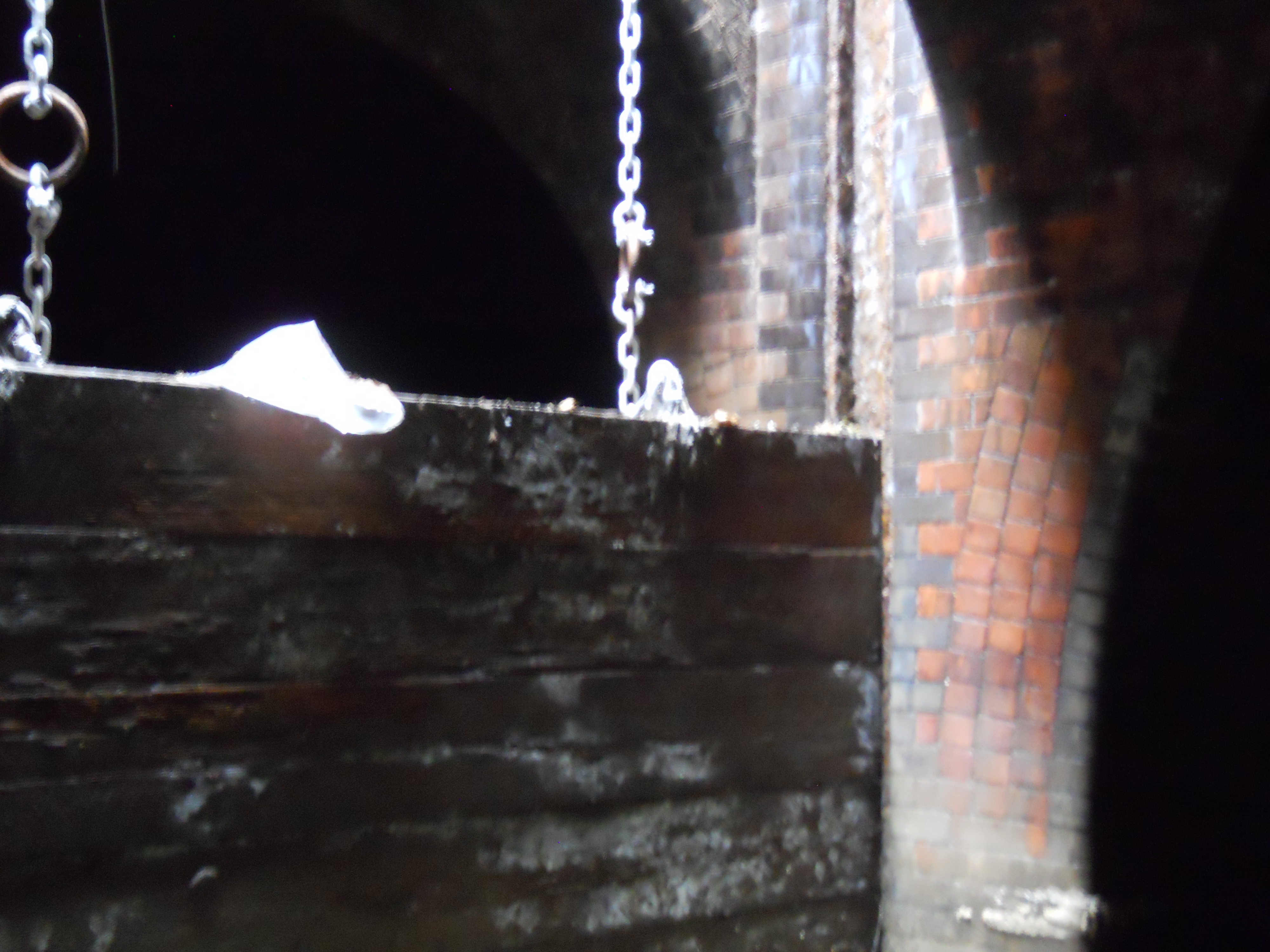
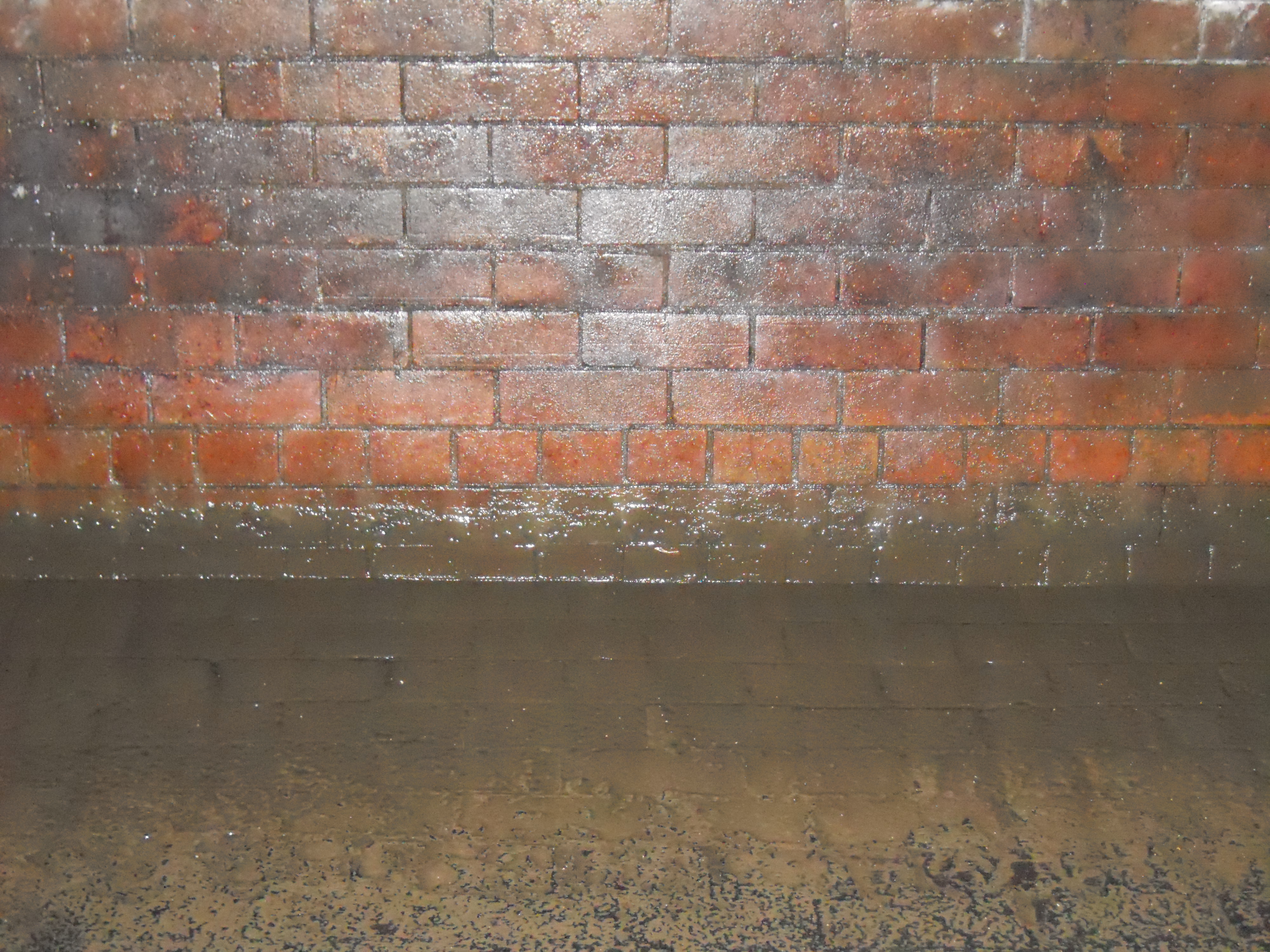
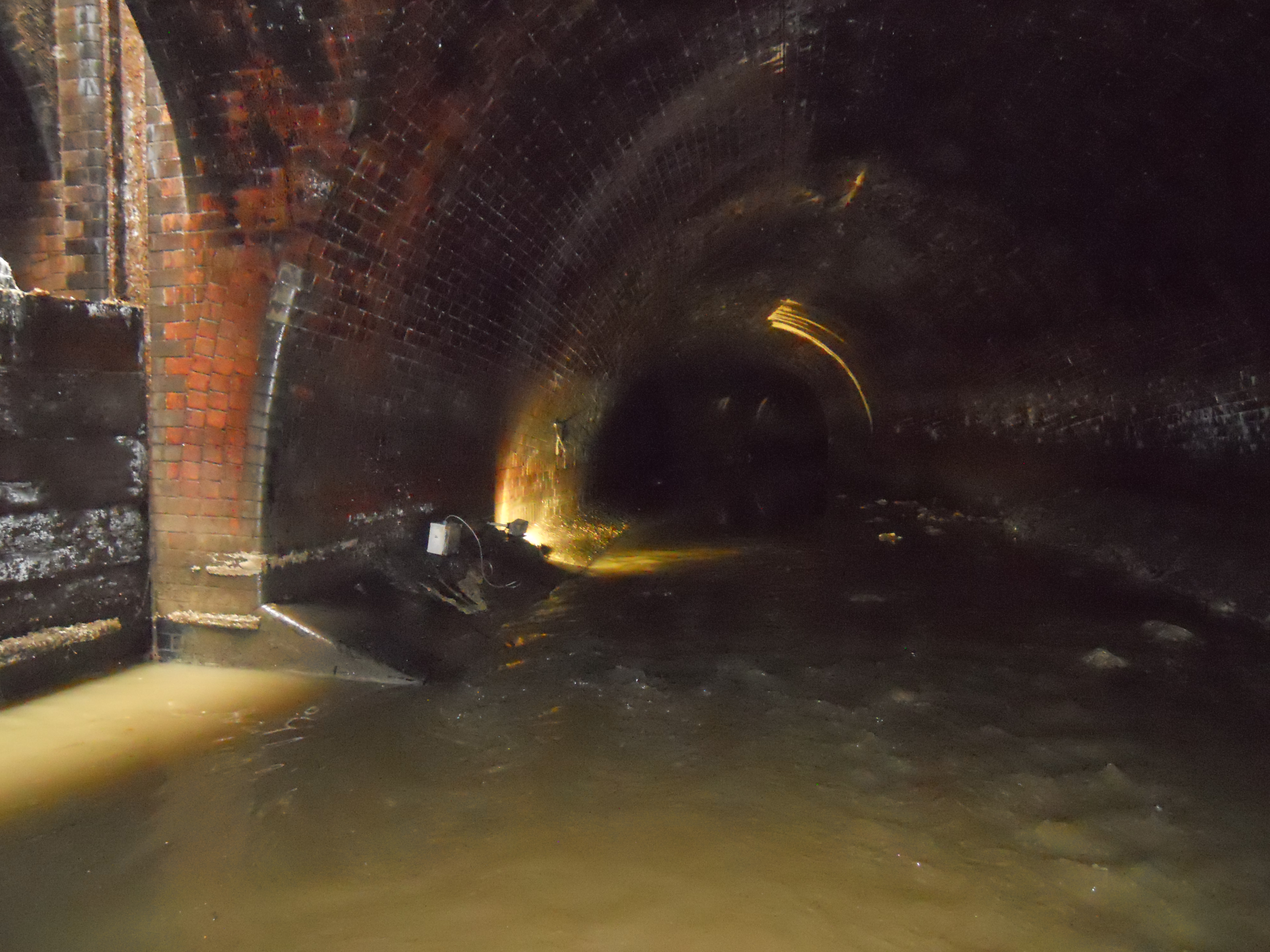
These pictures were not taken by me, as you can see I was rather protected again the effluent from half of London’s drains and toilets.
Note the quality of the brickwork, which is over a hundred years old, with some nearly fifty years older than that!
It should also be noted, that I was breathing a lot better in the sewer. I suppose there isn’t much pollen down there!
I also didn’t have any problems walking in the almost thigh high water. You have to feel your way with your feet, but then I was taught to do this in industrial environments that may be dangerous, by Health and Safety when I worked for ICI in the 1960s. The only problem I had was that when I first got down there it took a couple of minutes for my eyes to be able to see things properly.
But I survived it with ease and the only thing I couldn’t do was take the photos. The photos incidentally were taken by Daniel, who has his own blog called The Sewerman’s Log. It’s an excellent well-written insight into the day-to-day happenings in London’s sewers and what it is really like to work up-to-your-waist in things that polite society doesn’t talk about. This post is a good place to start in his blog, as it gives a good summary of the problems and also gives an insight into how Dan Snow was kitted up for his recent television series.
A Visit To Abbey Mills
This week is Sewer Week and I had an invite to visit the pumping station at Abbey Mills.
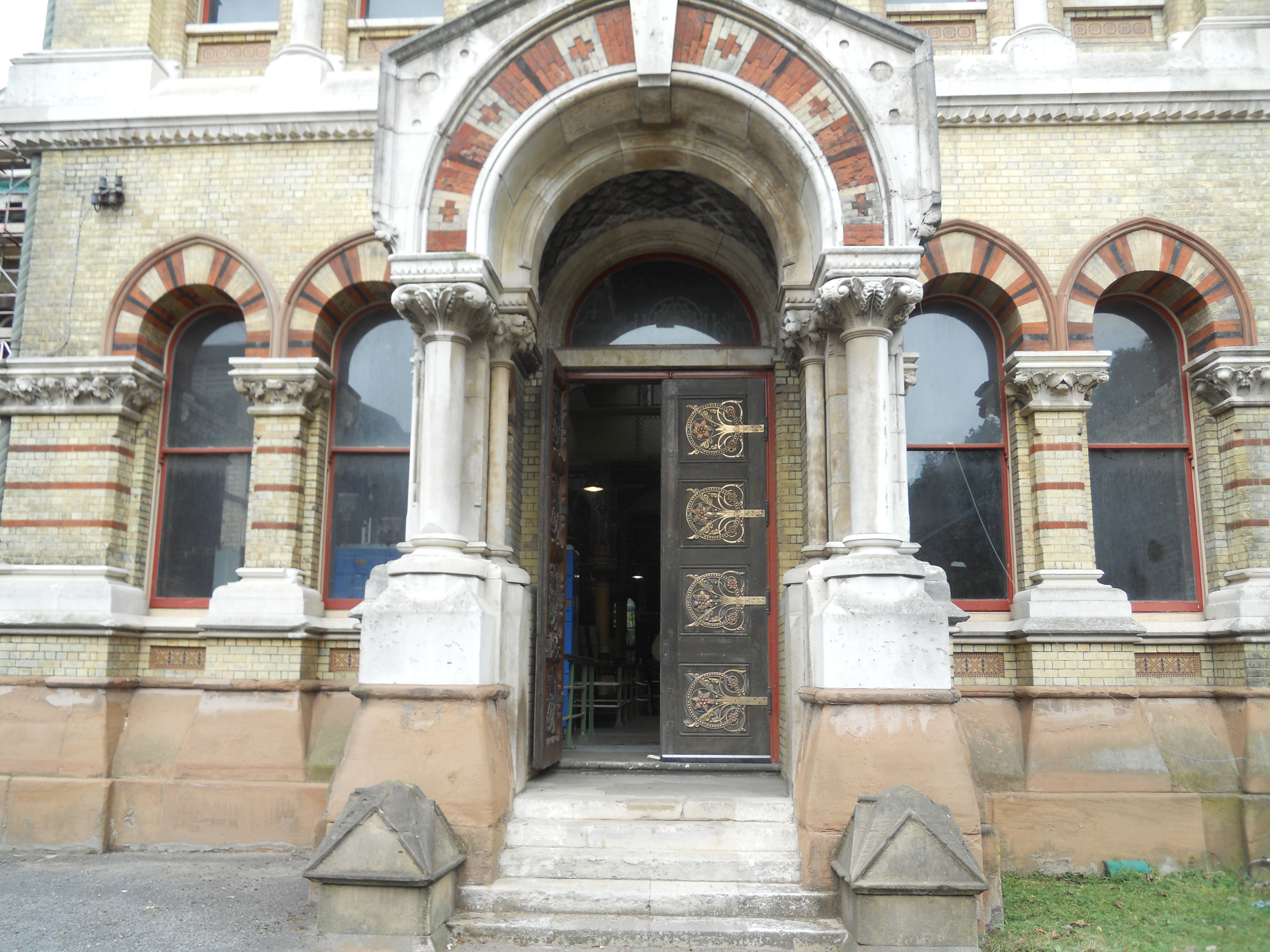
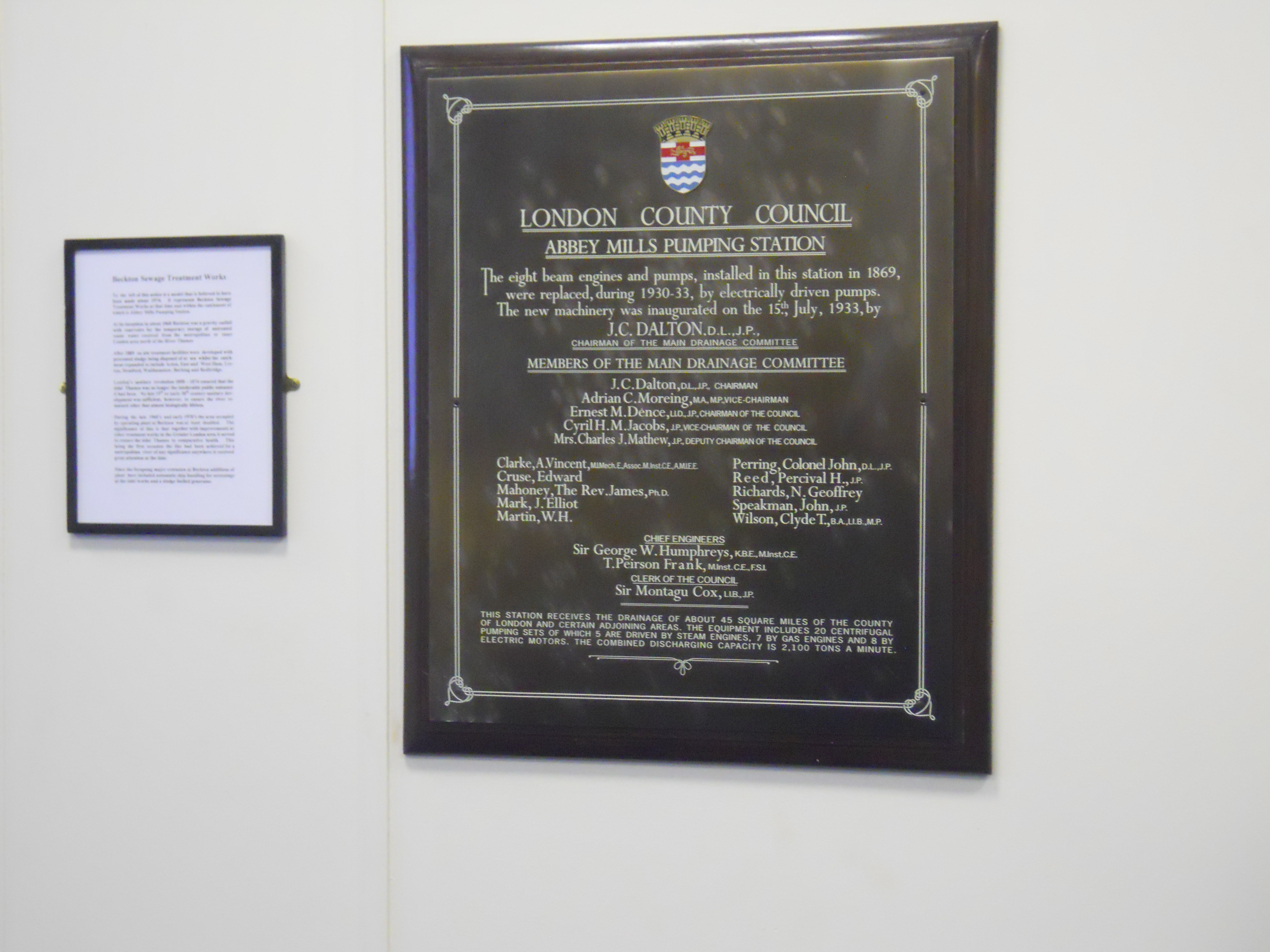
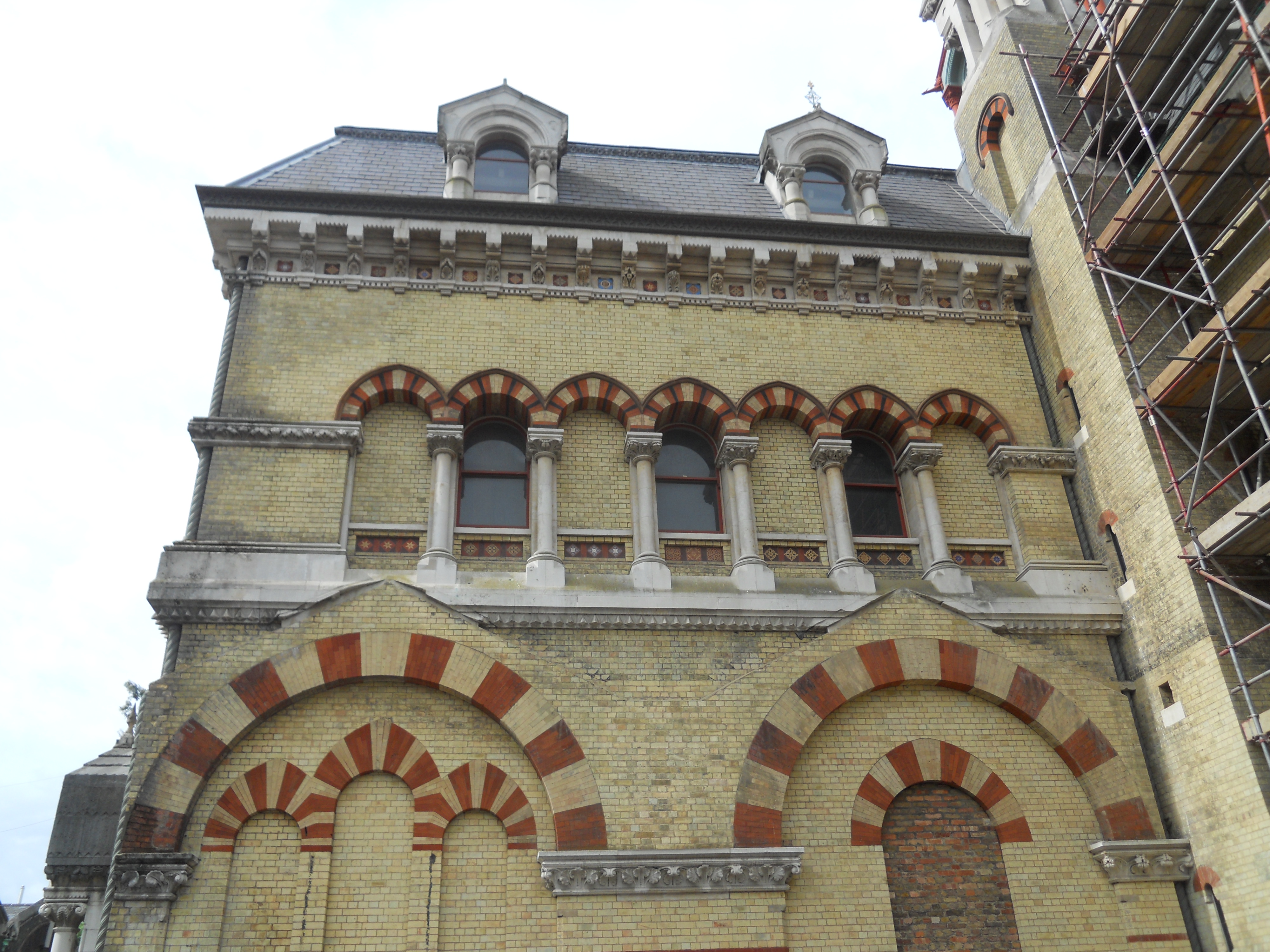
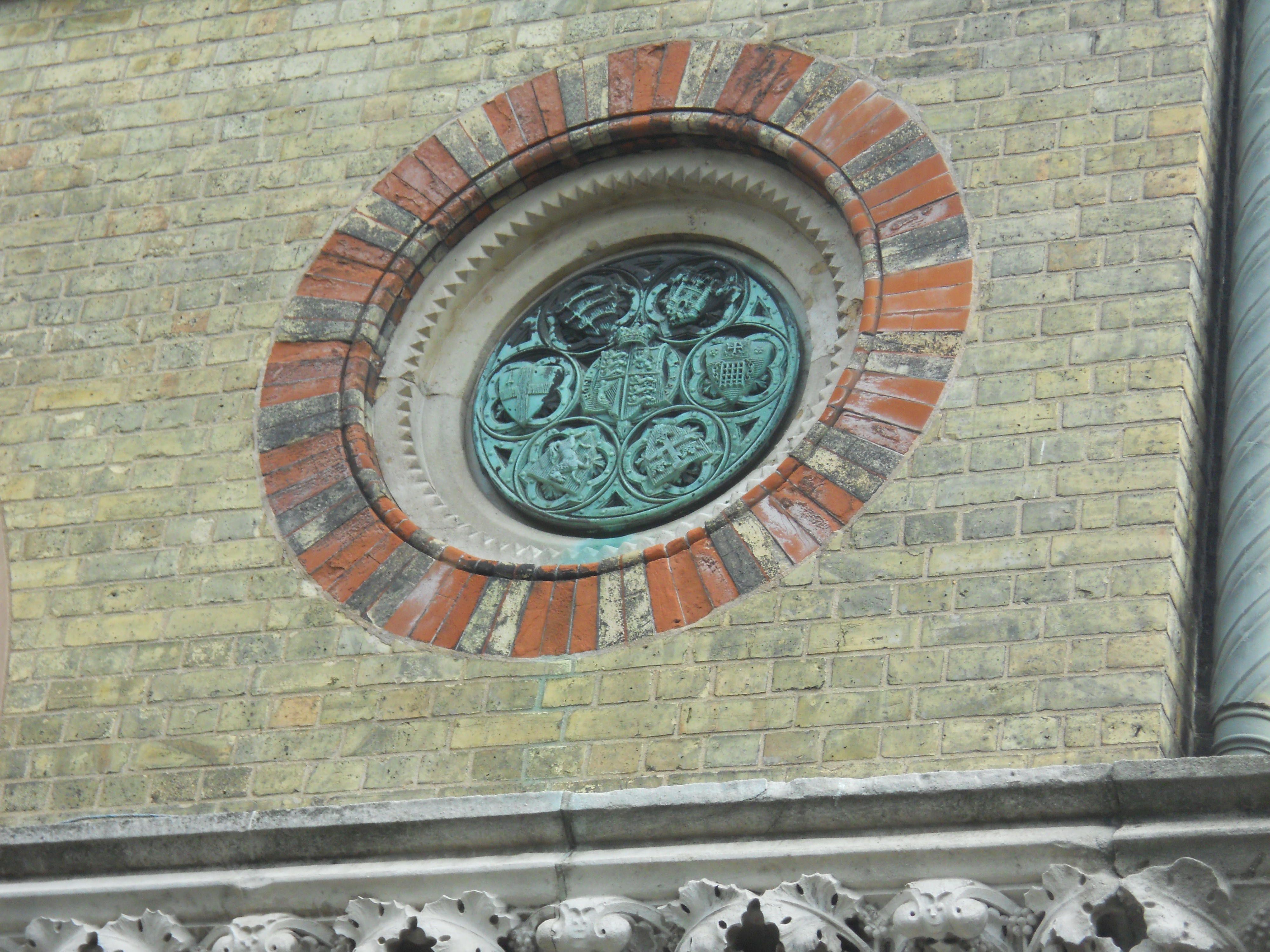

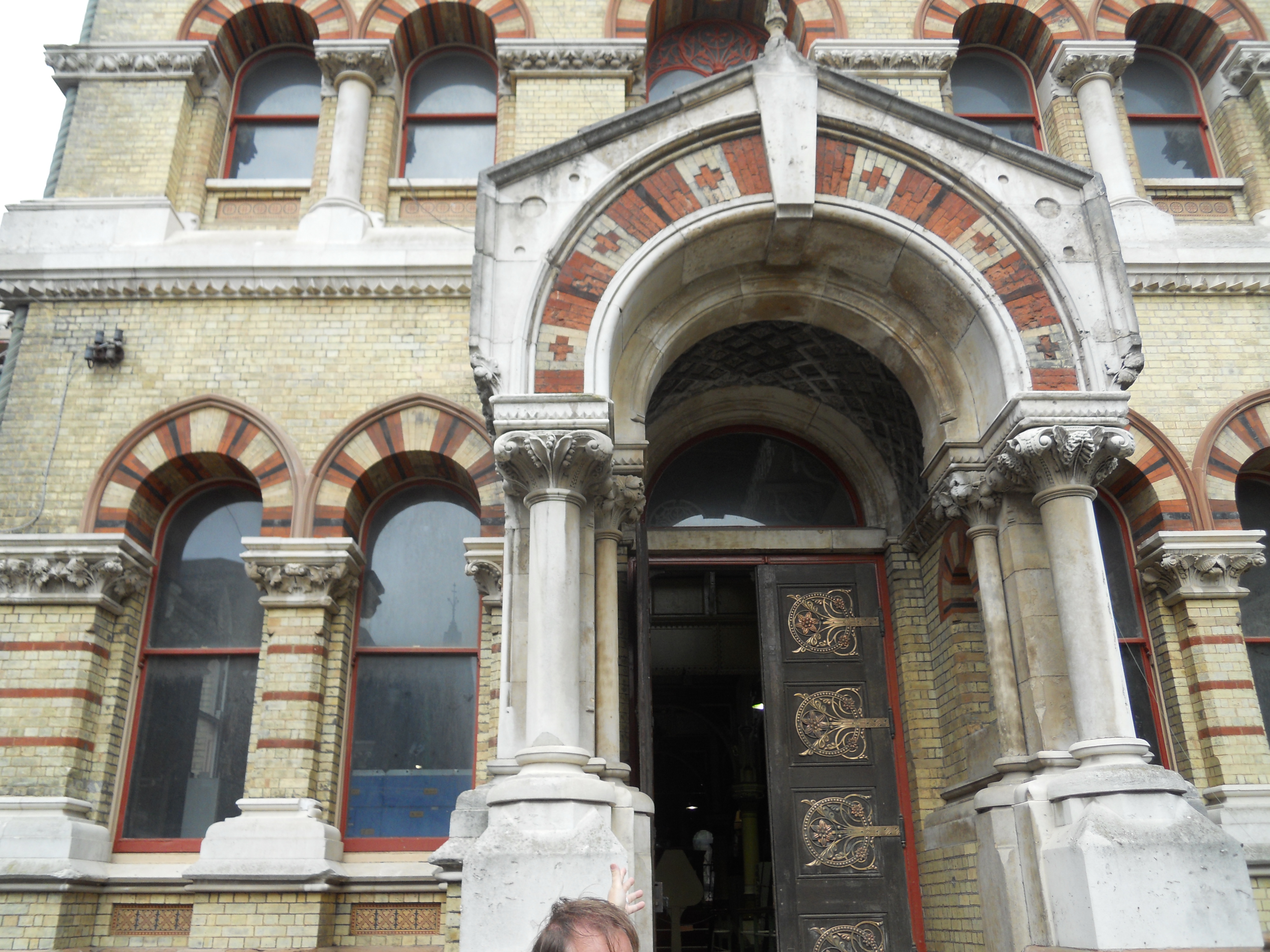


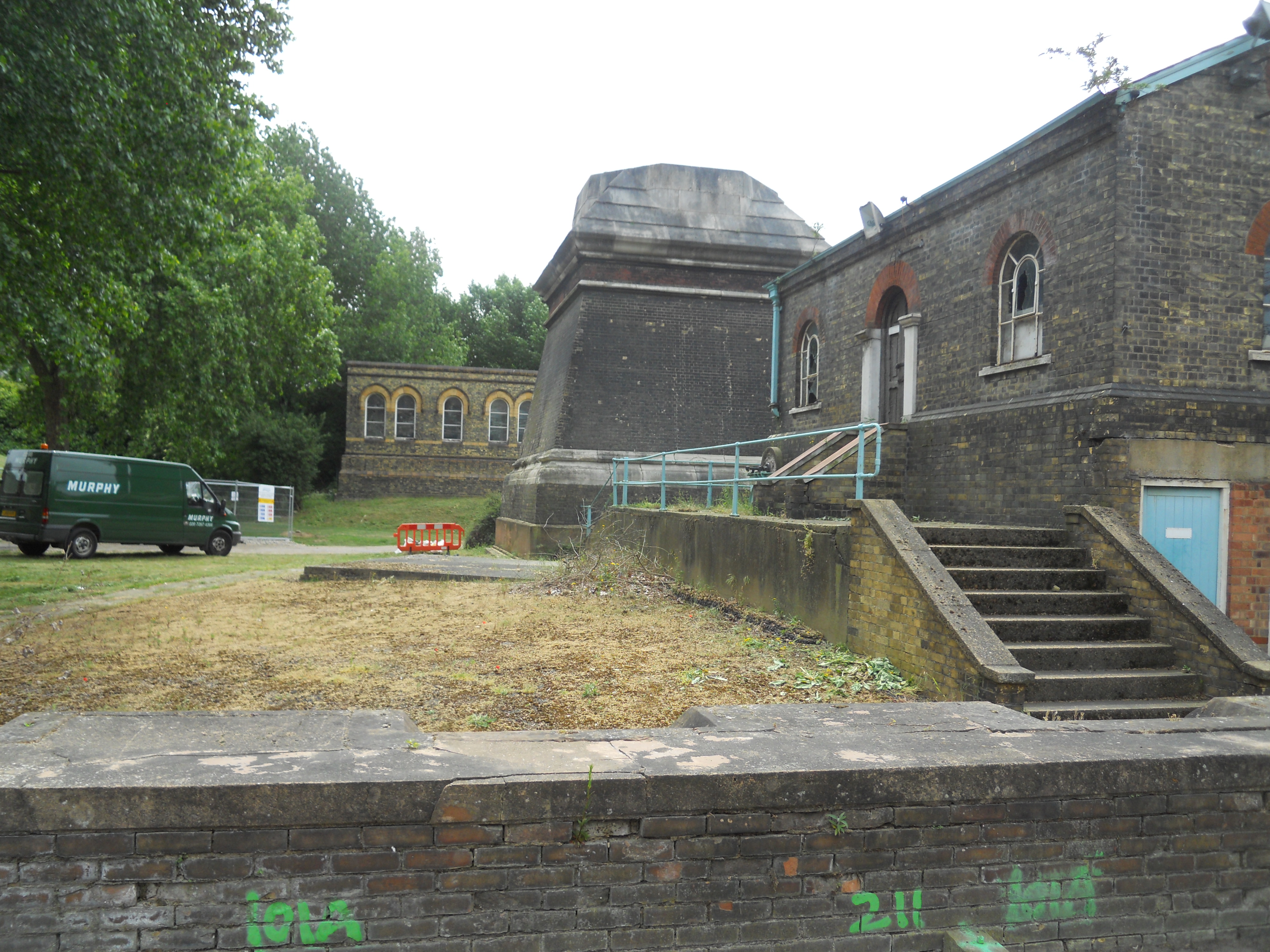
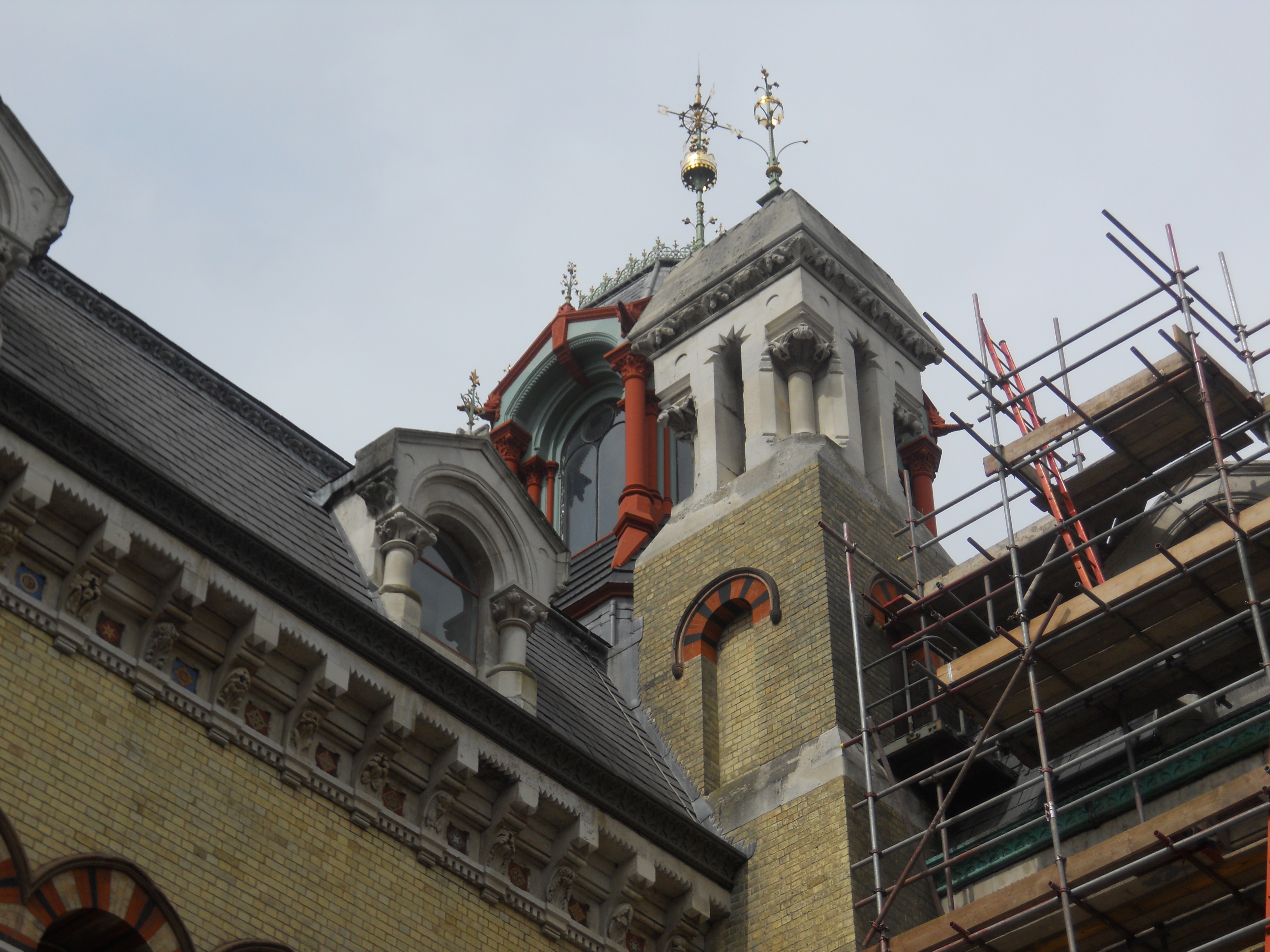

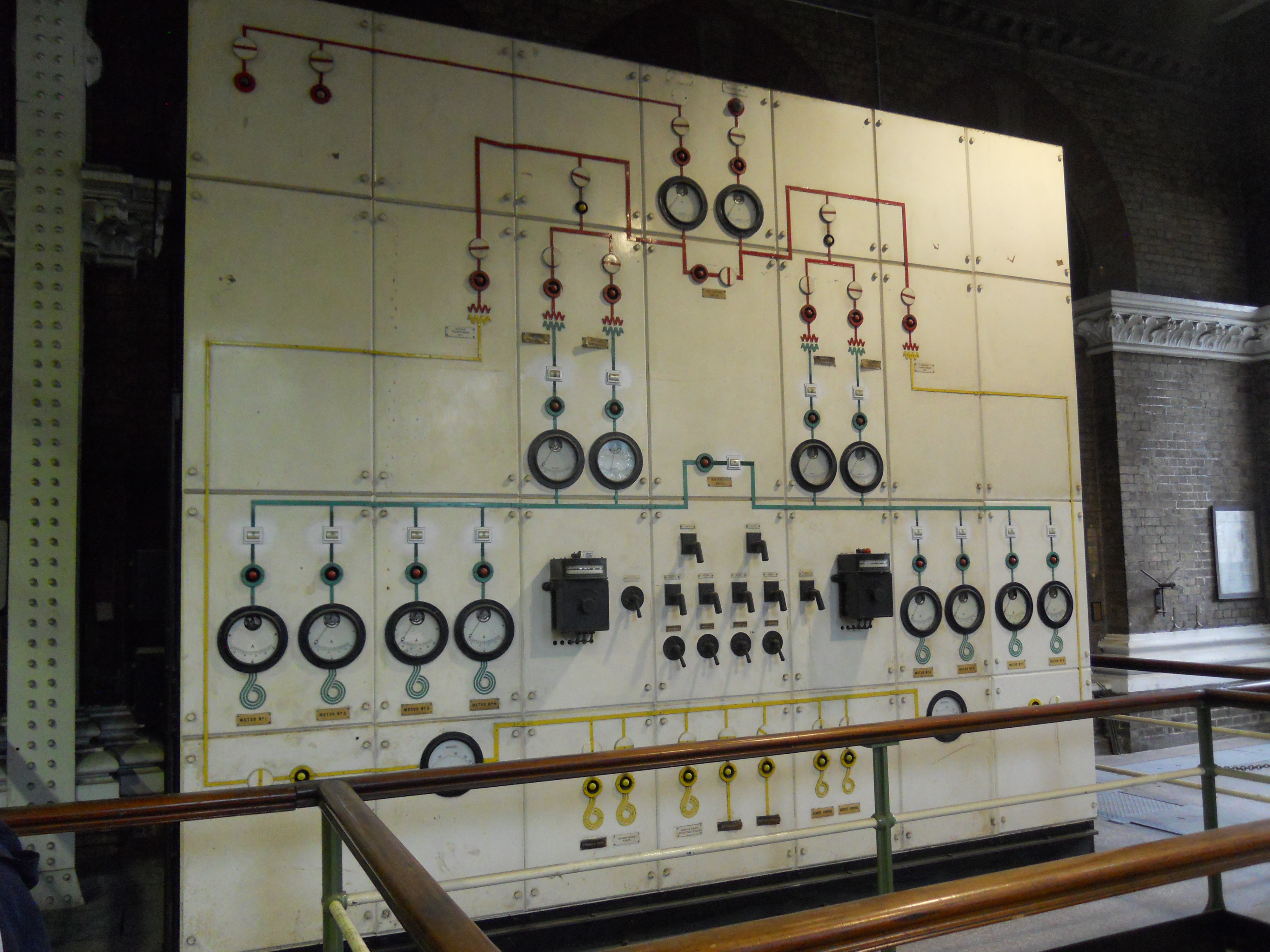

These pictures were taken of the outside and inside of this cathedral of sewage.
Formula One Meets Victorian Technology
A few years ago, Thames Water had a problem. Under the pumping station are Victorian centrifugal pumps that pump raw sewage to Beckton works for treatment. These are connected to 1930s electric motors in Dalek-like structures on the ground floor, using heavy steel shafts. The motors are controlled from the control panel in the last image.
The shafts were showing signs of their age and needed replacement.
So Thames Water turned to the experts in high-power transmission at high speed – Formula One.
The pumps are now connected to the electric motors, using high-strength, lower-weight carbon-fibre shafts.
It was a fascinating visit and thanks to Thames Water, who made it all possible.
Foolish Virgin
I got two letters today addressed to the occupier from Virgin Media today in addition to a prioperly addressed piece of junk mail.
As they still haven’t transferred my old number from my previous house to this one, I suppose I’m now 60% of the way to changing to someone else.
Operation Crossbow
I’m just watching this fascinating program on BBC 2, about how we used photographic intelligence during the Second World War.
It is a program, that points to not only what we got right in fighting the Germans and the Japanese but what we got wrong.
We certainly got photographic interpretation correct, as we were able to unlock the secrets of Pennemunde and the V-1. This led to Operation Crossbow itself, which helped to neutralise the weapons. As I said in an earlier post is our photographic interpretation as good today?
Most of the aerial photography was done by Spitfires, stripped of guns and painted blue, so they couldn’t be seen. But what surprised me that some were flown by American pilots and carried USAAF markings. I hadn’t realised that Spitfires actually served in the USAAF.
Search the Internet and you’ll find two pages; Uncle Sam’s Spitfires and Spitfire 944.
The first describes how the USAAF had to use Spitfires in Europe because Lightnings and Airacobras were not suitable to be used as fighter escorts.
This is an except.
Uncle Sam’s Spitfires had written a little-known chapter in US fighter history. Though the USAAF used over 600 Spitfires during the war, the aircraft was never given a US designation, and little publicity was given to the exploits of the 31st and 52nd Fighter Groups – nothing like what they would get in the summer of 1944 during the wild air battles over Ploesti when they flew Mustangs. This is most likely a good example of the US military’s overall dislike of having to admit to using “NIH” (Not Invented Here) equipment.
In the end the Spitfires were replaced with Mustangs, which although they were an American aircraft, they were designed to an RAF specification and had a Rolls-Royce Merlin engine like the Spitfire. But did the Packard-built Merlins have Tilly Shillings Orifice?
The second is a film made about John S. Blyth, who was a USAAF pilot who flew the photo-reconnaissance Spitfires. He appeared in the program.
There was also rare footage of the Mosquito being used as an airliner to bring equipment out of Sweden for the photo interpreters to use. There is very little about this use of de Havilland’s amazing aircraft, where it used nothing more than its speed to ferry important war materials and people to the UK from places like Sweden and Northern Russia. In one case Marshall Zhukov was the passenger and as he had only two words of English, “Betty Grable”, these were to be used if he wanted anything in his cramped seat in the bomb bay.
Up until I saw the program tonight, I thought that the Mosquito had been the only British aircraft to wear USAAF markings, where it was used for weather research, as it could fly higher than any other aircraft.
They also showed pictures of Barnes Wallis’s Tallboy bomb, which was used with great effect against the sites.
I sometimes wonder if had the Americans used Tallboys and the later Grand Slams against Japan, then they might not have needed to resort to nuclear weapons. After all in the B-29 Superfortress they had a bigger delivery aircraft than the Avro Lancaster. They also modified the Tallboy to create the Tarzon, which was used in the Korean War, so they couldn’t have been totally against the technology.
Sometimes Everybody Wins
I was getting out of a tube at Oxford Circus tonight and I was away of something low running across the floor of the platform rushing towards me.
I put out my right foot and whatever it was hit me right on the toe padding. A couple of metres away sitting on a seat were two young ladies; one black and one oriental. The black lady was laughing as she had picked up the pound coin she’d dropped , which had then rolled and hit my foot, but luckily had bounced right back to her. She thanked me for my efforts.
I explained it was just luck and we all laughed together.
So sometimes everybody wins.
Is Eurovision Promoting National Stereotypes?
I don’t usually watch Eurovision, but hey, what else is there to do tonight, after the awful Mancunian double?
But are countries promoting their own sterotypes?
After all the Irish entry was about humour! The Greek one had no chance of making any worthwhile sales! The Russian one was all about male machismo and was probably written by someone with lots of talent like Vladimir Putin. I did like the singers for Hungary and Estonia and if they played their cards right ….
The French entry was calling out for someone in the orchestra to open a bottle of brown ale at the right moment, to enliven the proceedings. You may laugh about that, but a friend once played in the 1960s in the backing orchestra for such high-brow touring productions as The Desert Song. You quickly learned what was the best time to get a drink.
But quite frankly Eurovision isn’t the same without Terry Wogan.

