Improving Imperial Wharf Station
In the June 2016 Edition of Modern Railways, there was an article entitled Turning South London Orange.
One of the proposals is to create a walkway across Battersea Railway Bridge to give access to Imperial Wharf station from the South Bank of the River Thames.
This Google Map shows the station, the river and the South Bank.
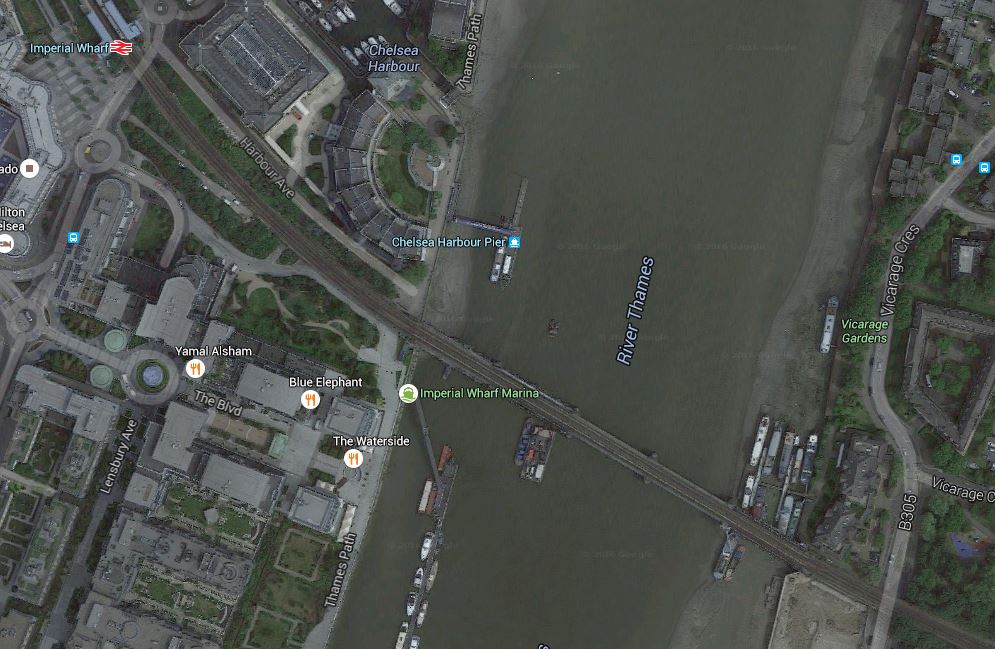
Just to look at this map, shows that the scheme has potential.
- I estimate that the distance is probably about five hundred metres.
- The walkway would also give access to the Thames Clippers at Chelsea Harbour Pier.
- The walkway would give better walking routes in the area and across the river.
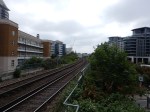
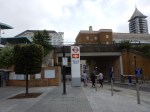
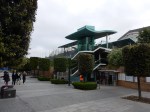
Unfortunately, the design of the station is possibly not one, that could accept passengers walking in and out at track level, so without a lot of work at the station, passengers might have to climb down and up to get between the walkway and the platforms.
Battersea Railway Bridge is also a Listed structure and it may be difficult to add a walkway.
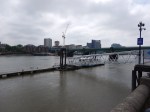
These pictures show the station and the bridge.
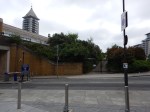
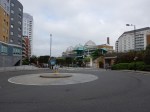
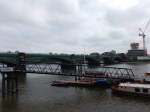
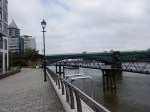
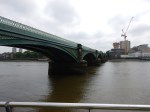
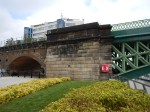
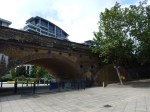
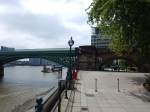
However, it would appear that help is at hand. There are plans for a new footbride called the Diamond Jubilee Footbridge, which will be directly upstream of the railway bridge. This page from the Diamond Jubilee Footbridge web site has a picture and the reasons, why it should be built.
Incidentally, there used to be a Battersea station on the South bank of the River, in the area of Battersea High Street.
This Google Map shows the area.
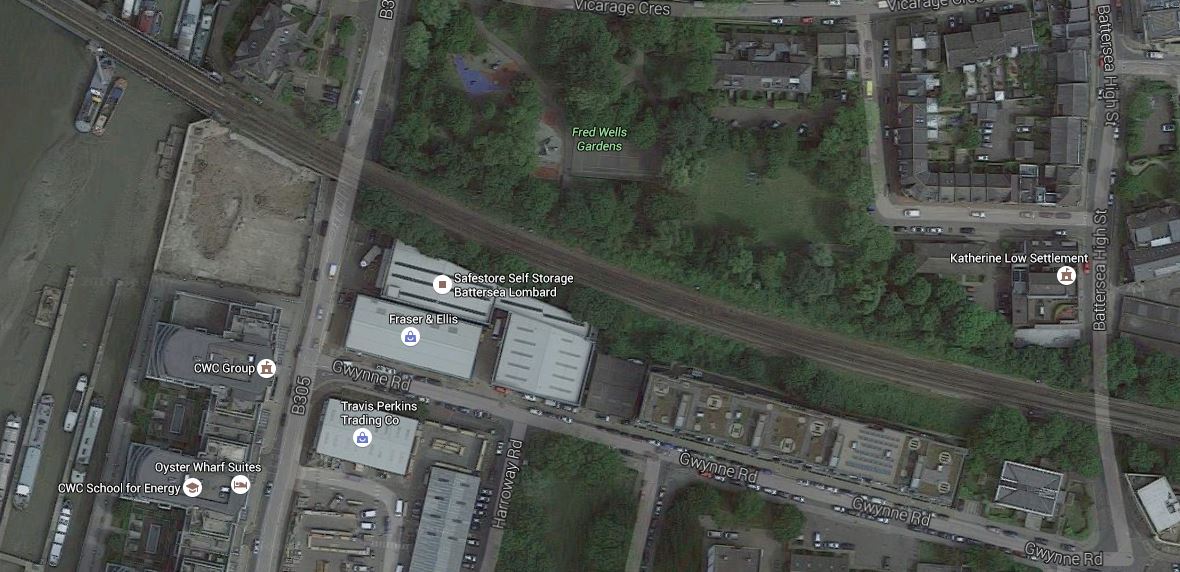
The Location Of Battersea Station
Although, it looks like the station, which was destroyed in 1940s by German bombing, could be rebuilt, I feel that the Diamond Jubilee Footbridge, is a much better way to spend the money.
Is A Big Row Developing Over The Northern Line Extension?
I have just read this article in the Evening Standard, which is entitled Northern line extension: Battersea Power Station’s Tube bill ‘to rise by £240m’. This is said.
The Standard understands that the changes relate to a section of the 39-acre site known as Prospect Place, a dramatic cluster of apartment buildings designed by the Californian “starchitect” Frank Gehry.
The new plans envisage more ambitious “over station development” (OSD) than in the original Battersea Power Station masterplan from Uruguayan architect Rafael Viñoly.
Obviously, the more you put on top of a station, the stronger the box that encloses the station needs to be.
Hence the redesign of the box and the greater cost.
I do think that some architects are a bit precious and over-ambitious, whereas others create spectacular buildings, that seem to cost a fraction of those by the so-called architectural superstars.
Some schemes only seem to be capable of being built at enormous cost.
Architects never learnt from the fiasco of building the Sydney Opera House.
And it’s usually the poor taxpayer who picks up the bill for bad design.
The New And Updated Platforms 13 to 16 At Manchester Piccadilly
I have been looking to see if I can find anything more about what is happening to update platforms 13/14 and create new platforms 15/16 at Manchester Piccadilly station.
I found this image on the Network Rail web site.
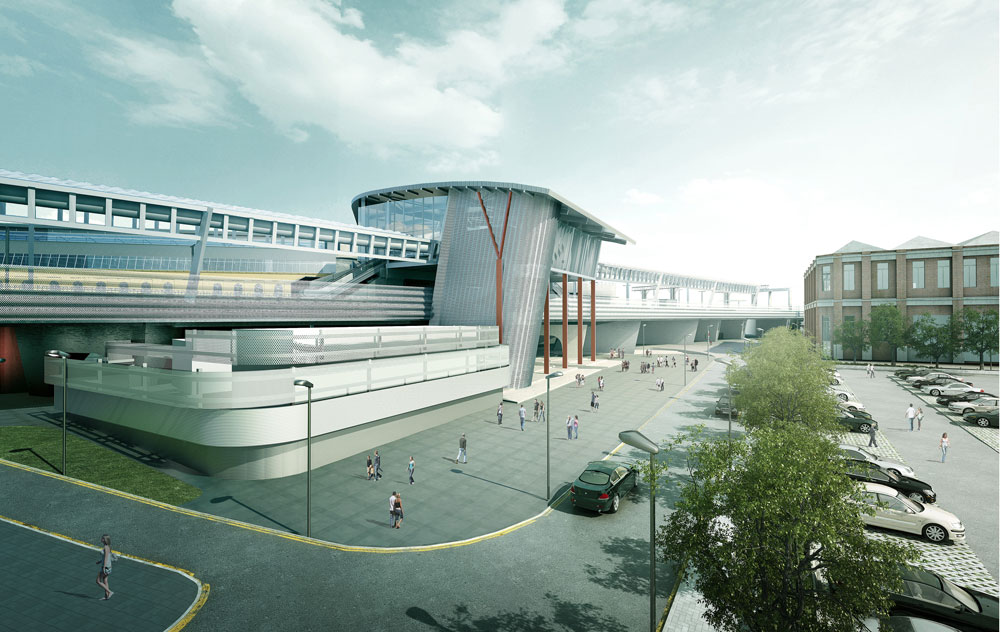
Proposed Platforms 13-16 At Manchester Piccadilly Station
I think it shows the way that Network Rail are thinking.
- A second entrance to the station.
- Does the entrance lead underneath all of the platforms?
- Lots of escalators.
- A proper gateway station for Manchester, opening on to an open space.
- Is that a public space like a restaurant on top of the tower?
The picture does show that there are possibilities to create a very good building to serve platforms 13 to 16.
Changing Trains At Slough
Yesterday I changed trains at Slough station and took these pictures.
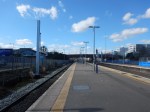
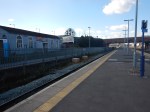
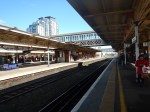

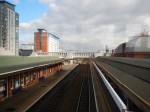
Two pictures were taken a few weeks ago and are added to make the gallery more complete.
The new pictures were taken from Platform 2, which when the electrification is complete and Crossrail has opened, will be the platform serving fast trains to the West.
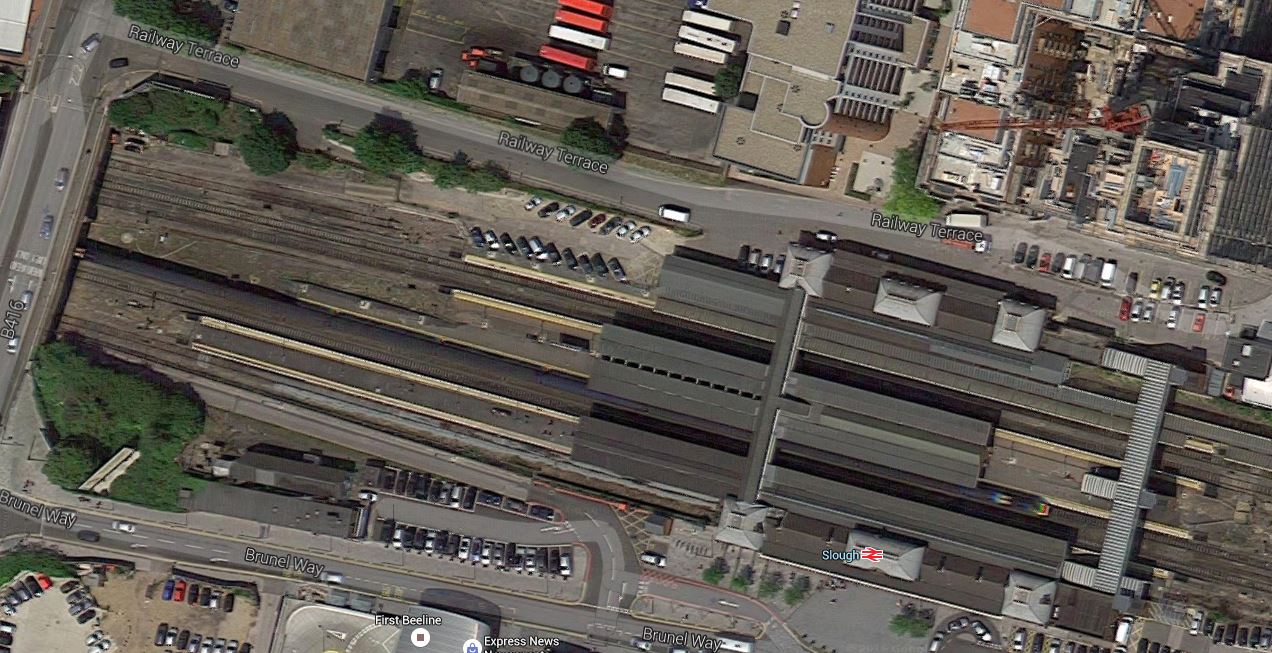
This Google Map shows the layout of the station.
Slough Station
If you look at the left (West) end of the station, you’ll see the extended platform that in addition being Platform 2, also serves the bay platform 1 for Windsor Branch Line services. I took the pictures from this platform.
Platforms 3 and 4 form a long island platform in the middle of the station, with Platform 5 on the far side.
When Crossrail opens, platforms 4 and 5 will be for that service and platforms 2 ans 3 will serve the main lines.
I am puzzling about how the wires will be passed through the station.
Note the following from my pictures and the Google Map.
- The station is Grade II Listed, with lots of period details.
- A lot of the canopies over the platform are good Victorian examples.
- The station has two footbridges; a restored old one and a new modern one.
- The modern one has probably been built to double as a gantry for the overhead wires, but has the old one been strengthened.
- There is a solitary electrification mast on the island platform and this is paired with one on the far side of Platform 1.
- There is evidence that double foundations are being built for a very large gantry at the far western end of the platforms.
I think that over the next couple of months or so, a lot of clues to Network Rail’s electrification design, will become visible at Slough.
Could This Be A Ground-Breaking Idea In Station Design?
This is an aerial view of the winning design proposal for Oxford station, by AHR
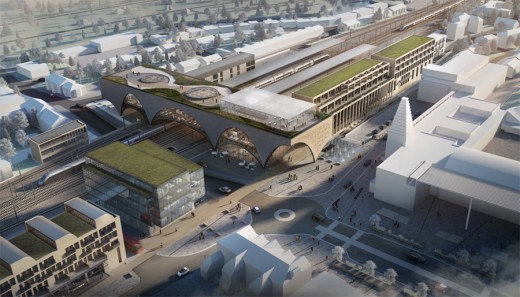
AHR’s Proposal For Oxford Station
It looks from the visualisation,that you have a wide covered bridge across the tracks, with a restaurant and other customer facilities on top.
I think it’s simple, but brilliant and if it gets built as designed, it will be an enormous asset to Oxford.
This Google Map shows the current station.

The Current Oxford Station
Note the white building to the north of the station on the East side, which is the Parcels Office, which is going to be turned into new platforms for Chiltern. In the new design, it looks like they are covered with car parks, with green grass roofs.
The simple concept of a wide covered bridge with a restaurant and other passenger facilities on top, has advantages.
- It turns a station into a fully-functional meeting point for the town or city.
- It could give spectacular views of some historic places.
- I suspect, that like Custom House station, it could be built in a nice clean weatherproof factory and put together like Lego.
- I feel, that it could be erected around and over a working railway without interrupting trains or passengers.
The concept would work in various places on the UK and other rail networks.
- Chelmsford – A major station on a cramped site.
- Coventry – Any poor architect couyld create something better than the current complete crap.
- Durham – Spectacular views of the Castle and Cathedral
It would also work on some of those wonderful stations, where the rail lines are squezed along the coast.
I think that AHR’s concept will be copied extensively.
The Shape Of Stations To Come
Oakwood, Southgate or Arnos Grove it isn’t but this image from Transport for London is the new Nine Elms station on the Northern Line Extension.
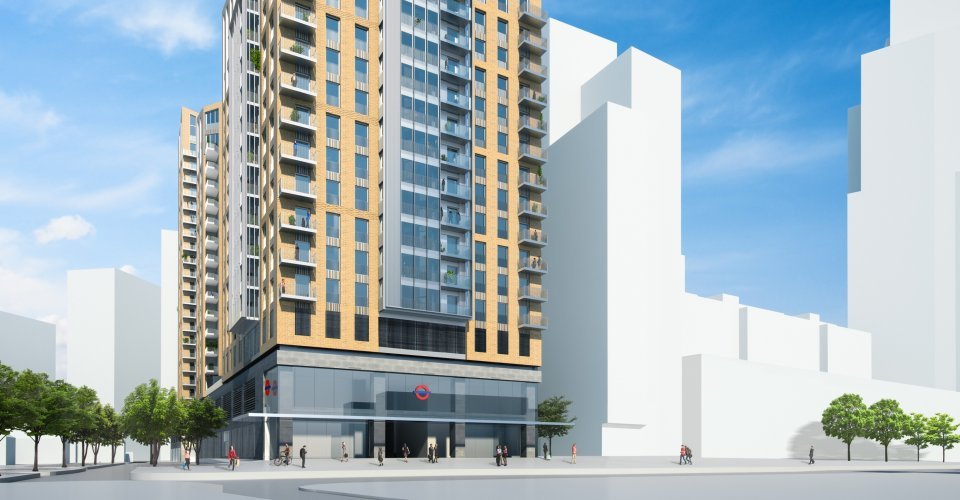
Nine Elms Station
But is it so different to Clapham South station?
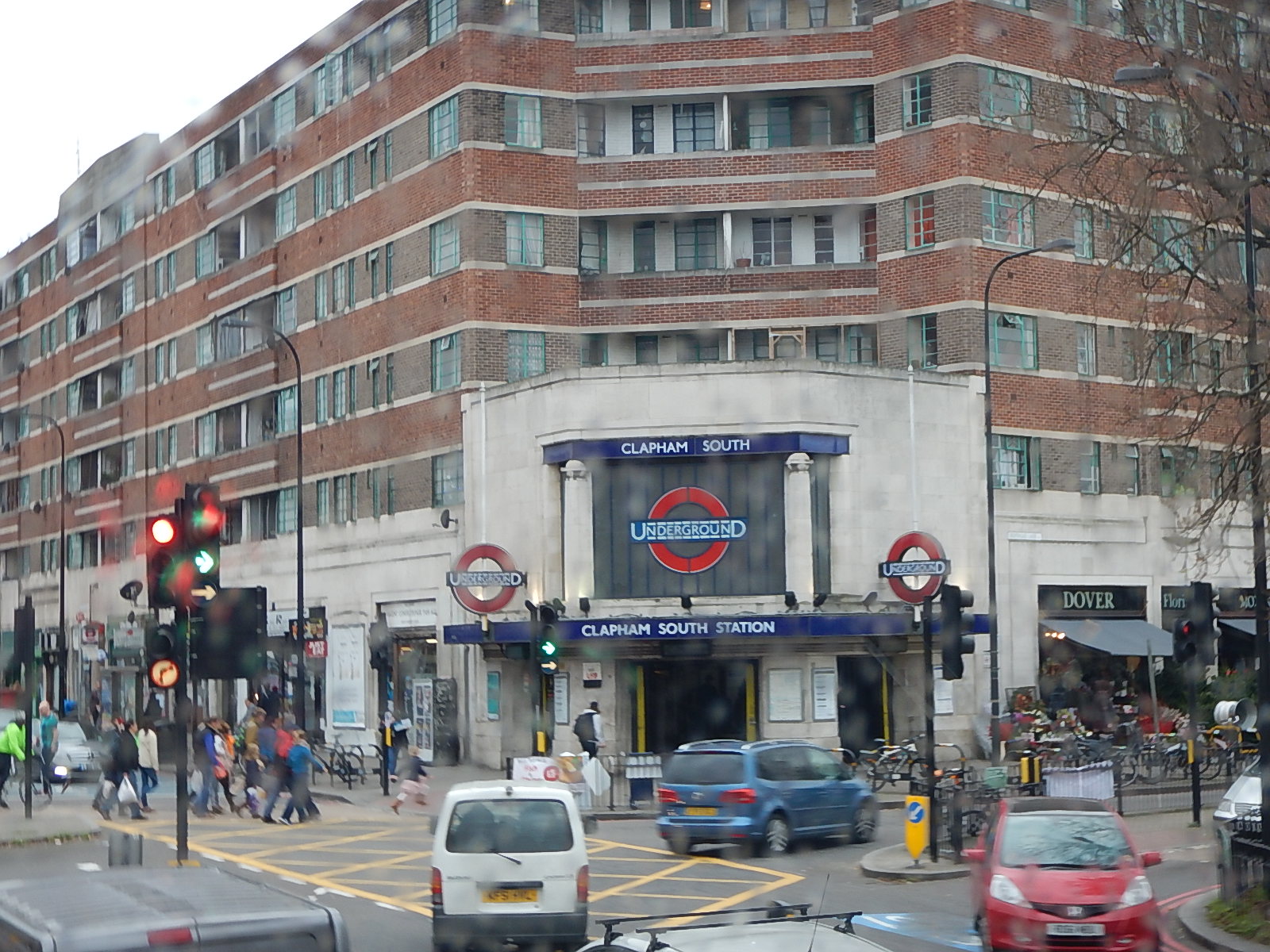
Clapham South Station
Except that the architecture is from a different era and the over-site development is higher.
We will be seeing a lot more stations like Nine Elms.
Some have already seen that type of development or developments are in progress.
- Angel
- Archway
- Baker Street
- Canary Wharf – Crossrail
- Elephant and Castle
- St. James’s Park
- Wembley Central
There should be more.
I think we’ll see different types of station design. Some with developments and others without.
The Station With Appropriate Towers On Top
These will be interpretations of the Nine Elms or Clapham South principles.
There certainly should be more stations with housing, offices, schools, universities or hospitals on the top.
A property developer told me, that he was developing schemes for housing on or close to stations in London, with little or no car parking. They are popular, sell like hot cakes and are very profitable.
The Station Under A Landscaped Area With Clusters Of Towers Around
This design is emerging and I suspect that the definitive prototype could be built at Old Street station. This is a visualisation from Transport for London.
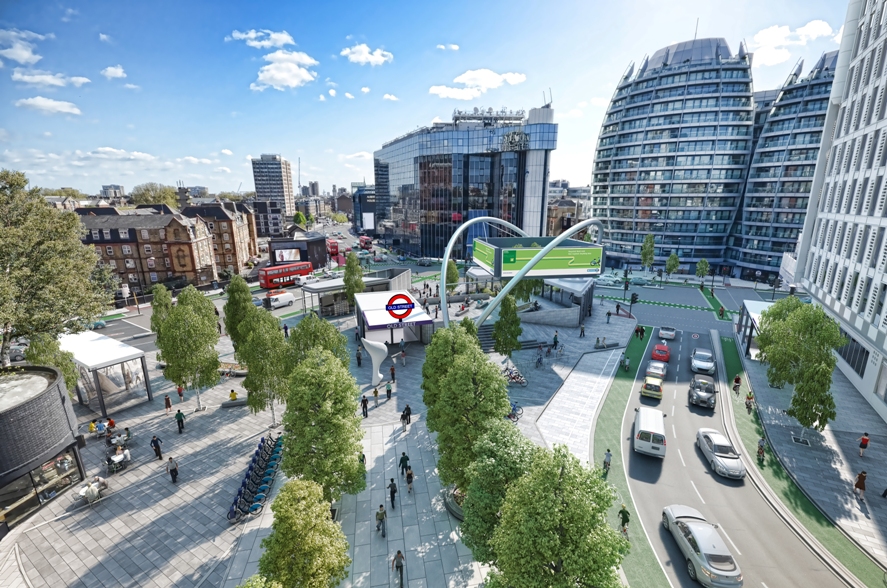
The Future Old Street Station
I suspect we’ll see similar approaches at Elephant and Castle, Highbury and Islington and other stations on a roundabout, square or park.
I like this approach for various reasons.
- The design improves the passenger experience.
- It is very cycling- and walking-friendly.
- TfL seem to have taxi-ranks in their thinking.
- It gives the opportunity to make the train-bus interface an easy one.
- Cafes and kiosks are easily incorporated.
- As development around the station is spread around, it is probably easier to bring together and finance, than a tower-on-top solution.
- It doesn’t require much modification or demolition of existing buildings.
But there are disadvantages.
- Badly done, it can be a nightmare on a wet or windy day.
- The approach can also have negative effects on other road users.
Although there doesn’t seem to be too many complaints about the half-finished scheme at the Elephant, which will enable the new station, in the media.
My taxi-driver was complaining about Highbury Corner last night, but then that scheme hasn’t even started and the extensive works to replace the bridge and sewers are ongoing.
The Roofed Station
We have a tradition in this country of giving rail stations spectacular roofs.
Surely the latest and one of the best is the new roof over Manchester Victoria station, which I wrote about in Victoria Gets A Posh Umbrella. Here’s one of my pictures.

If you think it was all amazing expensive read this article from the Manchester Evening News entitled Stunning pictures show latest progress of £44m Victoria Station refurbishment.
Good design is often much more affordable than crap design.
Imagine electric trains, trams and possibly electric buses and taxis under an umbrella, with developments all around. Someone will and it will be the most spectacular and passenger-friendly station in the world.
The Innovative Solution
I don’t discount totally innovative solutions like the new Blackfriars station, although that station is more of a spectacular architectural set-piece, than a practical station.
- I’ve had complaints from staff, saying it is a cold and draughty place to work at times.
- Changing between Southbound Thameslink services and the bay platforms is not easy.
- There should be a walking route across the Thames incorporated in the station.
- I’ve never seen a train in the bay platforms.
But to be fair, I think that the Blackfriars station, we see now, is not the one that was envisaged by Thameslink. Original plans called for all Sutton Loop services to terminate at Blackfriars. But this was overturned, by those knowledgeable enthusiasts for good design, the elected members of the House of Commons.
Conclusion
Innovate and go forward, rather than cast the past in stone.
Bolton Station
Bolton station was a surprise, as it is overflowing with lots of Victorian architectural details. Even if trains are a bit sparse.
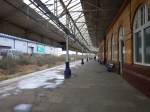
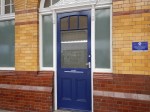


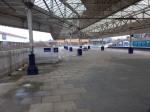
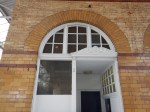
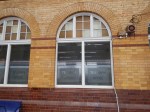

It is being linked to a new bus station and the whole will be called Bolton Interchange.
This Google Map shows the area around the station and Bolton Interchange.

Bolton Interchange
Note how north of the station, the rail lines split with the Manchester to Preston Line going to the North West and the Ribble Valley Line going to the North.
The bus part of the interchange, is being built between the two rail lines. This is the architect’s visualisation.
Looking at the visualisation, I have a feeling that what is being created and linked to the existing station could be something of which Bolton could be proud.
All it will need is increased train services from Manchester to Blackburn, Blackpool, Clitheroe, Darwen, Preston and Wigan Wallgate.
Some or all will be electric and the others will be run by better or even new diesel trains.
I will be interested to see if Bolton’s profile in the economic scheme of things rises in the next few years.
We Think We Have Problems With Rail Viaducts
Some of the most impressive structures on the UK’s railways are the Victorian brick viaducts.
- Digswell Viaduct on the East Coast Main Line at Welwyn.
- Dollis Brook Viaduct is the highest point on the London Underground.
- Dutton Viaduct on the West Coast Main Line.
- Imberhome Viaduct is on the Bluebell Railway.
- Kingsland Viaduct is my local viaduct on the East London Line.
- London Bridge – Greenwich Railway Viaduct in South East London is one of the oldest.
- London Road Viaduct on the East Coastway Line in Brighton
- Ribblehead Viaduct on the Settle to Carlisle Line is regularly featured in newspapers, often with steam trains on the top.
- Royal Border Bridge on the East Coast Main Line at Berwick-on-Tweed is Grade 1 Listed.
- Sankey Viaduct was built in the 1820s, is Grade 1 Listed and is considered the earliest major railway viaduct in the world.
- Stockport Viaduct is the largest brick structure in the UK.
- Welland Viaduct is on the Oakham to Kettering Line.
All of this small selection are still in use on the railways and are Grade II Listed or better.
Many have been renovated at great expense in the last few years and I was prompted to write this post after reading this article on the Network Rail web site, which is entitled Bridges improvement plan for Cheshire will revitalise landmarks. This is said.
Network Rail will refurbish four bridges and two viaducts during an 11-day closure of the Crewe to Manchester and Sandbach to Northwich railway lines, from 13 to 24 February 2016.
The vital work will make the railway safer and more reliable for passengers, motorists, pedestrians and canal users across the county.
Two of Cheshire’s most well-known architectural landmarks, the Grade-II listed viaducts at Holmes Chapel and Peover, will have a full makeover as part of the programme. Water stains on the walls of both viaducts will be removed, damaged brickwork repaired and both structures waterproofed.
At the same time, Network Rail engineers will undertake strengthening work to the Hungerford Road bridge in Crewe, Shipbrook Road bridge in Rudheath, and to the Whatcroft underbridge and the Trent and Mersey Canal bridge in Davenham.
In some ways all this work is a tribute to those Victorian engineers and bricklayers, who designed and built them in the first place.
But it’s an awful lot of work to do!
So I asked myself, if these structures are a uniquely British heritage.
Google and Wikipedia revealed this article about the Göltzsch Viaduct on the Liepzig-Hof Line in Germany. This is said.
It is the largest brick-built bridge in the world, and for a time it was the tallest railway bridge in the world.
As you can get a direct train from Liepzip to Hof, I think, it is still one very much in use.
I think next tme, that I’m in the area, I shall visit.
There’s A New Green Hill In East London
I took this sequence of pictures from a c2c train as it crossed Mile End Park on its way between Fenchurch Street and West Ham stations.
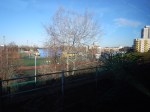

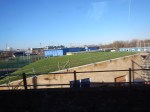
The hill covers the ventilation and access shaft in the Park for Crossrail.
This architect’s impression shows how the completed shaft will look.

Mile End Park Vent Shaft
Note the railway, from where I took the pictures in the background.
It’s certainly a less intrusive design, than the monstrosities used for the Channel Tunnel Rail Link, with architecture from the Napoleonic Wars.
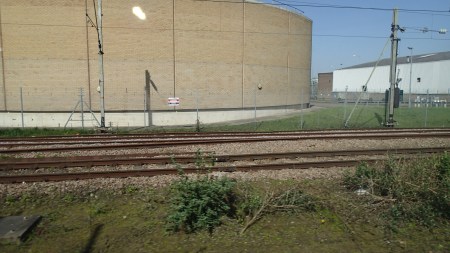
A Typical Channel Tunnel Vent Shaft
There are five of these across East London. Crossrail makes do with less than that!
I certainly feel that all those people worried about a Crossrail 2 ventilation shaft in their area, should go and have a look in Mile End Park.
Leeds Station And The New Entrance
On my trip up to Burnley, I went up via Leeds station and because of the weather, I came back the same way.
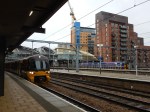
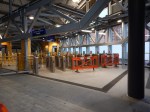
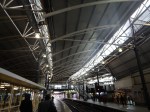
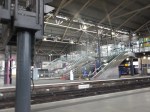
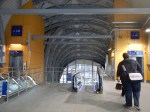
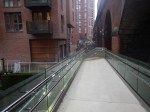

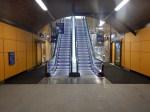
On the way up the new southern entrance to the station wasn’t open, but it opened on Sunday morning.
Apart from a few snags, it seemed to be a great addition to the station.
This Google Map shows the new entrance under construction in the South-west corner of the station.
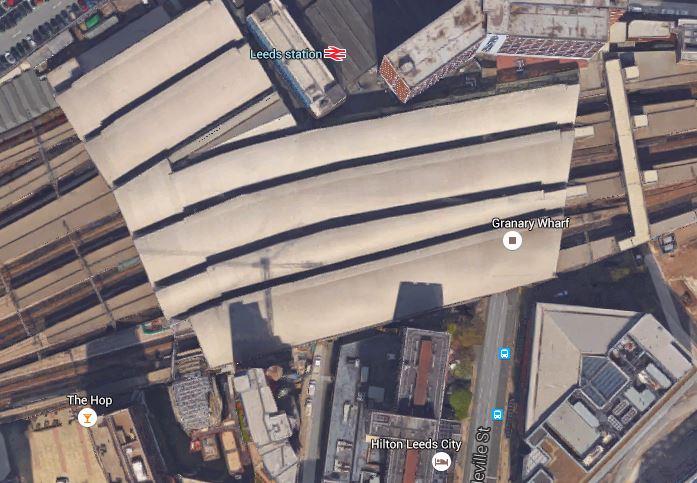
New Southern Entrance To Leeds Station
This image also shows the solid nature of the 2002 station roof, which is glass and not plastic like Manchester Victoria, Birmingham New Street and Crystal Palace stations.
Roof technology has moved on and I suspect costs have moved down.
One problem they may have is the shops like Boots, WH Smith and M & S are outside the barriers in the old (north) entrance.
So passengers needing these shops after entering the station on the south side, will have to go through the barriers to do it.
This problem will probably be solved with a new south concourse.
With other expansion, including new platforms and splitting Platform 1 into three separate platforms and the arrival of HS2, Leeds station is certainly having a lot of men (and women!) in!
 The Anonymous Widower