Train Across the Mersey
Everybody knows about the Mersey Ferries, in part due to Gerry Marsden‘s song of the same name. The train though crosses the river at Runcorn on one of my favourite bridges, the Ethelfreda or Britannia Bridge, depending on your preference.
The bridge lies alongside the Runcorn-Widnes road bridge, which was built in the 1960s. I remember after a party once in Cheshire getting C to stop the car on the bridge as I was feeling unwell. I then proceeded to puke my guts into the river below. After that incident, she nearly didn’t marry me! I never went to another party, where ICI’s Petrochemicals and Polymer Laboratory, were responsible for the punch.
There is an interesting footnote to the design of the bridge and that is why it is not a suspension bridge. It is hinted at in the Wikipedia entry for the bridge.
The next idea was for a suspension bridge with a span of 1,030 feet (314 m) between the main towers with a 24 feet (7 m) single carriageway and a 6 feet (2 m) footpath. However aerodynamic tests on models of the bridge showed that, while the bridge itself would be stable, the presence of the adjacent railway bridge would cause severe oscillation.
But the true story is all about how good engineers know their subjects.
The designers of the bridge made a presentation before the design was finalised to the ICI Merseyside Scientific Society. One of those attending was Mond Division’s vibration expert, who supposedly had a fearsome knowledge of the subject, even if he was slightly eccentric. After the presentation, he rose to his feet and said that he’d done some quick calculations and because of the proximity of the two bridges, the proposed suspension bridge would shake itself to pieces at a particular windspeed.
The bridge designer was not amused.
But ICI’s vibration expert was proved to be right in wind tunnel tests and we now have the steel arch bridge. Here are some notes on the design from Wikipedia.
The design of the bridge is similar to that of Sydney Harbour Bridge but differs from it in that the side spans are continuous with the main span rather than being separate from them. This design feature was necessary to avoid the problem of oscillation due to the railway bridge.
So good design avoided creating another Galloping Girtie.
I took a video as the train crossed and you can see the road bridge and some of the details of the railway bridge, with the large Fiddlers Ferry power station in the distance.
The Bridges of Newcastle
If Newcastle has one unique feature that distinguishes it from all other cities in the UK, it is the bridges across the Tyne.

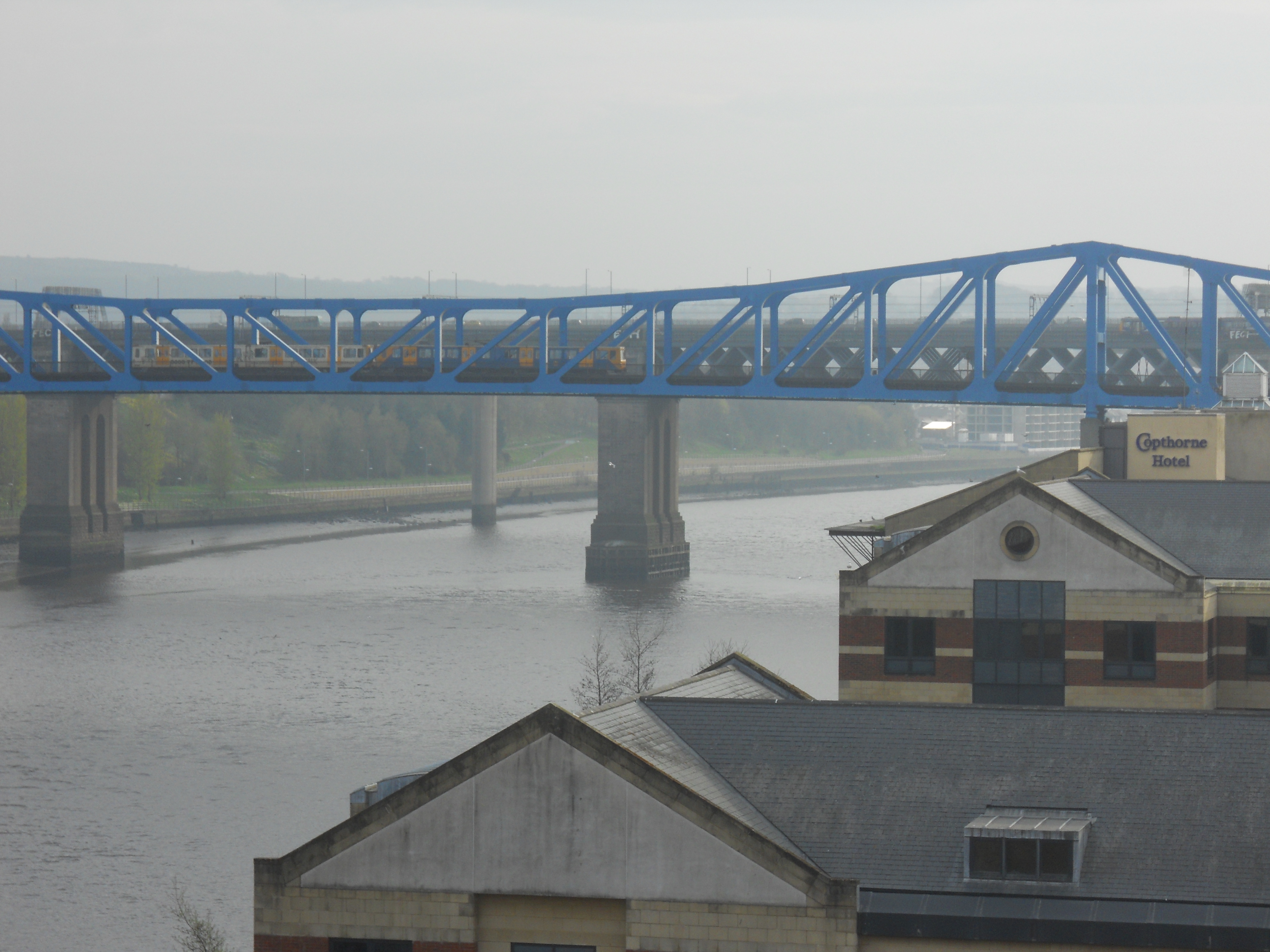

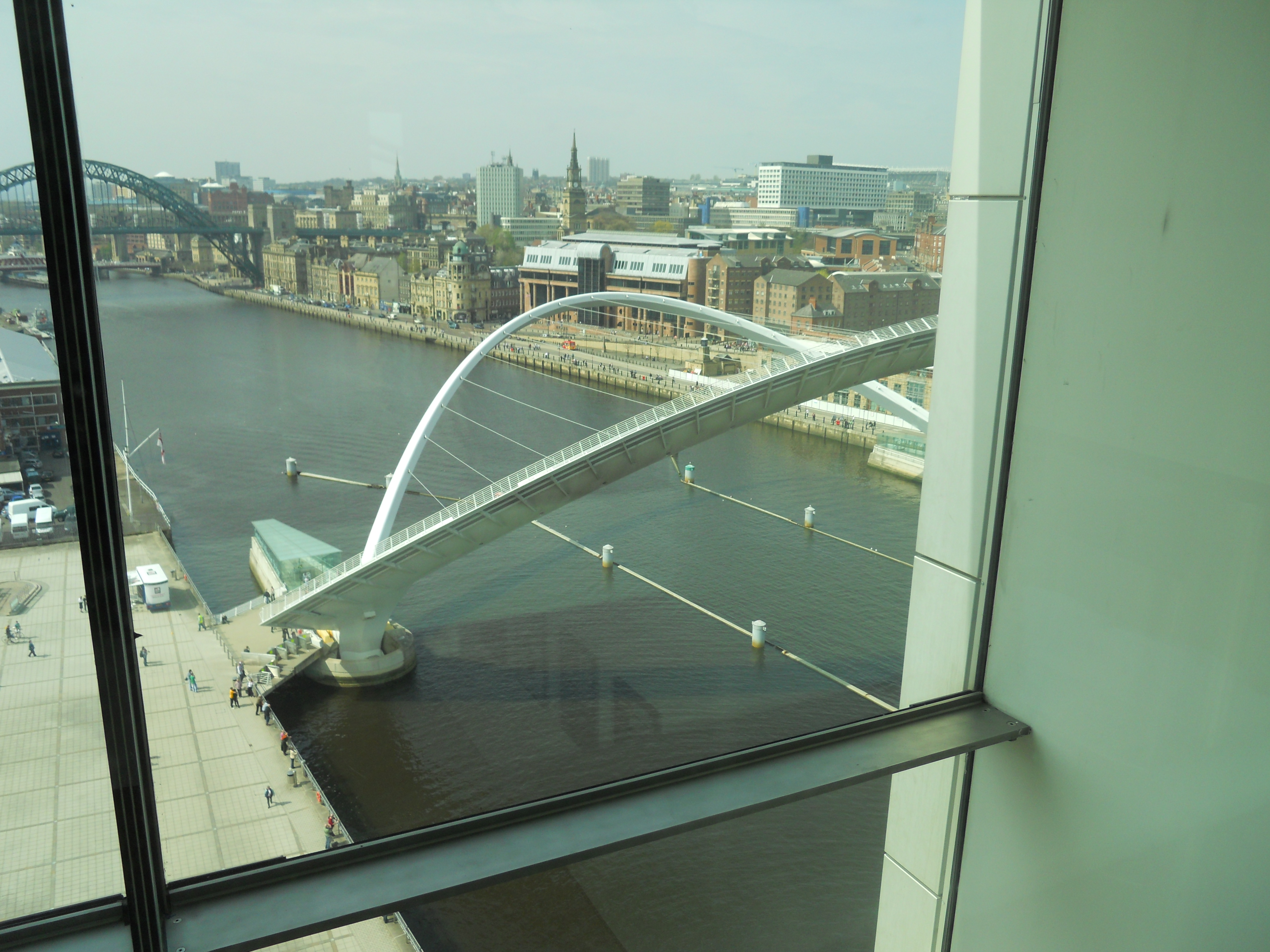


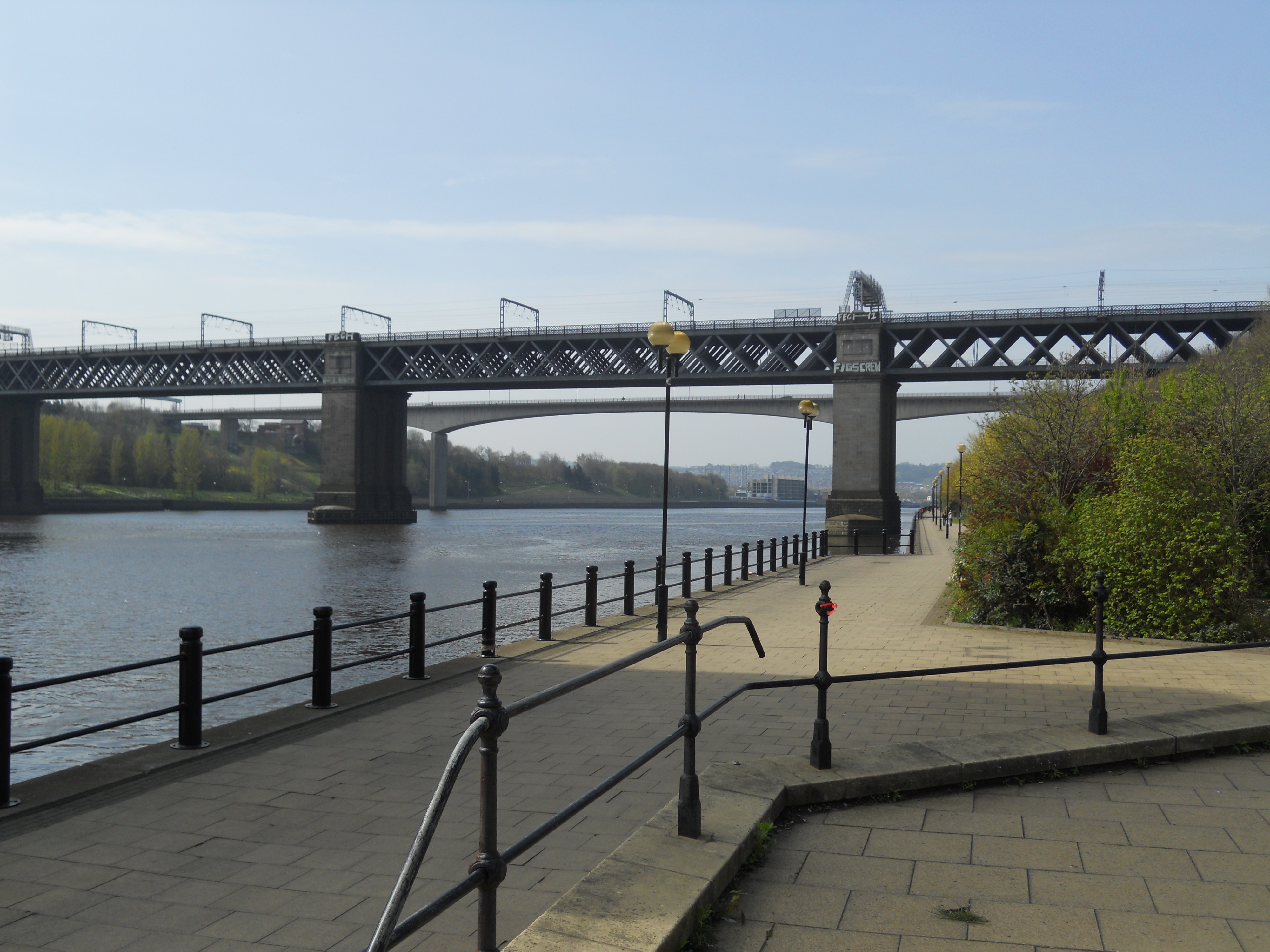
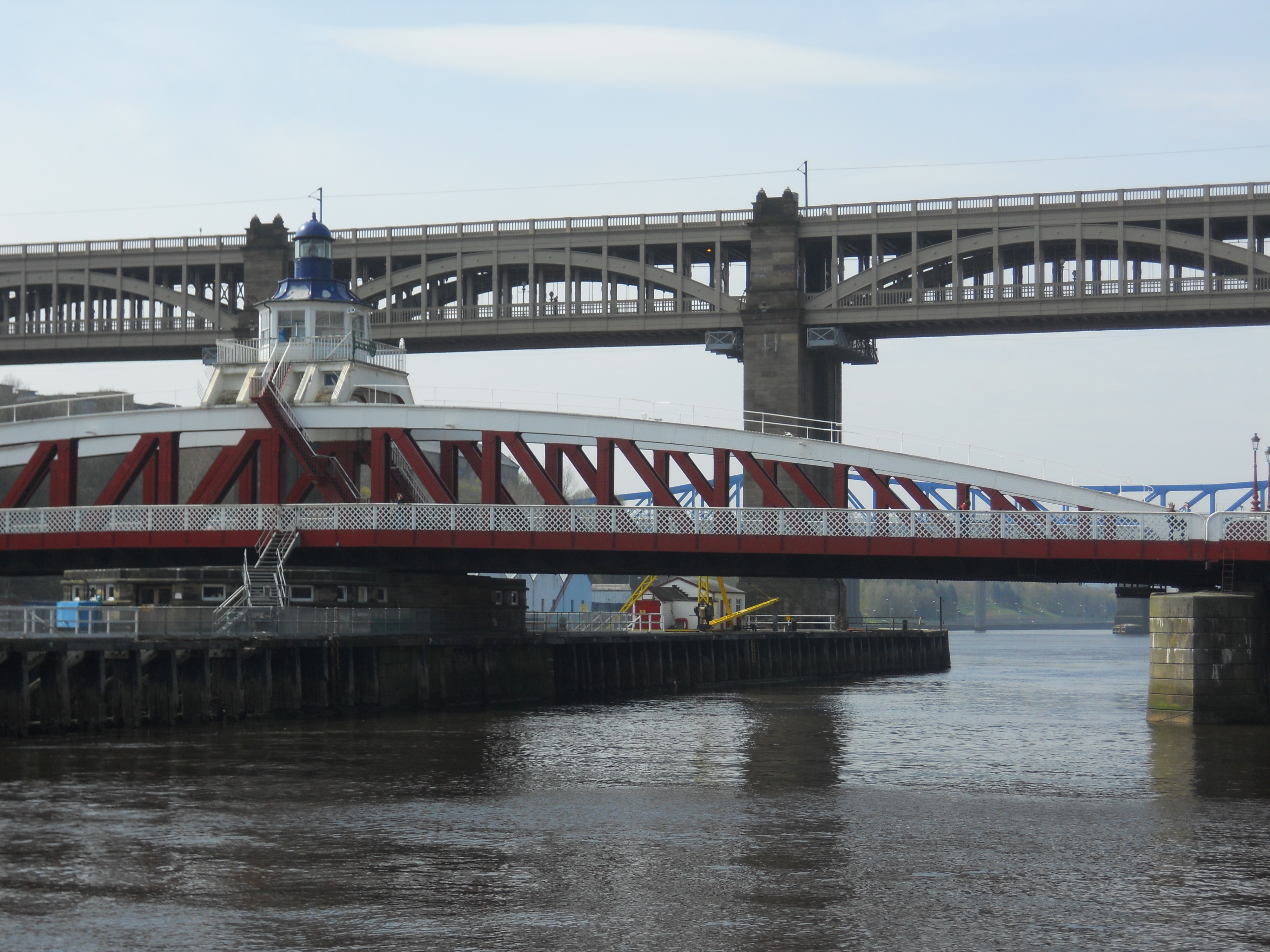
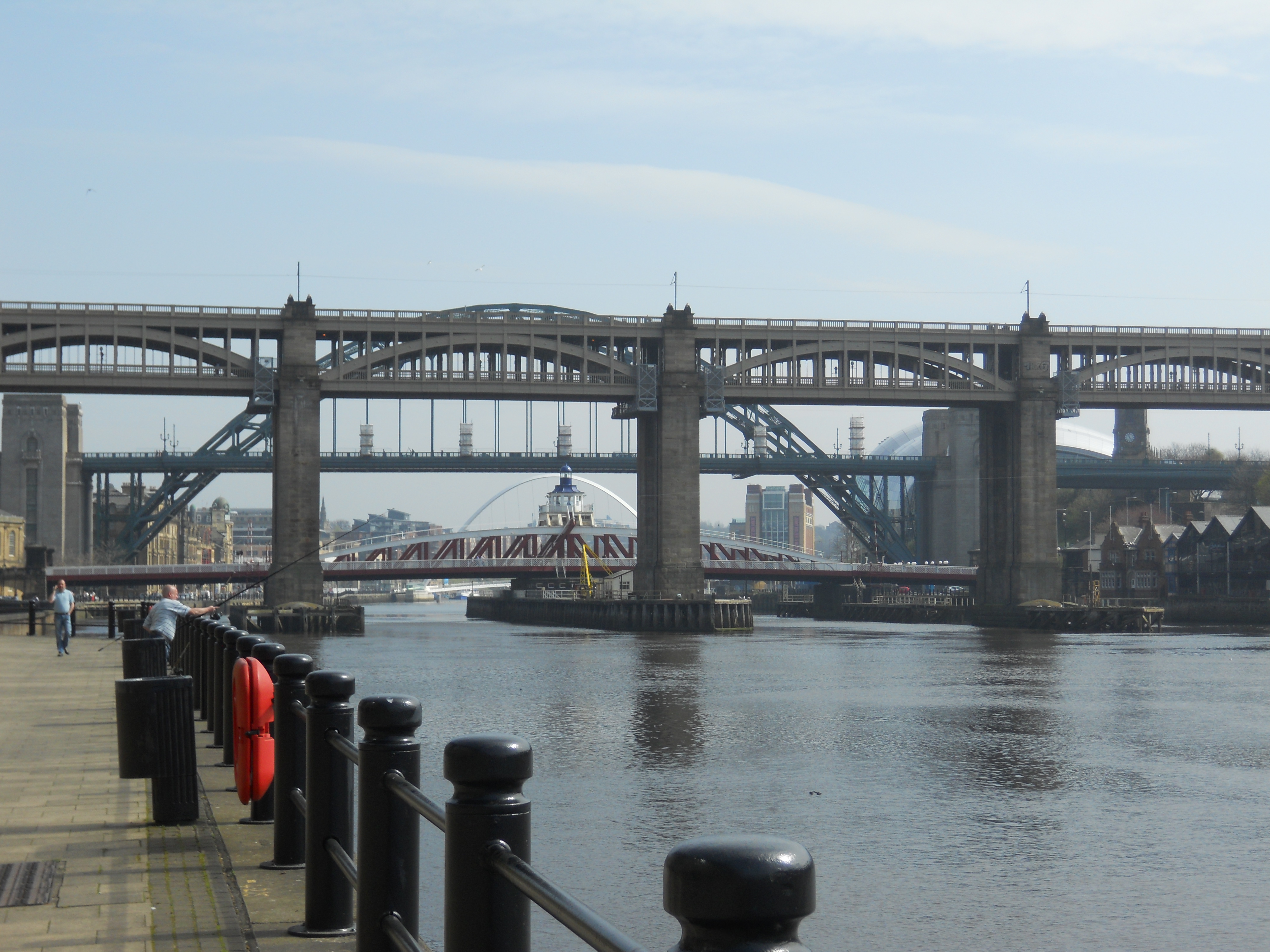
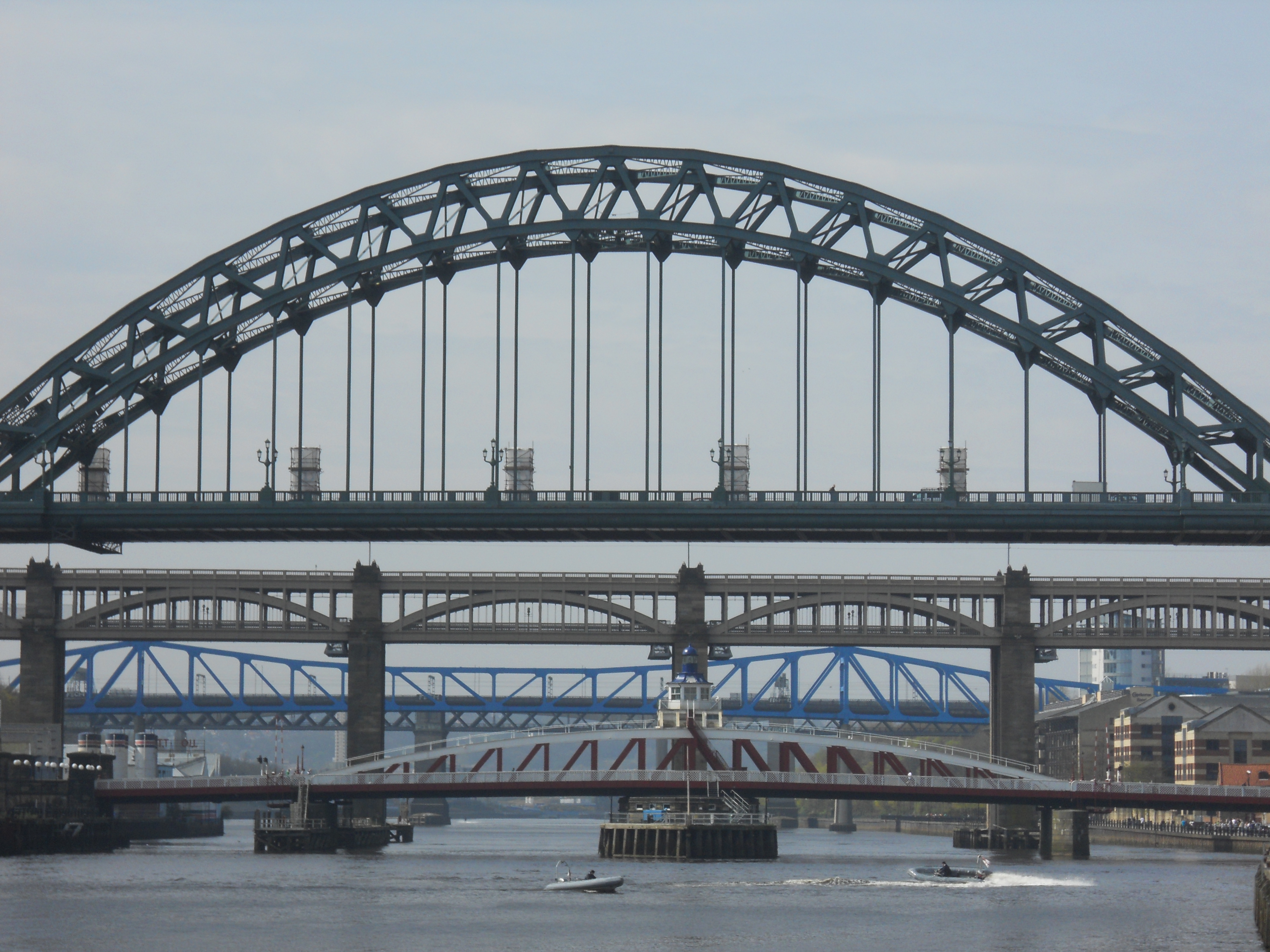
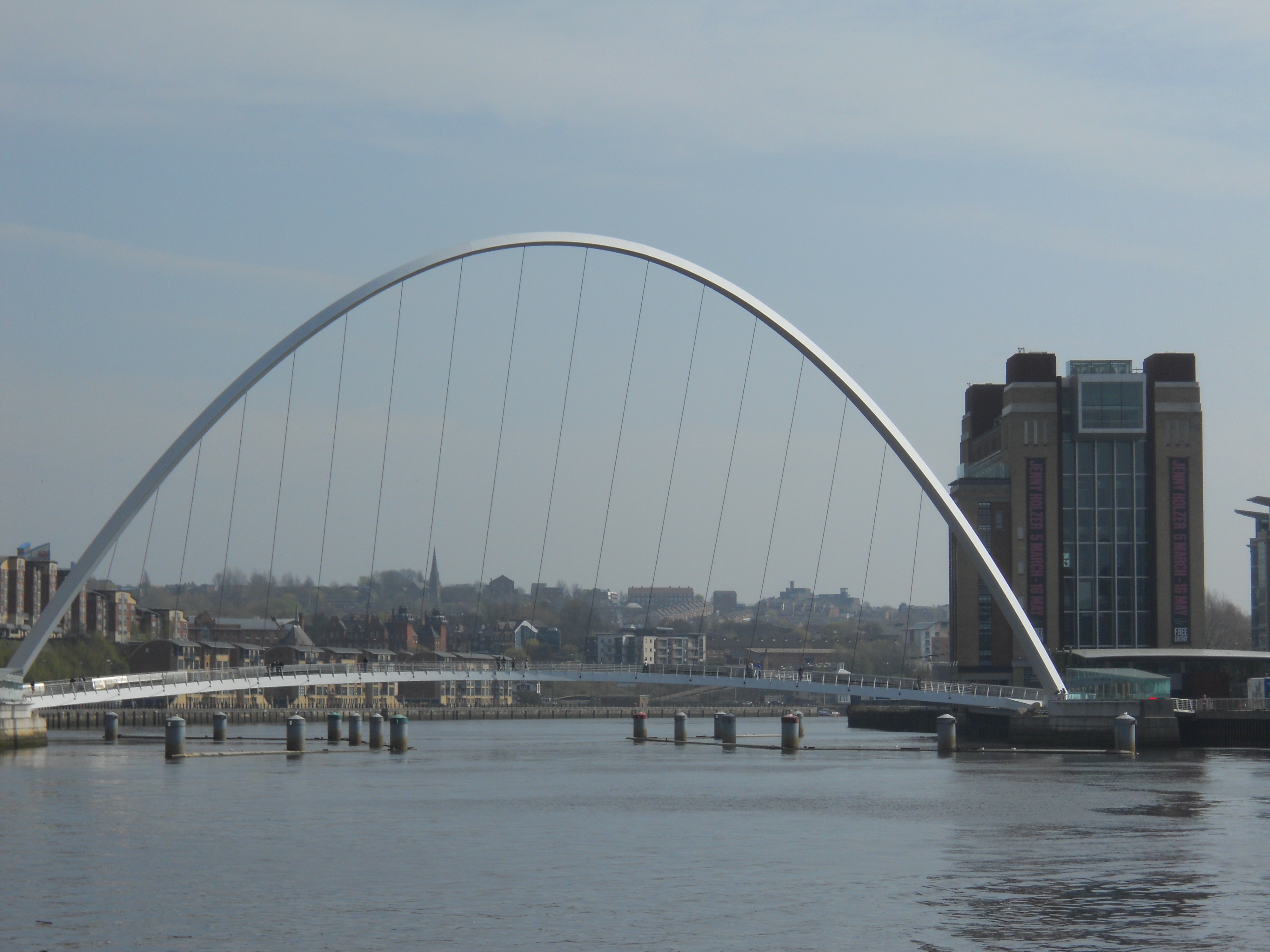
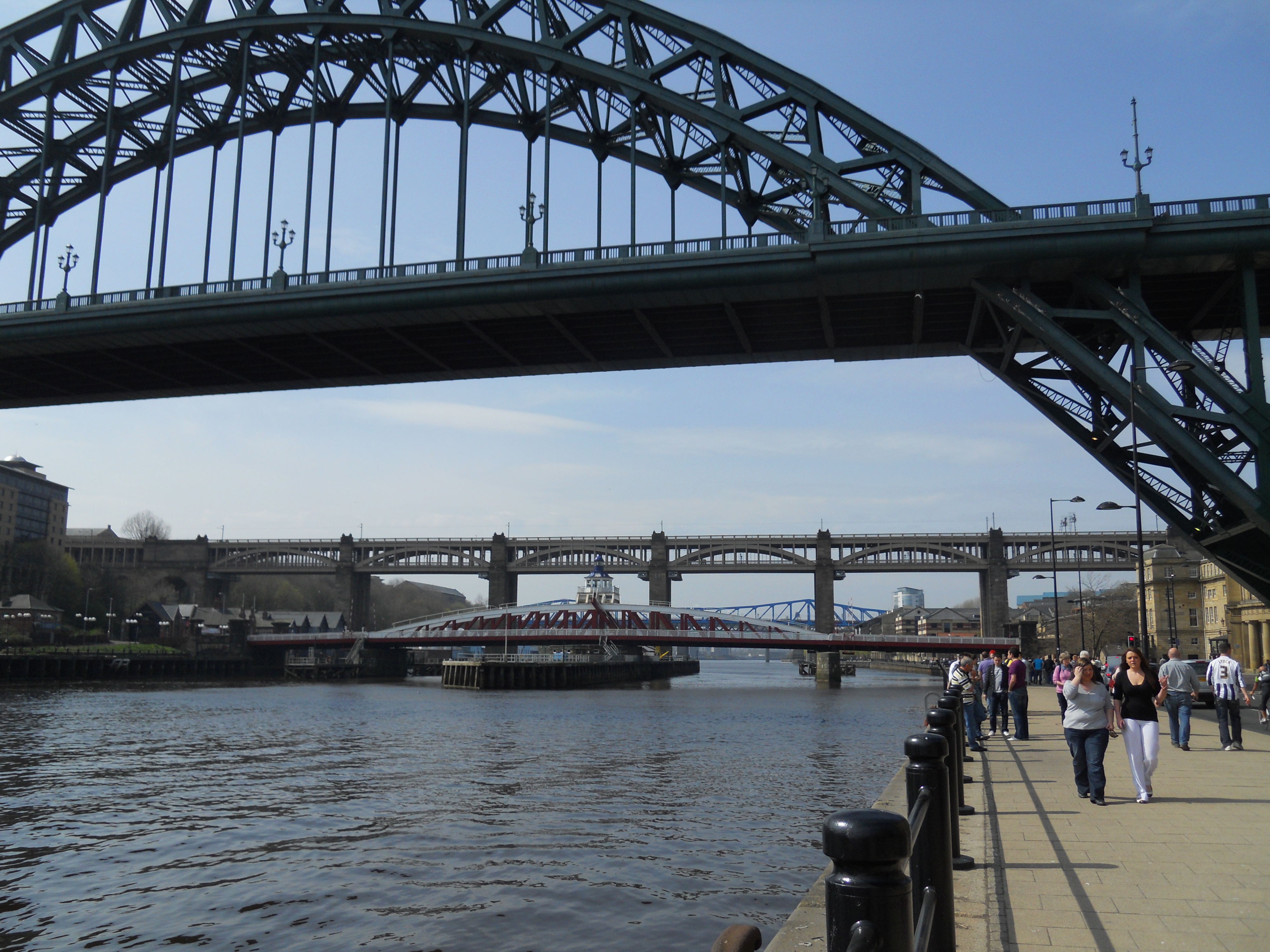

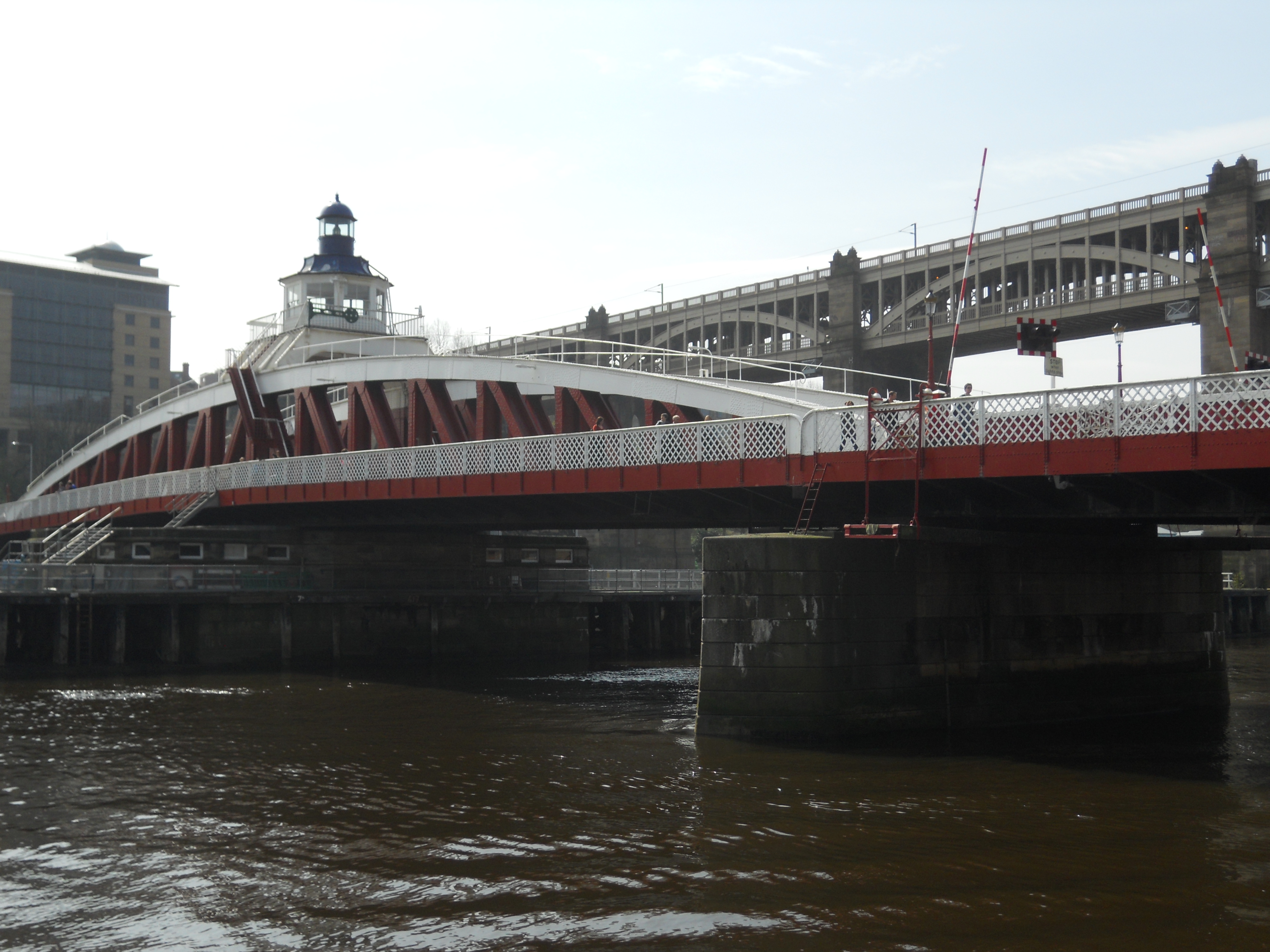
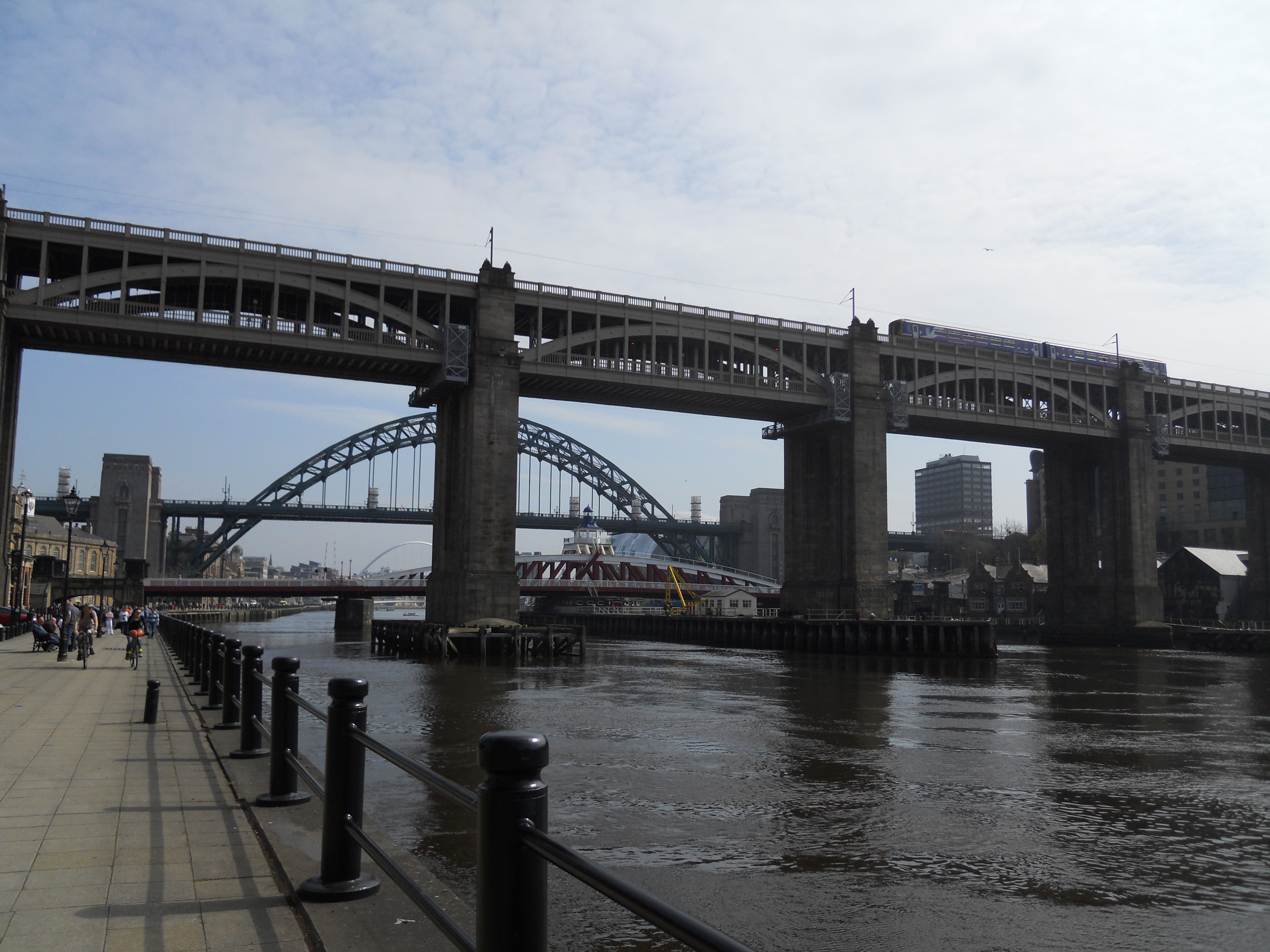
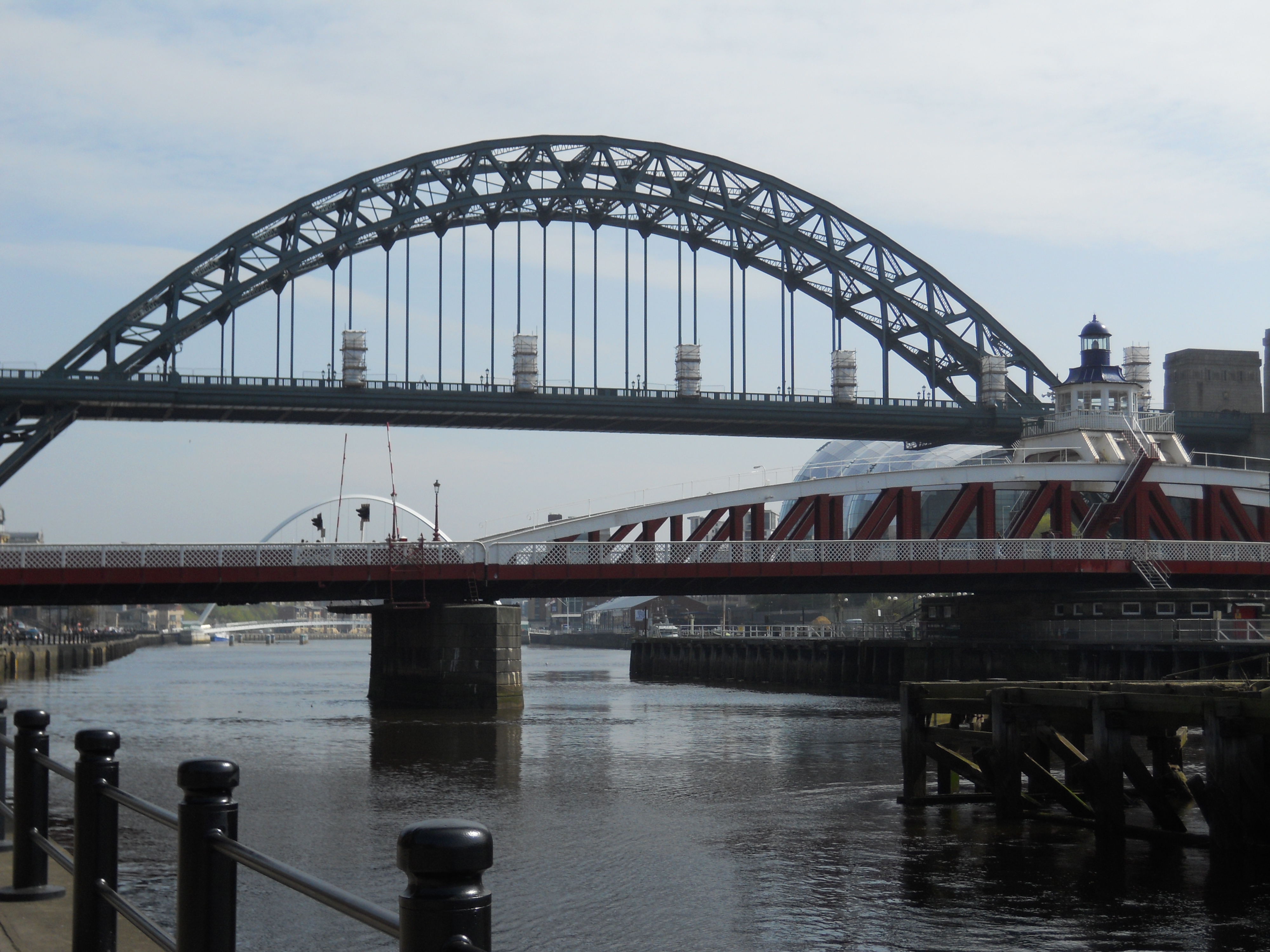
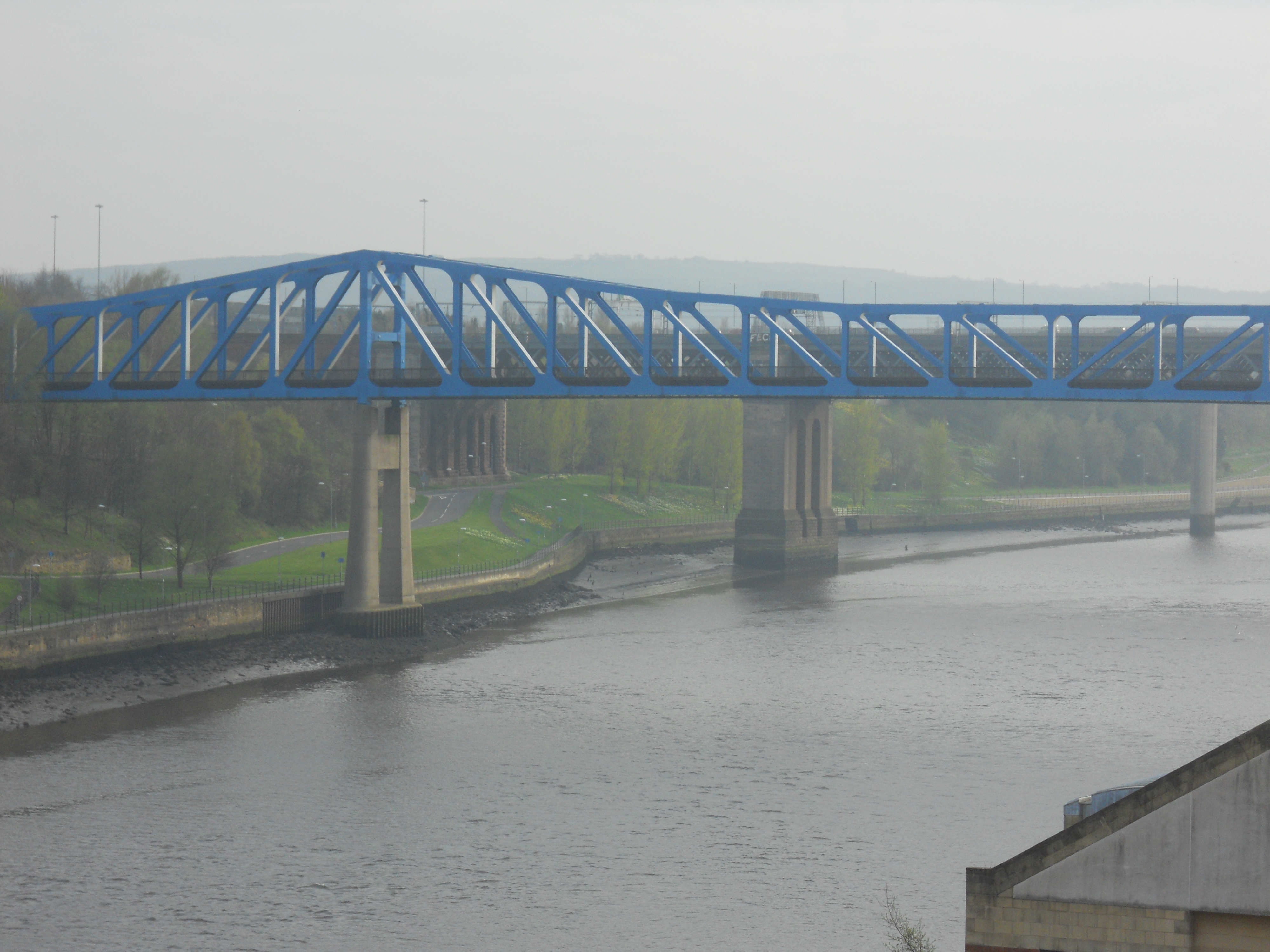
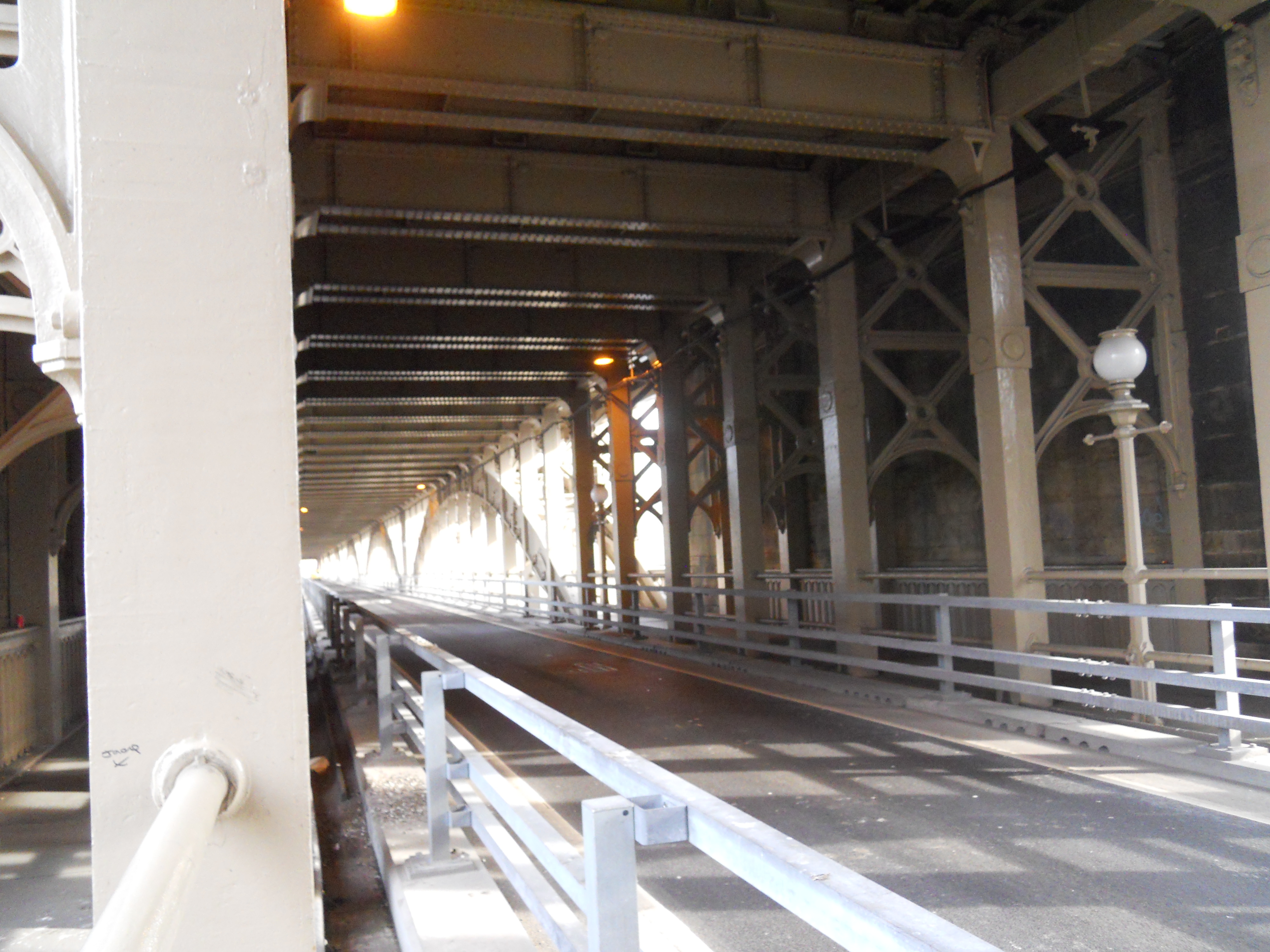

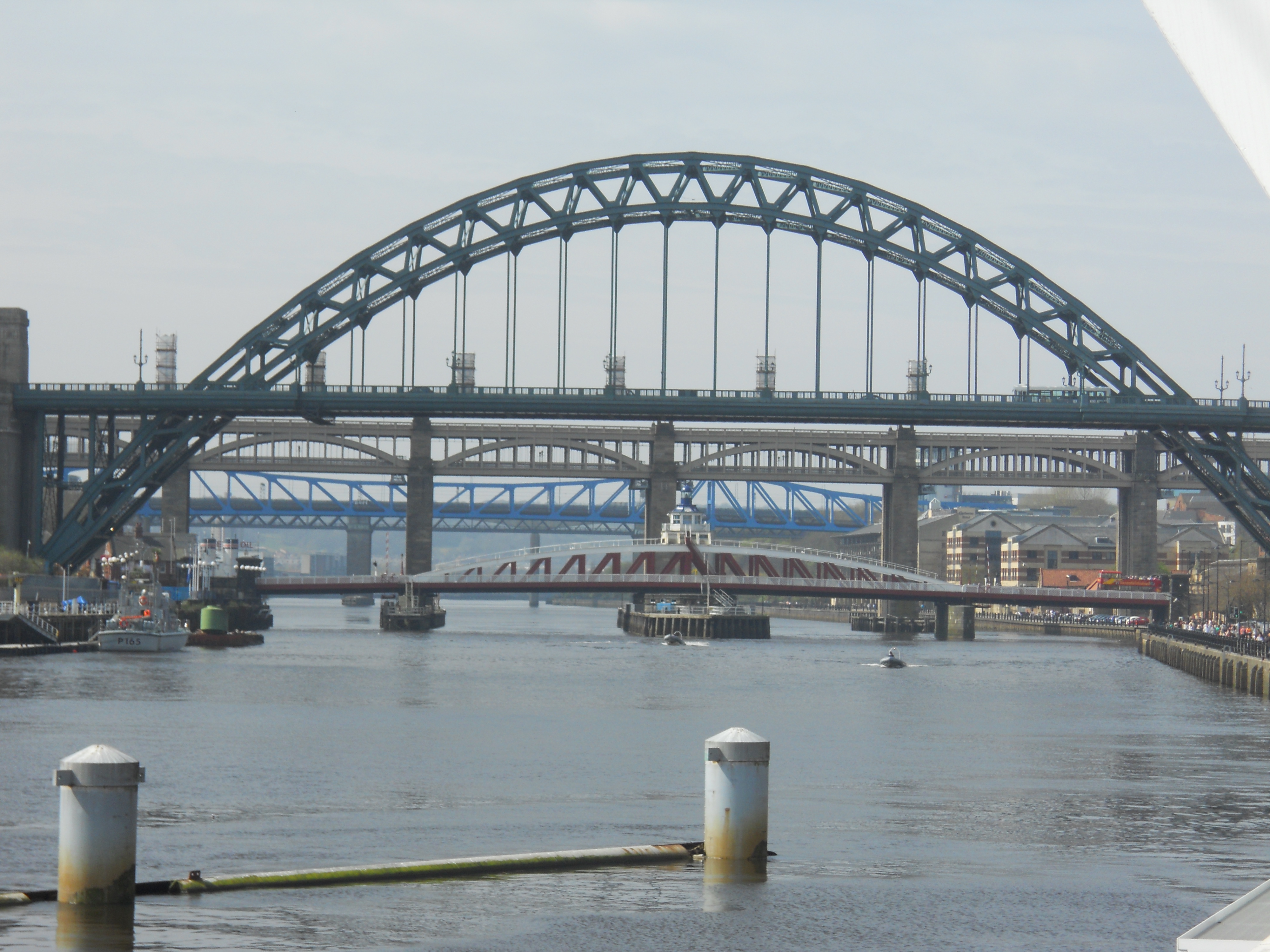
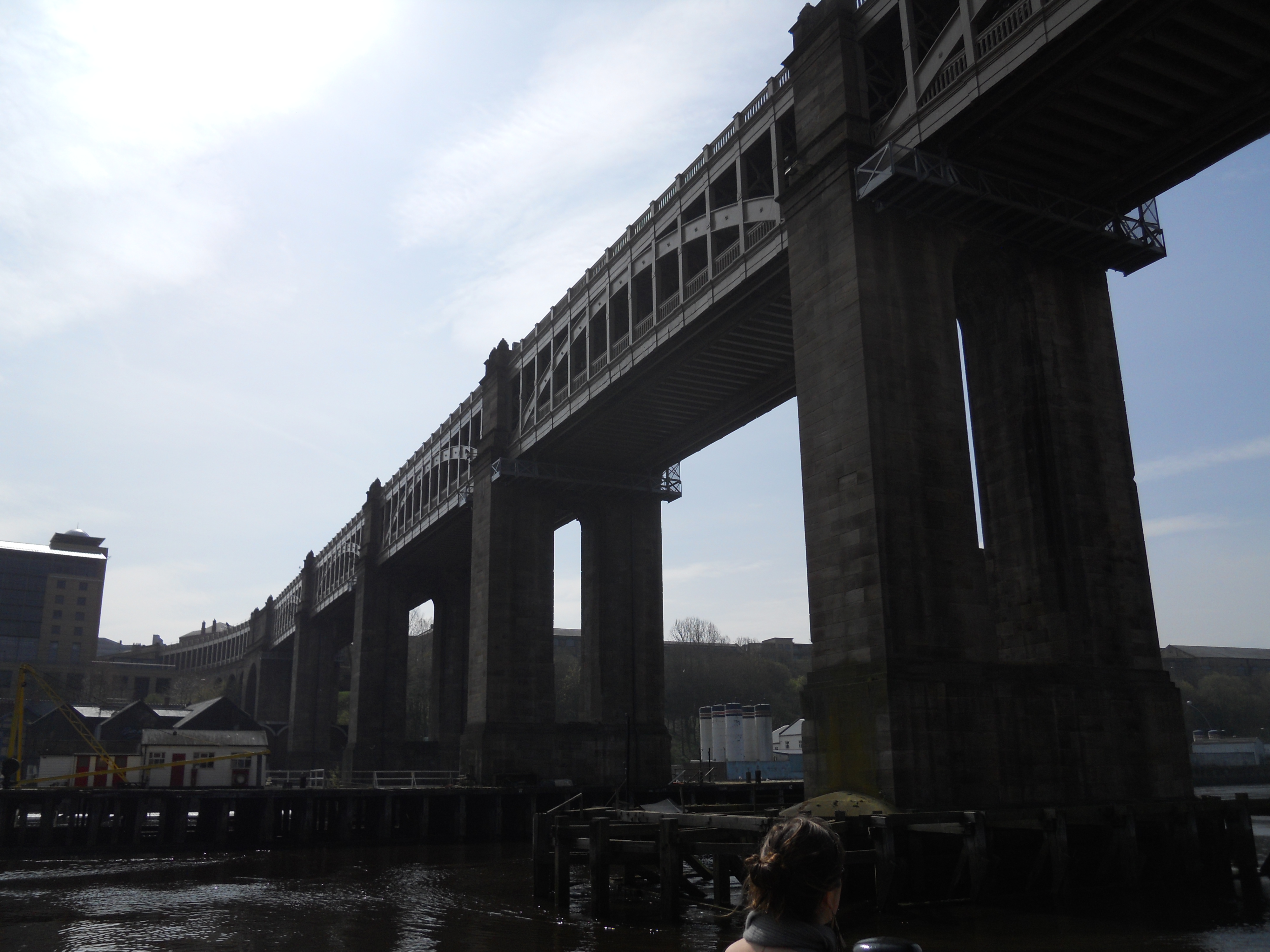
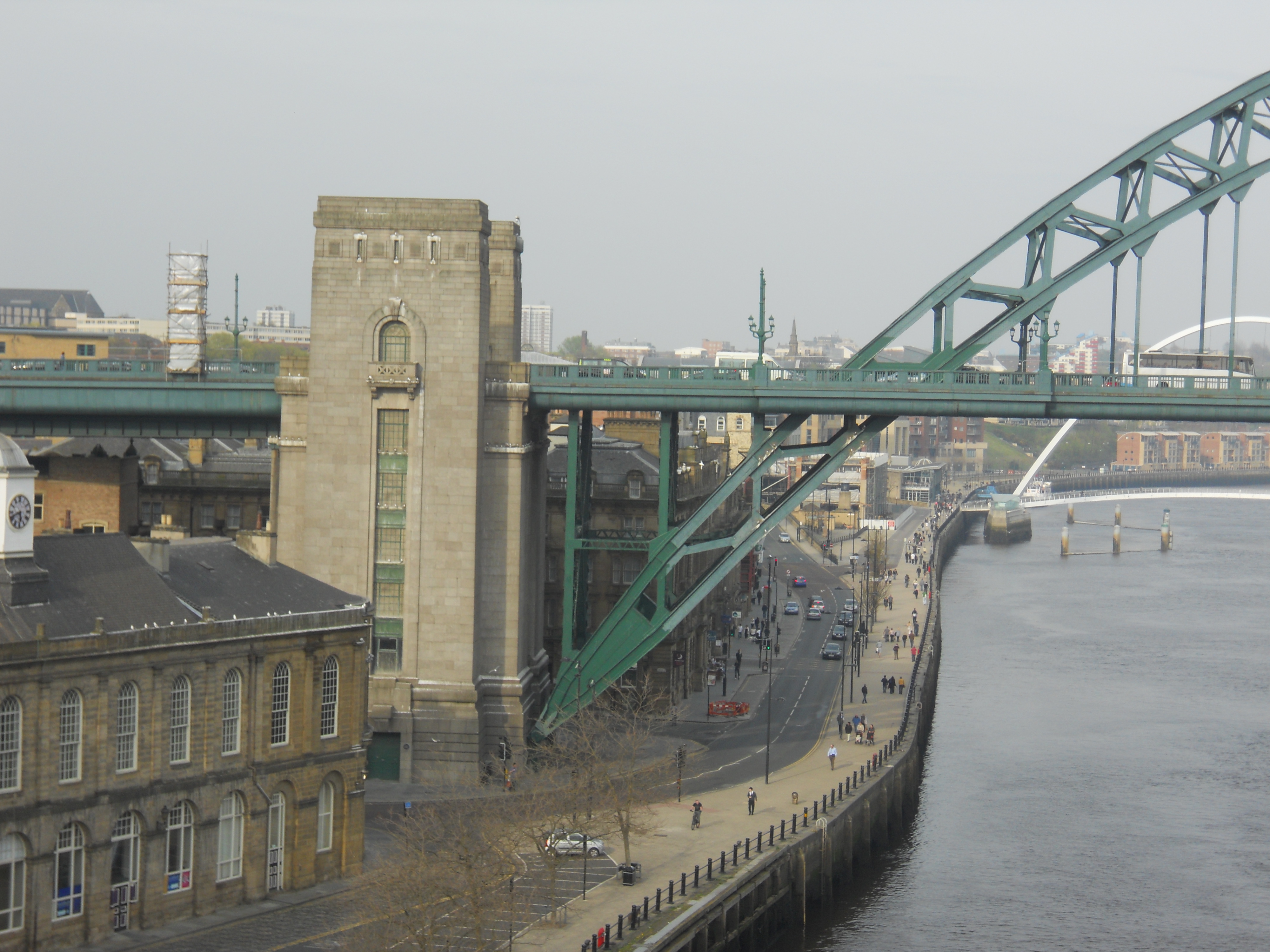

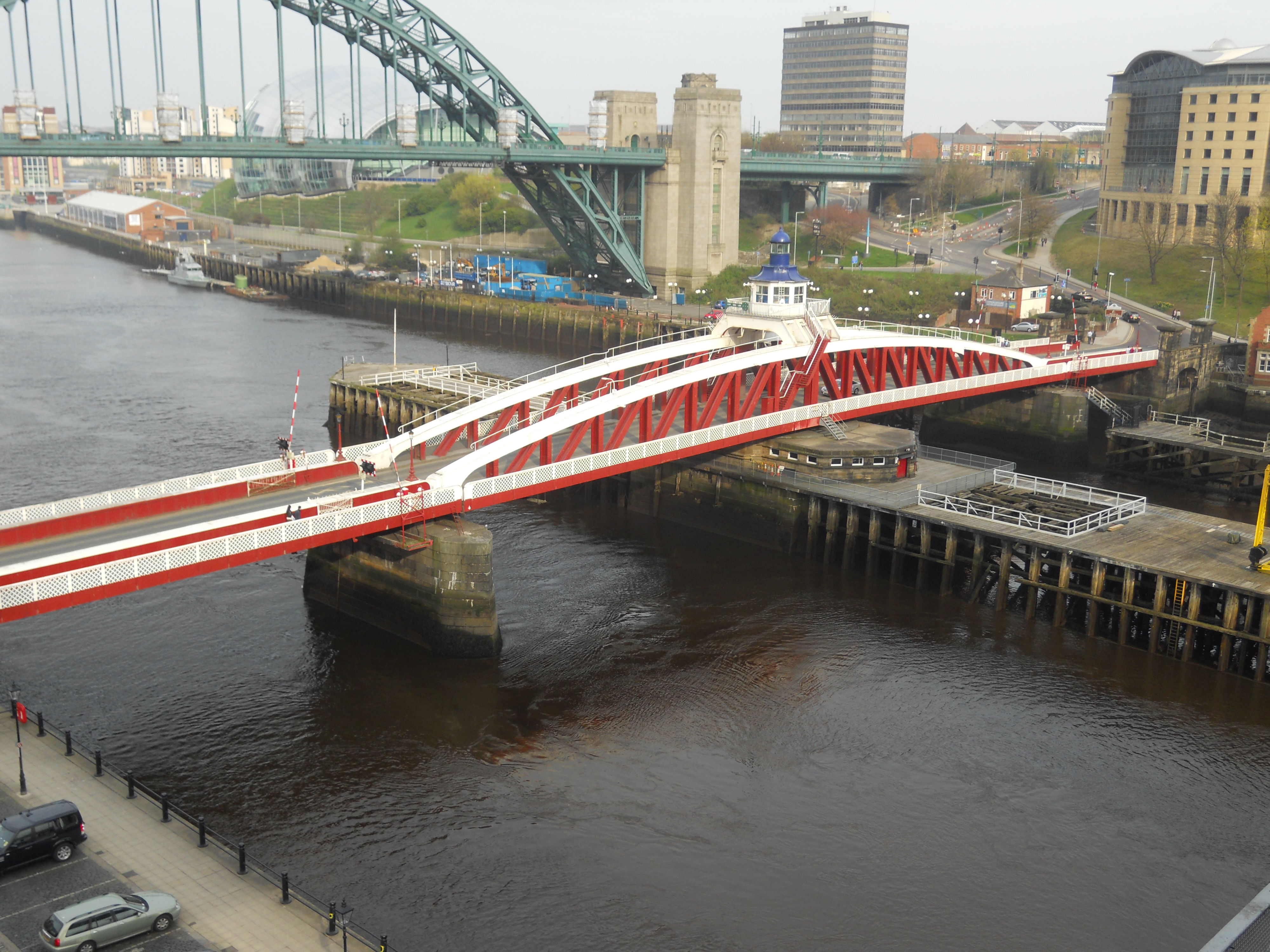
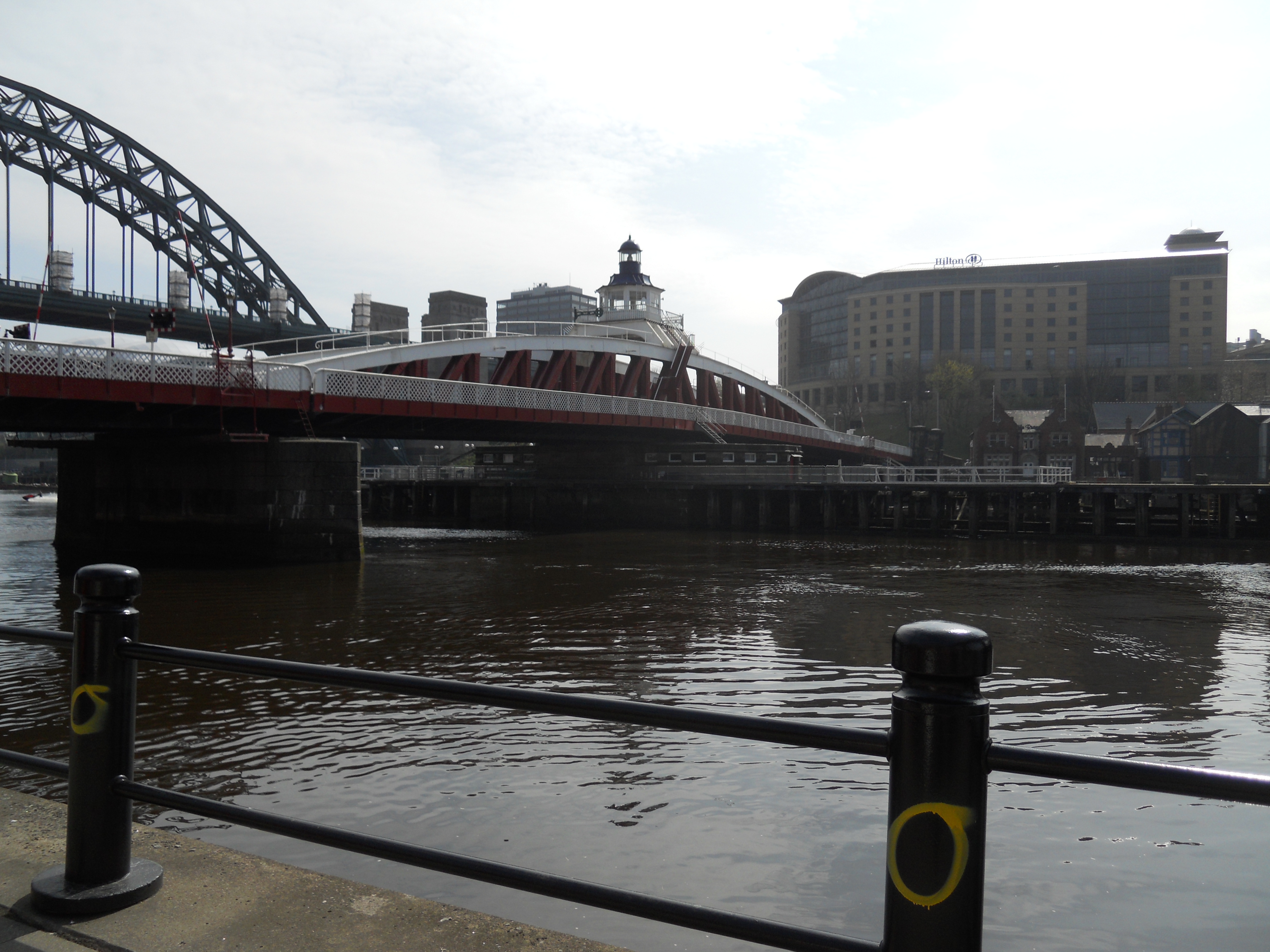
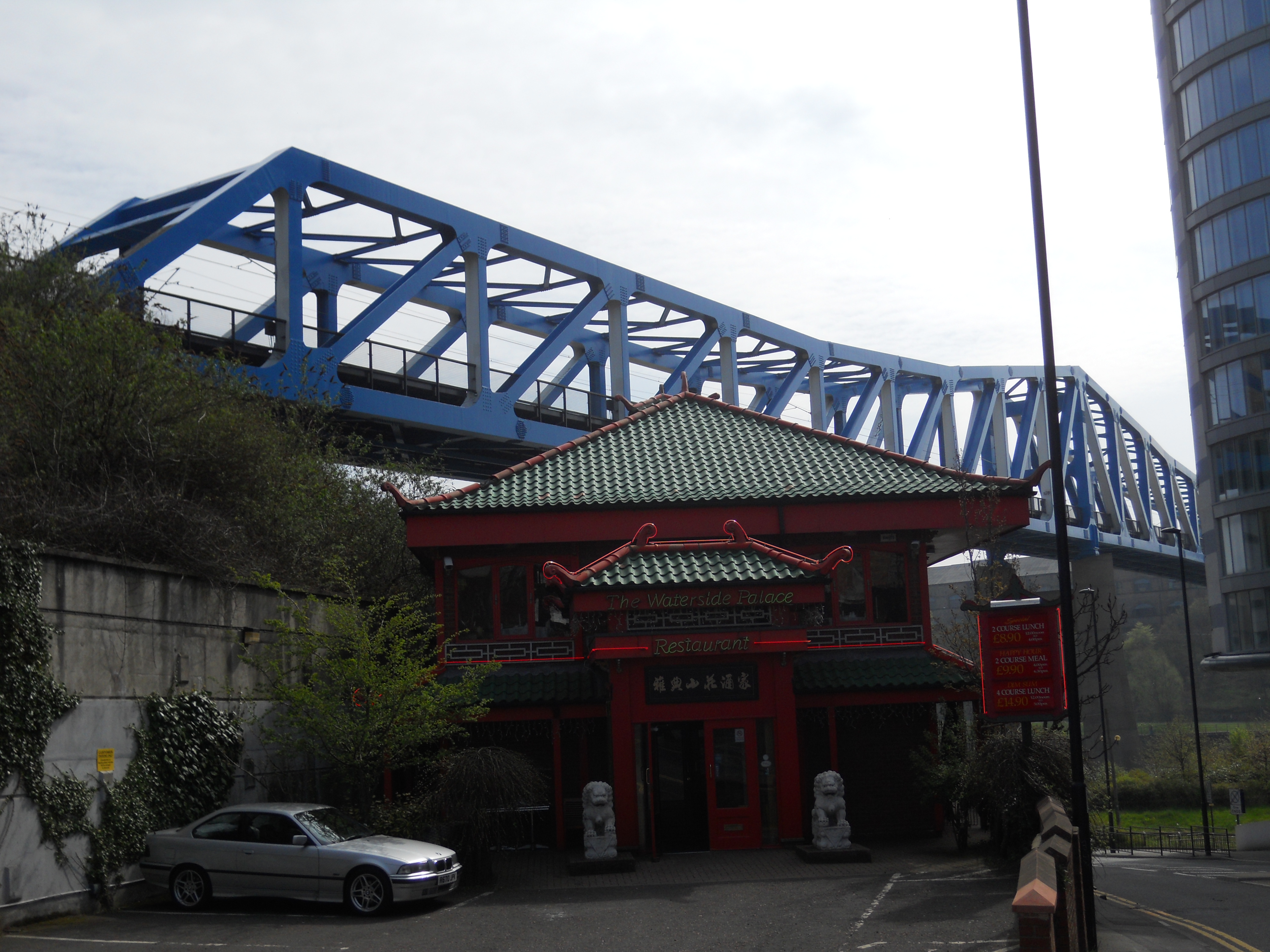
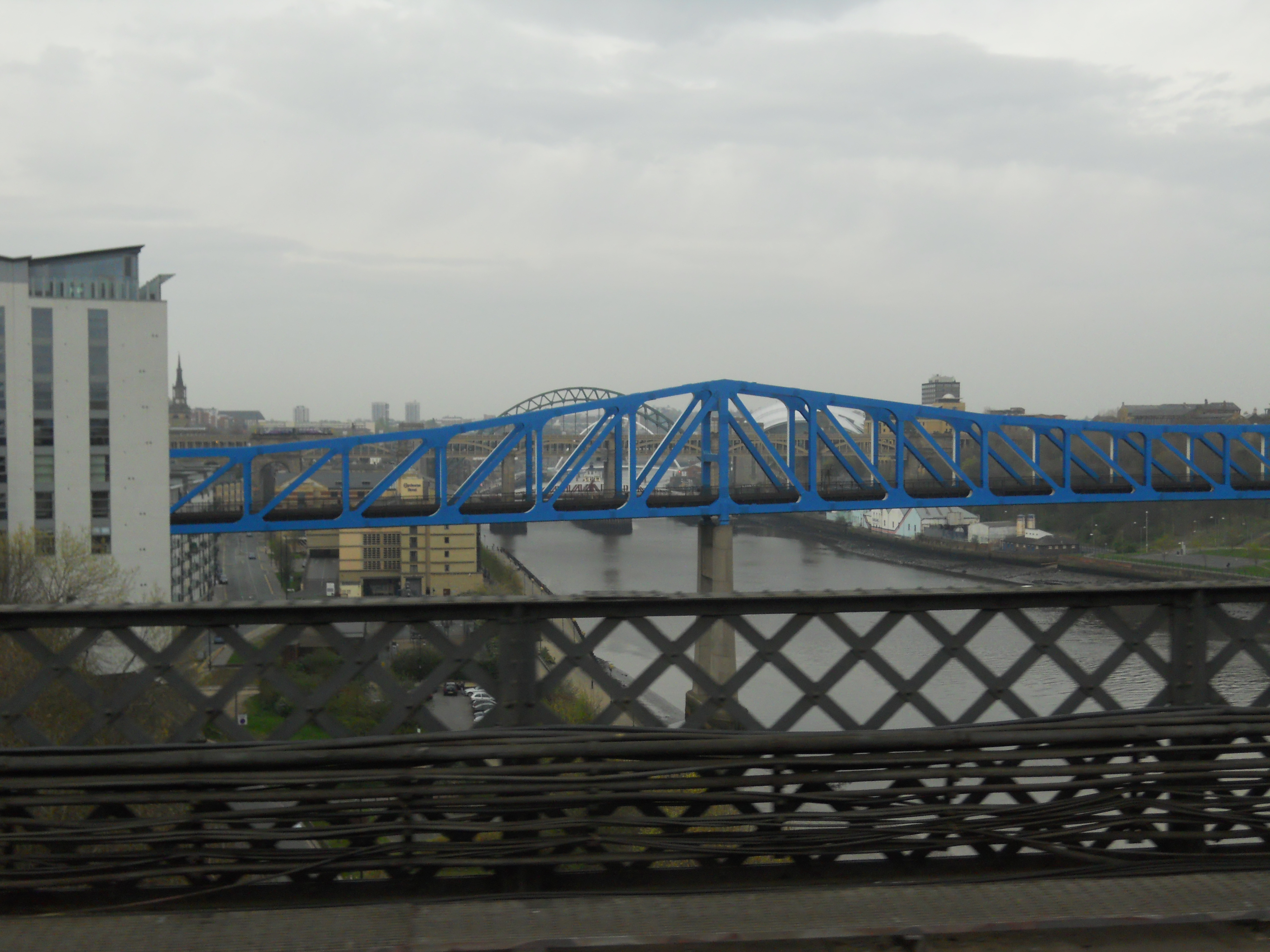
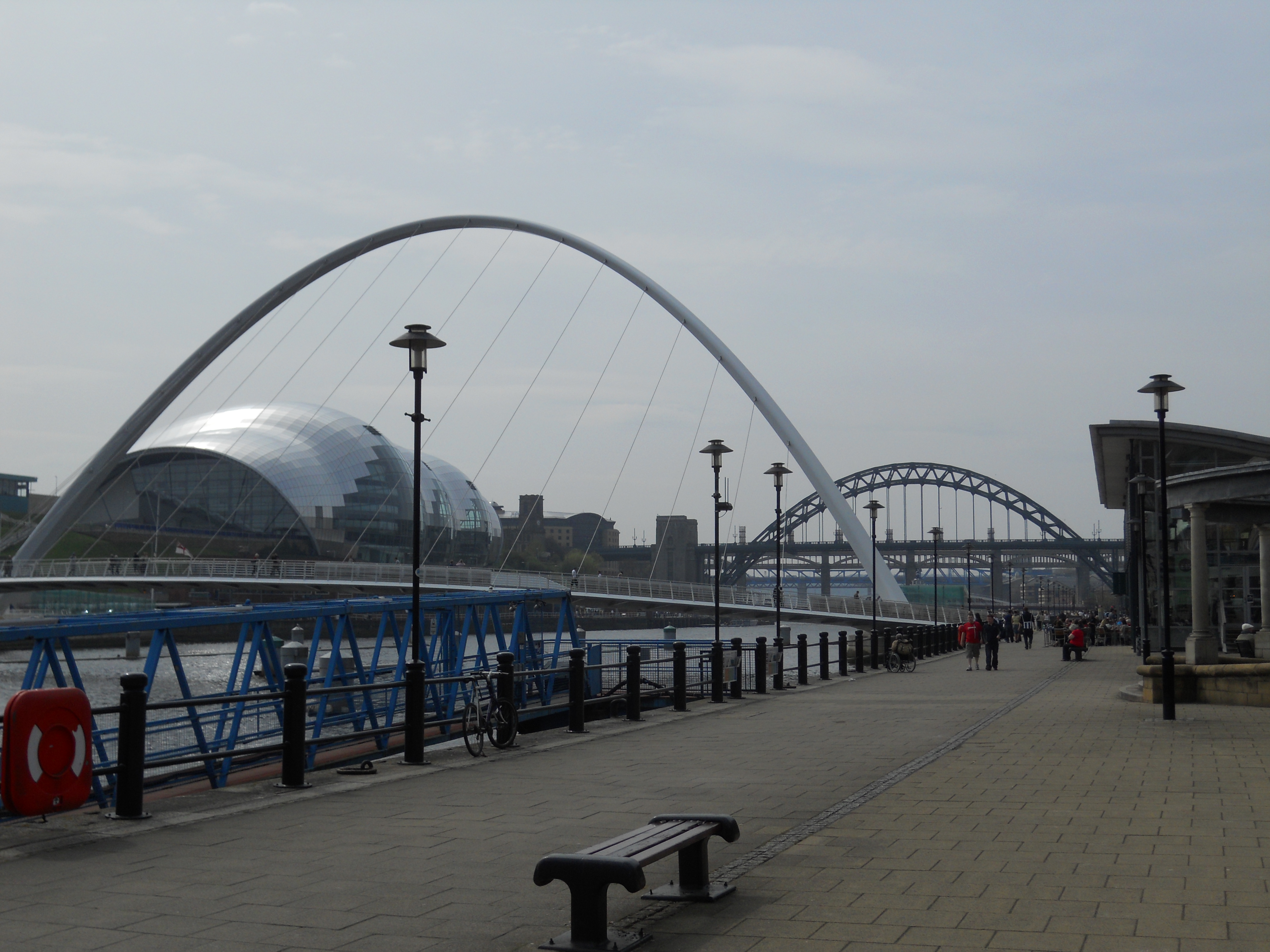
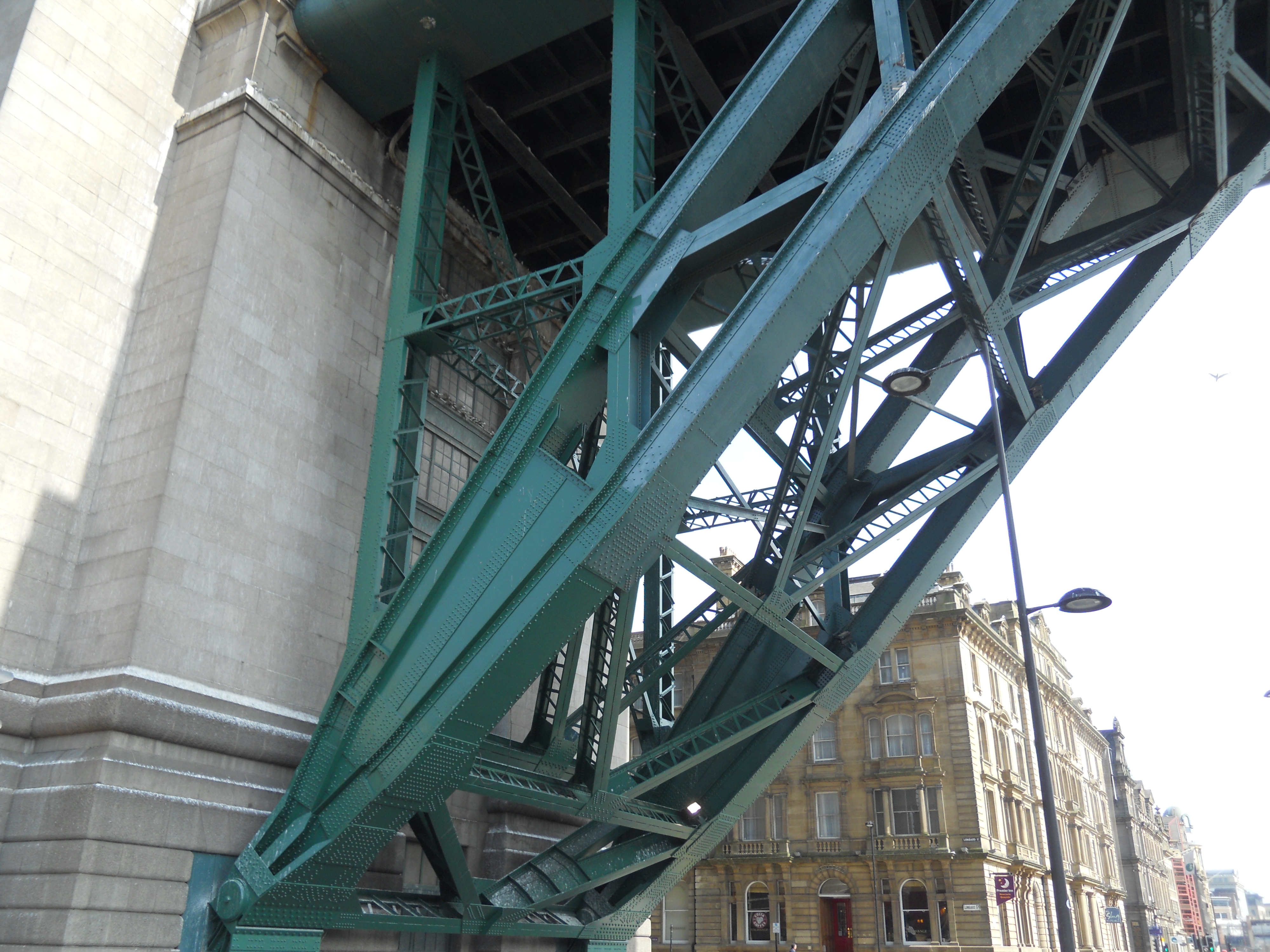
The bridges in order as you go from the mouth of the Tyne upstream or from east to west are as follows.
- The Gateshead Millennium Bridge or the Blinking Eye Bridge was opened in 2001 and is a foot and cycle bridge by the Baltic Centre for Contemporary Art. The bridge opens every day and some of the pictures show this.
- The Tyne Bridge was opened in 1928 and is a classic through arch bridge like the larger and much wider Sydney Harbour Bridge, which was opened four years later. Both bridges were built by Dorman Long in Middlesborough.
- The Swing Bridge was built by Armstrong to allow large warships access to his works on the Tyne.
- The High Level Bridge was designed by Robert Stephenson to allow both road and rail traffic to cross the river. It opened in 1849.
- The Queen Elizabeth II Metro Bridge is a modern bridge opened in 1981 that carries the Tyne and Wear Metro over the river.
- The King Edward VII Bridge, opened in 1906, carries the main East Coast Main Line.
- The Redheugh Bridge carries the A189 over the river. It was opened in 1983.
A lot of these bridges have been designed to allow large ships up the Tyne. Now though, the Gateshead Millennium Bridge has effectively stopped this.
Purists will say why have I called this the Bridges of Newcastle rather than the Tyne Bridges, especially as Newcastle is only on one bank of the River. But most people will know of Newcastle and many will not know the name of the river.
 The Anonymous Widower