Coal Is A Dangerous Fuel
There are dramatic pictures in Modern Railways of the landslip at Hatfield Colliery, which damaged the railway at Stainforth.
It just goes to show how dangerous coal is, as it seems to be capable of creating disasters. Luckily this one didn’t cause any injuries or death.
There’s more about it here.
I believe that coal is just too dangerous to mine! It’s also a large producer of carbon dioxide and I would ban its burning worldwide.
More Problems For Coal
I am not a great fan of coal as, I think it’s a dirty fuel, that is dangerous to mine and causes all sorts of problems like subsidence for the neighbours.
So this news of a large fire at Daw Mill Colliery in Warwickshire, that might spell the end of mining in the county, is just typical of the problems of this fuel.
I will not be sorry if this hastens the end of the UK coal industry. For everybody’s sake, we should have put together a comprehensive plan to shut the lot down perhaps half a century ago.
A Benefit Of Fracking
To many there isn’t one benefit from using fracking to extract gas from the ground. but here’s one even the most total opponent of the technique might concede.
Modern Railways this month states the following.
The major rail operators in the US are all reporting reduced profits as coal volumes plummeted by up to 20% in the last year. Here, the shift in generation mix is being driven principally by the exploitation of shale gas now being produced on a massive scale as a by-product of crude oil exploitation. although a frighteningly high proportion of this gas is just flared, sufficient is being used in power-generation to undermine the need for coal, and for rail freight.
I would suspect the facts are correct. So fracking is cutting the need to burn coal, thus reducing global warming, as burning gas creates less CO2.
And People Worry About HS2 And Other Developments!
I do sometimes worry about the grip some people have on sense. Look at this article, about the damage done by the slag heap from a coal mine to the railways near Doncaster.
We should have got rid of our coal mines just after we found we had North Sea Gas and Oil, and probably developed nuclear power for most of or electricity. Instead we struggled on with the world’s most polluting fuel for many years.
Now the Nimbys don’t want any developments, be they fracking, nuclear power, wind power or even new railways like HS2. I suspect, if you had a vote on new motorways it would pass, provided they didn’t build one near to the voters.
But how many people will call this trouble with the trains near Doncaster, an environmental disaster caused by not getting rid of coal years ago? I will!
British Coal In A British Grate
This phrase was quoted in an article in The Times today by David Aaronovitch, where he likens the arguments of those who don’t believe in climate change, global warming and renewable energy, with those who were against the Clean Air Act of 1956. The MP for Bromsgrove, Michael Higgs was the opponent of the Act, who Aaronovitch quoted.
I can remember the smogs of that time and they weren’t pleasant. The only good thing was that we got sent home early from my primary school; de Bohun in Southgate. Teachers would organise us into groups and put a responsible ten or eleven year old in charge. Our parents didn’t know we were coming home, but then most mothers didn’t work in the 1950s.
I don’t think they’d do that now!
Miners Have a Go at the Iron Lady
The BBC has reported that the Iron Lady film has had protests in Chesterfield, which lost their coal mines, when she was Prime Minister.
My view is straightforward. Coal is a dirty fuel, that causes lots of ill health and is a major cause of global warming. Even with the small number of pits we have now, the death of miners is not unknown.
Mrs. Thatcher may have been the Prime Minister, who actually shut the mines, but in my view it was done about twenty years at least too late.
North Sea oil and gas, gave us the opportunity to abandon coal production and it should have been done in a managed and gradual way. I’d love to know, whether Prime Ministers before Mrs. Thatcher had thought of shutting the mines. After all, when the railways abandoned steam engines, a lot of coal wasn’t needed any more. So do those who want more mining jobs, want steam trains as well? And domestic coal fires, which created the smog of the sixties? Many days, I had to walk home from school in thick pea soup.
I should also say, that I’ve met quite a few people, from mining families and all were advised to get an education and avoid going down the pits.
How have other countries weaned themselves off coal? I found this article about the rise and fall of the German coal industry. It seems that German industry has managed to survive the loss of its prime energy source.
I suspect they have managed the run down of their industry much better. I can remember a proposal in The Guardian to use redundant miners to insulate our rather poor housing stock. Nothing happened, as far as I know!
We don’t learn either! Most of our vehicles are powered by fossil fuel, which don’t help the stopping of global warming. So when we bring forward proposals to help like wind, wave and tidal power, new electricity networks and rail lines, the Nimbys come out in force.
We can’t have it both ways, even if the Americans and the Chinese think they can.
I think I’ll prefer to go to hell on my two legs, a bicycle or a New Bus for London, rather than a fossil-fuel powered handcart.
Why Do We Still Mine Coal?
Mining coal is a dangerous business as this report from South Wales shows.
Our mines are safe compared to some. This report in the Guardian from 2009, says that in 2008, over 3,000 miners died in China.
So why do we do it, when burning fossil fuels are the major creator of greenhouse gases, that cause global warming? If you look at the science, to get the same amount of energy from coal and natural gas, you get forty percent more CO2 if you burn coal. It’s all because coal is pure carbon, whereas natural gas contains a lot of hydrogen atoms, which on combustion produce nothing but water.
You also get a lot of other pollution when you burn coal. Let’s face it, coal is a very dirty fuel.
One of the biggest mistakes we made in this country was not to get rid of coal mines, steam trains and coal-fired power stations a lot earlier.
The first real modern electrification of rail lines in the UK, were the Liverpool and Manchester lines, which were completed in the mid-1960s. It is totally crazy that only now, we’re still planning the electrification to Bristol and South Wales from London. It should have been done by 1970.
Australia Proposes a Carbon Tax
Australia depends heavily on coal, which is the fuel that in my view should be banned beause of the large amounts of carbon dioxide it emits when it is burned. Because of the hydrogen in natural gas, when you burn that you get less carbon dioxide for the same energy. But in truth, it would be better if we didn’t burn fossil fuels.
So I was very surprised that the Australian Prime Minister has announced a carbon tax. It doesn’t appear to be popular.
Australia is one of the world’s worst emitters of greenhouse gases per head of population.
The country relies on coal for 80% of its electricity generation, and is a major coal exporter.
The energy industry and the political opposition have mounted a vociferous campaign against a carbon tax, with protests in all of Australia’s major cities in March.
Critics argue a levy would damage economic competitiveness.
Opinion polls show roughly 60% of voters against the policy.
The government hopes to win them over by spending some of the cash raised by the carbon tax to compensate households for higher energy bills.
It is promising tax cuts for low and middle-income households, as well as increased state pension and welfare payments.
At least it is a start and the United States, China, Europe and the other polluting country should follow suit.
A Blot on the Landscape
Ironbridge is a World Heritage Site and rightly so. Go a few kilometres upstream and the gorge opens out and you can see how the Severn meanders across the countryside. Note that meander comes from the River Meander in Turkey.
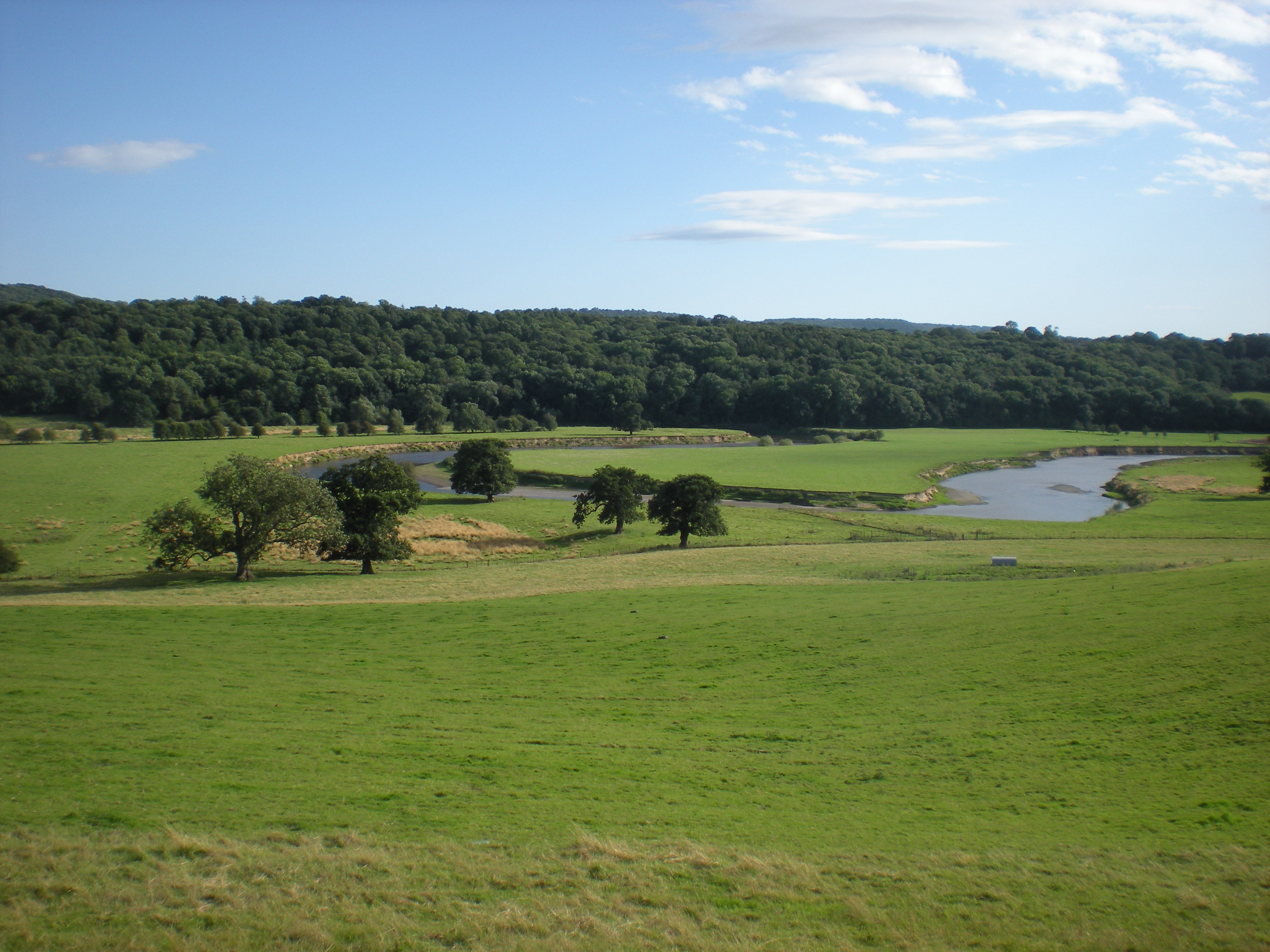
River Severn above Ironbridge
But turn to the left and between where I took this picture and the Iron Bridge you will see this.
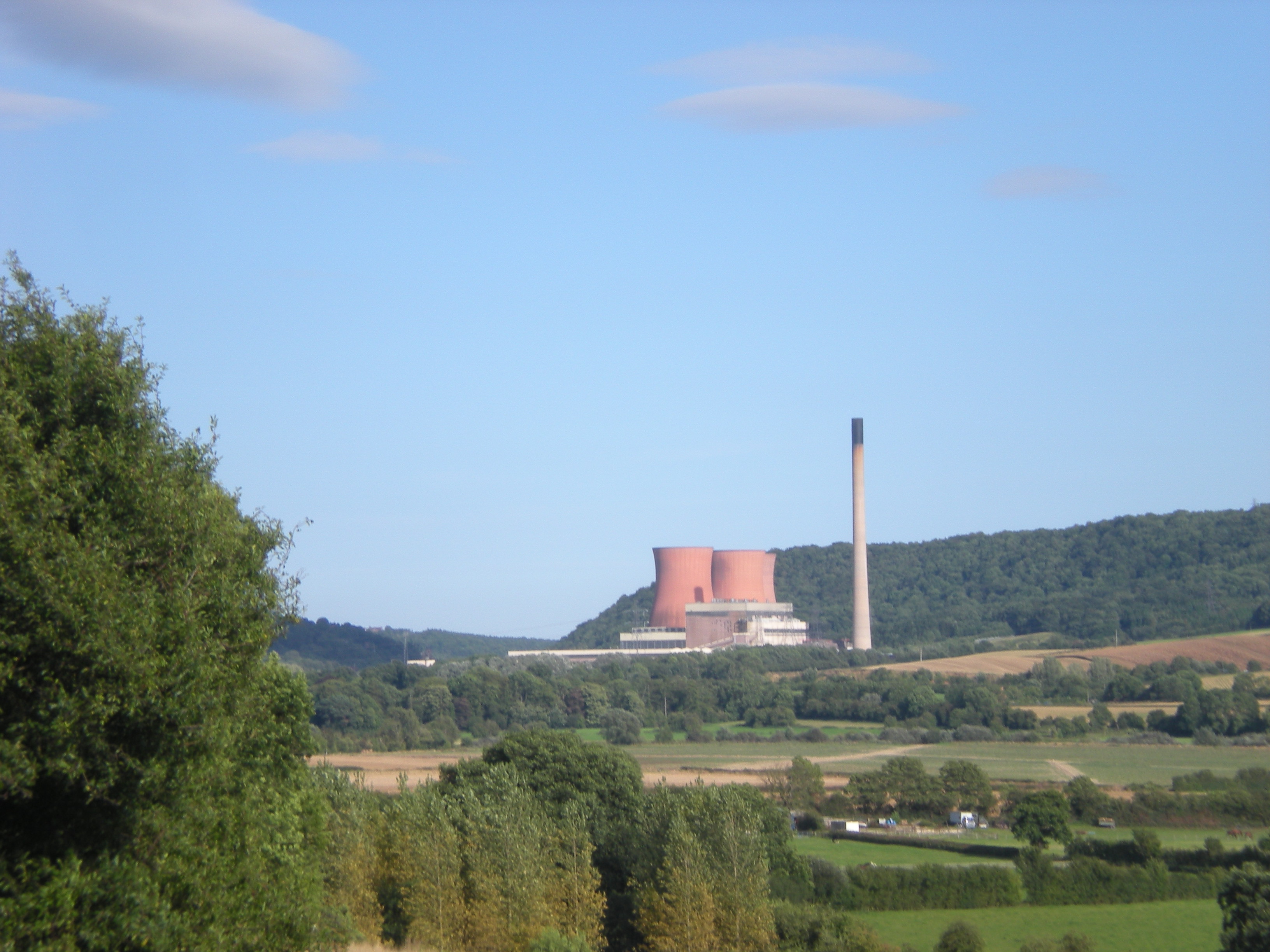
Ironbridge Power Station
This is the coal-fired Ironbridge Power Station. It was built in 1981 and according to Friends of the Earth is the second worst polluter in the UK per megawatt generated.
It just shows how attitudes have changed over time.
Would anybody in their right mind build a power station there now?
As an aside here, remember that I have a degree in Electrical Engineering from Liverpool University and have spent quite a bit of my working life looking at how large projects, structures and machines are built and managed.
When you burn coal to produce electricity, you turn a tonne of coal into 2.93 tonnes of carbon dioxide. If you were to use natural gas to get the same amount of electricity, the figure is lower. This quote from Wikipedia gives all the figures.
This can be used to calculate an emission factor for CO2 from the use of coal power. Since the useful energy output of coal is about 30% of the 6.67 kWh/kg(coal), the burning of 1 kg of coal produces about 2 kWh of electrical energy. Since 1 kg coal emits 2.93 kg CO2, the direct CO2 emissions from coal power are 1.47 kg/kWh, or about 0.407 kg/MJ.
The U.S. Energy Information Agency’s 1999 report on CO2 emissions for energy generation, quotes a lower emission factor of 0.963 kg CO2/kWh for coal power. The same source gives factor for oil power in the U.S. of 0.881 kg CO2/kWh, while natural gas has 0.569 kg CO2/kWh. Estimates for specific emission from nuclear power, hydro, and wind energy vary, but are about 100 times lower.
What I find interesting about these figures is the discrepancy between the first figures for CO2 from coal and the US ones!
But whichever set you accept, the message is simple; Don’t Burn Coal!
 The Anonymous Widower