St. Mary Cray Station To Go Step-Free
This document on the Government web site is entitled Access for All: 73 Stations Set To Benefit From Additional Funding.
St. Mary Cray station is on the list.
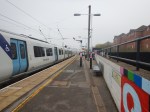
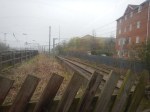
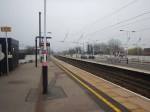
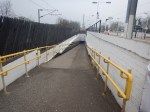
These pictures show the station.
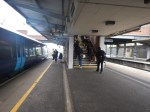
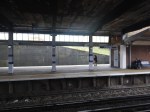


The station was rebuilt in 1959, when disabled people didn’t exist. Or were they locked in institutions?
Installing Step-Free Access
In addition to lifts to each pair of platforms, there is also a need to sort out access to the main entrance to the station.
It could be quite tricky to create a step-free station out of this architectural monstrosity.
The following will help.
- I very much doubt the station is Listed, except in Prince Charles’ Book of Carbuncles.
- The similar Swanley station has been made step-free.
- As it’s only fifty sixty old, the drawings probably exist.
- I doubt there’s an architect, that couldn’t improve this station.
- It’s probably built as strongly as a brick outhouse!
If the installation could be to the standard of Swnley station, I doubt anybody would mind.
St. Erth Station To Go Step-Free
This document on the Government web site is entitled Access for All: 73 Stations Set To Benefit From Additional Funding.
St. Erth station is on the list.
These pictures show the station and the current bridge,

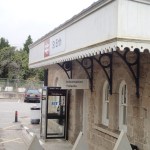
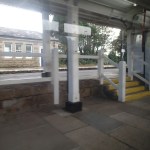


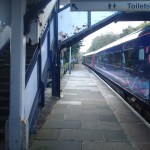
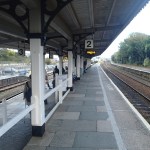
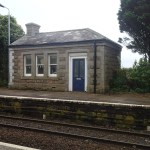
Note that the bridge is only used to access trains going West to Penzance.
This Google Map shows the station.
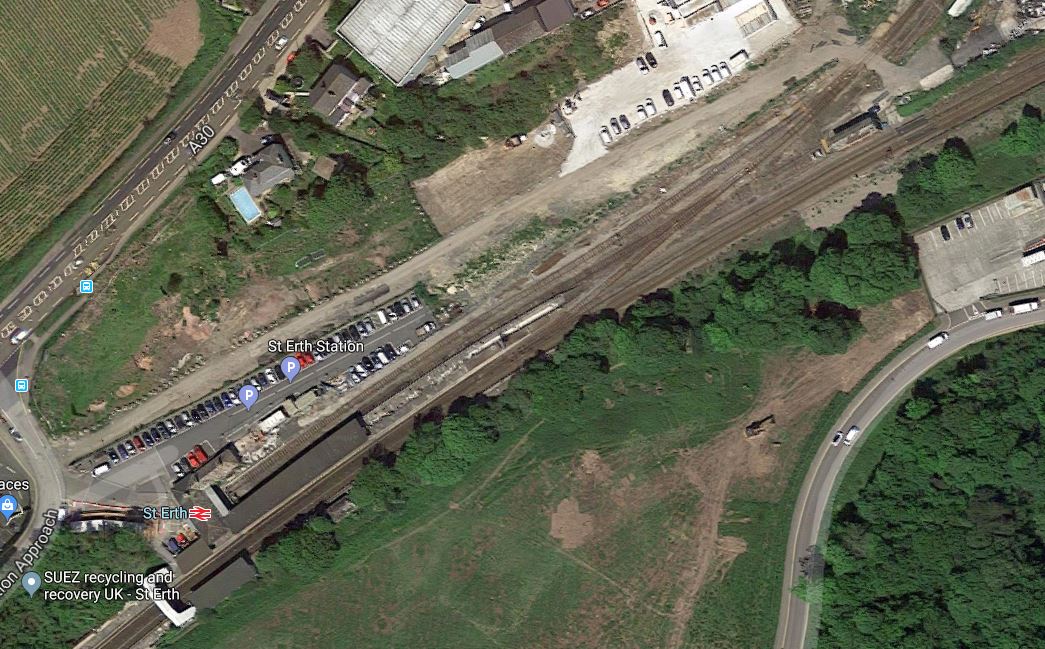
The three tracks from the station are as follows.
- To Penzance in a South-Westerly direction.
- To Plymouth in a North-Easterly direction.
- To St. Ives in a Northerly direction.
The bridge over the main line stands out in white in the bottom-left corner of the map.
Installing The Step-Free Access
As the station is Grade II Listed care must be taken in installing the step-free access.
- The current elderly steel bridge could be replaced with a modern one with lifts. This could be too drastic for the Heritage Lobby.
- But It does look that a modern bridge could be installed towards the Eastern End of the station.
In Winner Announced In The Network Rail Footbridge Design Ideas Competition, I wrote how the competition was won by this bridge.
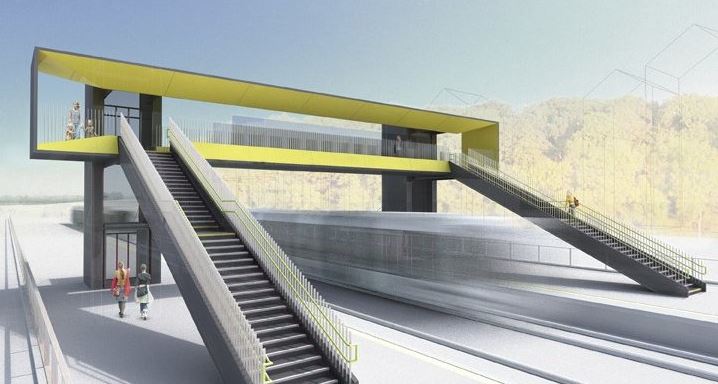
So could a factory-built bridge like this be installed at St. Erth station?
This bridge has the great advantage, that it can be installed without closing the existing bridge.
Wandsworth Town Station To Go Step-Free
This document on the Government web site is entitled Access for All: 73 Stations Set To Benefit From Additional Funding.
Wandsworth Town station is on the list.
These pictures show the station.
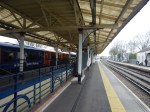
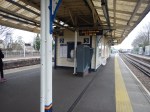
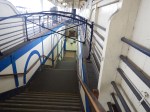

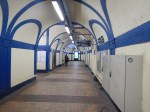


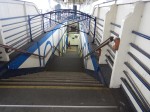
The station would appear to need three Subway-to-Platform lifts.
I would feel that after seeing two similar lifts installed at Finsbury Park station recently, this can be done without too much disruption.
After Harry’s comments to this post, I went back to the station and took these pictures of Platform 1 and the outside of the station.
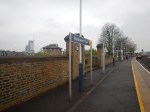
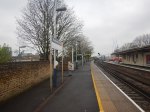
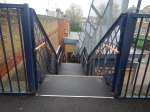
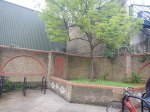

This Google Map shows Platform 1.

Installation of a lift would appear to be tricky.
- Platform 1 is not wide enough for a lift tower.
- To the left of the station entrance, there is a garden with a tree, which limits the space.
The best place is probably hard against the wall to the right of the station entrance, where the phone box is now!
- The platform entrance could be through a hole in the wall along the side of the platform
- The ground floor entrance could be inside the station entrance if this is feasible.
- If not, why not put it outside?
If the outside position were to be used on the ground floor, touch-in could be provided outside or even in the lift.
Barnes Station To Go Step-Free
This document on the Government web site is entitled Access for All: 73 Stations Set To Benefit From Additional Funding.
Barnes station is on the list.
This Google Map shows the area of the station.
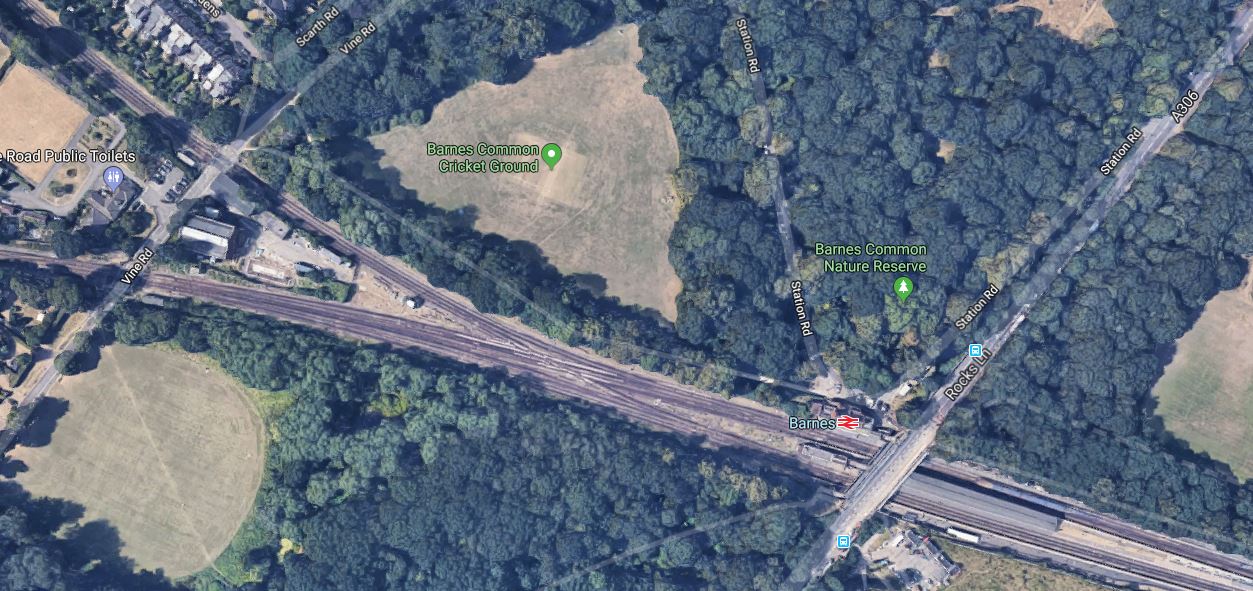
The station is a junction station with four platforms and several level crossings in the vicinity
These pictures show the station.

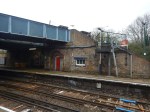
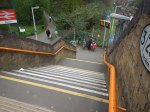

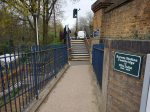


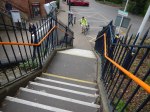
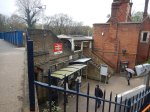
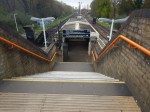


Barnes is a complicated station with steps everywhere, as I found out on Saturday, when I was left on the wrong platform as the train was swapped to another one.
I also suspect that passengers reverse direction at the station, so need to go between platforms.
But adding full step-free access could be a tricky, unless a clever solution is applied.
Isleworth Station To Go Step-Free
This document on the Government web site is entitled Access for All: 73 Stations Set To Benefit From Additional Funding.
Isleworth station is on the list.
These pictures show the station.

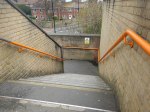
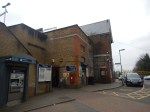
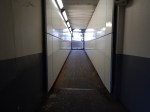
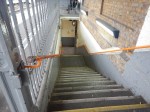
It is a double track station on a viaduct with the platforms on either side.
Currently, services are four trains per hour (tph) in both directions. The trains, that I rode to and from the station were ten cars.
If the West London Orbital Railway should be created, then this would add another four tph in both directions.
With the extra services, step-free access could be important, as the West London Orbital Railway will link this station to both Crossrail and High Speed Two.
Installing The Lifts
Space is tight and Isleworth station is one without ticket barriers.
It should be possible to install Subway-to-Platform lifts, but if they can’t be fitted, then as the station doesn’t have barriers, outside lifts might be a solution.
Mill Hill Broadway Station To Go Step-Free
This document on the Government web site is entitled Access for All: 73 Stations Set To Benefit From Additional Funding.
Mill Hill Broadway station is on the list.
This Google Map shows the station.

I would suspect, that given the proximity to the M1, this station must have some of the highest pollution levels of any station in the UK.
These are some pictures I have taken of the station.
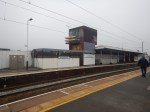

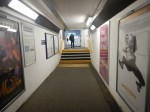


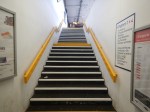

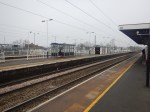
Note that there are stairs everywhere including in the subway.
Installing The Step-Free Access
I think adding step-free access to this 1960s monstrosity could be difficult and expensive.
Although, adding Subway-to-Platform lifts to the platforms should be a relatively simple process. Although, there might be a lot of heavy drilling of concrete.
Streatham Station To Go Step-Free
This document on the Government web site is entitled Access for All: 73 Stations Set To Benefit From Additional Funding.
Streatham station is on the list.
These are some pictures of Streatham station.
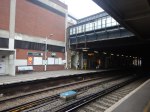
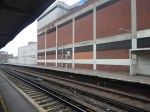


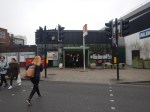

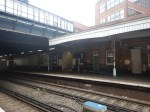
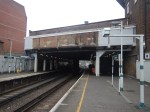
This station ineeds a massive makeover.
- The stairs are difficult with three sections.
- The booking office is in a structure balanced over the tracks.
- The platforms are very dark and as welcoming as a prison cell.
- There are various rooms that could be repurposed to improve the customer experience.
There is in fact very little of architectural merit, that would be missed if a rogue Class 66 locomotive and twenty large wagons full of stone demolished the station in the middle of the night.
This Google Map shows how the station is surrounded by new developments.

Note the bus station. Surely, when this development was built, the opportunity could have been taken to sort out the station.
Conclusion
As the site is surrounded by development, this must be an ideal location for a developer to build an appropriate residential block, with a new step-free station in the basement, based on the current platforms.
Peckham Rye Station To Go Step-Free
This document on the Government web site is entitled Access for All: 73 Stations Set To Benefit From Additional Funding.
Peckham Rye station is on the list.
These are some pictures of Peckham Rye station.
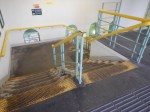
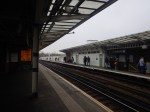


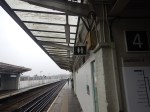
This Google Map shows the complicated nature of the station.
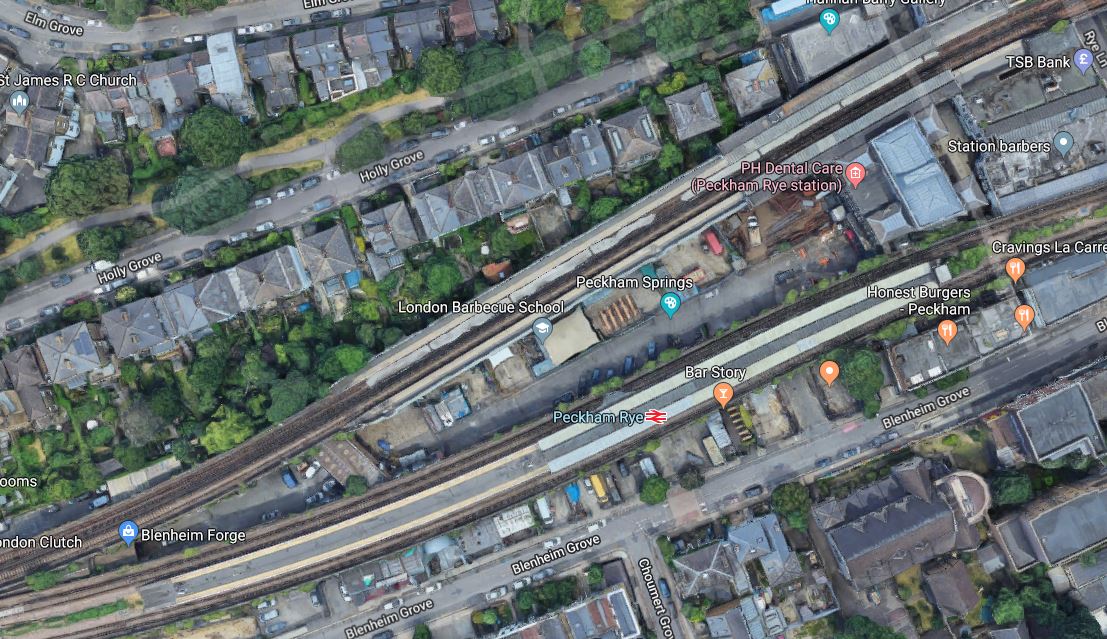
I think making the station step-free will be rather a challenge.
Especially, as the station is Grade II Listed.
Catford Station To Go Step-Free
This document on the Government web site is entitled Access for All: 73 Stations Set To Benefit From Additional Funding.
Catford station is on the list.
This pictures show the current state of Catford station.


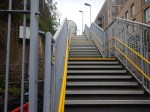

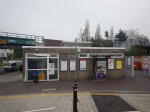
Note.
- The railway line is on an embankment, with a bridge over the road.
- There are steep stairs to both platforms.
- There are small shelters on both platforms.
- There is a small station building by the subway under the tracks.
I suspect that a lift on either side of the tracks will need to be installed.
This Google Map shows the station.

It looks like it will be rather a tight squeeze to fit the lifts around the stairs and the current station building.
I wouldn’t be surprised to see a rebuild of the current station building and the stairs, to create space for the lifts.
The route between Catford and Catford Bridge stations used to involve a walk along the A205, but now there is a level walk through a new housing development, which also has a small supermarket.
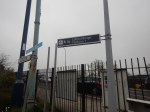

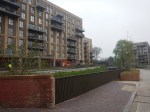

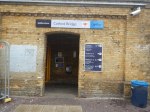
You enter Catford Bridge station, directly onto Platform 1.
This Google Map shows the two stations and the walking route between them.
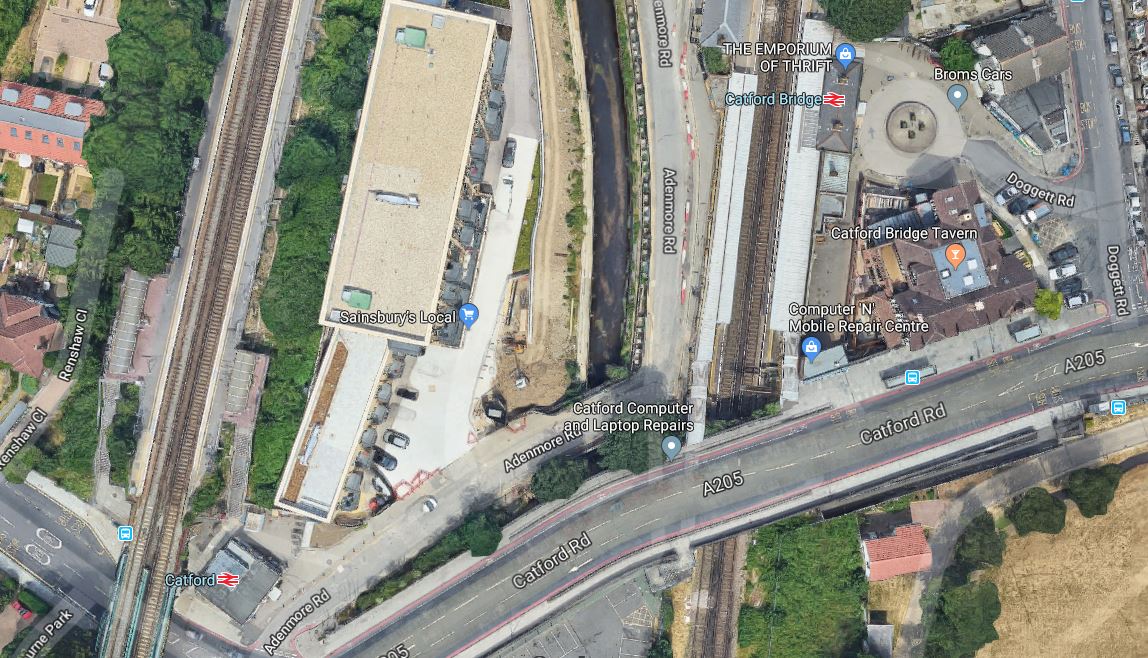
I estimate that it is less than a hundred metres.
Adding step-free access at Catford station will not complete the project.
Look at these pictures of Catford Bridge station.
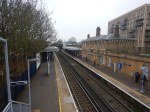


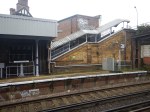
To cross the tracks at the station, there are two bridges; the road bridge and a footbridge at the station.
Neither of the bridges are step-free.
It would be difficult to add lifts at the A205 end of the station, as there is little space. It would also mean passengers would be walking along the A205, with all its traffic and associated pollution.
In Winner Announced In The Network Rail Footbridge Design Ideas Competition, I wrote how the competition was won by this bridge.
So could a factory-built bridge like this be installed at Catford Bridge station?
It could replace the existing metal bridge!
Cricklewood Station To Go Step-Free
This document on the Government web site is entitled Access for All: 73 Stations Set To Benefit From Additional Funding.
Cricklewood station is on the list.
This Google Map shows the platforms at Cricklewood station.
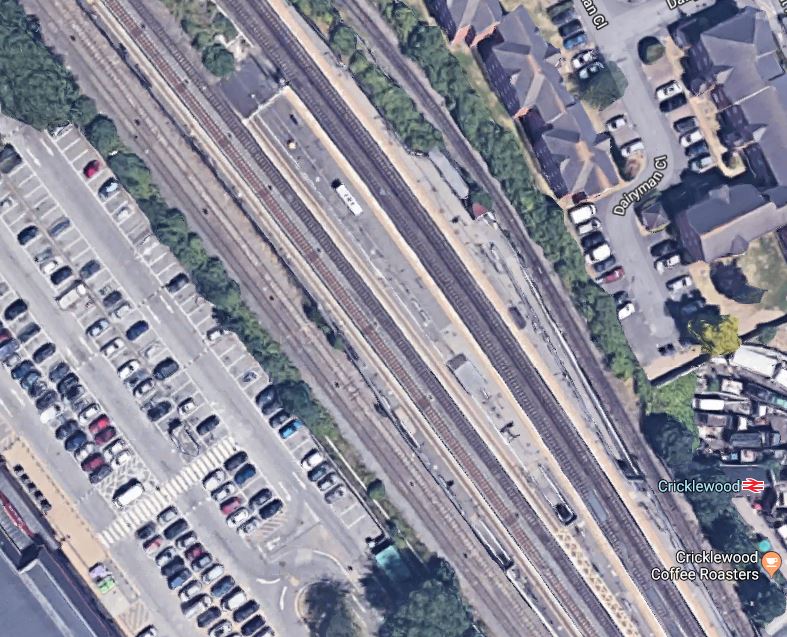
Note.
- There are three island platforms with two faces. Not all are used.
- Each island platform has a set of stairs to a subway.
- Two pairs of lines pass between the platforms.
- The fast lines are are the Western pair and the slow lines are the Eastern ones.
- Platforms are numbeeds from right to left.
- To the West of the Western platform, there are two freight lines, which might also be used for the West London Orbital Railway.
This map from carto.metro.free.fr shows the lines in detail.
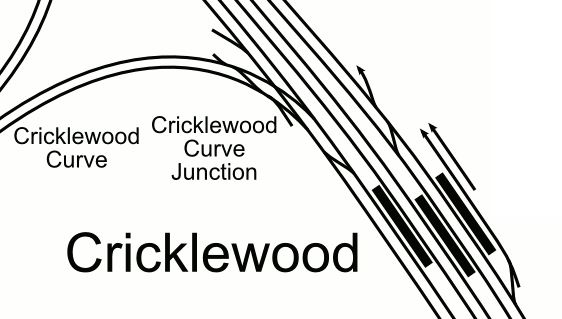
Note how the freight lines are directly connected to the Dudding Hill Line, that goes off to the West, via the Cricklewood Curve.
These are a few pictures of the station.
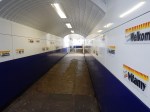


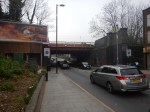
Note that the subway and the station entrance appear to be iin good condition.
Installing Step-Free Access
This type of station with a subway under a series of platforms isn’t as common in the UK, as it is on the Continent.
But there are several examples in the UK, where this type of station has had Subway-to-Platform lifts installed. Examples can be seen at Finsbury Park and Stratford stations.
The West London Orbital Railway
The West London Orbital Railway may be built in the next few years.
One route could connect West Hampstead Thameslink and Hounslow stations and could have a stop at Cricklewood station.
This might mean that up to two extra platform faces would be needed at Cricklewood station, in which case provision must be made to extend the subway and add lifts to any new platforms.
An alternative could be to use bi-directional working between Cricklewood and West Hampstead stations.
- Only four trains per hour (tp[h) are planned to use the route.
- The distance between the two stations is only around a mile.
- Spare faces of existing platforms could be used at both stations.
- four tph can easily be handled in a terminal platform.
- No extra tracks would need to be laid.
It would certainly reduce the cost.
Conclusion
This is a relatively easy station to make step-free and it could also be made ready for the West London Orbital at the same time.
Wouldn’t it be wonderful if to build, the West London Orbital, just needed the following.
- Finish step-free access at Cricklewood and Isleworth stations.
- Refurbish and update the track, signalling and points and crossings.
- Build a platform at West Hampstead Thameslink station.
- Build a platform at Houslow station.
- Open an initial service using battery-electric trains between West Hampstead Thameslink and Hounslow stations calling at Cricklewood, Acton Central, South Acton, Brentford, Syon Lane and Isleworth.
- Build the new intermediate stations.
Too often Network Rail’s project management is strung out over a long period, because they play far too safe and attempt not to spend any money!
Here boldness is possible, as there are no large sub-projects, except building the new stations, so they can be done afterwards by developers, who would like to build large numbers of flats with a station in the basement.
I believe that as the railway is there and working, once it has been refurbished and three important platforms have been added, battery-electric trains could start a service.
What better advertisement for your development, than to see the trains to the important hubs at Old Oak Common and West Hampstead, already running through the building site!
London needs more new rail services, more new and refurbished fully-accessible stations and a lot more housing!
So why not do them all as a partnership?
 The Anonymous Widower