Potential Tram Builders Announced For New London Trams
The title of this post, is the same as that of this article on RailAdvent.
These three paragraphs outline the design of the new trams.
Transport for London has issued an Invitation to Tender for four manufacturers to design and build a new fleet of trams.
Alstom UK, CAF, Hitachi and Stadler are the four manufacturers who can now proceed to the next stage of the procurement process with Transport for London to design and build the new trams.
The new trams are expected to feature air-conditioning, real time travel info and charging points, along with areas designed for wheelchair users and those with pushchairs and luggage.
It sounds that the new trams will be to a higher standard with more comfort and interior space.
These are my observations and thoughts.
Will There Be The Same Number of Trams?
These two paragraphs indicate the number of trams.
The initial contract will be for 24 new trams to replace the oldest trams on the network – which are now nearly 25 years old.
There is an option in the contract to replace the trams that were introduced from 2012.
Could this mean, that each tram would be replaced on a one-to-one basis?
It would surely make it easy to introduce the new fleet.
Will The New Trams Be Longer?
To me, the most significant words in the article are “areas designed for wheelchair users and those with pushchairs and luggage”.
As passengers seem to want to carry more and more with them on buses, trains and probably trams in London, I believe the new trams will probably need more interior space.
Increasing the width of the tram, would probably mean gauging difficulties, but with the lengthening of some platforms longer trams might be possible.
The current trams are as follows.
- 24 x Bombardier CR4000 – 30.1 metres – 70+138=208 = 6.9 pass/metre
- 12 x Stadler Variobahn – 32 metres – 72+134 = 206 = 6.4 pass/metre
Note.
- The total number of each tram type is at the left.
- Seats+Standing=Total Passengers.
- The Bombardier trams only have a single articulation, but it looks like the Stadler ones have four.
The longer Stadler trams seem less crowded, despite carrying two fewer passengers.
I have looked at the terminal platforms on maps and it appears, that 35 metre and possibly 40 metre trams would be possible.
At least in London, passengers are used to being told not to use the end door.
A 40 metre tram could probably handle over 250 passengers based on the Stadler passenger density.
Longer Trams Could Increase Capacity By Up To 25 %
I believe my figures show this could be possible.
More Articulations Should Mean A Tighter Turning Circle
This could help operation on some existing or new sections of London Tramlink.
Would Battery Tram-Train Operation Be Useful?
CAF’s trams in the West Midlands already have batteries and Stadler’s tram-trains in Cardiff will have batteries to extend routes on rail tracks, that don’t have electrification.
In Could Beckenham Junction To Birkbeck Be Run Using Third-Rail Tram-Trains?, I detailed how third-rail tram-trains could be used between Harrington Lane tram stop and Beckenham Junction station to create more capacity.
I believe that third-rail tram-trains would work, but that Health and Safety would outlaw the concept.
On the other hand, battery-electric tram trains could probably handle the link between train and tram routes.
If I was bidding for the TramLink contract, I’d make sure the trams could be updated with a battery-electric tram-train capability.
Increasing Capacity At Elmers End Tram Stop
Elmers End tram stop, is the only terminal on the London Tramlink with a single platform.
This map from OpenRailwayMap shows the platform layout at Elmers End station.
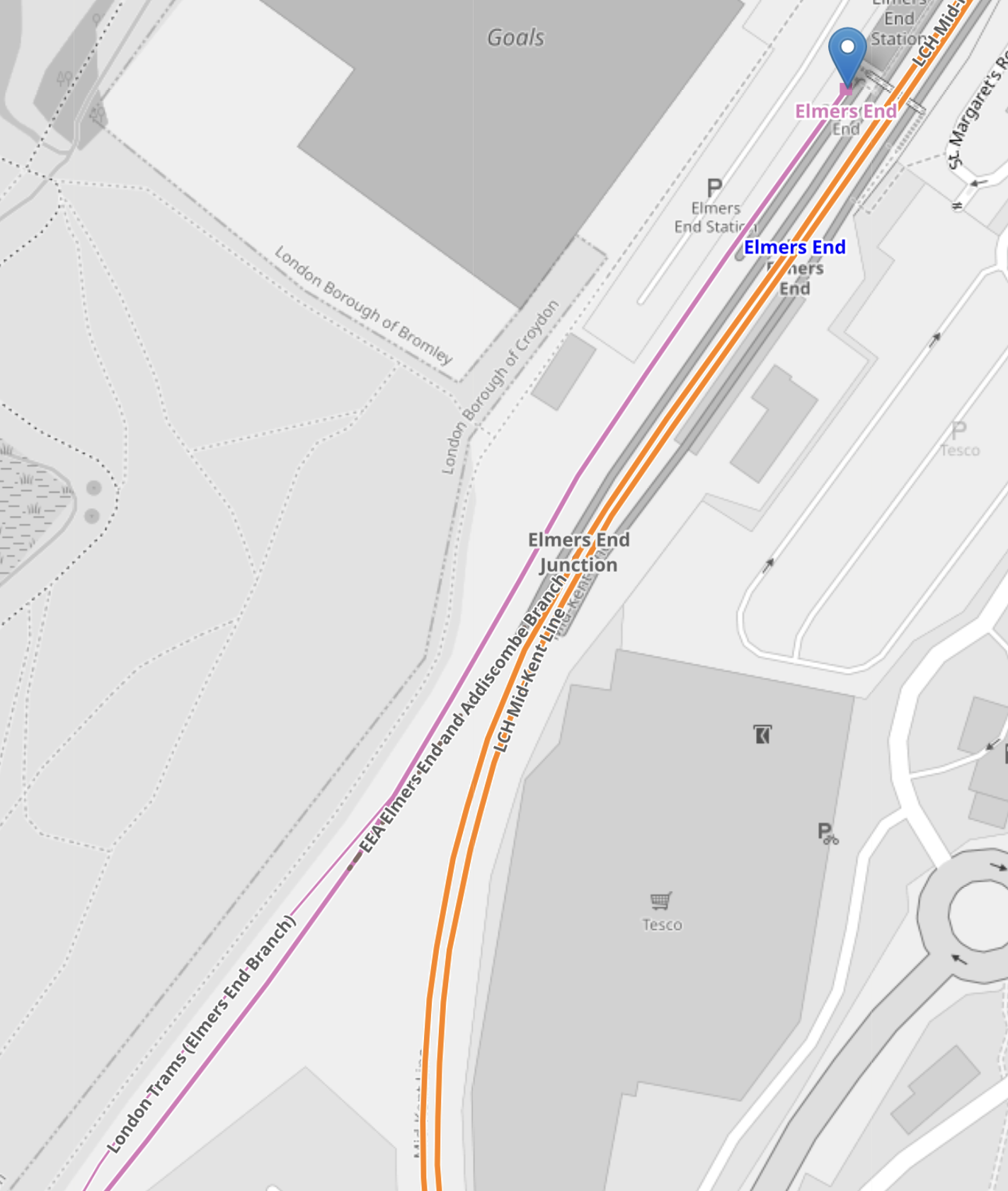
Note.
- The orange lines are the Hayes Line.
- The mauve line is the London Tramlink.
- The London Tramlink has a single platform on the North-West side of the Hayes Line.
These pictures show Elmers End station and a tram in the London Tramlink platform.
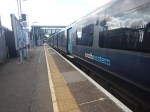
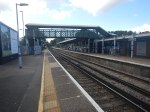
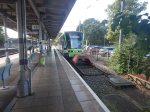
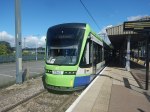
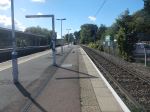
Note.
- The bridge in the station is not step-free.
- The tram is a five-section Stadler Variobahn.
- The tram platform would appear to be able to handle a tram, that is several metres longer than the 32.0 metre Stadler Variobahn.
- The London Tramlink has a typical off-peak service to Wimbledon every ten minutes from Elmers End tram stop.
The Wikipedia entry for Elmers End station, says this about Tramlink developments at the station.
Work is underway to open a second tram platform and double the tram line to Arena to increase capacity. As of March 2019, vegetation has been cleared to make way for the new line. The platform was due to open in December 2020, but has been delayed.
My pictures show no ongoing work or evidence of the second Tramlink platform.
There are two main ways, that capacity can be increased at Elmers End station.
- Install a second platform and run more trams to the station.
- Run longer trams with a higher capacity.
Perhaps, Transport for London have decided, that the second way, is the best, especially, if the money saved, allows them to build a much-needed step-free footbridge at Elmers End station.
From my observations, I would estimate that Elmers End tram stop could accommodate a forty metre tram and possibly, one that was even longer.
Arena Tram Stop
The Arena tram stop, is where the Beckenham Junction and Elmers End branches join and split.
This map from OpenRailwayMap shows the platform layout at Arena tram stop.
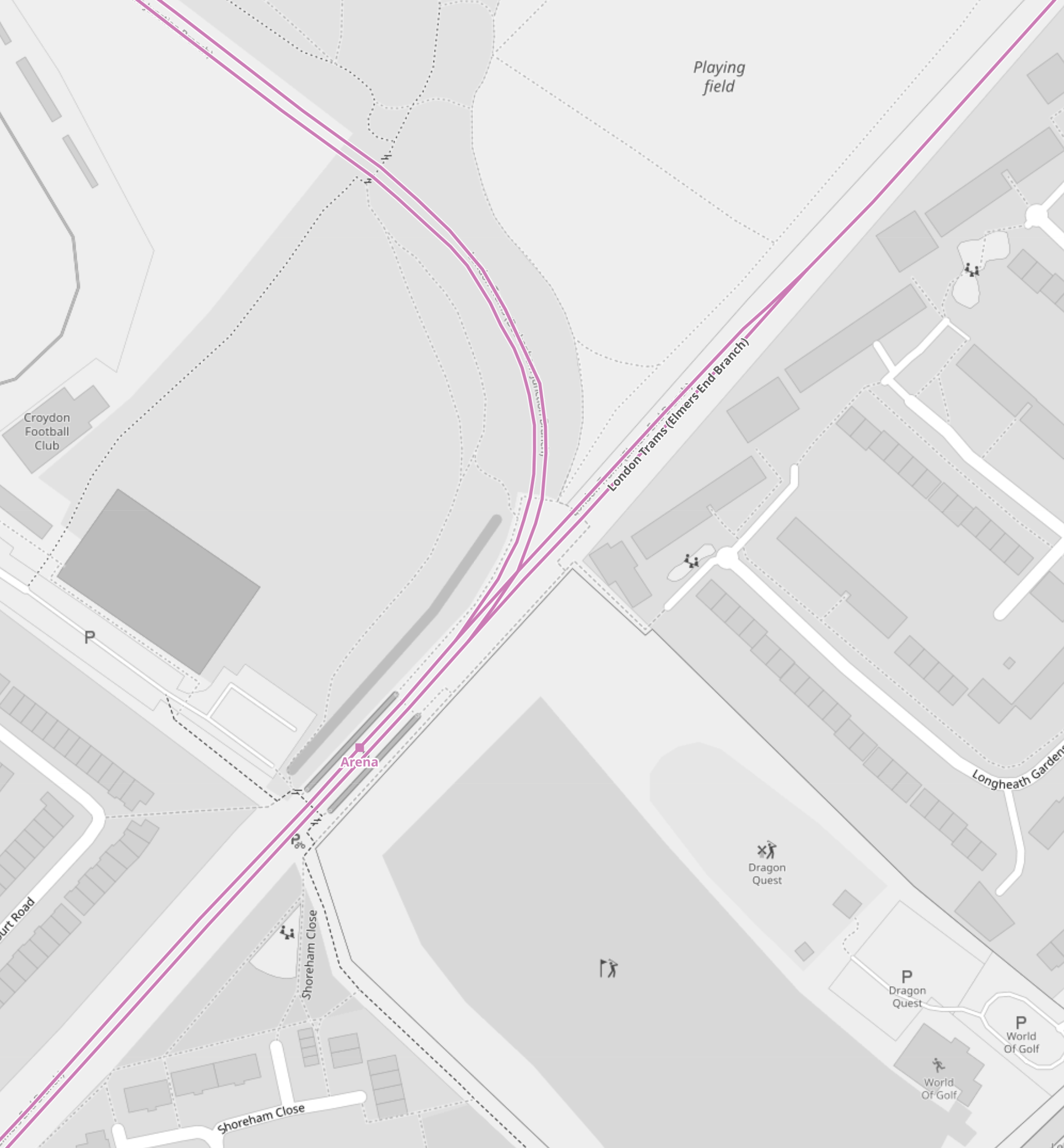
Note.
- The mauve lines are the London Tramlink.
- The line going North-East runs to Elmers End. It starts off as double-track at Arena tram stop and quickly becomes single track all the way to Elmers End. tram stop.
- The line going North-West runs to Beckenham Junction.
- The line going South-West runs to East Croydon and Wimbledon.
- The platforms are on the outside of both tracks.
These pictures show Arena tram stop and some trams passing through.
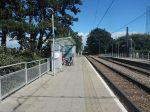
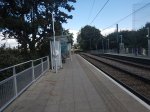
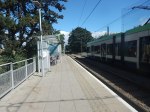
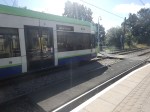
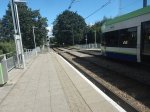
Note.
- The tram platforms are generally a few metres longer than the trams.
- All tram doors are step-free to the platform.
- Passengers walk across the line in front or behind the trams.
- The platform is wide, so that passengers can stay well clear of the occasional passing tram. One picture shows a tram is signed “Not In Service”
I believe, that with some judicial platform lengthening, some selective door opening and trams stopping automatically in the right place on the platform, that longer trams could be handled in a stop like Arena.
As with Elmers End, I believe a forty metre tram will be possible, but this might not be the limit with clever design.
Handling Longer Trams At Beckenham Junction Tram Stop
This map from OpenRailwayMap shows the platform layout at Beckenham Junction tram stop.
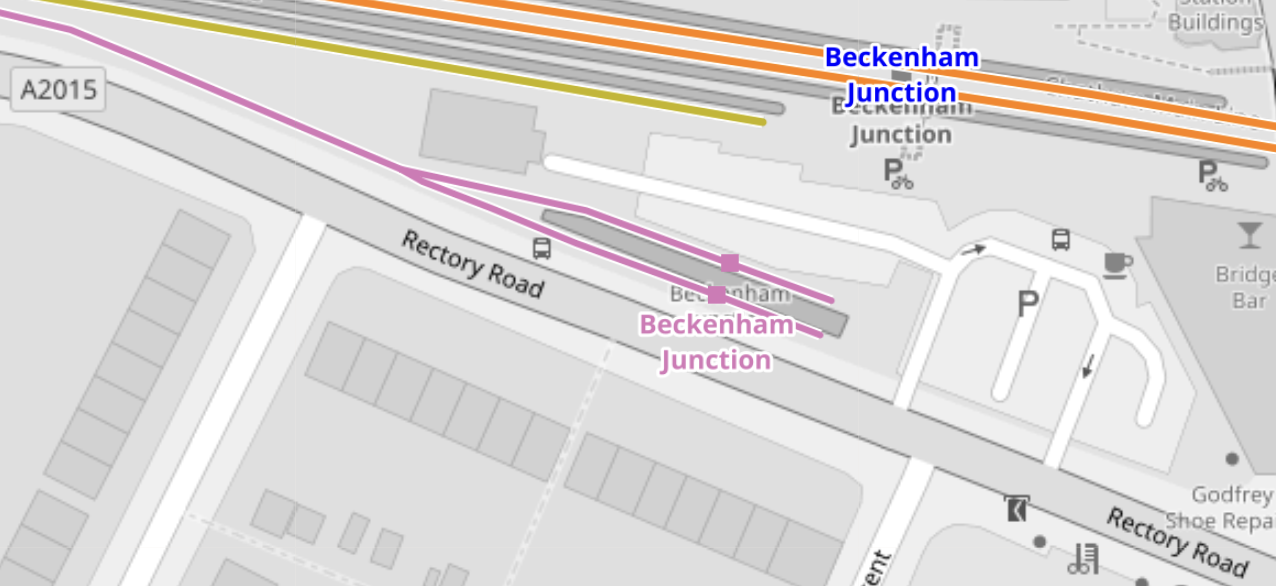
Note.
- The orange lines are the Chatham Main Line.
- The mauve line is the London Tramlink.
- There are a pair of short platforms for the London Tramlink.
- The platforms would be difficult to extend to the East.
- The platforms would be difficult to extend to the West, as the map above shows a building, just to the North of the junction of the two Tramlink platforms.
These pictures show Beckenham Junction station and the London Tramlink platforms.
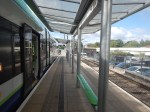
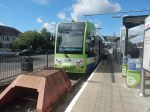
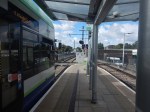
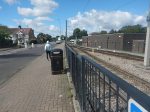
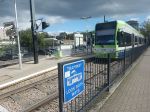
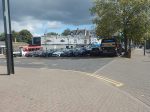
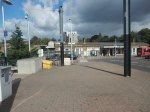
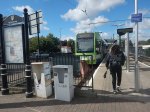
The Wikipedia entry for Beckenham Junction tram stop, says this about the Tramlink service.
Tram services at Beckenham Junction are operated by Tramlink. The tram stop is served by trams every 10 minutes to Wimbledon via Croydon. This is reduced to a tram every 15 minutes on Saturday evenings and Sundays.
Perhaps, the solution to lengthen Tramlink platforms at Beckenham Junction is to do the following.
- Rebuild the building to the North of the junction of the two Tramlink platforms.
- Extend the two Tramlink platforms to the West.
- Move the junction between the two Tramlink platforms to the West.
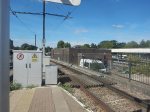
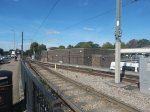
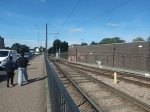
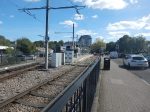
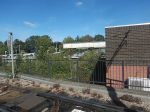
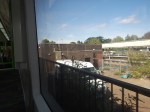
These pictures show the building in detail.
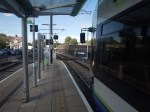
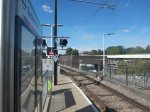
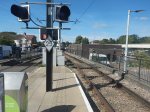


Note.
- There is a Network Rail van outside the building.
- The building looks like it dates from about 2000, when the Tramlink was built.
- Perhaps, the building houses power supply or signalling equipment for the Tramlink.
After the modifications, operation would be the same, but longer trams could be handled.
Trams And Trains Between Birkbeck And Beckenham Junction Stations
This short section of track must be one of the most unusual and complicated in the UK.
- There are three dual National Rail and Tramlink stations; Birkbeck, Avenue Road and Beckenham Road.
- Each station has a single bi-directional National Rail track and/or platform.
- Birkbeck has a single bi-directional Tramlink platform.
- Avenue Road and Beckenham Road each have two Tramlink platforms.
Engineer; Baldrick was obviously having one of his cunning phases.
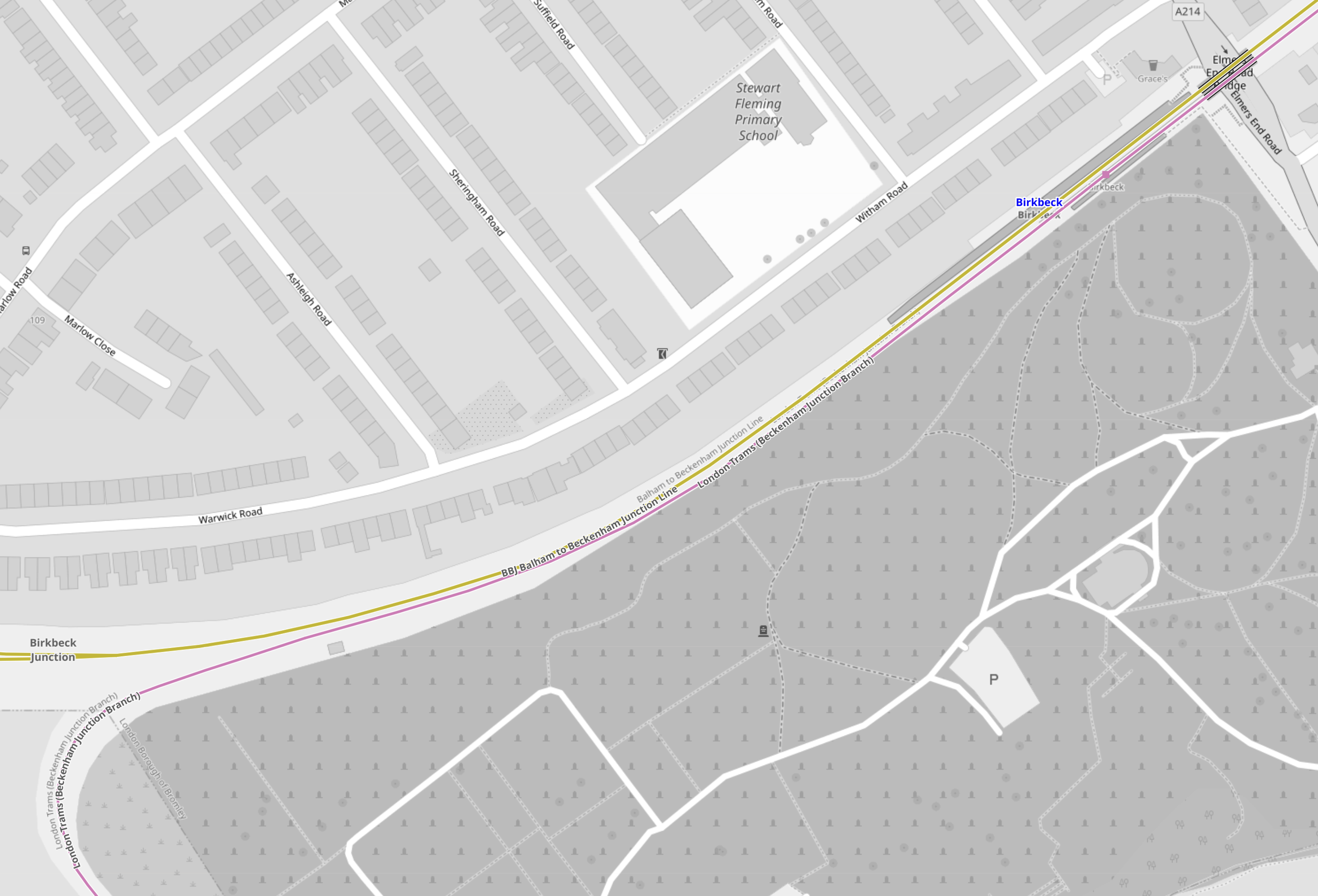
This map from OpenRailwayMap shows the track/platform layout at Birkbeck station/tram stop.
Note.
- The yellow line is the National Rail line between Crystal Palace and Beckenham Junction.
- The mauve line is the London Tramlink between Croydon and Beckenham Junction.
- There is no rail connection between the two lines.
Birkbeck station/tram stop has bi-directional platforms on both National Rail and London Tramlink.
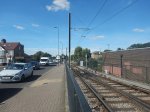
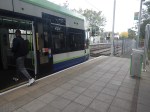
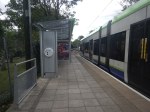
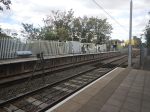
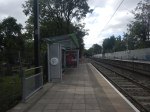
These pictures were taken at the Birkbeck station/tram stop.
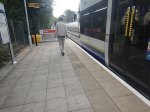
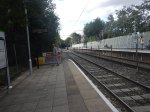
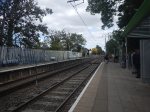
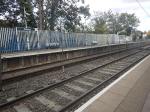
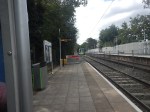
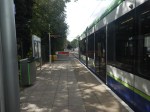
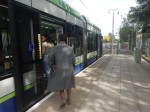
Note.
- The two bi-directional platforms.
- The wire fence between the tracks.
- The two tracks appear to be the same level, but the National Rail platforms seem quite a bit higher.
From the pictures, I would estimate that the Birkbeck tram stop platform is currently about thirty-five metres and could probably handle a forty metre tram with selective door opening.
This map from OpenRailwayMap shows the track/platform layout at Avenue Road station/tram stop.
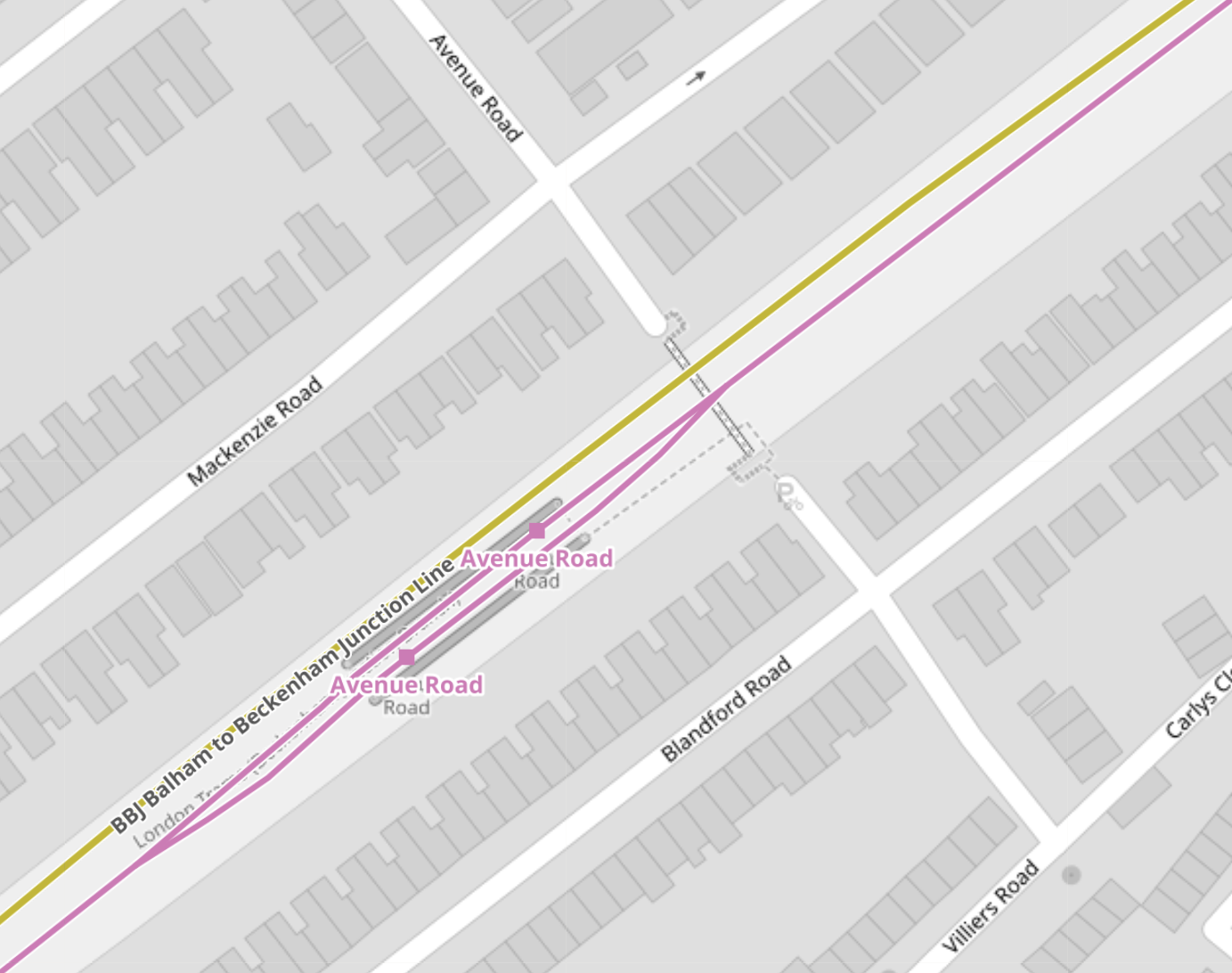
Note.
- The yellow line is the National Rail line between Crystal Palace and Beckenham Junction.
- The National Rail line isn’t shown to have a platform.
- The mauve line is the London Tramlink between Croydon and Beckenham Junction.
- There is no rail connection between the two lines.
London Tramlink has a loop through the tram stop and each branch has a platform.
These pictures were taken at the Avenue Road tram stop.
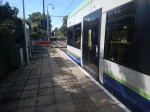
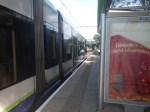
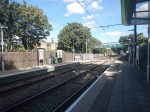
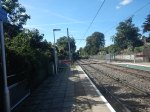
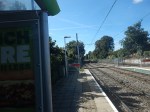
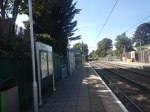
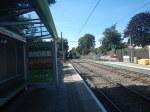
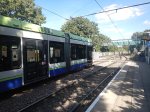
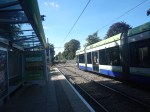
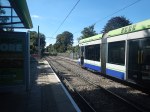
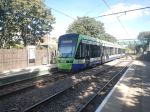
I would estimate the the loop at Avenue Road tram stop could handle a forty metre tram and possibly one of forty-five metres, judging the loop against this thirty-two metre Stadler tram.
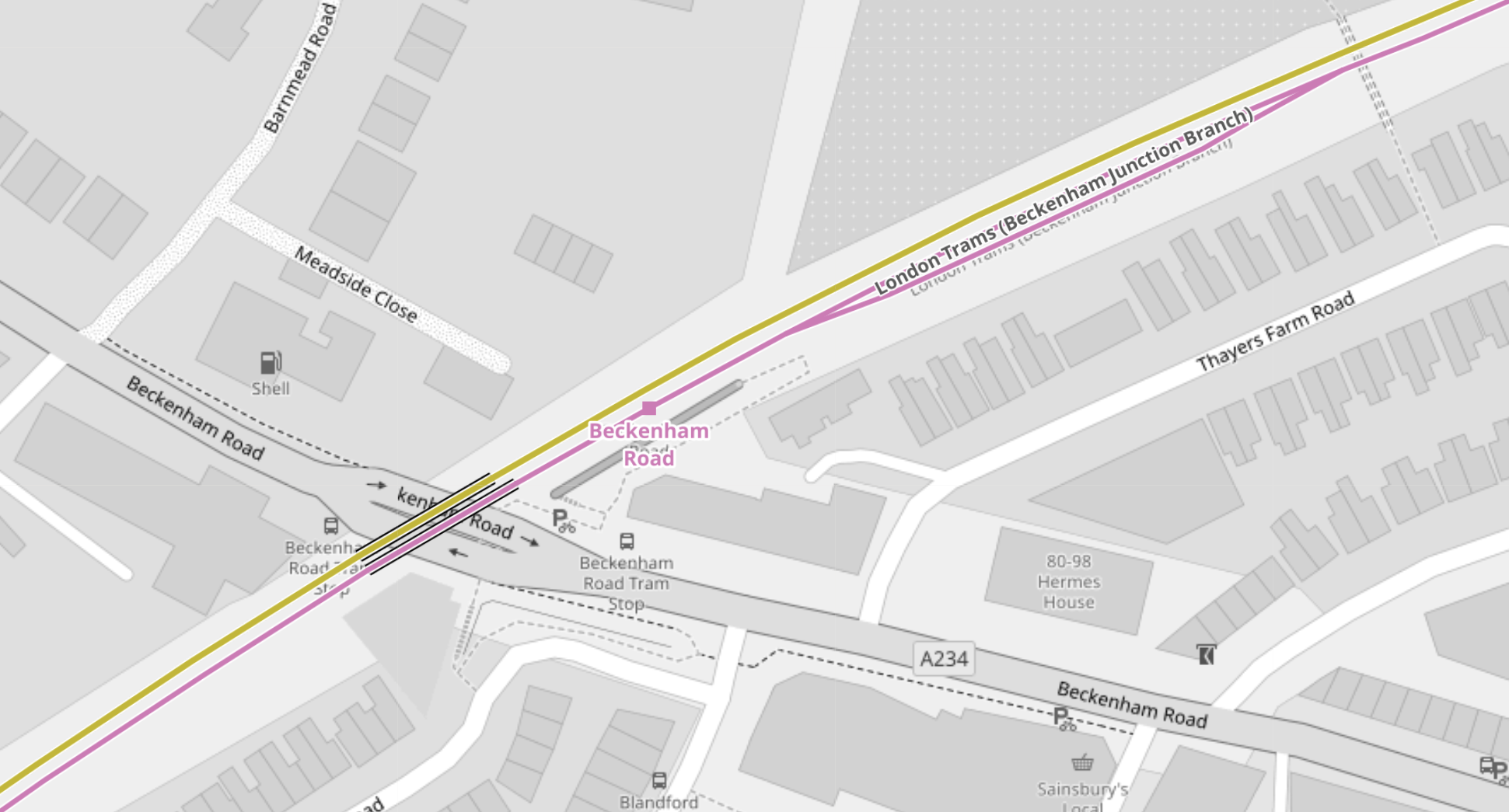
This map from OpenRailwayMap shows the track/platform layout at Beckenham Road station/tram stop.
Note.
- The yellow line is the National Rail line between Crystal Palace and Beckenham Junction.
- The National Rail line isn’t shown to have a platform.
- The mauve line is the London Tramlink between Croydon and Beckenham Junction.
- There is no rail connection between the two lines.
The London Tramlink has a single bi-directional platform.
There is also a loop in the London Tramlink to the East of Beckenham Road station/tram stop to allow trams to pass.
These pictures were taken at the Beckenham Road tram stop.
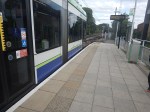
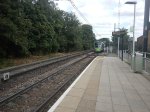
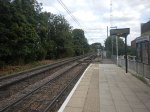
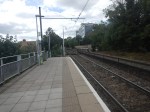
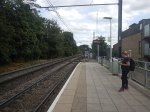
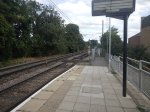
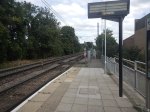
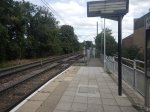
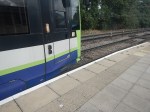
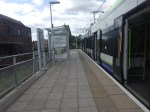
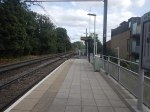
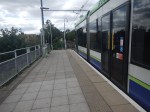
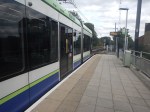
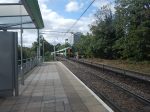
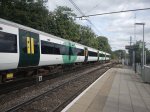
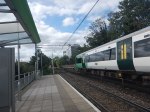
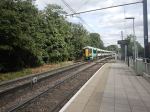
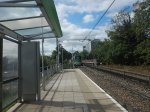
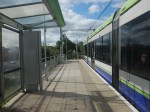
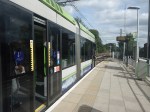
Note.
- A train conveniently came through from London Bridge to Beckenham Junction, when I was taking pictures.
- Several pictures show trams using the loop to the East of the tram stop.
- Both types of tram were pictured in the tram stop.
- The platform in the tram stop is wide.
From the pictures, I would estimate that the Beckenham Road tram stop platform is currently about thirty-five metres and could probably handle a forty metre tram with selective door opening.
Tram-Train Operation Between Birkbeck And Beckenham Junction Stations
I am certain that if this track was being designed today, tram-train operation would be used.
- There would be two tracks, with one for each direction, through Birkbeck, Avenue Road and Beckenham Road stations.
- Both tracks would have dual-height platform at each station/tram stop, so tram and train passengers got level boarding.
- Trains would use third-rail power and trams would use battery-power.
Unfortunately, tram-trains didn’t exist, when the London Tramlink was designed.
Handling Longer Trams At New Addington Tram Stop
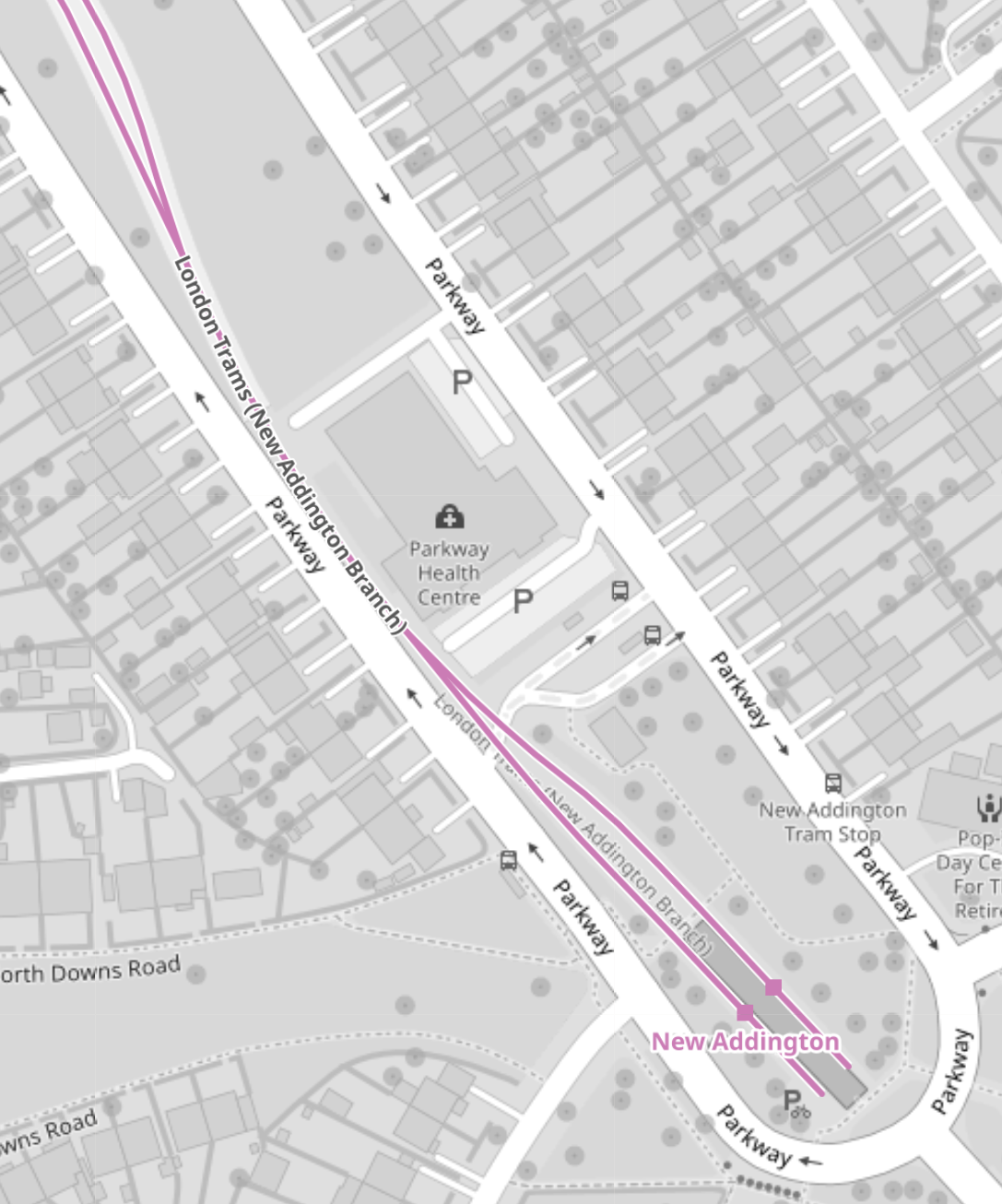
This map from OpenRailwayMap shows the platform layout at New Addington tram stop.
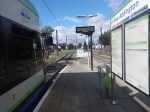
These pictures show the New Addington tram stop and the London Tramlink platforms.
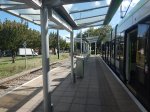
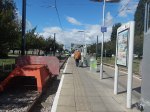

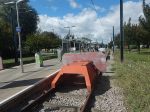
If some of the grassland around the platforms was allocated to the tram stop, I suspect the platforms could be lengthened.
Handling Longer Trams At Wimbledon Station
This map from OpenRailwayMap shows the platform layout at Wimbledon station.
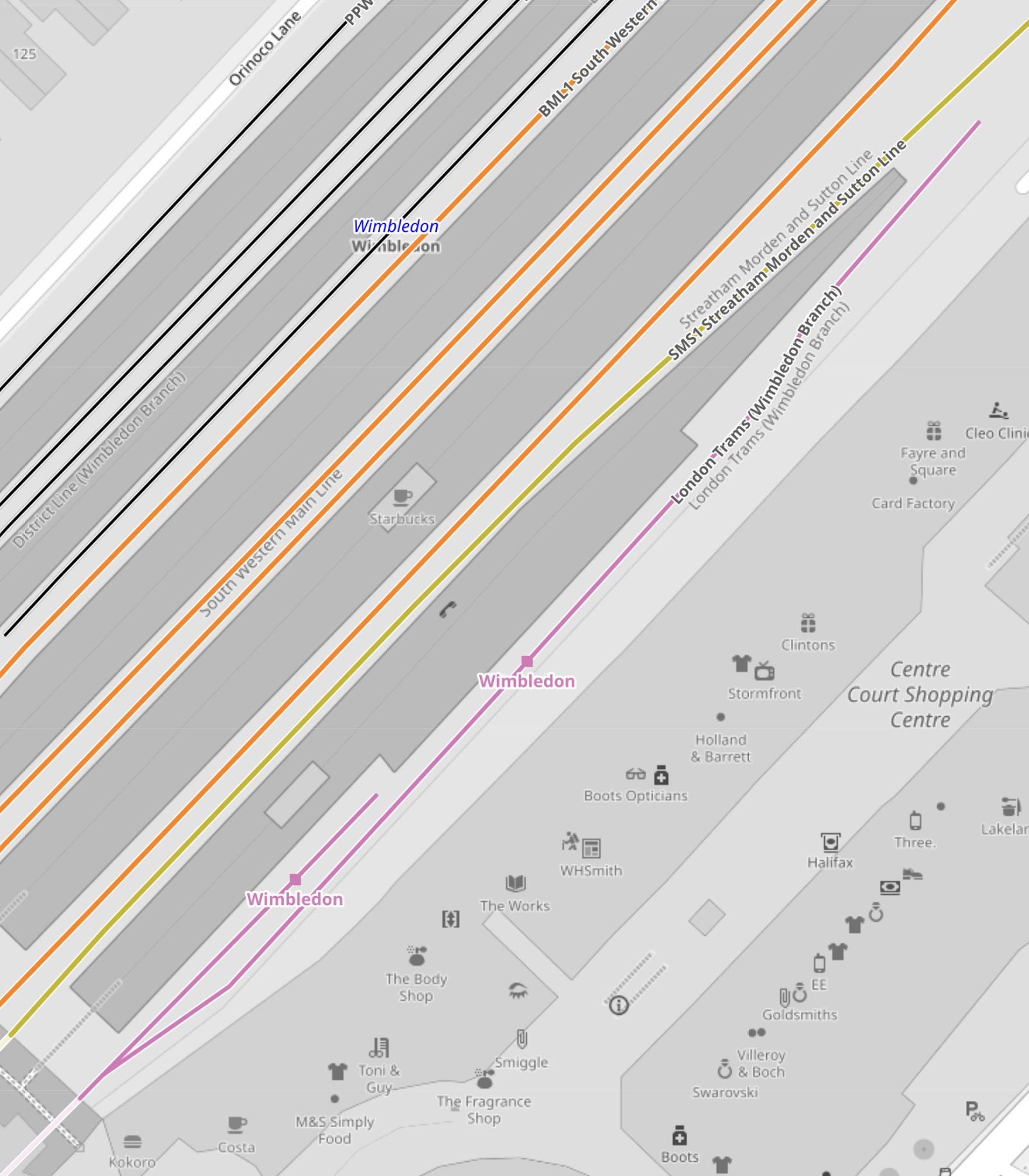
Note.
- The mauve line is the London Tramlink.
- There are two platforms; 10A and 10B, which are indicated with a separate dot.
- Platform 9, which is used by Thameslink, is the other side of Platform 10, so interchange to Thameslink is excellent.
- The main tram platform 9/10 is wide.
- The platforms are step-free to the trams, with lifts to the station bridge and the other platforms and Way Out.
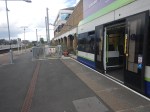
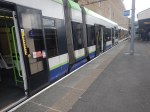
I suspect that when the second platform was built, both platforms were made longer than the thirty-two metres needed for the Stadler trams.
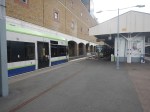
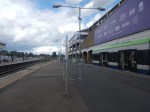
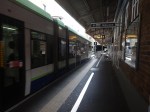
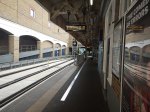
These pictures show the two platforms.
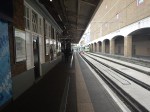
Could another platform be created on the other side of the tracks to give better access to the tracks?
Conclusions
My first conclusion is that the London Tramlink could be run by a new fleet of the same number of trams, that were a few metres longer than the current 30.7/32 metres of the current trams.
- I suspect that forty metre trams would be possible, with a few modifications to platforms.
- It might even be possible to have forty-five metre trams, with a more substantial rebuild at Beckenham Junction.
- Trams could overhang platforms and selective door opening could be used.
- Forty metre trams would carry 25 % more passengers than the current trams.
- The Elmers End and Wimbledon terminals already seem to be capable of handling forty metre long trams and possibly could take trams a few metres longer.
I suspect that Elmers End and Wimbledon, could be the first route, where the longer trams were introduced, as the trams should be able to shuttle between the two end terminals to the current timetable.
The New Addington tram stop would be brought into operation next.
- Platforms would be lengthened as required.
- Trams operate a frying pan loop from New Addington to Croydon, with an Off Peak frequency of 7-8 minutes.
- I suspect that one platform won’t be able to handle this frequency.
- The last point probably means that the two platforms will need to be lengthened.
Works at the New Addington tram stop could be tricky, but not substantial.
Initially, the service to Beckenham Junction could be run by the existing Stadler Variobahn trams.
I believe that a lot of work will need to be done to get Beckenham Junction ready for the new trams if they are longer, which I suspect they are.
- The Network Rail installation will have to be relocated.
- The two platforms will have to be lengthened.
I suspect the works will be substantial.
But I do believe, that there is scope to plan all the works at the terminals, so they can be done efficiently, whilst at least maintaining a partial service.
My second conclusion, is that it will be possible to build a financial model, which shows infrastructure costs against tram lengths.
Longer trams will cost more and cost more for infrastructure, but they will carry more passengers and collect more fare revenue.
London Tram Enhancements Included In Growth Fund
The title of this post is the same as that of this article in Metro Report International.
This is the first two paragraphs.
Transport for London is to finance around one-third of the cost of double-tracking the Elmers End branch of the tram network, Mayor of London Sadiq Khan announced on May 21.
TfL is to provide £3·3m from its Growth Fund towards the estimated £9m estimated project cost. In addition to double-tracking the short branch, this would add a second tram platform to the Elmers End terminus. TfL says that this would enable service improvements and ‘address reliability issues’ on the network.
This map from carto.metro.free.fr, shows the track layout between the Arena tram stop and Elmers End station.
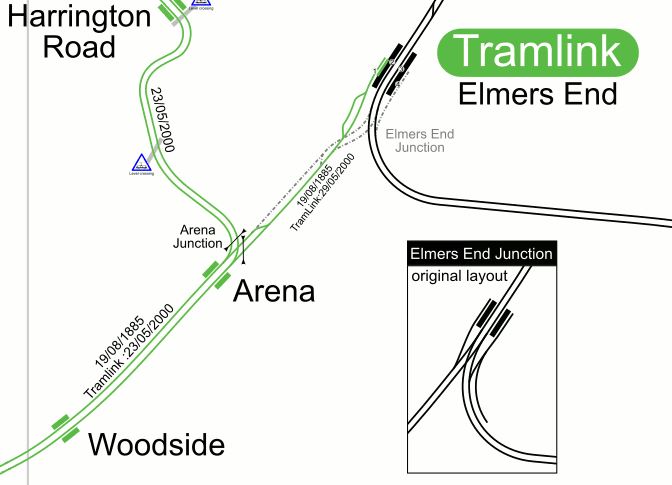
My thoughts on the various works follow.
Double-Tracking
From the map, it doesn’t appear that a very large amount of track needs to be doubled.
This Google Map shows some of the single track section of the route.

Note the passing loop to the South of Elmers End is visible, at the top of the map.
It would also appear that there is space to add the second track, which used to exist when the tram line was the Addiscombe Line.
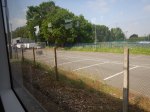
These pictures, which were taken from a tram, show the section of line in the map.




I suspect that a second track linking the double track at Arena to the passing loop South of Elmers End can be created.
Electrification Or Battery
Battery trams will soon be running on many tram networks around the world, including Birmingham in the UK.
Tramlink has a problem, in that they have two types of trams.
Because of their age, I think the CR4000 trams might be difficult to be fitted with batteries.
But Munich already has Variobahn trams fitted with batteries.
If battery power were needed just on the route to Elmers End, I think it would not be an economic decision to fit all trams with batteries.
Obviously, if in the future, more trams were to be ordered, there may be other routes, where batteries are ideal.
I don’t think, there will be any issues about putting up more wires.
Being able to use the current trams on the new track to Elmers End would be very convenient
For these and other reasons, I suspect this line will be electrified.
The New Elmers End Platform
Elmers End is the only one of the four Tramlink termini with a single platform, as Beckenham Junction, New Addington and Wimbledon all have two platforms.
So a second platform at Elmers End would surely make running a service easier, when things go a bit awry.
The need was illustrated as my tram left Elmers End. We stopped for a couple of minutes in the passing loop just outside the station to let another tram enter the platform.
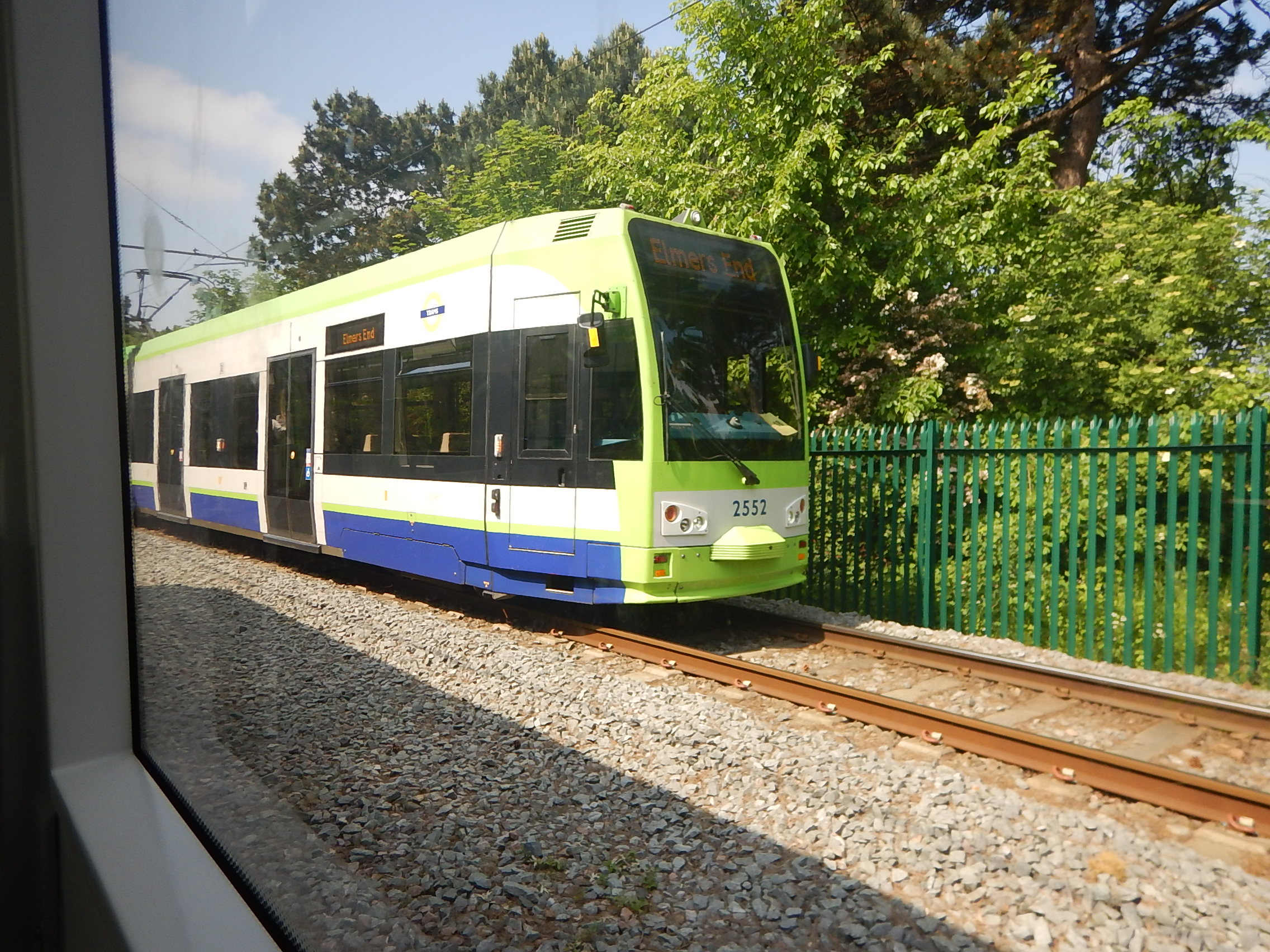
After the proposed works, the two trams would have passed on the double-track to the East of the Arena tram stop.
This Google Map shows the platforms at Elmers End station.
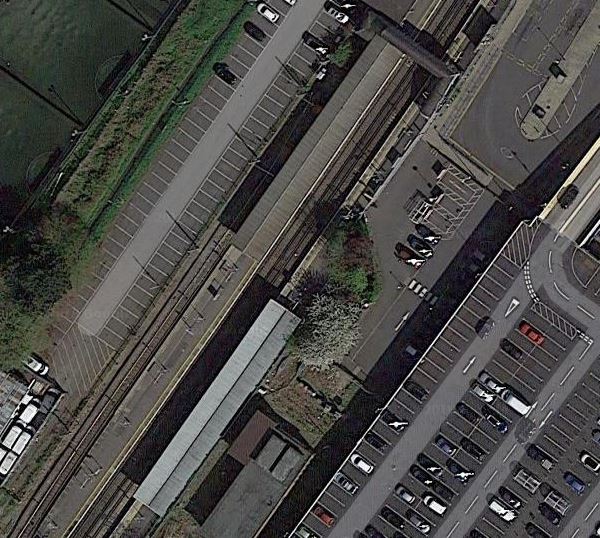
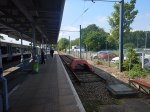
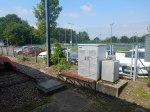
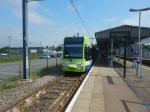
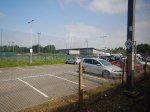
These pictures show the station and in particular, the current single tram platform.



Note.
- Platform level is such, that platform-to-tram is step-free.
- The current platform has a cross-platform interchange with the Northbound Platform 2 on the Hayes Line.
- It would appear, that there is space alongside for a second platform, although it might mean the loss of some car parking spaces.
- Some equipment might need to be moved.
- The footbridge could probably need to be made step-free.
- There is space to add the gantries for the electrification.
The original Addiscombe Line had a platform on the other side of the tracks as shown in the map earlier in this post.
I doubt this old layout will be used, as a flat junction would be rather difficult to operate and a flyover would be expensive.
Could we see a staggered platform layout, so that both platforms are accessible from Platform 2?
This map from carto.metro.free.fr shows the track arrangement at New Addington.
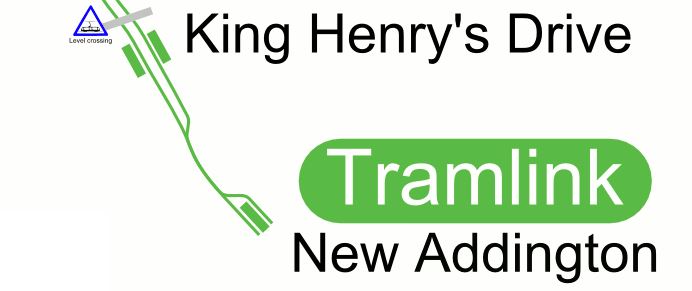
The line appears to be singled a convenient distance from the terminus and then it splits again just outside the platforms.
Beckenham Junction and Wimbledon, both use a similar track layout.
If a layout similar to this were to be applied at Elmers End, it would have the collateral benefit of reducing the current three sets of points to two.
A single track, would also be easy to squeeze through the gap into Elmers End, provided there was space for the points before the platforms.
I believe this layout, would work with staggered platforms.
Would The Elmers End Platforms Be Made Longer?
Wikipedia talks about expanding Tramlink. Under Phase C of Trams 2030, this is said.
Furthermore, if extra capacity is required, tram stops could be lengthened to serve either longer trams or two trams coupled together on services between Wimbledon and Beckenham Junction or Elmers End.
I think that Elmers End will be future-proofed.
An Increase In Frequency To Elmers End
The Wikipedia entry for Elmers End station, says this about current tram frequencies under Services.
Trams depart from the station every 12 minutes; this service falls to four trams per hour during the early morning and evenings. Each tram travels towards Croydon town centre; trams on Route 1 continue to West Croydon tram stop, before travelling back as Route 2 to Beckenham Junction, while trams on Route 4 continue to Wimbledon.
A second platform would surely allow the five trams per hour frequency to be doubled to ten trams per hour, if this was thought necessary.
These trams would either be turned in Croydon or continue to Wimbledon.
Some might use a proposed diverting loop in Dingwall Road, by East Croydon station.
More Trams
If more trams are needed, I’m sure Stadler would oblige with a few new Variobahn trams.
Future Expansion
I also think, that because after the Elmers End scheme is completed, all the Tramlink termini will have two platforms, this will make it much easier to expand the system.
Conclusion
It seems a relatively simple scheme with no serious construction problems.
 The Anonymous Widower