Have Alstom Given Up On Their Euston And Wrexham Open Access Service?
I last wrote about this planned service in Direct London Trains ‘Could Start In 2026’.
But, as I wrote in Network Rail Objects To Wrexham To London Service, Network Rail had objected.
I asked Google AI, the question in the title of this post and received this reply.
No, Alstom has not given up on the Wrexham, Shropshire and Midlands Railway (WSMR) open-access project.
After the Office of Rail and Road (ORR) rejected their initial application in July 2025 due to capacity and congestion concerns on the network, WSMR resubmitted a revised bid in late November / December 2025.
Key Updates on the Resubmitted Bid
Reduced Services: The revised plan trimmed the proposed frequency from five daily return trips down to three guaranteed daily returns (with an option for a fourth).
Route Adjustments: The new application added a stop at Wellington (Shropshire) and sought to utilize newly available or spare capacity paths.
Timeline: A decision from the rail regulator (ORR) was anticipated in Spring 2026, with hopes for the service to launch towards the end of 2026.
The Route
The map downloaded from a BBC article, which is entitled Direct London trains ‘Could Start In 2026’ shows the route.
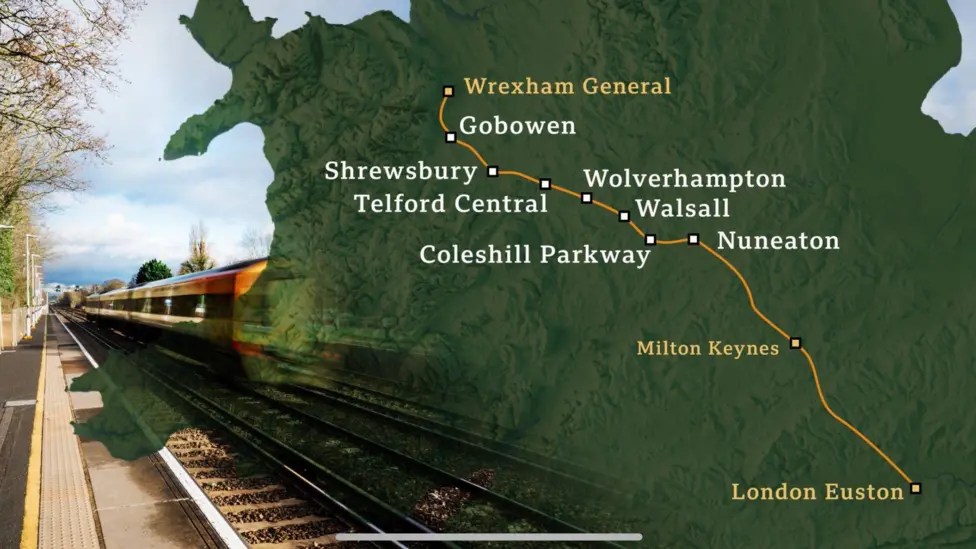
Note.
- There are now ten intermediate stops.
- Wellington and Darlaston have been added between Wolverhampton and Shrewsbury.
- Euston and Wolverhampton is 124.9 miles and fully electrified.
- Wolverhampton and Wrexham General is 59.9 miles and is not electrified.
- The section of the route without electrification is 120 miles return, which could be too far for battery-electric trains.
But I believe that the battery-electric trains, that TransPennine Express have ordered from Alstom could handle the route with charging at Wrexham General station.
I have some further thoughts.
Hydrogen Is Now Not Proposed
In Direct London Trains ‘Could Start In 2026’, I felt that Alstom might use hydrogen trains.
But now that TransPennine Express have ordered Alstom battery-electric trains and the route could be ideal for them, it would seem sensible to use them.
Providing charging at Wrexham General station would probably be easier than providing hydrogen refuelling.
Could Euston and Wrexham General Be A Test Route For The Adessia Battery-Electric Train In The UK?
I asked Google AI and received this reply.
Yes, London Euston and Wrexham General could serve as an ideal test route for Alstom’s Adessia battery-electric train platform.
Route Characteristics and Viability
Electrified Section: The journey from London Euston to Wolverhampton covers roughly 124.9 miles on fully electrified lines.
Uncertified / Non-Electrified Section: The remaining 59.9 miles from Wolverhampton to Wrexham General lacks overhead electrification (via Shrewsbury).
Battery Range Demands: Operating this run requires a battery-electric range capability of roughly 60 miles in each direction beyond the wires, or a charging strategy implemented at Wrexham General station.
Proposed Operations: Wrexham Shropshire and Midlands Railway (WSMR) announced plans to work with Alstom to introduce a bi-mode battery-electric fleet from the Adessia family if their open-access operations are approved.
This is the first time, that I’ve seen linkage between Alstom’s open access operation and development of a bi-mode battery-electric fleet.
Will Wrexham Shropshire and Midlands Railway’s Adessia Trains Be 110 mph Trains?
This would make them compatible with the TransPennine Express trains.
But they will be sharing the West Coast Main Line with 125 mph Class 390, Class 805 and Class 807 trains.
I wonder, if for ease of operation, that the trains will be 125 mph units.
Will Battery-Powered Trains Change The Future Of UK Rail Travel?
The title of this post, is the same as this article on the BBC.
This is the sub-heading.
A near £1bn investment will see the UK’s first battery-electric trains for long-distance main line services built in Derby, which Prime Minister Andy Burnham has said will “bring faster, more reliable journeys to the north”
These are the first two paragraphs.
The new trains will replace diesel power with electricity, and seek to cut journey times by up to 10 minutes between Manchester and Leeds, and up to 14 minutes between Manchester and York.
So are batteries set to drive forward a new electric future of train travel in the UK?
Alstom’s press release and other sources on the order, add more details.
- The trains will be based on the Adessia platform.
- There will be 29 five-car trains.
- It looks like they will replace the 51 three-car Class 185 trains.
- Wikipedia says they are 110 mph trains.
- The trains will be British-designed and built.
The trains will have level boarding at every door, of which the BBC article has a visualisation.
The BBC article has a long section about battery trains and is well-worth a full read.
The BBC explains how the trains will charge their batteries.
- On electrified sections the batteries will be charged from the overhead wires.
- According to Alstom, when the train brakes, the electric motors “work in reverse as generators, which captures braking energy”, which would normally be lost as heat energy.
- This will also be fed back into the on-board battery.
- The manufacturer added rapid charging facilities would also be installed as part of the contract at stations in Hull, Scarborough and Saltburn.
This is all proven technology, which is used all round the world and on Merseyrail in the UK.
How Will HS2 Classic Compatible Trains Be Tested?
As there has been some scare stories on this, I thought I had better ask Google AI for a second opinion.
This was the reply I received.
HS2 classic compatible trains (Class 895) will undergo rigorous, phased testing starting in 2027, including static checks in climate chambers and low-speed facilities, followed by dynamic testing on a 50-mile section of the new HS2 line. These tests, conducted at up to 360 km/h (225 mph), ensure compatibility with new high-speed infrastructure and existing network interfaces.
Key Testing Stages & Locations:
Static Testing: Initial tests conducted at production sites in Derby, involving climate chambers to test systems in extreme temperatures and at low-speed test tracks.
Dynamic Testing (Mainline): High-speed tests will occur on a ~50-mile (~80 km) section of the new high-speed line between Washwood Heath in Birmingham and the north portal of the Wendover green tunnel, focusing on braking, power, and signalling systems.
Infrastructure Compatibility: Testing includes extensive checks at the Rail Innovation & Development Centres (RIDC) and validation of the train-track interface, especially for “good vehicle-track interaction”.
International Testing: Specialized tests, such as those at the Velim test centre in the Czech Republic, will be utilized.
Existing Network Testing: Because these trains must run on the existing West Coast Main Line (WCML), they will be tested for interoperability on traditional tracks.
Focus Areas:
Performance: Validating that trains can handle speeds of 360 km/h and high acceleration.
Integration: Testing of signaling, power, and communication systems together.
Safety: Verification of braking systems and emergency systems.
Accessibility & Design: Physical mock-ups have been used for user group testing regarding cabin layout.
These tests are critical as the Class 895 trains are a joint project between Hitachi and Alstom, designed to run both on new high-speed lines and older, conventional lines (Classic Compatible).
These are some of my observations.
Where Is The North Portal Of The Wendover Green Tunnel?
This Google Map shows its location.
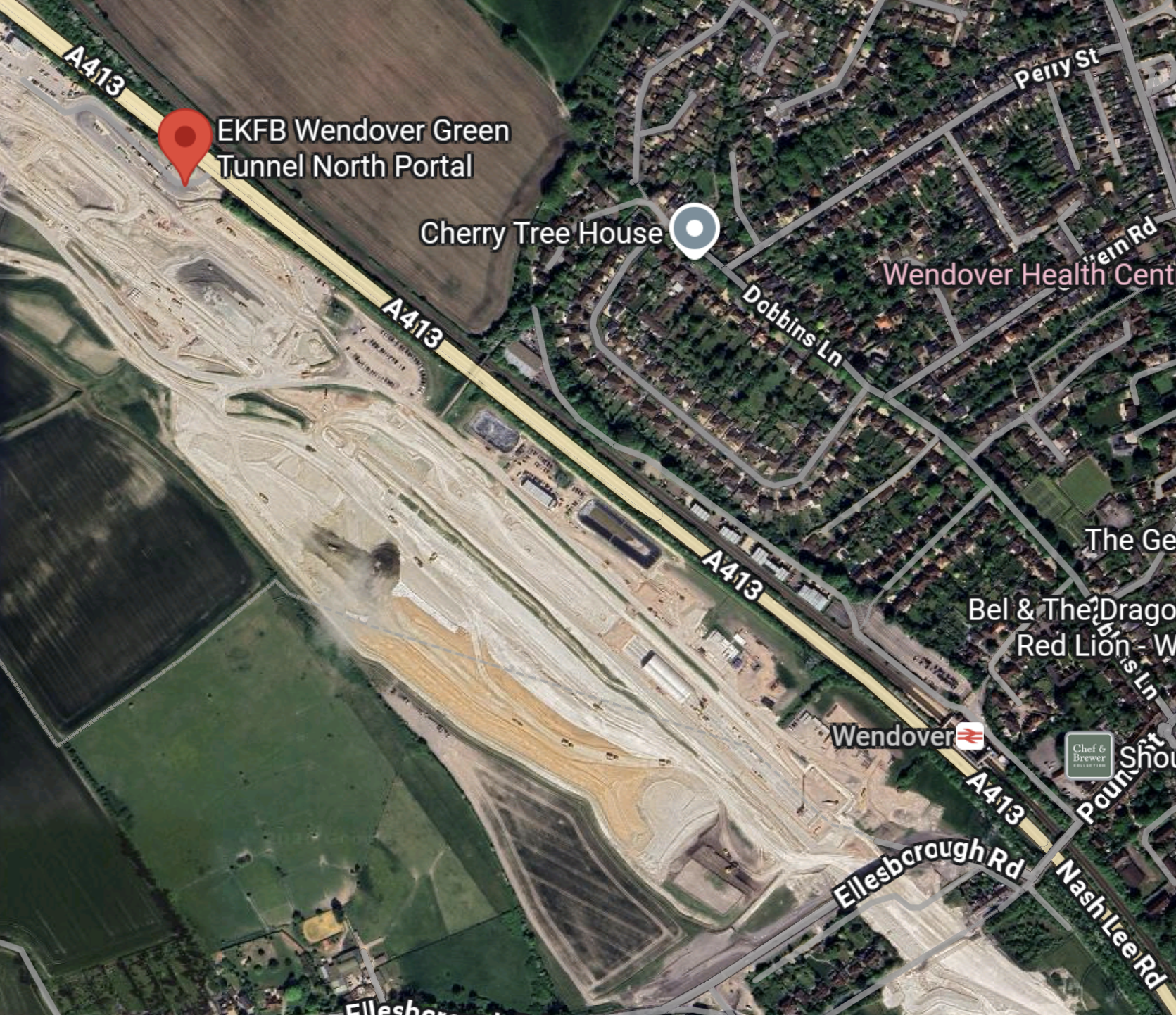
It would appear that North Portal of the Wendover Green Tunnel, is conveniently close to Wendover station.
This OpenRailway Map gives a larger view.
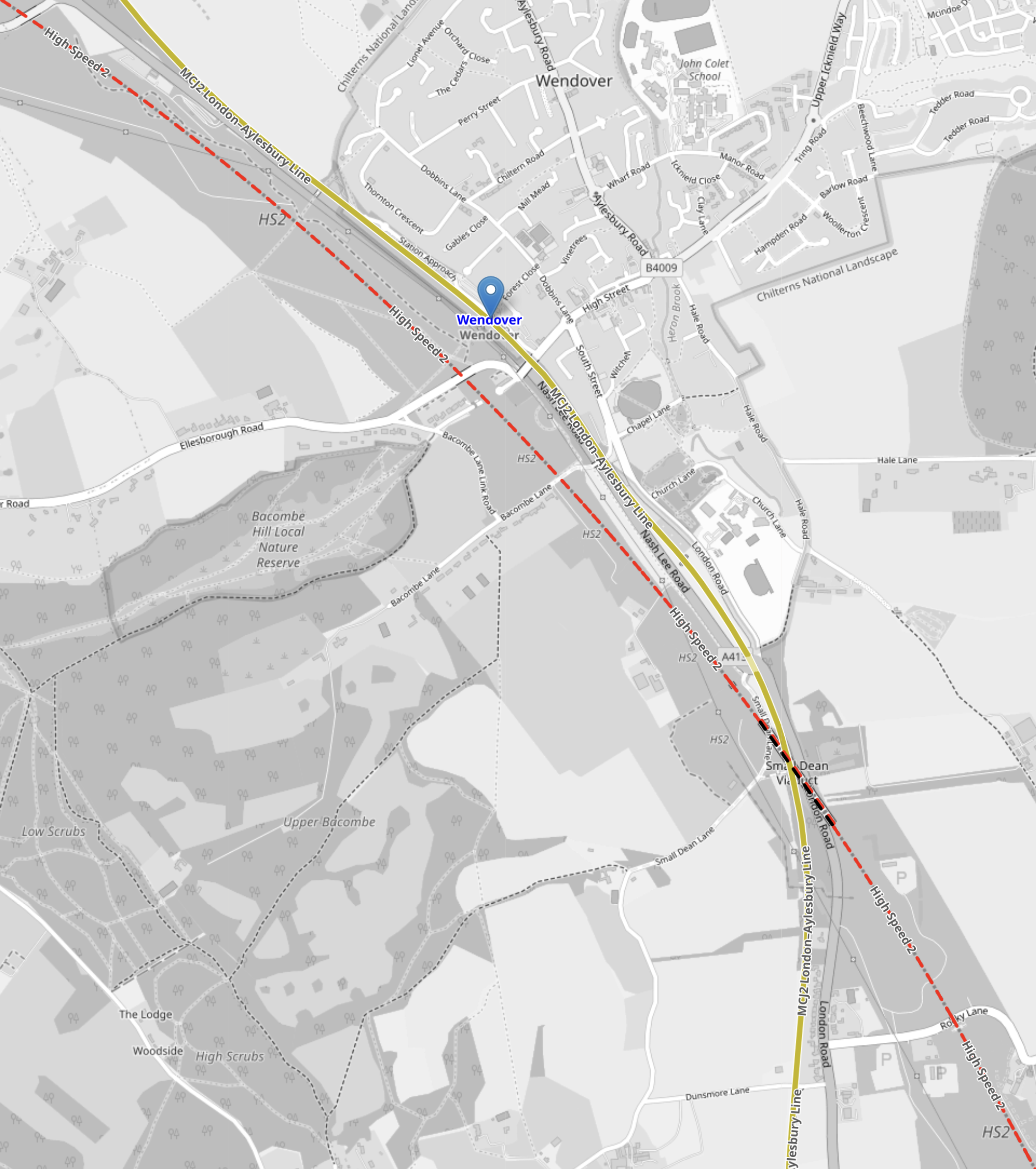
Note.
- HS2 is shown as dotted red tracks.
- Chiltern is shown in yellow.
- Wendover station is indicated by a blue arrow.
I suspect the portal is near the top of the map.
But looking at the roads and the station, it could be an interesting place to get close to HS2 infrastructure and trains under test.
Could A Feeder Network Of Local Trains Be Developed For HS2 At Lancaster Station?
Lancaster station is one of the less important stations that will be served by High Speed Two.
I visited in May 2025 and afterwards wrote Lancaster Station – 23rd May 2025.
This OpenRailwayMap shows the railway network around Lancaster.
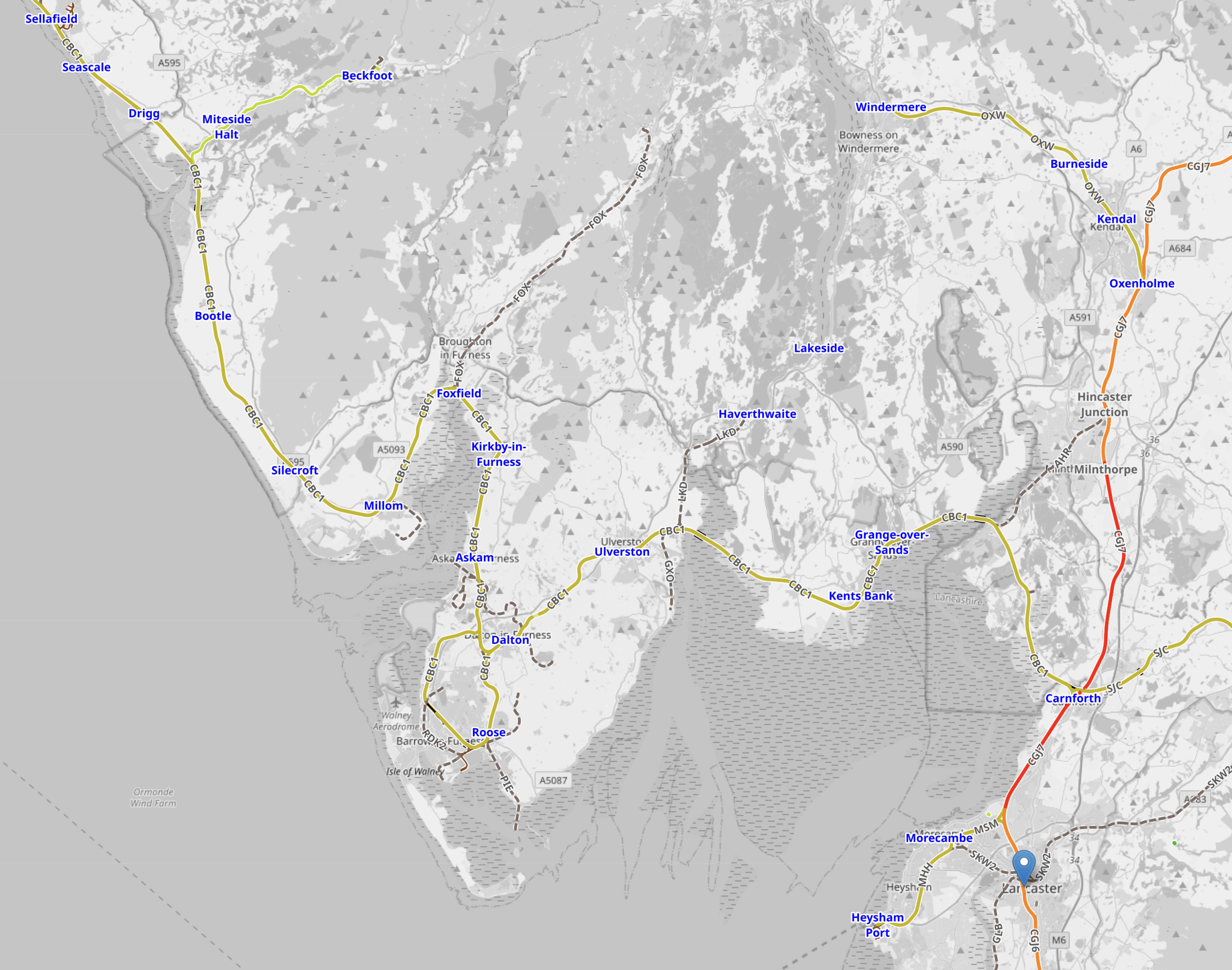
Note.
- The red track on the East side of the map is the electrified West Coast Main Line.
- The location of Lancaster station is indicated by a blue arrow.
- Morecambe, where the Eden Project North is being developed and the important port of Heysham are on the coast to the West of Lancaster.
- Oxenholme station is towards the North-East corner of the map, on the main line.
- The Windermere branch connects to the main line at Oxenholme station.
- HS2 will use the West Coast Main Line and call at Lancaster and Oxenholme.
North of Oxenholme, HS2 calls at Penrith and Carlisle, before going on to Glasgow and Scotland.
West of the main line, the map is dominated by the waters of Morecambe Bay, which in recent decades has produced a lot of our gas, but is now transitioning to an area, that will produce a few gigawatts of wind power.
North of Morecambe Bay, there is the Lake District, with the shipbuilding at Barrow and the nuclear waste processing at Sellafield on the coast.
It is an important area of England, where there is a lot going on!
Tying it all together is the yellow ribbon of the Cumbrian Coast Line, which connects Carnforth and Carlisle on an hourly basis.
- The service calls at Grange-over-Sands, Barrow-in-Furness, Millom, Ravenglass, Drigg, Seascale, Sellafield, St Bees, Whitehaven, Workington, Maryport, Aspatria, Wigton and other places.
- Four services a day link Carlisle and Lancaster stations.
- Carlisle and Lancaster stations are 120.5 miles apart via the coast and according to Google AI, the journey takes between three and three-and-a-half hours.
- In From Barrow-in-Furness To Ravenglass, From Ravenglass to Sellafield and From Sellafield To Carlisle, there are some images, that give a flavour of the route.
This is a route, that is worth decarbonising.
Consider.
- There is a couple of gigawatt of wind power in the bay to charge any batteries with green electricity or make green hydrogen.
- There is a project called BARROW GREEN HYDROGEN, which is located in Barrow-in-Furness.
- Both hydrogen and battery-powered trains could handle the hundred and twenty miles of the Cumbrian Coast Line.
- A zero-carbon train running silently round the Lake District could be a tourist attraction in its own right.
- Hydrogen-powered buses could provide the local transport.
Given the scenery and the closeness to the Lake District and High Speed Two, I suspect that major train manufacturers like Alstom, CAF and Siemens will be keen to bid.
Full fleet Of 27 Hydrogen Trains On German Network Will Not Be Deployed Until 2026 — More Than Three Years Late
The title of this post, is the same as that of this article on Hydrogen Insight.
This is the sub-heading.
Full fleet of 27 hydrogen trains on German network will not be deployed until 2026 — more than three years late
The Alstom fuel-cell trains were ordered back in 2019 in a €500m contract and were supposed to be fully operational in December 2022… but problems have persisted.
To read the rest of the article, I need to register, but from this article, for my argument, I only only need the fact that the trains are three years late.
But the introduction of hydrogen buses into service hasn’t been without its problems in the UK and projects have been dropped.
So have Alstom decided to take a closer control of the technology to bring this flagship project on track? Hence the deal, I talked about in Alstom And Cummins Make A Deal On Hydrogen Rail Technology.
Will the del also breathe new life into the agreement I talked about in Alstom And Eversholt Rail Sign An Agreement For The UK’s First Ever Brand-New Hydrogen Train Fleet?
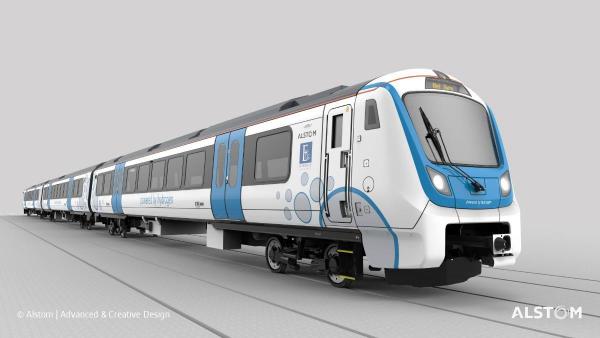
This is Alstom’s visualisation of the Hydrogen Aventra.
But I certainly think, that a multinational hydrogen-tri-mode train built in Derby by a French-owned company on a proven and reliable 125 mph platform, with German fuel cells, running on Cheshire hydrogen, through spectacular Welsh countryside could be an easy proposition to sell to Fat Controllers.
How Do Alstom Fuel Their Hydrogen Trains?
I have not seen this question answered, so out of curiosity, I asked Google AI and received this answer.
Alstom fuels their hydrogen trains, specifically the Coradia iLint, using high-pressure gaseous hydrogen stored in tanks on the roof. The hydrogen combines with oxygen via fuel cells to generate electricity, which powers the electric traction motor, with only water and heat emitted. The trains refuel at specialized hydrogen stations in roughly 15 minutes.
Key Aspects of Alstom’s Hydrogen Fueling System:
Fueling Station: The trains are powered by specialized hydrogen filling stations, such as the Linde station in Bremervörde, Germany, which supplies gaseous hydrogen.
Refueling Process: The process is designed to be a “drop-in” replacement for diesel, with a filling time similar to that of diesel trains, providing a range of over 1,000 km.
Fuel Cell Technology: Inside the train, a fuel cell module (typically located on the roof) separates hydrogen molecules into protons and electrons, creating a flow of electricity.
Energy Storage: The system uses lithium-ion batteries to store excess energy from the fuel cells and energy recovered from braking.
Hydrogen Source: While some hydrogen is currently produced through conventional methods (steam reforming), there is a strong shift towards using green hydrogen produced from renewable energy on-site.
The Coradia iLint has a top speed of 140 km/h and serves non-electrified lines as a zero-emission alternative to diesel.
Alstom And Cummins Make A Deal On Hydrogen Rail Technology
I asked Google AI about this deal and receive this reply.
On April 2, 2026, Alstom announced the acquisition of Cummins’ hydrogen fuel cell activities specifically dedicated to the rail sector. This strategic move brings the technology and manufacturing capabilities for Alstom’s Coradia iLint hydrogen trains in-house, following a period where Cummins looked to wind down its wider hydrogen business amid losses in its Accelera energy transition segment.
Here are the key details of the deal:
Scope of the Acquisition
Fuel Cell Technology In-House: Alstom acquired the engineering, product, and support capabilities for the fuel cells used in its existing hydrogen train fleets, specifically the Coradia iLint.
Manufacturing Facilities: The deal includes the transfer of Cummins’ fuel cell manufacturing and assembly site in Herten, Germany, which has been producing for Alstom since 2021.
Targeted Support: The acquisition allows Alstom to strengthen its ability to maintain, improve, and provide support for existing hydrogen fleets in Germany, Italy, and France.
Context and Strategy
Securing Supply Chain: After facing maintenance issues with the fuel cells, which previously required sourcing parts from North America, this move gives Alstom direct control over its key technology.
Strategic Pivot: While Cummins moves to pivot away from the wider hydrogen market following losses in its Accelera unit, Alstom continues to focus on hydrogen as a critical solution for replacing diesel trains on non-electrified, long-haul lines.
Commitment to Hydrogen: Despite a 2025 announcement by Alstom that it would pause “further development” of new hydrogen technology due to funding cuts, this acquisition proves that the company remains committed to supporting and enhancing its current, contracted hydrogen train programs.
Future Impact
Reliability Improvements: Alstom plans to leverage this acquisition to accelerate development work, improve the energy management, durability, and reliability of the Coradia iLint fleet, and ensure the success of projects in Germany, Italy, and France.
Market Position: This acquisition solidifies Alstom’s position as a leader in sustainable rail alternatives, even as battery technology has advanced.
I would agree strongly with the future impact.
My First Ride In An Alstom Coradia iLint
In March 2019 in My First Ride In An Alstom Coradia iLint, I said this.
I’m finally, riding in a hydrogen-powered Alstom Coradia iLint train through the German countryside.

Not as quiet as the two battery trains, I’ve ridden, but that’s because It feels to me that the traction motors are crudely under the passengers and cardan shafts are used to drive the wheels!
Battery electric trains with regenerative braking should be virtually free of any mechanical noise. Both the Class 379 and Class 230 battery demonstrators were almost silent. As electricity generated from hydrogen doesn’t appear to generate much noise, then a hydrogen-powered train can also be almost silent.
From talking to fellow passengers on my German trip, it would appear that the train has been very reliable in service.
Conclusion
Alstom are proving hydrogen would work well in a train designed for that purpose, but updating a DMU with a noisy mechanical transmission, possibly isn’t the best to go.
I now believe that Alstom have everything they need to create a 125 mph tri-mode multiple unit.
Adding in today’s article about hydrogen, I have written enough about Bombardier, which is now Alstom, and their future plans, so that they can build an Alstom 125 mph tri-mode Aventra, with with electric, battery or hydrogen power.
It could be the ultimate train.
The Bombardier Aventra And Brexit
The Batteries for Bombardier Electrostar
Parallel Thinking From Bombardier
Bombardier’s Battery Technology
Have Bombardier Got A Cunning Plan For Voyagers?
Bombardier Bi-Mode Aventra To Feature Battery Power
Stadler Flirt And Bombardier Aventra Tri-Modes Compared
Bombardier’s Plug-and-Play Train
Bombardier’s 125 Mph Electric Train With Batteries
Do Bombardier Aventras Have Remote Wake-Up?
Direct London Trains ‘Could Start In 2026’
The title of this post, is the same as that of this article on the BBC.
This is the sub-heading.
A new train company is hoping its proposals for new daily services from Shropshire to London Euston could begin towards the end of 2026.
Wrexham, Shropshire and Midlands Railway (WSMR), which is led by international rail firm Alstom, submitted a new bid at the end of last year to provide four daily trains.
These two paragraphs add detail to the story.
The county has not had a direct train link to the capital since Avanti West Coast stopped its single daily service in 2024 because of low passenger numbers.
The move has been welcomed by regular commuter Charlotte Foster, who lives on the Welsh border. She said a direct service would save her the stress of missing a connection or catching a train elsewhere.
These are my thoughts on this proposal.
I wonder If Alstom Will Be Using This route To Trial Hydrogen-Powered Trains?
Consider.
- The route was a failure for Virgin Trains.
- Perhaps the curiosity value of hydrogen-trains will generate sufficient traffic.
- Hydrogen-electric trains will be very quiet. Those in Germany are hydrogen-electro-mechanical and very noisy.
- The trains will be based on the proven Aventra platform.
- I reported on Alstom’s hydrogen trains for the UK in Alstom Plans To Operate Its Own Passenger Train Service In The UK For The First Time.
- Perhaps Alstom feel that an extended test will convince passengers that the trains are a good idea.
- An extended test would give proper costings for Great British Railways and prospective open access operators.
The map downloaded from the BBC article shows the route.
Note.
- There are eight intermediate stops.
- Euston and Wolverhampton is 124.9 miles and fully electrified.
- Wolverhampton and Wrexham General is 59.9 miles and is not electrified.
- The section of the route without electrification at 120 miles return might need some new electrification for battery-electric trains, but from their experience in Germany, I suspect that Alstom, will know how to cover the route using hydrogen-hybrid trains, which would use the existing electrification between Euston and Wolverhampton.
This picture shows a visualisation of a possible Alston hydrogen train, which would probably be built in Derby on an Aventra platform.
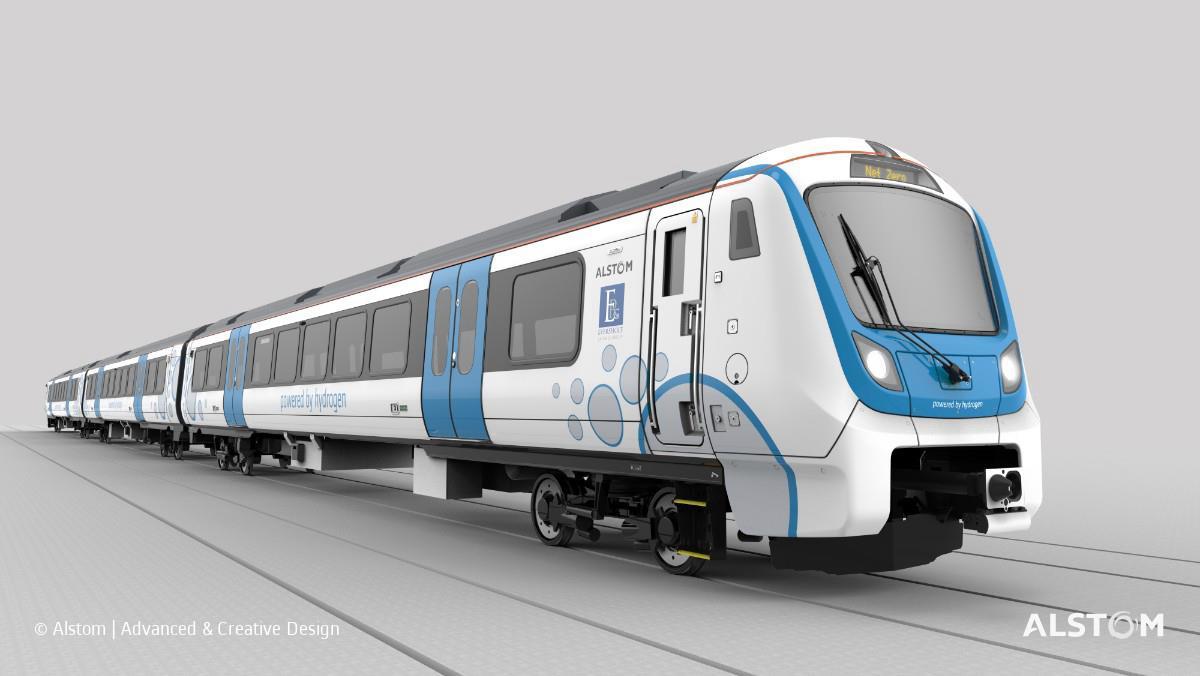
Note.
- It could be up to five-cars long.
- I suspect Alstom could give the train a 125 mph cruising speed, so it could mix it with all the express trains between Euston and Wolverhampton.
- The trains would have a very long range on hydrogen.
- Hydrogen trains could certainly handle a round trip between Wolverhampton and Holyhead on a single fuelling.
- Hydrogen fuelling is likely to be setup at Cemex at Wrexham and the Port of Holyhead.
I think it could be an ideal trial route for hydrogen trains.
But also it could bring growth to the towns and cities between Wolverhampton and Holyhead.
Would Alstom’s Hydrogen-Hybrid Trains Be Suitable For Other Routes?
Most Certainly!
In the first place, the route could be extended to Holyhead, which would surely bring growth to the towns and cities between Wolverhampton and Holyhead.
This would create a zero-carbon route between London and the Island of Ireland.
But around the UK, there would be other routes.
I can envisage these routes being run by hydrogen-hybrid trains.
- London Waterloo and Exeter – Third-rail operation
- London Bridge and Uckfield – Third-rail operation
- London Bridge and Hoo – Third-rail operation
- East Coastway and Marshlink Lines – Third-rail operation
- Scotland – Replacement of Inter7City trains and filling in the gaps in electrification.
Note.
- Some areas already have or have plans for hydrogen supply networks.
- With the exception of supplying hydrogen, very little infrastructure would be needed.
- Hydrogen trains should be fairly quiet.
- Hydrogen trains don’t create much disruption, when they are installed.
Aventras have been fairly well received and can be between three and nine cars.
Battery-Powered Train Breaks Distance Record
The title of this post, is the same as that of this article on the BBC.
This is the sub-heading.
A battery-powered train has broken the world record for the longest railway journey on a single charge.
These three introductory paragraphs add more details.
The Great Western Railway (GWR) train – a specially adapted former District Line train – travelled overnight along a 200-mile (322km) route from Reading and back again, via London Paddington and Oxford.
It reached 140 miles (225km), breaking the record on Brunel’s Maidenhead Bridge at about 04:00 BST.
The previous record of 139 miles (224km) was set by German train company Stadler Deutschland in Berlin on 10 December 2021.
This was an impressive demonstration of the capabilities of battery-electric trains.
Will This Record Be Beaten?
200 miles is impressive, but there was also this paragraph in the article.
At the end of the journey GWR said there was a remaining battery charge of 22% which it estimated would have allowed the train to travel about a further 58 miles (93km).
So it looks like 258 miles should be possible.
Four other companies are also developing battery-electric trains.
- Alstom at Derby
- CAF at Newport
- Hitachi at Newton Aycliffe
- Siemens at Goole
- Stadler in Switzerland.
Note.
- All except Stadler have UK factories.
- Siemens and Stadler have delivered trains in Germany.
- This page on the Hitachi Rail web site is entitled Intercity Battery Trains.
- This page on the Hitachi Rail web site is entitled Hitachi Wins New UK Contract To Build Intercity Battery Trains. The customer is Grand Central Trains.
- Hitachi have been running a prototype for some months, in the UK.
The competition is hotting up and the record will certainly be soundly beaten.
Potential Tram Builders Announced For New London Trams
The title of this post, is the same as that of this article on RailAdvent.
These three paragraphs outline the design of the new trams.
Transport for London has issued an Invitation to Tender for four manufacturers to design and build a new fleet of trams.
Alstom UK, CAF, Hitachi and Stadler are the four manufacturers who can now proceed to the next stage of the procurement process with Transport for London to design and build the new trams.
The new trams are expected to feature air-conditioning, real time travel info and charging points, along with areas designed for wheelchair users and those with pushchairs and luggage.
It sounds that the new trams will be to a higher standard with more comfort and interior space.
These are my observations and thoughts.
Will There Be The Same Number of Trams?
These two paragraphs indicate the number of trams.
The initial contract will be for 24 new trams to replace the oldest trams on the network – which are now nearly 25 years old.
There is an option in the contract to replace the trams that were introduced from 2012.
Could this mean, that each tram would be replaced on a one-to-one basis?
It would surely make it easy to introduce the new fleet.
Will The New Trams Be Longer?
To me, the most significant words in the article are “areas designed for wheelchair users and those with pushchairs and luggage”.
As passengers seem to want to carry more and more with them on buses, trains and probably trams in London, I believe the new trams will probably need more interior space.
Increasing the width of the tram, would probably mean gauging difficulties, but with the lengthening of some platforms longer trams might be possible.
The current trams are as follows.
- 24 x Bombardier CR4000 – 30.1 metres – 70+138=208 = 6.9 pass/metre
- 12 x Stadler Variobahn – 32 metres – 72+134 = 206 = 6.4 pass/metre
Note.
- The total number of each tram type is at the left.
- Seats+Standing=Total Passengers.
- The Bombardier trams only have a single articulation, but it looks like the Stadler ones have four.
The longer Stadler trams seem less crowded, despite carrying two fewer passengers.
I have looked at the terminal platforms on maps and it appears, that 35 metre and possibly 40 metre trams would be possible.
At least in London, passengers are used to being told not to use the end door.
A 40 metre tram could probably handle over 250 passengers based on the Stadler passenger density.
Longer Trams Could Increase Capacity By Up To 25 %
I believe my figures show this could be possible.
More Articulations Should Mean A Tighter Turning Circle
This could help operation on some existing or new sections of London Tramlink.
Would Battery Tram-Train Operation Be Useful?
CAF’s trams in the West Midlands already have batteries and Stadler’s tram-trains in Cardiff will have batteries to extend routes on rail tracks, that don’t have electrification.
In Could Beckenham Junction To Birkbeck Be Run Using Third-Rail Tram-Trains?, I detailed how third-rail tram-trains could be used between Harrington Lane tram stop and Beckenham Junction station to create more capacity.
I believe that third-rail tram-trains would work, but that Health and Safety would outlaw the concept.
On the other hand, battery-electric tram trains could probably handle the link between train and tram routes.
If I was bidding for the TramLink contract, I’d make sure the trams could be updated with a battery-electric tram-train capability.
Increasing Capacity At Elmers End Tram Stop
Elmers End tram stop, is the only terminal on the London Tramlink with a single platform.
This map from OpenRailwayMap shows the platform layout at Elmers End station.
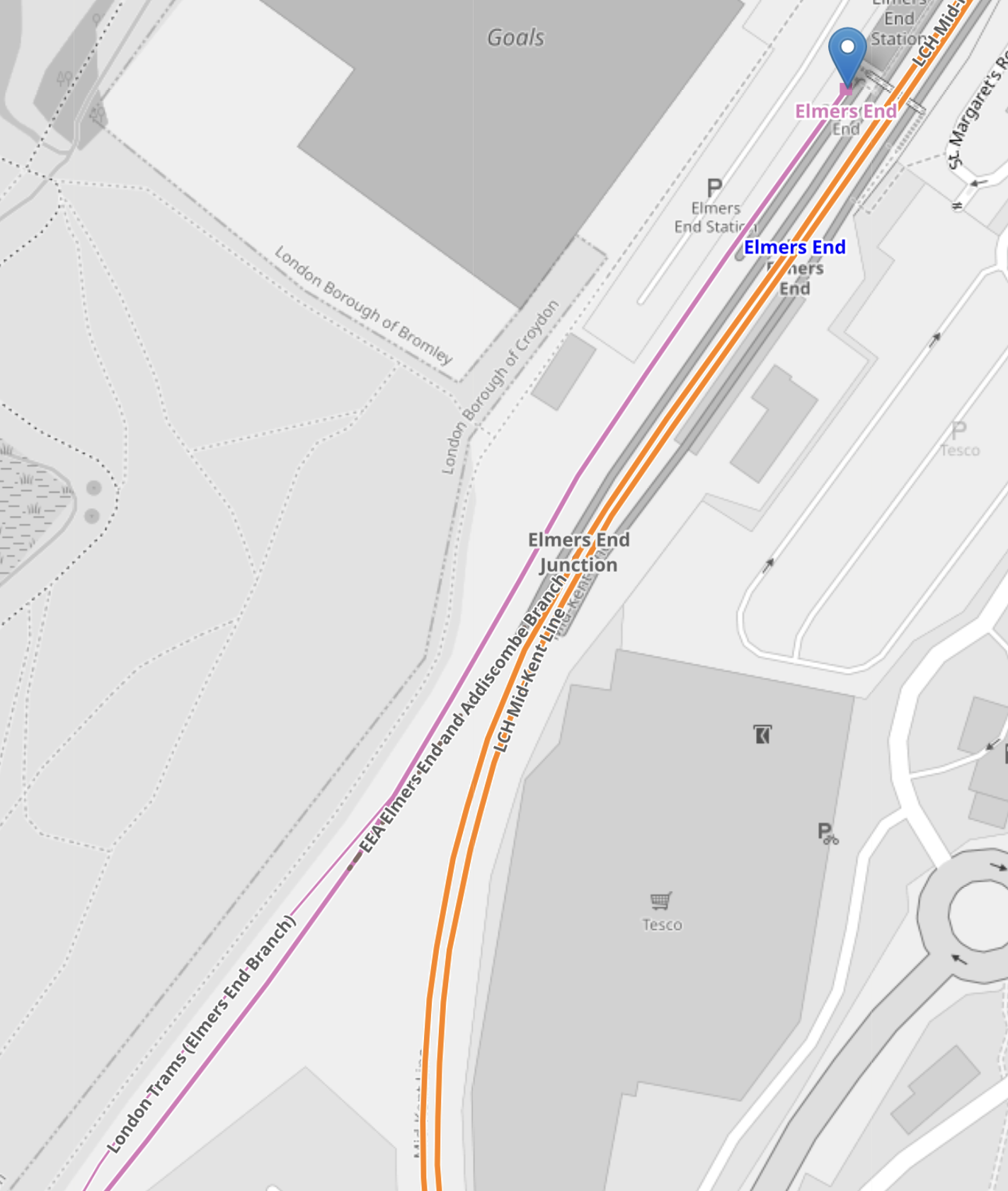
Note.
- The orange lines are the Hayes Line.
- The mauve line is the London Tramlink.
- The London Tramlink has a single platform on the North-West side of the Hayes Line.
These pictures show Elmers End station and a tram in the London Tramlink platform.
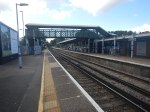
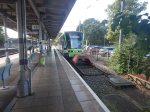
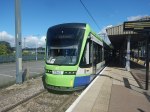
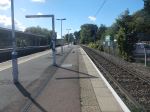
Note.
- The bridge in the station is not step-free.
- The tram is a five-section Stadler Variobahn.
- The tram platform would appear to be able to handle a tram, that is several metres longer than the 32.0 metre Stadler Variobahn.
- The London Tramlink has a typical off-peak service to Wimbledon every ten minutes from Elmers End tram stop.
The Wikipedia entry for Elmers End station, says this about Tramlink developments at the station.
Work is underway to open a second tram platform and double the tram line to Arena to increase capacity. As of March 2019, vegetation has been cleared to make way for the new line. The platform was due to open in December 2020, but has been delayed.
My pictures show no ongoing work or evidence of the second Tramlink platform.
There are two main ways, that capacity can be increased at Elmers End station.
- Install a second platform and run more trams to the station.
- Run longer trams with a higher capacity.
Perhaps, Transport for London have decided, that the second way, is the best, especially, if the money saved, allows them to build a much-needed step-free footbridge at Elmers End station.
From my observations, I would estimate that Elmers End tram stop could accommodate a forty metre tram and possibly, one that was even longer.
Arena Tram Stop
The Arena tram stop, is where the Beckenham Junction and Elmers End branches join and split.
This map from OpenRailwayMap shows the platform layout at Arena tram stop.
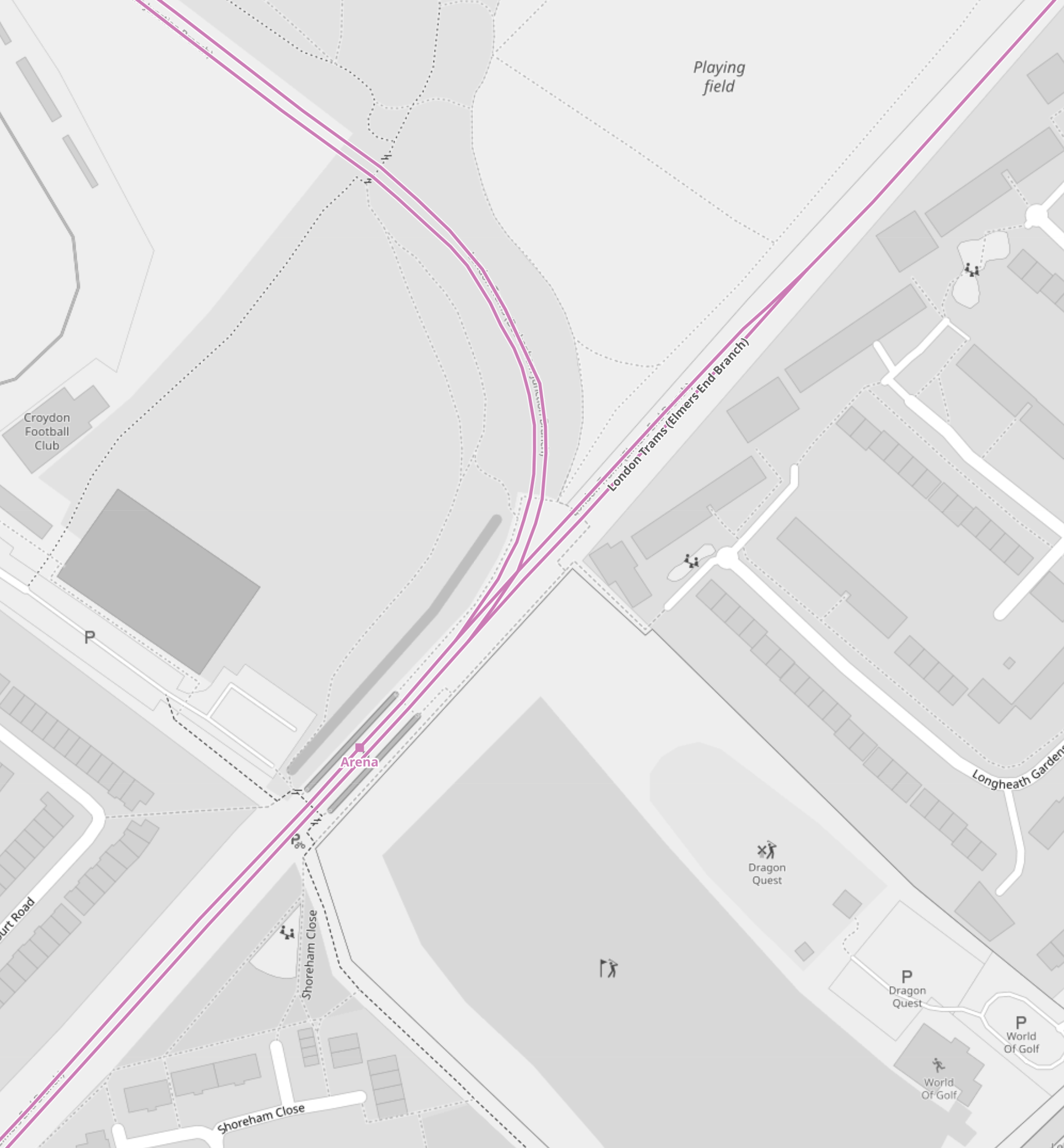
Note.
- The mauve lines are the London Tramlink.
- The line going North-East runs to Elmers End. It starts off as double-track at Arena tram stop and quickly becomes single track all the way to Elmers End. tram stop.
- The line going North-West runs to Beckenham Junction.
- The line going South-West runs to East Croydon and Wimbledon.
- The platforms are on the outside of both tracks.
These pictures show Arena tram stop and some trams passing through.
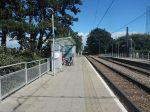
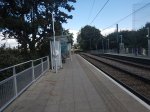
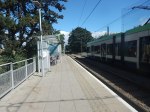
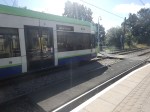
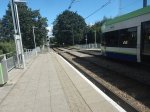
Note.
- The tram platforms are generally a few metres longer than the trams.
- All tram doors are step-free to the platform.
- Passengers walk across the line in front or behind the trams.
- The platform is wide, so that passengers can stay well clear of the occasional passing tram. One picture shows a tram is signed “Not In Service”
I believe, that with some judicial platform lengthening, some selective door opening and trams stopping automatically in the right place on the platform, that longer trams could be handled in a stop like Arena.
As with Elmers End, I believe a forty metre tram will be possible, but this might not be the limit with clever design.
Handling Longer Trams At Beckenham Junction Tram Stop
This map from OpenRailwayMap shows the platform layout at Beckenham Junction tram stop.
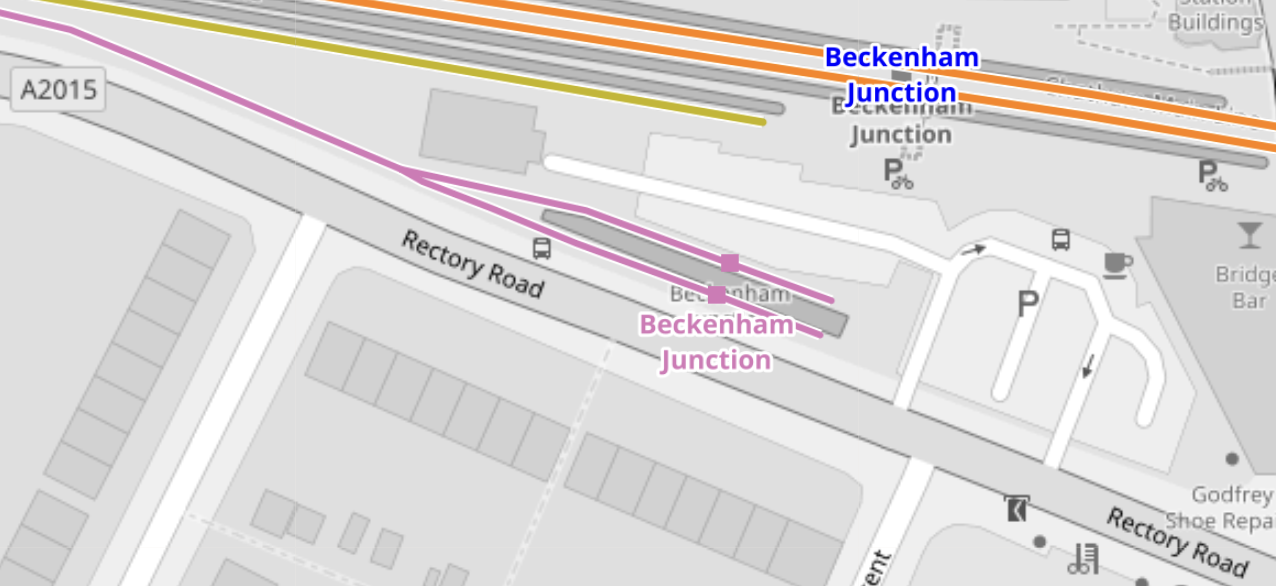
Note.
- The orange lines are the Chatham Main Line.
- The mauve line is the London Tramlink.
- There are a pair of short platforms for the London Tramlink.
- The platforms would be difficult to extend to the East.
- The platforms would be difficult to extend to the West, as the map above shows a building, just to the North of the junction of the two Tramlink platforms.
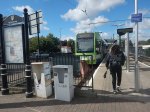
These pictures show Beckenham Junction station and the London Tramlink platforms.
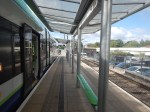
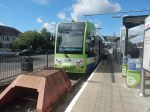
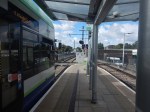

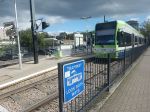
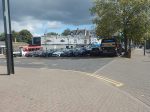

The Wikipedia entry for Beckenham Junction tram stop, says this about the Tramlink service.
Tram services at Beckenham Junction are operated by Tramlink. The tram stop is served by trams every 10 minutes to Wimbledon via Croydon. This is reduced to a tram every 15 minutes on Saturday evenings and Sundays.
Perhaps, the solution to lengthen Tramlink platforms at Beckenham Junction is to do the following.
- Rebuild the building to the North of the junction of the two Tramlink platforms.
- Extend the two Tramlink platforms to the West.
- Move the junction between the two Tramlink platforms to the West.
These pictures show the building in detail.
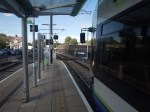
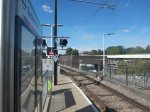
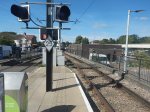
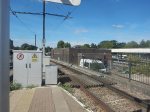
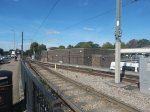
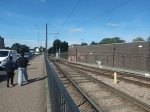
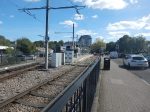
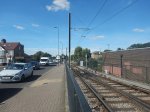




Note.
- There is a Network Rail van outside the building.
- The building looks like it dates from about 2000, when the Tramlink was built.
- Perhaps, the building houses power supply or signalling equipment for the Tramlink.
After the modifications, operation would be the same, but longer trams could be handled.
Trams And Trains Between Birkbeck And Beckenham Junction Stations
This short section of track must be one of the most unusual and complicated in the UK.
- There are three dual National Rail and Tramlink stations; Birkbeck, Avenue Road and Beckenham Road.
- Each station has a single bi-directional National Rail track and/or platform.
- Birkbeck has a single bi-directional Tramlink platform.
- Avenue Road and Beckenham Road each have two Tramlink platforms.
Engineer; Baldrick was obviously having one of his cunning phases.
This map from OpenRailwayMap shows the track/platform layout at Birkbeck station/tram stop.
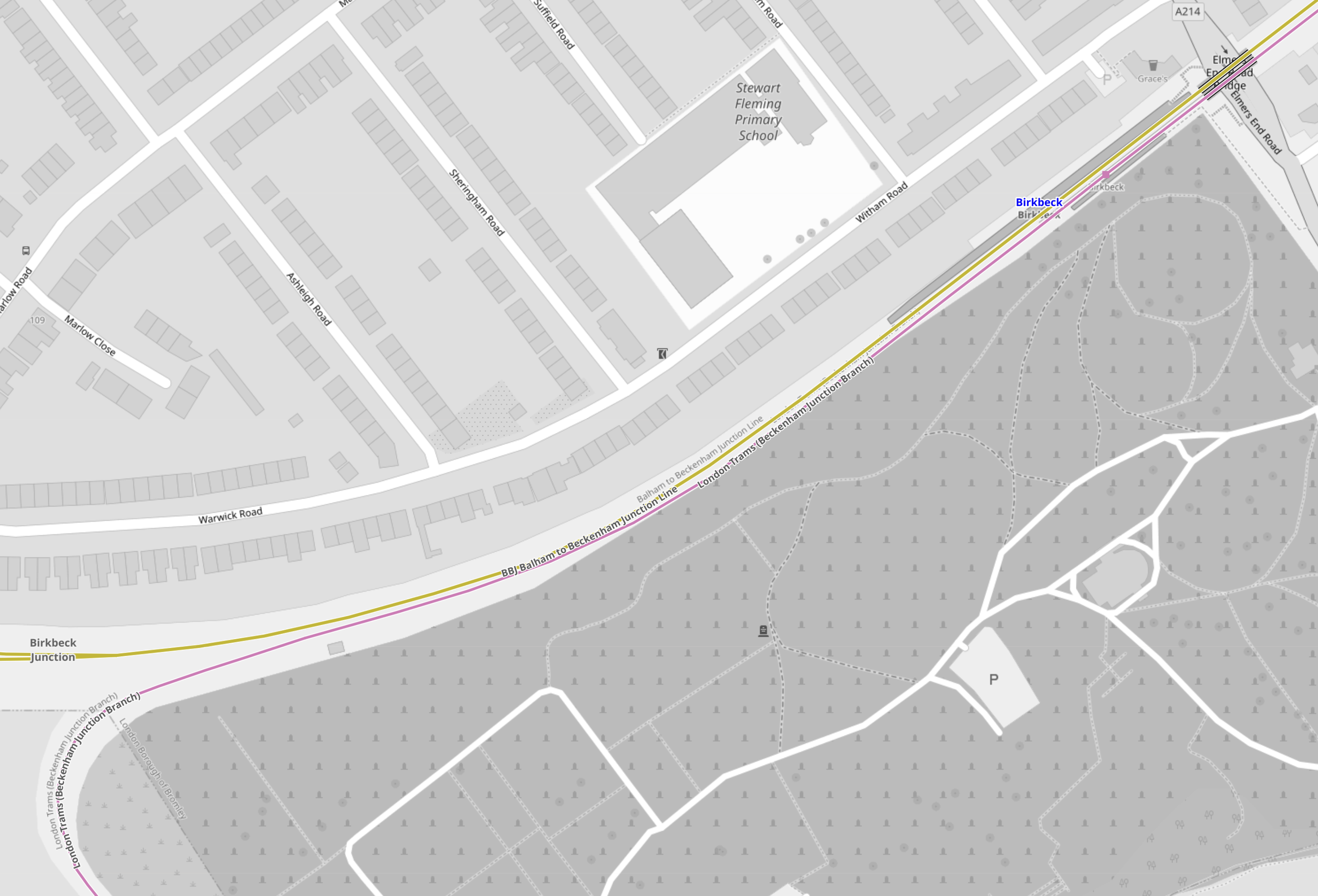
Note.
- The yellow line is the National Rail line between Crystal Palace and Beckenham Junction.
- The mauve line is the London Tramlink between Croydon and Beckenham Junction.
- There is no rail connection between the two lines.
Birkbeck station/tram stop has bi-directional platforms on both National Rail and London Tramlink.
These pictures were taken at the Birkbeck station/tram stop.

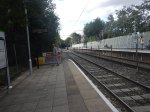
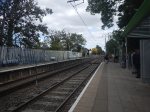
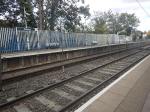
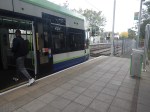
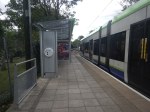
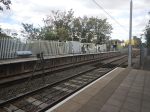
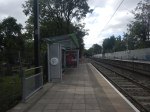
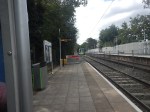
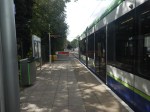
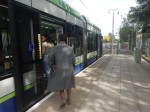
Note.
- The two bi-directional platforms.
- The wire fence between the tracks.
- The two tracks appear to be the same level, but the National Rail platforms seem quite a bit higher.
From the pictures, I would estimate that the Birkbeck tram stop platform is currently about thirty-five metres and could probably handle a forty metre tram with selective door opening.
This map from OpenRailwayMap shows the track/platform layout at Avenue Road station/tram stop.
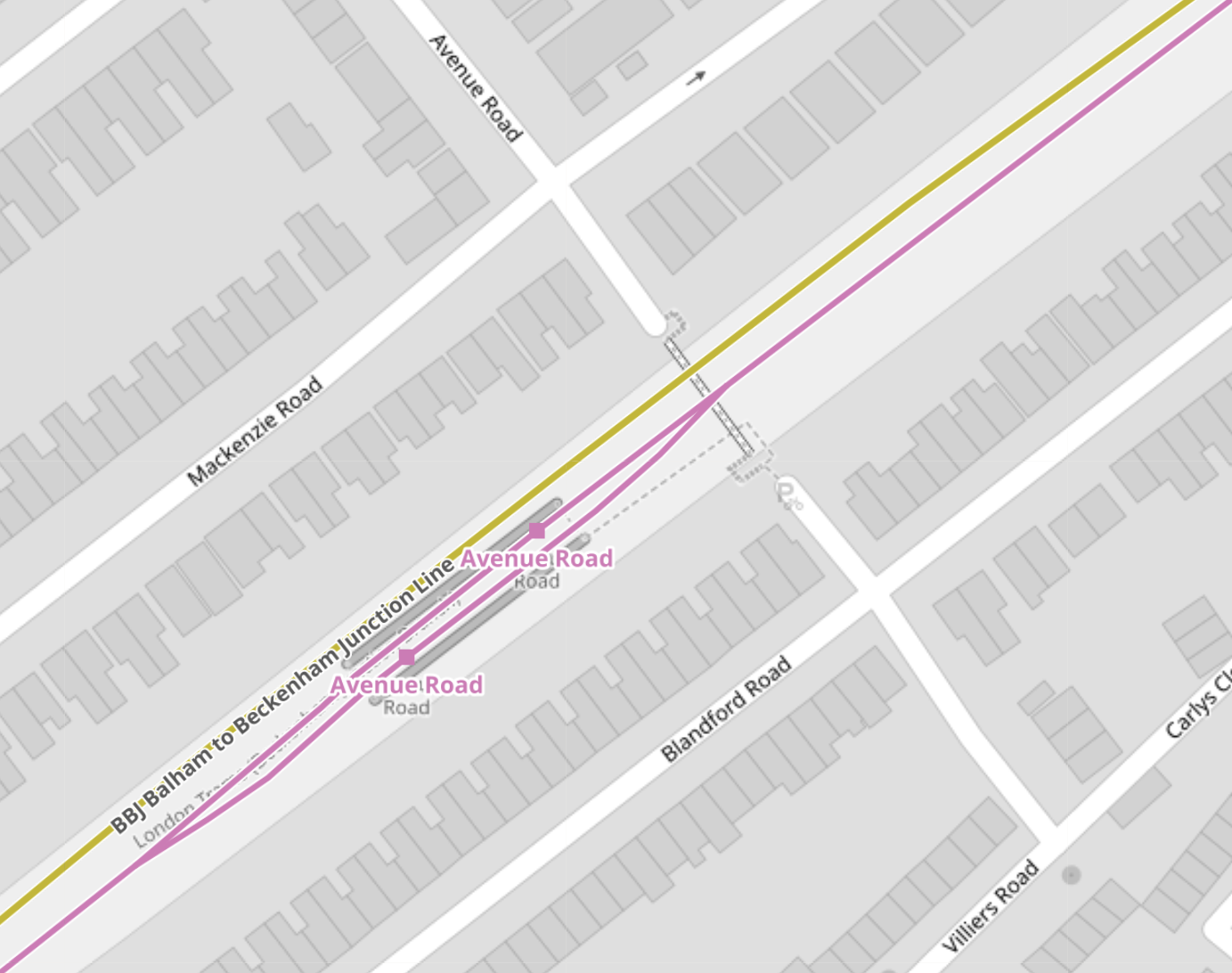
Note.
- The yellow line is the National Rail line between Crystal Palace and Beckenham Junction.
- The National Rail line isn’t shown to have a platform.
- The mauve line is the London Tramlink between Croydon and Beckenham Junction.
- There is no rail connection between the two lines.
London Tramlink has a loop through the tram stop and each branch has a platform.
These pictures were taken at the Avenue Road tram stop.
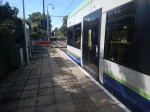
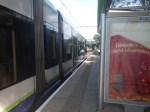
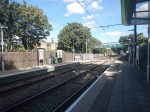
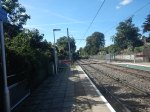
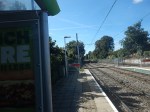
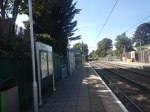
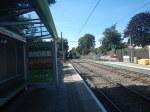
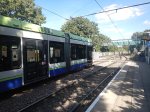
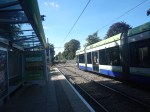
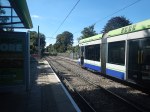
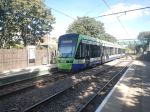
I would estimate the the loop at Avenue Road tram stop could handle a forty metre tram and possibly one of forty-five metres, judging the loop against this thirty-two metre Stadler tram.
This map from OpenRailwayMap shows the track/platform layout at Beckenham Road station/tram stop.
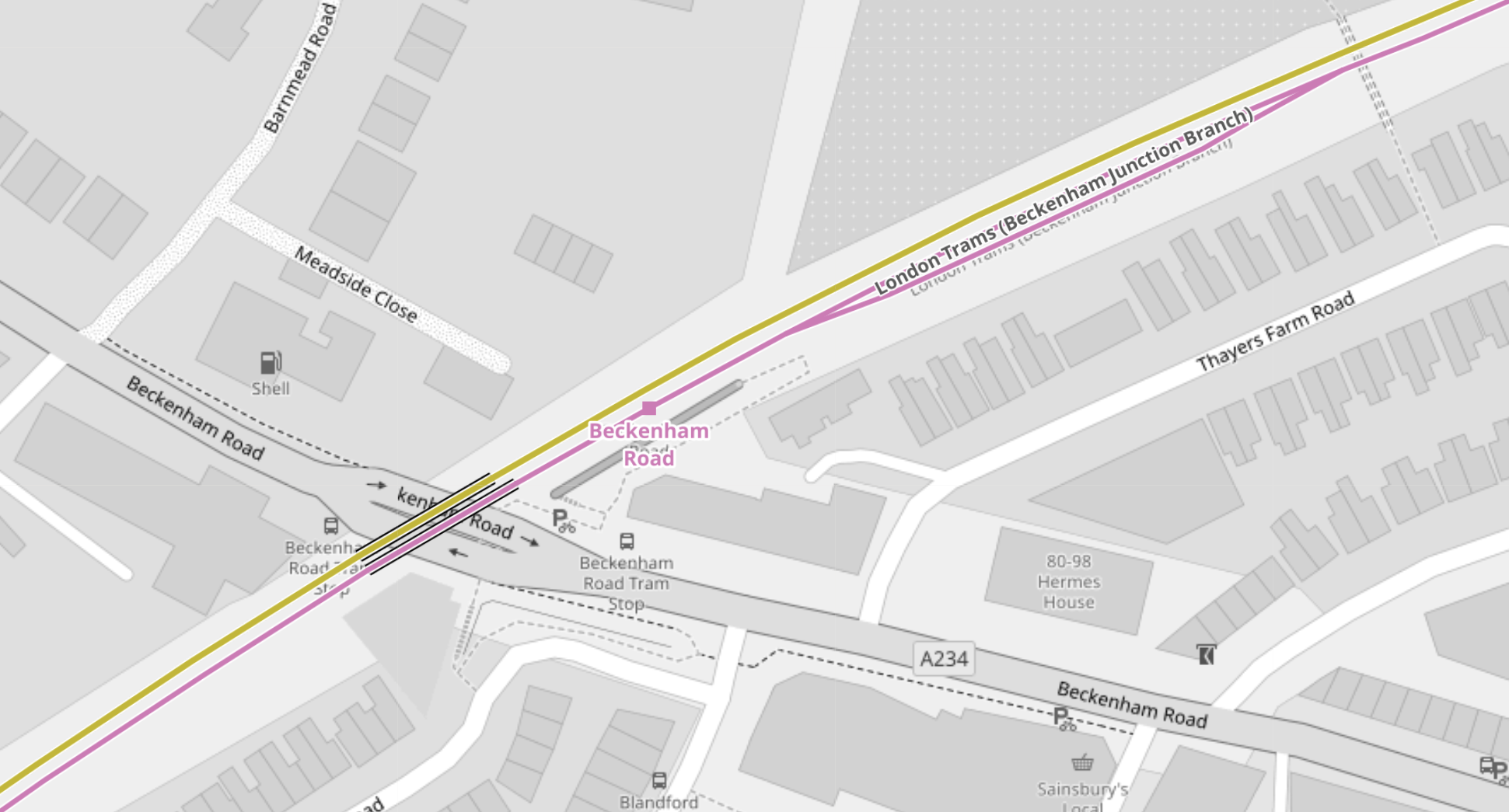
Note.
- The yellow line is the National Rail line between Crystal Palace and Beckenham Junction.
- The National Rail line isn’t shown to have a platform.
- The mauve line is the London Tramlink between Croydon and Beckenham Junction.
- There is no rail connection between the two lines.
The London Tramlink has a single bi-directional platform.
There is also a loop in the London Tramlink to the East of Beckenham Road station/tram stop to allow trams to pass.
These pictures were taken at the Beckenham Road tram stop.
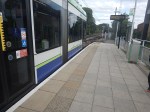
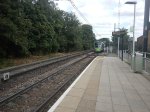
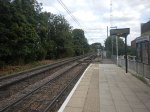
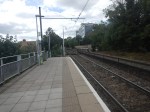
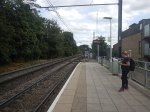
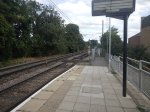
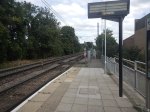
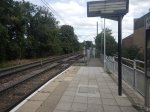
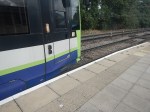
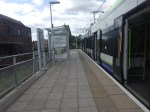
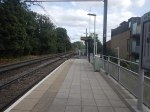
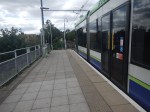
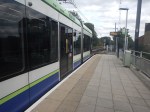
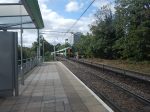
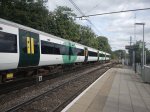
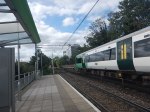
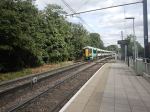
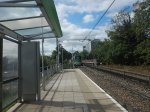
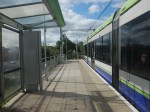
Note.
- A train conveniently came through from London Bridge to Beckenham Junction, when I was taking pictures.
- Several pictures show trams using the loop to the East of the tram stop.
- Both types of tram were pictured in the tram stop.
- The platform in the tram stop is wide.
From the pictures, I would estimate that the Beckenham Road tram stop platform is currently about thirty-five metres and could probably handle a forty metre tram with selective door opening.
Tram-Train Operation Between Birkbeck And Beckenham Junction Stations
I am certain that if this track was being designed today, tram-train operation would be used.
- There would be two tracks, with one for each direction, through Birkbeck, Avenue Road and Beckenham Road stations.
- Both tracks would have dual-height platform at each station/tram stop, so tram and train passengers got level boarding.
- Trains would use third-rail power and trams would use battery-power.
Unfortunately, tram-trains didn’t exist, when the London Tramlink was designed.
Handling Longer Trams At New Addington Tram Stop
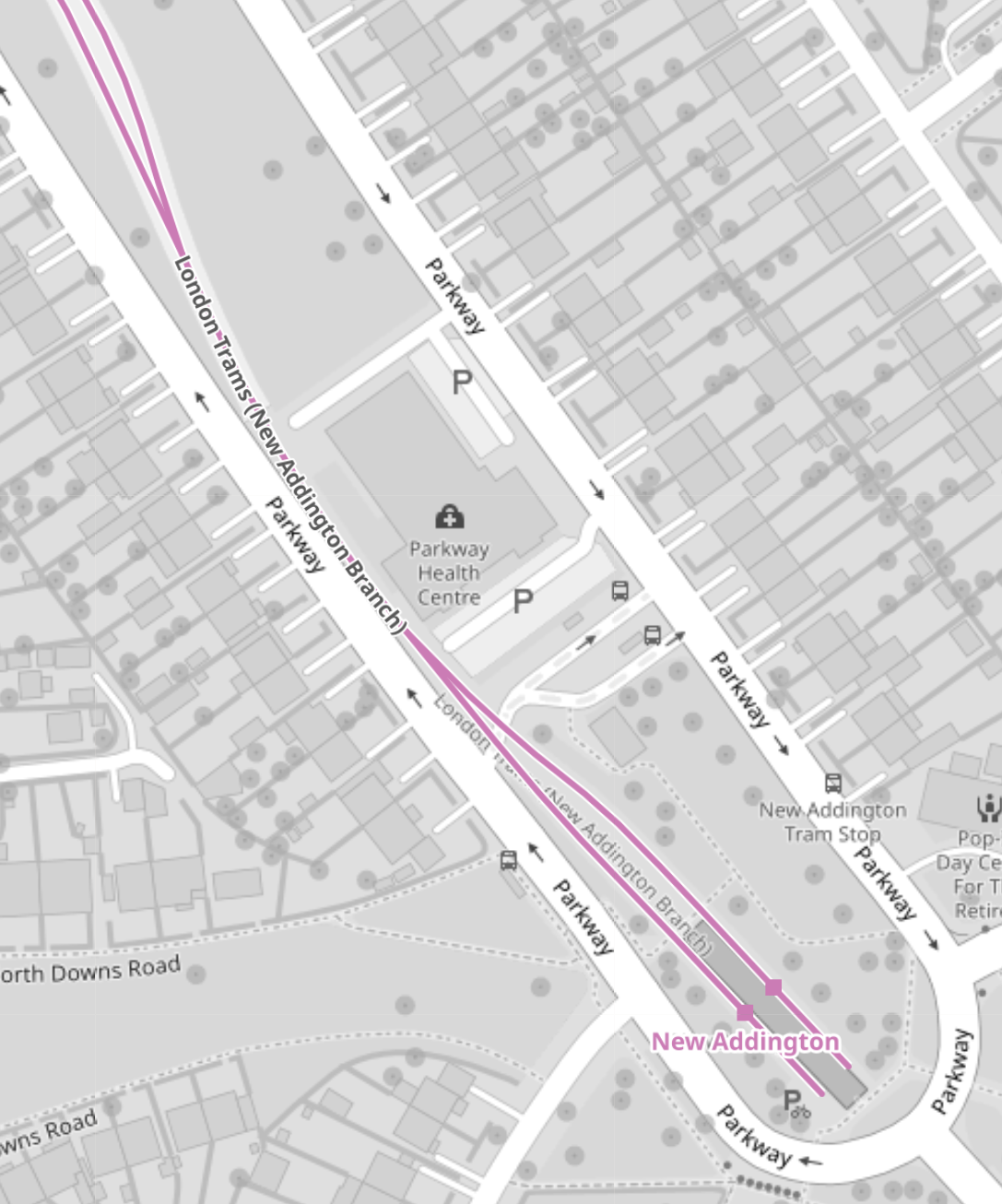
This map from OpenRailwayMap shows the platform layout at New Addington tram stop.
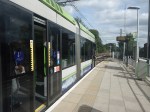
These pictures show the New Addington tram stop and the London Tramlink platforms.
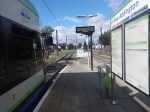
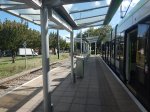
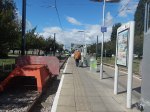

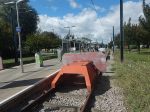
If some of the grassland around the platforms was allocated to the tram stop, I suspect the platforms could be lengthened.
Handling Longer Trams At Wimbledon Station
This map from OpenRailwayMap shows the platform layout at Wimbledon station.
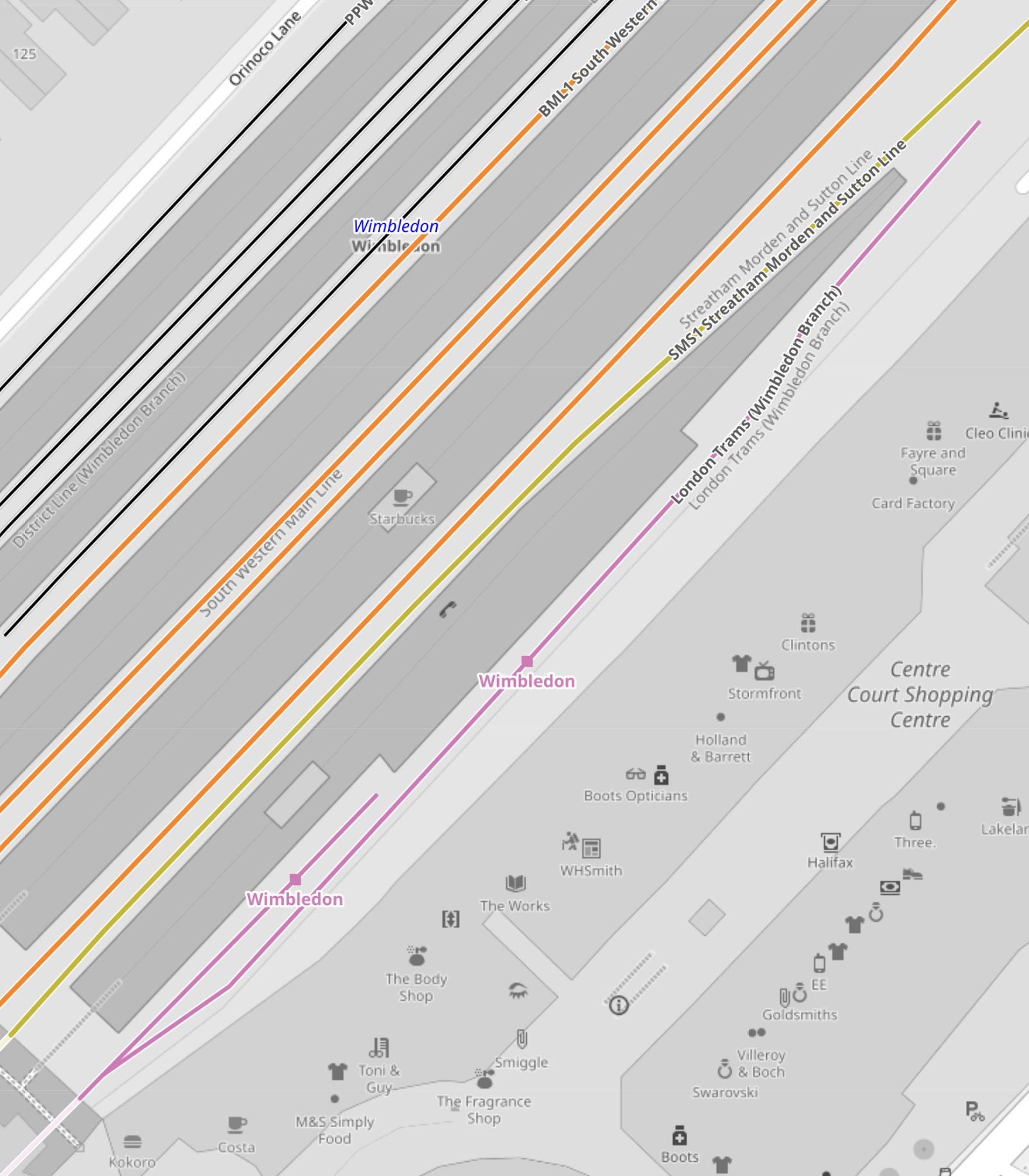
Note.
- The mauve line is the London Tramlink.
- There are two platforms; 10A and 10B, which are indicated with a separate dot.
- Platform 9, which is used by Thameslink, is the other side of Platform 10, so interchange to Thameslink is excellent.
- The main tram platform 9/10 is wide.
- The platforms are step-free to the trams, with lifts to the station bridge and the other platforms and Way Out.
I suspect that when the second platform was built, both platforms were made longer than the thirty-two metres needed for the Stadler trams.
These pictures show the two platforms.
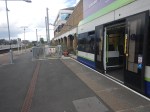
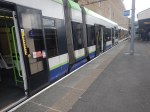
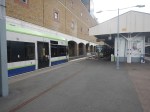
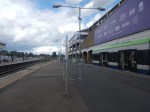
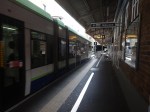


Could another platform be created on the other side of the tracks to give better access to the tracks?
Conclusions
My first conclusion is that the London Tramlink could be run by a new fleet of the same number of trams, that were a few metres longer than the current 30.7/32 metres of the current trams.
- I suspect that forty metre trams would be possible, with a few modifications to platforms.
- It might even be possible to have forty-five metre trams, with a more substantial rebuild at Beckenham Junction.
- Trams could overhang platforms and selective door opening could be used.
- Forty metre trams would carry 25 % more passengers than the current trams.
- The Elmers End and Wimbledon terminals already seem to be capable of handling forty metre long trams and possibly could take trams a few metres longer.
I suspect that Elmers End and Wimbledon, could be the first route, where the longer trams were introduced, as the trams should be able to shuttle between the two end terminals to the current timetable.
The New Addington tram stop would be brought into operation next.
- Platforms would be lengthened as required.
- Trams operate a frying pan loop from New Addington to Croydon, with an Off Peak frequency of 7-8 minutes.
- I suspect that one platform won’t be able to handle this frequency.
- The last point probably means that the two platforms will need to be lengthened.
Works at the New Addington tram stop could be tricky, but not substantial.
Initially, the service to Beckenham Junction could be run by the existing Stadler Variobahn trams.
I believe that a lot of work will need to be done to get Beckenham Junction ready for the new trams if they are longer, which I suspect they are.
- The Network Rail installation will have to be relocated.
- The two platforms will have to be lengthened.
I suspect the works will be substantial.
But I do believe, that there is scope to plan all the works at the terminals, so they can be done efficiently, whilst at least maintaining a partial service.
My second conclusion, is that it will be possible to build a financial model, which shows infrastructure costs against tram lengths.
Longer trams will cost more and cost more for infrastructure, but they will carry more passengers and collect more fare revenue.

