Climbing The Valley Lines In The South Wales Metro
There are five terminal stations on the Cardiff Valley Lines, of which four will be served by battery-electric trains or tram-trains from Cardiff.
In this post, I will show how they will achieve this feat.
Consider.
- To get to Aberdare, Merthyr Tydfil or Treherbert, a tram-train must first get to Pontypridd.
- To get to Rhymney, a train must first get to Caerphilly.
I will now deal with the seven stations in alphabetic order.
Aberdare
This OpenRailwayMap shows the three branches of the Cardiff Valley Lines, that go through Pontypridd.

Note.
- Electrified lines are shown in red and unelectrified lines are shown in black.
- The branch to Aberdare is the middle of the three branches.
- It is planned that the service on the Aberdare branch will be provided using Class 398 tram-trains, that will be fitted with batteries.
- Electrification will be complete between Aberdare and Pontypridd.
It would appear that a tram-train could run between Aberdare and Pontypridd using the complete electrification.
Caerphilly
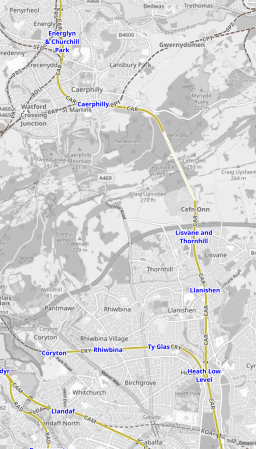
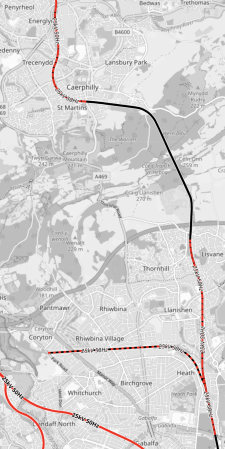
These two OpenRailwayMaps show the tracks through Caerphilly.
Note.
- The map on the left shows infrastructure, with the Rhymney Line shown in yellow.
- Caerphilly station is in the top third of the map.
- The white section of the Rhymney Line is the Caerphilly tunnel.
- The map on the right shows electrification, with the sections of the Rhymney Line that will be electrified are shown in red.
- Black sections will not be electrified.
- North of Caerphilly, the Rhymney Line is electrified, but through the station and the Caerphilly tunnel, there will be no electrification.
Trains will use battery power, where there is no electrification.
Ebbw Vale Town
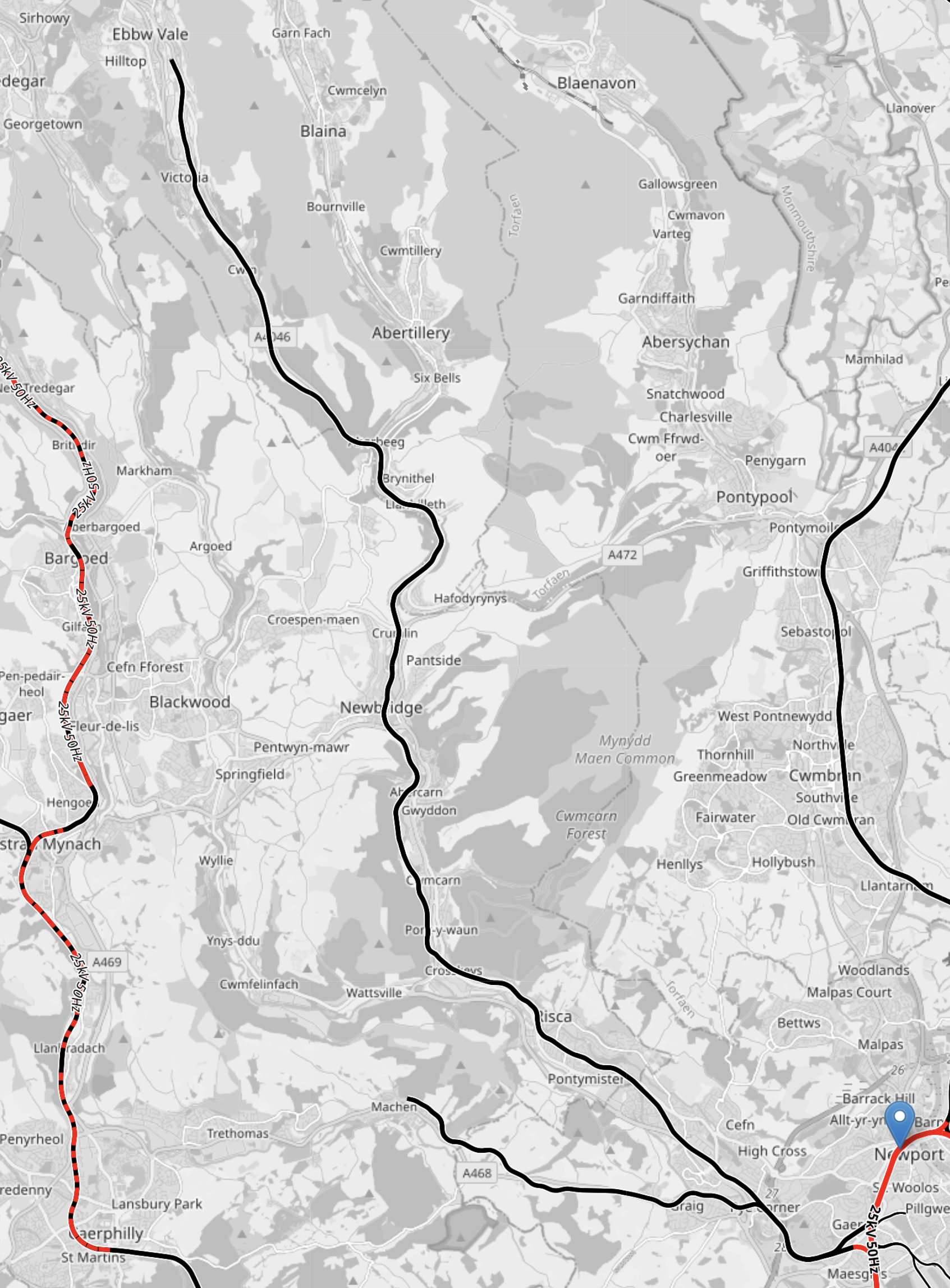
This OpenRailwayMap shows the Ebbw Valley Railway.
Note.
- Electrified lines are shown in red and unelectrified lines are shown in black.
- Lines where electrification will be installed are shown in red and black.
- Newport is marked by the blue arrow.
- The North-South Line at the left is the Rhymney Line.
- The North-South Line in the middle is the Ebbw Valley Railway.
- The North-South Line at the right is the Marches Line to Hereford and Shrewsbury.
Trains will use diesel power on the Ebbw Valley Railway, as there is no electrification and no means of charging battery-electric trains.
It does seem strange that no electrified solution has been proposed for the Ebbw Valley Railway.
Consider.
- An Abertillery branch has been proposed.
- A Newport and Ebbw Vale Town service has been proposed and will be implemented.
- Perhaps the line is difficult to electrify.
It could just be, the electrifying the Ebbw Valley Railway, was a step too far.
Merthyr Tydfil
This OpenRailwayMap shows the three branches of the Cardiff Valley Lines, that go through Pontypridd.
Note.
- Electrified lines are shown in red and unelectrified lines are shown in black.
- The branch to Merthyr Tydfil is the rightmost of the three branches.
- It is planned that the service on the Merthyr Tydfil branch will be provided using Class 398 tram-trains, that will be fitted with batteries.
- Electrification will be complete between Merthyr Tydfil and Pontypridd, except for two short sections.
- I would assume that the short unelectrified sections can be handled using the tram-trains battery power.
It would appear that a tram-train could run between Merthyr Tydfil and Pontypridd using the electrification and the tram-trains batteries.
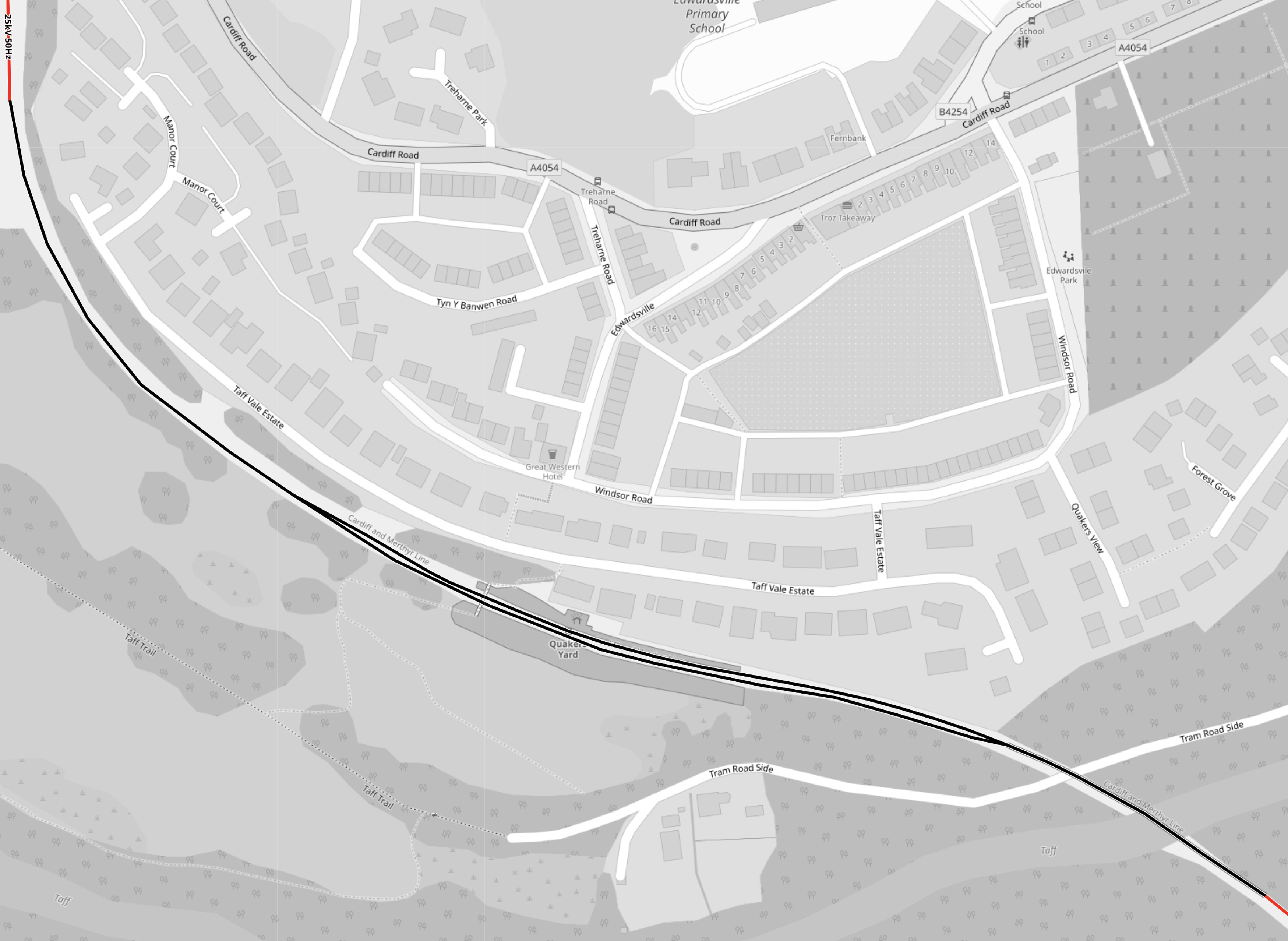
This shows the track layout at Quaker’s Yard station.
Note.
- Electrified lines are shown in red and unelectrified lines are shown in black.
- There are only two short length of electrification shown in the corners the map.
- Quaker’s Yard station has two platforms.
- The track layout appears to have single- and double-track sections.
It looks like it has been decided not to electrify this section. Perhaps, it was just too complicated to electrify easily?
This 3D Google Map shows the terminal station at Merthyr Tydfil.
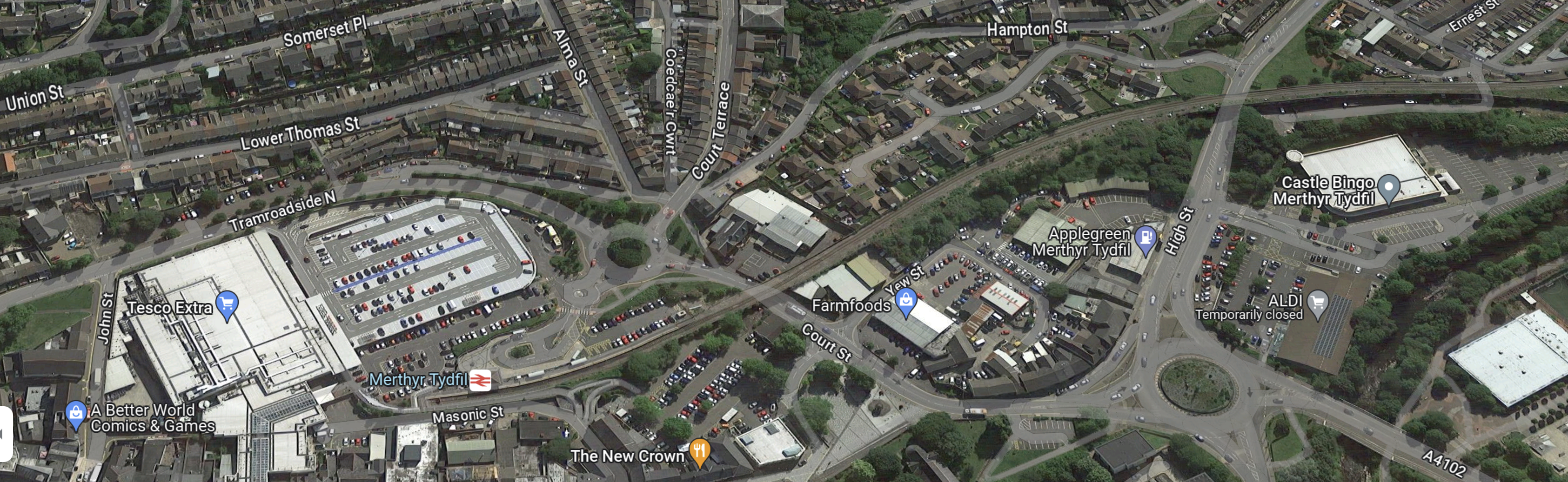
It looks like the railway runs through the town to the station. So perhaps leaving out the electrification made everything safer?
Pontypridd
This OpenRailwayMap shows the tracks through Pontypridd.
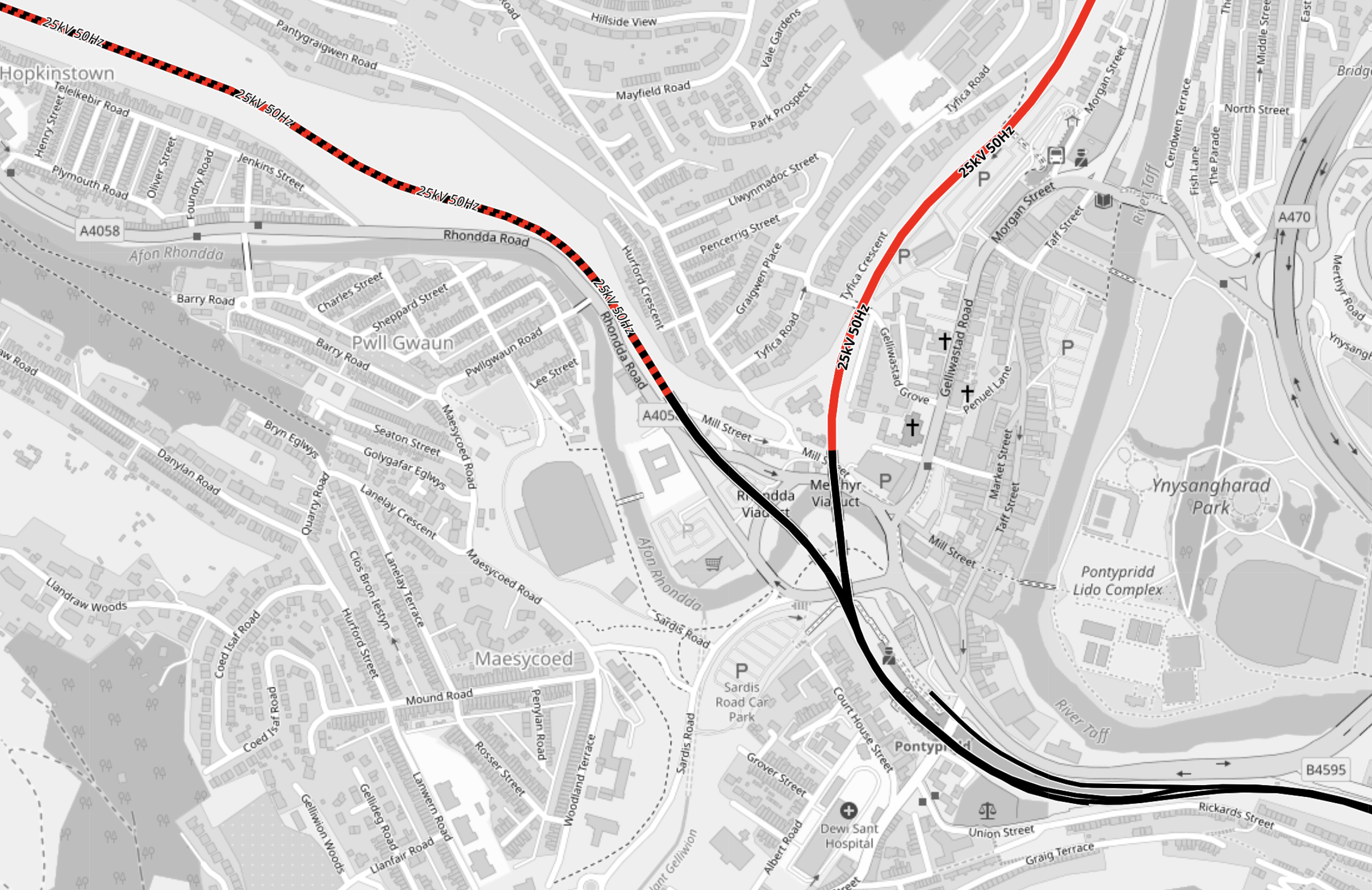
Note.
- Electrified lines are shown in red and unelectrified lines are shown in black.
- Lines where electrification will be installed are shown in red and black.
- The line leaving the map in the South-East corner is the line to Cardiff.
- The line leaving the map in the North-West corner is the Rhondda Line to Treherbert.
- The line leaving the map in the North-East corner is the Merthyr Line to Aberdare and Merthyr.
Pontypridd stations lies at the junction of the three lines.
This OpenRailwayMap shows the platforms at Pontypridd.
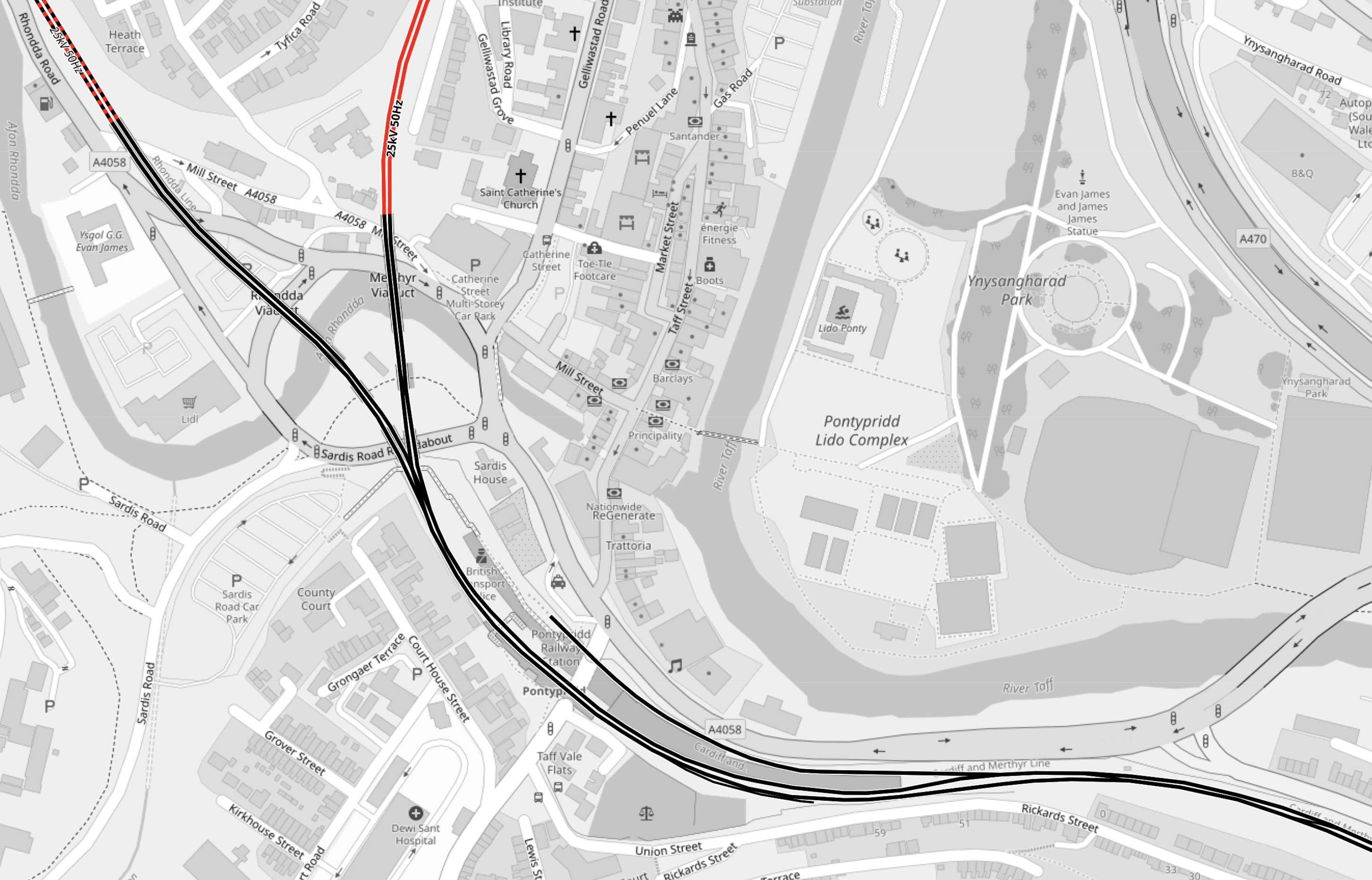
Note.
- There are two long through platforms.
- There is a bay platform on the North side of the station for extra Cardiff services.
- The station is not electrified.
These pictures show Pontypridd station.
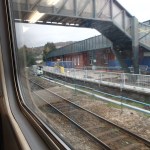
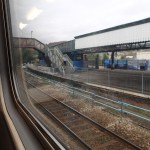
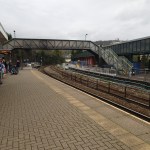
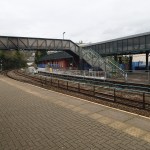
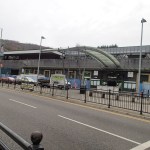
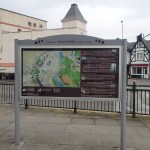
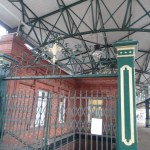
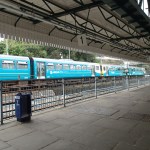
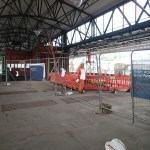

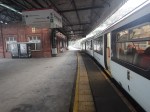

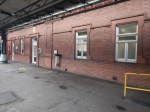
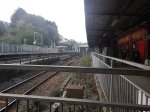
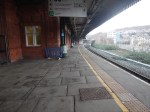





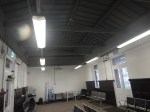

The station is Grade II Listed.
How will the tram-trains be powered through Pontypridd station?
Older Welsh railwaymen have told tales of how the coal trains from the mines in the valleys to Cardiff Docks were powered in part using gravity to propel the trains to the Docks. Steam locomotives then hauled the trains up the hills to get another load of coal.
Will Newton’s Friend be used to help the tram-trains return to Cardiff?
As the tram-trains descend, regenerative braking can be used to recharge the batteries.
A sophisticated computer control system, would choose the source of power from that which is available.
Descending from the terminal stations of Aberdare, Merthyr and Treherbert, and through Pontypridd would probably need a small amount of battery power to nudge the train to descend down the hill.
Fully-electrified stations like Aberdare and Treherbert will have the luxury of being able to use power from the electrification to start the descent.
Climbing the hills will be mainly on battery power, with the batteries being charged, where overhead electrification exists.
Rhymney
This OpenRailwayMap shows the Northern part of the Rhymney Line from Caerphilly to Rhymney.
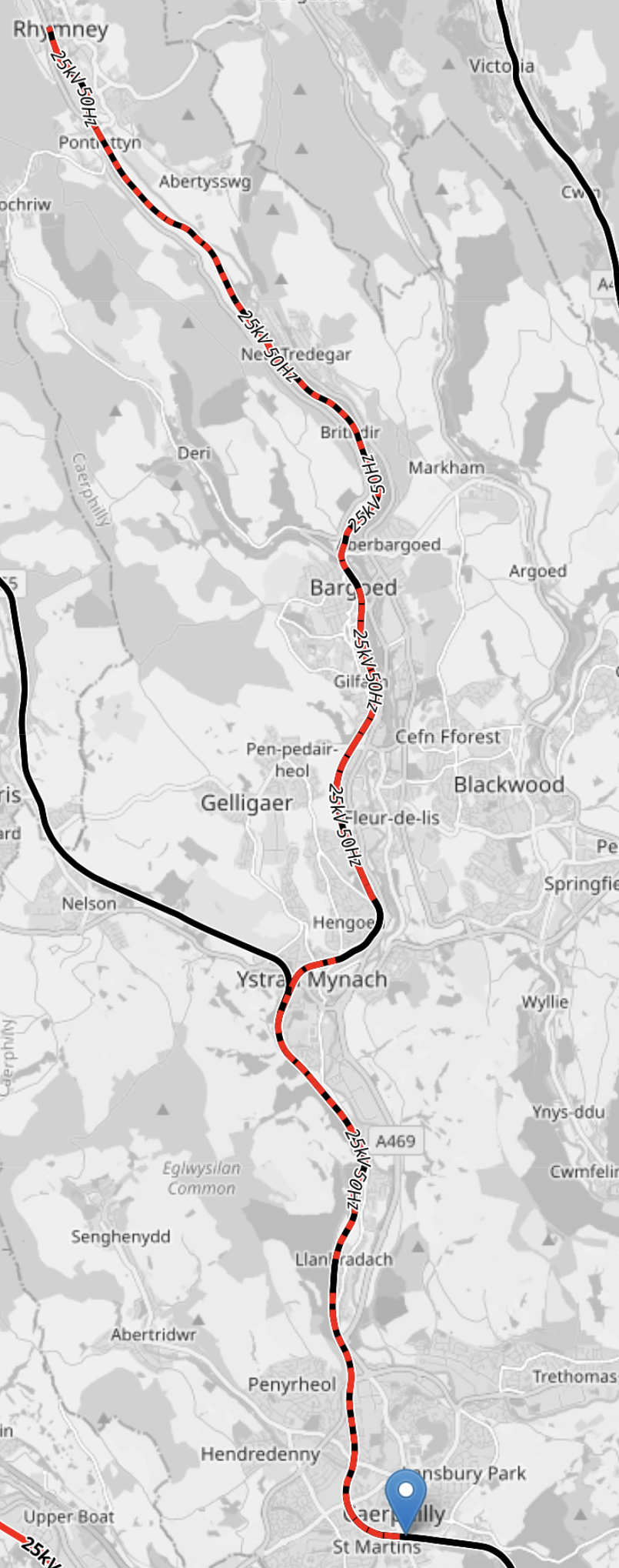
Note.
- Electrified lines are shown in red and unelectrified lines are shown in black.
- Lines where electrification will be installed are shown in red and black.
- Caerphilly is marked by the blue arrow at the bottom of the map.
- Rhymney is at the Northern end of the rail line.
- Bargoed, Hengoed, Llanbradach and Caerphilly stations appear not to be electrified.
- It is planned that the service on the Rhymney Line will be provided using Class 756 trains, that will be fitted with batteries and diesel engines.
The Class 756 trains appear to have been designed to climb to Rhymney in all conditions, including a complete power cut. They will use batteries on the unelectrified sections of the climb.
Treherbert
This OpenRailwayMap shows the three branches of the Cardiff Valley Lines, that go through Pontypridd.
Note.
- Electrified lines are shown in red and unelectrified lines are shown in black.
- Lines where electrification will be installed are shown in red and black.
- The branch to Treherbert is the leftmost of the three branches.
- It is planned that the service on the Theherbert branch will be provided using Class 398 tram-trains, that will be fitted with batteries.
- Electrification will be complete between Treherbert and Pontypridd.
It would appear that a tram-train could run between Treherbert and Pontypridd when the electrification is complete.
Conclusion
Each of the five lines use their own methods of getting trains up the hills.
I suspect we’ll see some of the ideas used here on other stretches of electrification.
Companies Have New Take On Old Energy Storage Tech
The title of this post, is the same as that of this article on Hackaday.
This is the introductory paragraph.
According to Spectrum, several companies are poised to make a splash storing energy with gravity. That sounds fancy and high tech at first, but is it, really? Sure, we usually think of energy storage as some sort of battery, but there are many energy storage systems that use water falling, for example, which is almost what this new technology is all about. Almost, since instead of water these new systems move around multi-ton blocks.
The article gives a review of Energy Vault, Gravitricity and another company called Gravity Power.
This is the article’s take on Gravity Power.
The scale of the weights is hard to imagine. Another company, Gravity Power, claims they could deliver 400 megawatts for 16 hours using an 8 million metric ton piston. There’s no word on how long it takes to bring that piston back to the charged position after the 16 hours, though. A Boeing 757-200, for example, weighs about 100 tons when loaded with fuel and passengers. So imagine 80,000 giant airplanes melted down. It makes Energy Vault’s 35-ton weights seem much more reasonable.
Looking at the Gravity Power web site, their technology is described on this page, where this is the first paragraph.
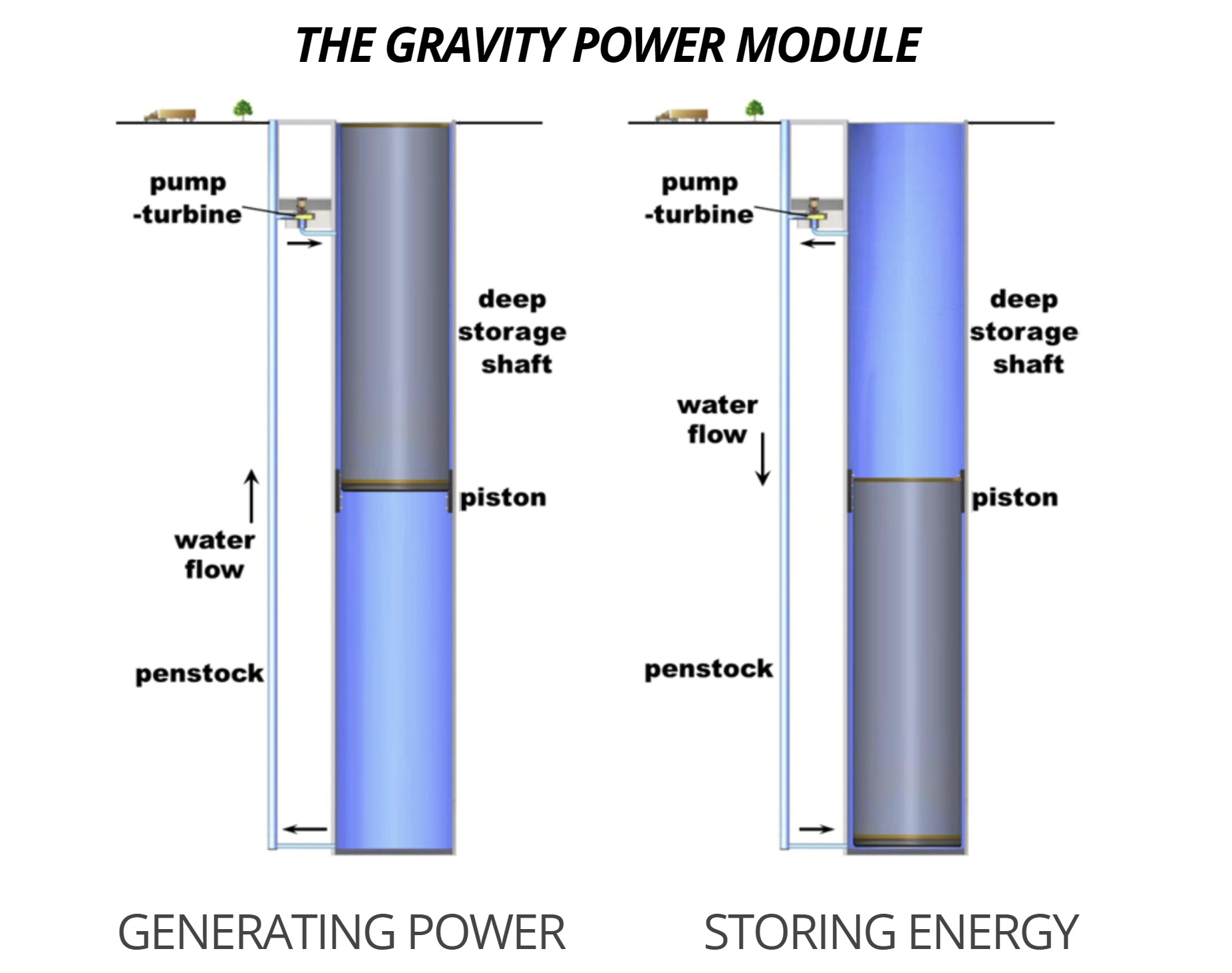
The GPM (Gravity Power Module) uses a very large piston that is suspended in a deep, water-filled shaft, with sliding seals to prevent leakage around the piston and a return pipe connecting to a pump-turbine at ground level. The piston is comprised of reinforced rock and in some cases concrete for low cost. The shaft is filled with water once, at the start of operations, but is then sealed and no additional water is required.
This graphic from the page explains the technology.
My worry would be water leakage past the piston.
This does sound like an idea from William Armstrong, who was responsible for many things including the hydraulic accumulator.

The picture shows the hydraulic accumulator at Limehouse in London.
I visited the Limehouse Accumulator during Open House in 2012 and wrote about it in Open House – The Limehouse Hydraulic Accumulator.
 The Anonymous Widower