Sir Nicholas Winton and the Kindertransport
Sir Nicholas is 100 and over seventy years ago, he organised the rescue of nearly seven hundred children from under the noses of the Nazis in Czechoslovakia. He was so modest about his role, that it didn’t come to light until 1988.
The BBC’s Robert Hall will be following the route of the Kindertransport over the next few days on Breakfast Time.
A Small Note on a Grim History
I had to pick up a friend from the ferry at Harwich after football and whilst waiting I noticed the following.
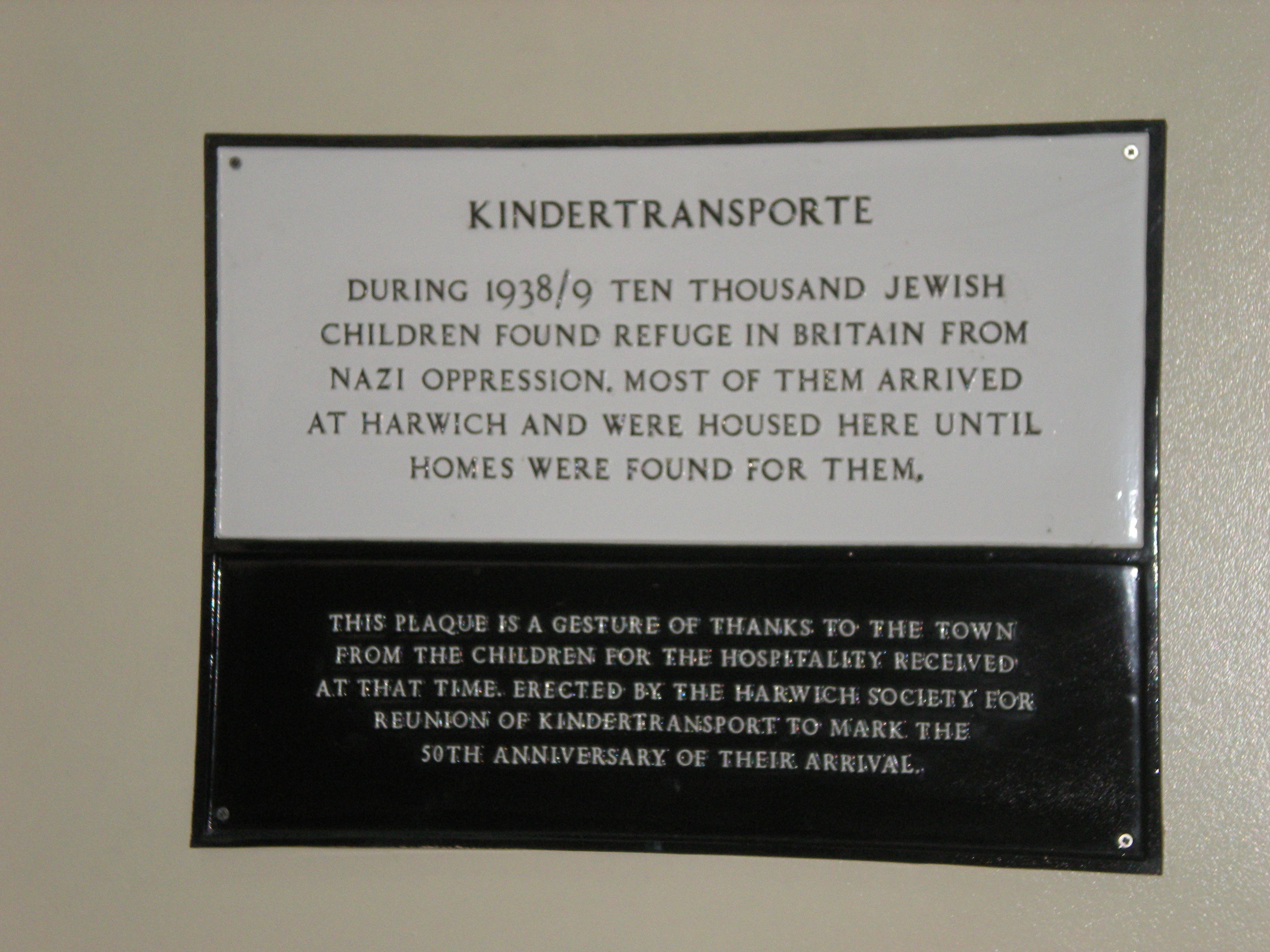
Kindertransport Plaque at Harwich
We mustn’t forget what happened. Especially, with all the troubles around the world.
I have no religion, but my family is a potent mix of Jew and Huguenot. They all came to Britain because of oppression.
Can anybody say that refugees in the past have not enriched our country and it’s culture?
The Mosquito
The Times today has the obituary of John Smith-Carington, who was a Mosquito pilot in the Second World War.
I think that unusually, The Times may have the account in the obituary about the raid on The Hague slightly wrong, as they mention releasing prisoners. Wikipedia, which again is not sometimes the best of sources says.
On 11 April 1944, after a request by Dutch resistance workers, six Mosquito FB VIs of No. 613 (City of Manchester) Squadron made a pinpoint daylight attack at rooftop height on the Kunstzaal Kleizkamp Art Gallery in The Hague, Netherlands, which was being used by the Gestapo to store the Dutch Central Population Registry. The first two aircraft dropped high explosive bombs, to “open up” the building, their bombs going in through the doors and windows. The other crews then dropped incendiary bombs, and the records were destroyed. Only persons in the building were killed – nearby civilians in a bread queue were unharmed.
This type of raid though was typical of the Mosquito.
One of my friends learned to fly on them just after the war and he said that getting them into the air was sometimes rather dangerous, but once they were at a safe height, they were a superb aeroplane. In the latter part of the war, they could strike with the precision of a surgeon’s scalpel.
The Mosquito was summed up by Goring.
The British, who can afford aluminium better than we can, knock together a beautiful wooden aircraft that every piano factory over there is building, and they give it a speed which they have now increased yet again. What do you make of that?
But the real tragedy of the Mosquito is that we never built enough of them. They were fast and could outrun every German fighter for most of the war and because of this, they could actually bomb Germany twice in one day. They also delivered over half the weight of bombs as a Liberator or Flying Fortess for just a crew of two, with a much higher safe return rate. Remember too, that the Allied Air Forces lost hundreds of thousands of aircrew bombing Europe with a rather dubious accuracy and a somewhat vengeful strategy.
Mosquitos could and should have very accurately bombed the places that really hurt the Nazis, day in and day out. But the powers that be, felt that you don’t go to war in an unarmed wooden bomber.
They were wrong!
At least it was realised after the way. Wikipedia again.
Despite an initially high loss rate, the Mosquito ended the war with the lowest losses of any aircraft in RAF Bomber Command service. Post war, the RAF found that when finally applied to bombing, in terms of useful damage done, the Mosquito had proved 4.95 times cheaper than the Lancaster; and they never specified a defensive gun on a bomber thereafter.
I have been to the de Havilland Museum just off the M25, where the prototype sits in splendour where it was built.
Go and see one of the finest aircraft ever built!
Forty Years On
It was enlightening to get The Times out for Monday, the 21st July,1969.
The edition is historic because of the landing of Apollo 11 on the moon and now that I have yesterday’s reprint of the 5 a.m. edition of parts of the paper, I now have three different copies with different headlines.
- Man lands on the moon with perfect touchdown
- Man walks on the moon after Eagle’s perfect landing
- Man takes first steps on the moon
But what of the other less well-known stories in the paper.
Before I start, I should say that The Times in 1969 cost just six old pence or 2.5 pence in today’s coinage. Well, not really today’s coinage as the halfpence was abolished in 1984. Today paper costs 90 pence, whereas adjusting for inflation the 1969 edition would cost just 32 pence.
So it now costs almost three times as much.
But perhaps it is bigger. Yesterday’s paper was 104 tabloid pages and the one forty years ago was 26 broadsheet pages, which equates to 52 tabloid. So the modern paper is twice the size, but not three times. I should say that I have ignored the extra supplement in the older paper, as this by chance happened to turn up on the 21st July, 1969.
I’ll start with that supplement. It is a very interesting document as it is a special report on Decimal Currency and Metrication. Some points from the document.
- Britain thought about going to decimal currency in the nineteenth century.
- The Board of Trade recommended going decimal in 1951.
- Patrick O’Leary made the prediction that the half penny will be unpopular. He was right there.
But it is in the field of metrication that the document is most interesting, with this paragraph.
The change to the metric system is more profound and complex than decimalizing the coinage. There is no simple way of saying that such-and-such will happen: it certainly cannot be done by diktat. The impact of the change will be spread widely through the economy and widely through time. Nevertheless, the Government has set a target date – the end of 1975.
So we’re still waiting for the abolition of Imperial units, thirty nine years later. I used to work for ICI and they went metric in 1955. It may be a hobby horse of mine, but in a few days I will return to this scandal.
Note too in the quote the ‘z’ in decimalizing and the colon. English has changed.
So what else can I find in the old newspaper.
The only other story on the front page concerns Senator Edward Kennedy and his involvement in the death of Mary-Jo Kopechne at Chappaquiddick. He is still in the Senate.
There was the usual crop of stories about NHS problems, strikes, celebrities and politicians. John “Reggie Perrin” Stonehouse was the Postmaster General was arguing against more hours for ITV, as this might harm the BBC, Myra Hindley had just got an O level and the usual crop of dictators were featured. So little has changed.
But I did like the story about the “Tyres slashed on 40 cars”. There wasn’t any vandalism in the 1960s was there? In this case it was in Fowey in Cornwall.
And the one on the sports pages entitled “Racecourse managers need a new image”. Some still haven’t got the message. There was also an encouraging report on how, Britain’s Davis Cup team should get to the final! So we’ve got worse at tennis! What’s new? The great Ron Hill was running marathons, like I think he still runs regularly.
If you ever get a chance to read papers like these do. It’s the nuggets that amuse and educate.
Roaming the Netherlands
In July, I wandered around the Netherlands.
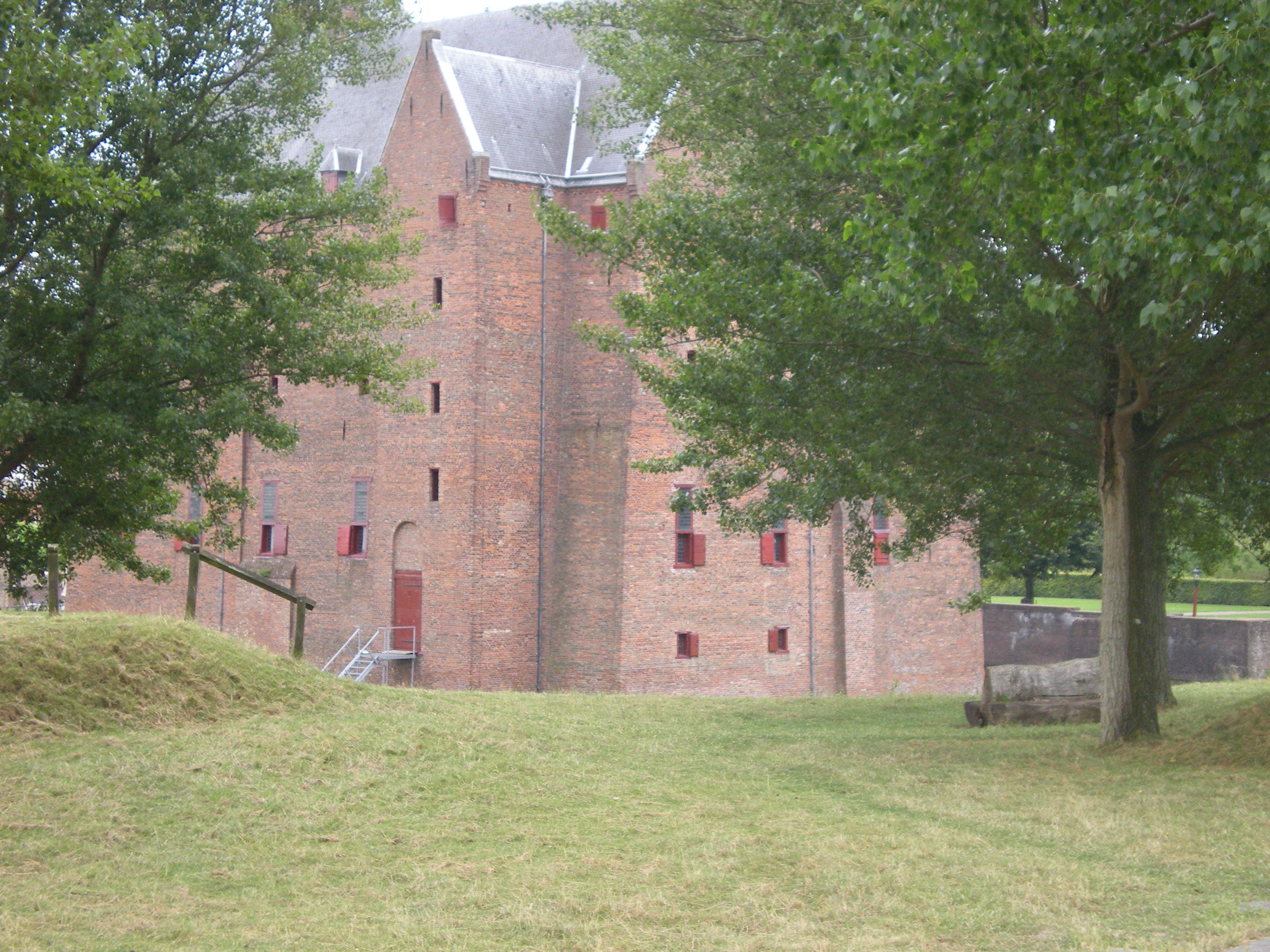
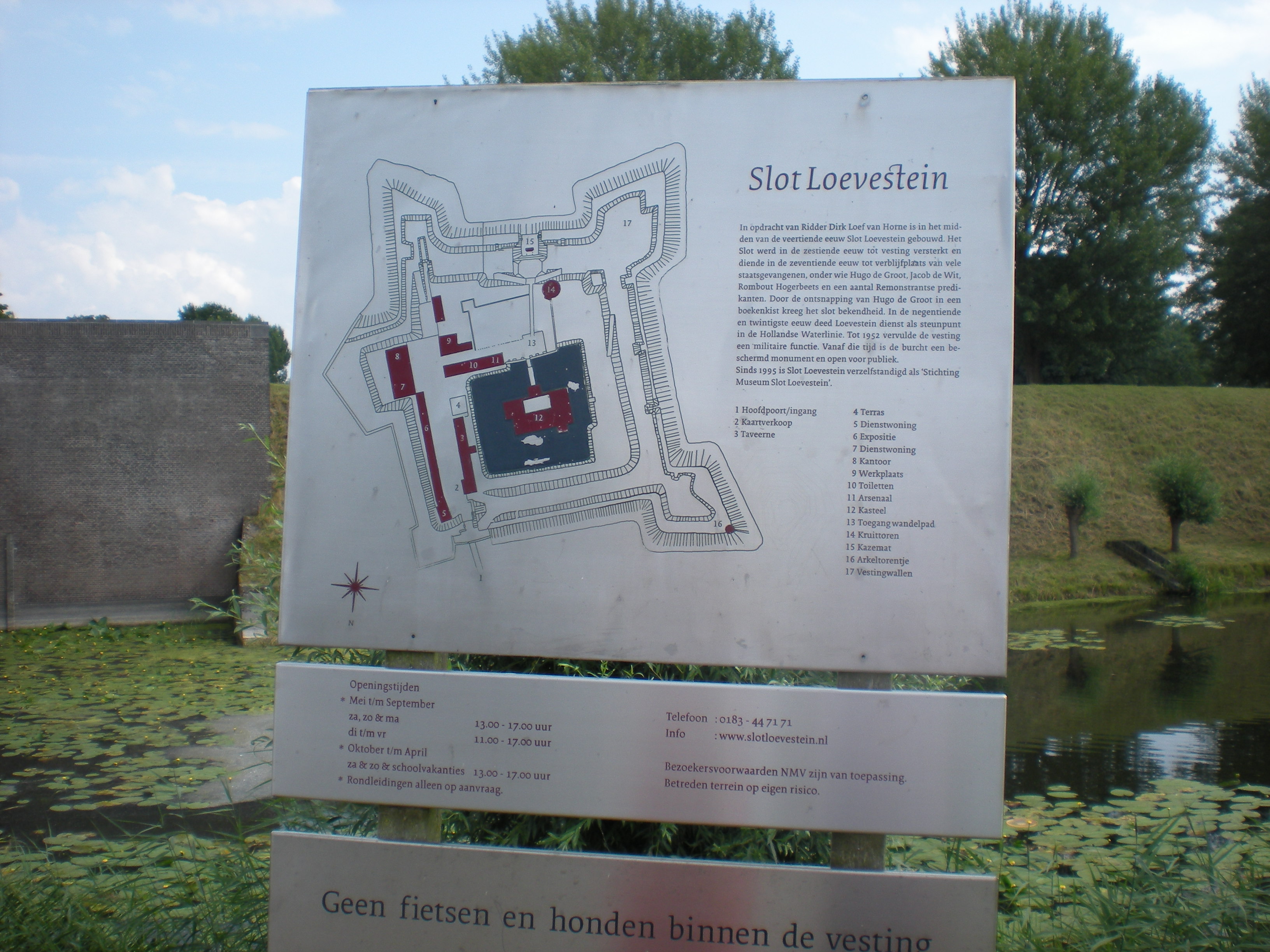
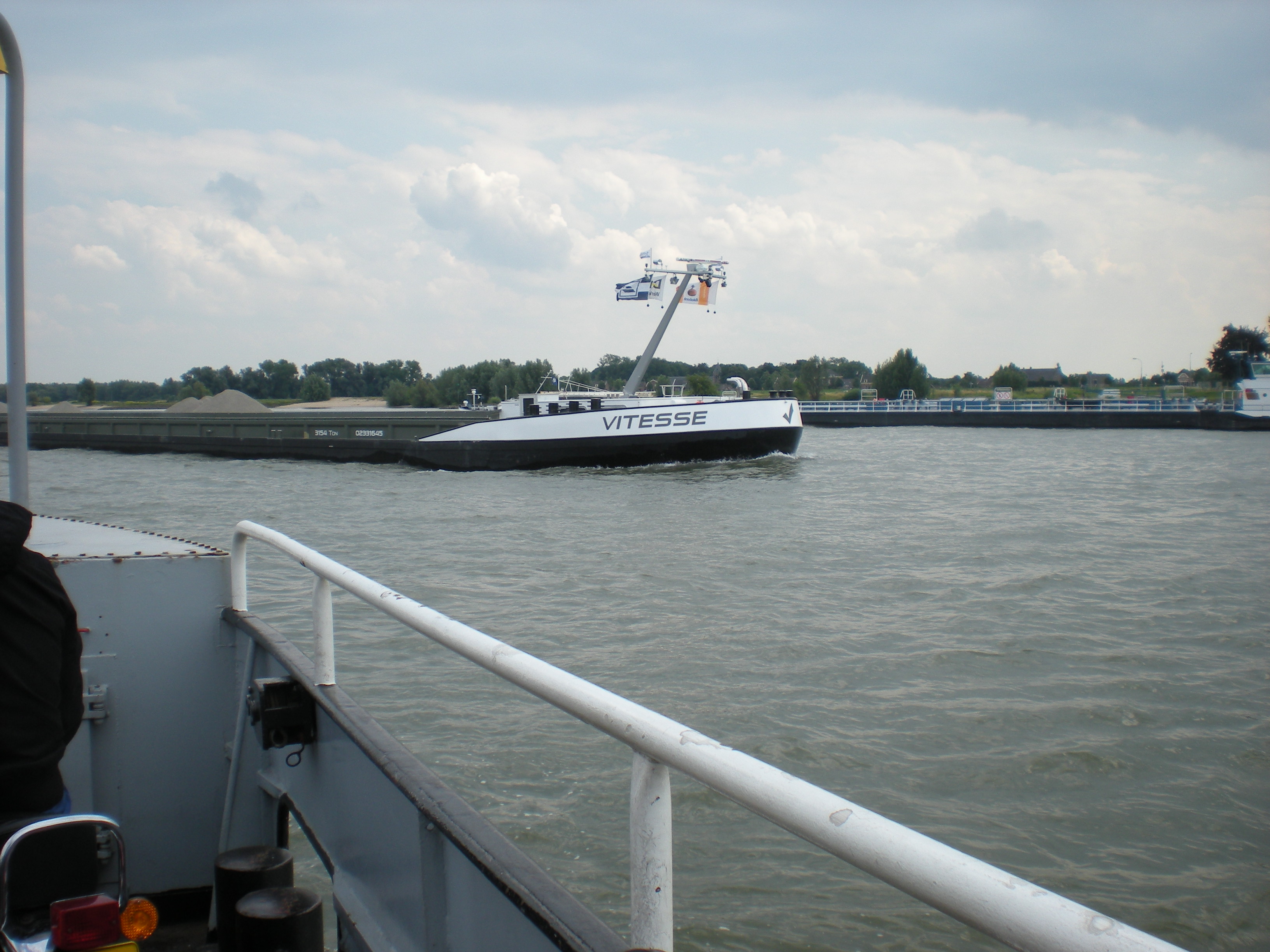
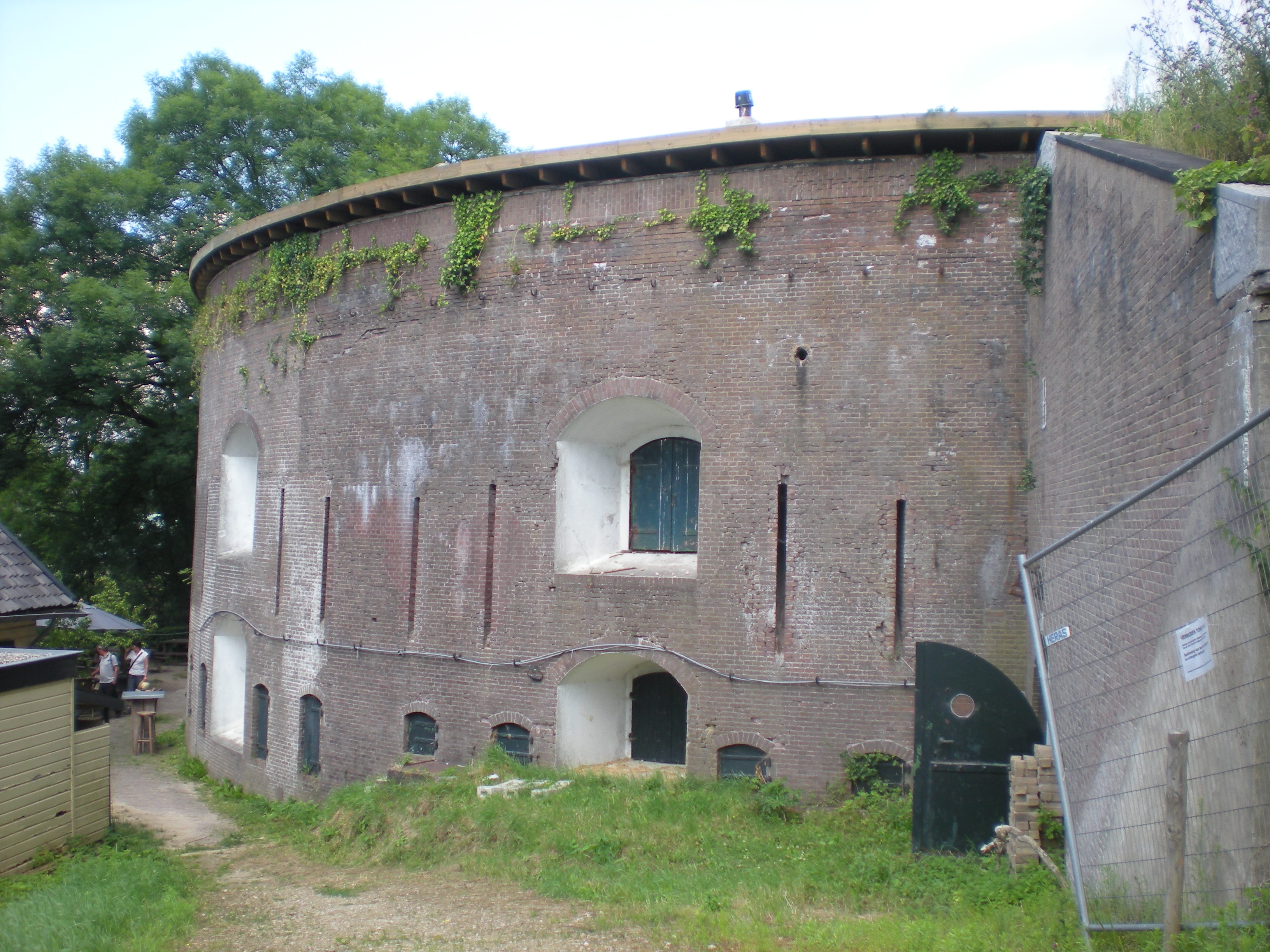
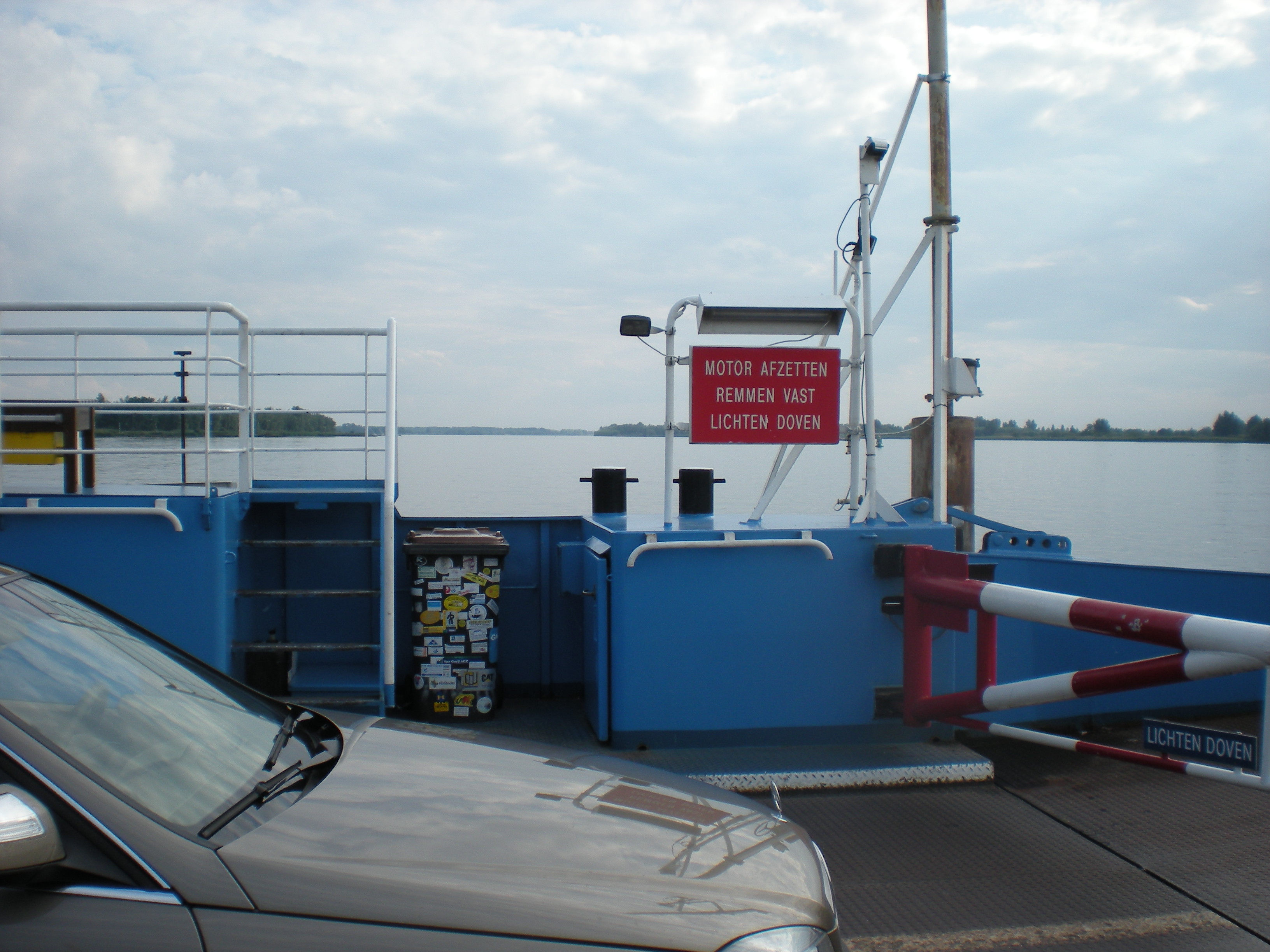
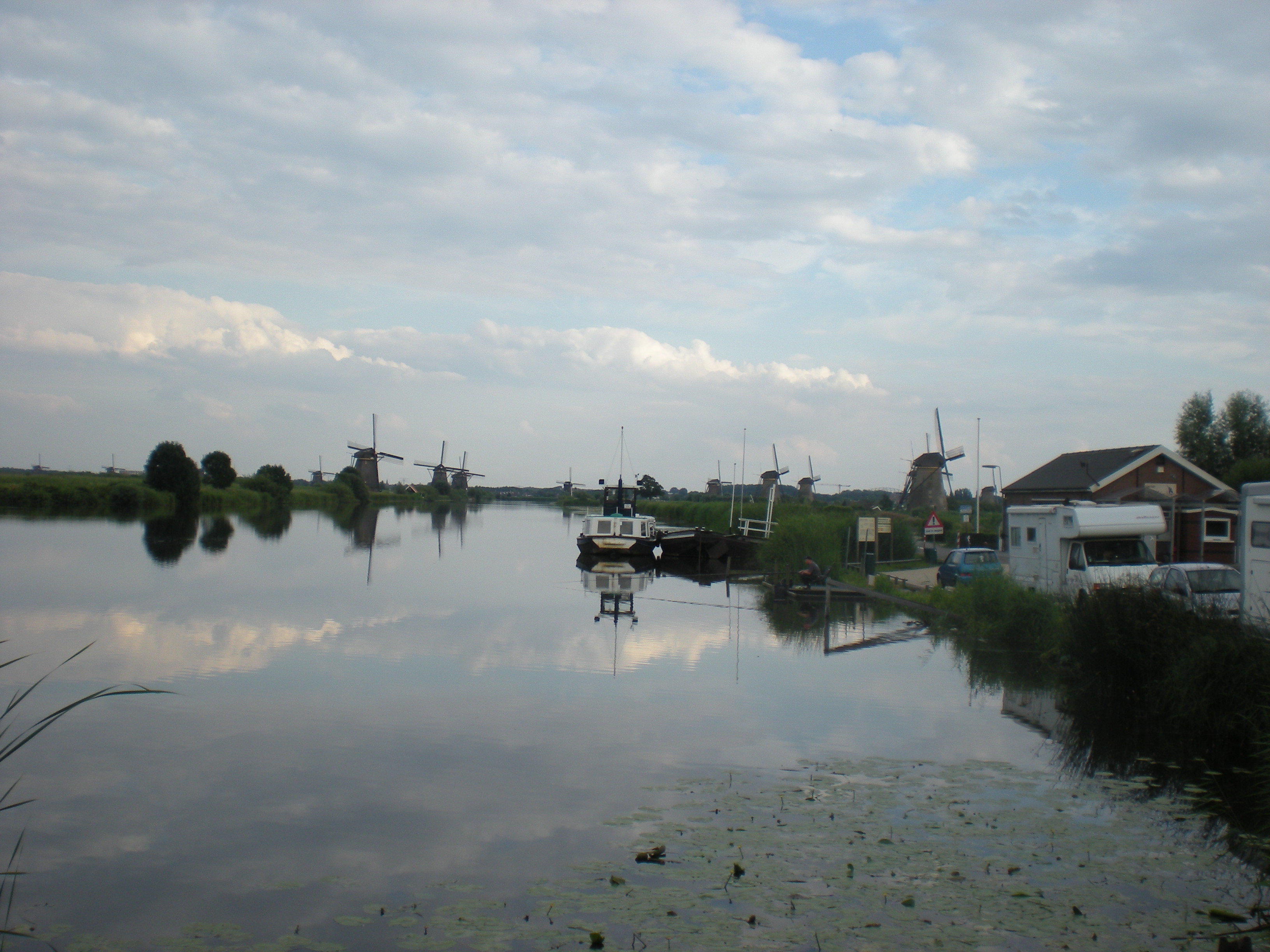
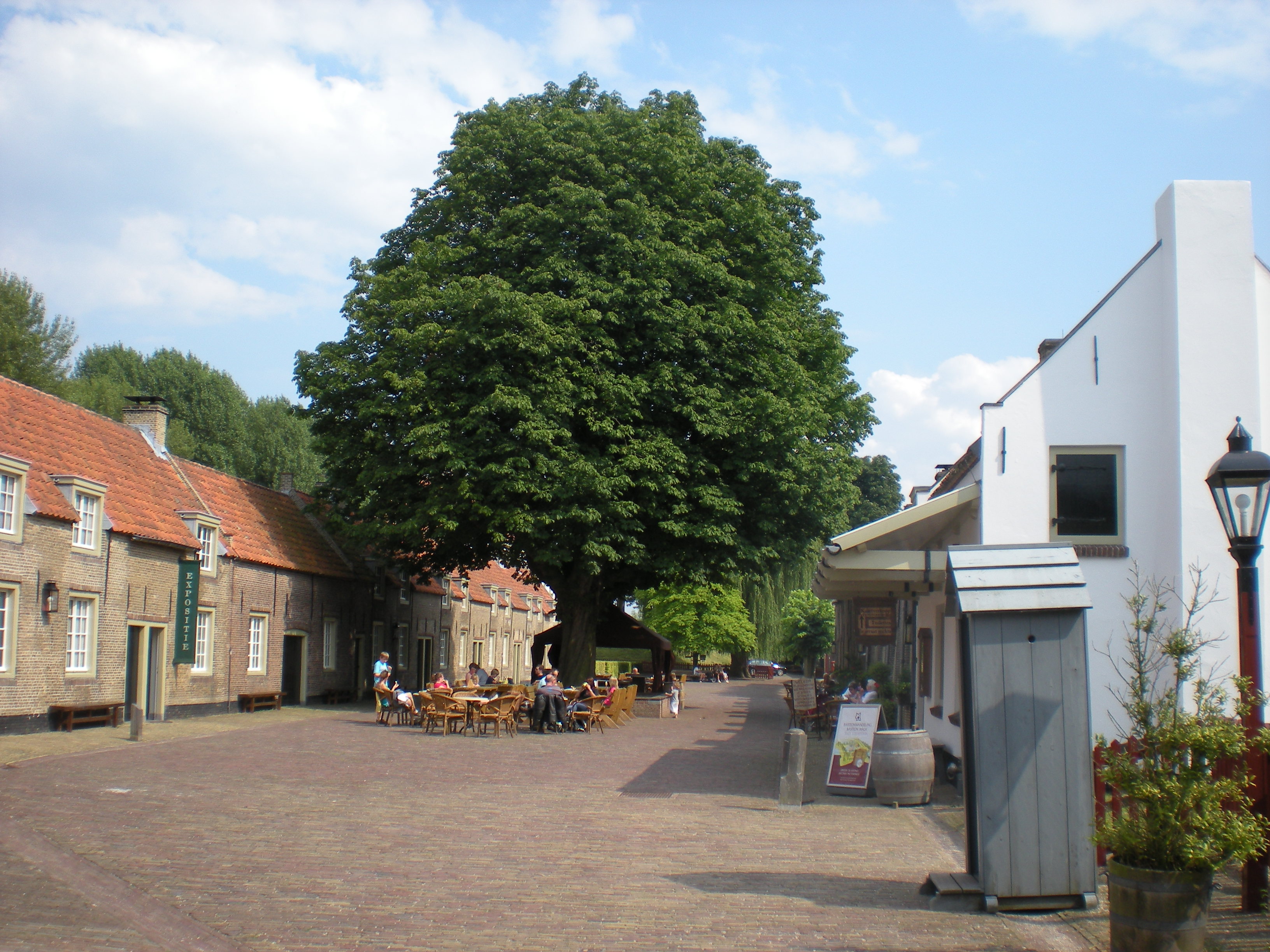
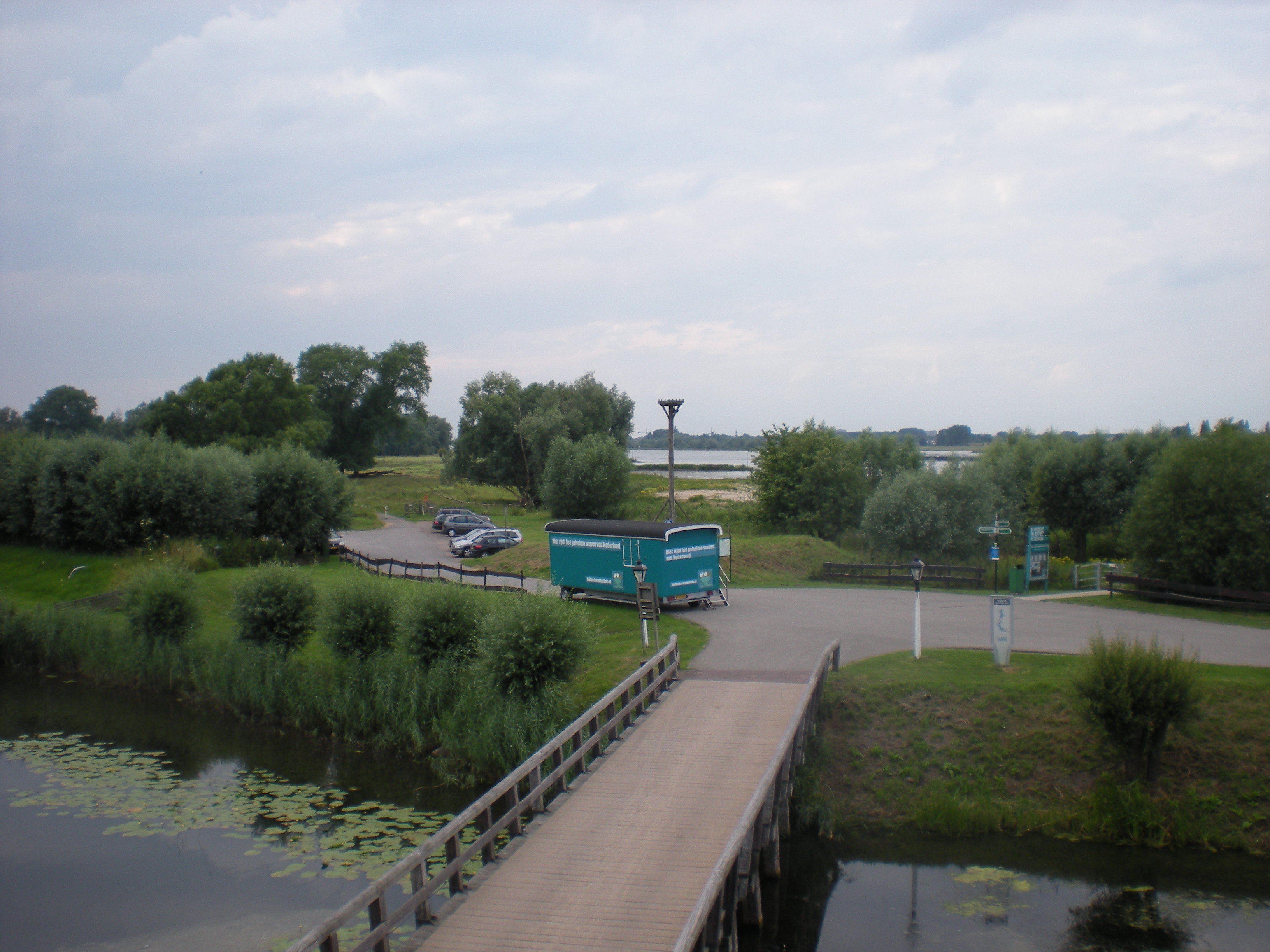
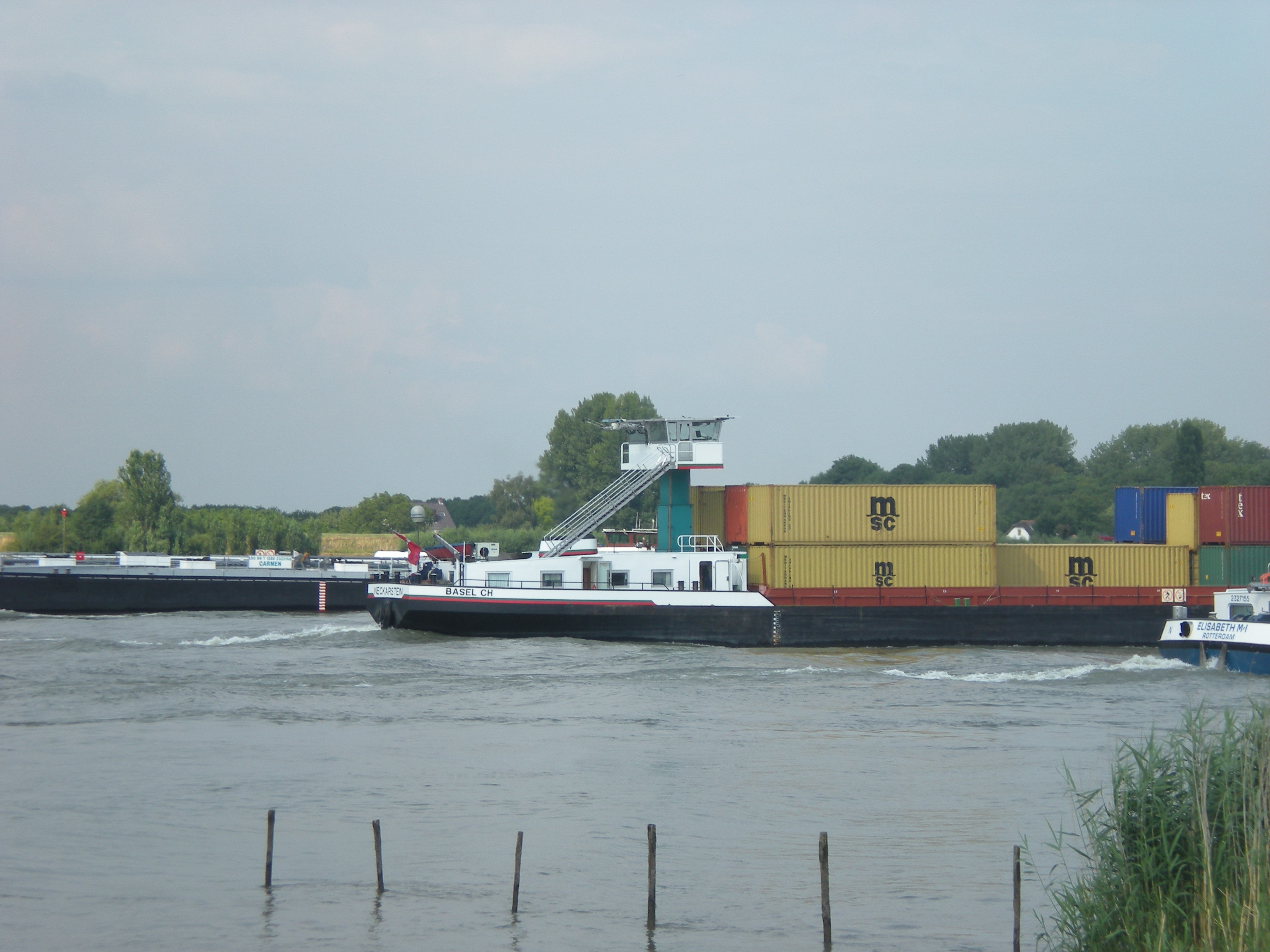
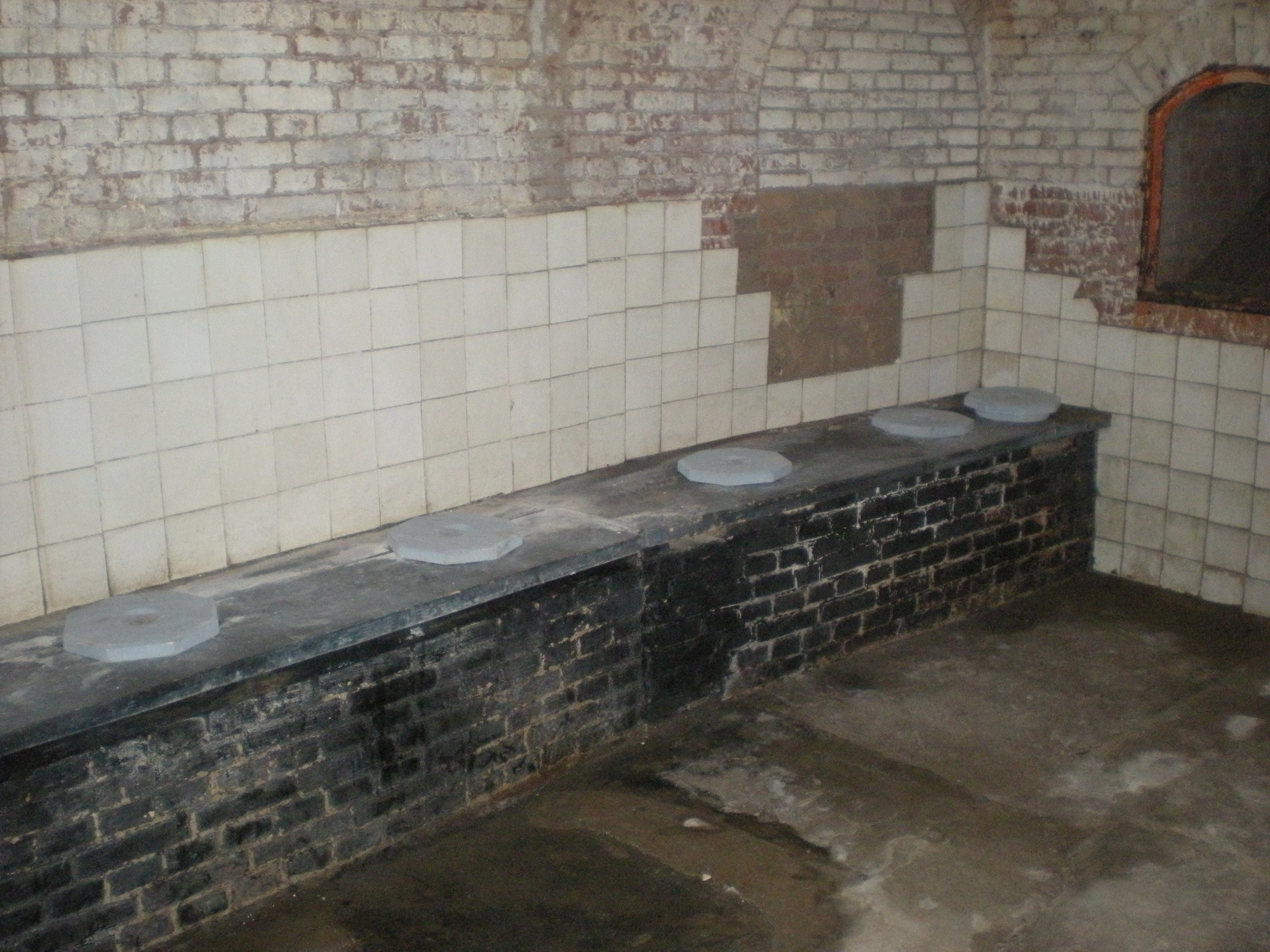

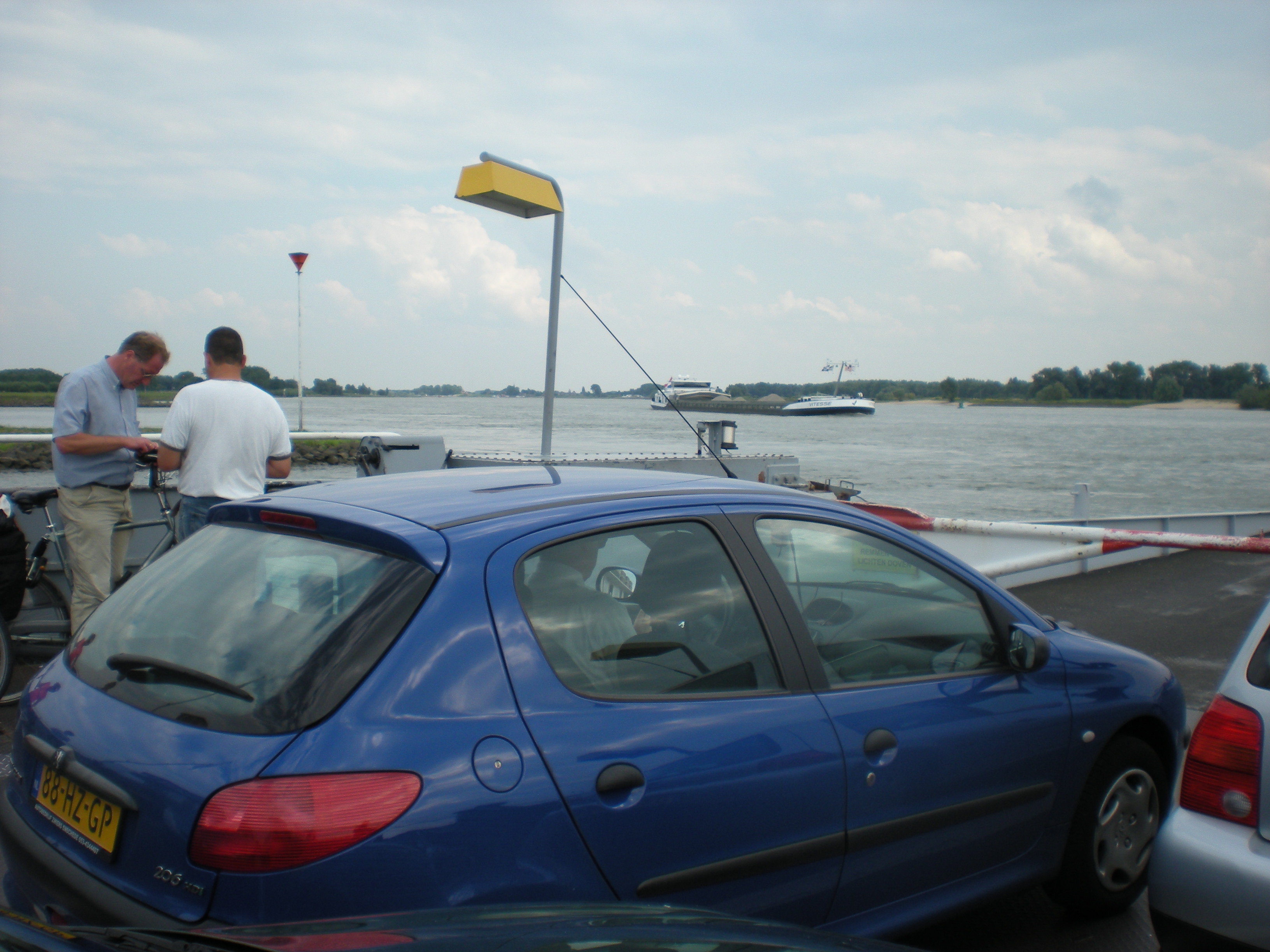
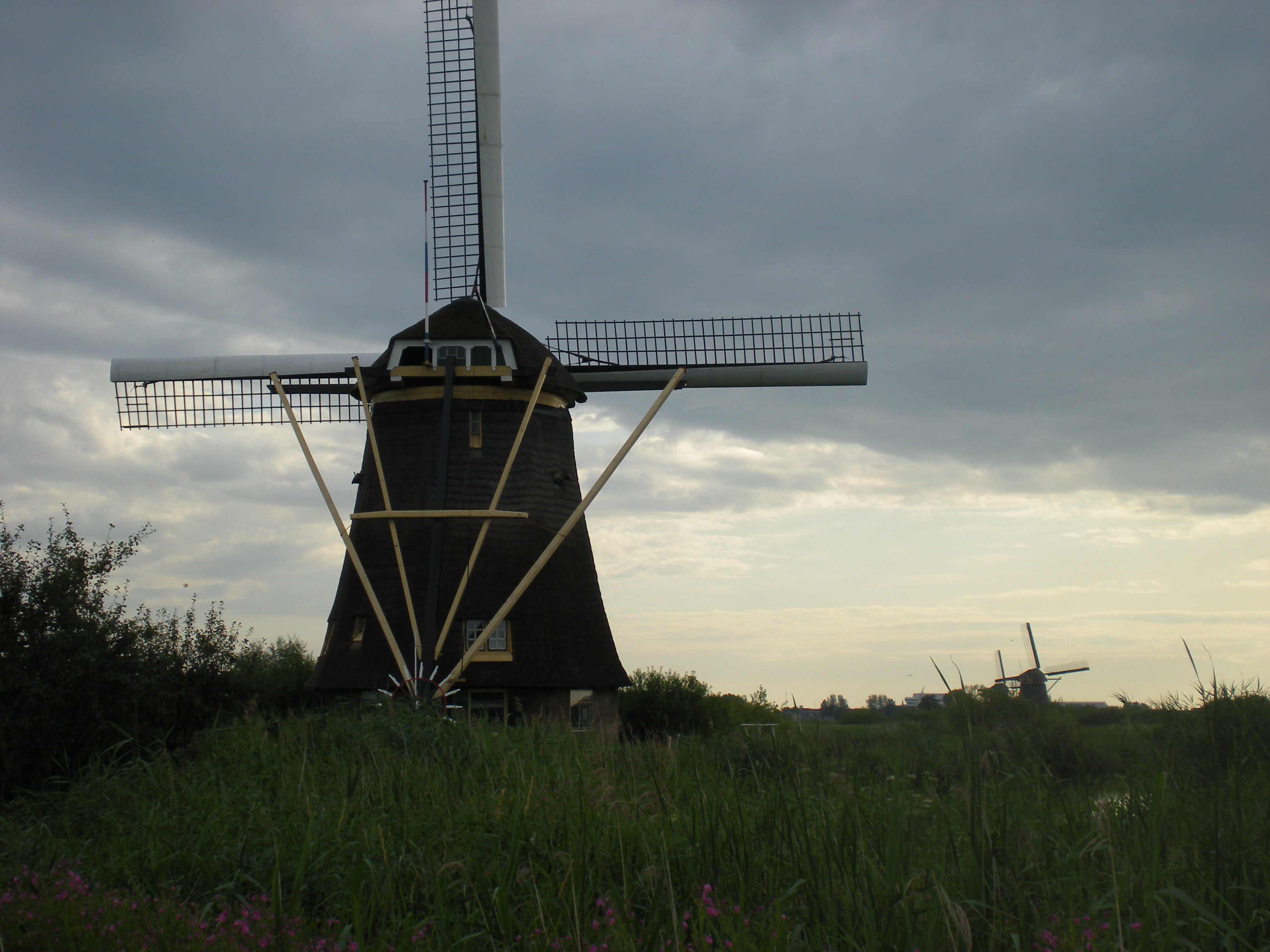
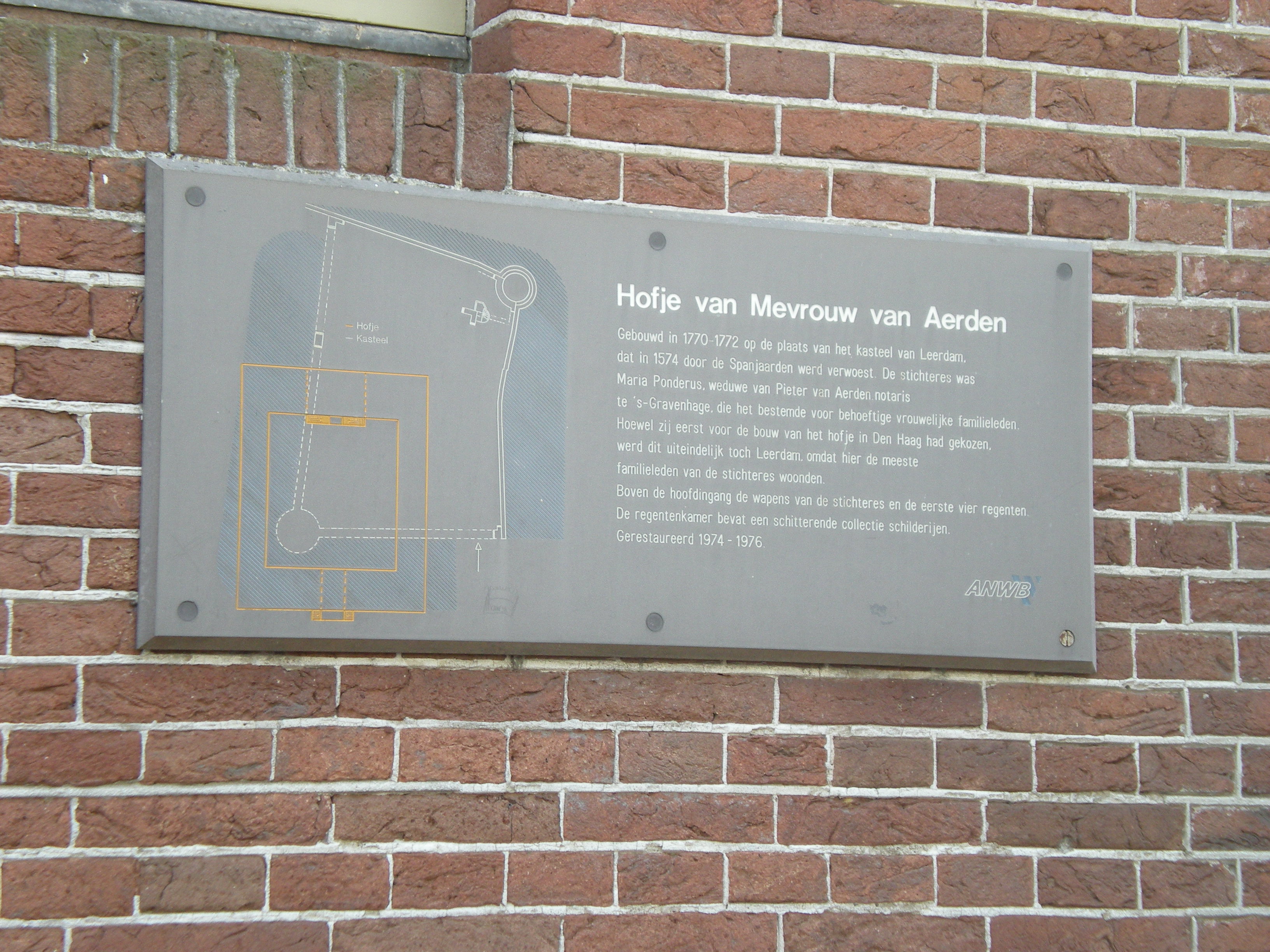
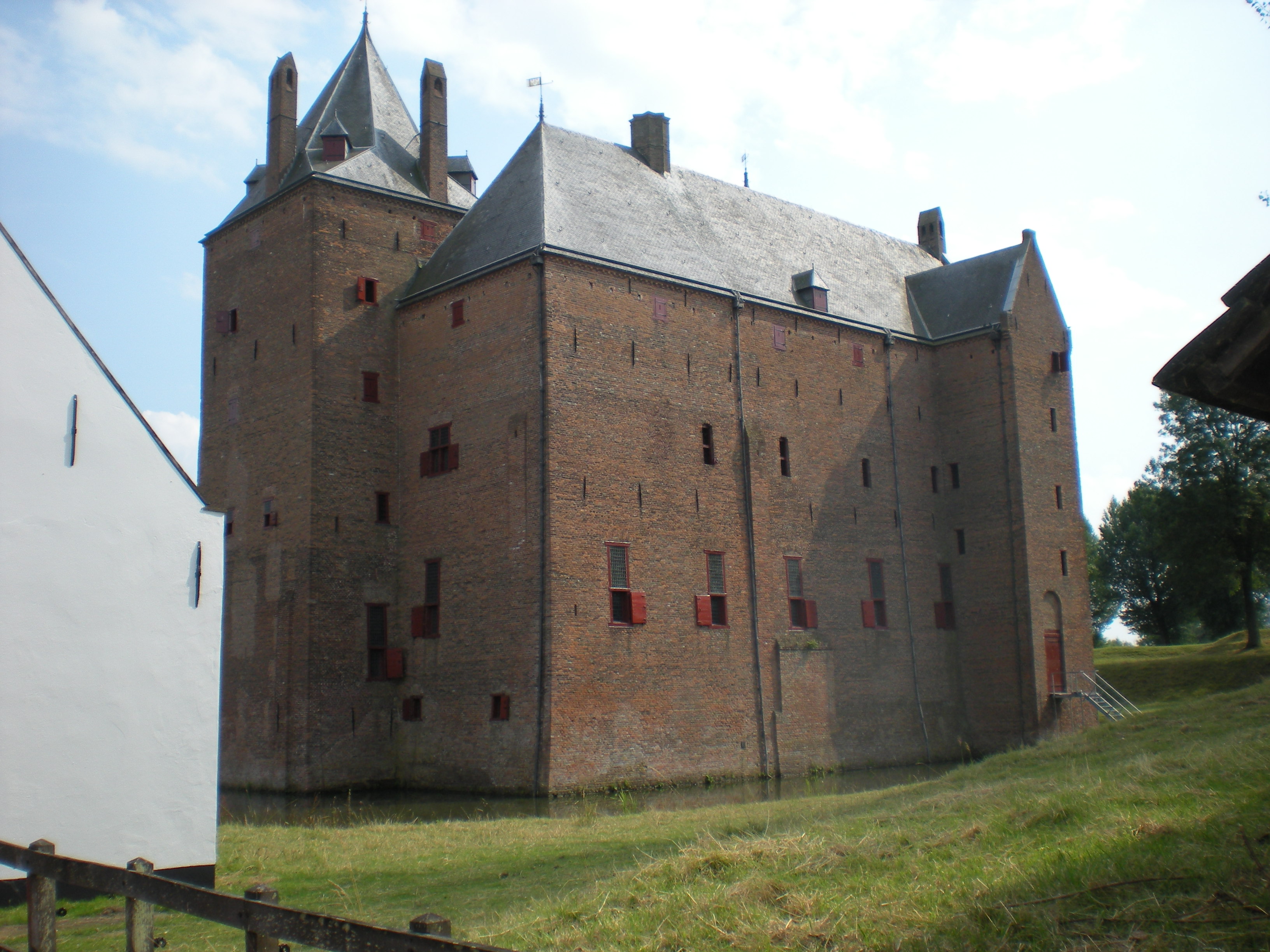
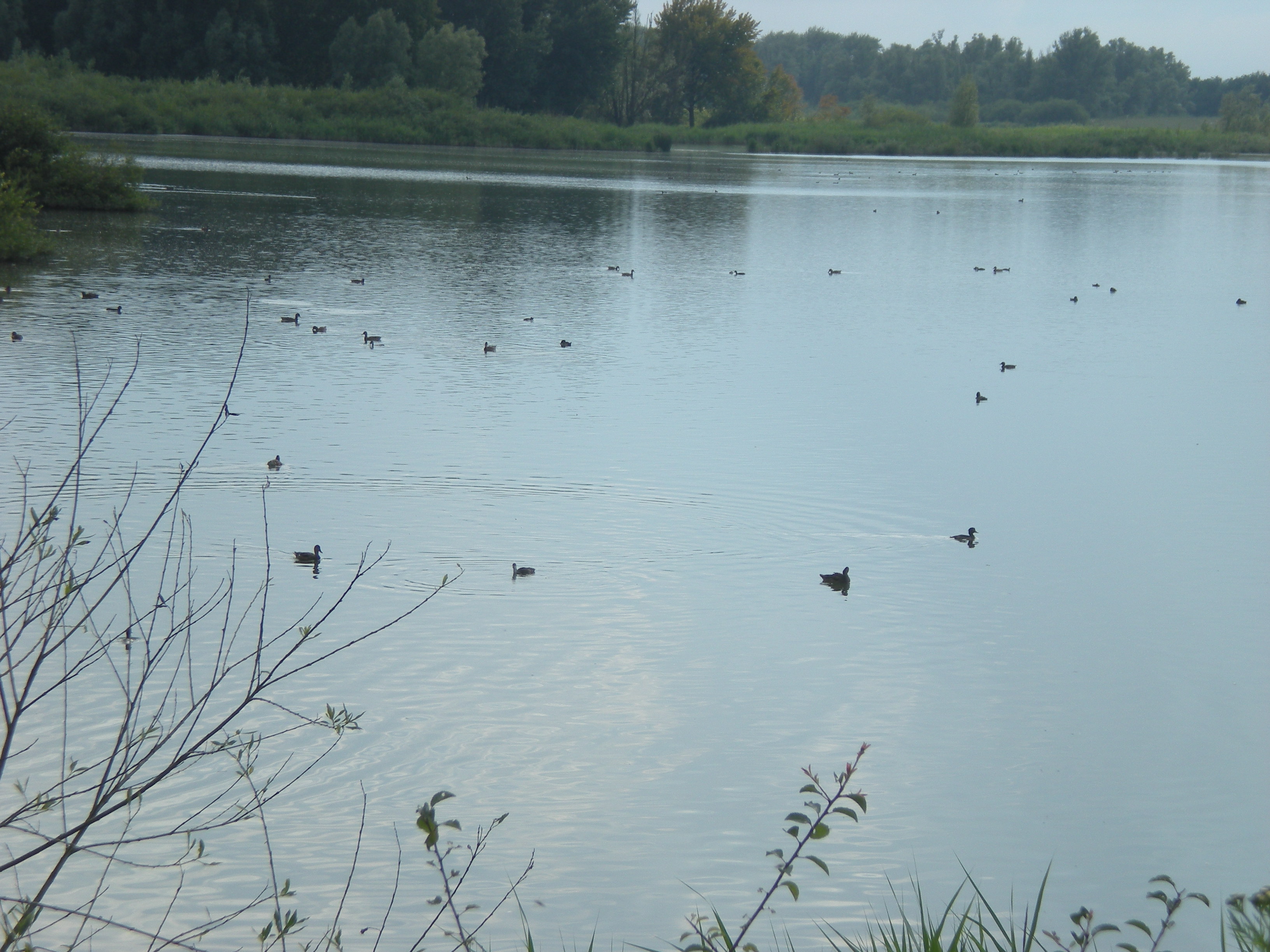
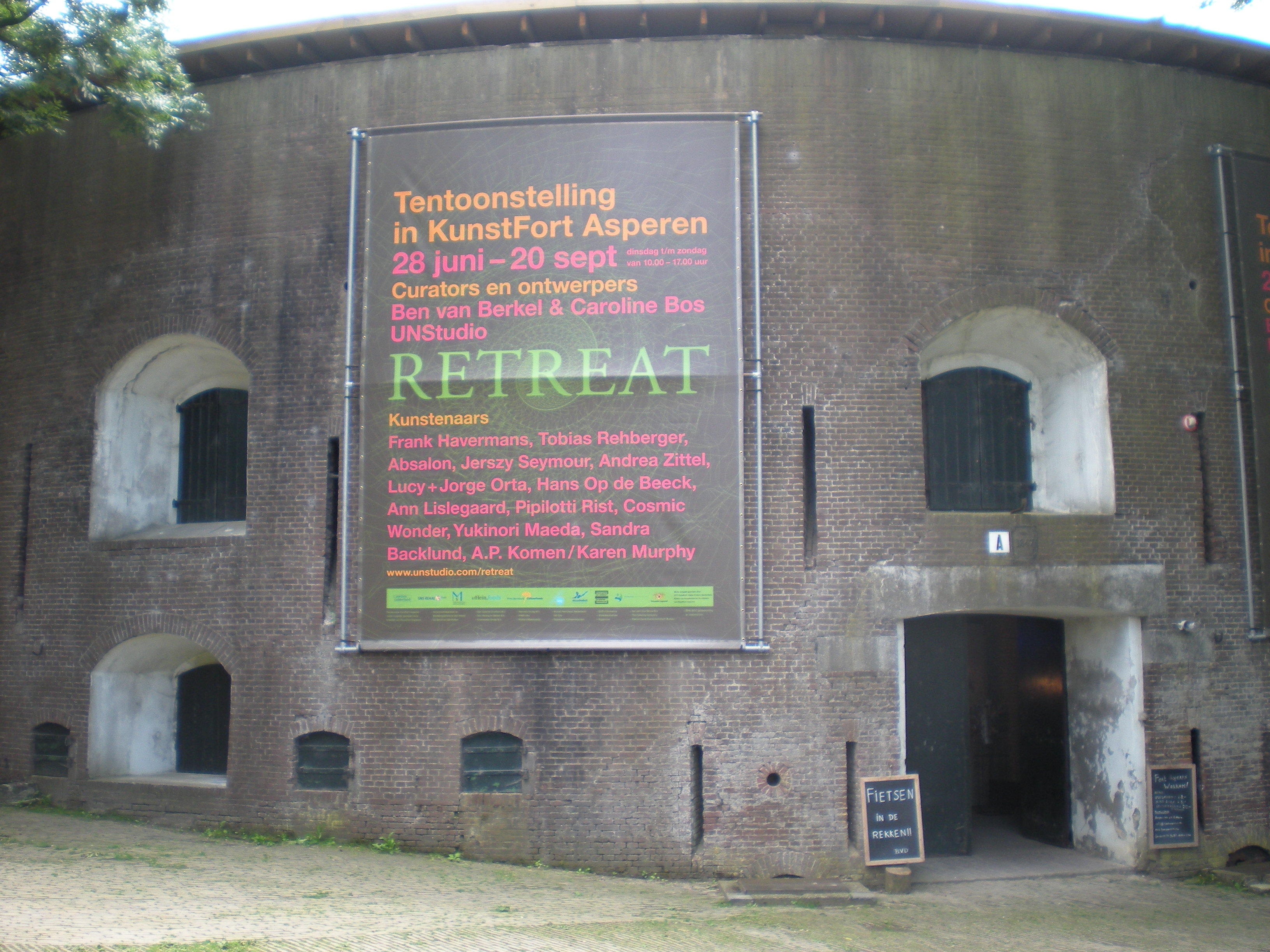

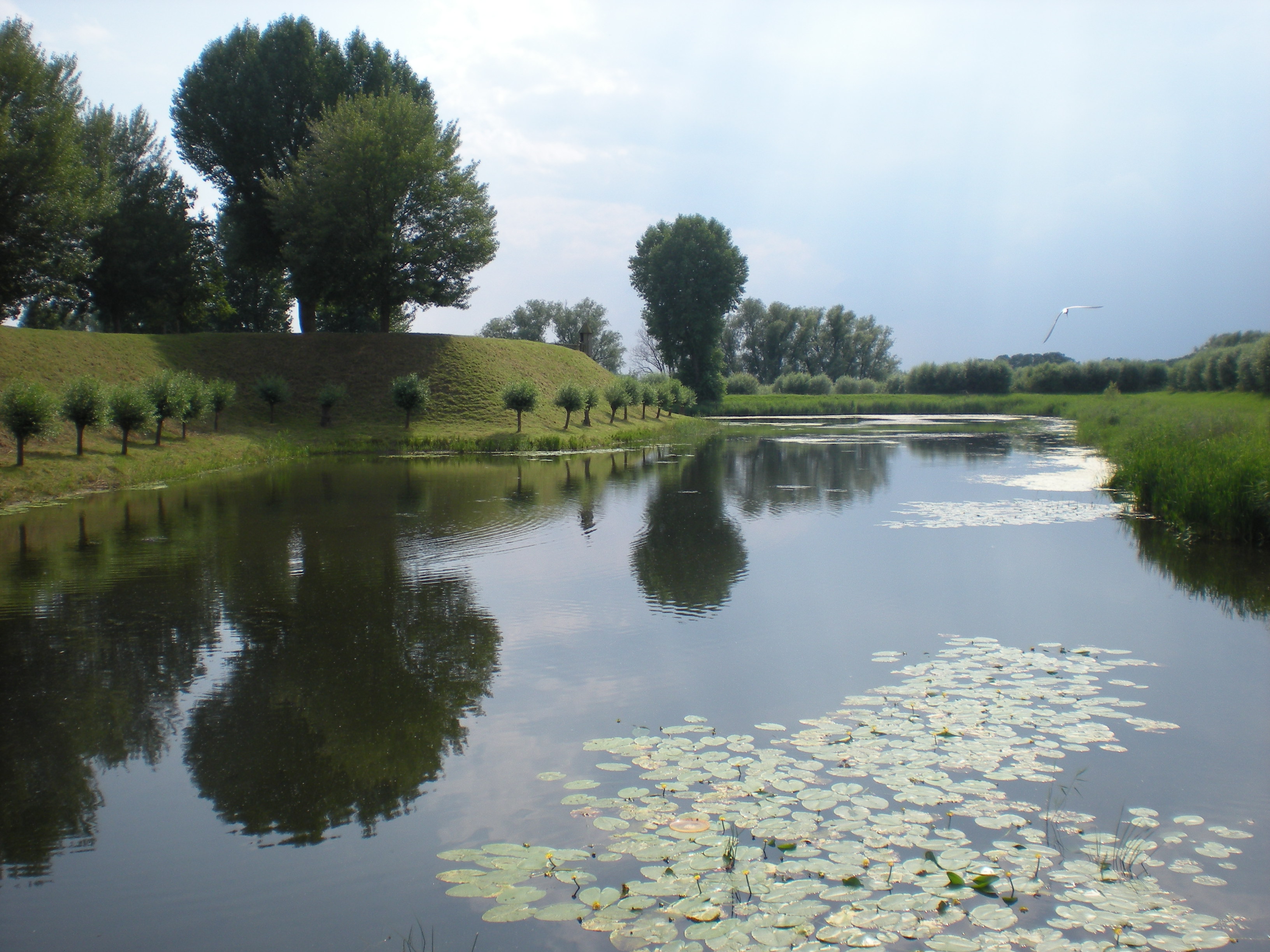
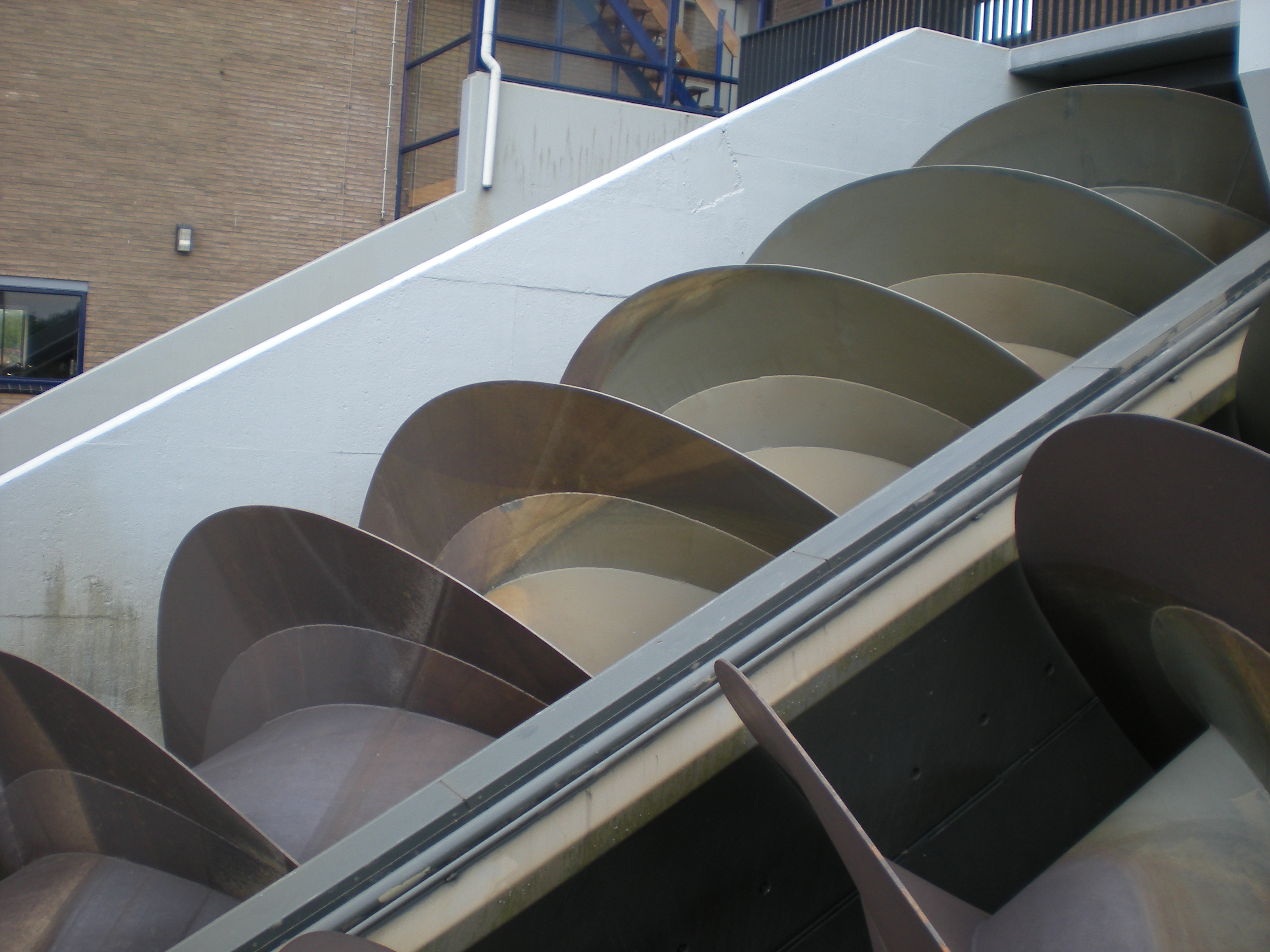

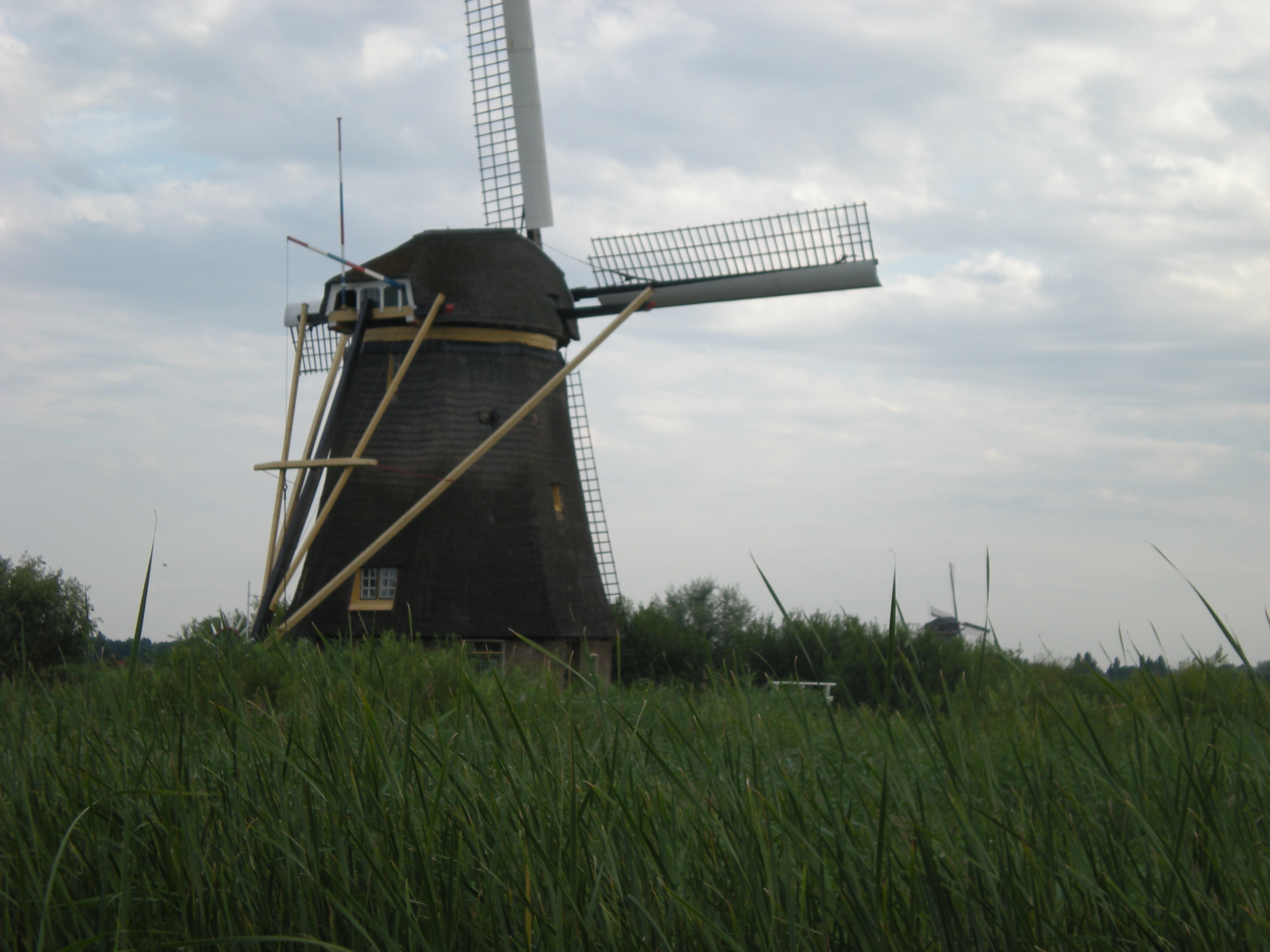
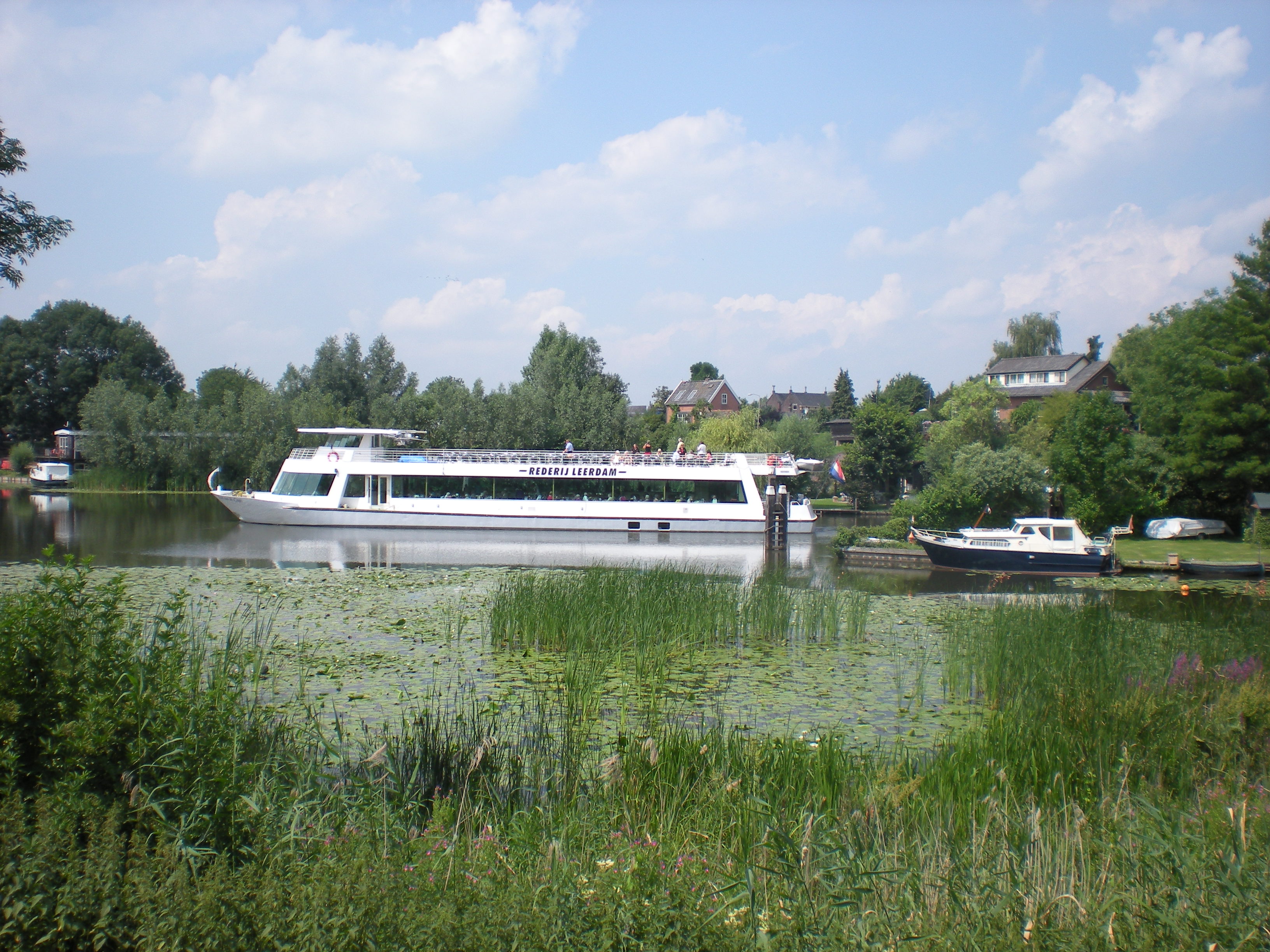
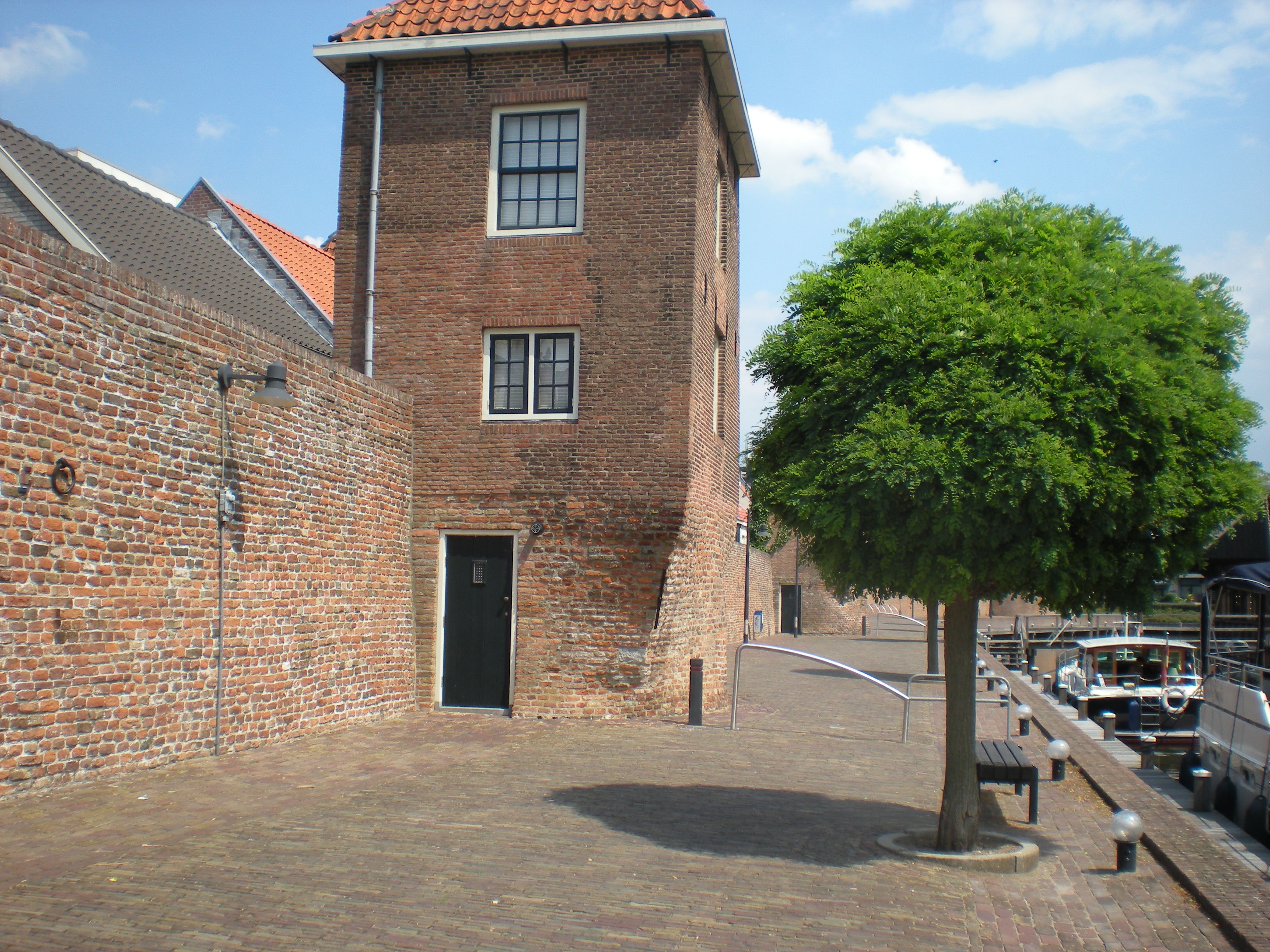
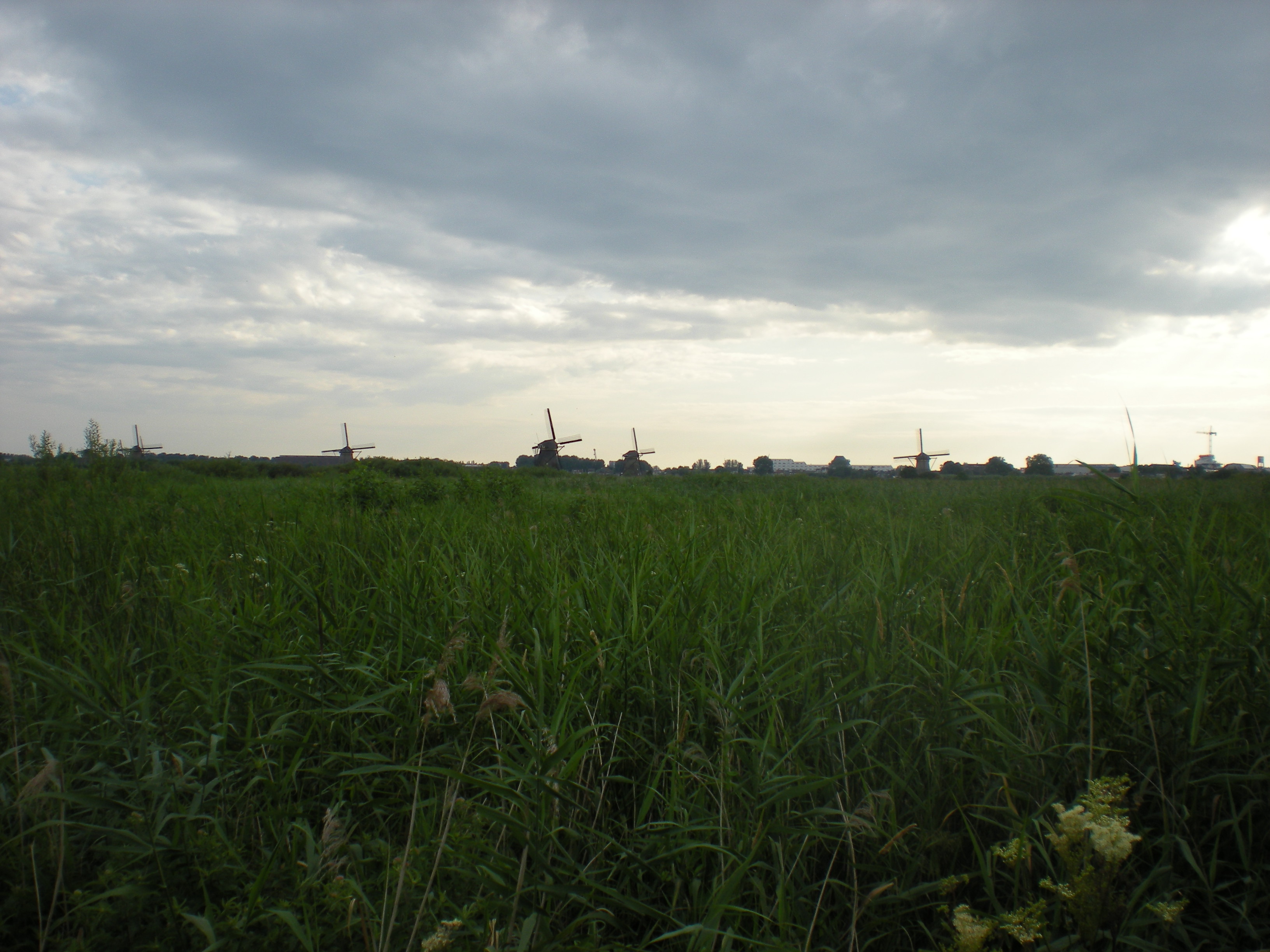
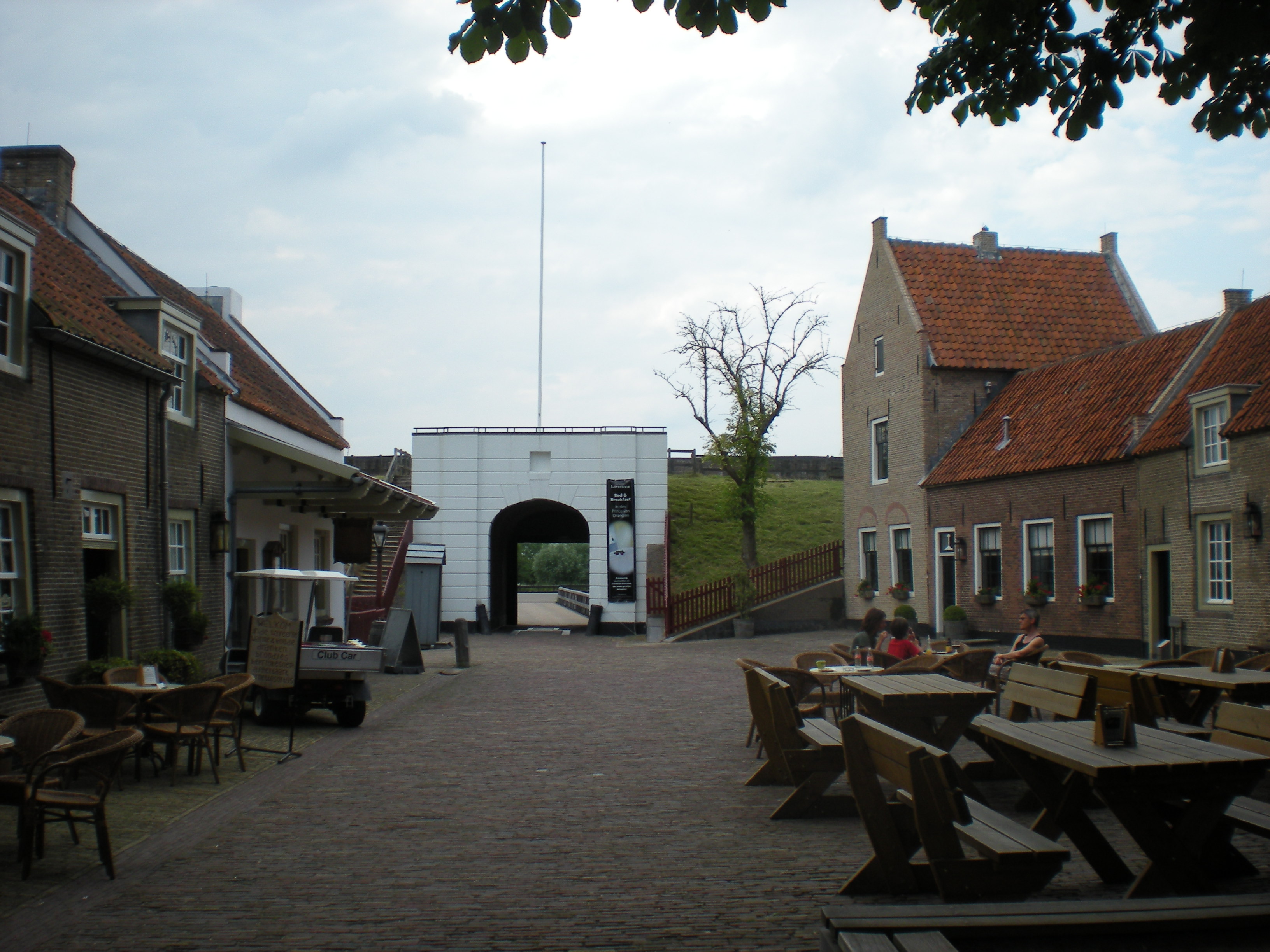
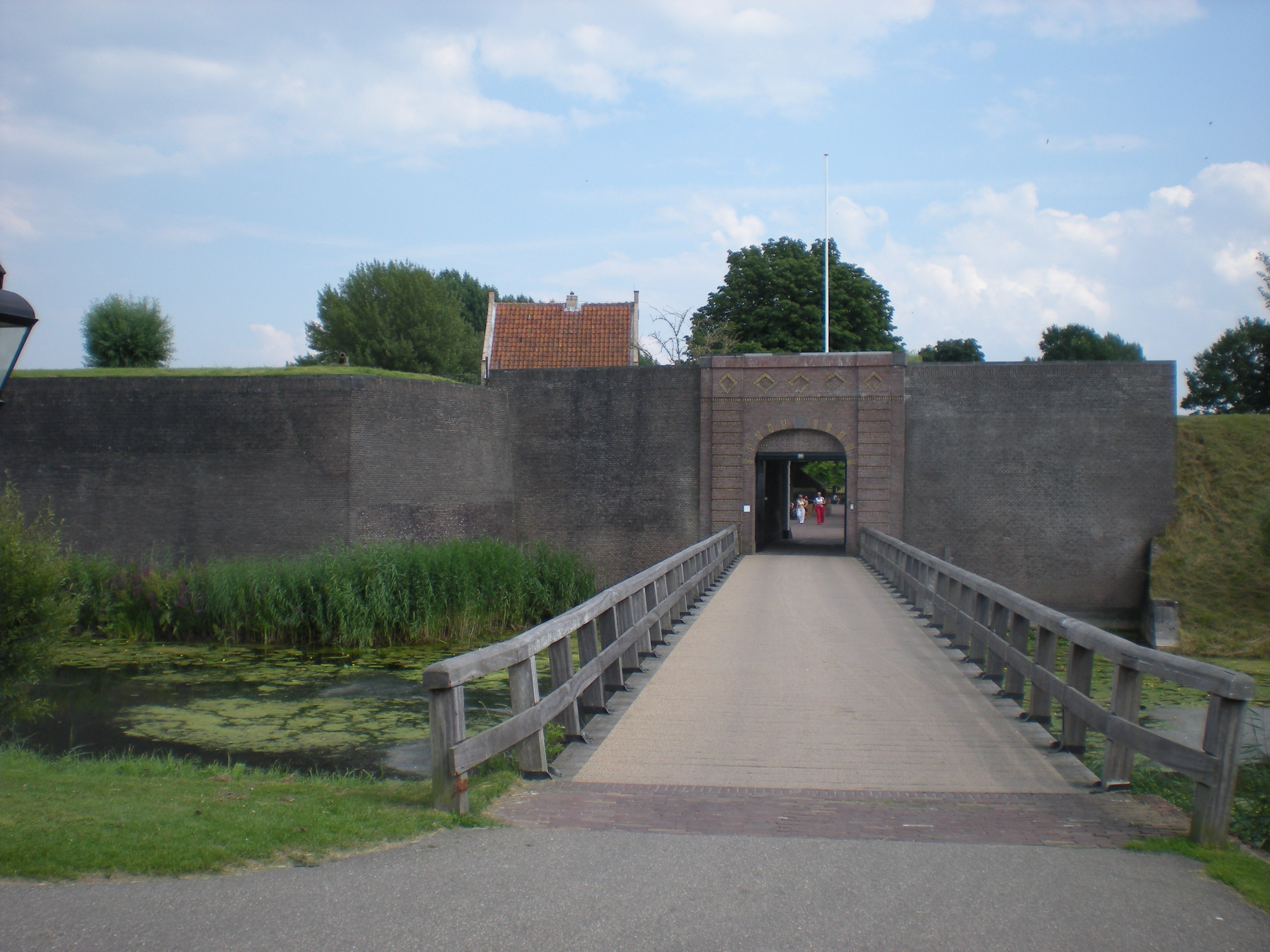
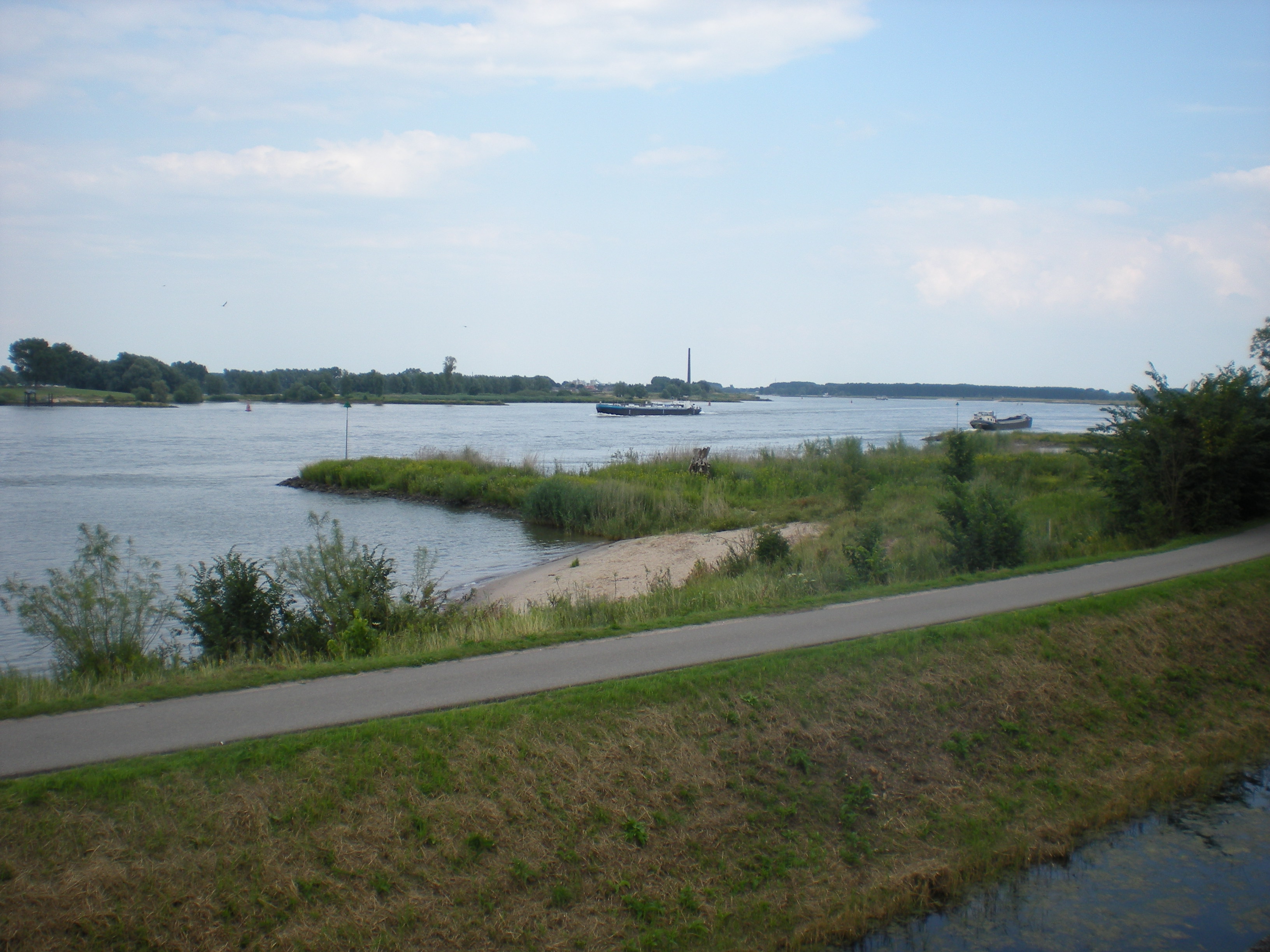
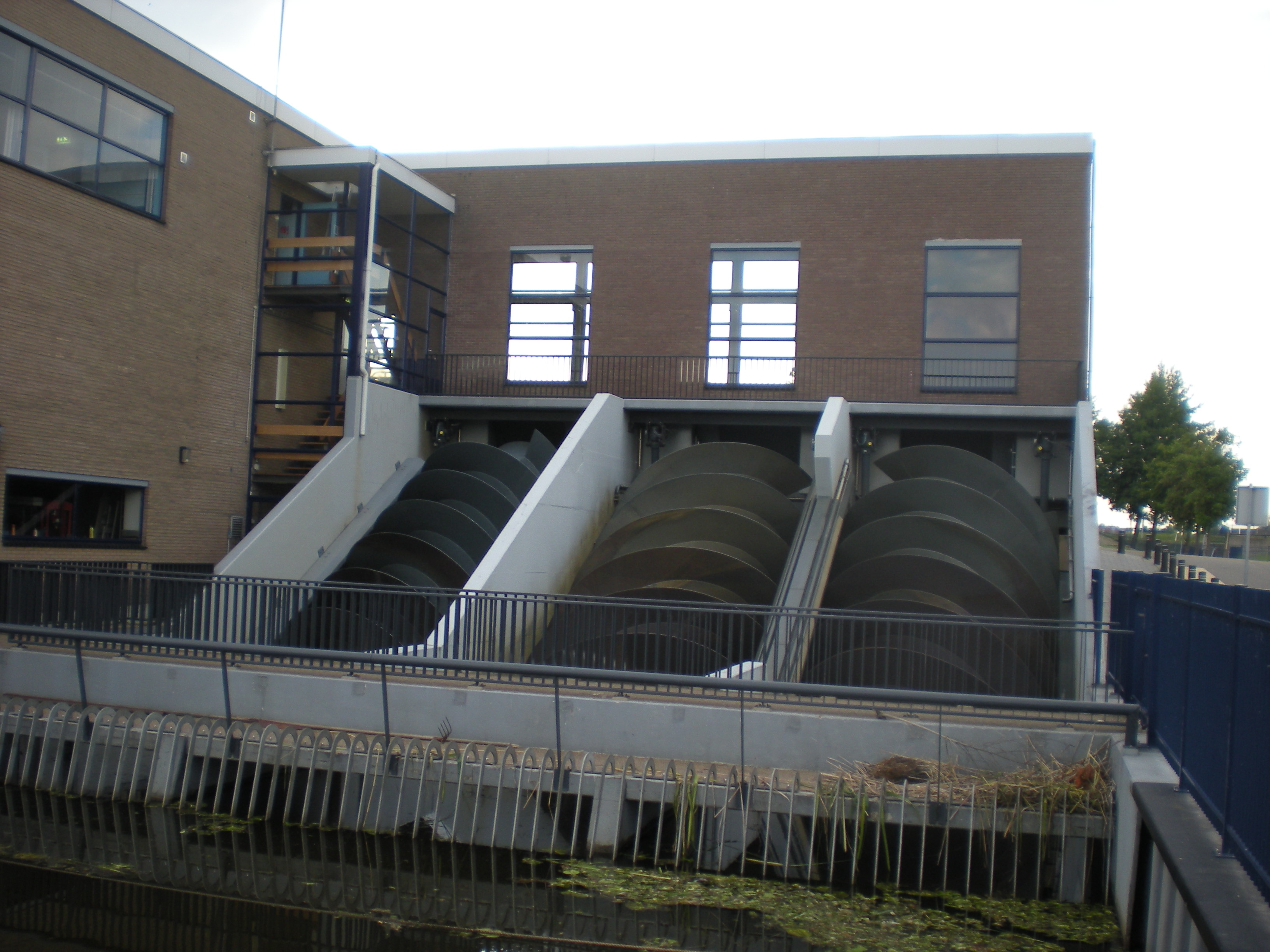
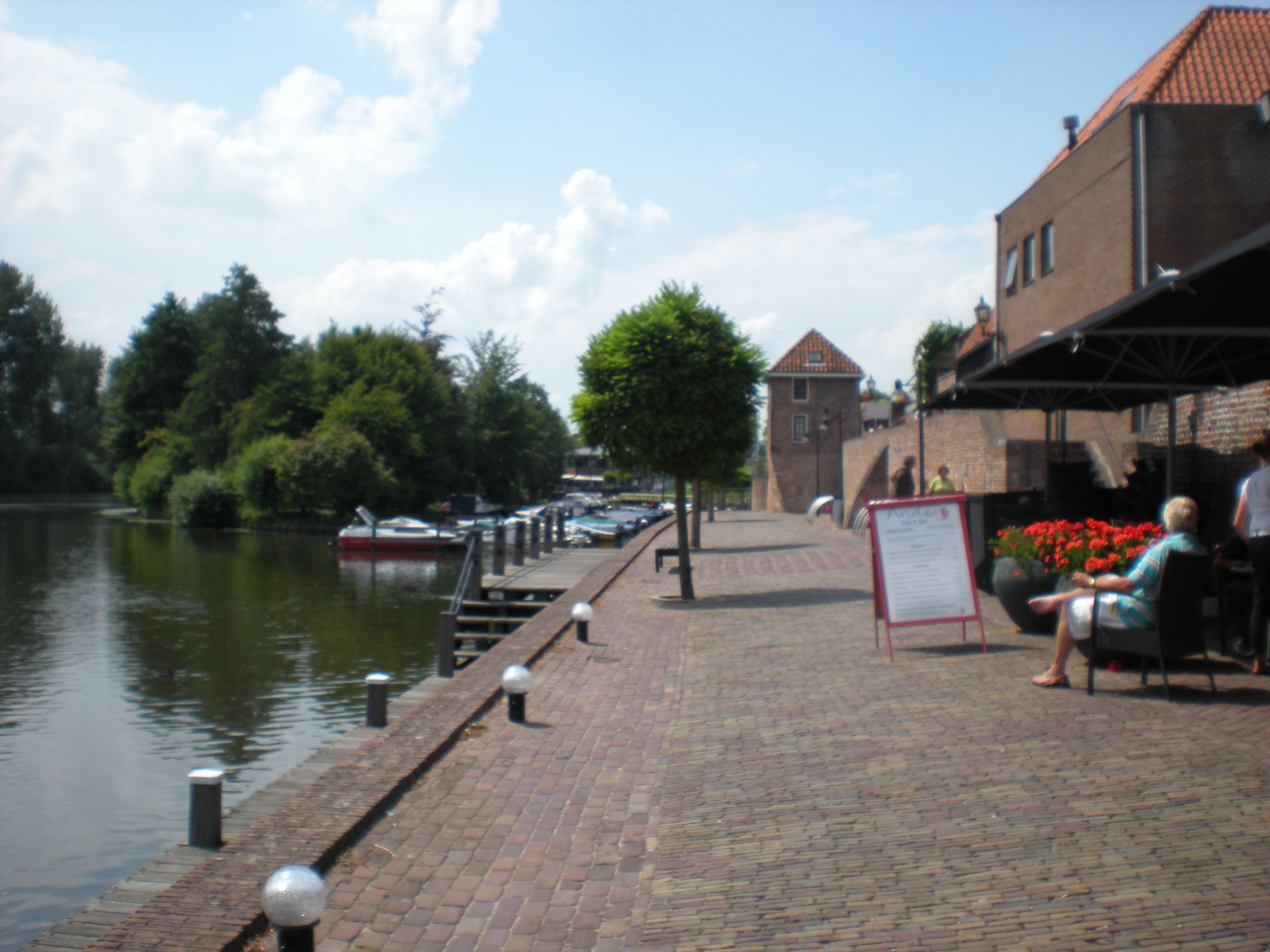
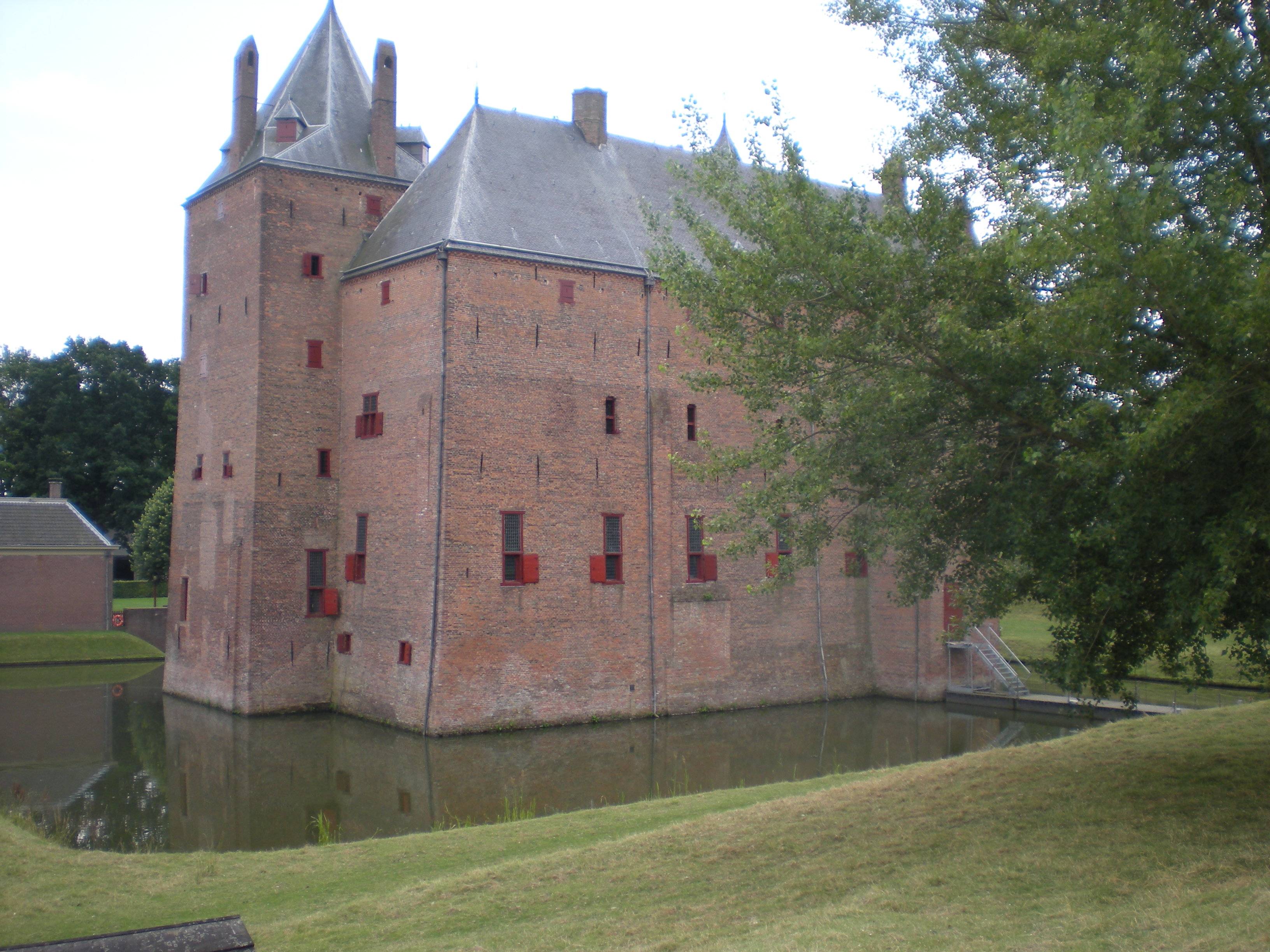

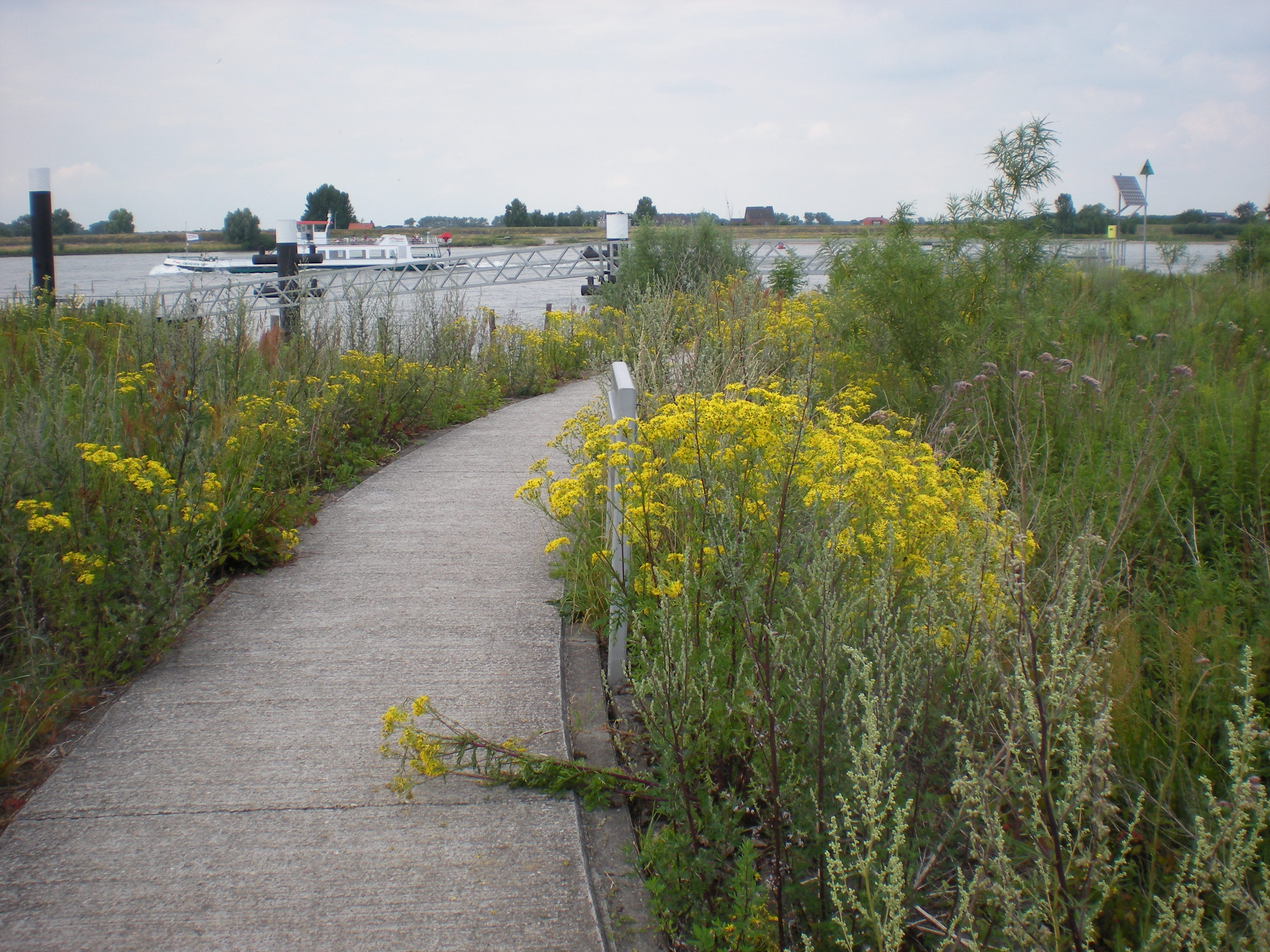
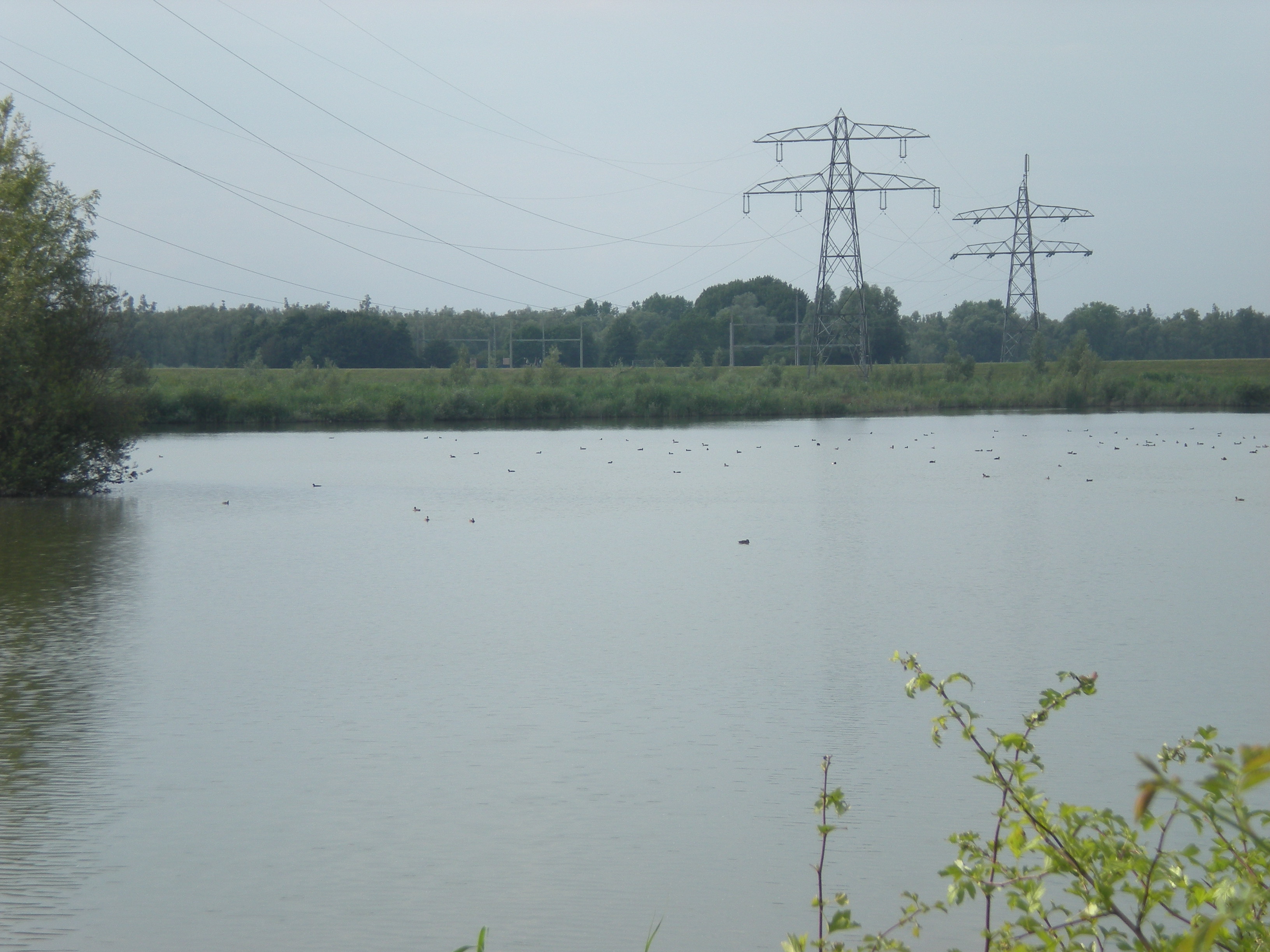
I learned a little bit about the Water Line and some of the fortifications are shown in the pictures. There are also pictures of the famous installations at Kinderdijk-Elshout.
Both are Dutch World Heritage Sites, although the Water Line is only on the tentative list.
Dutch Water Line
The Water Line is a series of defensive forts, towns, castles and dikes, that was built to protect the Dutch heartland from invasion in the 17th century. It was upgraded for many years, but proved inadequate in the Second World War as it was just by-passed by the Nazis.
This is one of the impressive castles, Slot Loevestein.
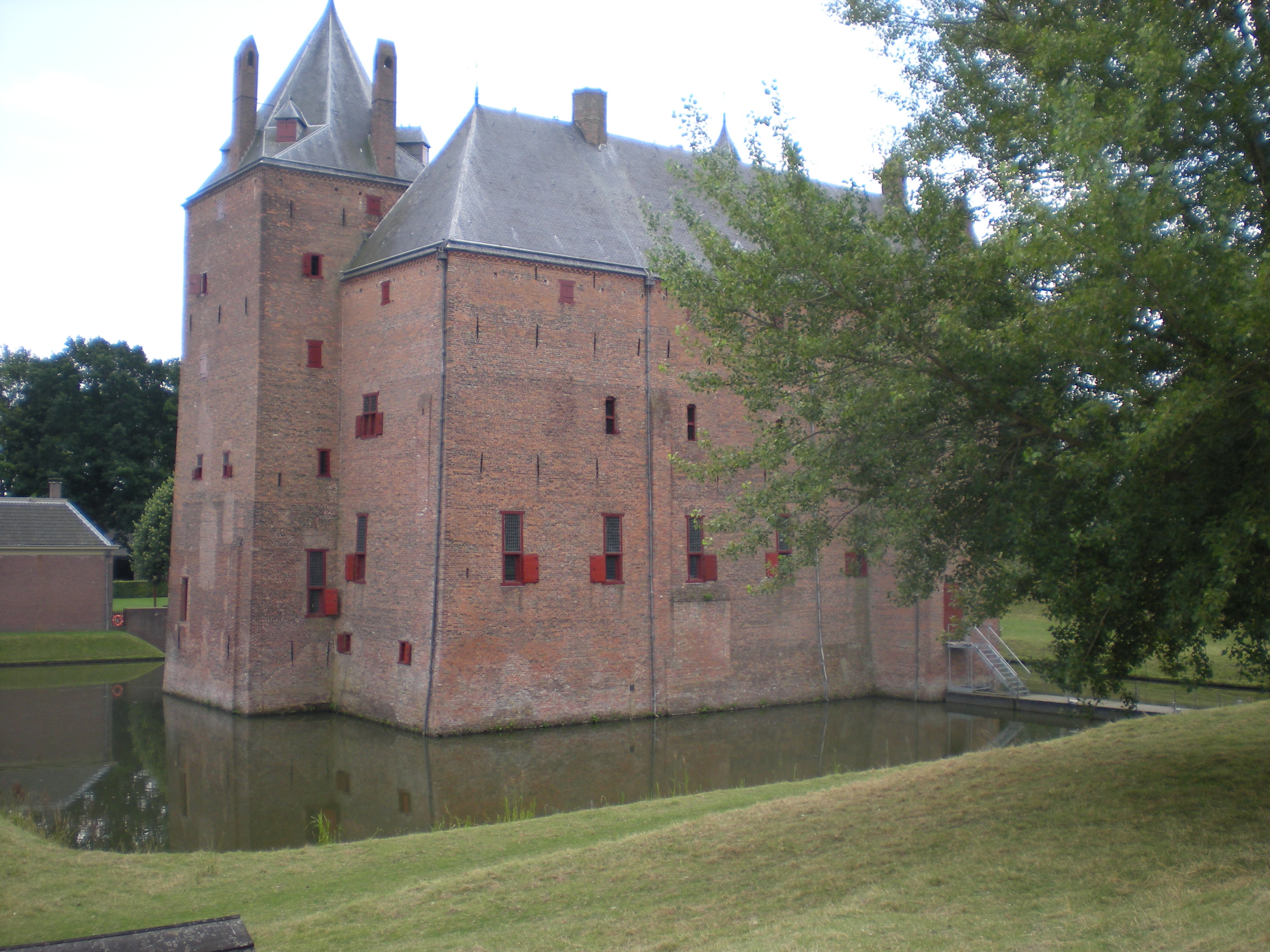
Slot Loevestein
The castle, and in fact the whole Water Line, is definitely worth a visit.
Sikhs
Everybody knows that Monty Panesar, the England spin-bowler is a Sikh. He has a beard, wears a turban and adheres to the rules of his religion. But England played two Sikhs in the last Test Match in Cardiff, as Ravi Bopara is also a Sikh.
I first came aware of Sikhs, when as a child I was watching the Commonwealth Games of 1958 on the television. Milka Singh, running for India, won the gold in the four hundred metres. I can’t remember him in the Olympics in Rome, where he ran barefoot with his hair streaming behind him and became the darling of the crowd and favourite for the gold. He came fourth in a photo-finish. Now he is most remembered as the father of the very capable Indian golfer, Jeev Milka Singh.
I am not a religious person, but I do admire what Sikhs stand for. Unusually, their religion doesn’t have an afterlife. Perhaps this is why they work so hard for success, as it only matters what you do on this earth!
But the principles of the religion are very much what I stand for; women are equal, there is no priestly class, anyone can join, regardless of race or gender etc. Only when it comes to God, do we disagree, but then if you live your life well and for the benefit of others, who cares?
But there is one Sikh tale I want to get to the bottom of.
Jimmy Langley, was an officer in the Guards, who lost an arm at Dunkirk and then evaded the Germans before returning to the UK through Spain and Portugal. He later organised the escape routes for hundreds of airmen, who were shot down in occupied Europe. These tales were then documented by the BBC, in the series Secret Army, for which he was an adviser.
I met him about twenty years ago, on a ferry from Harwich to the Hook, when he was promoting his autobiography about his wartime exploits. He kindly signed a copy and we chatted for a few minutes.
A couple of years later, I bought another of his books called MI9: Escape and Evasion, 1939-1945, which he had co-authored with M. R. D. Foot.
In that book, one short sentence says that the first “Home Run” by British forces from Germany was by two Sikh sergeants in the Pioneer Corps.
That must have been some tale.
Another Suffolk Hoard
Suffolk is a place where buried treasure seems to be found more than most. Most famous is perhaps the ship burial at Sutton Hoo, but there is also the Mildenhall Treasure and the Hoxne Hoard.
Now they have found a cache of gold coins at Dallinghoo, very close to where my late wife and myself used to live just north of Ipswich.
How many other examples of buried treasure are there in the county?
Interestingly when the BBC did a serious program on the top ten treasures in the UK, three were discovered in Suffolk.
World Heritage Sites in the UK
Pontcysyllte is the latest UK World Heritage Site and brings the total to 28. The government web site doesn’t include this latest one, but gives a list of all.
I’ve visited about half and would like to visit all.
But one is St. Kilda, so I doubt I’ll get there!
My favourite is Liverpool, as I went to University there and met my wife in the city.
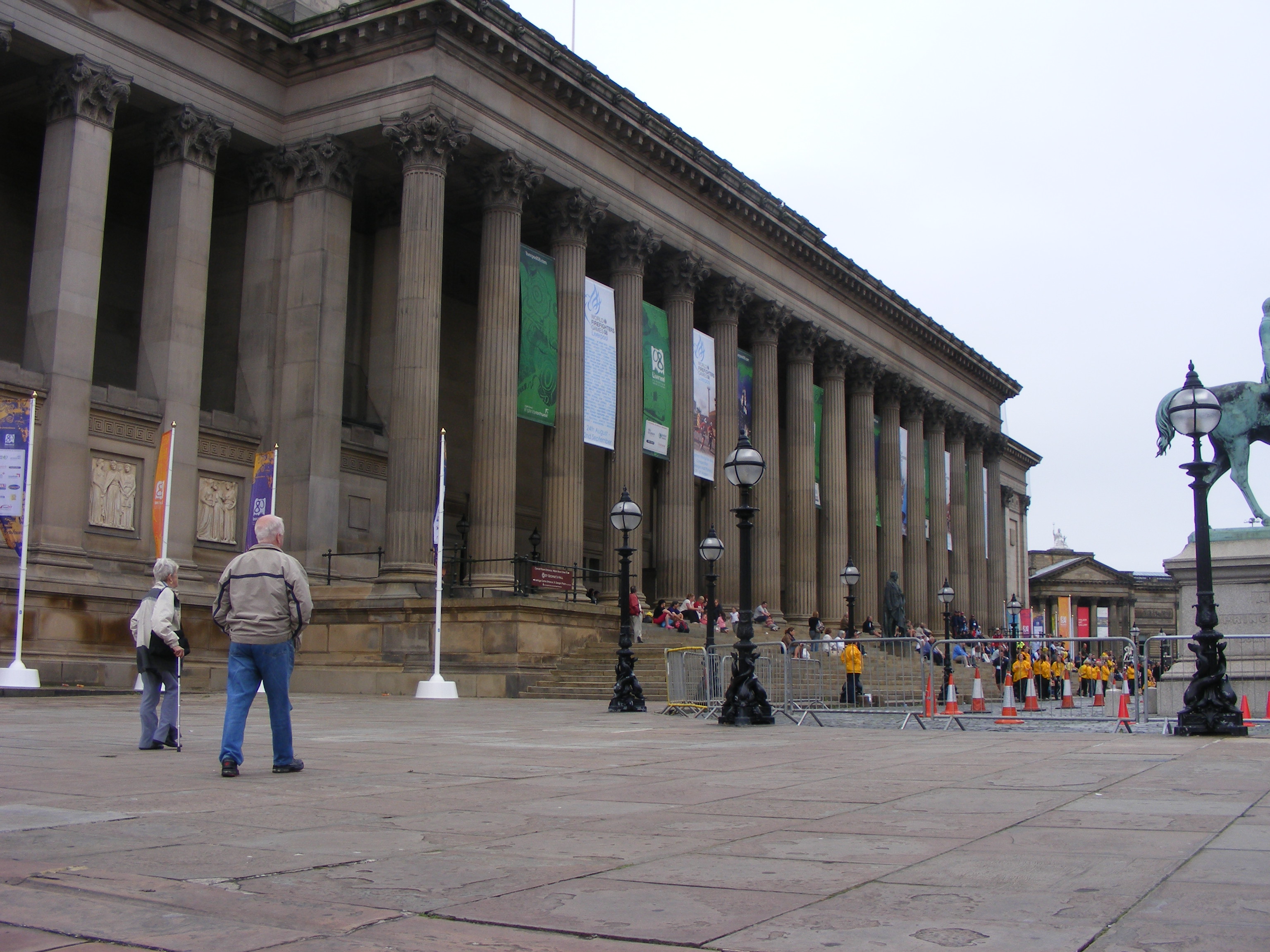
St. Georges Hall, Liverpool
Pompeii
On the trip in June this year, I also visited Pompeii.
Pompeii is south of Naples and is just a few stops on the Circumvesuviana railway.
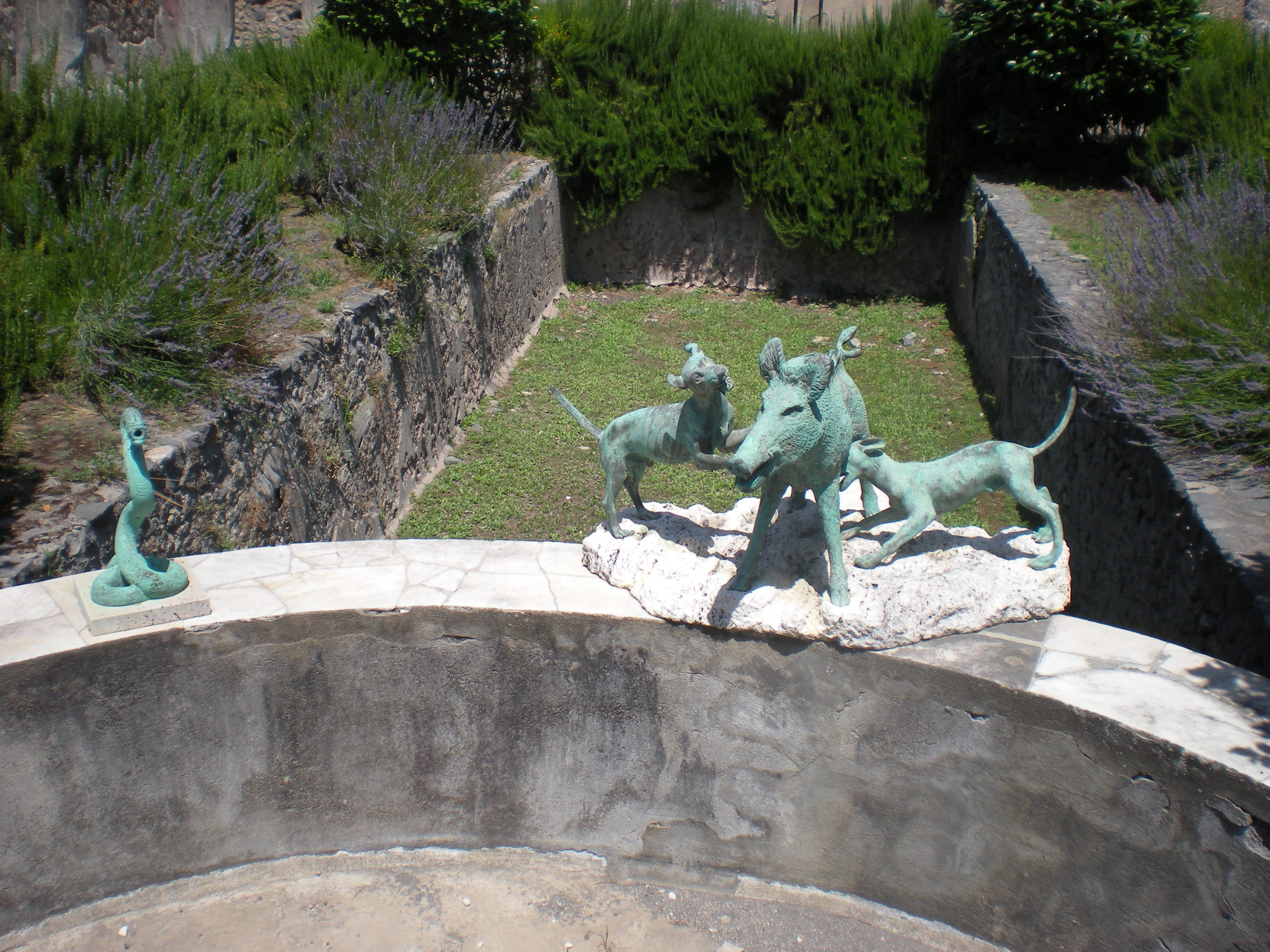

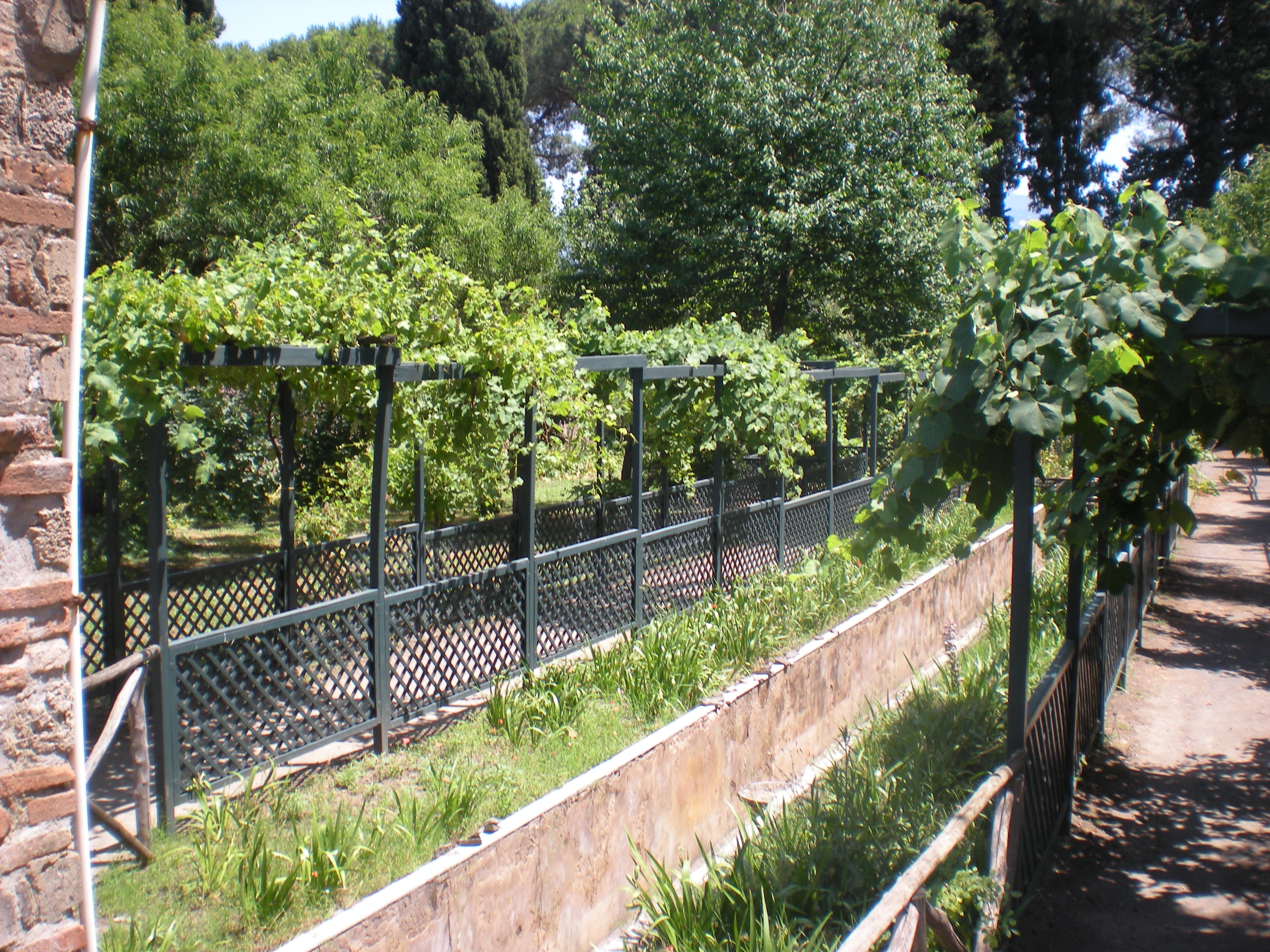
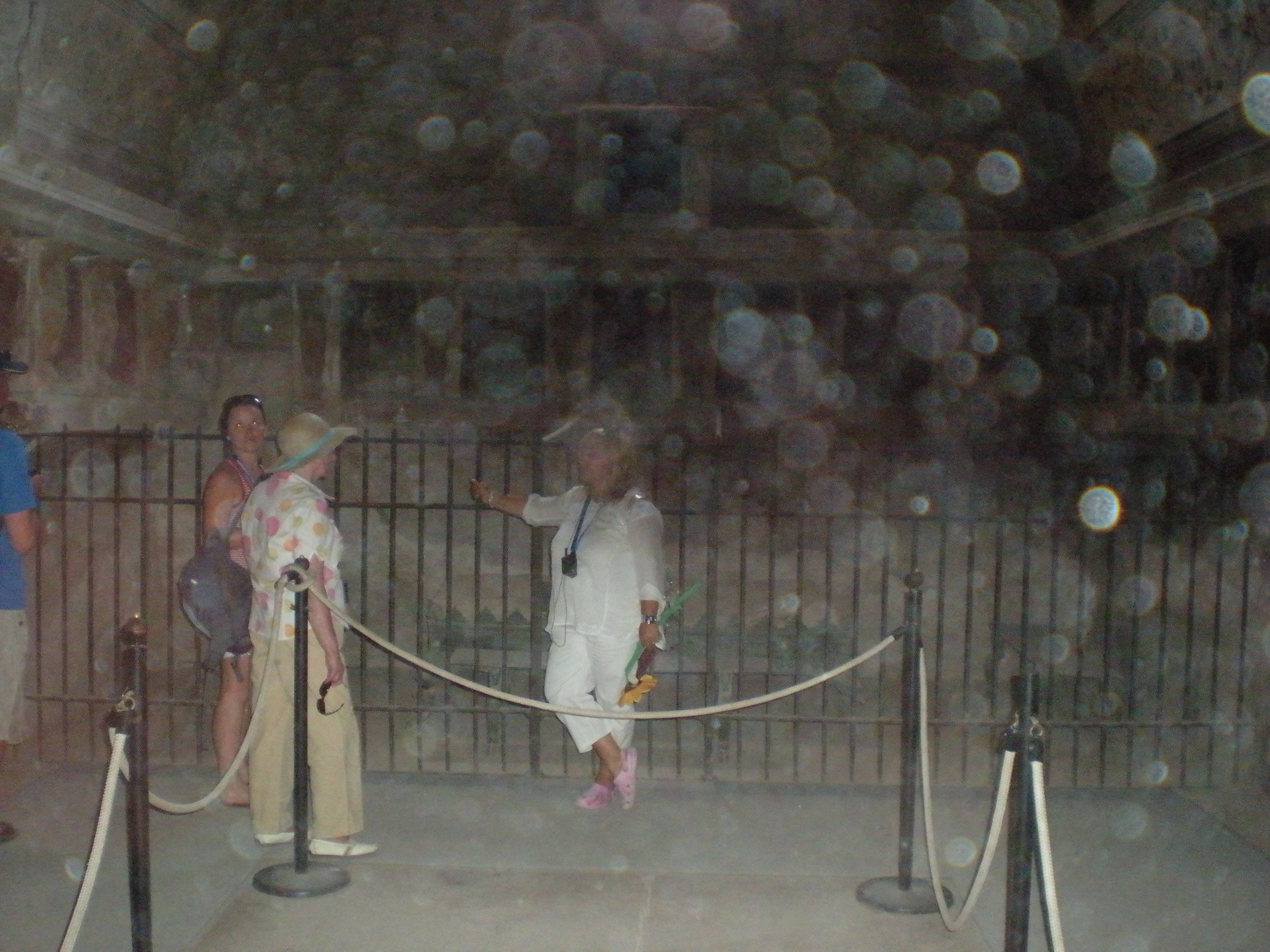
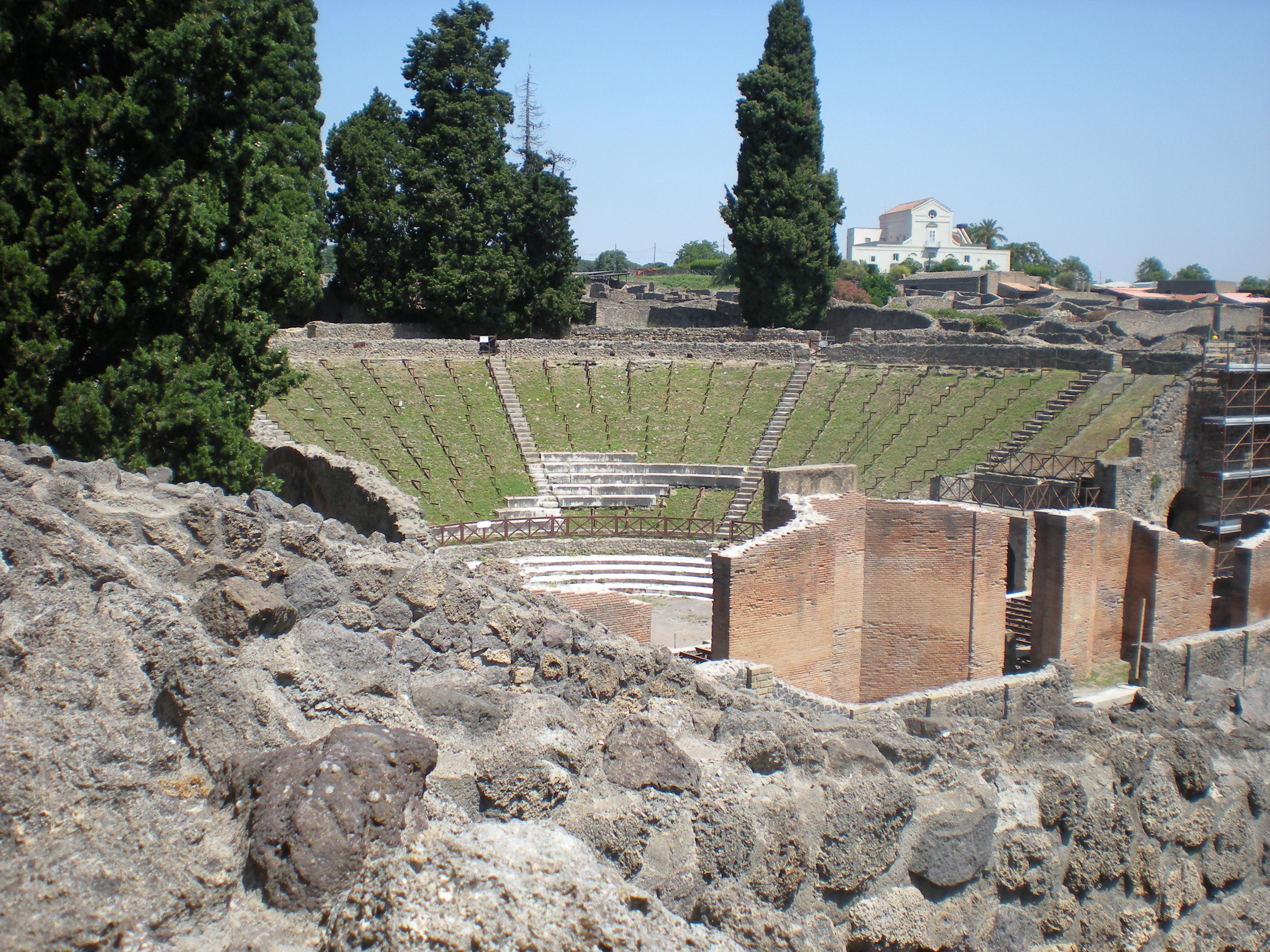
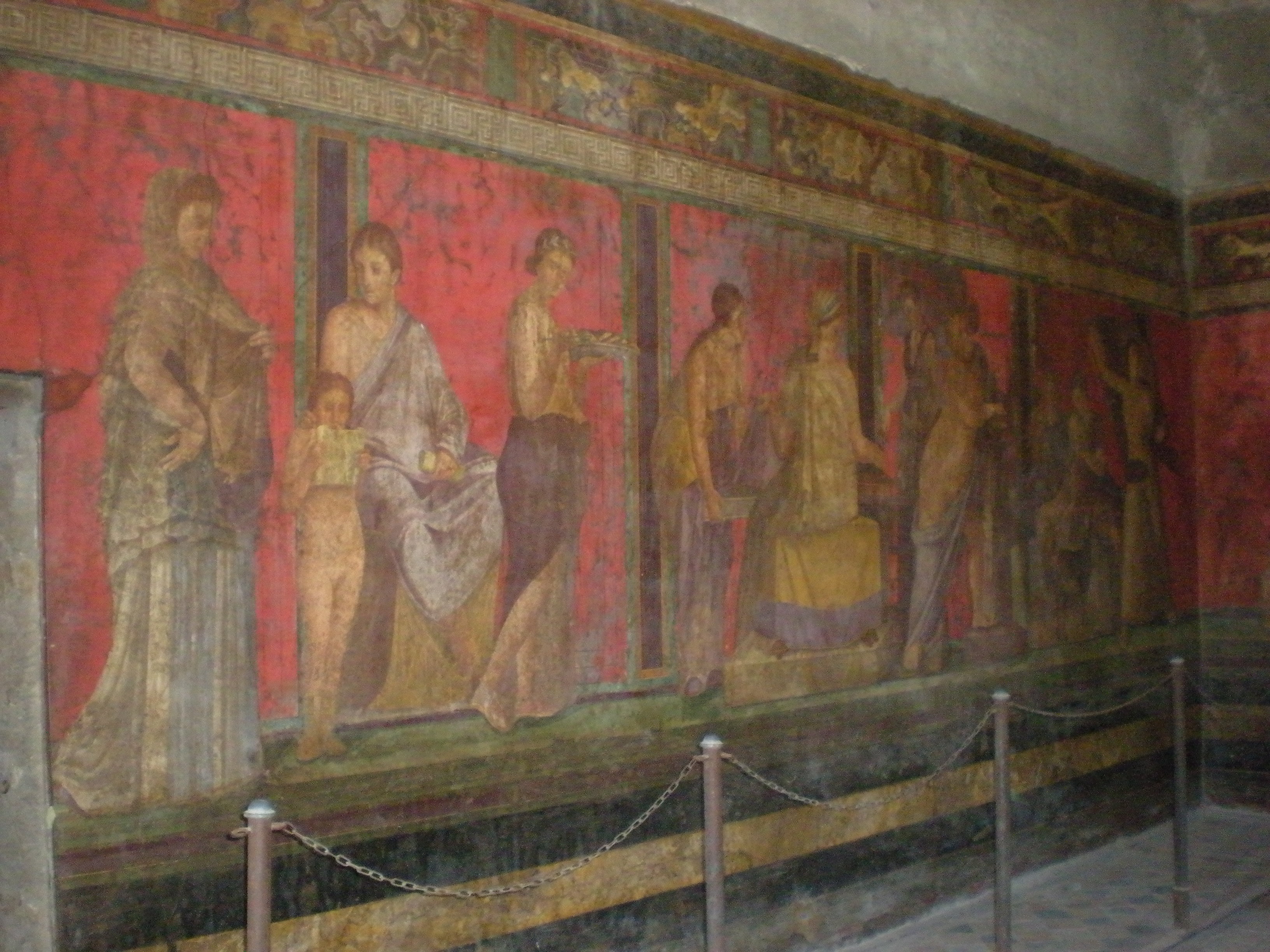
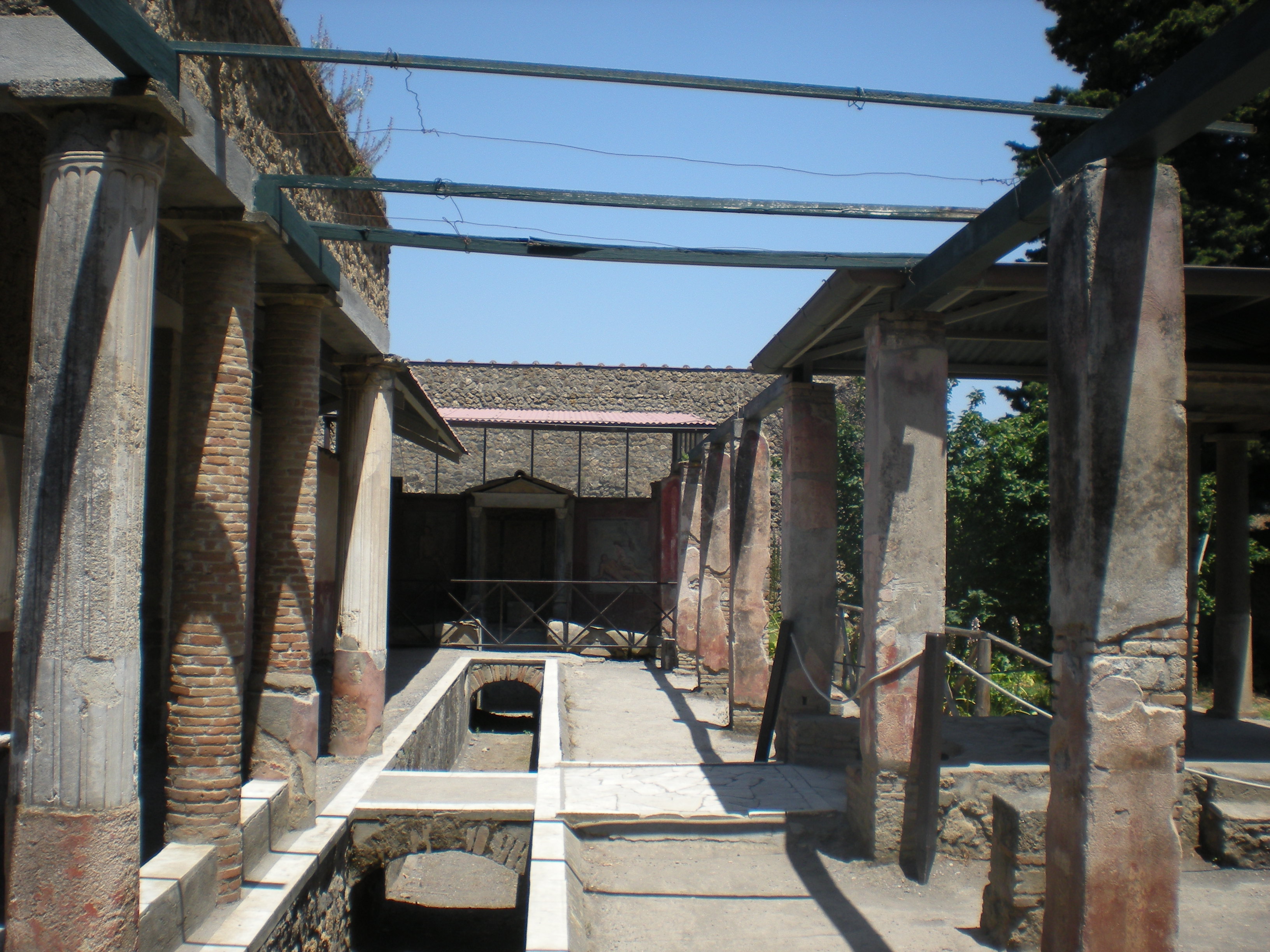
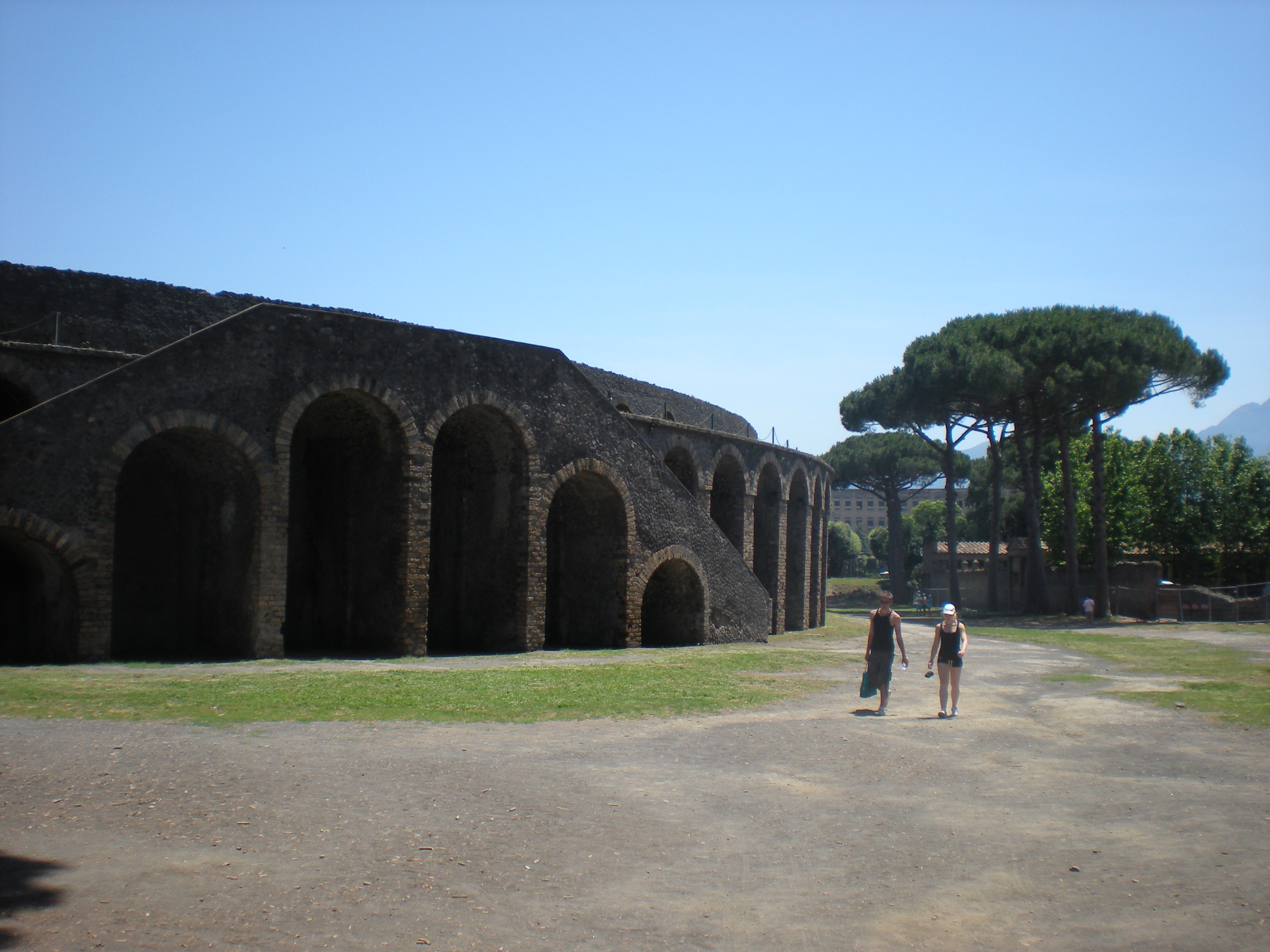
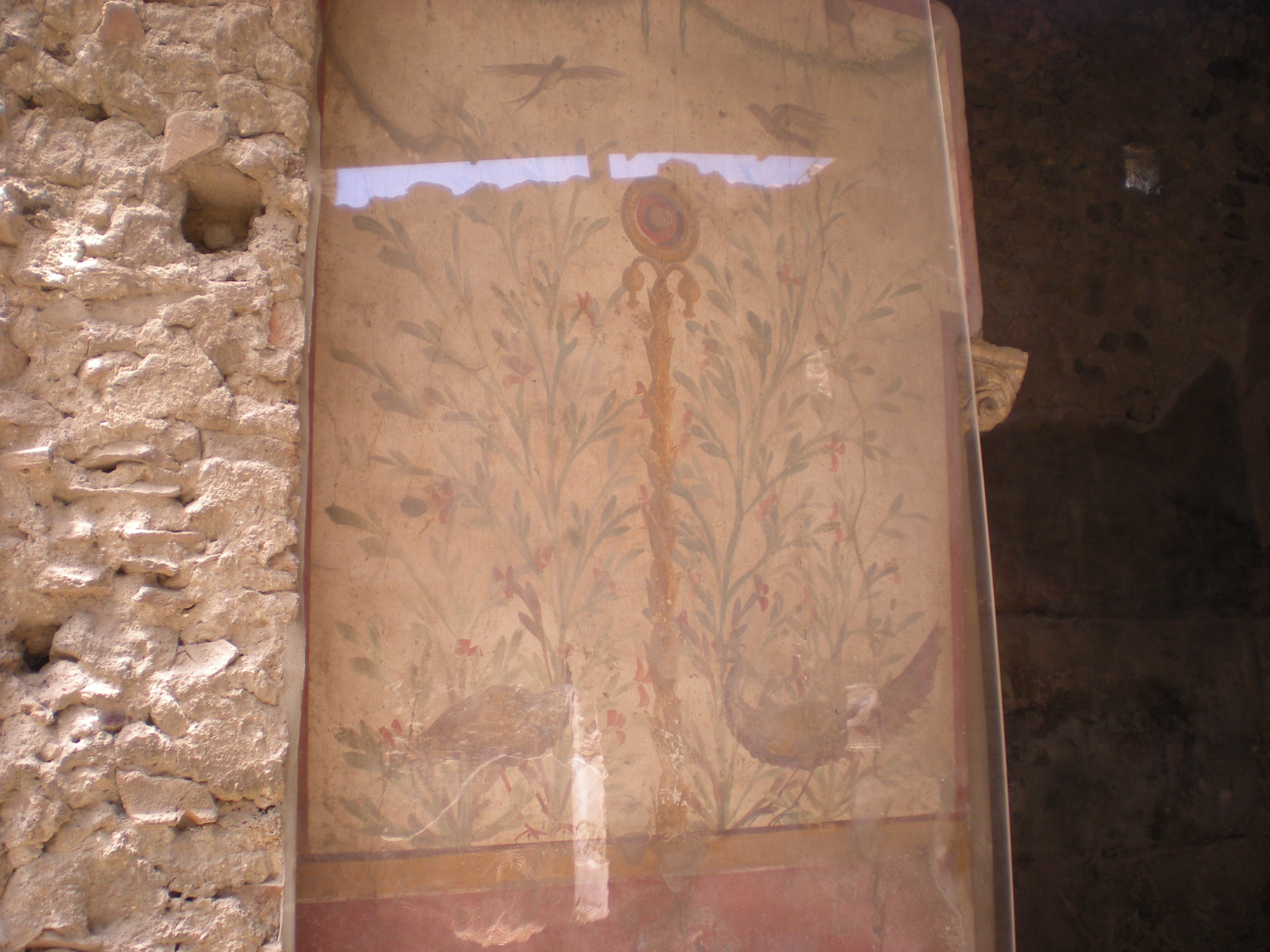
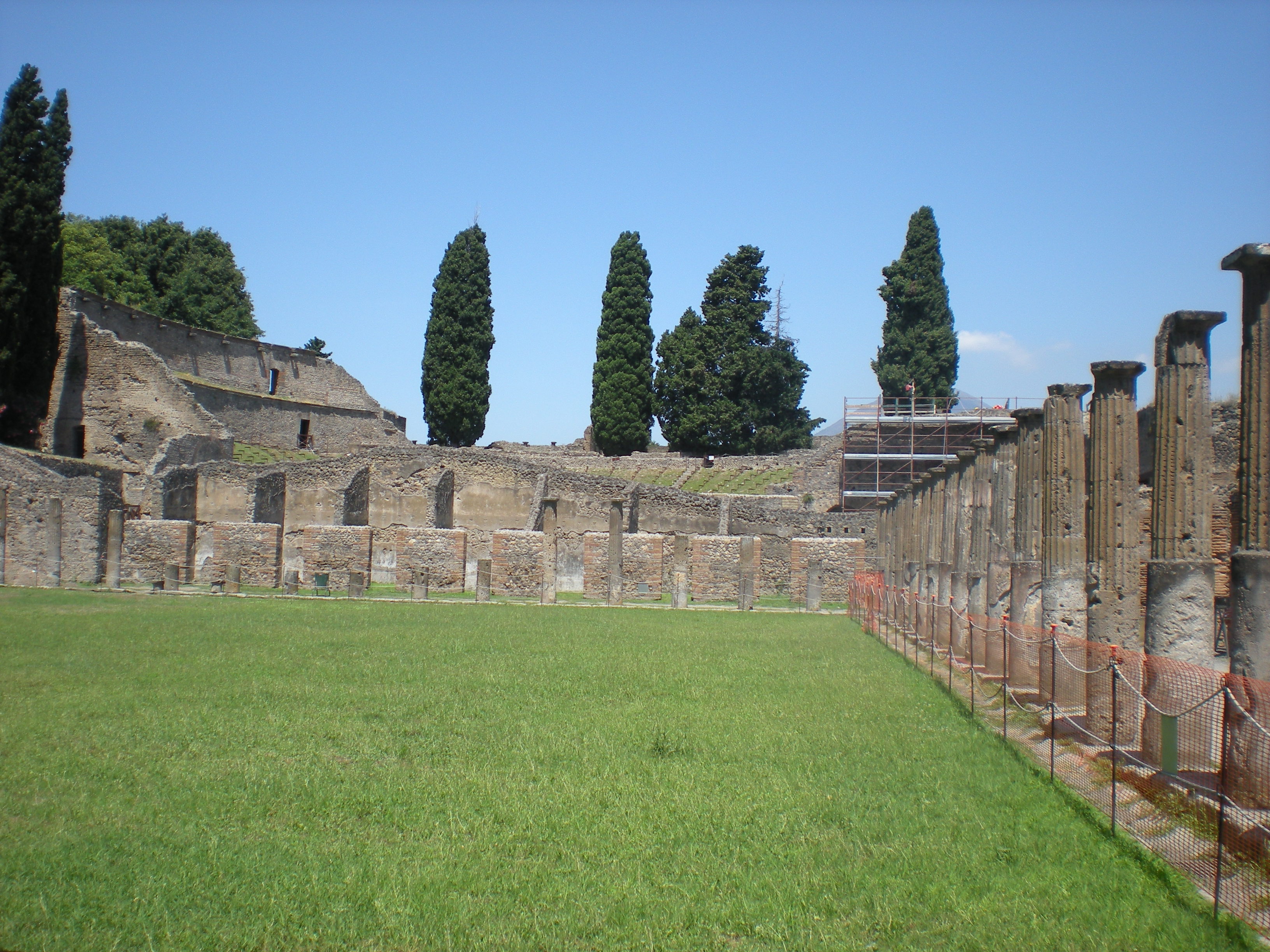
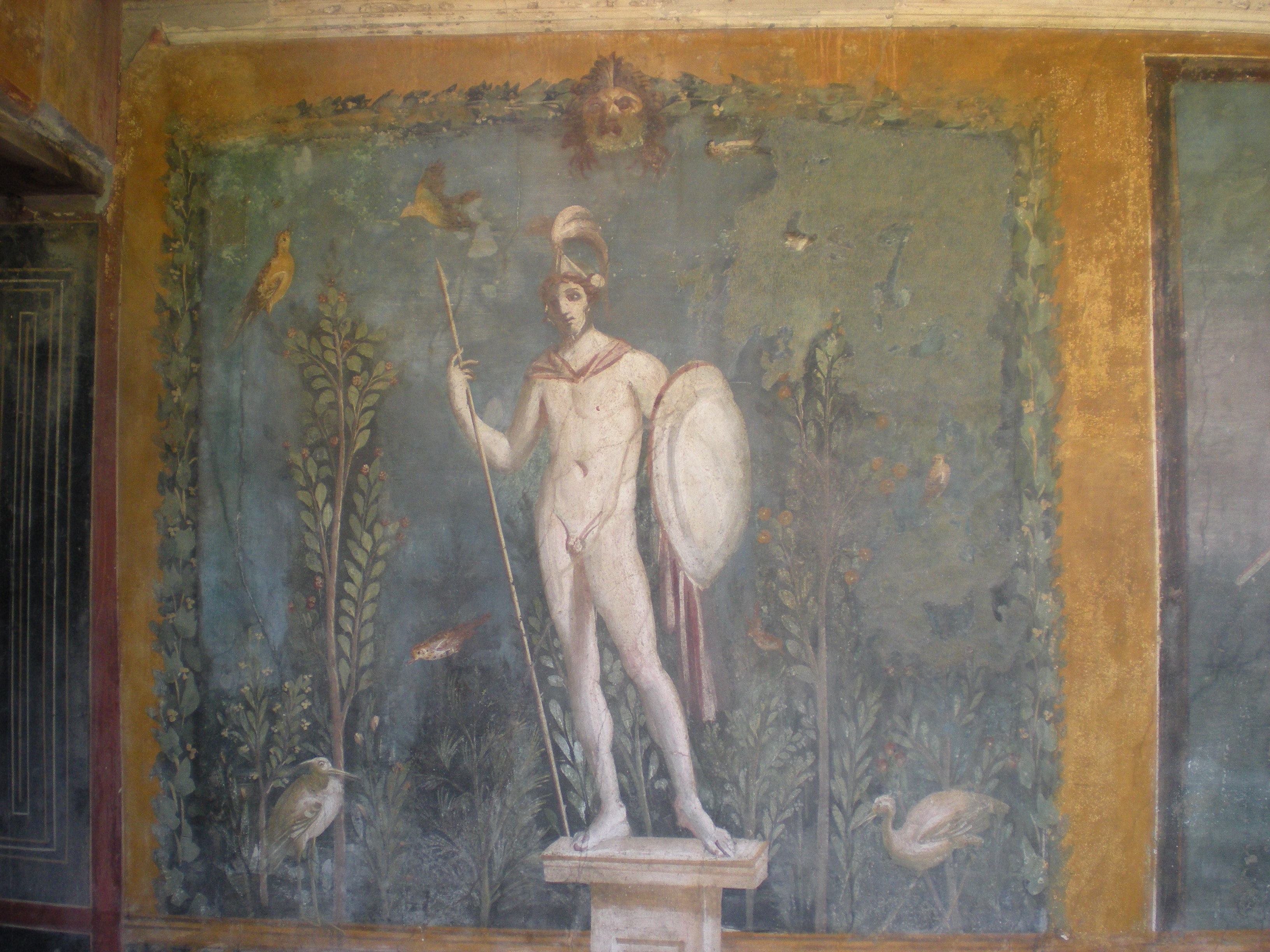
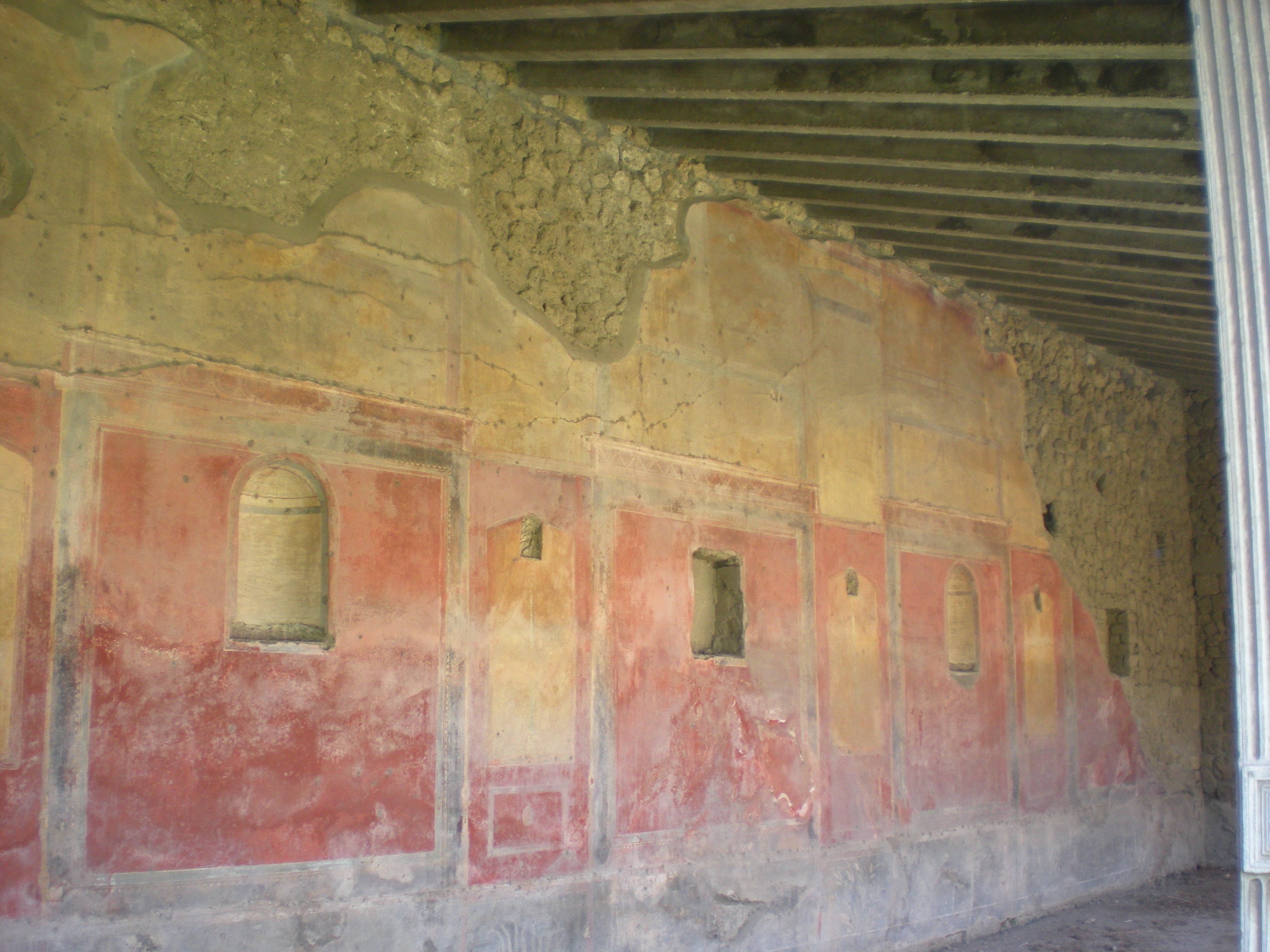
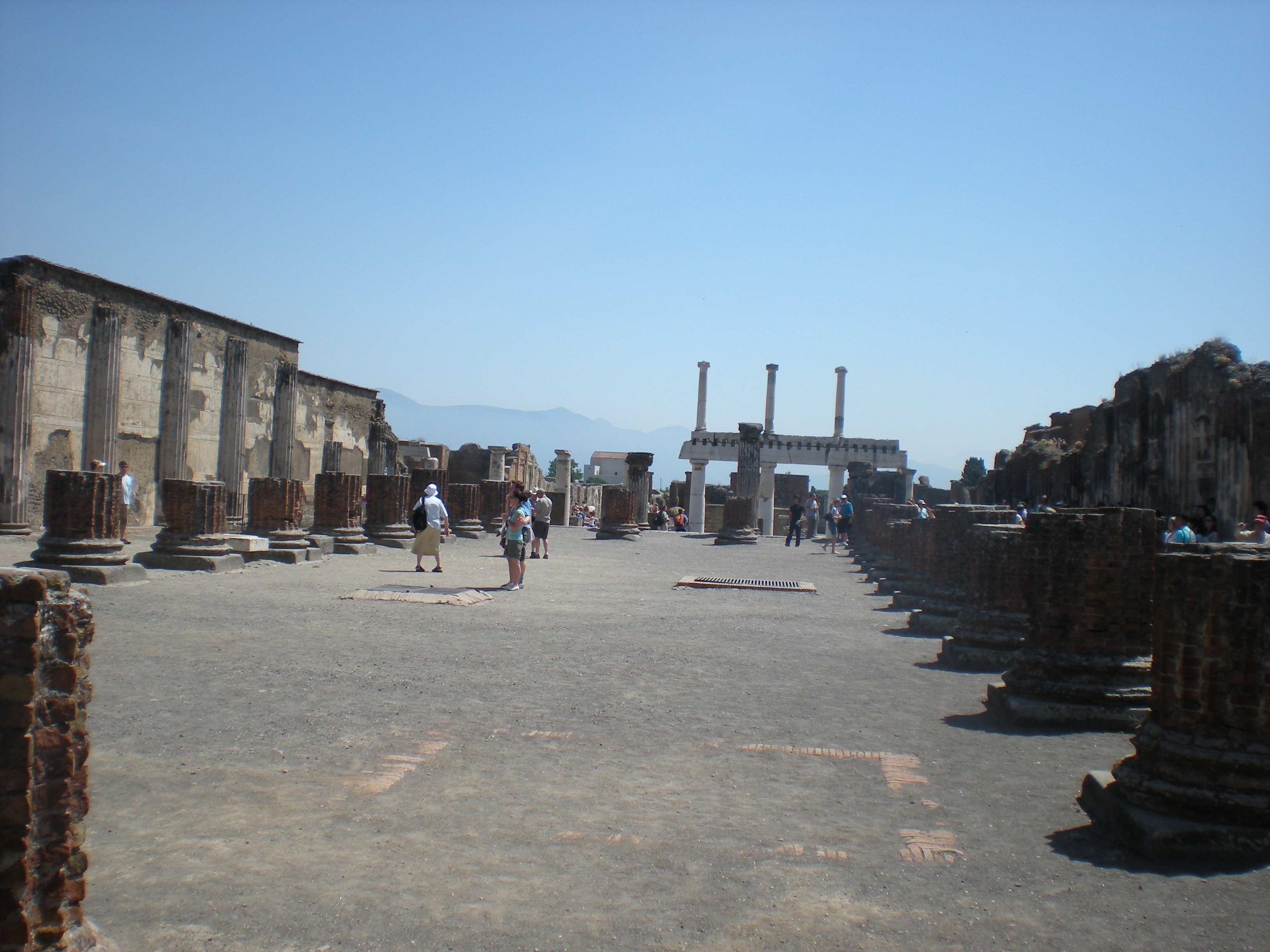
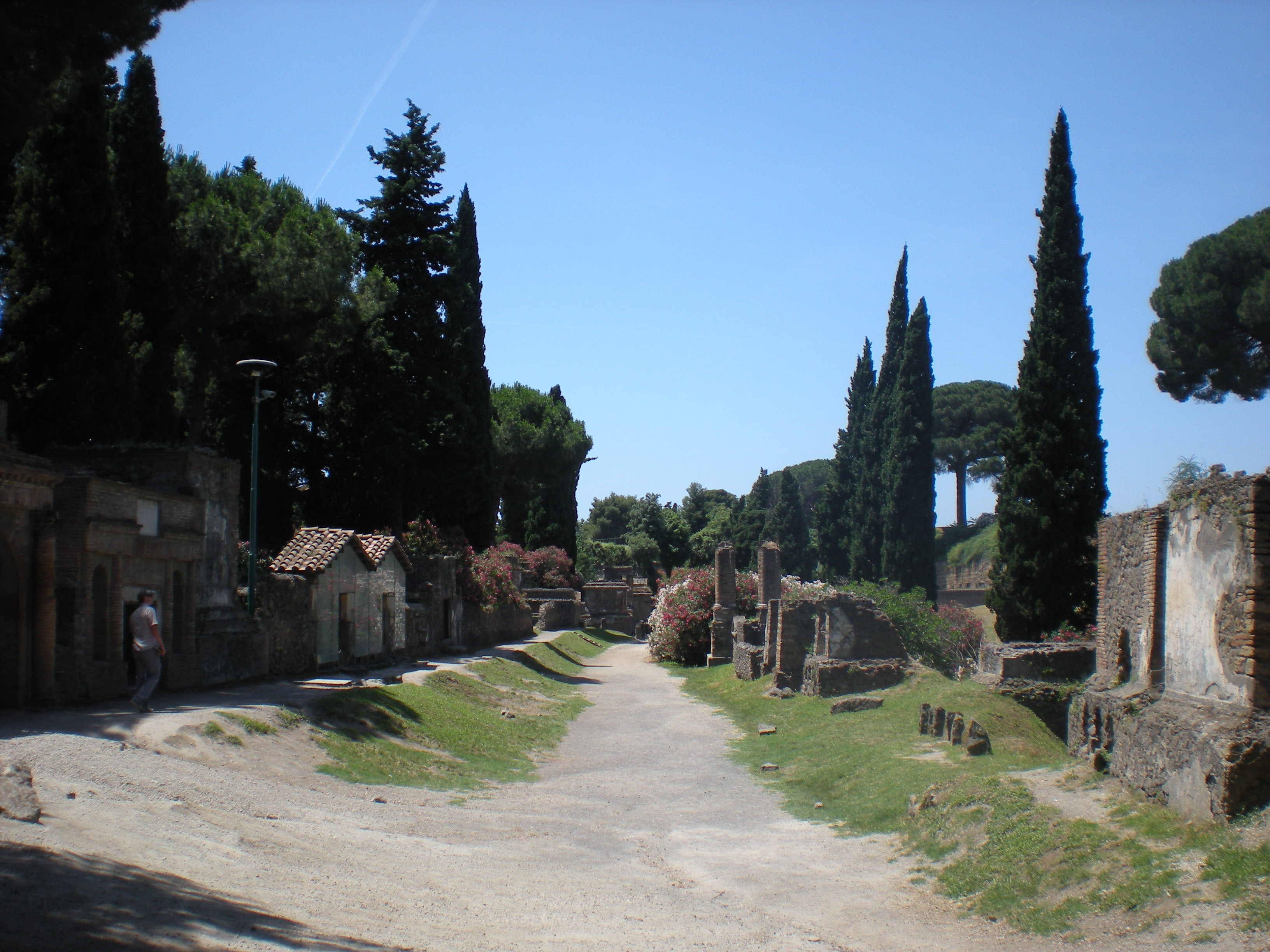
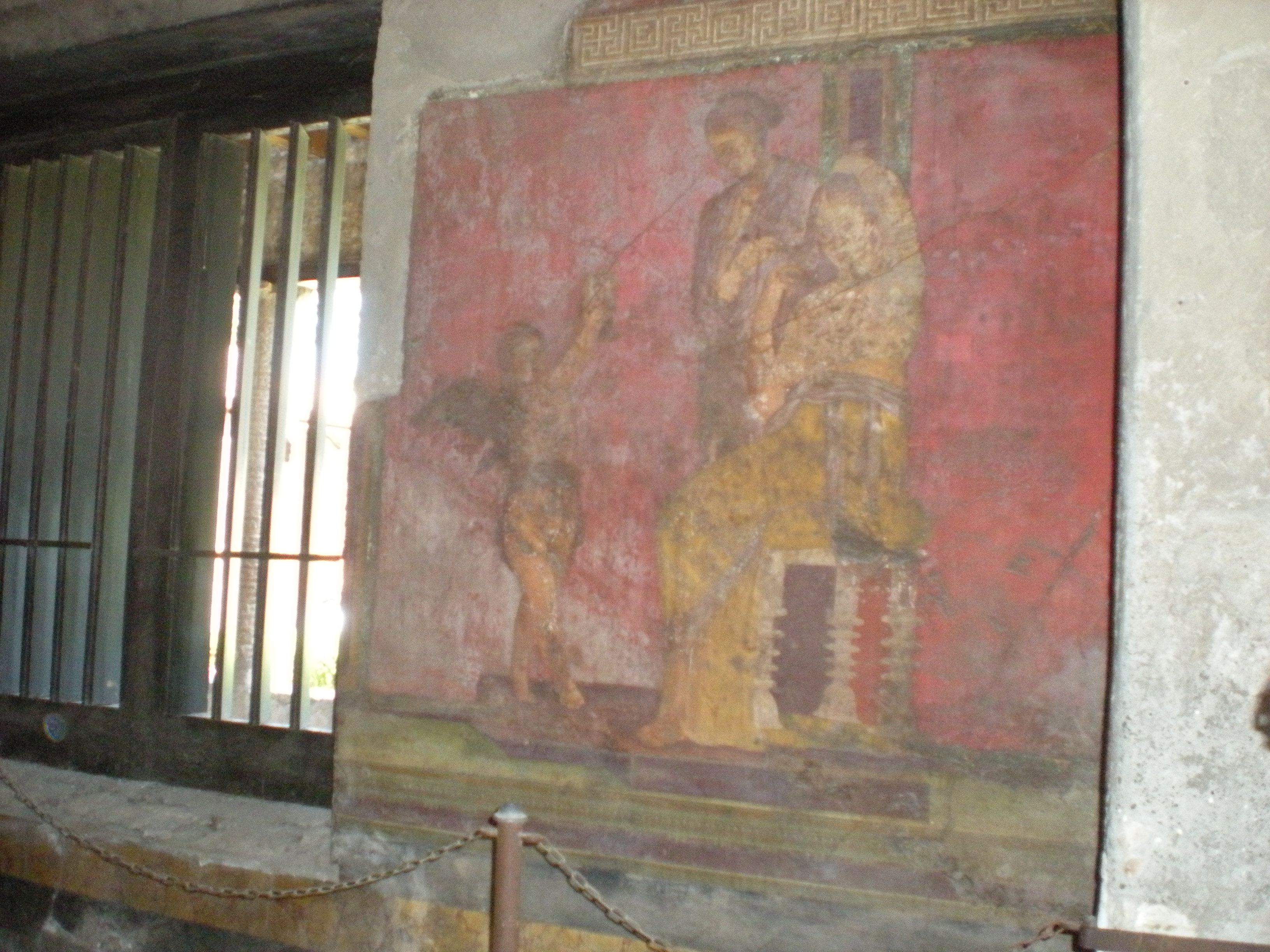
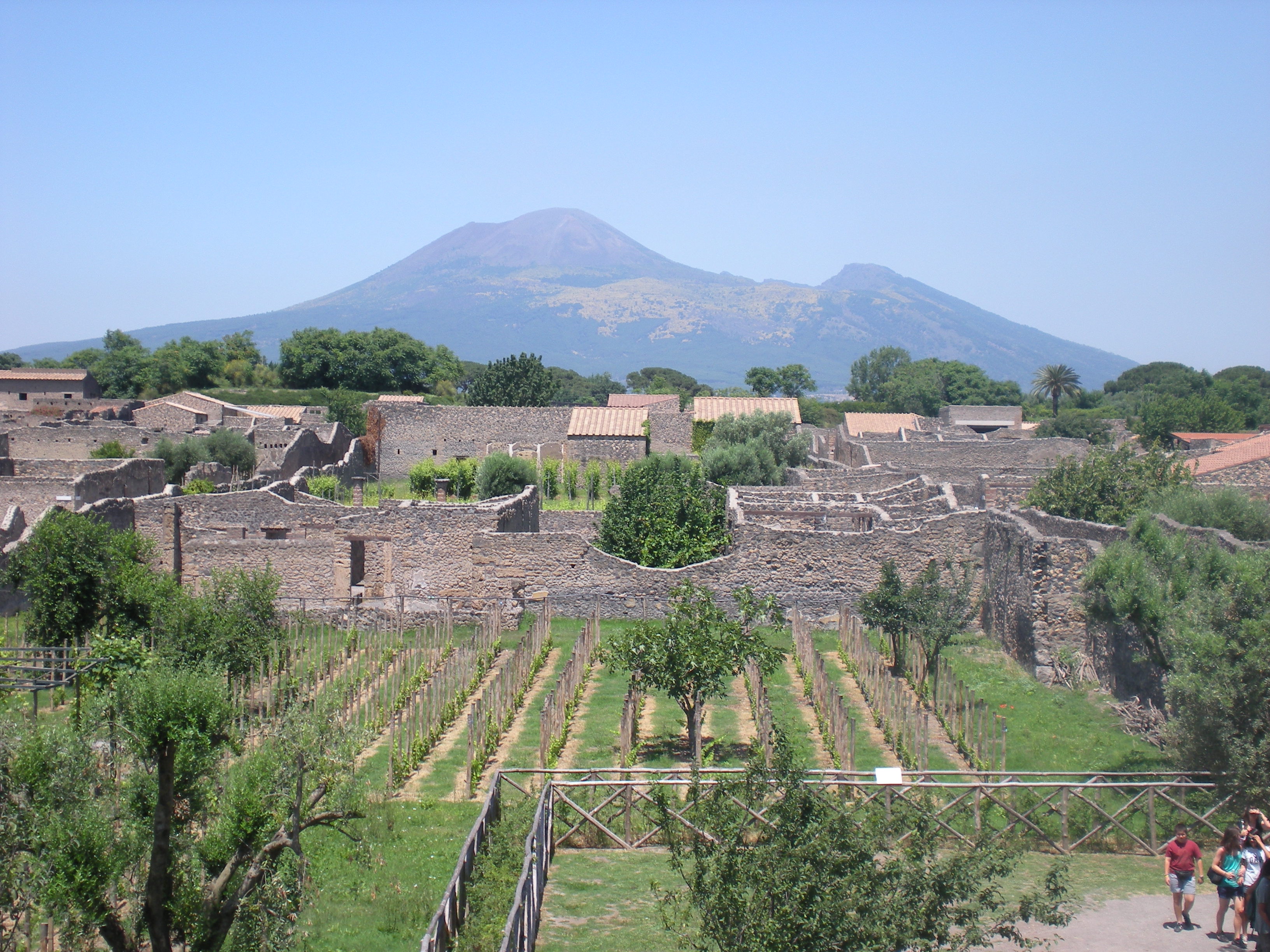
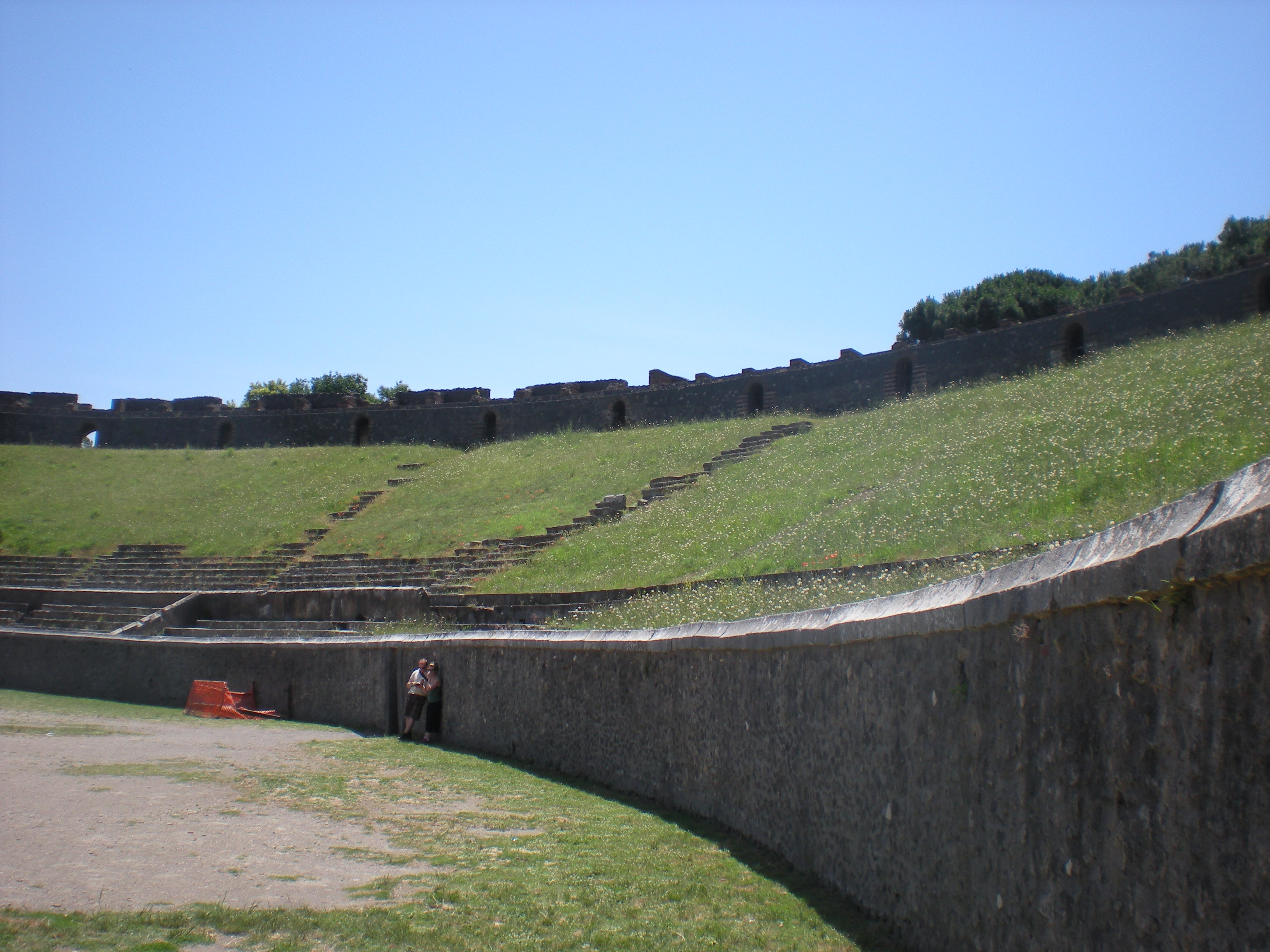
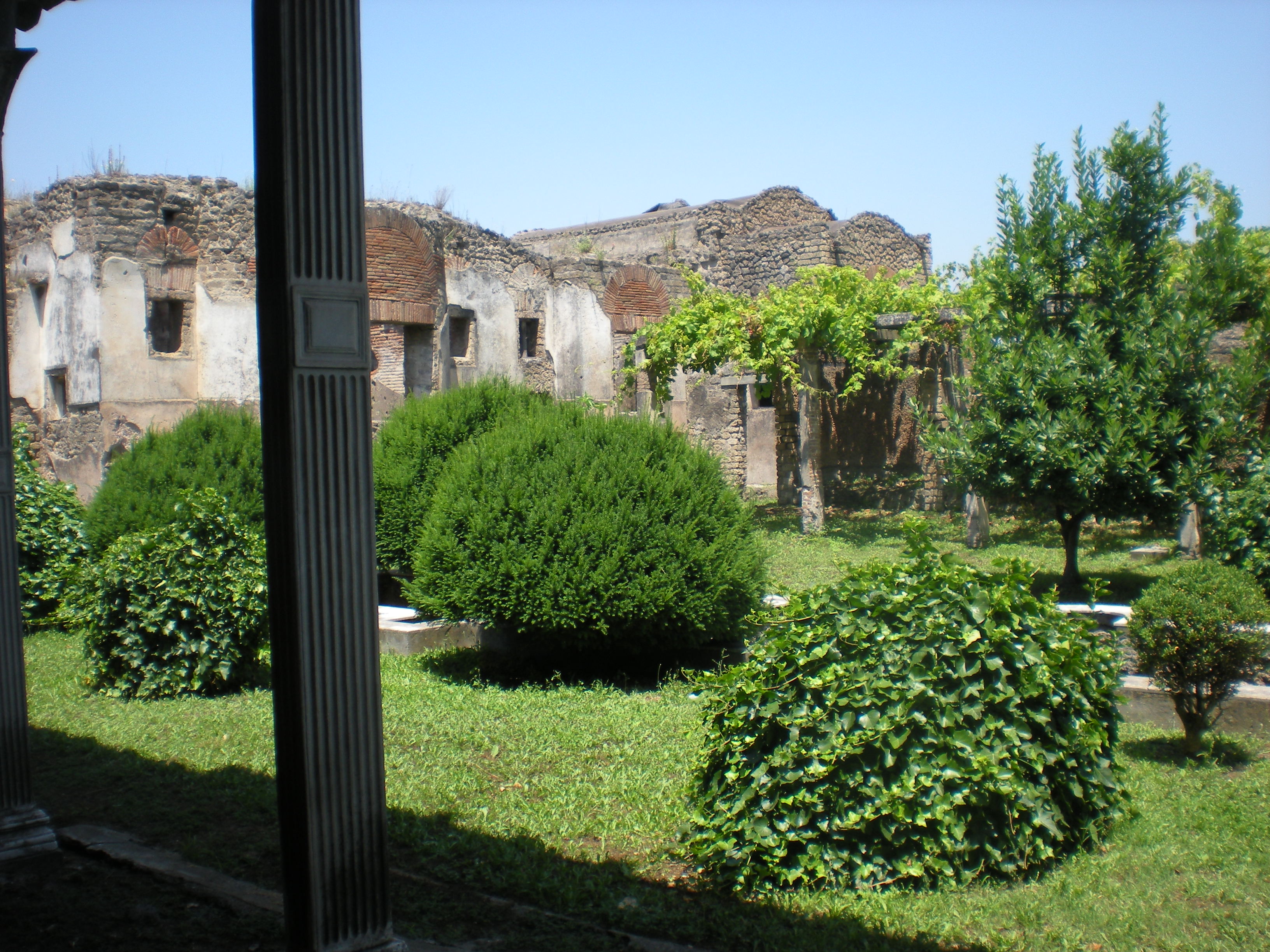
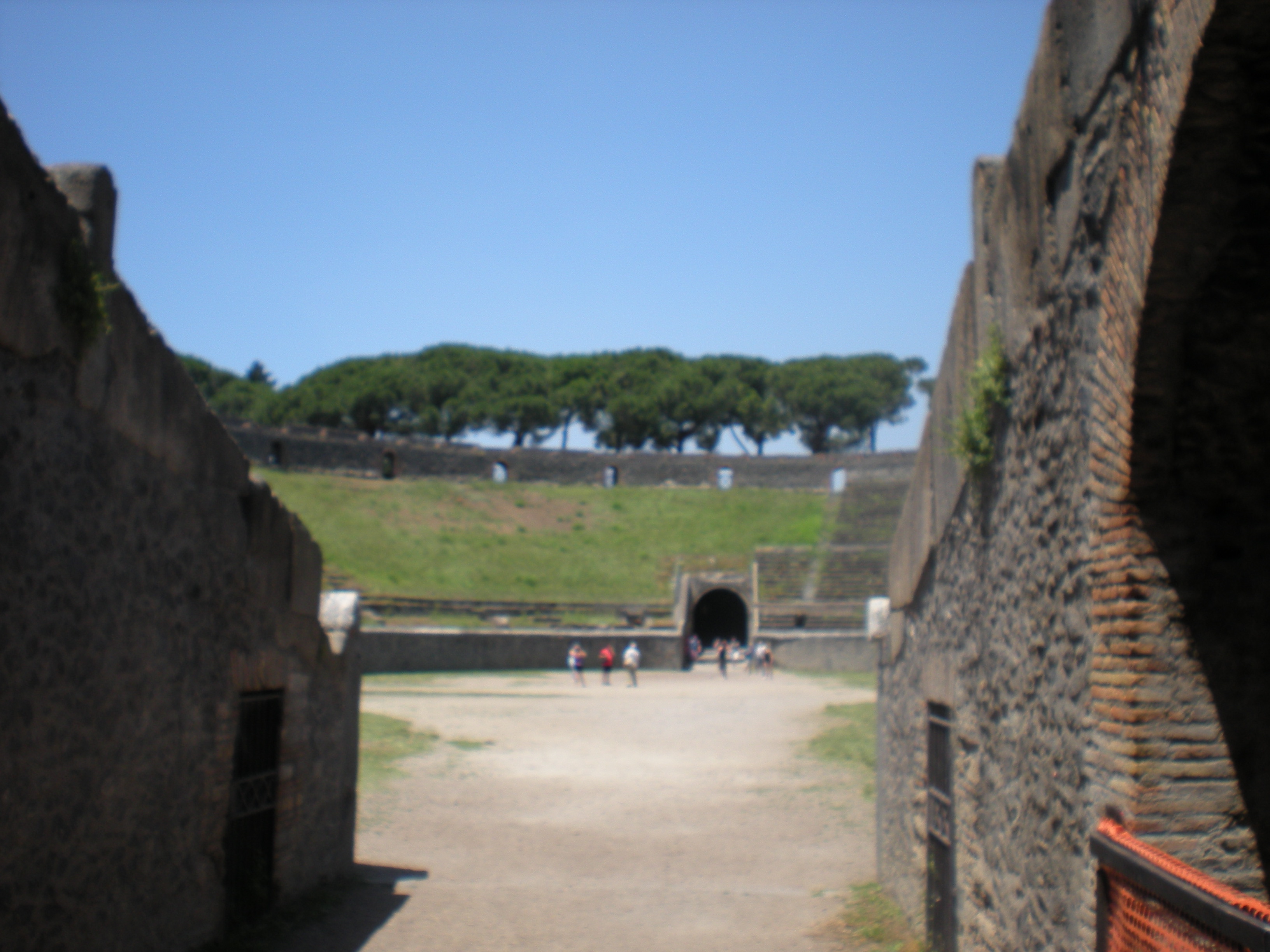
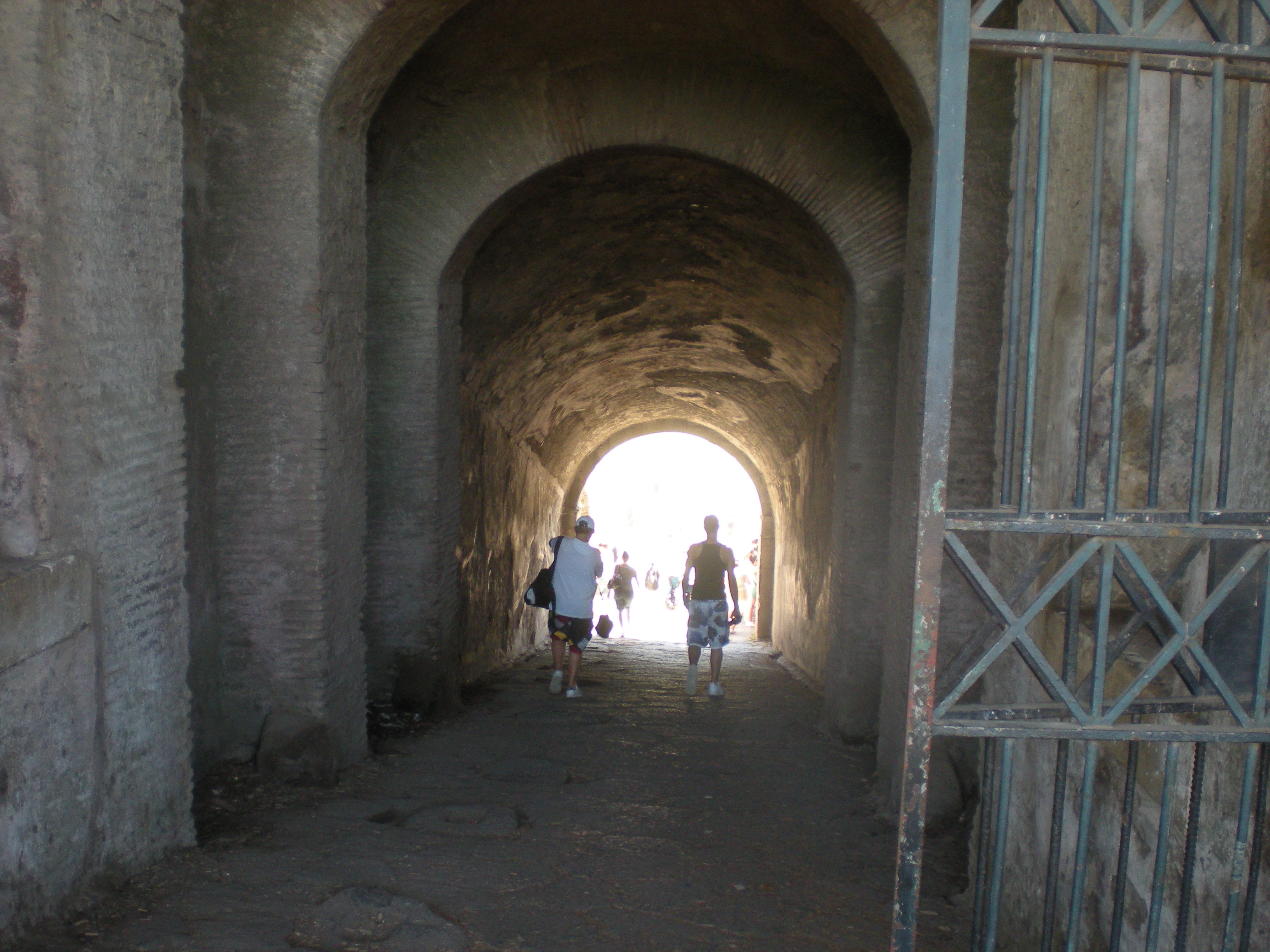
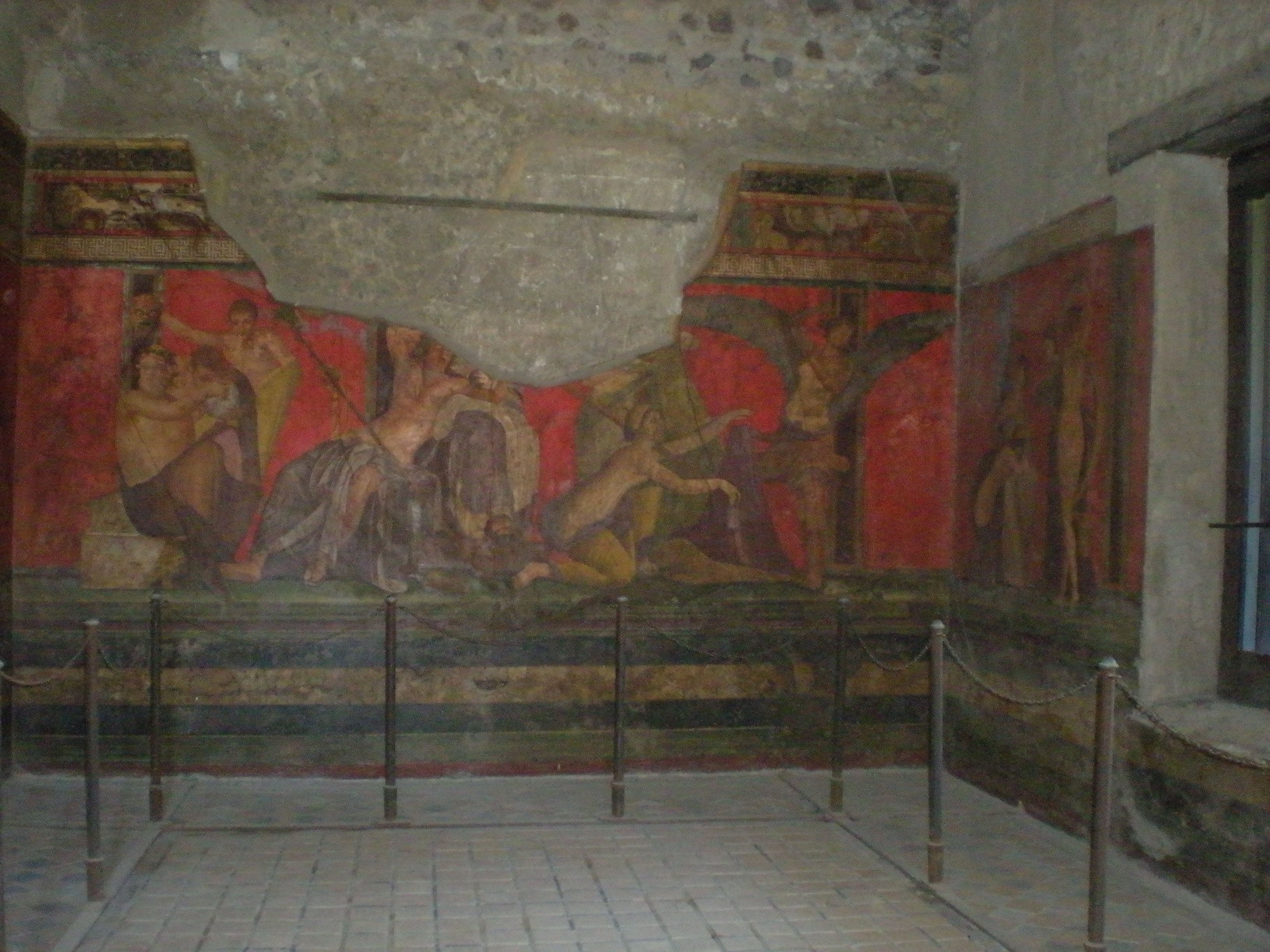
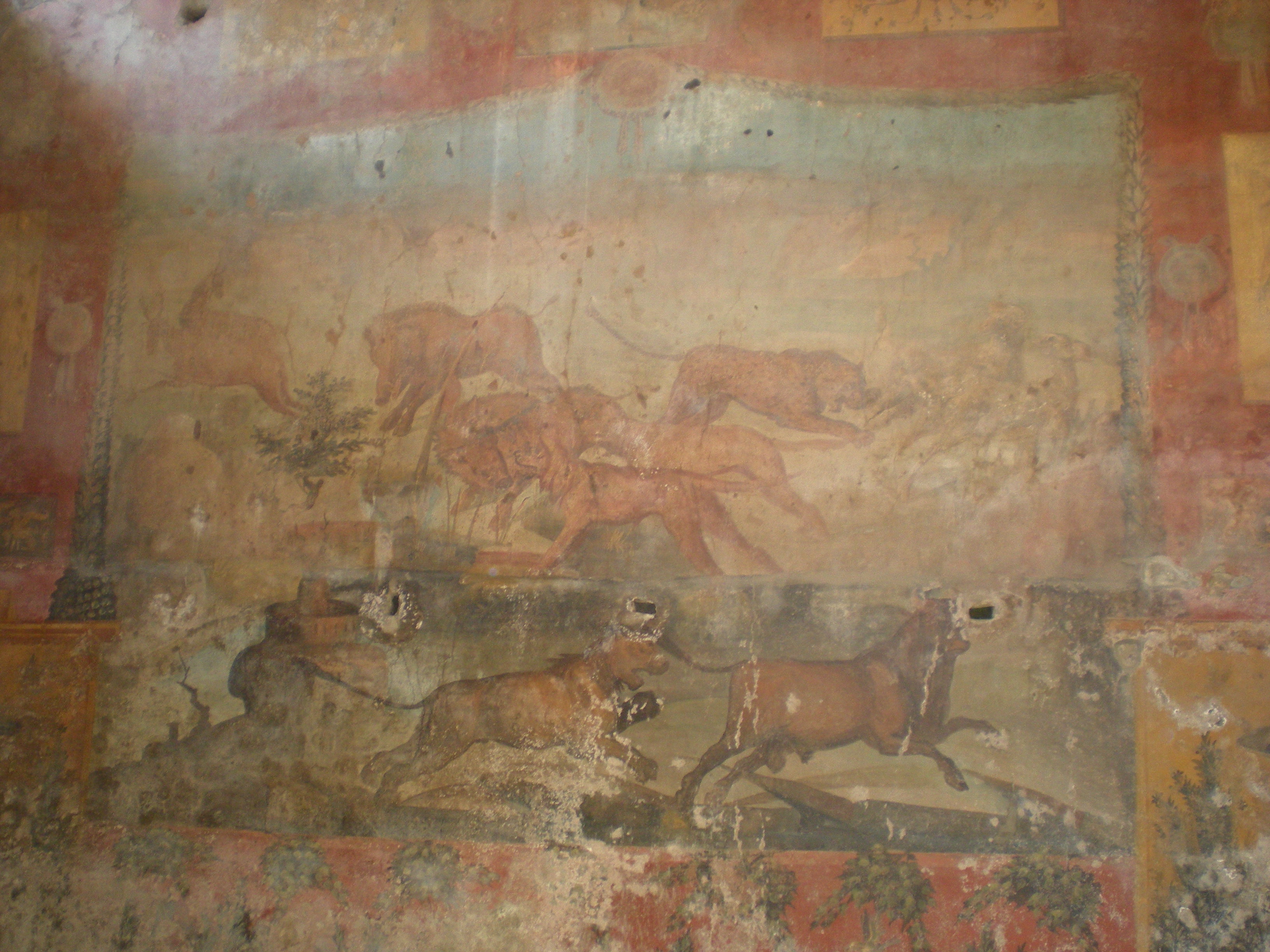
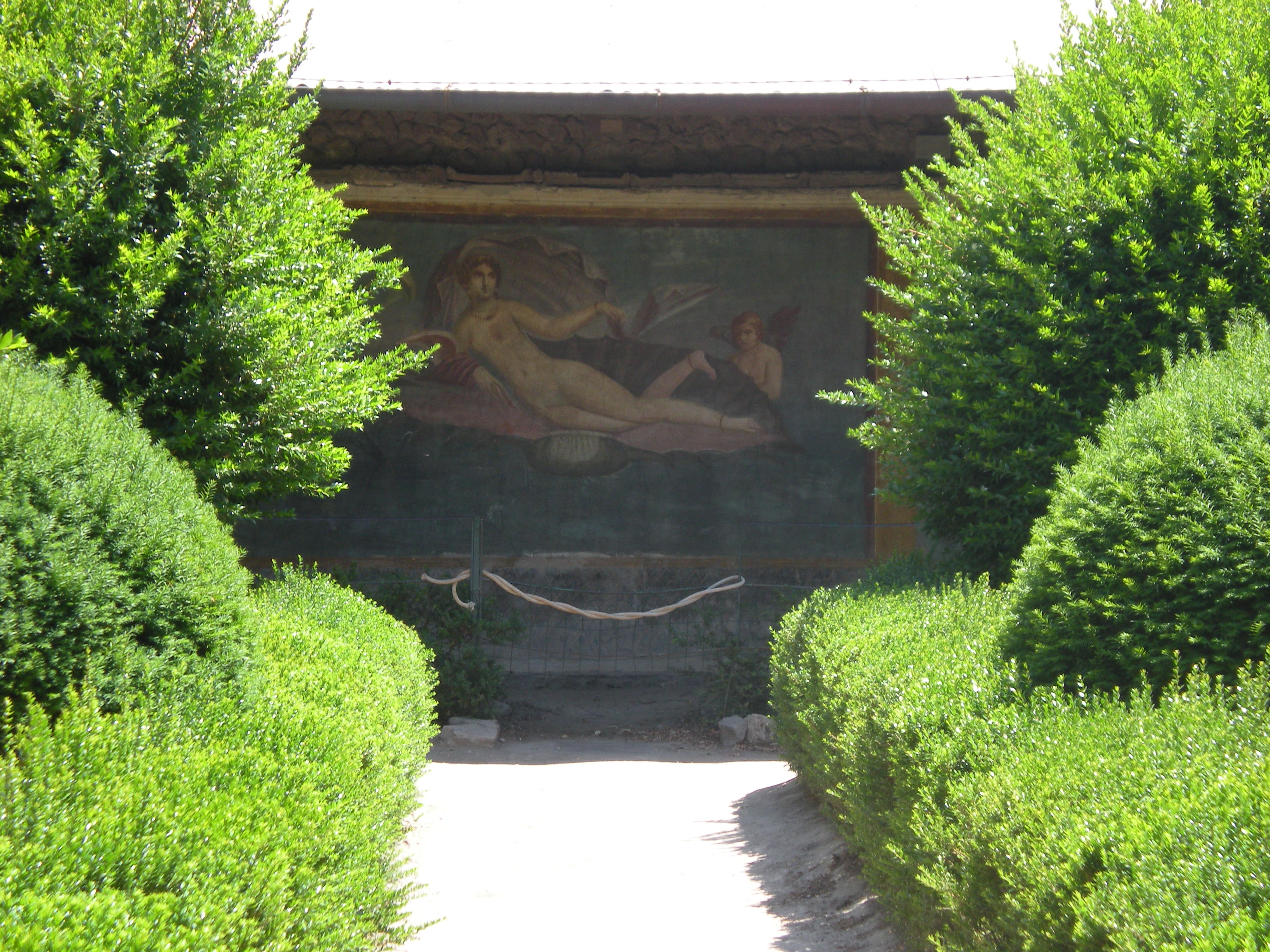


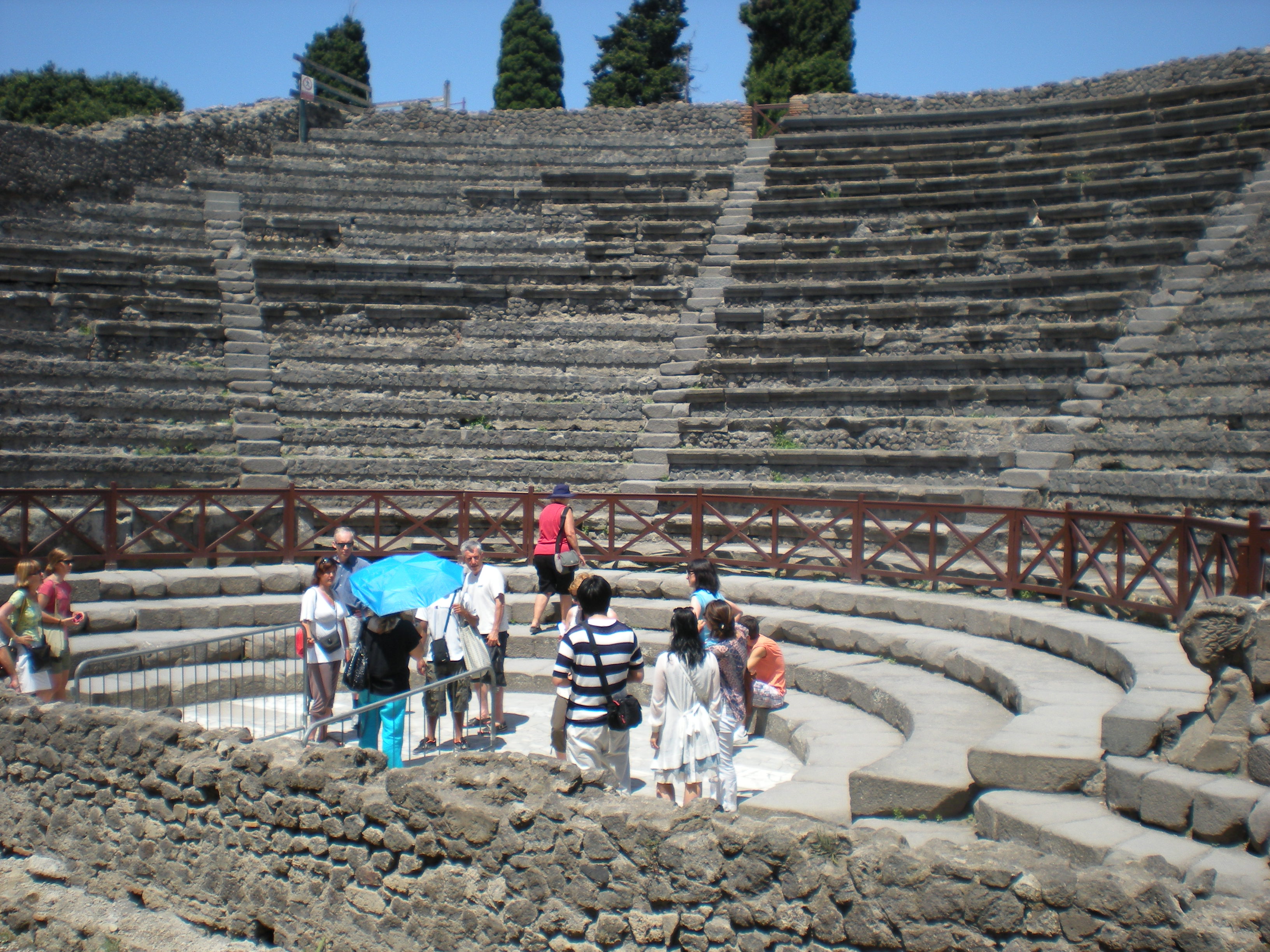
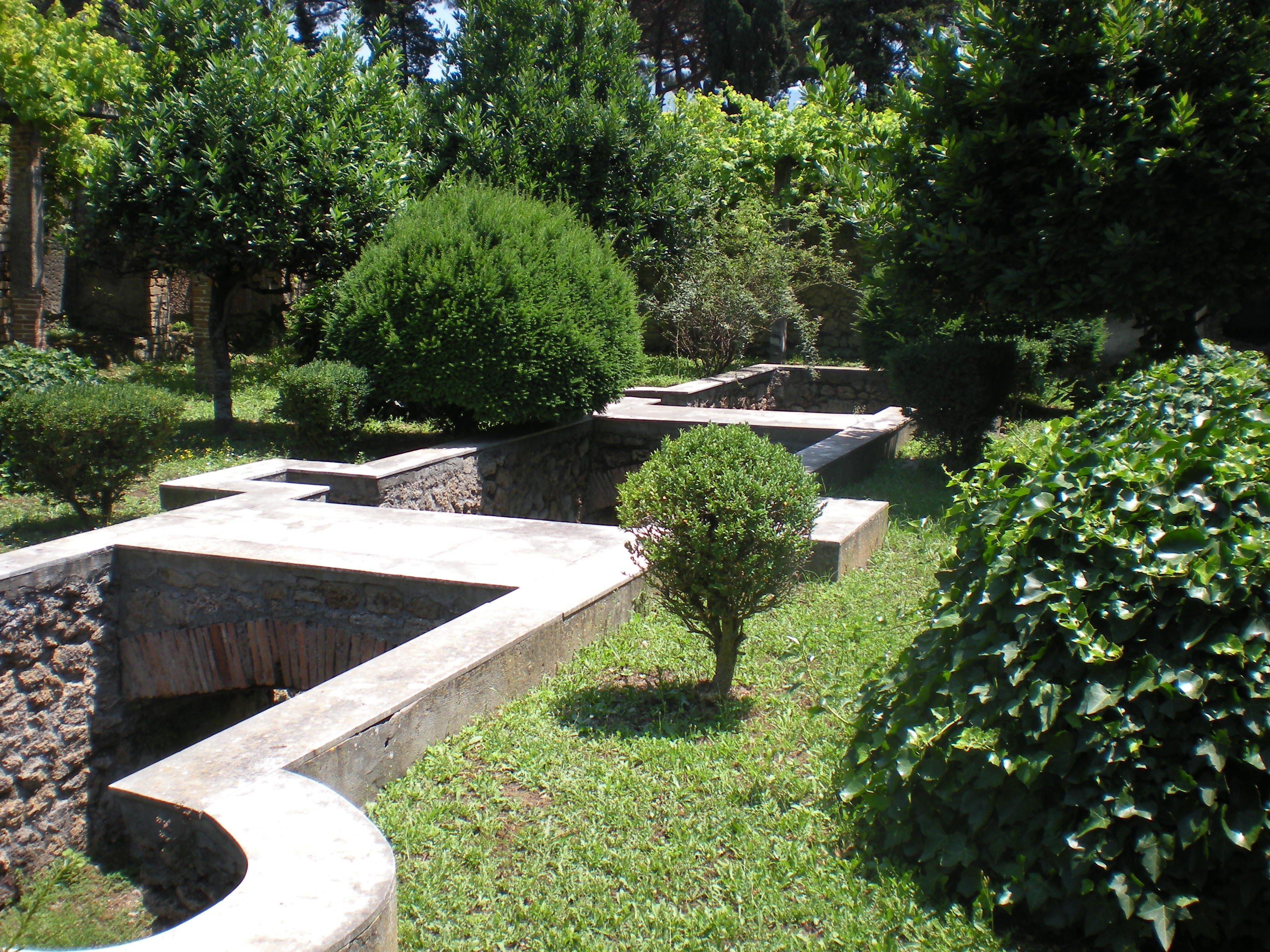
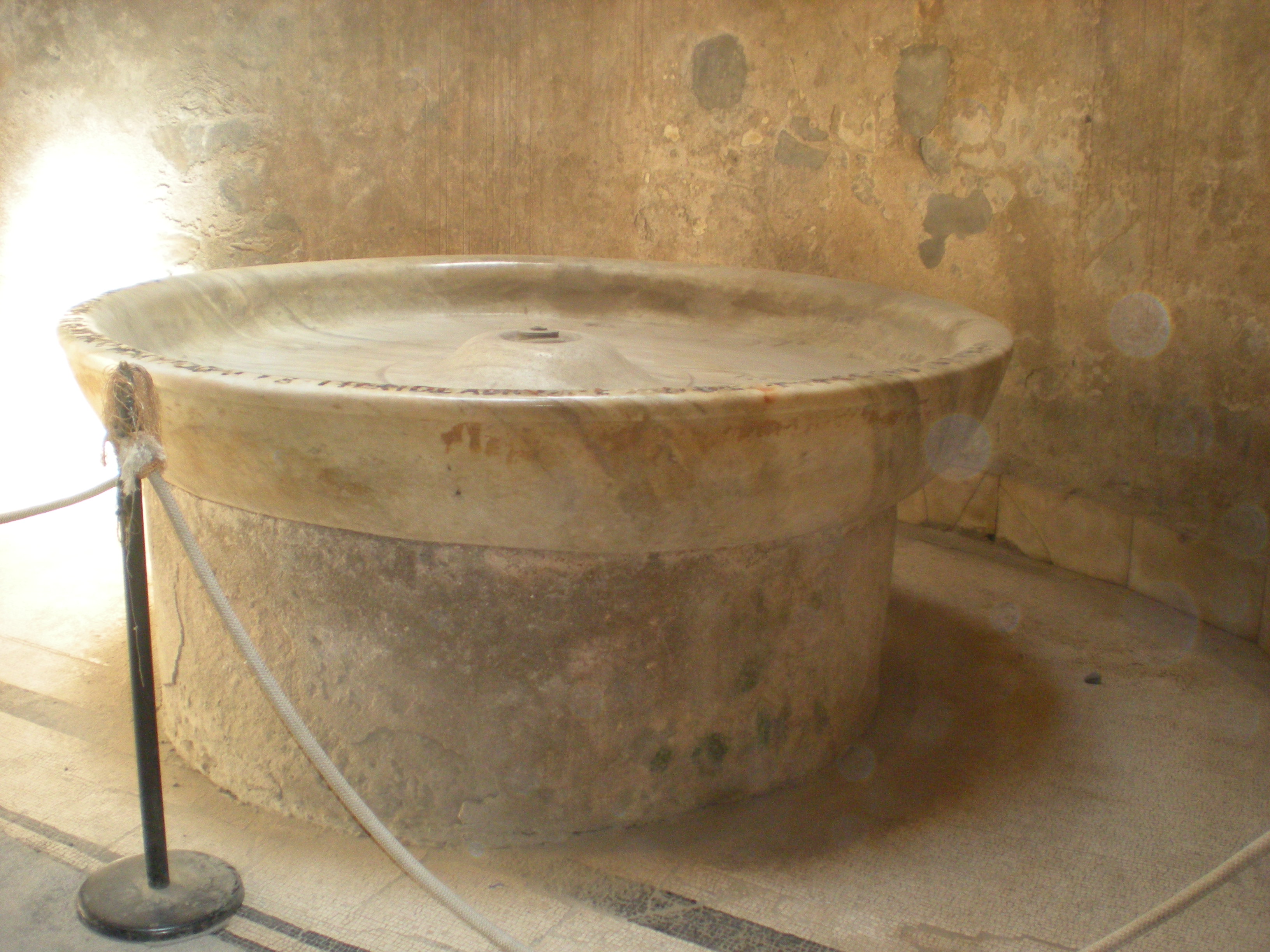
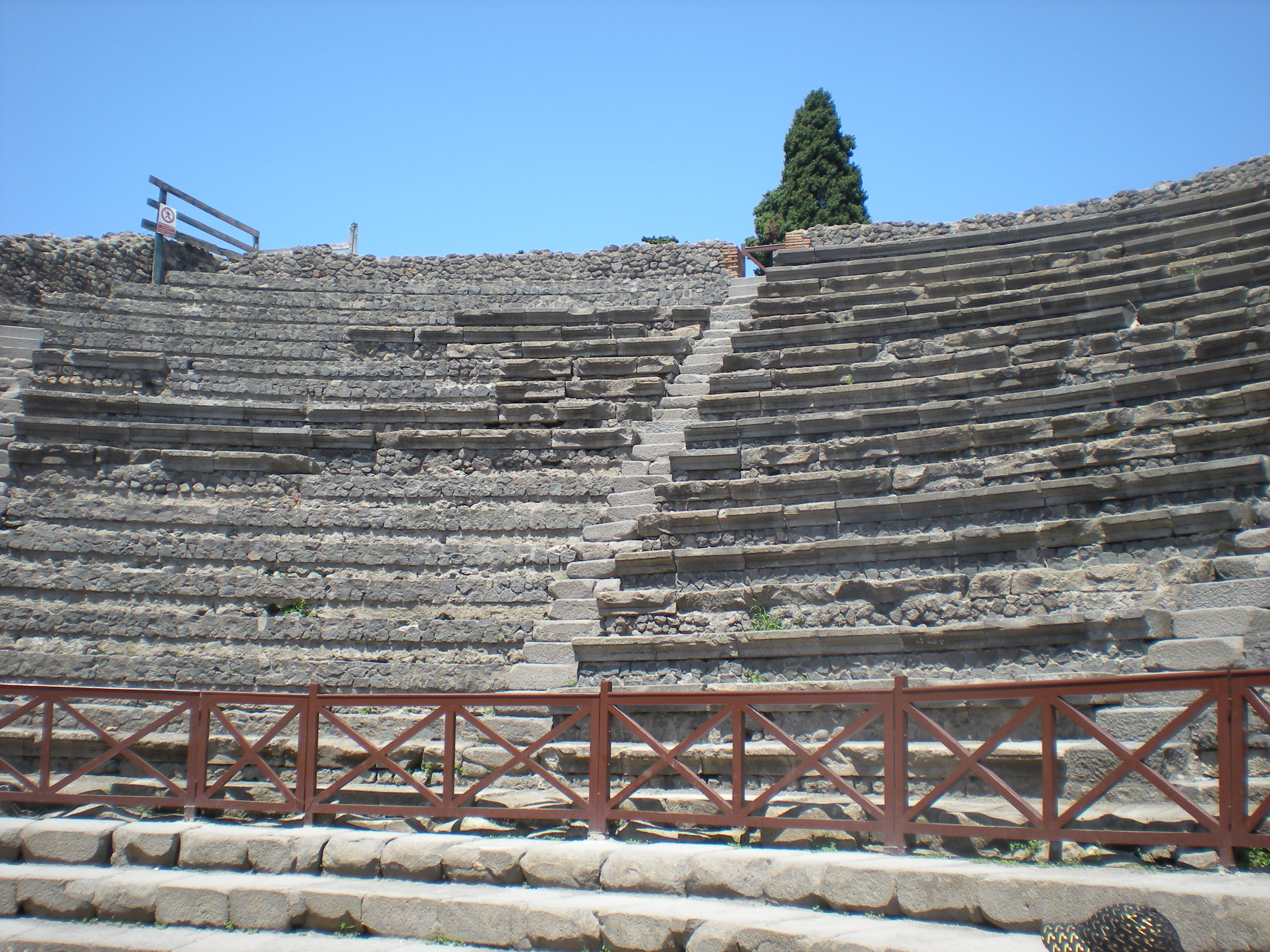
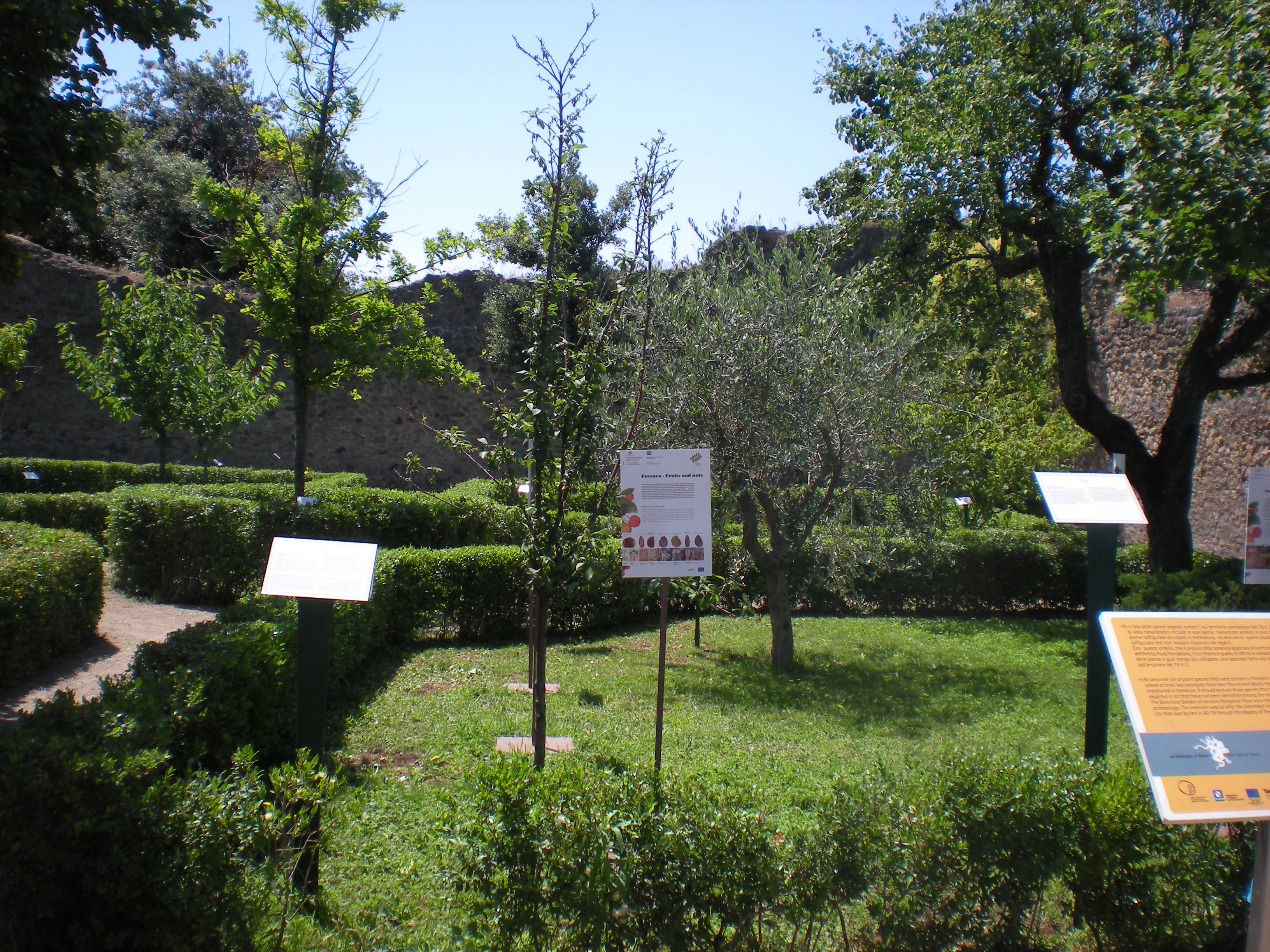
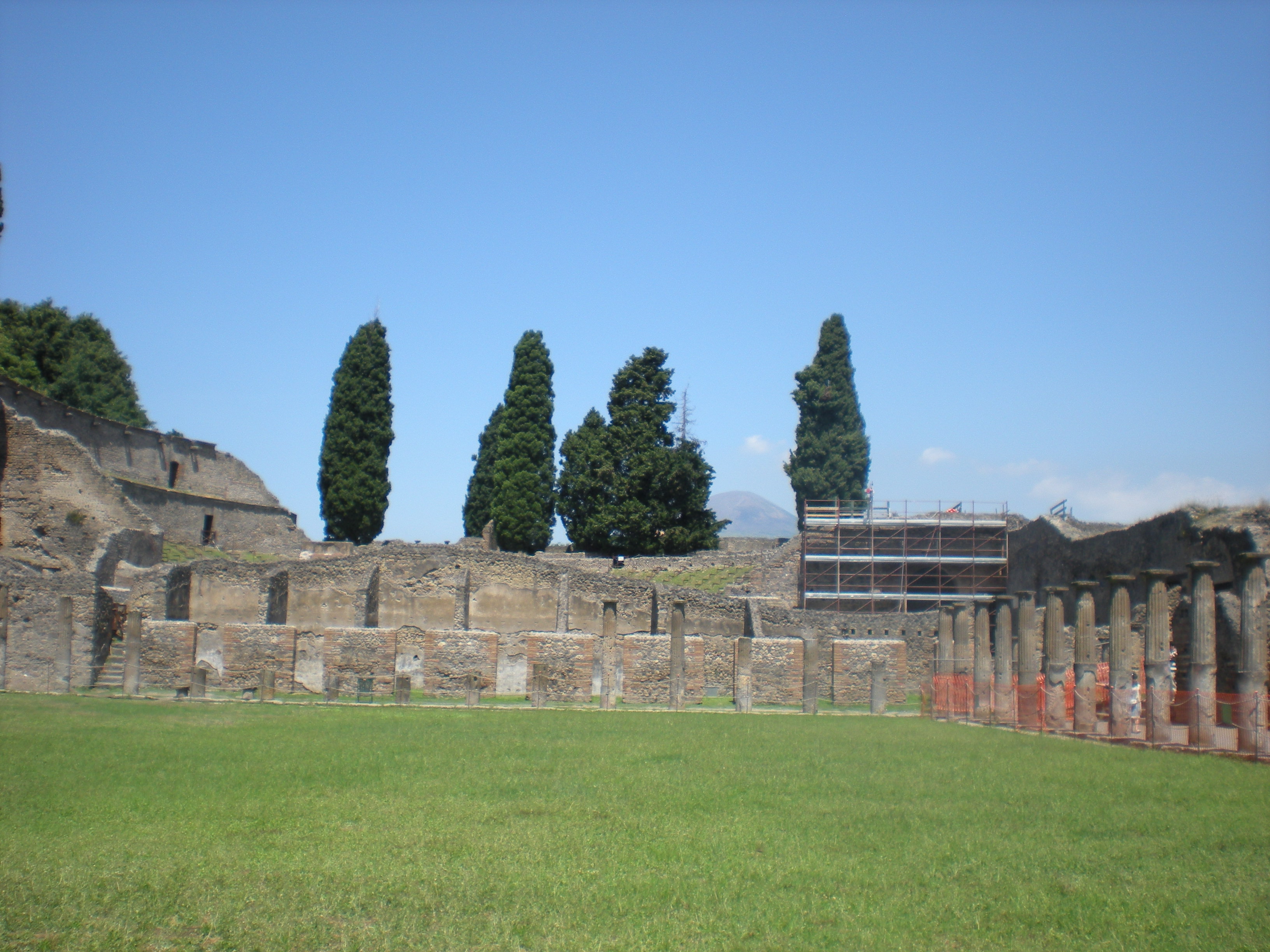
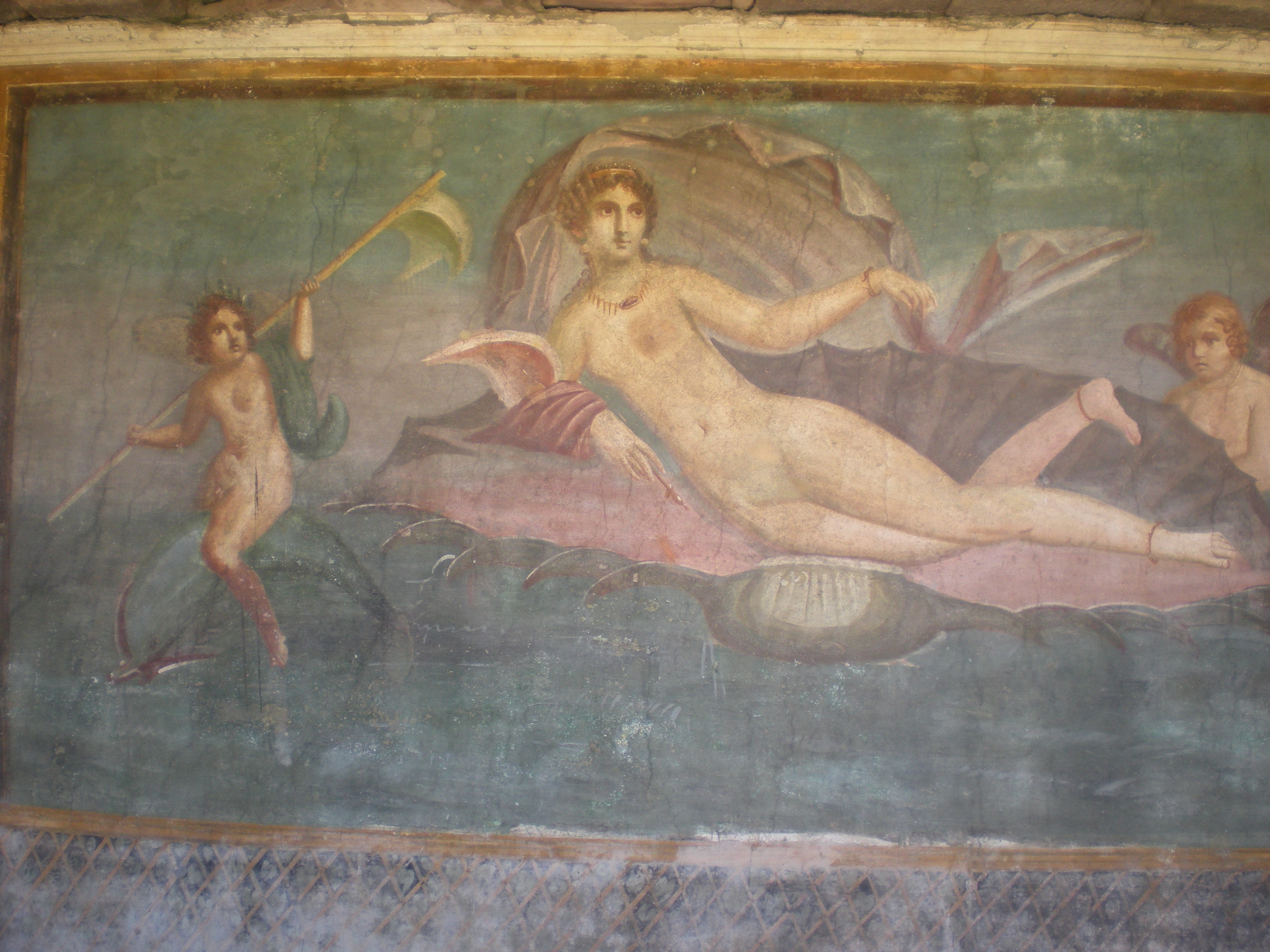

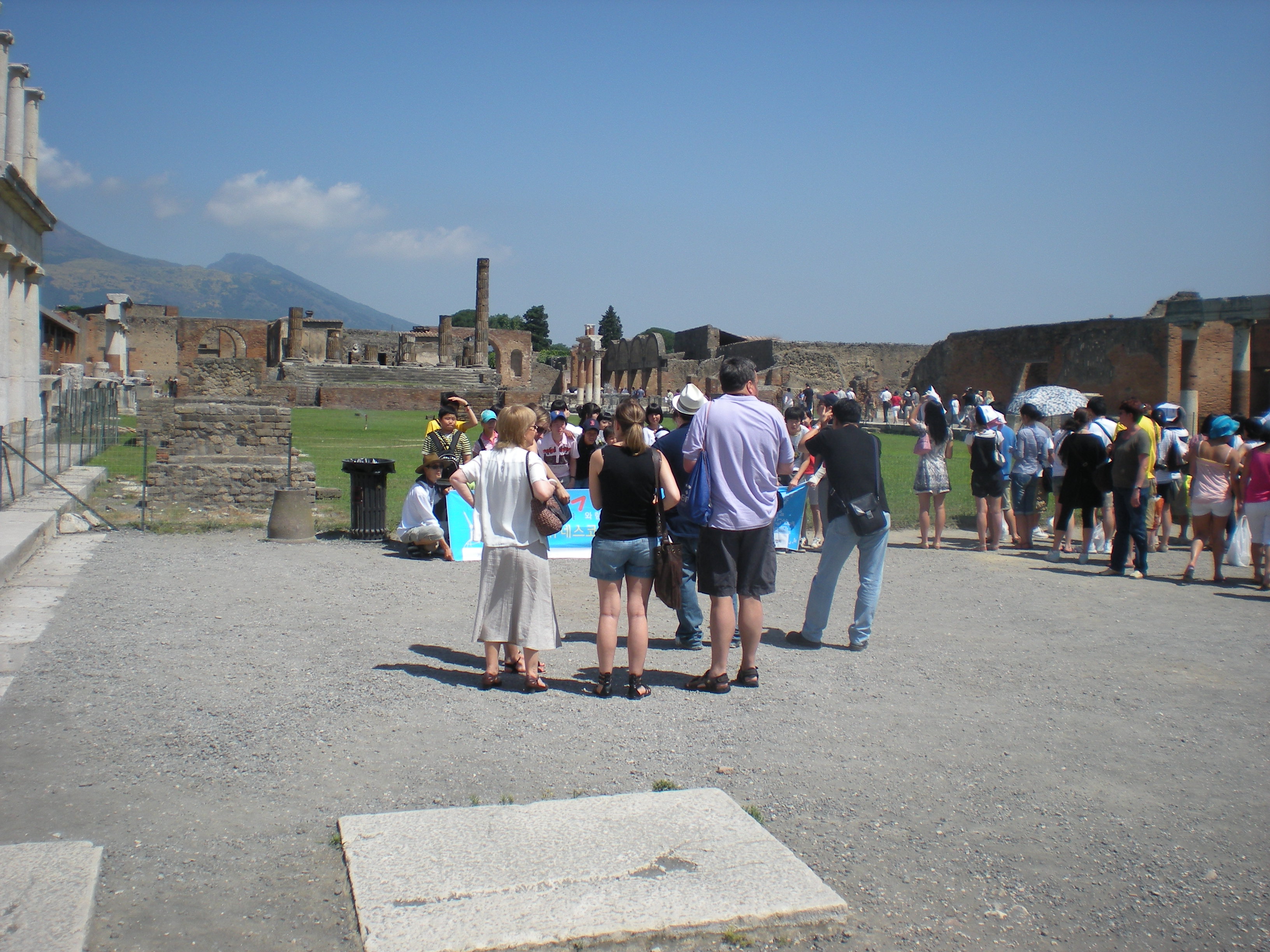
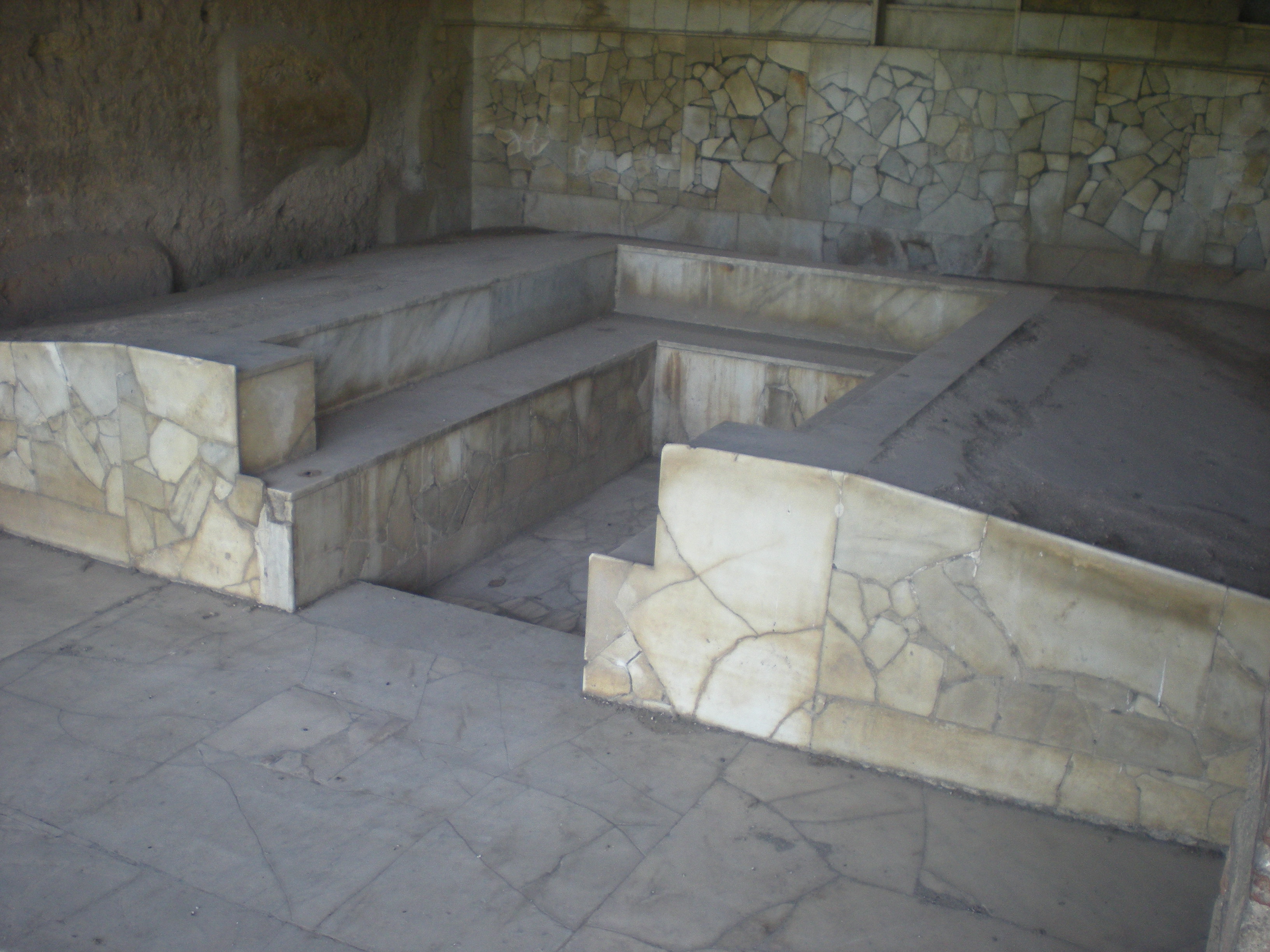
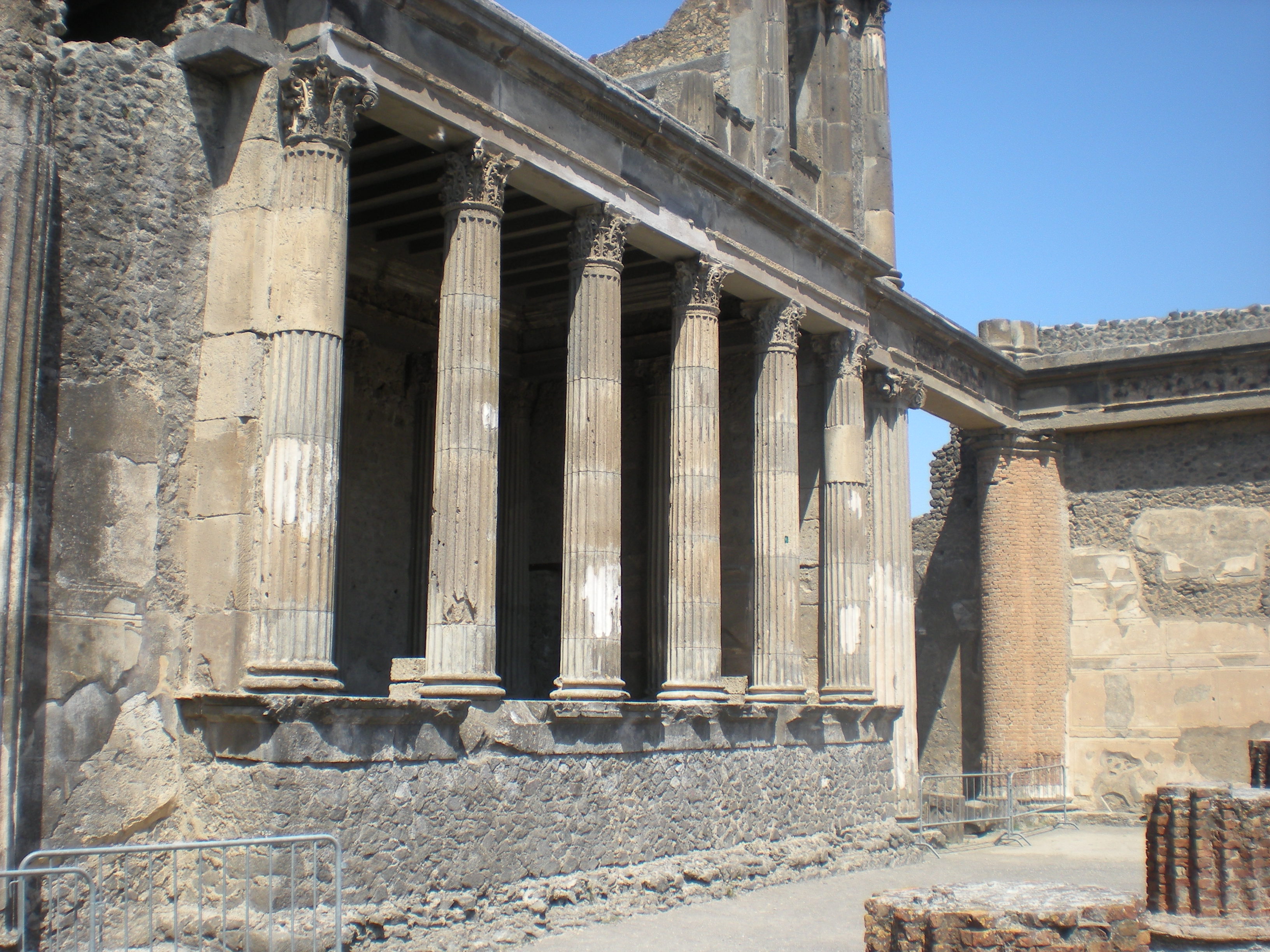
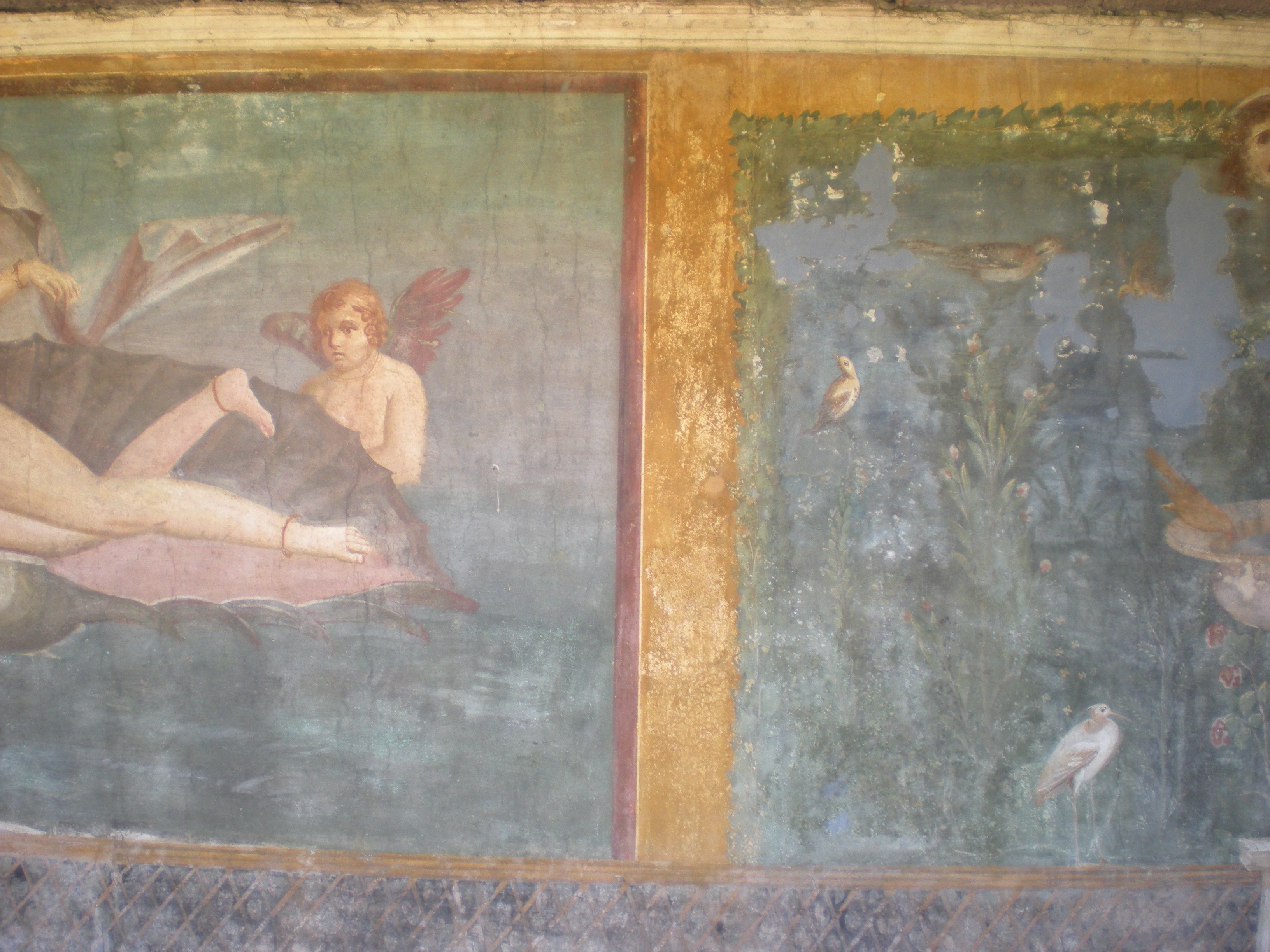
Pompeii is one of those places, that must be seen. It is a World Heritage Site.
 The Anonymous Widower