Victoria Line Delay
Yesterday, I left Selfridges about five with the intention of getting to Blackhorse Road by five-thirty and home in time to see England play South Africa in the Twenty20 World Cup.
But I hadn’t bargained on the signalling problems that happened at Seven Sisters, that effectively meant that no trains could run through.
Now one of the things that works on public transport in London is that there are a lot of different ways to get from A to C, even if doesn’t mean going by B.
Eventually we gave up at Euston, where we had sat for about five minutes. The driver had told us to try to find alternative routes, but to get to the further parts of the Victoria Line is not easy. Especially as the Circle Line to Liverpool Street was shut as it was being upgraded. Why Liverpool Street? You can get a Chingford train to St. James Street in Walthamstow.
I was talking to an Aussie, who wanted to get to Pickett’s Lock, where he had planted his tent for about three pounds a day. That must be the cheapest bed in London, although these days it must be pretty cold. But then he was going walking near Inverness and was wearing shorts on quite a cold day. I was actually wearing a T-shirt under my shirt!
So we legged it and immediately caught a Northern Line train to Kings Cross St. Pancras. A long walk through that station brought us to the Piccadilly Line, where we immediately caught a train towards Finsbury Park, where the aim was to see if we could get a bus towards Seven Sisters and Blackhorse Road. Or in fact rejoin the Victoria Line, but that now not running at all.
It was there that I made my first mistake. All the world and his wife seemed to have the same idea and masses were scrambling towards the exit and the buses.
So it was back down to the Piccadilly Line and back on the next train to Manor House.
We were in luck and a few minutes later we were on a 279 bus to Tottenham Hale for myself and all the way to Edmonton Green for my travelling companion. He would be exactly where he wanted to be and I would be a short bus ride away from the Lotus Elan at Blackhorse Road. Note that buses are so much better today, now that they actually tell you where they are going!
It was all very complicated, but at least I had a someone pleasant to talk to. I arrived about forty minutes later than I would have done directly by tube.
Incidentally, one thing that was very good was the attitude of London Transport staff. My companion’s tickets didn’t work the barriers as his was just a simple return, but they just waved him through.
The whole journey could have been one hell of a lot worse!
Riding the East London Line
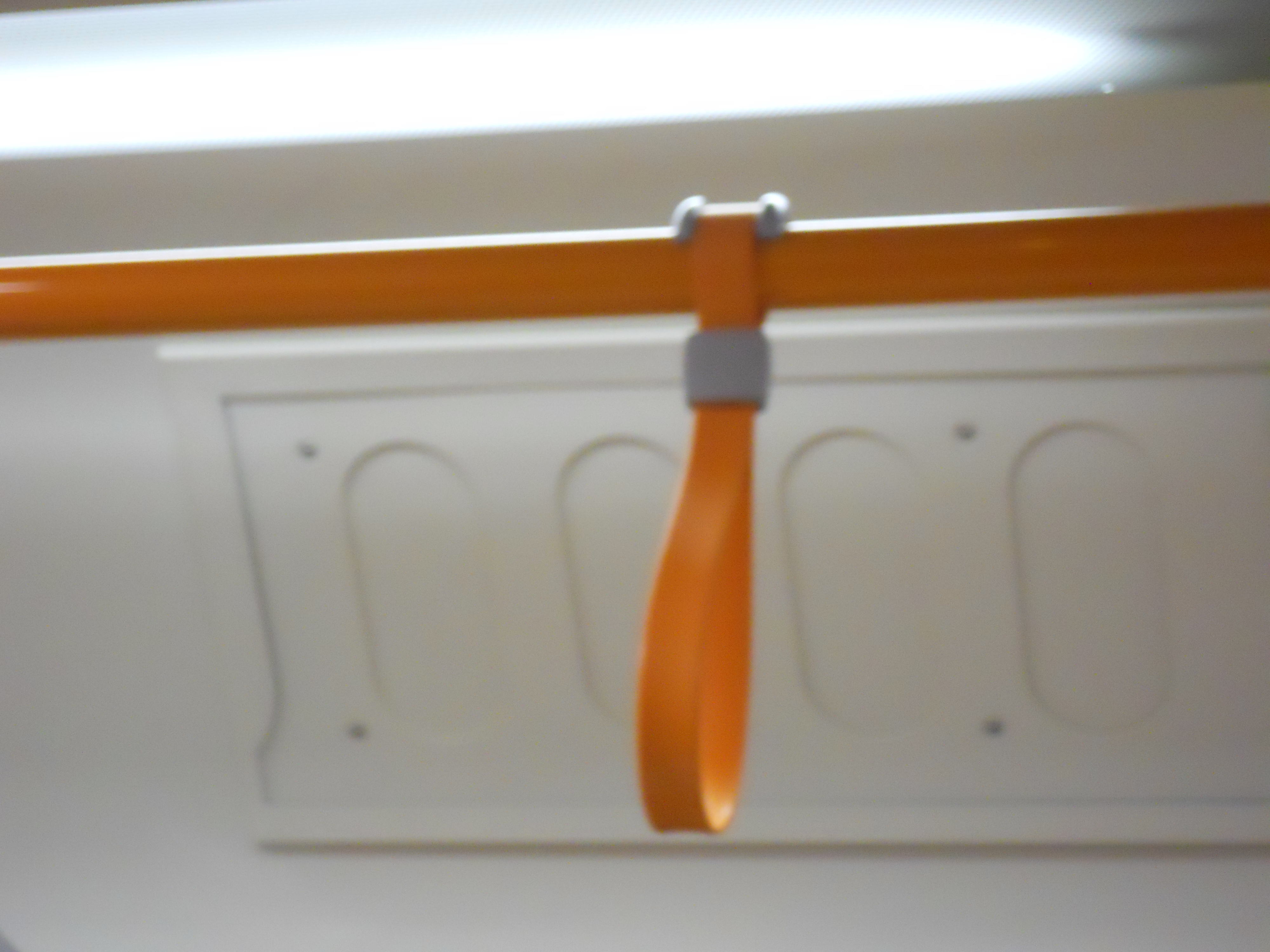
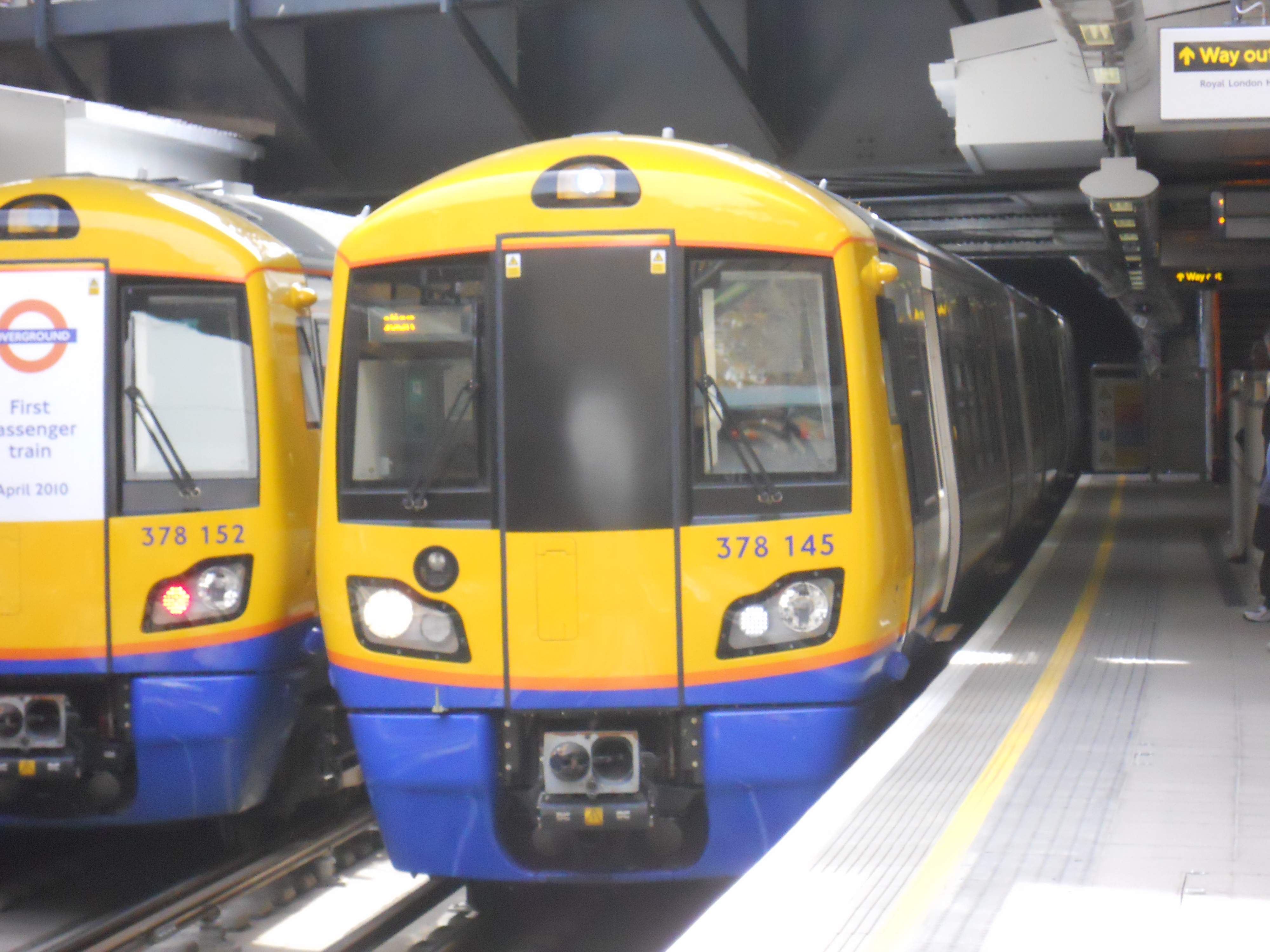
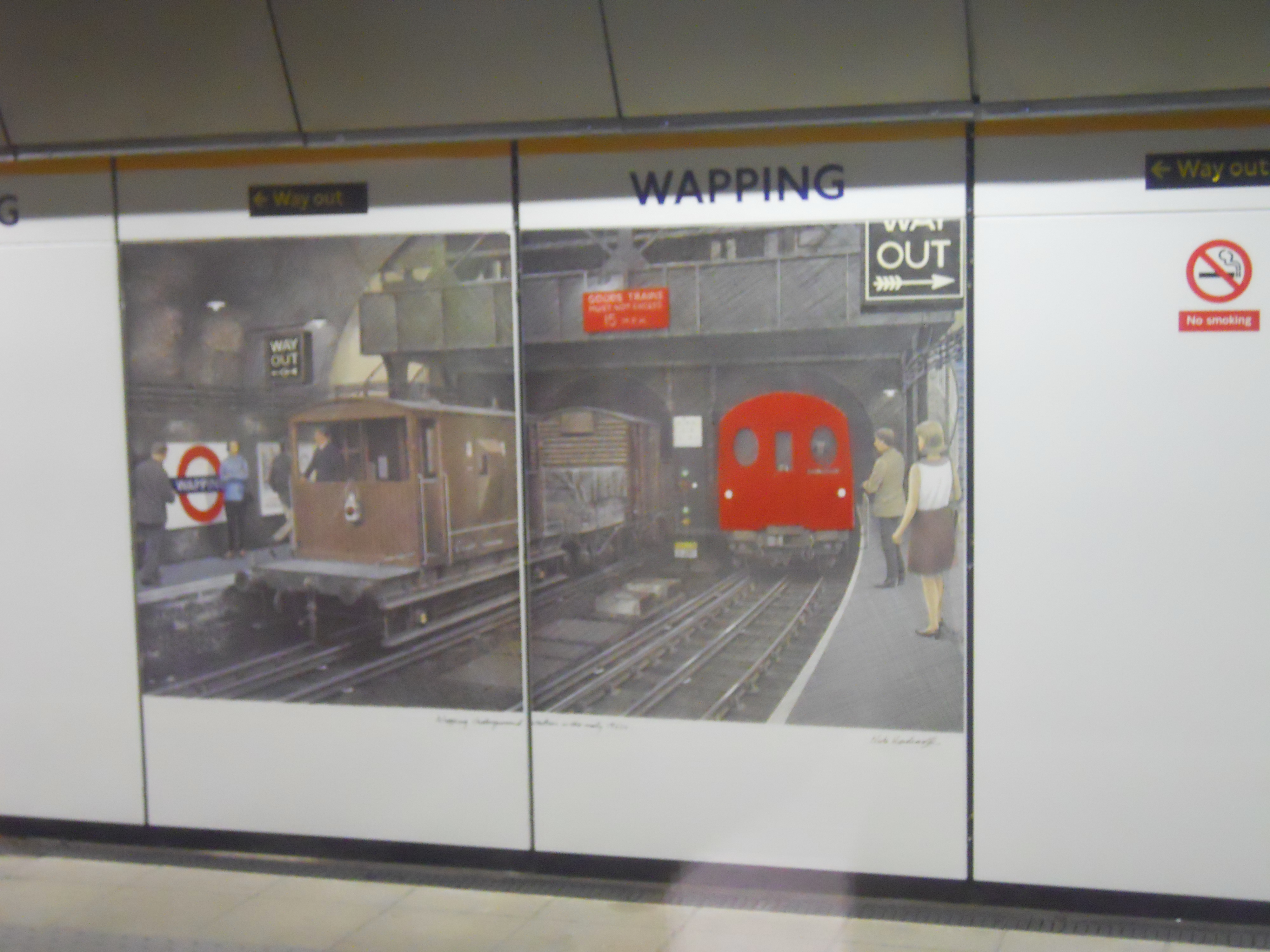
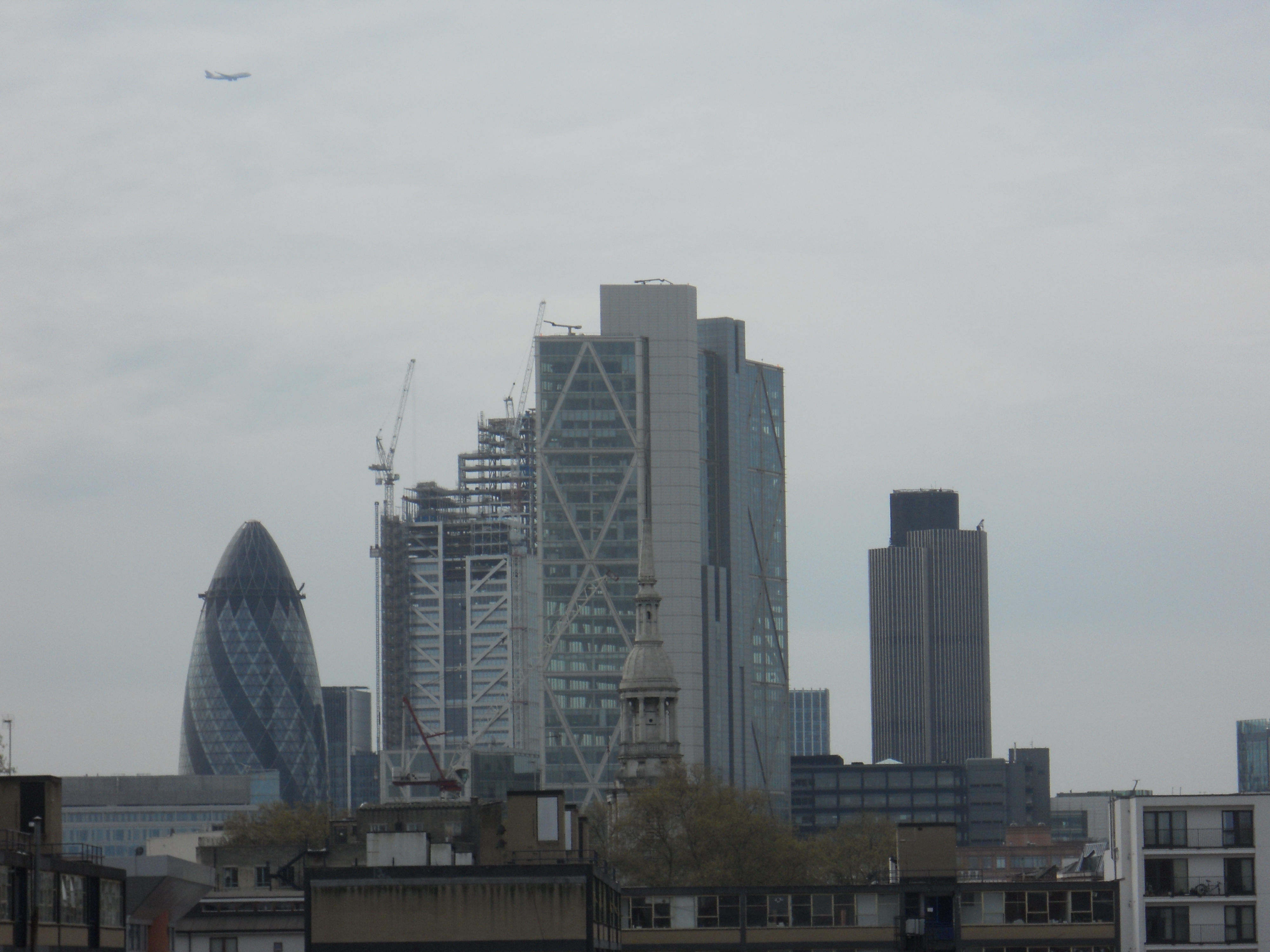
On Wednesday, I rode the East London Line for the first time. Not that I went far, as I didn’t have too much time, but I did get in two quick trips. One was up and back from Whitechapel to Hoxton stations and the other was through the Brunel Tunnel to Canada Water.
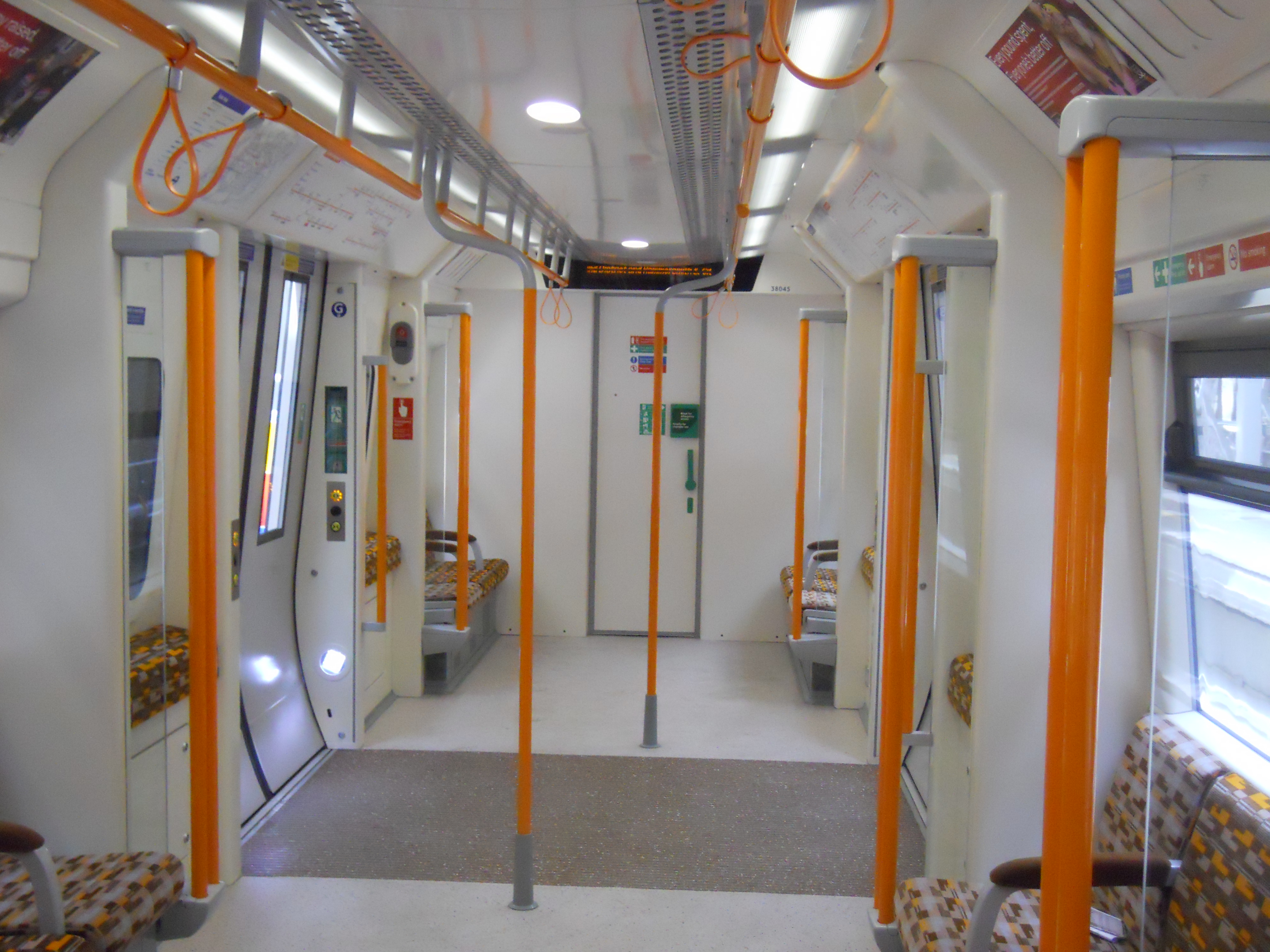
It looks good and the trains seem to be well-designed and ride well. Some may argue that there is a lack of seats, but then as I rode around the trains weren’t busy. They will certainly be in the rush hour and then they’ll need all the space you can get. Remember that some stations like Canada Water can only take four car trains.

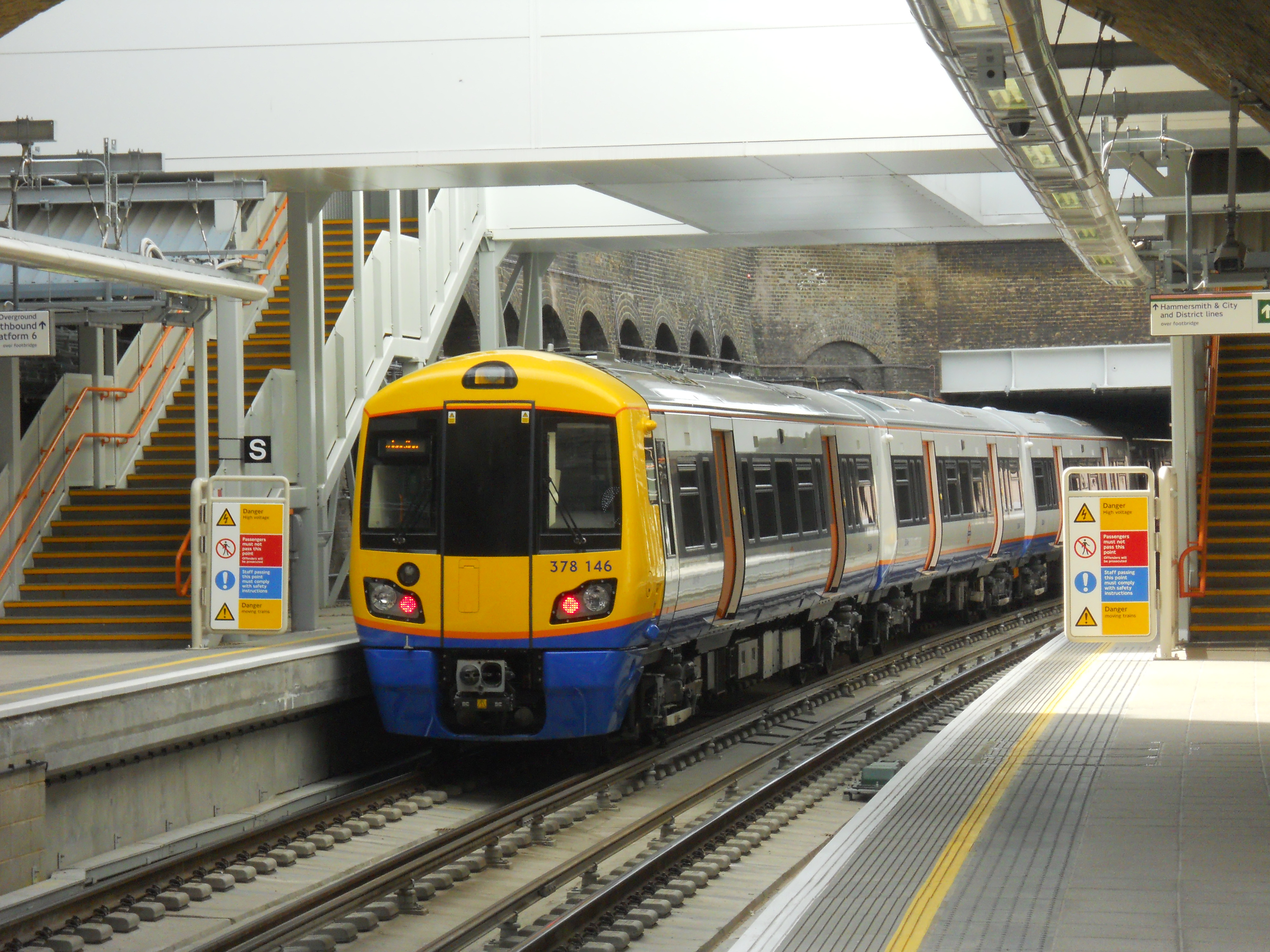
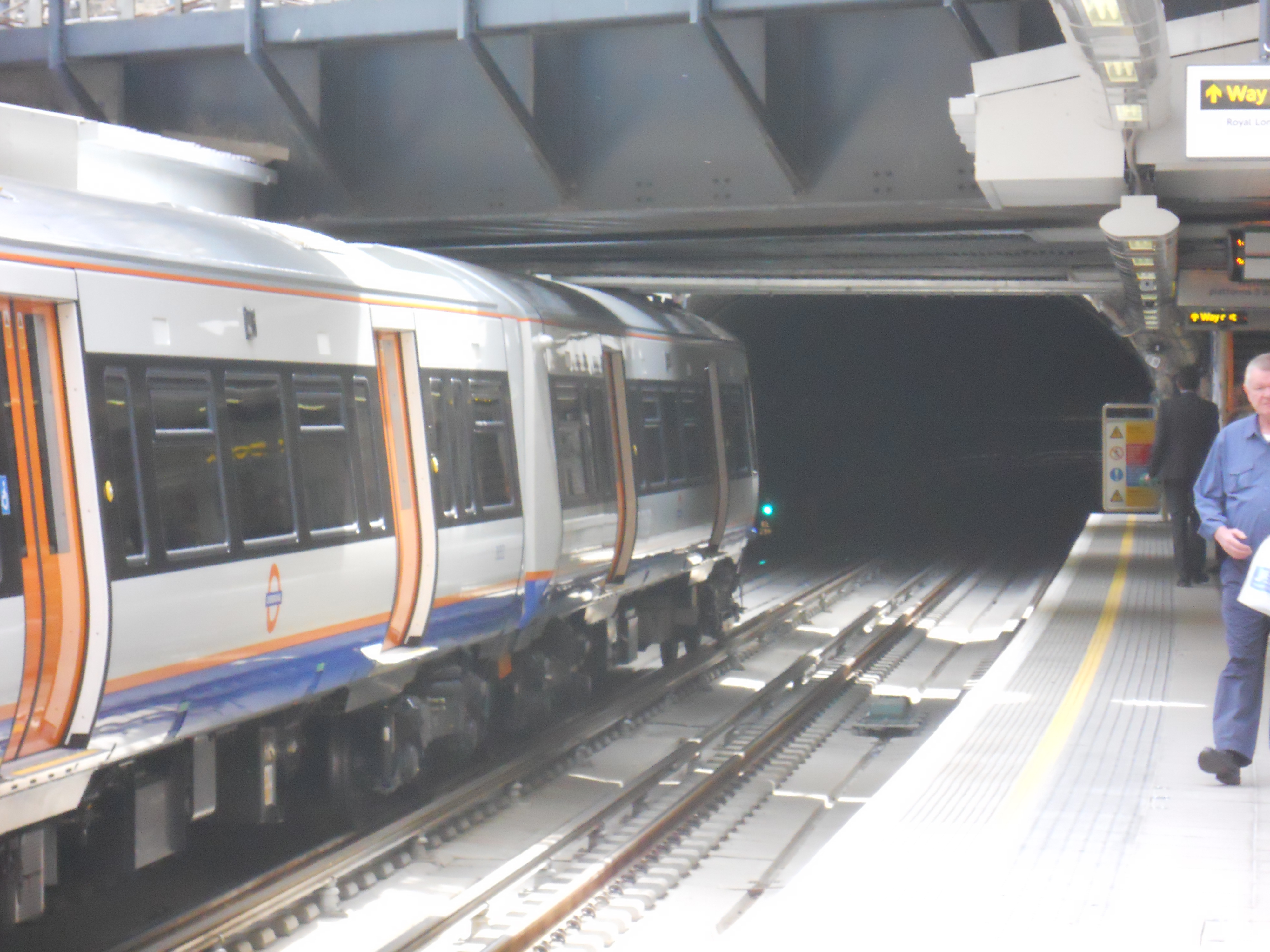
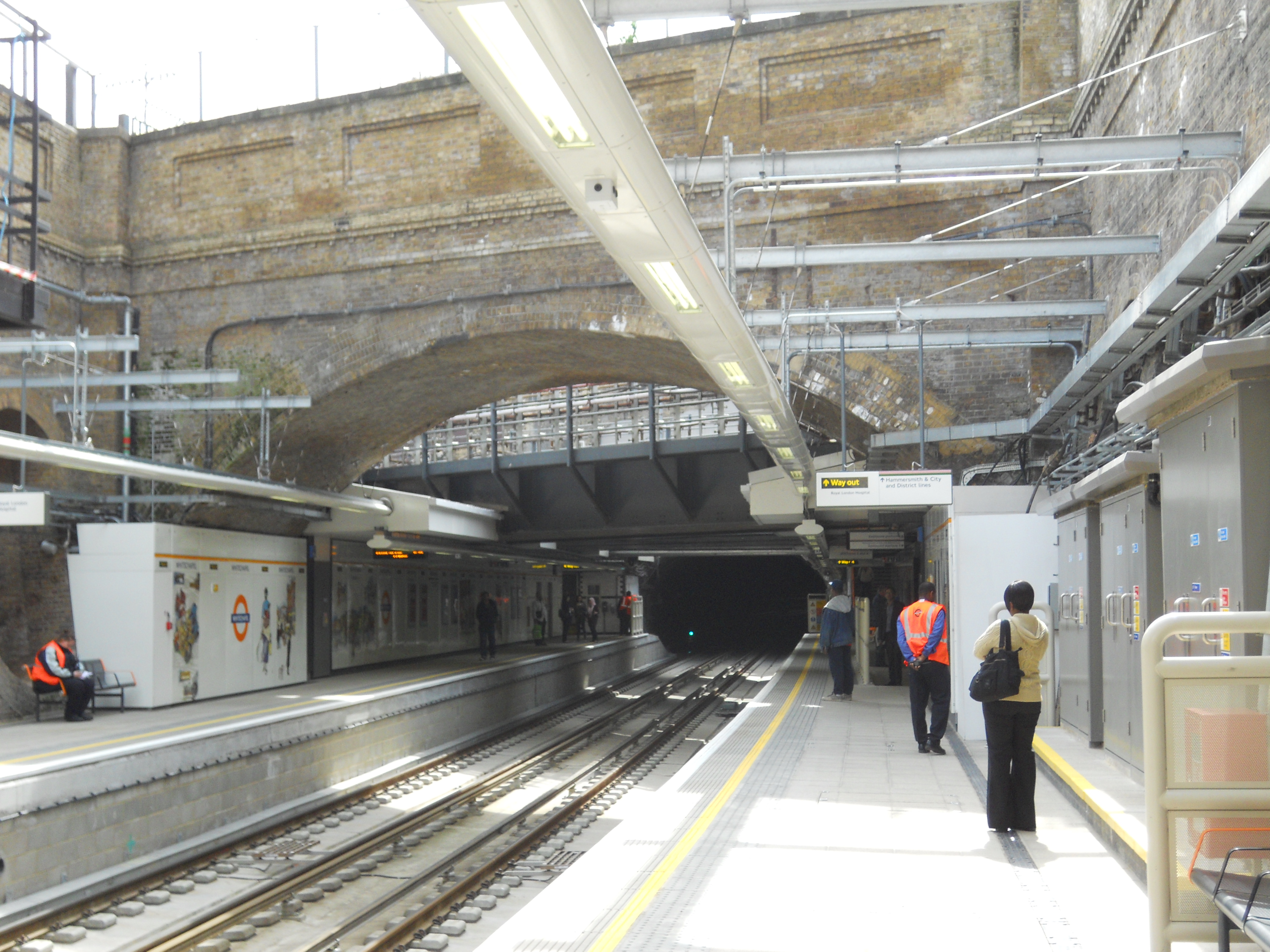
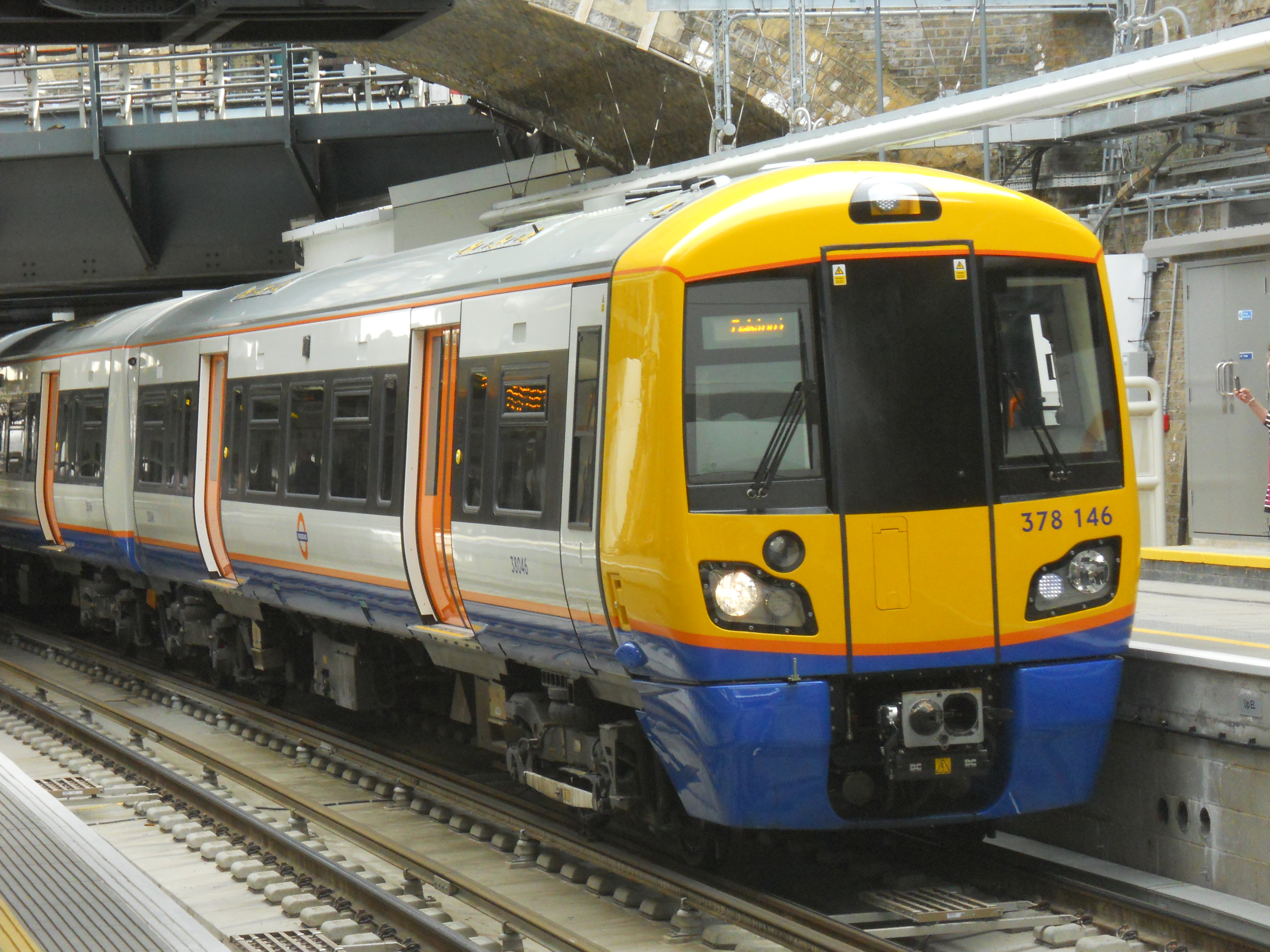
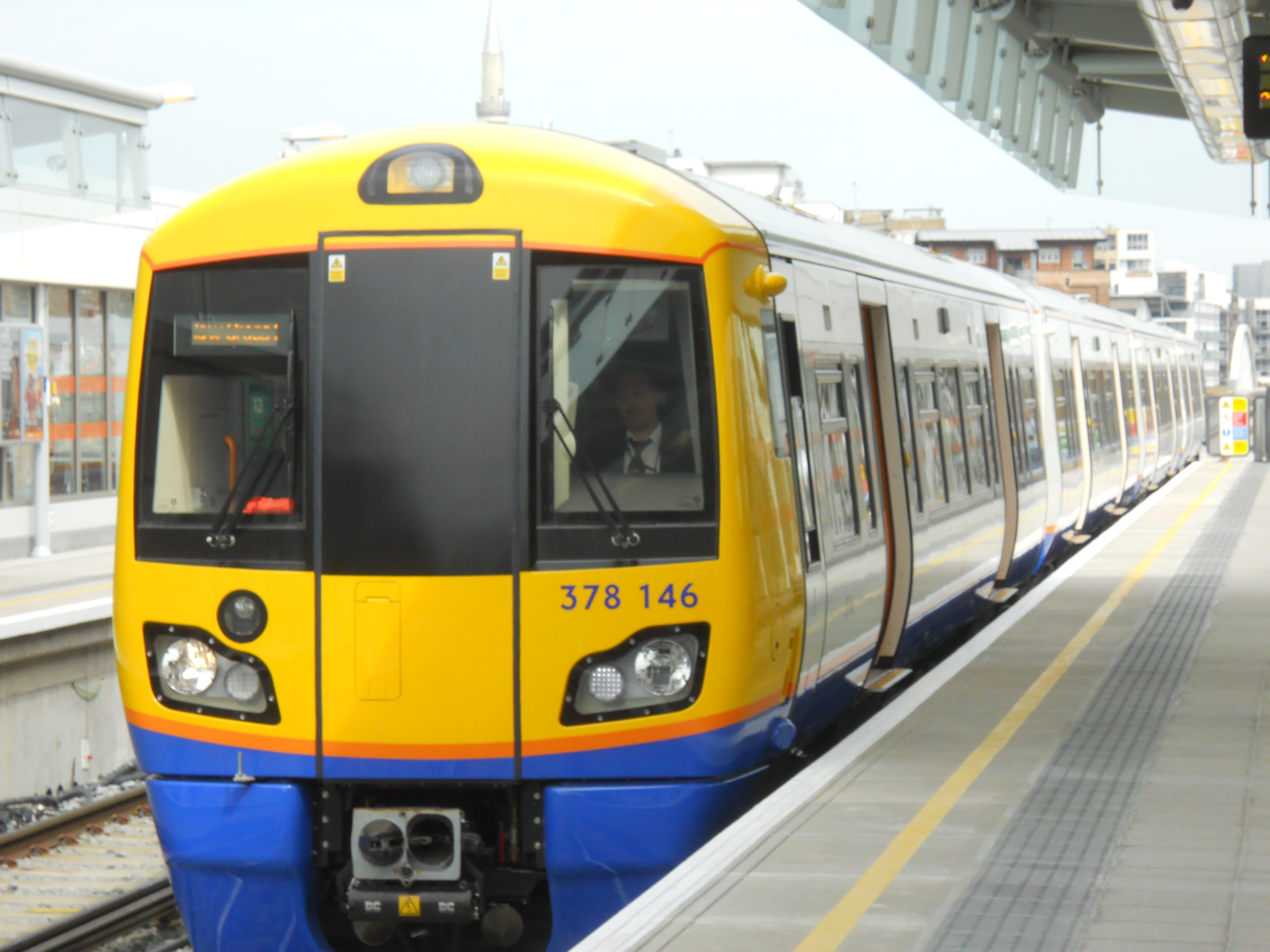
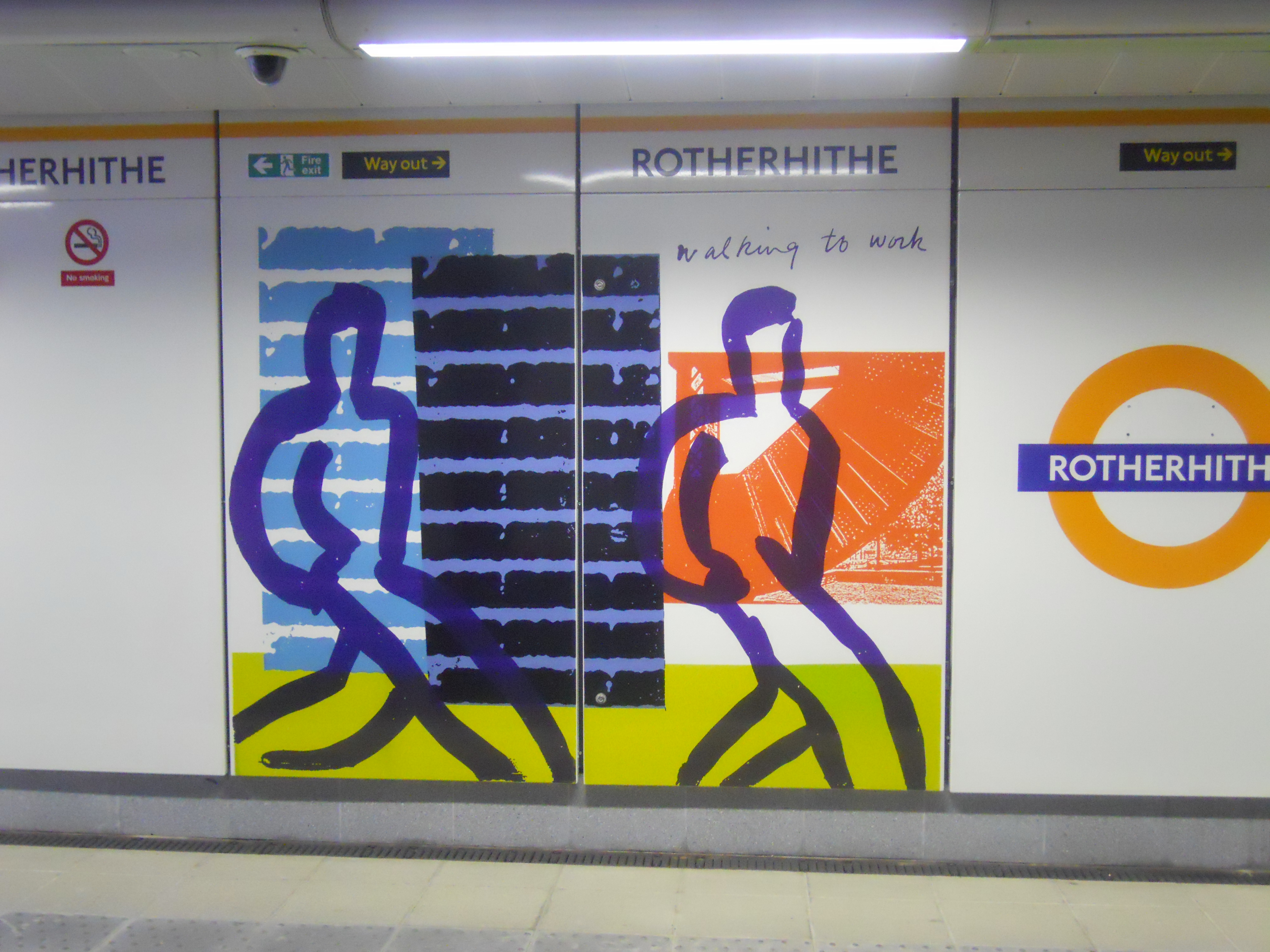
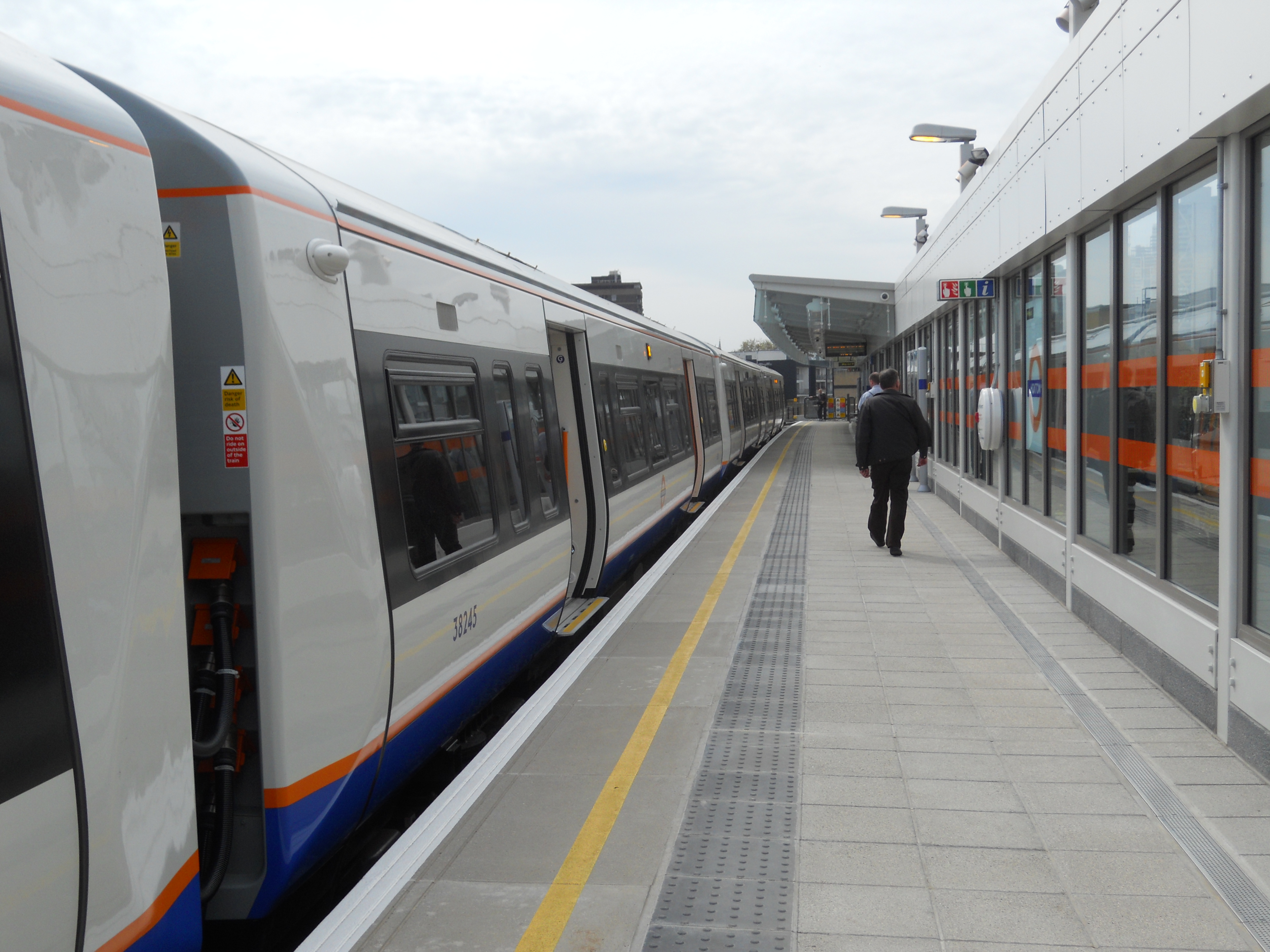
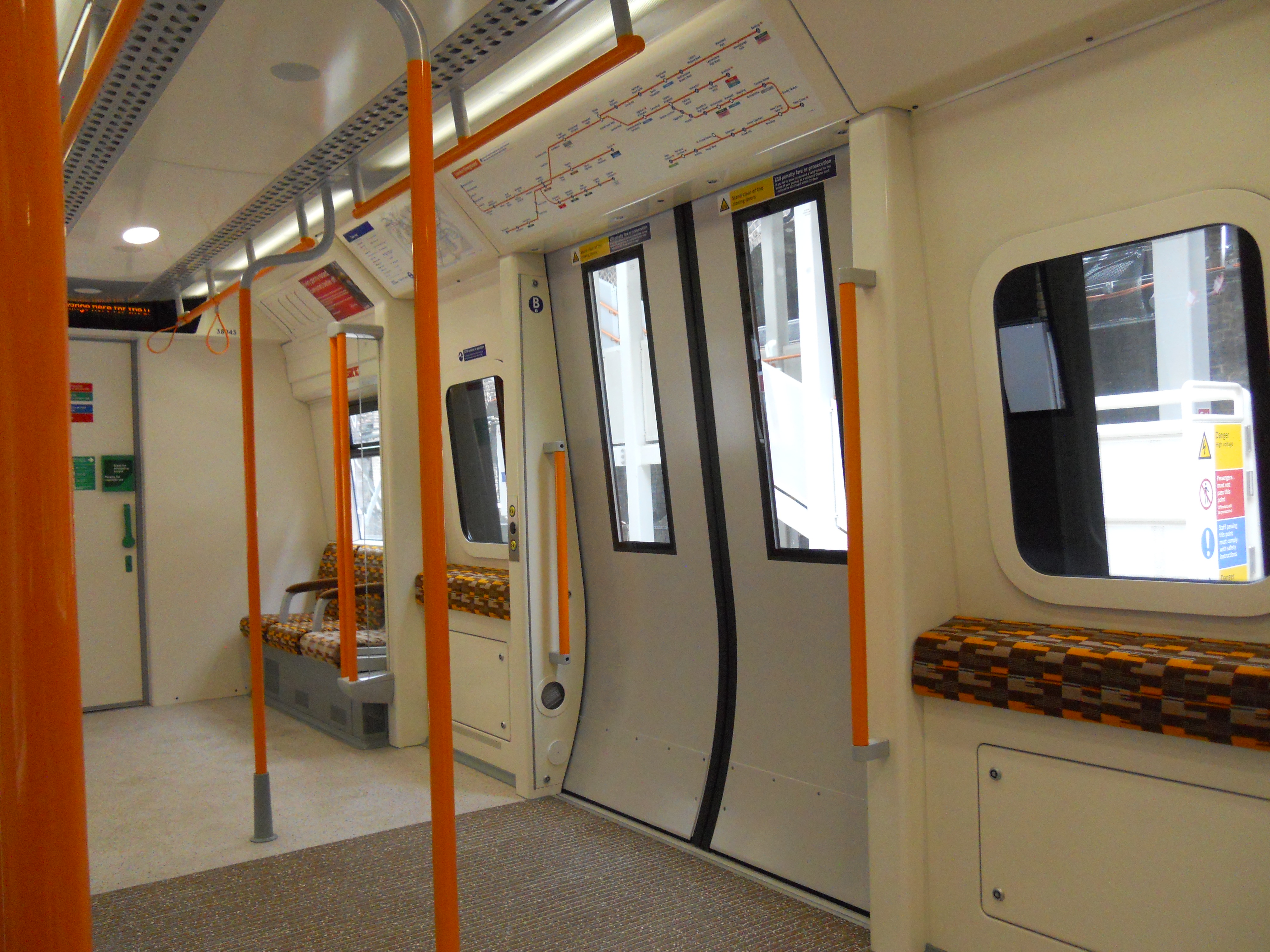
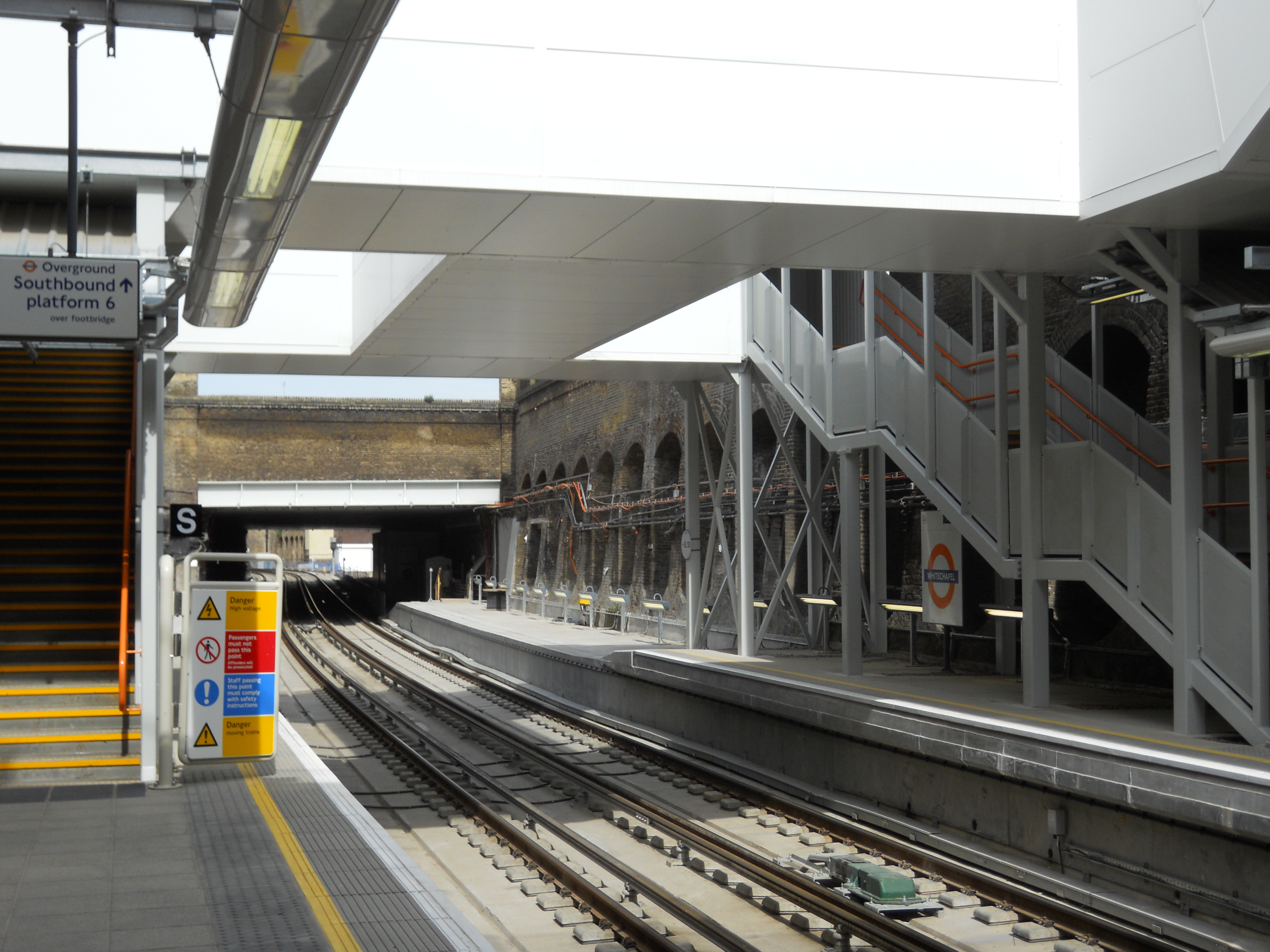
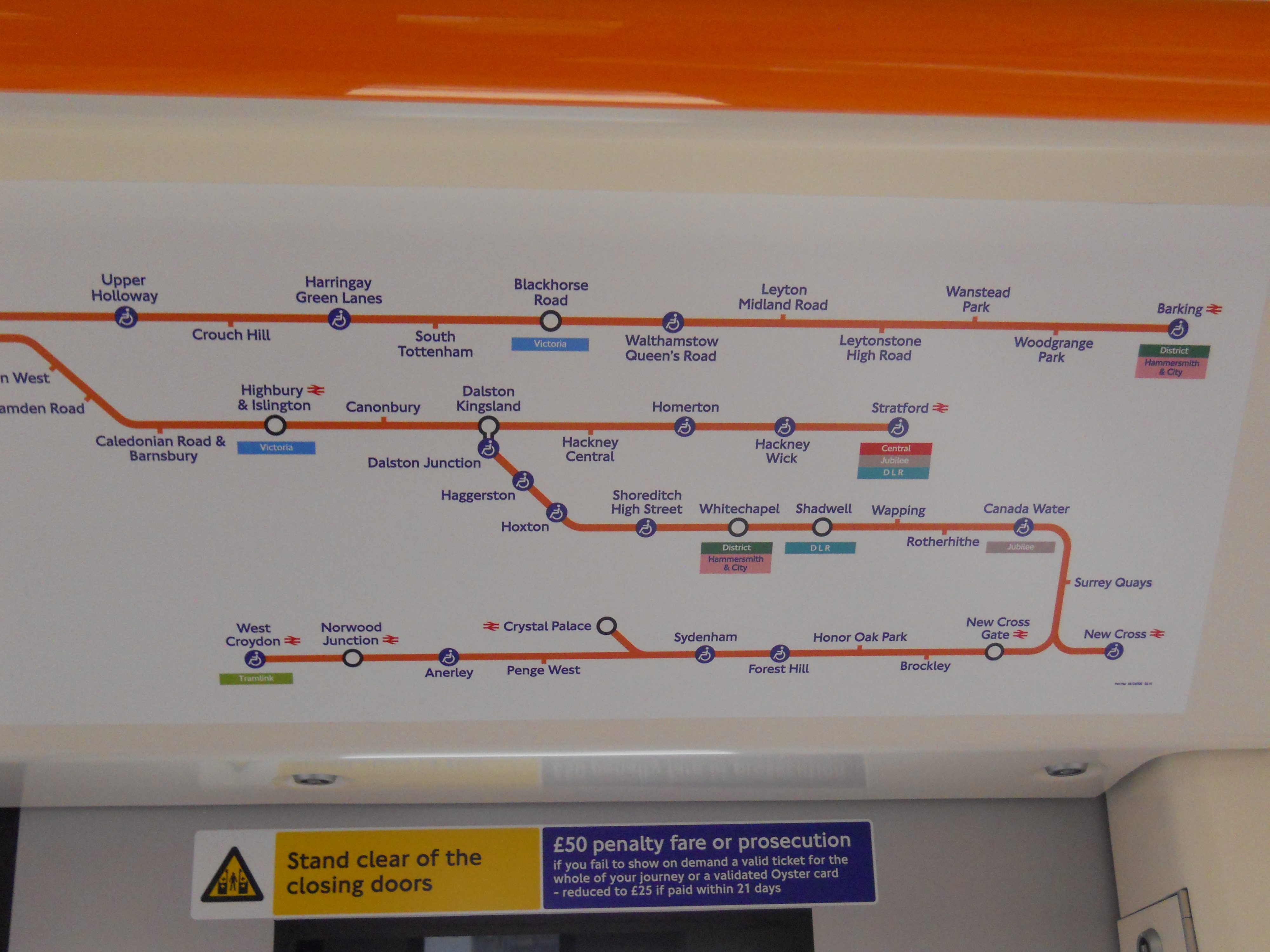
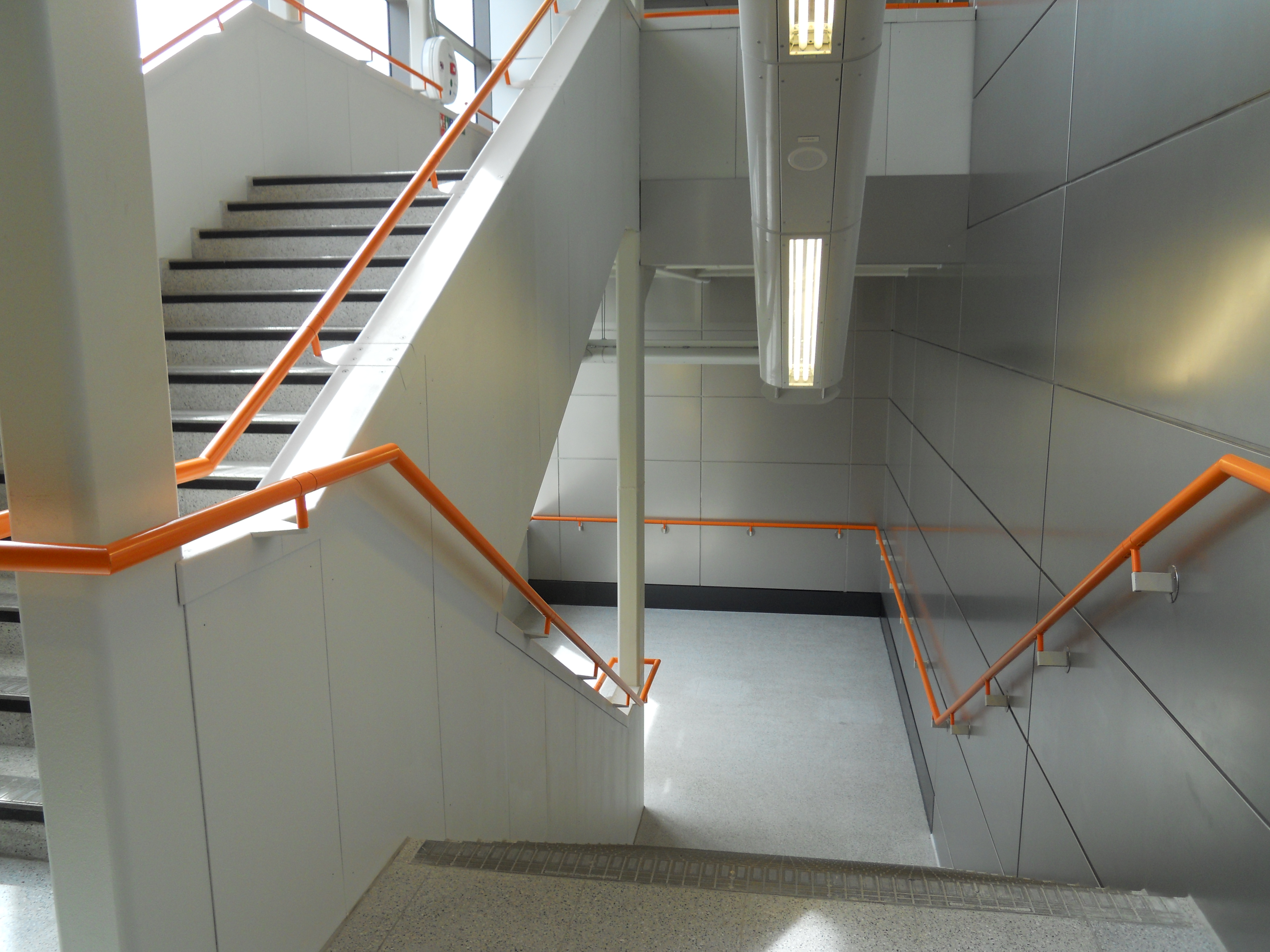
Note the pictures of Hoxton Station. There are no escalators but lifts. This is probably a good idea, as it gives full step-free access for those who need it and saves cost over having both escalators and lifts.
What surprised me was the enthusiasm of some of the local people I met on the line. They all seemed very pleased with what had been achieved.
The East London Line Opens
I’m glad to see that the teething troubles that delayed the opening of the East London Line have been solved and it is now open. Labour activitists mostly of the Old variety wanted it delayed until after the election, but if you read the comments on The Times report of the opening, I suspect they are in the minority.
If it works and it’s safe, it should be open.
But it should still have been called the Brunel Line.
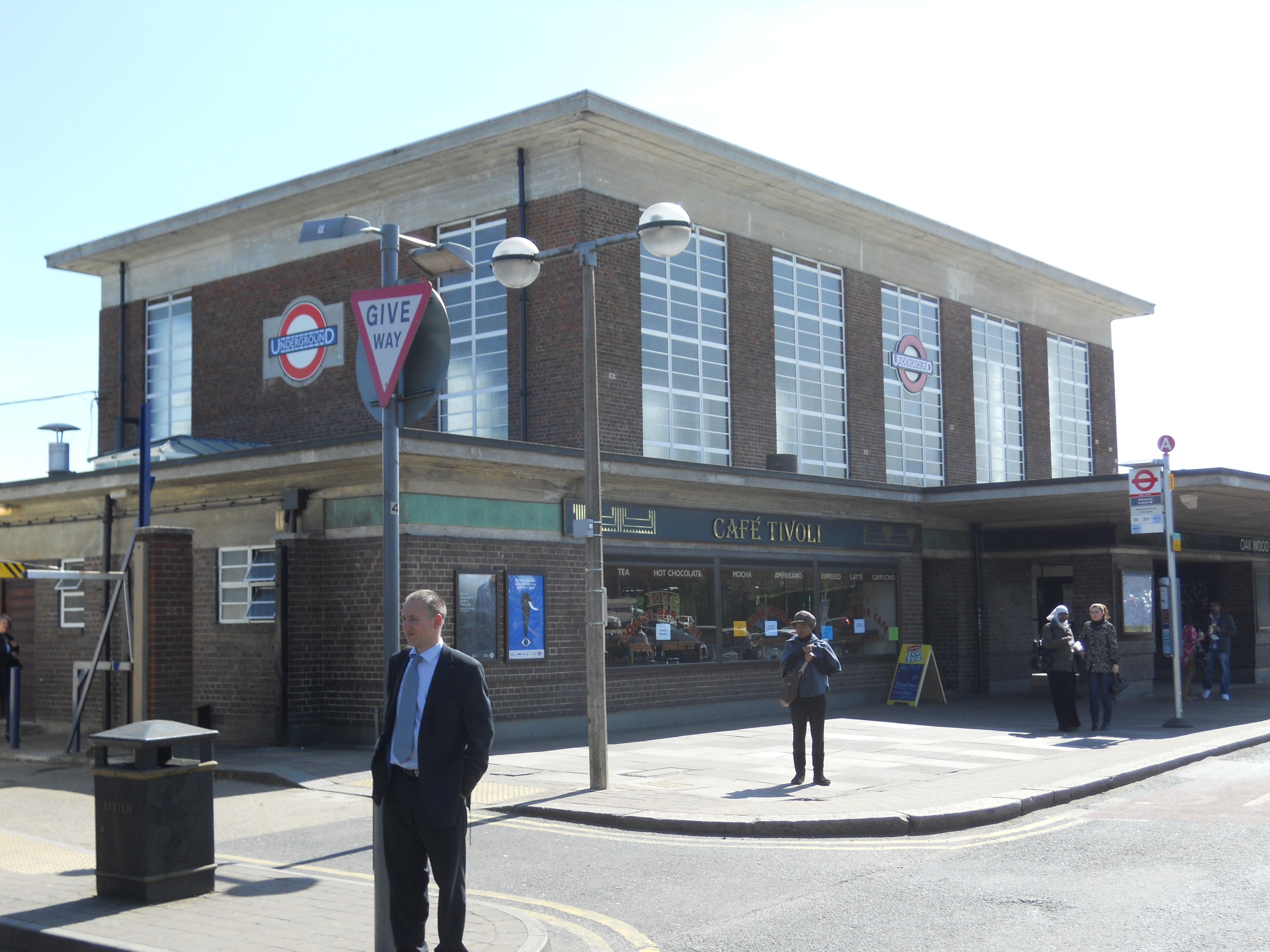
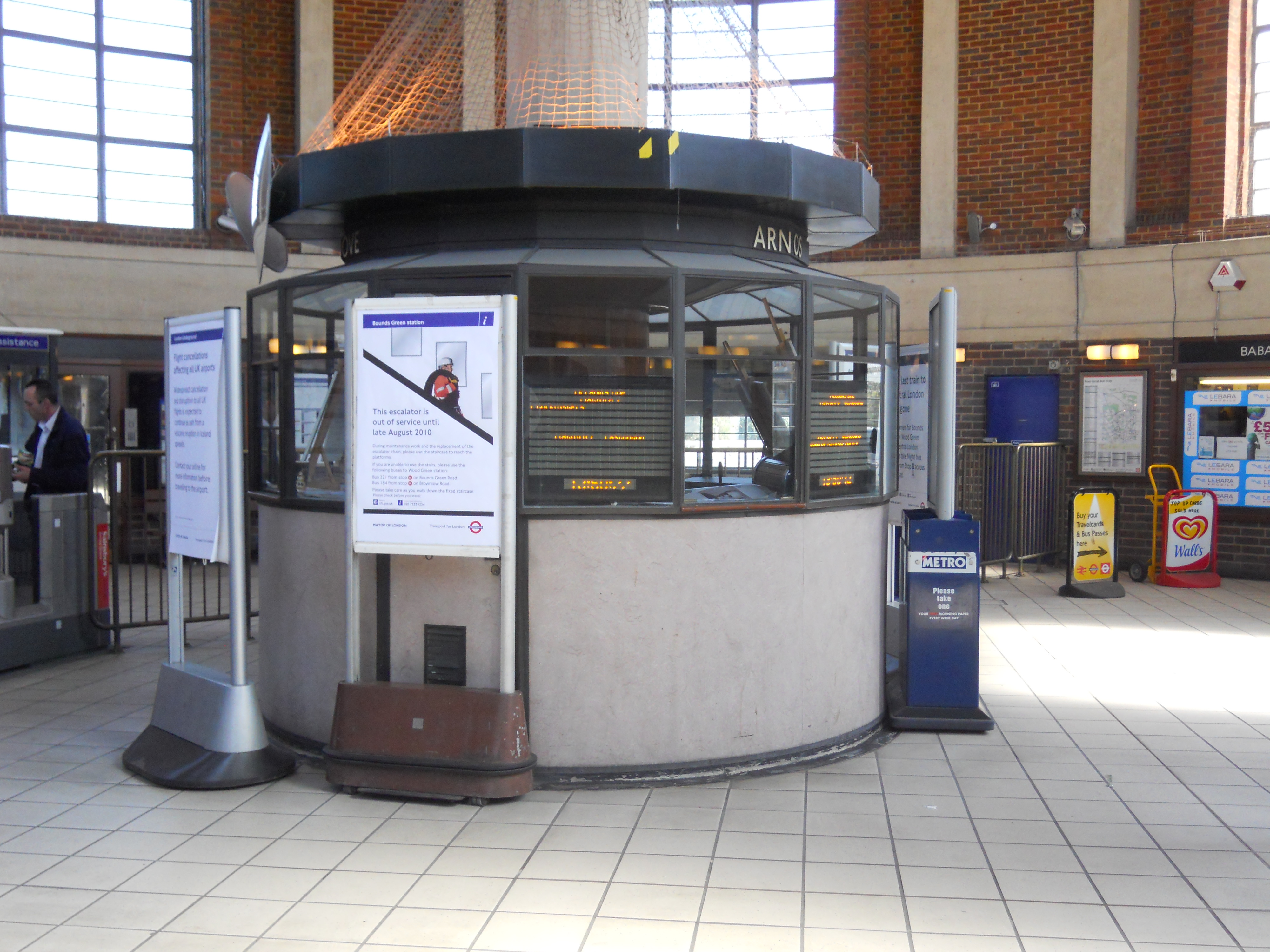
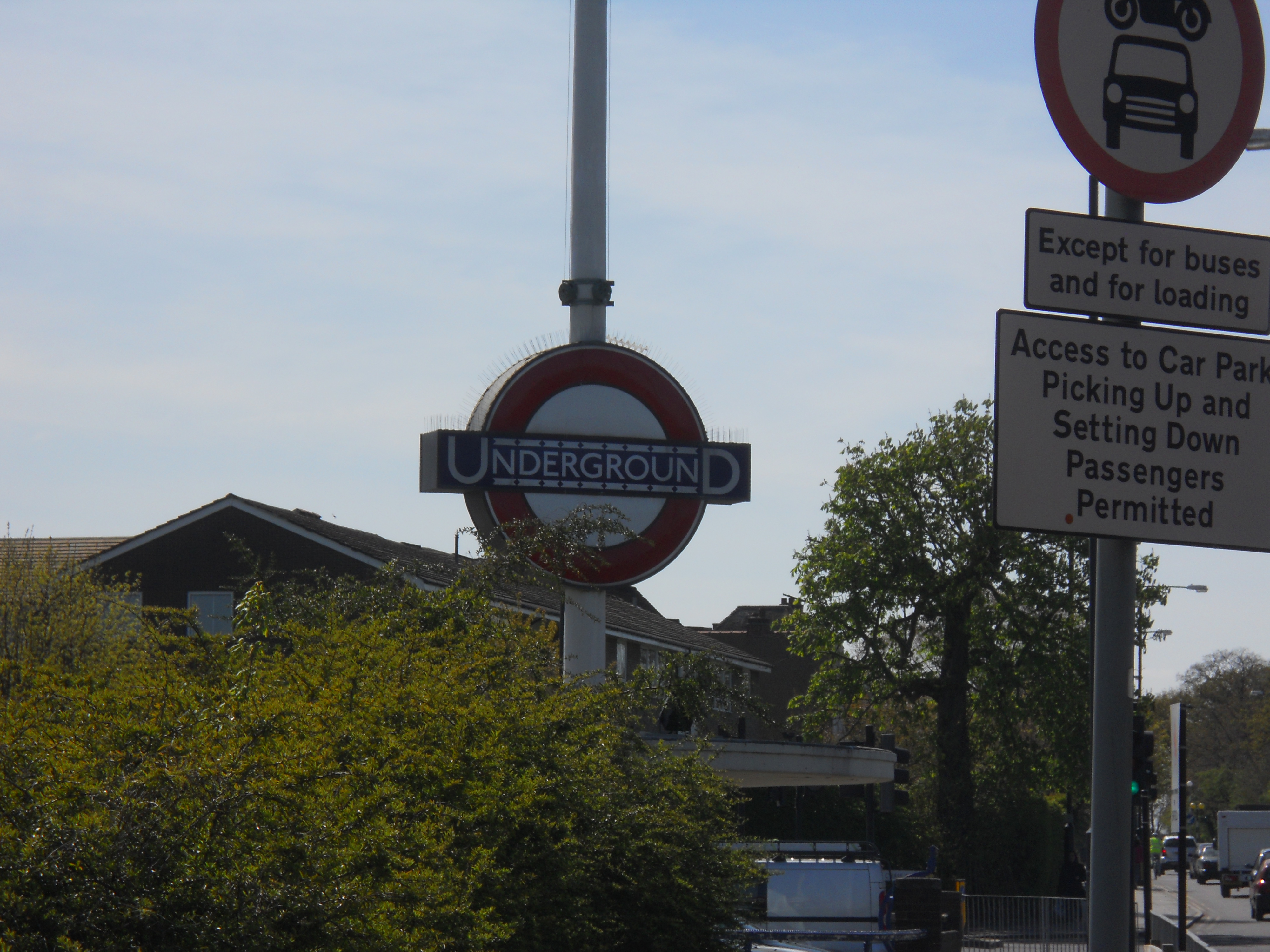
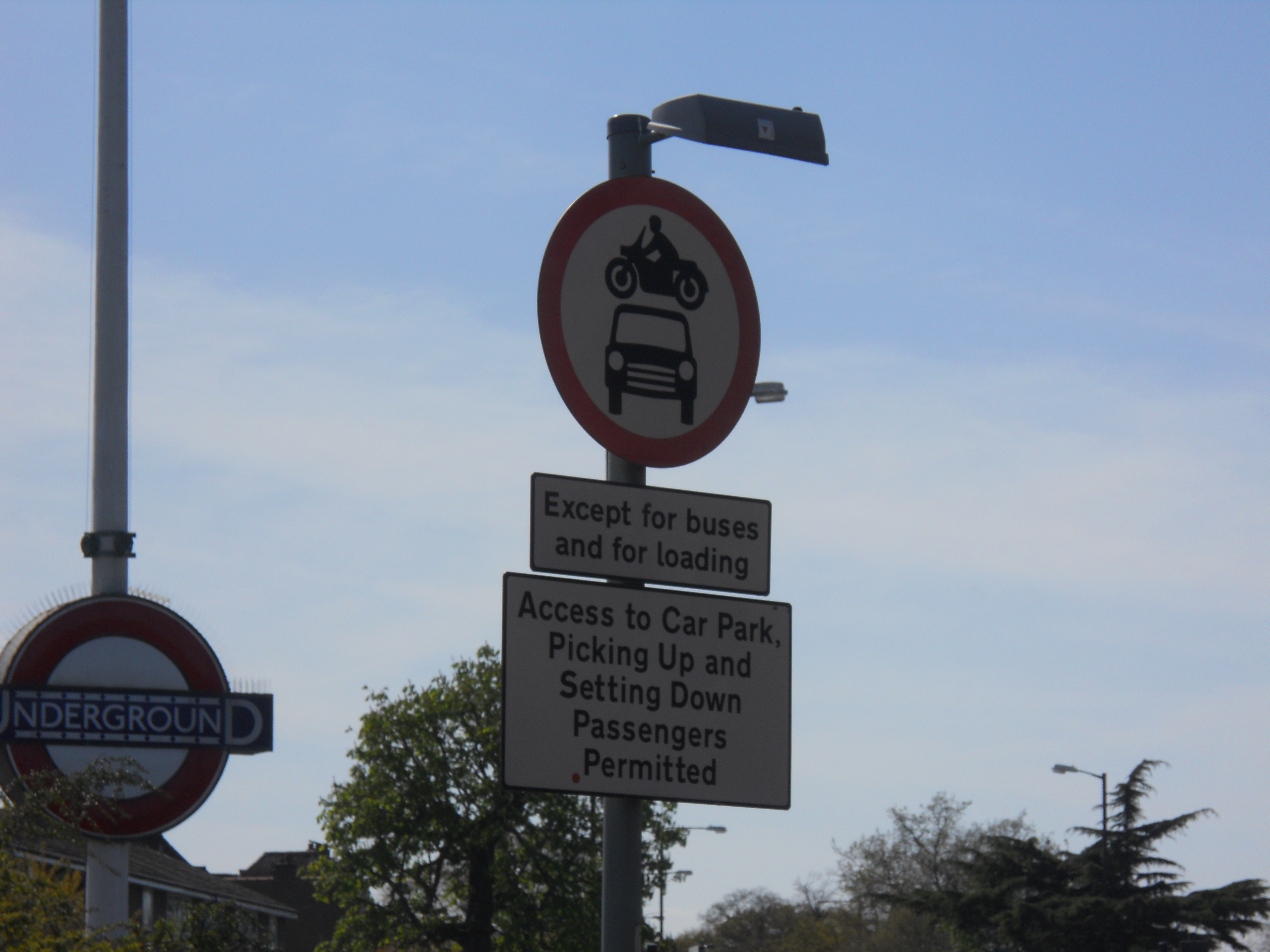
Arnos Grove, Southgate and Oakwood
Arnos Grove, Southgate and Oakwood are three London Underground stations at the top end of the Piccadilly line.
I’ve put these in as a gallery, so that I can properly caption all the pictures

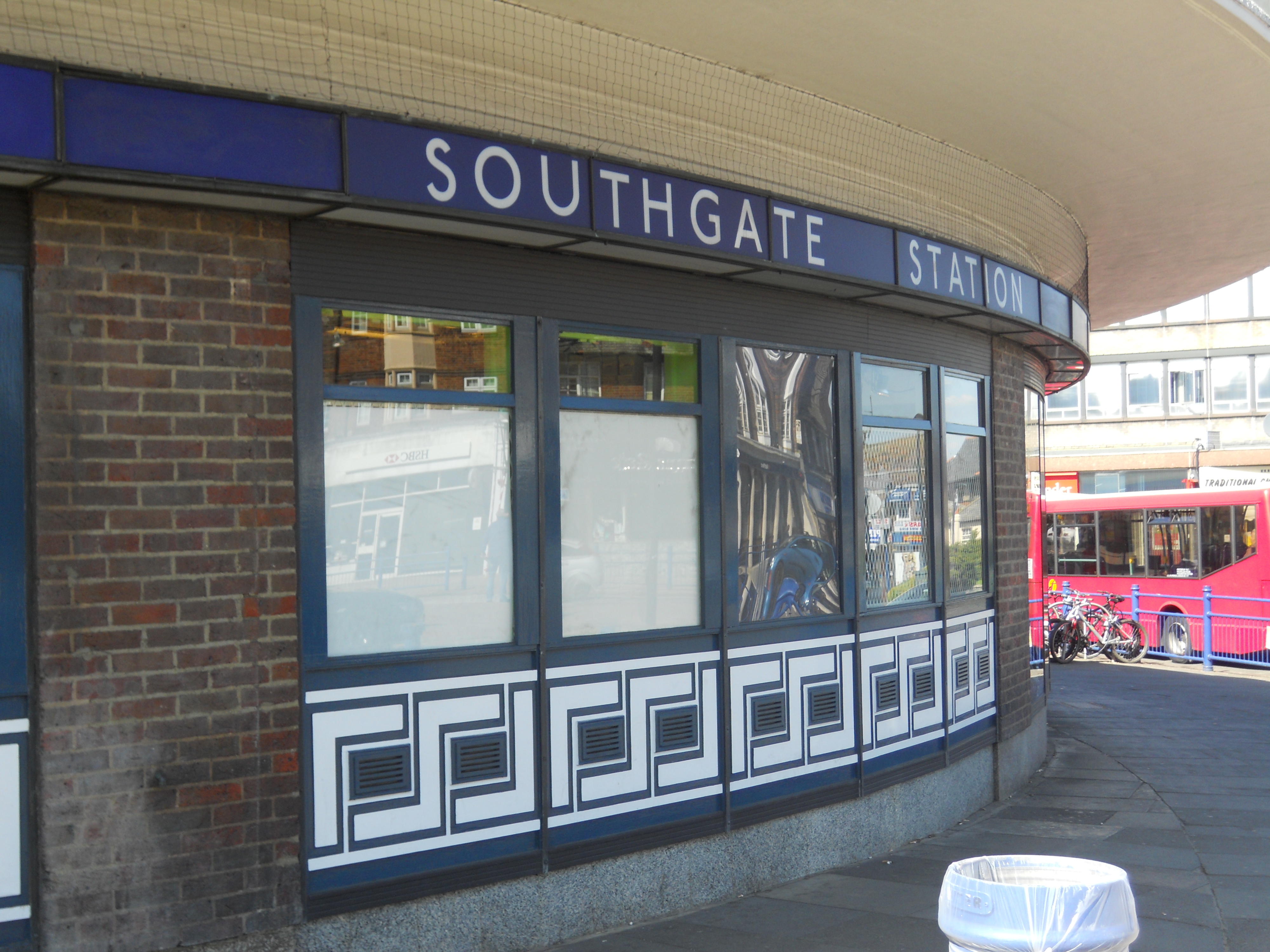
-
- The Entrance To Oakwood Station
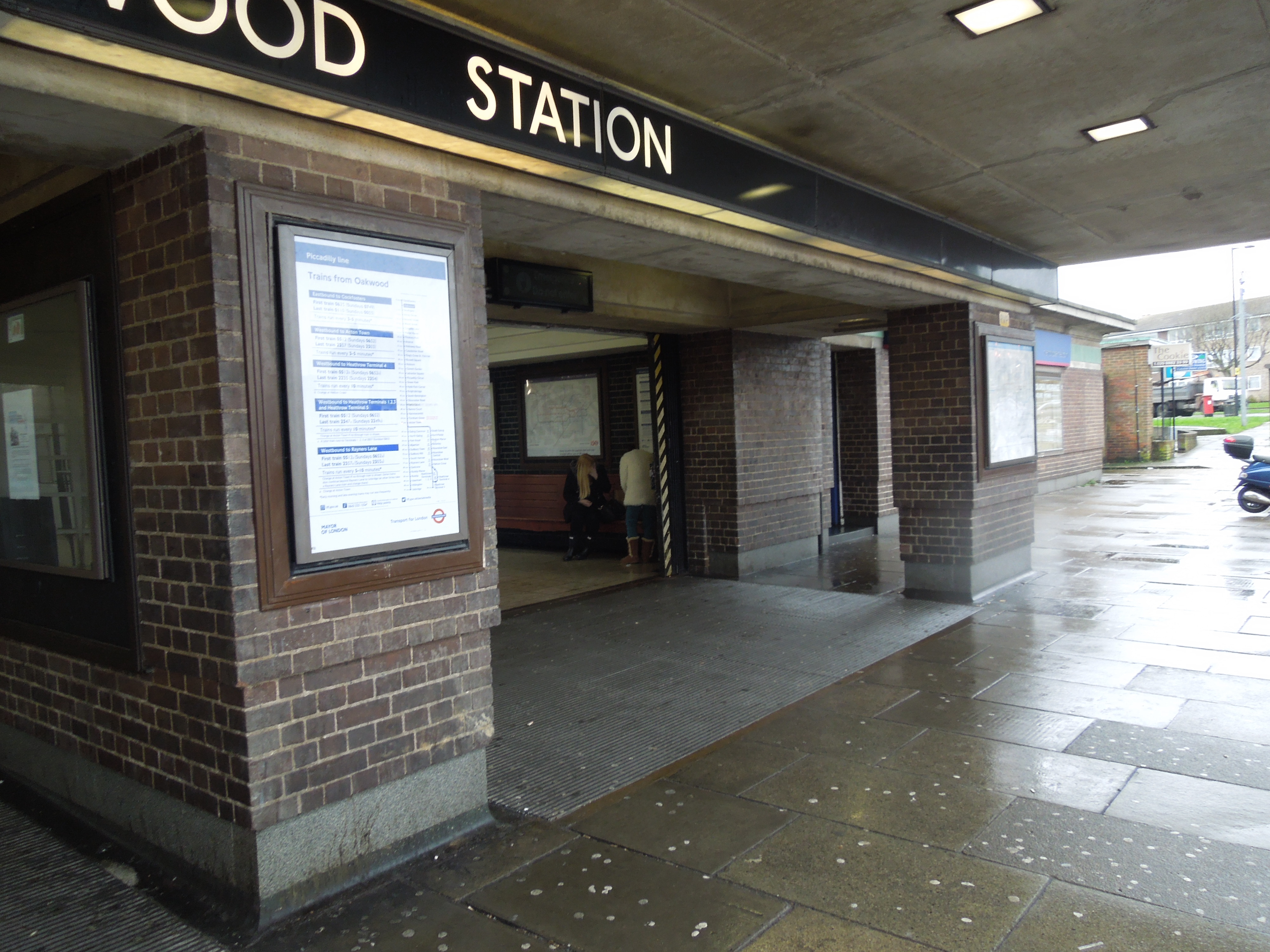
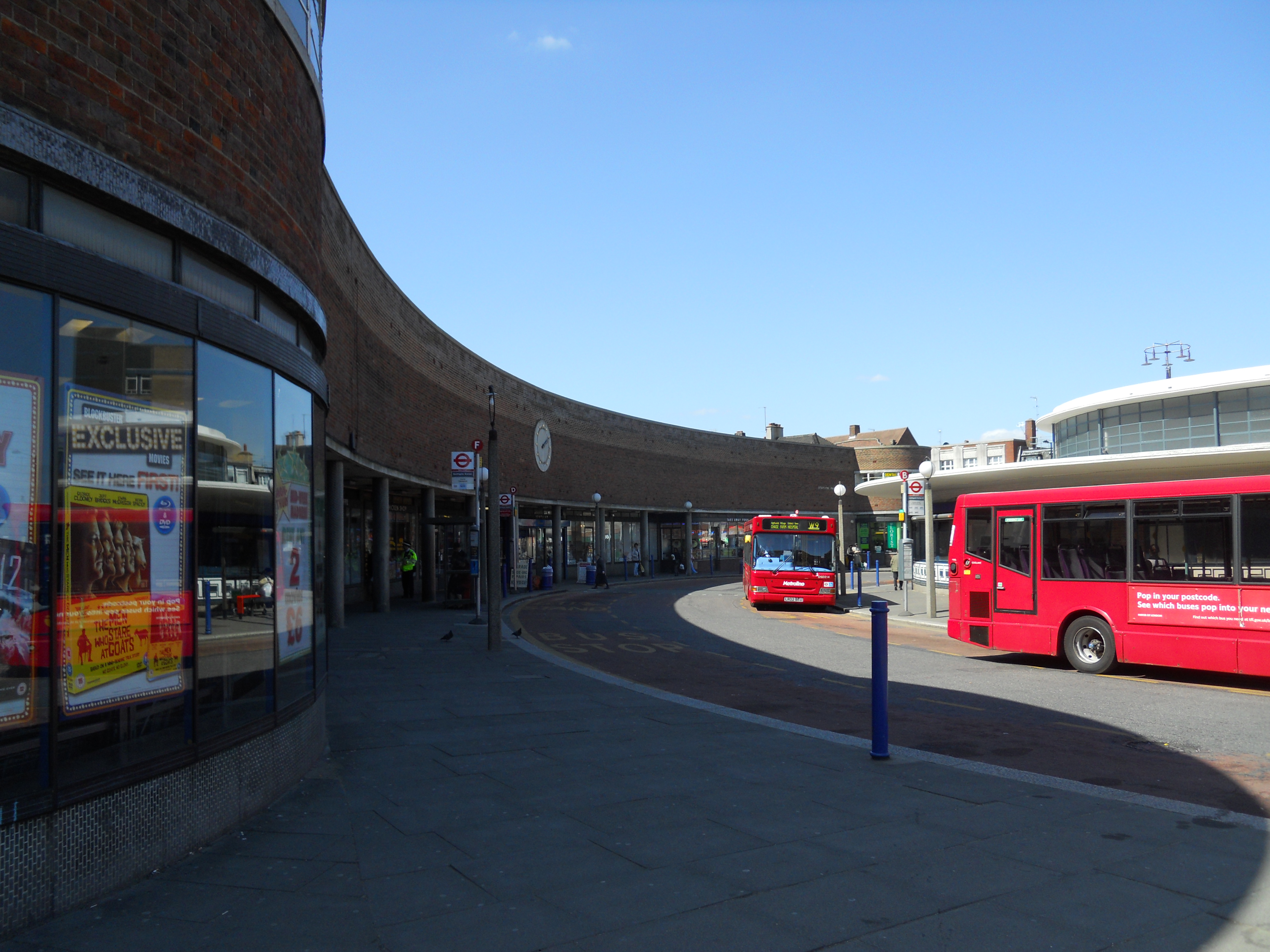
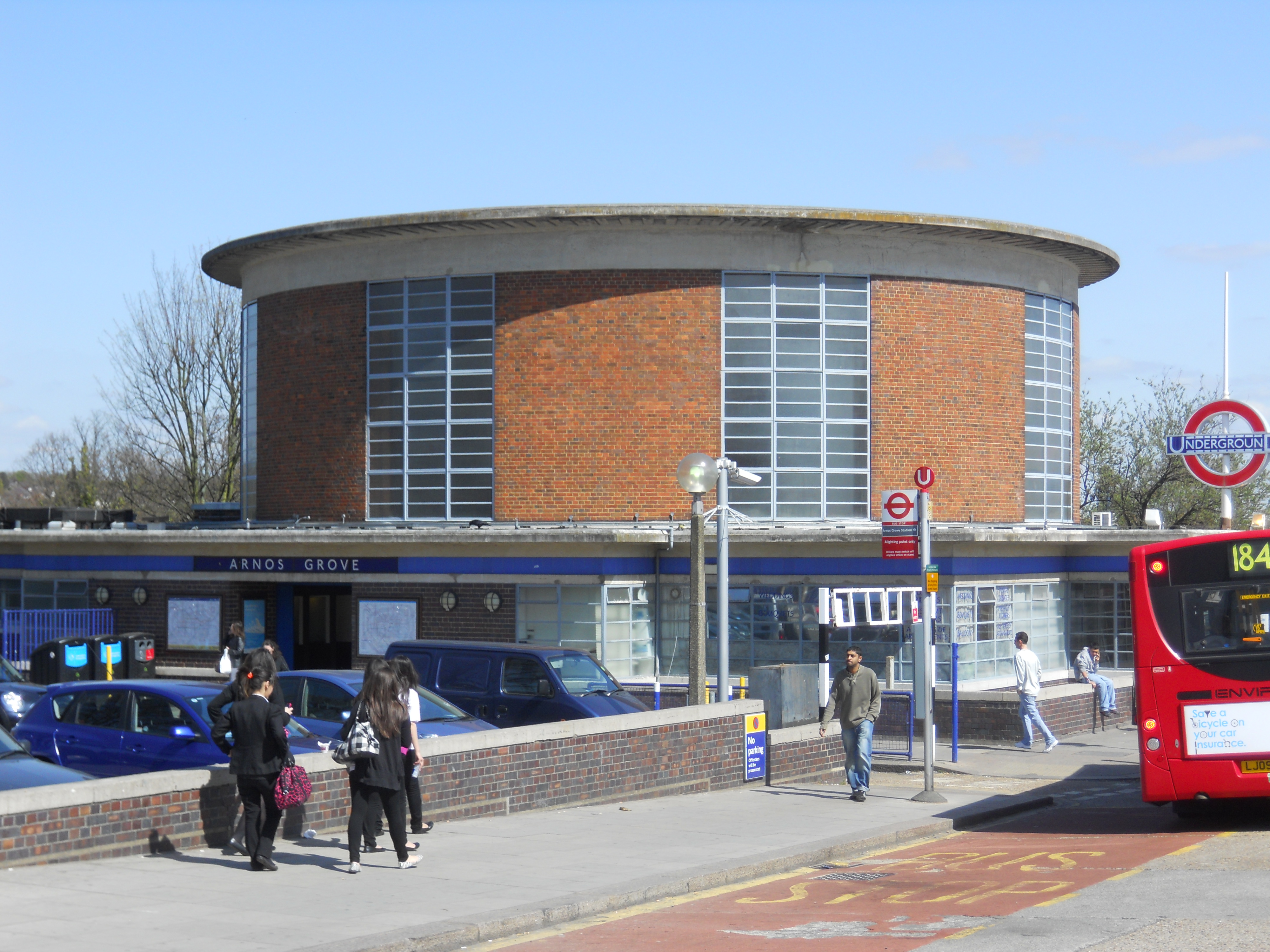
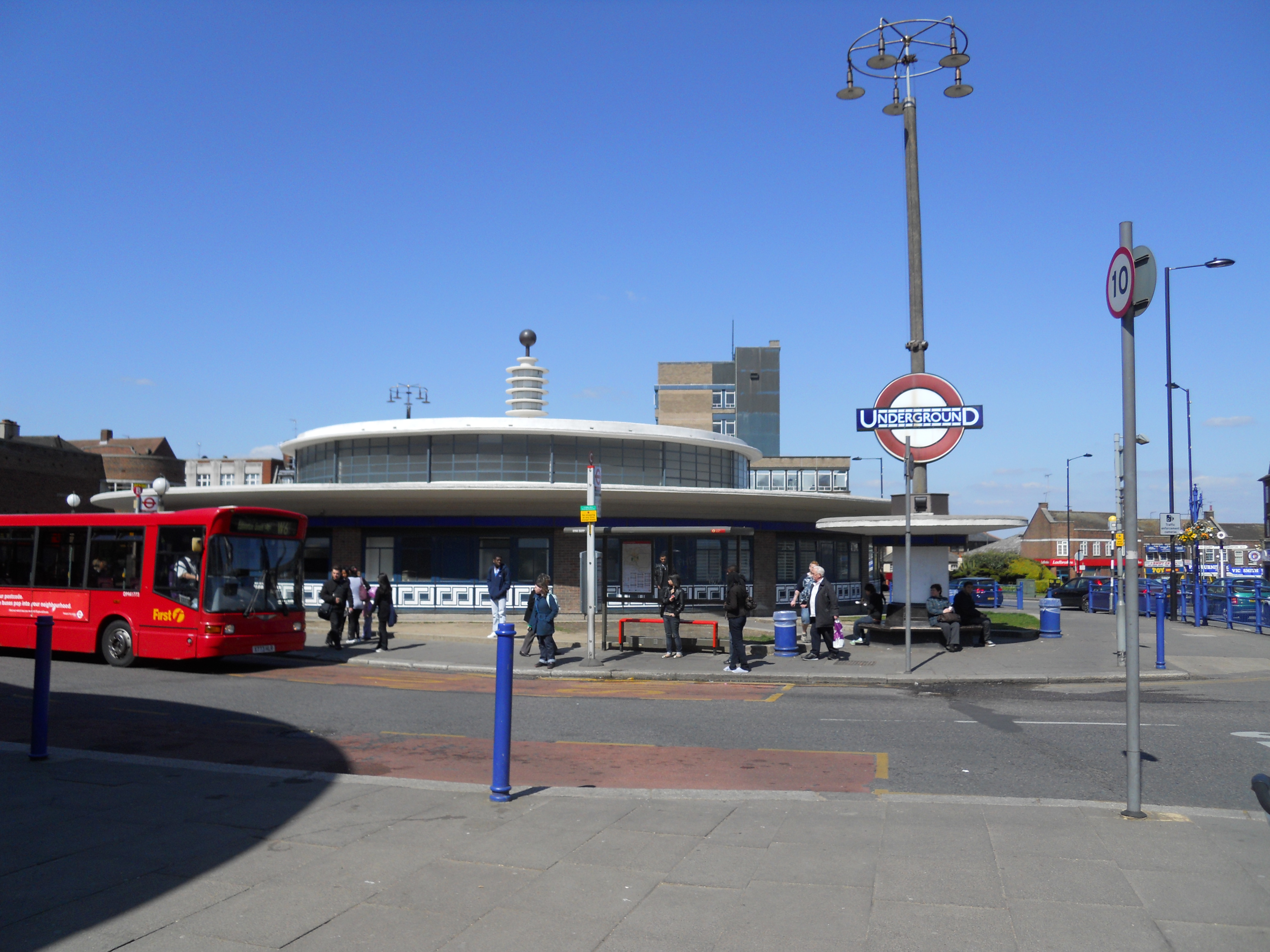


I used to live near Oakwood and probably used the station around a thousand times, mainly to get to Southgate for school.
They have all been recently restored.
There seems to be no sign of the plaque at Oakwood saying that the station is the highest point until you meet the Urals.
Old Names Never Die
Hampstead Station on the Underground used to be or was going to be called Heath Street. Wikipedia states that it was only given that name before opening, but was always called Hampstead. If anybody knows the truth let me know.
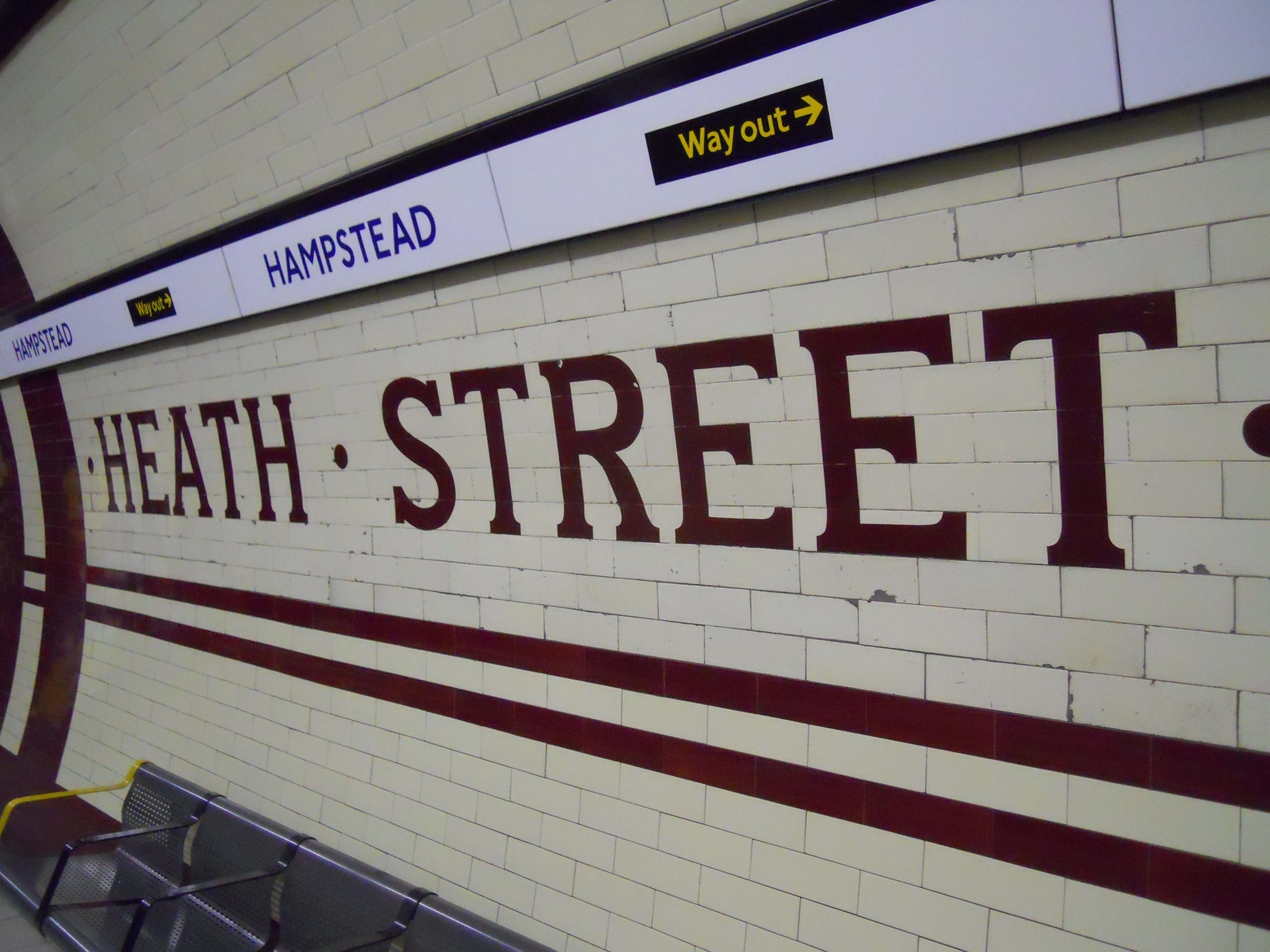
Heath Street Sign at Hampstead Station
The tiles have been restored and they have still left the name.
But Gillespie Road still lives!
New Trains for Old
I came back yesterday on the Victoria Line to Blackhorse Road. As the first train stopped at Seven Sisters, this meant I had to change trains, but I got a unique comparison between the original trains built for the line in 1967 and the new 2009 stock coming into use.
From Highbury and Islington, I used one of the new trains to Seven Sisters.

New Trains on the Victoria Line
And then it was one of the regular trains to Blackhorse Road.
In some ways, it is a tribute to the 1967 trains, that they stand up well in the comparison. But they feel slower and the ride is better in the new ones. The aisle is wider too, but then they have less seats to be able to increase capacity over the old trains.
Whether passengers will like to stand so much is open to question!
But the trains will be faster and there are more of them.
If I have one gripe it is that the trains do not have the traditional London Underground door plate that shows when the train was built.
On to Chalk Farm
I had intended to go to Hampstead using the North London Line from Highbury and Islington station. But that line is closed for a few month for an upgrade, so I decided to take the Victoria and Northern lines instead. But I changed my mind and instead of going all the way to Hampstead, I got off the tube at Chalk Farm.
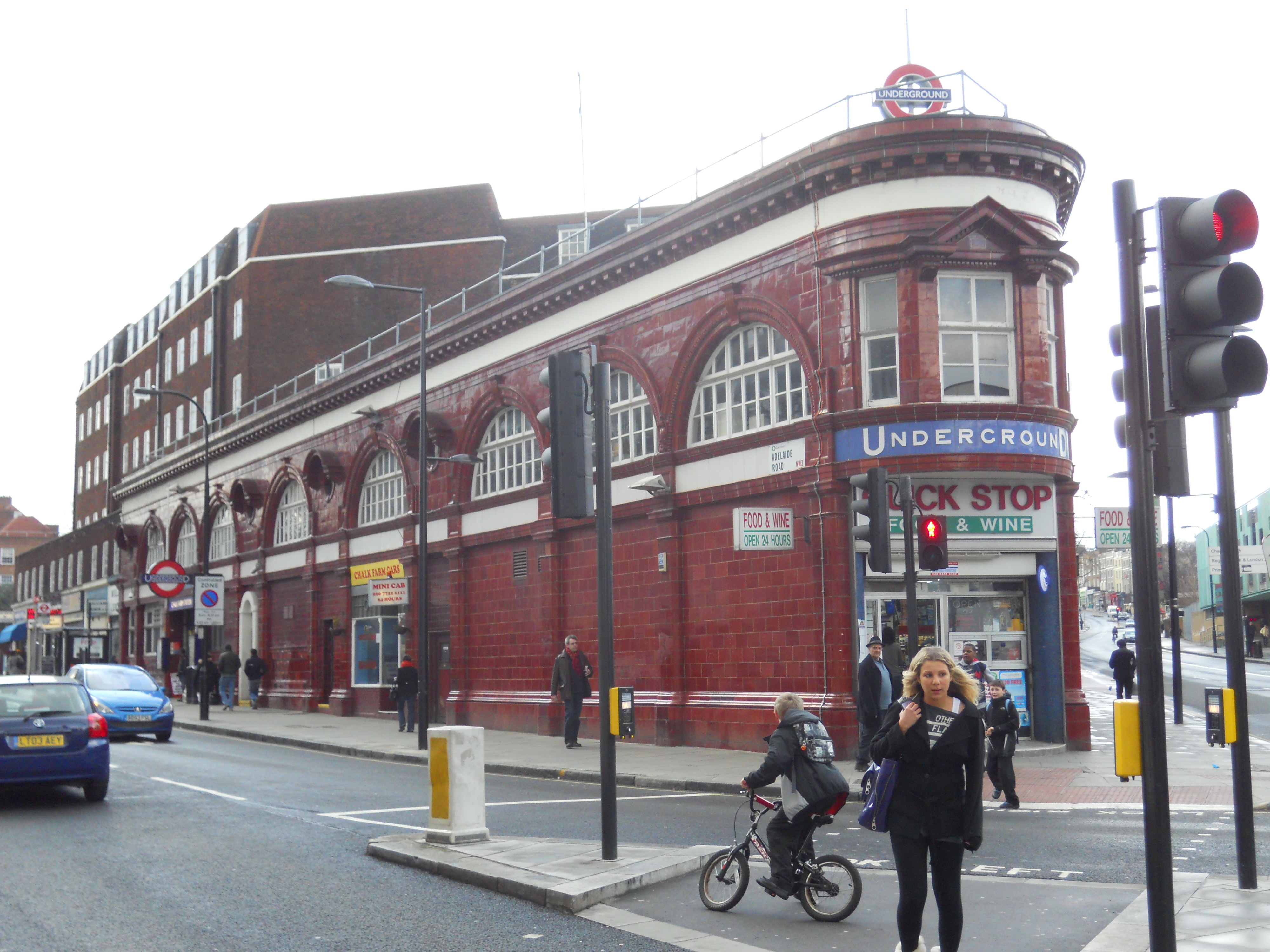
Chalk Farm Station
I’d used this station many times, as in the early seventies I’d commuted from our fourth-floor walk-up flat in St. John’s Wood to ICI Plastics Division at Welwyn Garden City, by walking to Chalk Farm and then going to Kings Cross to get the train. It was actually a pleasant commute, as I was going the wrong way most of the time.
Some things never change and Marine Ices is still there.

Marine Ices, Chalk Farm
The shop was one of the pleasures of when we lived in the area.
And then there is The Roundhouse.
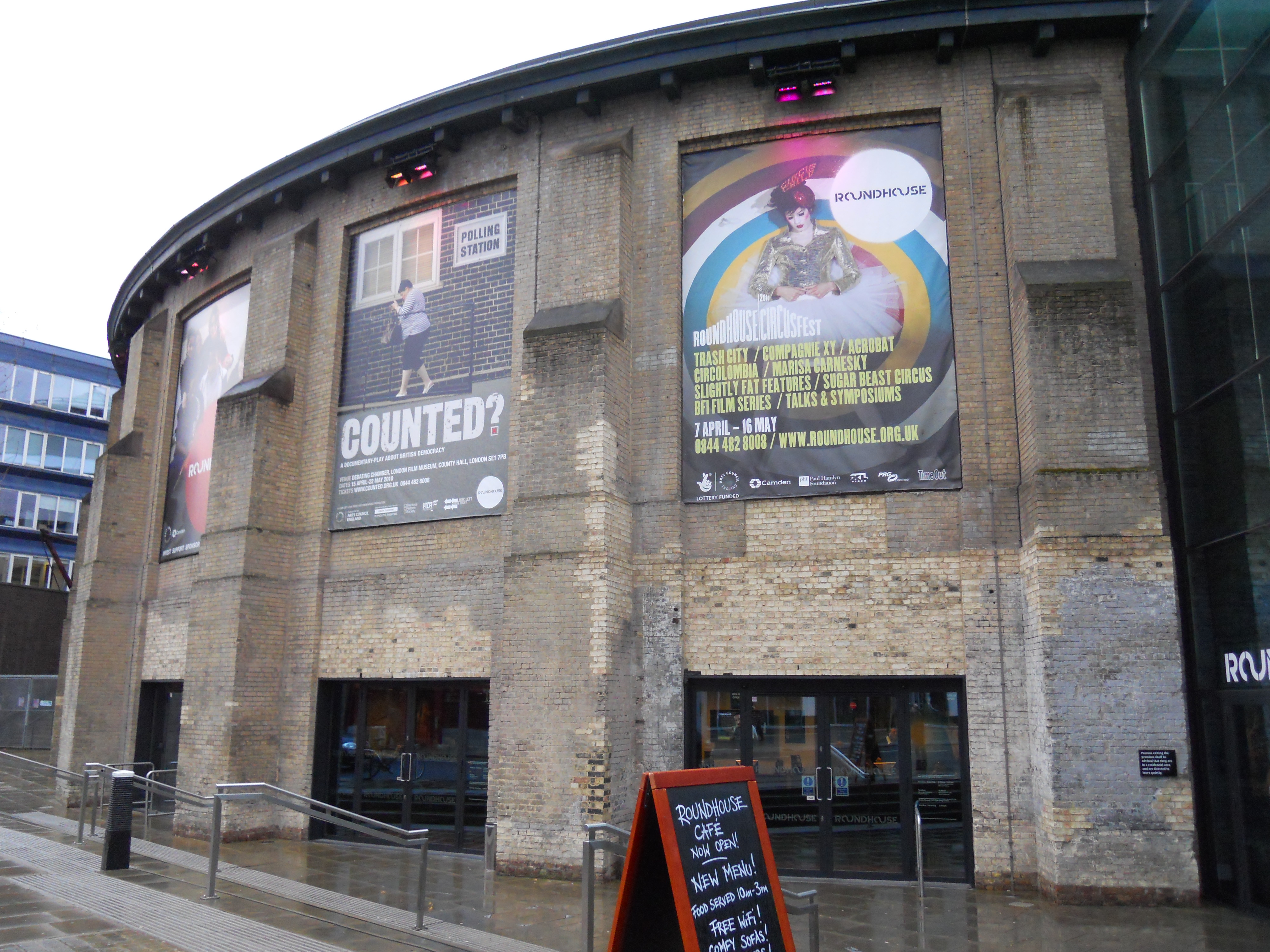
The Roundhouse
I went there for a coffee. It was good.
But it wasn’t the first time that I’d been there. I’d seen a couple of shows over the years at the venue, including the amazing de la Guarda.
But I do have one very bad memory of Chalk Farm. It was there that I was stopped by the police whilst driving a wreck of a Triumph Herald that I bought that I really shouldn’t have bought. I remember parking it on this road here before I got it towed to the dump.
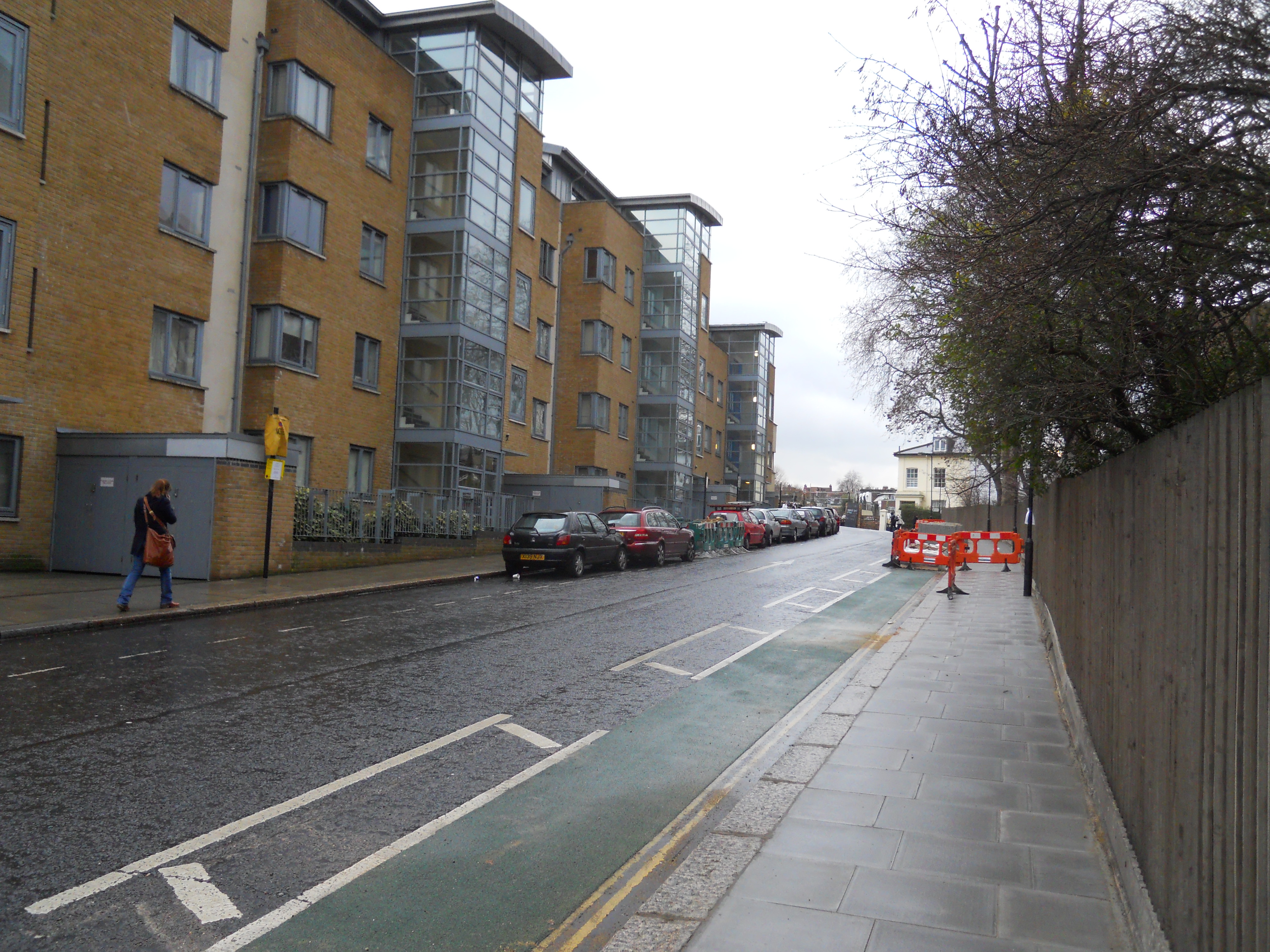
Regents Park Road, Chalk Farm
It was all different then in 1971 or so, with no flats and no parking restrictions.
Along the East London Line Embankment
From Shoreditch High Street Station to Dalston Junction, the line runs on the North London Railway embankment. I followed this by a mixture of walking and buses.
Here are some pictures.
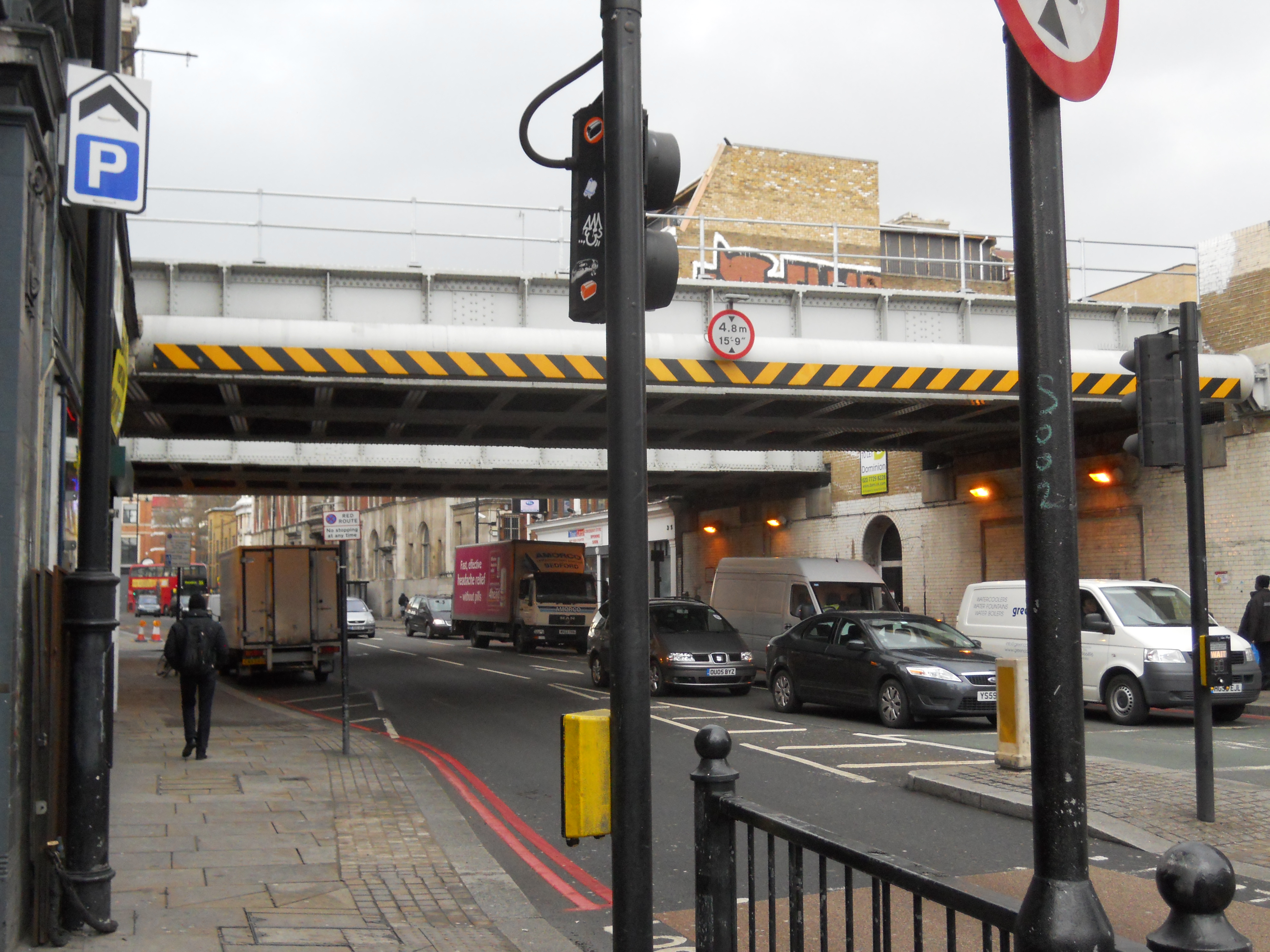


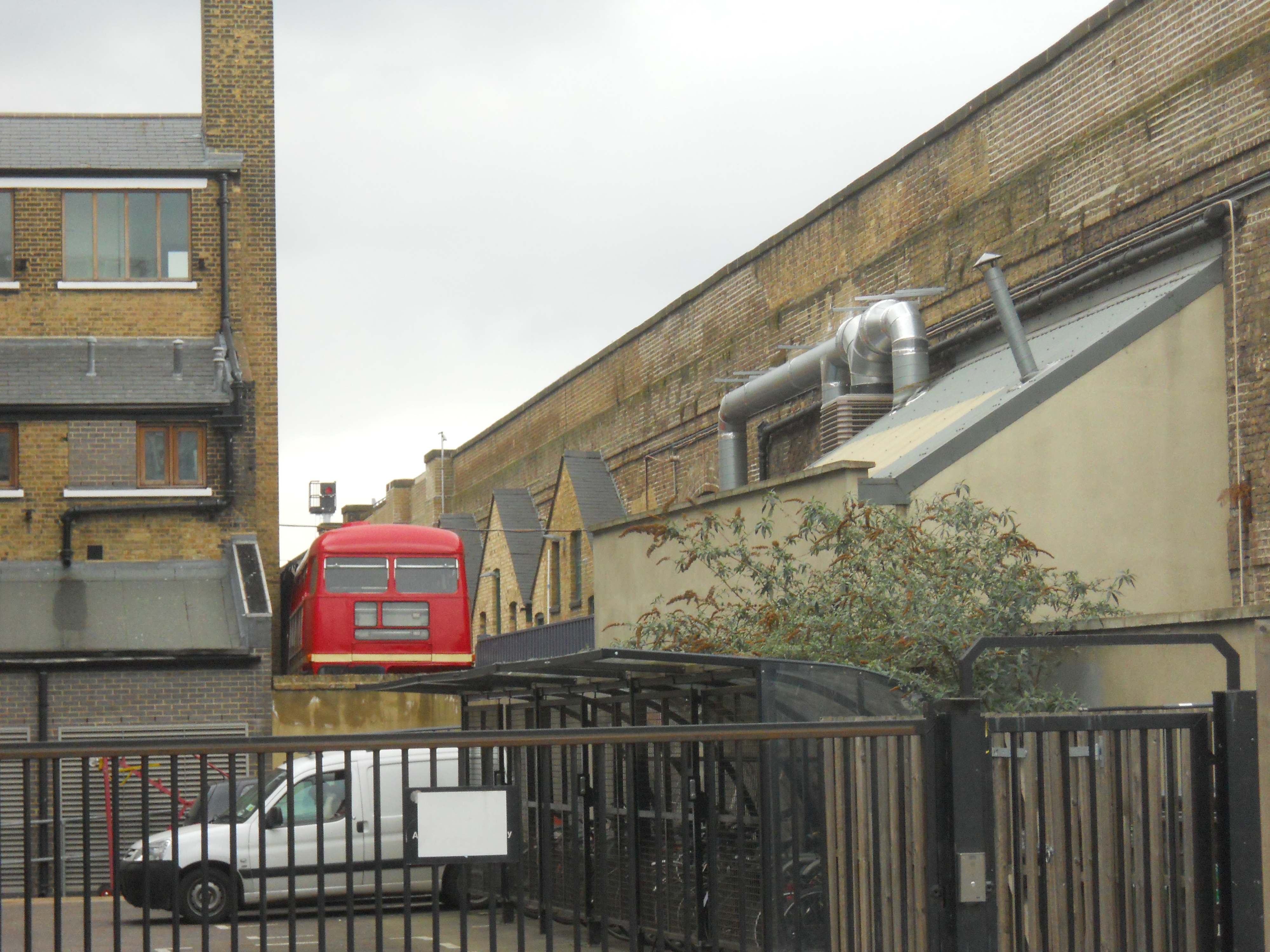
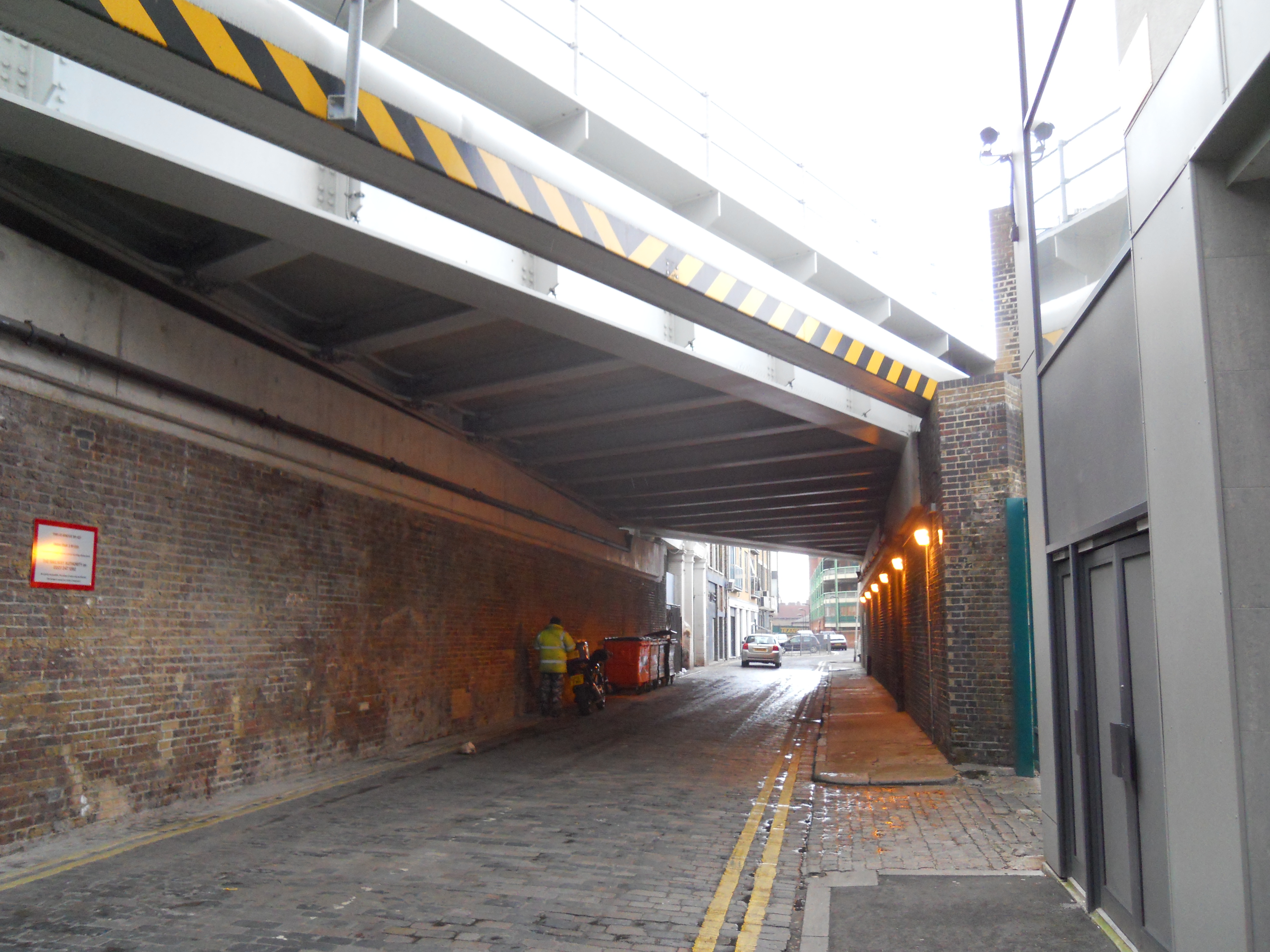
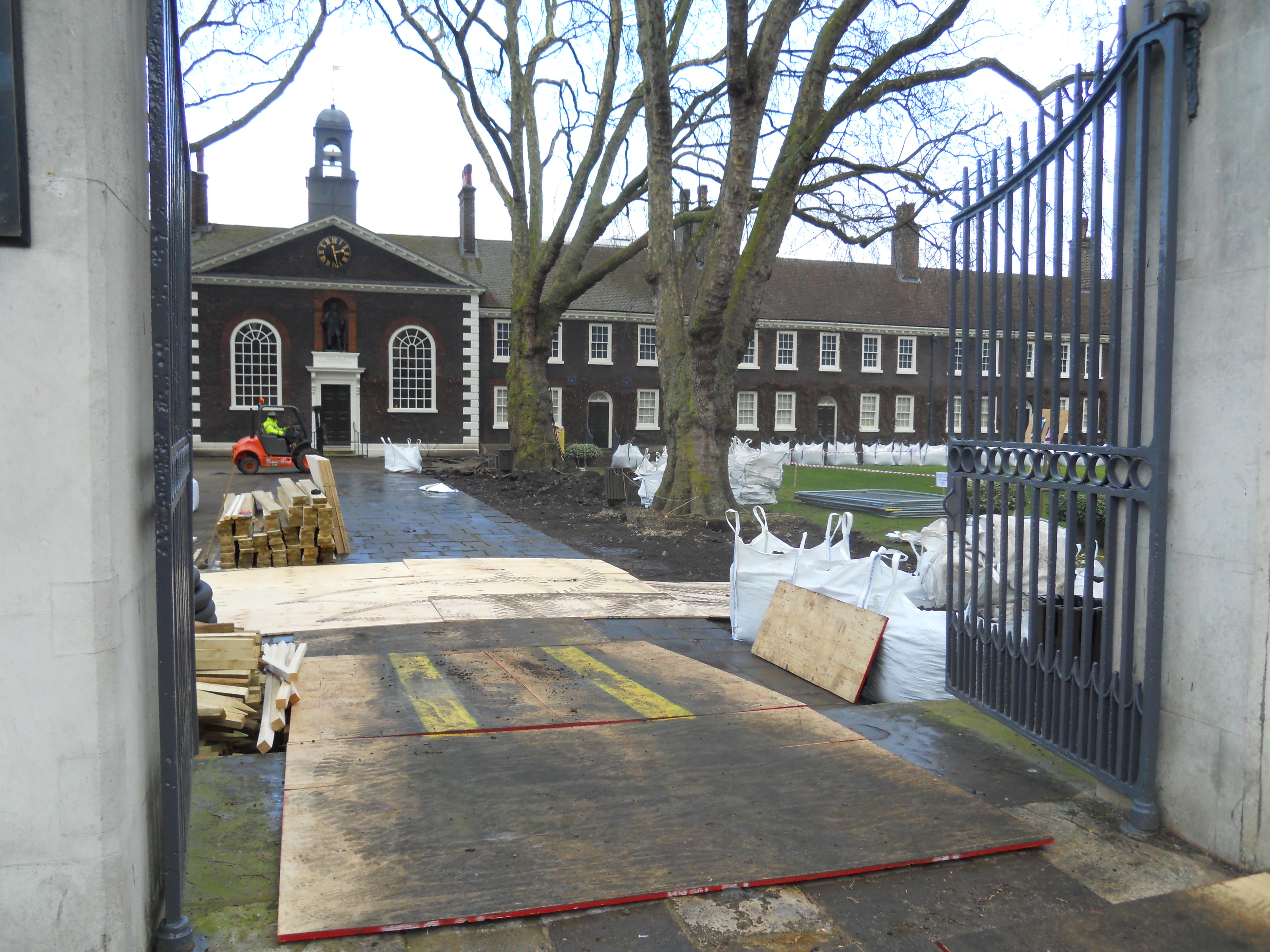

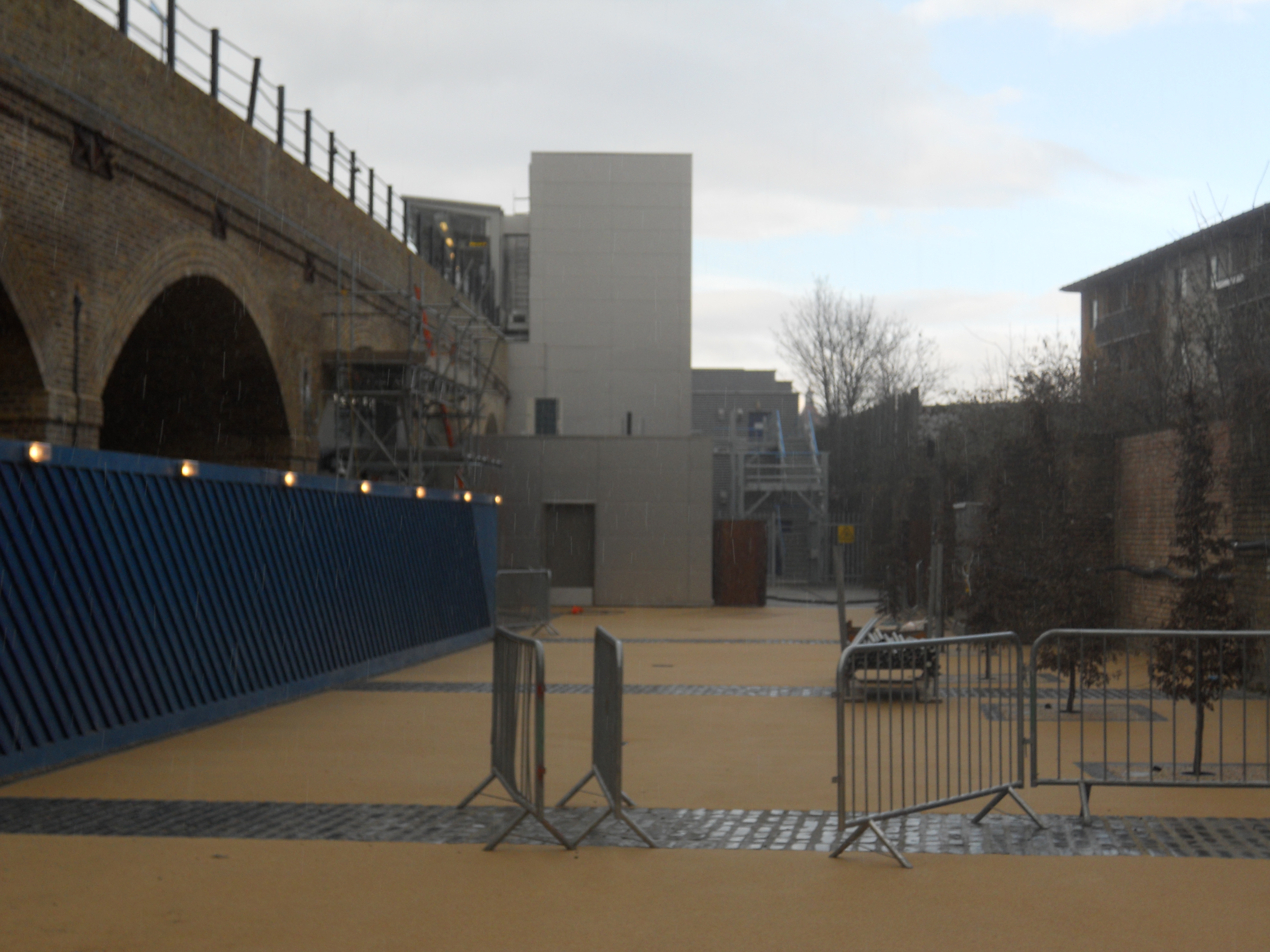
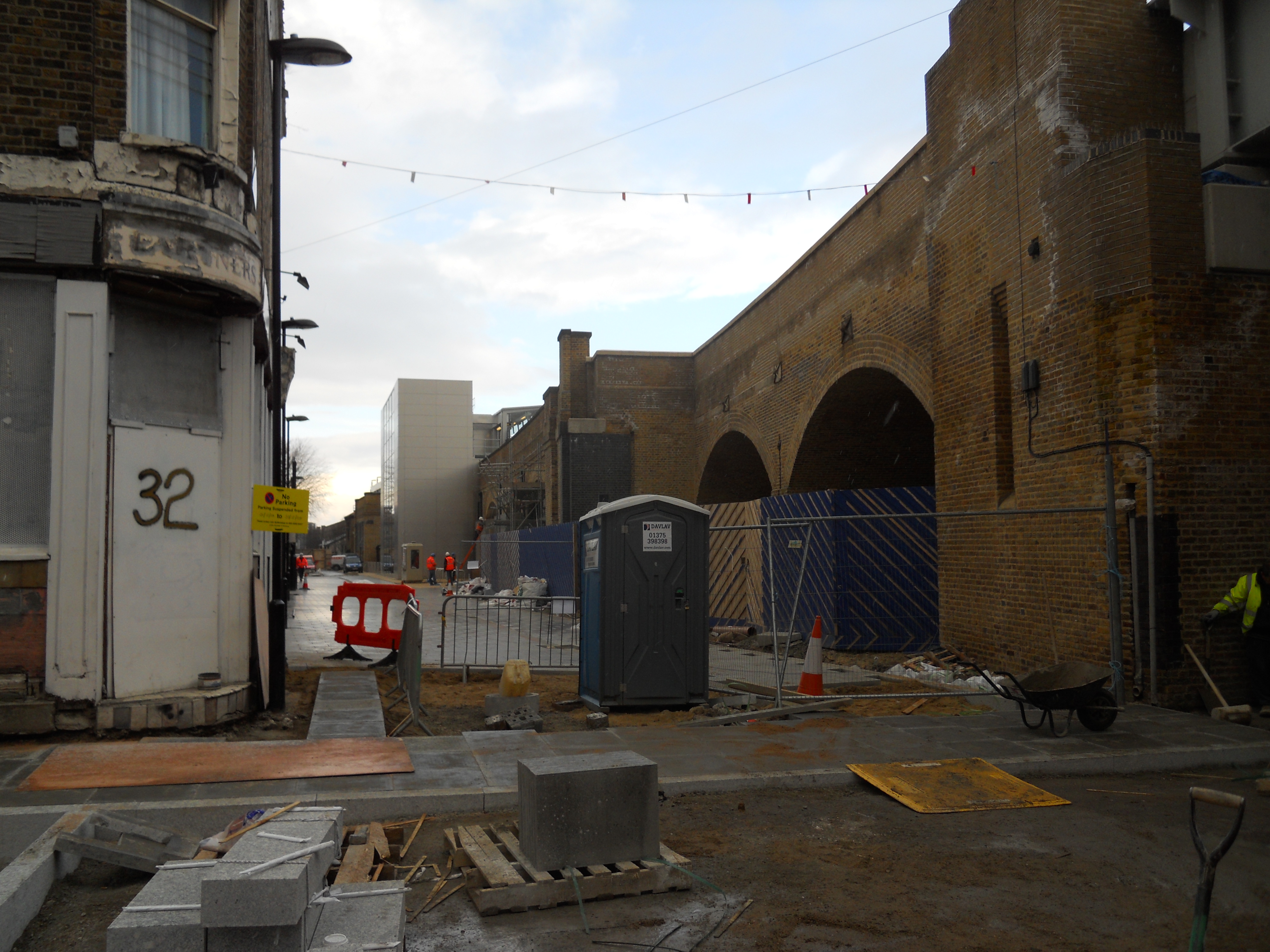
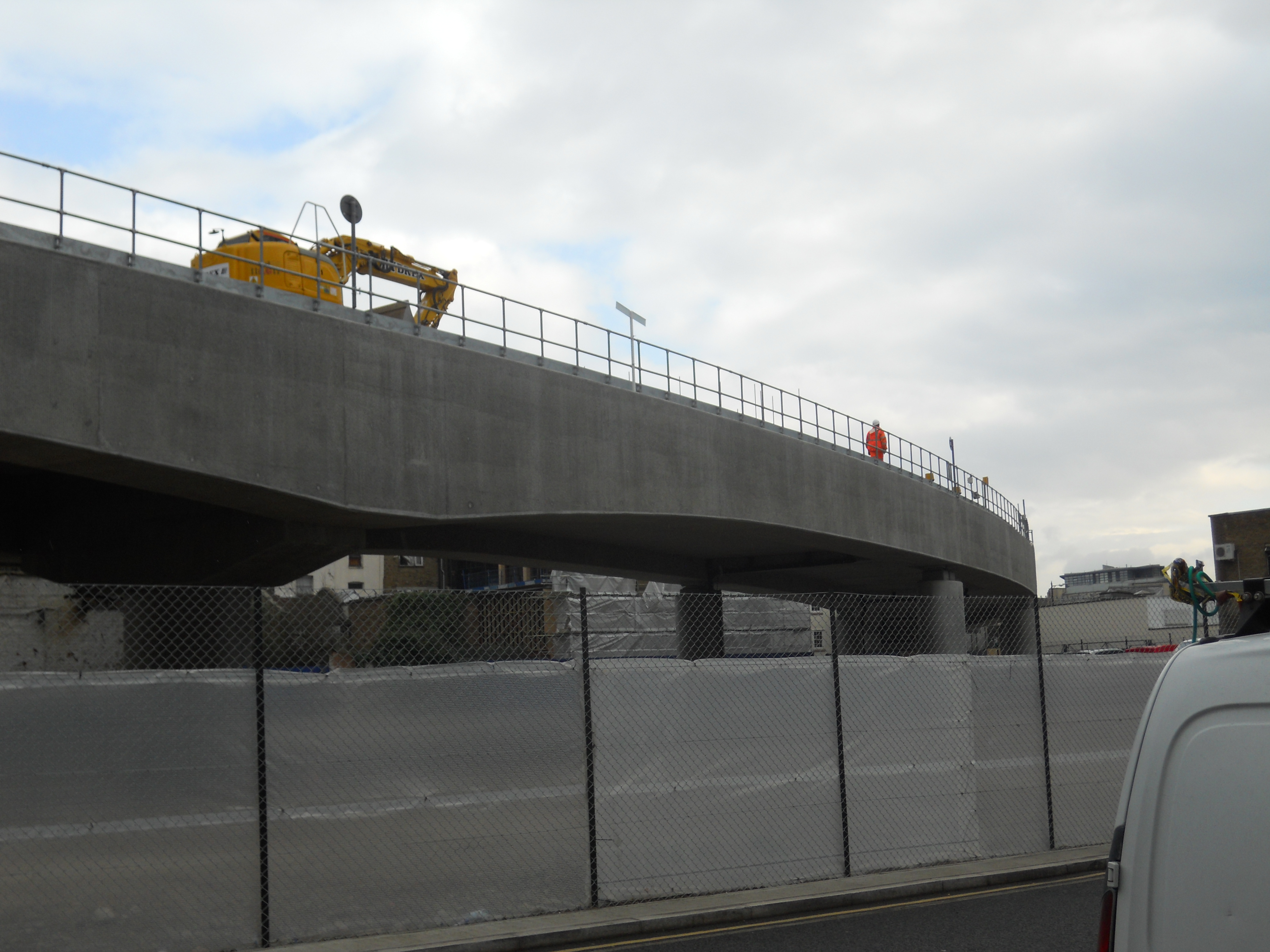
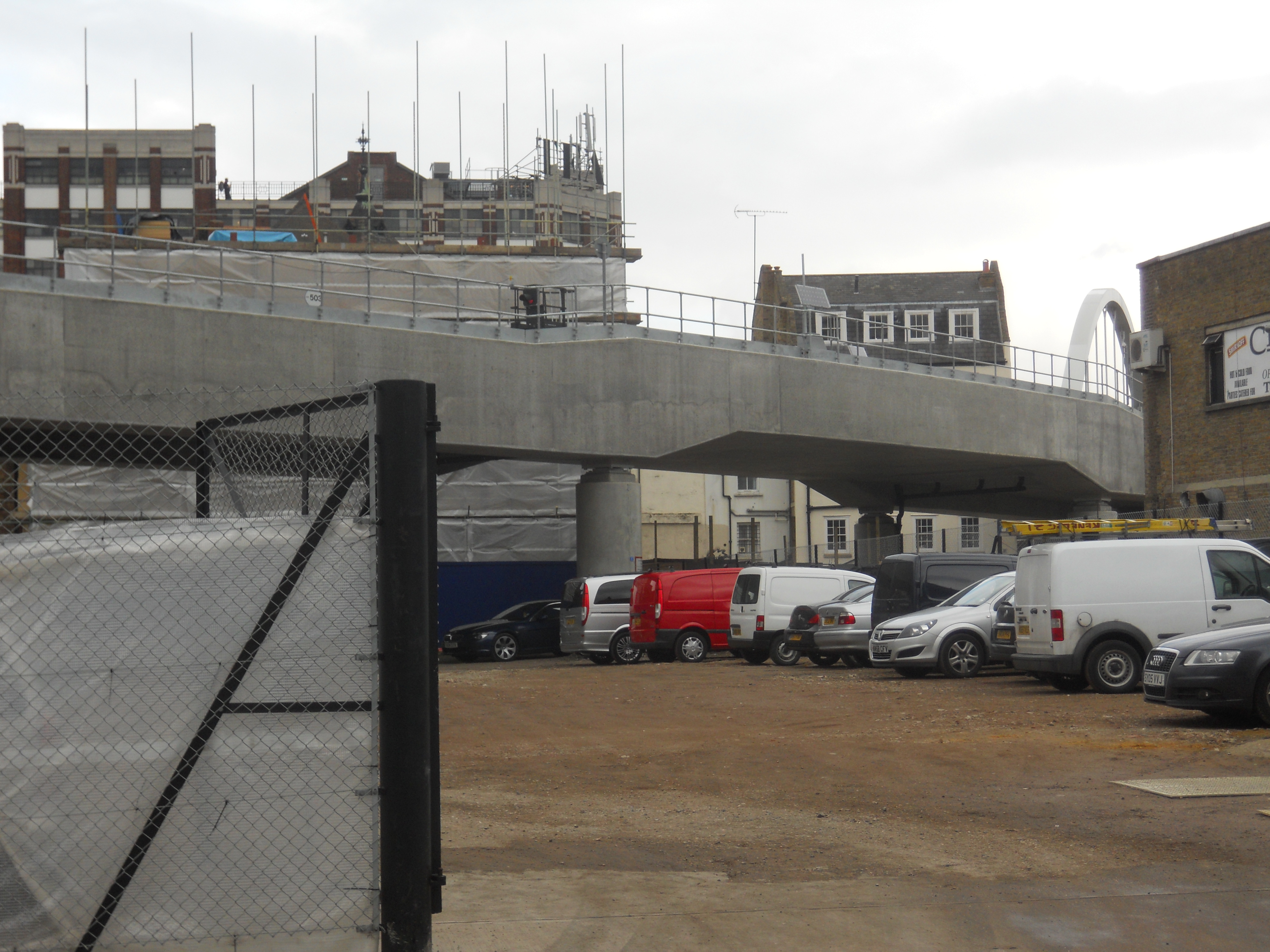

The stations seem to need some finishing work, but judging by the number of busy workers in orange vests, I suspect they have things under control.
Not like the Cambridge Busway!
Note the pictures of the Geffrye Museum. The gardens of the museums are being landscaped. Is this in readiness for the opening of Hoxton Station on the East London Line, which is just behind the museum.
If it is, this is good joined-up thinking.
Not like the Cambridge Busway!
Shoreditch High Street on the East London Line
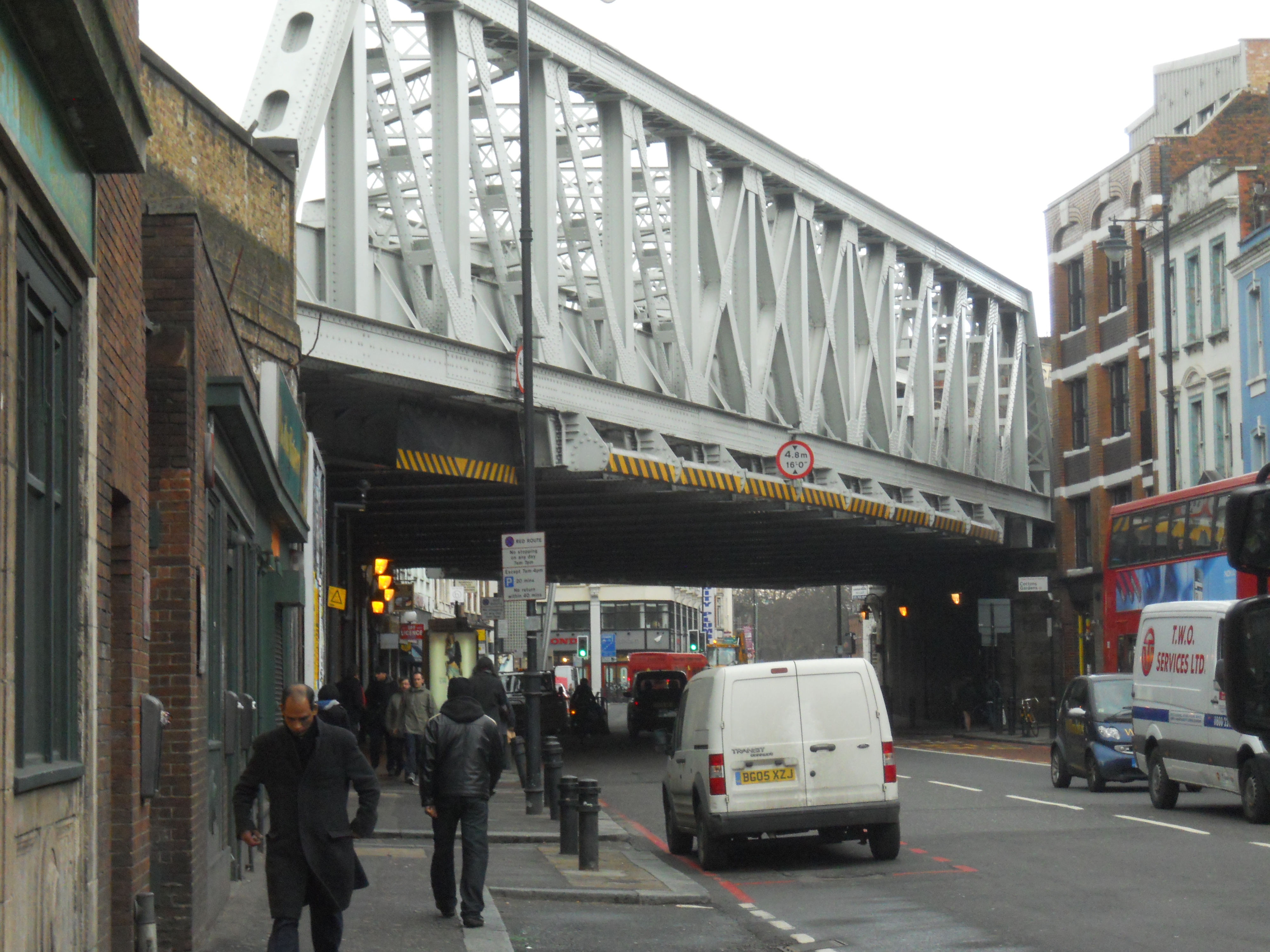
The East London Line will have a station on Shoreditch High Street, just before it turns north to follow the embankment of the old North London Railway that terminated in Broad Street Station to the west of Liverpool Street Station.
These are some pictures from around the station and Shoreditch High Street.
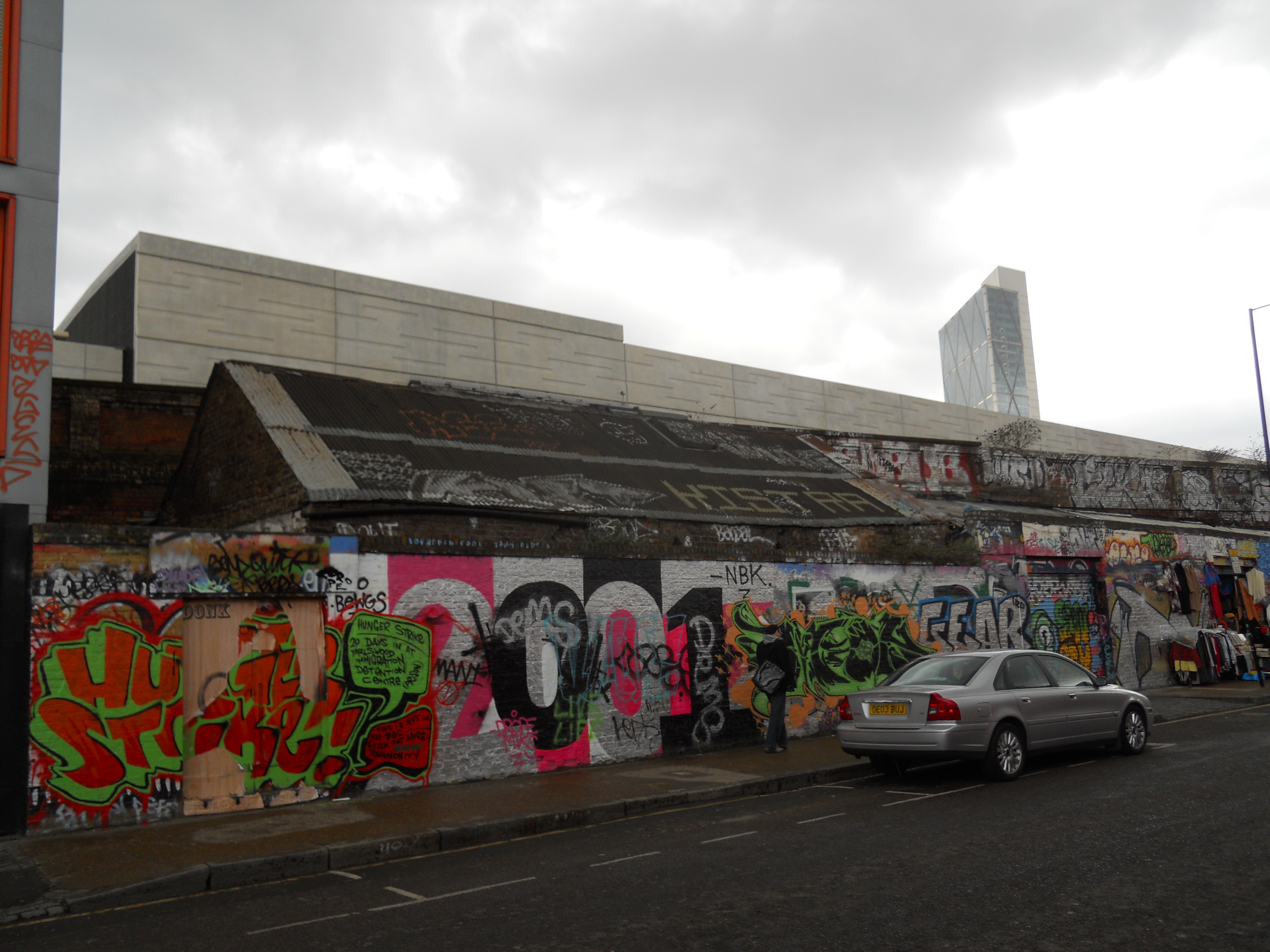
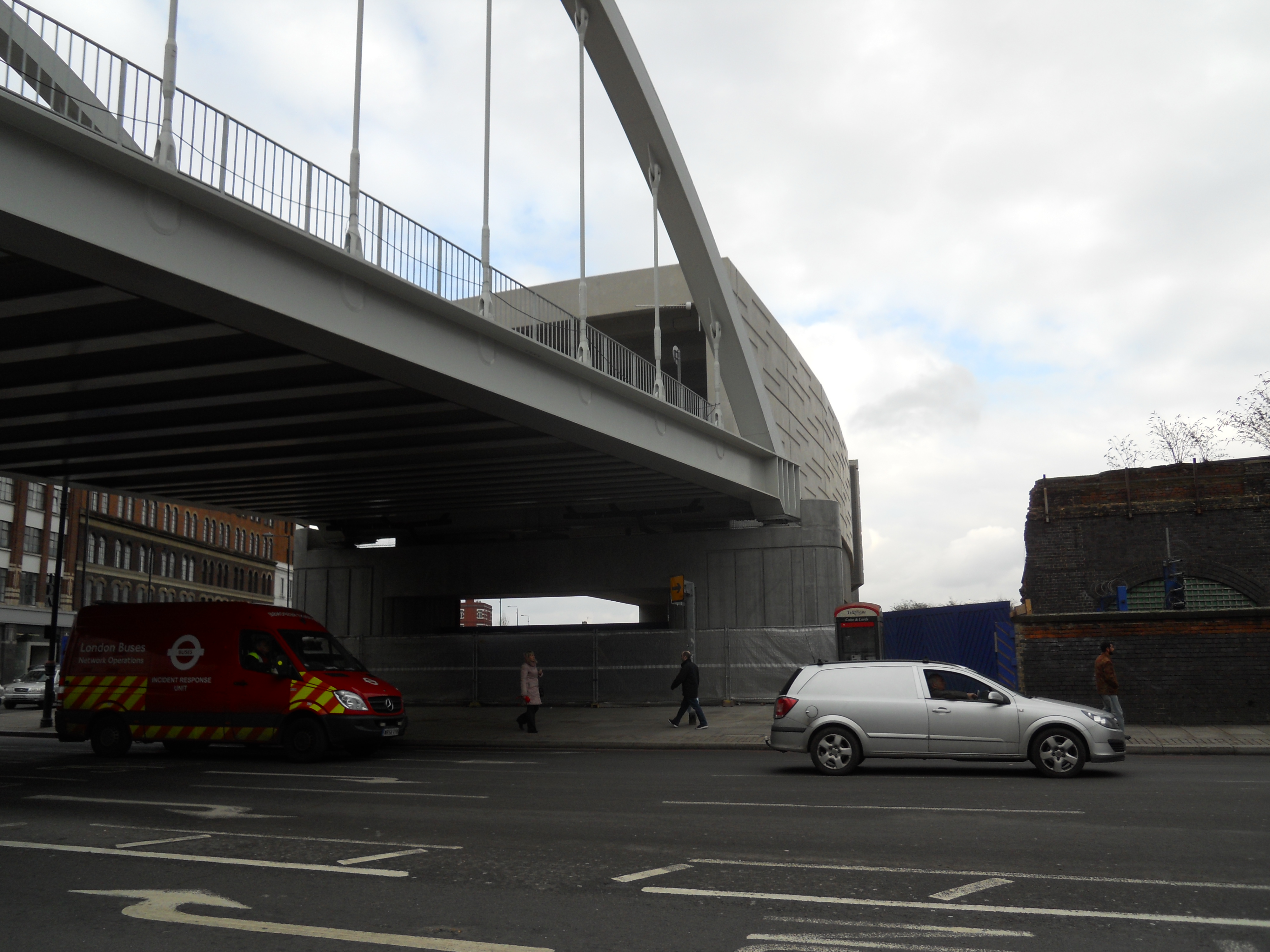
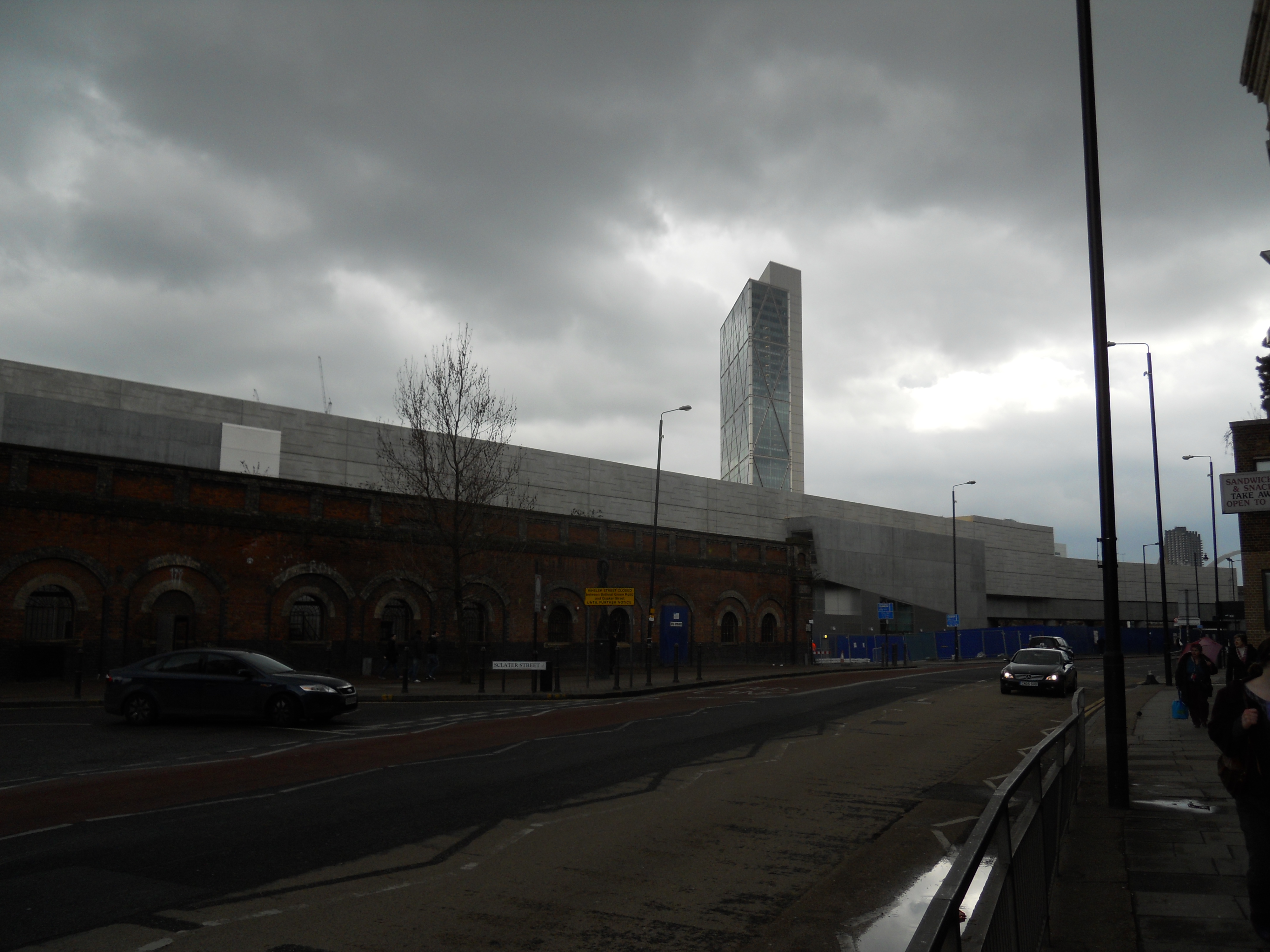
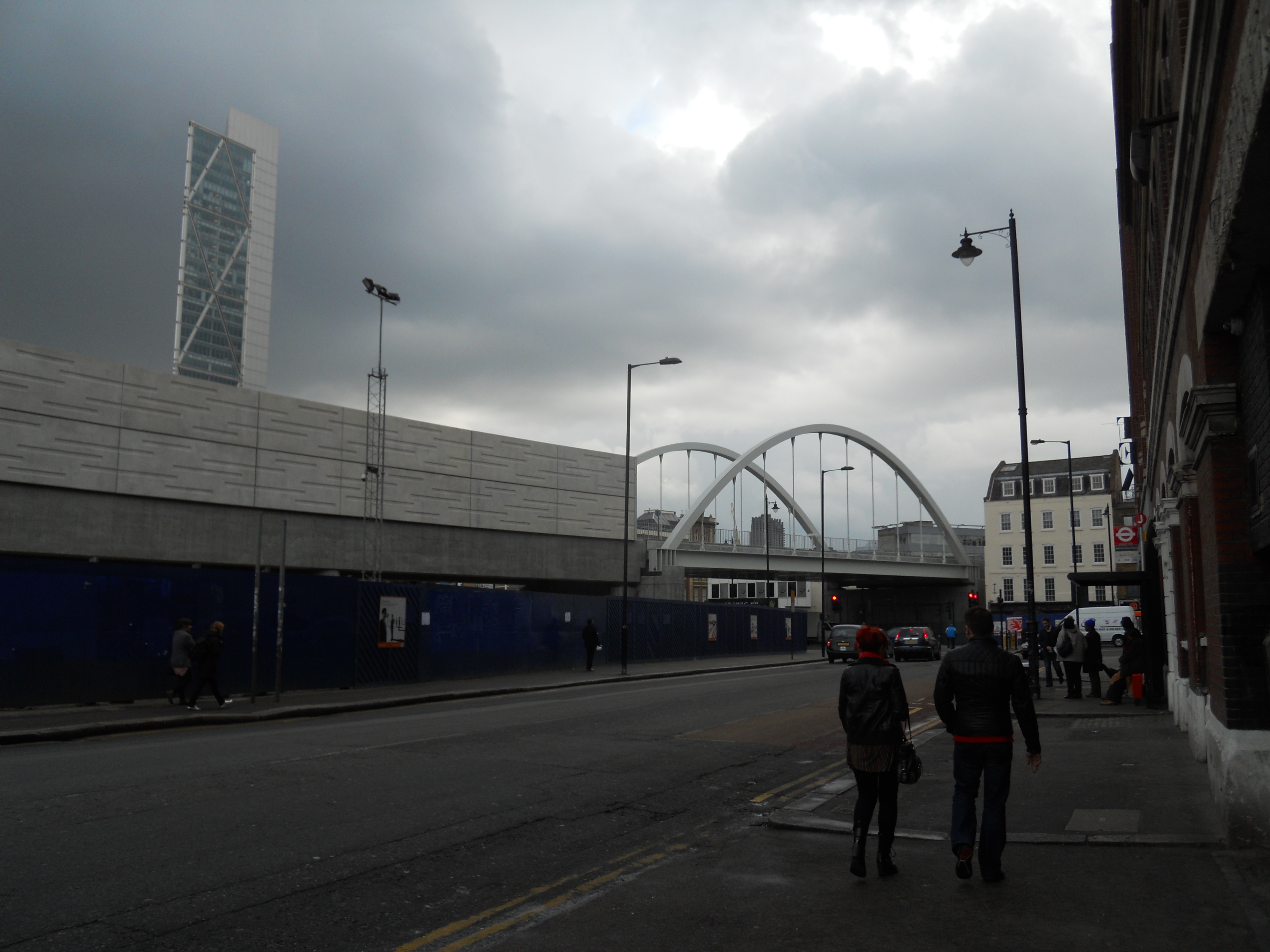
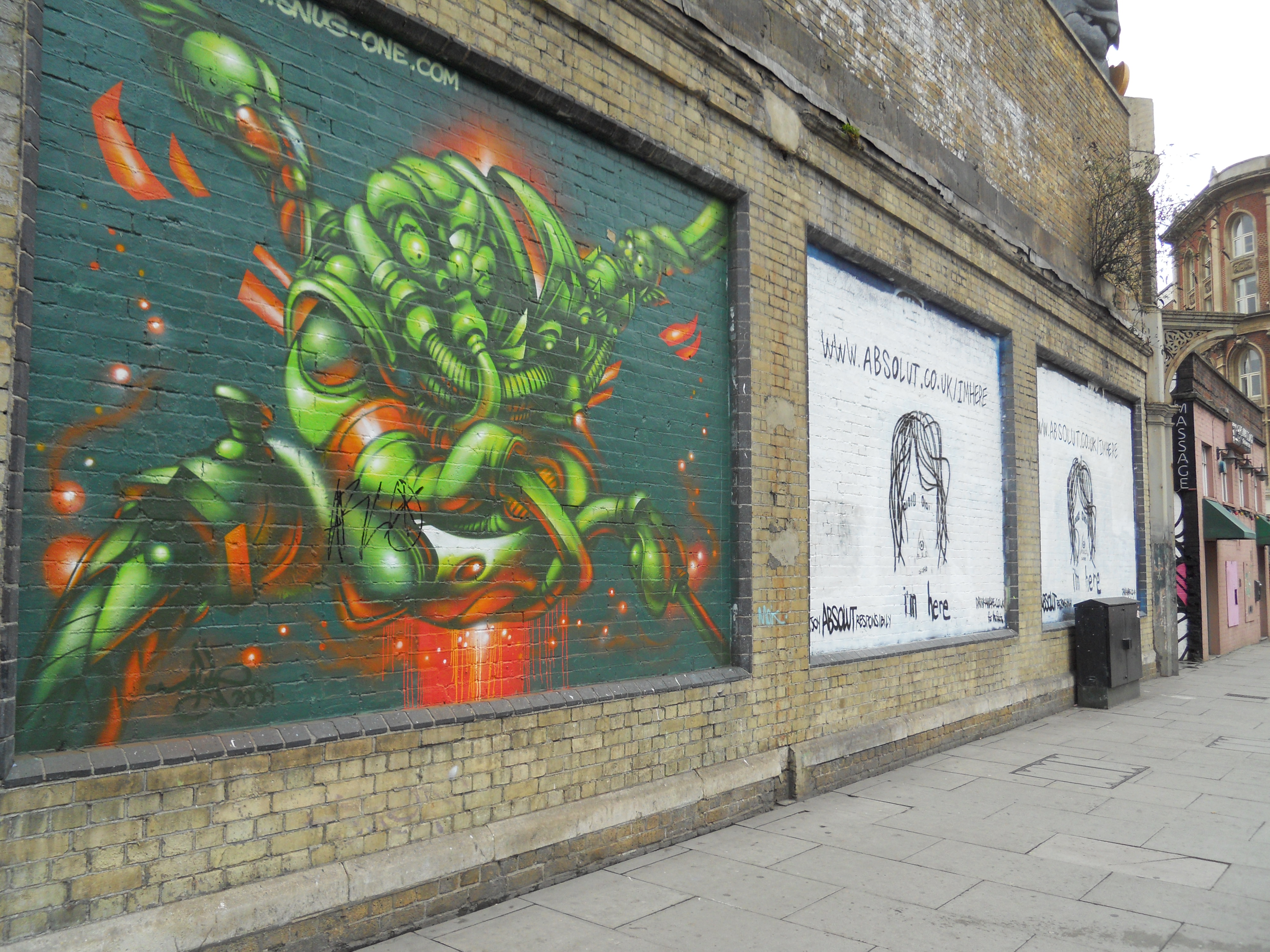
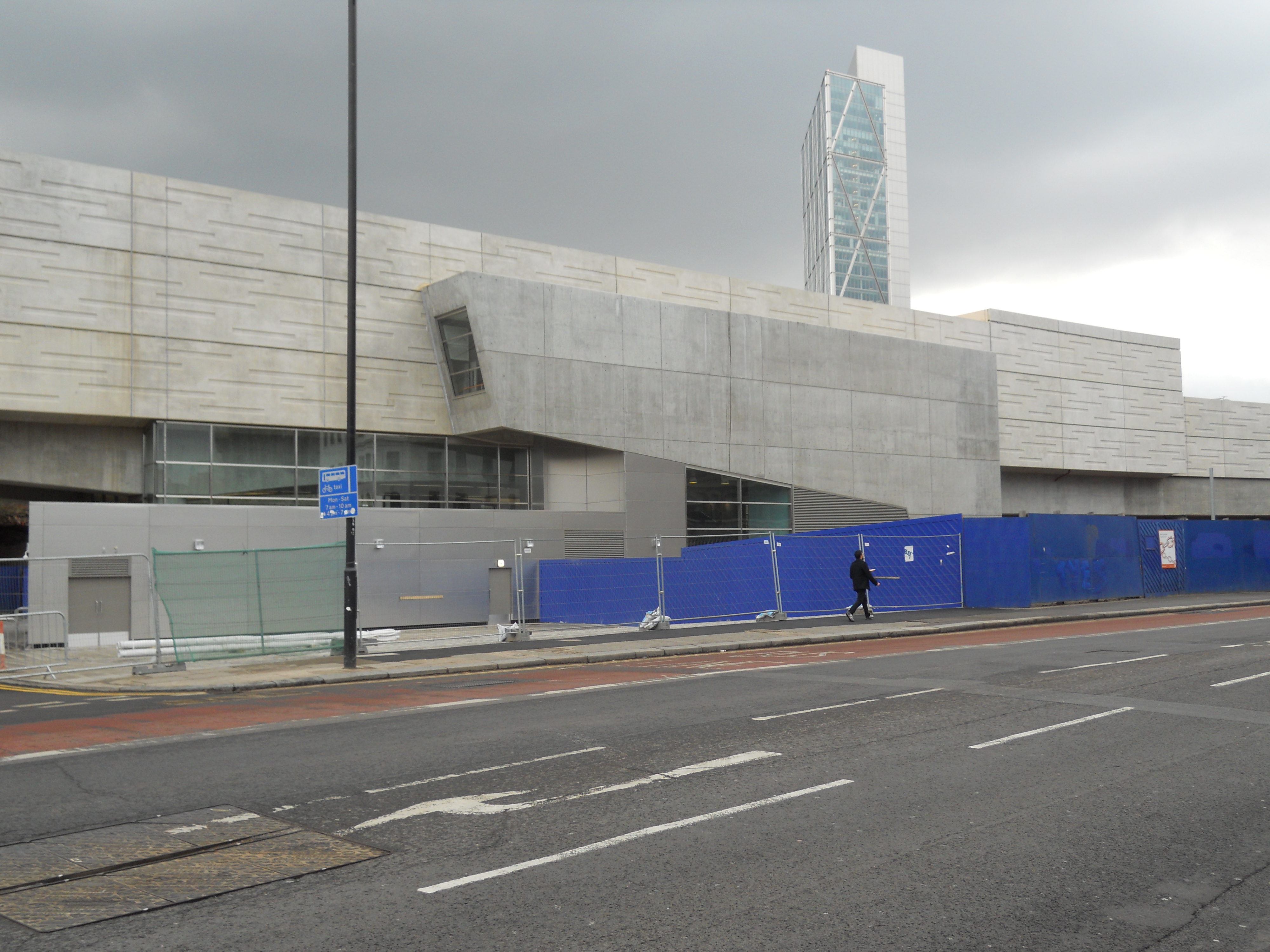
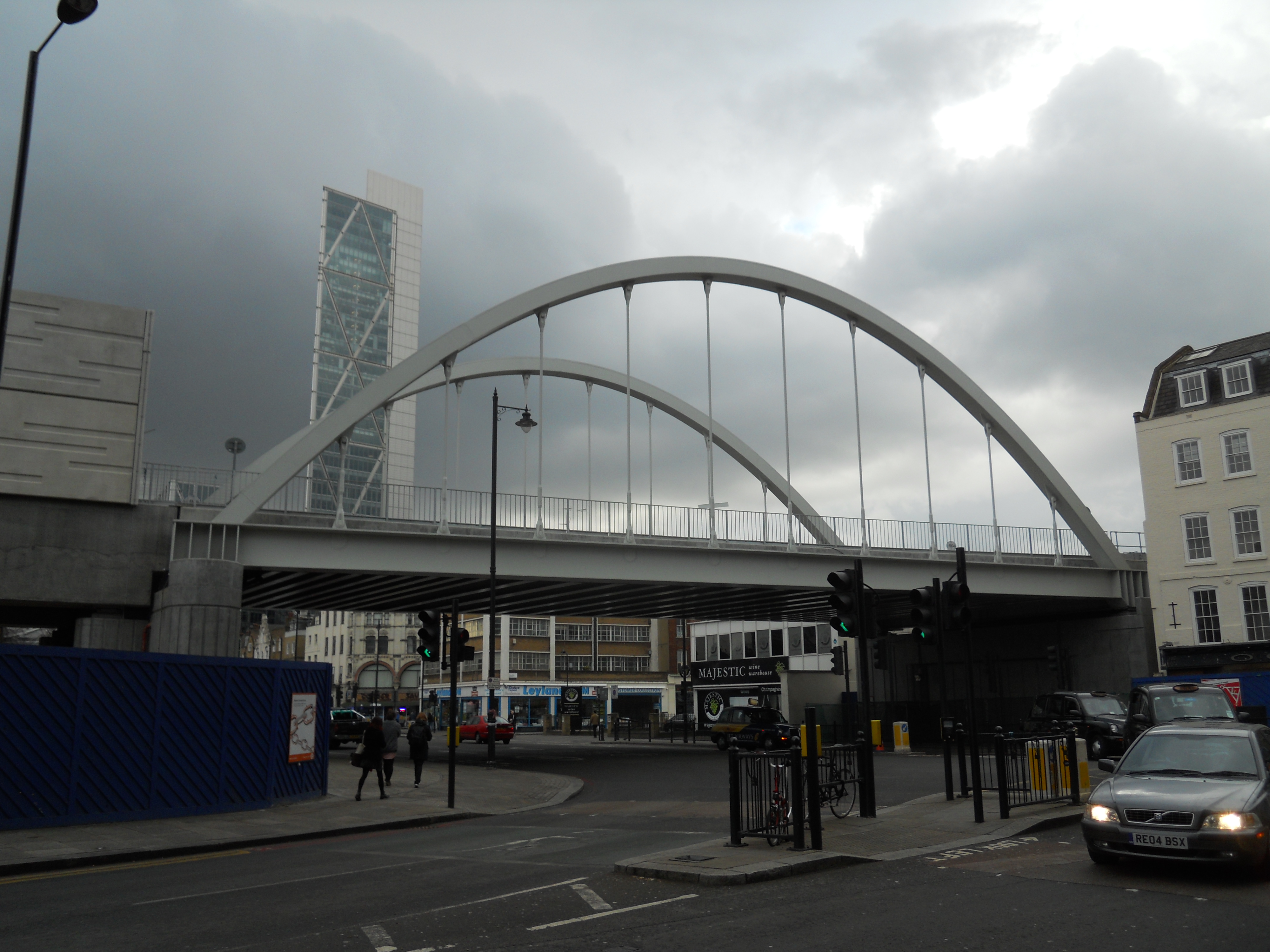
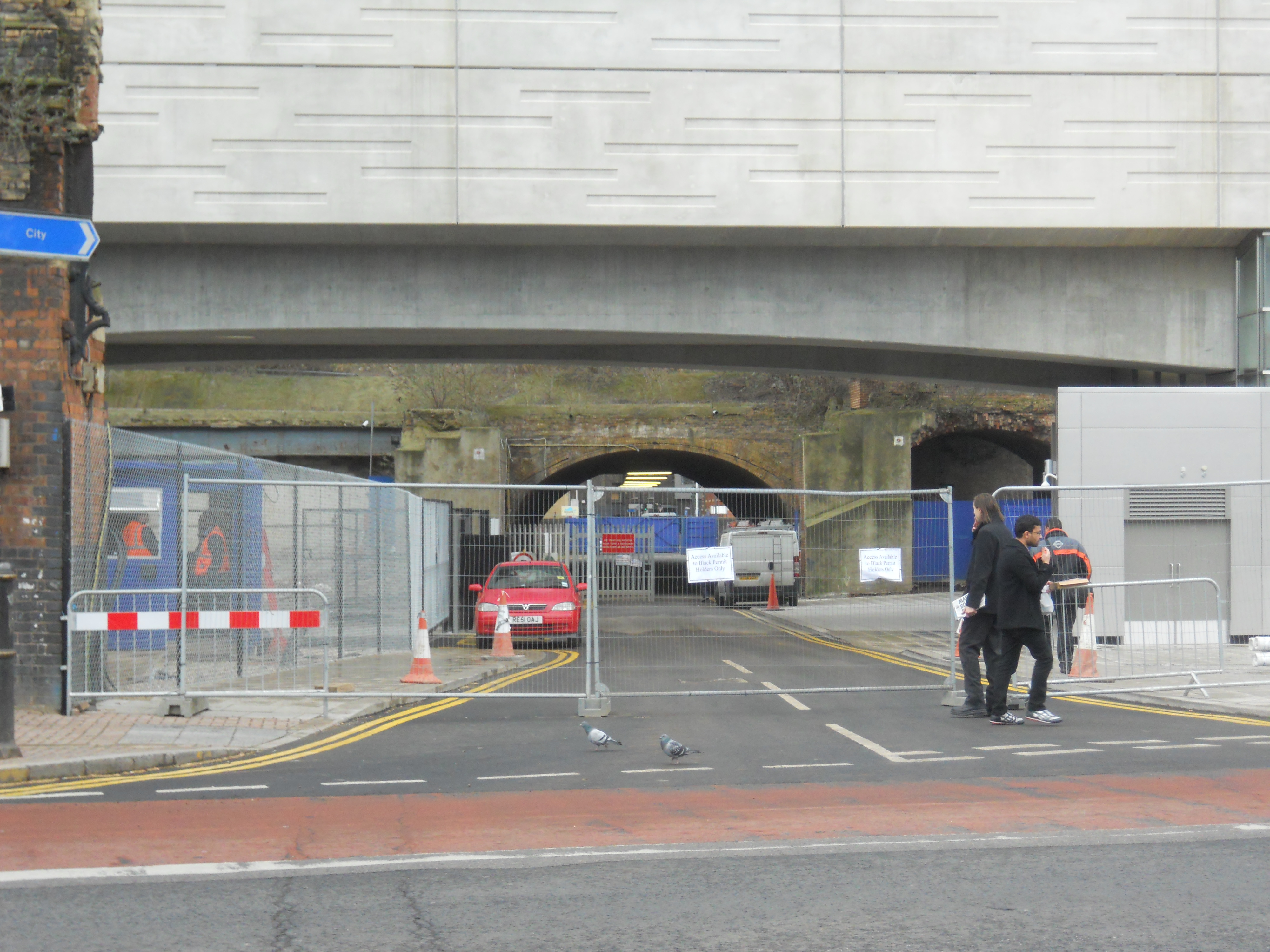
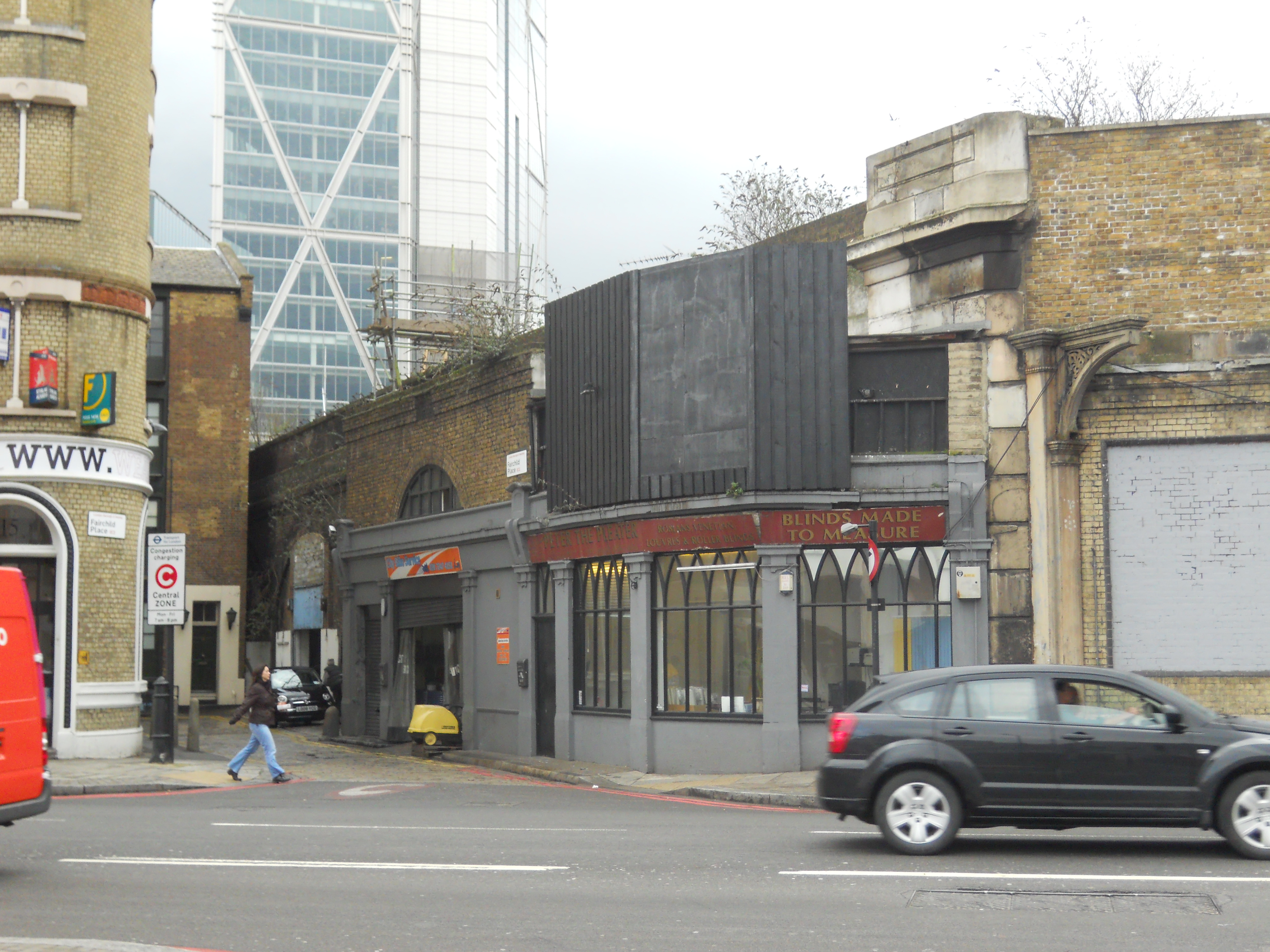
There was a movement to call Shoreditch High Street Station, Banglatown. But then the area has been home to Jews and Huguenots before being colonised by the Bangladeshis.
Who will inhabit this area in thirty years time?
From Whitechapel to Brick Lane
It was a pleasant day compared to some we’ve had lately and I quite enjoyed the walk on surprising quiet and clean streets as I walked down Vallance Road and down Buxton Street to Brick Lane.
These are some pictures of the new East London Line.


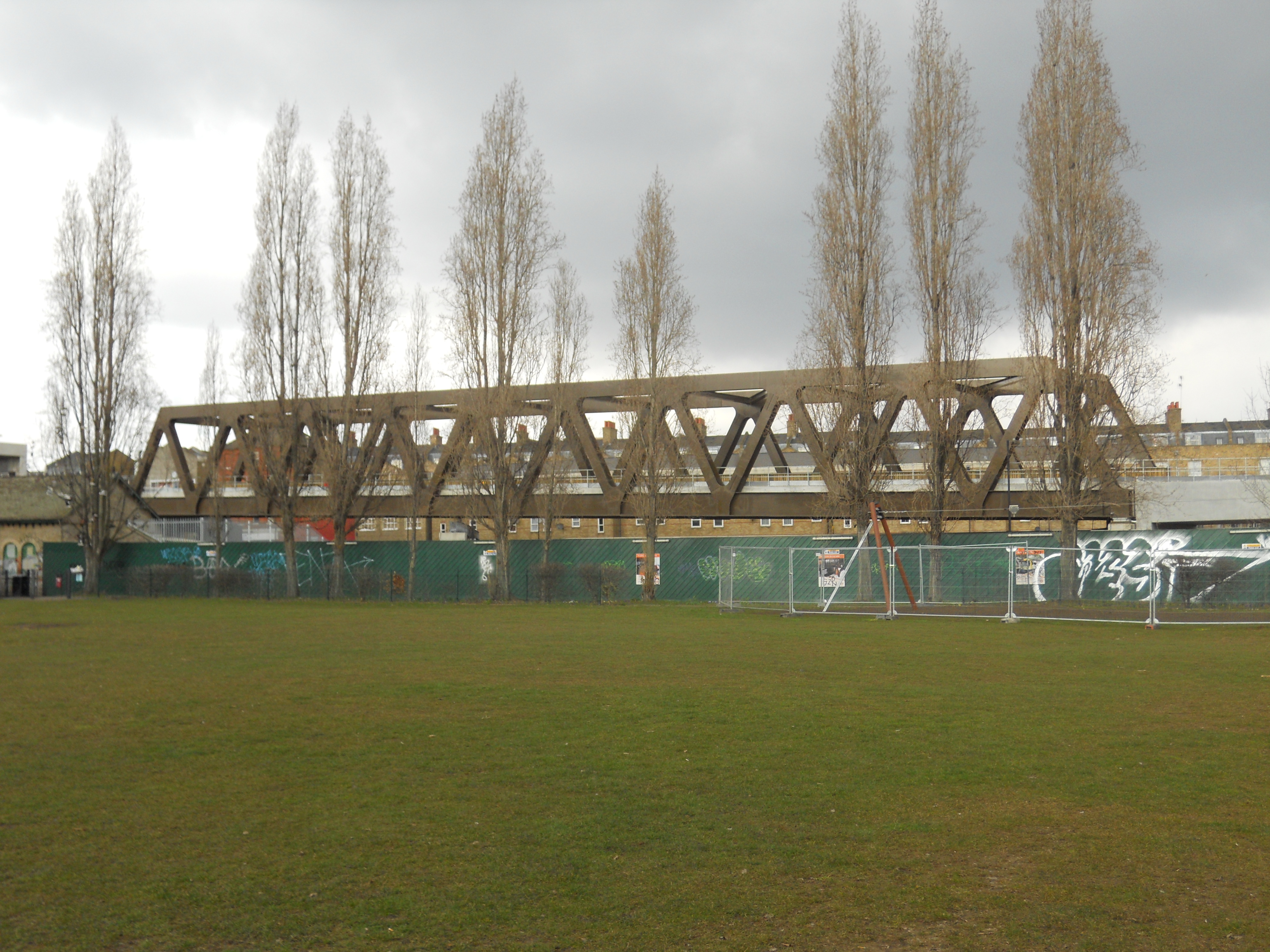
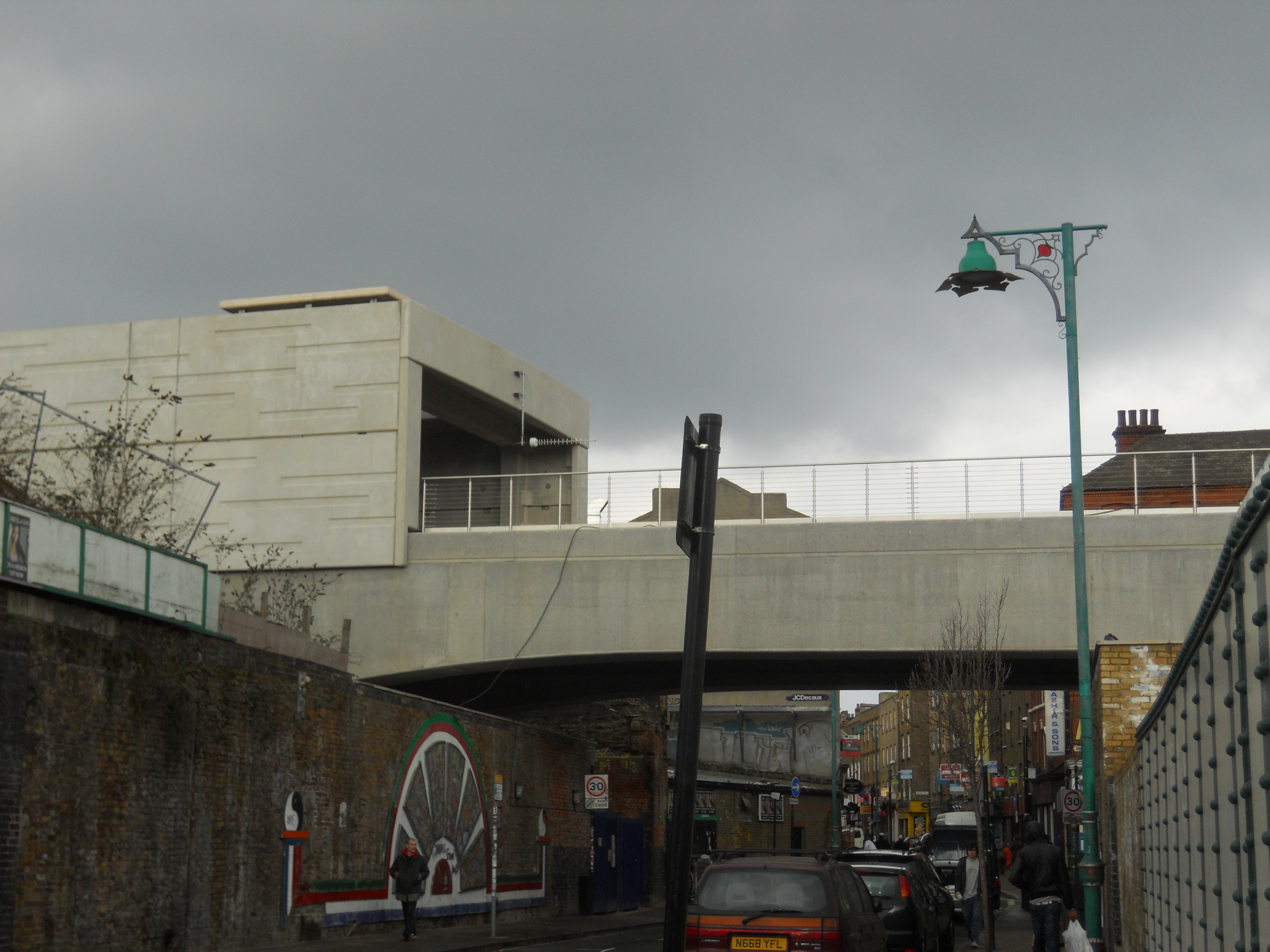
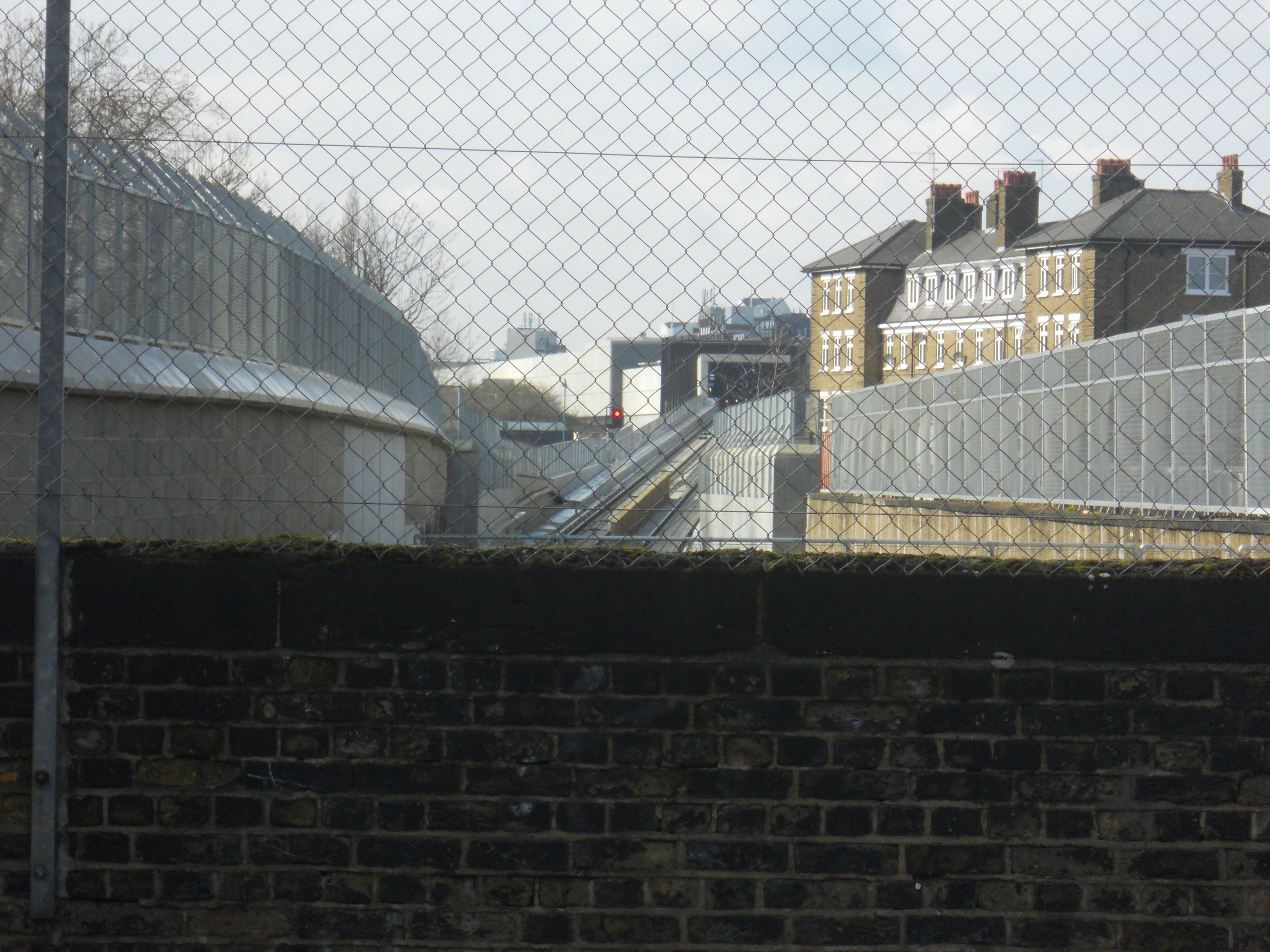
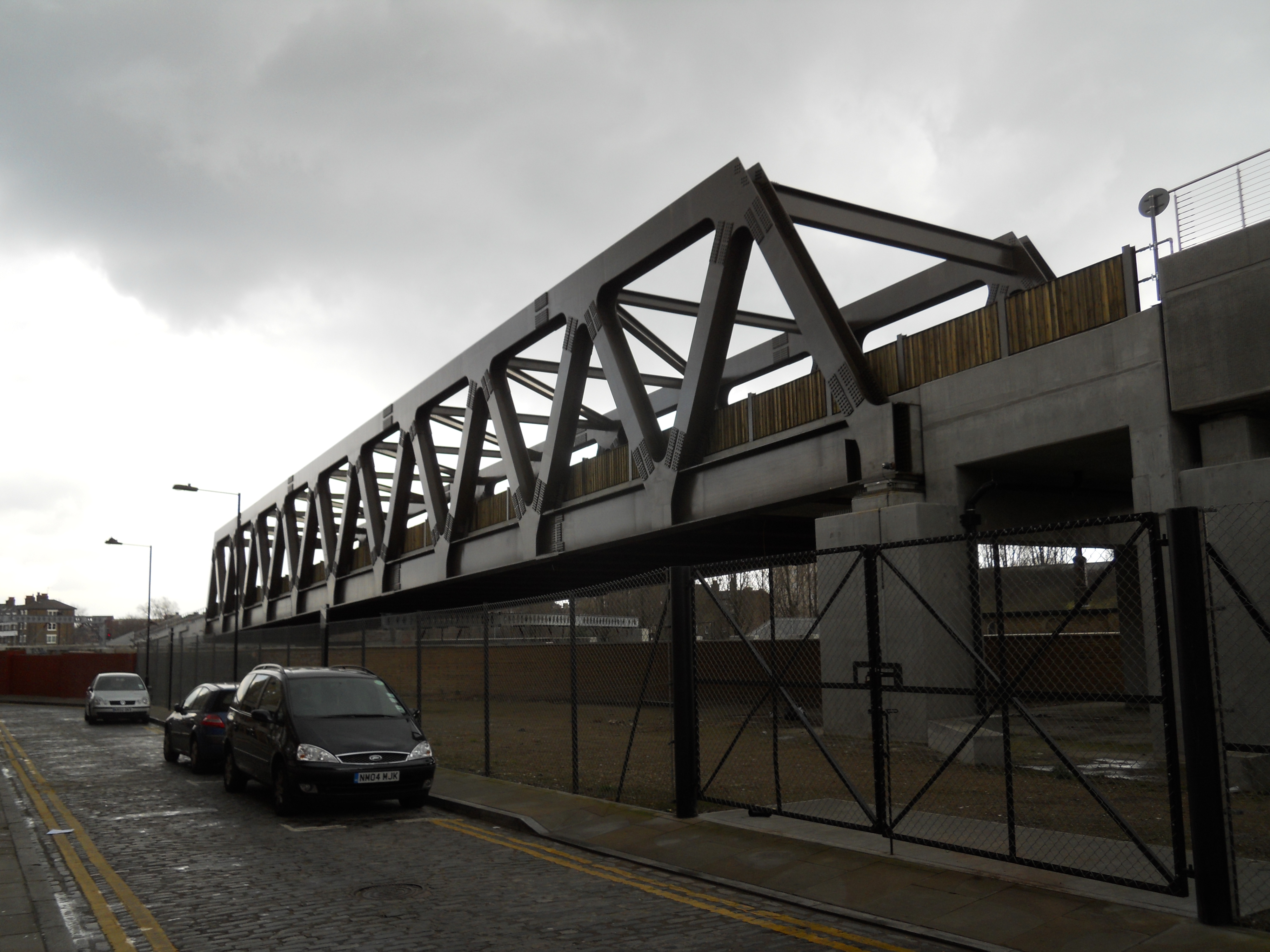

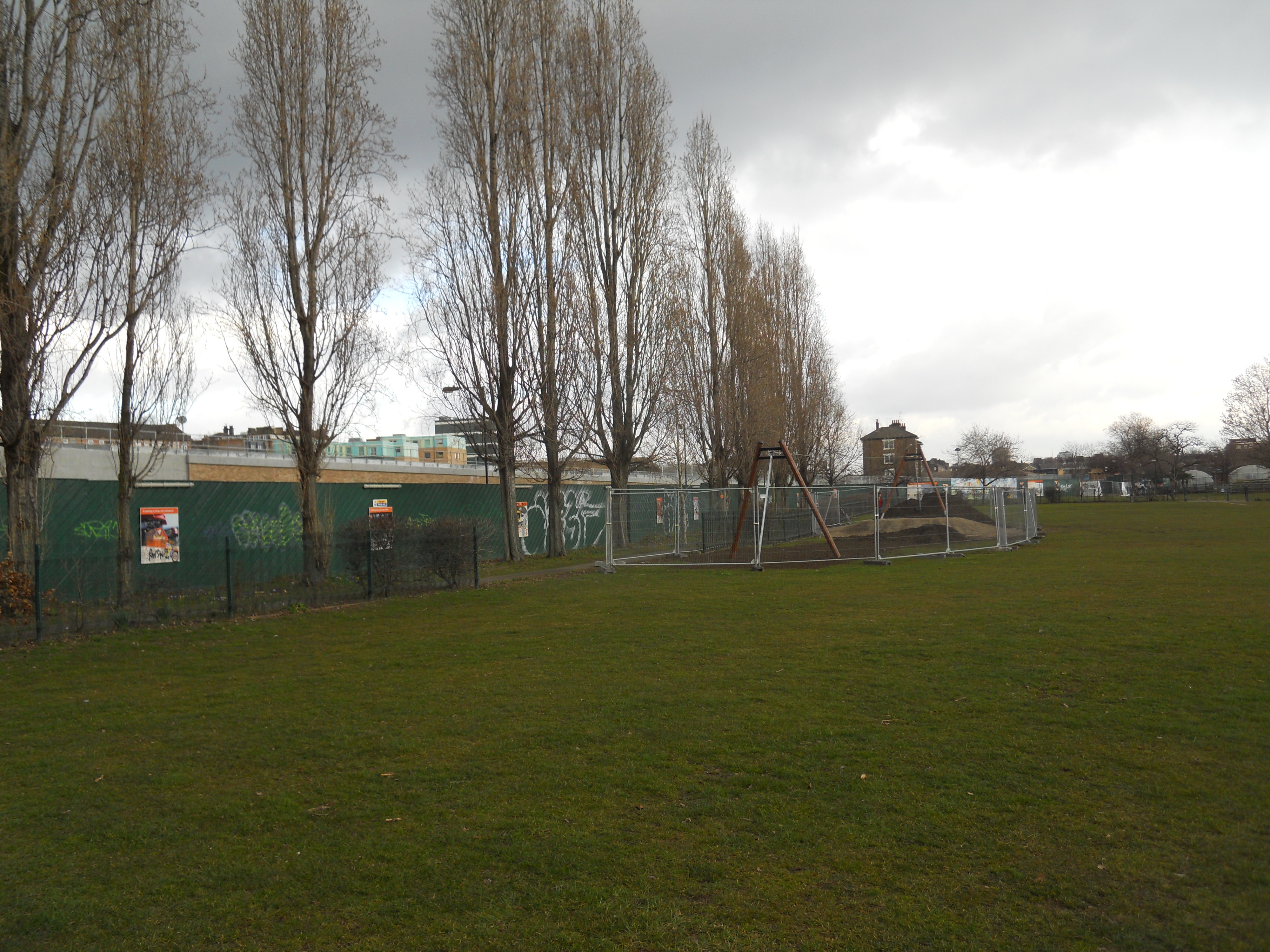

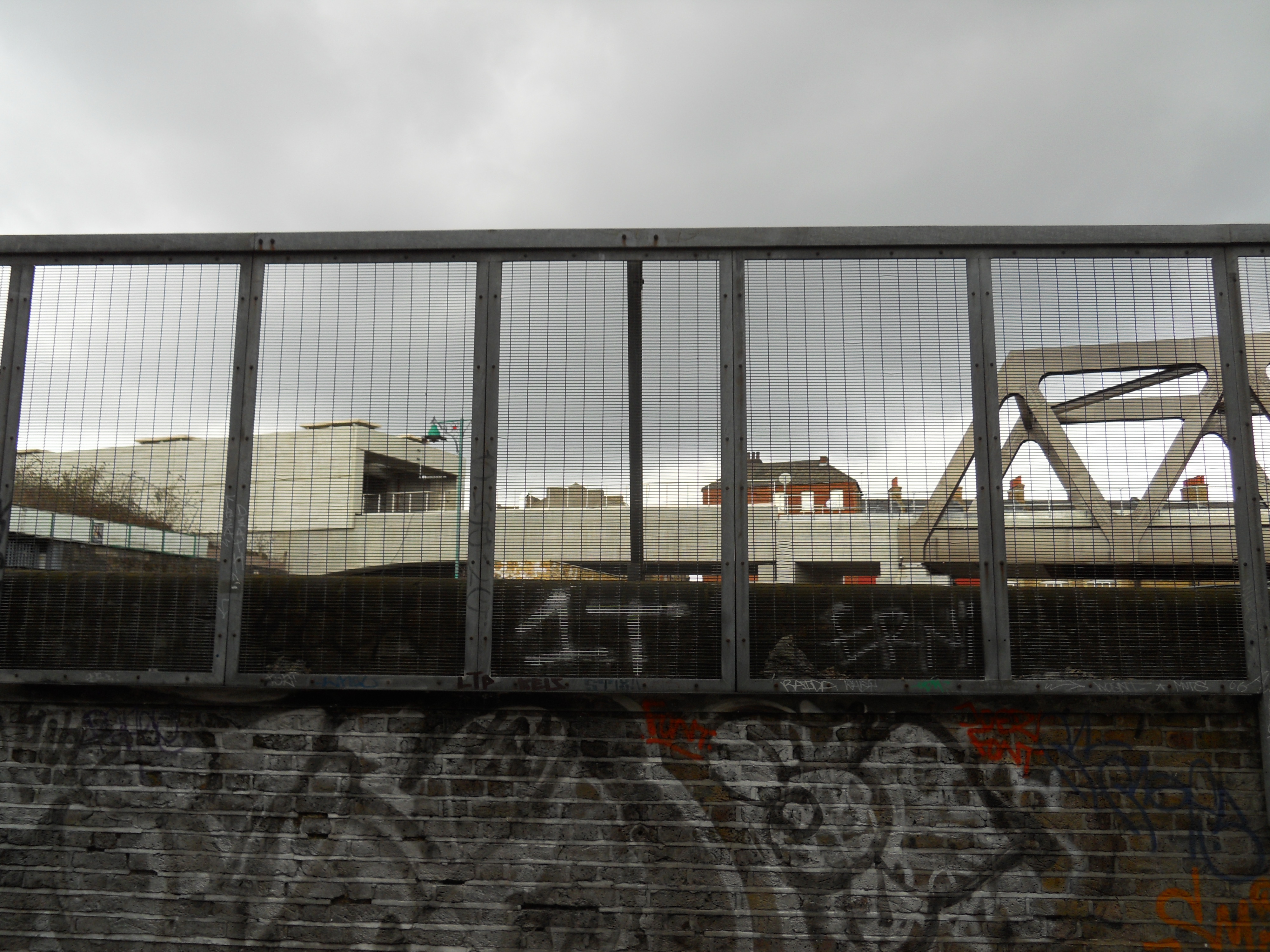
Note that the GE19 bridge was the one that fell slightly on installation. There are some more pictures on this London Connections Blog.
On Buxton Road, there is the Spitalfields City Farm. That is a separate post and gallery.
 The Anonymous Widower