When Did I Last Ride A Trolleybus?
The final leg of my descent from Mount Pilatus was a trolleybus from the walk down from the cable-car station to Lucerne station.
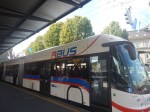
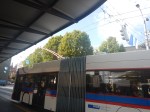
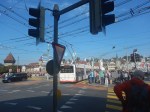

They are certainly a bit different to the ones I rode in London in the 1950s.
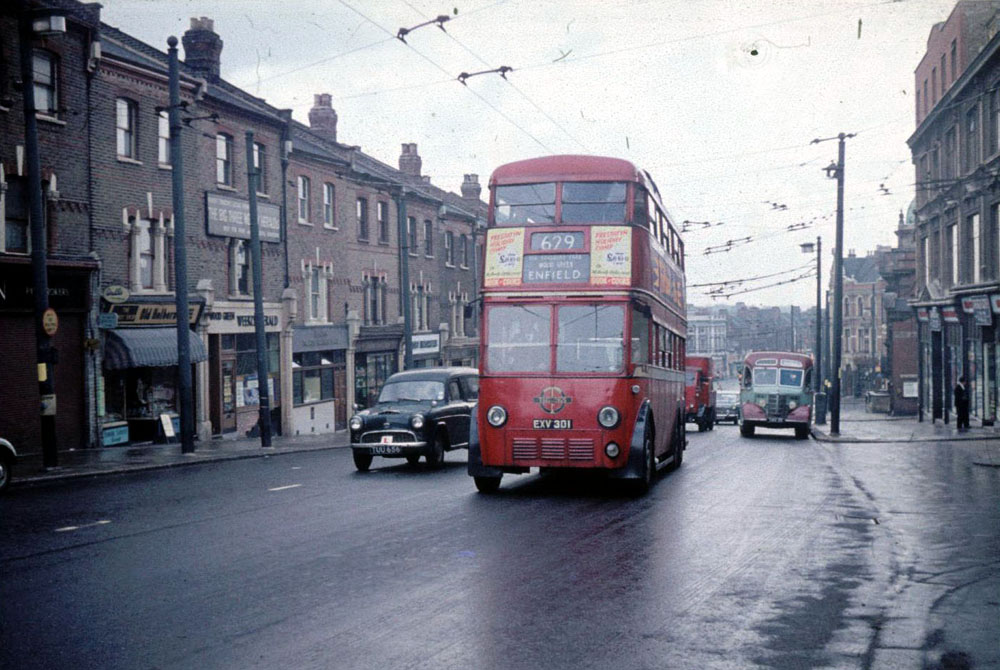
Trolleybus Ascending Jolly Butchers Hill in Wood Green
Will we see more trolleybuses in the future?
Londoners of my age, all have memories of trolleybuses.
- They had faster acceleration than diesel buses.
- They were generally reliable.
But they were sometimes a nightmare to turn round. Near where I live now, you can still see the wide junction between Southgate Road and Ardleigh Road where 641 trolleybuses turned at Mildmay Park.
But the development of battery technology and fast charging stations will mean that battery buses will be able to do the same trip without any wires.
The 641 trolleybus in North London was replaced by the 141 bus, which still runs regularly between London Bridge and Palmers Green.
It was the first route in London to be run using hybrid buses and will probably be one of the first long routes to be run by electric buses.
Up And Down Pilatus
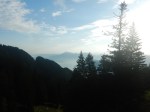
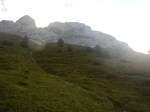
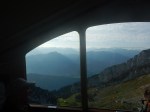
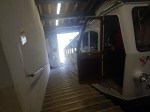
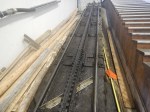
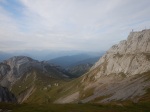
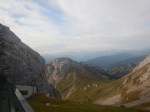
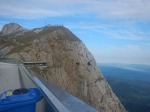
These pictures document my trip up the Pilatus Railway and then down to Lucerne by cable-car.
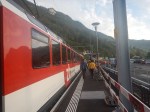

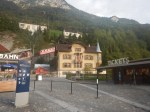
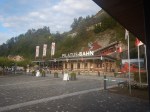

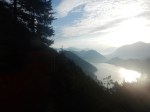
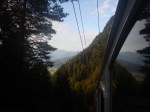
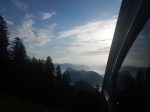
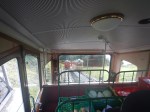
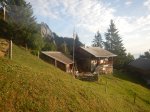





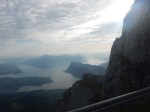
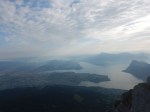
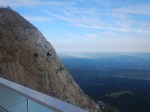
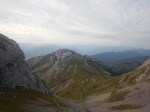
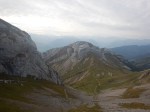
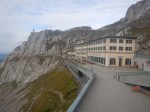

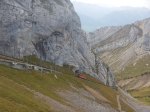
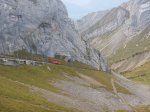
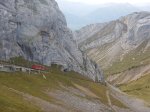
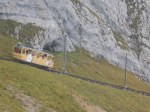


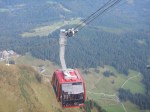


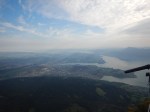

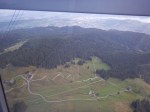
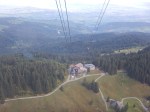
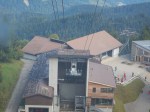

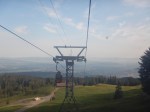

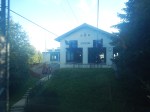

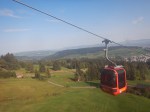


Note.
- I started from Alpnachstad station, which is about twenty minutes from Lucerne station.
- The round trip took just under two hours.
- It cost me half price of 36 CHF, with my Swiss Pass.
I probably went up rather too early in the day, as the views would have been better later on.
Between Lucerne And Interlaken Ost Stations On Die Zentralbahn
The Zentralbahn is the scenic railway, that connects Lucerne and Interlaken Ost stations along the Brünig Line. Wikipedia says this about the ownership of the railway.
The Zentralbahn is a Swiss railway company that owns and operates two connecting railway lines in Central Switzerland and the Bernese Oberland. It was created on January 1, 2005, with the acquisition of the independently owned Luzern–Stans–Engelberg line, and the Brünig line of the Swiss Federal Railways.
I don’t know, but as the railway is metre rather than standard gauge, I do wonder, if it was to Swiss Federal Railways, a bit like the Settle-Carlisle Line was to British Rail; Expensive to run, loved by locals and tourists and in need of new investment.
These pictures show the railway.
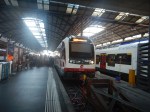
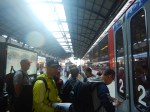
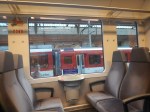
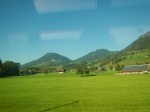
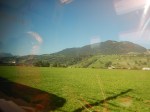
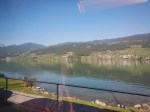
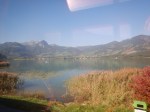
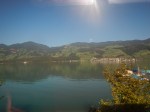
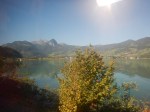
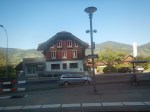
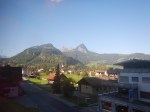
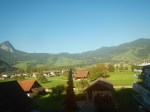
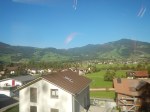
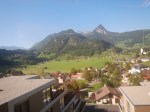
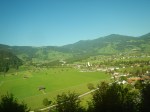
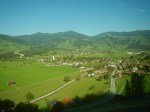
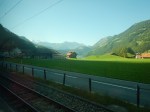
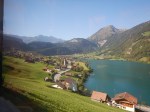
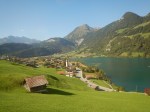
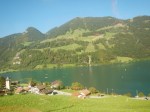
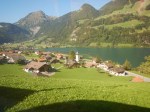
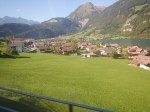
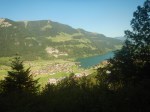
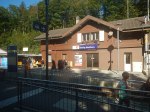
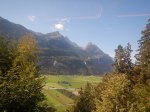
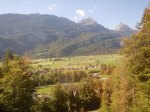
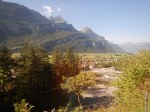
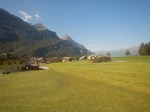
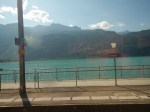
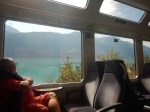
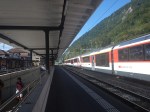
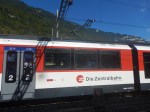
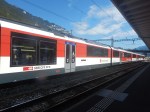
As some of the pictures show, the line was busy in places. and judging by the number of Asian groups on the train, a lot were tourists.
The trains are modern Stadler SPATZ trains.
- Fully-electric.
- Metre gauge.
- They are able to use sections of the line which have a rack to assist climbing.
- Large panoramic windows for good views.
It appears that the three-car train has been designed with all the electrical gubbings in the middle car, with the end sections similar to the Stadler GTW.
Stadler seem to be able to shuffle their ideas and especially, the central power-pack to produce trains for all purposes.
Greater Anglia’s Class 755 trains, and the tri-mode Flirts of the South Wales Metro, will be just more variations on the same theme.
Next Time I Go To The Area
There are two groups of mountain railways grouped at Interlaken and Lucerne, which are linked by the
Brünig Line. The route is not simple and there is a reverse about half-way at Meiringen station.
Searching the web, it appears that there is reasonably-priced accommodation in and around Meiringen.
With a Swiss Pass, which gives a worthwhile discount on the expensive mountain trains, I shall be staying around there on my next trip to Switzerland.
Consider.
- You could fly in to Zurich Airport and buy your Swiss Pass there.
- Lucerne and Interlaken are about an hour away on the scenic Brünig Line.
- Bern and Zurich are close enough for a day trip.
I didn’t explore Meiringen, so check the guides first. But it looked OK from the train.
 The Anonymous Widower