The Hopefully Very Last Bolts
The staircase is now almost refurbished and needs just a few things.
I think it would be improved if oversized washers were put on my dome-headed bolts.
But perhaps the last thing to do is replace the three brass-painted coach screws with dome-headed coach screws.
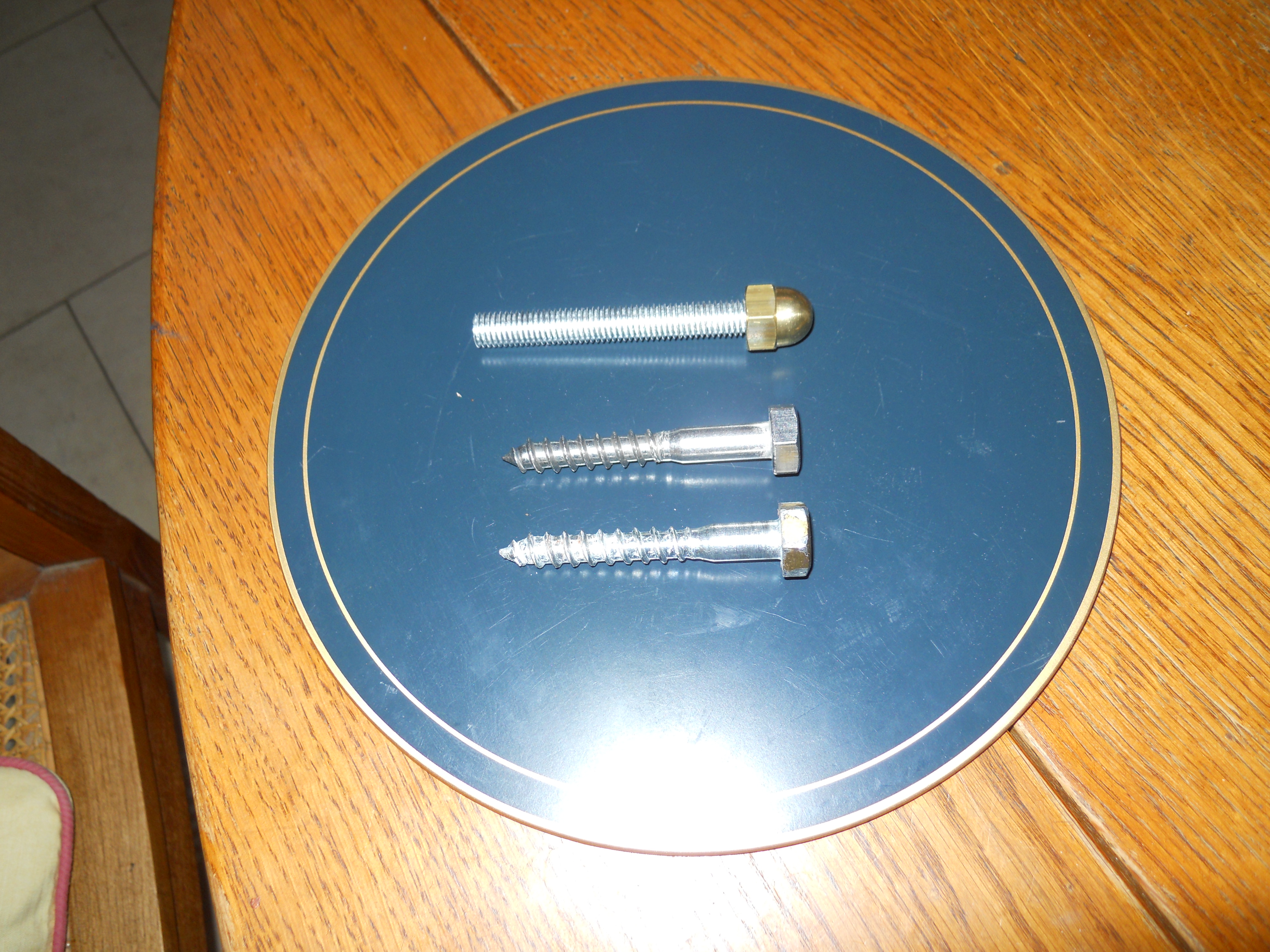
A Dome-Headed Bolt and Coach Screws
The picture shows shows from the top; a fake dome-headed bolt, a stainless steel coach screw and one of those used by Jerry, the builder.
It would seem that the solution is to saw the head off the stainless steel coach screw, put a screw thread on it and then screw on a dome-headed nut.
How to Make Dome-Headed Bolts
As I have said several times on this blog, the builder of my house was possibly named Jerry. His worst piece of work was undoubtedly the staircase, which instead of using brass nuts and bolts, as probably specified by the architect used brass painted steel ones.
I have got part of the way, but to fix the staircase to the floor of the house, Jerry used Rawlbolts, which couldn’t easily be replaced, as they were set in concrete. I got this far and you can see it looks a bit better but some are round one way and others the other.
In the end I decided I wanted some dome-headed bolts. But just like the perfect woman doesn’t exist, the perfect bolt doesn’t either. Although there are some good ones about.
So I had to make my own. I started by purchasing some 10 mm. mild steel studding from Thomas Brothers at Archway. I used steel rather than brass, as this might give less trouble with dissimilar metals in contact causing corrosion and anyway Thomas Brothers don’t sell brass studding. They also were kind enough to cut the studding in half, so that I was less likely to poke someone’s eye out on the bus home.
I started by securing the studding in my Workmate.
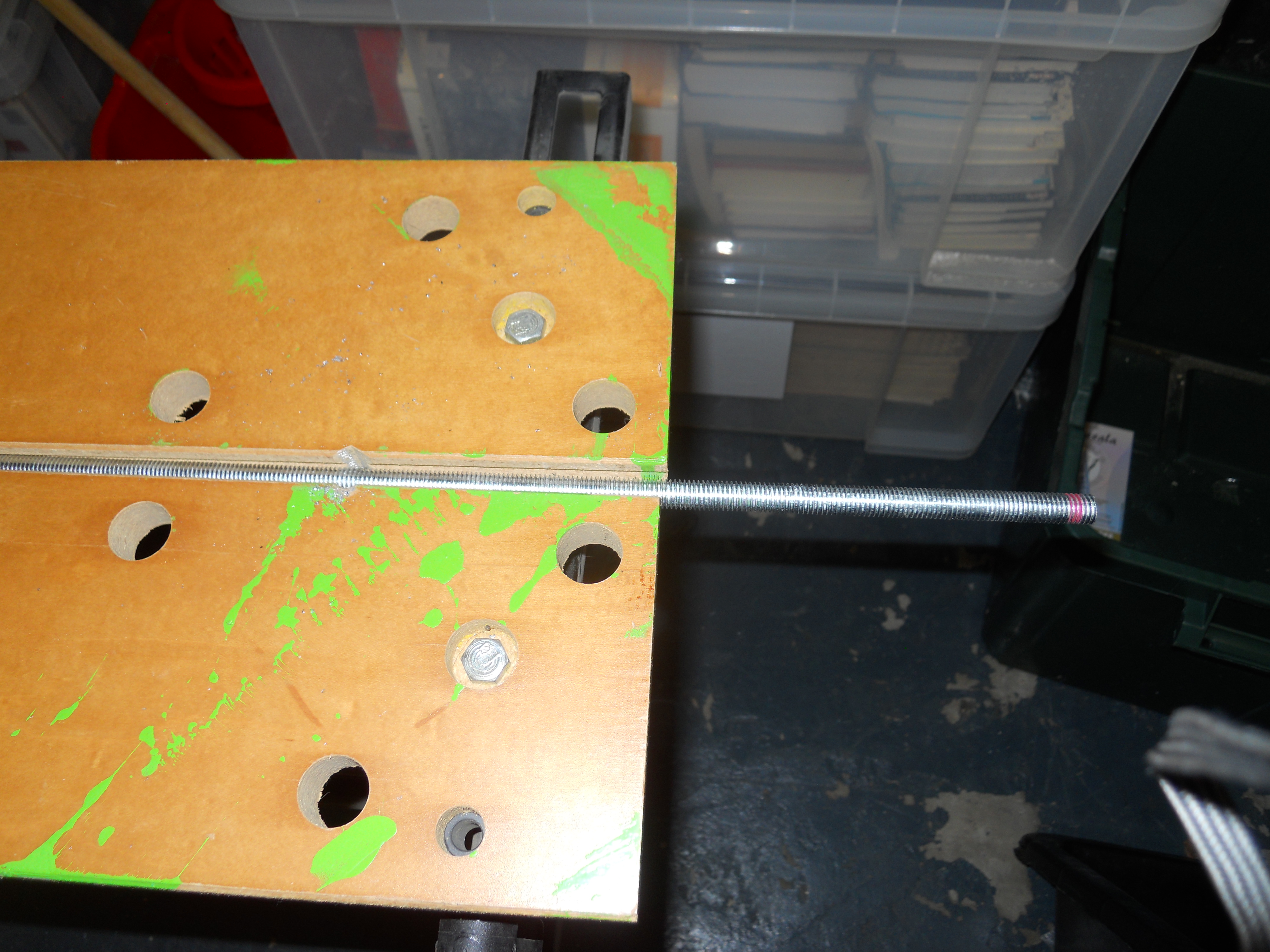
Studding Secured in the Workmate
I then sawed off an appropriate length using a standard hacksaw, The stud was cut to be perhaps two centimetres longer than the steel bolt I wanted to replace.
The Cut Length of Studding
The problem with cutting any screw threads is that when you cut it, you damage the threads and nuts are difficlt to fit. You can mitigate the problem by putting a new blade in the hacksaw, but you really need one of these.
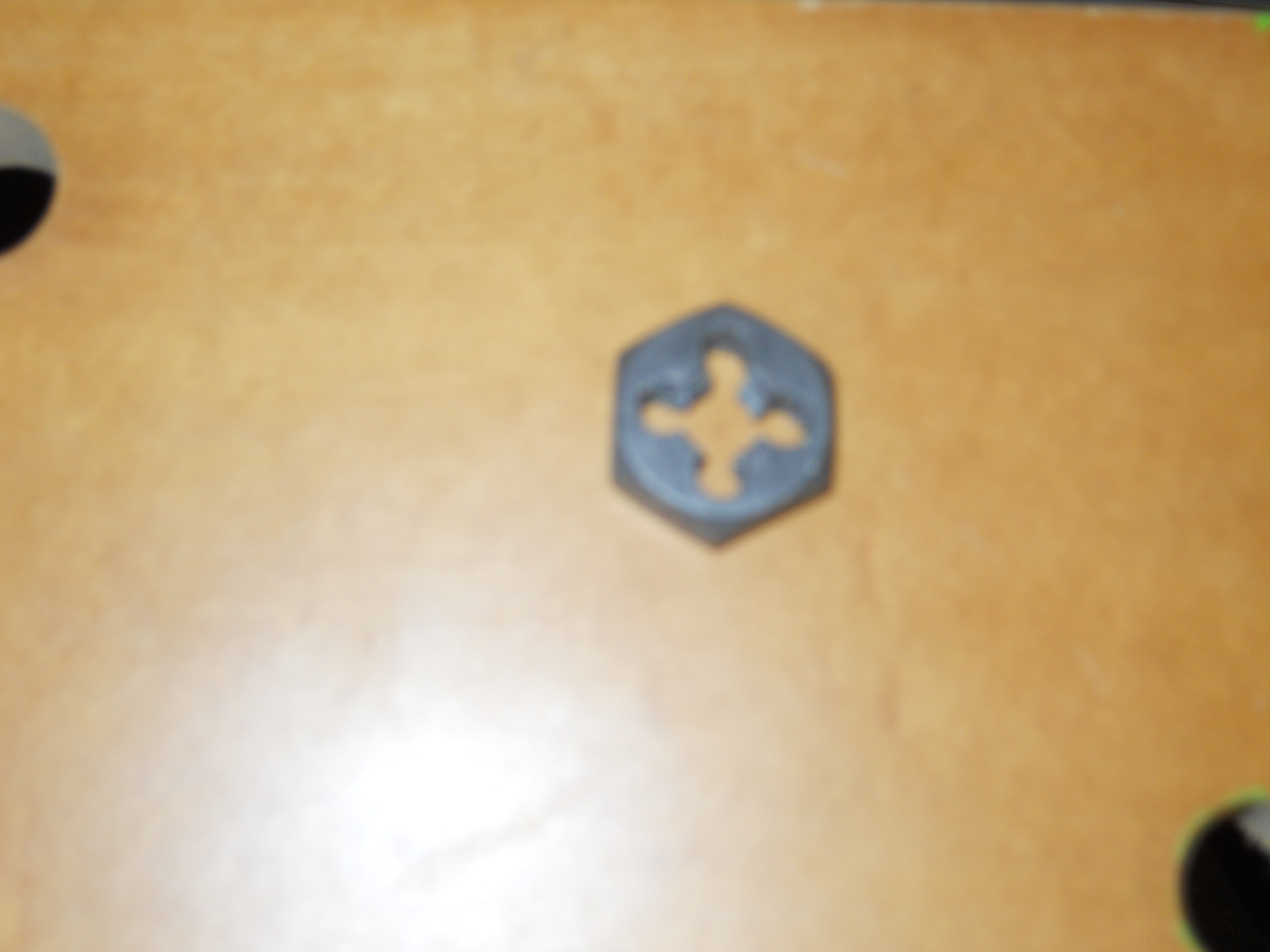
Hexagonal Screw-Cutting Die
It is a 10 mm. hexagonal scre-cutting die, that effectively cuts threads in round bars. Or in this case recuts damaged threads.
My father had lots of these, although his were round and were held in a special wrench. But because they are hexagonal, you can use them with a good ring spanner to cut the thread. I’m doing just that here, after first mounting the cut stud vertically in the Workmate.
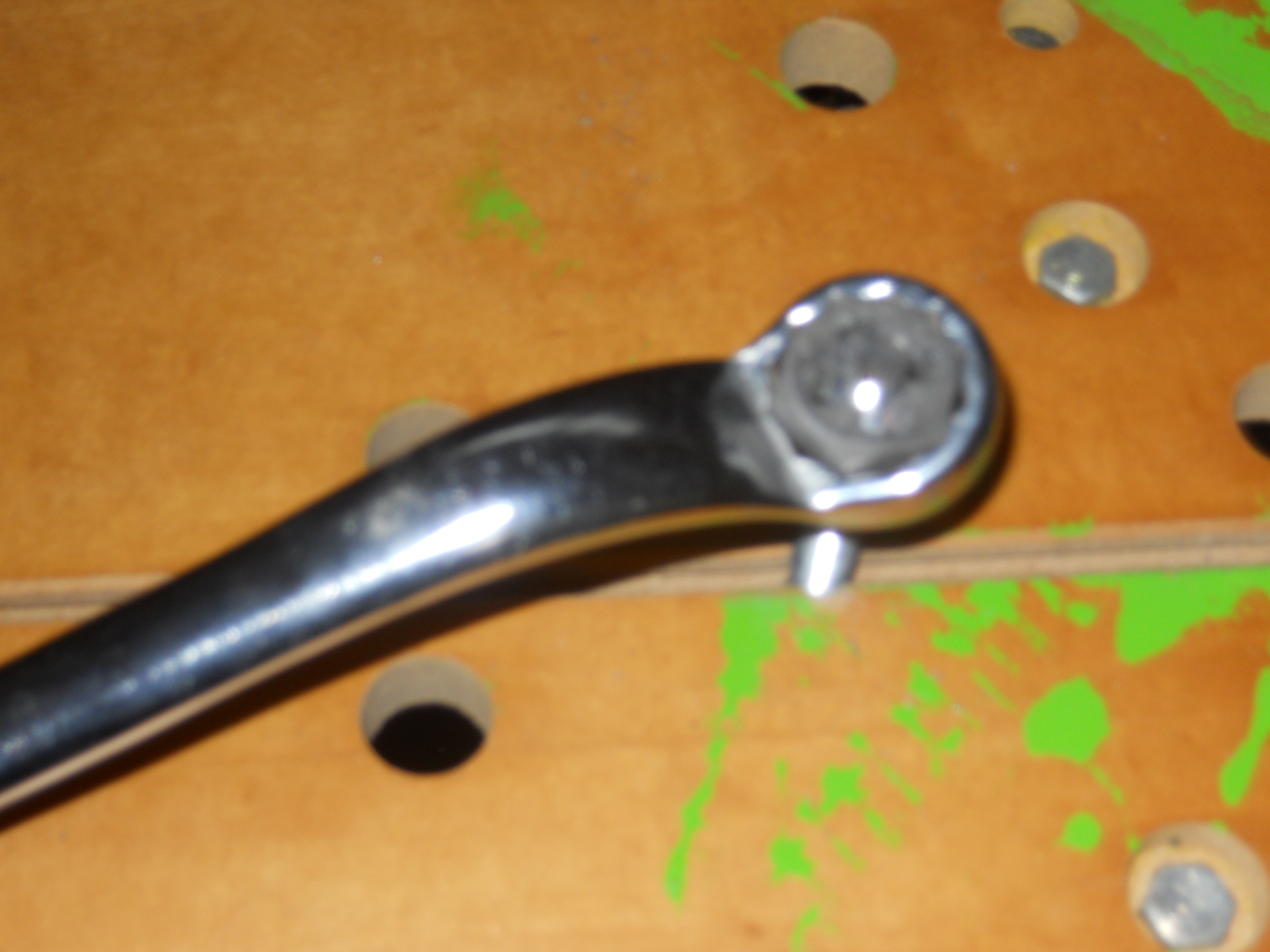
Recutting the Threads
I actually turned the die from one end of the stud to the other to make sure that all damaged threads were repaired. All I had to do then, was screw a dome-headed nut onto the pristine length of studding.
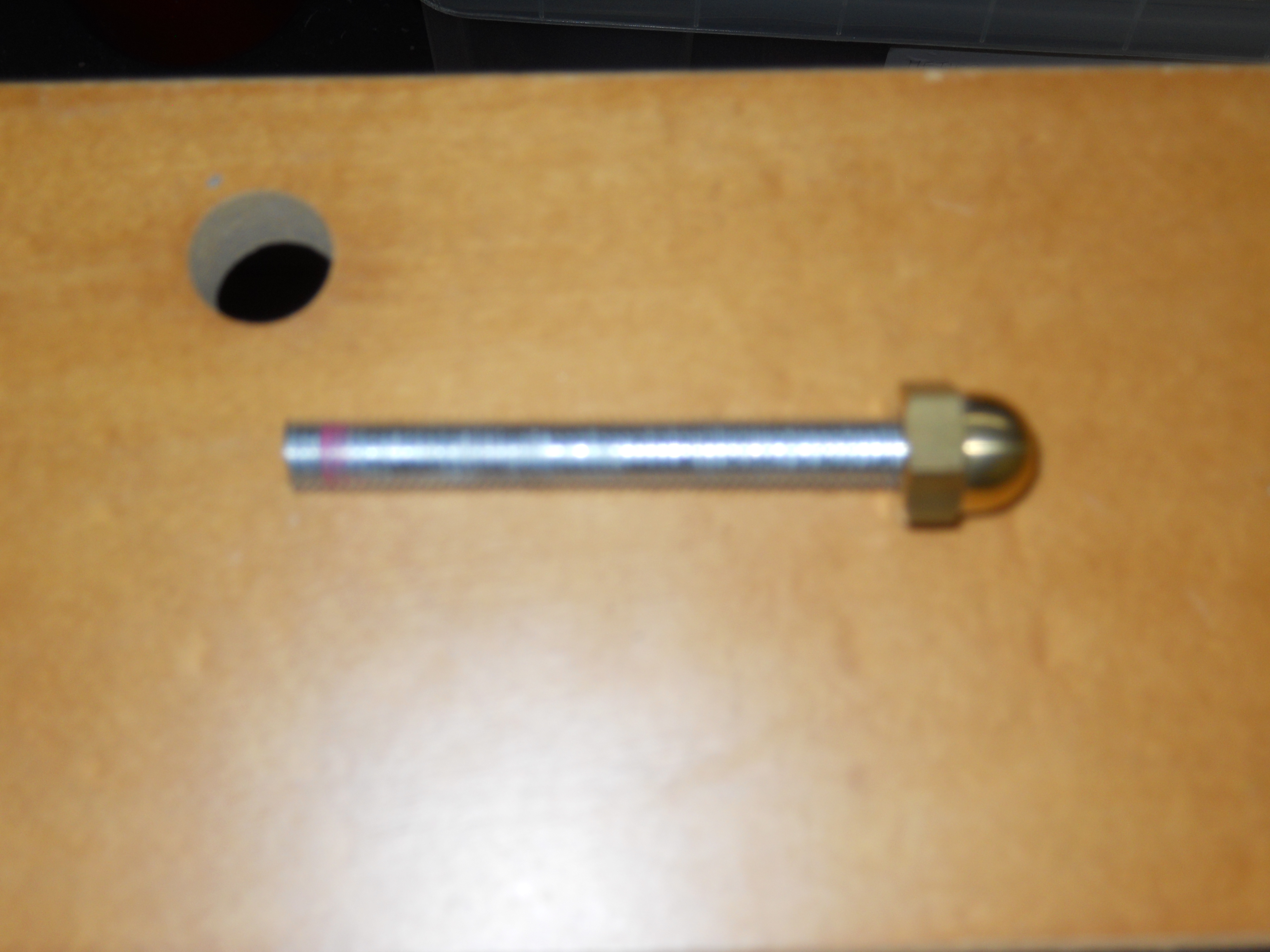
A Dome-Headed Bolt
They are now all installed in the staircase.
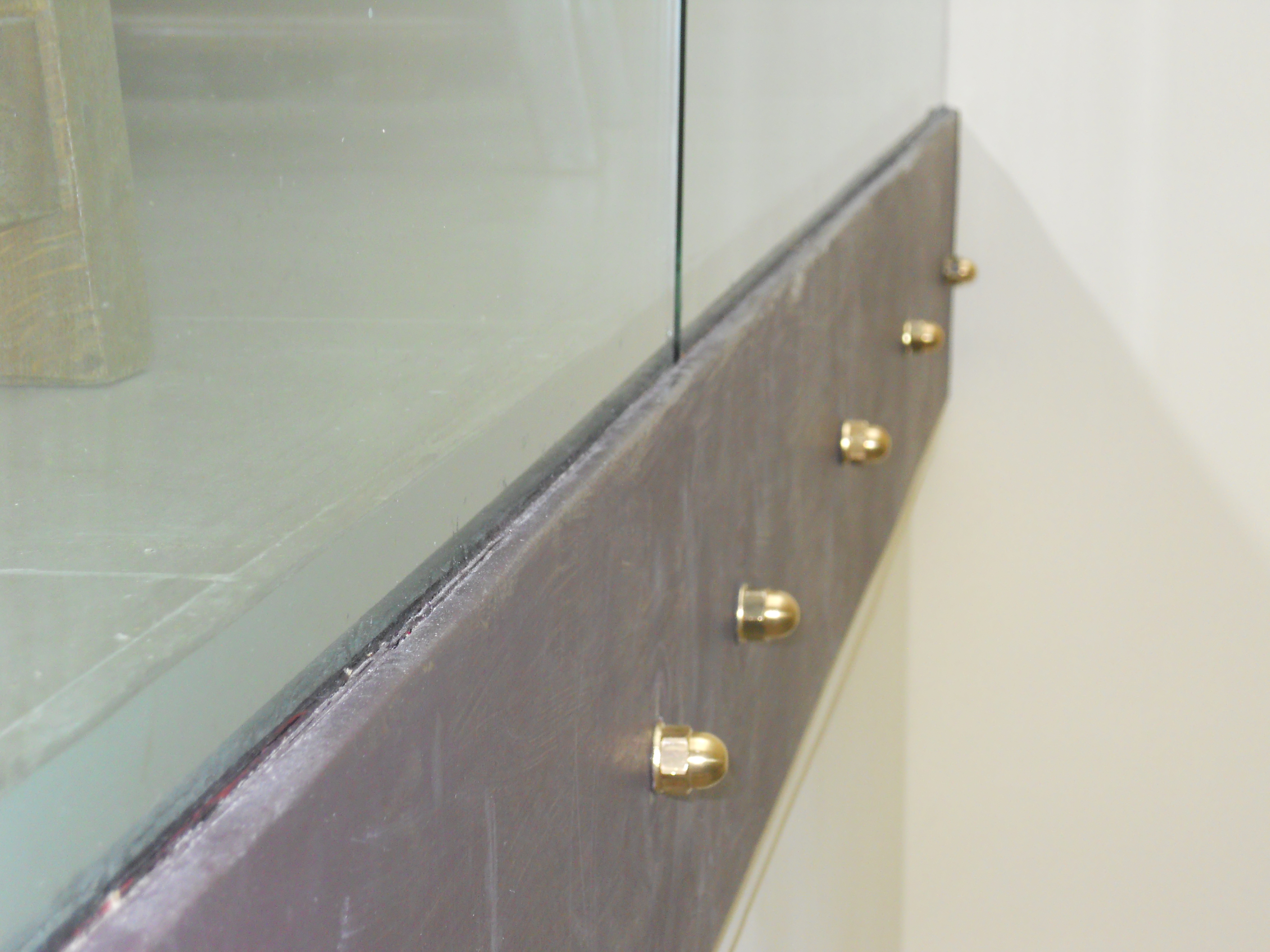
The Bolts in Place
You can’t tell which ones are my fakes and which are the ones the builder put in the right way round. Or was it the wrong way?
He didn’t put them in level either!
The Last Bolts
Every time I go up the staircase these bolts annoy me.
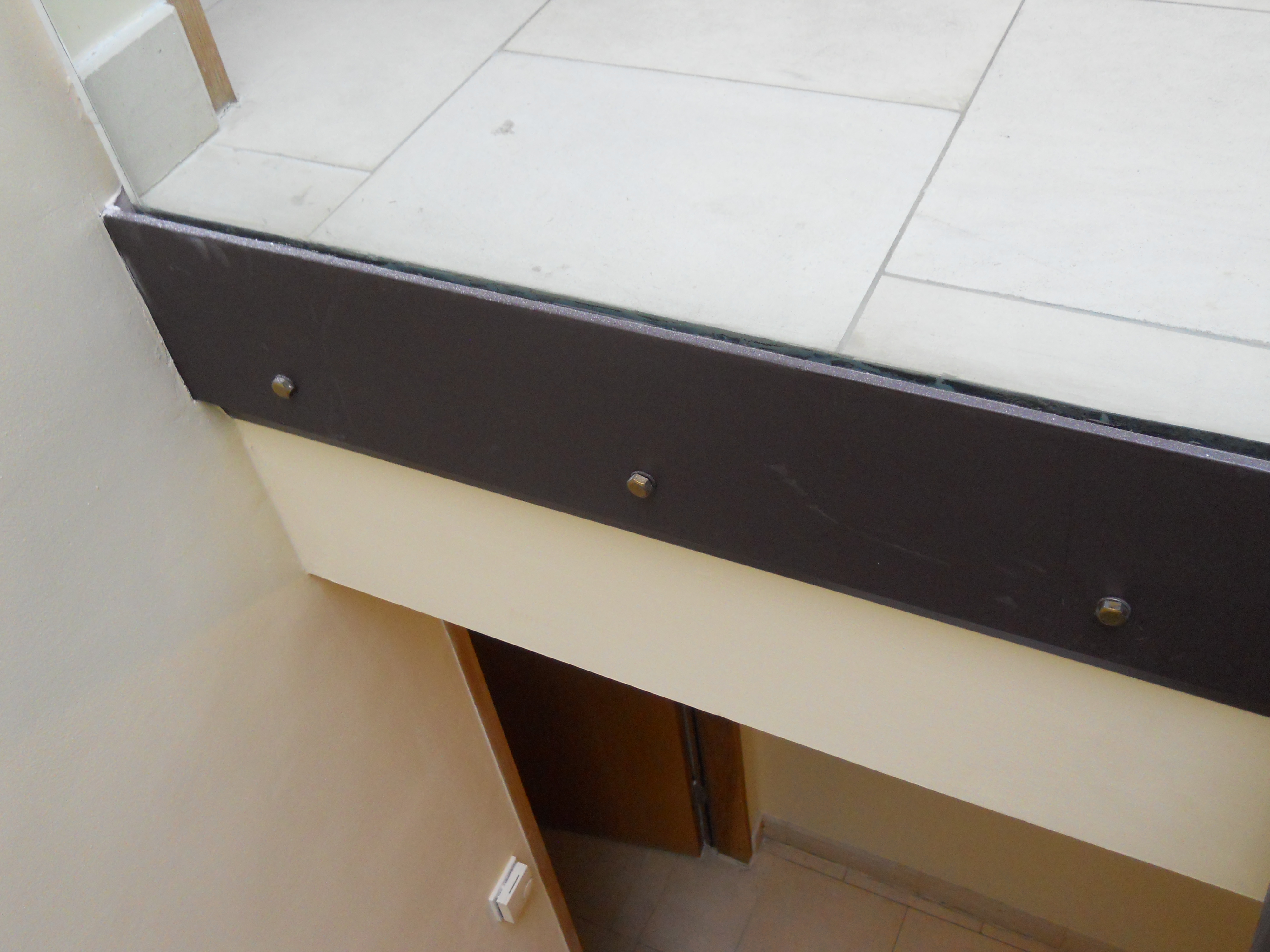
Brass Painted Bolts on the Stairs
On the other side of the stairs, they have used Rawlbolts, but here they don’t have any identification on them. So I took one out to have a look.
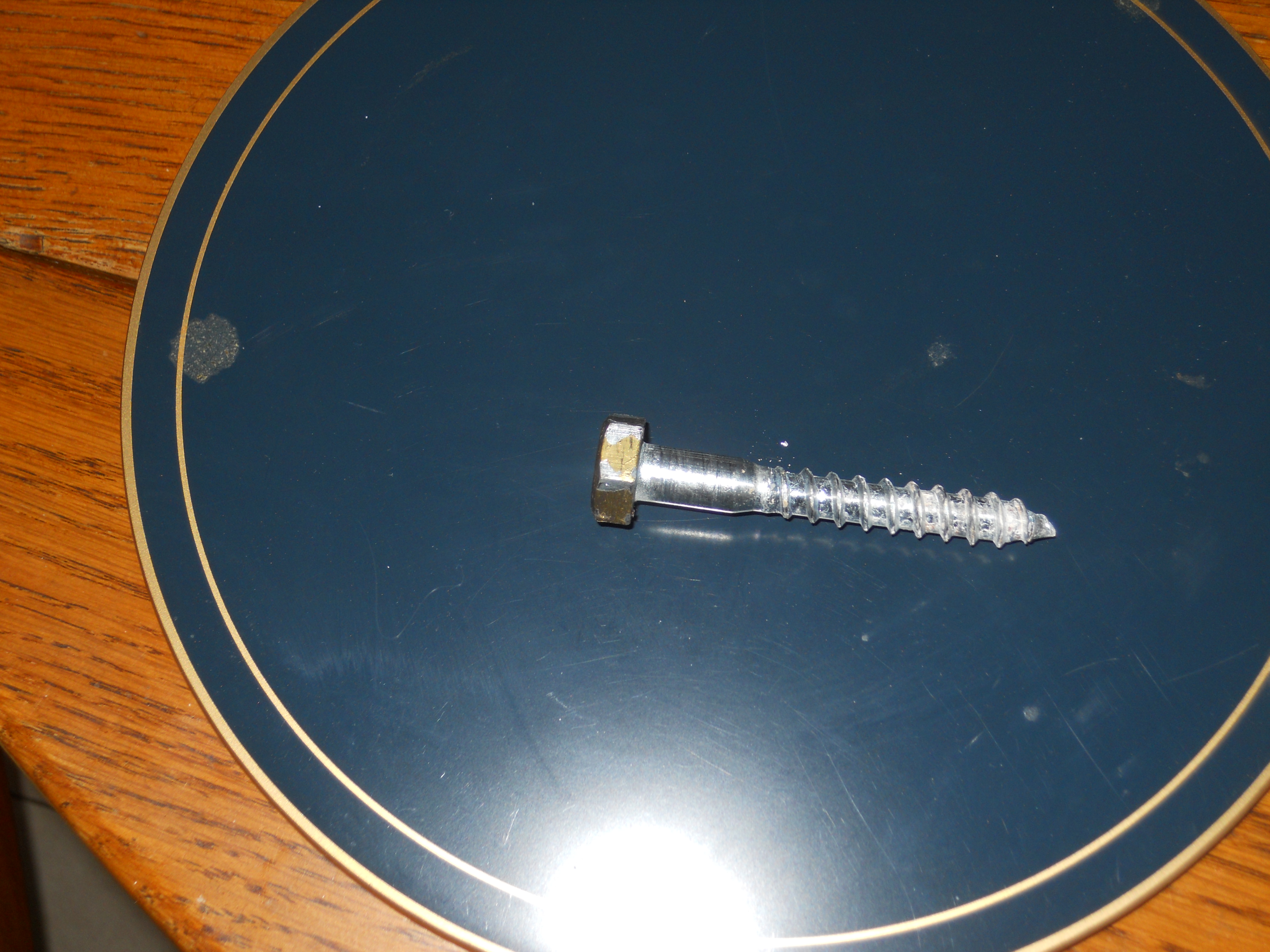
Brass Painted Hexagonal Screw
This was not what I expected. But it will have to do for the moment.
The Improved Staircase
I’ve now replaced a lot of the bolts with brass ones and I think it looks a lot better. But then I’m biased.
Here’s what it looked like.
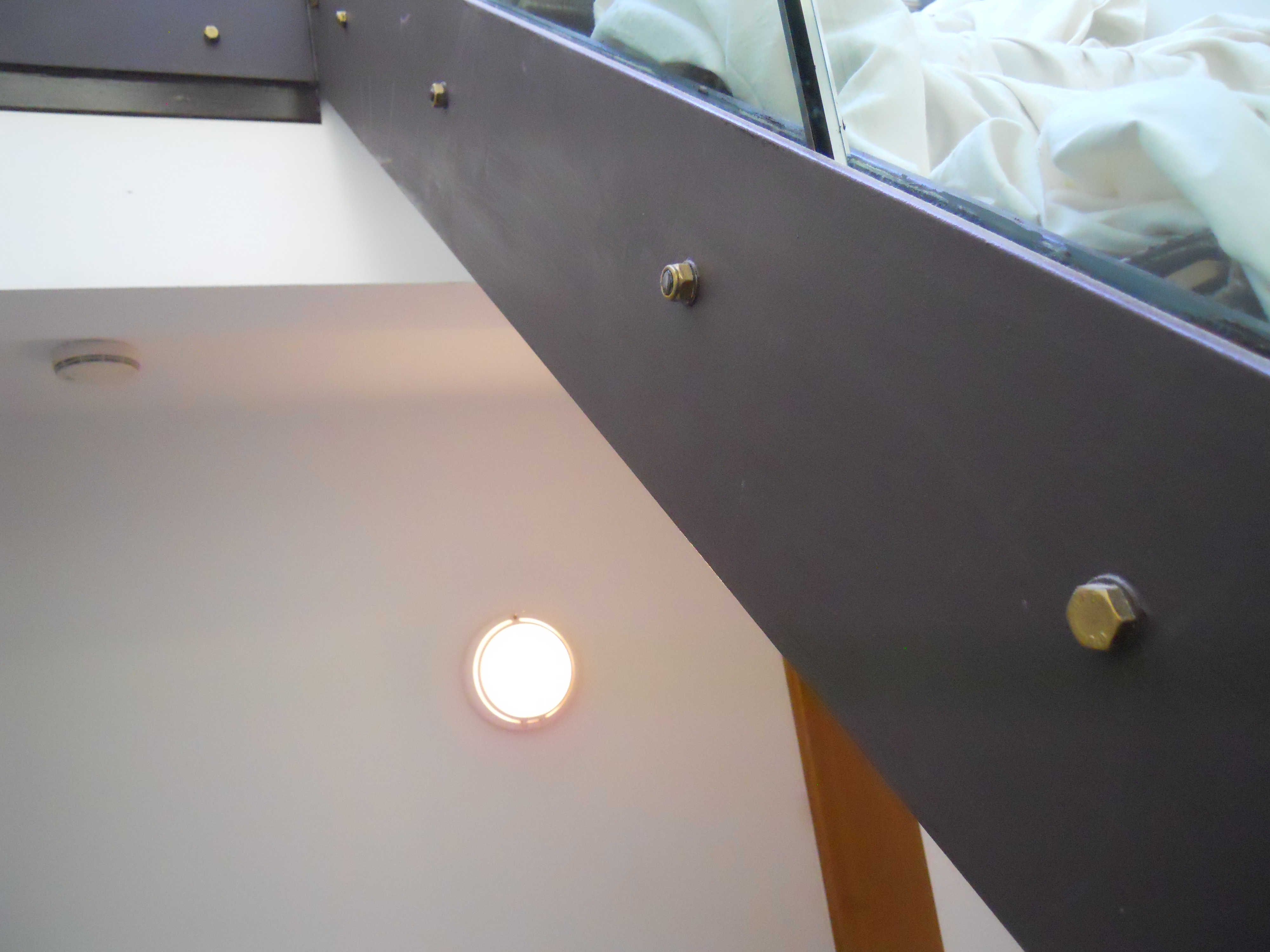
The Old Bolts
This picture was taken today from a similar angle.
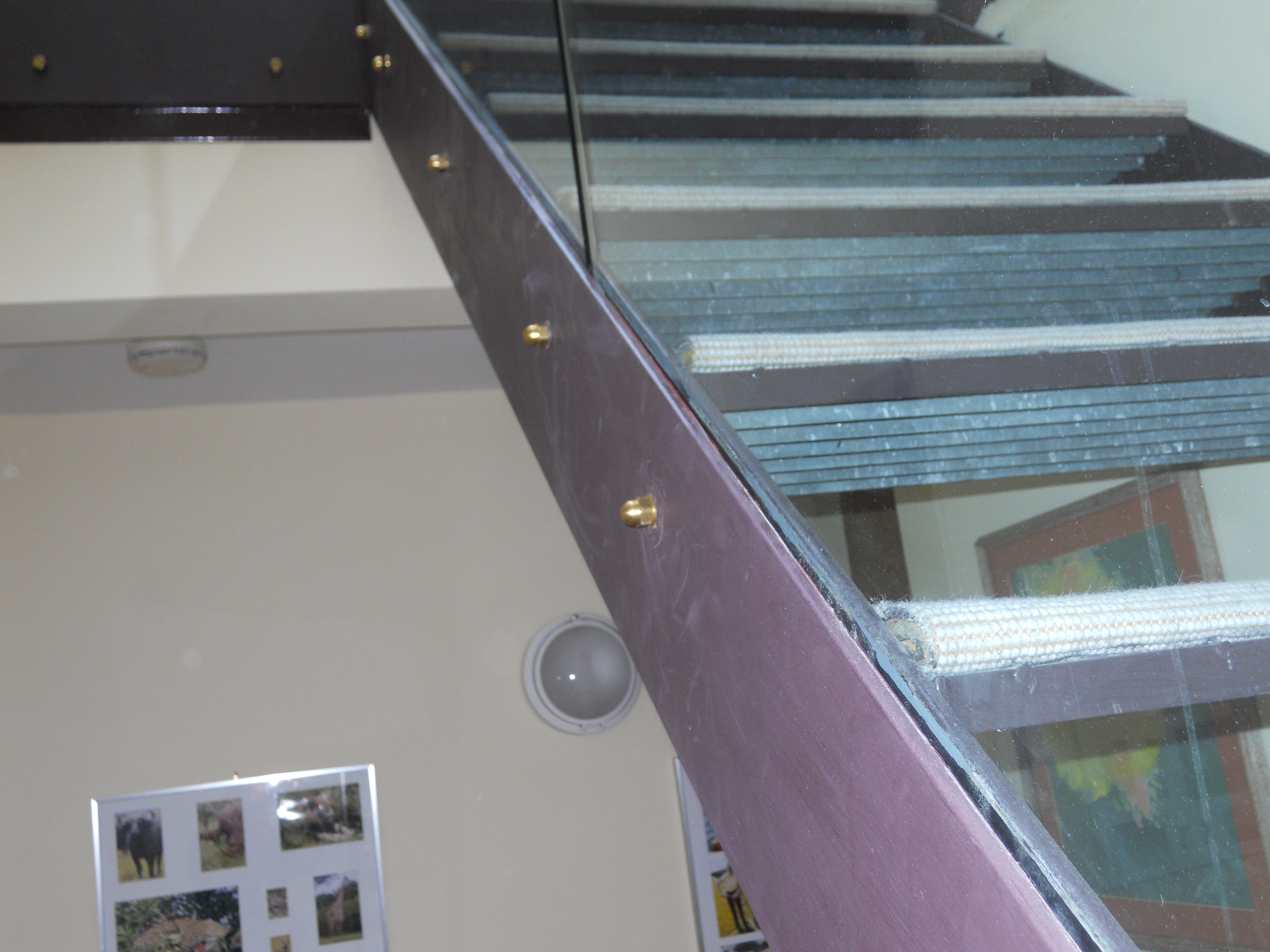
The New Bolts
Note the domed heads of the brass nuts, all round the same way.
But it’s not all perfect yet, as this picture shows.

Not All Perfect
I need to get some special bolts made with domed nuts as heads. This shouldn’t be too difficult. What complicates matters is that the steel is held to the floor using Rawlbolts, so how Jerry got two backwards I don’t know. I suspect that the best way to deal with the problem is to screw the new bolts in using some strong bonding agent.
Fixing the Stairs
I’ve found that the solution to my staircase is to replace the nuts with dombed brass ones like these.

Brass Dombed Nuts and Washers
They look much better and as they cost a couple of pounds each, you get a much better cosmetic effect for not too much effort. If you need anything like this I can recommend Clerkenwell Screws in the Clerkenwell Road.
I also bought this screwdriver there.
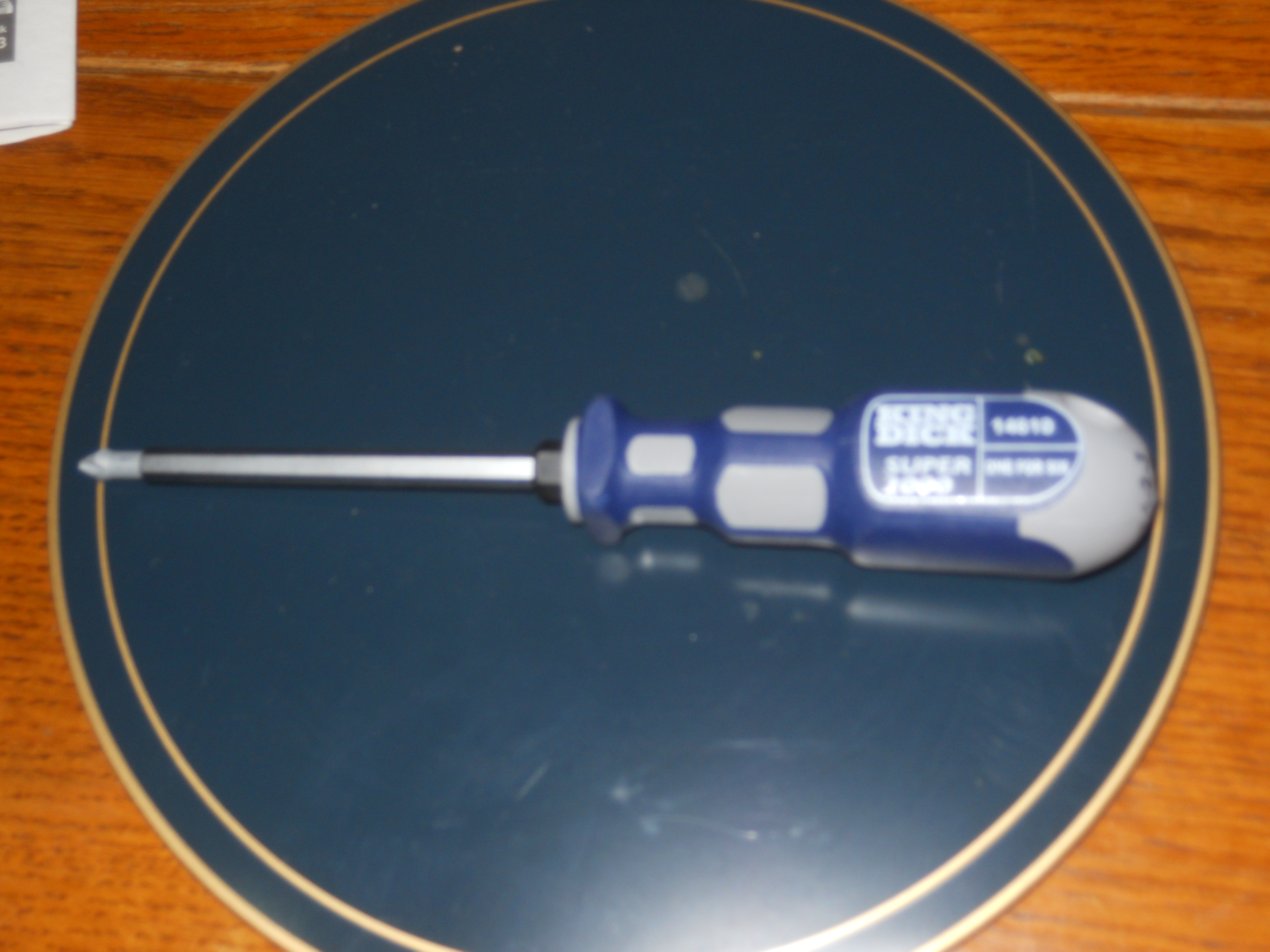
King Dick Super 2000 One for Six Screwdriver
It fits all six types of Phillips and Pozidrive screw, so now you only need one screwdriver for cross head screws. At just £8.99, this King Dick Super 2000 One for Six is very much a bargain.
How Not to Put in Bolts
In the previous post, I indicated that the new house has featured steel beams. The stair-case is also in steel and painted the same dark chocolate colour.
But look at this picture.
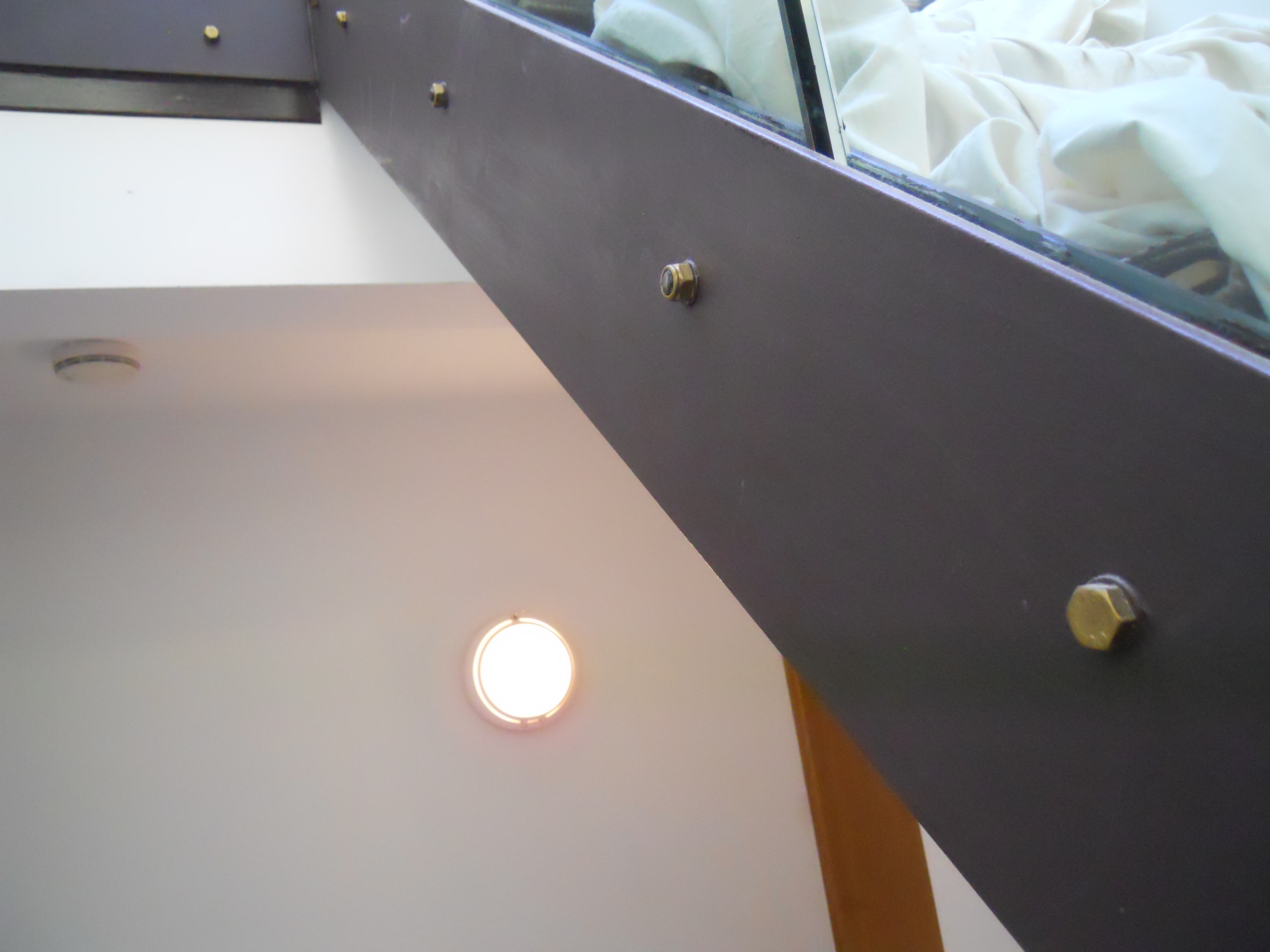
Bolts in a Staircase
My father would have said that this was probably put together by a one-eyed Irishman in the dark, as some are round one way and others are the other. We may not blame others like we used to in the 1950s, but whoever put these in had no basic sense of design and order. I’d love to see the architect’s drawings, to see what they intended. Some bolts look to be a brass colour, so there might have been some instructions.
I will change them at some point, but whether I use brass, bronze, stainless steel or chrome, with or without cap nuts is a question that has to be decided.
Whatever I do though, I’ll put them in properly and in order.
The Shareware Version of Daisy
I have decided to make the shareware version of my software, Daisy, available through this blog.
Download the software from this link!
You’ll need user and registration codes. These are VagueShot2 and 1052621012. Some of the examples don’t work, but I’ll be updating the software to the 2011 version in the first month of 2011, when I get everything setup in the new house.
The only problem is that I’ve been slow to set everything up, as I’ve been removing the work of Jerry the builder from the house.
 The Anonymous Widower