Non-Joined Up Thinking
On Saturday, I’m playing real tennis at Oxford University. As I want to go shopping in London afterwards, I intend to drive to Blackhorse Road and then get the train.
Type Blackhorse Horse and Oxford into the usually excellent National Rail web site and you get wonderfully tortuous routes from Blackhorse Road to Paddington. One takes the Victoria line to Finsbury Park and then says you should get the main line from Finsbury Park to Kings Cross.
Wouldn’t it be easier to just stay on the tube?
Remember that to calculate tube journey times, you count the stations and multiply by two. Then add in five for each interchange and that gives you the answer in minutes.
So Blackhorse Road to Paddington should take twenty-six minutes for the thirteen stations and another five for the exchange at Oxford Circus. I think that the exchange at Oxford Circus, is just a fifty metre walk through an overbridge, as the Bakerloo and Victoria lines are paired in that station.
Trains and Coffee
My journey on Friday from Stansted Airport to Winchester took four trains, but went very smoothly. It avoided London termini and was much easier.
The Stansted Express took me to Tottenham Hale and then it was the Victoria Line to Vauxhall. I used to do this a lot to see a client, who sadly has now passed on. It was then a quick hop to Clapham Junction and then a fast train to Winchester.
All trains were clean and I had two cups of coffee en route. The one on the Stansted Express was £1.85 and the other on the Winchester Train was £1.40. But the Stansted one was an individual filter, so the value was about right. They were both good.
I should also say that when I took the train to Southampton Airport, I bought the wrong ticket from the machine. I felt that some jobsworth might make me buy a new ticket, but he just charged me 40 pence for the difference.
Who says service has died?
Clapham Junction
I’ve rarely caught a train from this station, but the Train Timetable site said that by travelling via Tottenham Hale, Vauxhall and Clapham Junction was the quickest way to get through London. I was actually travelling from Stansted Airport to Winchester.
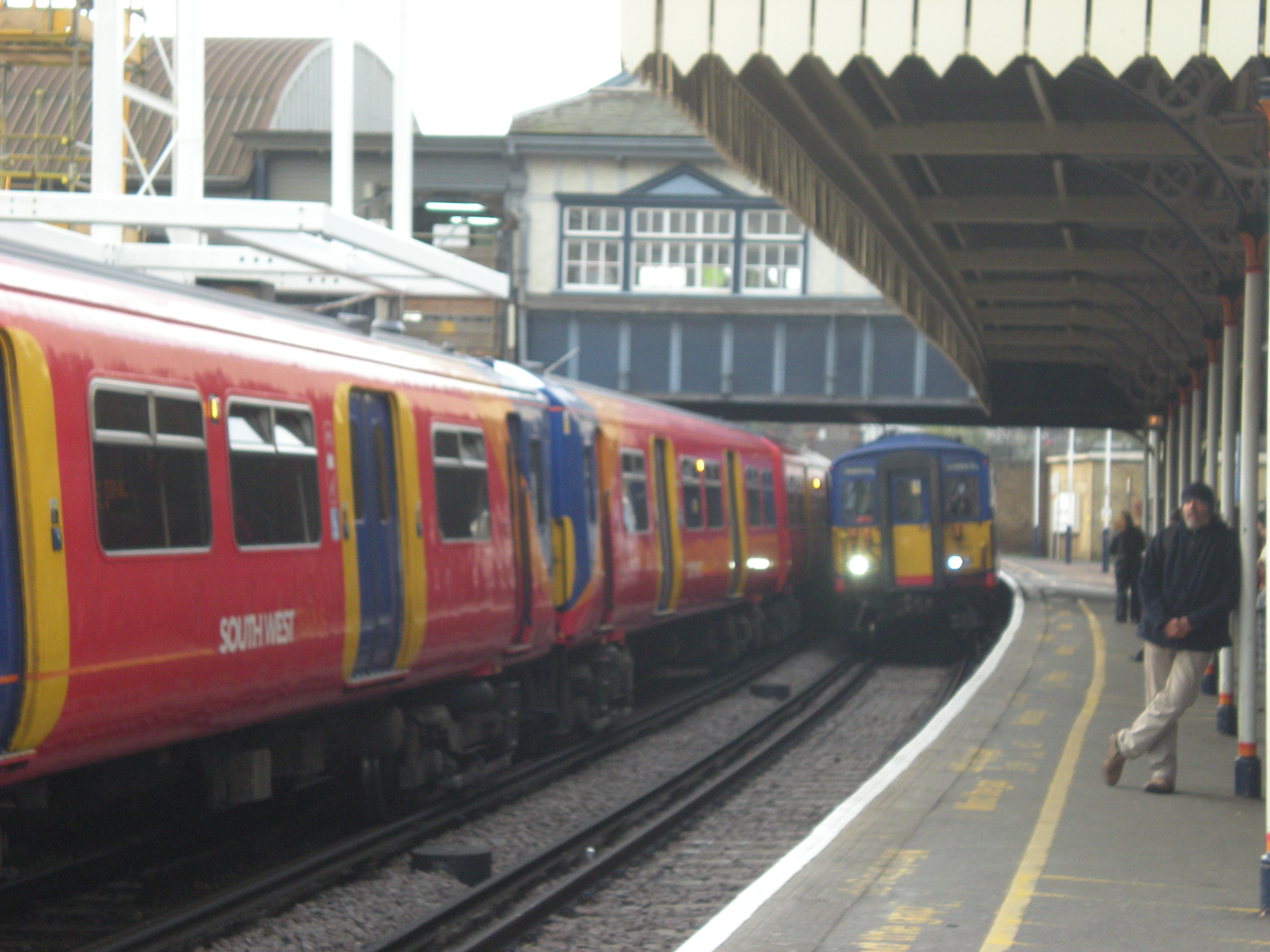
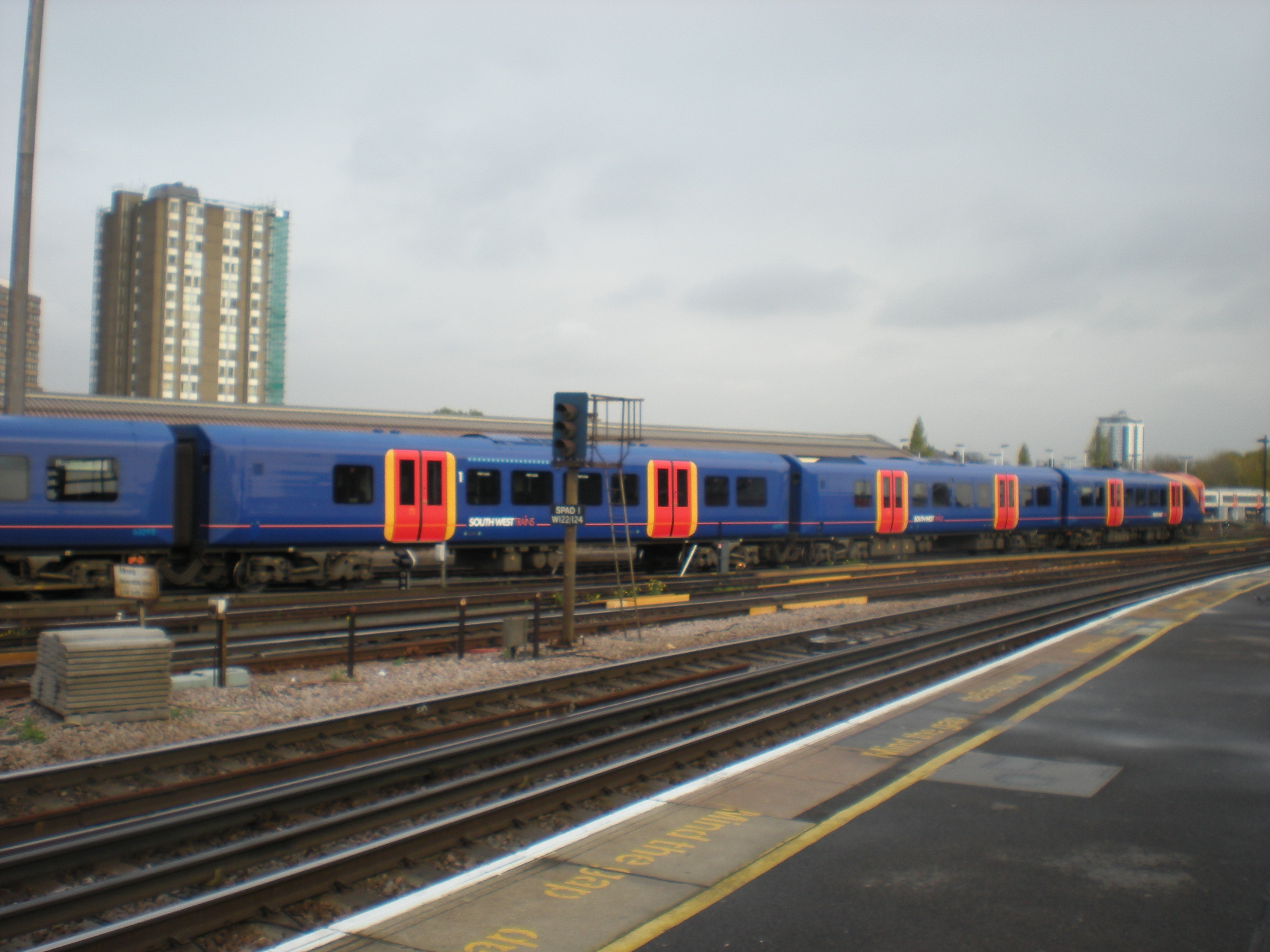
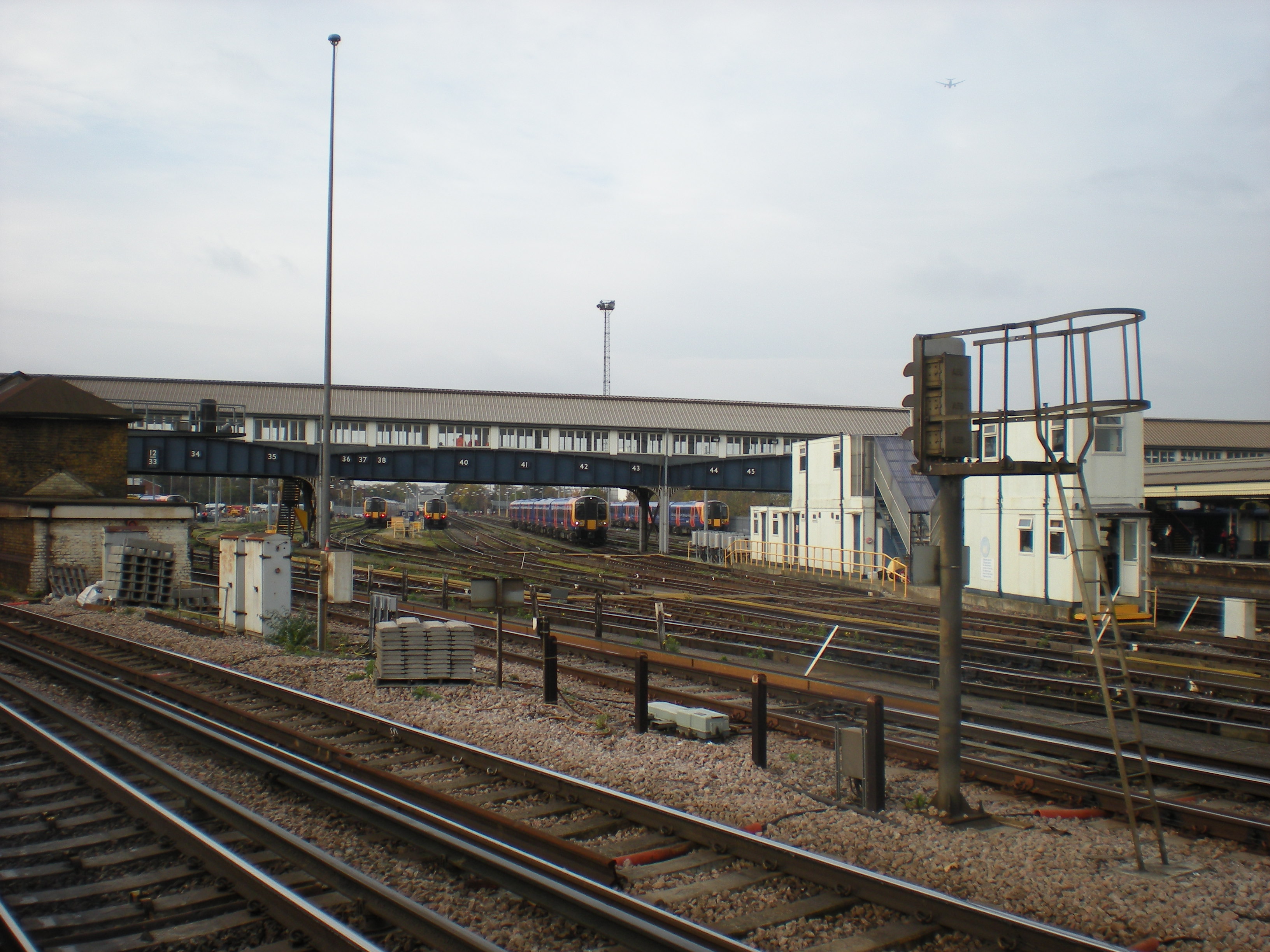
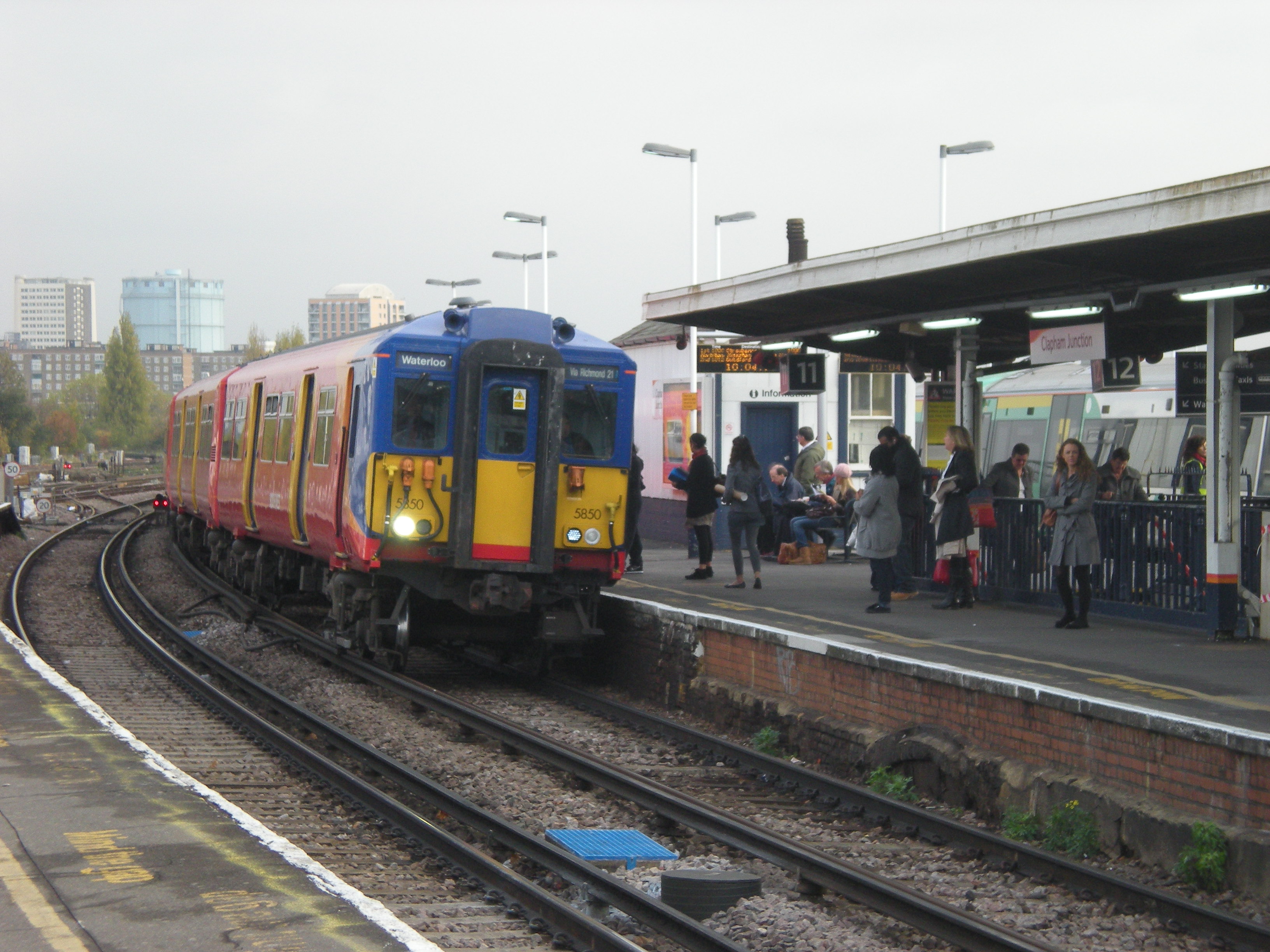

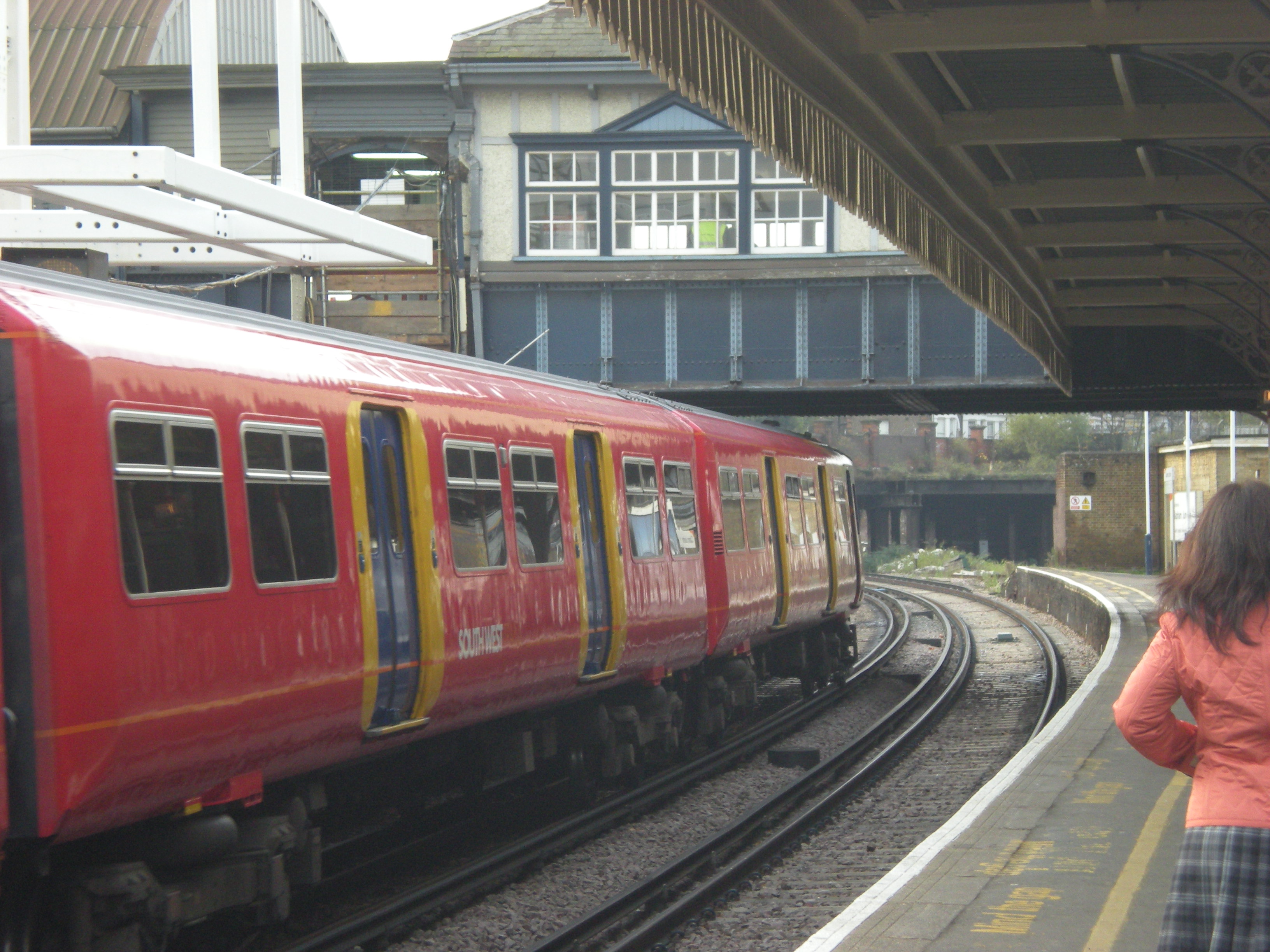
Note the Hot Ribena. I used to like that, but now because it is made from wheat glucose, it gives me the runs.
One of the problems of being a coeliac. But the EU says that wheat glucose is fine for me, so it must be OK!
It bloody well isn’t!
The Wuppertal Schwebebahn – A Video
The translation of Schwebebahn is the flying railway.
Watch the video to see why!
I filmed this when I visited Wuppertal in July 2008.
The Bridge at Glossop
Last week, I went to Manchester. I did post about The Petticoat Line and the Ladies Night that I listened to on the way down. I didn’t travel to Manchester by the obvious route of the A14 and M6, but by a route that is ingrained in my past.
When I was at Liverpool University in the 1960s, there was no M6 link and to travel between the M1 at Watford Gap and the M6 at Cannock Chase was a slow crawl through a lot of Coventry and Birmingham. So you found other routes!
Typically, from London, I’d take the A5 from the M1 and then head north-west past Lichfield and Stone to join the M6 at Stoke, just south of Keele Services. I did that trip a lot of times, both in my Morris Minor and also by hitching. The latter was fun and sometimes I’d take six or seven hours, but I once did it in under four from Barnet to Liverpool and every lift was an HGV. There was also the tale of the commercial traveller after the 1966 Cup Final between Everton and Sheffield Wednesday. He was an Everton supporter and I got a lift from Watford all the way back to Liverpool.
But my parents had a house in Felixstowe and after 1966 or so, they lived there permanently.
Travel from there was a nightmare. If I had chosen to go by train, it would have meant a journey via London, as there was only one train a day from Ipswich to the North West. And then I’d have had to change at Manchester. Now there are several trains a day to Liverpool and they do the journey in a lot shorter time.
I did try hitching a couple of times, but once in East Anglia, lifts were few and far between and I often took up to four hours to get from the M1 at Northampton to the Suffolk coast.
So I had to use the faithful Morris Minor.
But the drive from there to Liverpool was even worse than from London. The A14 as we know it today wasn’t even a dream in anybody’s eye. Ipswich, Needham Market, Stowmarket, Bury St. Edmunds, Newmarket and Cambridge were not bypassed and there was little dual-carriageway road in between. Believe it or not, it was quicker to cut north, via Thetford and Kings Lynn. Then it was over Sutton Bridge, past Spalding and through Bourne before joining the A1 to go north.
The A1 was mostly dual carriageway from there, although the Tuxford section was still a single lane crawl. I then turned east and took the A57, through Worksop and Sheffield, before taking Snake Pass towards Manchester.
So this was the route I took to Manchester last week. Or at least the last part, as now the A1 from Cambridge is a very good and open road, with no roundabouts and only a short stretch at Exton with a 50 limit.
I still love that pass through the moors. The colours made me feel so much better.
But as I remember it Glossop was a lot less busy in the 1960s. Then it really marked the end of the difficult journey and it was straight through Manchester and on the East Lancs Road to Liverpool.
But now it marks the start of a slow crawl through the villages of Hollingworth and Tintwhistle to the M67. If there was ever the need for a by-pass then surely that place needs it. One was proposed in 1989, but is not planned to be built until 2016-7. So in other words, like the missing A11 link, it will not be built.
One thing though stood out on the route and that was where the Glossop railway passed over the road.
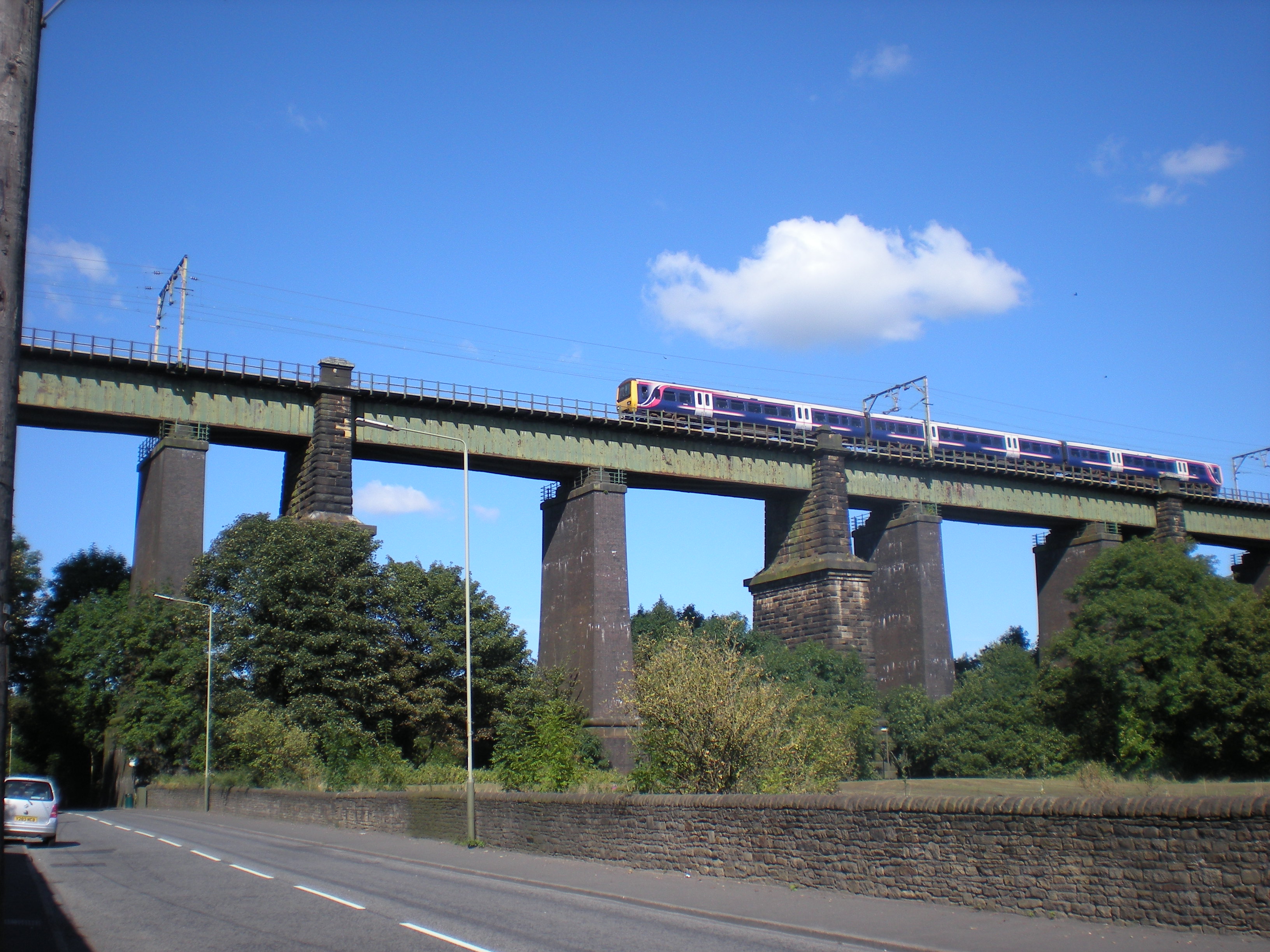
Dinfield Viaduct at Glossop
Note the extra piers, that were I think put in when they electrified the line in the 1950s. Then it was electrified all the way to Sheffield, but now you can only go from Manchester to Glossop. Sad, because if I remember my Meccano Magazine correctly, the Woodhead Line was one of the most spectacular railway lines in the UK. It has since acquired cult status among railway enthusiasts.
Perhaps one day, they’ll do something useful with the tunnels under the Pennines.
What a Way to Run a Railway!
London Midland ran no trains on Sunday. There were a few, but they weren’t useful for anybody who lives between Birmingham and London.
Why?
Because their employment contract for the drivers said that Sunday working was voluntary. Which meant that when the company started to change the rules on pay, it all went pear-shaped as no-one volunteered.
I hope the Rail Regulator takes a dim view of this, because railways are a public service and not one for the primary benefit of owners and staff.
60163 Tornado
In some ways one of the aspects of seeing the Winton Train at Boreham, was how professional it all was. Tornado steamed into view at the same speed of all the modern electrics on the line and in a few seconds, she was gone. Are railway engines female like ships?
It was just like how as a child, when I used to see the Streaks (A4 Pacifics) at Oakleigh Park in the late 1950s and 1960s. But then if you read the history of the new-build A1 Pacific, Tornado, you would expect that, as it is just a very professional engineering project, albeit with a rather unusual product.
There was criticism when Tornado was built that this British project had to use a German boiler. Wikipedia says this.
While the manufacturing facilities still existed in Britain to manufacture such a large component, due to the design differences from the originals, the Trust required a supplier with the specific experience of designing, building and certification of steam engine boilers to modern day safety regulations, as required by the European Union’s Pressure Equipment Directive.
In early 2002, the Deutsche Bahn Meiningen Steam Locomotive Works in the former East Germany was identified as a supplier. They possessed the required knowledge as mainline steam operation had continued in East Germany until the mid-1980s, and 70% of its work still involved steam, and they still possessed the powerful plate roller machines.
That to me is a very good reason for using a German boiler. It also cost about the same as a complete rebuild of the boiler of the Flying Scotsman.
In a lot of other areas too, Tornado is modern, in that it can operate under the wires and in a completely safe environment on a modern railway. She also has a modern air braking system.
Let’s hope we see Tornado a lot more in the next few years.
An interesting aside in the Wikipedia article is this.
While Tornado will be limited to 90 mph (140 km/h) on the UK main line, there is a possibility that she could reach higher speeds, if transported to Germany. If she was towed through the Channel Tunnel, according to the Trust, Deutsche Bahn had informed the Trust that Tornado would be allowed to run “as fast as [they] like”.
Perhaps, if there is another Winton train, Tornado could do the whole route!
North-South High Speed Rail Link
The announcement of a high speed rail link to the North is generally to be welcomed.
Although you wouldn’t think so, if you read the comments on that post on the BBC.
Strangely over the last year or so, I’ve been using trains less and less. I have done one trip to Holland by train in the last few months and I can’t remember the last time, I took the train to London or to the football at Ipswich. I certainly wonder if I’m going to renew my senior rail-card at the end of the month.
I think the London trips are probably explained by the fact that I’m not going to London as often, and when I do it only takes about thirty minutes longer to drive to Blackhorse Road on the Underground, than it would to Cambridge or Whittlesford.
But it doesn’t explain, why when I drive north to Manchester or Nottingham, why I don’t take the train, when it would probably be slightly quicker and less stressful. The reason there is that unless I take a taxi or get someone to run me to the station, there is no affordable parking that I can use. If say too, I wanted to go to Edinburgh, Manchester or York, I can’t even be sure of getting a parking space at Peterborough.
So to avoid the hassle I drive.
High speed trains may well be good for those who live in major cities, but please lets have lots of car parking at easily accessible stations, so that those like me, who live away from the major networks, can plan our journeys by train, rather than have to drive.
A decent Cambridge-Oxford line or some form of westerly one from Cambridge would also help. But that is not a grand project!
I also suspect that one of the reasons for announcing the new North-South High Speed Link is to create a sensible excuse for not spending any money on the existing network!
A Triple Decker Station
Antwerp Central railway station is considered one of best stations in the world.
In fact Newsweek called it the “4th most beautiful station in the world”. They rated Saint Pancras first, Grand Central in New York second, and in Chhatrapati Shivaji in Mumbai third. So I’ve now seen the top four!
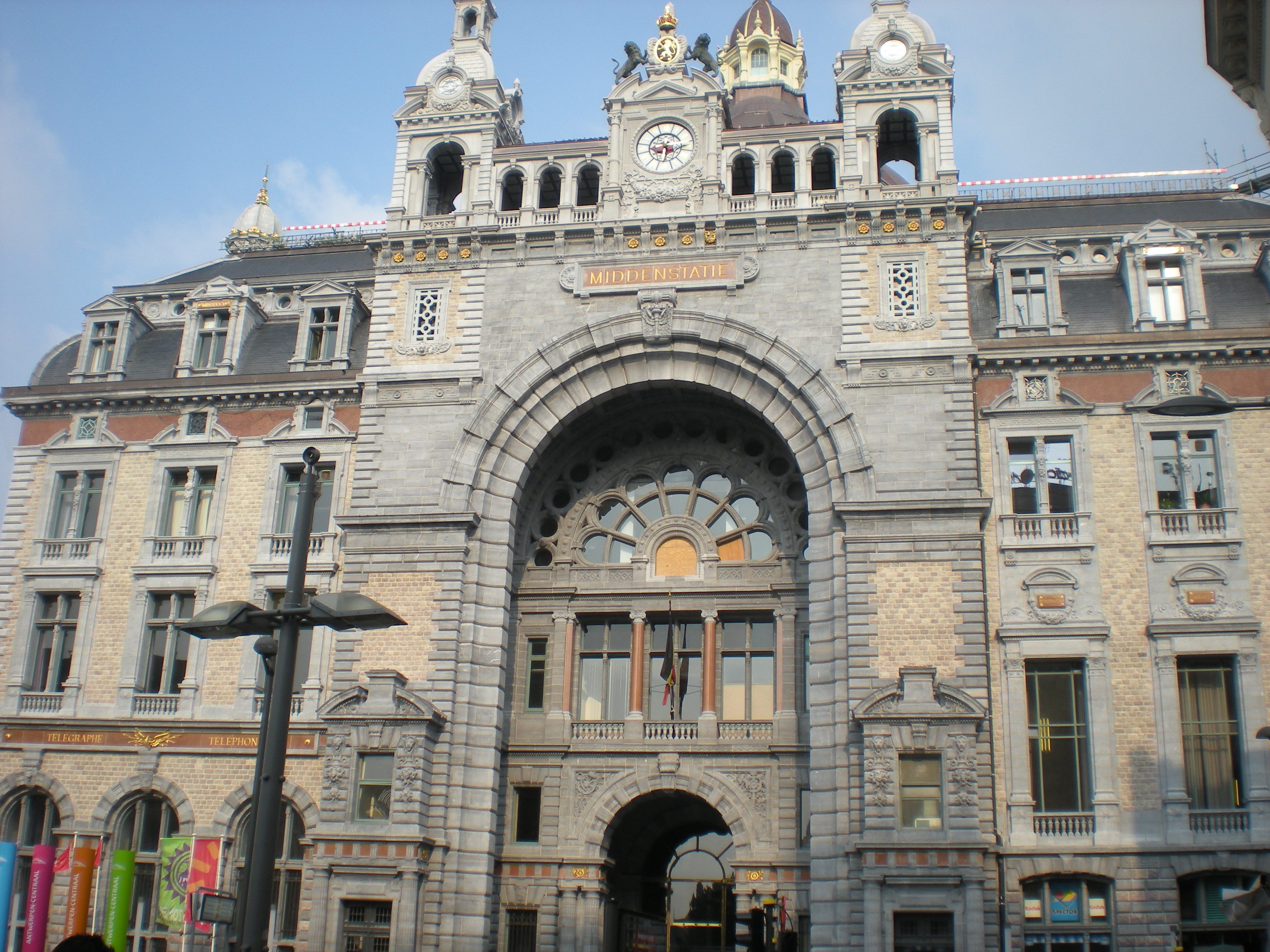
Antwerp Central Station
It isn’t as old as some stations having been built between 1895 and 1905 and it was originally a terminus.
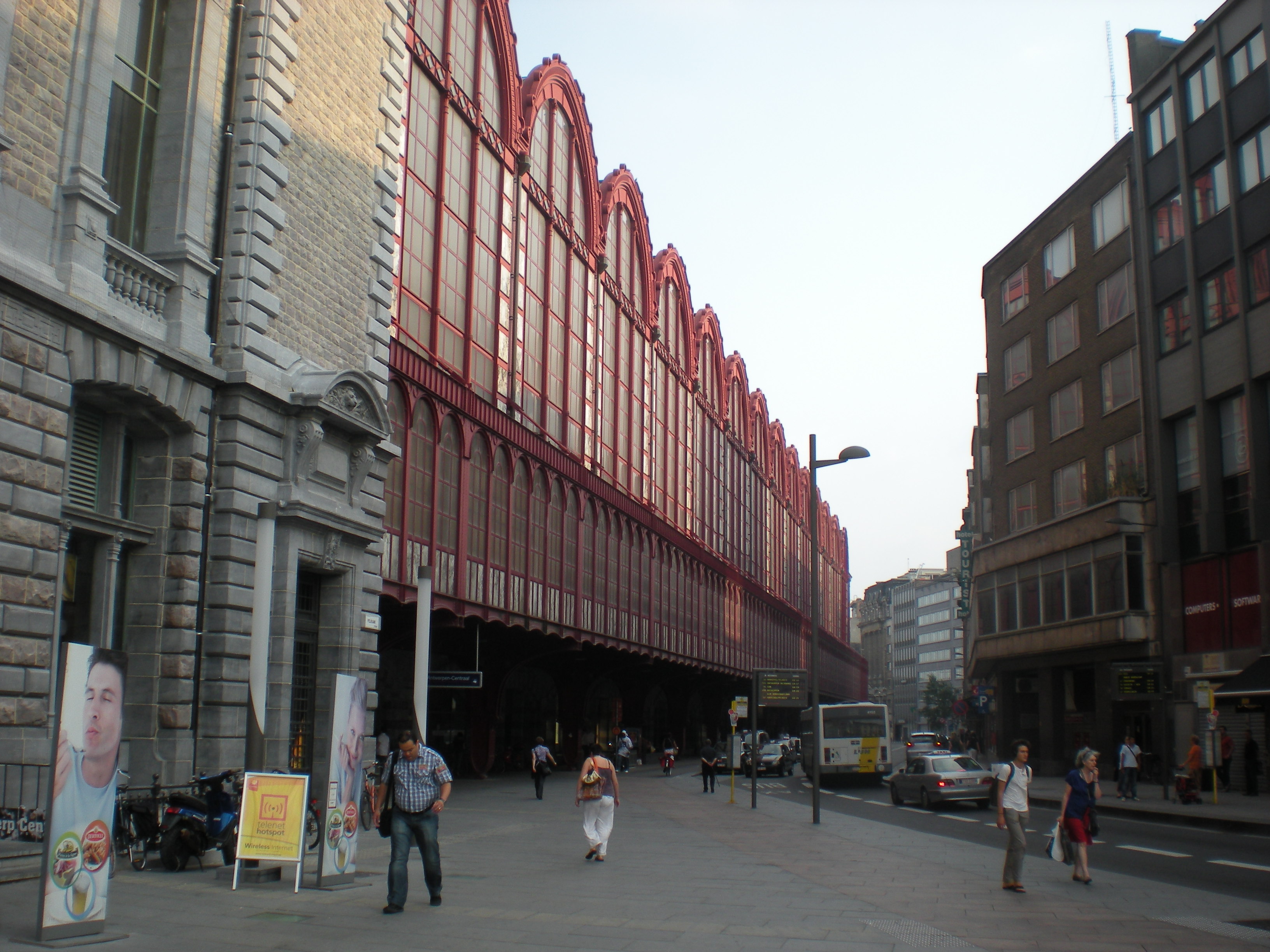
Antwerp Central Station – Trainshed
This view shows the outside of the enormous trainshed.
Inside it is no less spectacular and extremely unusual in that through trains between Brussels and Holland, now pass in a deep level station underneath the original.

Antwerp Central Station – Inside of the Trainshed
When you look down, you see all three levels of platforms.
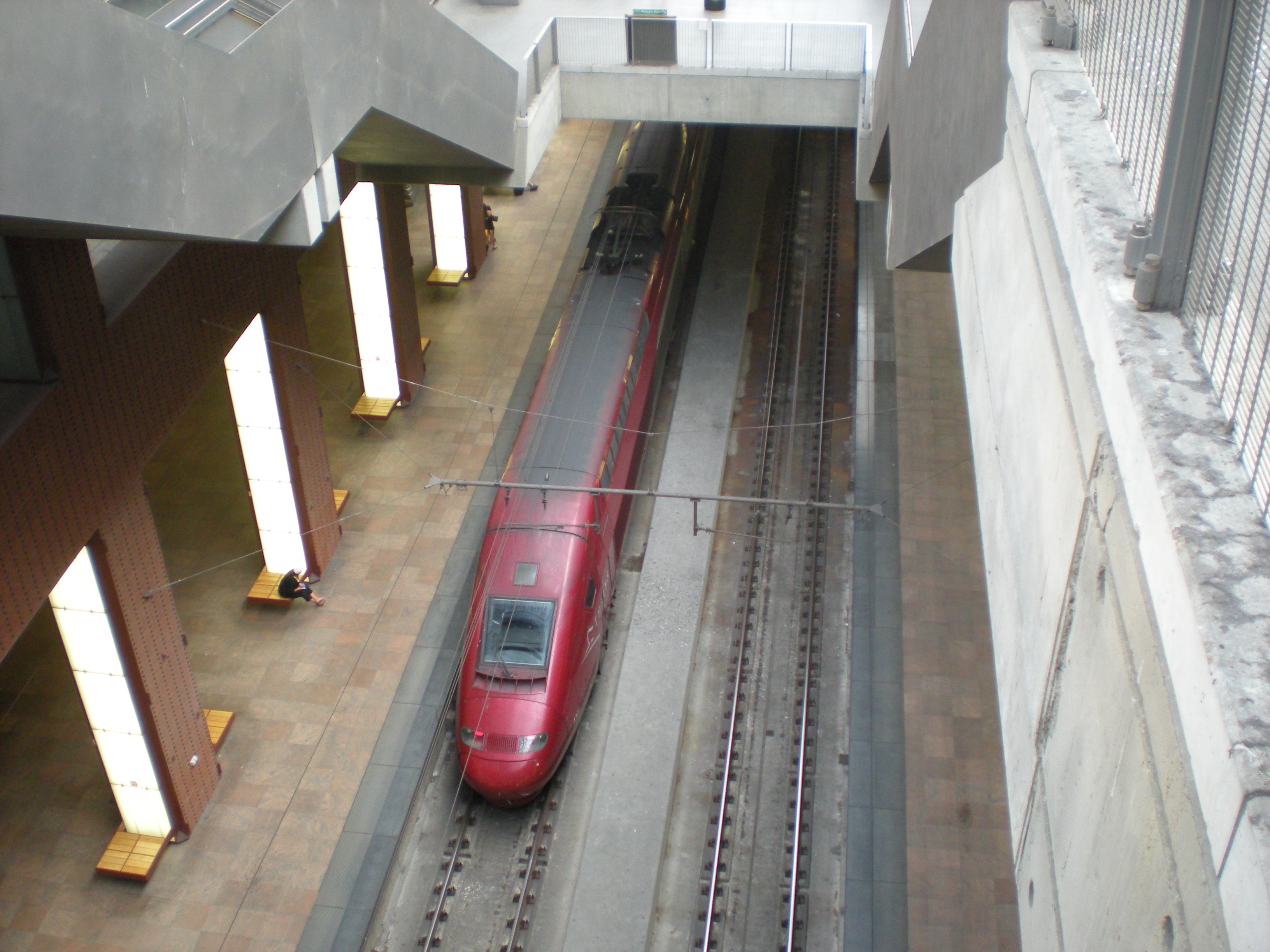
Antwerp Central Station – Three Levels
The train in the picture is a Thalys, one of the high-speed trains between Paris and Amsterdam. Unfortunately at present they dawdle from Brussels onwards.
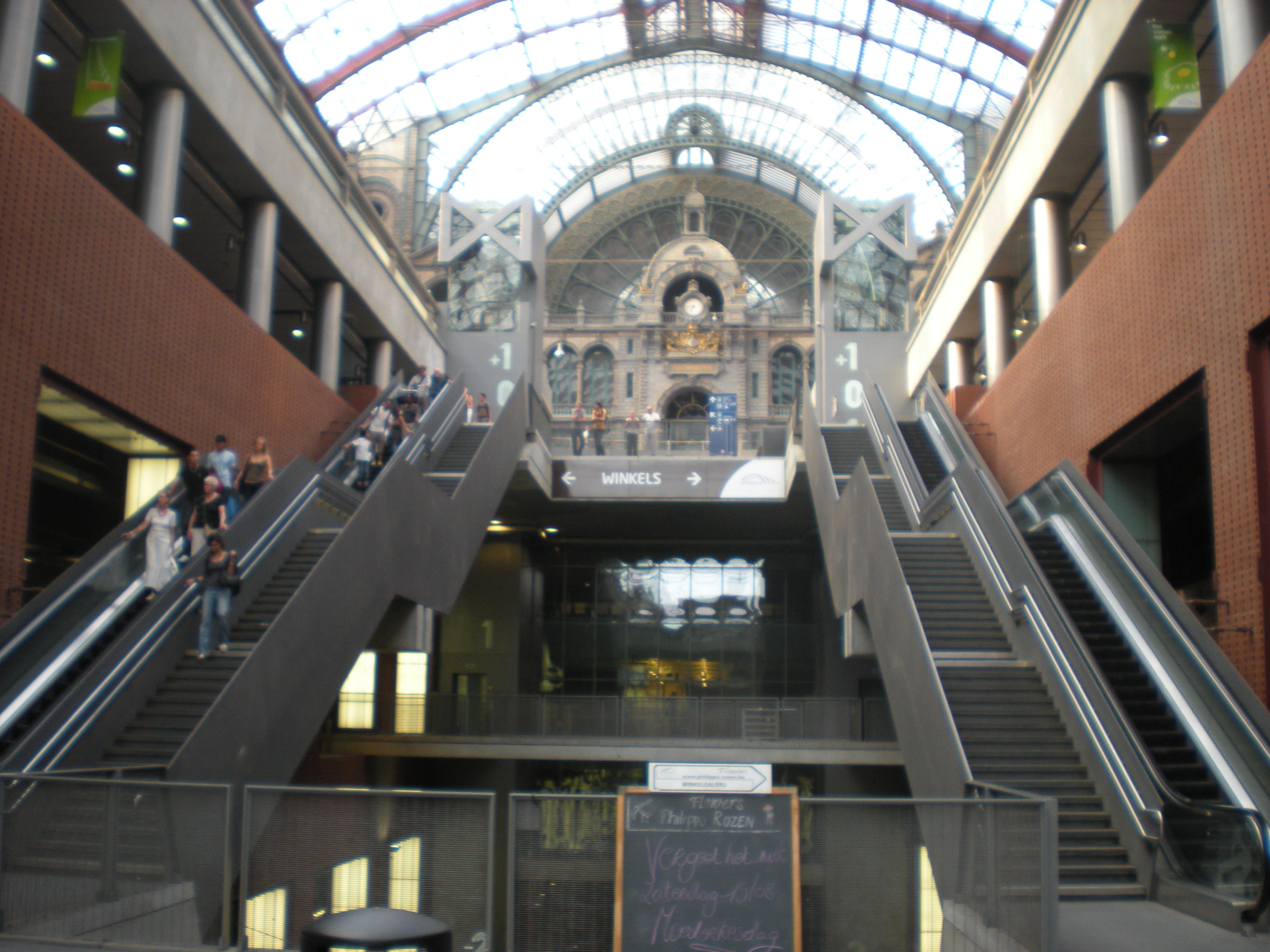
Antwerp Central Station – Looking Up
Note how it is good blend of traditional and modern.
Celebrities
The case of Steven Gerrard is in all the newspapers at the moment. It raises a lot of issues, including the case of celebrities behaving properly.
After all, we’ve had a lot lately, who have got into trouble. Read something like Popbitch and you’ll get all the dirt on many who have overstepped the mark.
I go racing a lot, mainly at Newmarket. You see quite a few people there, who are in the news and they are rarely bothered and I’ve never seen anyone behaving less than impeccably. So perhaps, what happens occasionally and gets in the papers is just an aberration.
One tale I remember, is when we were flying to Greece I think and Susan Hampshire was on the plane. It must have been some time in the 1980s and the plane only had one class. She just said hello to everyone, signed a few autographs and just was extremely pleasant. We all left that plane, saying that she such a nice lady. I’ve had a soft spot for her ever since.
It must have been about 1973 or so, when I travelled to Middlesborough on a train. I had breakfast on the train and sat in a set of four seats in the dining car, with two gentlemen from Evans, who ran the shops for larger ladies, and their guest, Janet Webb. If you remember her from her closing the Morecambe and Wise Show, you will remember that she wasn’t a small lady. She entertained the whole carriage. What a trouper!
I also shared a similar four going to Liverpool on a train with two railway engineers and Virginia Wadeat about the same time. I think she was tired as she slept most of the way. Or was it that we talked about trains all the way up! If I remember, she got off at Crewe to take the train to the tournament at Hoylake. How lives have changed for tennis players since.
These are just three instances, where celebrities have enlightened the everyday lives of others. I could add more.

