Pedestrian Unfriendly Plymouth
If you like walking and you have to go to Plymouth for some reason, then don’t think that walking in the city will be easy. Good walking cities have three things in common; fairly flat terrain, lots of signs, well-thought out maps and if those fail a well signposted and logical public transport system. Obviously, I would say London has these, but then I know the place like the back of my hand and I know many of the short-cut bus routes. But then except for the terrain, Liverpool scores well, as does Leeds, Sheffield, Milan, Valencia, Berlin and even Naples.
For a start, the hotel porter couldn’t find me a map and when I started my morning constitutional to get a newspaper on Saturday, I only had a vague idea of the city’s layout in my memory. There were signs however, so I thought I might find my way to the Hoe. But try as I might, I could not find any maps. Not even on the bus shelters. I know that is rather a hobby-horse of mine, but every bus shelter should have a local map. Preferably, there should also be a spider bus map like London and some other cities. I can’t remember a time, when I went to a tube station and there wasn’t a local map of the area, so they must have been there well over fifty years. Now most London bus shelters have them and it makes travel around the city so easily. Especially if like London each stop is announced on the bus or train! All I tell my visitors is to take an xxx bus to a particular named stop and text me, when the bus passes another, so I can meet them when they arrive.
I did get to the Hoe and what a disappointment!
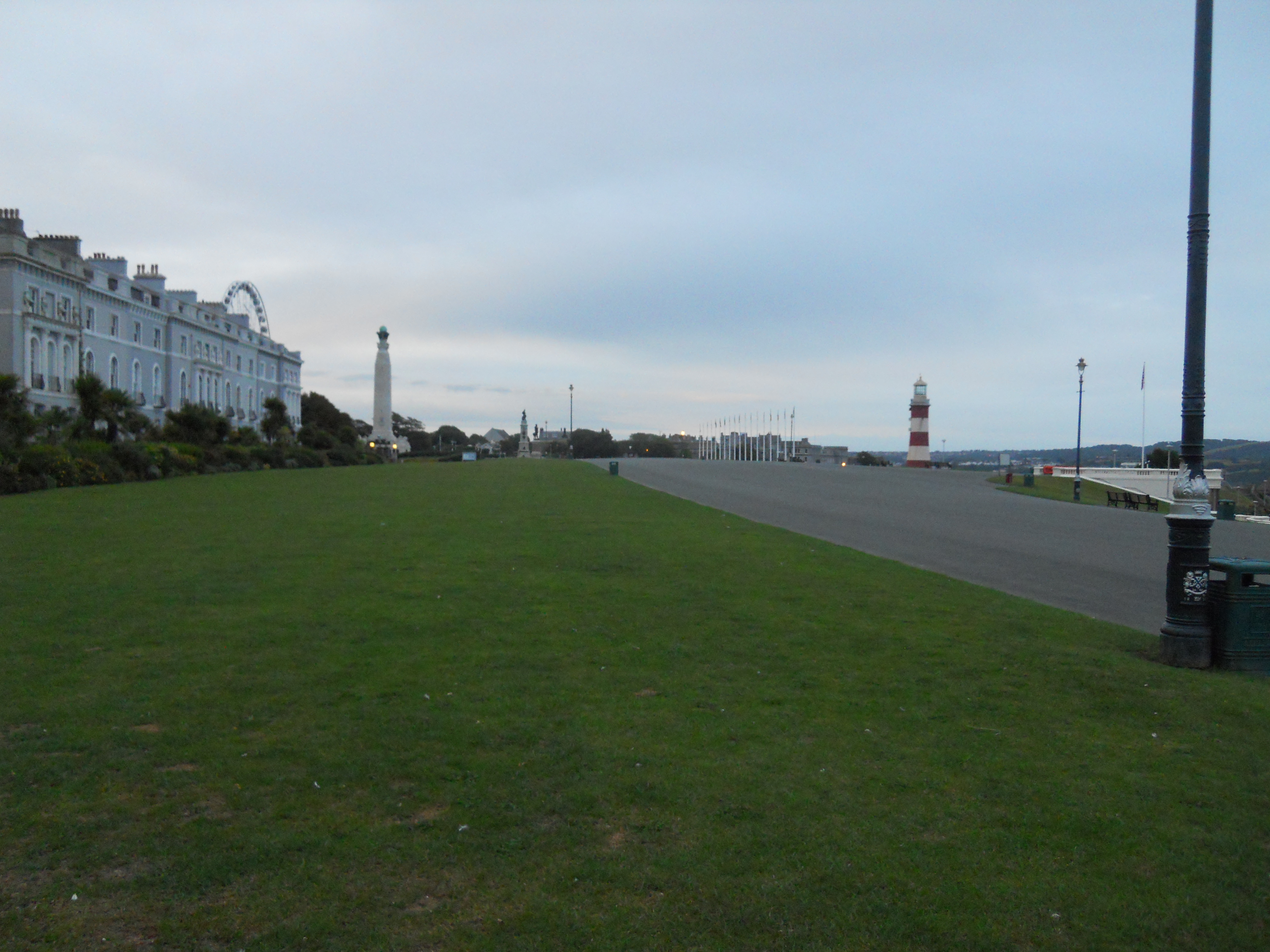
Plymouth Hoe
Information was bad and it was just vast expanse of asphalt, which gave the impression it was used as a car-park in busy times.
Wikipedia says this of the Hoe.
For forty years, there has been controversy about development on the edges of the Hoe green space. The erection of two discount hotel chain box buildings, at the southern end of Armada Way and the other at the Sound end of Leigham Street, contrast with their Victorian surroundings. The former Grand Hotel is being converted into luxury flats, and the long derelict yacht club site has now been filled by a modern block of flats. The Plymouth Dome, a turret and domed building, built into a small old quarry site above Tinside as an historical theme tourist attraction, failed to attract enough tourists or locals and closed in 2006. As of 2008, it may be demolished.
I just walked along it for a bit to admire the view and then walked back into the city.
I know it was only six in the morning, but I’m a bad sleeper away from my own bed, so very often I’ve found myself walking around deserted city centres. Usually, I’ll buy a paper and then perhaps find somewhere to sit and read it. But Plymouth was as dead as the proverbial dodo. Most city and town centres have a paper shop or a Tesco Express or a Sainsbury Local, where I can do the first and a cafe to do the second. I couldn’t find anywhere open to buy a paper, so I just walked in a wide circle, back to the hotel. I suppose if you live in the centre of Plymouth and need something urgently like nappies or a ready meal early in the morning, you have to get the car out and drive to the larger food stores on the outskirts. But then Plymouth is a city designed totally around the car and pedestrians are sad losers, who aren’t welcome. Look at this barrier for a start.

Anti-Pedestrian Barrier, Plymouth
Any sensible city would protect pedestrians, by building crossings along a main shopping street and imposing a low speed limit. But Plymouth just make you walk a few hundred metres in a direction you don’t want to. And then look at this light controlled crossing.
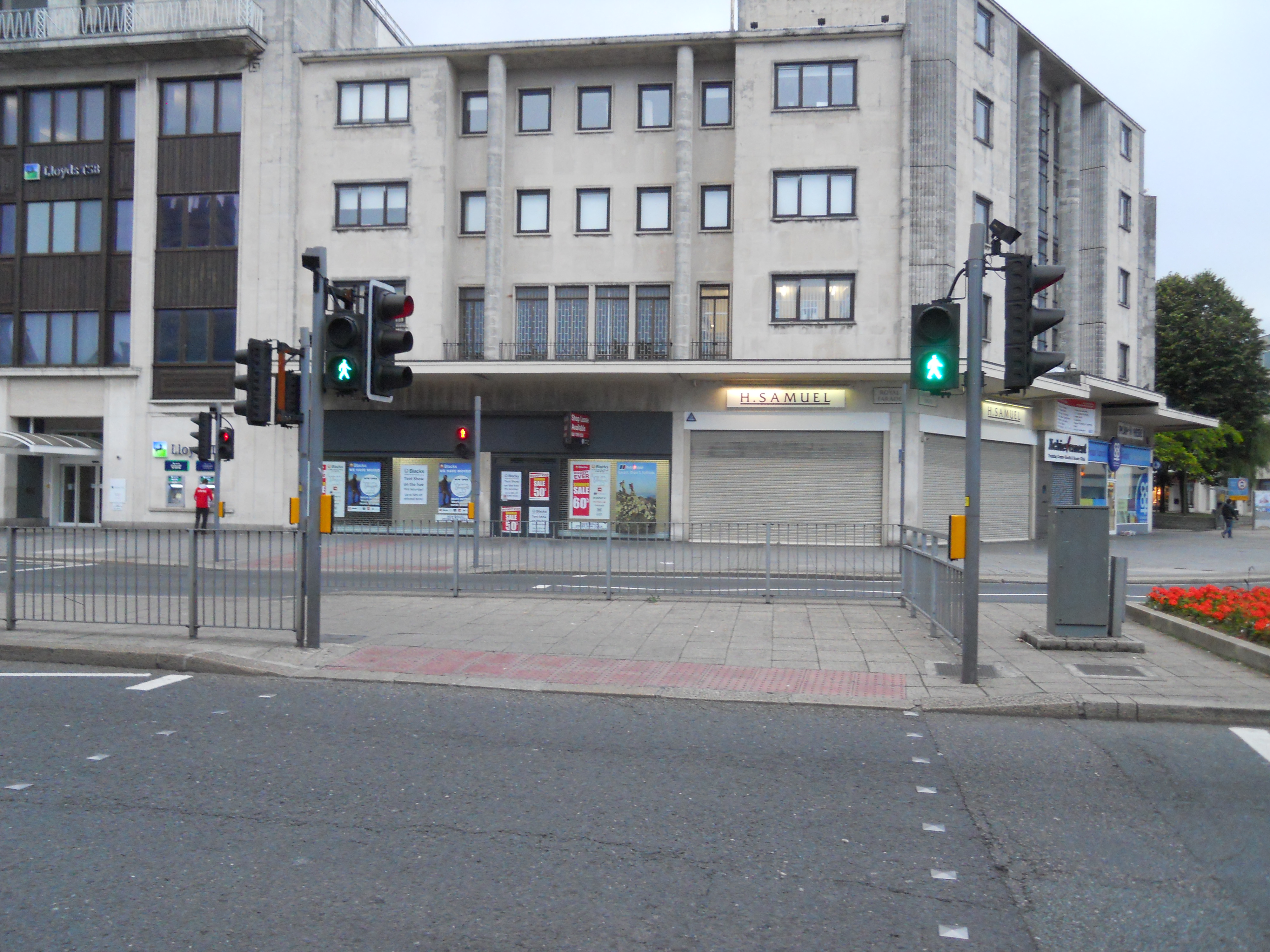
Unphased Pedestrian Lights, Plymouth
You have to wait for one set of green lights and then cross to the middle, then wait again. Locally in London, lights are often timed so that if you’re walk naturally, you can do the double crossing with ease. I checked too in Bristol and there they phased the lights more for pedestrians.
Cities need to attract visitors to bring money in. People may arrive in cars, but then they will become pedestrians. So it is very easy to hack your visitors off. Plymouth does this in spades.
One point they also miss, is that say you arrived in a Plymouth car park and walked to the Hoe, would the signage get you back to where you parked your car. I doubt it!
These visitors will never come back and will tell their friends why.
Walking Along The Thames
On Tuesday night I took a guided walk along the Thames from Bermondsey station to the Brunel Museum at Rotherhithe. The walk is described here.
These pictures were taken as we walked along the river.

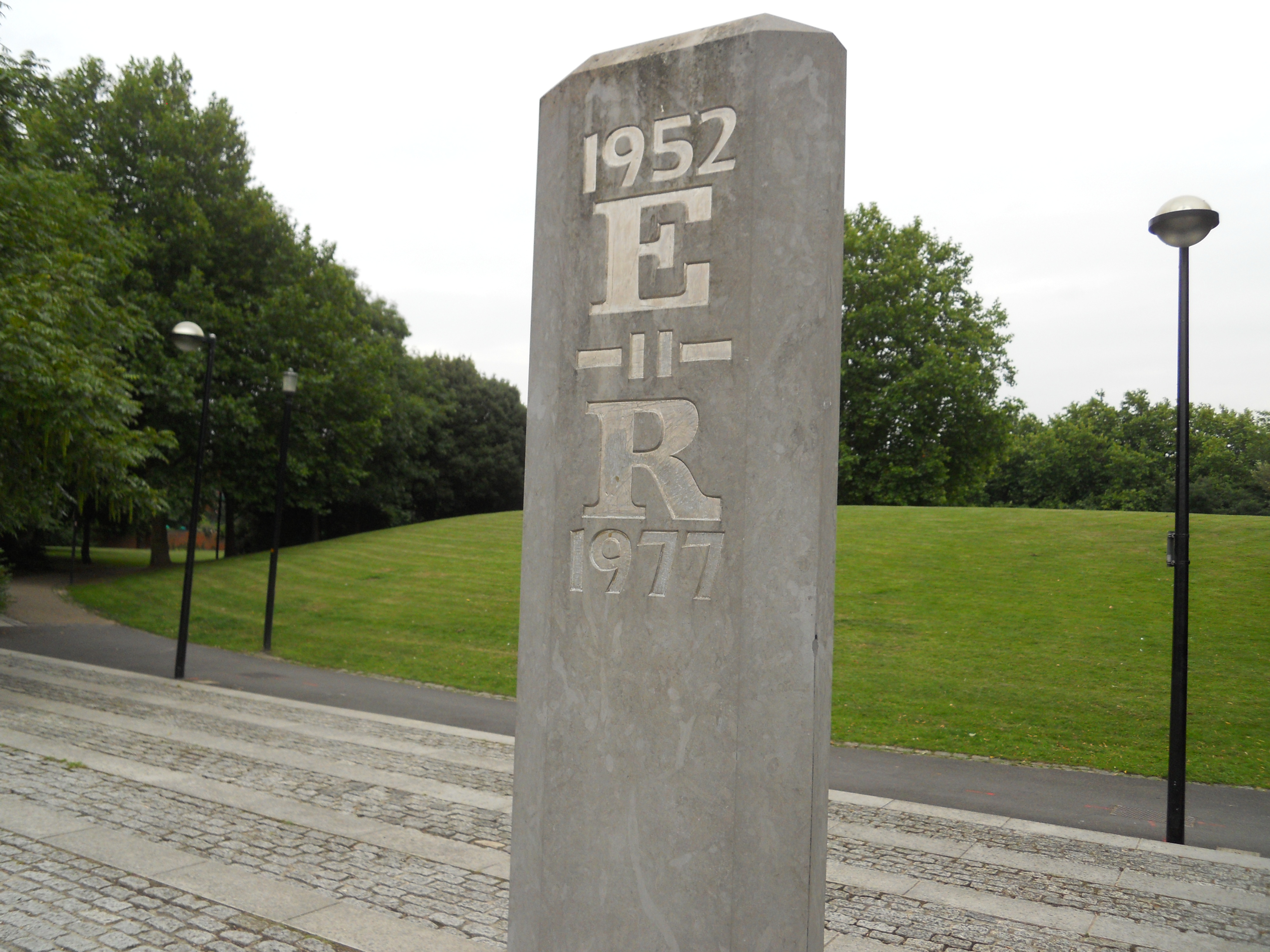
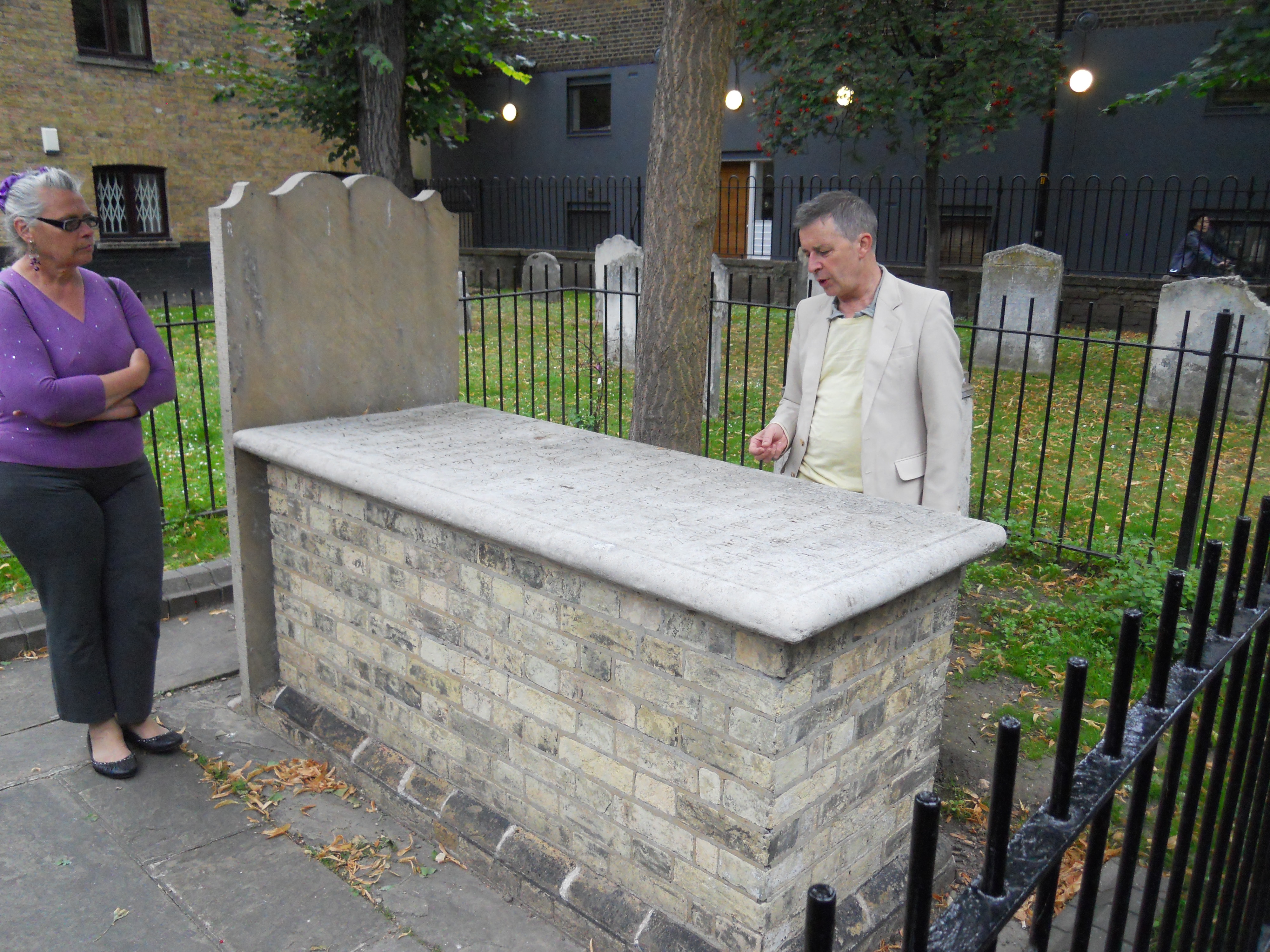
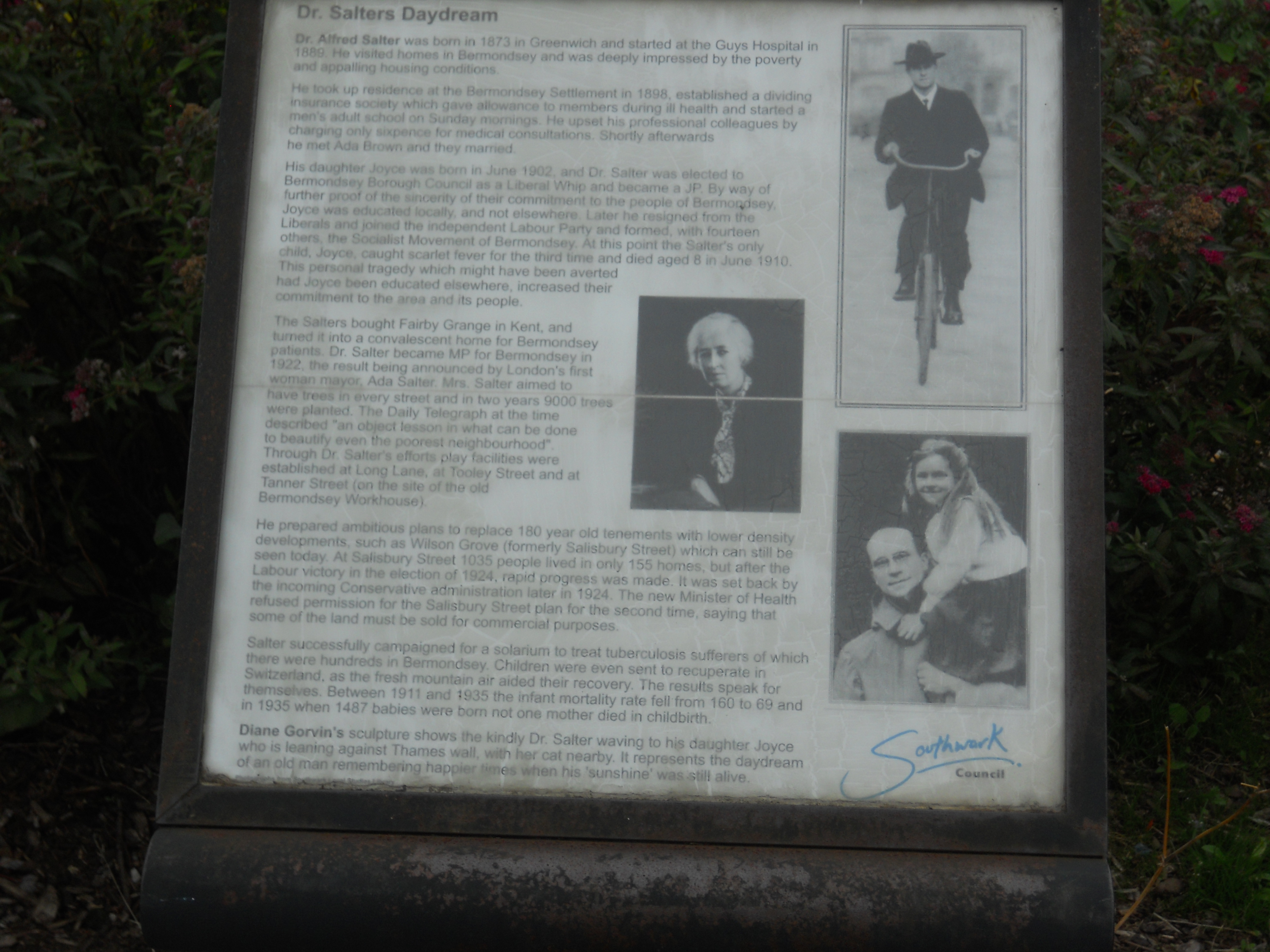
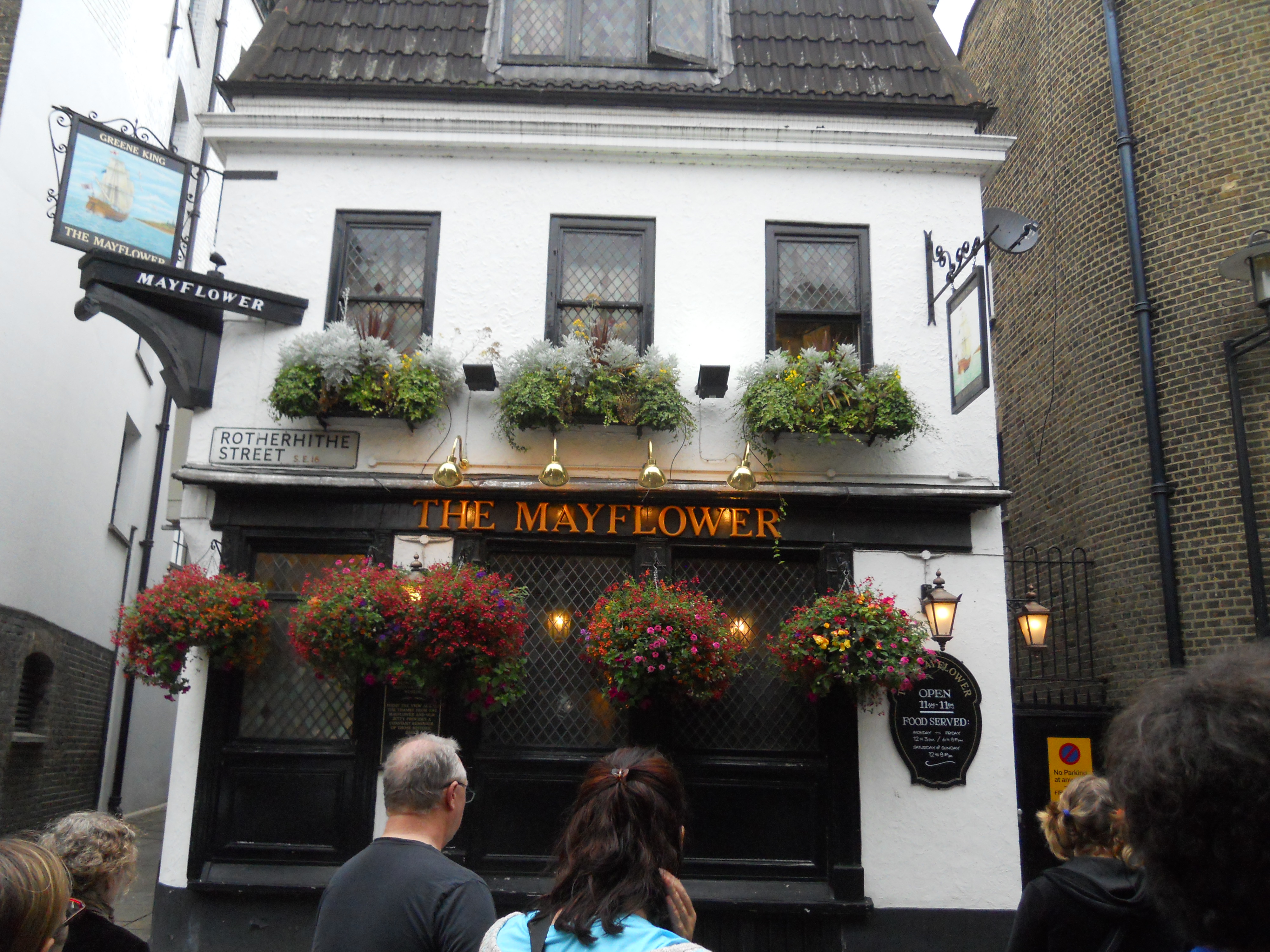
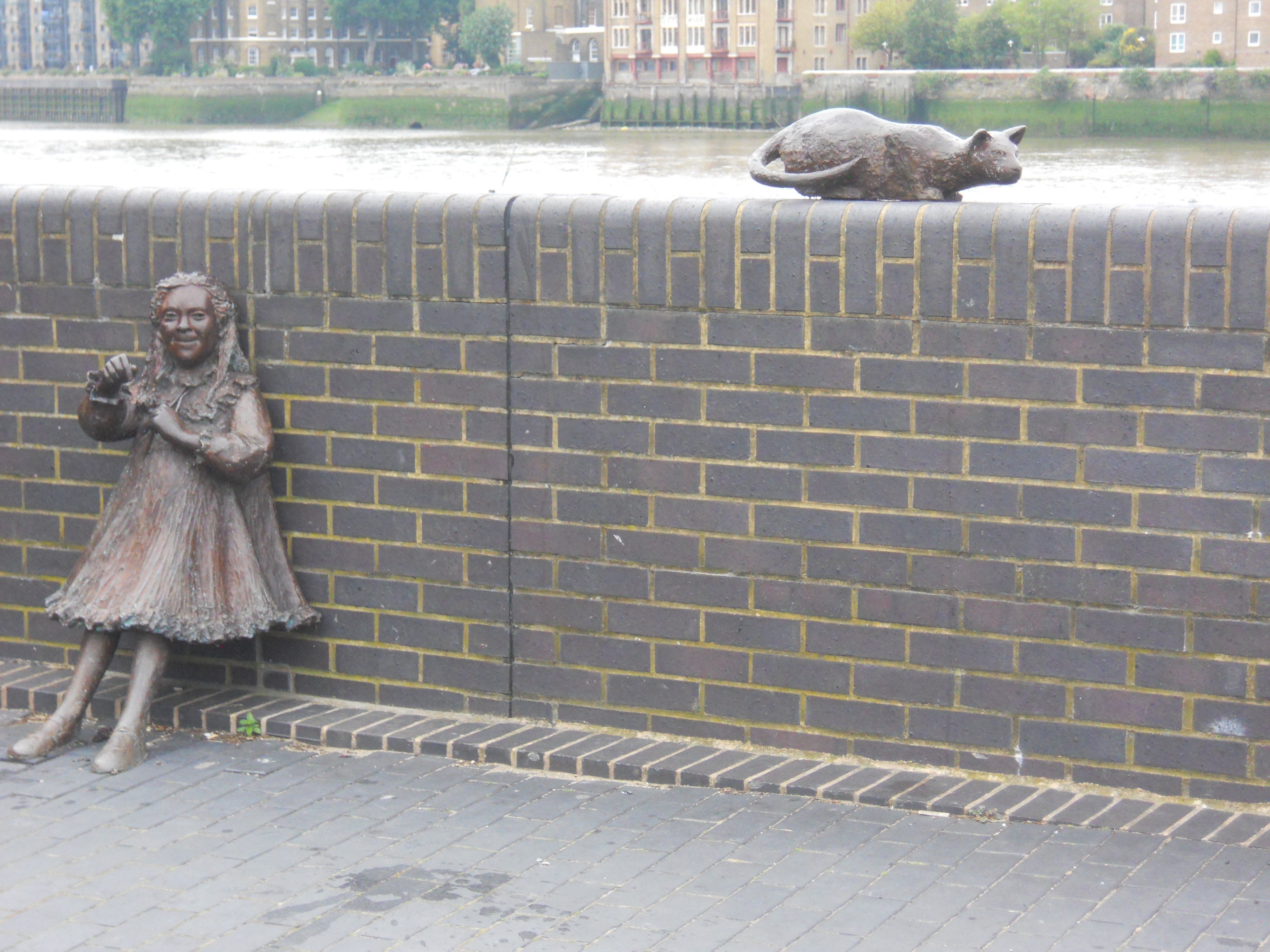
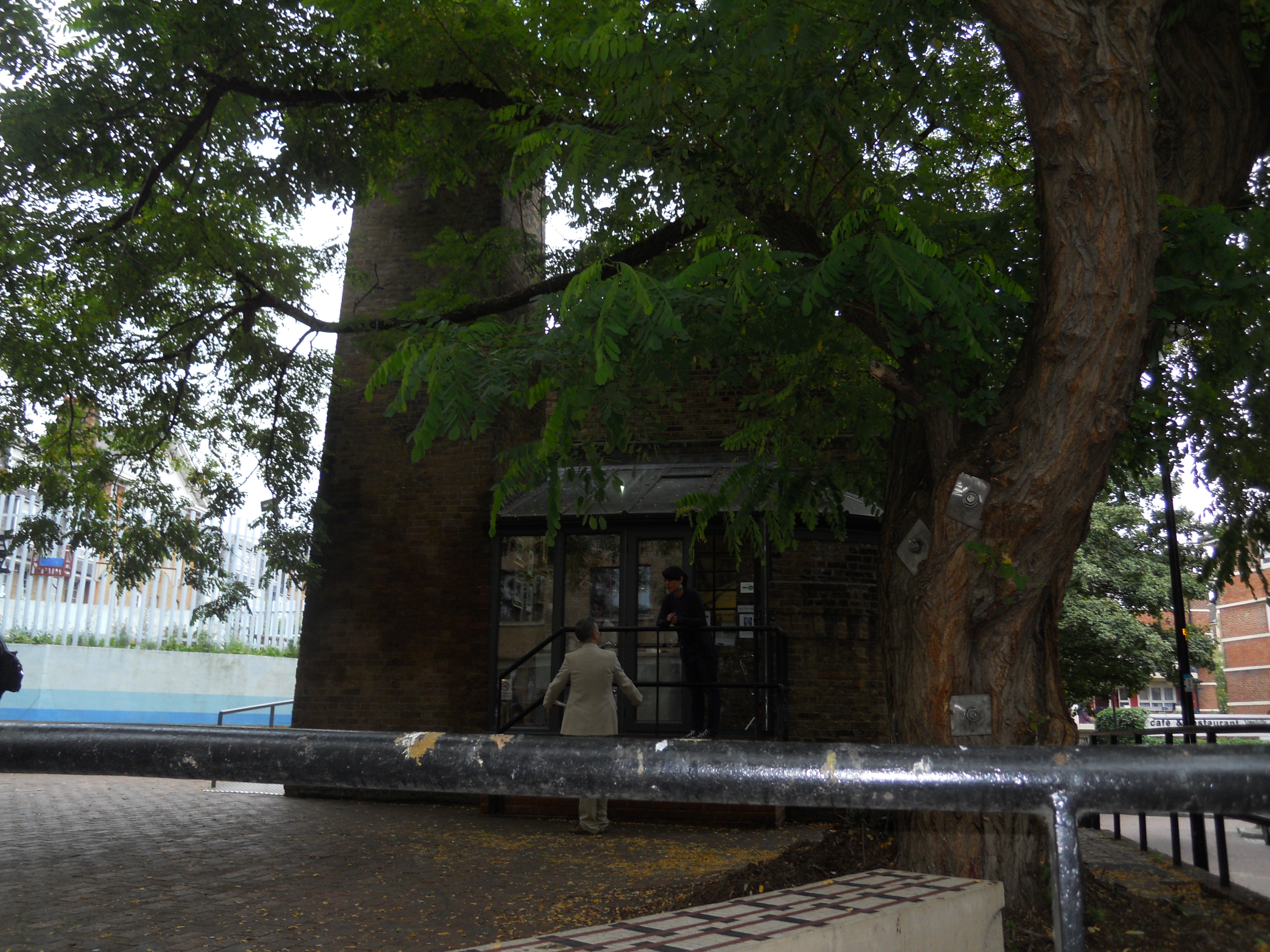
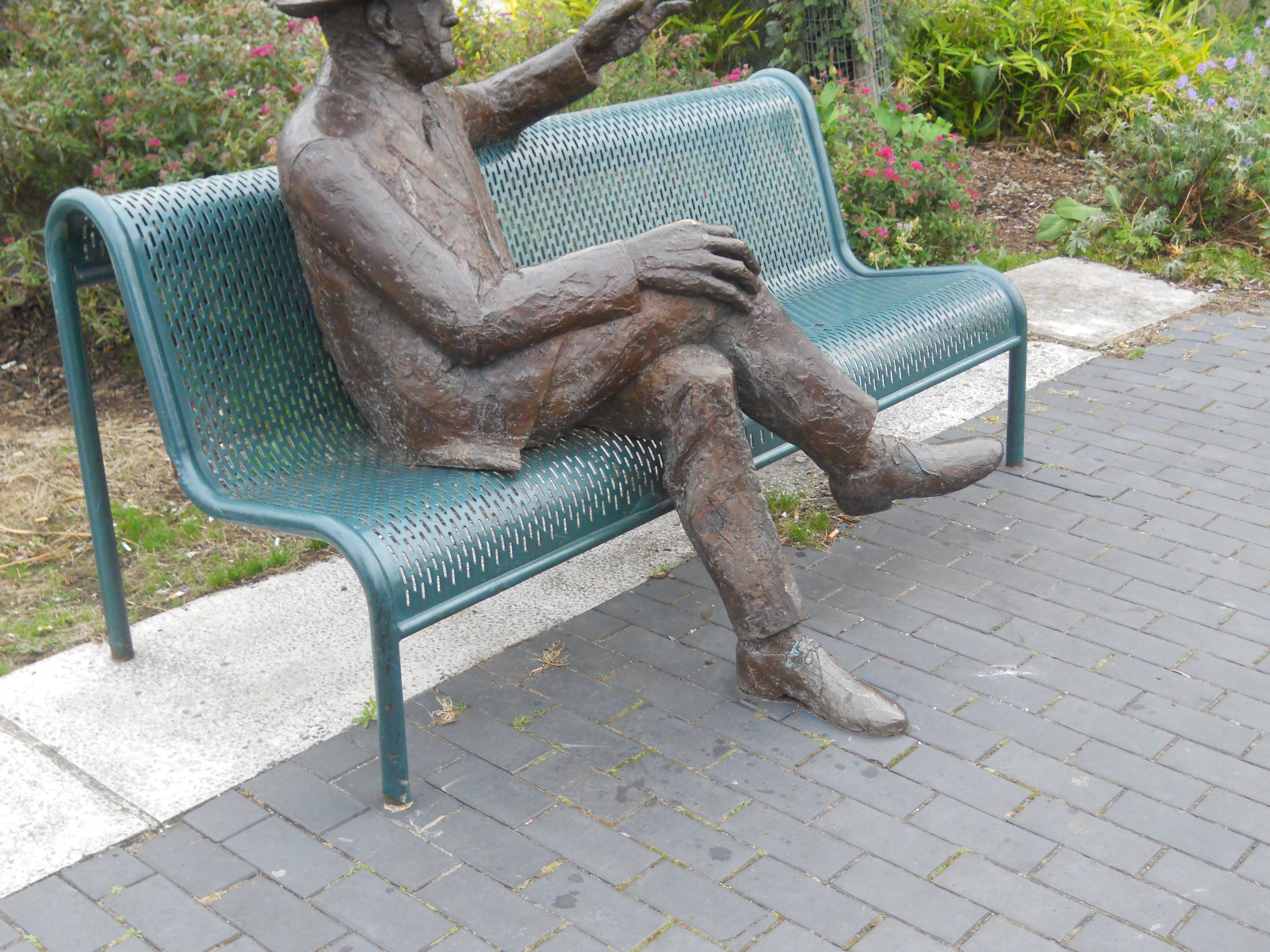
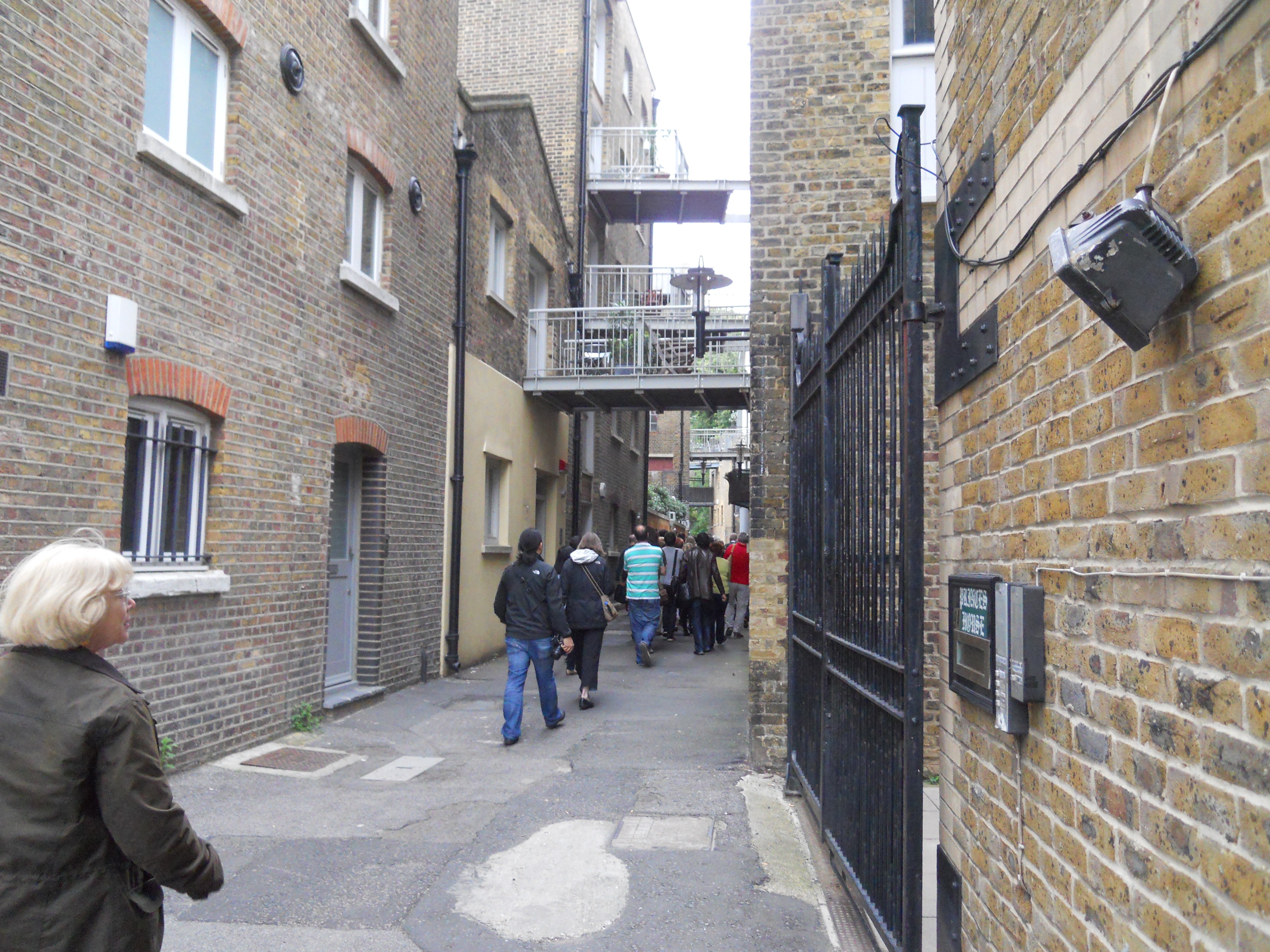
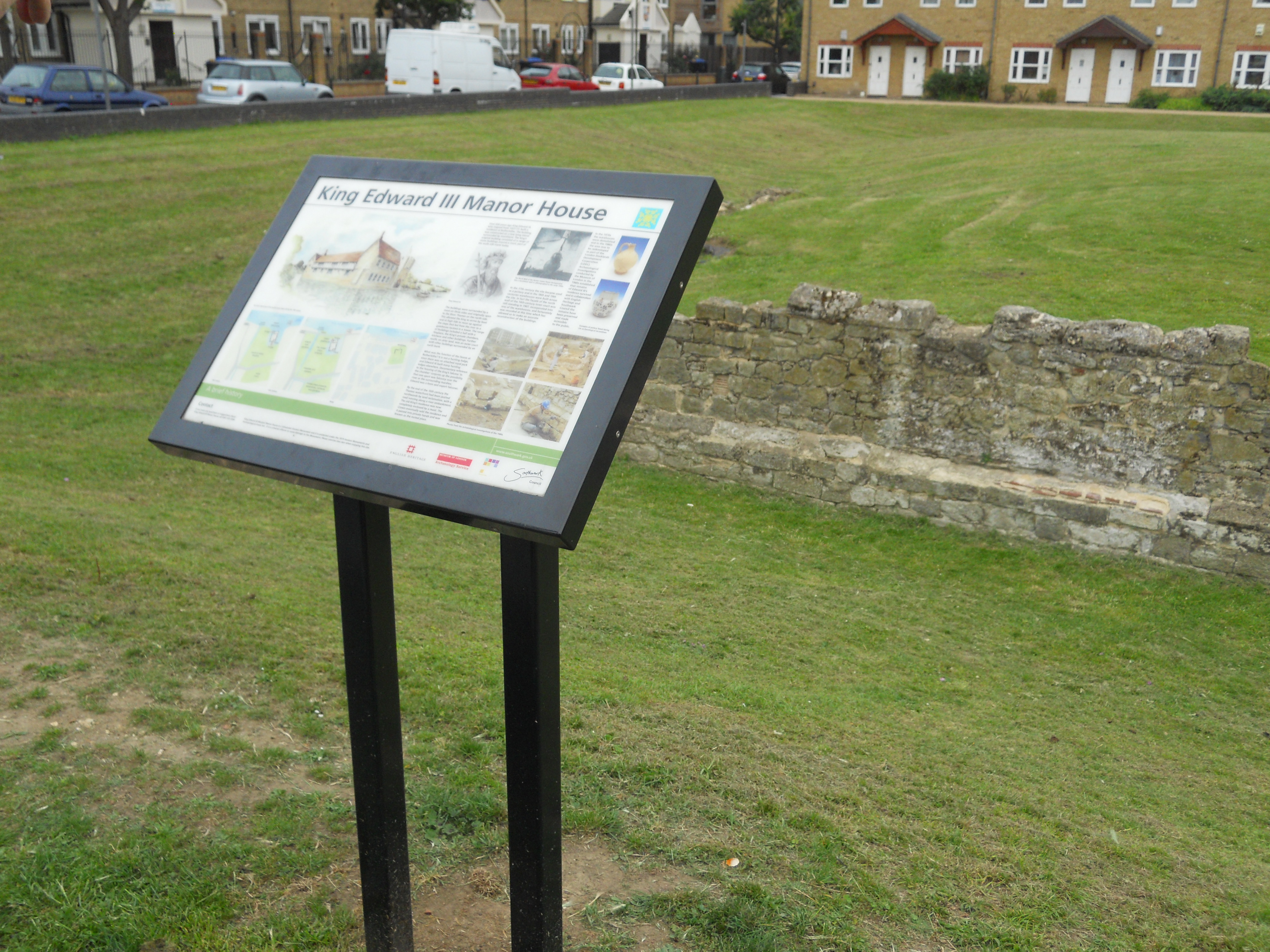

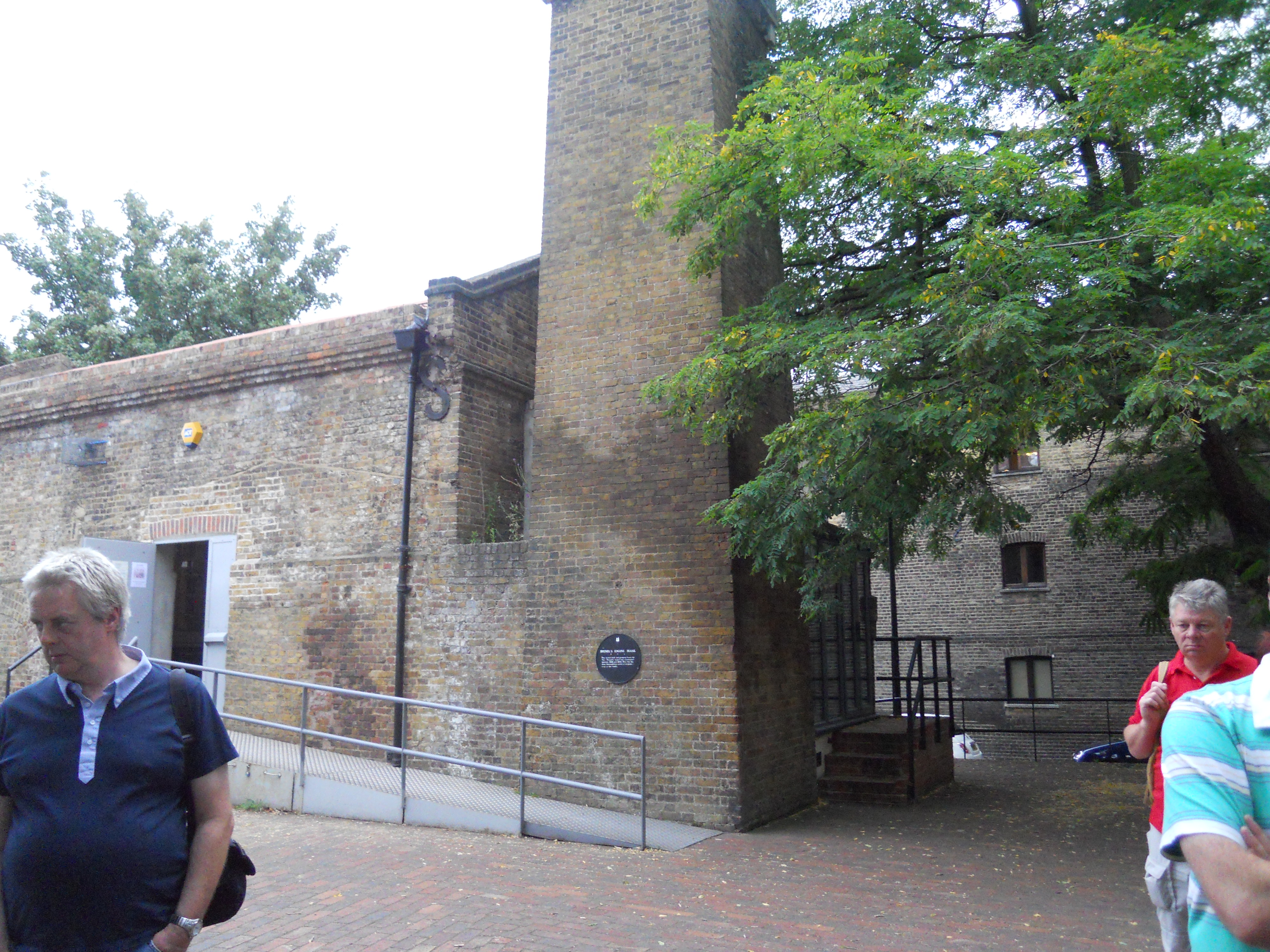
The guide was excellent and the trip was well worth the eight pounds it cost.
From West Ham to Abbey Mills on the Greenway
The Greenway has now been reopened close to West Ham station and it is now possible to walk along it past Abbey Mills Pumping Station and on to Stratford again.


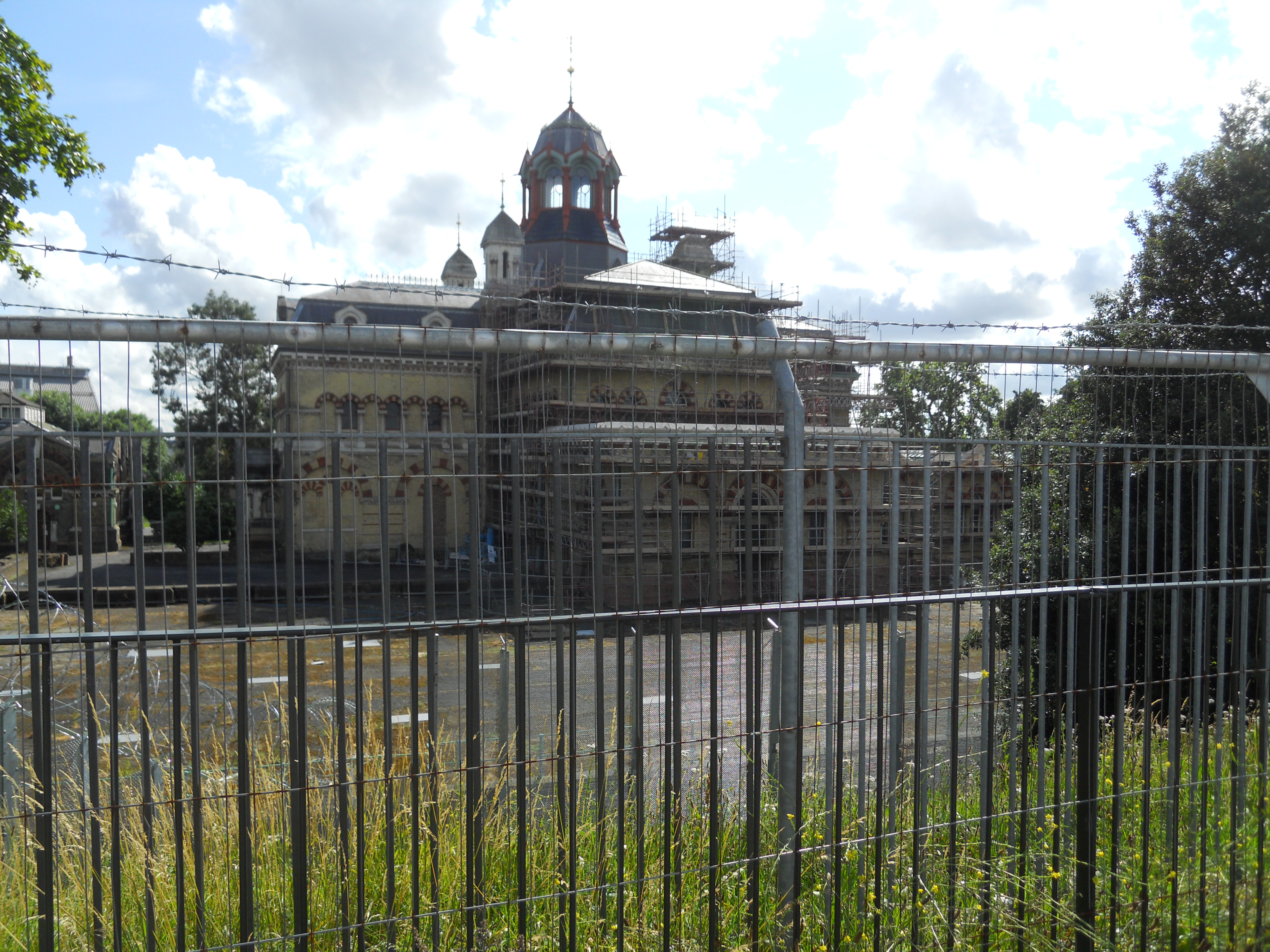
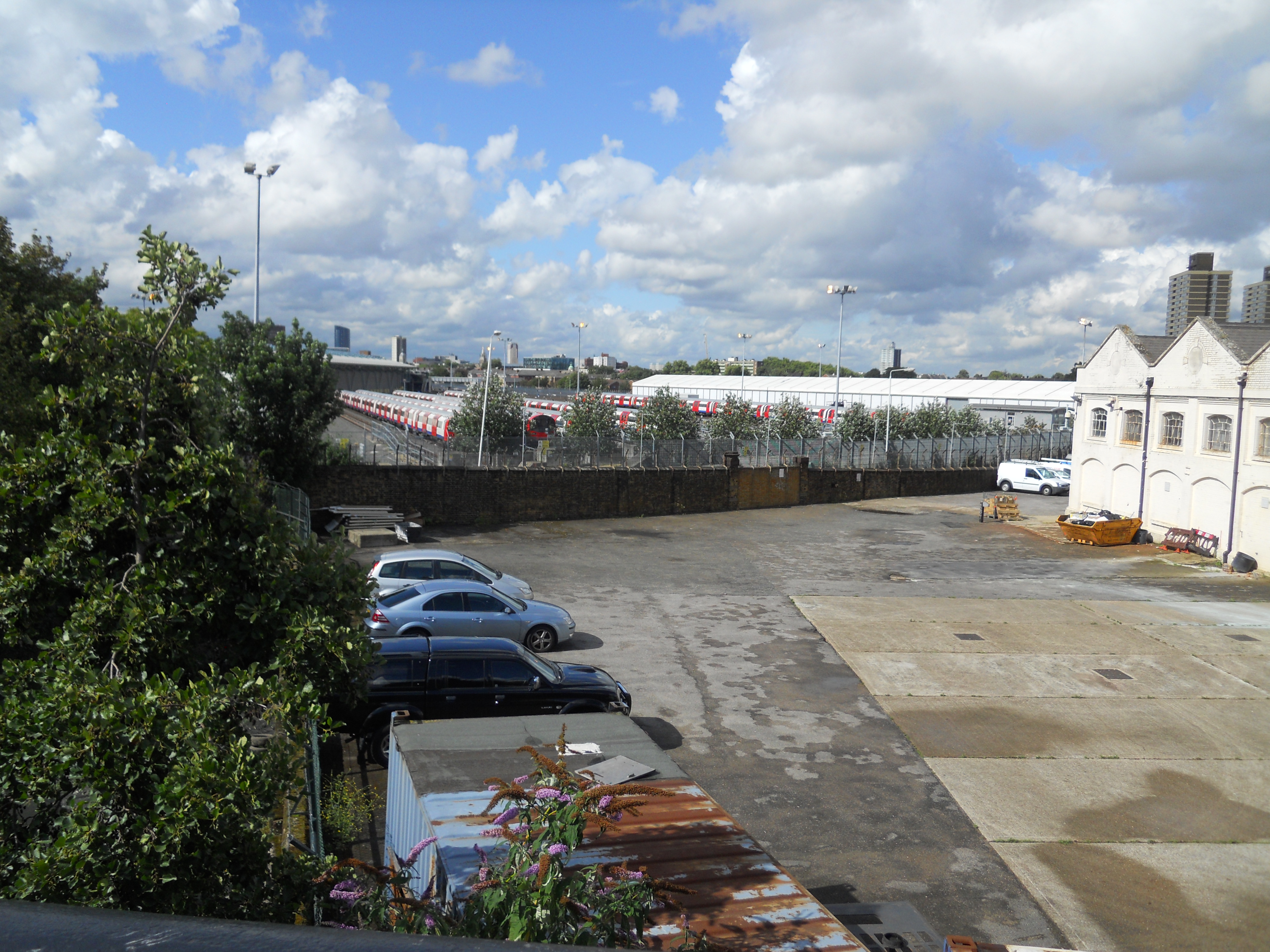


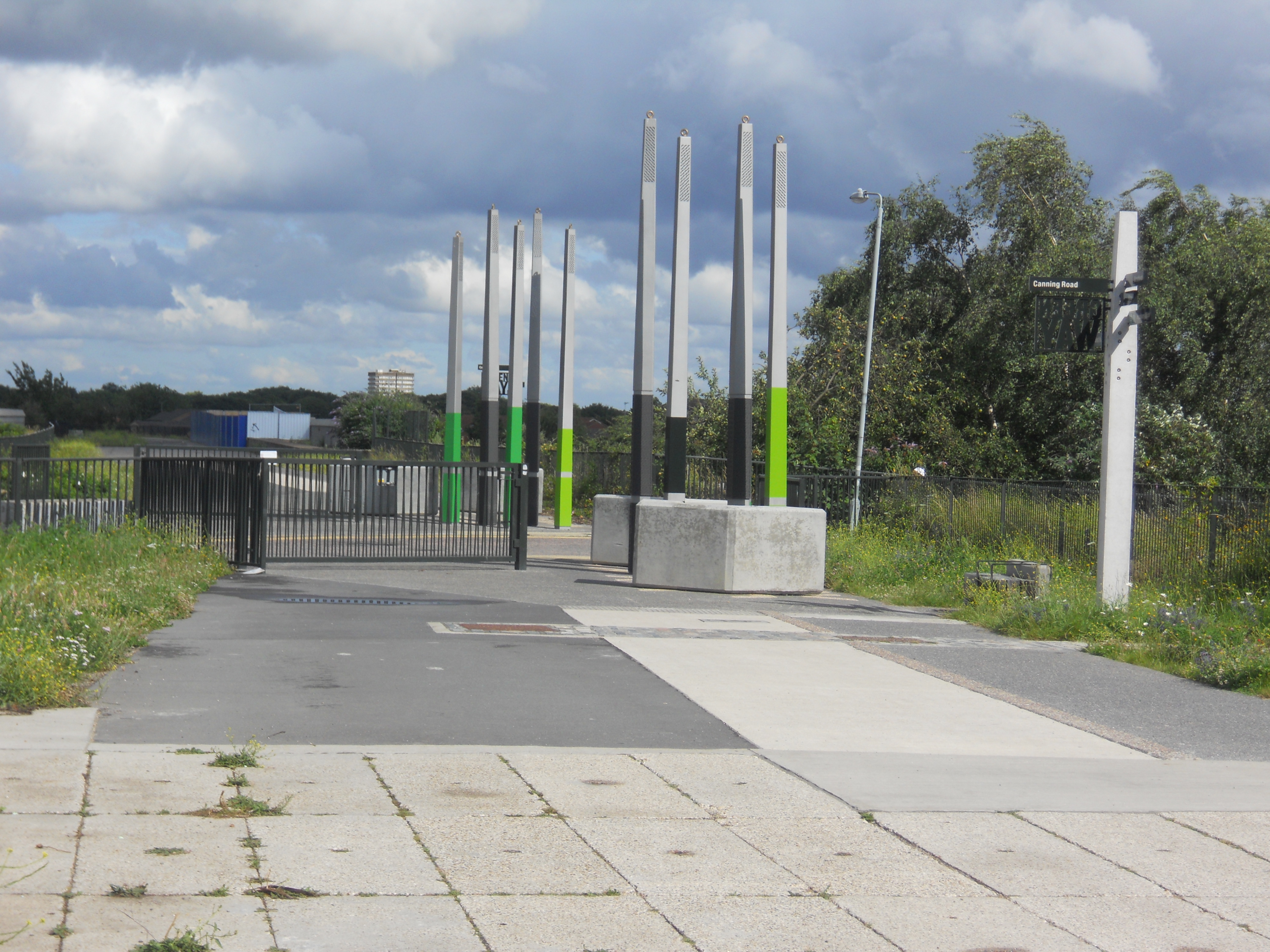


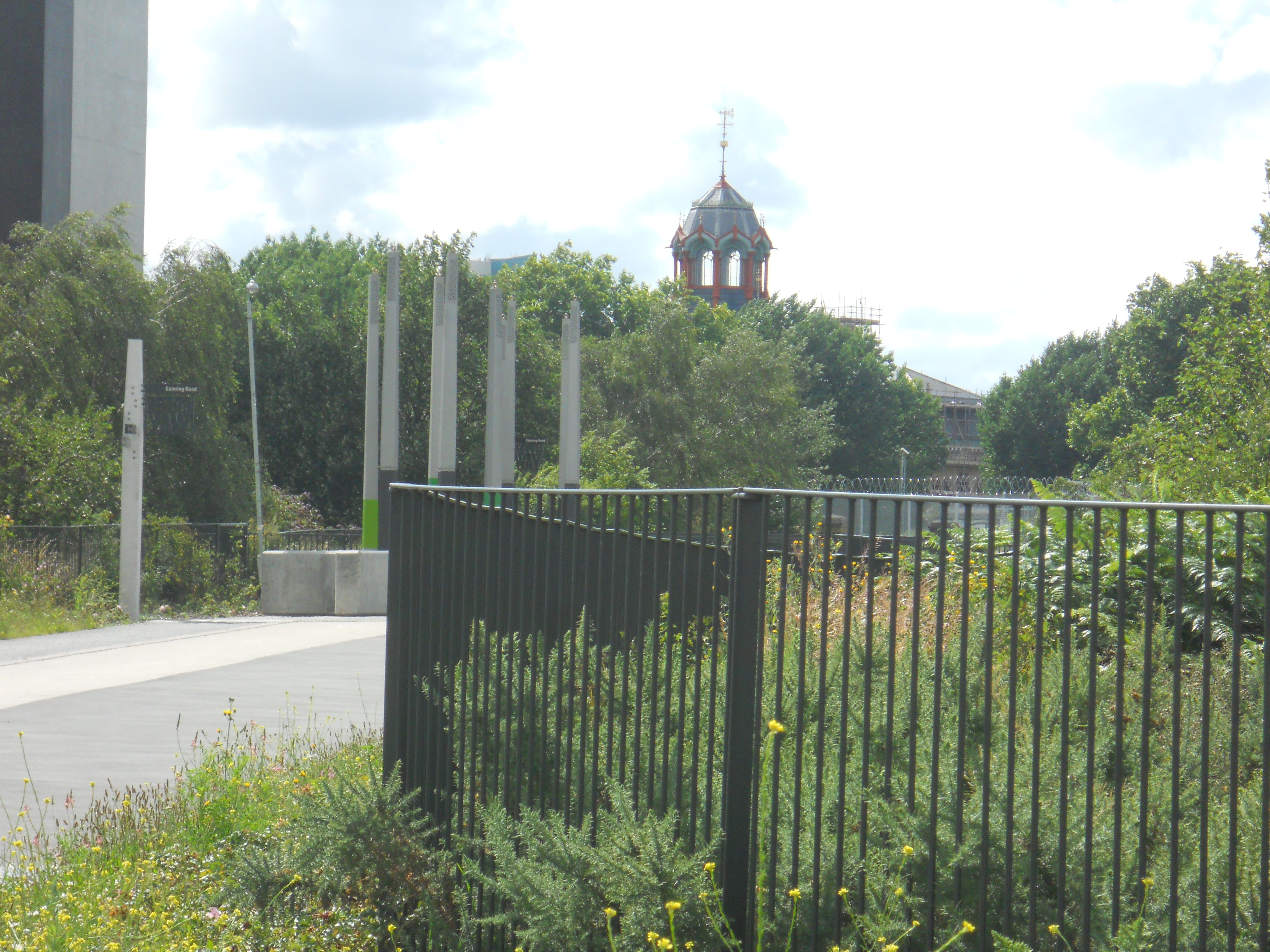
Note the large bridge, which I suspect will be used to take those walking to the Olympic site over Stratford High Street.
It will be good when it is fully open again from Hackney Wick to West Ham and on to Beckton. It will be one of the best walks in London.
Back to the Bow Interchange
I walked along the Greenway and then turned onto the towpath of the westernmost tributary of the River Lee. It was more about exploring than with any purpose, although I did think it would lead to my finding of the new bridge.
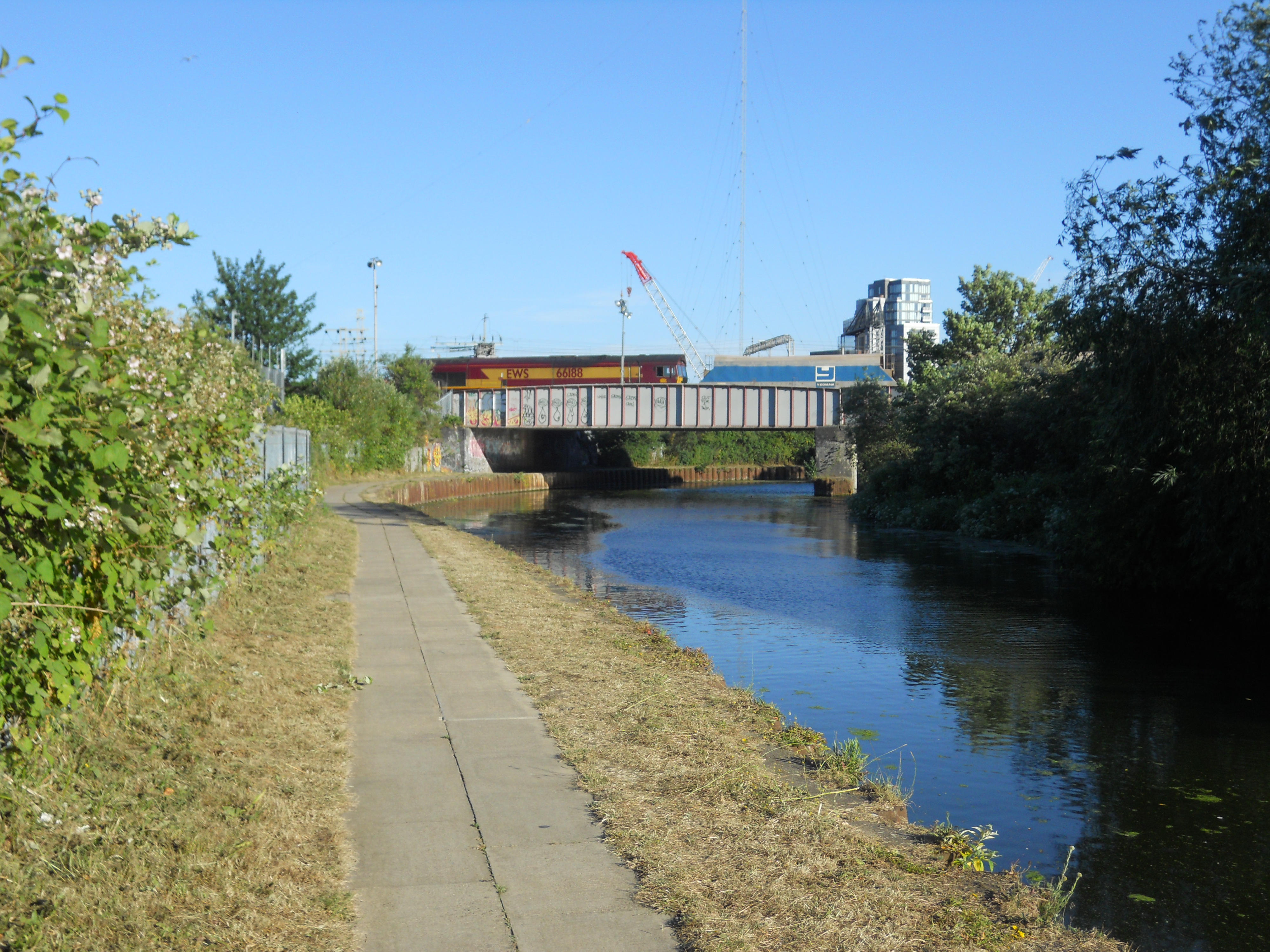
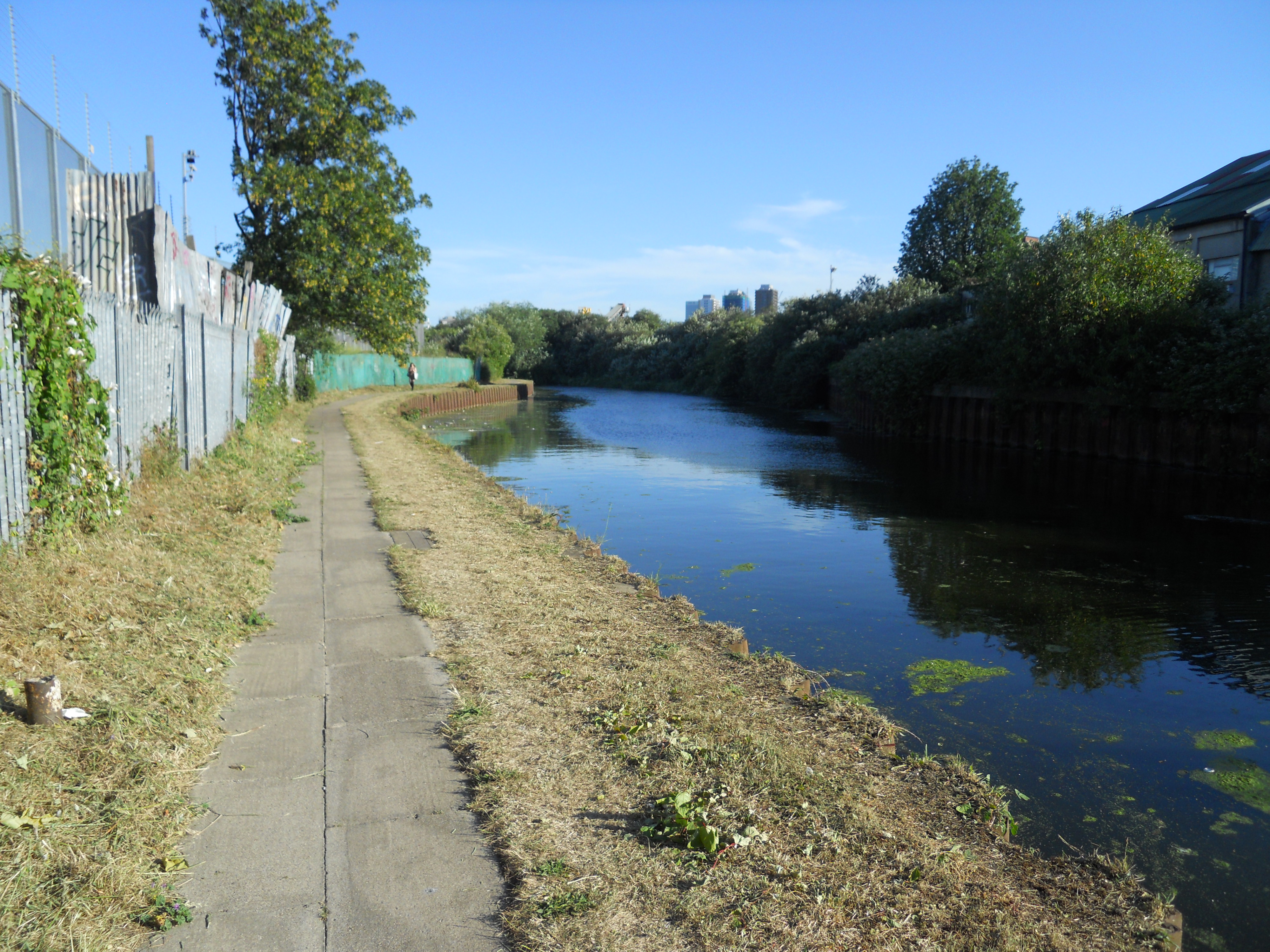
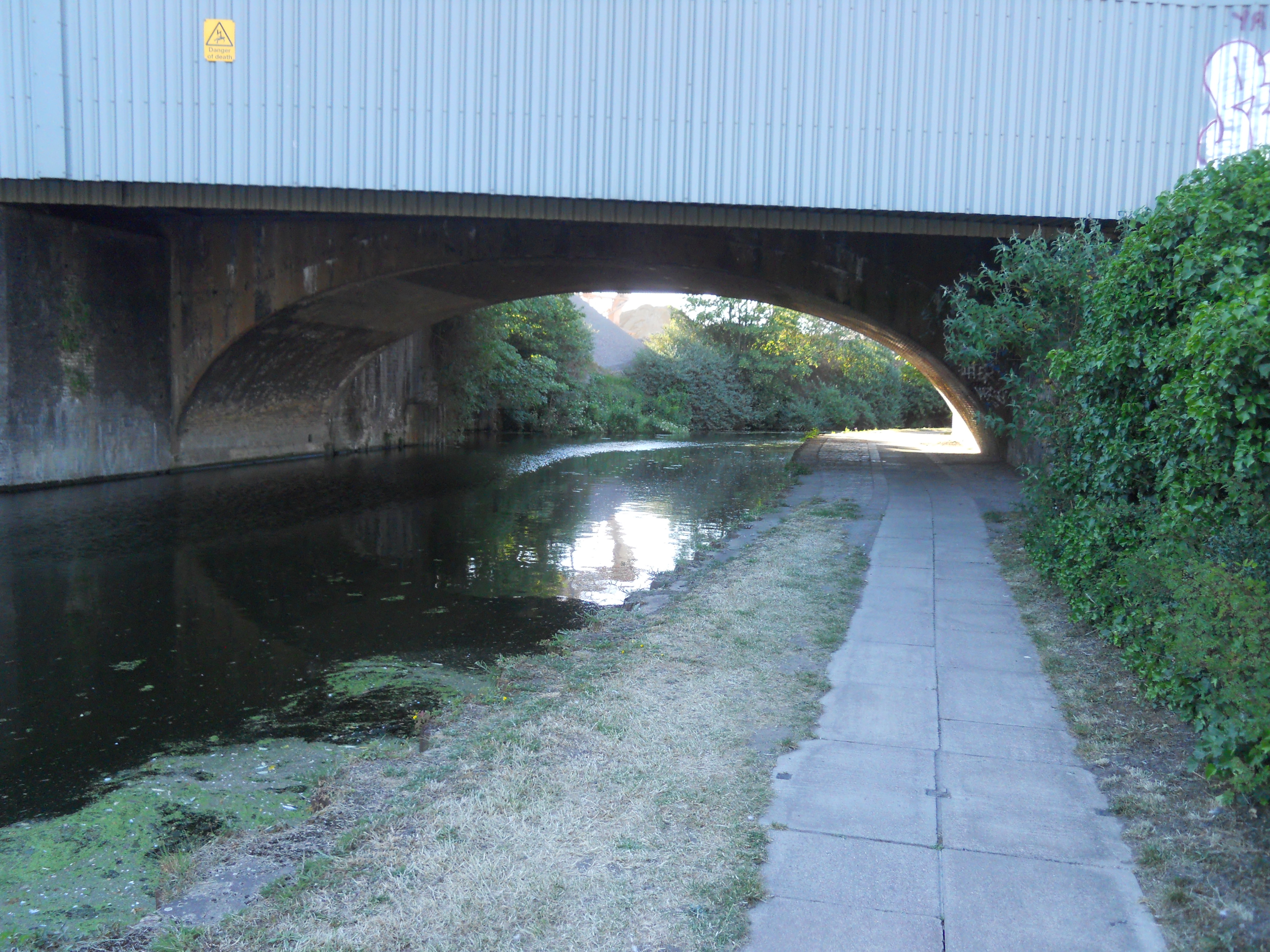
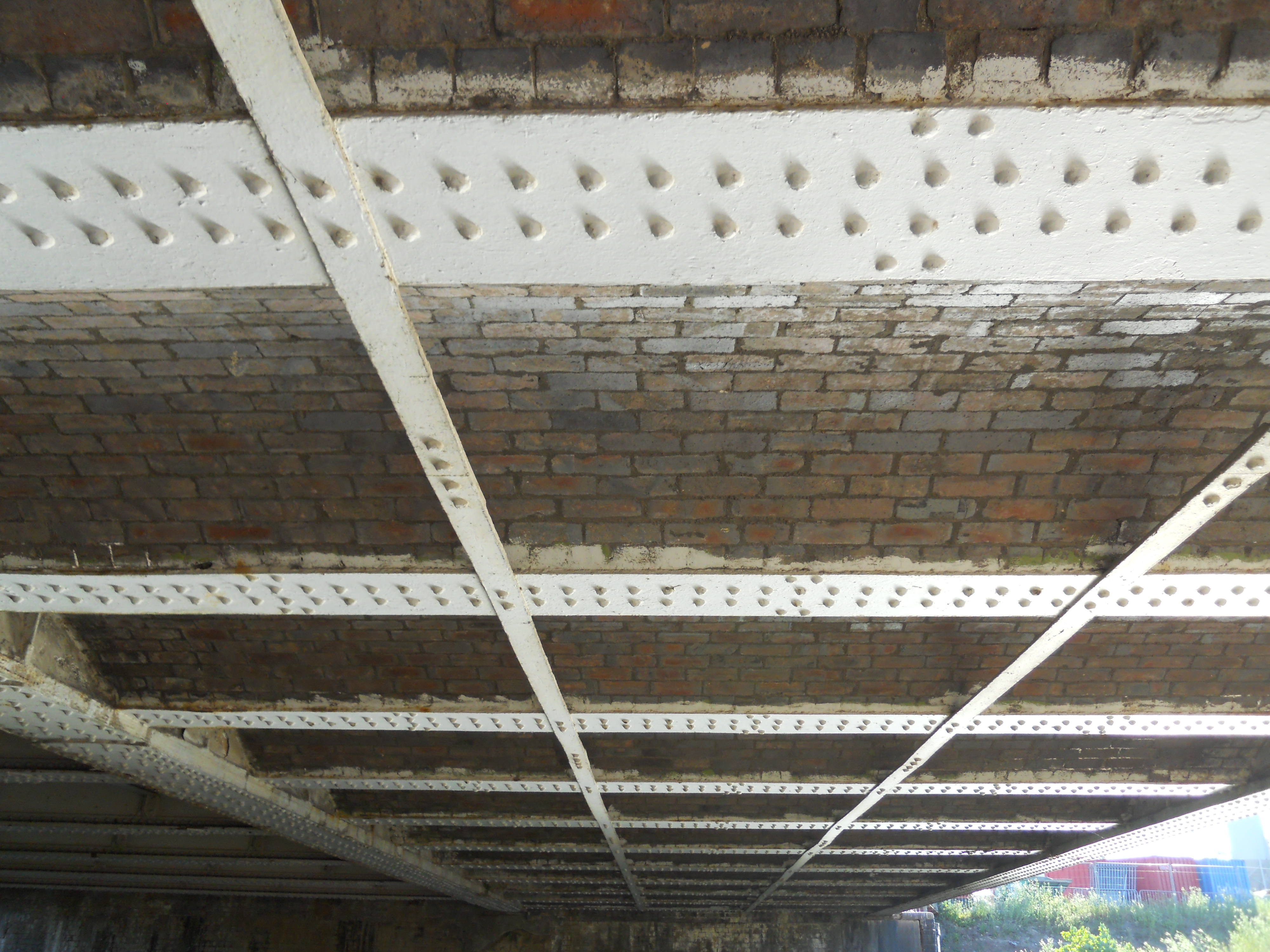
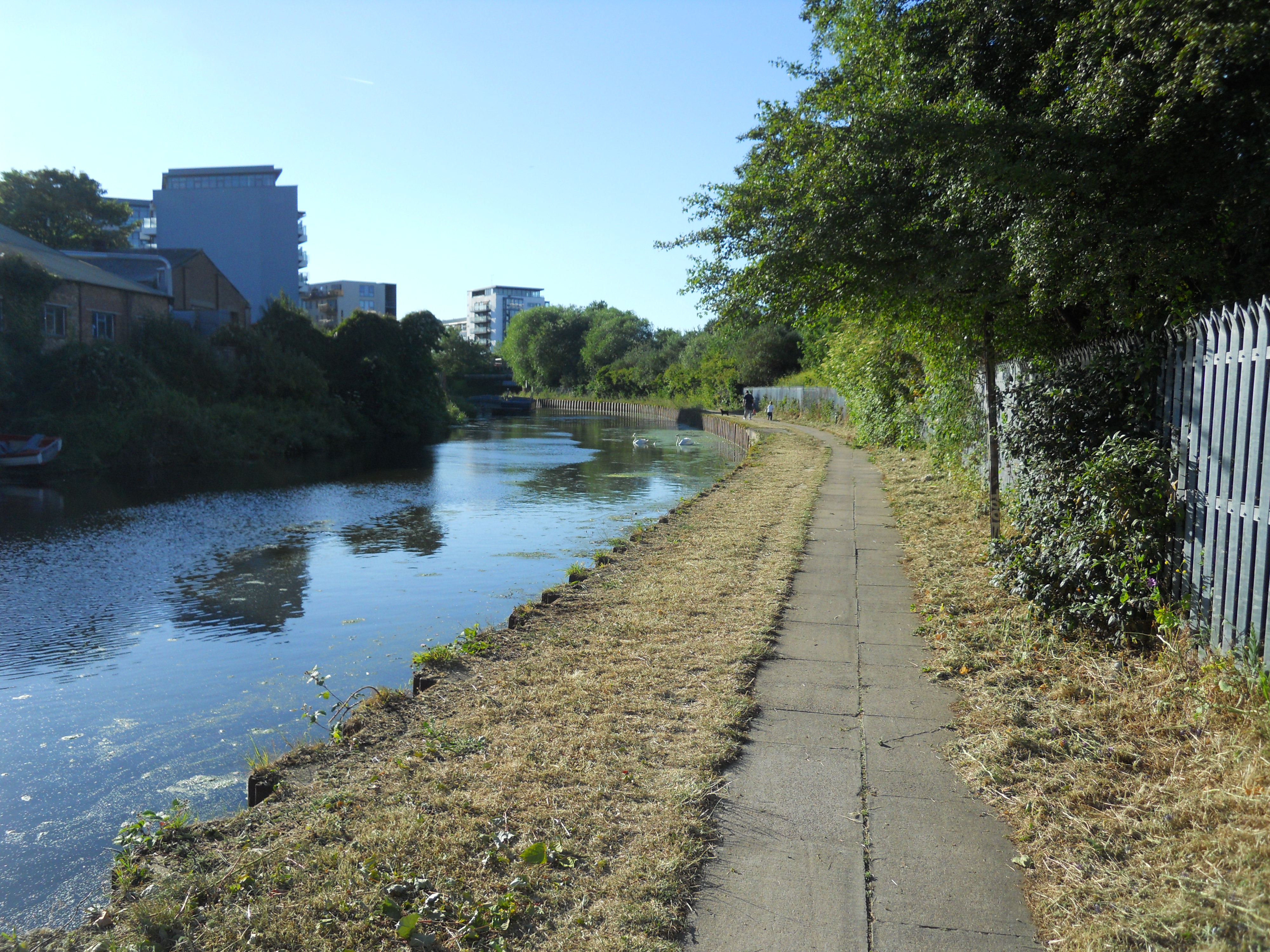
In the end I found it led to Bow Road and Bow Interchange, which is perhaps a kilometre from Bromley-by-Bow station.
Along the Bow Back Rivers
I crossed Stratford High Street and then found my way to Pudding Mill Lane station on the DLR. I passed across and along one of the Bow Back Rivers, originally created to channel water power from the River Lee to the flour mills in the area.
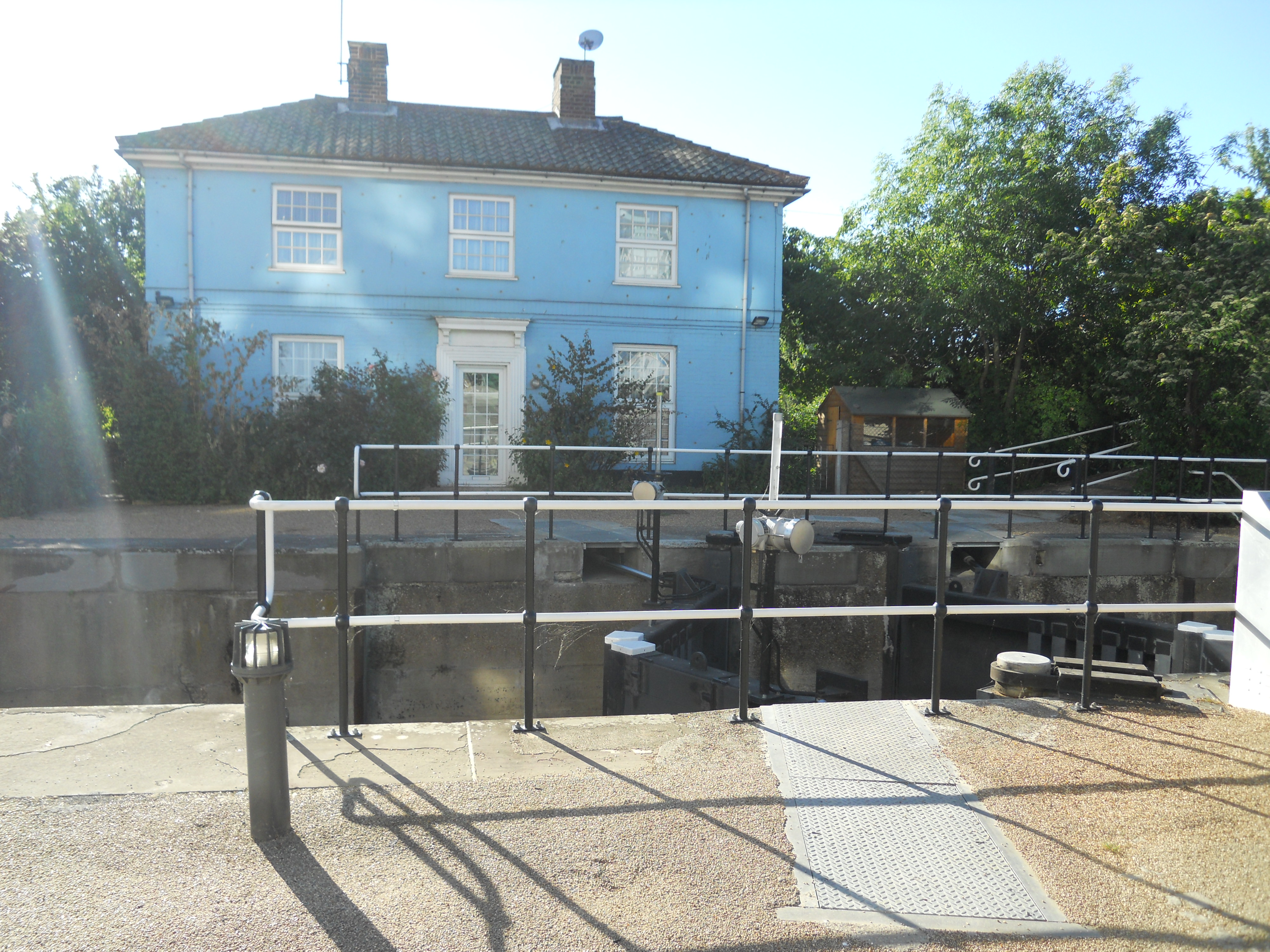
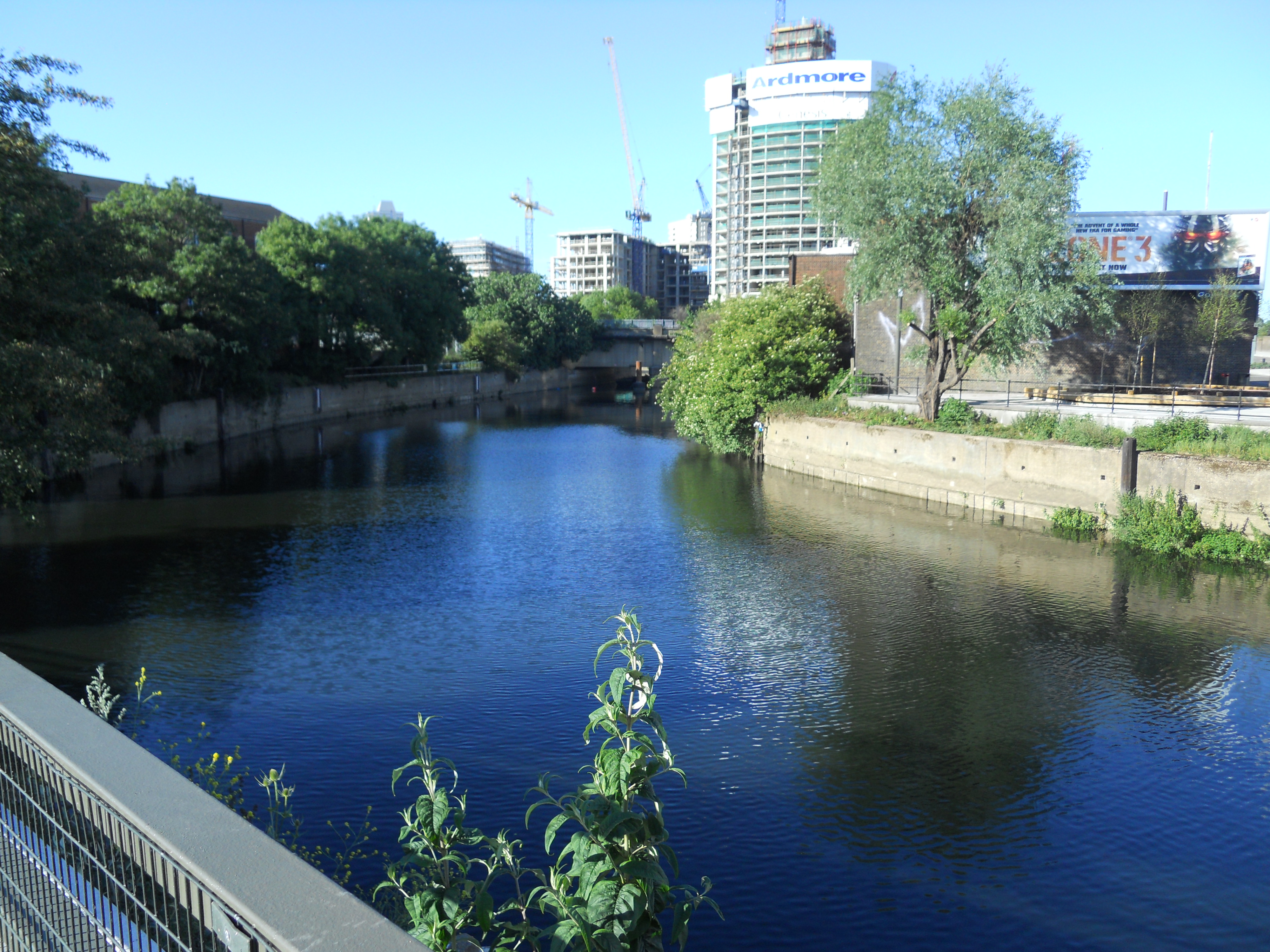
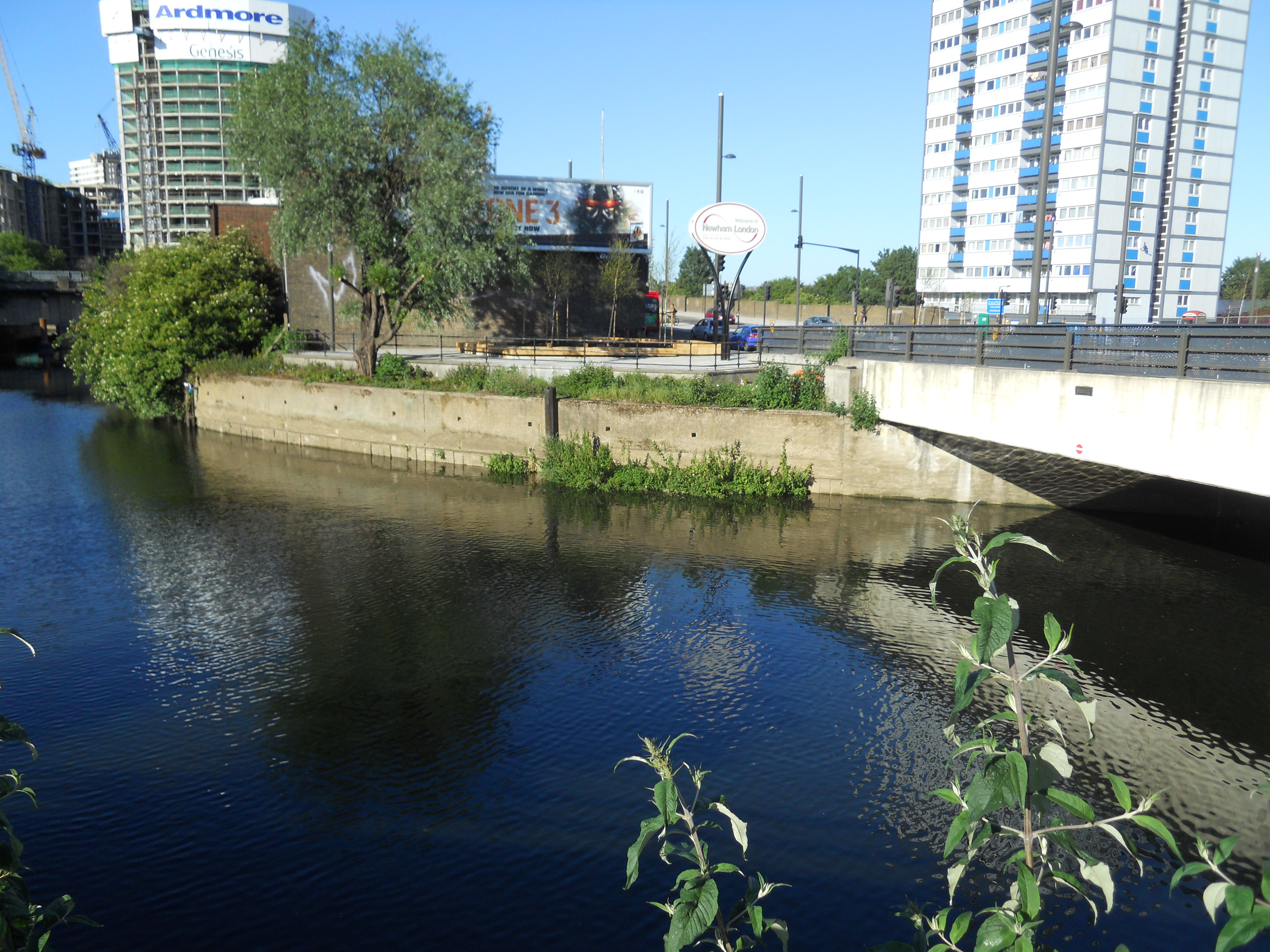
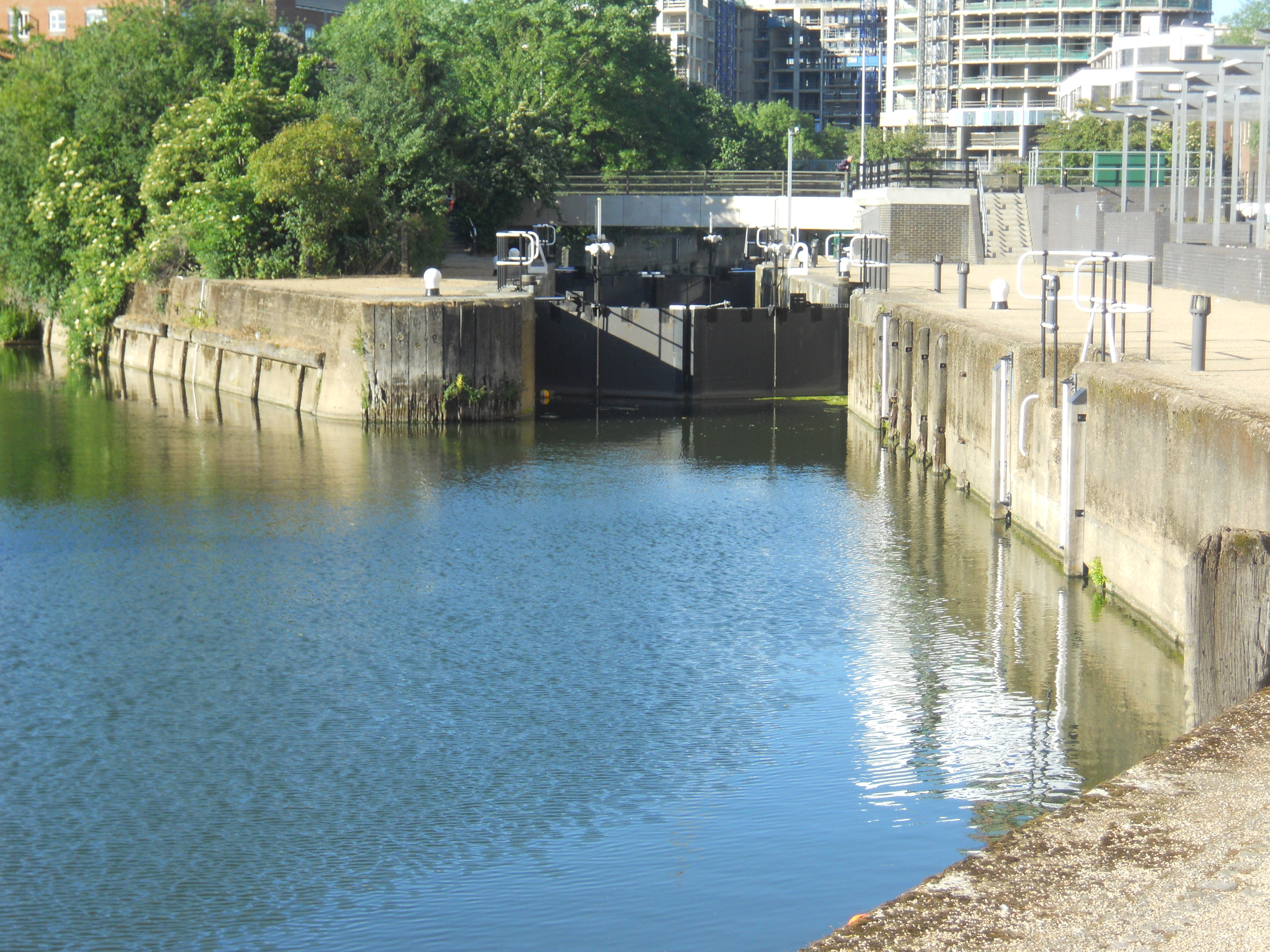
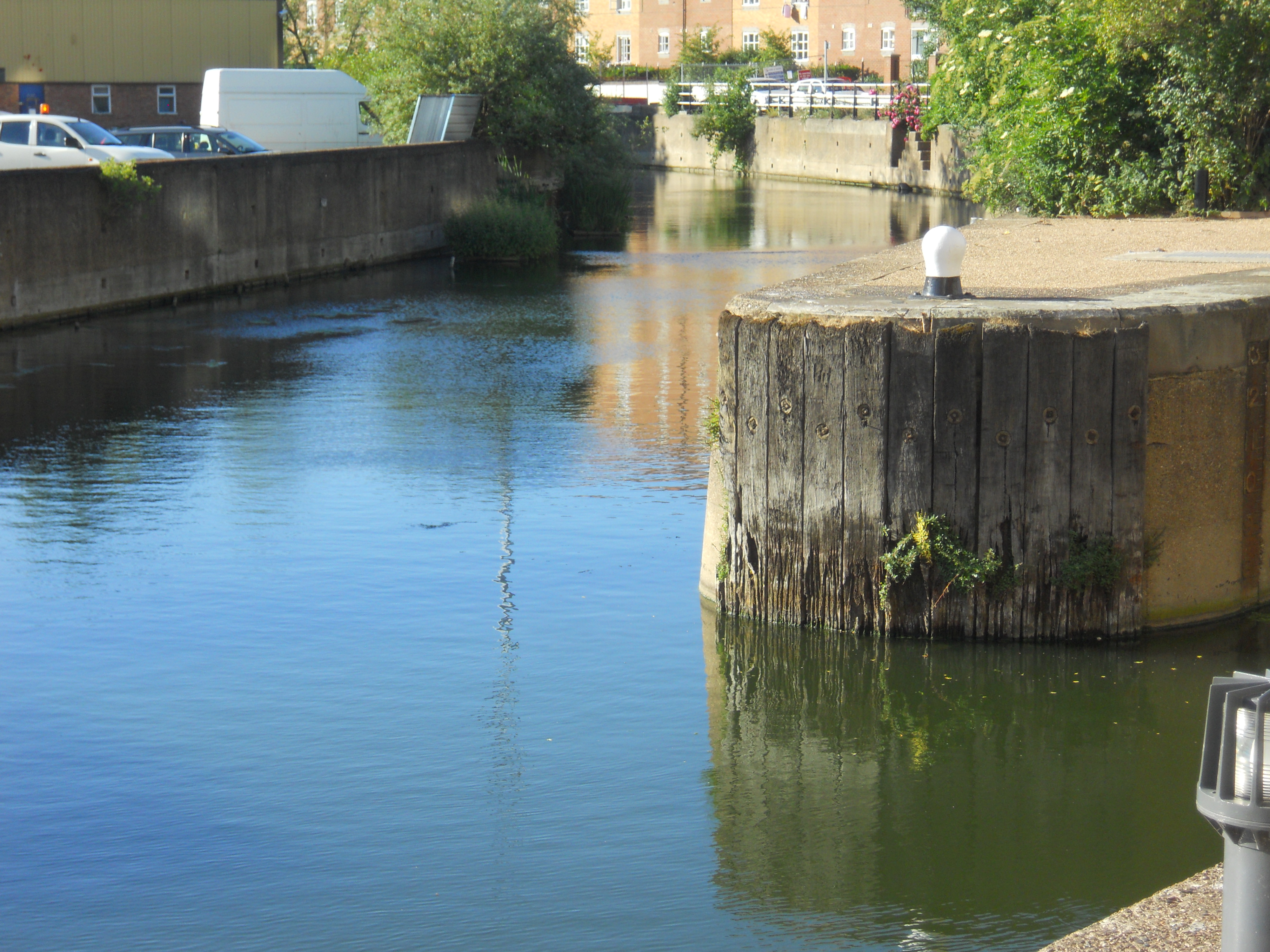
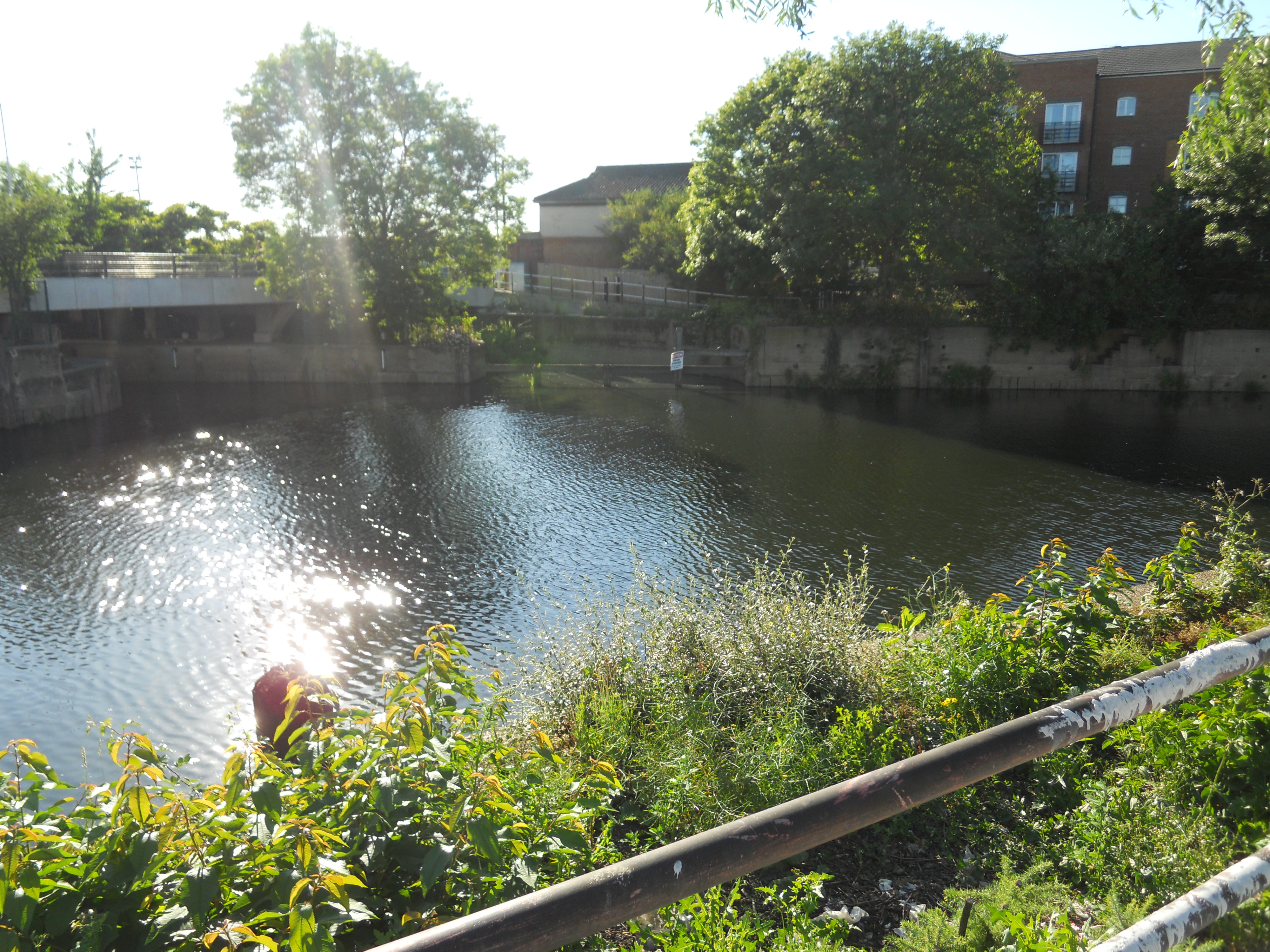
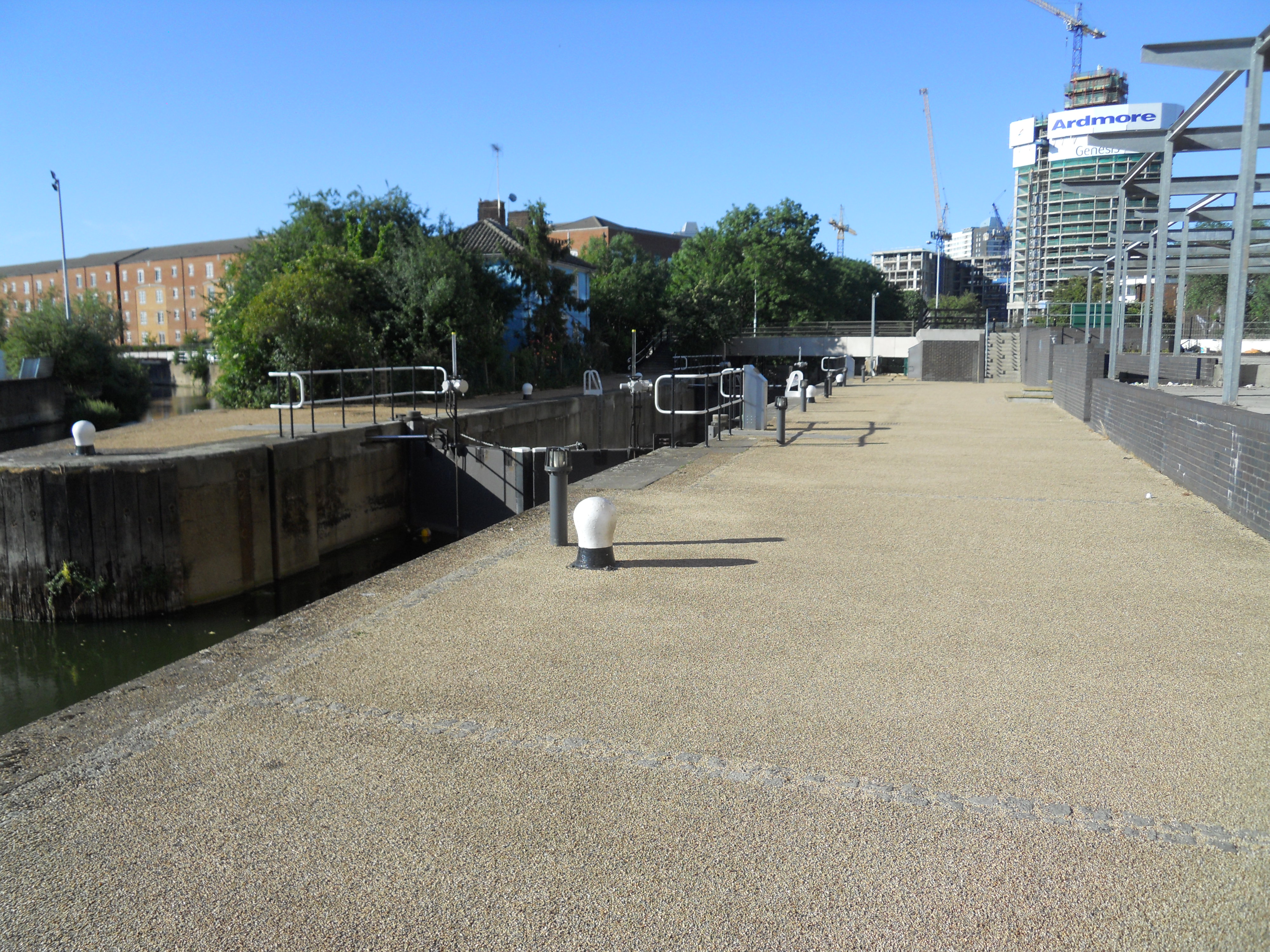
At present access is restricted to many of these rivers because of construction of both the Olympic Park and CrossRail. But they will become a major water feature of the Olympics. The City Mill River and the City Mill Lock have recently been restored.
A Walk From Bromley-By-Bow
In some ways London can be confusing to the visitor in that it does tend to reuse place names. For instance tonight I wanted a walk and as there had been reports of a new bridge over the River Lee at Bow, I thought I’d try and find it. So I went not to Bromley but to Bromley-by-Bow station, which is on the District and Metropolitan lines. This is also the destination of the 488 bus, which starts running from Dalston Junction station tomorrow, so I wanted to see if it was worth a visit.
Initial impressions were not good, as I took a rather grim underpass to the other side of a dual carriageway leading to the Blackwall Tunnel and then passed a typical Tescos.
Has any of their supermarkets, ever won an award for atchitecture? This one certainly didn’t deserve one, unless it was for the demolishing the worst building in East London.
My walk had to get better.
A Good Reason For Not Owning A Car
As I walked to get the paper today, someone had broken down in an almost brand-new BMW X-5. The service van had just arrived and the driver of the BMW had that About-Time-To look on his face. As I walked back the service van was leaving.
I suddenly realised that doesn’t happen to me anymore! It must be a good reason to not own a car!
If my bus or train breaks down, it’s not my problem! When a train was an hour late recently, they sent me some vouchers, which I might use for a trip to somewhere exciting like Margate or Brighton. It might actually be Birmingham, as that appears to be hay-fever free at the moment.
A Pedestrian Collision Avoidance System
They are talking on BBC Breakfast about the sort of sound that electric cars should make.
As someone, who for a few months had very limited vision to the left, I can sympathise, but really do we want to negate one of the big advantages of electric cars; the fact that they are silent, which I think makes people drive them slower.
So could we do something better to stop collisions between vulnerable pedestrians and vehicles. And of course between cyclists and vehicles too.
With airliners they have a system called TCAS or Traffic Collision Avoidance System. It works well, as you don’t get too many collisions between airliners.
So could something simpler be used by pedestrians and vehicles that they might not see or hear.
In it’s simplest form a vehicle would emit a coded electronic signal with perhaps a range of say twenty to fifty metres. Pedestrians would perhaps have a wristwatch-sized device that made some sort of sound as the vehicle approached. I would suspect that smart phones could also be developed to be pedestrian devices.
Thinking about this idea, it would have other implications.
- You could just drive up to your garage door and a detector programmed with your vehicle’s code would open the door automatically.
- Systems could be used to make car parks more user-friendly. All you would have to do is drive in and out and the system would bill you automatically.
- Vulnerable pedestrians, such as the blind and deaf, could also carry an emitter, which could be received by vehicles to warn them that the person by the side of the road had limited vision or hearing.
- There could also be an emergency mode, so that say if a pedestrian was feeling unwell or had a probe, they could immediately call help from those near at hand. In fact borrowing from flying rules, you could have two levels of emergency; serious and I just need a little bit of help. The latter might be used by say someone who was blind or a bit confused, who perhaps was lost in a strange town.
- One of my biggest problems is those in scooters, who drive them fast in places like shopping malls and come up behind me. I was nearly run over in Canary Wharf yesterday, by someone going far too fast and only avoided trouble, because the lady driving it, hit a man, who called her a stupid idiot in a very loud voice. A device warning of fast traffic from behind would have avoided that problem.
The possibilities are endless.
I doubt it will happen though.
Careless Driving
It is being reported that the government is thinking about bringing in fixed penalties for careless driving.
As a pedestrian, I’d like to see careless cycling, buggy pushing and obstruction placing dealt with in the same way.
How To Get Lost On the Hills
According to this report, it would appear the best way is to navigate using your iPhone.
What’s wrong with a map and compass?
Let’s suppose that you are walking one of the London canals and you’re aiming to be out for most of the day. By the time you get back, your iPhone will have exhausted its battery, so if you feel like taking a phone, why not take something with a sensible battery life, like a Nokia 6310i.

