Eastern Green Link 2 Moves Up A Gear Using Low Carbon Fuel For Material Handling Trucks
The title of this post is the same, as that of this press release from National Grid.
These three bullet points act as sub-headings.
- Eastern Green Link 2 (EGL2), a high voltage direct current (HVDC) 436km subsea transmission cable connecting Scotland and England, is being delivered as a joint venture by National Grid Electricity Transmission and SSEN Transmission.
- Project sustainability efforts are accelerating by adopting Hydrogenated Vegetable Oil (HVO) fuelled trucks to move materials in Yorkshire.
- The introduction of HVO fuel will deliver up to 90% reduction in direct CO2 emissions.
The use of HVO fuel is good and the carbon dioxide emission savings are to be welcomed, but there is only so much of this HVO fuel available.
If hydrogen-fueled trucks were available, then this would deliver up to 100% reduction in direct CO2 emissions.
This paragraph from the press release talks about where the HVO fuel will be used.
HVO, a low-carbon biofuel made from waste vegetable oils, will be used at the Wren Hall converter station site in North Yorkshire, where 20-tonne construction trucks will transport approximately 370,000 tonnes of quarry stone from a quarry 27 miles away. This switch from conventional diesel to HVO is expected to deliver up to a 90% reduction in direct CO2 emissions and an 80% reduction in other harmful emissions such as particulate matter.
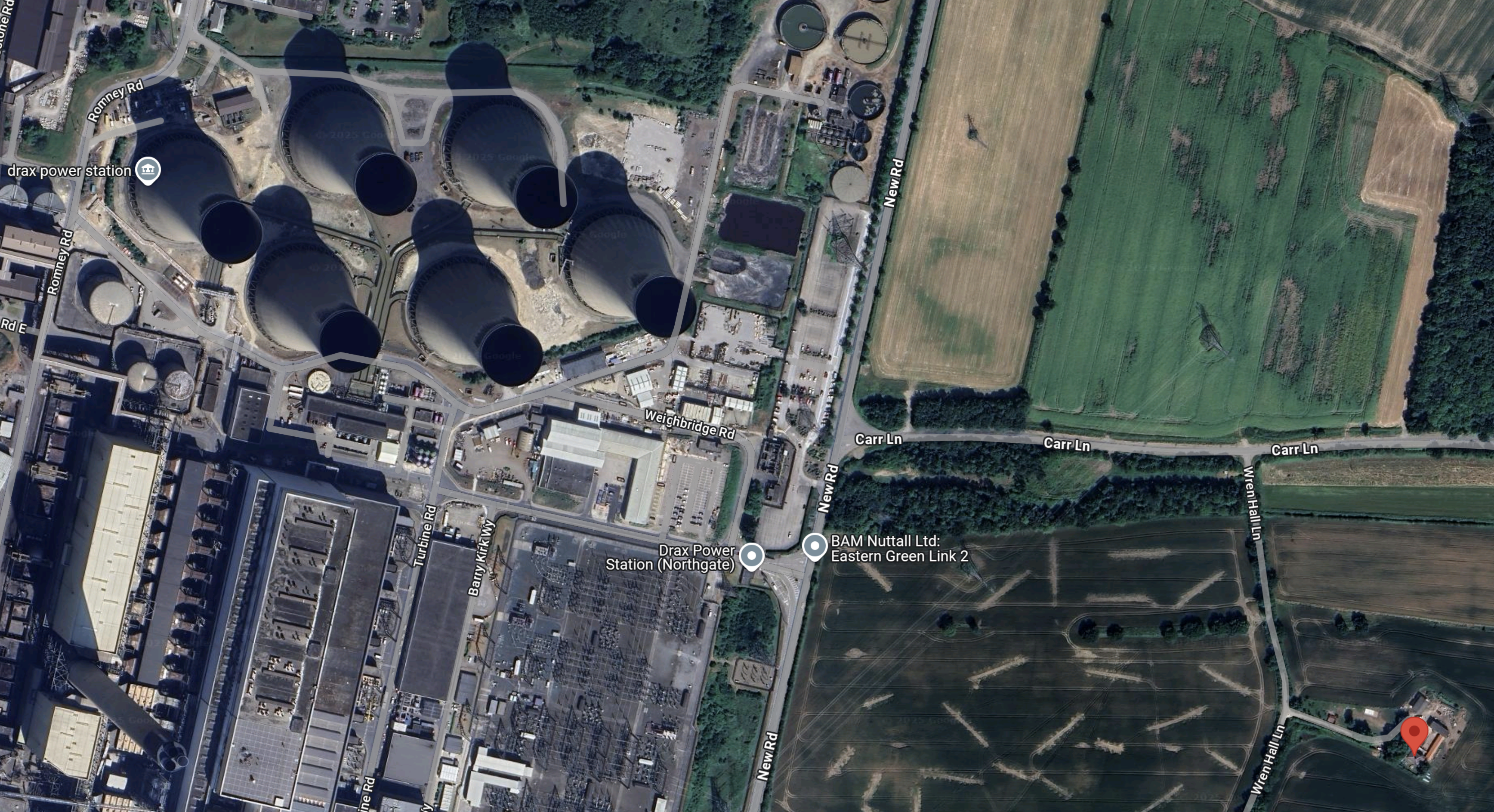
This Google Map shows the location of Wren Hall with respect to Drax power station.
Note.
- The six large cooling towers of the Drax power station are in the North-West corner of the map.
- Google Maps indicate, where they think Wren Hall is, with a red arrow.The lane running North-South to the West of the red arrow is called Wren Hall Lane.
- There is a legend saying BAM Nuttall Ltd Eastern Green Link 2 on the opposite side of the square of lanes to the red arrow.
Click the map to show it to a larger scale.
It looks to me, that if hydrogen could be provided on the Drax site, then the 370,000 tonnes of quarry stone from a quarry 27 miles away could be brought to the site by hydrogen-powered 20-tonne construction trucks.
So how could hydrogen be provided on the Drax site?
- Drax is a 2.6 GW biomass power station, so I’m sure that some electricity could be used to generate hydrogen.
- Drax is a rail-connected site, so hydrogen could be brought in by rail.
- Depending on the amount of hydrogen needed, hydrogen could surely be brought in by road.
I feel that if hydrogen-powered 20-tonne construction trucks were available, this transfer of quarry stone could be performed carbon-free.
Conclusion
This project illustrates a problem with large infrastructure projects all over the UK.
Moving the large amounts of stone, concrete, sand and rubble into and out of construction sites generates a lot of carbon dioxide and pollution from the 20-tonne trucks employed.
If I were to be given Ed Miliband’s job of Secretary of State for Energy Security and Net Zero, one of my first actions, would be to say that all new 20 tonne construction and cement trucks would have to be zero carbon.
I suspect, that zero-carbon with trucks this size, will mean hydrogen, as the weight of the battery would destroy the mathematics of the truck.
This would obviously reduce carbon emissions, but more importantly, what would it do for the health of those working on large construction sites?
In MAN Expands Its Zero-Emission Portfolio, I show MAN’s heavy hydrogen trucks.
This is an articulated heavy hydrogen truck.
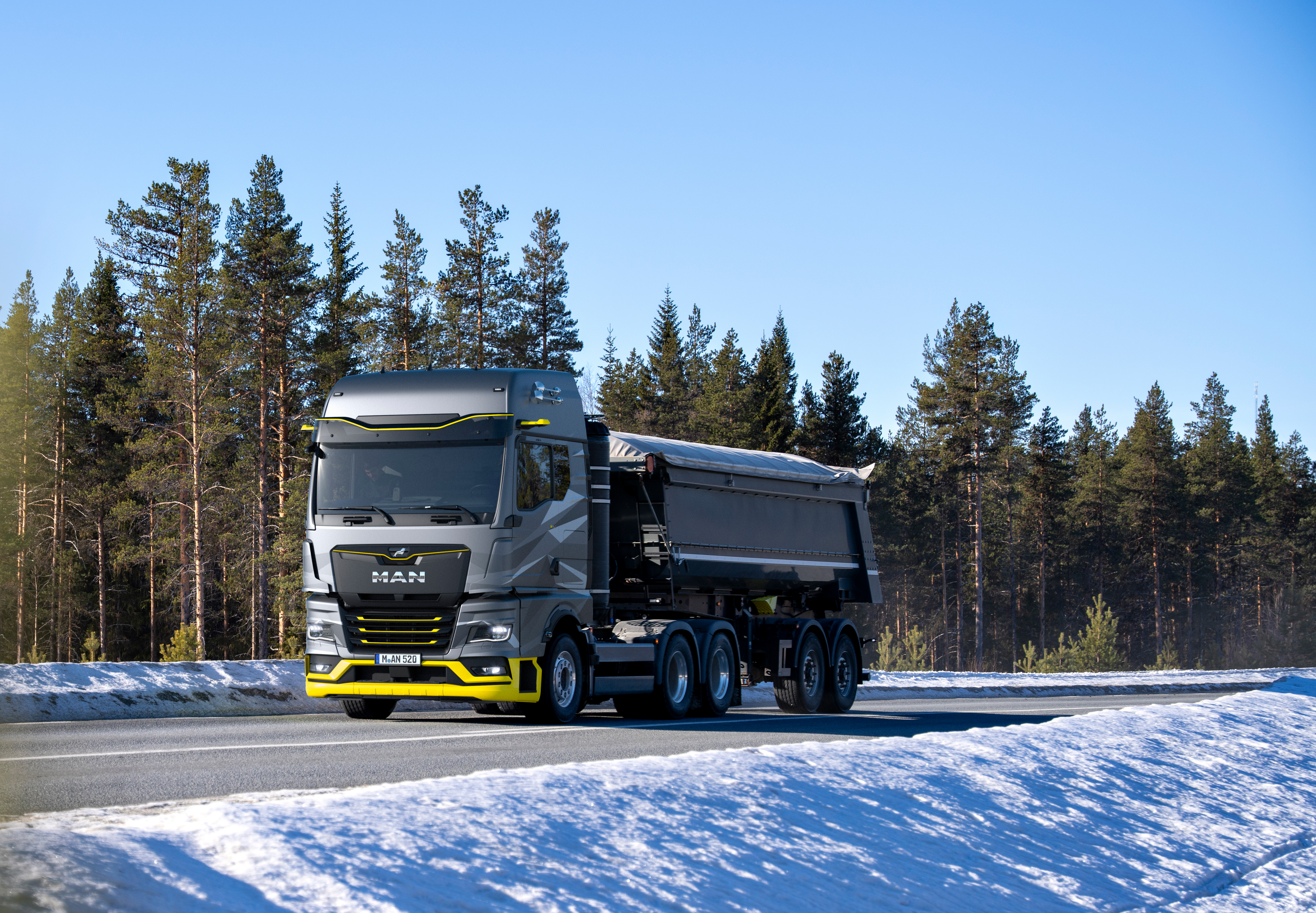
I’m sure that MAN could build a hydrogen-powered 20-tonne construction truck.
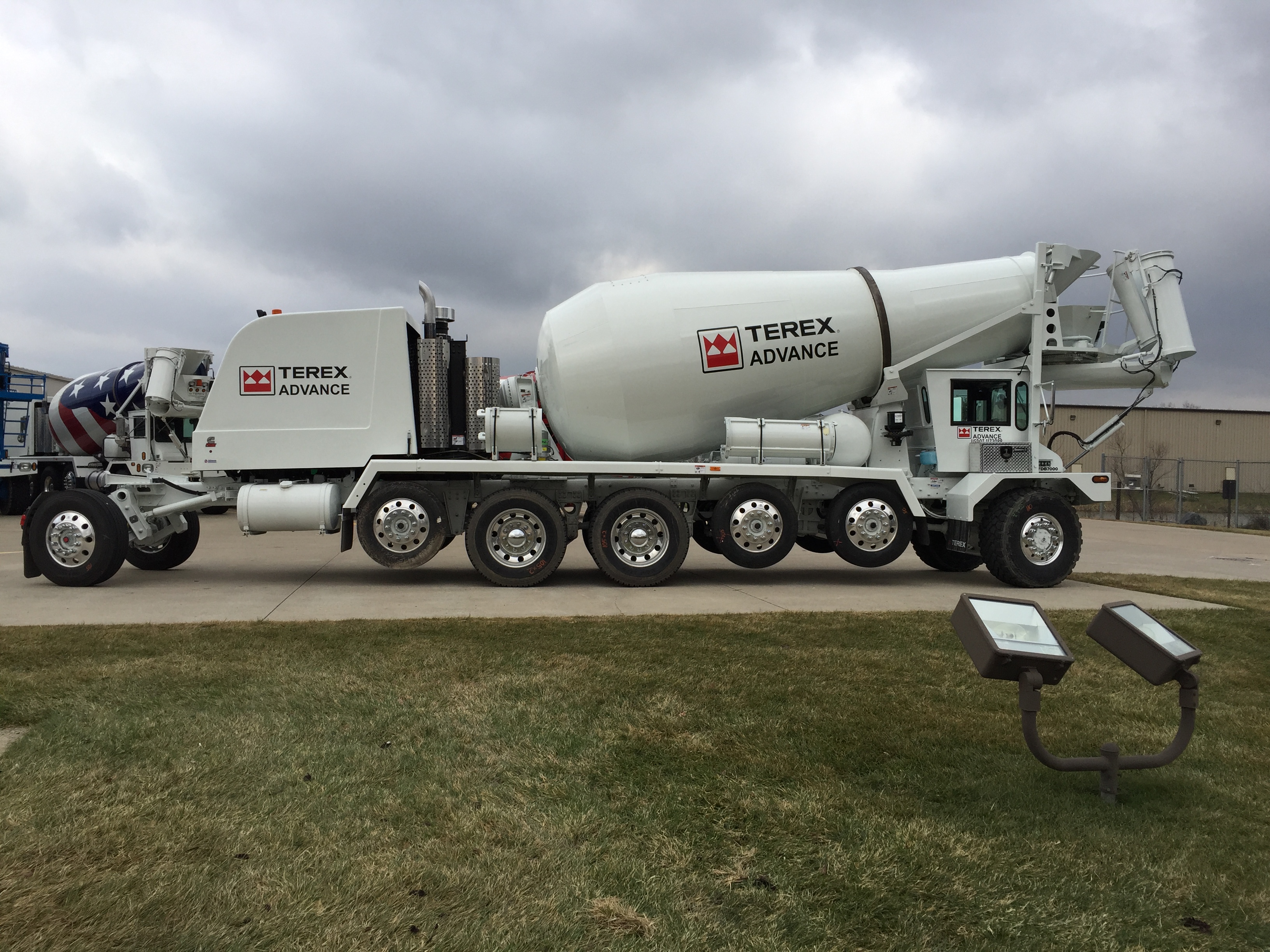
In Cummins Agrees To Integrate Its Hydrogen ICE Technology Into Terex® Advance Trucks, I talk about the solution to the cement truck problem.
This is a side view of the top-of-the-range monster.
Note.
- Front is to the right.
- I suspect the driver doesn’t have to get out of the cab to discharge the concrete.
- The engine is at the rear with vertical exhausts.
- All axles are driven.
You’d certainly notice one of these if they were to be used in the City of London.
And this is the baby of the range.
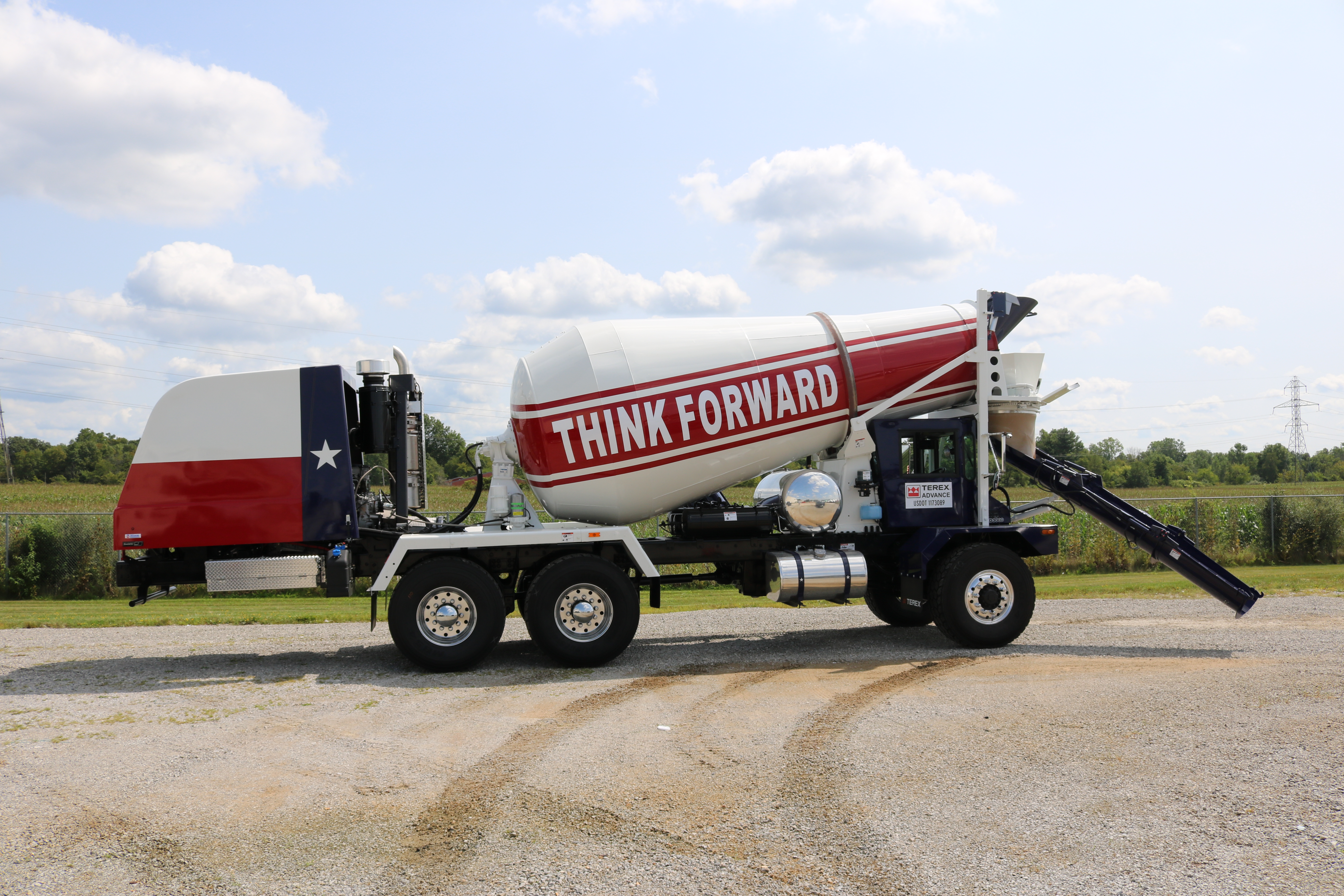
Three axles is normal for the UK. so I wonder if this machine will ever make it across the pond.
This last paragraph in the original article describes the X15H hydrogen internal combustion engine.
The X15H was showcased at the Advanced Clean Transportation (ACT) Expo in May (2023), along with its hydrogen ICE-powered concept truck. The X15H features a 700-bar pressure 80kg capacity hydrogen storage system and a range of more than 500 miles, with up to 500 horsepower.
Could one of these trucks really deliver ready-mix concrete from London to Manchester and return?
The trucks would appear to be available, so let’s get a few over and try them out.
Incidentally, if someone had told me ten years ago, there would be rear-wheel drive trucks like Volkswagen Beetles, I’d have said they were wrong in no uncertain terms.
The Wren Hall substation would appear to be an ideal trial project for hydrogen-powered construction trucks and cement trucks.
No comments yet.
 The Anonymous Widower
Leave a comment