Strings Of Class 171 Trains On Test
I took these photographs of four or possibly six of Southern Class 171 trains running in a long formation, just south of South Croydon station
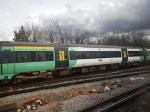
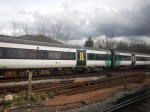
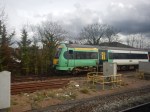
These were probably the units from Scotrail, which are going to be working Southern’s diesel-operated services.
- London Bridge to Uckfield on the Oxted Line
- Hastings to Ashford on the Marshlink Line.
To use these Class 171 trains was the original plan, but I do wonder if these routes will be run using Class 387 IPEMUs.
On the other hand, their may be more important uses for the Class 387 trains, as I wrote about in Are The TOCs Arguing Over The Class 387 Trains?
Or the IPEMUs might not be ready yet?
Who knows?
But whatever happens, someone is going to get a string of Class 171 trains in Southern livery.
The Uckfield Branch Is Almost Ready For Longer Trains
These are some of the pictures, that I took on the Uckfield Branch of the Oxted Line.


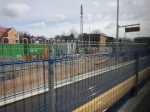
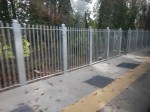


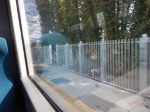

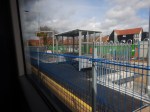
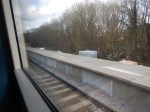


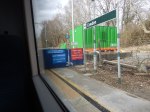


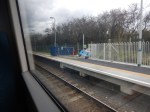

I can’t believe that they’ve spent all this money, just to run an eight, ten or twelve car train formed by formations of Class 171 trains.
Increased Services To Uckfield
On my trip, the line seemed exceedingly busy for one with just a single service an hour. When coming back North, I was passed by a Class 171 train going South, somewhere South of Ashurst station, which prompted me to take the picture of the passing loop.
So it would seem that my observations, ehich also included the sight of a long string of Class 171 trains at South Croydon, could point to Southern testing or training drivers on the line, to see if they can operate a more frequent service to Uckfield. After all, if the service were to be every half-hour to Uckfield, logic says, this would generate more business. They’ve certainly got the capacity at Uckfield with a new station with a long twelve-car platform and a large car park, which is now free to all users at weekends.
There is also an electrified two trains an hour service from East Grinstead to Victoria, which calls at Oxted station. There is probably scope, if you get the service pattern right, to get a two trains per hour service from both Oxted Line termini that serves London Bridge, Victoria and Farringdon for Crossrail, either direct or with one very easy change.
An Uckfield To Oxted Shuttle
Could Southern be planning to link a two train per hour service from Oxted to Uckfield, with the East Grinstead trains, to effectively give passengers on the Uckfield Branch, a two train per hour service to London? Perhaps, they will be using an Oxted to Uckfield shuttle to fill in the gaps between the London trains, as I suspect there aren’t the paths available for all Uckfield trains to go to a London terminus.
There would just be an easy interchange at Oxted or East Croydon.
Timings could be adjusted so that.
- A Southbound Victoria to East Grinstead service would allow cross platform interchange to the Oxted to Uckfield shuttle.
- The Northbound East Grinstead to Victoria service would call at Oxted a couple of minutes after the shuttle arrived.
As Southern know the traffic numbers and passenger behaviour, I’m sure they’ll get the timings right.
The Bay Platform Puzzle At Oxted Station
On Sundays, the service on the Uckfield Branch is just a diesel shuttle between Oxted and Uckfield, with a same platform interchange to the East Grinstead to Victoria service at Hurst Green station.
So why have Network Rail electrified the bay platform at Oxted Station?
There are three possible reasons.
- Network Rail are just future-proofing the Uckfield Branch, so that if it is electrified, they can still run the Sunday shuttle.
- The East Grinstead branch is very busy at times and an East Grinstead to Oxted shuttle could be used to give passengers access to the less busy Uckfield services.
- There is the possibility, that the Oxted branch will be served by an IPEMU in the future. This platform is being prepared, so it can charge the train’s on-board energy storage.
With respect to reason three, Oxted to Uckfield would also be a very good test track for IPEMUs and driver training, especially as there is only one passenger train an hour in both directions.
Hopefully, the reason will become clearer when the May 2016 timetable changes are announced. Although, nothing is known at present!
Trains To Work The Uckfield Branch
In my view there are only two trains that could work the line.
- Class 171 trains in an appropriate formation and as I wrote in Strings Of Class 171 Trains On Test, they certainly have acquired enough of these trains.
- Electrostar trains with an IPEMU capability.
I’d always assumed that Electrostar IPEMUs would be based on Class 387 trains, as Southern run them on Thameslink and Gatwick Express. Porterbrook have also ordered twenty from Bombardier.
But after writing Are The TOCs Arguing Over The Class 387 Trains?, and getting a tip-off (Thank you! John!) , I took a look at the closely related Class 377 trains and wrote Will Southern Fit On-board Energy Storage To Class 377 Trains?
The Class 377 train is an interesting possibility for conversion to an IPEMU for use by Southern.
- Bombardier has said that it could convert other recently-built Electrostars to IPEMUs
- The trains have regenerative braking, but it is not always used according to this article on railway-technical.com.
- Southern have over two hundred Class 377 trains in various sub-types with three, four and five car sets.
- Class 377 trains already work the East Grinstead Branch of the Oxted Line.
Because of the issue of the wasting of regenerative braking energy, there could be a financial case to convert some or all of Southern’s Class 377 trains to IPEMUs, whether they are used as such or not!
A mixture of the diesels and IPEMUs would also be an alternative.
I’ll now look in detail at the three alternatives. For this analysis, I’m assuming that Southern will want to improve the service with these objectives.
- At least two trains per hour from Uckfield to Oxted.
- Passengers can travel to and from both London Bridge and Victoria from both branches of the Oxted Line, with an easy change.
- Longer trains to Uckfield.
- Improved numbers of passengers using the trains between the Oxted Line and London.
I’m certain, that Southern could also have the long term objective of becoming an electric train only company, with all the positive operational and marketing benefits that that will give them.
They may also want to show that there is a demand for more capacity from the area to London, so that they can push for a reopening of the Wealden Line to Lewes.
Class 171 Trains To Uckfield
This solution works, as it has been running for years and given that Southern will soon have more trains, twelve car platforms, improved stations and car parking on the branch, it is an option they could implement for the May 2016 timetable change.
Electrostar IPEMUs To Uckfield
There are two ways this could be done.
Electrostar IPEMUs could work the whole line from London Bridge to Uckfield, charging their batteries on the London Bridge to Oxted section of the route. This would mean that the change to access Victoria would not always be a simple one at Oxted. It could involve a platform change at East Croydon.
I think a better alternative would be for Electrostar IPEMUs to work the current hourly London Bridge to Uckfield service and use another Electrostar IPEMU to work a shuttle between Oxted and Uckfield to fill in the half-hours and provide two trains per hour. It would charge the batteries in the bay platform at Oxted. This would not need another path between Oxted and London Bridge.
There are issues that must be settled before Electrostar IPEMUs can run to Uckfield.
- The technology has been shown to work on a four-car Electrostar, but will it work on a two or three train formation?
- How do you recover a failed Electrostar IPEMU from the Uckfield Branch? Southern wouldn’t want one incident to ruin everything!
- Will IPEMUs be created from Class 387 trains or Class 377 trains? The latter trains already work the East Grinstead Branch.
Because of the problems with the availability of Class 387 trains, I suspect Class 377 trains could be converted.
But whatever train is used, there would be tremendous kudos for the company that ran the first successful battery trains in the UK.
A Mixture Of Class 171 And Electrostar IPEMUs To Uckfield
One of the problems of running an intensive train service, is what do you do when a train fails? Sod’s Law also states, it will always fail at the worst time, in the most difficult place on the network.
In other words, an IPEMU will one day, fail with a flat battery or some other IPEMU fault at Uckfield station. Another train or a Thunderbird locomotive will have to go in and pull the train out.
To facilitate this, all trains run by Southern have the same Dellner couplings. Wikipedia says this about the couplings, when highlighting the difference between Class 170 and Class 171 trains.
The Class 171 Turbostar is a type of diesel multiple unit (DMU) train built by Bombardier Transportation (previously ADtranz) at its Litchurch Lane Works in Derby, England, which is identical to the Class 170, except for the replacement of the BSI (Bergische Stahl Industrie) coupler with a Dellner coupling. This provision was made to allow emergency joining with Class 377 DC third-rail electric units.
Remember that some of Southern’s Class 171 trains have been converted from Scotrail’s Class 170 trains.
As a Class 377 train is an Electrostar train, it would appear that a Class 171 train could easily rescue a stalled Electrostar IPEMU or vice-versa.
So could a conservative and safety-first approach, see an hourly London Bridge to Uckfield service worked by Class 171 trains, with a shuttle from Uckfield to Oxted run by a Electrostar IPEMU?
The East Grinstead Branch
The East Grinstead Branch of the Oxted Line has a two trains per hour service to Victoria worked by Class 377 trains.
Would there be any benefits on running Class 377 trains with an IPEMU capability on this line?
- If identical trains worked the Uckfield Branch, there must surely be operational advantages and benefits in the training of drivers and other staff.
- If the Oxted line is one of those with a poor power system, then there would be cost savings on electricity.
It would not appear that there are other connections, that can use the IPEMU capabilities of the trains, except fantasy ones, like running down the Bluebell Line to Sheffield Park.
Conclusion
I believe we could see an improved service to Uckfield with the May 2016 timetable change.
I think that the service will still be run initially by Class 171 diesel multiple units, but that when they are available, Electrostar IPEMUs could be tried out on the Uckfield Branch possibly as a shuttle between Oxted and Uckfield.
As passenger numbers increase and IPEMU reliability and acceptance is proven, I suspect that this line could be one of the first in the UK to be run solely by IPEMUs.
Electrification At Didcot Parkway – 29th March 2016
On the 25th of March, I wrote Electrifying Didcot Parkway, after I passed through Didcot Parkway station on the way to Oxford.
Yesterday, as I passed through on the way to Bath, I took this picture of the forest of masts at the station.

A Forest Of Masts At Didcot Parkway
It does appear to me, that more have gone up over Easter, but because WordPress doesn’t let me look at galleries, I can’t be sure.
I also took this picture looking towards Oxford.
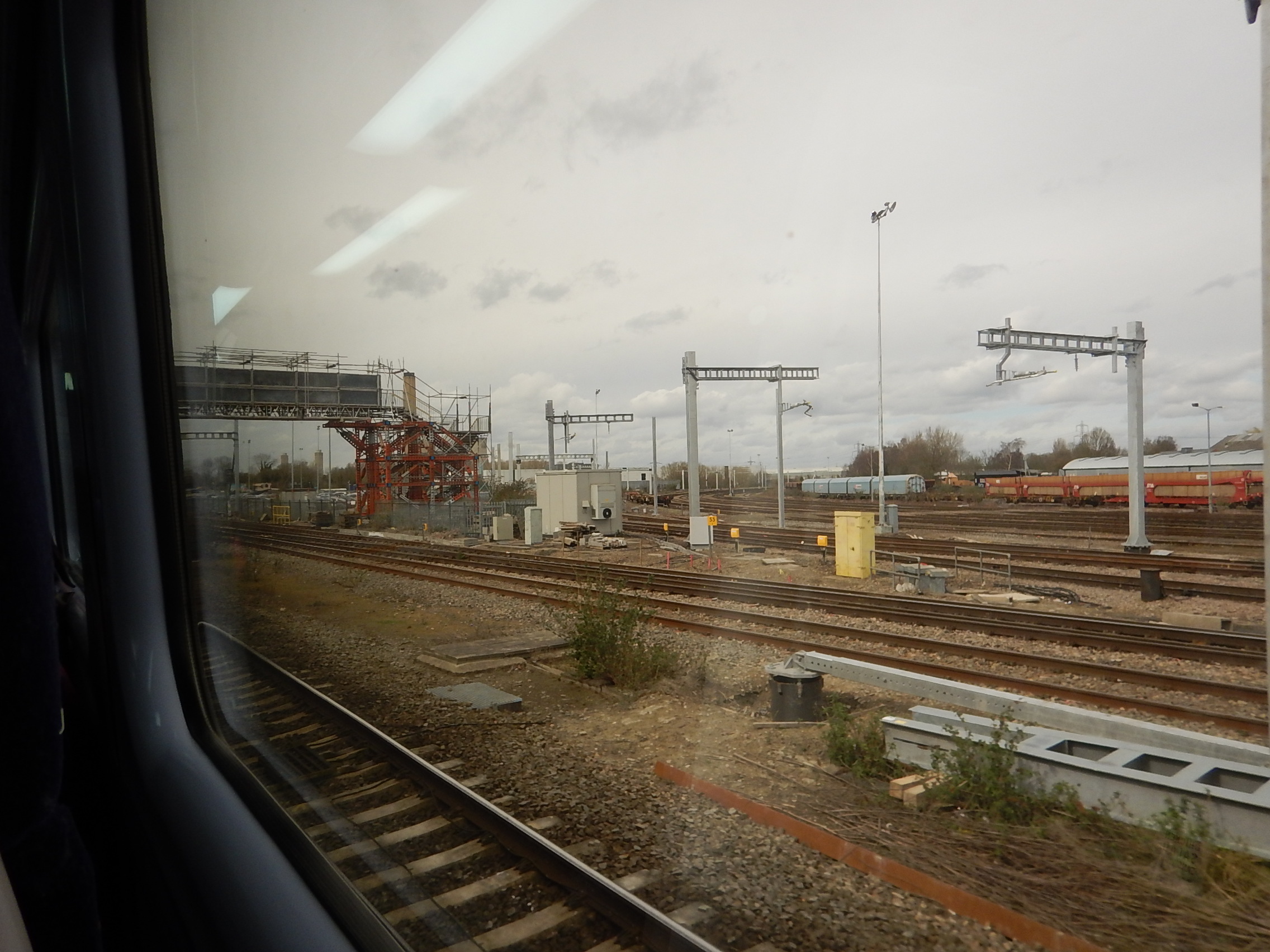
Masts Marching Towards Oxford
It would appear that the electrification is going to go at least as far as Didcot North Junction, where the West Curve from the direction of Swindon joins the Cherwell Valley Line. This schematic was clipped from Wikipedia.
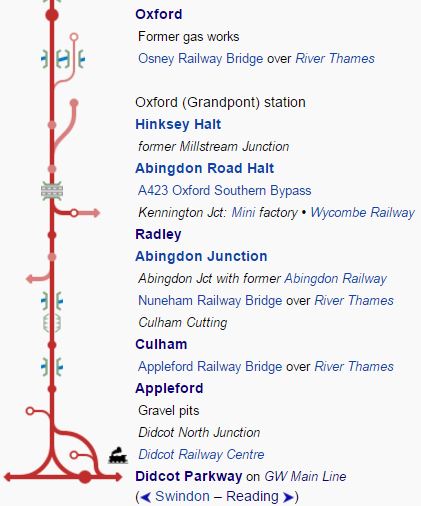
Didcot To Oxford On The Cherwell Valley Line
And this is a Google Map of the same area.
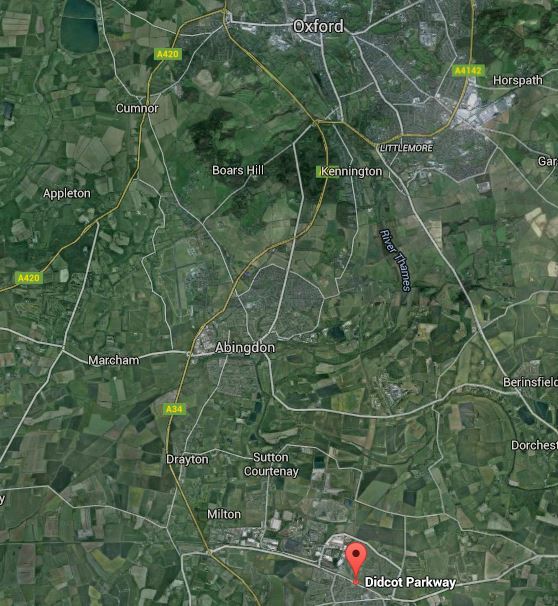
Didcot To Oxford
I estimate that from Didcot North Junction to Oxford station is about ten or twelve miles.
This would mean that if an IPEMU could reach Didcot Parkway station using overhead electrification, it could undoubtedly reach Oxford and then get back to Didcot.
Between Reading and Didcot, it would appear that the wires are going up.
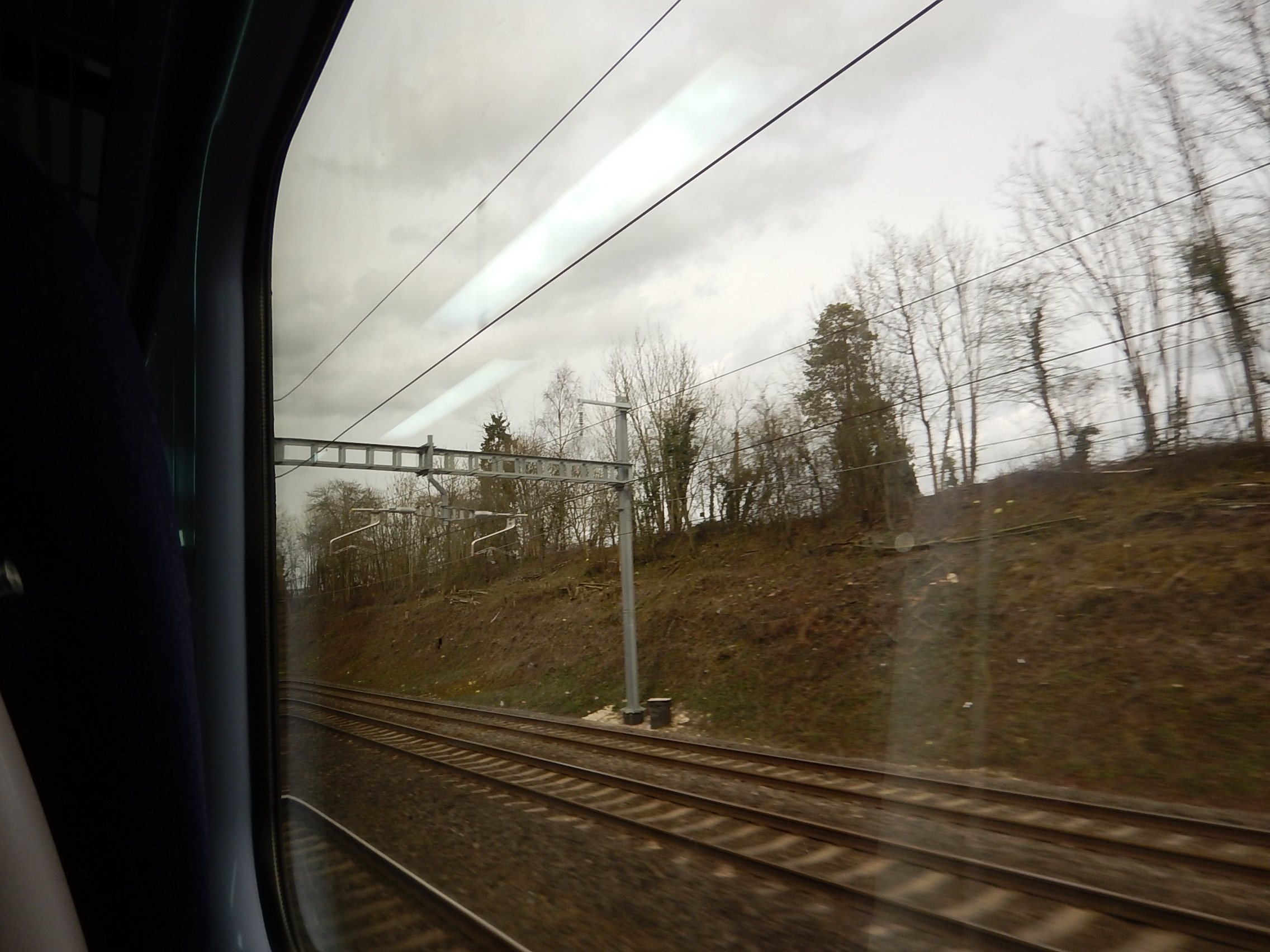
Wires Between Reading And Didcot
This picture shows the wires over the two slow or relief lines.
How Long Would An IPEMU Take From St. Leonard’s To St. Pancras International?
If an IPEMU is going to be used between St. Leonard’s and St. Pancras International station, there are two possibilities.
- A 110 mph IPEMU based on existing Class 387 trains.
- A 125 mph IPEMU based on a purpose-built Aventra. Ian Walmsley stated in the April 2016 Edition of Modern Railways that a 125 mph Aventra is possible.
This compares with the 143 mph and 100 mph speeds of a Class 395 train on high speed and classic lines respectively.
For this estimate, I will make the following assumptions.
- St. Leonards takes four minutes longer than Hastings.
- The baseline time from St. Pancras to Ashford is 38 minutes in a Class 395 train.
- Times on the high speed section are in proportion to the train speed.
- The baseline time from St. Leonard’s to Ashford is 46 minutes in a Class 171 train.
- All trains on the unelectrified section are limited to 100 mph.
Times From St.Leonards to Ashford
The Class 171 train takes 46 minutes, but it is only a benchmark, as few would go to Ashford and then get on a Class 395 train on High Speed 1.
The Class 395 train and the IPEMUs would be quicker as they would save a couple of minutes at each of the typical five stops, because of their faster acceleration.
Two minutes a stop would save ten minutes.
Times From Ashford to St. Pancras
Doing a simple calculation based on train speed gives the following times.
- Class 395 train – 38 minutes
- Class 387 IPEMU – 48 minutes
- Aventra IPEMU – 43 minutes.
Times from St. Leonards to St. Pancras
Adding the two times together gives.
- Class 395 train – 74 minutes
- Class 387 IPEMU – 84 minutes
- Aventra IPEMU – 79 minutes.
With Hastings it will be four minutes less.
In Wikipedia, there is a section called Future for the entry for the Marshlink Line. This is said.
The line is strategically important, as electrification and junction improvements would mean that High Speed 1 trains could travel directly from St Pancras International to Hastings. Amber Rudd, Member of Parliament for Hastings, has campaigned for electrification works to start by 2017. The aim is to reduce times to London from Hastings to 68 minutes, and from Rye to under an hour. This would require remodelling Ashford International station so the existing Marshlink line could connect to HS1, installing power systems, and adding a passing loop at Rye, all in addition to requiring new trains.
I think that the aim of 68 minutes from London to Hastings is a modest one, but as my crude estimate was only six minutes longer, I think the 68 minutes is totally attainable, especially as my times from St. Leonards to Ashford are just based on current timings and taking off a couple of minutes for each stop.
But if the Marshlink Line could be significantly improved, then time reductions of several minutes could well be achieved.
Electrification Of Bath Spa Station
Bath Spa Station could present a unique mix of electrification problems.
- It is a Grade II* Listed Building.
- It is situated in a World Heritage Site.
- The station sits on a viaduct between the River Avon and the City.
- Traditional electrification of the Great Western Main Line Through Bath, would be a challenge to the best engineers.
- Electrification will present aesthetic problems.
This Google Map shows the cramped location.
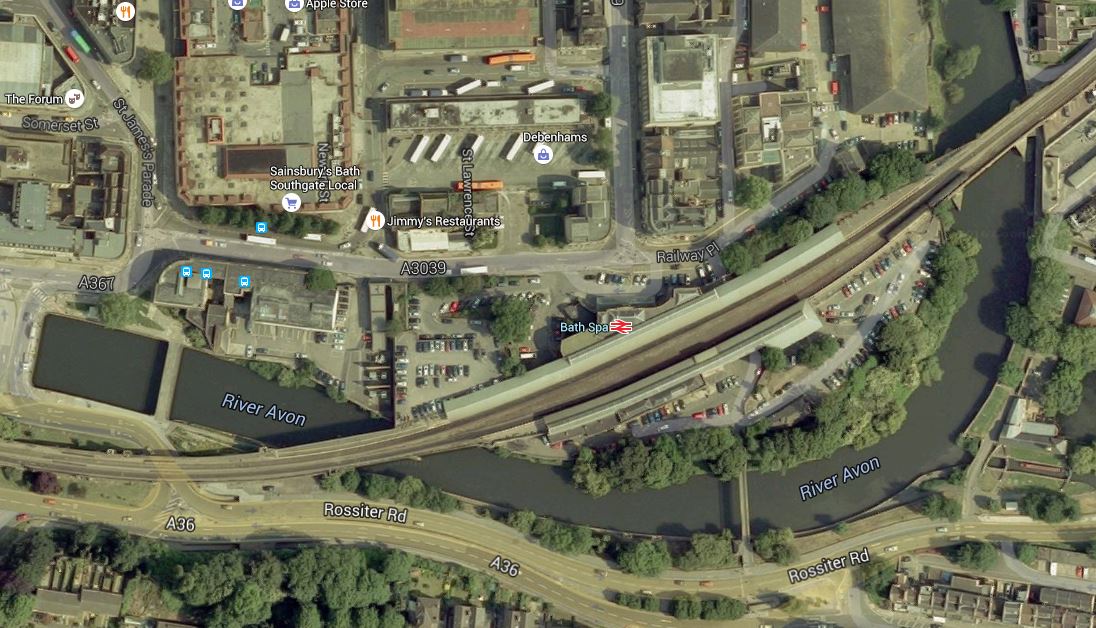
Bath Spa Station
At least it is close to the bus station, which can’t be said for that many stations.
As with Electrifying The Great Western Through Sydney Gardens, the engineers are thanking Brunel.
Look at this picture of the lines through the station.
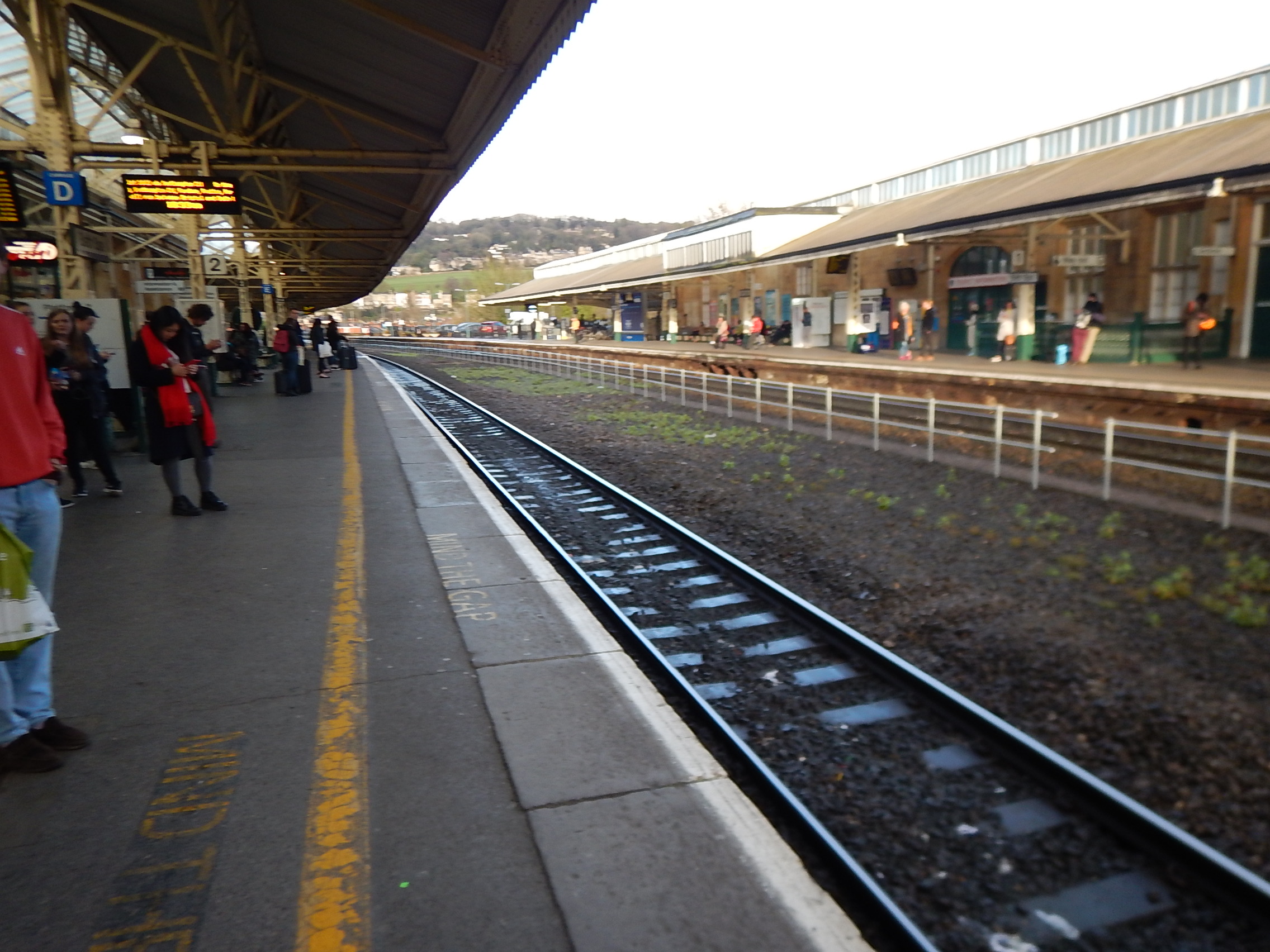
Lines Through Bath Spa Station
Engineers must surely be able to use some system to erect the wires on this wide viaduct, that was designed for Brunel’s broad gauge.
- A solution similar to that used in Paddington station could be used in the station.
- Central masts could be erected, with the overhead wires on either side.
No wonder that the Great Western Electrification is running so late, if every station is as difficult as this one.
These are a few pictures of Bath Spa station.



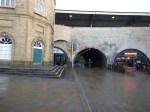


I’ll be looking forward to comparing them with pictures taken in a year or two, after the wires are in place.
The Great Western Main Line Through Bath Spa Station
This Google Map shows the route of the Great Western Main Line through Bath Spa station.
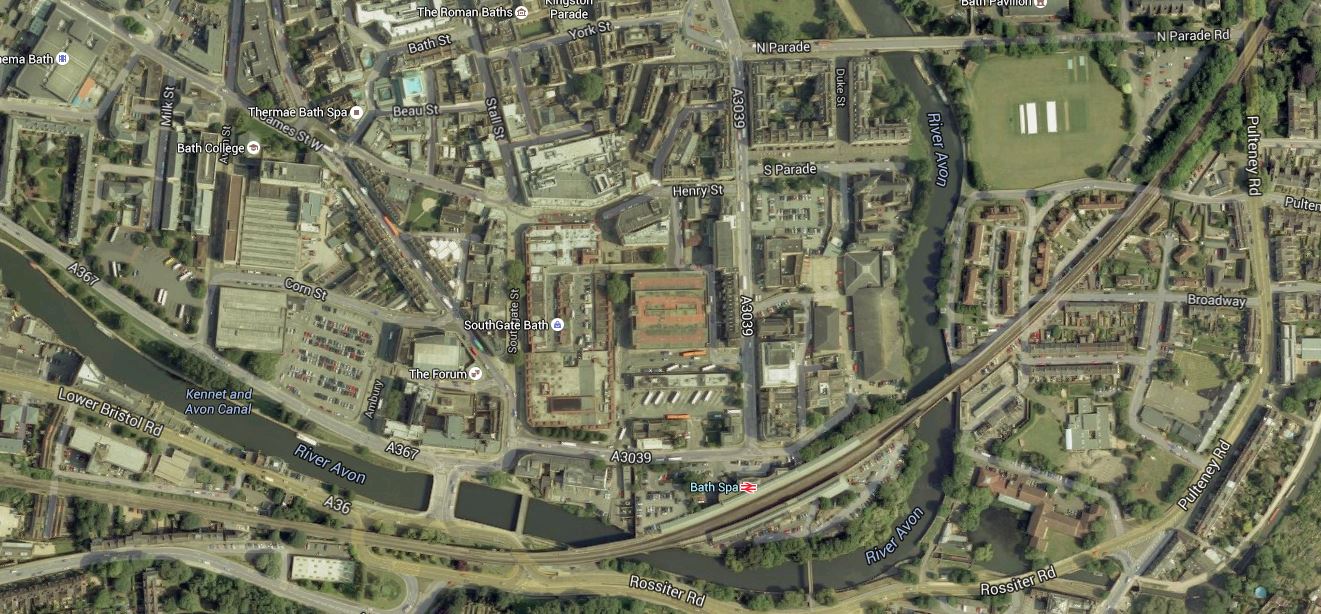
The Great Western Main Line Through Bath
Trains from Bristol come in from the West with London to the East and the layout certainly wasn’t designed to be simple.
- Bath Spa station is on a viaduct hemmed in by the river.
- The railway crosses the River Avon twice.
- The railway is on a raised viaduct to the West.
- Bath is a World Heritage Site.
It is not the place, where you would want to electrify a major railway Line.
These are pictures I took of the Great Western Main Line through Bath.
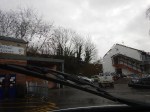

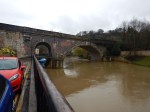
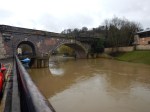
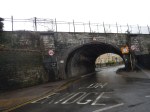
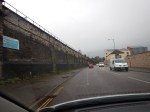
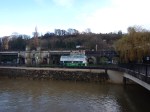
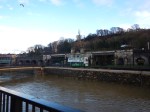


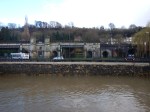

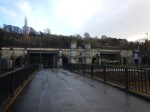
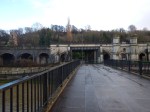

It is certainly not how, you would create a railway today.
Electrifying The Great Western Through Sydney Gardens In Bath Spa
The Great Western Railway runs i through Sydney Gardens in Bath. This picture shows an InterCity 125 running through the gardens.
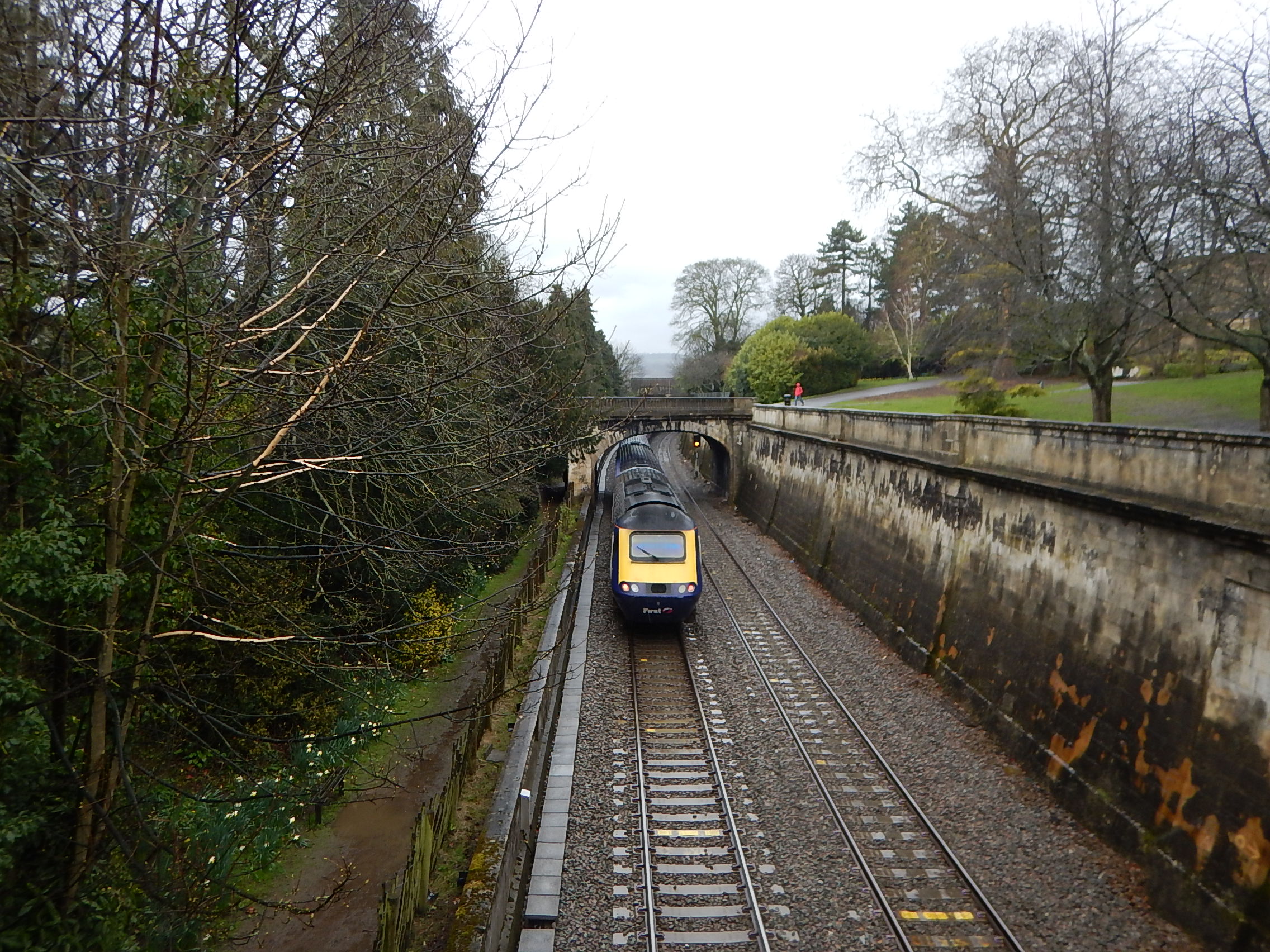
An InterCity 125 Passes Through Sydney Gardens
Note.
- There is plenty of width, as the line was built for broad gauge trains.
- Height might a bit tight, when you add in the pantograph.
- I would think that the structure under the track is pretty sound, as it’s had masses of pounding for years from Castles, Kings, Warships and InterCity 125s.
- I suspect that the bridges over the line have been fully surveyed and like most of Brunel’s structures are well designed.
So I suspect that the track could be arranged, so that it positioned the train in the right place, to allow a Class 800 train to pass through with absolute safety.
The tracks could be moved closer or further apart to match the geometry of the bridges.
The tracks could be lowered if required.
If necessary, as is often done in tunnels, a solid concrete slab track could be laid. But this can create more noise.
I wouldn’t be surprised to see an innovative rail system used in Sydney Gardens to make sure the trains run accurately, reduce noise and improve the look of the railway.
But then after Dawlish and some of the challenging situations, Network Rail has faced with tracks in the last few years, I suspect they’ll come up with a very acceptable solution.
The problem is the electrification.
Engineers will renew switches and crossings at Bathampton Junction, and will lower the track at Sydney Gardens, as well as at Hampton Mill and Meadow Farm bridges.
They will install specially designed electrification equipment in Sydney Gardens, which is classed as a World Heritage Site. Work on Box Tunnel will continue over the entire six-week period.
So as I thought height is tight.
This was a comment from the article.
When these plans were presented in the Guildhall last year, the Network Rail representative emphasised that the brackets hadn’t been finalised. The poor guy had the patient of a saint as he dealt with audience members insisting that trains be fitted with batteries to enable them to do without overhead lines in Bath as well as suggesting that they could coast through the city un-powered.
I don’t think it was a good meeting for Network Rail.
As an engineer, I agree with the comment about battery trains, but the Class 800 trains are not to my knowledge able to accept batteries at the present time. Although, judging by the way the industry is going, I suspect that within a few years, all electric trains will have provision for batteries, if the operator wants them.
In some ways, I feel that Brunel might be providing the solution.
To erect overhead wires for railway electrification, you need to support the wires every fifty metres or so.
This Google Map shows the gardens.
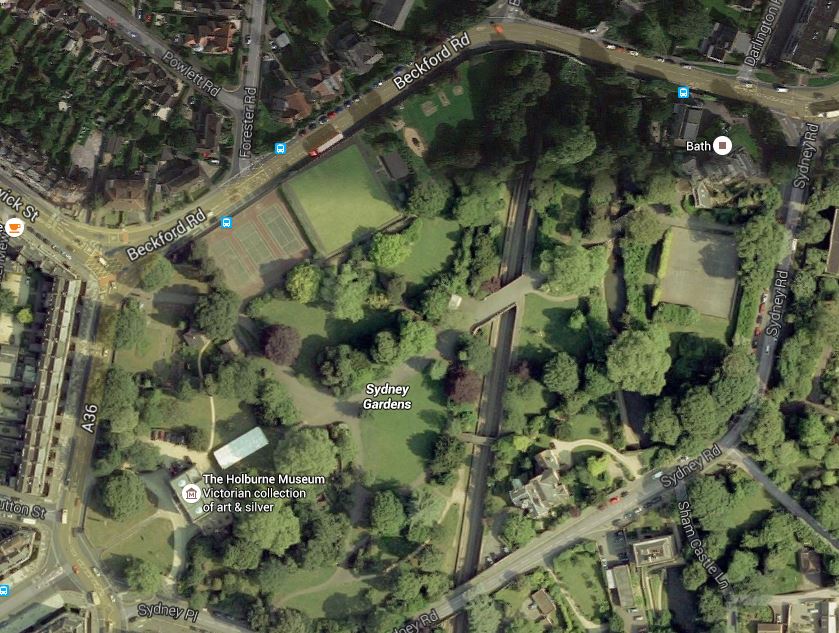
Sydney Gardens, Bath
Note there is a solid road bridge over the railway at both ends of the gardens, with Beckford Road in the North and Sydney Road in the South.
I estimate that the distance between the two road bridges is two to three hundred metres.
In the middle is the footbridge from where I took the picture of the InterCity 125 and another wider bridge.
As the trains will not be going flat out at 200 kmh through here, as they’ll probably be stopping at Bath Spa station, I suspect that the four bridges could be used as support for the overhead electrification.
This Network Rail visualisation shows the footbridge with a Class 800 train going underneath.
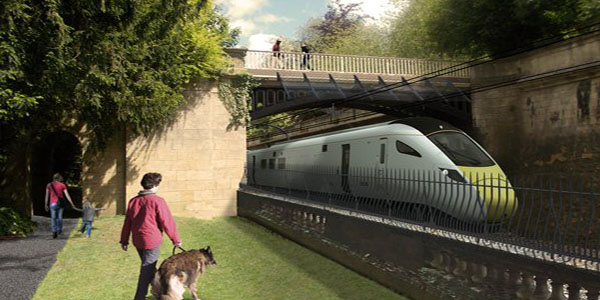
Sydney Gardens Bridge And A Class 800 Train
It looks to me, that the wires are attached under Brunel’s bridges and that by clever design tNetwork Rail can get an solution acceptable to all.
One of the problems, is of course making sure, that pedestrians on the bridge are safe, with 25KVAC overhead electrification underneath.
By lowering the track, they are increasing the safety distance and also making it less likely that naughty dogs can get on the track.
I have a feeling that this problem, will be one that will haunt Network Rail.
This picture was taken from the Sydney Road bridge and shows the area of the visualisation.
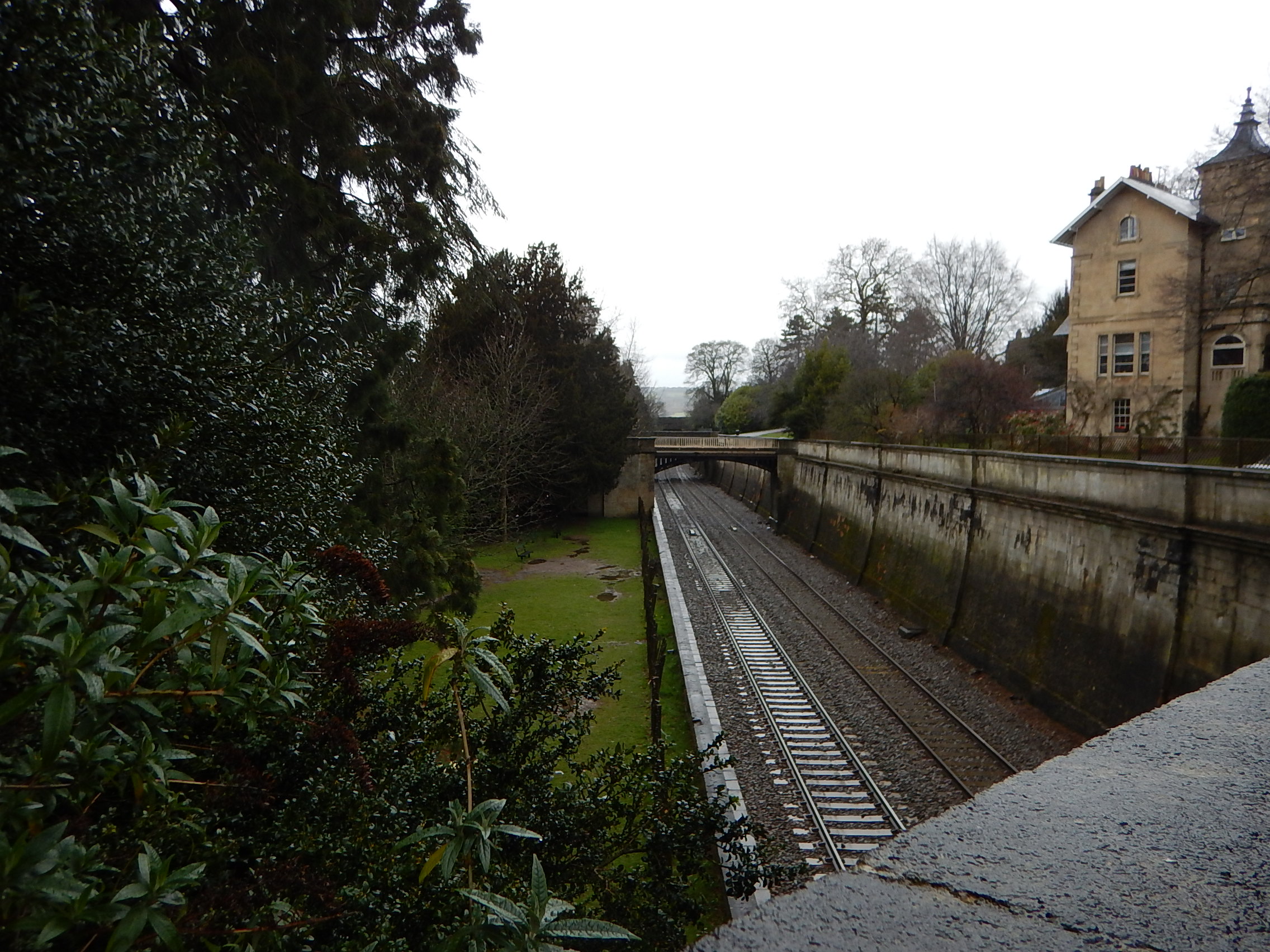
The Footbridge In Sydney Gardens, Bath
As the train appears to be on the left track, the visualisation actually shows the back of a train.
This is a gallery of pictures that I took in Sydney Gardens.



It would be a shame to ruin the gardens, by some less than adequate design.
Only In Essex
This story is from the Brentwood Gazette and is entitled C2C train delays after car abandoned on track at Pitsea.
Enough said!
Electrification At Paddington Station
I took this picture looking across the lines at Paddington station.
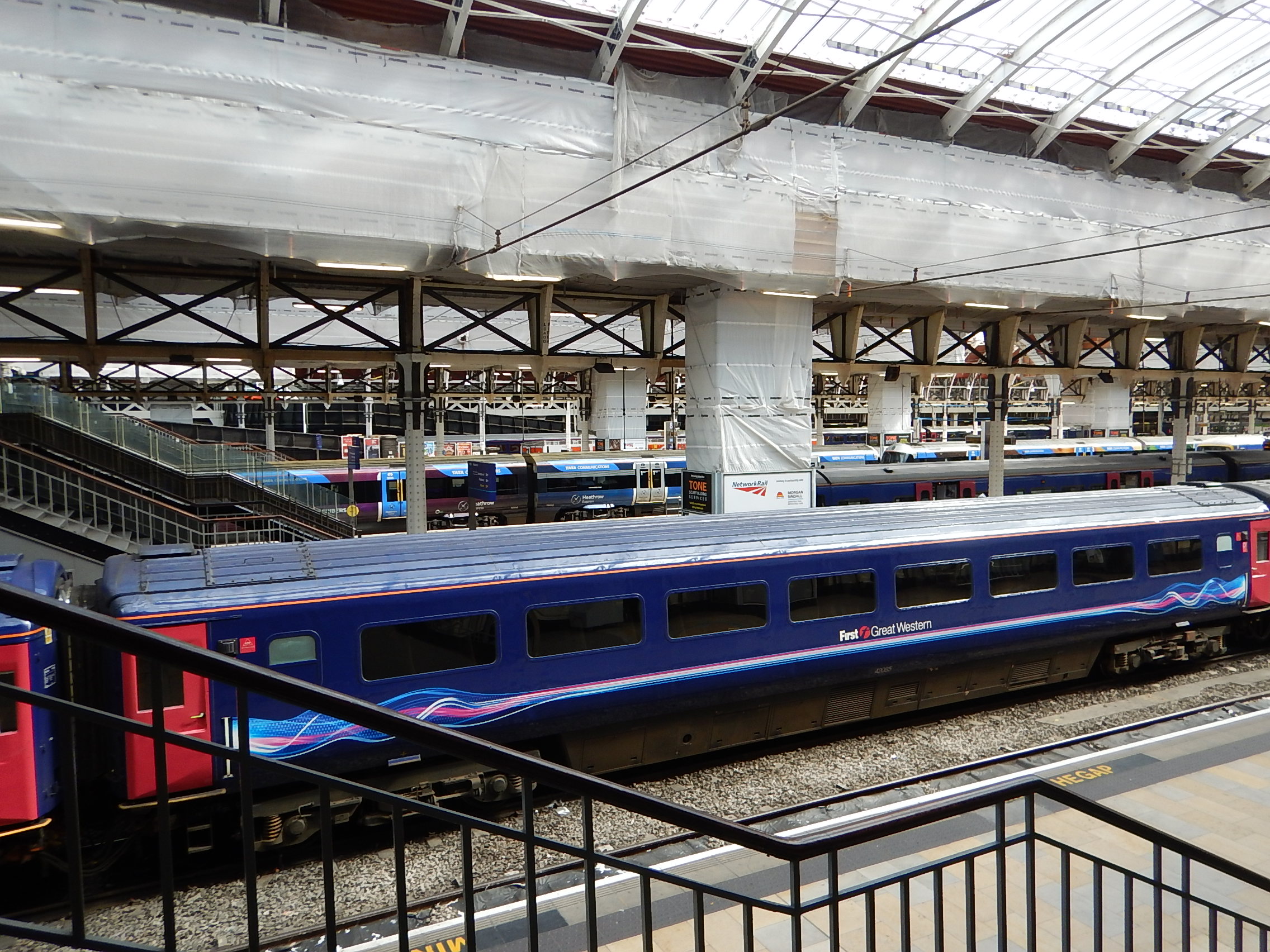
Electrification At Paddington
The nearest platform, which is number one, is not electrified yet. note the bar across the tracks which is used to support the wires.
This picture shows wires installed over platforms four and five.
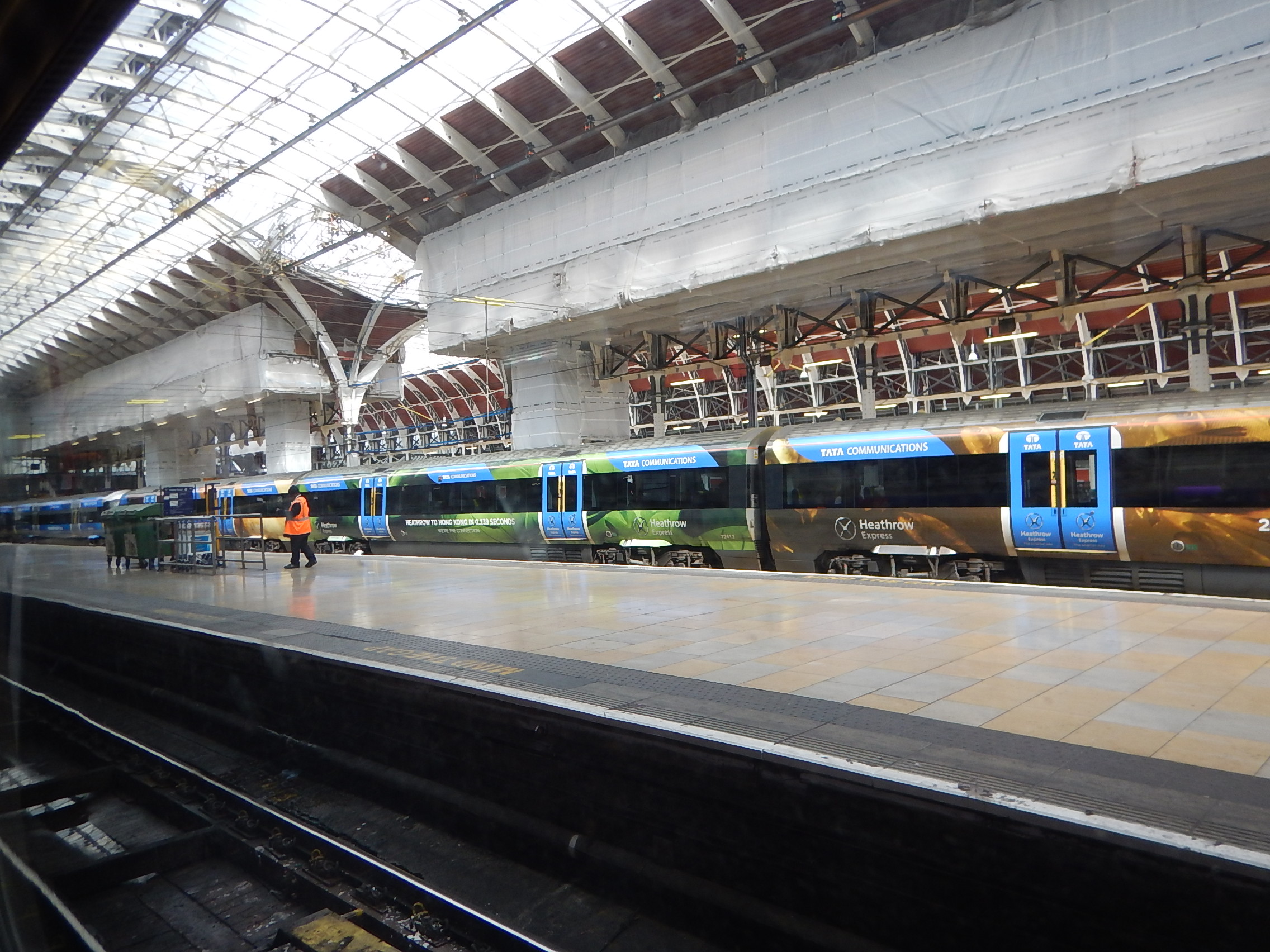
Electrification At Paddington
Note where the support is yellow, that you can just see a slim vertical support for the overhead wire.
It certainly seems to be more of a sympathetic design than the gantries I discussed in Aesthetic Problems With Overhead Wires On The Great Western
I Can’t Display My Galleries
WordPress have done their usual and updated the software without testing it.
I can’t look at any galleries.
I’m using Windows 7. But it works fine on an old xP machine.
If you can see them properly or can’t please add a comment.
 The Anonymous Widower