Thames Tideway Tunnel Site – Abbey Mills Pumping Station
Index Thames Tideway Tunnel Sites Abbey Mills Pumping Station
Abbey Mills Pumping Station is one of Joseph Bazalgette‘s cathedrals of sewage and as it lies at the junction of the Northern Outfall Sewer and the Lee Tunnel to the massive sewage works at Beckton, it has been chosen as a junction, where the Thames Tideway Tunnel meets the existing system.
The official site says this about the works.
Abbey Mills Pumping Station is an existing Thames Water pumping station site.
In our application for development consent this site receives the tunnel from Chambers Wharf and connects the main tunnel to the Lee Tunnel, which will transfer sewage flows to Beckton Sewage Treatment Works.
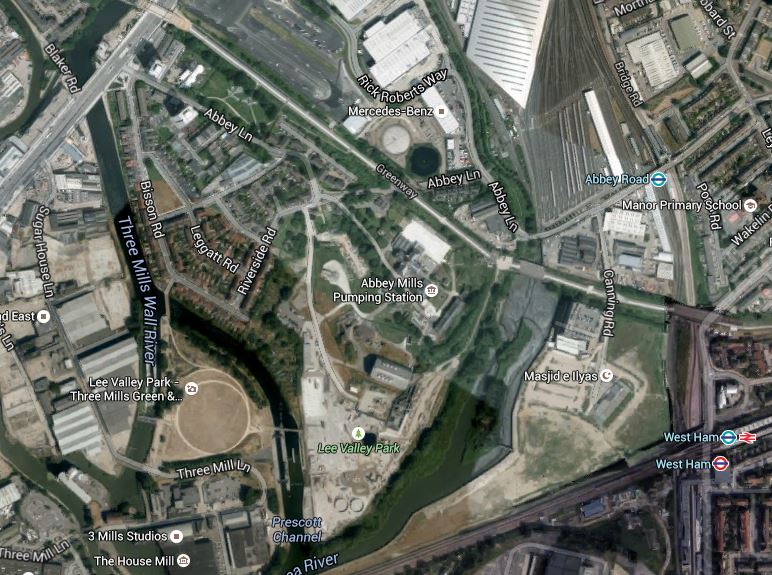
This Google Earth image shows the area.
Abbey Mills Pumping Station
The Abbey Mills Pumping Station is clearly marked and the white line running across the image beside it is the Greenway, underneath which is the Northern Outfall Sewer.
I can’t expect that the construction work at this site will cause much disruption, especially as since 2010, they have been building the Lee Tunnel and there doesn’t appear to have been too many protests.
Abbey Mills Is Revealed
Abbey Mills Pumping station sits like a Moorish castle on the Greenway guarding the Olympic Park.
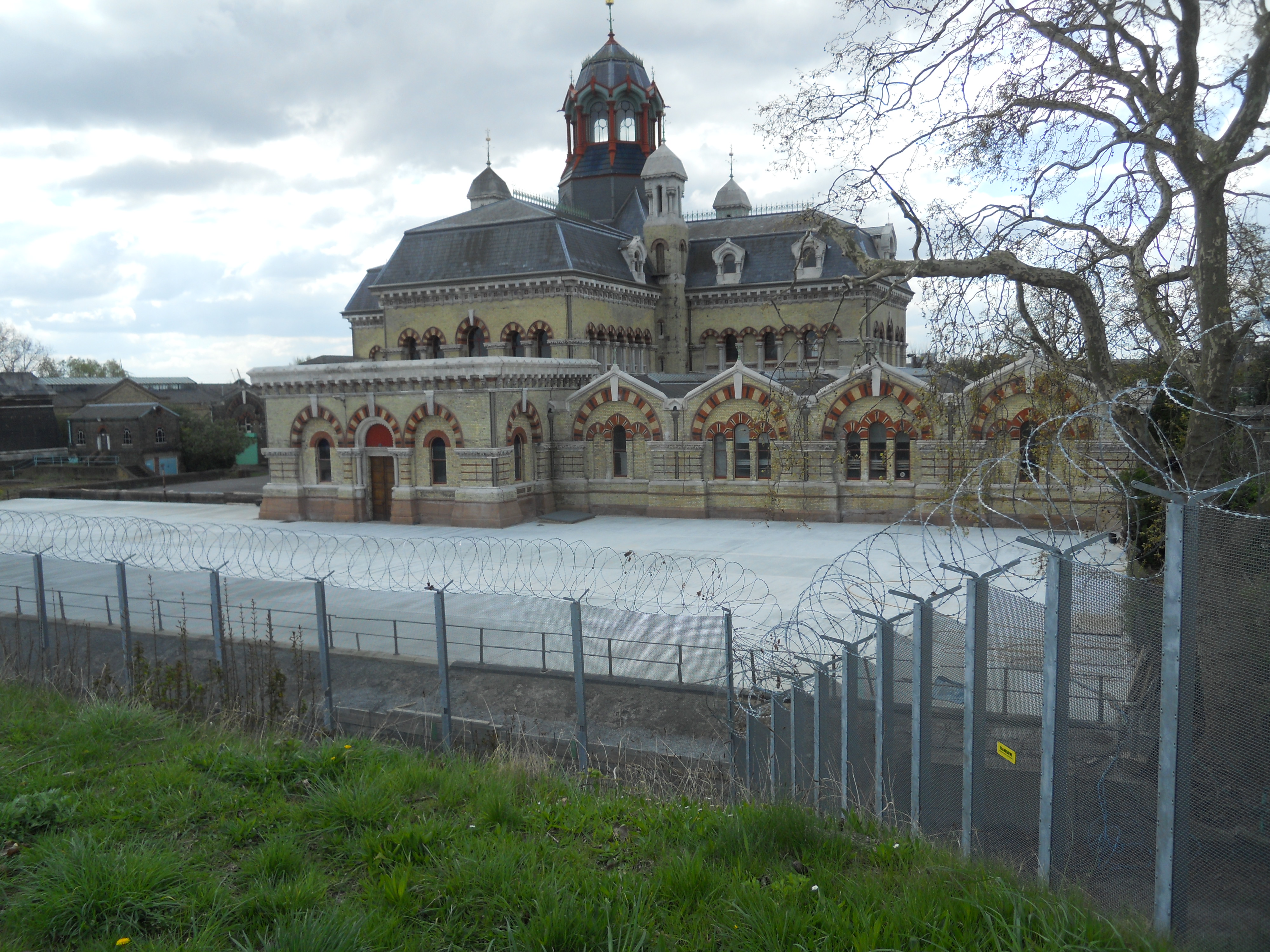
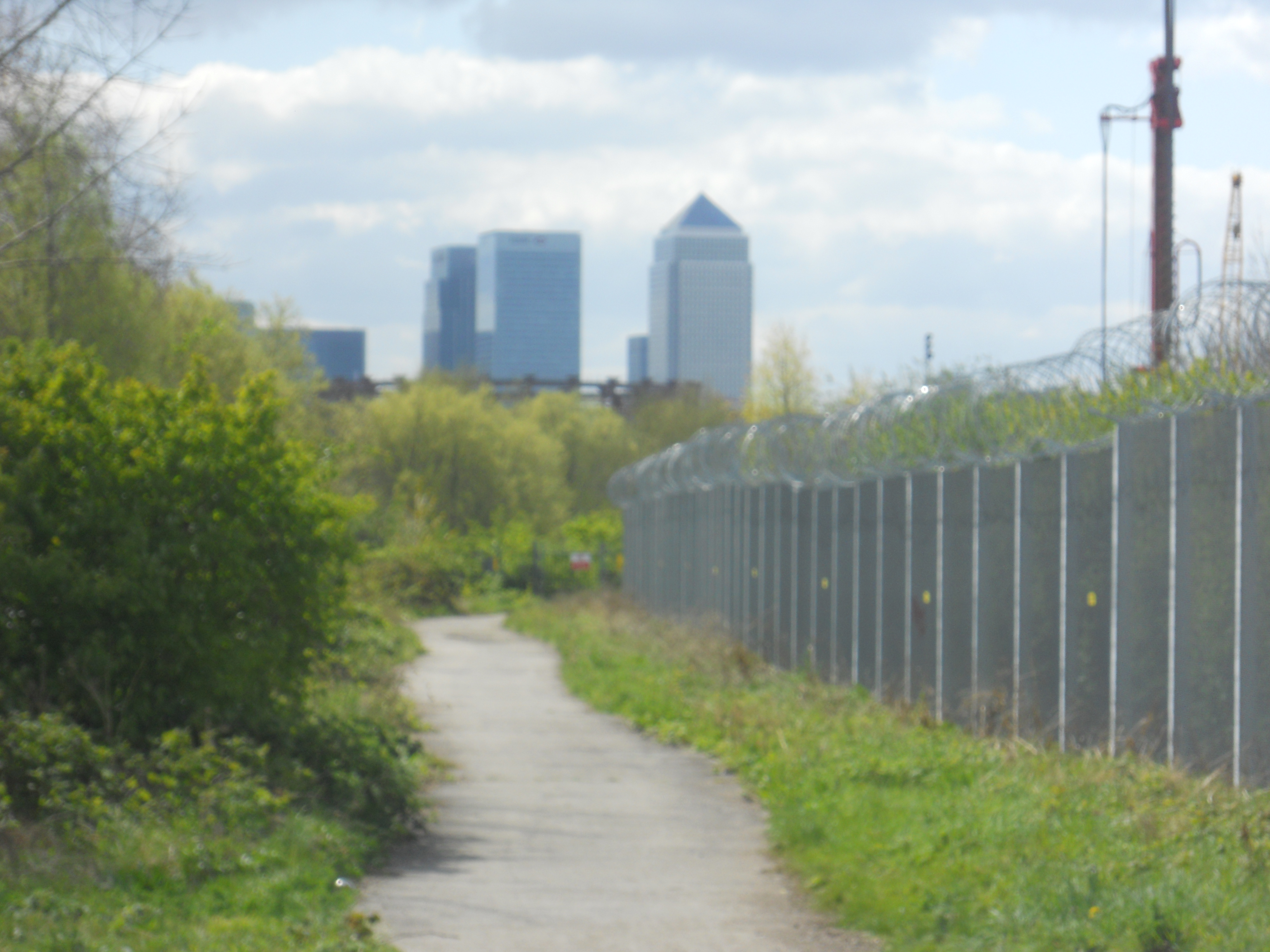
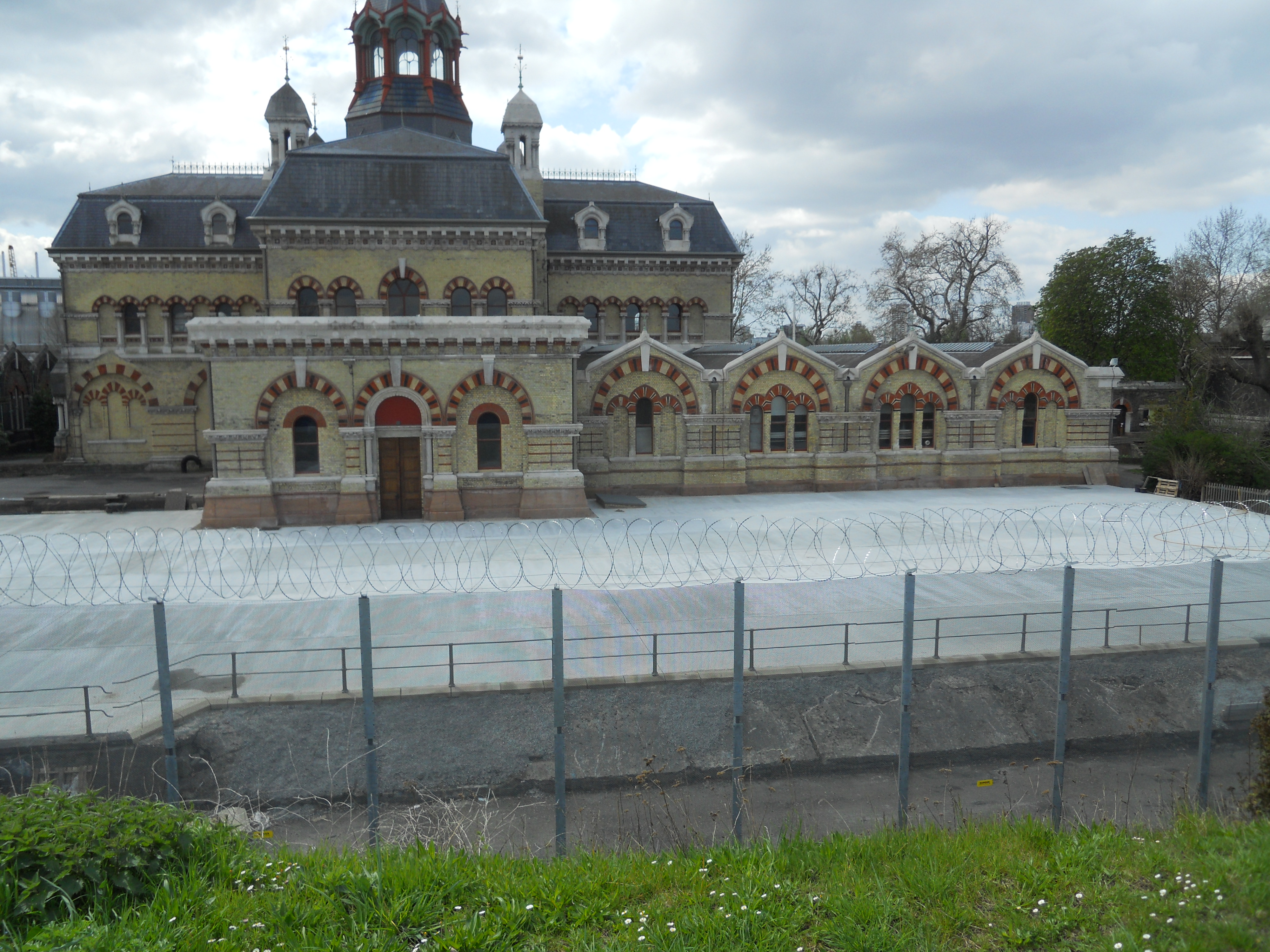
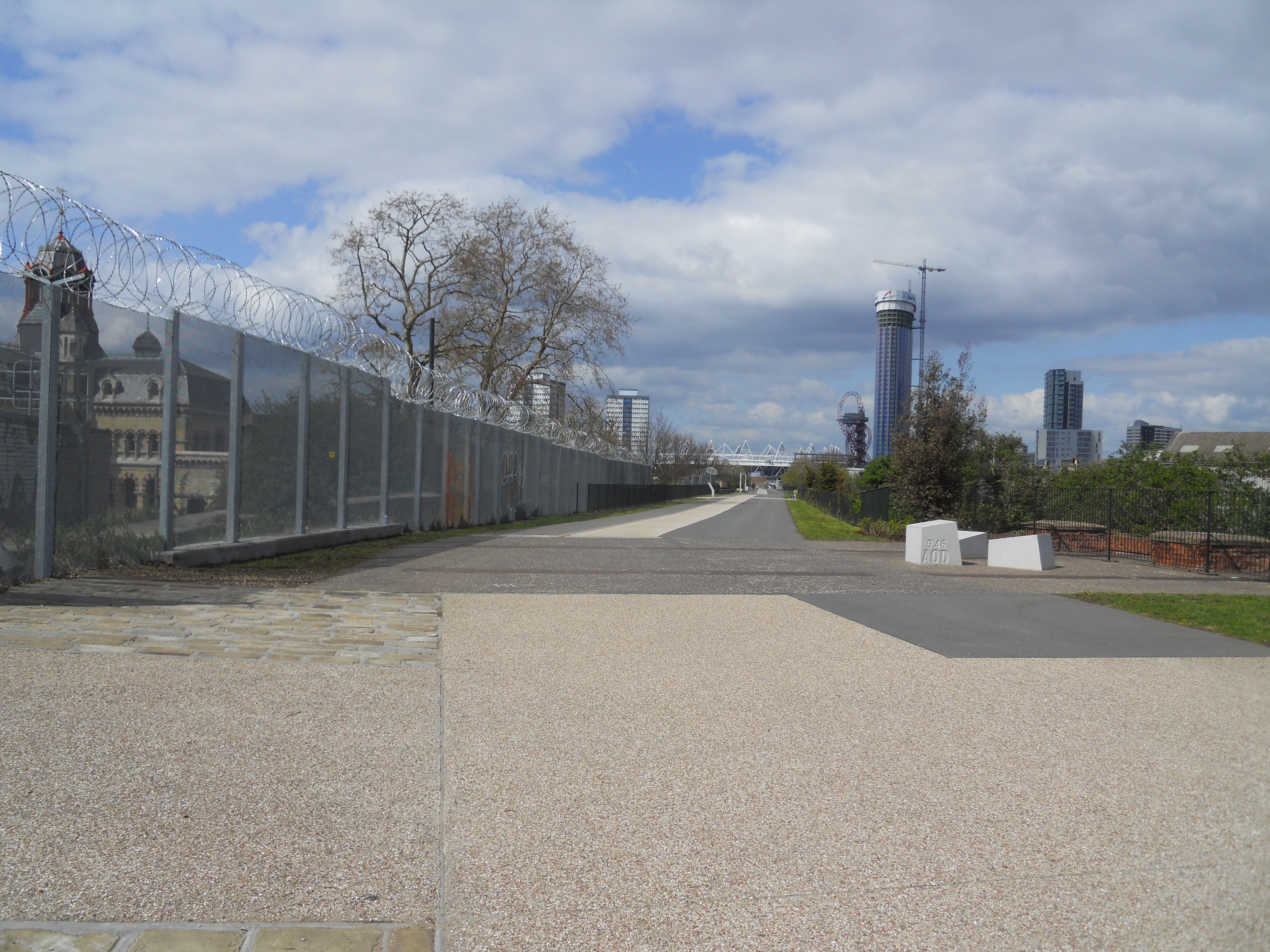
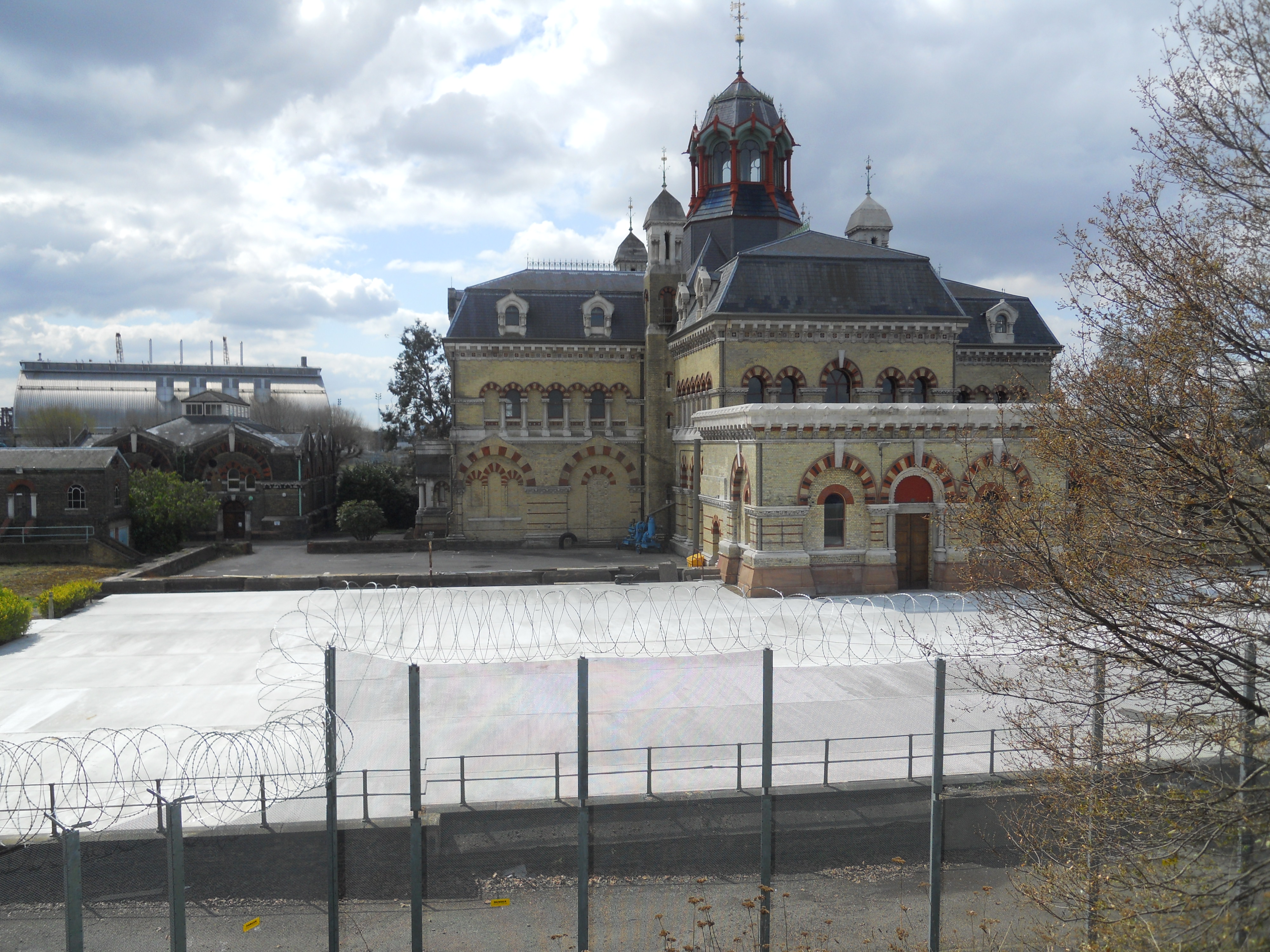
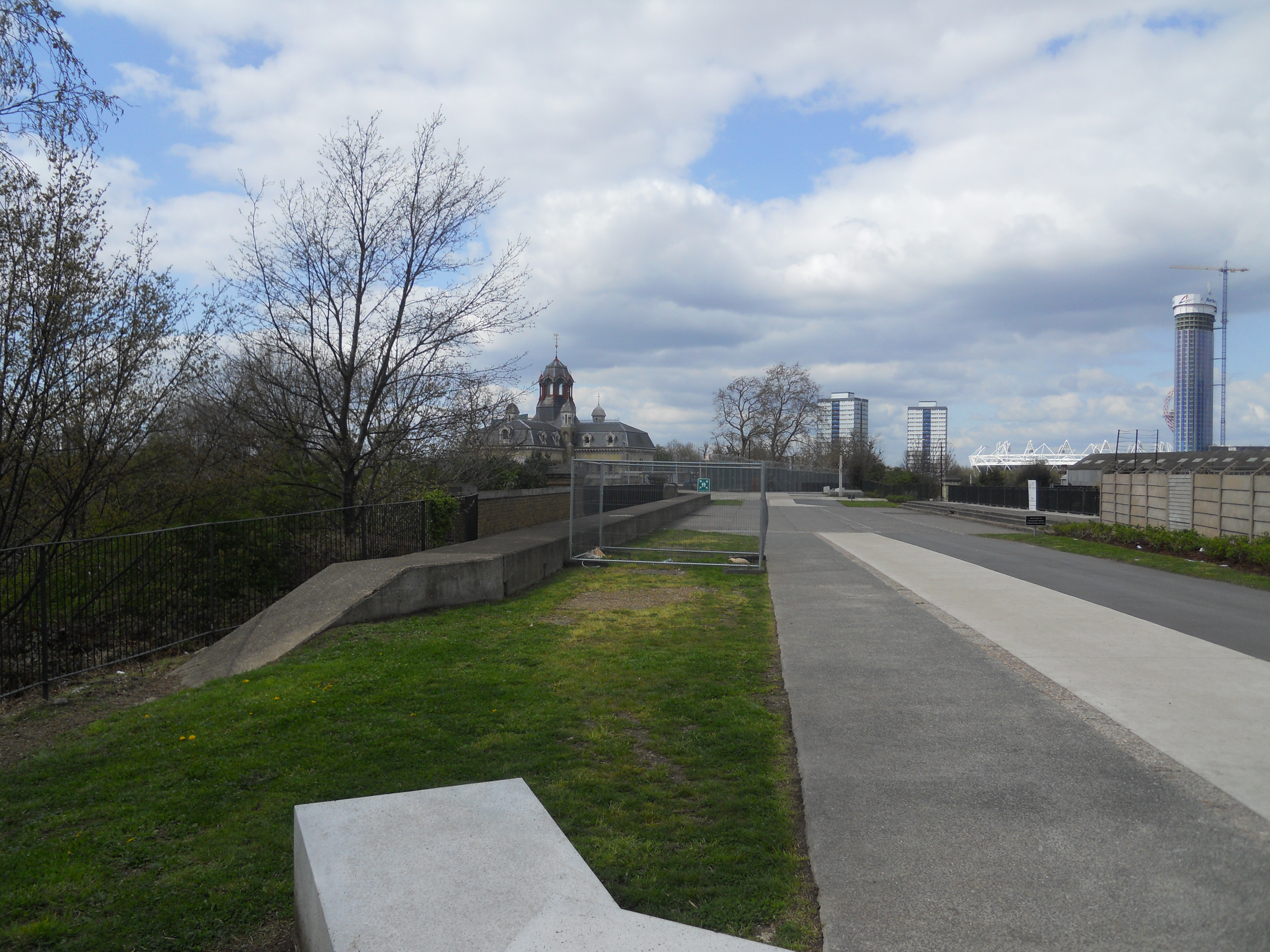
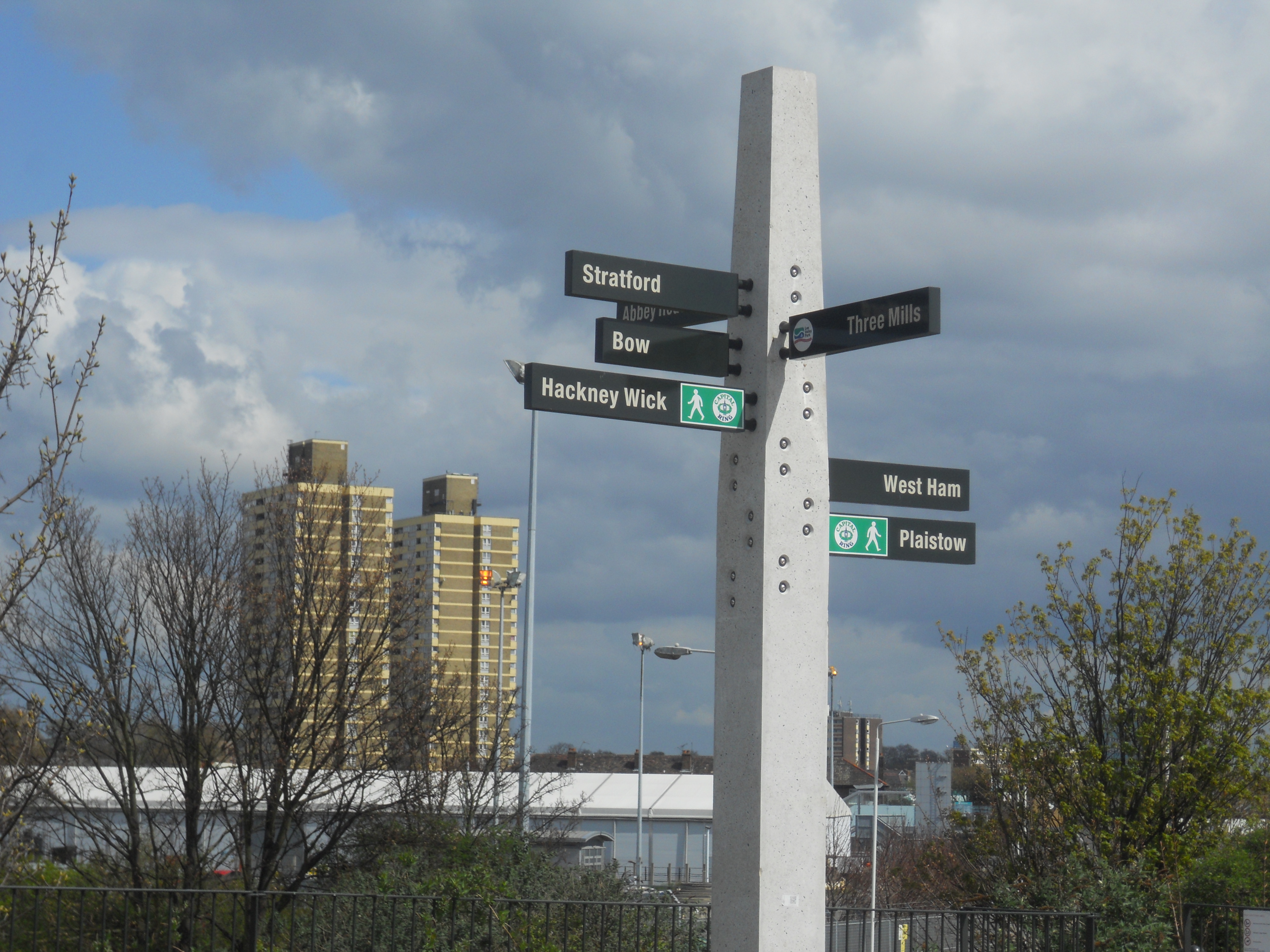
I’m pleased to see that the years of vegetation have been cleared and it now appears as the great Victorian building it was designed to be. Note that the signpost sits on the south-east corner of the pumping station site. You have good views towards Canary Wharf and the Olympic Park.
I carried on to West Ham, where they are building a lift to make it easier to get to the station.
Thames Water Can’t Win
There is a big row brewing in London about the Super Sewer that will run down the middle of the Thames.
The problem isn’t about foul water, but mainly about heavy rain causing problems, when it overloads the current system, which then causes foul water to be forced out onto the streets and into the Thames.
When I went down the sewers, I was given a presentation on the Super Sewer and totally understand that something must be done.
The question is what.
Some things don’t help.
London had 55,000 sewage blockages last year. Many are caused by inappropriate things, like chip fat, disposable nappies and general rubbish being put down the toilet. I’ve been told and not by Thames Water, I should add, that in tower blocks some residents are too lazy to walk down with their rubbish and use the toilet instead. There was also the notorious fatberg in Leicester Square outside a fast food restaurant.
Thames Water has launched a Bin it – Don’t Block it campaign.
There are also lots of people who have concreted over their front garden, which means that the water now runs off immediately.
You could argue that if you have a concreted front garden, then you should pay an extra drainage rate. I have a small patio between my front door and the road and wouldn’t mind paying a charge on a pro-rata basis. I also have a mature tree, which I think is a hornbeam, between the patio and the road, which might be bad for my hay fever, but it soaks up an awful load of water.

My Roadside Tree – A Hornbeam?
On a similar tack, new buildings should have plenty of green space and trees. But often this restricts the places to park cars and other vehicles.
Those that object to the Super Sewer use two main arguments.
The first is that it might not work and the second is that it will cost too much.
But most of the opposition is just the usual Nimbys, who don’t want construction near them. How many of these peple use disposable nappies on their babies? We never did in London, as in those days of the 1970s, there was still an affordable nappy service, where clean nappies were delivered regularly and the dirty ones taken away. The trouble is today’s parents are seduced by advertising. They may be all for saving the whale and the tiger, but when it comes to stopping sewage blockages, then that is not their problem.
So what do I think should be done?
Obviously, we first need to stop the blockages. This is mainly a publicity problem to get people to change their bad habits. If they won’t then more draconian solutions like the banning of disposable nappies and extra water taxes on fast food restaurants will be pushed for and might have to come in.
One idea I’d like to see tried is a SewerCam on the Greenway, showing what was going on beneath their feet in the Northern Outfall Sewer.
Thames Water have the start of a private museum at the old Abbey Mills Pumping Station, but where is the London Museum of Water and Sewage?
New technology has a part to play too.
On the Olympic Park all of the toilets and grass watering is going to be fed from recycled water, in part taken from the Northern Outfall Sewer.
Are London’s many parks kept green in the same way. I suspect many just use mains water, which just adds to the problem.
Surely someone could come up with a small water purification plant, that uses water collected from say housing estates to water the nearby parks.
We should also stop the covering of gardens with concrete and decking and make sure that all new buildings reuse all of the water they collect on their roofs.
But I’m afraid that if we use all the tricks we have available, we will probably need to put a Super Sewer under the Thames.
From West Ham to Abbey Mills on the Greenway
The Greenway has now been reopened close to West Ham station and it is now possible to walk along it past Abbey Mills Pumping Station and on to Stratford again.


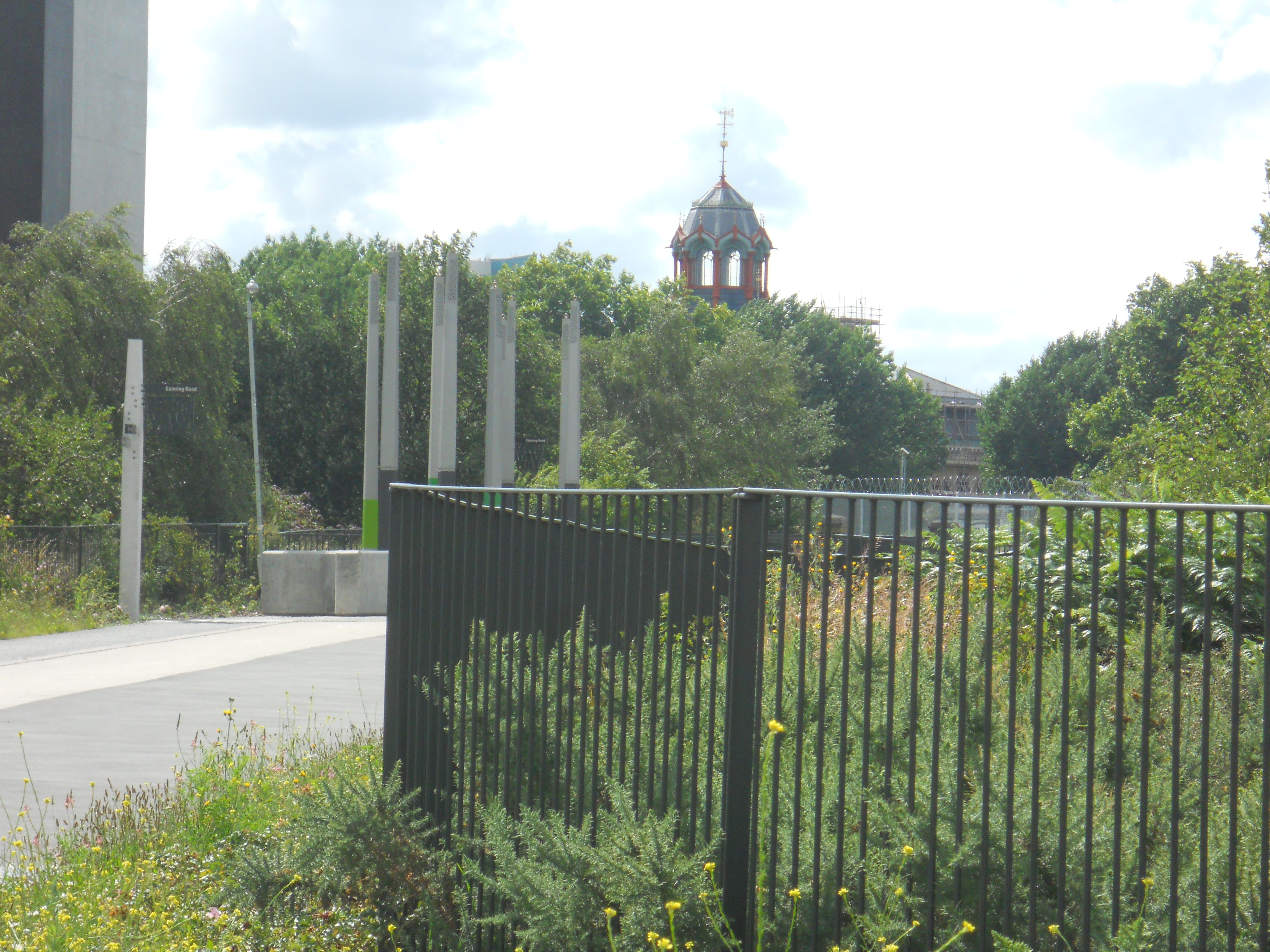

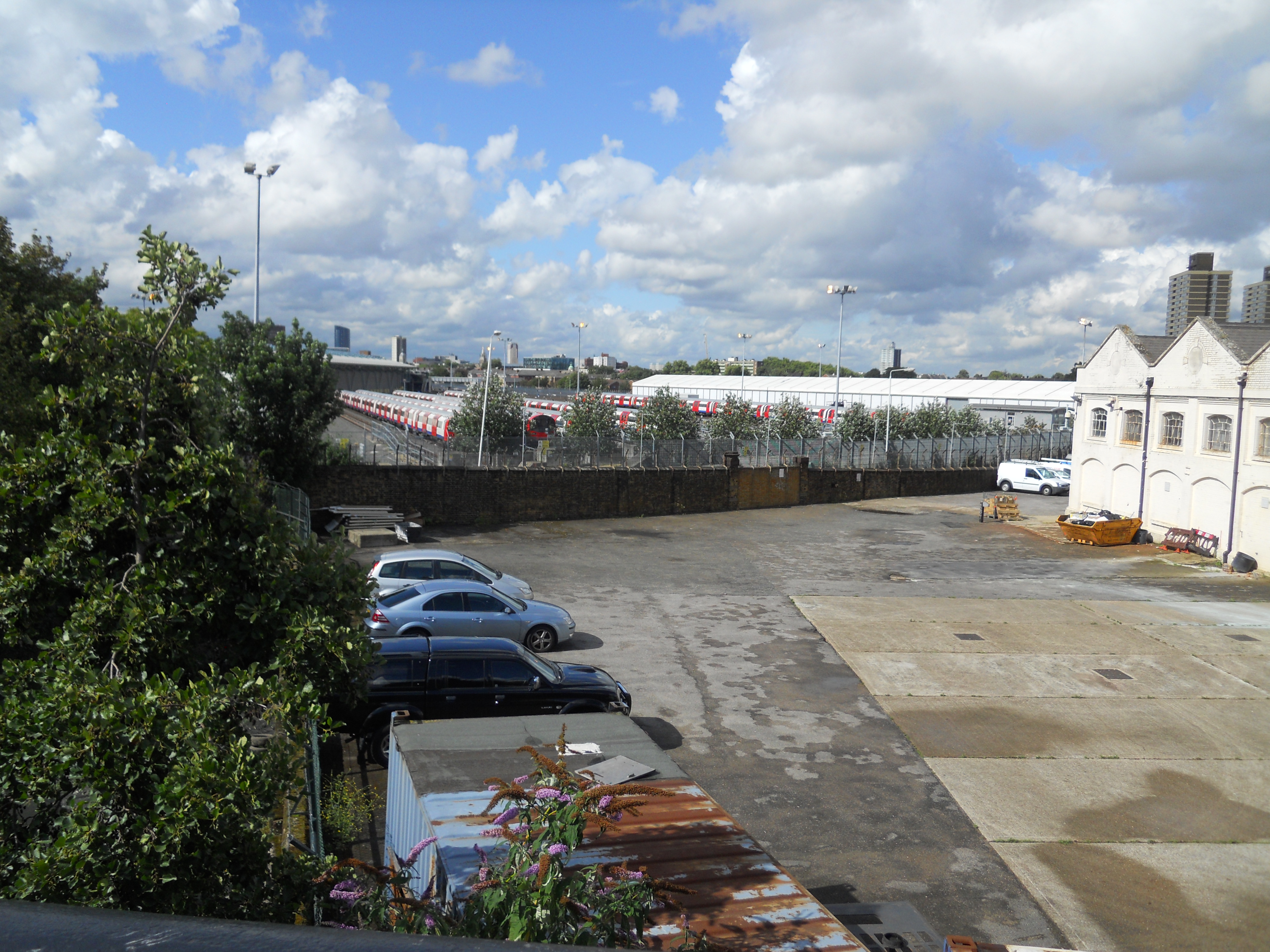


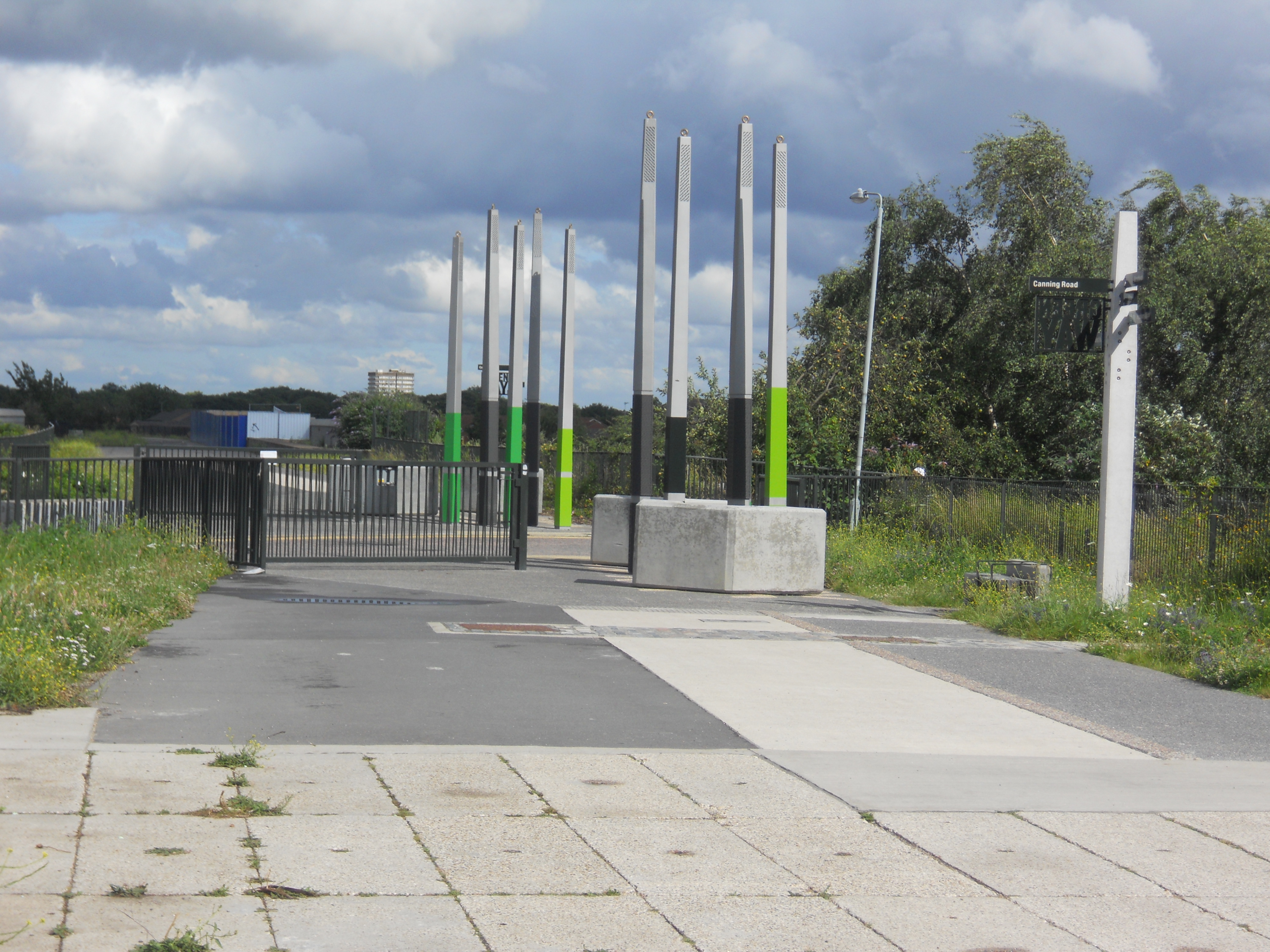
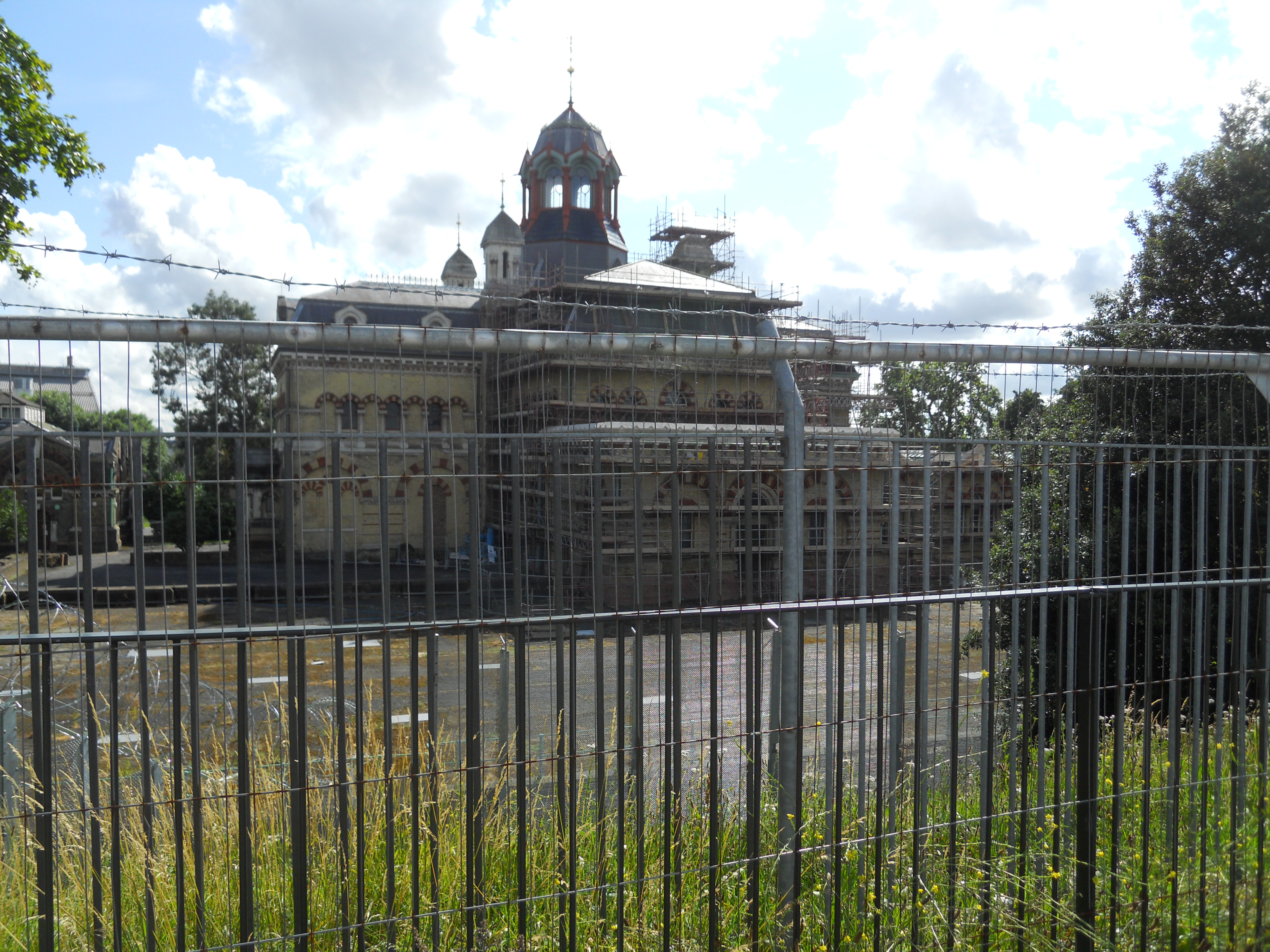

Note the large bridge, which I suspect will be used to take those walking to the Olympic site over Stratford High Street.
It will be good when it is fully open again from Hackney Wick to West Ham and on to Beckton. It will be one of the best walks in London.
A Visit To Abbey Mills
This week is Sewer Week and I had an invite to visit the pumping station at Abbey Mills.
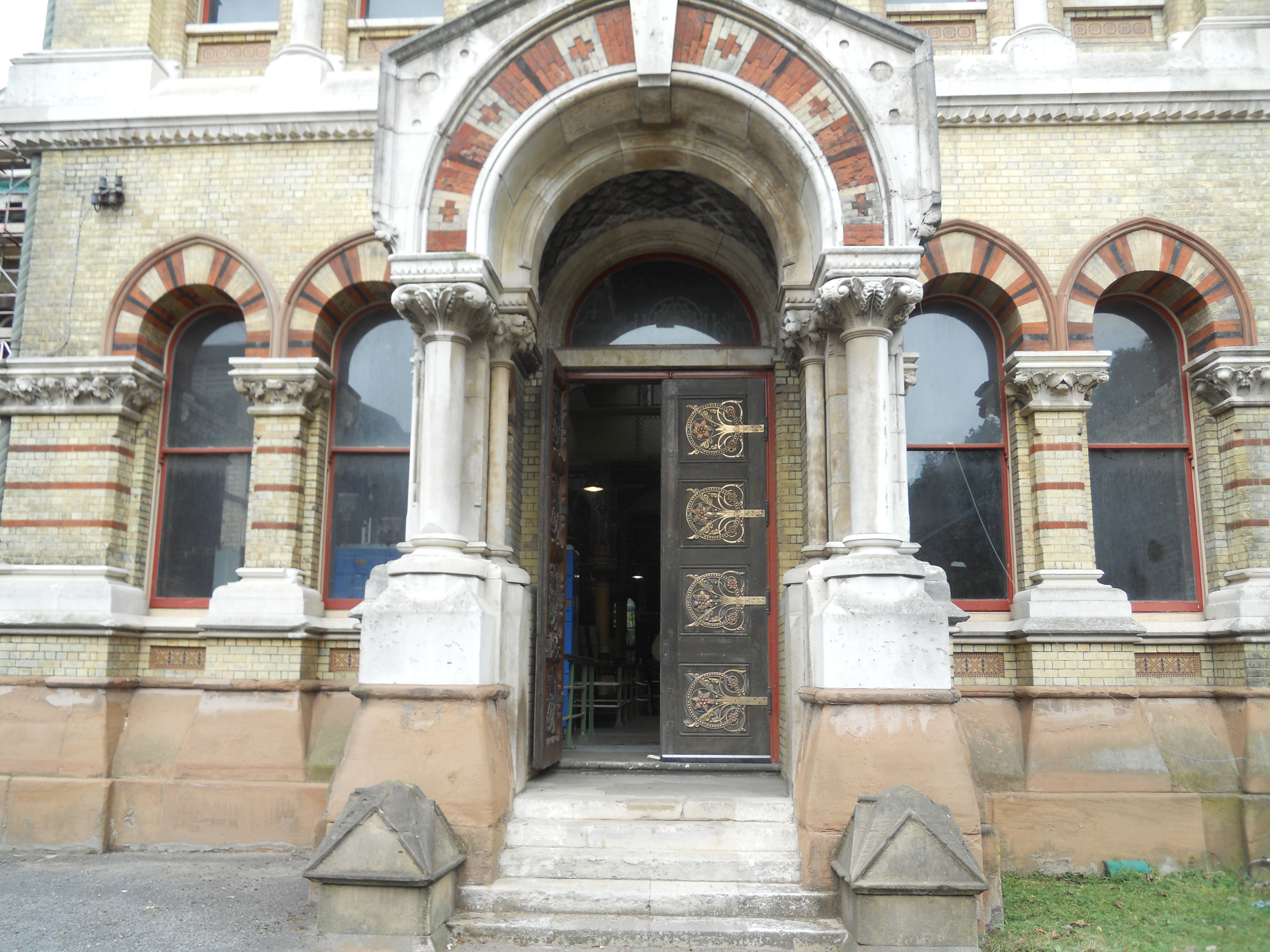
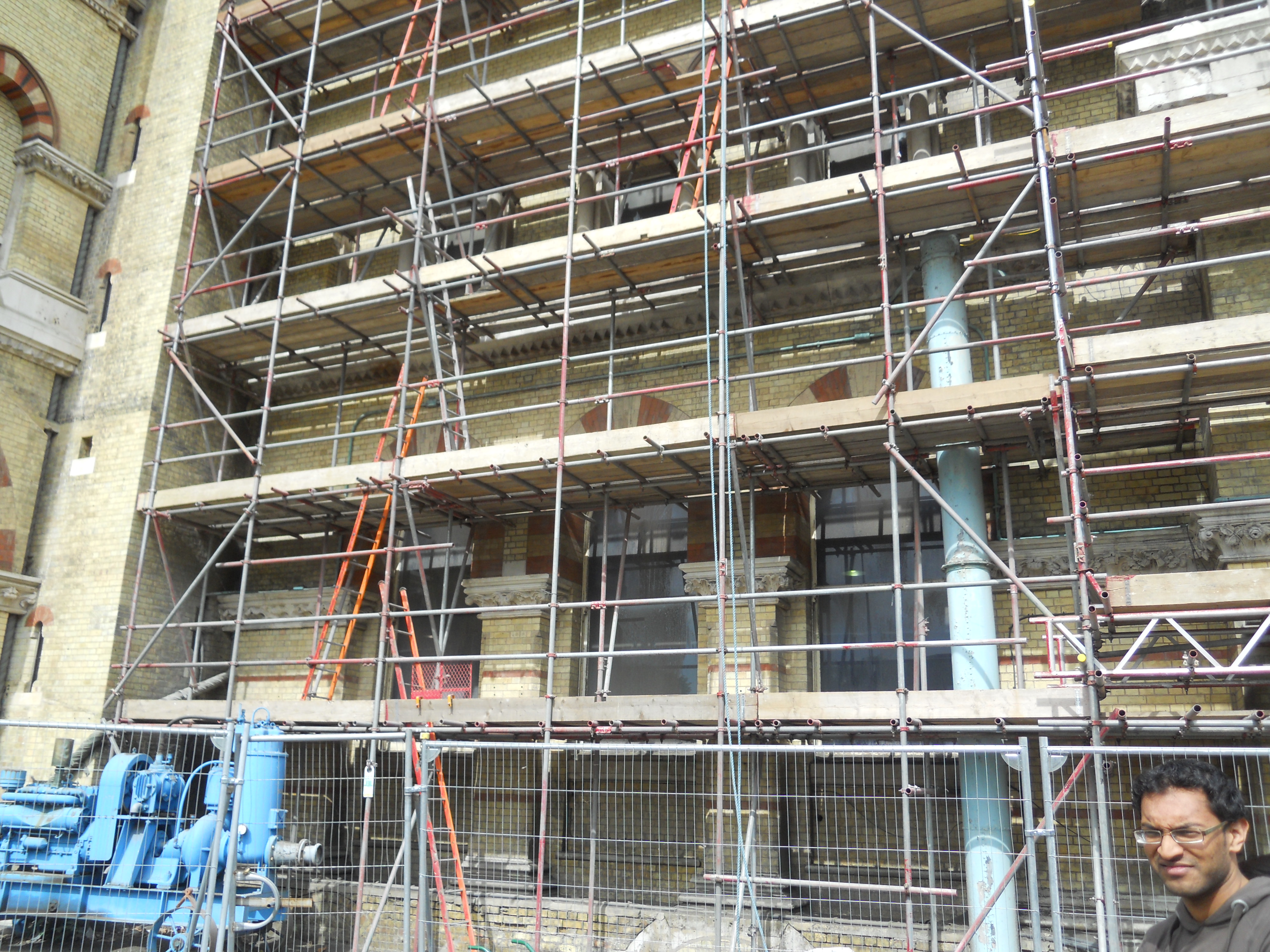
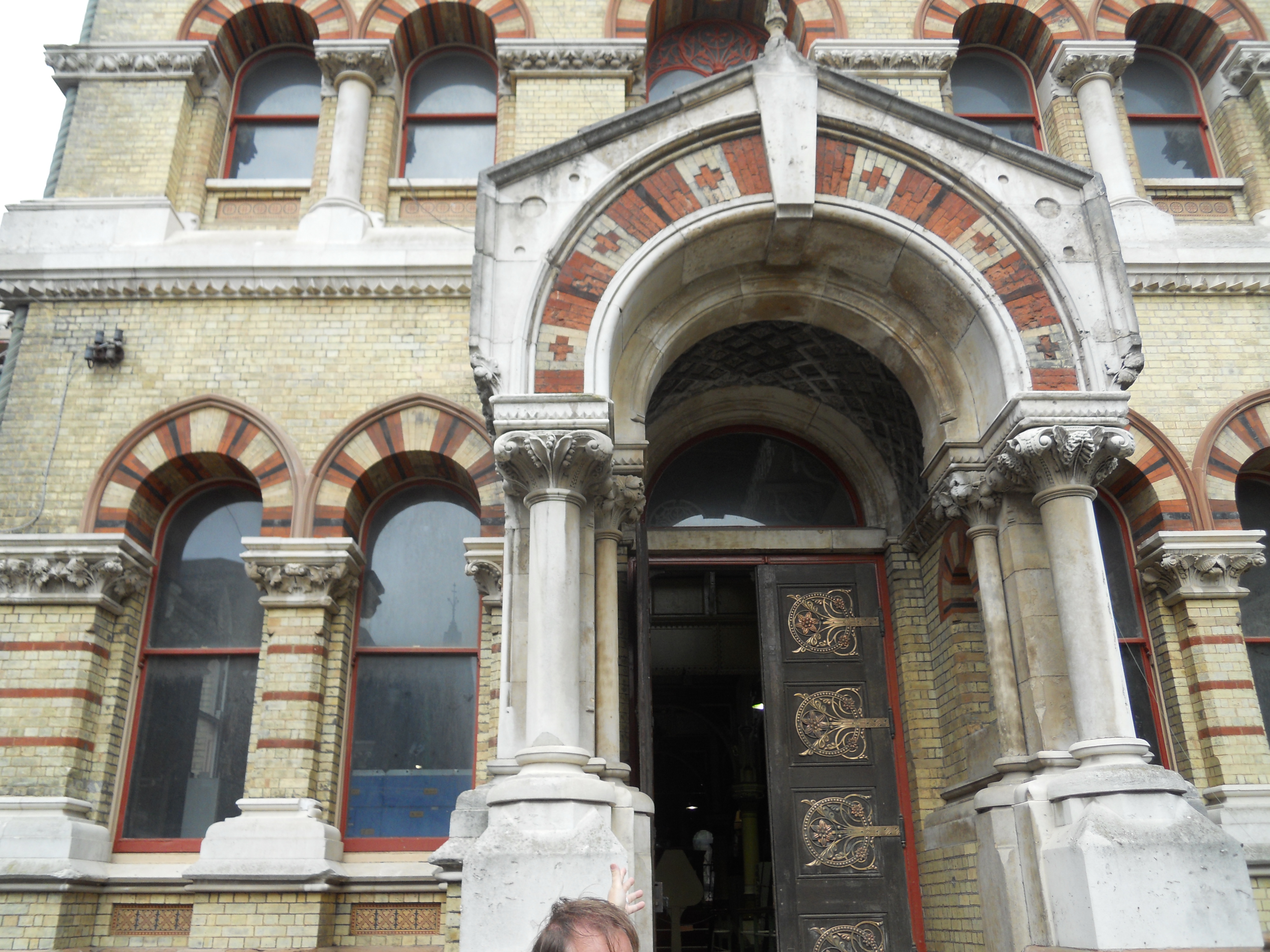
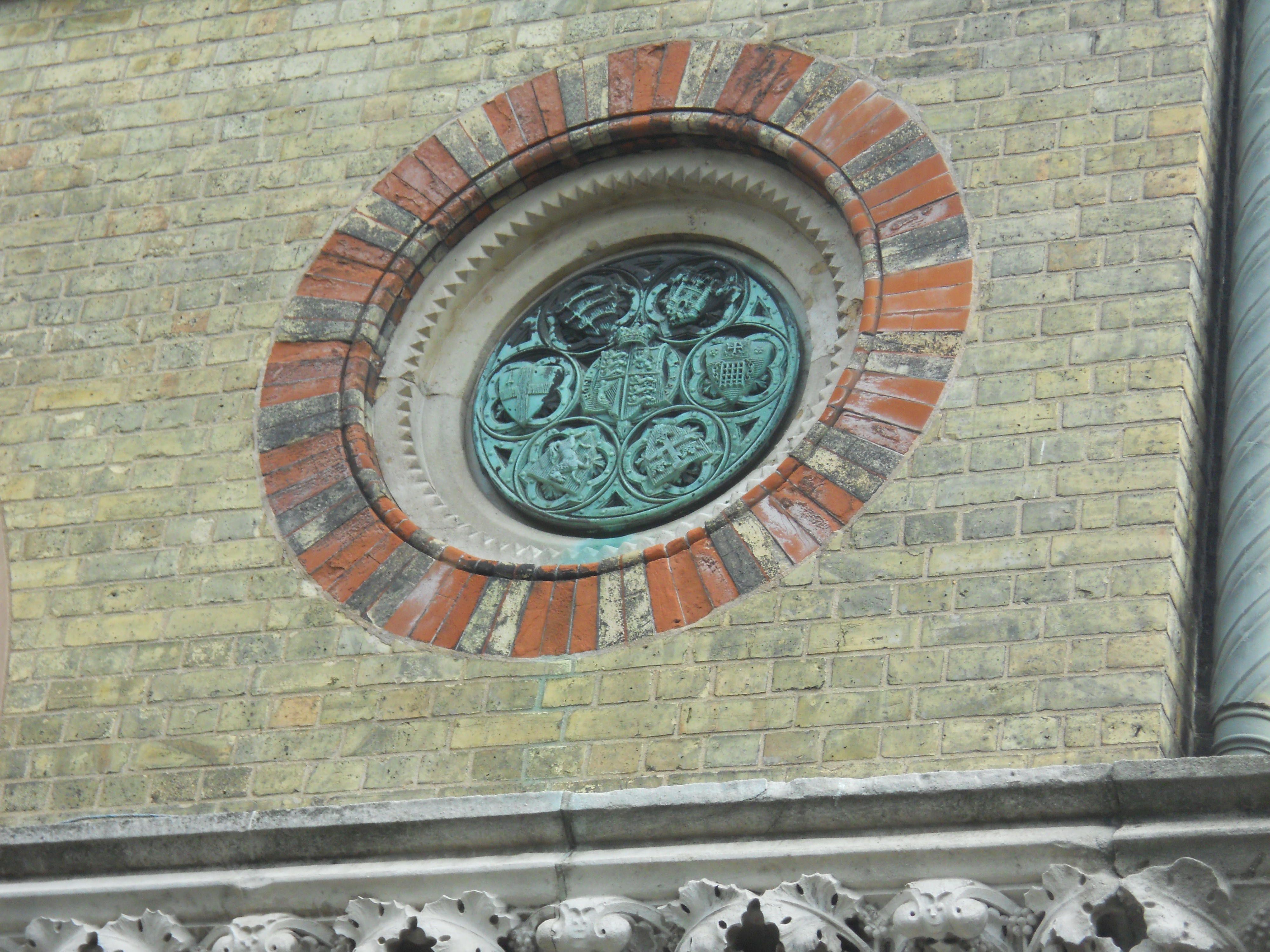
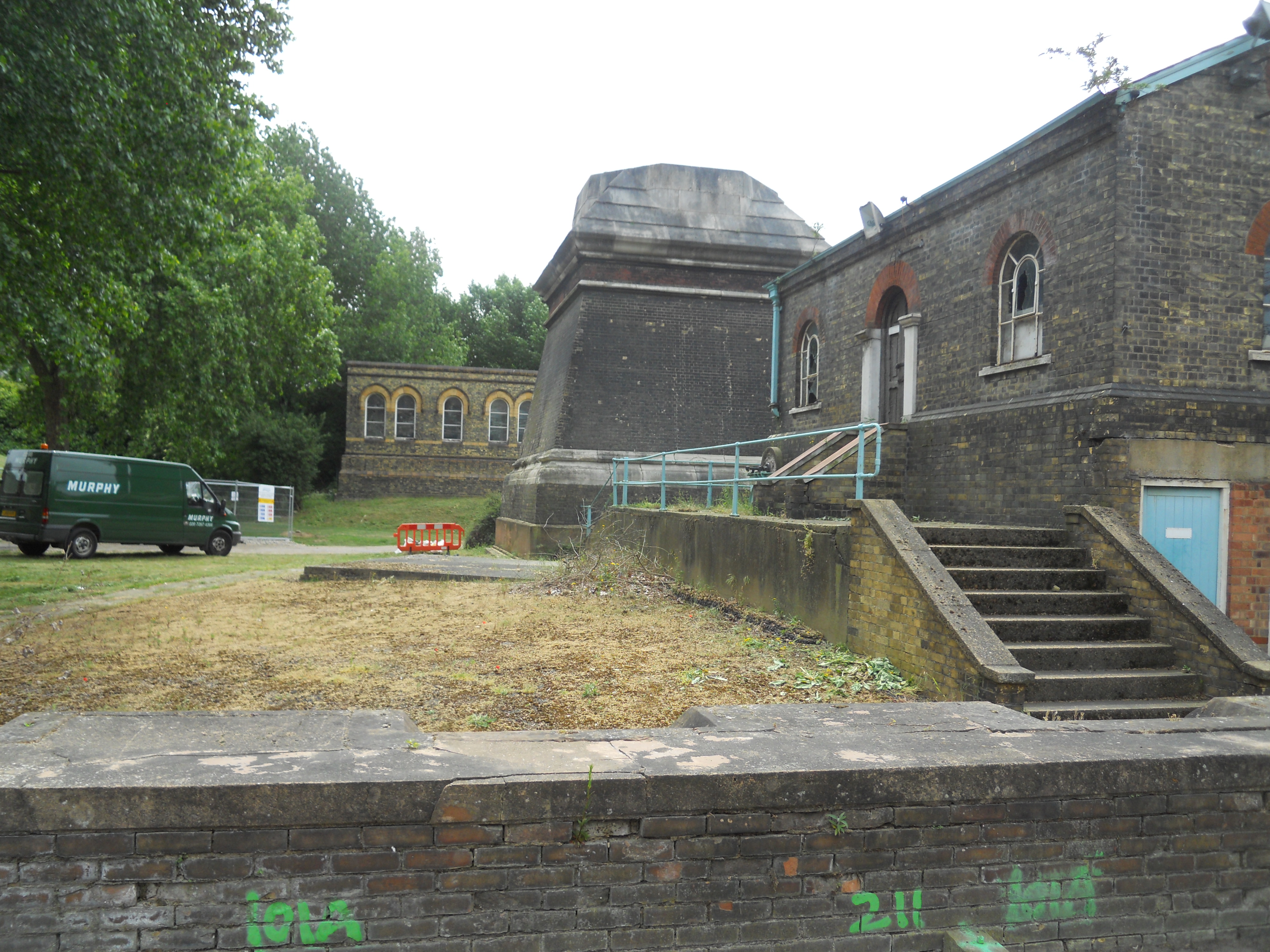
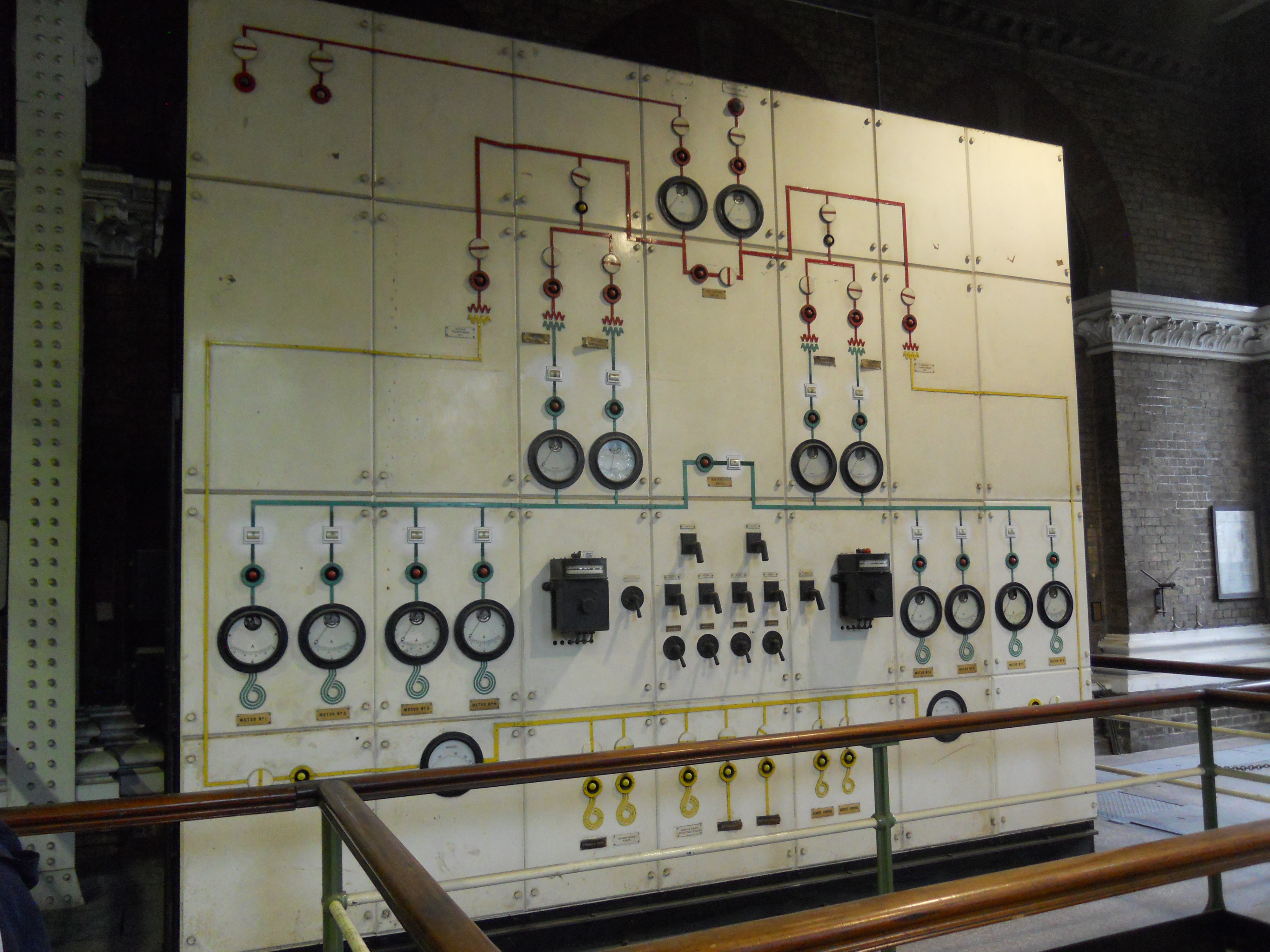


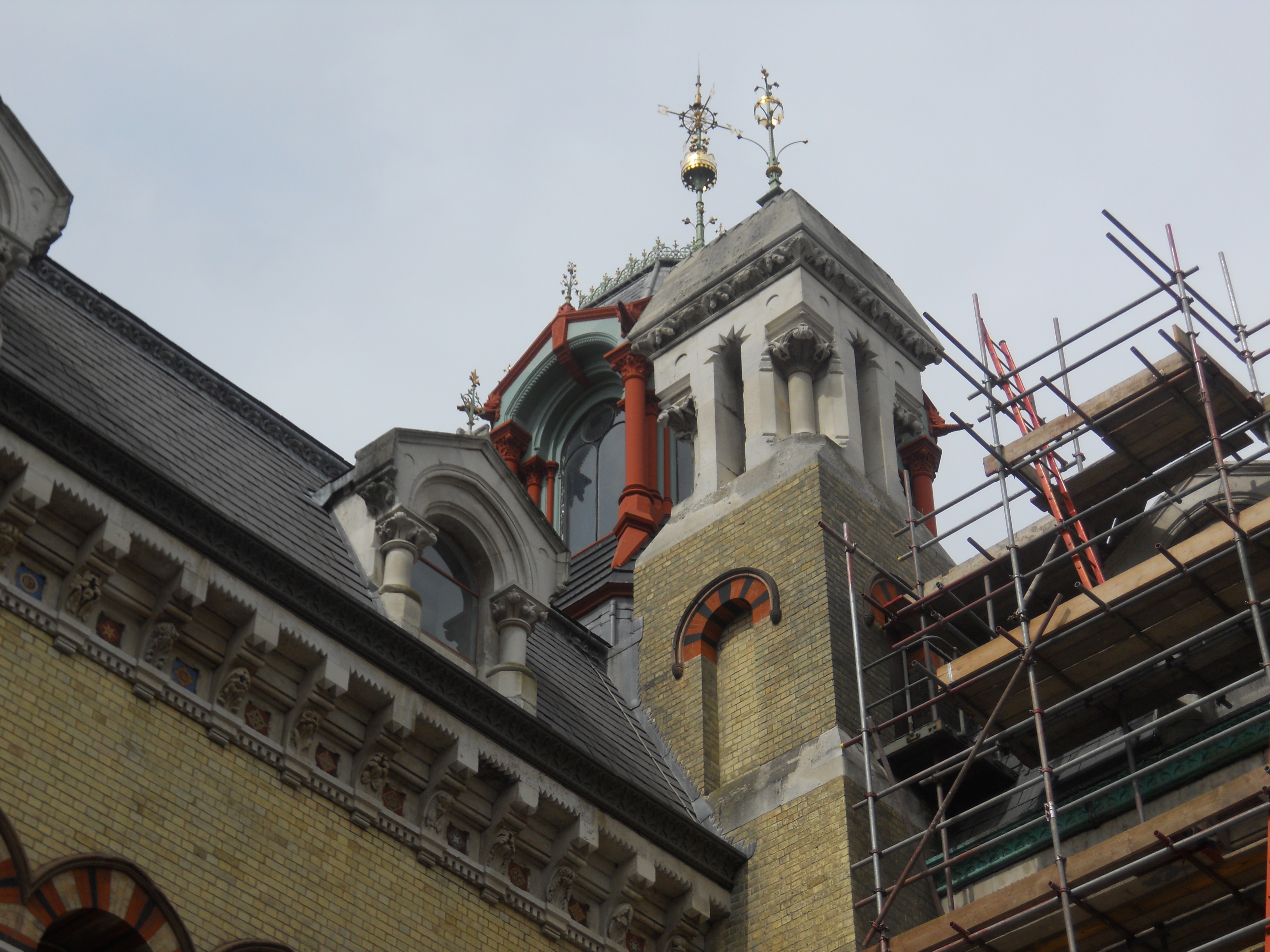


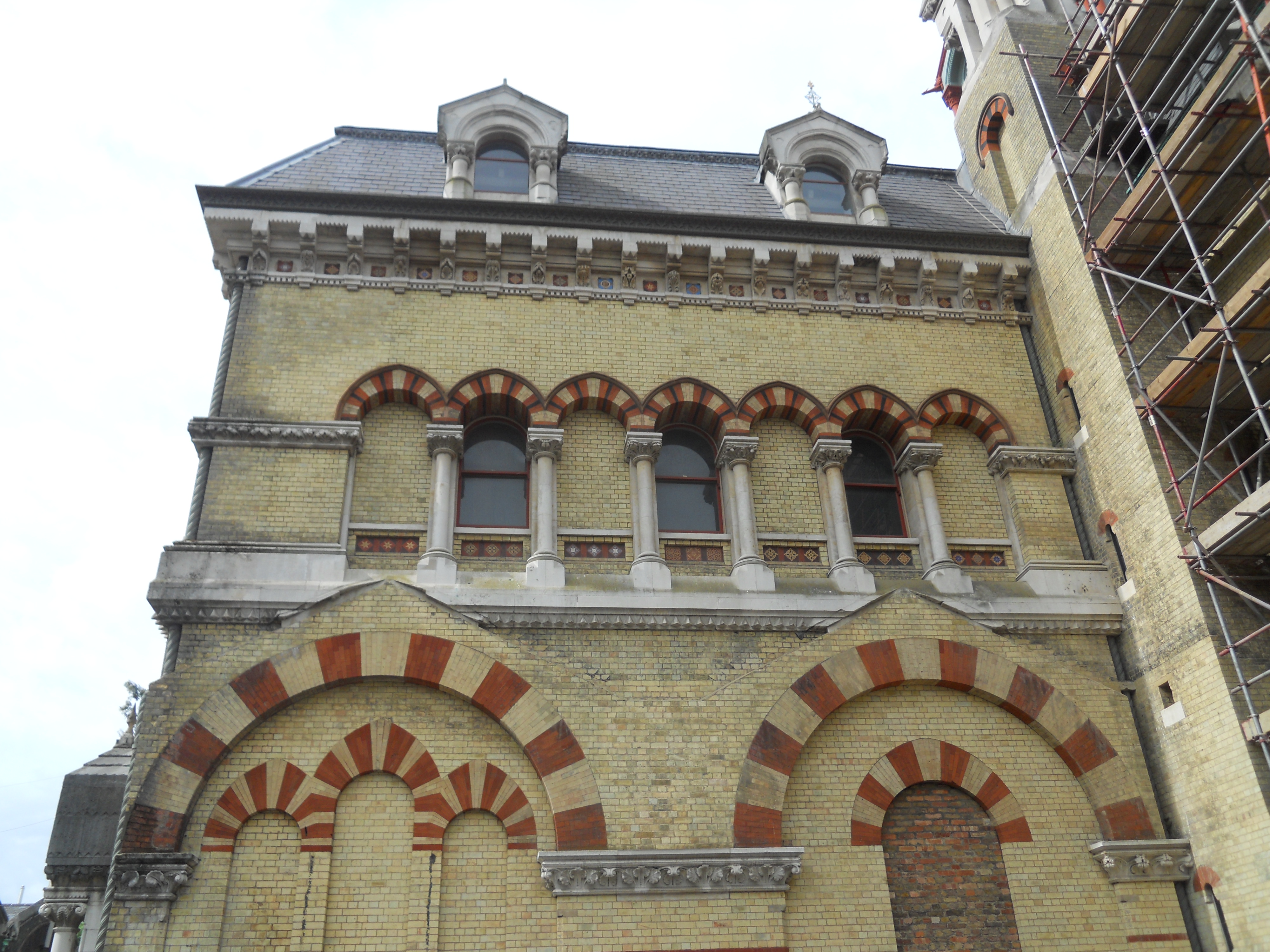
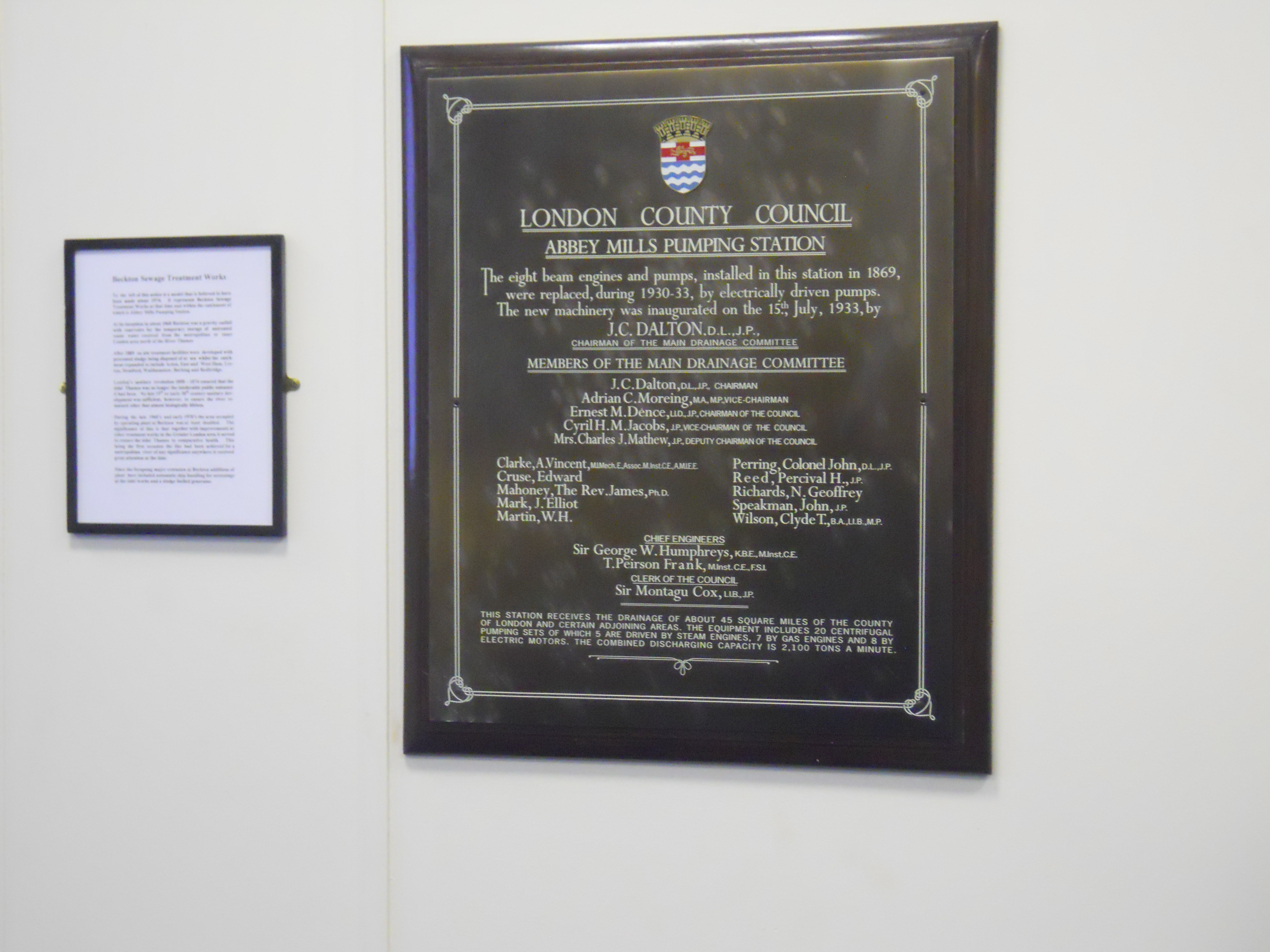
These pictures were taken of the outside and inside of this cathedral of sewage.
Formula One Meets Victorian Technology
A few years ago, Thames Water had a problem. Under the pumping station are Victorian centrifugal pumps that pump raw sewage to Beckton works for treatment. These are connected to 1930s electric motors in Dalek-like structures on the ground floor, using heavy steel shafts. The motors are controlled from the control panel in the last image.
The shafts were showing signs of their age and needed replacement.
So Thames Water turned to the experts in high-power transmission at high speed – Formula One.
The pumps are now connected to the electric motors, using high-strength, lower-weight carbon-fibre shafts.
It was a fascinating visit and thanks to Thames Water, who made it all possible.
The Cathedral of Sewage
Abbey Mills Pumping Station was built by Joseph Bazalgette to pump the sewage all the way to Beckton. It stands as a glorious monument by the side of the Greenway that leads across the Olympic Park. Although, at present due to the works for CrossRail, you can’t actually get to the park directly along the Greenway.
It dominates the skyline and can be seen from West Ham station, looking more like a mosque than a cathedral of sewage.

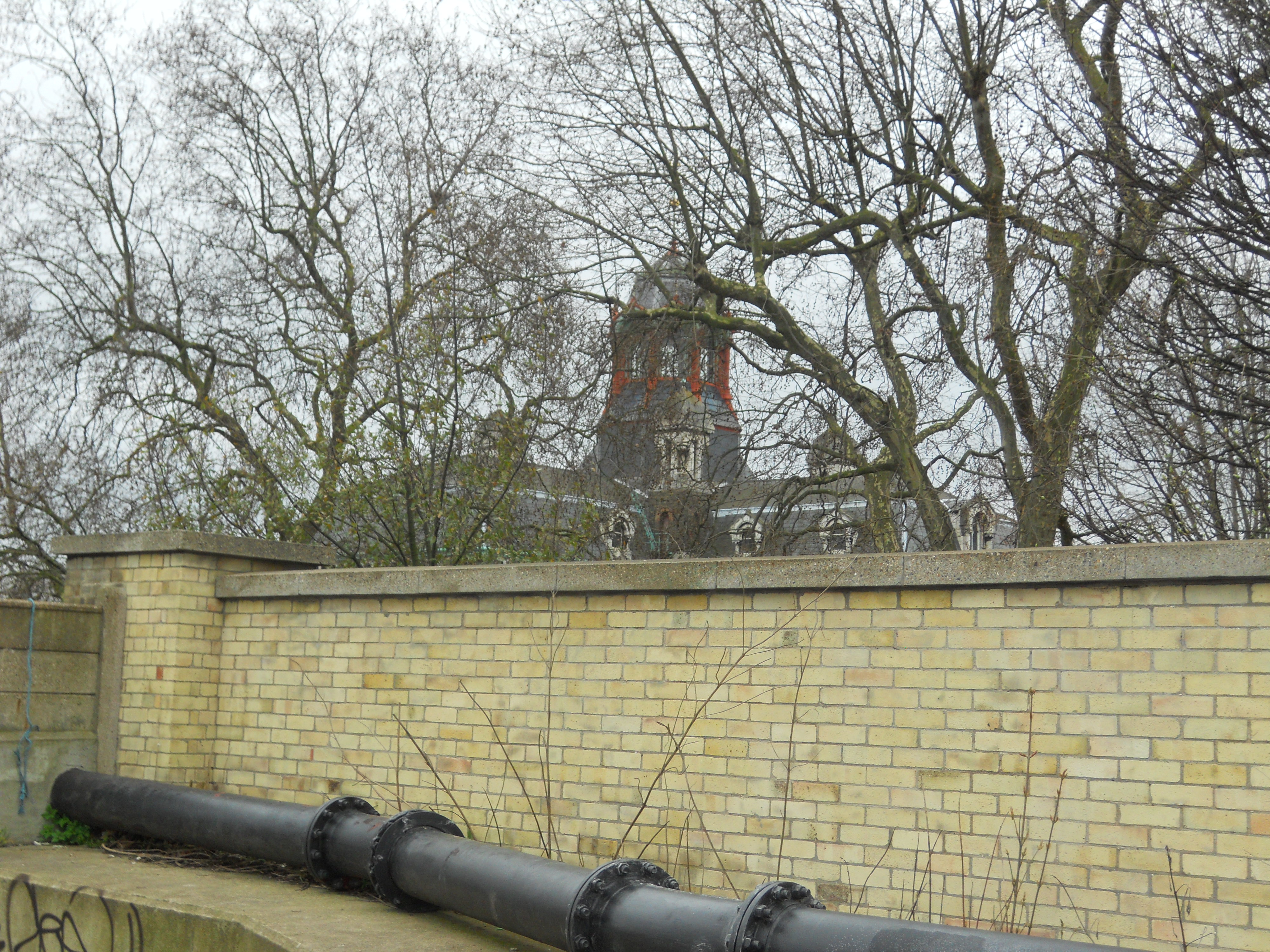
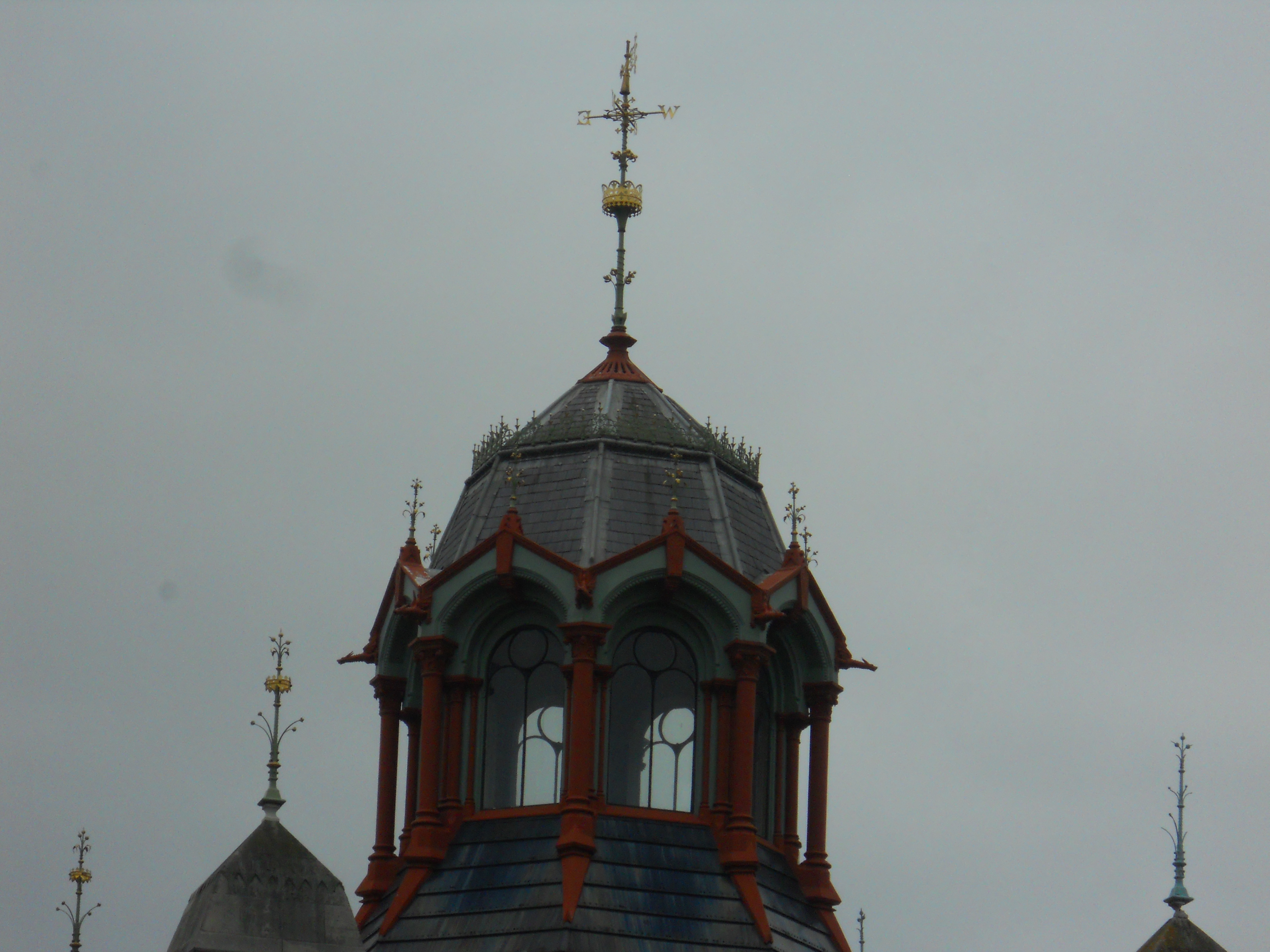
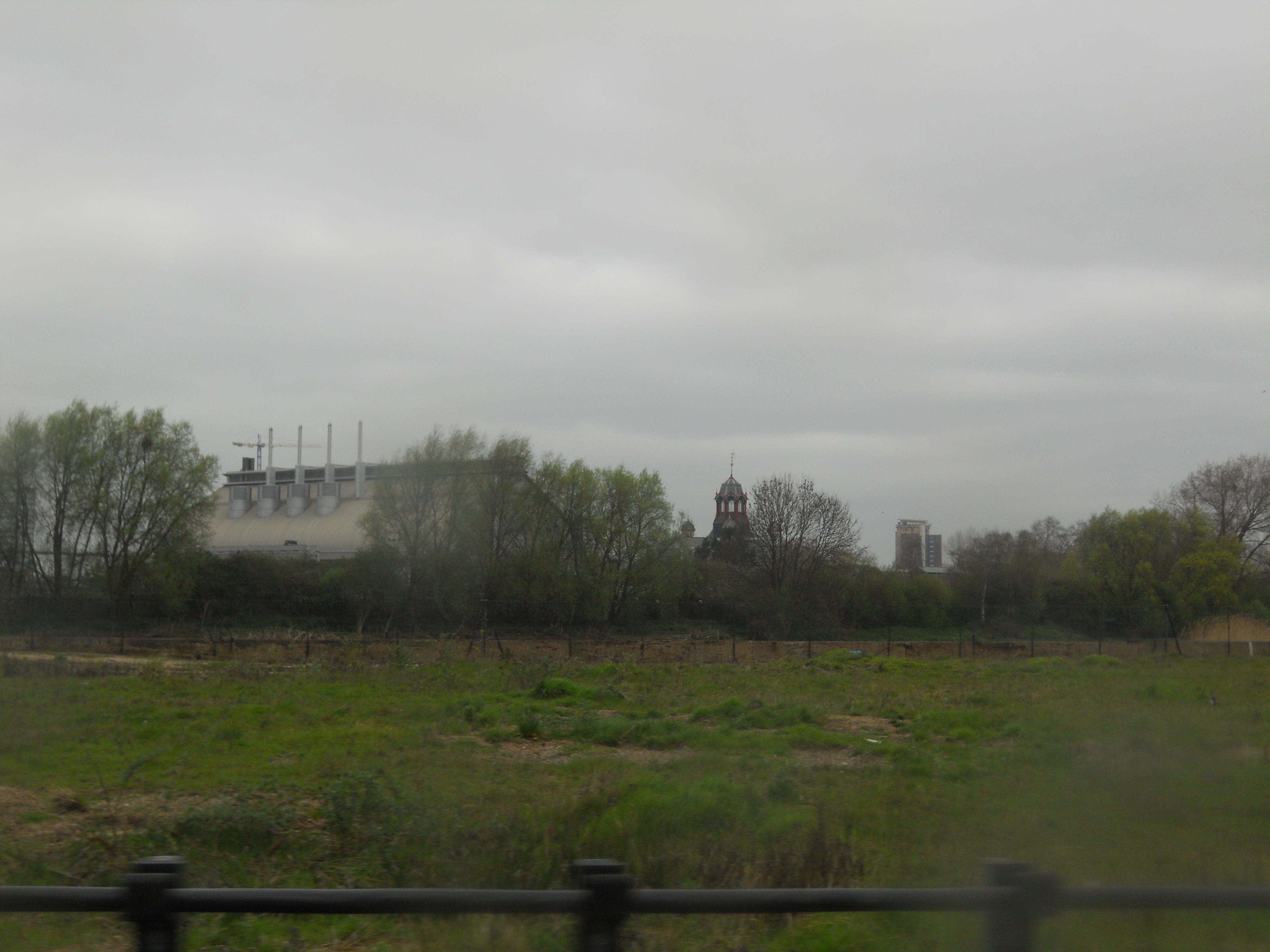


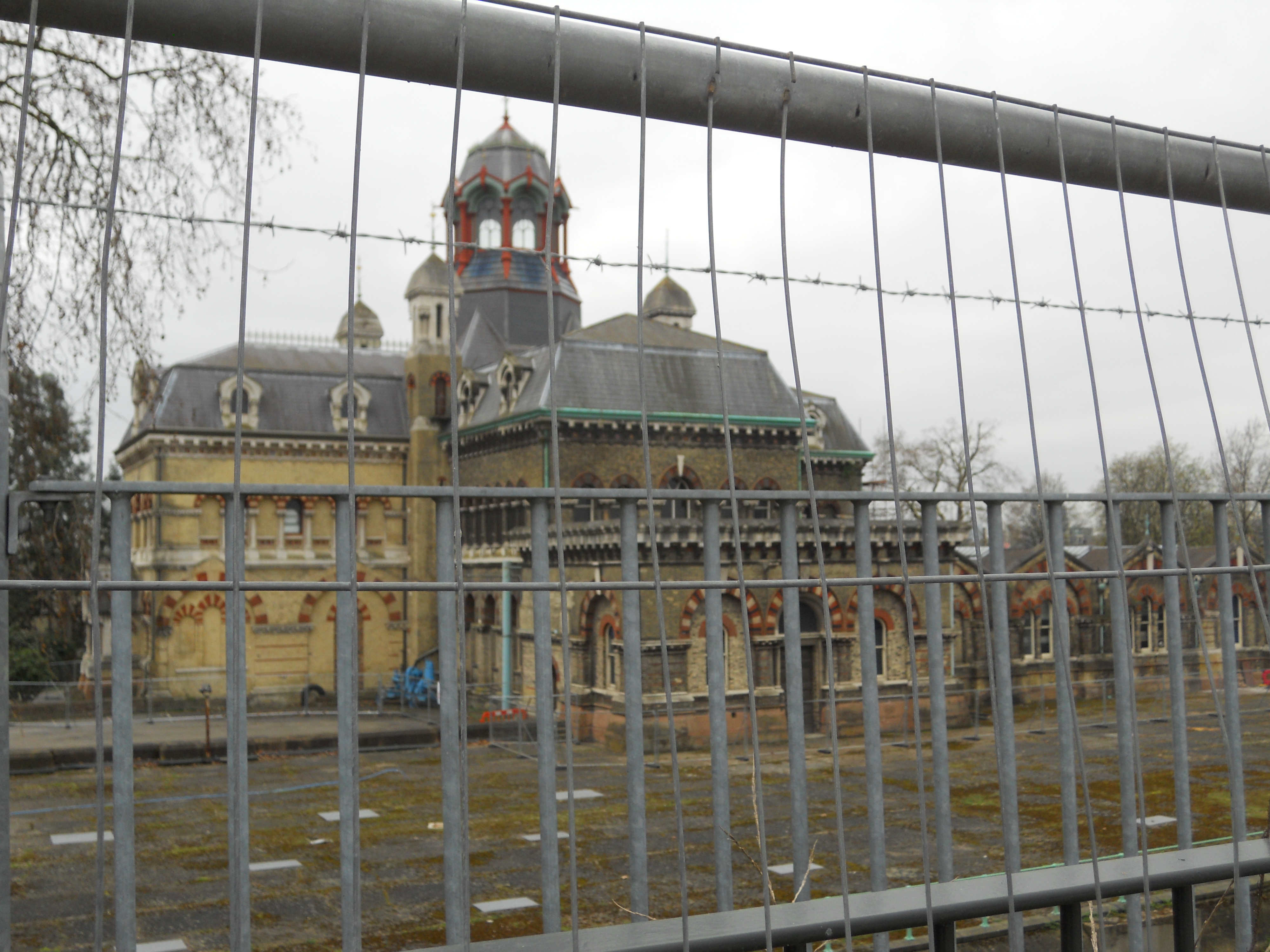
There does appear to be some tidying up going on, but surely this impressive building should look its best for the Olympics.
River Lea and the Beatles
The television except for QI tonight is/was total crap. I suspect that when people get home from work on Christmas Eve they are/or get so legless that they don’t notice. That’s why the good television starts at ten, as those that are sober then, probably need something to stimulate their brain with all their friends/families around them.
I’m alone tonight, so I really do notice when the television is crap.
Whilst preparing two fish pies; one for tonight with sprouts and the other for the freezer, I delved into the Sky Box to see what I had recorded. I started by watching Gryf Rhys-Jones on the River Lea and followed this with Help, the Beatles film.
Both brought back memories of adolescence. Many a day I fished in the Lea and I was lucky enough to see the Beatles live. Should that last bit be old enough?
These memories all date from before I met my late wife in early 1967. But it just seems a few years ago.
A couple of times recently, I’ve walked the Lea. It is one of London’s treasures and Gryf brought a lot out in his program; the New River, Abbey Mills and Crossness pumping stations, the Royal Gunpowder Mills and all the greenhouses in the Lea Valley.
Help is in some ways dated and very much in the sixties. But the music is still as fresh as ever.
 The Anonymous Widower