Shell And Eneco Joint Venture Looks To Build Greener Offshore Wind Farm
The title of this post, is the same as that of this article on offshoreWIND.biz.
This is the sub-heading.
Ecowende, the joint venture (JV) of Shell and Eneco, has unveiled plans for building an offshore wind farm that will be in harmony with nature, with minimal impact on birds, bats, and marine mammals.
This is the first paragraph.
Ecowende, which presented its holistic approach at WindDay 2023, said it is going to implement various innovations, large-scale mitigating and stimulating ecological measures, and an extensive above and under-water monitoring and research programme.
This is all good stuff.
These two paragraphs outline some ideas that will be tried.
Specific measures include increasing the height of the lowest tip of the rotor blades, creating a corridor to Natura 2000 area by placing the turbines extra far apart, and an option to bring the turbines to a standstill that adapts to the flight movements of birds in the wind farm.
This way, Ecowende expects to minimise the number of bird and bat collisions.
The Natura 2000 areas are described in this web site.
Other innovative ideas are described in these two paragraphs.
Biodegradable reef structures are being constructed using fruit trees sourced from Dutch fruit farms. These tree reefs offer a place for fish to shelter and reproduce, according to the press release.
Ecowende said it will also install various forms of eco-friendly erosion protection and the oyster larvae network will be expanded to spread the native flat oyster population.
It certainly looks like Ecowende are making sure, that Just Stop Oil’s offshoot; Just Stop Wind doesn’t take root!
Dutch Stop Offshore Wind Turbines To Protect Migratory Birds In ‘International First’
The title of this post, is the same as that of this article on offshoreWIND.biz.
This is the sub-heading.
The wind turbines at Borssele and Egmond aan Zee offshore wind farms were stopped for four hours on 13 May, to help migrating birds pass by safely.
These three paragraphs outline the measures taken to protect the migrating birds.
According to the Dutch Government, this is the first time such a measure has been applied and is in line with the approach of the government and participating companies to increasingly focus on ecology and biodiversity in offshore wind farms.
The wind turbines’ speed will be reduced to a maximum of two rotations per minute during the predicted night-time peak migration to give the birds a safe passage.
The shutdown was part of a pilot phase, which could become standard this autumn and will also include wind farms that are still being built or will be constructed in the future.
I wonder how this Dutch action fits with research from Vattenfall, that I wrote about in Unique Study: Birds Avoid Wind Turbine Blades.
Unique Study: Birds Avoid Wind Turbine Blades
The title of this post, is the same as that of this media report from Vattenfall.
This is the sub-heading.
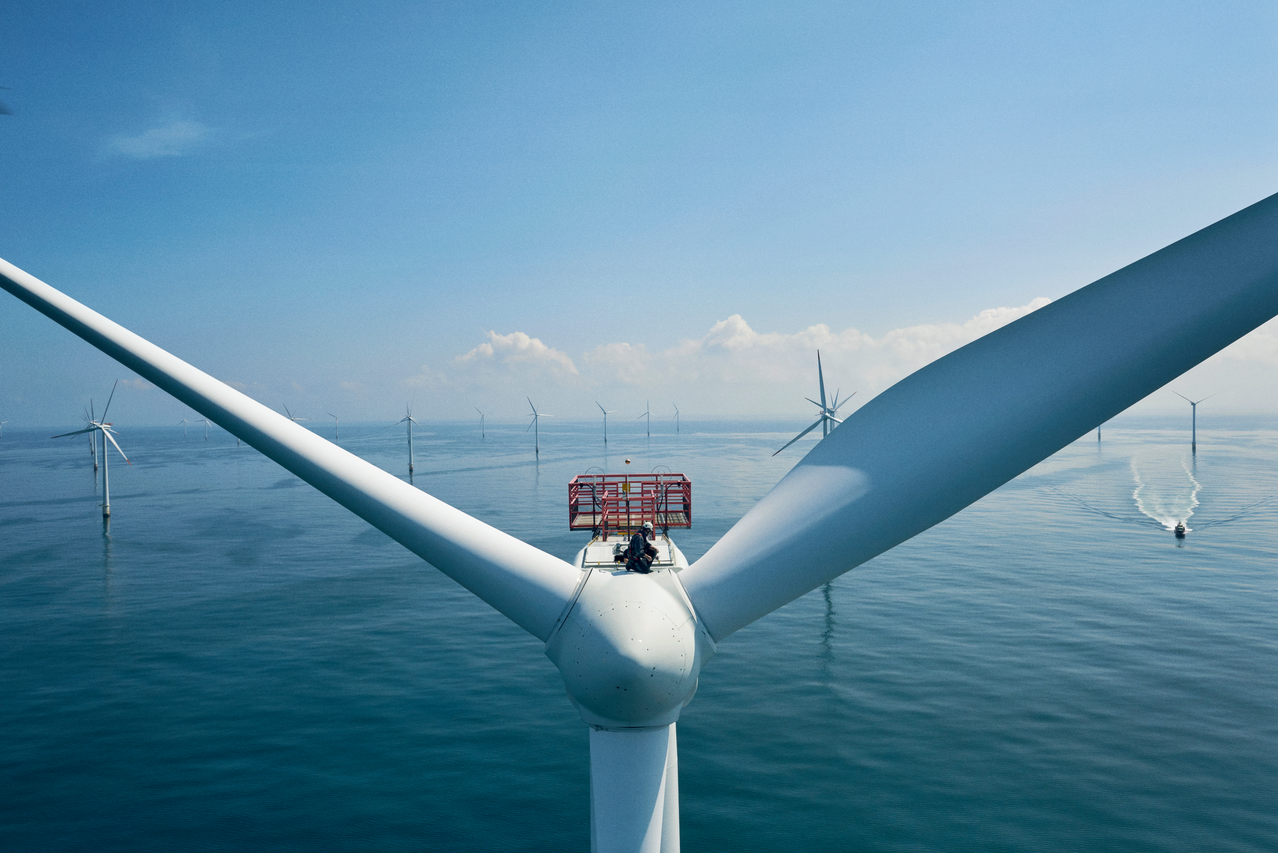
Seabirds deliberately avoid wind turbine rotor blades offshore – that is the main finding of a new study that mapped the flightpaths of thousands of birds around wind turbines in the North Sea. Most importantly, during two years of monitoring using cameras and radar, not a single bird was recorded colliding with a rotor blade.
I must admit I’m not surprised, as I’ve landed a light aircraft many times with birds flying above the runway and I can’t remember ever hitting one. But I have seen several dive out of the way.
The report is a fascinating read.
RWE Looking for Innovators To Boost UK’s Offshore Wind Supply Chain
The title of this post, is the same as that of this article on offshoreWIND.biz.
RWE appear to be looking for innovators in three areas.
- Autonomous solutions and the best way to integrate them into wind farm site investigations, construction, and operations and maintenance (O&M) is the first challenge for which RWE is looking for responses.
- The second challenge is about solutions to measure and reduce the environmental impacts of offshore wind farm construction and operations on birds.
- The last challenge focuses on ideas and innovations in cable monitoring and protection, aiming to secure a reduction in offshore wind farm cable failures.
As sums of around £25,000 are talked about in the article, it could be worth applying, if you have a relevant idea.
Is it slightly flattering to the UK’s skills, that a German company is backing British innovation?
But then I was involved in a British invention, which was also backed by the Germans and made me a reasonable amount of money.
Birds And Offshore Renewable Energy
I have worried about this for some time, as die-hard wind farm opponents use birds being scythed to pieces in wind farms as an emotional reason for not building wind farms.
I searched the Internet and found this academic report from the University of Rhode Island, which is entitled How Are Birds Affected by the Block Island Wind Farm and How Do They Interact With the Wind Turbines?.
Note.
- Block Island Wind Farm is a mildly controversial 30 MW wind farm off the coast of Rhode Island.
- Block Island wind farm is the first commercial offshore wind farm in the United States.
The report gives three ways about how birds interact with wind farms.
Birds Fly Out Of The Way
First, many birds do not experience any interaction with the turbines at all as they fly either at a higher altitude or closer to the shore than the turbines’ locations.
Wind Farms Become A Food Source
The second interaction between birds and offshore wind turbines is a positive one that has been documented throughout Europe; but, with only the Block Island Wind Farm, it is too early to document in the United States. Researchers have found that the base of a wind turbine can create artificial reefs that act as an attractive site to both fish and shellfish. These artificial reefs provide a feeding ground for certain species of birds as the turbines essentially become a central habitat for many bird species’ prey.
Displacement Of The Birds
The final interaction that birds have with offshore wind turbines is displacement. This primary negative effect is experienced when wind turbines are constructed in areas that birds would naturally like to be; but, due to the structures, no longer have access to. To put it simply, he says, “if you put the turbines where the birds want to be, you take away these areas from the birds”.
Conclusion
It appears to me, that if you are putting up wind farms, whether they are offshore or onshore, that it is essential you do your research.
As in this case, experts from the local university are often a good resource to call upon.
Crossrail-Spoil Wetland Provides Haven For Wildlife
The title of this post is the same as that of this article on the BBC.
This is the first two paragraphs.
A £70m project to create a wetland twice the size of the City of London is nearly finished with wildlife thriving in new lagoons, marsh and fields.
New wetland on Wallasea Island, off the Essex coast, was created from tunnel spoil from London’s Crossrail project.
Wallasea Island shows that large construction projects don’t have to be all about steel and concrete.
House Sparrows In Aberdeen Bus Station
I took this picture of a few house sparrows in Aberdeen bus station.

You rarely see them in London these days.
A First Visit To Walthamstow Wetlands
Walthamstow Wetlands opened today, so I went to take a look.




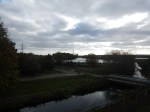
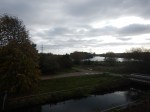
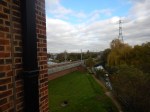
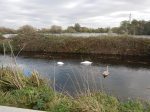
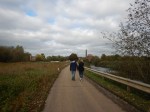

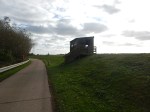
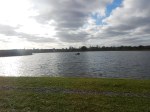

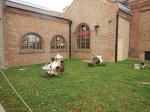



It was well worth a visit.
I shall return!
Just Add Trains
I took these pictures of the Gospel Oak to Barking Line, as it passes past the Engine House on the Walthamstow Wetlands site.
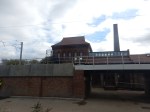

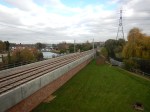
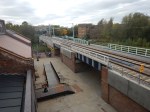

This section, which is probably one of the easiest bits to electrify, looks to be ready for the trains.
Note that the pictures looking down on the line were taken from the fire escape on the side of the Engine House, shown in the last picture.
This Google Map shows the Gospel Oak To Barking Line crossing the area.
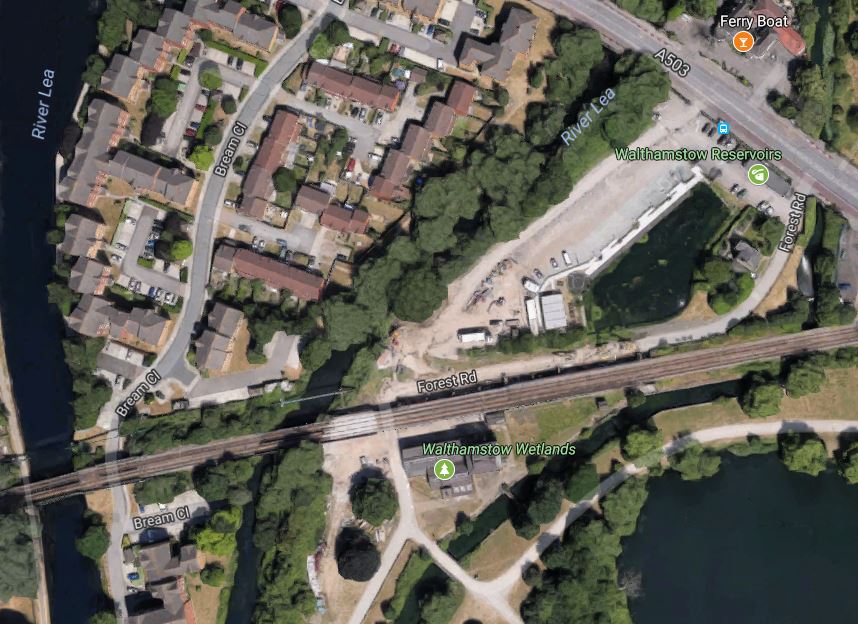
Note.
- The Engine House has a green label saying Walthamstow Wetlands.
- The bus stops by the Ferry Boat Inn have buses to and from Tottenham Hale and Blackhorse Road stations.
- The Engine House is about a hundred metres from the bus stops and
- The Engine House has a step-free entrance and a lift inside.
The Engine House is certainly worth the walk.
 The Anonymous Widower