Jobs, Homes And The Economy: Bakerloo Line Upgrade And Extension To Be Transformational For London
The title of this post, is the same as that of this article on Rail Technology Magazine.
This is the sub-heading.
The government has been urged to use the upcoming spring budget to commit to upgrading and extending the Bakerloo line after a new impact assessment found its effects could be transformational.
These three paragraphs introduce the article.
The impact assessment – commissioned by Central London Forward, a partnership of 12 central London boroughs – finds that such a move would boost the economy, unlock new homes, create new jobs, and more.
The upgrade would centre around new trains and signalling, while the extension would take the terminus to Lewisham in the first phase, and eventually to Hayes – adding 14 new stations.
The impact assessment concludes that the extension and upgrade of the Bakerloo line would create 9,700 jobs, 190,000 square metres of commercial floorspace, as well as generate £1.5bn of GVA.
The article is a must-read and eloquently puts the case for the Bakerloo Line Extension.
I have a few thoughts.
A Loop At Brixton For The Victoria Line
This has been proposed and the Wikipedia entry for the Victoria Line has this paragraph.
Proposals have been made to extend the line one stop southwards from Brixton to Herne Hill, a significant interchange in south London providing access to Kent, Blackfriars, London Bridge and Sutton. The latter station would be on a large reversing loop with a single platform removing a critical capacity restriction eliminating the need for trains to reverse at Brixton and provide a more obvious route for passengers who look for the nearest tube station before any other transport options.
I like this idea.
- It will make it easier to run the full frequency of 33 trains per hour (tph) between Brixton and Walthamstow Central stations.
- Loops at Heathrow and Liverpool seem to work very well.
- A single-platform with platform-edge doors has a high level of safety.
- Only one tunnel boring machine (TBM) would be needed.
- Large lifts could be used between the surface and the platform.
- It is a more affordable option.
But perhaps most importantly, I am sure, the loop could be built whilst other services at Brixton and Herne Hill were running almost without disruption, as services did at Kennington, whilst the Battersea Extension of the Northern Line was built.
A Loop At Elephant And Castle For The Bakerloo Line
I have spent forty years involved in project management, writing software for project managers and generally listening to some of the thoughts and experiences of some of the best engineers from all over the world.
One common thread, which is best illustrated by how the size of lift possible increased in the North Sea in the 1970s, is that as time has progressed machines have got bigger and more capable, and the techniques of using them has improved immeasurably.
The Crossrail tunnel boring machines (TBM) make those used on the Jubilee Line extension or the Channel Tunnel look like toys. But not only are the TBMs bigger and faster, they have all the precision and control to go through the eye of the smallest needle.
If we look at the proposals for the Bakerloo Line Extension, there have been several differing ideas. Some envisage going under Camberwell and in others the trains terminate on the Hayes line.
Transport for London (TfL), obviously know the traffic patterns, but do we really want to take the chance of say connecting the Hayes line to the Bakerloo and then finding that it’s not the best solution?
What we should do is augment the services in the area, by providing a good alternative transport route, that links to some of the traditional rail lines to give even more flexibility. We certainly shouldn’t repeat the grave mistake that was made at Brixton in the 1960s by not connecting the Victoria line to the surface rail lines.
This is Transport for London’s indicative map of the extension.

I have reason to believe that the Northern Line Extension may be being built as an extension to the Kennington Loop.
So could we design the Bakerloo Line Extension as a loop starting and finishing at Elephant and Castle calling at important stations?
A possible route could be.
- Elephant and Castle – Interchange with Northern Line and National Rail including Thameslink
- Old Kent Road 1 – Proposed on Map
- Old Kent Road 2 – Proposed on Map
- New Cross Gate – Interchange with London Overground and National Rail
- Lewisham – Interchange with Docklands Light Railway and National Rail including Hayes Line
- Catford Bridge – Interchange with Catford station and National Rail including Hayes Line and Thameslink
- Peckham Rye – Interchange with London Overground and National Rail
- Camberwell – Interchange with National Rail including Thameslink
- Elephant and Castle
The advantages of this simple design are.
- The tunnel would be excavated in one pass by a single TBM.
- The line could be deep under any existing infrastructure.
- Most stations would be simple one-platform affairs, with perhaps only large lifts and emergency stairs, to give unrivalled step-free access for all from the street to the train. Surely lifts exist, that are large and fast enough to dispense with escalators.
- For safety, passenger convenience and flows, and other reasons, the stations could have two entrances, at opposite ends of the platform.
- The simple station entrances would be much easier to position on the surface, as they wouldn’t need to be much bigger than the area demanded by the lifts.
- A single loop would only need half the number of platform edge doors.
- At stations like New Cross Gate, Lewisham, Catford and Peckham Rye the lifts would surface within the confines of the existing surface stations.
- The route has interchanges with the Brighton Main Line, East London Line, Hayes Link, Thameslink and other services, so this would give lots of travel possibilities.
- Trains do not need a terminal platform, as they just keep going on back to Elephant and Castle.
- The loop would be operationally very simple, with no points to go wrong. TfL have aspirations to run twenty-seven trains per hour on the Bakerloo and a simple reversing loop , which would mean the driver didn’t have to change ends, must certainly help this. It would probably be a lot more difficult to get this capacity at the northern end of the line,where Harrow and Wealdstone doesn’t have the required capacity and the only possibility for a reversing loop would be north of Stonebridge Park.
- Elephant and Castle would need little or no modification. Although it would be nice to have lifts to the Bakerloo Line.
- Somewhere over two billion pounds has been quoted for the extension. A single loop with simple stations must be more affordable.
The main disadvantage is that the loop is only one-way.
But making even part of the loop two-way would create all the operational difficulties of scheduling the trains. It would probably be better, less costly and easier to make the trains go round the loop faster and more frequently.
But if a passenger went round the loop the wrong way and changed direction at Elephant and Castle that would probably only take a dozen minutes or so.
Alternatively, I’m sure some New Routemasters would step up to the plate and provide service in the other direction between the stations.
Future Rolling Stock For The Bakerloo Line
This has a section in the Wikipedia entry for the Bakerloo Line, where this is said.
In the mid 2010s, TfL began a process of ordering new rolling stock to replace trains on the Piccadilly, Central, Bakerloo and Waterloo & City lines. A feasibility study into the new trains showed that new generation trains and re-signalling could increase capacity on the Bakerloo line by 25%, with 27 trains per hour.
In June 2018, the Siemens Mobility Inspiro design was selected.[ These trains would have an open gangway design, wider doorways, air conditioning and the ability to run automatically with a new signalling system.[35] TfL could only afford to order Piccadilly line trains at a cost of £1.5bn. However, the contract with Siemens includes an option for 40 trains for the Bakerloo line in the future. This would take place after the delivery of the Piccadilly line trains in the late 2020s.
A loop from Elephant and Castle with a train every 2¼ minutes, is not going to be short of passengers.
The Catford Interchange
Catford and Catford Bridge stations are not far apart.
In An Opportunity At Catford, I talked about what could be done to create a full step-free interchange, which could be connected to the Bakerloo Line loop underneath.
Would It Be Possible For The Bakerloo And Watford DC Lines To Use The Same Trains?
I answered this question in a post with the same name and this was my conclusion.
A common fleet used by the Bakerloo and Watford DC Line would appear to give advantages and it has been done successfully before.
But what the Bakerloo Line, the Watford DC Line, the Abbey Line and the Bakerloo Line Extension need is a good dose of holistic design.
The current trains on the Watford DC Line would be moved to the London Overground. They could be ideal for the future West London Orbital Railway.
Would There Be Advantages In Creating The West London Orbital Railway And Extending The Bakerloo Line As One Project?
Consider.
- The two lines will have an interchange station at Harlesden, which will need to be rebuilt.
- The current trains on the Watford DC Line could be cascaded to the West London Orbital Railway.
- As new trains are delivered to the Piccadilly Line, some of the current trains could be cascaded to the Bakerloo Line.
- Major work for the Bakerloo Link Extension includes a new tunnel, updated signalling and at least seven underground stations.
- Major work for the West London Orbital probably includes track refurbishment, new signalling and updated stations.
I believe that with good project management, that if these two lines were to be created together, this would be advantageous.
Conclusion
I have only outlined how the two projects might be done together.
But I am absolutely certain, that someone with full knowledge of both projects could build the two at a very affordable cost.
Clapham High Street Could Gain Direct Overground Routes To Victoria Station
The title of this post, is the same as that of this article on the Clapham Nub News.
These two paragraphs introduce the article.
Local councillors and the Clapham Transport Users Group have been in discussions with Network Rail about the direct route once the current ‘Networker’ trains are replaced.
Clapham High Street lost its direct services to Victoria in December 2012 when the South London Line was withdrawn in favour of the London Overground to Clapham Junction.
This forces passengers onto the Northern Line, which through Clapham has two dangerous-looking stations; Clapham Common and Clapham North.
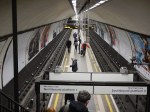
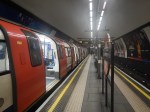
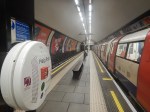
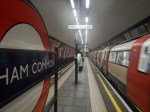

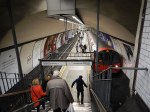
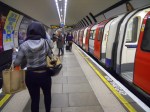
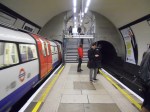
I have a few thoughts and observations.
Clapham High Street Station
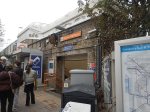
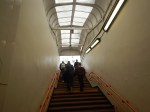
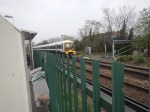
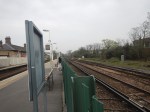
These pictures show Clapham High Street station.
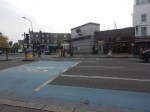
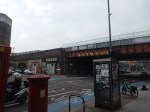
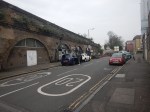
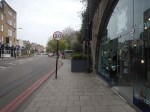
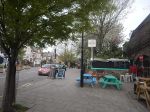
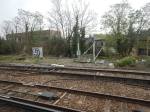
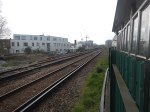
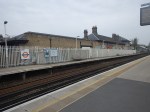
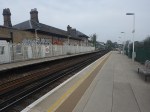
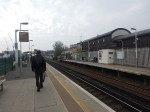
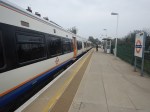
Note.
- The station is Grade II Listed.
- There are four tracks through Clapham High Street station.
- Only the lines used by the London Underground have platforms.
- I don’t think it will be difficult to add platforms to the other two tracks.
- The platforms will probably take five-car trains.
- Access to the platforms is by a subway, which could probably be extended to the other side of the tracks.
- A second entrance would be closer to Clapham North station.
- I suspect step-free access would not be too difficult to install.
- The tracks are over railway arches, which could be developed to add to the quality businesses in the area.
This Google Map shows the station.
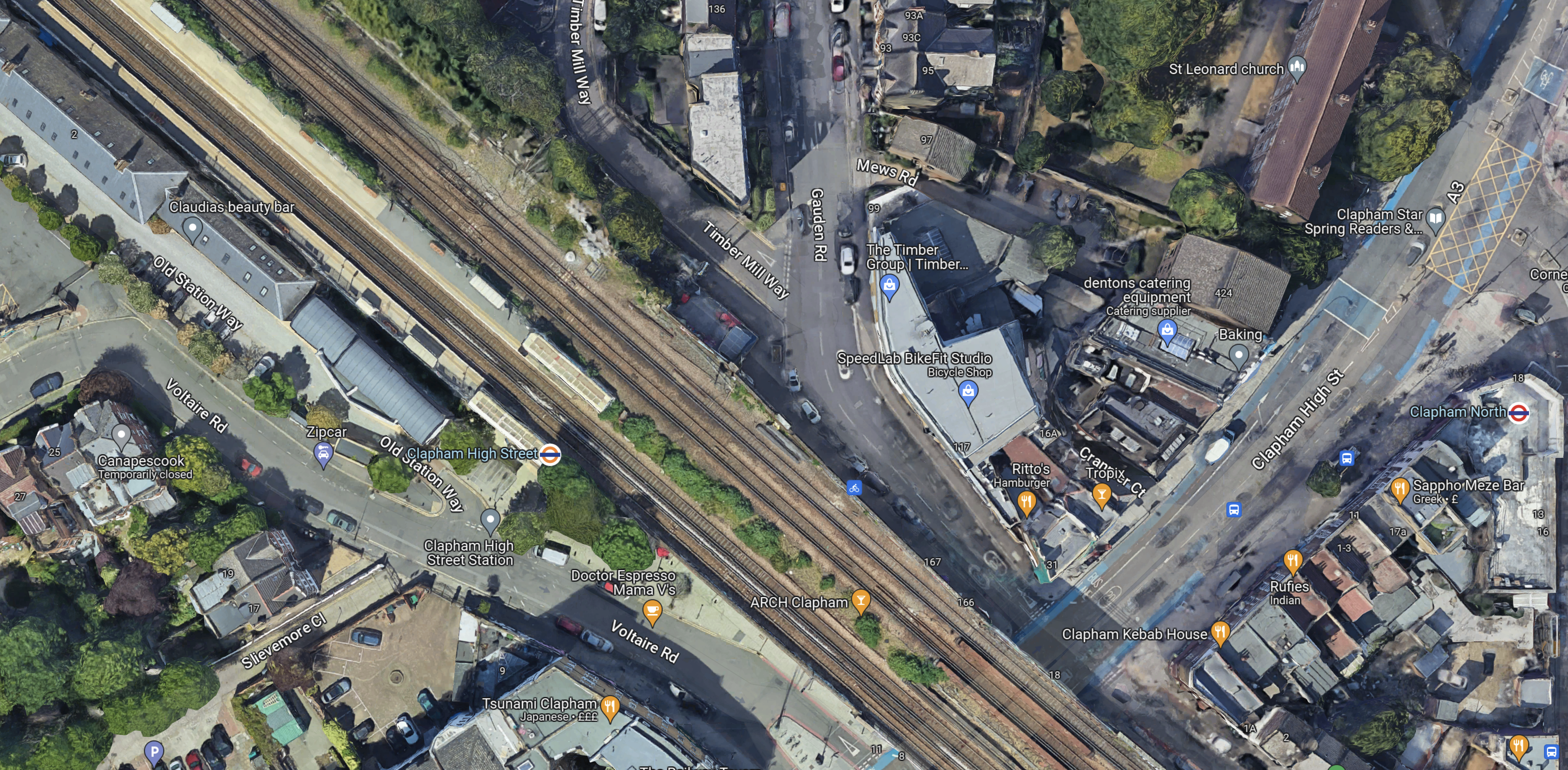
Note.
- Clapham High Street station is in the North-West corner of the map.
- Clapham North station is at the Eastern edge of the map in the middle.
- There seems plenty of space for two more platforms.
I think there is a lot of scope to improve this station.
Tracks Through Clapham High Street Station
This map from cartometro.com shows the tracks through Clapham High Street station.

Note.
- The Overground tracks are shown in orange and black.
- The fast lines, which are to the North of the Overground lines are shown in black.
- Shepherds Lane and Voltaire Road junctions allow trains on the fast lines to call in Clapham High Street station.
I suspect full digital signalling will be employed for efficiency of handling the junctions.
Services Through Clapham High Street Station
These services run through Clapham High Street station.
- London Overground – Dalston Junction and Clapham Junction – four tph – Goes via Denmark Hill and Peckham Rye
- Southeastern – London Victoria and Ashford International – one tph – Goes via Brixton, Herne Hill and West Dulwich
- Southeastern – London Victoria and Dartford – two tph – Goes via Denmark Hill, Peckham Rye, Nunhead and Lewisham
- Southeastern – London Victoria and Dover Priory – one tph – Goes via Brixton, Herne Hill and West Dulwich
- Southeastern – London Victoria and Gillingham – one tph – Goes via Denmark Hill, Peckham Rye, Nunhead and Bromley South
- Southeastern – London Victoria and Orpington – two tph – Goes via Brixton, Herne Hill and West Dulwich
- Southeastern – London Victoria and Ramsgate – one tph – Goes via Brixton, Herne Hill and West Dulwich
Note.
- tph means trains per hour.
- The London Overground services could be increased to 6 tph.
- Only the London Overground services stop in Clapham High Street station.
- The Dartford, Gillingham and Orpington trains are pathed for 90 mph trains.
- The Ashford International, Dover Priory and Ramsgate trains are pathed for 100 mph trains.
It is a comprehensive timetable.
Southeastern’s New Trains
In Battery EMUs Envisaged In Southeastern Fleet Procurement, I wrote about Southeastern’s proposed new trains.
Full details haven’t been announced yet, but I think we can be sure of the following.
- The first trains to be replaced will be the Networker trains, because they are the oldest and slowest.
- The new trains will have selected door opening (SDO), as this a feature of nearly all modern trains.
- I also suspect the trains will be capable of running at 100 mph and will be five cars long, with the ability to run in pairs.
This will enable the new trains to cross over from the fast lines to the Overground lines to stop in Clapham High Street station.
How Many Trains Would Stop At Clapham High Street Station?
Currently trains passing through the station are as follows.
- London Overground – 4 tph – Stopping
- Southeastern – 3 tph – 100 mph services to Ashford International, Dover Priory and Ramsgate – Non-stop
- Southeastern – 5 tph – 90 mph services to Dartford, Gillingham and Orpington – Non-stop
Note.
- It is likely that the London Overground service will go to 6 tph.
- Would 100 mph services always go through without stopping?
- In an ideal world would it be best if services alternated?
I suspect that a better service could be provided between Clapham High Street and Victoria with very little expenditure on infrastructure.
High Speed One Issues
An article in the July 2017 Edition of Modern Railways is entitled Kent On The Cusp Of Change.
The article suggests that Fawkham junction, could be used to allow Southeastern Highspeed services to access Victoria as a second London terminal, to increase capacity on High Speed One.
The route could be via Clapham High Street, Denmark Hill, Bromley South, St. Mary Cray, Swanley and Farningham Road.
The Arches Underneath
There are several railway arches underneath the tracks at Clapham High Street station.
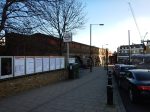
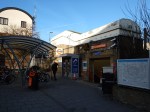
Some of the businesses look good and there are several other arches that are boarded up.
Railway arches are now generally owned by The Arch Co.
In Findlater’s Corner At London Bridge – 11th February 2023, I wrote about the company’s restoration of some arches at London Bridge station, which included these pictures.
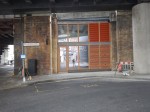
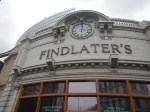

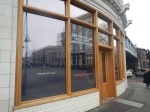
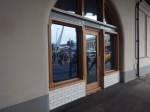
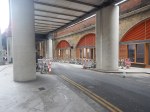
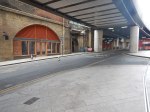
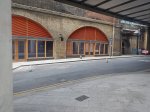
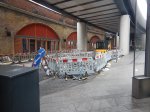
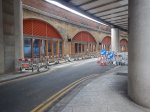
I suspect that a similar restoration in up-market Clapham could be a good investment for The Arch Co.
A Four-Platform Clapham High Street Station
Consider.
- There is space for two new platforms alongside the fast lines.
- The station entrance is in an arch, that goes right under the tracks.
- Putting lifts in an arch would not be the most challenging of tasks.
- A second entrance in Gauden Road would be nearer Clapham North Underground station.
- It should also be remembered that the Government is giving out levelling up funding.
- Hackney is to receive this type of funding and I wrote about it in Hackney Central Before Levelling Up.
I can see a fully-accessible four-platform station being built at Clapham High Street station.
Denmark Hill Station
Denmark Hill station is the next station to the East of Clapham High Street station and after a rebuild is now a high quality station, with these features.
- Four tracks and platforms.
- Frequent trains to Ashford International, Clapham Junction, St. Pancras, Victoria and Whitechapel.
- Full step-free access with lifts.
- A solar roof.
- A Grade II listing.
- King’s College and Maudsley Hospitals are next door.
- A pub.
I wrote about the station in Denmark Hill Station – 4th September 2021.
These are a few pictures.

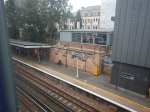


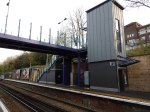
Note the solar roof. There’s more about the roof on this page of the BiPVco web site.
On the About page, there is a section called Our Story, where this is said.
BIPVco was established in April 2015 following five years of collaborative research between Tata Steel LCRI (Low Carbon Research Institute) and Swansea University with support from the Welsh government.
The research program developed ways of integrating thin-film CIGS PV cells directly onto the same substrates that make roofs and walls so that true BIPV functionality would become integral to the building envelope and could be achieved without having to resort to heavy on site mounting systems.
Our manufacturing processes were further enhanced to suit commercial production, and the products and procedures were tested and accredited before commercial launch.
Working with select partners, we designed and built many pilot PV integrated roofs between 2015 and 2017 in varying climates, including Nigeria, Canada, UAE and the UK, to demonstrate product suitability in all environments. The full commercial launch was effected in June of 2017.
They certainly seem to have taken solar panels to a new level.
I would also rate Denmark Hill station one of the finest suburban railway stations in the world!
Peckham Rye Station
The next station to the East of Denmark Hill station is Peckham Rye station.
Like many other stations and buildings in London, including the original Denmark Hill station, Peckham Rye station was designed by Charles Henry Driver.
These are some pictures, I’ve taken over the years at Peckham Rye station.
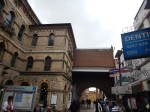
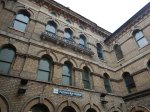
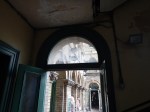
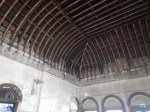
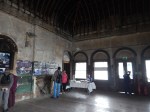
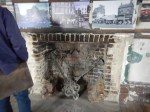
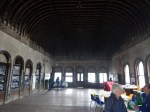
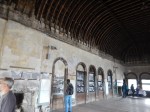
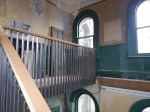
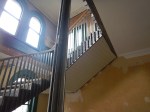
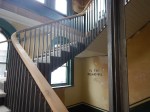
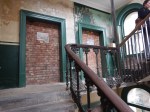
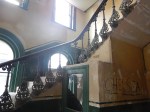
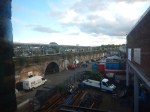
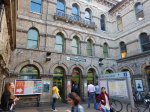
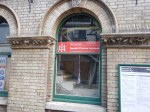
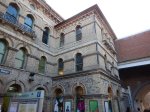
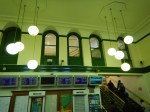
Note.
- It is a very busy station.
- I’ve read somewhere, that it is the busiest station in the UK, without any step-free access.
- It could be a magnificent station.
- One of the people driving this project is the architect; Benedict O’Looney.
This page on the Network Rail web site is entitled Peckham Rye Station Upgrade and it starts with this statement.
On 7th March 2022, we submitted Planning Permission and Listed Building Consent applications to upgrade Peckham Rye station to make it fully accessible with more capacity and better facilities for passengers.
It’s all a bit out of date, but these pictures, that I took this morning, indicate that something is progressing.
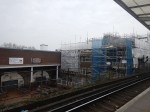
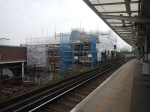
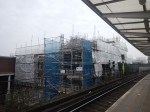
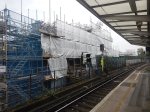
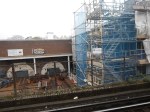

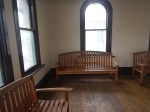
This article on IanVisits gives a few more details.
South London Crosslink
The South London Crosslink, doesn’t seem to have a website or a Wikipedia entry.
But it is mentioned in a question and answer to the London Mayor.
In response to this question.
Will you consider bringing the Victoria rail service back to Clapham High Street station and providing direct trains to Brixton, Herne Hill, and Bromley South?
The Mayor gave this answer.
The Department for Transport (DfT) is responsible for these services, as they run Southeastern railway as operator of last resort. Transport for London (TfL) is not opposed to the existing Southeastern services to and from Victoria making additional calls at Clapham High Street should the DfT, wish to take the idea forward.
There are however several practical issues that would need to be taken into consideration, and any changes to the service would be subject to cost-effective solutions being found to these.
The Clapham High Street platforms are too short for the eight-car trains used on the Victoria to Dartford and Orpington metro routes, and the existing rolling stock lacks a safety intervention called “Selective Door Opening” that enables trains to call at a station where the platform is shorter than the train. There are also technical restrictions, such as the frequent routing of these services along an adjacent pair of tracks which do not have any platforms, which would make implementation difficult using the existing railway infrastructure. Finally, there would need to be clear consideration on the wider capacity of the rail network and the robustness of the timetable. All of these concerns could affect the value for money of any proposal for these services to call at Clapham High Street station.
As I showed earlier, it looks like new trains will solve most of these problems. If they don’t, then the wrong trains have been ordered.
But there’s still not much about where the route will go after Peckham Rye, except for vague mentions of Dartford and Orpington.
I asked a friend and they said the South London Crosslink could possibly go to Bellingham.
This map from cartometro, shows the route between Denmark Hill and Crofton Park stations.
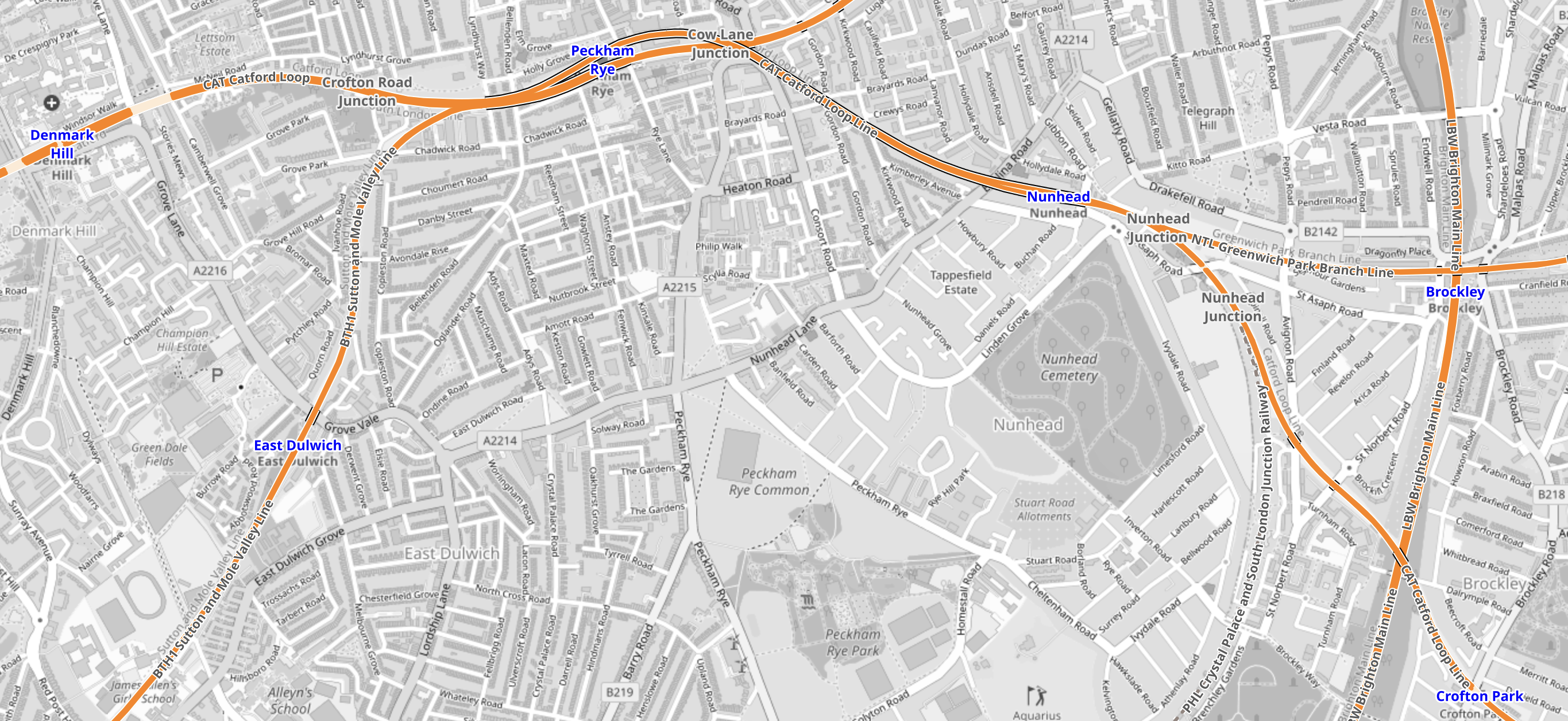
Note.
- Denmark Hill station is in the North-West corner of the map.
- Crofton Park station is in the South-East corner of the map.
- The route would be via Peckham Rye and Nunhead stations.
- It is not a very fast route with an operating speed of 50-60 mph.
- In Nunhead Junction Improvement, I wrote about improvements needed at Nunhead junction to the East of Nunhead station to improve capacity for freight trains.
This second map from cartometro, shows the route between Crofton Park and Bellingham stations.
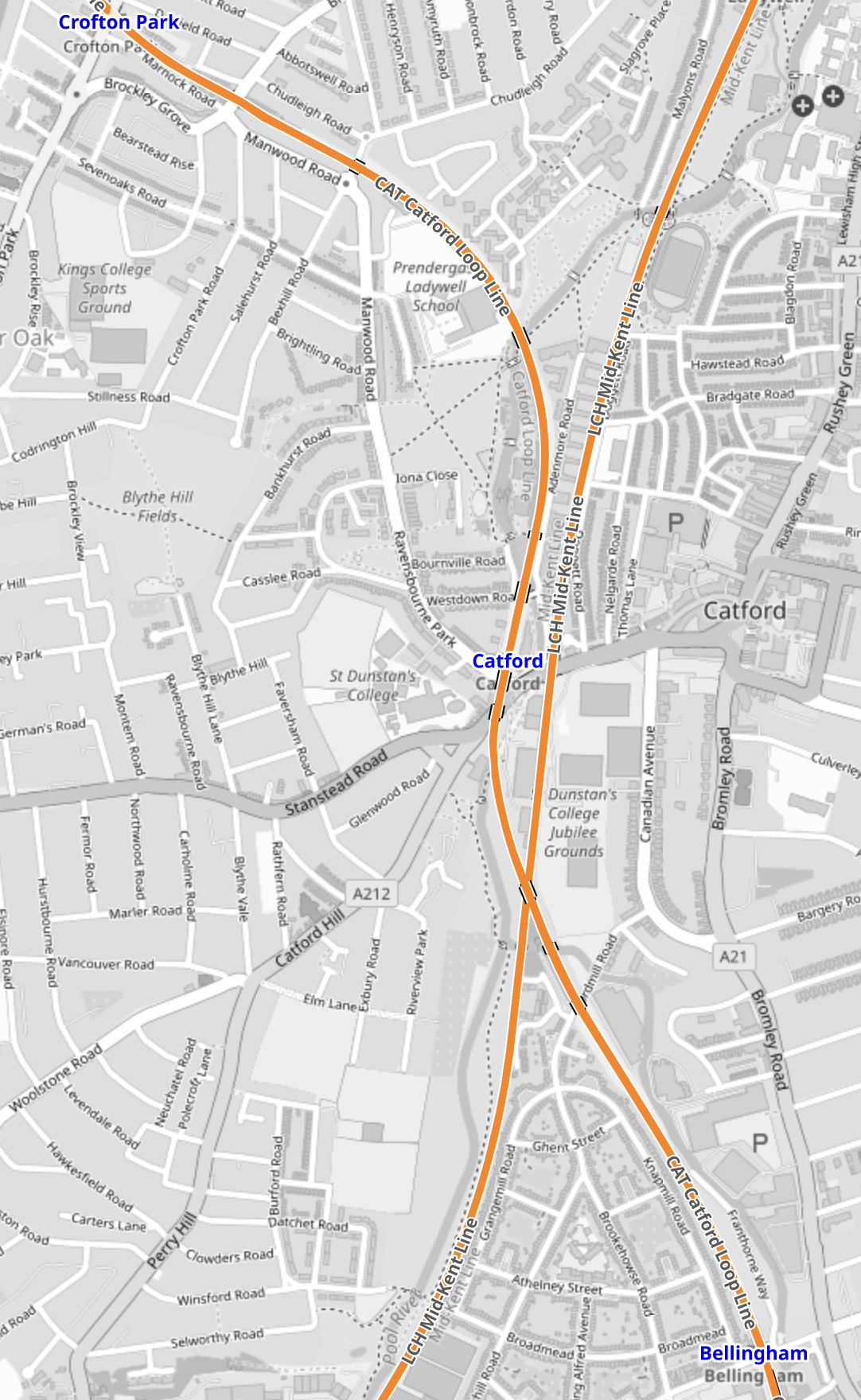
Note.
- Crofton Park station is in the North-West corner of the map.
- Bellingham station is in the South-East corner of the map.
- The line going diagonally across the map from North-East to South-West is the Hayes Line to Hayes.
- There are plans to create an interchange station at Catford.
This Google Map shows Bellingham station.
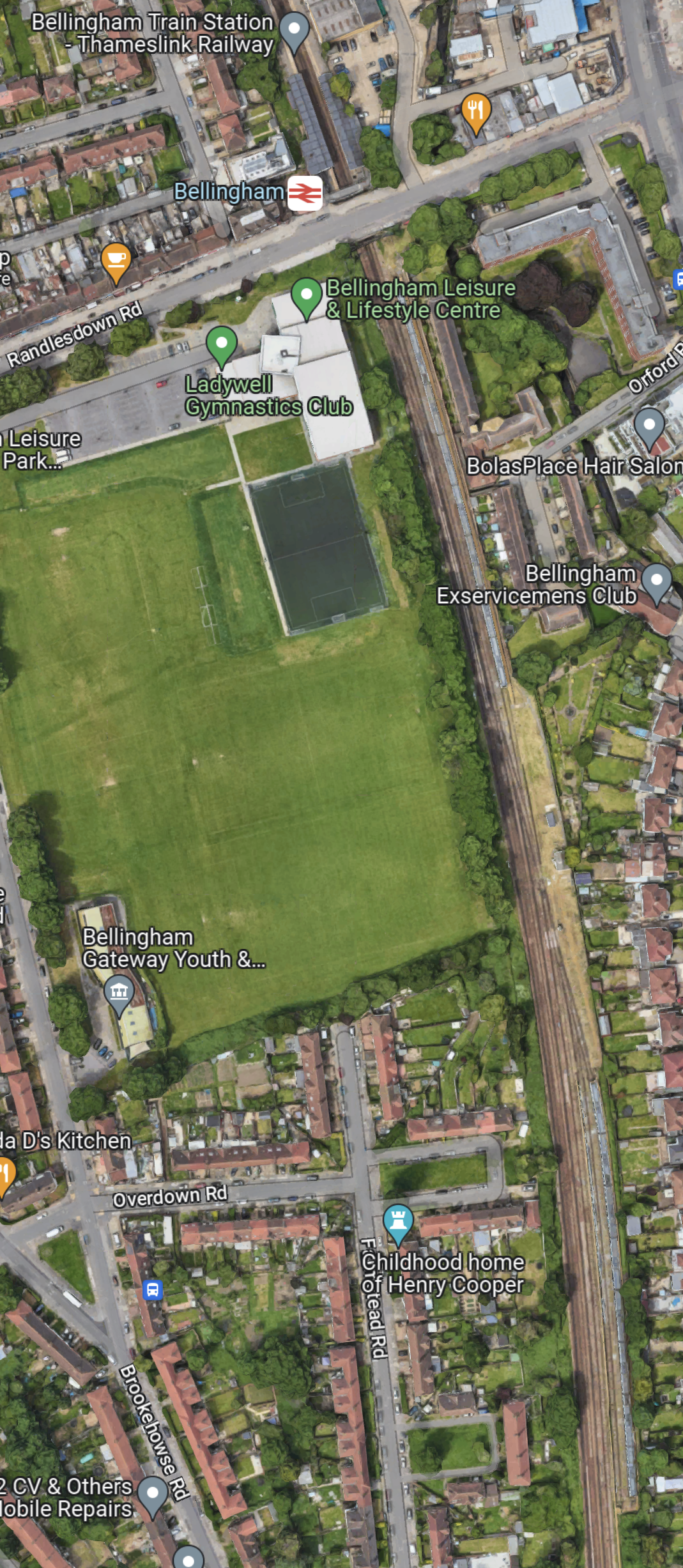
Note.
- Bellingham station is at the top of the map.
- Bellingham station is on the Catford Loop Line.
- South of Bellingham station are a series of sidings.
Is the reason, that Bellingham station was proposed as a terminus, that with a proper interchange at Catford, it creates a very efficient operational railway with some convenient sidings thrown in?
This map from cartometro, show the track layout at Bellingham station.
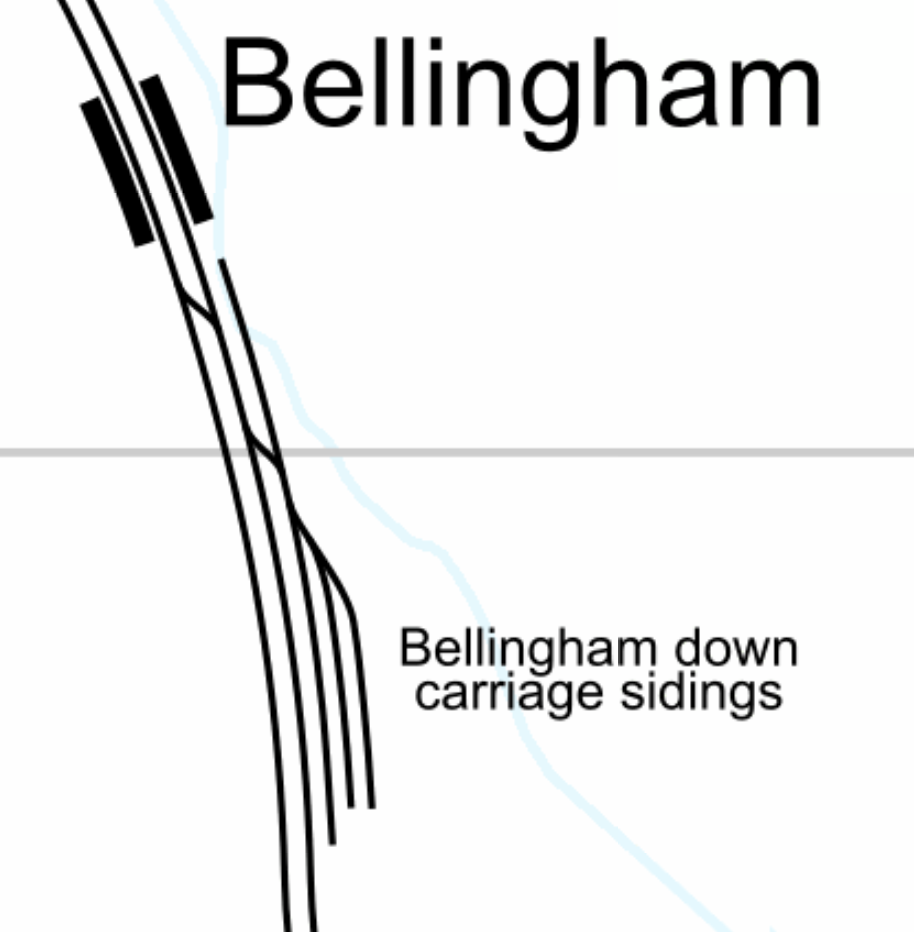
I believe that the sidings could be used as a turnback siding for trains from both directions.
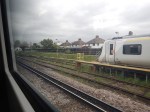
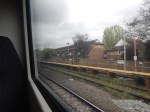
These pictures show trains in the sidings.
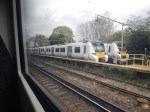
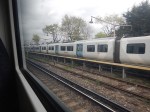
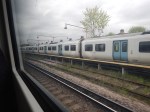
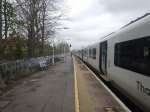
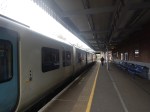
And these are of the station.
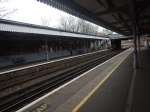
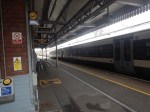
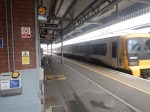
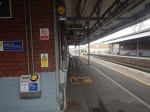
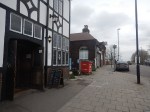
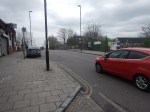
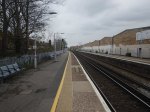
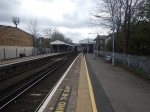
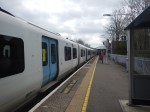
Note.
Catford Station To Go Step-Free
This document on the Government web site is entitled Access for All: 73 Stations Set To Benefit From Additional Funding.
Catford station is on the list.
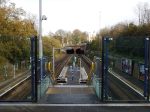
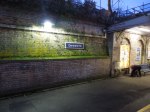
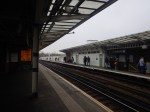
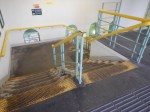
This pictures show the current state of Catford station.


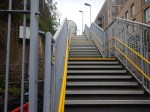

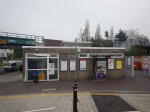
Note.
- The railway line is on an embankment, with a bridge over the road.
- There are steep stairs to both platforms.
- There are small shelters on both platforms.
- There is a small station building by the subway under the tracks.
I suspect that a lift on either side of the tracks will need to be installed.
This Google Map shows the station.

It looks like it will be rather a tight squeeze to fit the lifts around the stairs and the current station building.
I wouldn’t be surprised to see a rebuild of the current station building and the stairs, to create space for the lifts.
The route between Catford and Catford Bridge stations used to involve a walk along the A205, but now there is a level walk through a new housing development, which also has a small supermarket.
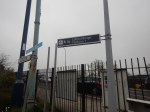

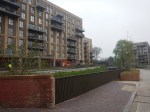

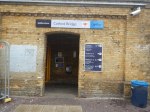
You enter Catford Bridge station, directly onto Platform 1.
This Google Map shows the two stations and the walking route between them.
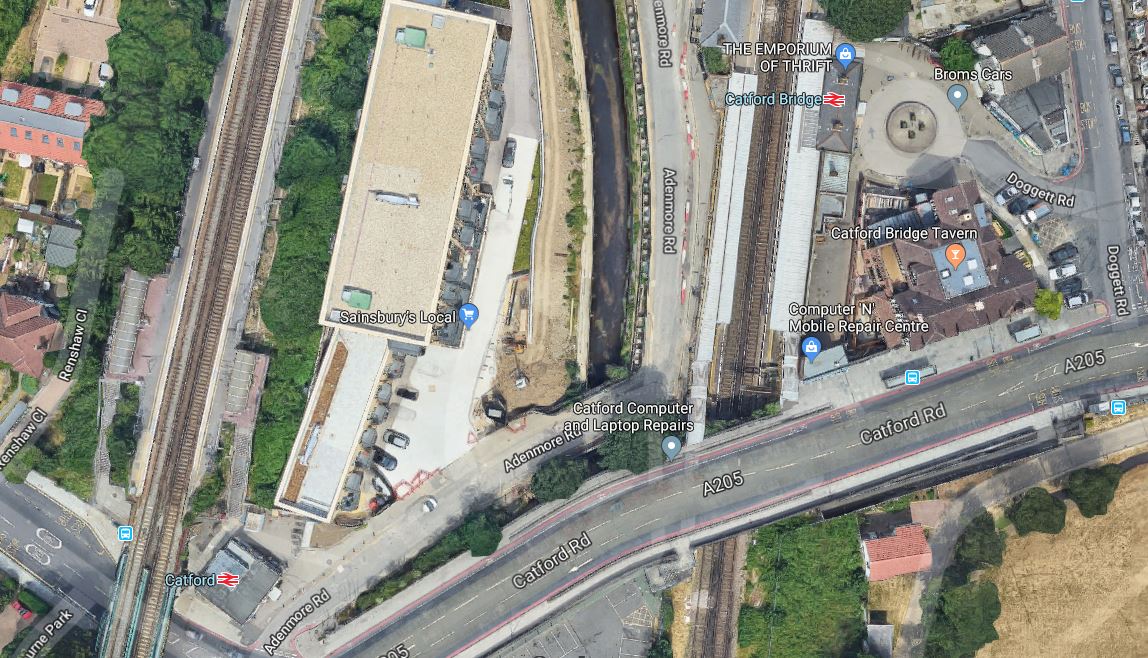
I estimate that it is less than a hundred metres.
Adding step-free access at Catford station will not complete the project.
Look at these pictures of Catford Bridge station.
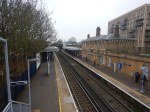


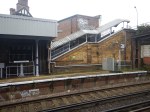
To cross the tracks at the station, there are two bridges; the road bridge and a footbridge at the station.
Neither of the bridges are step-free.
It would be difficult to add lifts at the A205 end of the station, as there is little space. It would also mean passengers would be walking along the A205, with all its traffic and associated pollution.
In Winner Announced In The Network Rail Footbridge Design Ideas Competition, I wrote how the competition was won by this bridge.
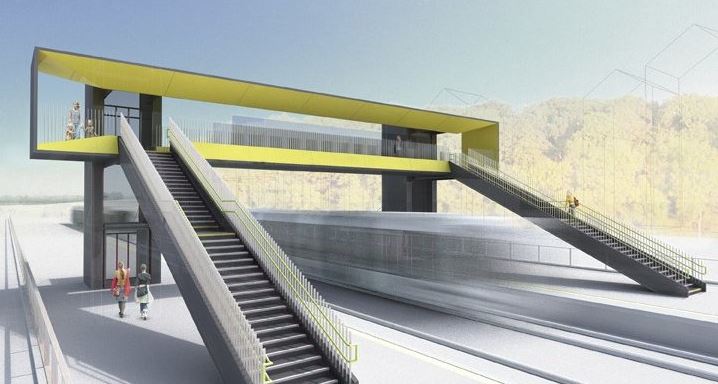
So could a factory-built bridge like this be installed at Catford Bridge station?
It could replace the existing metal bridge!
 The Anonymous Widower