Above The Connaught Tunnel
I mentioned that the old Connaught Tunnel in London’s Docklands is going to be reused as part of CrossRail.
I took these pictures above it today.
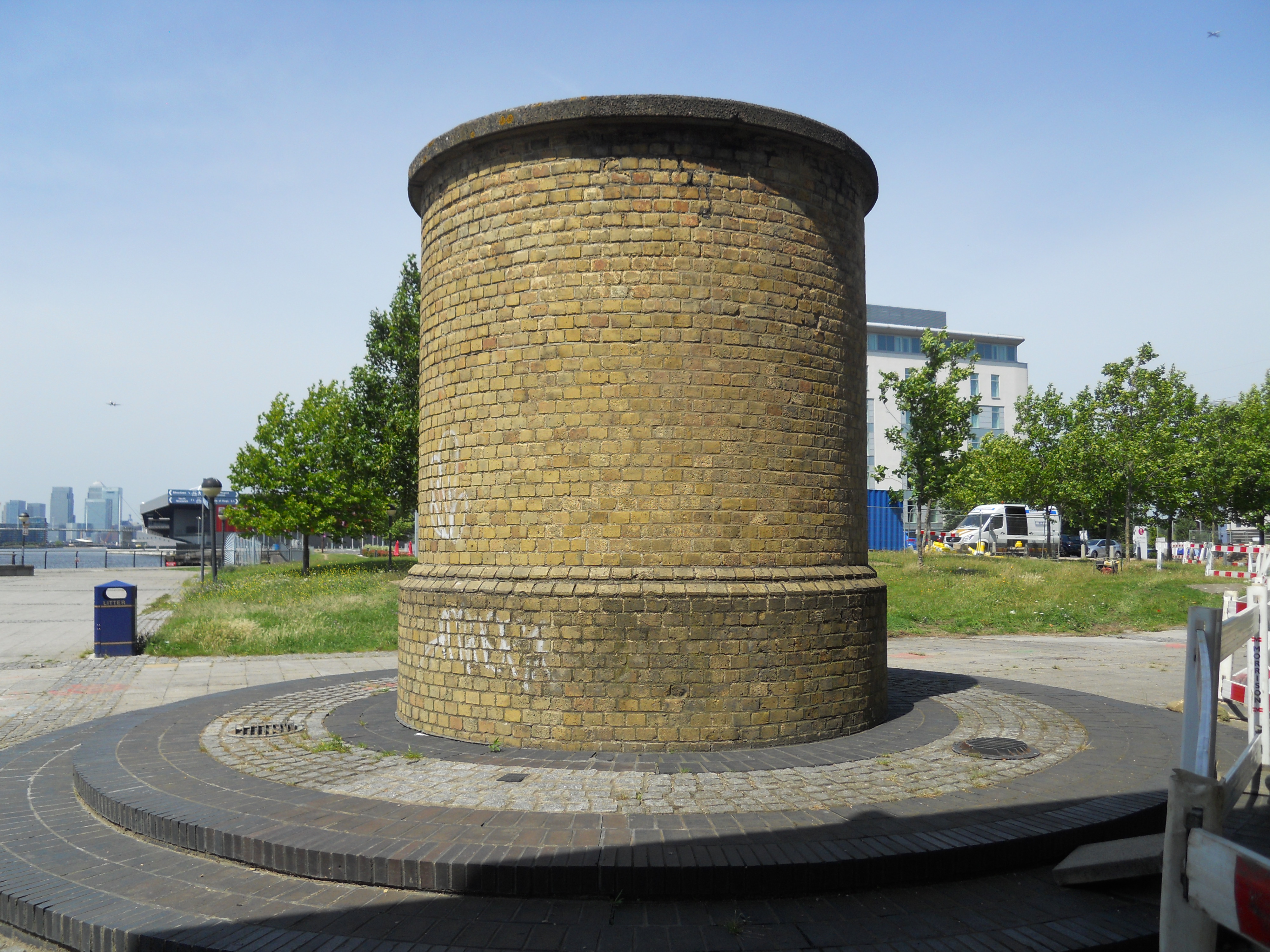
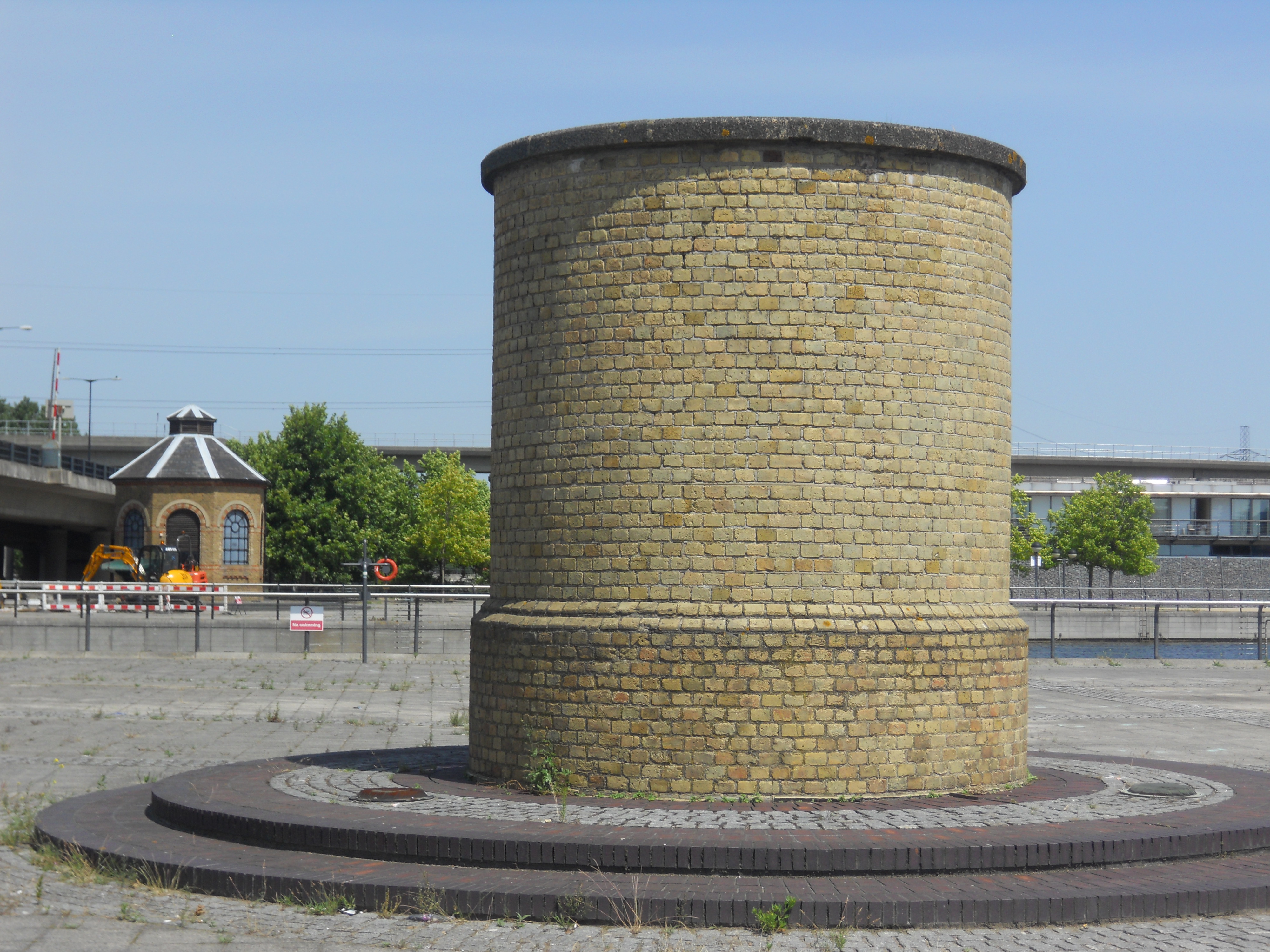
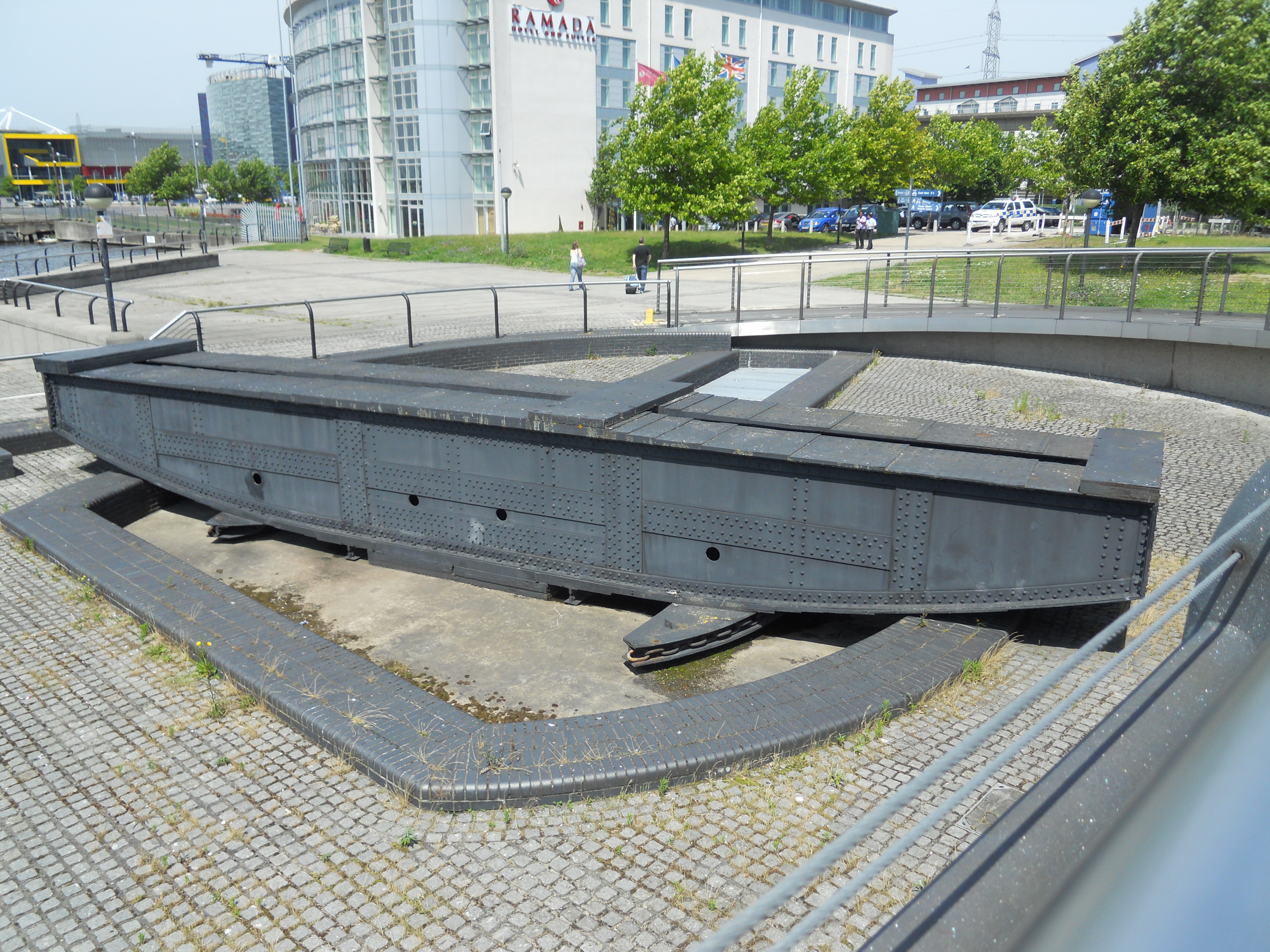
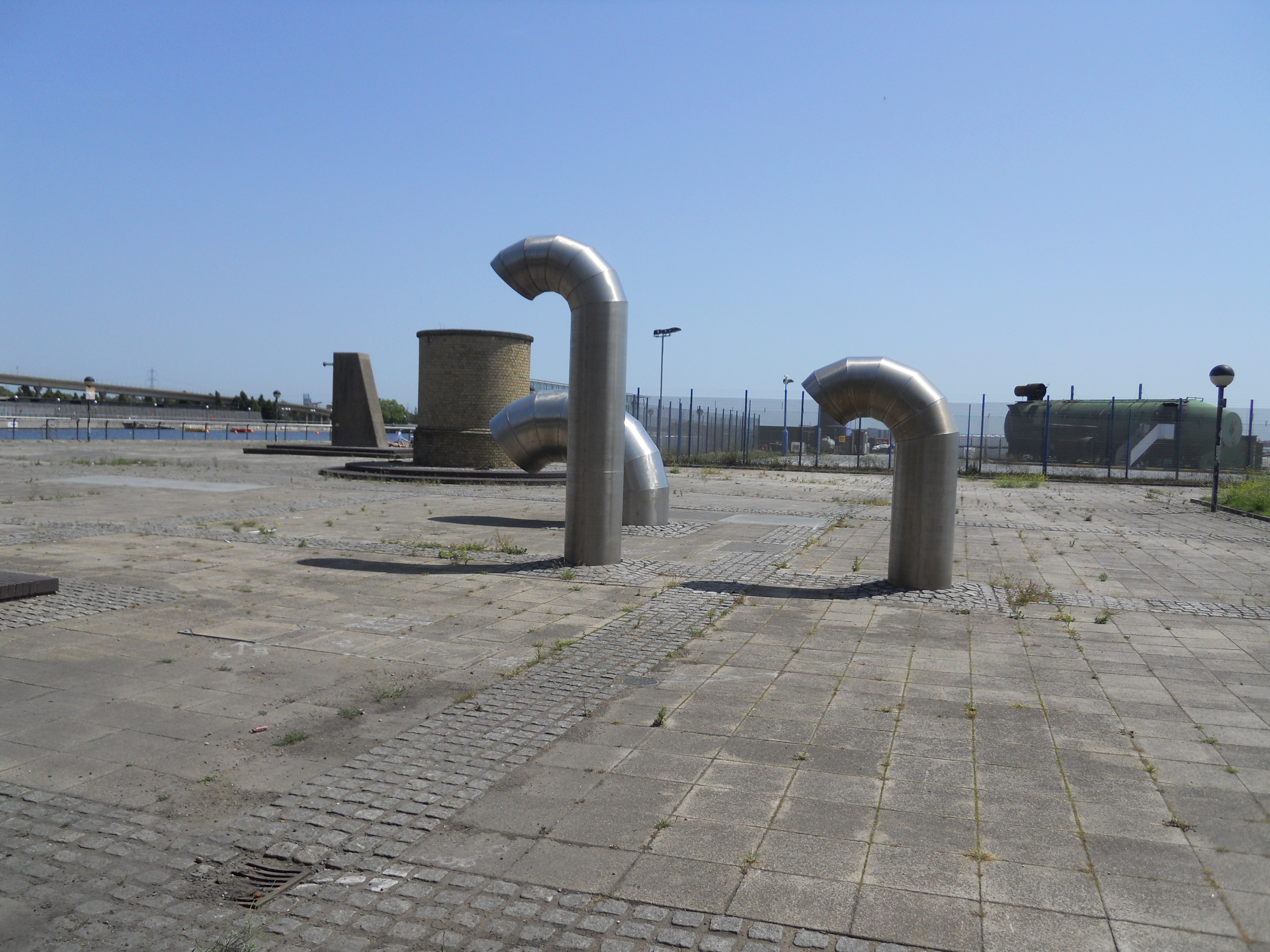
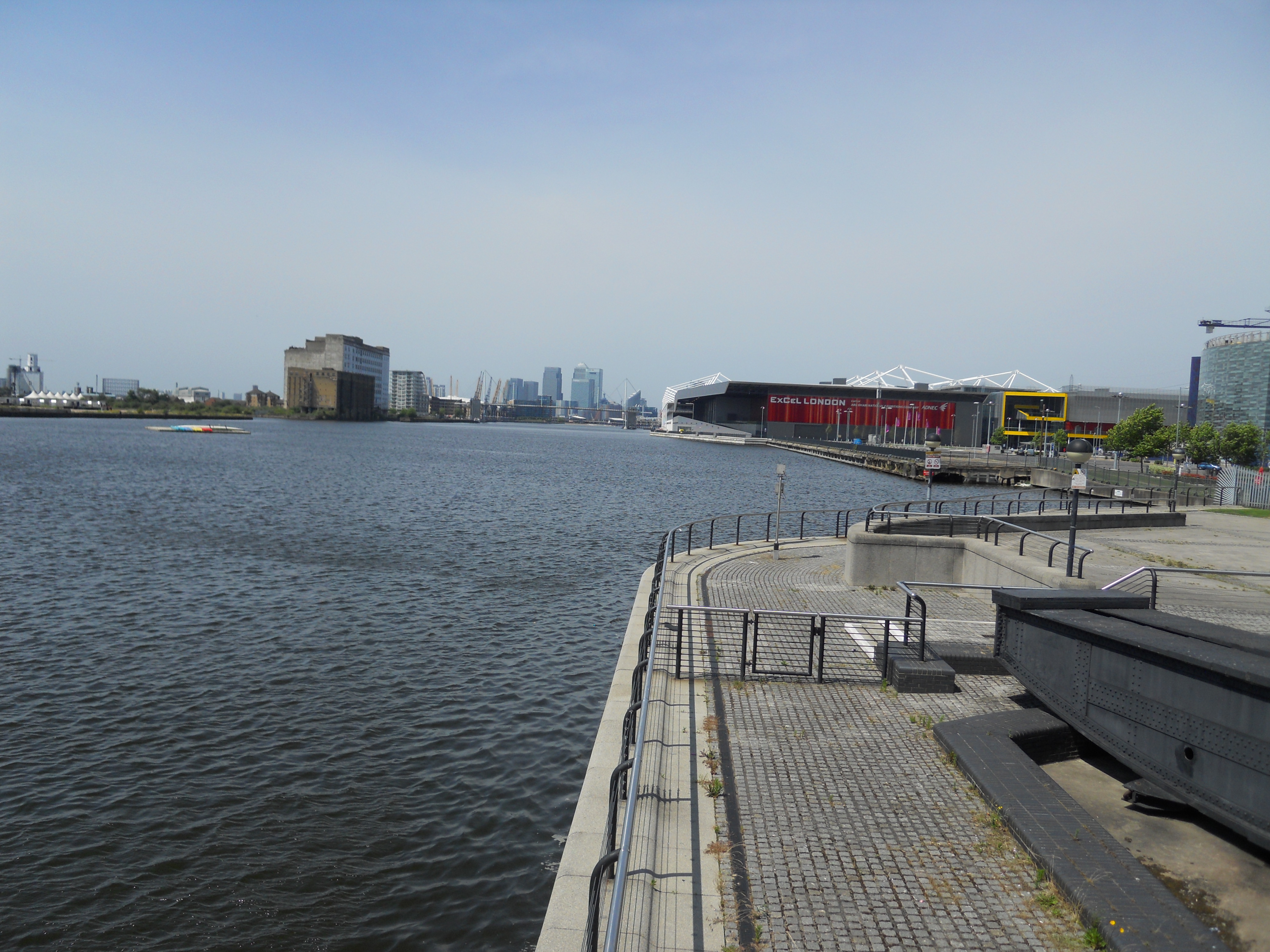
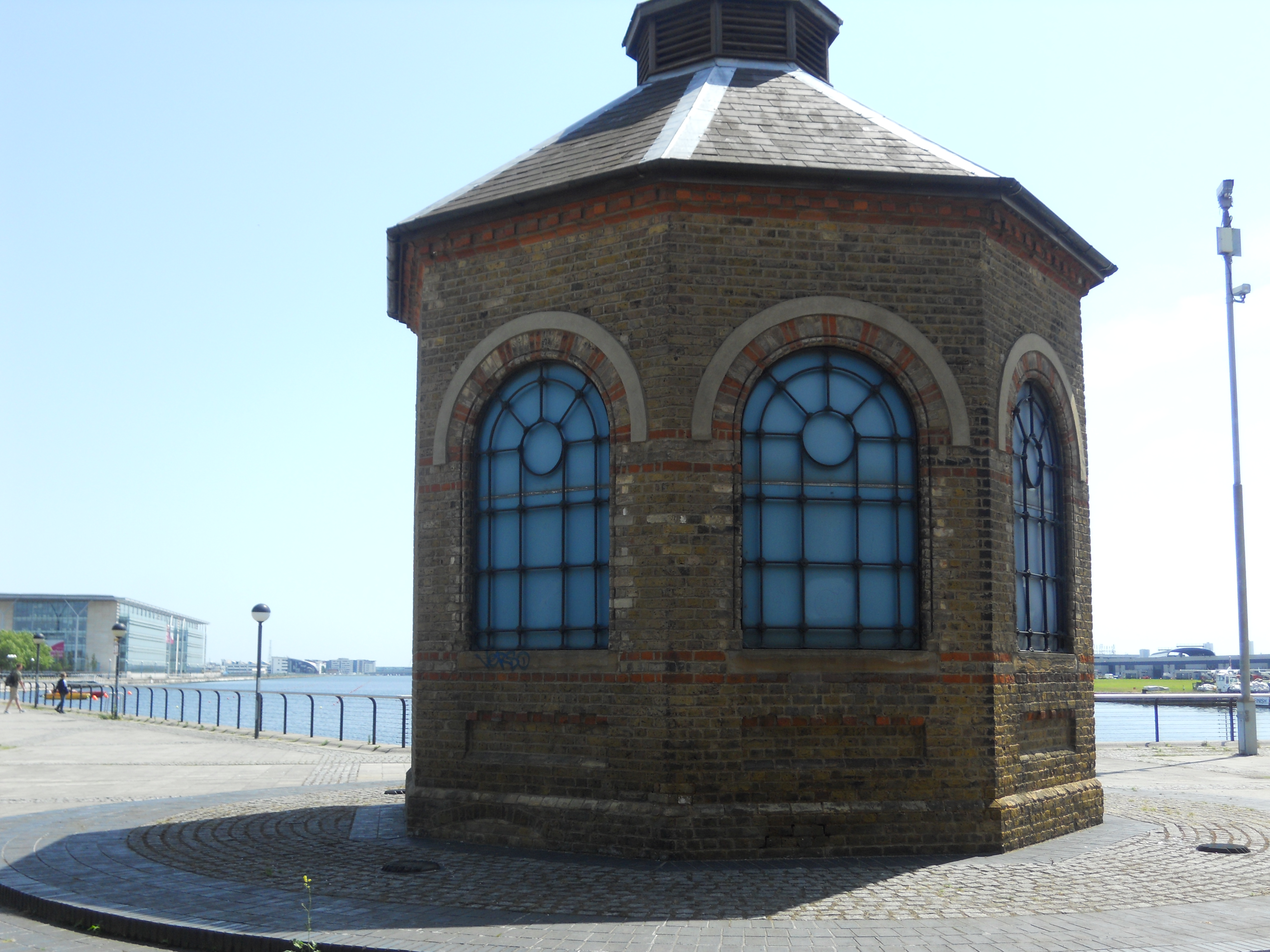
To get to the area you take the Docklands Light Railway to either Prince Regent or Royal Albert stations.
London’s University of Hole Digging
CrossRail is overseeing a new Tunneling and Underground Construction Academy or TUCA.
After CrossRail has been completed it will operate independently to train staff for other tunneling schemes. The only other such academy in Europe is in Switzerland, which focuses on hard rock tunneling. So if we are to have a Golden Age of Tunneling, we shall be well-prepared in the UK.
CrossRail Isn’t All New
You’d expect that a modern project like CrossRail would be all new tunnels.
But it’s not!
An article in Modern Railways describes how the old Connaught Tunnel from the long-abandoned North Woolwich to Palace Gates line is being opened up to take the new railway. There is an article on the tunnels and some pictures here of the tunnel. You’ll have to page down a bit.
I like this from the introduction to the MR article.
On paper, reusing this existing link, which runs beneath the intersection of the Royal Victoria and Albert Docks, is cheaper and less disruptive than boring a new tunnel. In practice, the work required to bring the route up to scratch is anything but simple which, from an engineering point of view at least, means there’s a lot of fun to be had.
A lot is not good clean fun too, as they will probably have to lay a 1,000 cubic metre concrete slab under water.
Don’t ever say engineering is boring! Even where tunnels are involved.
The Engineering and Architecture of CrossRail
My previous post about CrossRail may give the impression, that I’m rather against the project.
I’m not, as I believe it will really open up London to residents, commuters and tourists. The only problem is it won’t be fully open until 2018 or so.
Railways should always go through a major city, rather than have expensive stations on the ends of two radial lines. It’s cheaper in terms of capital cost and ensures that the expensive trains work harder. Thameslink does this on a North-South basis and CrossRail will do it on an East-West basis, with an major interchange between the two lines at Farringdon station.
Modern Railways this month has a major section on the CrossRail project. It is a fascinating read, which describes how the railway is being threaded from one side of the London to the other and the designs of the various stations on the route.
The biggest conclusion I get after reading the report, is that this a project that although built to a tight budget, will be something of which London will be proud and will be something that can grow and grow as the City demands more transport links. From the pictures in the article it would appear that the visible face of the railway will be impressive and not like the rather utilitarian Victoria line. On the other hand a lot of the design is more on the side of the practical and well-thought, rather than the spectacular, such as seen on some parts of the Jubilee line.
I also feel that particular attention is being paid to the management of the whole project and this has allowed the cost to be reduced by a billion pounds or so, by taking slightly longer. Hopefully, this will also enable the project to be built on time, but these days, we are getting a much better record at completing large projects on time, so I wouldn’t be suprised if the engineers adjusted the project to increase the certainty of an on-time completion.
But that is good project management!
With my history in the field of project management, CrossRail seems to be a project, I’d have enjoyed getting my teeth into.
Is This Why It’s Called CrossRail?
After my experiences last week of all the hold-ups and chaos in Oxford Street caused by CrossRail, it now appears that they are going to be responsible for a lot more problems in the Liverpool Street/Moorgate area. I took a 76 bus yesterday, that once it got to Moorgate became a tourist bus, with a tour of the Barbican. And coming back from Bank a 21 went all round the houses the other way.
I didn’t get particularly angry, but some wag will put a connection between getting cross with London’s new railway. To be fair, a lot of the problems are caused by unfamiliarity with the new walking routes and hopefully in a couple of months things will be better. The removal of the last of the dreaded bendy buses in the next few months will help, as all they seem to do is block junctions and light-controlled crossings.
Chaos In Oxford Street
I needed to get some towels and a couple of lamps from John Lewis yesterday evening, so I took my usual route of Overground to Highbury and Islington station and then the Victoria line to Oxford Circus.
For some years now, getting out of Oxford Circus station has been a nightmare, so much so that I used to get there by taking a Central line train to Bond Street instead and then walking backwards.
That is not really an option now, as they are rebuilding Bond Street station and the narrow pavements cluttered by smokers outside the stores are not an easy route.
So it was a walk up the stairs to Argyll Street and then across the centre of Oxford Circus. At least that crossing works well, but then the north side of Oxford Street was cluttered with smokers and locked up stalls, that sell junk.
It is not good and it never has been in my memory.
Some years ago, I proposed an alternative which was published as a long letter in the Evening Standard.
I read with interest an article in the Evening Standard yesterday and feel I should comment about a proposed monorail for Oxford Street.
I should explain that I am an engineer with a lot of experience of transport projects around the world, mainly because the software I wrote, Artemis, was used to plan them.
I am also an inveterate traveller and have experience of a very large number of cities around the world. That experience is usually as a tourist and includes the Sydney monorail, the escalators of Hong Kong and the underground walkways of Perugia. I should also say that I visit the Oxford Street area at least once a month for shopping, eating or business.
I will agree with the plan, where the monorail gives the whole street a connection and a focus, but I believe that a moving walkway suspended over the street below would be much more flexible and inherently better.
1. It could be built in stages, with perhaps a spectacular star over Oxford Circus as a first phase to move people from say Regent Street North to Oxford Street East and West without getting involved in the fearsome crowds at road level.
2. Walkways are basically hop-on and hop-off. So if you see a shop or something else that interests you, then all you do is wait to the next hop-off point and exit.
3. As the walkway progressed down Oxford Street, it could rise and fall so that it was level with the floors of the major stores. How much would John Lewis pay for an entrance at first floor level?
4. Stops would be much more frequent than a monorail.
5. Walkways are a fail-safe system in that when the motor breaks, the system is still walkable. What happens when a monorail breaks down as the Sydney system did when I rode it?
6. Walkways can add spurs as required to Conference Centres, attractions and also to move people well away from Oxford Street.
7. As they would run effectively from Tottenham Court Road to Marble Arch, they would take the pressure off the Central Line.
8. Just as in Hong Kong it would be covered in a clear plastic roof. Video screens could be included under the roof to sell advertising.
9. Security is important and I’m sure the Police would like a high-level walkway from which to view the crowds below.
10. Bulges and platforms could be attached to the walkway, so that cafes and other attractions could be setup. If access is provided to stores on route, there would be no problems as to servicing these cafes.
11. The whole system has to be commercial. Imagine a platform just by Selfridges which sells the Wallace Collection, with a down escalator pointing that way.
Admittedly, it was published partly as part of their campaign against the then mayor, but I believe the idea of an overhead moving walkway would improve the movement of pedestrians around the area.
Thinking about it six years after the original letter was published, there are other factors that now apply.
- Tottenham Court Road and Bond Street are to become major stations on Crossrail and they will probably discharge more people into the area making it worse. Especially, as many will be long-distance travellers trailing mobile obstacles behind them. The pavements are just not big enough.
- The Eastern end of Oxford Street is scruffier now and who would want to shop there, when there are shopping centres at Westfield and the soon to open, Eastfield, just a few stops away on the Central line.
Certainly, I can’t wait for Eastfield to open, as then I’ll be closer to a John Lewis.
You will see I call the new shopping centre at Stratford, Eastfield. It’s what many of the locals do, despite the fact that it’s promoted as Westfield Stratford City.
But then East is east and West is west and ne’er the twain shall meet.
Along the Bow Back Rivers
I crossed Stratford High Street and then found my way to Pudding Mill Lane station on the DLR. I passed across and along one of the Bow Back Rivers, originally created to channel water power from the River Lee to the flour mills in the area.
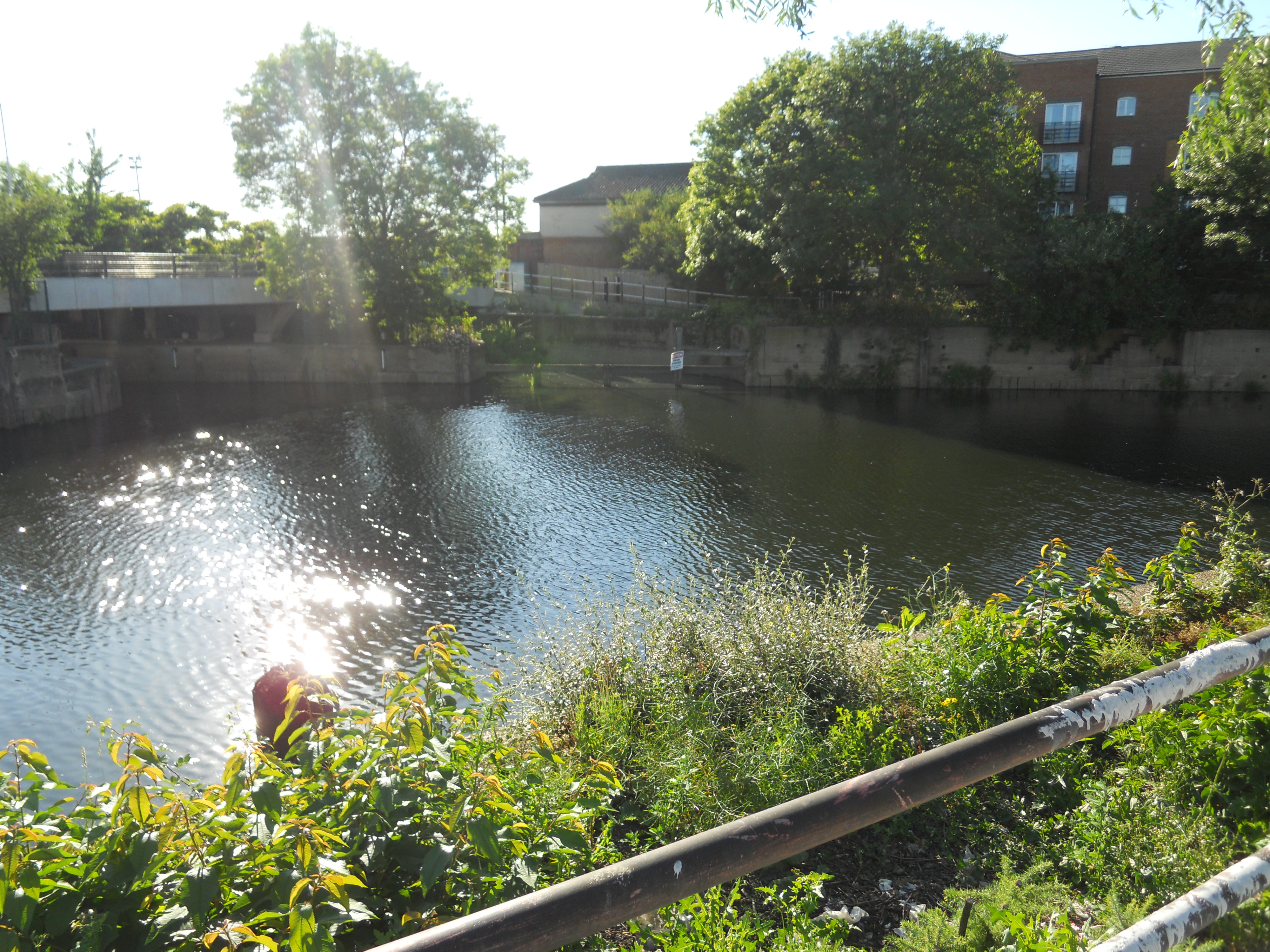
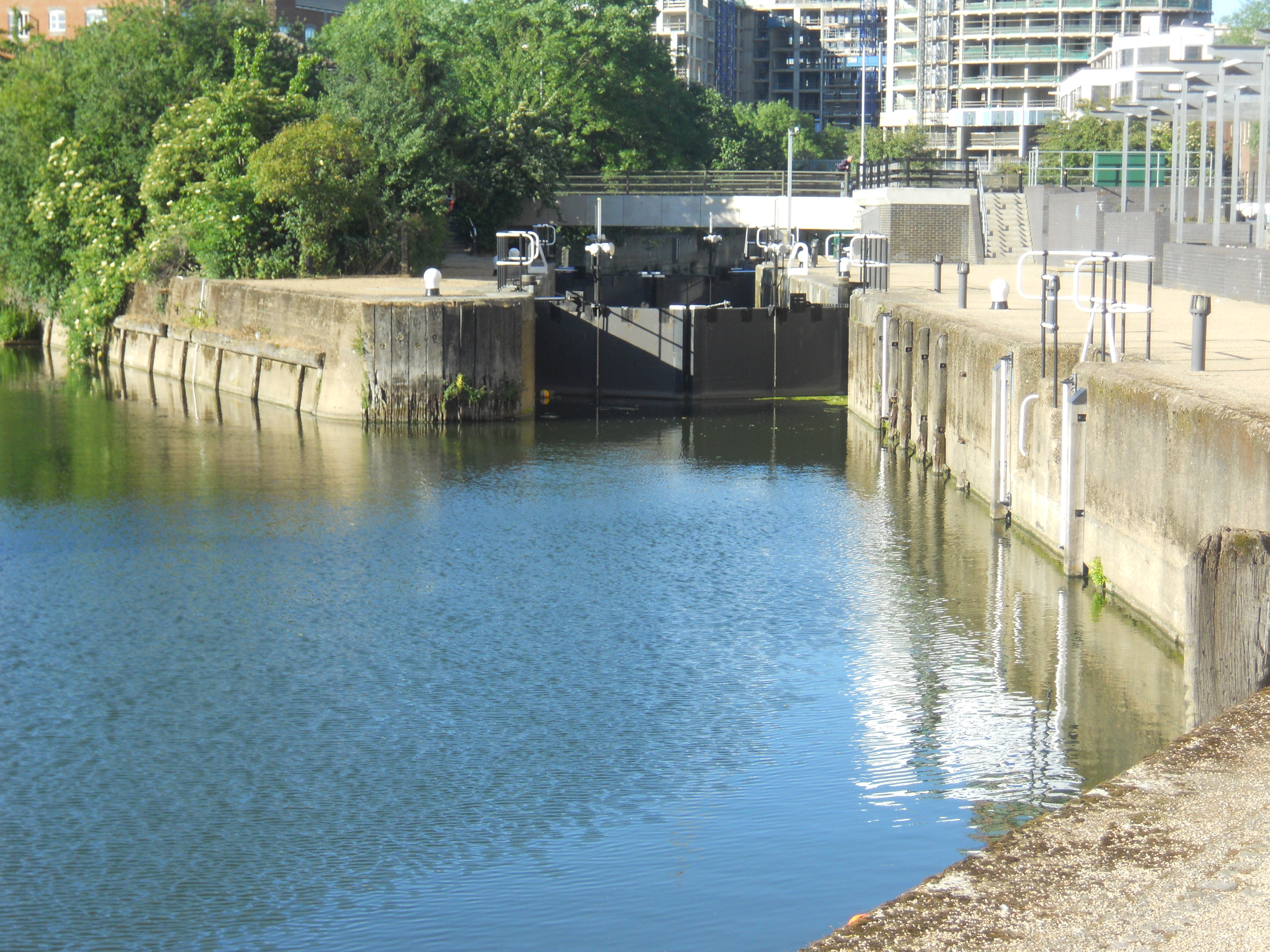
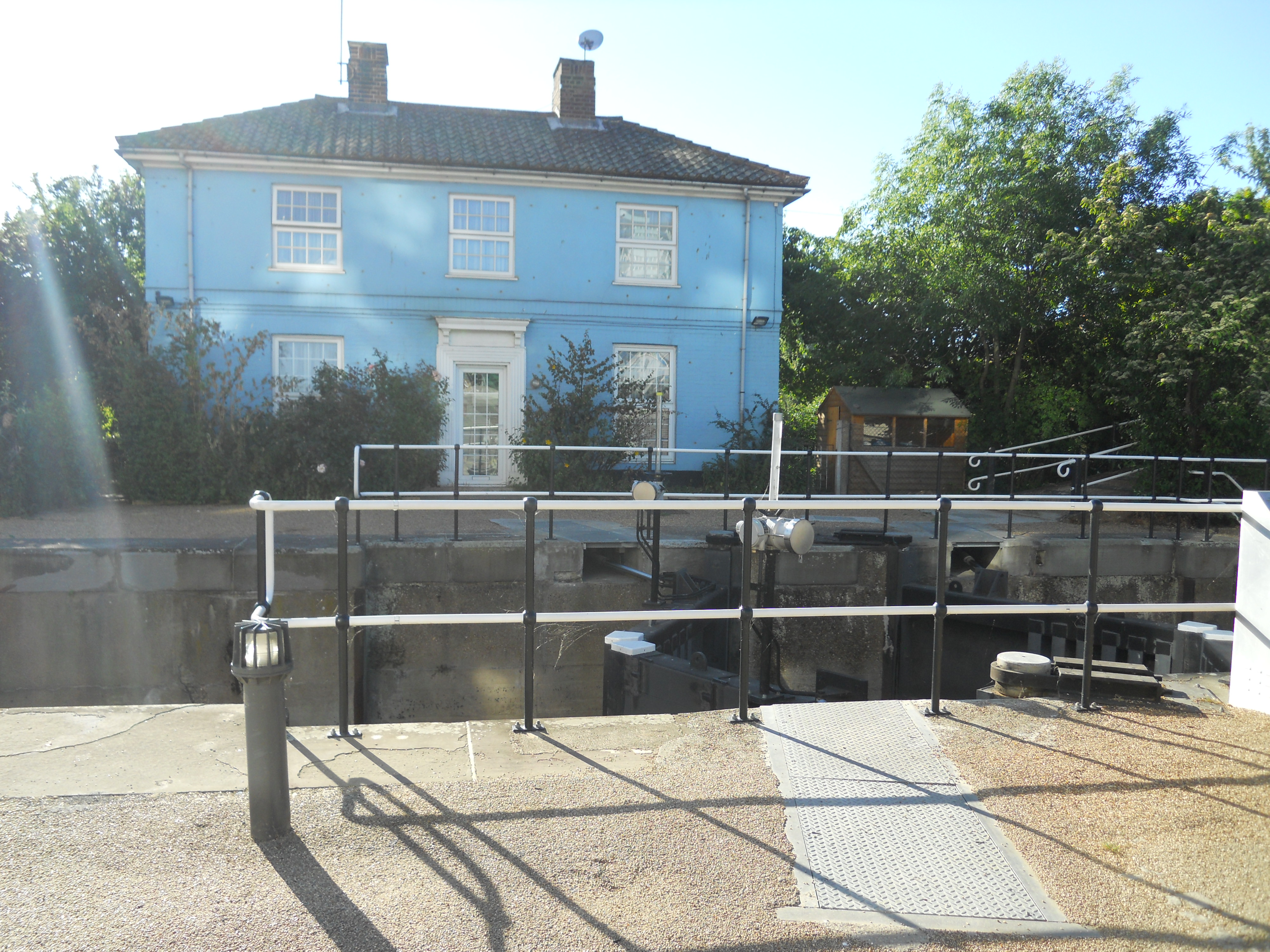
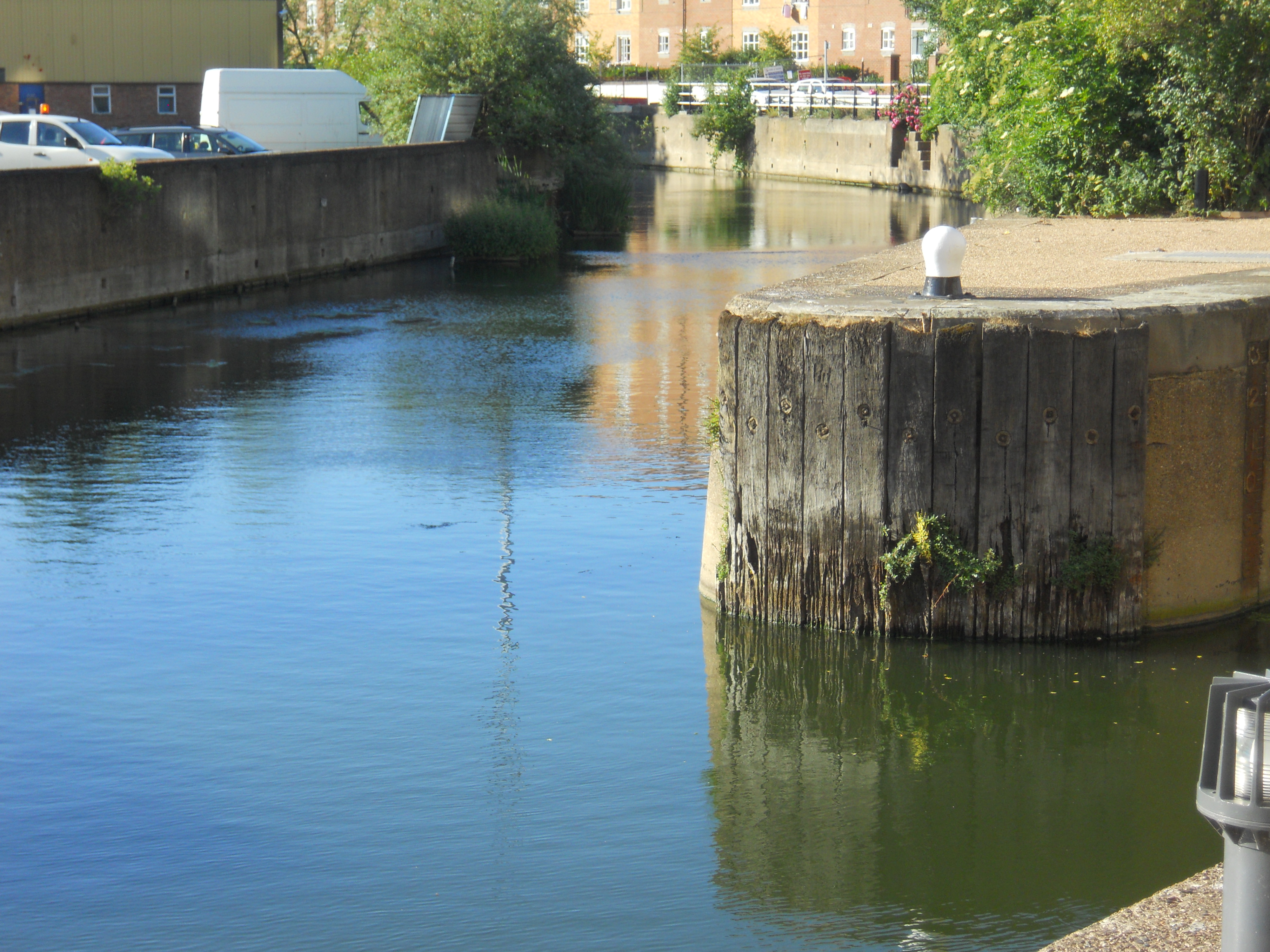
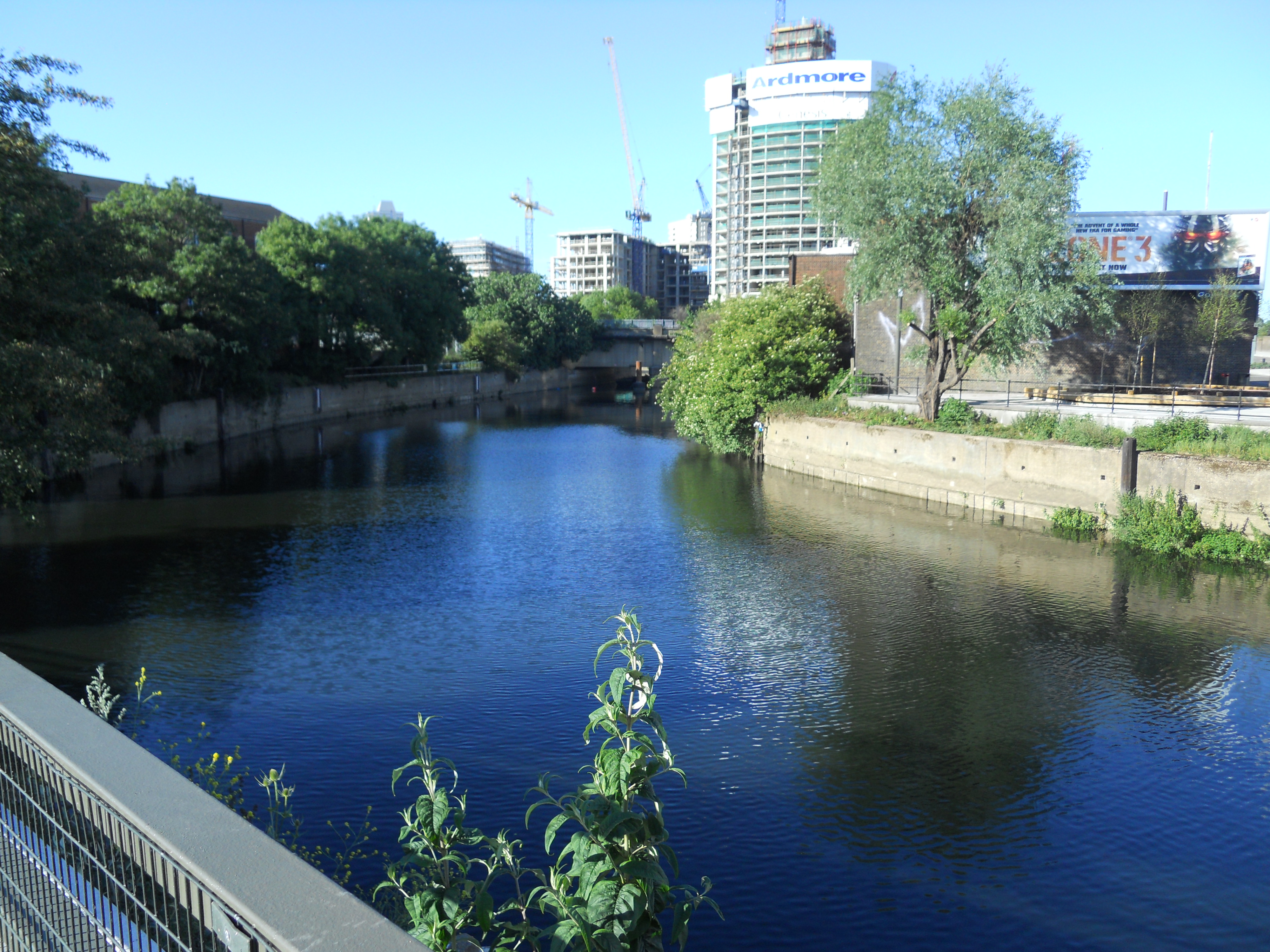
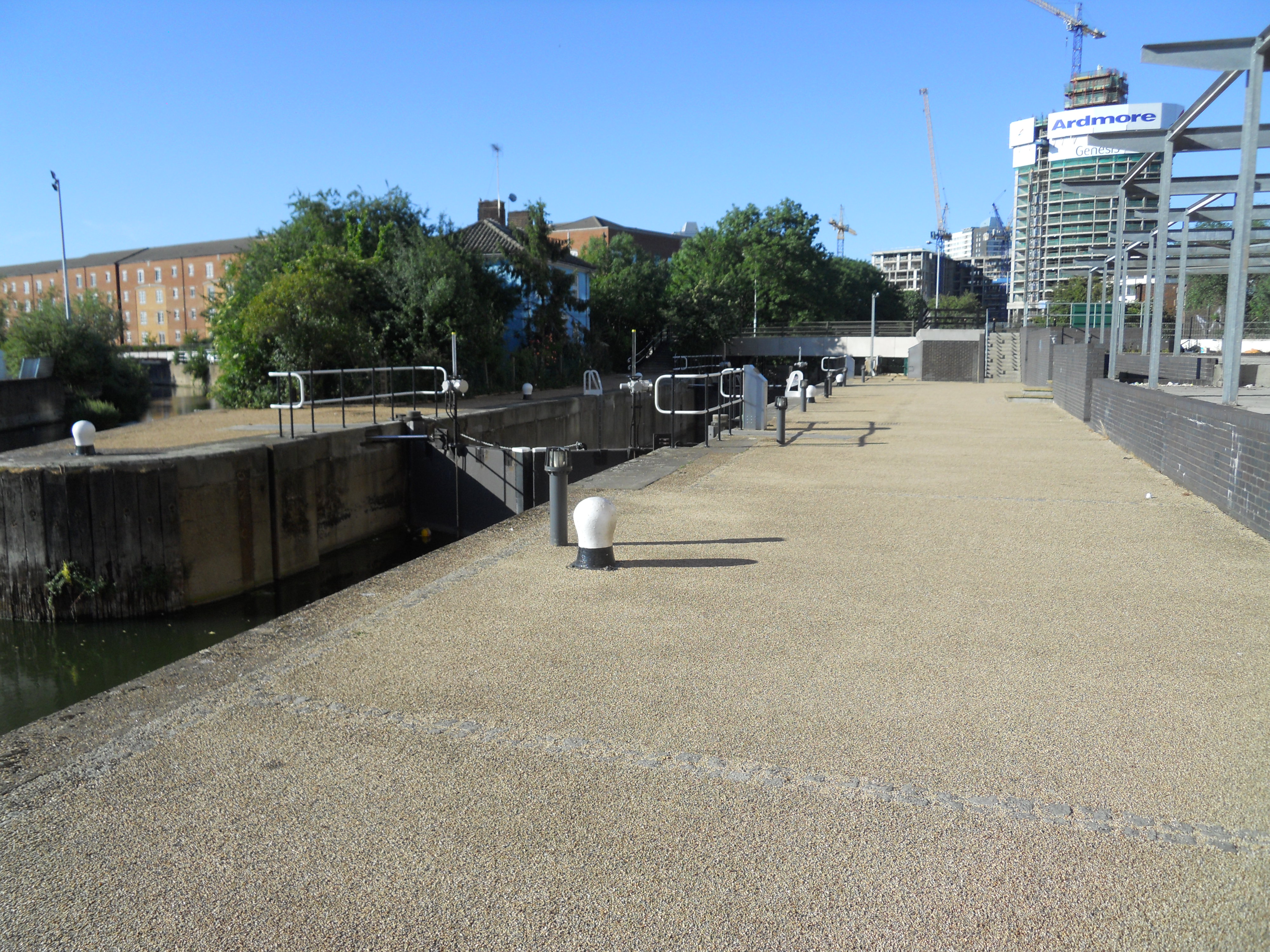
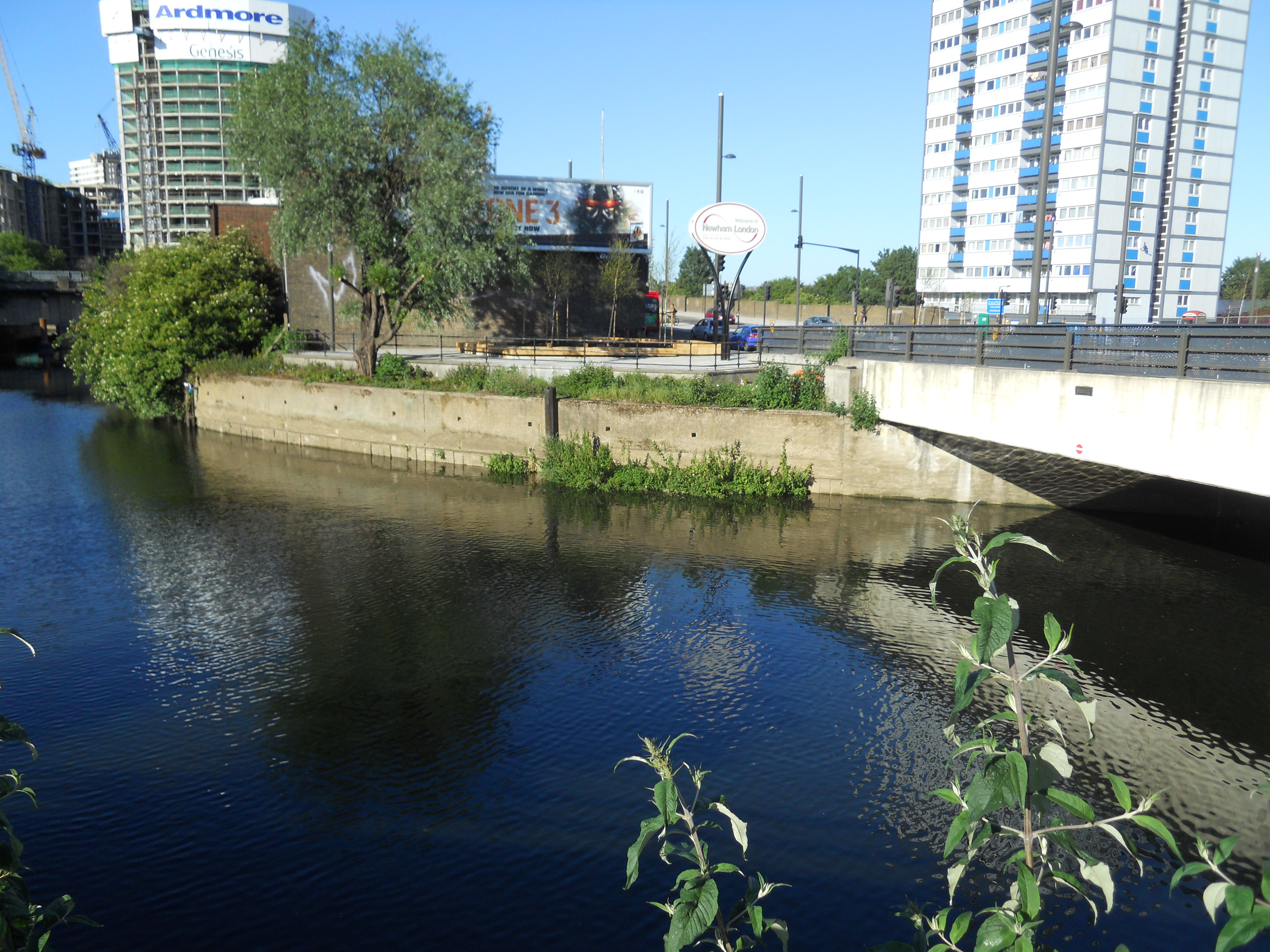
At present access is restricted to many of these rivers because of construction of both the Olympic Park and CrossRail. But they will become a major water feature of the Olympics. The City Mill River and the City Mill Lock have recently been restored.
The Biggest Hole in London!
The pictures show the hole being created for the new Crossrail station at Canary Wharf.
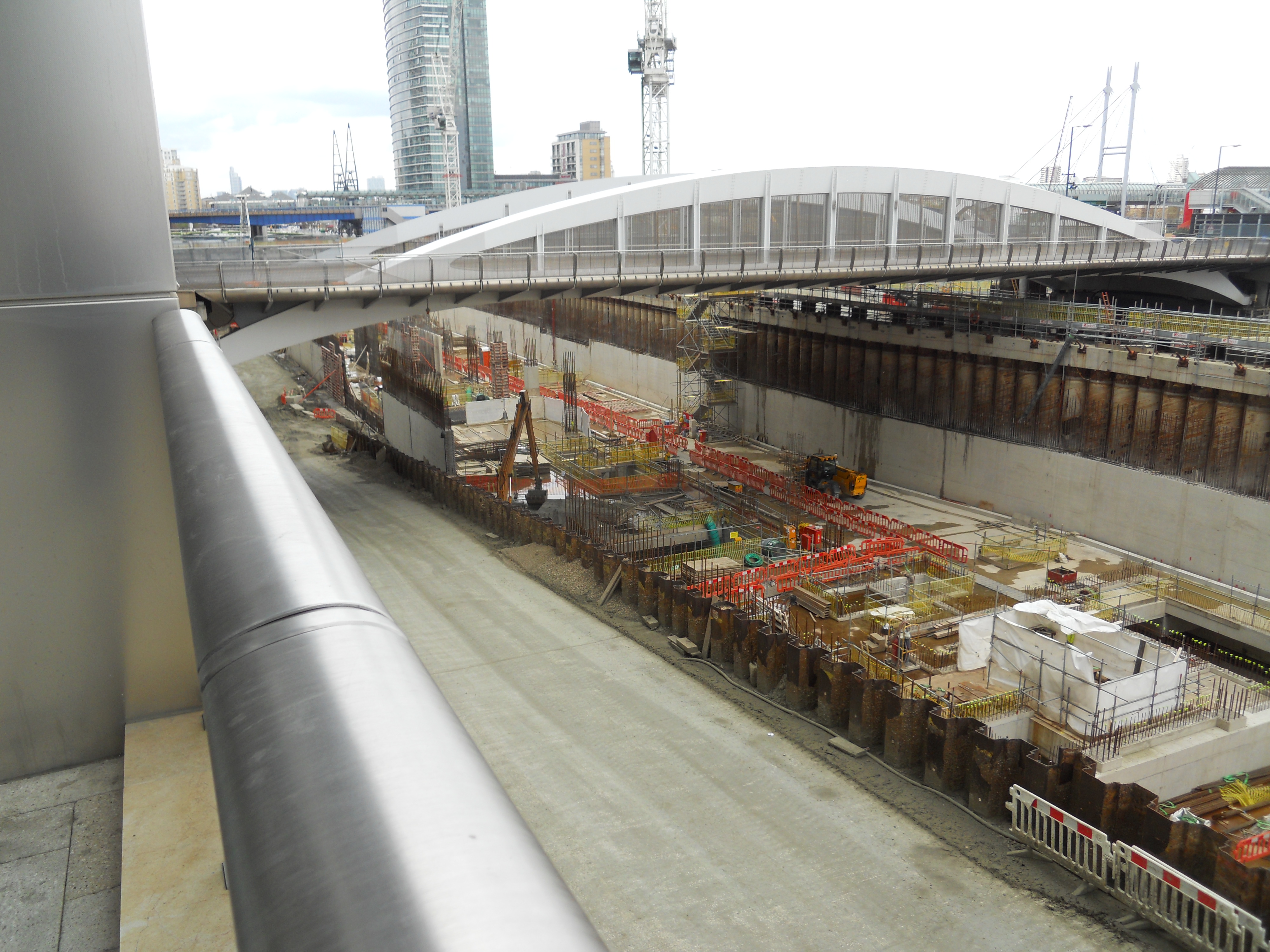
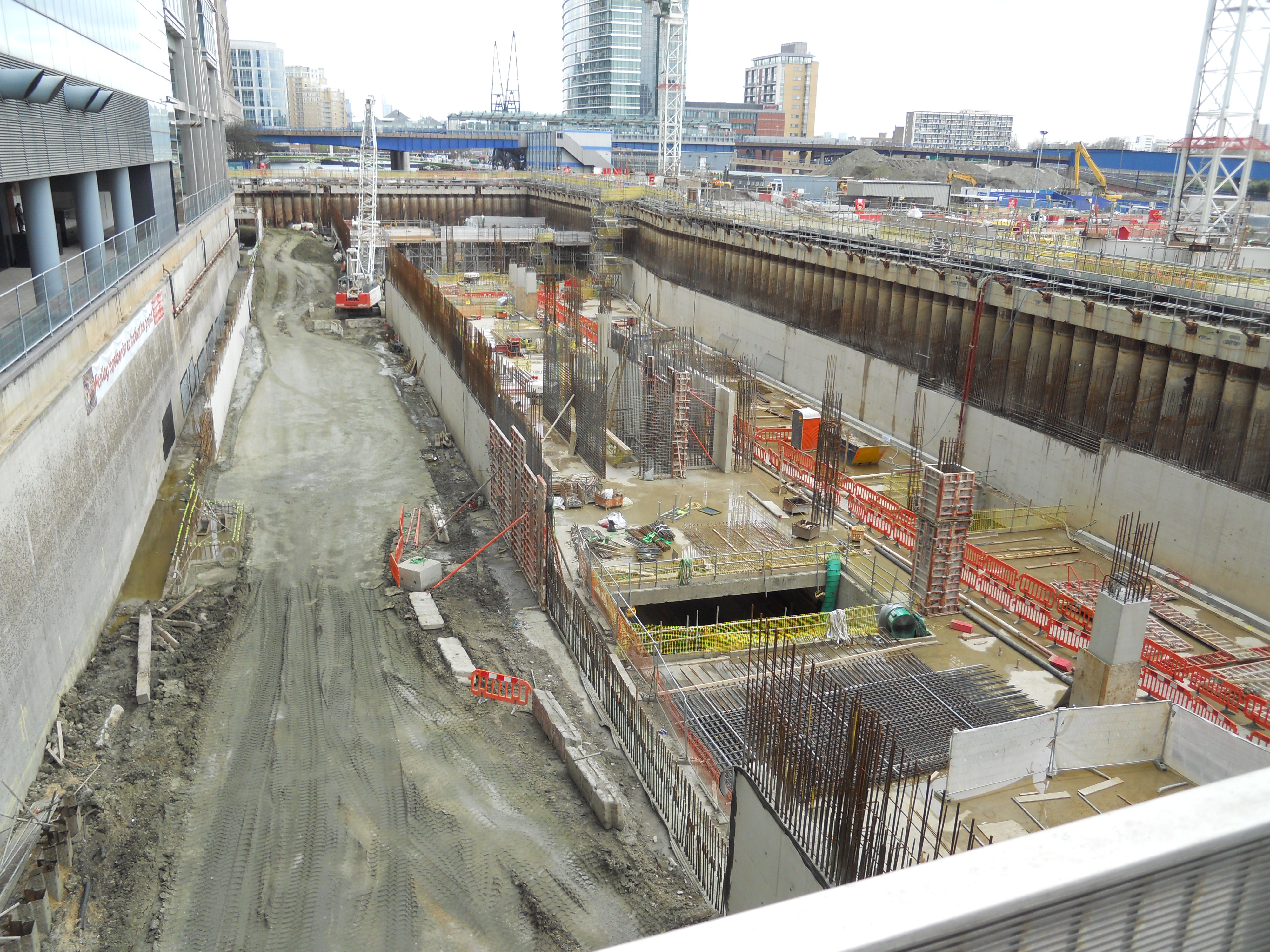

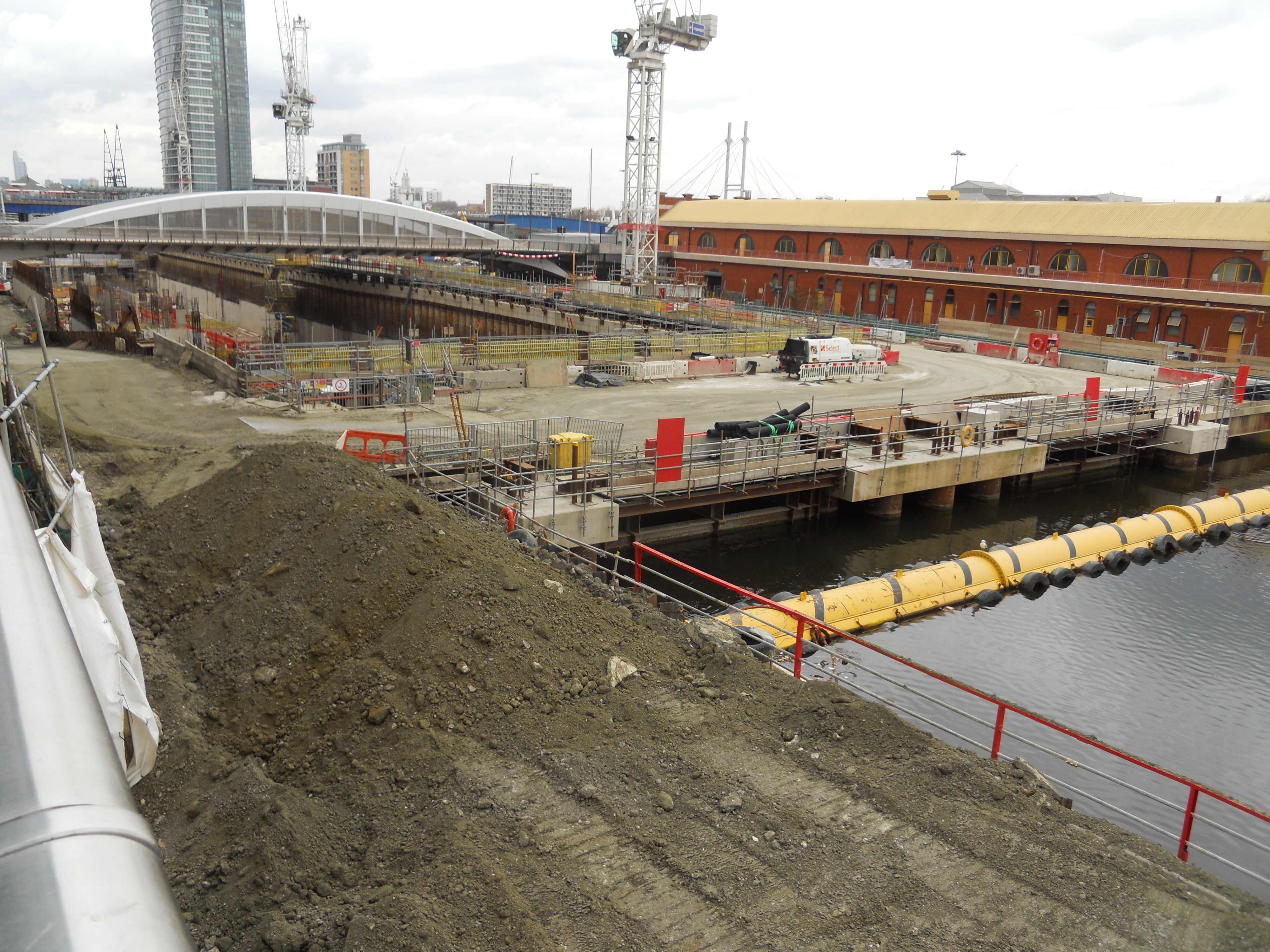
Is it the UK’s first underwater station?
The Cathedral of Sewage
Abbey Mills Pumping Station was built by Joseph Bazalgette to pump the sewage all the way to Beckton. It stands as a glorious monument by the side of the Greenway that leads across the Olympic Park. Although, at present due to the works for CrossRail, you can’t actually get to the park directly along the Greenway.
It dominates the skyline and can be seen from West Ham station, looking more like a mosque than a cathedral of sewage.
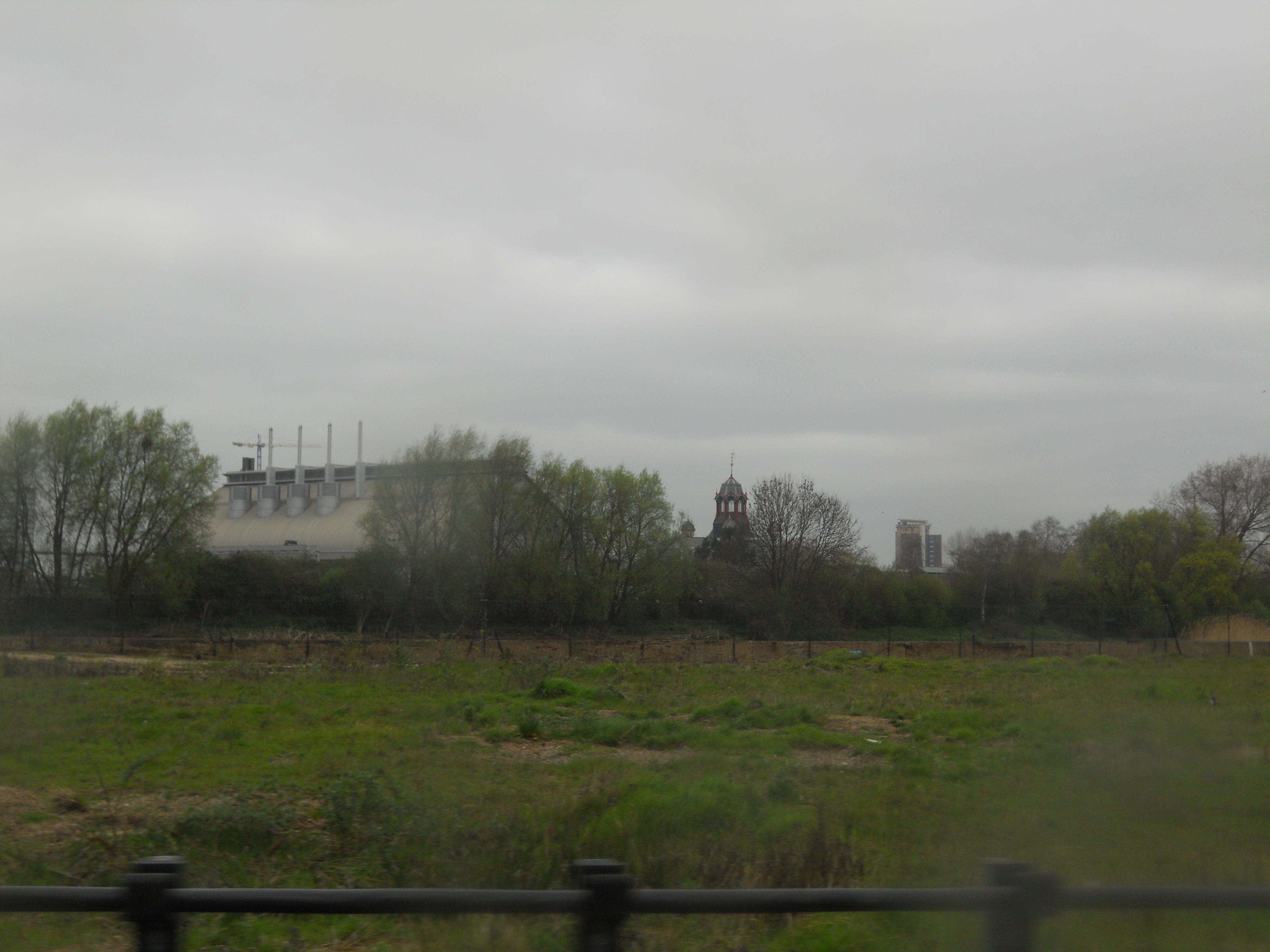


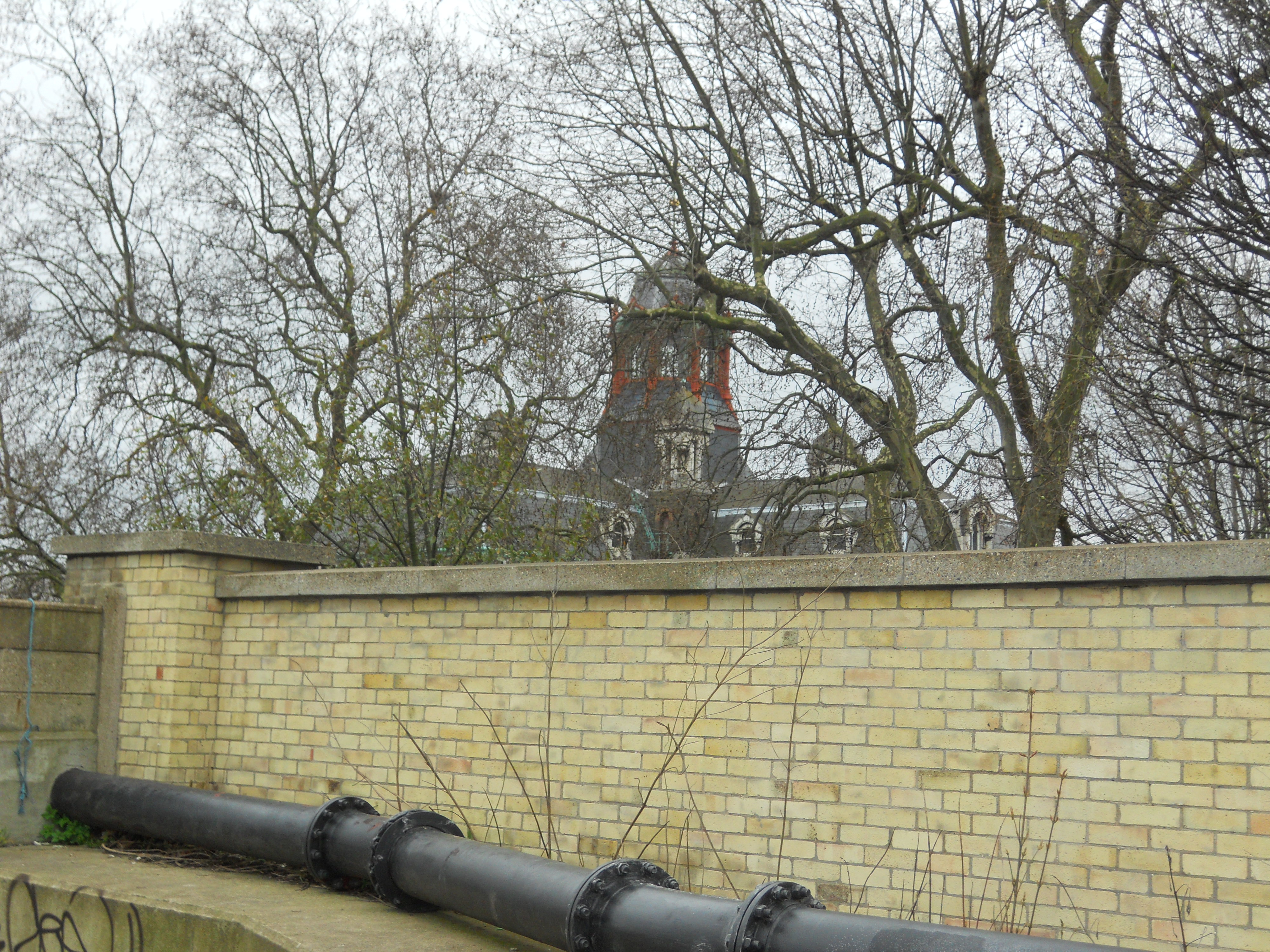

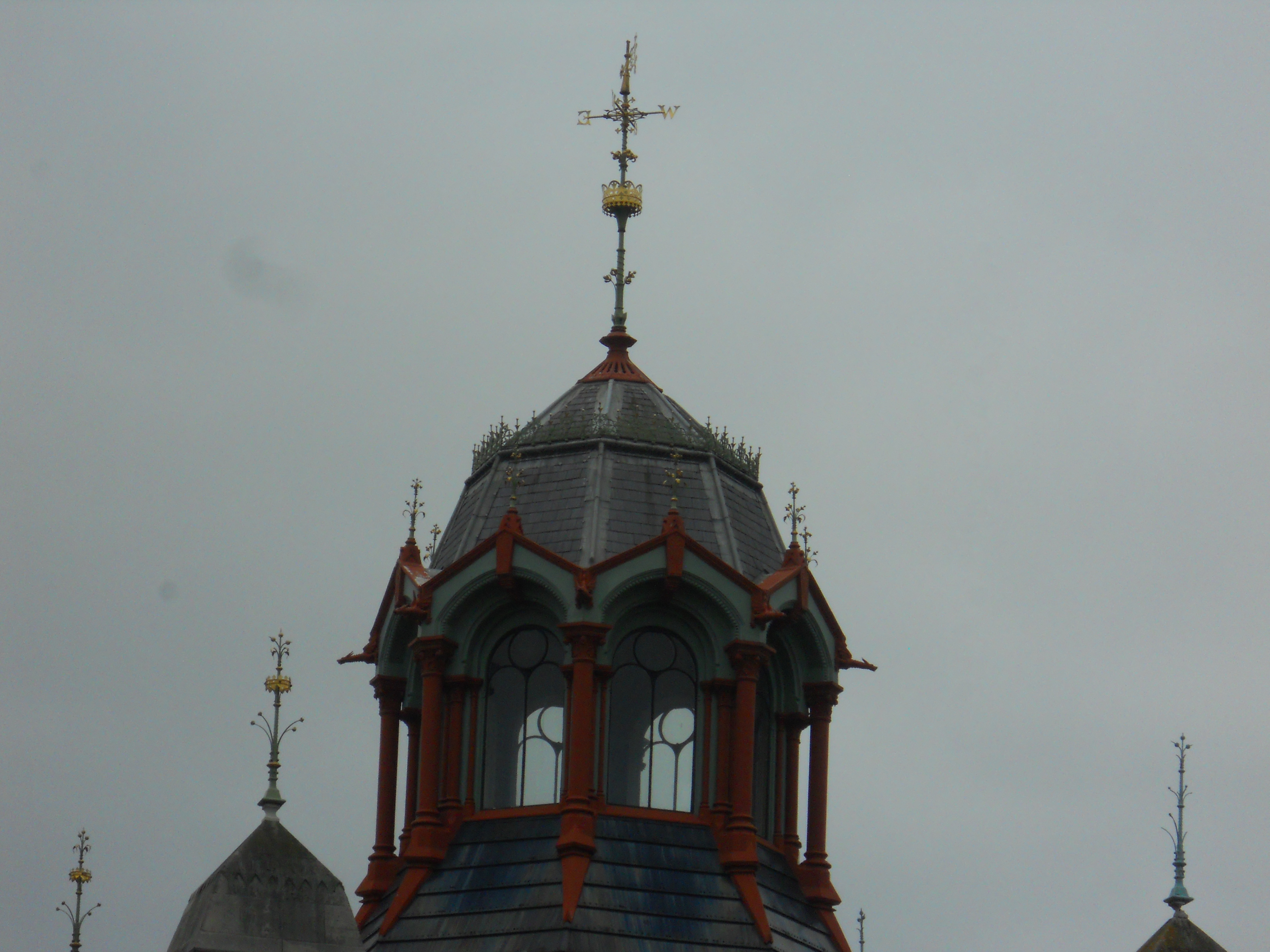
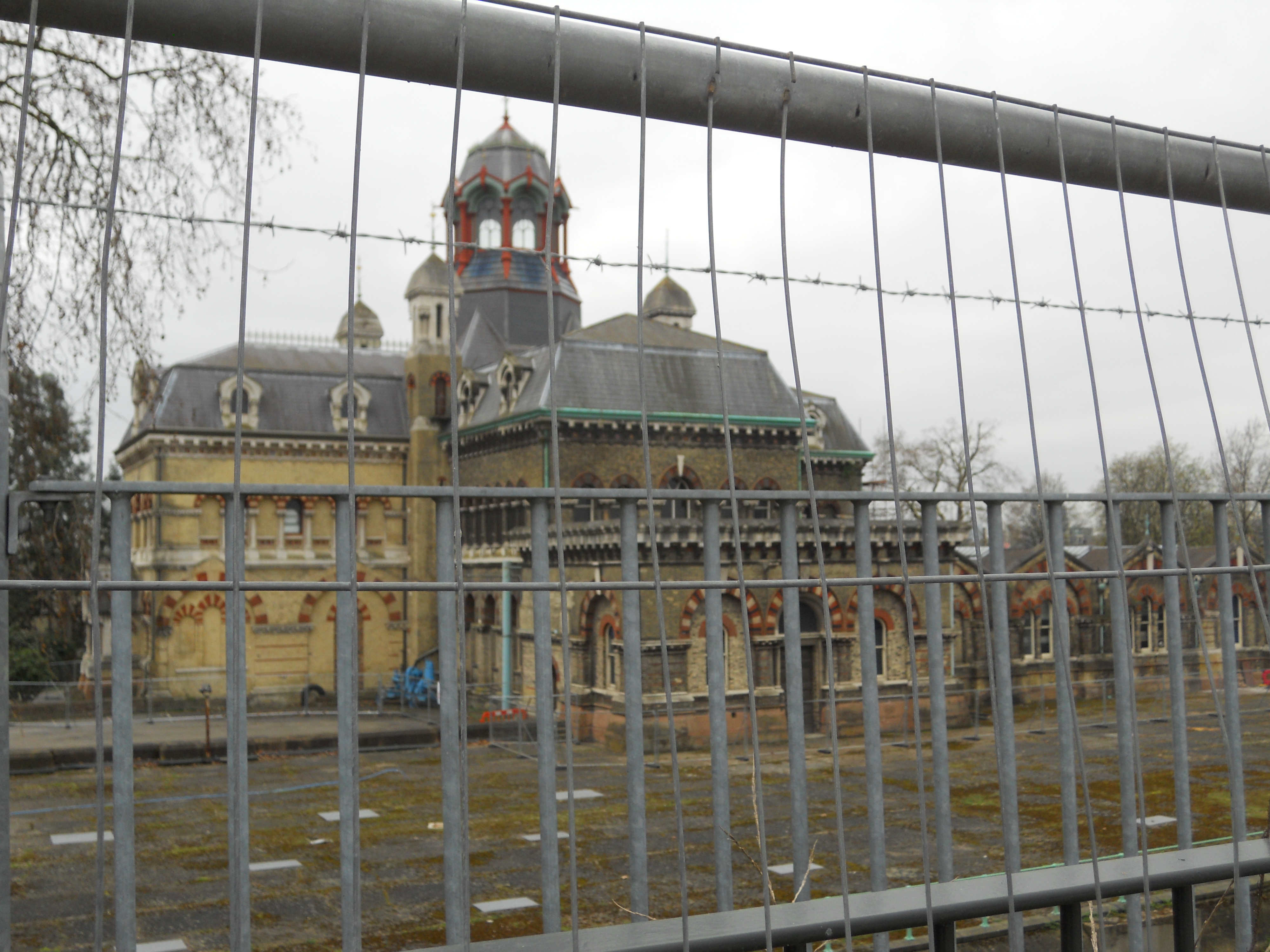
There does appear to be some tidying up going on, but surely this impressive building should look its best for the Olympics.
The Golden Age of Tunneling
London is one of the most dug under cities in the world and has been for many years.
The first large tunnels under London were Sir Joseph Bazalgette‘s Victorian sewers, built in response to the Great Stink. In some ways it was a large and very expensive scheme, but it started the clean-up of the Thames and effectively removed cholera from the City. It was in some ways the first great project, as it did what it said in the spec, vast numbers of people weren’t killed builling it and lots of it still works today. It is all documented in an excellent book; The Great Stink of London: Sir Joseph Bazalgette and the Cleansing of the Victorian Metropolis
Then came the Underground described so well in the Christian Wolmar’s book; The Subterranean Railway: How the London Underground Was Built and How it Changed the City Forever
Since the Second World War, we have seen a few tunneling projects and the reuse of some of the old ones.
The Victoria Line, the world’s first totally automated passenger railway was built in the 1960s. We missed a trick here, as we never realised what we had built. So the automation was vacuum tube, but for well over thirty years it showed how a well-designed underground railway could perform. It is now being upgraded with new signalling and new trains and the old reliability is rumoured to be suffering. Everybody is blaming the convenient scapegoat of the old 1967 trains running in partnership with the new ones, until all the new are delivered. I don’t! I blame bad project design and management. In the 1960s they got the automation absolutely correct and created a good system. They should have replaced all the old stuff with something that was modern and compatible and then built new trains, that were compatible with the old signalling.
They should also have used the principles of the line; no junctions, totally underground, hump-backed stations to save energy, full automation to create new lines where they were needed. But they didn’t, as the Victoria Line wasn’t sexy and didn’t appeal to the vanity of politicians. But it was and still is a superb design.
The Jubilee Line was then created by splitting the Bakerloo. The extension to Stratford was built on a grand scale and has some of the most amazing stations in the world. Was it the first example of bad co-operation between bankers and politicians, designed to appeal to both their vanities? It was also designed to serve that other monument to the vanity of politicians; the Dome.
In some ways a lot of the design of the extension of the Jubilee line, with large stations and platform edge doors were an attempt to future proof the line and in some ways, this has been vindicated by the decision to stage the 2012 Olympics at Stratford and the decision to build other lines which interchange with it. Only time will tell if the original cost was worth it.
In some ways the design of the Jubilee shows just how good the design of the Victoria was and the trick we missed was not building the Jubilee to the principles of the earlier line. Even now, despite being still a relatively new line, it is still being constantly upgraded.
There was also the building of High Speed One, which tunneled into St. Pancras from East London. Did they get this right? Substantially yes and it seems to work, although the Eurostar trains have suffered reliability problems. But that’s not down to the tunnels.
Other unqualified successes are the Docklands Light Railway extensions to Lewisham and Woolwich in tunnels under the Thames. The original DLR was built down to a cost, but in some ways this has proven to be a virtue, as like Topsy it keeps growing and has earned a big place in the hearts of those who use it. It will also play a big part in getting people to the Olympics.
But two of London’s most successful tunneling projects are reuse of old tunnels; Thameslink and the East London Line.
Thameslink was originally built by connecting the suburban lines running out of St. Pancras to those running south of London to Gatwick and Brighton using the old Snow Hill Tunnel. The economic argument says that as you do away with expensive terminal platforms in London, you can spend the money to buy more trains and electrify the lines. Thameslink was a victim of it’s own success and the necessary upgrades with a new station over the river at Blackfriars and twelve-coach trains are running many years late and billions of pounds over budget. Perhaps we needed a less elaborate Julibee Line, that interfaced properly with Thameslink?
The new East London Line uses the Thames Tunnel under the Thames. In some ways, it is a modest scheme, but I believe that like the DLR, it’ll prove to be an unqualified success. It surely must be the only new railway in the world running through a tunnel built in the first half of the nineteenth century. The tunnel surely is the supreme monument to its creator, Sir Marc Brunel and his more famous son, Isambard Kingdom Brunel, who was engineer in charge for much of the building.
Now, two major tunneling projects are in progress; CrossRail, which is actually being built and High Speed Two, which is just being planned. I am dubious about the latter, as I think that the money could be better spent upgrading existing lines and trains.
But in some ways to London, the most important scheme is the creation of electrical cable tunnels under the city to carry the high voltage mains here, there and everywhere. This PDF explains the project and shows how good thinking and engineering can benefit everyone.
So perhaps the golden age of tunneling will arrive in the next few years.
 The Anonymous Widower