The Future Of Railways In East Anglia
There are several major drivers of growth in the usage of the railways in East Anglia, which for the purpose of this analysis is the four eastern counties of Cambridgeshire, Essex, Norfolk and Suffolk.
Freight
The Port of Felixstowe and to a certain extent those of Harwich, Great Yarmouth and London Gateway are going to add considerably to the number of trains trundling around the railways of East Anglia. The interim destinations of these trains for onward journeys to the rest of the country will be London and Peterborough, using either the Great Eastern Main Line, the Ipswich to Ely Line or the London, Tilbury and Southend Line.
The LTS is mentioned as it is being connected to the London Gateway Port by a rail link and not all traffic will be directed through London.
Tourism
East Anglia has always earned a lot of income from a wide variety of tourism, from birdwatching to food and real ale and sailing to horse racing.
Many of the tourism hot-spots for East Anglia like Norwich and Cambridge already have a good rail service, although much of it is London-centric. Other places like Newmarket, Bury St. Edmunds and Great Yarmouth have the rail links, but don’t have frequent trains, but there are tourism hot-spots that are difficult to get to by public transport.
High Technology
Driven by Cambridge, high technology will be a big driver of growth in the area, but how will it effect the railways?
It already has.in that a station is being built at Cambridge Science Park, although I didn’t see any sign of construction, as I passed through yesterday. But the station is scheduled to open in 2016.
Just as with tourism everywhere, the high-technology sector in Cambridge, will generate increased passenger traffic. Just as London uses every place it can find in the South East of England as a dormitory, Cambridge will draw in workers from all the nearby towns.
But the high-technology itself will spill out from Cambridge into the surrounding towns, further increasing demand for rail services in places like Norwich, Peterborough, Newmarket and Bury St. Edmunds and possibly even unfashionable towns like Haverhill and Ipswich.
Thameslink
When Thameslink opens to Cambridge in 2018, it will be a massive feeder of passengers into the western side of East Anglia. The provisional timetable shows four semi-fast 12-car Class 700 trains to Cambridge every hour, as opposed to the two 8-car Class 365 trains at present. This will go a long way to reversing the dominant commuter flow from into London to out of London.
Incidentally, no plans have been published about what happens to the Kings Cross-Cambridge-Kings Lynn service using Class 365 trains after Thameslink opens.
If it is assumed that the current trains still go into Kings Cross, then that would mean about a quadrupling of the number of seats between Kings Cross/St. Pancras and Cambridge in each hour. If they don’t it’ll be a tripling of seats.
I know the line is crowded, but this does seem a hell of a lot of seats.
Crossrail
You might say that an east-west cross-London link won’t have any effect on East Anglia! But it will! And in ways we just don’t expect!
A fellow Ipswich supporter drives up to every home match from near Tonbridge over the Dartford Crossing and up the A12. He has stated that after Crossrail, he’ll drive to Abbey Wood and get the train to Liverpool Street for a fast train to Ipswich. I suspect Crossrail with its direct access to Liverpool Street, Heathrow and Reading will alter the travel habits of many travellers, going to and from East Anglia.
Improved Electrification
To my untrained eye, the overhead electrification being erected in the Liverpool-Preston-Manchester triangle is going up a lot faster and more robustly, than we would have expected a few years ago.
We’re just getting much better at it!
Remember too, that one of the major costs f railway electrification is getting the power to the track. Where electrification is tacked on to an existing system, it is a lot easier and more affordable.
Improved Signalling
Over the next decade signalling will move into the cabs of trains. It is a massive hidden project being undertaken by Network Rail, as is described here. This first two paragraphs say it all.
This tried and tested system will replace traditional railway signals with a computer display inside every train cab, reducing the costs of maintaining the railway, improving performance and enhancing safety.
It will offer a host of benefits to the railway and the application of its cab signalling component, the European Train Control System, ETCS, will spell the end for traditional signalling.
Who’s to say what difference this will make.
If it does nothing else, improved signalling will help slot all those freight trains between the passenger trains.
No More New Diesel Trains
I think it is very unlikely any new diesel trains will be built, although refurbished ones might come available, as lines are electrified.
Are any actually on order at the moment for any line in the UK? There are some Class 66, Class 68 and Class 88 diesel locomotives, but I can’t think of any diesel multiple units in the pipeline.
On the other hand, Thameslink, Crossrail and the London Overground will release a lot of electric multiple units, that will be very good candidates for a full refurbishment.
So what do I think will happen to railways in East Anglia in the near future?
Service Expectations
There are five major stations in East Anglia; Cambridge, Ely, Ipswich, Norwich and Peterborough. The service frequency between Ipswich and Norwich is one train every half hour, so it is probably a reasonable expectation that this is the frequency between any pair of stations
Outlying stations such as Felixstowe, Great Yarmouth and Lowestoft generally get an approximately hourly service from the nearest main town, so this should be maintained.
If we insist on half hour service frequency between Cambridge, Ipswich and Norwich, then this means that important stations like Bury St. Edmunds, Diss, Newmarket, Stowmarket and Thetford would get a half hour service frequency too.
This would mean that journeys like I did once from Newmarket to Great Yarmouth changing at Stowmarket and Norwich would be a lot easier.
Norwich in Ninety?
I’ve talked about this before here, and so has the BBC.
With the completion of the Bacon Factory Curve, one of the first projects to achieve the Norwich in Ninety goal has been completed. It will be interesting to see if London to Norwich on-time statistics improve, just as I feel they have on the Felixstowe branch.
I’ve just found this Network Rail press release, about improving the track at Colchester, which is work that is going on now. Will be see a lot more of these smaller engineering-led projects over the next few years to achieve Norwich in Ninety?
I think the answer is yes!
Network Rail’s Great Eastern Main Line engineers have lived off table scraps for years. But now that there is a political will to get something done, the fag packets and used envelopes will be retrieved from the bin and over pints of real ale in country pubs, they will be turned into viable projects.
My only question on Norwich in Ninety is that it is a typical project title chosen to ring well in the press. I wonder what is the minimum time, that has been revealed by the envelopes.
It certainly won’t be ninety!
You do have to wonder if there is anything more to come from the nearly forty-year-old Class 90 locomotives that push and pull the trains to and from Norwich. The engineers have won awards for the most improved trains, so there can’t be much improvement left. Hopefully any chances in the deterioration of the engines has been minimised.
I certainly look forward to my first sub sixty minute run to Ipswich.
Electrification Of Ipswich To Ely
I would assume, as this line all the way to Peterborough and eventually to Nuneaton has been recently cleared to take the larger freight containers that the line also has sufficient clearance to allow overhead lines to be erected.
So as the number of freight trains on this route is large, this line must be a prime candidate for electrification all the way to Nuneaton. Especially, as it crosses numerous electrifed lines, which would mean getting the power to the line won’t be too difficult.
I also found this article on Railfuture. They say this about creating an East-West electric spine.
Similarly to the already planned Freight Spine from Southampton, one from East to West would also be strategically beneficial. This would involve electrification of the whole line from Felixstowe to Birmingham, already being upgraded to take more freight trains by, for example, the new chord at Nuneaton. Broken down, Felixstowe to Ipswich would also facilitate through electric haulage for freight trains to/through London. Ipswich to Peterborough would gain access to the East Coast Mainline. Peterborough to Leicester (Syston) would do the same in respect of the Midland Main Line. Leicester (Wigston) to Nuneaton for the West Coast Mainline, and Nuneaton to Birmingham for all its freight terminals. A most useful bi-product would be for the Cross Country passenger service from Birmingham to Stansted Airport to convert to electric trains.
That all seems very sensible. Note the bi-product of releasing some much needed diesel multiple units, which would probably be replaced by larger electric units.
Electrification Of The Felixstowe Branch
As Railfuture said in the extract I used above, if you electrify to Nuneaton, you might as well electrify the Felixstowe branch, as that would virtually make the line electric freight only.
Electrification Of Ipswich To Cambridge
If the main Ipswich to Ely line is electrified, it may seem logical to also electrify the single track Cambridge branch of the line. But this may not be that easy, as there is a tunnel under Warren Hill at Newmarket and the line loading guage of the line hasn’t been updated.
But obviously, if the whole Ipswich to Ely and Cambridge system, it would make it easier to increase passenger capacity due to the easier availability of electric multiple units.
Electrification Of Ely To Norwich
There are no freight reasons to electrify the Breckland Line, but it is effectively fill-in electrification between two electrified lines, which should make it easier.
It is not cleared to a big loading gauge except around Ely, but many of the bridges are new, so I would suspect there wouldn’t be that much expensive bridgework to make the line suitable for electrification.
Unfortunately, the long distance service from Norwich to Liverpool couldn’t be converted to an electric traction, as it will still use non-electrified lines in the Sheffield area, but Nottingham trains could go electric if Nottingham to Grantham was electrified.
Consequences Of Electrification Of Ely To Peterborough
If Ely to Peterborough is electrified and the passenger trains were to run say every thirty minutes, then there would be less need for the diesel trains from Birmingham, Liverpool and Nottingham, to travel to Ipswich or Norwich, as there would just be a simple change to or from an electric train at Peterborough.
Electric services such as Cambridge to Peterborough via Ely could also be as traffic dictated, rather than infrequent as they are now! Peterborough to Cambridge services are important, as many in Cambridge feel that Peterborough could be a high-technology satellite to Cambridge. There have been proposals to extend the Cambridge Guided Busway to Peterborough, but I suspect a rail link might be preferable to passengers. The current rail service takes fifty minutes and runs once an hour, which isn’t good enough for a lot of people.
Would a frequent service between Cambridge and Peterborough, also improve employment prospects in the area?
Electrification Of The Great Yarmouth Branch
When I first moved back to near Ipswich in the 1970s, the London to Norwich trains went on to Great Yarmouth. Even in the 1980s, I can remember taking a direct train to Great Yarmouth from London to see a horse run at the racecourse there. But now, there are no direct services, except in the summer.
If the line was electrified, it would surely make it easier to more services to the town and possibly direct services to London.
Perhaps if the Breckland Line was electrified and running at the oreferred half-hour service, then every other train could be extended to Great Yarmouth. Or perhaps all of them?
The possibilities are endless.
One benefit of an electrified railway is that it might breathe new life into the outer harbour, which seems to suffer from white elephant syndrome.
Further Electrification
I don’t think any of the other branches would be worth electrifying.
Last year the electried Braintree branch carried about 800,000 passengers, whereas the Sudbury branch carried about 328,000. Felixstowe incidentally carried about 210,000, but whether that branch gets electrified depends on the freight traffic.
New Stations
East Anglia is already getting one new station at Cambridge Science Park, with another proposed for Great Blakenham, if the SnOasis gets built.
A couple of new stations have been added in East Anglia in recent years and I suspect that in the next few years several could open, especially where new housing or other developments are concerned.
New And Reopened Lines
As I said in the post about the North Norfolk Railway, most schemes for new lines have connotations with pie and sky.
Although, there will be conversion of some lines from single to double track and there could be the odd curve to allow trains to go a better route.
The only line which has been mentioned seriously for reopening, is a freight line between Spalding and March. I can’t find much detail, but I suspect it would allow freight trains from Felixstowe to the North to bypass Peterborough and join up with the GNGE, which I talked about here.
Conclusion
After reading this again in the cold light of day, the key is to electrify the main lines and this gives frequent at least half-hourly services between the major towns and cities.
Isn’t this what Essex has got into Liverpool Street? So we’re only continuing what was started after the Second World War and applying to the rest of East Anglia. If we can have a half hour service between Norwich and Ipswich, surely everyone is entitled to at least that.
Untangling The Knitting
I said in this post that due to good project management, I don’t believe that Crossrail 2 will get built as the planners think it should be now.
On the Great Northern branch, it is not just a question of choosing between New Southgate and Alexandra Palace as the terminus.
This branch will also be shared with two other services; Thameslink to the South of the Thames and the Northern City line into Moorgate.
Not only do you have the East Coast Main Line, but you have the Hertford Loop, going to Stevenage and the North.
To further complicate matters, you have the problem of the Digswell Viaduct and the possibility of the East West Rail Link going through the area.
I think the only certainty is that Crossrail 2 will be the catalyst that pushes the engineers to find a brilliant but unexpected solution.
In fact, I think from a logical point of view the problem of the Digswell Viaduct and the associated double-track section should be solved first, as it could be the key key that unlocks everything.
After all, if the line was four tracks all the way to Stevenage ans possibly even Peterborough, it would give the train companies all sorts of options about where to terminate suburban services out of London.
If there was more capacity on this section of the East Cosast Main Line, I’m sure that the train companies would find plenty of innovating ways to use it.
Thameslink’s Connections To Long Distance Trains
When Thameslink and Crossrail are complete how will this effect those tricky long distance journeys that should be done by train.
Some journeys like Eastbourne to York will become easier, as you’d probably hop along to Brighton and then take a train to Peterborough, for your train to York.
So how do two destinations I know well connect to the main radial routes from London.
I’ll start with Cambridge.
Great Eastern Main Line – Not really a problem, as you’d probably take a local train to Ipswich and Norwich. You could also go direct into Liverpool Street or change onto Crossrail at Farringdon.
East Coast Main Line – You’d still do what you’ve always done and take a train into London. Whether there will be fast trains into Kings Cross itself, has not been said. But travelling to Scotland without the direct Kings Cross trains and a heavy case, would mean lugging it across from St. Pancras Thameslink. If Thameslink improves the service to Stevenage that would be an alternative for the ECML, but train company management, must be wishing that over zealous cuts in the past that left Cambridge with no direct train lines to Peterborough or Bedford, had not been made.
Midland Main Line – This would be a walk or lift up from St.Pancras Thameslink. It would be nice though if there was a lift directly between Thameslink and the MML platforms.
Eurostar – This would be a walk or lift up from St.Pancras Thameslink.
West Coast Main Line – This is a bad change, as it’s a long walk from St. Pancras Thameslink to the Underground. It’s also difficult with a heavy case.
Great Western Main Line – If the interchange to Crossrail at Farringdon is properly designed, which it should be, you’d use Crossrail to get to either Paddington or Reading.
South Western Main Line – This one is difficult, as it’s either a struggle to the Underground at St. Pancras Thameslink and then a change to get to Waterloo or Clapham Junction. Whatever it is, it’s a nightmare with a heavy case. A better alternative might be to go to London Bridge and then get the Jubilee Line to Waterloo.
Lines from Victoria – As with Waterloo, Victoria is difficult with a heavy case, due to the Underground connections. From Cambridge to Victoria, you are probably better taking a Liverpool Street train to Tottenham Hale for the Victoria line.
Now I’ll look at Brighton.
Great Eastern Main Line – Not really a problem, as you’d just change onto Crossrail at Farringdon for Liverpool Street, Stratford or even Shenfield. Or for perhaps Ipswich and Norwich, you might just go to Cambridge and get a relaxed local train, through the countryside.
East Coast Main Line – This is a connection that will be greatly improved, as you might skip London and go direct to Peterborough, to pick up the train there.
Midland Main Line – This would be a walk or lift up from St.Pancras Thameslink. It would be nice though if there was a lift directly between Thameslink and the MML platforms. Or would you go to somewhere like West Hampstead Thameslink or Luton.
Eurostar – This would be a walk or lift up from St.Pancras Thameslink.
West Coast Main Line – This is a bad change, as it’s a long walk from St. Pancras Thameslink to the Underground. It’s also difficult with a heavy case.
Great Western Main Line – If the interchange to Crossrail at Farringdon is properly designed, which it should be, you’d use Crossrail to get to either Paddington or Reading.
South Western Main Line – You’d probably do as you do now and take a train direct to Clapham Junction and change there.
Lines from Victoria – These are no problem, as you can get a train to either Victoria or Clapham Junction.
One thing that becomes obvious from this post, is that Euston, Waterloo and Victoria don’t have the best links to Crossrail and Thameslink.
Euston’s problems are mainly because when the station was built in the 1960s, together with the Victoria line, passengers were treated as fit, uncomplaining individuals, who should be satisfied with what the government paid for.
Victoria suffers from similar problems to Euston.
Waterloo’s problems are that to get there from St. Pancras by Underground, requires a change of train.
What doesn’t help any of these transfers is the substandard interchange between Thameslink and the Underground at St. Pancras. It may be step free, but it’s a long walk.
If the interchange with main lines in London to Thameslink and Crossrail are to be improved, the following should be looked at.
Improve the Access to St. Pancras Thameslink
If you’re going up from St. Pancras Thameslink to Eurostar or the Midland Main Line, it isn’t too bad, but the long hike to the Underground is a disgrace. Especially for a station that is only a few years old.
I wonder if it’s possible to create a tunnel between Thameslink and the Northern line at St. Pancras.
Build a Crossrail station at Old Oak Common
This would make it easier to get on trains out of Euston on the West Coast Main Line.
Link Thameslink to Clapham Junction
This would help travellers from the north to get on the lines out of Victoria and Waterloo.
I use Clapham Junction a lot as it is very useful station, and I can get the Overground there easily.
Crossrail 2
This may be the real solution to a lot of the problems, as it is proposed it will link Kings Cross/St. Pancras/Euston to Victoria and Clapham Junction.
It will be interesting to see how Thameslink changes in the first couple of years of operation.
A Tricky Problem For Thameslink
I said in this post, that Thameslink will make it possible a lot of journeys across London with just a single change.
Looking at the provision timetable for Thameslink, there are some terminals at either end of the line, which are not connected to others at the opposite side of London. For instance Tattenham Corner only links to Cambridge and Maidstone East only links to Luton.
So say if you wanted to go from Tattenham Corner to Luton, you’d need to get off a train in the core section and then get on one to your required destination. It will mean two easy steps across a level gap, as the new trains will obviously align to the platforms.
If you look at St. Pancras Thameslink station, the platforms are long and bleak with few seats and no outlets of any sort. But upstairs there is St. Pancras International station, which is almost a shopping and refreshment venue, where trains happen to arrive and depart.
So will ticketing allow a traveller from say the South Coast to Peterborough, to break their journey at St. Pancras and perhaps have lunch, a meeting or get their supper for the evening?
Electronic ticketing will be the key in some ways, as obviously this will be possible using something like Oyster as it is now from Wimbledon to say Cricklewood with a break at St. Pancras on the current Thameslink.
Wouldn’t it be nice to be able to use Oyster or a contactless bank card as a ticket on buses, trains and trams all over the UK!
London’s Secret Underground Line Is Coming Together
yesterday, I went to the Tate Modern.
It is one of those awkward journeys from here in Dalston, especially, as when I got out the 21 and 141 buses going to London Bridge station, seemed to be conspicuous by their absence.
So I decided to take a 38 to the Angel for a Northern line train to London Bridge, but when I got there, I just missed the southbound train.
In the end, as a northbound one arrived, I hopped to Kings Cross to get a Thameslink train to Blackfriars station, the new southern entrance of which is close by the Tate Modern.
Thameslink is gradually turning from a once every ten minutes or so railway, into a line with an Underground-like frequency of twenty-four trains an hour. Although, that frequency won’t be achieved until 2018 at the earliest.
But even so, the line is a good short cut across the centre of London. For example, in one of my trips, where I was searching for the Dudding Hill line, I ended up at Cricklewood, so to come home, I took a Thameslink train to London Bridge for a 141 bus home.
It might seem a roundabout route, but it minimised the walking. Especially, as the 141 bus stop is the closest to my house.
The M4 Is Open Again
So what?
After all this is supposed to be a Green Games, so shouldn’t athletes and official be using trains to get to Stratford. The original plans for the Heathrow Express called for the trains to go to St. Pancras as well as Paddington. So what happened to that? Here‘s a press release from Railtrack.
If the Heathrow Express to St. Pancras, had connected to ThamesLink, in say a simple cross platform interchange, that would have been the quick way to get between London’s two biggest airports.
The New Farringdon Station
The new longer 12-coach Thameslink trains are now running through the tunnels from St.Pancras to south of the river and Farringdon Station has been upgraded and lengthened to cope.
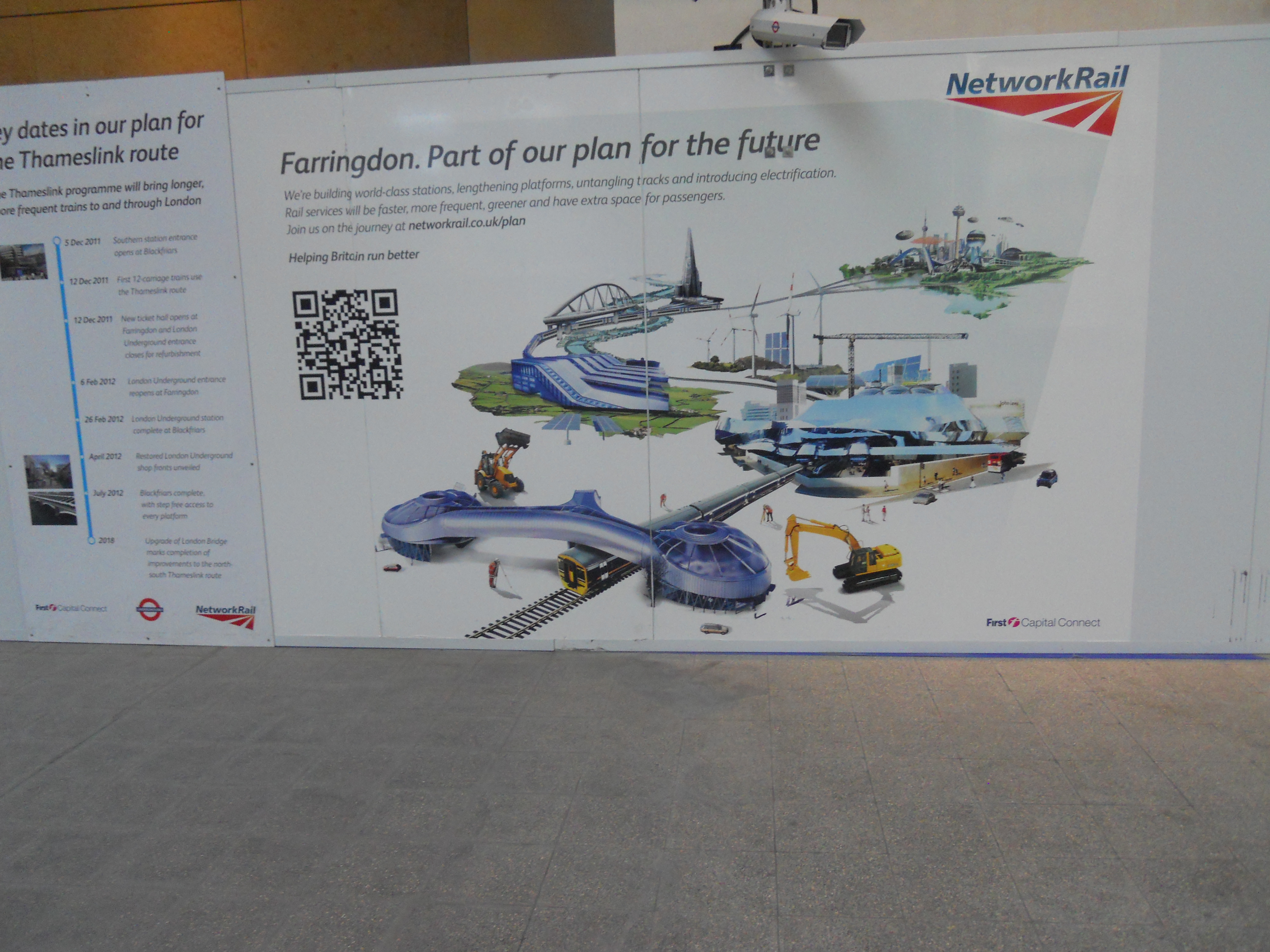


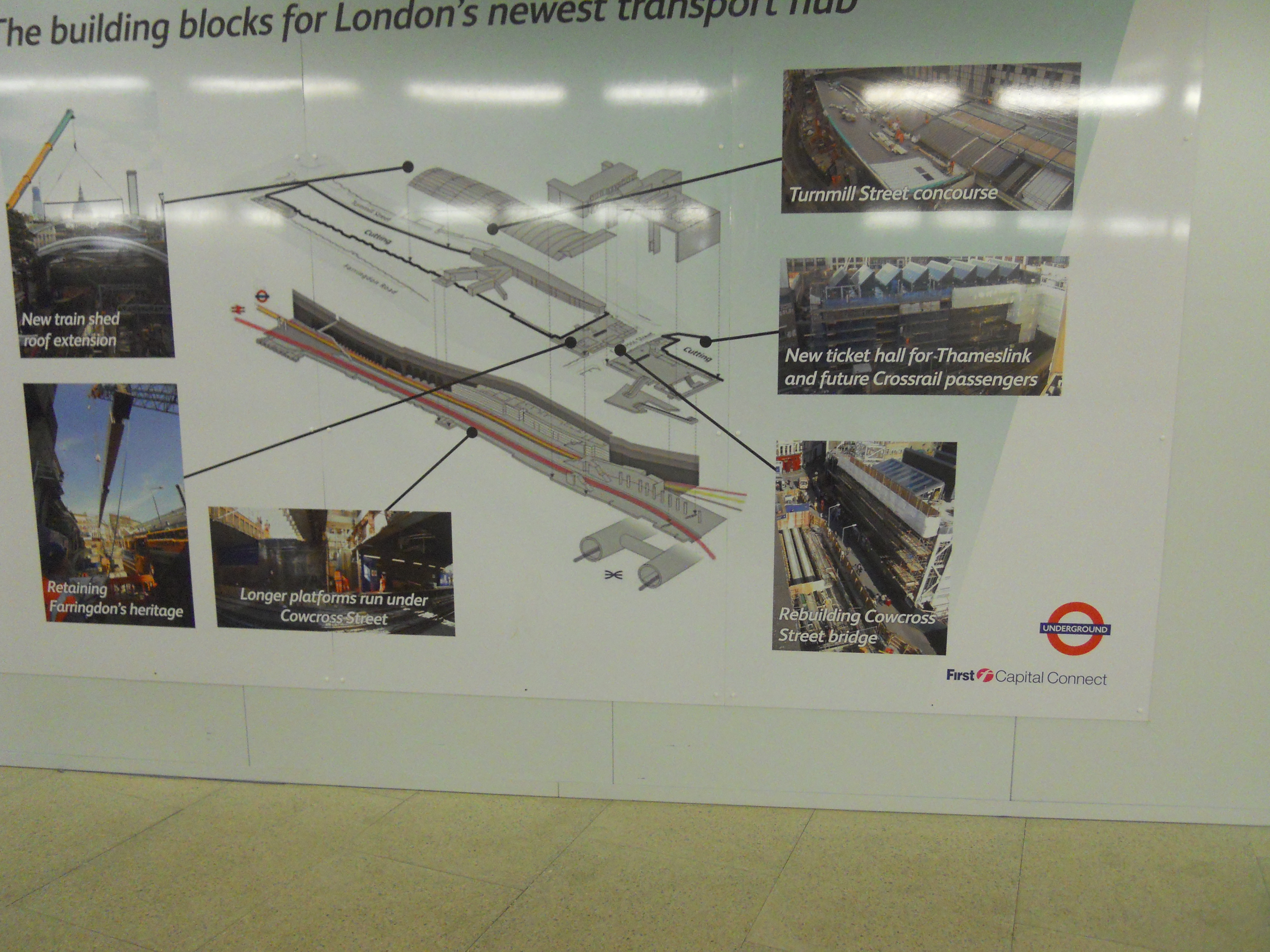
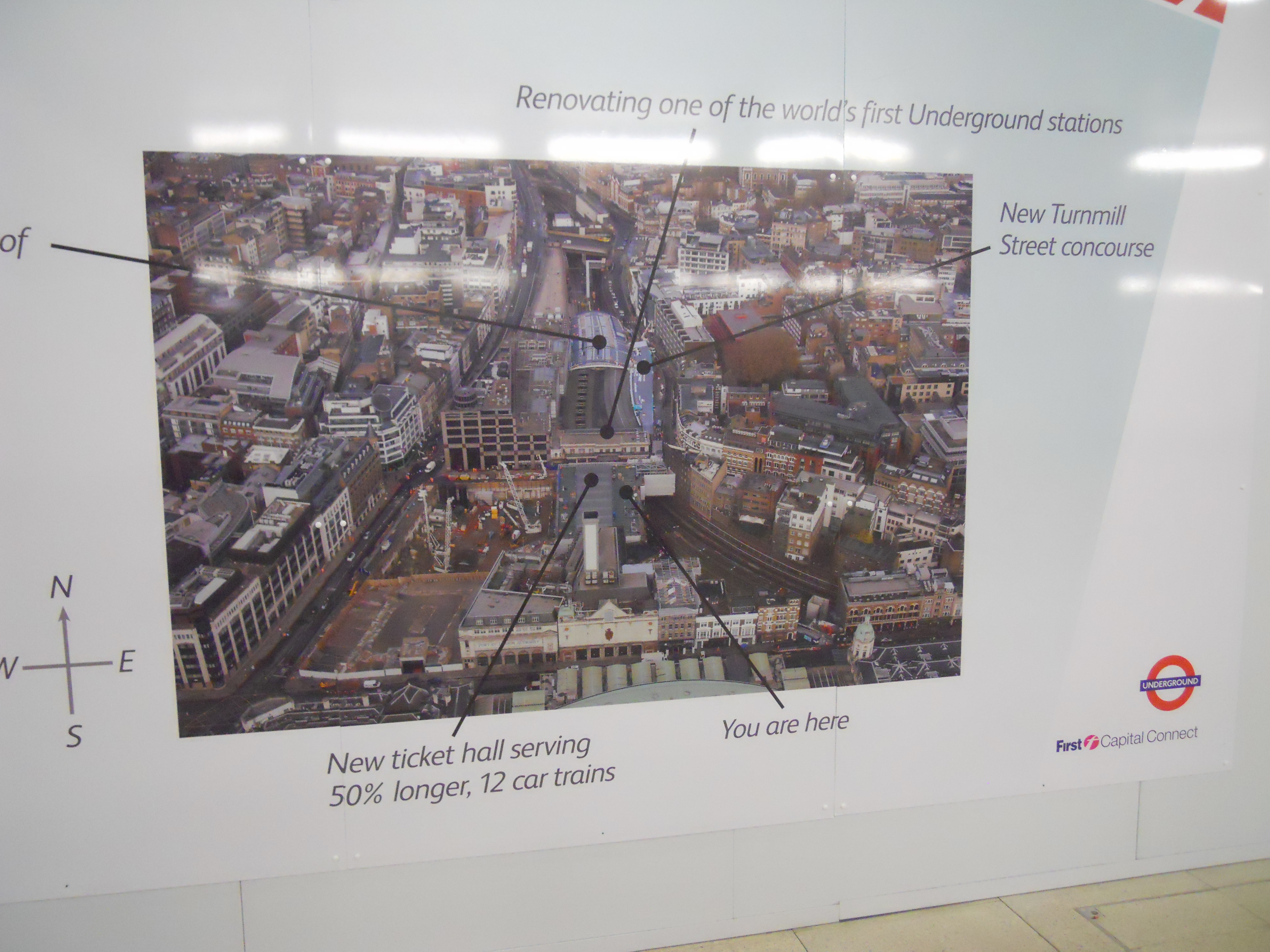
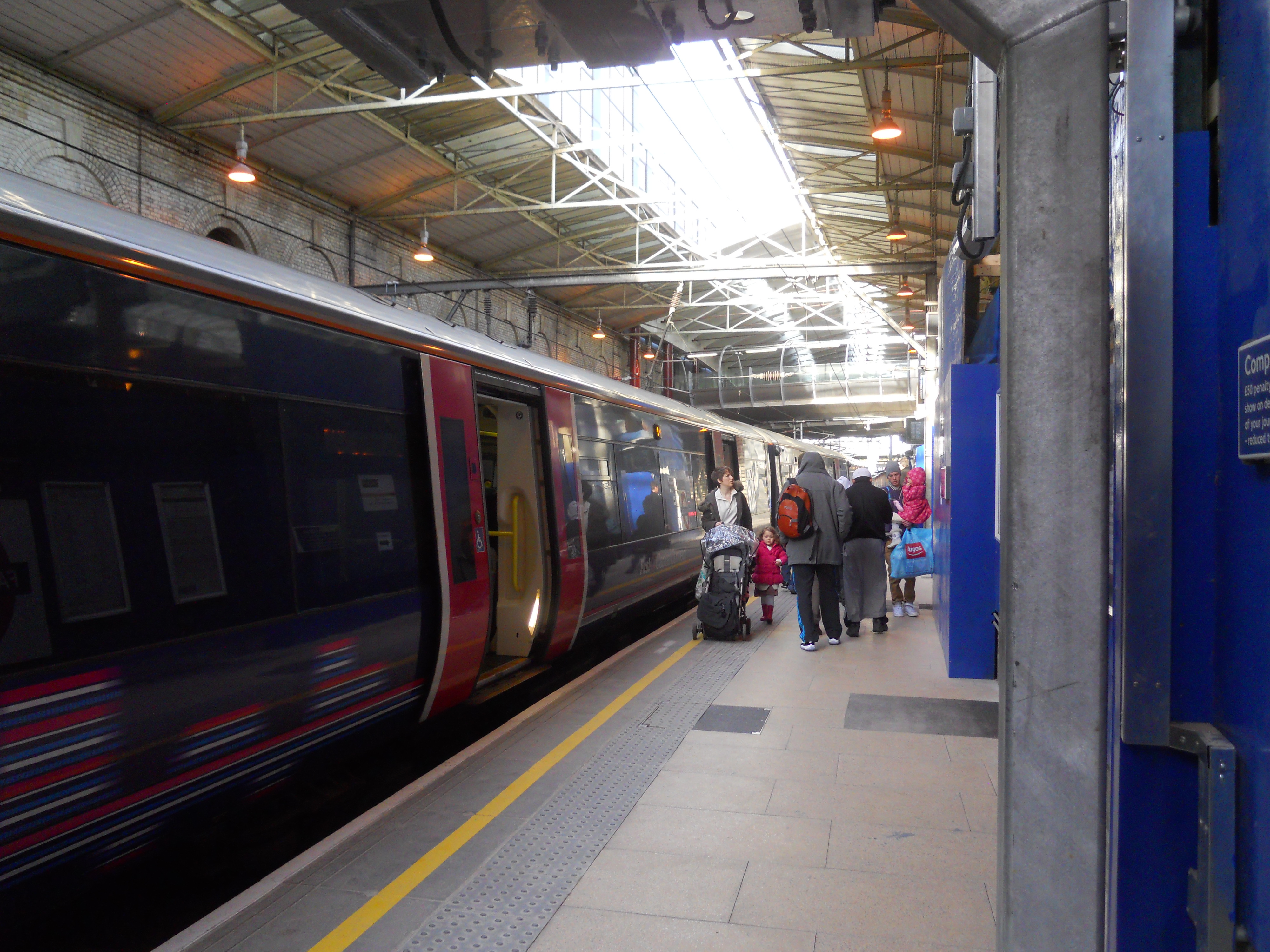
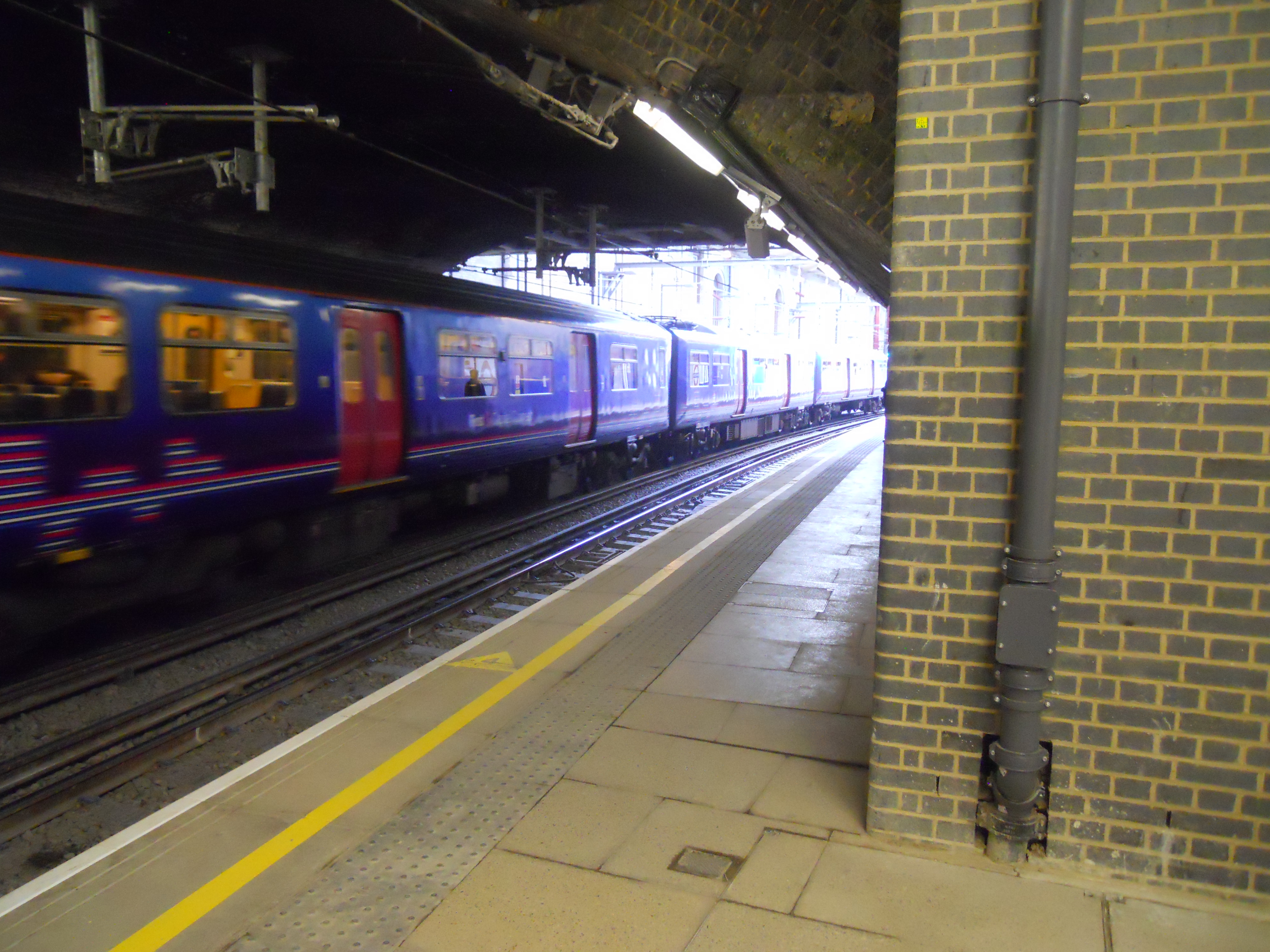
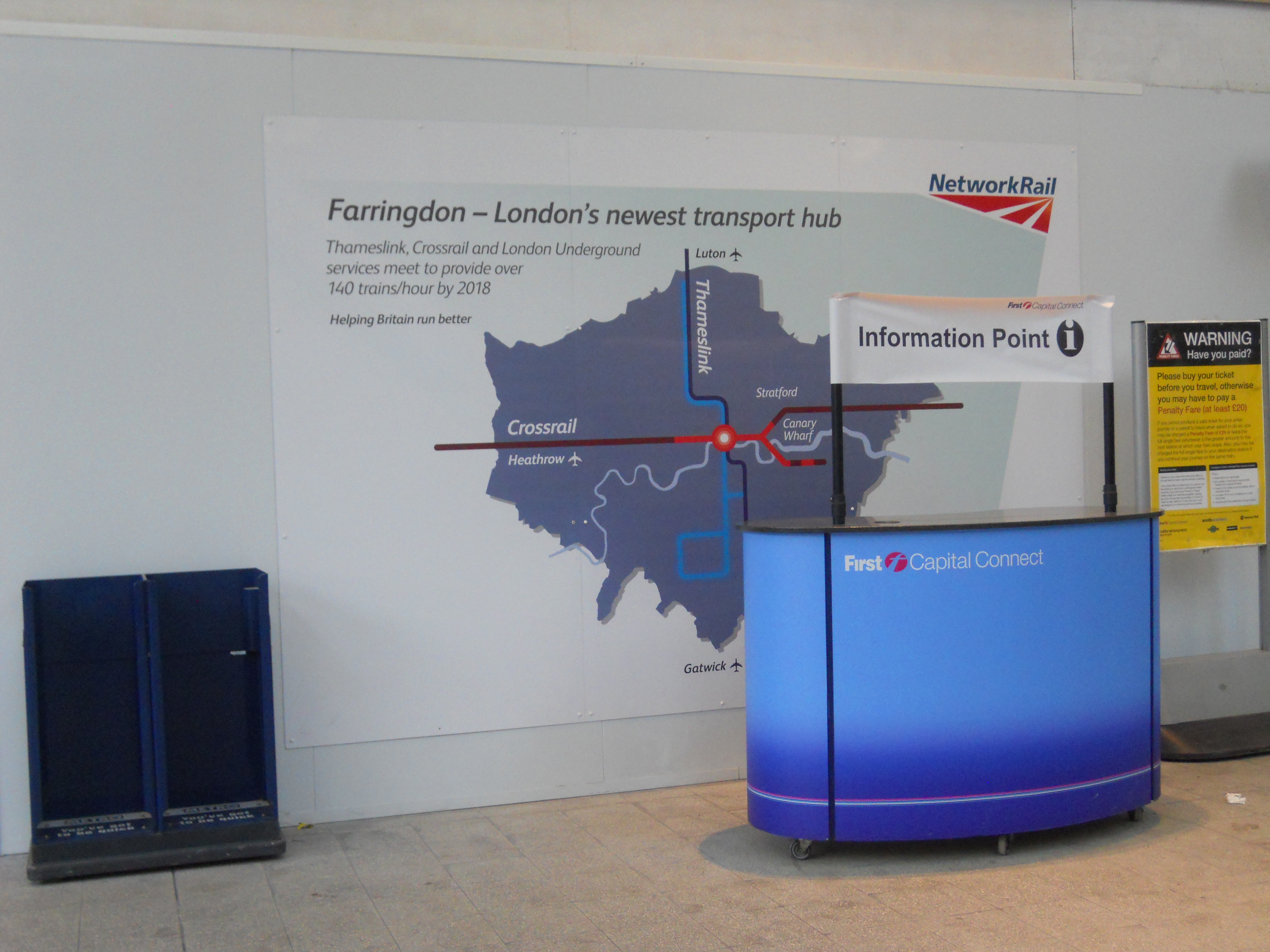
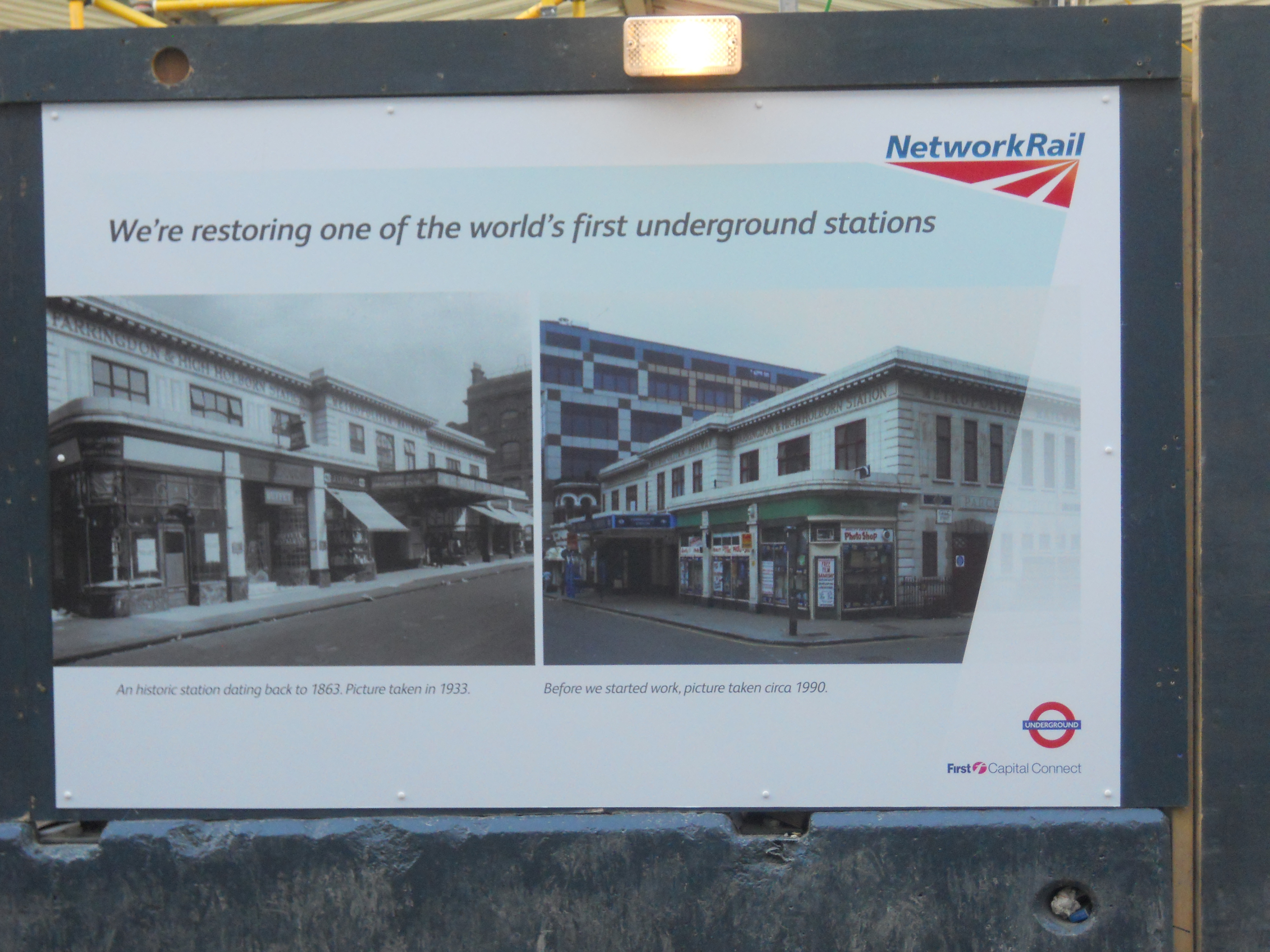
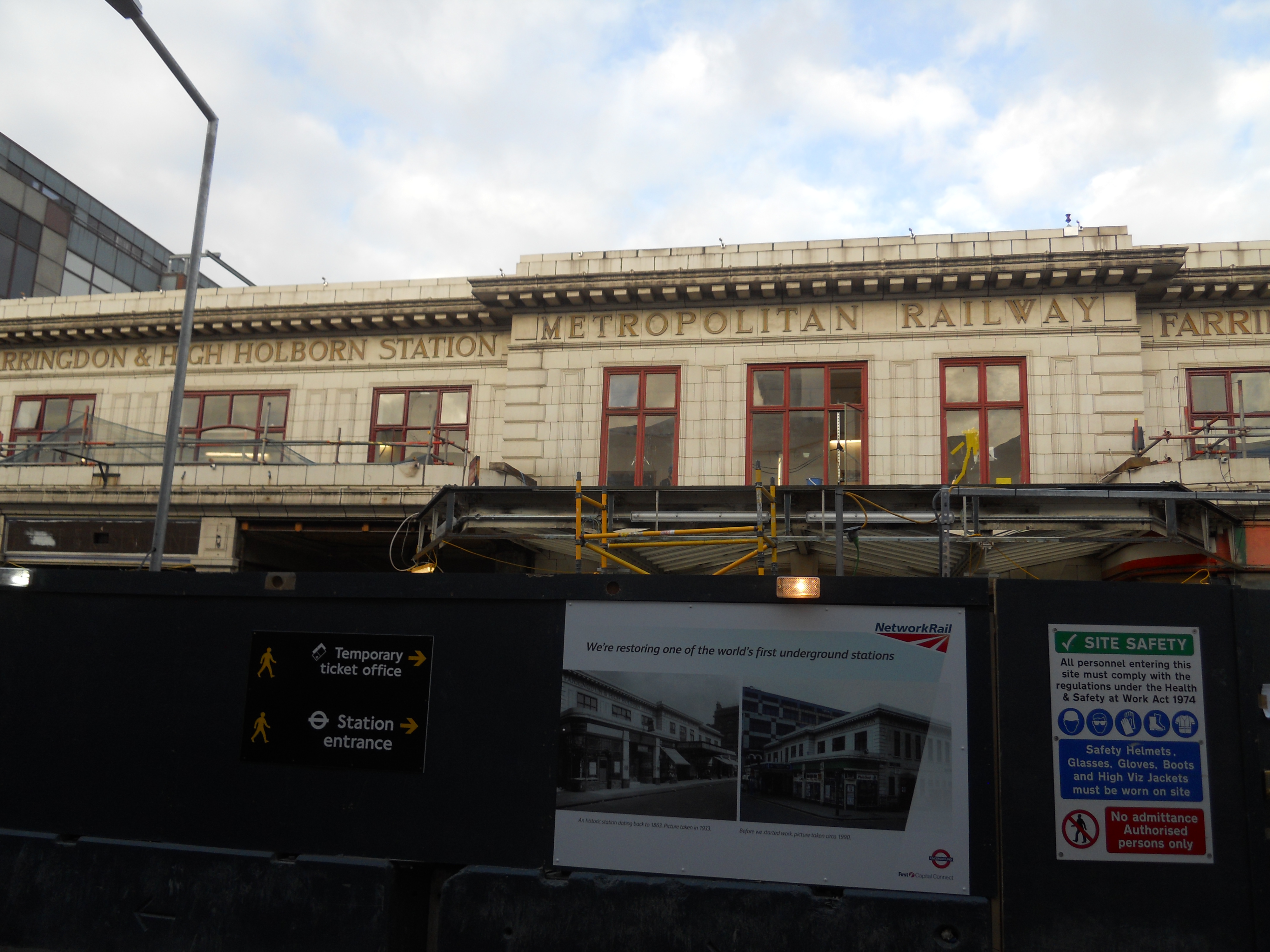
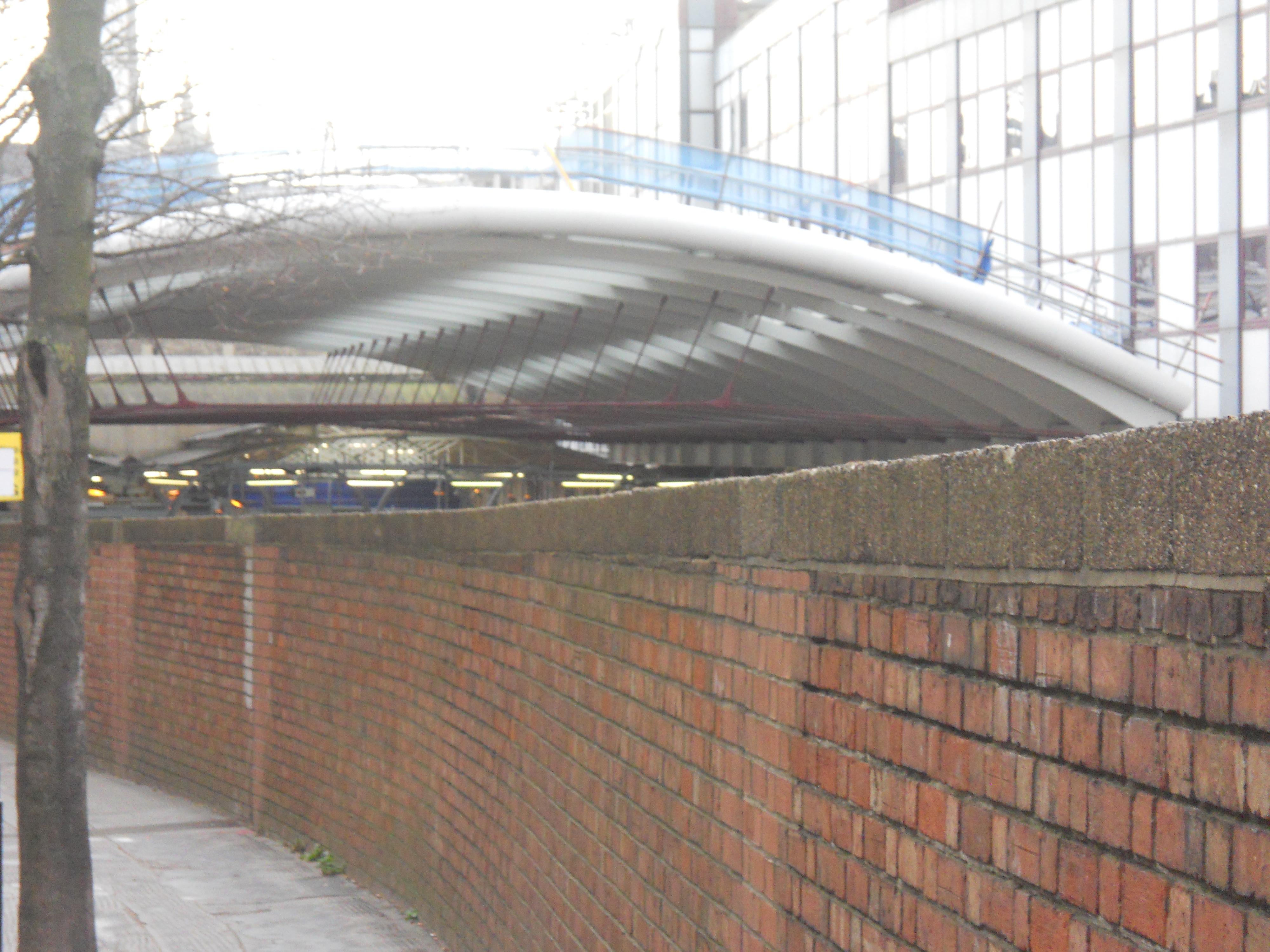
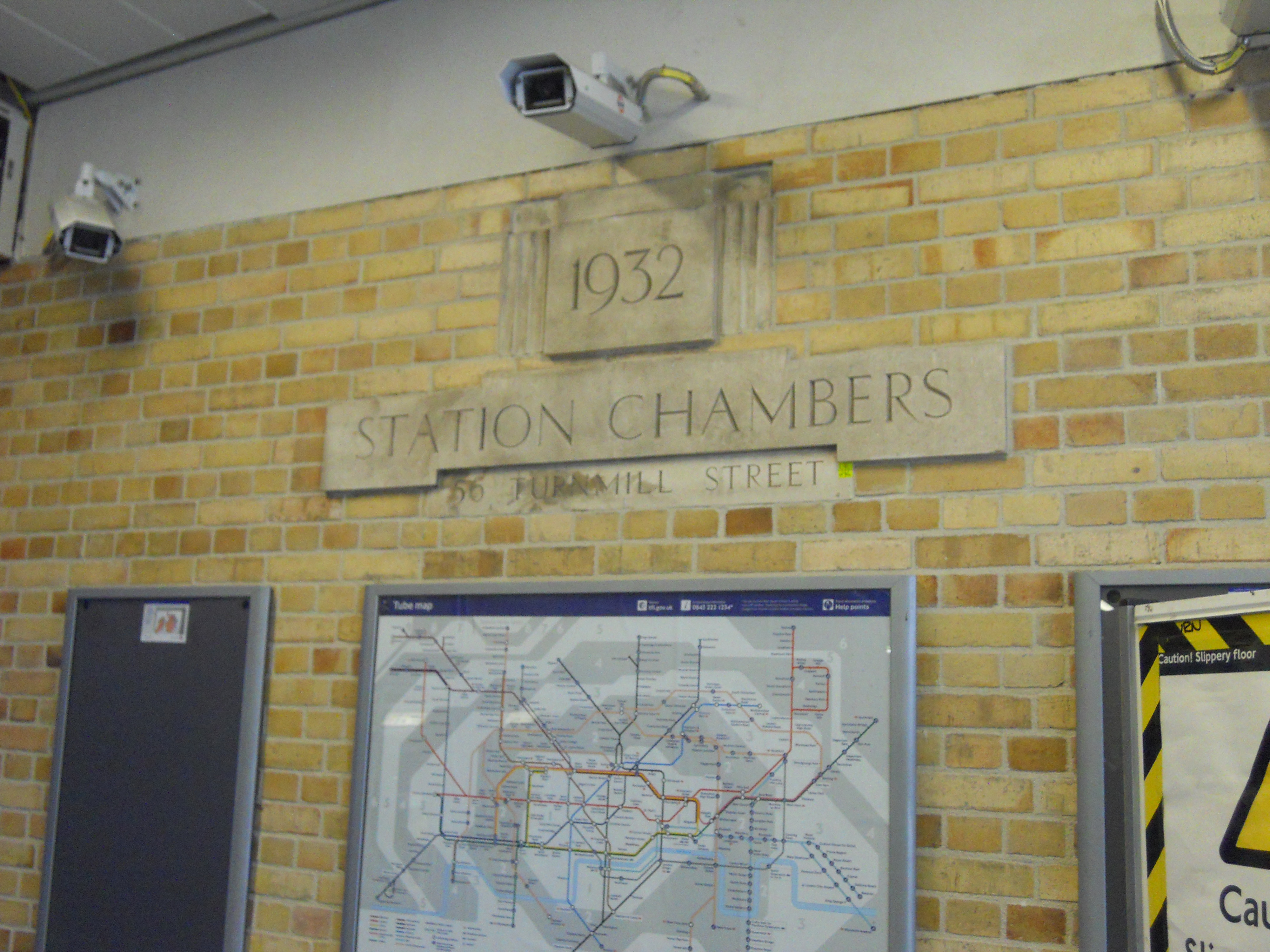
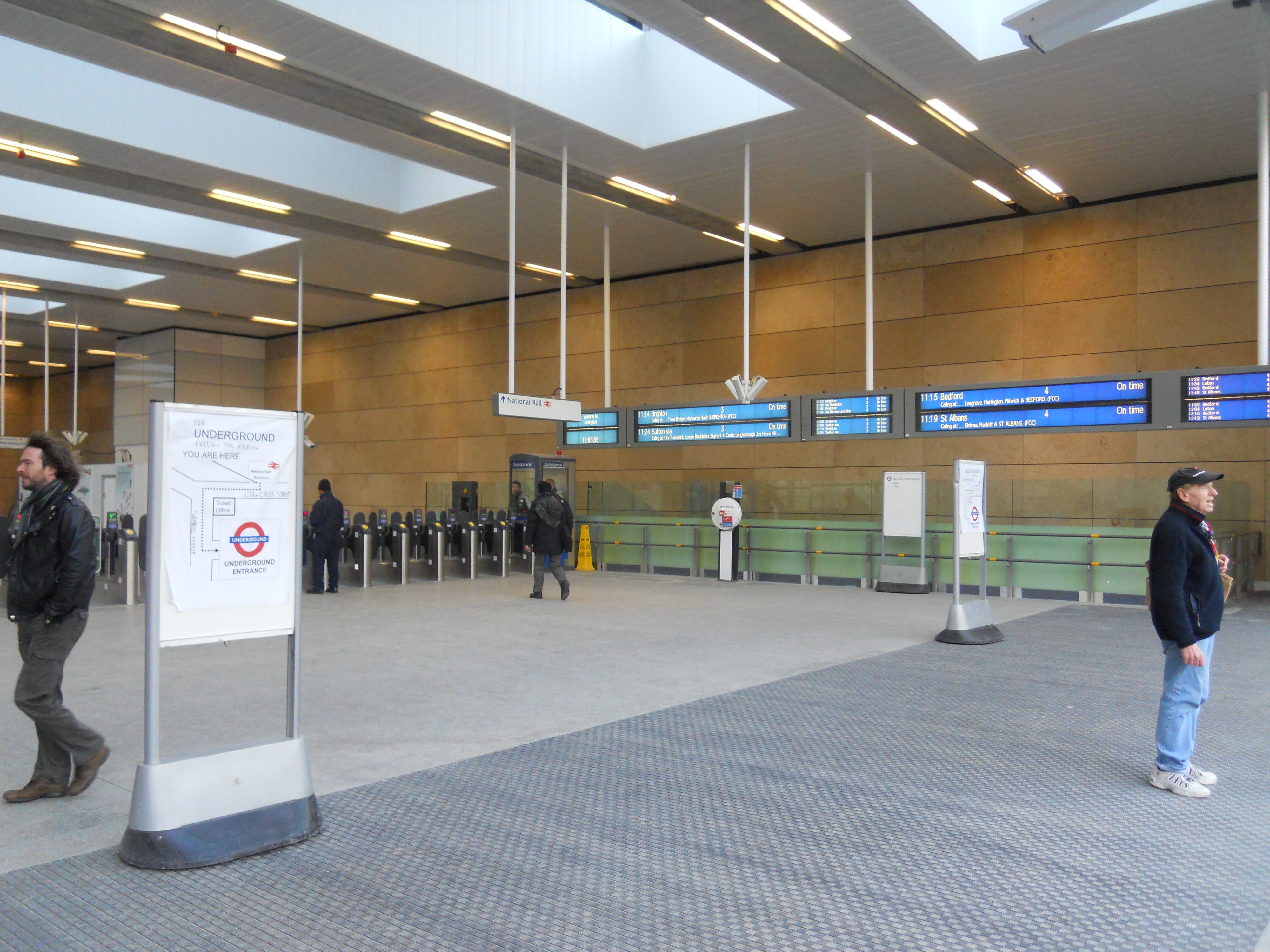
In a few years time, it will be the major interchange between Thameslink and Crossrail and one of the busiest stations in London.
The information on what they are doing is good to.
Note that the station used to be called Farringdon and High Holborn.
More Bad News For Bombardier
Bombardier may think that as they’ve built the new Victoria line trains for London Underground, that getting the orders for the Picadilly and Bakerloo lines will be very much a follow on.
That was until I saw this proposal from Siemens. The trains would offer a bigger capacity, have a through walkway, be quite a bit lighter and use 20 percent less energy. They might even be air-conditioned. Incidentally this looks very much like a proposal I saw on the London Underground web site about seven or eight years ago, proposed by their own engineers.
Incidentally , Bombardier’s new trains for the Victoria line are not cracked up to what they should be, and I know quite a few passengers on the line, who prefer the old trains built in 1967.
So perhaps they lost the Thameslink contract because their proposal wasn’t technically as good as that of Siemens.
You have to remember too that the Thameslink contract was under PFI rules laid down by NuLabor. As the rating agencies reckon that Siemens are a better financial risk than Bombardier, the finance part of the deal was more expensive for Bombardier, so their proposal would have been more expensive. In fact their consortium would have been paying an extra 1.5% a year for financing the deal compared to Bombardier.
Interchange at Stratford
Yesterday I took a friend down the North London line to take a train to her home in Ipswich. The interchange there is now very good and it is just down one set of steps, a short walk and a climb up between trains. Both climbs can be avoided by lifts, if you have limited mobility or heavy luggage.
The only problem is that the proper Ipswich trains have non-sliding doors and this is a slight problem for some with less than perfect hands. It’s exacerbated by the fact that no-one gets out of an Ipswich train at Stratford, so these trains need to have a better door mechanism, when they are refurbished next time.
Stratford is going to be a major interchange during and after the Olympics. If say I was travelling from Ipswich to say Oxford Circus on the Central line, then now it is better to change at Stratford rather than Liverpool Street. Other journeys may also be better with a change at Stratford. For example.
- Ipswich to Gatwick, by changing to the Jubilee at Stratford for London Bridge.
- N**wich to Southampton, by changing to the Jubilee at Stratford for Waterloo.
The interchanges are much better than using the Underground or buses in central London.
You can make a list of places, that are directly connected to Stratford, but not to Liverpool Street.
- London Bridge, Charing Cross and Waterloo
- Canary Wharf, Greenwich and the O2.
- Camden Town, Kentish Town, Hampstead and the Heath.
When Thameslink is completed at London Bridge, many more places will be easier to get to, after a short trip from Stratford.
Chiltern are also threatening to connect at West Hampstead to the North London line, so this would mean East Anglia or Essex to Birmingham or Oxford would be a simpler journey in new trains all the way.
And then in 2016 or thereabouts there’s CrossRail.
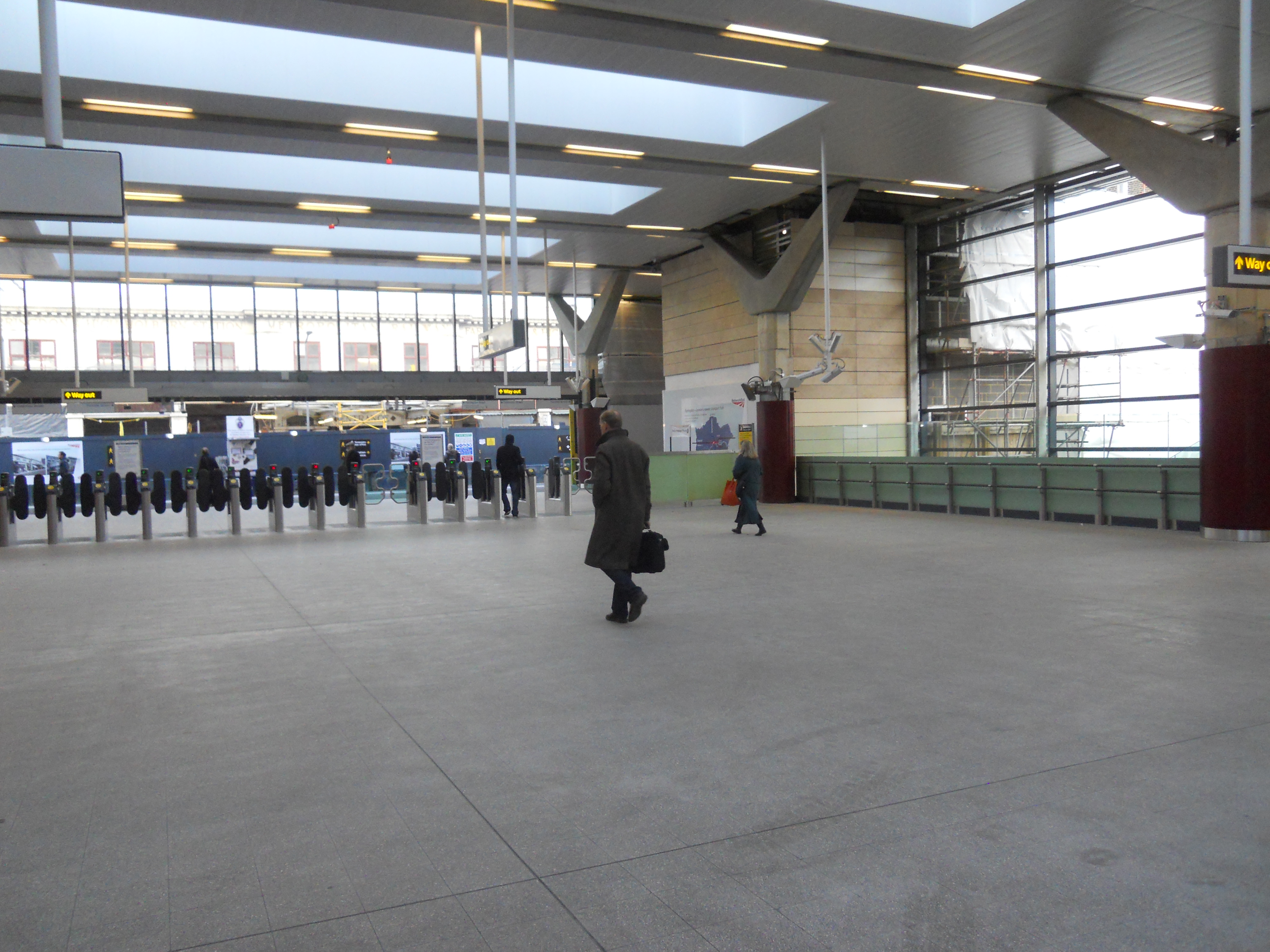
London Bridge Is Nearly There!
A few months ago I showed a picture of the new railway bridge at London Bridge over Borough Market.
Here are some new pictures, that I took today.
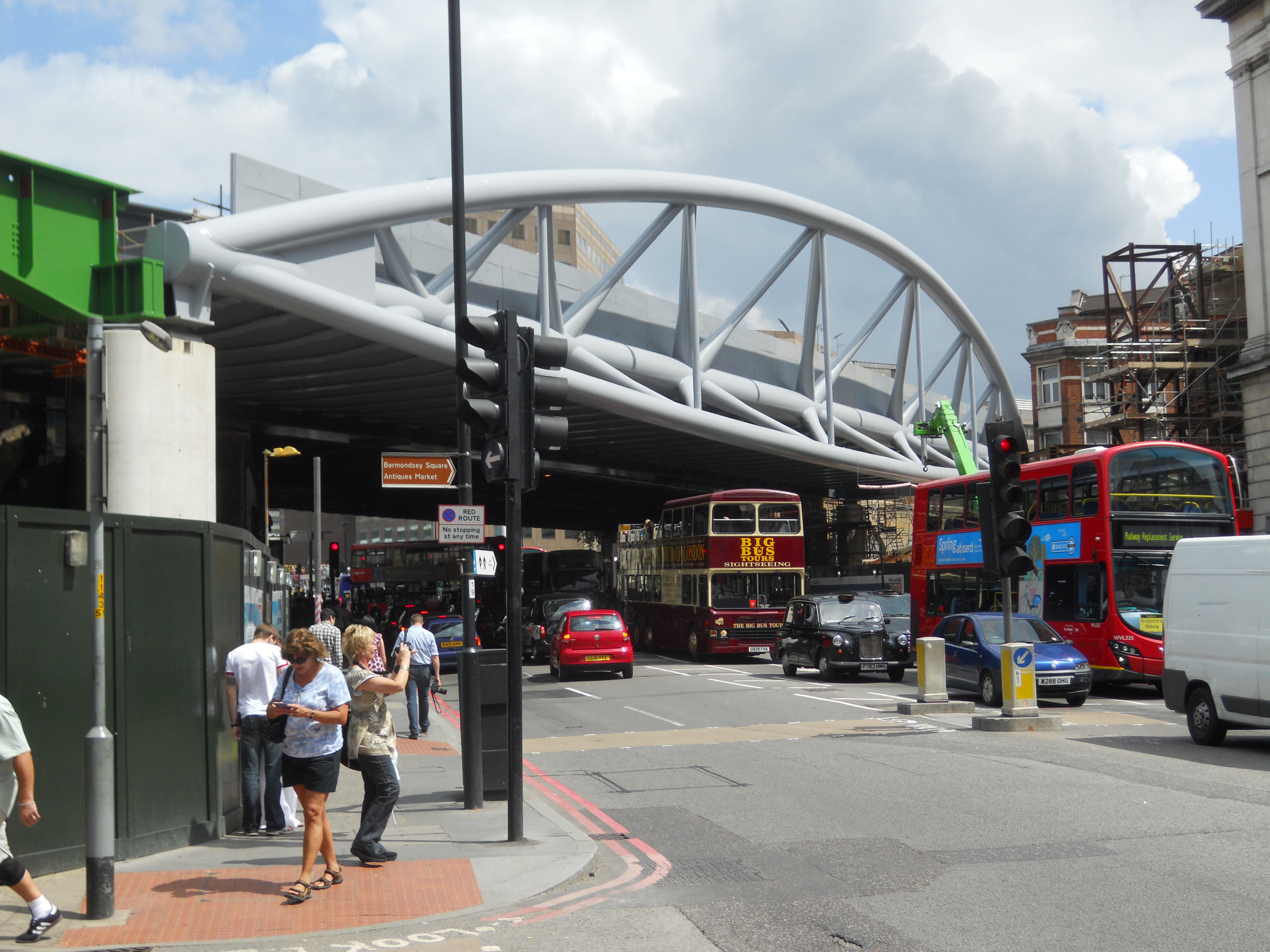
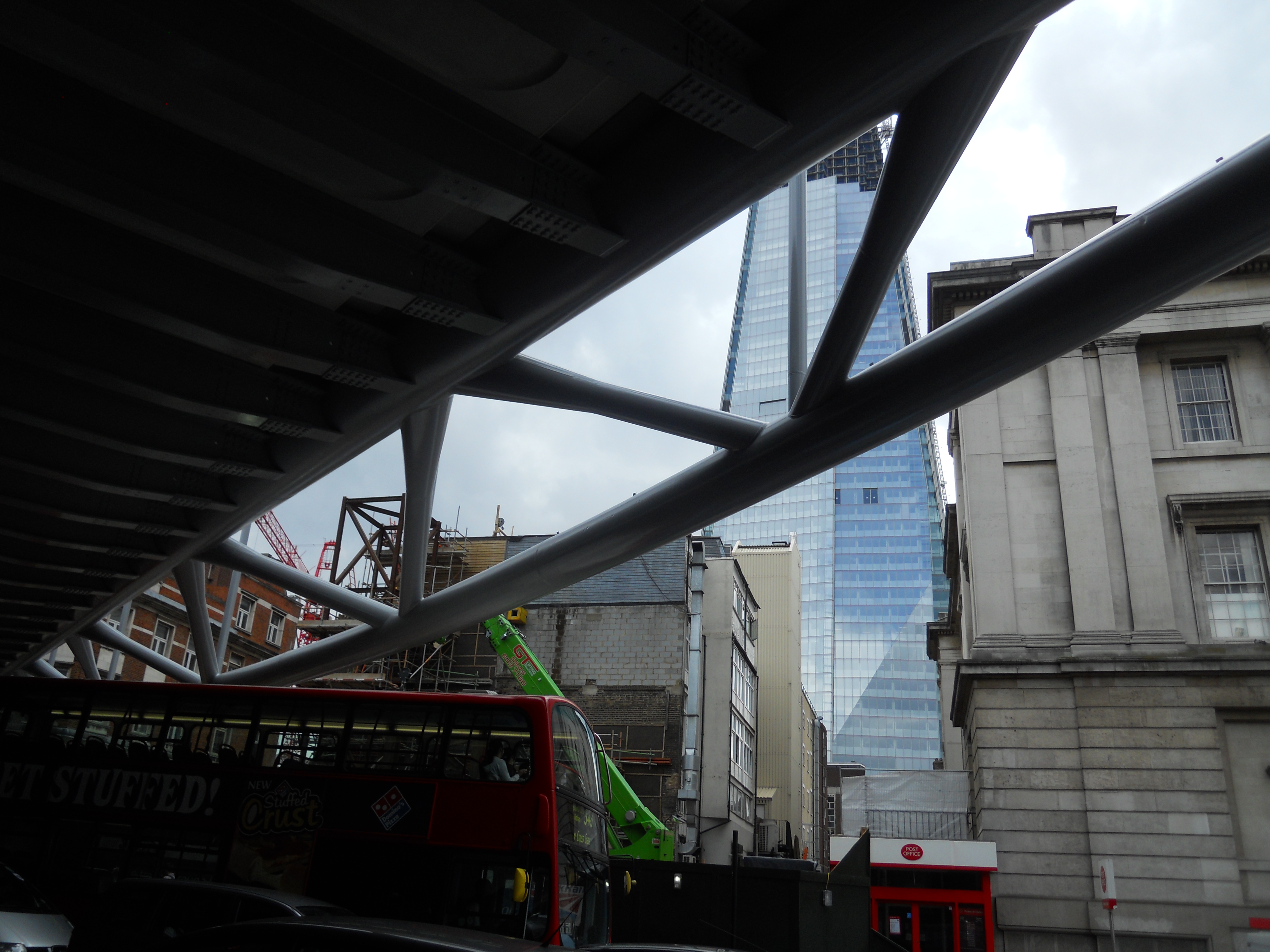
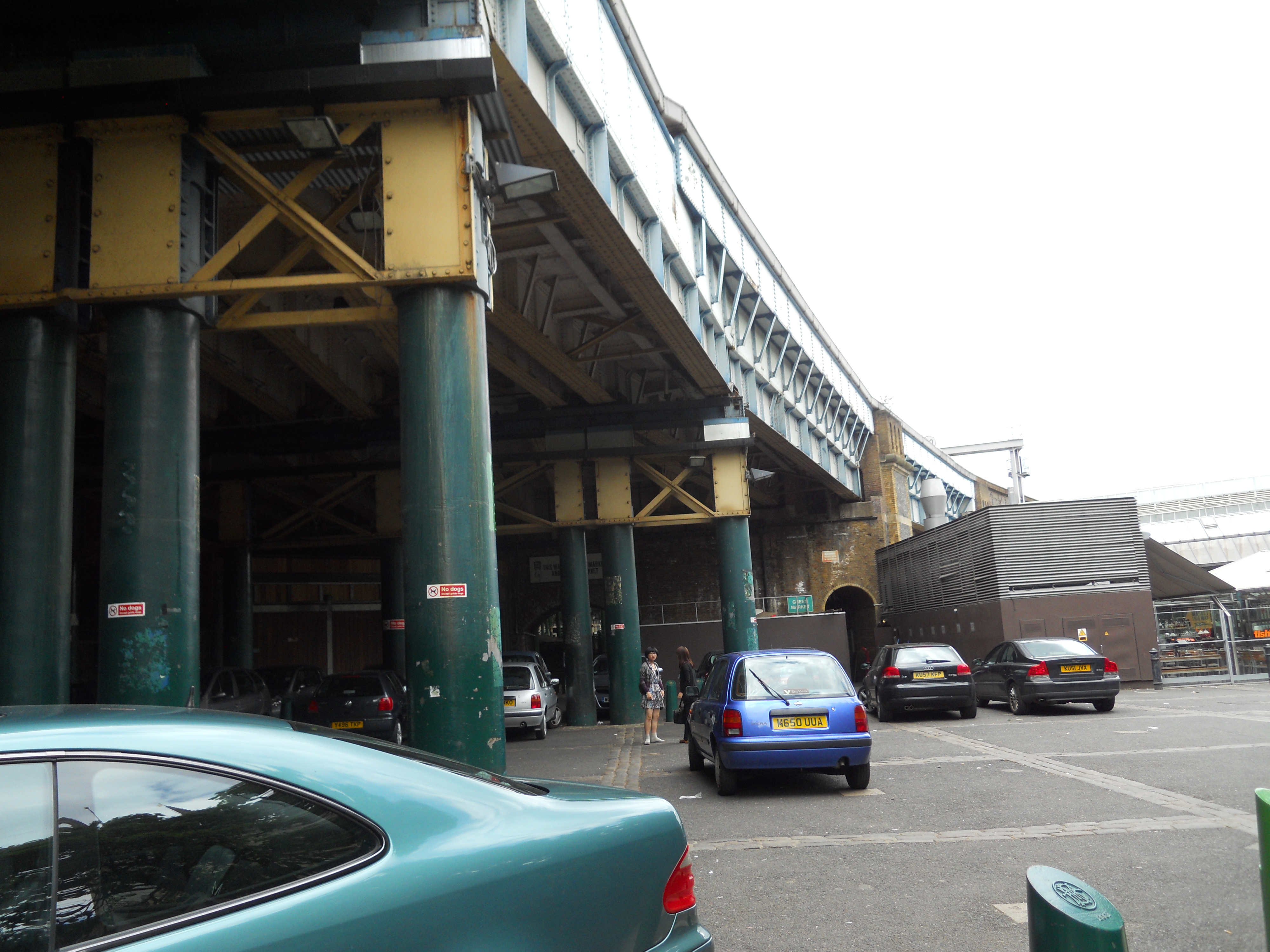
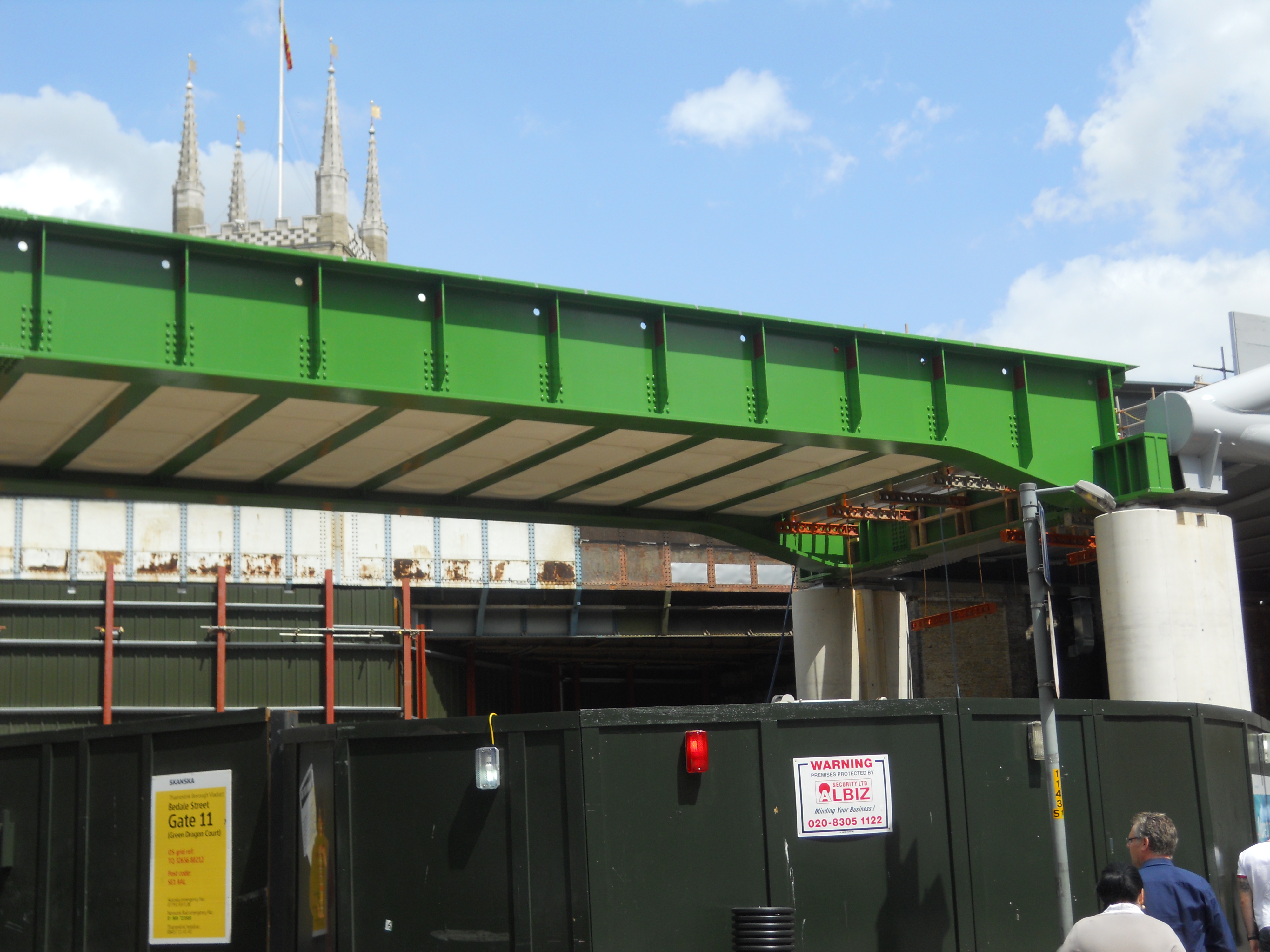
It looks like Thameslink will be on time.

